News related to
Exchanges

TOKYO, JAPAN – Media OutReach Newswire – 30 July 2025 – On July 29, the 2025 “TOPAI International AI Ecosystem Frontier Private Salon” co-hosted by “TOPAI” and the “Inspiration Island Incubator,” was successfully held in Tokyo, Japan. As the first stop of “TOPAI”‘s overseas private conference, this event brought together over ten investors, scholars, technology developers, and entrepreneurs from the AI sectors of China and Japan. They […]

The Abu Dhabi Investment Authority, a prominent sovereign wealth fund, has bolstered its investment in India with the acquisition of a 1.17% stake in the National Securities Depository Limited, the country’s oldest central depository. This move comes as part of NSDL’s initial public offering, which has garnered significant attention within the Indian financial sector.

The deal positions ADIA as one of the key anchor investors in NSDL’s IPO, valued at ₹40.12 billion. The IPO officially opened for subscription today, marking a critical phase for both the company and the broader investment landscape. ADIA’s involvement is seen as a strong endorsement of NSDL’s role within the Indian financial ecosystem and reflects the UAE-based fund’s growing confidence in India’s capital markets.

ADIA has acquired 174,996 equity shares in NSDL at ₹800 per share, amounting to an investment of ₹140 million. This participation places ADIA among the notable institutional investors backing the public offering, signalling the strategic importance of NSDL in India’s burgeoning financial sector. The sovereign wealth fund’s move is likely to strengthen its position in the Indian market, where it has been increasing its footprint over the past several years.

The IPO has attracted substantial attention from institutional investors, with the Life Insurance Corporation of India securing the largest anchor allotment. LIC holds an 11.99% stake, underscoring its significant role in India’s financial services landscape. Following closely is the Smallcap World Fund, which has committed to an 8.33% stake, further highlighting the appeal of NSDL as a viable investment proposition for large-scale financial institutions.

NSDL, which plays a pivotal role in the clearing, settlement, and dematerialisation of securities in India, has been integral to the functioning of the Indian stock markets since its inception in 1996. The company provides critical infrastructure that supports the trading of securities and facilitates the electronic transfer of ownership. Its IPO is seen as a major milestone, not only for the company but for the broader development of the Indian financial market.

As the oldest depository in the country, NSDL has witnessed the rapid expansion of India’s financial markets over the past few decades. The company’s role in streamlining the trading of securities has been a key enabler of the country’s financial growth, positioning it as a leader in the sector. The funds raised through the IPO will be used to further enhance its technological infrastructure and expand its range of services, including the digitalisation of securities.

The growing interest from global institutional investors, such as ADIA, underscores the attractiveness of India’s financial market. Despite global economic uncertainty, India’s stock exchanges continue to attract significant foreign investments, bolstered by the country’s large consumer base, robust economic growth, and ongoing reforms aimed at improving market liquidity and transparency.

ADIA, which has been active in the Indian market for several years, has diversified its portfolio across various sectors, including infrastructure, real estate, and technology. The sovereign wealth fund has shown a particular interest in India’s financial services sector, making strategic investments in leading financial institutions and companies with strong growth potential.

NSDL’s IPO marks a significant step in the company’s journey, with the funds raised providing a boost to its expansion and digitalisation efforts. For ADIA, this investment represents a continuation of its strategy to capitalise on India’s growing financial sector and enhance its portfolio through carefully selected high-potential opportunities.

CoinShares has introduced an exchange-traded product designed to offer investors exposure to the SEI token, with a unique value proposition: zero management fees and staking rewards. The ETP, set to launch across multiple European markets, aims to attract both retail and institutional investors who are keen to participate in the burgeoning sector of digital assets.

The SEI ETP is being heralded as a groundbreaking development within the cryptocurrency investment space, as it lowers the barriers to entry for investors looking to capitalise on the SEI token. By eliminating management fees, CoinShares has created a highly competitive product that promises higher returns for investors. Moreover, the staking rewards component adds a unique dimension to the offering, allowing investors to earn additional yield from their SEI holdings, further enhancing the attractiveness of the ETP.

This launch comes at a time when cryptocurrency investment products are experiencing increasing demand across Europe. With growing interest from institutional investors, particularly in the wake of global market fluctuations and economic uncertainty, innovative financial products like the SEI ETP are gaining significant traction. The move by CoinShares is a response to this rising demand, reflecting the company’s commitment to making digital asset investments more accessible and cost-effective.

CoinShares has long been a prominent player in the digital asset investment space. Known for its strong track record in launching exchange-traded products, the company has consistently pushed the boundaries of what is possible in terms of product innovation. The SEI ETP is part of the firm’s broader strategy to expand its range of offerings, catering to a diverse array of investors, including those who are new to the world of digital assets.

The SEI token, the underlying asset of the new ETP, is a relatively new entrant to the cryptocurrency market. However, it has been gaining momentum due to its strong fundamentals and the innovative approach behind its creation. The staking rewards aspect is particularly appealing, as it provides investors with an additional income stream beyond the typical price appreciation of the token.

Europe’s regulatory environment for cryptocurrencies has played a pivotal role in enabling the successful launch of such products. With the European Union’s comprehensive framework for digital assets gaining momentum, including the MiCA regulation, investors have greater confidence in the safety and legitimacy of cryptocurrency investment products. CoinShares, leveraging its expertise and reputation, is well-positioned to navigate this complex regulatory landscape, providing assurance to investors.

The ETP will be listed on major European exchanges, making it easily accessible to a broad spectrum of investors. The zero-fee structure makes it highly appealing to those looking to reduce the cost of investment, while the staking rewards make it an attractive option for those seeking passive income opportunities in the digital asset space. Furthermore, the ETP is designed to cater to both institutional and retail investors, broadening its potential market reach.

While the SEI ETP promises to be an attractive product for a wide range of investors, some industry experts caution that investors should remain mindful of the volatility that typically accompanies cryptocurrency markets. Although the SEI token has shown promising growth potential, like all digital assets, it is subject to significant price fluctuations. Staking rewards, while appealing, also come with their own set of risks, particularly if the underlying asset’s value decreases.

Despite these risks, the growing demand for innovative, low-cost cryptocurrency products remains a driving force in the market. CoinShares’ zero-fee SEI ETP is expected to capture a significant share of the market, particularly as investors look for new ways to participate in the digital asset space without incurring high management fees. By offering a product that aligns with investor desires for yield and low-cost access, CoinShares has further cemented its position as a leader in the digital asset investment space.

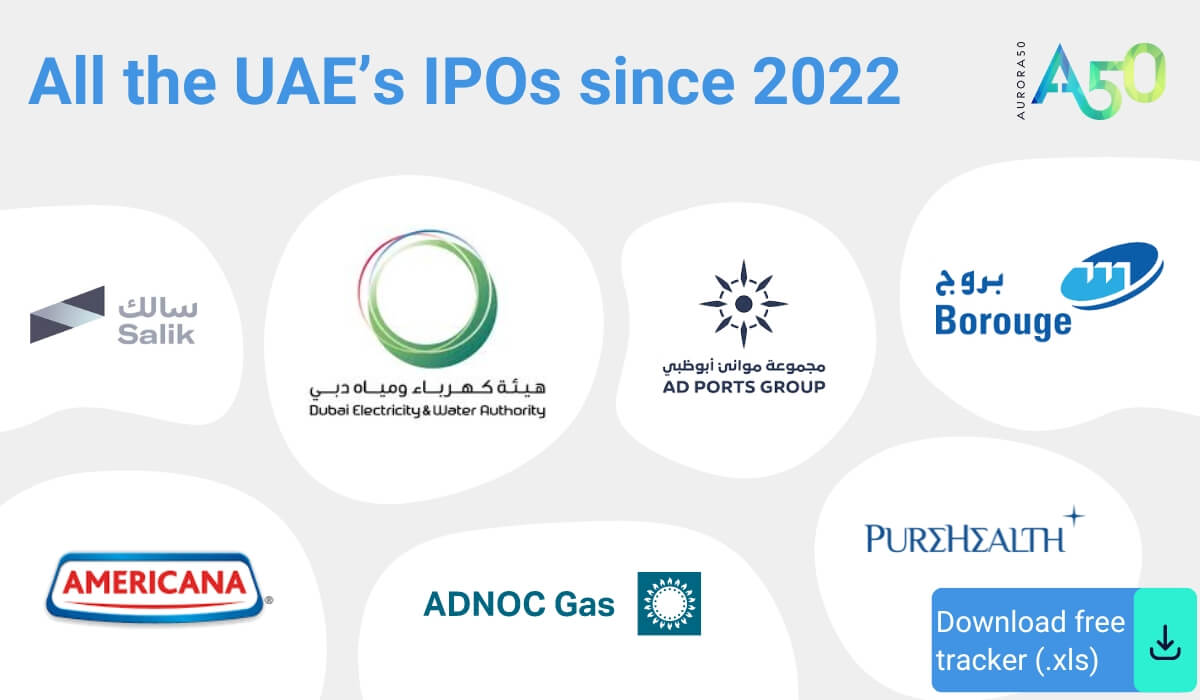
UAE equity capital markets are poised for an uptick in activity, with Citi forecasting three to five initial public offerings by 31 December—assuming timely regulatory clearance and robust pre‑marketing, said Rudy Saadi, Citi’s managing director and head of MENA Equity Capital Markets. This comes amid renewed investor enthusiasm as the nation positions itself as a regional IPO hub.

Saadi noted that although privatisations have slowed, market sentiment remains firmly positive for the remainder of 2025 and into early 2026. The expected pipeline includes a mix of family‑owned concerns and state‑affiliated enterprises alongside follow‑on offerings from listed firms.

Delivering context, UAE exchanges have tapped international and domestic liquidity in recent quarters. Spinneys and Alef Education raised $375 million and $515 million, respectively, in the second quarter, channelling nearly $890 million overall through new IPOs. Dubai and Abu Dhabi exchanges continue to push private‑sector listings, underscoring wider capital‑markets evolution.

Citi’s optimism is reinforced by Bloomberg’s observation of renewed momentum in regional share sales heading into H2 2025. The uptick appears linked to improved regulatory frameworks, deeper secondary‑market liquidity and evolving investor appetite across institutional, family‑office and retail segments.

Market analysts point to several emerging trends. Firstly, regulatory authorities in both Dubai and Abu Dhabi are progressively enhancing governance and foreign‑ownership rules to attract global participants. UAE entities now find listing conditions more competitive compared with established markets in Europe or the US.

Secondly, a shift is apparent from state privatisations to private‑sector flotations. Family‑owned businesses and tech‑focused enterprises are now stepping into the spotlight—supported by increasing liquidity and appetite from international institutional investors.

Thirdly, follow‑on share sales are gaining traction, offering listed firms a refundable route for fresh capital without navigating a full IPO process. Analysts expect more such offerings in sectors including financial services, healthcare and logistics, reflecting healthier balance sheets and growth trajectories among UAE firms.

Beyond sheer numbers, quality is a key consideration. Saadi indicates that approval pace and pre‑marketing success are decisive factors. In prior cases, such as Spinneys and Alef Education, strong institutional subscription signalled robust investor interest—suggesting forthcoming listings may mirror this level of demand.

Banking and asset‑management houses in the region—among them Citi, EFG Hermes and Emirates NBD Capital—are reportedly managing a cohort of potential issuers. EFG Hermes projected a busy second half of 2025 across Saudi Arabia and the UAE, with several consumer‑focused businesses preparing to list.

This momentum positions the UAE to lead IPO activity across the Middle East. In 2024, Gulf IPO volumes reached multi‑billion‑dollar levels; UAE exchanges, buoyed by sizeable debuts like Talabat’s Dh1.6bn listing in November 2024, claimed top status in IPO fundraising for three consecutive years.

Looking ahead, investor appetite appears steady, albeit cognisant of broader economic headwinds, including global interest‑rate trajectories and geopolitical uncertainties. Saadi stressed the significance of sentiment over macroeconomic factors when gauging regional appetite, citing Middle Eastern equity capital market resilience.

Key players set to define the coming wave include family‑owned conglomerates deliberating partial listings, firms in consumer and tech verticals exploring exit paths, and existing public companies seeking growth capital via follow‑on offerings. Leading financial houses continue to harmonise local issuers with global investor pools.

HO CHI MINH, VIETNAM – Media OutReach Newswire – 19 July 2025 – The China Factory Products Export Fair 2025 was held in Ho Chi Minh City, Vietnam from July 12 to 14. Hundreds of original manufacturers from places like Shandong province’s Linyi city displayed thousands of products ranging from daily necessities, office supplies, chemical products, and outdoor equipment to hardware tools. This fair adopted a collaborative […]

Chinese mainland REIT market joined the top three largest REIT markets in Asia for the first time with an 85% increase in market value in 2024 India’s office REIT market attracted considerable leasing demand from global capability centres Data centre and hospitality REITs gained strong investor interest in Japan and Singapore HONG KONG SAR – Media OutReach Newswire – 17 July 2025 – China and India’s Real […]

China Development Bank has successfully listed two bonds on Nasdaq Dubai, raising a total of more than US $1 billion in a strategic bid to broaden its foreign‑currency funding channels and attract global investors. The issuance includes a US $500 million three‑year floating‑rate tranche tied to SOFR + 30 bps, and a €500 million three‑year fixed‑rate tranche offering a 2.25 percent coupon. Both tranches carry an A1 rating from Moody’s. Investor appetite proved robust across both offerings. […]

Advertisements

Rumble has unveiled its new “Rumble Wallet” in collaboration with crypto‑payments specialist MoonPay, designed to empower content creators by enabling them to monetise and manage earnings with Bitcoin and other digital assets directly on the platform. The wallet, slated for launch in the third quarter of 2025, will feature seamless on‑ and off‑ramps for buying, selling and swapping cryptocurrency—a move aimed at reducing dependence on traditional banking […]

CHANGSHA, CHINA – Media OutReach Newswire – 11 July 2025 – On July 8, the exhibition “Encountering Pompeii: The Eternal City” opened at the Hunan Museum’s Special Exhibition Hall 1. It is jointly organized by the Hunan Museum, Naples National Archaeological Museum, Archaeological Museum of the Campi Flegrei in the Castle of Baia, and the Collections Department of Naples University “Federico II,” with Beijing Shengxuan Cultural Group […]

HONG KONG SAR – Media OutReach Newswire – 11 July 2025 – Today, IX Asia Indexes announced the 2025 2nd quarter review of the ixCrypto Index Series and the IX Digital Asset Industry Index Series. The constituent changes will be implemented on the effective date of 18th July 2025 (Friday). The results of the constituent review and exchange review are as follows: 1. Constituent Review – ixCrypto […]

BEIJING, CHINA – Media OutReach Newswire – 10 July 2025 – As the 11th Nishan Forum on World Civilizations takes place in east China’s Qufu City, CGTN published an article highlighting the importance of dialogue and mutual learning among civilizations to promote harmonious coexistence, shared prosperity, and the safeguarding of traditional values in the face of modern challenges. “Is it not a joy to have friends come […]

Accra Regional Police have arrested Emmanuel Akanpatiba, a principal figure in a motorbike theft syndicate accused of stealing at least 12 motorbikes across the region. The arrest marks a significant breakthrough in a complex network operating within Accra’s metropolitan zones. Police said Akanpatiba was detained on 24 June following a tip-off after a red Royal motorbike—registration M‑25 CW 367—was reported stolen from a Madina residence. The arresting team acted […]

With Bitcoin prices soaring past $100,000 again and investor optimism at a high, the UAE’s strategic push into crypto is paying off. But what does this bull market really mean for the country’s economy, its investors, and its long-term financial future? The UAE has spent the last few years laying the groundwork to become a global crypto capital. While some countries have struggled to regulate or simply […]

SINGAPORE – Media OutReach Newswire – 8 July 2025 – The Institute of Singapore Chartered Accountants (ISCA) and the Shanghai Institute of Certified Public Accountants (SHICPA) have signed a Memorandum of Understanding (MOU) today to advance the international development of the accountancy profession and foster deeper collaboration between the accounting communities of Singapore and China. Through this collaboration, ISCA and SHICPA aim to promote the development of […]

Bitcoin held in exchange wallets has plunged to levels not seen in years, data from Coinglass and Glassnode indicate, underlining a shift towards long‑term holding and tightening liquidity.

According to Coinglass, total Bitcoin reserves across centralised exchanges have fallen to approximately 2.07 million BTC, marking a fresh low measured in this multi‑year timeframe. Glassnode data confirms that exchange-held Bitcoin as a percentage of total supply has dipped below 15%—a level unseen since 2018.

The depletion has been rapid: Coinglass reports that around 65,000 BTC exited major exchanges last week, pushing exchange balances down to near record lows. CryptoQuant analysis shows hot OTC reserves have also shrunk to roughly 146,000 BTC—declining from 480,000 BTC in September 2021—signalling broader supply erosion across both exchange and OTC channels.

Market analysts interpret these metrics as evidence of sustained accumulation by both retail and institutional investors. Transfers to cold storage and self‑custody wallets are rising sharply, coinciding with surging inflows to spot Bitcoin exchange‑traded funds since early 2024. Long‑standing holders and whales appear to be shifting their assets off‑platform, leading to what many describe as a looming supply shock.

This supply constriction factors into Bitcoin’s recent upside, where the price has rallied above the US $100,000 threshold and briefly touched US $110,000. Reduced available supply on exchanges dampens immediate selling pressure, while rising demand—particularly from ETF vehicles—supports upward momentum. Sentiment indicators reinforce this stance: CryptoQuant notes more than 85% of Bitcoin holders are in profit, suggesting limited incentive to sell.

Institutional trends underpin the narrative. Major asset managers such as BlackRock and Fidelity are funneling substantial reserves into ETF custody, moving assets off‑exchange and altering the liquidity dynamic. Corporates including MicroStrategy continue on‑chain accumulation as part of treasury strategies, while some national financial bodies are exploring Bitcoin holdings.

Analysts warn, however, that reduced float may lead to heightened volatility. A supply shock typically amplifies price moves—up and down—with heavy liquidations already observed: Coinglass data shows US $203 million of Bitcoin short positions were liquidated in under 24 hours during the brief rally above US $110,000. At the same time, positive global factors such as easing US–China trade tensions and expectations of interest‑rate cuts are adding fuel to risk assets, including Bitcoin.

Examining the wider picture, the halving event of April 2024, which halved block rewards to 3.125 BTC, continues to weigh on supply dynamics. With new issuance curtailed and existing supply migrating into private custody, on‑chain metrics show persistent outflows from exchanges. CryptoQuant’s Fund Flow Ratio also points to historic levels of “hodling” behaviour.

Whale activity mirrors the shift. Over the past month, Coinglass recorded withdrawals totalling more than 56,000 BTC from centralised exchanges. At the same time, metrics from CryptoQuant show centralised exchange reserves falling by roughly 550,000 BTC since mid‑2024, tightening the supply significantly.

While most analysts interpret the current balance trends as bullish, some caution is warranted. If investor sentiment reverses or macro‑economic shocks trigger rapid sell‑off, the thin on‑exchange liquidity could exacerbate price swings. Still, the dominant view frames the phenomenon as a structural supply retraction, particularly intensified by institutional demand.

GUIYANG, CHINA – Media OutReach Newswire – 7 July 2025 – Eco Forum Global Guiyang 2025, China’s only national-level international forum dedicated to ecological civilization, kicked off on Saturday in Guiyang, the capital of southwest China’s Guizhou Province. This photo taken on July 5, 2025 shows a sign of the Eco Forum Global Guiyang 2025 in Guiyang, southwest China’s Guizhou Province. This year’s event, themed “Harmonious coexistence […]

UAE authorities have categorically dismissed claims that cryptocurrency investors can secure a 10‑year golden residency visa, stating that such privileges are reserved for specific sectors such as real-estate investors, entrepreneurs, top-tier talents, scientists, specialists, leading students and graduates, humanitarian pioneers and frontline workers.

In a joint statement, the Federal Authority for Identity, Citizenship, Customs and Port Security, the Securities and Commodities Authority and the Virtual Assets Regulatory Authority made clear that no visa pathway exists based solely on digital asset investment. The clarification, issued in response to social media promotions tied to TON coin staking, noted that licensed companies dealing in virtual assets must follow standard visa procedures set by Dubai authorities—contradicting any assertion of automatic long-term residency for such investors.

The declaration emphasised that golden residencies, formally known as “golden visas,” are awarded selectively. Eligible recipients include individuals contributing significantly through real-estate acquisition, entrepreneurship, exceptional professional or academic achievements, humanitarian efforts, scientific innovation and frontline services. Digital asset holders, including those with TON coin, are not part of this framework.

VARA underscored that any licensed firm engaged in virtual assets must adhere strictly to visa regulations approved by Dubai’s government. The authority explicitly stated that TON is not among the licensed virtual asset service providers regulated by VARA—which serves as a reminder that third-party programme claims cannot confer regulatory endorsement or visa rights.

Market reactions were swift. TON’s market value dropped roughly 6% after the regulators’ denial, reversing an earlier 10% rally sparked by reports suggesting that staking over $100,000 of the cryptocurrency for three years would qualify investors for golden residency. The dip reflects investor recalibration, as participants digest the official position.

Crypto-focused platforms including Cointelegraph and CryptoBriefing reported that the golden visa narrative around TON did not originate from UAE government entities, but from promotional efforts tied to TON itself or affiliates. Such promotions framed virtual-asset investments as viable residency routes, a stance regulators assert is misleading.

Historically, the UAE has granted golden visas to boost innovation and long-term commitment within its economic ecosystem. Introduced in 2019, the visa allows extended residency ranging from five to ten years for designated groups, including investors, researchers, medical professionals, outstanding students, frontline responders and humanitarian workers. The UAE’s focus has been on attracting tangible economic and social capital—not speculative virtual-asset portfolios.

The political economy of the golden visa scheme underscores the government’s desire to diversify its talent pool while retaining high-calibre individuals. Notably, real-estate investors must typically commit AED 2 million or more, and entrepreneurs require projects valued at least AED 500,000, alongside approved incubator backing. There is no parallel threshold for cryptocurrency holdings.

VARA’s clarification additionally served as a broader caution to the public, urging consumers to engage only with fully licensed and regulated entities in the virtual-asset space. This aligns with the authority’s ongoing efforts to mitigate risk, prevent fraud, and ensure compliance within the rapidly evolving crypto sector.

Legal analysts note that agencies like ICP, SCA and VARA carry statutory authority over immigration, securities and virtual asset regulation, respectively—a strong indicator that their joint statement holds legal weight. Any company or platform claiming otherwise could face regulatory investigation for misleading representations.

Industry experts praised the clarity of the communication, saying it helps dispel misconceptions among investors attracted by sensational claims. “Regulation must keep pace with innovation,” commented one Dubai-based compliance specialist. “But investors also bear responsibility to verify claims, particularly when residency and investment are involved.”

Within the wider crypto ecosystem, this development is neither isolated nor unexpected. Regulators across jurisdictions have increasingly emphasised that digital-asset holdings alone rarely guarantee immigration benefits. The UAE’s decisive response may serve as a model for governments balancing openness to innovation with prudence in immigration policy.

Moving forward, observers will watch closely whether the UAE institutes any formal framework for crypto-linked residency benefits. VARA and SCA have previously launched licensing regimes for exchanges and service providers, hinting at a broader regulatory ecosystem under development. However, until there is explicit policy inclusion, golden visa eligibility remains restricted to well-defined categories.

Legal scholars suggest that should UAE authorities wish to incorporate virtual-asset investment into residency policy, formal amendments would need to be tabled via corporate regulations and immigration law. Meanwhile, the current guidelines offer clear instruction: digital asset investment, regardless of size, is not sufficient to obtain a golden residency in the UAE.


President Vladimir Putin has asserted that Russia provided crucial support to the American colonists during their fight against Great Britain, claiming it supplied weapons and financial assistance to back their independence struggle. Speaking in a phone conversation with former President Donald Trump, Putin described Russia’s involvement as part of an “actual” effort to help the fledgling United States. Putin’s declaration places the spotlight on historical narratives amid […]

HONG KONG SAR – Media OutReach Newswire – 5 July 2025 – The grand final of the ninth CoolThink@JC Competition, which encourages primary school students to leverage digital creativity to solve everyday problems, was held today at City University of Hong Kong. The team from King’s College Old Boys’ Association Primary School No.2 emerged as the champion in the “App Inventor” category for, while the winner of […]

Dogecoin is a crypto in the CRYPTO market.
The price is 0.164341 USD currently with a change of -0.00 USD from the previous close.
The intraday high is 0.167214 USD and the intraday low is 0.161817 USD.

Memecoin Resilience: Dogecoin Holds Firm at $0.16 Level

Dogecoin bounced off the $0.16 mark after a sharp intraday decline, signalling that bulls are defending this multi‑week floor. Trading volume surged near these levels, indicating accumulation and potential consolidation ahead.

The memecoin dropped around 5 per cent intraday, bottoming at approximately $0.161 before recovering to about $0.163, according to CoinDesk’s data. Volume during the bounce doubled the daily average, underscoring robust buyer interest around this critical price band. Market observers note that holding above $0.160 could pave the way for a sustained recovery.

Technical analysts suggest Dogecoin may be forming a base around this level. CoinDesk’s Shaurya Malwa points out that the token remained in a narrow range between $0.162 and $0.164 after the bounce—a pattern often associated with consolidation and trend reversals.

The broader cryptocurrency landscape remains volatile. Macroeconomic pressures—particularly global trade tensions and central bank policy uncertainty—have triggered risk‑off sentiment. That volatility tends to amplify swings in meme‑style tokens like Dogecoin, yet it also creates value opportunities for strategic buyers.

On‑chain interest appears healthy. Cryptocurrency analytics platform CoinGecko reports substantial trading activity across centralised exchanges, with 24‑hour turnover exceeding $900 million, although this reflects a slight dip from the previous week’s average. Coinbase indicates Dogecoin remains the top memecoin by trading volume, commanding approximately 1 per cent of the total crypto market cap.

In European trading on 3 July, Dogecoin climbed close to $0.174 following a defence of the $0.16 region. Analysts caution that this rebound, representing an 11 per cent gain from the low, may end up corrective rather than reflecting a confirmed trend shift. More Crypto Online, a technical analyst, contends the price movement fits an ABC diagonal wave pattern, warning that failure to hold $0.16 could invalidate bullish outlooks. Should the token maintain support, targets around $0.196 appear plausible; yet a break below $0.151 may trigger renewed weakness.

Amid this backdrop, speculation builds around a possible Dogecoin‑based ETF. Amendments filed by Bitwise for a spot‑DOGE ETF have increased optimism, with analysts estimating a high probability of SEC approval by the year‑end. A green light could invite fresh institutional capital and broader market legitimacy, although timing expectations remain uncertain.

Social media and celebrity influence continue to play a strong role. Elon Musk’s intermittent endorsements and jovial online commentary have historically driven surges in trading volume and public interest.

At present, Dogecoin remains range‑bound, with the $0.16 level acting as both a psychological and technical barrier. A sustained break above $0.164—coupled with upticks in volume—could signal a reversal toward mid‑$0.18 or even $0.20. Conversely, capitulation below the $0.16 threshold may re‑test June lows and weaken broader memecoin sentiment.

Traders await forthcoming macroeconomic signals—US inflation data, central bank communications—and updates on ETF applications, all of which could determine whether Dogecoin’s floor holds or fractures.

Brazil has enacted sweeping tax reforms, imposing a 17.5% flat levy on all cryptocurrency capital gains from 12 June 2025 under Provisional Measure 1303. This marks a stark shift from the former progressive system with a monthly exemption, now replaced by a single rate that applies to any crypto profit—trade, swap, DeFi yield, NFT sale—even via offshore exchanges or self-custody wallets.

Casual traders previously exempted on gains up to R$35,000 per month will now face taxation. A modest R$30,000 profit previously carried a zero burden; today, the same yield triggers a R$5,250 tax under the uniform rate. Medium-scale investors face a slight rise from the previous 15%, while the wealthy—who once paid up to 22.5%—now benefit from reduced liability.

The reform extends the tax net to assets held outside Brazil or in private wallets: all gains, regardless of custody location, fall under the 17.5% rule. Gains from decentralised finance activities, staking rewards, NFT transactions and token swaps are subject to the same flat regime.

Capital gains must now be reported and paid quarterly. Taxpayers may carry forward losses for up to five prior quarters—a benefit that will be curtailed in 2026 under proposed legal adjustments.

The reform’s scope is broader than crypto. Fixed‑income investments previously exempt—such as LCIs, LCAs, CRIs and CRAs—will now face a 5% tax on earnings. Meanwhile, gross revenue from online betting will be taxed at 18%, rising from 12% this coming October.

Brazil’s decision mirrors its wider fiscal strategy. With the nation’s overall tax-to-GDP ratio peaking above 32% in 2024, the government seems intent on widening the tax base and closing enforcement gaps. By bringing offshore holdings and DeFi into scope, authorities signal enhanced oversight and a tightening grip on previously opaque financial flows.

Advocates highlight the new system’s simplicity. A flat rate streamlines compliance, eliminating thresholds and multiple brackets, potentially reducing disputes and administrative complexity. Critics argue it disproportionately affects small investors and gig‑economy earners, who lose prior exemptions with little recourse.

Financial institutions and crypto‑focused service providers are preparing advisory tools to assist taxpayers with new obligations. Tax‑tracking platforms, accounting software and professional guidance are expected to surge in demand as individuals and small enterprises strive for compliance.

Looking ahead, the government plans to reduce the loss carry‑forward period in 2026 and explore pilot schemes to permit up to 50% of salaries to be paid in cryptocurrencies, particularly for remote work and contractors. Some fintech firms are already eyeing the change, examining crypto payroll and treasury integration.

Investors and citizen‑taxpayers must now track all crypto movements—onshore and offshore, centralised or decentralised. Each taxable event requires precise record‑keeping of acquisition cost, sale value, platform or exchange used, and timing. Errors or omissions could trigger penalties, including fines and interest charges.

Brazil’s audit agency intends to intensify scrutiny using on‑chain analytics, cross‑referencing declarations with blockchain records. Collaboration with international tax authorities may further bolster enforcement capacity.

The flat 17.5% tax places Brazil in a middling position globally—higher than zero‑tax jurisdictions like the UAE and Switzerland, but considerably lower than India’s 30% flat or Japan’s top marginal rates exceeding 50%.

SunJoy Global Insurance Plan II, SunGift Global Insurance Plan II and Stellar Multi-Currency Insurance Plan II offer market-leading flexible Death Benefit Settlement Solution, multiple Contingent Policy Owner Arrangement and Interim Policy Owner Arrangement HONG KONG SAR – Media OutReach Newswire – 3 July 2025 – Sun Life today announced the launch of an upgraded suite of savings insurance products. The upgraded products – SunJoy Global Insurance Plan […]

KUALA LUMPUR, MALAYSIA – Media OutReach Newswire – 3 July 2025 – Crypto volatility poses both potentially spectacular possibilities and enormous risks. For example, by investing in crypto assets on the spot market, traders buy the crypto and, hence, risk their budget if the price drops and never returns to the initial position. Instruments like crypto CFDs (Contracts for Difference) provide more opportunities for flexible capital management […]

The Securities and Exchange Commission is developing a standardised framework that would allow token-based exchange-traded funds to list directly on exchanges, without requiring individual Rule 19b‑4 filings. The initiative, still in early stages, would set eligibility criteria—such as specific thresholds for market capitalisation, trading volume and liquidity—to determine which tokens qualify for streamlined launches.

This approach echoes previous SEC moves: in 2016, actively managed ETFs gained generic listing access under Rule 19b‑4, bypassing lengthy approval processes. Exchanges such as NYSE, Nasdaq and Cboe laid the groundwork by integrating uniform listing standards for index-based and active ETFs, paving the way for this token-focused evolution.

In May, Nasdaq formally proposed Rule 5703 to facilitate generic listing of multi-class ETFs, provided they align with Rule 6c‑11 and relevant exemption orders—allowing shares to debut without SEC review per fund. Similarly, Cboe sought generic listing permission for commodity-based ETFs to enable immediate options trading once criteria are met. The current SEC effort extends that logic to the burgeoning field of digital asset tokens.

Nasdaq has suggested the SEC adopt consistent standards for spot crypto ETPs under the 1933 Act, arguing that futures-based equivalents have already benefited from generic listing systems. This dovetails with mounting interest in regulated spot token funds, evidenced by amendments to listings such as Solana ETFs by issuers including 21Shares and Bitwise.

Under the envisaged standard, exchanges would apply objective, measurable thresholds—minimum market cap, daily volume and liquidity—to lists of token ETPs. Meeting these thresholds would allow issuers to bypass the full Rule 19b‑4 paperwork and associated months-long wait. Exchanges would retain responsibility for ongoing surveillance, as required by Section 19b‑4, ensuring investor protection and market integrity.

Stakeholders believe the move could vastly reduce time-to-market and cut legal and administrative costs. Industry analysts have highlighted that current Rule 19b‑4 reviews often delay ETF launches by months, even years. Exchanges argue that objectively defined generic standards provide predictability and efficiency—benefits that appear essential in digital asset markets known for rapid innovation.

Critics caution, however, that token assets may present unique compliance and market-risk considerations. Spot crypto markets, for instance, remain vulnerable to manipulation, price fragmentation and regulatory uncertainty. Ensuring adequate surveillance and governance, they warn, is material to the standard’s success.

To address this, exchanges plan to build in monitoring mechanisms, adaptation of surveillance regimes, and safeguards to delist or suspend tokens that fail to maintain standards. Similar models have been applied to options on commodity ETFs and multi-class ETF shares, suggesting a tested regulatory infrastructure.

The SEC’s token-ETF framework is likely to include consultation with market participants and exchanges, incorporating feedback from recent proposals such as Nasdaq’s push for spot crypto ETP generic listing. Legal advisors emphasise the importance of clear, data-driven criteria to withstand Rule 19b‑4’s statutory requirement for investor protection.

Key players expected to benefit include token issuers, established asset managers entering crypto, and intermediaries seeking to offer exchange-traded token exposure. Streamlined listing could also encourage institutional investors to enter the token market with confidence, potentially increasing adoption and liquidity.

Within the regulatory community, observers note that the SEC is mindful of its 2024 approval of spot Ether ETFs via individual 19b‑4 forms; a broader listing standard could expand this success to a wider array of digital assets. Meanwhile, pending amendments relating to token staking in ETFs—such as those Cboe filed in March—underscore the growing diversity within crypto-linked products.

As deliberations progress, industry and legal experts are analysing possible criteria thresholds, surveillance protocols, and whether the framework will initially apply only to spot token ETPs or extend to futures and hybrid products. Exchanges appear to favour a phased approach, beginning with established tokens that already meet basic listing requirements.

VISHNU RAJA
RYO YAMADA
HITORI GOTOH
IKUYO KITA