News related to
Exchanges

A sophisticated phishing group known as Inferno Drainer has capitalised on a recently implemented Ethereum feature to conduct large-scale wallet-draining attacks, exposing a novel vulnerability within the blockchain ecosystem. This new tactic leverages Ethereum Improvement Proposal 7702 , part of the network’s broader Pectra upgrade, which permits Externally Owned Accounts to temporarily emulate smart contract wallets during transactions.

EIP-7702 was introduced to enhance transaction efficiency and flexibility by allowing EOAs, typically controlled by individuals, to process complex batch operations usually reserved for smart contracts. However, this flexibility has opened unforeseen attack vectors that cybercriminals like Inferno Drainer are now exploiting to extract significant funds without alerting users.

The initial alert came from Scam Sniffer, a web3 anti-scam platform, which identified a wallet compromised through this method losing nearly $150,000. This incident underscores the growing sophistication of phishing techniques targeting crypto users, marking a shift from conventional scams that often rely on direct wallet hijacking or tricking users into revealing private keys.

Blockchain security expert Yu Xian, founder of SlowMist, a firm specialising in combating crypto threats, explained that Inferno Drainer’s method differs markedly from previous phishing scams. Instead of forcibly taking control of a wallet, the group operates through a delegated MetaMask wallet—one authorised under EIP-7702’s new permissions system.

This approach involves the hackers silently approving token transfers by executing a batch authorisation process. Through this mechanism, the victim unknowingly triggers an “execute” command within MetaMask, which processes malicious batch data quietly in the background, resulting in a stealthy but effective draining of tokens.

“The phishing gang uses this mechanism to complete batch authorisation operations on tokens related to the victim’s address,” Xian said, highlighting the threat’s subtlety and the challenge it poses to wallet security.

The shift towards batch authorisations was designed to streamline interactions on Ethereum by allowing users to manage multiple transactions or permissions in a single operation. Unfortunately, it also offers a cover for nefarious actors to bundle illicit commands within legitimate transaction flows, evading traditional detection methods.

Industry analysts observe that this new exploit underscores the delicate balance between innovation and security in blockchain technology. Ethereum’s continuous upgrades aim to enhance usability and scalability but often introduce complexities that can be manipulated if not carefully monitored.

Inferno Drainer has reportedly refined this phishing tactic over months, adapting to Ethereum’s evolving infrastructure. Their campaigns focus on victims who have already adopted wallets compatible with the Pectra upgrade, ensuring that the batch execution feature is active and exploitable.

The Pectra upgrade itself is a significant step forward for Ethereum, promising improved transaction throughput and user experience. Yet, as this case reveals, the implementation of powerful features without equally robust security safeguards invites exploitation. Wallet providers, particularly MetaMask, face mounting pressure to integrate advanced detection algorithms and user alerts to mitigate such silent batch authorisation abuses.

Security firms are recommending users exercise heightened caution when approving wallet transactions, especially those involving batch operations. Unlike straightforward transaction confirmations, batch authorisations may bundle multiple permissions, some of which could be maliciously crafted.

The incident also highlights the growing arms race in crypto security, where threat actors rapidly adapt to platform upgrades and exploit minor oversights or new functionalities. While blockchain’s decentralised nature offers transparency, the intricacies of smart contract and wallet interaction often elude average users, increasing their vulnerability.

MetaMask’s role in this exploit is crucial, as the wallet’s delegation and permission system under EIP-7702 allows the execution of complex commands with user consent. Experts suggest MetaMask and similar wallet developers could implement clearer prompts, disallowing batch authorisations that combine unexpected or unverified commands, thereby reducing risk.

Regulatory scrutiny around crypto security continues to intensify as attacks like those by Inferno Drainer demonstrate the potential for significant financial loss. Governments and industry bodies are increasingly focused on fostering secure protocols and pushing for better user education to counteract sophisticated phishing attempts.

Cryptocurrency exchanges and DeFi platforms may also need to review their integration with wallets supporting EIP-7702, ensuring that their transaction flows do not inadvertently facilitate or obscure malicious batch authorisations.

This emerging threat reiterates the importance of layered security measures, including hardware wallets, multi-factor authentication, and vigilant transaction monitoring. As phishing schemes grow more advanced, users must adopt a cautious stance towards authorisation requests, verifying each operation’s legitimacy, particularly when batch executions are involved.

Inferno Drainer’s exploitation of Ethereum’s latest upgrade serves as a stark reminder that innovation in blockchain technology must be matched by equally innovative security frameworks. The broader crypto community faces a critical juncture where safeguarding user assets depends on swift adaptation to both technological progress and the evolving tactics of cybercriminals.

Efforts to address such vulnerabilities are underway within Ethereum developer circles, with proposals to refine permissioning models and enhance wallet interfaces to better distinguish legitimate transactions from potentially harmful batch authorisations. Collaboration between security researchers, wallet providers, and the wider blockchain community is crucial to curtail threats exploiting the complex functionalities introduced by upgrades like Pectra.

KUALA LUMPUR, MALAYSIA – Media OutReach Newswire – 26 May 2025 – As global crypto markets show increased volatility, traders rethink their risk exposure. One vivid option is contracts for difference (CFDs). Kar Yong Ang, a financial market analyst at Octa broker, shares three reasons crypto traders should adopt CFDs and migrate from traditional exchanges. This year began with a harsh reminder that even the biggest crypto […]

Union Minister Gajendra Singh Shekhawat is set to represent India at the BRICS Culture Ministers’ Meeting in Brasília on 26 May 2025. The gathering, hosted by Brazil under its current BRICS presidency, aims to bolster cultural cooperation among member nations—Brazil, Russia, India, China, and South Africa.

Shekhawat, who has held the portfolios of Culture and Tourism since June 2024, is expected to underscore India’s commitment to cultural diplomacy, heritage conservation, and fostering people-to-people exchanges. His participation aligns with India’s broader strategy to enhance multilateral cultural ties and promote its rich artistic heritage on the global stage.

The agenda for the meeting includes discussions on collaborative initiatives in performing arts, visual arts, literature, and the creative industries. Member countries will explore avenues for joint cultural projects that celebrate and preserve the diverse cultural identities within the BRICS bloc. India plans to advocate for inclusive cultural growth and enhanced multilateral cooperation within this framework.

In addition to the formal ministerial dialogue, the Indian delegation is scheduled to engage in bilateral meetings with counterparts from other BRICS nations. These discussions aim to expand cultural exchange programs, co-host festivals, and strengthen intergovernmental partnerships in the cultural sphere.

The BRICS Culture Ministers’ Meeting serves as a vital platform for fostering mutual understanding and cultural exchange among the five member countries. This year’s gathering emphasizes strengthening cultural cooperation, boosting institutional ties, and launching joint cultural projects that celebrate and preserve the diverse cultural identities within the BRICS bloc.

The allure of meme coins like Shiba Inu and Dogecoin has cooled, prompting investors and crypto enthusiasts to seek fresh opportunities beyond the fleeting hype. As these once high-flying tokens show patterns of price consolidation and reduced volatility, attention is increasingly shifting towards emerging decentralised finance projects, notably the Mantix decentralized exchange currently in its presale phase.

Mantix represents a new wave of crypto innovation aiming to capitalise on the growing demand for decentralised trading platforms with enhanced utility and community governance. Unlike meme coins, which primarily rely on social media buzz and speculative trading, Mantix offers a structured ecosystem designed to attract long-term participants. The project’s native token, $MTX, has garnered significant interest in crypto circles for its potential to integrate scalable blockchain solutions with user-driven decentralisation.

Market data indicates that meme coins, while maintaining a loyal base, have witnessed substantial corrections from their peak valuations over the past year. Shiba Inu, which surged into mainstream attention through aggressive marketing and celebrity endorsements, now faces resistance levels that limit further upward momentum. Dogecoin, originally launched as a parody cryptocurrency, similarly exhibits less price movement and trading volume than during its initial frenzy. This maturation phase has naturally led traders to explore De-Fi projects that promise utility beyond mere token speculation.

Mantix’s presale has emerged as one of the more watched events in the De-Fi space due to its approach of combining tokenomics with a robust decentralized exchange infrastructure. The platform is being built on a Layer 2 blockchain solution aimed at reducing transaction costs and enhancing speed, a crucial improvement over congested Layer 1 blockchains like Ethereum. By addressing scalability, Mantix hopes to attract users frustrated with high fees and slow confirmations, common complaints in existing DEX platforms.

Further intrigue surrounds Mantix’s governance model, which incorporates a decentralised autonomous organisation structure. Token holders of $MTX will have voting rights on key platform decisions, ranging from protocol upgrades to fee distribution. This democratic approach to platform management has resonated with investors seeking a voice in project development rather than passive holding.

Industry experts highlight that the shift from meme coins to utility-driven De-Fi projects reflects the broader evolution of the cryptocurrency market. Initial phases of crypto adoption were fuelled by hype and speculative mania, but the sector is now progressing toward maturity, where sustainable growth depends on practical applications and network effects. Mantix’s emphasis on building a scalable DEX aligns with this trajectory, placing it among a competitive set of projects trying to capture the next generation of crypto users.

Despite the buzz, experts caution that presale participation entails risks, including regulatory uncertainty and project execution challenges. De-Fi platforms often face complex security audits and require rigorous testing before launching fully. However, the team behind Mantix claims to have secured partnerships with established blockchain developers and auditors to mitigate vulnerabilities, although independent verification remains pending.

Investor enthusiasm around $MTX is also driven by the projected token supply model, which aims to incentivise early participants while avoiding excessive inflation. Unlike meme coins, where large token supplies have often led to price manipulation concerns, Mantix’s controlled issuance framework is designed to foster stability and gradual appreciation. Early investors see this as a key differentiator, especially as the crypto market enters a phase prioritising long-term viability over rapid gains.

Global crypto exchanges and wallets have reportedly begun integrating $MTX to facilitate seamless token distribution once Mantix transitions from presale to public trading. This integration plan underscores the project’s ambition to establish liquidity and market presence quickly. The initial roadmap also outlines plans for additional De-Fi features such as yield farming, staking, and cross-chain interoperability, which could position Mantix as a comprehensive platform for decentralized finance activities.

The shift in investor sentiment away from meme coins coincides with broader regulatory scrutiny across major markets, where authorities are increasing oversight of speculative tokens and trading platforms. This environment favors projects like Mantix that demonstrate transparent governance and clear utility. Regulatory compliance will likely remain a pivotal factor shaping the competitive landscape among De-Fi exchanges, with platforms adopting robust protocols gaining trust from institutional and retail investors alike.

Market analysts note that while Shiba Inu and Dogecoin have established themselves as cultural icons within the crypto space, their futures hinge largely on community support rather than fundamental technological advances. Conversely, De-Fi platforms like Mantix seek to blend technology innovation with community governance to drive adoption. This fundamental difference may influence which assets retain relevance as the market consolidates and matures.

Technical analysis of SHIB and DOGE price trends points to a phase of reduced volatility, marked by trading within defined ranges after sharp declines from all-time highs. Such patterns typically suggest accumulation phases or potential repositioning by holders. Meanwhile, Mantix’s presale momentum suggests a growing appetite for new projects with practical use cases, especially those tackling scalability and user empowerment issues prevalent in the crypto ecosystem.

The crypto market’s cyclical nature often sees hype-driven assets give way to infrastructure-focused projects. Mantix’s presale success could signal the start of such a rotation, as traders move capital into platforms offering tangible functionality. Nevertheless, the highly speculative environment demands due diligence, and investors are advised to assess project whitepapers, development progress, and team credentials before committing funds.

Ukraine and Russia have carried out the largest prisoner exchange since the onset of the war in 2022, with each side releasing 307 individuals. This significant development follows earlier phases of a broader agreement initiated during peace talks in Istanbul, aiming to exchange 1,000 prisoners from each side. Ukrainian President Volodymyr Zelensky confirmed the return of 307 Ukrainian military personnel, while the Russian Defence Ministry reported a […]

HONG KONG SAR – Media OutReach Newswire – 24 May 2025 – Chief Executive of the Hong Kong Special Administrative Region (HKSAR), John Lee, hailed as a “success” his recent visit to the Middle East (May 10-15), where he led a delegation of more than 50 business leaders and entrepreneurs from Hong Kong and Mainland China on a visit to Qatar and Kuwait. “This Middle East visit […]

KOLO, a prominent player in the web3 ecosystem, has introduced a next-generation digital wallet paired with a worldwide debit card designed to seamlessly bridge the gap between digital assets and everyday transactions. This development marks a significant step in expanding the usability of cryptocurrencies and blockchain-based assets in mainstream financial activities, targeting both seasoned crypto users and newcomers seeking practical applications of digital currencies.

The KOLO digital wallet enables users to store, manage, and transact with a broad range of digital assets, including popular cryptocurrencies and non-fungible tokens . Its accompanying debit card, which operates on a global scale, allows holders to convert their crypto holdings into fiat currency instantly, facilitating purchases and cash withdrawals wherever traditional debit cards are accepted. This dual functionality aims to enhance the liquidity and real-world accessibility of digital assets, which have often been limited by infrastructure and regulatory challenges.

KOLO’s platform capitalises on cutting-edge security protocols, including multi-factor authentication and hardware wallet integration, to protect user funds from common threats such as hacking and fraud. The wallet supports interoperability across multiple blockchain networks, including Ethereum, Binance Smart Chain, and Polygon, ensuring wide compatibility with a diverse array of tokens. Additionally, KOLO offers a user-friendly interface designed to simplify complex processes like token swaps, staking, and NFT management, appealing to users across different levels of technical expertise.

This launch comes amid growing global interest in cryptocurrencies as tools for everyday financial activities, beyond their traditional roles as speculative assets or investment vehicles. Industry analysts observe that bridging digital assets with conventional financial systems remains a critical hurdle for broader adoption. KOLO’s integration of a physical debit card backed by digital wallet balances presents a pragmatic solution to this challenge by enabling seamless real-time spending without the need for manual conversions or third-party intermediaries.

The global rollout of KOLO’s debit card features partnerships with major payment networks to ensure widespread acceptance. Cardholders can transact in multiple currencies, benefiting from automatic conversion rates managed by KOLO’s proprietary system. This eliminates the complexity and delays that typically accompany crypto-to-fiat exchanges, allowing for smoother consumer experiences in retail, online shopping, and ATM withdrawals worldwide.

Market experts highlight the significance of this move as competition intensifies among blockchain projects aiming to embed crypto payments in daily commerce. Other companies have launched crypto debit cards before, but KOLO’s approach focuses on enhanced security, broad token support, and user-centric design. It also addresses regulatory compliance across jurisdictions by implementing know-your-customer and anti-money laundering measures, ensuring adherence to financial regulations while maintaining user privacy.

KOLO’s leadership emphasises the product’s role in accelerating the transition toward a more inclusive financial system, where digital assets play a pivotal role in economic participation. The company has also announced plans to integrate decentralized finance features directly into the wallet, enabling users to access lending, borrowing, and yield farming services without leaving the platform. This integrated approach could reduce friction points that currently discourage mainstream users from engaging deeply with DeFi ecosystems.

In terms of adoption, KOLO targets a wide demographic including crypto enthusiasts, digital nomads, and merchants looking to accept digital currencies without complex setups. The debit card is available to users in key markets across North America, Europe, and Asia, with expansion plans for emerging economies where digital finance penetration is growing rapidly. Early user feedback praises the card’s convenience and the wallet’s intuitive design, with particular appreciation for transparent fees and fast transaction processing times.

Financial regulators remain cautious but generally open to innovation that adheres to legal frameworks and prioritises consumer protection. KOLO’s compliance strategy includes collaboration with regulatory bodies to ensure transparency and mitigate risks associated with digital asset transactions. This proactive approach aims to position KOLO as a trustworthy intermediary capable of navigating evolving regulatory landscapes without compromising on the decentralised ethos of web3 technology.

The broader digital asset industry is witnessing heightened demand for solutions that integrate blockchain technology with everyday financial use cases. KOLO’s entry into the market reflects an ongoing shift from niche crypto experimentation toward practical, user-friendly applications that can coexist alongside traditional banking infrastructure. This hybrid model could pave the way for new financial paradigms where digital wallets and physical payment instruments work in concert to offer greater flexibility and control to users.

Advertisements

The Commodity Futures Trading Commission has affirmed that crypto perpetual futures are allowed for trading within the United States, providing much-needed regulatory clarity to market participants and investors in the digital asset space. This confirmation signals a significant development in the regulation of cryptocurrency derivatives, which have previously operated in a somewhat ambiguous legal environment. The CFTC’s explicit stance is expected to bring greater legitimacy and stability to an increasingly popular segment of the crypto market, while also setting the tone for future regulatory frameworks.

Crypto perpetual futures, a type of derivative contract that allows traders to speculate on the price movements of cryptocurrencies without an expiry date, have gained widespread traction globally. Unlike traditional futures contracts with fixed settlement dates, perpetual futures enable continuous trading, providing liquidity and hedging opportunities that attract institutional and retail investors alike. However, their regulatory status has often been unclear, causing uncertainty among exchanges and traders, especially in the US, where regulatory agencies tend to apply stringent oversight to financial instruments.

The CFTC’s confirmation comes amid growing scrutiny of the broader cryptocurrency ecosystem, which has faced regulatory challenges regarding investor protection, market manipulation, and systemic risks. The agency clarified that perpetual futures on cryptocurrencies fall under its jurisdiction as derivatives products, which means platforms offering these contracts must comply with relevant CFTC rules and regulations. This includes registration requirements for exchanges, adherence to anti-fraud measures, and maintaining transparent market practices.

Market leaders in crypto derivatives, such as Binance.US, FTX , and CME Group, have actively developed or listed perpetual futures contracts, but the lack of a formal regulatory framework had limited broader institutional adoption. The CFTC’s clear position may pave the way for more exchanges to offer these products, potentially increasing market liquidity and fostering innovation. The move also aligns with the agency’s broader approach to fostering responsible innovation in the derivatives market while safeguarding investor interests.

Industry experts note that the CFTC’s position contrasts with the Securities and Exchange Commission’s approach toward cryptocurrencies, which is generally more cautious, particularly regarding spot trading and certain crypto tokens. The delineation between the two agencies’ jurisdictions has been a subject of ongoing debate, especially since the SEC considers many digital assets as securities, thus subject to more stringent rules. The CFTC’s focus on futures and derivatives, rather than spot trading, offers a clearer regulatory path for these instruments.

This clarification from the CFTC also coincides with increased legislative and policy interest in digital assets at both federal and state levels. Lawmakers have debated comprehensive crypto regulatory frameworks to unify the patchwork of existing rules and provide consistency for market players. The CFTC’s explicit statement on perpetual futures could serve as a foundation for such legislative efforts, informing standards that balance innovation with risk management.

The implications of this regulatory clarity extend beyond the immediate crypto derivatives market. Institutional investors, including hedge funds, asset managers, and pension funds, have expressed cautious interest in digital asset products but often cite regulatory uncertainty as a key barrier. With perpetual futures formally recognised by the CFTC, these market participants may feel more confident engaging in cryptocurrency markets, potentially unlocking fresh capital inflows.

At the same time, consumer advocates and regulatory observers remain watchful. The high leverage and volatility inherent in perpetual futures trading can pose significant risks to less experienced traders, raising concerns about potential losses and market manipulation. The CFTC’s mandate includes protecting market integrity and consumer interests, so its enforcement actions and rulemaking around these contracts will likely intensify to address these risks effectively.

Cryptocurrency exchanges operating within the US have welcomed the announcement, viewing it as a step toward harmonising regulatory oversight and reducing operational uncertainty. Many platforms have invested heavily in compliance infrastructure, knowing that robust regulatory approval is crucial for long-term sustainability and growth. The clear jurisdictional guidance from the CFTC provides a framework for exchanges to innovate within established legal boundaries.

Internationally, regulatory bodies are also grappling with the rapid evolution of crypto derivatives. Countries such as Singapore, Switzerland, and the United Kingdom have developed varying approaches to the supervision of perpetual futures and similar instruments. The US’s decision to permit these contracts under the CFTC’s regulatory umbrella could influence global standards, encouraging a more coherent international regulatory environment.

Financial analysts highlight that the integration of crypto perpetual futures into regulated markets may increase price transparency and reduce volatility over time. By bringing these products under official oversight, the CFTC enables enhanced surveillance tools and risk controls, potentially deterring manipulative trading practices that have plagued the crypto space.

This regulatory clarity comes as decentralised finance platforms continue to explore perpetual futures through automated protocols. While the CFTC’s ruling primarily affects centralised exchanges and traditional trading venues, it sets a precedent that could influence regulatory approaches to DeFi derivatives as well. Authorities are closely monitoring DeFi developments, which challenge conventional frameworks due to their borderless and algorithm-driven nature.

Industry voices underscore the importance of balancing innovation with prudent oversight. The CFTC’s confirmation reflects a broader shift towards integrating cryptocurrency markets into the mainstream financial system while managing systemic risks. The move is likely to spur further collaboration between regulators, industry stakeholders, and market participants to develop standards that protect users without stifling technological advancement.

This regulatory milestone arrives amid a period of consolidation and maturation in the crypto market. After years of rapid growth, speculative excesses, and high-profile failures, the sector is increasingly focused on compliance, institutionalisation, and sustainable development. The CFTC’s stance on perpetual futures underlines the evolving recognition that digital assets and their derivatives require clear, enforceable rules tailored to their unique characteristics.

Cryptocurrency exchange Kraken has announced the launch of tokenized versions of over 50 U.S.-listed stocks and exchange-traded funds , including Apple, Tesla, and Nvidia, for non-U.S. customers. These digital assets, branded as “xStocks,” will be available for trading around the clock via the Solana blockchain, enabling investors in Europe, Latin America, Africa, and Asia to access U.S. equities beyond traditional market hours.

Each xStock token is backed by actual shares held by Kraken’s partner, Backed Finance, ensuring that the tokens’ values closely mirror their underlying securities. The tokens are redeemable for the cash equivalent of the corresponding stock or ETF, providing a seamless bridge between digital and traditional financial markets.

Kraken’s co-CEO, Arjun Sethi, emphasized the platform’s commitment to reducing barriers for international investors. “Overseas investors can currently buy U.S. stocks through local brokerages, but it typically involves very high fees and slow settlement times,” Sethi noted. “There’s a lot of friction.” By leveraging blockchain technology, Kraken aims to offer a more efficient and cost-effective alternative.

The introduction of xStocks also allows for greater flexibility in asset management. Investors can store these tokenized equities in digital wallets, trade them across various crypto platforms, and even use them as collateral for crypto trading strategies. This integration of traditional assets into the crypto ecosystem reflects a growing trend toward the tokenization of financial instruments.

Kraken’s move follows earlier attempts by other exchanges to offer tokenized stocks. In 2021, Binance introduced similar products but discontinued them after regulatory challenges. Learning from such precedents, Kraken is actively collaborating with regulators to ensure compliance across different jurisdictions. A company spokeswoman stated that Kraken is “actively working with various regulators” to navigate the complex international regulatory landscape.

The broader financial industry has shown increasing interest in the potential of tokenization. The U.S. Securities and Exchange Commission hosted a roundtable discussion on the subject earlier this month, and major firms like BlackRock and Robinhood have expressed support for the tokenization of securities. Sethi predicts that tokenized equities could surpass stablecoins in market size, highlighting their transparency, speed, and global accessibility.

Kraken’s expansion into tokenized equities is part of a larger strategy to bridge traditional finance and the crypto world. The company has also launched commission-free trading for over 11,000 U.S.-listed stocks and ETFs through its Kraken Securities platform, initially available in select U.S. states with plans for broader rollout. This integrated approach allows users to manage cryptocurrencies, equities, ETFs, stablecoins, and fiat currencies within a single platform.

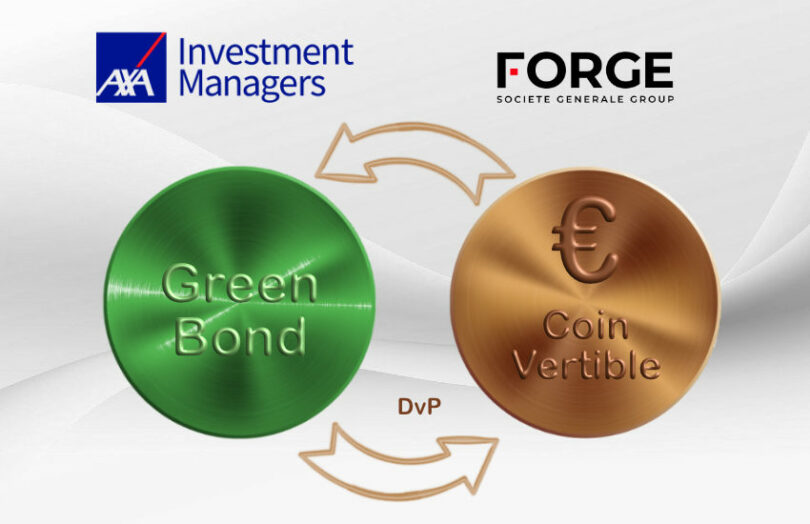
Societe Generale, one of Europe’s leading financial institutions, has launched a new stablecoin pegged to the US dollar on the Ethereum blockchain, marking a significant milestone as the first dollar-backed stablecoin issued by a traditional bank. The initiative, spearheaded by the bank’s digital asset subsidiary SG-Forge, aims to bridge the gap between conventional finance and the rapidly evolving world of decentralised finance .

The stablecoin, named USD CoinVertible , is designed to offer institutional clients a secure and regulated digital asset for on-chain transactions. SG-Forge has emphasised that USDCV will adhere to strict compliance standards, including Know Your Customer and Anti-Money Laundering protocols, ensuring its suitability for professional investors seeking exposure to digital assets within a regulated framework.

Jean-Marc Stenger, CEO of SG-Forge, stated that the launch of USDCV represents a pivotal step in the bank’s digital asset strategy. He highlighted the growing demand among institutional clients for stable and compliant digital assets that can facilitate efficient settlement and liquidity management on blockchain platforms.

The introduction of USDCV follows SG-Forge’s earlier venture into stablecoins with the euro-pegged EUR CoinVertible , which was initially deployed on the Ethereum blockchain. Despite its innovative approach, EURCV experienced limited adoption, prompting SG-Forge to expand its presence to other blockchain networks. In September 2024, the firm announced plans to deploy EURCV on the Solana network, citing the blockchain’s high throughput and low transaction costs as key factors for enhancing user experience and adoption.

Solana’s capabilities have attracted attention from various financial institutions seeking to leverage blockchain technology for digital asset issuance and management. SG-Forge’s decision to extend EURCV to Solana aligns with a broader industry trend of exploring scalable and cost-effective blockchain solutions to meet the demands of both retail and institutional users.

In addition to Solana, SG-Forge has expressed intentions to further expand its stablecoin offerings to other blockchain networks, including the XRP Ledger. This multi-chain strategy reflects the firm’s commitment to providing versatile and accessible digital asset solutions across diverse blockchain ecosystems.

The launch of USDCV positions Societe Generale as a pioneer among traditional banks venturing into the stablecoin market. While other financial institutions have explored digital asset initiatives, Societe Generale’s direct issuance of a dollar-pegged stablecoin on a public blockchain underscores its proactive approach to embracing digital innovation within a regulated framework.

As the stablecoin market continues to evolve, the entry of established financial entities like Societe Generale introduces a new dimension to the landscape. The bank’s emphasis on regulatory compliance and institutional-grade solutions may set a precedent for other traditional financial institutions considering similar ventures into the digital asset space.

The success of USDCV will likely depend on its adoption by institutional clients and its integration into existing financial infrastructures. SG-Forge’s ongoing efforts to enhance the utility and accessibility of its stablecoin offerings, including partnerships with market makers and listings on digital asset exchanges, will be critical in driving adoption and establishing a foothold in the competitive stablecoin market.

Cryptocurrency mining companies have registered a notable surge following the announcement of a strategic partnership between OpenAI and CoreWeave, a leading cloud computing provider. This alliance signals a growing intersection between artificial intelligence infrastructure and blockchain technology, propelling mining stocks higher and generating renewed investor interest in the sector.

CoreWeave, known for its specialised GPU-powered cloud services tailored to AI workloads, has struck a deal to supply critical computational capacity for OpenAI’s expanding suite of applications. This development positions CoreWeave as a vital player in supporting the back-end infrastructure of AI innovation. The company’s move has rippled through the crypto mining ecosystem, where hardware capable of efficiently processing complex algorithms is central to mining operations.

Investors responded positively to CoreWeave’s enhanced profile, with shares of prominent crypto mining firms climbing on various exchanges. The broader cryptocurrency market, however, displayed a more cautious stance, maintaining a consolidation phase despite escalating inflation expectations that often trigger volatility. This divergence highlights the nuanced market dynamics where infrastructure providers linked to AI growth are gaining momentum independent of general crypto price trends.

The launch of Galaxy Digital on the Nasdaq exchange further accentuated market activity around crypto-related firms. Galaxy Digital, a diversified financial services and investment management firm focusing on digital assets and blockchain technology, made a striking debut with its share price surging significantly on the first day of trading. The successful Nasdaq listing underscores growing institutional interest in the crypto and blockchain sectors, affirming confidence in their long-term viability despite fluctuating asset prices.

Market analysts note that the OpenAI-CoreWeave partnership exemplifies the convergence of artificial intelligence and blockchain technology, two sectors undergoing rapid expansion. This synergy offers mining companies an avenue to diversify and stabilise revenues by capitalising on increased demand for computational power beyond traditional cryptocurrency mining. As AI applications become more sophisticated and resource-intensive, providers like CoreWeave stand to benefit from expanded contracts and elevated valuations.

The partnership also sheds light on evolving mining operations, which now encompass hybrid models combining cryptocurrency validation with AI data processing tasks. This integration potentially improves profitability and operational resilience amid regulatory uncertainties and market fluctuations in the crypto domain. Mining firms that embrace such technological advancements may position themselves ahead of competitors relying solely on conventional blockchain mining.

Despite these promising developments, the crypto market continues to face challenges from macroeconomic factors, notably inflation expectations that often influence investor behaviour. Although asset prices across major markets, including cryptocurrencies, largely shrugged off these concerns, some volatility is expected as central banks adjust monetary policies. Cryptocurrency’s inherent volatility remains a consideration for both retail and institutional investors, who must weigh technological advancements against broader economic risks.

CoreWeave’s strategic positioning within this ecosystem is particularly significant given the rising demand for GPU-intensive workloads. The company’s infrastructure supports not only OpenAI’s needs but also a wide array of AI-driven enterprises, creating a robust client base and diversified revenue streams. This diversification contrasts with many mining firms whose fortunes are tightly correlated to cryptocurrency price cycles, adding an element of stability that appeals to investors.

Galaxy Digital’s Nasdaq listing is emblematic of the maturing crypto investment landscape. Founded by industry veteran Michael Novogratz, the firm has established itself as a critical bridge between traditional financial markets and the digital asset space. Its successful public offering reflects growing acceptance and integration of digital assets within mainstream finance, an important milestone for the sector.

Market watchers observe that while the immediate reaction favours companies linked to AI and cloud computing, the broader cryptocurrency market is navigating a complex environment marked by geopolitical tensions, regulatory scrutiny, and shifting monetary policies. These factors contribute to a cautious sentiment among traders, with prices consolidating rather than surging dramatically.

Nonetheless, the interplay between AI infrastructure providers and crypto mining firms represents a promising frontier. This convergence may drive innovation in both fields, fostering new business models and operational efficiencies. Companies that adapt to this trend could harness the dual momentum of AI growth and blockchain technology to sustain competitive advantages.

HONG KONG SAR – Media OutReach Newswire – 17 May 2025 – Invest Hong Kong (InvestHK), the Hong Kong government’s investment promotion arm, announced today (17 May 2025) that Ms Alpha Lau, Director-General of Investment Promotion at InvestHK, visited Cairo, Egypt, to engage with Egyptian businesses eager to establish operations in Hong Kong and capitalise on Asia-Pacific opportunities. During her visit, Ms Lau will attend the Guangdong–Hong […]

By K Raveendran Donald Trump’s Gulf tour has marked a defining chapter in his post-presidential brand of deal diplomacy, delivering a staggering $2 trillion in agreements that stretch across Saudi Arabia, the United Arab Emirates, and Qatar. This campaign stands in sharp contrast to the flagging results of his so-called trade mark tariff war, which—despite […]

Delegations from Ukraine, Russia, and the United States convened in Istanbul on Friday, marking the first direct negotiations between Kyiv and Moscow in over three years. The talks, hosted by Turkey, aim to explore avenues for a ceasefire and potential resolution to the ongoing conflict. However, the absence of Presidents Vladimir Putin and Volodymyr Zelenskyy has cast doubts on the efficacy of the discussions. Ukrainian Defense Minister […]

Wintermute, a prominent algorithmic trading firm in the digital asset sector, has inaugurated its U.S. headquarters in New York City, marking a significant step in its global expansion strategy. This move positions the firm closer to American financial markets and regulatory bodies, enhancing its engagement with U.S.-based partners.

The establishment of the New York office aligns with Wintermute’s objective to solidify its presence in the world’s largest financial market. CEO Evgeny Gaevoy emphasized the strategic importance of this development, stating that the U.S. policy landscape has become more conducive to digital asset innovation. He noted that having a physical presence in New York enables the firm to engage more directly with institutional counterparties and respond swiftly to collaborative opportunities.

As part of its U.S. expansion, Wintermute has appointed Ron Hammond as Head of Policy and Advocacy. Hammond brings nearly a decade of experience in cryptocurrency legislation, having previously served as the Senior Director of Government Relations at the Blockchain Association. His tenure on Capitol Hill included drafting the Token Taxonomy Act, a bipartisan bill aimed at providing regulatory clarity for digital assets.

Hammond’s role at Wintermute involves leading policy engagement efforts across federal and state levels. He will provide technical input on legislation, contribute policy ideas, and coordinate responses to emerging proposals. Hammond expressed enthusiasm about joining Wintermute, highlighting the firm’s potential to contribute meaningfully to the development of the U.S. digital asset regulatory framework.

Wintermute’s decision to establish a U.S. headquarters comes amid a broader trend of crypto firms expanding into the American market, driven by evolving regulatory clarity and institutional adoption. The firm reports an average daily trading volume exceeding $15 billion and operates across more than 60 centralized and decentralized exchanges. Its services include over-the-counter trading and liquidity provision, catering to a global clientele.

Regional links enhanced and 24 bilateral accords reached HONG KONG SAR – Media OutReach Newswire – 15 May 2025 – A delegation of more than 50 business leaders from Hong Kong and Mainland China, led by Chief Executive of the Hong Kong Special Administrative Region (HKSAR) John Lee, concluded a fruitful visit to Kuwait yesterday (May 14), reaching a raft of bilateral accords and paving the way […]

Thailand’s Ministry of Finance has announced plans to issue 5 billion baht in digital investment tokens, dubbed “G-Tokens,” aiming to broaden public participation in government bond investments. This initiative marks a significant step in integrating digital assets into the country’s financial strategy.

Finance Minister Pichai Chunhavajira stated that the G-Tokens will be available for purchase within the next two months, following cabinet approval. The tokens are designed to offer higher returns than traditional bank deposits, making them an attractive option for retail investors. “Investors can invest with a small amount of cash for the new tokens,” Chunhavajira noted, highlighting the accessibility of the investment.

The G-Tokens will be issued under the existing Public Debt Management Act of 2005 and regulated by the Digital Asset Business Decree of 2018. The tokens are not classified as traditional debt instruments but are part of the government’s budget borrowing plan. Patchara Anuntasilpa, director-general of the Public Debt Management Office, emphasized that the tokens are an innovation in the country’s financial landscape, allowing more retail investors to become part of the digital economy.

Investors can purchase G-Tokens through licensed digital asset exchanges, brokers, and other authorized entities. The minimum investment is set at 100 baht , significantly lowering the threshold for participation in government bond investments. This move is expected to attract a broader base of investors, including those who have traditionally been excluded from such opportunities.

The digital nature of G-Tokens offers several advantages over conventional government bonds. They can be traded on specialized digital platforms, providing greater flexibility and accessibility for investors. Ownership is verified using digital systems, and the tokens can be transferred through designated digital asset platforms. Interest payments and principal redemption will be made electronically to holders via their registered accounts, following the schedule outlined in the prospectus.

The initiative aligns with Thailand’s broader efforts to modernize its financial infrastructure and promote financial inclusion. By leveraging blockchain technology, the government aims to streamline the bond issuance process, reduce costs, and enhance transparency. The G-Token issuance also serves as a pilot to test the market’s response to digital financial instruments, with the potential for future expansions based on demand.

BEIJING, CHINA – Media OutReach Newswire – 14 May 2025 – The National Centre for the Performing Arts (NCPA) in Beijing on Tuesday welcomed Peng Liyuan, wife of Chinese President Xi Jinping, and Rosangela Lula da Silva, wife of Brazilian President Luiz Inacio Lula da Silva, as CGTN reported. Rosangela is accompanying the Brazilian president on his state visit to China. Peng and Rosangela appreciated the centre’s […]

Exploring the Risks and Opportunities of AI Applications in Cybersecurity HONG KONG SAR – Media OutReach Newswire – 14 May 2025 – Co-organised by Cyberport and the Hong Kong Cybersecurity Professionals Association, the “AI x Cybersecurity Forum” took place today at Cyberport. Under the theme “Navigate the Future of AI-Powered Cybersecurity,” the forum brought together over 400 government representatives, cybersecurity experts, leaders from academia and the technology […]

Thailand’s Finance Ministry is set to introduce a digital investment token, dubbed the G-Token, aiming to raise approximately $150 million within the next two months. This initiative is part of the government’s budget borrowing plan and seeks to provide higher returns than traditional bank deposits.

Finance Minister Pichai Chunhavajira announced that the G-Token is designed to offer retail investors an accessible entry point into government-backed financial instruments. Unlike conventional bonds, the G-Token is not classified as a debt instrument but serves as a tool to mobilise public funds through blockchain technology.

The tokens will be available for purchase with a minimum investment of around $3, making them accessible to a broad segment of the population. This move is intended to democratise investment opportunities, traditionally dominated by institutional and high-net-worth investors.

Investors are expected to receive returns surpassing the current 12-month fixed deposit rates offered by Thai banks, which range between 1.25% and 1.5%. However, specific yield figures have not been disclosed.

The G-Token initiative aligns with Thailand’s broader strategy to integrate digital assets into its financial ecosystem. By leveraging blockchain technology, the government aims to enhance transparency, reduce costs, and increase efficiency in public fundraising efforts.

The tokens will be tradable on licensed digital asset exchanges within Thailand, although access will be restricted to Thai nationals. This measure ensures compliance with domestic financial regulations and safeguards against potential risks associated with foreign investment in government-backed digital assets.

The launch of the G-Token follows recommendations from influential political figures, including Thaksin Shinawatra, who advocated for the issuance of stablecoins backed by government bonds to broaden investment access.

Nexchain, a United Kingdom-based blockchain startup, has raised $1.5 million in its ongoing presale, marking a significant milestone as it enters Stage 10 with its native token, $NEX, priced at $0.038. The project, which aims to integrate artificial intelligence into blockchain infrastructure, is attracting attention from investors seeking innovative opportunities in the cryptocurrency space.

Nexchain positions itself as the world’s first Layer-1 AI-powered blockchain, designed to enhance transaction speed, security, and scalability. The platform employs a hybrid consensus mechanism combining Proof-of-Stake with AI-driven algorithms, allowing for adaptive transaction validation and network management. This approach aims to process up to 400,000 transactions per second, significantly surpassing the capabilities of many existing blockchain networks.

The $NEX token serves multiple functions within the Nexchain ecosystem, including payment for transaction fees, staking rewards, and participation in governance decisions. Token holders are entitled to a share of the network’s revenue, with 10% distributed among those who stake their tokens in decentralized finance wallets. This model is designed to incentivize long-term holding and active participation in the platform’s development.

Nexchain’s roadmap outlines a series of developments aimed at enhancing the platform’s capabilities. The testnet launch is scheduled for the second quarter of 2025, featuring public testing of smart contracts and AI modules. The mainnet release is planned for the fourth quarter, introducing full AI blockchain implementation and support for decentralized AI applications across various industries, including finance, healthcare, and supply chain management.

The presale, which began on March 18, 2025, is set to continue until December 30, 2025, with a soft cap of $20 million and a hard cap of $50 million. The total token supply is capped at 2.15 billion $NEX, with allocations designated for marketing, rewards, treasury, ecosystem development, and team incentives.

Investor interest in Nexchain is bolstered by its plans for listings on major cryptocurrency exchanges, including Coinbase, Bybit, OKX, MEXC, Bitget, Gate, and KuCoin. The project accepts a diverse range of cryptocurrencies for contributions, such as BTC, ETH, BNB, TRC, TON, SOL, BASE, USDT, USDC, TRUMP, and DOGE, with a minimum investment threshold of $10.

Nexchain’s integration of AI into blockchain technology aims to address longstanding challenges in the industry, such as scalability and security. By leveraging AI for real-time data analysis and decision-making, the platform seeks to optimize operations and enhance user experience. Its AI-driven smart contracts are designed to self-optimize and respond intelligently to changing conditions, offering a dynamic approach to contract execution.

The platform’s emphasis on interoperability allows for seamless communication between different blockchain networks, facilitating the development of applications that can operate across multiple platforms. This feature is particularly relevant as the blockchain industry continues to evolve towards greater integration and collaboration among diverse ecosystems.

Security remains a focal point for Nexchain, which employs post-quantum cryptography and AI-driven security measures to safeguard the network against emerging threats. These protocols are designed to detect and respond to anomalies in real-time, enhancing the platform’s resilience and reliability.

Supermicro, a prominent American server technology company, has entered into a transformative partnership with Saudi data centre developer DataVolt. This landmark deal, valued at $20 billion, is set to accelerate the deployment of ultra-dense GPU platforms and rack-scale systems across DataVolt’s extensive infrastructure. The collaboration signals a robust technological alliance between the United States and Saudi Arabia, with both parties committing to ambitious infrastructure projects in the […]

BYDFi has launched MoonX, an on-chain trading engine designed to bridge the gap between centralised and decentralised exchanges. The platform aims to provide a secure and efficient trading environment, particularly for the volatile Meme Coin market.

MoonX integrates Safeheron’s security technologies, including Multi-Party Computation and Trusted Execution Environment , to enhance asset protection and transaction integrity. These measures address the vulnerabilities highlighted by the $20 million hack of the DEXX exchange in November 2024, which exposed weaknesses in private key security.

The platform supports over 500,000 token pairs across blockchains such as Solana, Ethereum, Base, and BNB Chain. Features like take-profit and stop-loss orders, smart money tracking, and one-click trading are tailored to the needs of high-risk traders seeking rapid market movements.

Ripple Labs has reached a landmark settlement with the U.S. Securities and Exchange Commission , concluding a protracted legal battle that has significantly influenced the cryptocurrency sector. The agreement entails Ripple paying a reduced fine of $50 million, down from the initially imposed $125 million, without admitting any wrongdoing. This settlement, pending approval from the SEC and the presiding judge, marks a pivotal moment in the ongoing discourse surrounding digital asset regulation.

The SEC’s lawsuit, initiated in December 2020, accused Ripple of raising over $1.3 billion through unregistered securities offerings by selling its XRP token. A critical development occurred in July 2023 when U.S. District Judge Analisa Torres ruled that while XRP sales to institutional investors violated securities laws, XRP sales on public exchanges did not constitute securities transactions. This nuanced decision provided a partial victory for Ripple and set a precedent for how digital assets might be classified in the future.

The resolution of this case has had immediate market implications. XRP’s price surged by approximately 14%, reaching highs of $2.59, reflecting renewed investor confidence. The token’s market capitalization also saw a significant increase, positioning XRP as the third-largest cryptocurrency by market value. This market response underscores the broader industry’s anticipation for regulatory clarity and the potential for increased institutional adoption.

The settlement aligns with a broader shift in the SEC’s approach to cryptocurrency regulation under the current administration. The agency has recently dropped several high-profile cases against major crypto exchanges, signaling a move towards a more collaborative regulatory framework. President Donald Trump’s administration has expressed support for the crypto industry, with initiatives such as the establishment of a government crypto reserve that includes XRP and the nomination of Paul Atkins, known for his pro-crypto stance, to chair the SEC.

Ripple’s legal victory also opens the door for potential advancements in the cryptocurrency market infrastructure. Analysts suggest that the favorable outcome could pave the way for the approval of an XRP-based exchange-traded fund , further legitimizing the asset class and providing investors with more accessible investment vehicles. Additionally, the classification of XRP as a commodity rather than a security could lead to less stringent oversight and encourage broader adoption.

VISHNU RAJA
RYO YAMADA
HITORI GOTOH
IKUYO KITA