News related to
Exchanges

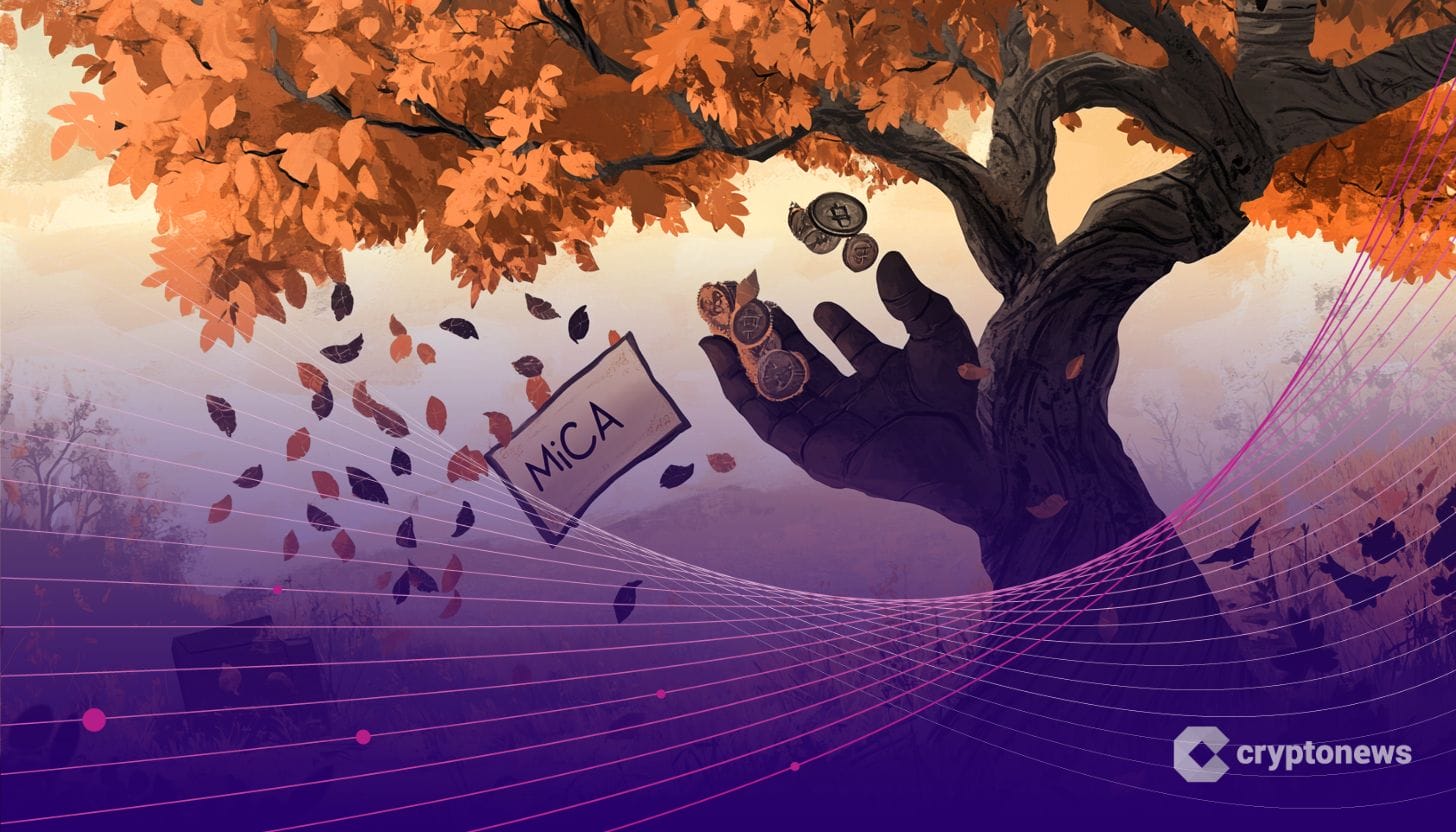
Coinbase, a leading cryptocurrency exchange, will terminate USD Coin (USDC) rewards for users in the European Economic Area (EEA) effective December 1, marking a significant operational shift influenced by the forthcoming Markets in Crypto-Assets (MiCA) regulations. The rewards program, which allowed users to earn returns on their USDC holdings, will accrue earnings up to November 30, signaling a strategic adaptation to Europe’s evolving regulatory framework for digital assets.

The MiCA regulation, set to enforce a standardized approach to cryptocurrency operations across Europe, mandates rigorous compliance measures for crypto companies. Among its stipulations is the requirement for stablecoins like USDC to obtain e-money licenses to continue operations within the EEA. Coinbase’s decision underscores its efforts to align with these regulations while maintaining its standing in a heavily scrutinized market.

USDC, issued by Circle, has been positioned as a key asset in Coinbase’s ecosystem, celebrated for its transparency and full reserve backing. By ending its rewards program in the EEA, Coinbase is taking a precautionary step to ensure full regulatory compliance under MiCA. This regulation aims to bolster consumer protection and ensure the financial stability of stablecoin issuers, aligning them with broader financial industry norms.

While the termination of USDC rewards impacts users in Europe, Coinbase continues to promote the token as a compliant alternative to other stablecoins facing challenges under MiCA. This aligns with Coinbase’s broader strategy of encouraging transparency and compliance in its offerings. Previously, the exchange has recommended that users migrate from other stablecoins, such as Tether (USDT), to USDC, citing greater regulatory alignment and operational transparency.

Coinbase’s move to discontinue rewards reflects broader industry adaptations to MiCA. Other exchanges are also recalibrating their offerings to meet the law’s strict requirements, which include obtaining licenses and ensuring adequate reserve backing for stablecoins. For users, this shift indicates a growing prioritization of regulatory alignment over traditional incentives, reshaping the market dynamics of crypto asset trading and holding.

SINGAPORE – Media OutReach Newswire – 28 November 2024 – TOJOY Shared Smart Enterprise Services, a leading entrepreneur resource-sharing platform headquartered in China, is pleased to announce its inaugural participation in Southeast Asia’s largest technology event, the Smart Nation Expo 2024, held in Kuala Lumpur, Malaysia. This delegation comprises distinguished innovative enterprises, traditional entrepreneurs, and investors from China, who will engage in meaningful discussions and exchanges with […]

NTPC Green Energy Limited (NGEL), a subsidiary of NTPC Ltd., made an impressive debut on stock exchanges, recording a 12% rise in its share price on the first day of trading. The shares opened at ₹102, aligning with the lower end of the IPO price band of ₹102-108, and closed the day at ₹114, surpassing market expectations after a subdued start. NGEL’s public offering, conducted from November […]

The TON Foundation has officially introduced the white paper for TON Teleport BTC, detailing its plans to create a seamless bridge between Bitcoin and The Open Network (TON) blockchain. This development is set to transform Bitcoin’s role in decentralized finance (DeFi), enabling its integration into TON-based decentralized exchanges, lending protocols, and other financial frameworks.

Currently operating on the testnet, TON Teleport BTC utilizes a decentralized mechanism to ensure security and efficiency. Each teleport transaction is backed by actual Bitcoin, with validation occurring through smart contracts executed on the TON blockchain. This approach eliminates intermediaries, reducing costs while maintaining the security standards of Bitcoin’s native network. TON’s technical lead, Anatoliy Makosov, emphasized that the system is designed to match the security of Bitcoin’s infrastructure while introducing enhanced convenience and reduced transaction costs.

Beyond its technical appeal, the project reflects a growing ambition to establish TON as a leading blockchain ecosystem. Initially developed by Telegram, the TON network has seen steady growth under community-driven initiatives following Telegram’s regulatory challenges in 2020. The integration of tgBTC, the token linked to the TON Teleport BTC system, aligns with this broader vision by enabling cross-platform blockchain interaction and expanding utility for Bitcoin holders.

CHANGDU CITY, CHINA – Media OutReach Newswire – 28 November 2024 – Taking its source from the Zhaqu of Tanggula Mountain Range in northwest China’s Qinghai Province, the Lancang River, running through Qinghai Province, Xizang (Tibet) Autonomous Region and Yunnan Province, is the longest river flowing from north to south in China. Following an award ceremony for the “Lancang-Mekong Impression” Short Video Contest and a media exchange […]

Solana’s decentralized finance (DeFi) ecosystem has surged in November, reaching $420.7 million in total value locked (TVL), significantly outpacing Ethereum’s $161.2 million for the month. This marks a sharp 161% increase in Solana’s DeFi earnings, largely attributed to its low transaction fees, high throughput, and a revival of its ecosystem following a challenging period.

Ethereum, long the dominant platform in the DeFi space, has faced stiff competition from Solana, whose technological upgrades and network enhancements have bolstered its position. As Ethereum continues to struggle with scaling issues and high fees, Solana’s faster and cheaper transactions have made it increasingly attractive to developers and users in the DeFi sector.

The dramatic increase in Solana’s DeFi activity is also a reflection of the broader recovery within its blockchain ecosystem, which was hit hard by a series of setbacks, including the collapse of the FTX exchange in late 2022. However, Solana’s resilience in recovering and innovating has allowed it to gain ground on Ethereum, traditionally the go-to platform for decentralized applications (dApps) and smart contract protocols.

Key factors driving Solana’s DeFi boom are its low transaction fees, which remain a major pain point for Ethereum users, especially during periods of high network congestion. While Ethereum’s gas fees can surge to hundreds of dollars for simple transactions, Solana offers an almost negligible fee structure, making it more attractive for smaller, retail investors and developers looking to build cost-efficient DeFi applications.

Solana’s speed is another competitive advantage. It boasts a transaction processing capability of more than 60,000 transactions per second (TPS), far exceeding Ethereum’s current capacity of 30 transactions per second, though Ethereum is working on scaling solutions such as sharding and layer 2 networks. Solana’s network speed allows for quicker and more scalable applications, which is crucial for DeFi protocols that require near-instant transactions to function efficiently, especially in volatile markets.

The ecosystem recovery of Solana has also been spurred by significant developments in its DeFi protocols. A growing number of decentralized exchanges (DEXs), lending platforms, and yield farming protocols have been launched or migrated to Solana’s blockchain, further boosting the platform’s TVL. Solana’s DeFi landscape has seen contributions from several key players, including Serum, Mango Markets, and Radium, all of which provide users with advanced trading options, liquidity, and competitive rewards.

Another contributing factor to Solana’s success is the strategic collaborations and partnerships it has secured with both established companies and up-and-coming startups. Solana has garnered attention from top-tier venture capitalists, along with prominent figures in the cryptocurrency space, who have supported the blockchain’s development and growth. These relationships have helped Solana gain credibility and foster an environment conducive to innovation and expansion.

The increase in DeFi activity on Solana has also been supported by growing interest in the broader Solana ecosystem. After a period of price volatility and uncertainty, Solana’s native cryptocurrency, SOL, has stabilized and regained much of its value. This recovery has sparked renewed confidence in the network and its long-term viability, which has translated into higher DeFi activity. As a result, users are increasingly willing to stake and invest in the network, propelling the overall market cap of Solana’s ecosystem.

Ethereum, on the other hand, continues to dominate the broader smart contract and dApp landscape, largely due to its first-mover advantage and large developer base. Ethereum’s switch to a proof-of-stake (PoS) consensus mechanism with the Ethereum 2.0 upgrade is expected to bring improvements in scalability and energy efficiency. However, Ethereum’s network congestion and high fees remain major hurdles for DeFi users and developers, especially in times of increased demand. These issues are likely to persist unless significant scalability solutions are implemented.

Although Ethereum has a stronghold on the DeFi sector, Solana’s rapid growth underscores the increasing diversification of the space. With its advanced technology, Solana is emerging as a serious challenger, offering viable alternatives for decentralized financial services. Furthermore, Solana’s growing TVL is not only a reflection of the platform’s technological edge but also an indication of the rising demand for alternative DeFi solutions that prioritize scalability, cost-efficiency, and innovation.

Experts suggest that the DeFi landscape is entering a new phase, where competition between smart contract platforms like Solana and Ethereum will be crucial to the long-term development of the ecosystem. As developers continue to search for faster, cheaper, and more scalable platforms, Solana’s performance in November provides a clear indication of the potential for DeFi to flourish on blockchains beyond Ethereum. The focus on speed and cost-effectiveness is expected to drive more DeFi protocols to explore alternatives to Ethereum, opening up the market to a wider range of participants.


Stablecoins demonstrated remarkable resilience in November, with trading volumes on centralized exchanges (CEX) exceeding $1.8 trillion. Tether (USDT) accounted for an overwhelming 70% of this activity, highlighting its dominance in facilitating liquidity across markets. The surge in stablecoin usage was accompanied by a milestone in the broader stablecoin ecosystem, as the total market capitalization surpassed $190 billion—a record high following 14 consecutive months of growth.

USDT continues to serve as the backbone of the stablecoin market, with its presence on Ethereum and TRON networks driving liquidity in significant proportions. As of November, TRON held over $8.5 billion worth of USDT balances on CEXs, while Ethereum-based USDT reached nearly $22.7 billion. Such figures underscore the strategic role of these networks in catering to traders and investors who rely on stablecoins for quick, cost-efficient transactions.

The robust growth trajectory of stablecoins can be linked to their increasing adoption for purposes beyond trading, including decentralized finance (DeFi) and cross-border payments. Analysts point to the ongoing efforts by Tether and other issuers to expand usability and trust. The alignment of stablecoin development with regulatory compliance in key regions also bolstered investor confidence.

Market participants have highlighted that the resilience of stablecoins reflects their utility in volatile crypto markets. They act as a hedge for traders during turbulent periods, offering stability that is otherwise rare in the digital asset ecosystem. As the overall cryptocurrency market fluctuates, stablecoins’ capacity to maintain pegged values ensures their continued demand.

Despite Tether’s dominance, competitors such as USD Coin (USDC) and Binance USD (BUSD) have shown gradual but noteworthy participation in the growth narrative. Collectively, these assets reinforce the expanding footprint of stablecoins across different facets of the financial system.

Advertisements

Trezor, a leading hardware wallet provider, has reported an unprecedented 600% increase in weekly wallet sales, underscoring the escalating demand for self-custody solutions among cryptocurrency investors. This surge coincides with Bitcoin’s remarkable rally, approaching its record high of $99,600, driven by significant market developments and shifting investor behavior.

The cryptocurrency market has seen heightened activity as Bitcoin prepares for its fourth halving event, anticipated in April 2024. This event, which reduces the block reward miners receive, historically triggers supply shocks that contribute to price surges. Alongside this technical catalyst, enhanced regulatory clarity in the United States has bolstered confidence among institutional and retail investors. The recent approval of spot Bitcoin exchange-traded funds (ETFs) by regulatory authorities has further legitimized Bitcoin as an asset class.

Market trends indicate a substantial withdrawal of Bitcoin from centralized exchanges, with approximately 427,000 BTC removed in 2024 alone. This trend reflects a growing preference for self-custody amid concerns over the security of funds held on exchanges. The collapse of prominent cryptocurrency platforms in prior years has heightened awareness of the risks associated with centralized custodians, driving investors toward more secure storage options such as hardware wallets.

Trezor’s sales figures highlight the growing emphasis on decentralized ownership and asset security. The company’s wallets offer offline storage, safeguarding assets from hacking attempts and cyber threats. This surge in demand aligns with the broader industry shift toward empowering users to take control of their financial assets.

Bitcoin’s rally has also been fueled by its role as a hedge against inflation and economic uncertainty. As traditional financial systems face challenges, Bitcoin’s fixed supply and decentralized nature have attracted investors seeking alternative stores of value. This sentiment is echoed by major institutional players, including MicroStrategy, which continues to accumulate Bitcoin as a strategic reserve asset. MicroStrategy’s holdings, currently exceeding 150,000 BTC, signify the growing institutional adoption of cryptocurrency.

The geopolitical landscape has further underscored Bitcoin’s appeal. In regions experiencing economic instability or strict capital controls, Bitcoin has emerged as a viable tool for financial inclusion and wealth preservation. Countries such as El Salvador have embraced Bitcoin as legal tender, setting a precedent for its potential integration into national economies.

HONG KONG SAR – Media OutReach Newswire – 27 November 2024 – Hong Kong Design Centre (HKDC) strongly supports the four major directions, six major principles and a total of 71 initiatives set out in the ‘Blueprint for Arts and Culture and Creative Industries Development’ announced by the Culture, Sports and Tourism Bureau, in particular, the promotion of profound traditional Chinese culture and the development of cultural […]

Kraken, one of the world’s largest cryptocurrency exchanges, has confirmed it will close its NFT marketplace by February 27, 2025. The move comes as the platform prepares to focus on its blockchain technology, with the marketplace halting new listings effective immediately. Users will retain the ability to withdraw NFTs to their wallets until the final closure date.

The decision follows a broader trend of declining activity in the NFT market. Despite significant growth in 2021 and early 2022, global NFT sales volumes have shown a steady decline in the last year, leading several platforms to reevaluate their strategies. Kraken’s pivot aligns with its goal to enhance its DeFi offerings and expand its blockchain ecosystem. The forthcoming blockchain, expected to launch in early 2025, will enable decentralized app development without requiring intermediary services, marking a shift in Kraken’s operational focus.

Unlike similar efforts by competitors like Binance and Coinbase, Kraken has announced it will not introduce a native token for its blockchain, opting instead to prioritize stability and user functionality. This strategy aims to differentiate Kraken’s blockchain in a highly competitive market while minimizing speculative volatility.

Short-term Bitcoin holders transferred approximately 54,600 BTC to exchanges, incurring significant losses within the past 24 hours, according to blockchain data. This transfer marks a substantial increase in activity from this group of investors, sparking concerns about potential downward pressure on Bitcoin’s value.

Market analysts have noted that such surges in exchange inflows often coincide with heightened volatility in cryptocurrency prices. The sudden spike in activity by short-term holders suggests a wave of panic selling, driven by fears of further market downturns. This behavior contrasts with the actions of long-term holders, who typically show greater resilience during market fluctuations.

Bitcoin’s price, which had stabilized near the $37,000 mark, showed signs of weakness following this development. While fluctuations in Bitcoin’s value are not uncommon, the scale of these transfers raises questions about broader market sentiment. The losses incurred by these holders highlight the risks associated with short-term trading, particularly in a market as volatile as cryptocurrencies.

The cryptocurrency market has been navigating multiple challenges, including regulatory uncertainty and shifts in global economic conditions. Central bank policies and tightening liquidity in traditional financial markets have added to the concerns, creating an environment where speculative assets face increased scrutiny. This context may have contributed to the decisions of short-term Bitcoin holders to offload their assets in bulk.

Cryptocurrency exchanges have reported heightened activity in trading volumes over the past day, coinciding with the transfer of these 54,600 BTC. Observers have suggested that this behavior may be a response to anticipated market movements or external triggers, such as regulatory announcements. However, the exact motivations behind this selling spree remain unclear, with some pointing to algorithmic trading and others to investor sentiment.

Short-term Bitcoin holders, often identified as addresses holding the cryptocurrency for less than 155 days, play a pivotal role in market dynamics. These participants are more likely to react swiftly to price changes, amplifying volatility during market stress. The aggregated losses observed in this case emphasize the financial vulnerability of such investors during periods of market instability.

The impact of these inflows on Bitcoin’s price trajectory will depend on how the market absorbs this supply. Large-scale sales can lead to oversupply, potentially driving prices lower. Conversely, strong buying interest could stabilize or even support the price at current levels. Analysts are closely monitoring order books and liquidity trends to assess the potential outcomes.

Beyond Bitcoin, the broader cryptocurrency market has also exhibited mixed signals, with major altcoins showing varying degrees of resilience. Ether, the second-largest cryptocurrency by market capitalization, has maintained a steadier performance, while other tokens have experienced sharper declines. The correlation between Bitcoin and the wider market underscores the significance of developments involving the flagship cryptocurrency.

HANOI, VIETNAM – Media OutReach Newswire – 26 November 2024 – Hoa Sen Home has established itself as a leader in Vietnam’s rapidly growing building materials market. As the official distributor of renowned building materials and furniture brands locally and internationally, it offers a wide range of high-quality products, all backed by exceptional customer service. Hoa Sen Home is the official distributor of many renowned building materials […]

Decentralized exchanges on Solana achieved a groundbreaking milestone, with their collective trade volume reaching $109.8 billion in November. This figure nearly doubles the $55 billion recorded on Ethereum-based DEXs during the same period, showcasing a remarkable surge in activity on Solana’s blockchain. The network’s user-friendly structure, low transaction fees, and a recent memecoin trading frenzy contributed significantly to this growth.

A significant share of this volume was driven by Solana’s decentralized exchanges, notably Raydium, Orca, and Aerodrome Finance. Raydium alone registered an impressive $4.2 billion in 24-hour trade activity, overshadowing Ethereum’s leading DEX, Uniswap, which managed $1.52 billion in the same timeframe. Orca and Aerodrome Finance also contributed significantly, with volumes exceeding $1 billion each, reflecting the ecosystem’s increasing traction among traders seeking efficiency and cost-effectiveness.

The momentum of Solana’s ecosystem is reflected in its address activity, which is on track to surpass October’s record of 123 million unique active addresses. This growth underscores the network’s growing appeal as a scalable alternative to Ethereum for decentralized finance (DeFi) and other blockchain applications.

The rising trade volume also benefited Solana’s native token, SOL, which has rallied by 18% over the past week, pushing its market capitalization to approximately $116 billion. This price movement signals renewed investor confidence in Solana’s potential as a major player in the crypto space, even as Ethereum retains a larger market share in the broader DeFi sector.

Experts attribute Solana’s success to its emphasis on enhancing user experience and its focus on creating accessible blockchain applications. Unlike Ethereum’s infrastructure-centric development approach, Solana prioritizes building applications that deliver tangible value to end users, making it a preferred choice for developers and traders.

By Nantoo Banerjee If bribery is a common practice in business, and often viewed as the normal way of doing business in many countries, including India, there is little too sensational about the US Department of Justice indictment, last week, against India’s US$37-billion infrastructure conglomerate Adani group head Gautam Adani, his nephew Sagar Adani, Adani […]

Binance has experienced a remarkable surge in stablecoin inflows, with a staggering $10.2 billion flowing into its platform over the past 30 days. This influx highlights the growing importance of stablecoins in cryptocurrency trading and the pivotal role Binance continues to play in this sector.

The surge is primarily driven by traders’ increasing reliance on stablecoins, particularly USDT (Tether) and USDC (USD Coin), to engage in various trading activities such as spot trading, futures, and decentralized finance (DeFi) opportunities within Binance’s extensive ecosystem. The trend signals a shift in trading behavior, with stablecoins now playing an even more prominent role in the daily operations of cryptocurrency markets.

Stablecoins are digital currencies pegged to stable assets like the US dollar, designed to reduce the volatility typically associated with cryptocurrencies like Bitcoin or Ethereum. Their use has grown significantly in recent years as traders and investors seek ways to navigate the fluctuating crypto market while maintaining liquidity and minimizing exposure to market swings. USDT, in particular, has remained the most widely used stablecoin, providing liquidity for a range of trading strategies.

The inflow of such a large volume of stablecoins into Binance further cements its status as a dominant force in the global cryptocurrency ecosystem. Binance’s platform, known for its wide range of services, including spot trading, futures contracts, and DeFi offerings, continues to attract traders looking to capitalize on the benefits of stablecoins. With a user-friendly interface and comprehensive suite of tools, Binance is able to support a variety of trading strategies, from the most basic to complex DeFi protocols.

A significant portion of the stablecoin influx is linked to the growing popularity of decentralized finance (DeFi) projects. DeFi has emerged as one of the most transformative aspects of the crypto space, offering users the ability to trade, borrow, lend, and invest in decentralized markets, often without the need for traditional financial intermediaries. Binance’s DeFi offerings, including decentralized exchanges (DEXs) and lending platforms, have attracted a significant amount of stablecoin liquidity, enabling users to leverage their holdings for greater financial returns.

The stablecoin influx has also been bolstered by Binance’s ability to cater to traders across various regions, providing a platform with global reach. Traders from regions with unstable fiat currencies have increasingly turned to stablecoins as a safe haven, further fueling the demand for USDT and USDC. This shift is reflected in the trading volumes across Binance’s multiple markets, which have seen a significant rise as stablecoins are increasingly used to hedge against currency fluctuations and store value in a more stable form.

Another factor contributing to this trend is the growing adoption of stablecoins by institutional investors. As more hedge funds, family offices, and institutional investors enter the cryptocurrency space, stablecoins have become a preferred medium for large-scale transactions. These investors are attracted to stablecoins’ ability to offer a low-risk, high-liquidity option for large transactions, and Binance is positioning itself as a key player in this market.

Binance’s ability to process such a large volume of stablecoin inflows also speaks to the efficiency of its platform. With advanced liquidity management systems and robust risk controls, Binance can handle vast amounts of capital without significant slippage or disruptions to the market. This is particularly important in the volatile world of cryptocurrency trading, where even small disruptions can have ripple effects across the entire ecosystem.

Despite the positive momentum, some concerns have emerged about the regulatory landscape surrounding stablecoins. As regulators around the world begin to pay closer attention to the growing use of stablecoins, questions about their long-term stability and regulatory treatment are gaining prominence. The U.S. Securities and Exchange Commission (SEC) and other global financial authorities have expressed interest in introducing stricter regulations for stablecoins, which could affect their use in platforms like Binance. However, for now, stablecoins continue to play a critical role in the global crypto trading ecosystem.

Binance’s dominance in the stablecoin space may not go uncontested. Other cryptocurrency exchanges, such as Coinbase, Kraken, and Gemini, are also seeing growth in stablecoin inflows, though none have matched Binance’s sheer volume. The competition among exchanges is likely to intensify as the market for stablecoins continues to expand, with firms racing to offer the best products and services to attract traders.

Binance has maintained its edge in this competitive environment through continuous innovation. Recent updates to its platform, such as the introduction of new trading pairs and features tailored to DeFi users, have enhanced its appeal. Additionally, Binance has introduced a series of initiatives aimed at increasing the accessibility of stablecoins, including support for a wider range of fiat currencies and the integration of various blockchain networks. This flexibility has allowed Binance to remain a leader in stablecoin trading, even as the landscape evolves.

Arabian Post Staff -Dubai Saudi Arabia and the United Arab Emirates (UAE) are locked in a fierce battle for dominance in the Middle Eastern investment banking landscape, with both countries vying for the title of top destination for investment banking fees. The competition between these two financial powerhouses has intensified in 2024, fueled by an uptick in debt underwriting and strong initial public offering (IPO) activity. As […]

Upbit, South Korea’s largest cryptocurrency exchange, witnessed a significant surge in its trading activity over the weekend, reaching a trading volume of $14 billion on both Saturday and Sunday. This level of activity equaled the entire trading volume of the country’s stock market during the same period, marking a pivotal moment for the digital asset exchange.

The surge in trading on Upbit highlights the growing demand for cryptocurrency trading in South Korea, a nation that has become one of the most active markets for digital currencies. The figures underscore the increasing role of cryptocurrency exchanges in global financial markets and the rapid integration of digital assets into mainstream financial systems.

Upbit’s performance is indicative of a broader trend in the cryptocurrency industry. As more institutional investors and individual traders turn to digital currencies, the trading volumes of leading exchanges like Upbit have soared. On any given day, Upbit processes billions in trades, and its weekend performance stands as a testament to the exchange’s dominance in the Korean crypto space.

The exchange’s success is driven by a variety of factors, including a robust user base, the increasing adoption of digital currencies, and South Korea’s generally favorable regulatory environment for crypto trading. Despite some regulatory hurdles, the country remains one of the most crypto-friendly nations globally, with clear guidelines for cryptocurrency exchanges and market participants. This environment has fostered the growth of exchanges like Upbit, which have capitalized on the rising demand for crypto trading.

Over the last few years, Upbit has expanded its offerings, including trading services for a wide variety of cryptocurrencies, from established coins like Bitcoin and Ethereum to lesser-known altcoins. This extensive selection has attracted a broad range of users, from novice traders to seasoned investors, all eager to capitalize on the growing interest in digital assets.

In addition to its diverse range of cryptocurrencies, Upbit has invested heavily in user experience and security. The platform has implemented a range of measures to protect users’ funds, including robust encryption, two-factor authentication, and a dedicated security team that monitors transactions in real-time. These efforts have helped Upbit maintain its reputation as one of the safest and most reliable exchanges in the region.

While Upbit’s success is undeniable, it is also part of a larger global trend that sees cryptocurrencies increasingly viewed as a store of value, an investment vehicle, and even a hedge against inflation. The volatility of the digital asset market has drawn significant attention from both retail and institutional investors, many of whom see crypto assets as a way to diversify their portfolios.

The increased trading volume on Upbit also reflects a broader shift in the financial markets. With global economic uncertainty and concerns about inflation, many investors have turned to alternative assets like cryptocurrencies as a way to safeguard their wealth. The rapid rise in demand for digital currencies in markets like South Korea has encouraged exchanges to innovate and adapt to a rapidly changing landscape.

Upbit’s performance is also a response to the intensifying competition in the global cryptocurrency exchange market. While the exchange is the largest in South Korea, it faces stiff competition from global players like Binance, Coinbase, and Kraken. These exchanges are also vying for market share in Asia, and their presence has raised the stakes for Upbit.

As cryptocurrency trading continues to grow, exchanges like Upbit are expected to face greater scrutiny from regulators around the world. South Korea, while known for its crypto-friendly approach, has been tightening its regulatory stance in recent months. Authorities have imposed stricter measures on crypto exchanges to curb illegal activities, such as money laundering and market manipulation. These developments have spurred concerns among exchanges about potential regulations that could impact their operations.

Despite these challenges, Upbit continues to perform well, maintaining its position as South Korea’s leading exchange. The platform’s ability to withstand regulatory pressures and continue to grow its user base speaks to its resilience and adaptability in a dynamic market.

The UAE Central Bank has taken decisive action against Al Razouki Exchange, suspending its operations and closing two of its branches. This move follows a series of regulatory concerns surrounding the exchange’s financial practices and its adherence to the country’s monetary regulations. The suspension is part of the UAE’s broader efforts to tighten its control over financial institutions, ensuring they comply with established rules to maintain transparency […]

Saudi Arabia and Japan have fortified their partnership through a newly signed memorandum of understanding (MoU) aimed at bolstering cultural cooperation. This agreement, finalized by Saudi Minister of Culture Prince Badr bin Abdullah bin Farhan and Japanese Minister of Education, Culture, Sports, Science, and Technology Dr. Toshiko Abe, seeks to foster mutual understanding and collaboration in areas including arts, heritage, and cultural exchange programs. The signing ceremony […]

SYDNEY, AUSTRALIA – Media OutReach Newswire – 22 November 2024 – The global cryptocurrency market is growing, with nearly 600 million participants and a market cap of $3.2 trillion, reflecting a 121.1% increase over the past year. However, newcomers face challenges such as complex registration, KYC processes, and the need to understand concepts like wallets, gas fees, and cross-chain transactions, making it difficult for many to fully […]

Featuring Hong Kong’s first ink art carnival InkFinity Fair with a blend of interactive games and art engagements HONG KONG SAR – Media OutReach Newswire – 21 November 2024 – UOB Art Academy and UOB Hong Kong are pleased to announce the return of the “UOB Art in Ink Festival” (Festival), Hong Kong’s premier ink art celebration, running from 13 to 29 December 2024 at the West […]

Bithumb, South Korea’s second-largest cryptocurrency exchange, is set to launch trading for TONCOIN (TON) and METIS (METIS) in Korean won (KRW) on November 21 at 8 p.m. KST. This move is anticipated to attract increased interest from both local and international investors, further positioning the platform as a key player in the region’s digital asset market.

The decision to list these two cryptocurrencies comes at a time of growing adoption and interest in the global crypto space. TONCOIN, a blockchain originally developed by the Telegram team, has gained considerable traction since its inception, while METIS, known for its Ethereum Layer 2 scaling solution, has also secured a loyal following for its efficiency and reduced transaction fees. By adding these coins to its roster, Bithumb hopes to cater to the increasing demand for both established and emerging crypto assets.

TONCOIN’s potential is rooted in its association with Telegram, one of the most popular messaging apps worldwide. The coin has carved out a niche by leveraging Telegram’s massive user base, with users able to use TONCOIN for a variety of decentralized applications (dApps) and services. As Telegram has faced regulatory hurdles in various markets, the coin has emerged as a decentralized alternative, gaining adoption both in the consumer space and by developers building on its blockchain.

On the other hand, METIS has been gaining attention due to its focus on improving the scalability and cost-efficiency of the Ethereum network. As the Ethereum blockchain faces growing network congestion and high gas fees, METIS offers an alternative by enabling faster, cheaper transactions without sacrificing the security that Ethereum provides. This scaling solution has attracted several projects, making METIS a strong contender in the Layer 2 space.

Bithumb’s decision to list both coins follows the growing trend of exchanges expanding their offerings to cater to investor demands for more diverse assets. The exchange, which handles a significant portion of South Korea’s cryptocurrency trading volume, has previously listed various popular coins, including Bitcoin, Ethereum, and Ripple, but the addition of TONCOIN and METIS signals its strategy to embrace more specialized cryptocurrencies that have garnered international interest.

The announcement was met with positive feedback from both the investor community and developers in the crypto space. TONCOIN’s supporters believe that the coin’s listing on Bithumb will help further its acceptance and adoption, particularly in South Korea, a country known for its tech-savvy population and strong interest in digital assets. Meanwhile, METIS proponents see the listing as a validation of their efforts to improve Ethereum’s scalability, a key issue for the network as it continues to expand.

The timing of the listing could also be significant given the evolving regulatory environment surrounding cryptocurrencies. South Korea has historically taken a cautious approach to crypto regulation, balancing innovation with consumer protection. The government has taken steps in recent years to tighten its grip on the sector, but has also indicated its willingness to support blockchain and cryptocurrency development. The introduction of TONCOIN and METIS trading on a major exchange like Bithumb comes at a time when South Korea is looking to position itself as a regional leader in the crypto and blockchain industries.

This development also underscores the ongoing importance of Korean won (KRW) trading pairs in the broader cryptocurrency market. As one of the leading fiat currencies in the crypto world, the South Korean won is often used as a reference point for cryptocurrency pricing in the Asian market. The availability of TONCOIN and METIS for KRW trading provides local investors with an accessible way to participate in the growing blockchain ecosystem, especially for those who may not have exposure to international exchanges or prefer to trade in their local currency.

Despite the positive outlook, some analysts caution that the ongoing volatility of the cryptocurrency market means that the success of these listings will depend heavily on market conditions. The global crypto market has experienced significant fluctuations in recent months, with both Bitcoin and Ethereum facing substantial price corrections. Therefore, while the listing of TONCOIN and METIS could attract short-term interest, the long-term viability of these coins will largely depend on broader market trends and the ongoing development of their respective blockchain ecosystems.

Nevertheless, Bithumb’s strategic move aligns with the growing demand for diverse cryptocurrency options and the need for exchanges to stay ahead of emerging trends in the industry. With more investors seeking alternative assets outside of traditional financial markets, the exchange’s decision to list TONCOIN and METIS could enhance its competitive edge in the dynamic and rapidly evolving crypto market.

The rise of stablecoin adoption in Africa has sparked a surge of digital economic activity, with US-based crypto startups leading the charge. This financial shift is largely driven by increasing demand for stable, blockchain-backed currencies that offer a hedge against inflation and volatility, a feature that aligns with the continent’s unique economic challenges. Stablecoins have become a critical tool in enhancing financial inclusion, particularly for underserved populations and markets traditionally excluded from the global financial system.

Several US companies are at the forefront of this movement, offering accessible platforms that enable seamless cryptocurrency transactions across the continent. For example, companies like Yellow Card and other crypto exchange platforms have seen exponential growth in the region, facilitating cross-border payments and enabling users to store wealth in a more stable digital format compared to local currencies that are susceptible to inflation.

Between 2021 and 2022, Africa witnessed a staggering 1200% surge in cryptocurrency adoption, with stablecoins playing a pivotal role in this transformation. As the most widely used digital assets in many African nations, stablecoins provide a vital service by offering an alternative to traditional financial systems that many Africans find inaccessible. These cryptocurrencies are typically pegged to stable assets, like the US dollar, which helps shield users from currency devaluation. They have proven particularly useful for businesses and individuals looking to avoid the risks associated with rapidly fluctuating fiat currencies.

One of the key drivers behind the adoption of stablecoins in Africa is their use in remittances. With millions of Africans living abroad, remittances from the diaspora constitute a significant portion of the continent’s GDP. Traditional money transfer services often charge high fees and can be slow. However, stablecoins allow for nearly instant transfers with minimal fees, making them an appealing alternative for both senders and recipients.

The push for adoption is also supported by local cryptocurrency exchanges, like Yellow Card, which provide users with easy access to stablecoins. According to industry leaders, platforms that embrace stablecoins are able to tap into the growing demand for faster, cheaper, and more reliable digital payments. Furthermore, the integration of blockchain networks like Solana has also helped in reducing transaction fees and increasing the speed of transfers, making stablecoins even more accessible.

Despite the optimism, challenges remain, particularly regarding regulatory frameworks. While some African governments have embraced digital currencies and cryptocurrencies, others have imposed restrictions, complicating the regulatory environment. This has led to a fragmented landscape where the adoption of stablecoins varies significantly across countries. Some countries, such as Nigeria and South Africa, have shown proactive engagement, creating pilot projects and regulations that balance innovation with consumer protection. However, the lack of standardized regulations across the continent continues to pose a challenge.

Education also plays a crucial role in ensuring the success of stablecoin adoption. Many African users are still unfamiliar with how cryptocurrencies work, and a lack of awareness can be a barrier to widespread adoption. To address this, companies like Yellow Card have launched educational initiatives, such as the Yellow Card Academy, which provides free resources to help users understand digital currencies and blockchain technology. These programs aim to foster greater trust in stablecoins and expand the knowledge base, empowering individuals to make informed decisions about their finances.

Bitcoin has surged to an unprecedented high, reaching $94,000, reflecting growing investor optimism and the increasing mainstream adoption of cryptocurrencies. This new milestone marks a significant moment for the digital asset, which has seen its value rise sharply over the past months, despite facing several market fluctuations. As Bitcoin climbs to new heights, it signals not only the expanding interest in cryptocurrencies but also highlights the shifting dynamics of the global financial markets.

The recent spike in Bitcoin’s value has been fueled by a confluence of factors, including institutional adoption, growing interest from hedge funds, and heightened global economic uncertainty. Key players in the financial industry have taken a keen interest in cryptocurrencies, viewing them as a store of value in the face of inflation and currency devaluation. Bitcoin’s ascent is seen as a response to concerns over traditional financial systems, particularly amid rising inflation in major economies.

Experts point to several catalysts behind this bullish trend. One major factor is the ongoing embrace of Bitcoin by institutional investors, who are increasingly looking at it as a hedge against inflation. For example, several large financial institutions and publicly traded companies have disclosed significant Bitcoin holdings. This shift towards institutional investment is seen as a vote of confidence in Bitcoin’s long-term viability as a store of value.

Bitcoin’s increasing integration into traditional finance systems is enhancing its credibility and acceptance. Financial instruments such as Bitcoin futures, exchange-traded funds (ETFs), and Bitcoin-linked products are becoming more mainstream, allowing investors to gain exposure to the cryptocurrency market through regulated platforms. These developments have made it easier for traditional investors to add Bitcoin to their portfolios, further driving up demand.

Another significant factor contributing to the rise in Bitcoin’s price is the growing interest in decentralized finance (DeFi) applications. These platforms, which allow individuals to engage in financial transactions without relying on traditional intermediaries such as banks, have seen explosive growth in the past year. Bitcoin is often seen as the backbone of these platforms, and as DeFi gains traction, so does Bitcoin’s value.

The increasing number of Bitcoin users is also a contributing factor to the surge in price. As more people worldwide recognize the potential of Bitcoin as a financial asset and alternative currency, demand for the cryptocurrency has grown. This is especially notable in countries facing economic instability, where individuals turn to Bitcoin as a means to preserve their wealth. Moreover, Bitcoin’s decentralized nature appeals to those seeking financial independence from centralized financial institutions.

However, Bitcoin’s path to $94,000 has not been without its hurdles. The cryptocurrency has faced regulatory challenges in various countries, with governments exploring ways to control or tax cryptocurrency activities. Despite this, Bitcoin has proven resilient, as regulatory concerns have been overshadowed by the cryptocurrency’s growing use case and its appeal as a hedge against inflation.

In addition, the volatility of the Bitcoin market remains a critical issue for investors. While the cryptocurrency has achieved new highs, it is still prone to sharp price fluctuations. This volatility, often driven by news events or regulatory announcements, continues to pose risks for those looking to invest in Bitcoin. Nonetheless, many market analysts argue that the volatility is a natural part of Bitcoin’s growth cycle, and they expect the digital asset to mature over time, stabilizing as it becomes more integrated into the global economy.

As Bitcoin continues its upward trajectory, other cryptocurrencies are also benefiting from the broader trend. Altcoins, including Ethereum, Litecoin, and others, have seen their values rise alongside Bitcoin, with investors seeking diversified exposure to the cryptocurrency market. However, Bitcoin remains the dominant force in the digital asset space, accounting for a significant portion of the market capitalization of all cryptocurrencies combined.

The growing interest in Bitcoin is not limited to institutional investors and individuals; governments around the world are also taking note of the cryptocurrency’s rising influence. Some countries have embraced Bitcoin, with El Salvador famously adopting it as legal tender in 2021. Others, however, have moved in the opposite direction, with China implementing strict measures to curb cryptocurrency mining and trading. The regulatory environment for Bitcoin remains a key area of focus, with governments looking to balance innovation with consumer protection and financial stability.

Looking ahead, many analysts predict that Bitcoin’s growth trajectory is likely to continue. With its increasing acceptance by both institutional and retail investors, Bitcoin is well-positioned to remain a key player in the global financial ecosystem. Additionally, the growing infrastructure surrounding cryptocurrencies, including wallets, exchanges, and payment processing systems, further enhances Bitcoin’s accessibility and usability.

VISHNU RAJA
RYO YAMADA
HITORI GOTOH
IKUYO KITA
Just in:
OpenAI unveils ChatGPT Wallet for agent-led purchases // Inpex reaffirms Gulf oil strategy despite shipping constraints // 11 Boutique Xinjiang Wineries to Debut in Singapore // Rooftop solar planning gaps behind power shortages // China Reconciled To U.S. Curbs On Chips Exports, Woos South Korea For Supply // October Food Price Shock Has Far Reaching Consequences // Yicura BioMed Advances Dual Capital and Industrial Strategy: Completes First Closing of Series B Financing Led by Gobi Partners // Hackers falsify NVIDIA GPU readings to mask cryptomining // The Honey Trap Is The Headline, The Chip Pipeline Is The Story // US authorities dismantle North Korean cryptocurrency deception infrastructure // Sun World Ba Den Mountain marks Vietnam Culture Day, welcoming Cambodian visitors over Bon Om Touk // Woman found dead as bank moves to repossess home // Microsoft outage leaves Outlook and Teams users disconnected // Lego restores BrickLink marketplace after security investigation // L’OCCITANE Celebrates 50 Years Of Provençal Craftsmanship With Holiday 2026 Collection // Electoral register gains 2.17 lakh voters // IEA forecasts fourth-quarter oil surplus as Gulf shipments rebound // TORRAS Launches Two New iPhone Duo Cases from Its Popular Ostand Series, Addressing Foldable Phone Users’ Concerns About Difficult Stand Positioning and Scratches // Microsoft restores services gradually but gives no recovery deadline // Fujairah highway pile-up leaves 14 dead and 30 injured //