News related to
Exchanges

Injective Protocol’s native token, INJ, has seen an impressive price surge of 18% as anticipation builds for its upcoming listing on the Bitfinex exchange. This increase highlights the growing interest and momentum surrounding the Injective project, which has garnered significant attention within the cryptocurrency community. Market analysts are closely monitoring this development, especially as INJ approaches the critical psychological level of $35.

The excitement surrounding the listing on Bitfinex, a leading cryptocurrency exchange known for its advanced trading features, has drawn considerable investor interest. The official announcement regarding the listing sparked a flurry of trading activity, contributing to the significant uptick in INJ’s price. As the exchange gears up for the token’s introduction, traders are eagerly speculating on the potential for further gains.

Injective Protocol is a decentralized exchange (DEX) that aims to enhance trading experiences by offering a unique layer-2 solution on the Cosmos blockchain. Its innovative technology facilitates faster transaction speeds and lower fees, making it an attractive option for traders seeking efficient decentralized trading solutions. The recent developments highlight Injective’s strategic positioning within the growing DeFi landscape.

Market analysts suggest that the price surge of INJ reflects broader trends within the cryptocurrency market, particularly the increasing adoption of DeFi protocols. The demand for decentralized trading solutions has surged as traders seek alternatives to traditional exchanges amid rising regulatory scrutiny. This trend positions Injective Protocol as a key player in the evolving crypto ecosystem.

The Cosmos Network, which serves as the foundation for Injective Protocol, has been instrumental in the project’s success. With its interchain communication capabilities, Cosmos enables seamless interaction between different blockchains, enhancing the overall user experience. This interoperability has attracted numerous projects and investors to the Cosmos ecosystem, further bolstering Injective’s growth prospects.

The INJ token’s recent price movement has prompted speculation about its potential trajectory in the near term. Many traders are eyeing the $35 mark as a crucial target, with some analysts predicting that sustained interest could propel the token even higher. However, market volatility remains a concern, and traders are advised to exercise caution amid fluctuating conditions.

In addition to the excitement surrounding its listing, Injective Protocol has been actively expanding its ecosystem through partnerships and collaborations. The project has forged strategic alliances with various blockchain projects and DeFi platforms, enhancing its visibility and reach. This expansion is expected to play a crucial role in driving user adoption and increasing liquidity within the Injective ecosystem.

The project has been focusing on enhancing its platform’s features to attract a broader user base. Recent upgrades have introduced new functionalities, including advanced trading options and improved user interfaces. These enhancements are designed to cater to the needs of both retail and institutional traders, positioning Injective as a versatile trading platform.

Community engagement also plays a significant role in the project’s growth. Injective Protocol has fostered a strong community of supporters who actively participate in discussions and contribute to the project’s development. This community-driven approach has created a sense of ownership among users, further fueling interest in the INJ token.

As the cryptocurrency market continues to evolve, the significance of governance and decentralization has gained prominence. Injective Protocol allows INJ token holders to participate in governance decisions, giving them a voice in the future direction of the platform. This emphasis on decentralization aligns with the core principles of the cryptocurrency movement and enhances user confidence in the project.

The current market conditions present both opportunities and challenges for cryptocurrency projects, including Injective Protocol. While the surge in INJ’s price reflects positive sentiment, it is essential for traders and investors to remain vigilant. The dynamic nature of the crypto market means that price fluctuations can occur rapidly, necessitating informed decision-making.

In the context of broader market trends, the performance of major cryptocurrencies such as Bitcoin and Ethereum can significantly influence altcoin prices, including INJ. The interconnectedness of the cryptocurrency market means that shifts in sentiment toward larger assets can have cascading effects on smaller tokens. As such, market participants are advised to monitor developments closely.

The launch of deBridge’s native token, DBR, has gained significant attention with an airdrop to 491,000 wallets as part of a planned community engagement strategy. As of its token generation event (TGE), a large portion of the deBridge ecosystem’s users became eligible for a structured token distribution based on their participation in the network’s initiatives.

The deBridge Foundation, which spearheaded the airdrop, is positioning DBR as the backbone of its decentralized cross-chain infrastructure. The airdrop’s eligibility criteria were primarily centered around the platform’s Points program, which rewards users for their activity and contribution to deBridge protocols. The foundation allocated 6% of the DBR token supply to the first phase of the airdrop.

Participants have various options to claim their airdrop. The design allows flexibility in how recipients approach their claim: they can access 50% of their tokens immediately, or choose to delay half of the allocation for six months. Alternatively, they can take an 80% upfront release at TGE but with a 20% deduction as a penalty for immediate access.

This staggered claiming mechanism is meant to incentivize long-term involvement while providing immediate liquidity options for those who wish to trade or utilize the token within the ecosystem. DBR can be claimed on major centralized exchanges such as KuCoin, Bitget, and MEXC, reflecting deBridge’s growing prominence in decentralized finance (DeFi).

TRENDS Research and Advisory, a think tank based in the UAE, has opened a virtual office in São Paulo, Brazil, marking a significant move to foster closer ties with academic institutions in Latin America. The launch aligns with TRENDS’ ongoing expansion strategy, following its previous ventures into Africa and Asia. This virtual office is expected to enhance collaboration on research projects and scholarly exchanges, particularly focusing on areas such as geopolitical studies, climate change, and economic development, which are gaining increasing attention in the region.

Dr. Mohammed Abdullah Al-Ali, CEO of TRENDS, emphasized the importance of this office in reinforcing the think tank’s global research network. The initiative was introduced during the 2024 Brazil-Africa Forum in São Paulo, where TRENDS participated as a Diamond Sponsor. By entering the Latin American region, TRENDS seeks to expand its influence and contributions in shaping policy discussions and providing academic insights tailored to the needs of countries in the Global South.

The decision to launch in Brazil reflects the country’s growing significance as a research hub within Latin America. Brazil’s rich academic landscape and its role as a key player in regional political and economic issues made it an attractive location for TRENDS. The think tank aims to collaborate with leading Brazilian institutions to produce studies addressing shared challenges such as climate change, technology, and international trade relations. The establishment of this virtual office allows TRENDS to work closely with local experts, creating a knowledge-sharing platform that benefits both regions.

TRENDS has been pursuing an ambitious international agenda, with recent expansions into Africa, China, and South Africa, highlighting its commitment to becoming a global thought leader. Its initiatives often focus on issues like governance, social development, and security, topics that are of growing relevance across Latin America. The São Paulo office is expected to organize seminars, forums, and joint research efforts that will bridge gaps between Latin American scholars and their counterparts in the Middle East, further contributing to the global knowledge economy.

The virtual nature of the office in Brazil comes as a strategic choice, reflecting the evolving landscape of international research collaboration in a post-pandemic world. Virtual offices allow think tanks like TRENDS to operate flexibly and minimize logistical barriers, fostering intellectual exchanges without the constraints of physical borders. By leveraging technology, TRENDS aims to facilitate continuous engagement with its global partners, especially as it ventures into markets and academic communities that are becoming increasingly interconnected.

Through partnerships with local universities and research centers, TRENDS is expected to support the development of critical research initiatives on topics ranging from environmental policy to digital transformation. These collaborations are set to be an important channel for the dissemination of TRENDS’ studies, with a particular focus on topics that resonate with policymakers across both continents.

As part of its global expansion, TRENDS has also been active in organizing panels and symposiums addressing major global issues. The organization’s research output has often delved into global power shifts, technological advancements, and the implications of new political alliances. In recent years, TRENDS has notably expanded its scope by focusing on interdisciplinary research that includes experts from a range of fields, such as sociology, economics, and international relations. Its work has garnered attention for providing nuanced, data-driven insights that appeal to decision-makers worldwide.

The new office in Brazil will also enhance TRENDS’ capacity to contribute to global debates on sustainability, social justice, and innovation. The think tank’s presence in Latin America is expected to be particularly relevant in the areas of environmental research and sustainable development, which are high on Brazil’s policy agenda. Brazil’s leadership in biodiversity conservation and its role as a major economy in the region offer fertile ground for research initiatives that TRENDS is keen to explore further.

HONG KONG SAR – Media OutReach Newswire – 16 October 2024 – John Lee, Chief Executive of the Hong Kong Special Administrative Region today (October 16) announced his third Policy Address entitled “Reform for Enhancing Development and Building Our Future Together”, setting out a range of initiatives to create new impetus for economic development, improve people’s livelihood and enhance their quality of life. Mr Lee said, “In […]

The Academy will offer programmes with cross-cultural industry experiences to empower students and executives for success in the global business arena. MUMBAI, INDIA – Media OutReach Newswire – 15 October 2024 – The Singapore University of Social Sciences (SUSS) and Think Education Advisory Services LLP (TE) today launched the SUSS Success Academy in Mumbai, creating new learning experiences and real-world training opportunities for students in Singapore and […]

The cryptocurrency market has seen a surge in the meme coin sector as Bitcoin edges closer to the $65,000 mark. This bullish sentiment has reverberated through the market, driving significant interest in meme tokens. Among the key players, MOG and Cat in a Dogs World (MEW) have caught the eye of investors with their sharp price increases and growing market caps. As the meme coin market pushes toward a $53 billion valuation, the potential for these tokens to hit all-time highs has become a hot topic of debate.

Meme coins, once considered a niche within the broader cryptocurrency landscape, have matured into a formidable asset class. Dogecoin and Shiba Inu set the precedent for meme coins, creating widespread adoption and community engagement. MOG, a new entrant into this space, has already made waves with a significant 10x price increase since its launch. Similarly, MEW has capitalized on the current market momentum, drawing attention due to its unique approach and steady price growth.

MOG, which markets itself as a token for the meme-obsessed generation, has leveraged social media virality to attract new users. Its developers have implemented innovative tokenomics, including staking rewards and burning mechanisms that contribute to its deflationary supply model. This has resonated with investors looking for high-risk, high-reward opportunities in the volatile cryptocurrency sector. MOG’s sudden price surge is also driven by speculative buying, with rumors circulating about potential listings on major exchanges.

Meanwhile, MEW, a relatively new meme coin with a doge-based theme, has captured the imagination of its growing community. Built with a focus on decentralized finance (DeFi) applications, MEW offers its holders the opportunity to earn rewards through various staking programs. The project’s roadmap outlines ambitious plans for expanding its ecosystem, including collaborations with other DeFi projects and the introduction of non-fungible tokens (NFTs). With its current growth trajectory, MEW appears well-positioned to capitalize on the meme coin mania, potentially reaching new all-time highs in the coming weeks.

As Bitcoin continues to rally, the correlation between its price movements and meme coin performance has become evident. Historically, when Bitcoin experiences a significant price surge, meme coins tend to follow, driven by retail investors looking for more affordable alternatives to the blue-chip cryptocurrencies. This trend is evident in the current market as MOG and MEW show signs of breaking through their resistance levels. However, the speculative nature of meme coins also means that they are prone to sudden and dramatic price swings.

The broader meme coin market has seen several tokens enter the limelight. Coins like Shiba Shootout and Sponge V2 have also posted impressive gains, highlighting the widespread appeal of these humorous yet often lucrative digital assets. Shiba Shootout, for example, has embraced gamification by offering its holders the ability to participate in Wild West-themed battles, staking tokens to earn rewards. Sponge V2, on the other hand, has focused on play-to-earn (P2E) mechanics, allowing users to earn tokens by participating in a racing game, which has helped boost its popularity.

As the market continues to evolve, meme coins are no longer just jokes or speculative assets; they are becoming integral parts of the broader cryptocurrency ecosystem. The increasing integration of DeFi, NFTs, and play-to-earn mechanics into meme coins has given them additional utility beyond mere speculation. For example, MOG’s ability to offer staking rewards through a decentralized platform has made it more appealing to long-term investors, rather than just day traders. MEW’s upcoming NFT marketplace launch could also drive further adoption as NFTs remain a hot trend in the crypto space.

While the future of meme coins is uncertain, their impact on the market cannot be ignored. The question now is whether MOG and MEW, alongside other trending tokens, can sustain their growth and reach new all-time highs. Analysts are divided on this issue, with some pointing to the inherent volatility of meme coins as a red flag. However, others believe that the combination of community engagement, innovative use cases, and market conditions could propel these tokens to unprecedented levels.

A new report from Bitpanda indicates a growing interest in cryptocurrency investments among Italians, with nearly 9% of the population engaging in digital currencies. The trend is particularly pronounced among younger demographics, where investment rates reach 16% among Millennials and 13% among Generation Z. This increase reflects a broader shift towards digital assets as traditional investment methods face challenges in a rapidly changing economic landscape.

The Bitpanda report highlights that Italians are increasingly turning to cryptocurrencies as an alternative investment strategy, motivated by factors such as potential high returns and the appeal of decentralized finance. Younger generations, in particular, have embraced this trend, leveraging technology and social media to explore and understand digital currencies. Their familiarity with online platforms positions them uniquely to navigate the complexities of cryptocurrency markets.

The rise of virtual currencies in Italy is mirrored by broader trends across Europe, where more individuals are considering cryptocurrencies as part of their financial portfolios. Factors contributing to this trend include the impact of the COVID-19 pandemic on financial behaviors, economic uncertainty, and a desire for diversification in investment strategies. As the financial landscape evolves, cryptocurrencies are gaining traction not only as speculative assets but also as a legitimate means of wealth preservation.

Italy’s regulatory framework for cryptocurrencies remains under development, which presents both challenges and opportunities for investors. While the government is working towards establishing clearer guidelines to protect consumers and regulate the market, the current lack of comprehensive regulation allows for greater experimentation and engagement from individual investors. However, this also raises concerns about the risks associated with investing in a volatile market.

Key players in Italy’s cryptocurrency landscape include exchanges, fintech companies, and advocacy groups pushing for a more supportive regulatory environment. These organizations play a crucial role in educating potential investors and promoting best practices for safe trading. Additionally, the rise of decentralized finance (DeFi) platforms has opened new avenues for investment and has contributed to the increasing interest among Italians.

The enthusiasm for cryptocurrencies is not confined to Italy. Across Europe, many countries report similar patterns, with youth populations particularly eager to explore digital currencies. Reports suggest that this demographic sees cryptocurrencies as an innovative tool for financial empowerment, diverging from traditional banking systems and investing norms. Educational initiatives and community-building efforts are essential in fostering informed investment practices and mitigating risks associated with cryptocurrency investments.

Challenges remain, particularly concerning security and the volatility of digital currencies. Investors face the risk of scams, hacks, and rapid market fluctuations, which can lead to significant financial losses. As interest in cryptocurrencies grows, so does the need for robust educational resources and protective measures to safeguard investors. Awareness campaigns focusing on risk management and secure trading practices are vital to ensure that individuals can engage with cryptocurrency markets responsibly.

Social media plays a significant role in shaping perceptions of cryptocurrencies among young investors. Platforms such as Twitter, Reddit, and TikTok have become hotbeds for cryptocurrency discussions, where trends can rapidly shift based on influencer endorsements and viral content. This phenomenon underscores the need for critical evaluation of the information being shared online, as not all sources offer sound investment advice.

The Italian government’s approach to cryptocurrency regulation is evolving, with ongoing discussions about how to balance innovation with consumer protection. As European Union regulators work to establish a cohesive regulatory framework for digital assets, Italy will likely continue to refine its own policies to align with broader EU standards. This alignment could enhance investor confidence and promote a safer trading environment.

Investments in cryptocurrency are also reshaping financial literacy initiatives in Italy. Educational institutions and organizations are beginning to incorporate digital finance into their curricula, reflecting the need for future generations to understand and engage with the evolving financial landscape. As more individuals express interest in cryptocurrencies, there is a growing recognition that education will play a critical role in fostering informed investors.

Advertisements

Vietnam has implemented and strengthened measures to enhance the quality and safety of its agricultural products, reinforcing the nation’s reputation in key markets and building consumer trust. HA NOI, VIETNAM – Media OutReach Newswire – 12 October 2024 – Chinese Premier Li Qiang and a delegation arrived in Hà Nội on October 12, 2024 for an official visit at the invitation of Prime Minister Phạm Minh Chính. […]

GUIYANG, CHINA – Media OutReach Newswire – 12 October 2024 – During the past seven-day National Day holiday, roadside concerts under the wall of Wenchang Pavilion in Yunyan District, Guiyang City of southwest China’s Guizhou Province, attracted numbers of tourists and residents to watch performances. Different from regular concerts, roadside concerts in Guiyang, mainly performed by local bands and music enthusiasts, offered a stage for ordinary people […]

OKX, one of the leading global cryptocurrency exchanges, has officially launched its services in Dubai, marking a significant development in the emirate’s burgeoning digital asset market. The exchange’s entry into this region is seen as a strategic move to enhance its presence in the Middle East and cater to the growing demand for cryptocurrency trading. This initiative aligns with Dubai’s ambitions to become a global hub for fintech and blockchain technologies.

The newly launched exchange offers a comprehensive suite of services, including spot and derivatives trading, which allows users to trade a variety of cryptocurrencies, including Bitcoin, Ethereum, and a wide range of altcoins. As part of its commitment to user security and regulatory compliance, OKX has implemented robust security measures and enhanced verification processes tailored to meet local regulatory requirements. This move is expected to bolster user confidence and attract a broader user base in the region.

Dubai has emerged as a favorable environment for cryptocurrency enterprises due to its progressive regulatory framework and government support for blockchain innovation. The Dubai Multi Commodities Centre (DMCC), which has developed a dedicated Crypto Centre, has been instrumental in creating an ecosystem conducive to crypto businesses. With the establishment of its exchange, OKX aims to capitalize on this supportive infrastructure and the increasing interest in digital assets among retail and institutional investors.

Industry analysts view the entrance of OKX into Dubai as a game-changer in the local cryptocurrency landscape. The exchange’s global reputation and extensive experience in the digital asset space position it well to compete with other established platforms. According to recent reports, the demand for cryptocurrency trading in the Middle East has surged, driven by a youthful population eager to explore investment opportunities in digital currencies. OKX’s offerings are expected to cater to this demographic while also attracting seasoned traders looking for a reliable and feature-rich trading platform.

OKX is committed to educational initiatives aimed at fostering a better understanding of cryptocurrencies and blockchain technology among potential users. The exchange plans to launch various educational programs, webinars, and workshops designed to equip users with the knowledge and skills necessary for safe and effective trading. This focus on education is part of a broader strategy to demystify cryptocurrencies and encourage responsible investment practices.

In addition to its trading services, OKX aims to offer a suite of advanced trading tools and features, such as algorithmic trading, margin trading, and staking options. These tools are designed to enhance the trading experience and provide users with various ways to maximize their investments. As the cryptocurrency market evolves, the introduction of such features will likely attract a diverse range of traders, from novices to experienced investors.

Competition in the UAE’s cryptocurrency market is heating up, with several exchanges vying for market share. Binance, FTX, and BitOasis are among the other prominent players that have established a presence in the region. Each platform offers unique features and services, creating a dynamic landscape for cryptocurrency trading. The entry of OKX is expected to intensify this competition, leading to better services and lower fees for users, which will ultimately benefit the growing number of investors in the region.

As digital currencies gain acceptance and regulatory frameworks evolve, the potential for further growth in the Middle East’s cryptocurrency market is immense. The UAE government has been proactive in establishing a regulatory framework that encourages innovation while ensuring investor protection. The recent introduction of the Financial Services Regulatory Authority (FSRA) regulations reflects this approach, providing clarity and guidelines for cryptocurrency operators. OKX’s adherence to these regulations signals its commitment to compliance and operational integrity.

Looking ahead, the future of cryptocurrency trading in Dubai appears promising. With the launch of its exchange, OKX aims to not only facilitate trading but also contribute to the broader fintech ecosystem in the region. The exchange is exploring partnerships with local businesses and financial institutions to enhance its service offerings and foster a collaborative environment for crypto innovation.

The exchange is leveraging Dubai’s strategic location as a gateway to other markets in the Gulf Cooperation Council (GCC) and beyond. By positioning itself in Dubai, OKX is strategically placed to attract users from neighboring countries, tapping into a larger pool of potential customers eager to explore the benefits of cryptocurrency trading.

HONG KONG SAR – Media OutReach Newswire – 10 October 2024 – Today, IX Asia Indexes announced the 2024 3rd quarter review of ixCrypto Index Series and IX Digital Asset Industry Index Series. The constituent changes will be effective on 18th October 2024 (Friday). The results of the constituent review and exchange review are as follows: 1. Constituent Review – ixCrypto Index Series 1.1. ixCrypto Index (“IXCI”) […]

Bybit has launched an enticing new initiative aimed at attracting participants to its World Series of Trading (WSOT) 2024 as the final registration phase unfolds. The world-renowned cryptocurrency exchange, which ranks second globally in trading volume, has introduced a limited-time opportunity featuring a prize pool of $100,000. This effort targets traders who join the competition late, enhancing engagement and broadening participation in the high-stakes trading event. The […]

The Crypto Content Creator Campus (CCCC) is set to make waves in the crypto community with its inaugural event scheduled for November 8th to 10th in Dubai. This gathering aims to foster connections among content creators, influencers, and thought leaders in the blockchain and cryptocurrency space. The event is designed to provide a platform for knowledge sharing and networking among industry enthusiasts, promising to bring together a star-studded lineup of speakers.

Leading the impressive roster is renowned entrepreneur and author Anthony Pompliano, widely regarded as a prominent voice in the cryptocurrency landscape. His insights into the future of finance and digital assets are expected to resonate with attendees. Alongside Pompliano, influential figures such as Laura Shin, a respected journalist and host of the popular podcast “Unchained,” will contribute her extensive knowledge and experience in covering blockchain technology and its implications.

Other notable speakers include Changpeng Zhao, the CEO of Binance, one of the world’s largest cryptocurrency exchanges. Zhao’s perspective on market trends and regulatory challenges is anticipated to be a highlight for participants looking to navigate the rapidly evolving crypto environment. Additionally, Kathleen Breitman, co-founder of Tezos, will share her expertise on smart contracts and decentralized governance, reflecting the growing interest in these areas within the blockchain community.

The CCCC is poised to attract a diverse audience, from content creators seeking to enhance their skills to seasoned professionals aiming to deepen their understanding of the crypto ecosystem. Attendees can expect engaging panel discussions, workshops, and networking opportunities designed to foster collaboration and innovation.

The event will also feature rising stars in the industry, including social media influencers who have successfully leveraged platforms to promote cryptocurrency awareness. Their participation underscores the importance of content creation in driving engagement and educating the public about the potential of digital currencies.

As the cryptocurrency landscape continues to evolve, events like the CCCC play a crucial role in shaping the discourse around blockchain technology and its applications. By bringing together key players in the industry, the campus aims to facilitate knowledge transfer and promote best practices among content creators.

Dubai has emerged as a leading hub for blockchain technology and cryptocurrency, with a growing number of initiatives aimed at fostering innovation in the region. The local government has shown strong support for the industry, positioning the city as a global leader in the adoption of digital currencies and related technologies. The CCCC aligns with Dubai’s vision to become a center for tech-driven enterprises, making it an ideal location for this landmark event.

The campus will also feature various interactive sessions, including workshops focused on content creation, marketing strategies, and community building within the crypto space. Participants will have the opportunity to learn from industry experts and gain practical insights to enhance their content production skills. These sessions are expected to address crucial topics such as effective storytelling, audience engagement, and brand development in the context of cryptocurrency.

In addition to the educational aspects, the event will serve as a marketplace for ideas and collaborations. Networking opportunities are designed to connect content creators with potential partners, sponsors, and mentors, fostering a supportive environment for growth and innovation. As the cryptocurrency market continues to mature, collaboration among stakeholders is vital for the ecosystem’s overall success.

The CCCC also aims to encourage diversity within the crypto community by actively promoting the inclusion of underrepresented voices in the industry. By spotlighting speakers from various backgrounds, the event seeks to create a more equitable environment where diverse perspectives are valued and heard.

OKX has officially launched a new cryptocurrency exchange in Dubai, marking a significant milestone as the first global digital asset platform in the UAE to operate under a full license from the Virtual Assets Regulatory Authority (VARA). This development underscores the growing significance of Dubai as a hub for digital currencies and crypto innovations, attracting global players eager to establish a foothold in the region. The newly […]

SHANGHAI, CHINA – Media OutReach Newswire – 11 October 2024 – The 11th edition of the China Shanghai International Children’s Book Fair (CCBF) will take place from November 15-17, 2024 in Shanghai. As the leading event in the Asia Pacific region dedicated to children’s books and content, the 2024 CCBF is expected to host 480 exhibitors from over 30 countries and regions, with an anticipated attendance of […]

SHANGHAI, CHINA – Media OutReach Newswire – 9 October 2024 – The documentary series “Dialogue with ASEAN” is set against the backdrop of the United Nations’ 2030 Sustainable Development Agenda and the “Belt and Road Initiative.” Through real-life cases and compelling personal stories, it showcases the successful outcomes of connectivity, cooperation, and mutual exchanges between China and ASEAN countries across five key areas: society, economy, ecology, technology, […]

The Securities and Exchange Board of India (Sebi) has introduced a groundbreaking policy aimed at enhancing data sharing among stock exchanges to facilitate research and promote transparency in financial markets. This initiative seeks to democratize access to data while ensuring that privacy and accountability remain at the forefront. As part of its commitment to fostering an informed investor community, Sebi’s proposal is poised to significantly impact how financial research is conducted and utilized.

The proposed data sharing framework emphasizes the importance of making financial data more accessible to researchers, academics, and analysts. By allowing stock exchanges to share data, Sebi aims to create a more level playing field where insights derived from comprehensive analysis can benefit a wider audience. This move is seen as a step toward empowering stakeholders, enabling them to conduct more thorough investigations into market trends, investor behavior, and overall market health.

Data democratization is a central theme of Sebi’s initiative, as it recognizes that valuable insights can emerge from the collective intelligence of various stakeholders. By enhancing access to historical and real-time trading data, Sebi envisions a scenario where innovative research can lead to better regulatory practices, improved investment strategies, and enhanced market resilience. This policy aligns with global trends where regulators are increasingly recognizing the value of data-driven research in shaping effective market oversight.

Privacy considerations are paramount in Sebi’s policy, as the board emphasizes the need for responsible data handling. The proposed framework includes stringent measures to ensure that sensitive information remains protected, addressing concerns related to data misuse and potential breaches of confidentiality. Researchers will be required to adhere to specific guidelines that prioritize the ethical use of data, thereby fostering a culture of accountability in financial research.

The new policy also reflects Sebi’s commitment to enhancing its regulatory framework. By providing researchers with access to more comprehensive data sets, the regulator aims to encourage the development of robust analytical tools and methodologies. This, in turn, could lead to more accurate risk assessments and predictive modeling, benefiting not only regulatory bodies but also market participants seeking to make informed decisions.

As part of the proposal, Sebi has outlined a clear governance structure that will oversee the data sharing process. This structure is designed to facilitate collaboration between stock exchanges, researchers, and regulatory authorities, ensuring that all parties are aligned in their objectives. By fostering a collaborative environment, Sebi hopes to streamline data sharing while maintaining high standards of integrity and ethical conduct.

Industry experts have welcomed Sebi’s initiative, viewing it as a significant advancement in promoting research-driven insights within the financial sector. The move is expected to attract a wider range of participants to the market, including academic institutions and independent researchers, who can contribute diverse perspectives and innovative ideas. With increased collaboration, the financial ecosystem may see a surge in innovative solutions addressing market challenges.

However, challenges remain in the practical implementation of the policy. Some stakeholders have expressed concerns about the potential administrative burden associated with compliance and the need for robust technical infrastructure to support data sharing. To mitigate these challenges, Sebi has indicated that it will provide guidance and resources to assist stock exchanges in establishing the necessary frameworks for effective data management.

The proposal is expected to undergo a public consultation process, allowing stakeholders to voice their opinions and provide feedback. This participatory approach is indicative of Sebi’s commitment to transparency and inclusivity, ensuring that the final policy is well-informed and reflective of the diverse needs of the financial community.

Cryptocurrency markets are experiencing notable fluctuations, with Bitcoin holding steady at approximately $62,000 despite significant swings in traditional financial assets like stocks and gold. The dynamics between these markets reveal a complex relationship, influenced by various economic indicators and investor sentiment. While risk assets such as equities have surged, driven by optimistic corporate earnings and robust economic data, precious metals like gold have faced downward pressure. Recent […]

Arabian Post Staff Cathay Pacific has introduced a compelling offer to commemorate its new direct route between Riyadh and Hong Kong, aimed at enticing Saudi travelers with a unique opportunity. The airline, known for its premium service and strong presence in Asia, launched this route as part of its ongoing effort to expand connections in the Middle East and capitalize on the growing demand for air travel […]

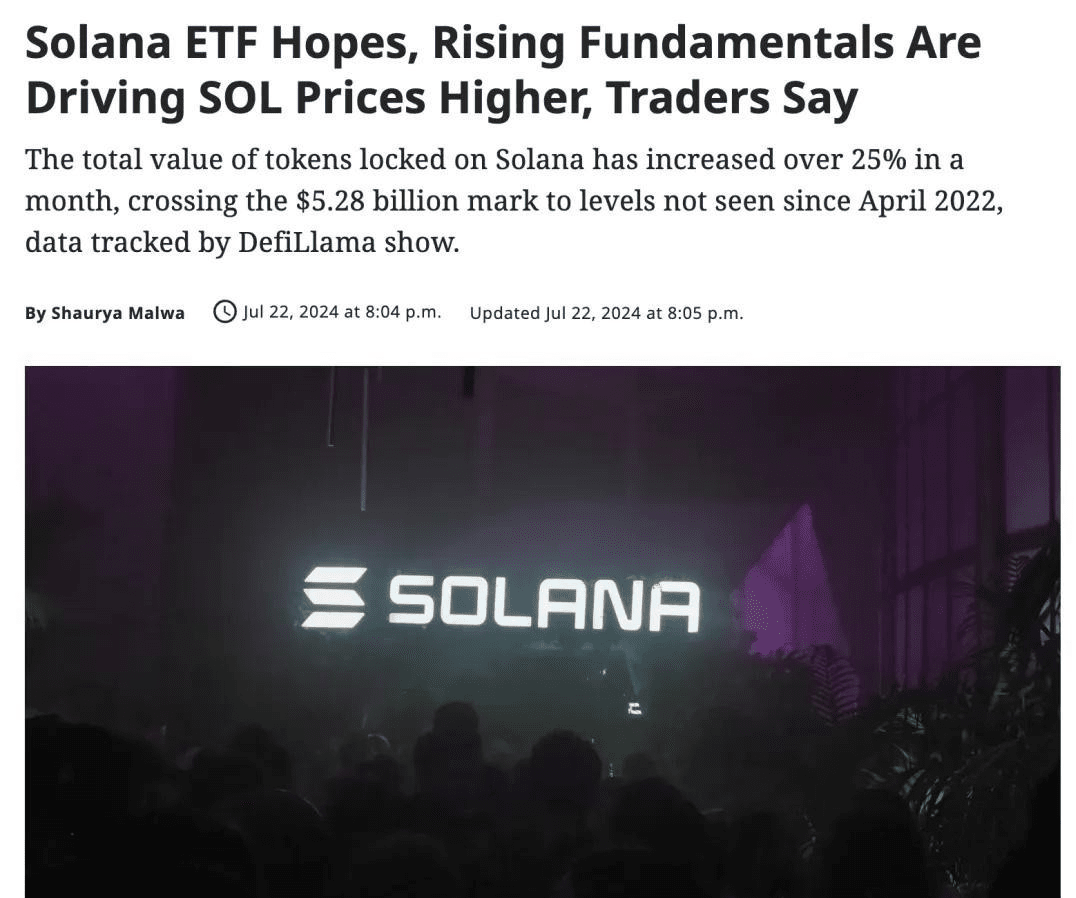
Solana has emerged as the leading blockchain network for new token creation, accounting for a staggering 96,010 out of 110,180 tokens launched in the past year across decentralized exchanges (DEXs). This puts Solana at the forefront of the token creation space, representing over 87% of all new tokens. The rapid rise in token launches on Solana can be largely attributed to the increasing popularity of memecoins and speculative assets, which have flooded the network over the past year.

Blockchain networks, particularly Solana, have seen a significant influx of memecoins, which have become one of the primary drivers behind the surge in token creation. The memecoin phenomenon has led to a frenzy of activity as users flock to decentralized platforms to create, trade, and speculate on these assets. Solana’s fast and low-cost transaction infrastructure has made it an attractive destination for memecoin creators, as well as those looking to capitalize on the short-term hype surrounding these tokens. Despite their initial popularity, many memecoins tend to lose value quickly, leaving traders and investors vulnerable to volatile market movements.

Since early 2024, Solana has consistently maintained its position as the dominant network for token creation, often competing with Base Layer, another blockchain network that has played a significant role in token launches. Together, these two networks have dominated the space, accounting for over 80% of all new token projects. However, Solana has continued to pull ahead, with a large percentage of these new tokens being listed on decentralized exchanges (DEXs), which offer open and permissionless trading environments for newly minted tokens.

Despite the impressive growth in token launches, the influx of new assets on Solana is not without risks. Memecoins, in particular, are highly speculative and can experience extreme price swings, often leading to market instability. Many of these tokens are created quickly, with minimal utility or long-term viability, and can lose value as quickly as they rise. This has raised concerns about the sustainability of the memecoin-driven growth on Solana and the broader implications for token creation on decentralized platforms.

The explosive growth of token creation on Solana is also a reflection of the broader trends within the cryptocurrency market, where new asset classes, such as non-fungible tokens (NFTs) and decentralized finance (DeFi) tokens, have taken center stage. Token creation is no longer limited to traditional cryptocurrencies like Bitcoin or Ethereum, but now includes a wide variety of digital assets, many of which are driven by community-led initiatives and viral marketing campaigns.

The United Arab Emirates has implemented a significant tax relief for cryptocurrency-related businesses and investment firms, providing them with a value-added tax (VAT) exemption that aims to bolster the country’s position as a global hub for digital assets and investment services. This move, which comes as part of the UAE’s broader economic reforms, reflects its ongoing efforts to attract fintech innovators, financial institutions, and investors seeking a […]

Coinbase has taken steps to delist certain stablecoins from its European platform as the European Union’s Markets in Crypto Assets (MiCA) regulatory deadline approaches. MiCA, which was officially adopted in 2023, is set to introduce a sweeping regulatory framework aimed at managing the cryptocurrency market within the EU. One of its key objectives is ensuring transparency, consumer protection, and compliance, particularly in stablecoin issuance and circulation. As […]

Binance, once the dominant force in cryptocurrency exchanges, has witnessed a sharp fall in its market share, marking a four-year low as of September 2024. This decline is coupled with a notable drop in trading volumes, with figures indicating a contraction of over 20% compared to the previous month. The exchange’s declining influence underscores broader market dynamics that are reshaping the competitive landscape of digital assets trading.

As of September, Binance’s market share slipped to approximately 34%, a significant decline from the 50% it commanded earlier in the year. The company’s dwindling dominance has raised questions about its long-term strategy and its ability to maintain its foothold in a market that is becoming increasingly fragmented. Several factors have contributed to Binance’s drop, including regulatory pressures, legal challenges, and the emergence of rival platforms that are capitalizing on the exchange’s setbacks.

Binance’s struggle is further exacerbated by the global regulatory environment, which has been tightening around the exchange. Multiple jurisdictions, including the U.S. and Europe, have introduced or expanded regulations aimed at increasing oversight of cryptocurrency exchanges. In particular, Binance has faced scrutiny from authorities over concerns surrounding compliance with anti-money laundering (AML) rules, as well as issues related to Know Your Customer (KYC) requirements. These challenges have resulted in some users migrating to alternative platforms that are seen as more compliant or less prone to legal uncertainties.

Despite these obstacles, Binance continues to be a major player in the crypto space. Its diverse offerings, including a wide array of digital assets and its established reputation, still attract a substantial user base. However, the exchange has been forced to adapt to changing conditions, implementing new policies aimed at addressing regulatory concerns. These measures, while necessary, have also created friction with some users who prefer the more relaxed regulatory environment that Binance originally thrived in.

Rival exchanges such as OKX and Bybit have gained ground, seizing the opportunity to attract traders dissatisfied with Binance’s regulatory troubles. OKX, in particular, has seen its market share rise, largely driven by its appeal to institutional investors and its regulatory standing in key regions. Bybit, on the other hand, has capitalized on its innovative product offerings, particularly in derivatives trading, which has drawn significant trading volume away from Binance.

Decentralized exchanges (DEXs) have surged in popularity as a viable alternative to traditional, centralized platforms like Binance. DEXs offer users the ability to trade directly from their wallets without the need for intermediaries, providing an additional layer of privacy and security that centralized exchanges sometimes struggle to offer. Uniswap and other DEXs have seen an uptick in usage, contributing to the redistribution of market share across the broader crypto ecosystem.

The overall cryptocurrency market has also been experiencing reduced trading activity, which has affected not just Binance but the industry as a whole. Lower volatility in major cryptocurrencies such as Bitcoin and Ethereum has led to a decrease in speculative trading, which typically drives much of the volume on exchanges. As a result, Binance’s reliance on high trading volumes has placed it in a vulnerable position during periods of market stagnation.

The exchange’s response to these challenges will likely determine its ability to regain market share. Binance has already made efforts to bolster its reputation and restore confidence, including expanding its regulatory compliance team and forging partnerships with regulators to create a more transparent operational environment. Nevertheless, with its trading volume plunging and competitors gaining traction, Binance’s path forward remains uncertain.

One of the more notable trends influencing Binance’s decline is the growing interest in institutional cryptocurrency trading. Institutional players have become more active in the space, seeking exchanges that can provide robust compliance frameworks, secure trading environments, and advanced features suited to their needs. Binance, despite its size and market share, has struggled to fully cater to these demands, creating an opening for more niche, institution-focused platforms to thrive.

Binance’s founder and CEO, Changpeng Zhao (CZ), has maintained a bullish stance on the future of the company, pointing to its innovation pipeline and its commitment to working with regulators. He has stressed the exchange’s focus on creating a sustainable ecosystem that will benefit both retail and institutional traders. However, the company’s future success will largely depend on how well it navigates the complex regulatory landscape and adapts to the evolving needs of its users.

Dubai’s position as a global hub for innovation has drawn considerable attention to the city’s expanding cryptocurrency market. The United Arab Emirates (UAE), with its pro-technology policies and investment in blockchain infrastructure, has emerged as a strategic hotspot for crypto exchanges. With a clear focus on security, liquidity, and competitive fees, Dubai-based crypto platforms are capturing the attention of both retail and institutional investors alike. As the industry evolves, some exchanges stand out for their user-friendly approach, strong compliance with local regulations, and diverse product offerings.

The cryptocurrency landscape in Dubai is buoyed by the government’s proactive stance, including the adoption of blockchain technology in public services. The introduction of Emcash, the UAE’s first official cryptocurrency, underscores the country’s ambition to lead in the digital asset space. Given the booming interest in cryptocurrency trading, finding the best platform in Dubai is critical for investors keen to participate in this dynamic market. Several exchanges distinguish themselves by catering to different needs, from high liquidity to low transaction fees, ensuring that both new traders and seasoned professionals can find a suitable platform.

Among the leading platforms, Binance stands out due to its global reach, immense liquidity, and strong security features. Binance’s popularity in Dubai can be attributed to its diverse offering of digital currencies, its top-tier security measures such as multi-factor authentication, and its ability to process high transaction volumes efficiently. The exchange also boasts advanced trading features, including futures contracts, margin trading, and staking options, making it a go-to for both day traders and long-term investors.

Bybit, another prominent player in the Dubai market, has carved a niche for itself with its focus on derivatives trading and copy trading features. For those new to cryptocurrency, Bybit’s copy trading option allows users to mimic the trades of successful investors, reducing the risks typically associated with beginner errors. The platform’s clean interface and educational tools make it an appealing choice for new traders while offering robust charting tools and high-leverage options for more experienced users. Additionally, Bybit’s emphasis on compliance with UAE regulations has made it a trusted platform for local traders.

For investors looking to diversify beyond crypto assets, eToro provides an ideal solution. The platform is known for its multi-asset capabilities, allowing users to trade both cryptocurrencies and traditional forex markets. The added flexibility of managing diverse portfolios from a single platform enhances its appeal among traders in Dubai. eToro’s social trading feature, where users can follow and replicate trades from more experienced investors, adds another layer of accessibility, especially for those less familiar with the nuances of cryptocurrency markets. Its compliance with local regulatory frameworks further strengthens its credibility in the region.

BitOasis, one of the UAE’s homegrown exchanges, is widely recognized for its user-centric approach. Established in Dubai, the platform provides an easy entry point for new investors by simplifying the process of buying and selling popular cryptocurrencies like Bitcoin and Ethereum. What distinguishes BitOasis is its deep integration with local banking systems, which allows for smooth fiat-to-crypto conversions. This local focus has also enabled it to build a reputation for reliability and transparency, making it a preferred choice for users keen to avoid international transfer fees or delays.

On the other end of the spectrum, Rain has become a popular platform due to its low trading fees and ease of use, particularly appealing to budget-conscious investors. Originally based in Bahrain but with a strong presence in Dubai, Rain caters specifically to the Middle Eastern market by offering support for local currencies and adhering to regional regulations. The platform also offers a mobile-first design, ensuring that users can manage their portfolios and execute trades on the go. Its emphasis on low transaction fees makes it one of the most affordable options for traders in Dubai, helping Rain carve out a space in the competitive crypto exchange market.

While all these exchanges have different strengths, it is important to note the regulatory landscape of the UAE. In Dubai, the Virtual Assets Regulatory Authority (VARA) plays a crucial role in overseeing the cryptocurrency sector, ensuring that platforms operate within legal frameworks and adhere to stringent anti-money laundering (AML) and know-your-customer (KYC) requirements. This ensures that Dubai remains a secure environment for cryptocurrency activities, providing peace of mind for investors concerned with compliance and security.

The integration of blockchain technology within Dubai’s economy continues to grow, spurred on by these exchanges and the government’s broader vision for the future of digital assets. Dubai’s government has been at the forefront of blockchain adoption, aiming to become a global leader in the digital economy. Through initiatives like the Dubai Blockchain Strategy, the city has laid the groundwork for a more efficient, transparent, and secure financial ecosystem, with cryptocurrencies playing a pivotal role in this transformation.

VISHNU RAJA
RYO YAMADA
HITORI GOTOH
IKUYO KITA