News related to
Exchanges

M A Hossain The recent explosion of thousands of pagers across Lebanon is an alarming development that bears the hallmarks of Israeli involvement, potentially signaling an imminent military escalation between Israel and Hezbollah. This tension has been mounting since Hezbollah’s recent engagement with Israeli forces, a direct response to Israel’s intensified military actions against Gaza following the deadly October 7 Hamas-led attack. The strategic aim behind targeting […]

Estithmar Holding Group has successfully listed its debut corporate sukuk, valued at QAR 1 billion, on the London Stock Exchange. This milestone marks the first corporate sukuk denominated in Qatari Riyals to be listed on an international exchange. The issuance aims to diversify the group’s funding sources while bolstering investor confidence in Qatar’s corporate sector. The sukuk, which is Sharia-compliant, represents an important step for Estithmar Holding, […]

Regional stock markets across the Arab world reached a total market capitalization of $4.268 trillion in August, marking another significant milestone for the financial hubs of the Middle East. Major players such as Saudi Arabia, the UAE, and Qatar continue to lead the region’s stock exchanges, driven by robust economic conditions, high energy prices, and increased investor confidence in non-oil sectors. This rise reflects growing interest from […]

HONG KONG SAR – Media OutReach Newswire – 19 September 2024 – Despite recent data indicating the Hong Kong economy is improving; many businesses remain cautious. To encourage more investment to boost the economy, it remains important the Hong Kong Government announces further reforms in the upcoming Policy Address to sustain the city’s international position. Mr Cliff Ip, Divisional President of CPA Australia 2024 in Greater China […]

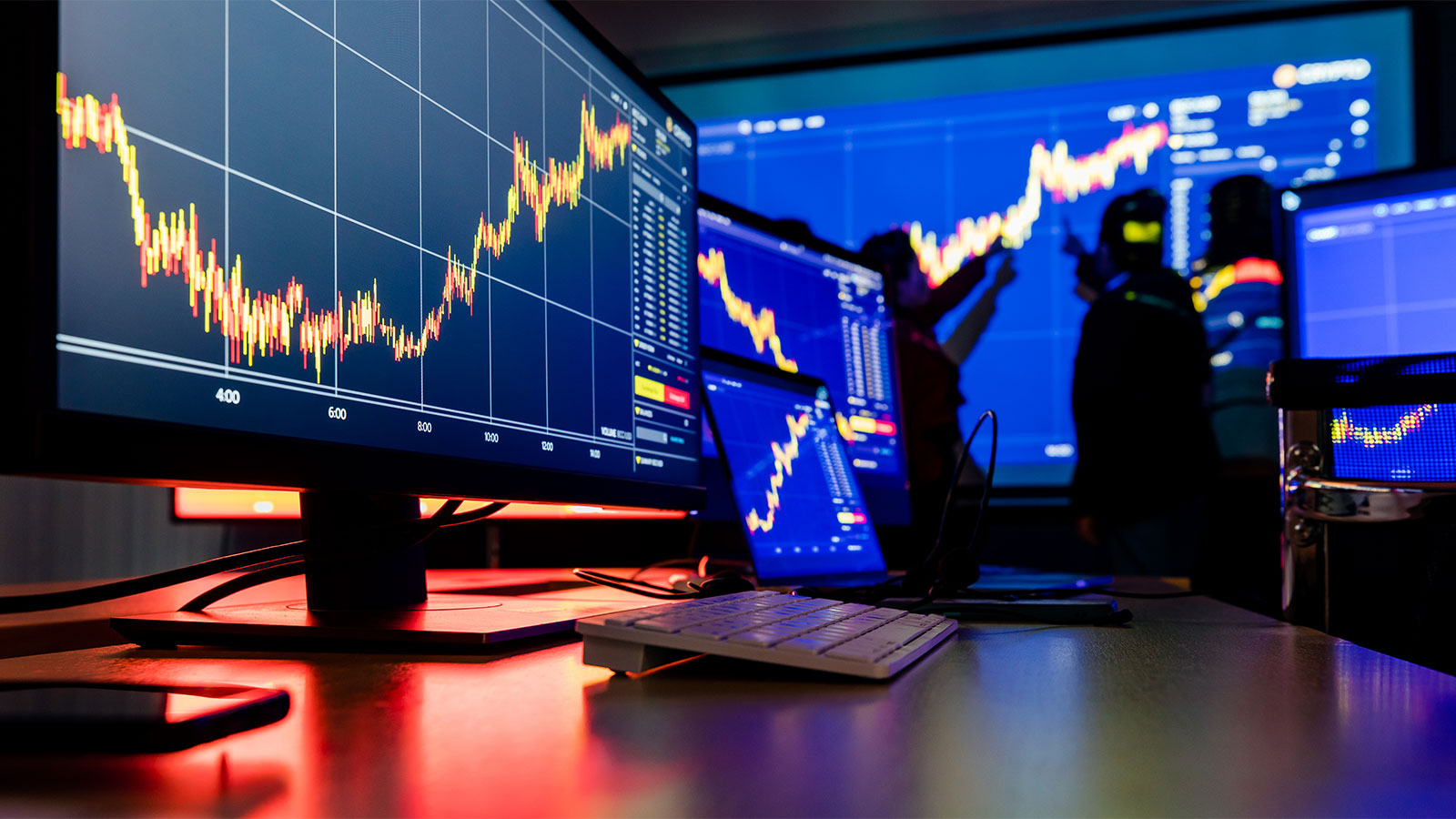
A sudden spike in Bitcoin’s value has wiped out more than $200 million in liquidated positions, with the majority being attributed to short positions. The cryptocurrency surged by over 6%, surpassing the $63,300 mark within the last 24 hours. This significant rally has taken traders by surprise, marking another episode of volatility in the digital asset market.

The liquidation wave hit both long and short positions, but it was primarily short sellers who bore the brunt of the surge. Data indicates that $155.5 million of the total liquidations came from short positions, as traders betting against Bitcoin’s price movement were forced to close their positions when the cryptocurrency rallied. Such liquidations typically occur when traders borrow funds to amplify their positions but fail to meet margin requirements when prices move against their bets.

Bitcoin’s value has been fluctuating for weeks, but this sharp upward movement has renewed optimism in the broader crypto market. Analysts are pointing to various potential triggers, including increased institutional interest, favorable regulatory discussions, and a growing sentiment around Bitcoin as a store of value. As the asset crossed the $63,300 threshold, market confidence seemed to grow, further driving the price upward.

A notable factor contributing to the rally is the anticipation of Bitcoin exchange-traded funds (ETFs) gaining approval in the United States. There has been mounting speculation that regulators might finally approve a Bitcoin ETF, potentially opening the floodgates to billions of dollars in institutional capital. Although no official decision has been made, the market’s optimism about a positive outcome is reflected in the current price action.

The broader crypto market has also been riding the coattails of Bitcoin’s rise, with altcoins experiencing gains. Ethereum, the second-largest cryptocurrency by market capitalization, saw a modest increase as well, though it did not match Bitcoin’s sharp surge. Altcoins generally follow Bitcoin’s lead, and positive price action in the dominant cryptocurrency often pulls the entire market upward.

While short sellers were hit hard, some long positions were also liquidated. Market data shows that approximately $44.5 million of long positions were liquidated alongside the much larger short liquidation. This can occur when traders leverage long positions too aggressively and are forced to liquidate as prices fluctuate. However, the overwhelming majority of liquidations came from traders betting against the rally, underscoring the sudden and unexpected nature of Bitcoin’s price movement.

The impact of Bitcoin’s rise extended beyond just the liquidations. Trading volumes on major cryptocurrency exchanges surged, with significant buying activity observed during the rally. The market’s enthusiasm was evident as Bitcoin pushed through psychological resistance levels, emboldening investors who had been hesitant to enter the market amidst fears of regulatory crackdowns and global economic uncertainty.

Some analysts argue that the surge may also be tied to macroeconomic factors. Inflation concerns continue to dominate headlines, particularly in the United States, where the Federal Reserve has been wrestling with policy decisions aimed at controlling inflation without stifling growth. Bitcoin, often referred to as “digital gold,” has been seen by some as a hedge against inflation, which could explain the renewed interest from institutional investors. As inflation concerns mount, assets like Bitcoin, which are perceived as scarce and decentralized, have attracted attention from investors looking for alternatives to traditional financial instruments.

Despite the optimism, the market remains volatile, and experts caution against overconfidence. Bitcoin’s history of rapid price swings has caught both retail and institutional investors off guard in the past. While the current rally is encouraging, it is unlikely to be without pullbacks, as traders reassess their strategies and market conditions evolve.

The surge also raises questions about the future of short trading in the cryptocurrency space. Shorting Bitcoin has become a popular strategy for traders who anticipate downward price movements, but the inherent volatility of the market makes it a risky bet. As this recent wave of liquidations shows, unexpected price jumps can quickly unravel short positions, leading to substantial losses for traders who misjudge the market’s direction.

Regulatory developments remain one of the most critical factors influencing Bitcoin’s trajectory. Governments worldwide are grappling with how to regulate digital assets, and any hint of regulatory clarity or approval for Bitcoin ETFs could dramatically shift market sentiment. However, the market also faces the possibility of increased regulation, particularly in regions like the European Union and China, which have both taken steps to tighten their grip on cryptocurrency trading and mining.

Additionally, institutional adoption of Bitcoin continues to be a key driver of its price movement. More asset managers, hedge funds, and corporations are including Bitcoin in their portfolios, viewing it as a long-term investment. This growing institutional interest has been pivotal in Bitcoin’s rise over the past year, and the latest surge only adds to the narrative that the cryptocurrency is maturing from a speculative asset to a mainstream financial instrument.


Erenhot Port, the largest land port on the China-Mongolia border, has witnessed increasing trade and people-to-people exchanges between the two countries. This year, by Sept. 5, Erenhot highway and railway ports recorded over 1.75 million inbound and outbound trips, up 95 percent year on year. Many Mongolian residents are coming to China to receive education and medical services. The popularity of Mongolian goods among Chinese consumers has […]

Crypto trading platform Bitsgap has unveiled its latest innovation, an AI Assistant designed to help traders manage their portfolios with greater efficiency. This move marks a significant advancement for the platform, positioning Bitsgap as one of the first to incorporate artificial intelligence into its crypto trading infrastructure. The AI-driven features aim to simplify the complex nature of cryptocurrency trading, empowering users with more robust tools to navigate the often-volatile market.

Bitsgap’s AI Assistant leverages the platform’s extensive experience in developing automated trading systems. The new tool integrates AI insights into portfolio management across multiple partner exchanges, including Binance, OKX, and KuCoin. By shifting the focus from individual trading bots to comprehensive portfolio oversight, the AI Assistant provides traders with a more holistic approach to managing digital assets such as Bitcoin. This shift allows for a diversified trading experience that moves beyond simple asset-to-asset transactions and into more intricate portfolio strategies.

The AI at the core of Bitsgap’s new feature scans thousands of cryptocurrency pairs across all connected exchanges. Using advanced algorithmic models and back testing, it selects the most suitable automated trading strategies based on the user’s portfolio and market conditions. These insights help users make more informed decisions, even in unpredictable market environments, offering a data-backed advantage that sets Bitsgap apart from traditional trading platforms.

What sets the AI Assistant apart from previous iterations of automated trading is its focus on portfolio-wide strategy rather than micromanaging individual bots. Traders can now set broader goals for their portfolios, and the AI Assistant takes on the task of executing these strategies, adjusting based on market fluctuations and user preferences. Among the standout features are take-profit options, which allow traders to lock in gains across several bots, ensuring that profits are realized even when market conditions shift. The system also provides enhanced portfolio management tools, offering streamlined control over assets and a clearer understanding of how different trading bots are performing in relation to one another.

Bitsgap’s representatives emphasized that the AI Assistant was developed in response to the increasing complexity of the crypto market. With thousands of cryptocurrencies in circulation and numerous trading pairs available, managing trades effectively has become a challenge for both novice and seasoned traders alike. By introducing AI-driven strategies, Bitsgap hopes to mitigate the unpredictability of the market while still allowing users the freedom to engage with a variety of trading opportunities. The platform aims to make crypto trading accessible without sacrificing the sophistication required to stay competitive in a fast-paced market.

The company’s decision to focus on AI reflects broader trends in the financial technology sector, where artificial intelligence is becoming a critical tool for improving decision-making processes. Automated trading has been a hallmark of the cryptocurrency world for several years, but the introduction of AI technology represents a new phase of innovation. It signals a move towards more intelligent, responsive trading systems that can adapt to market changes more rapidly than human traders could ever hope to achieve.

The AI Assistant’s launch comes at a time when crypto markets are increasingly influenced by data-driven decisions, and Bitsgap’s decision to incorporate this technology reflects its commitment to staying ahead of industry trends. The platform’s AI tools are designed to accommodate both seasoned traders and those new to cryptocurrency, offering customizable features that can be tailored to a user’s experience level and risk tolerance. Whether a trader is managing small sums or larger, more complex portfolios, Bitsgap’s AI Assistant offers a level of flexibility that appeals to a broad spectrum of investors.

Moreover, the new feature underscores Bitsgap’s focus on offering a seamless user experience. The platform has long been known for its user-friendly interface, and the introduction of AI technology is designed to build upon that foundation, making advanced trading techniques more accessible without overwhelming users with complex algorithms or overly technical interfaces. The AI Assistant’s intuitive design allows traders to focus on strategy while the system handles the execution, freeing users from the need to constantly monitor individual trades.

The integration of the AI Assistant also marks a broader shift in how cryptocurrency trading is evolving. As markets become more data-centric, the ability to process vast amounts of information quickly and accurately is increasingly becoming a competitive edge. Bitsgap’s AI technology offers traders an opportunity to capitalize on this shift, allowing them to make faster, more informed decisions without the need for constant manual input.

Although artificial intelligence is still an emerging technology in the realm of cryptocurrency trading, Bitsgap’s investment in AI tools shows a clear understanding of where the market is heading. The platform’s new feature is likely to attract attention from both casual traders and institutional investors, who are always on the lookout for systems that provide an edge in an increasingly crowded market.

Advertisements

DeFi Technologies, a Canadian firm specializing in cryptocurrency, is setting its sights on a Nasdaq listing following its recent filing of a Form 40-F with the Securities and Exchange Commission (SEC). This strategic move marks a significant milestone for the company, which has been at the forefront of digital asset management and blockchain technology.

Founded in 2019, DeFi Technologies has rapidly established itself in the cryptocurrency space by offering a range of financial products and services centered around decentralized finance (DeFi). The company’s portfolio includes substantial holdings in Bitcoin, Solana, and CORE, with a notable profit of $105 million for the year 2024. This financial performance underscores the company’s strong position within the industry and its potential to attract further investment through its Nasdaq uplisting.

The decision to pursue a Nasdaq listing is a pivotal step for DeFi Technologies, aligning with a broader trend of cryptocurrency firms seeking to gain credibility and access to capital markets through public offerings. By listing on Nasdaq, DeFi Technologies aims to leverage the exchange’s global reach and reputation to enhance its visibility among institutional and retail investors. The move is expected to bolster the company’s growth prospects and expand its influence within the digital asset sector.

DeFi Technologies’ holdings reflect its strategic focus on leading blockchain technologies. Bitcoin, the most widely recognized cryptocurrency, continues to serve as a core asset in the company’s portfolio, providing a foundation of stability and value. Solana, known for its high-performance blockchain and scalable infrastructure, represents DeFi Technologies’ commitment to investing in innovative and efficient blockchain solutions. Additionally, CORE, which focuses on decentralized applications and smart contracts, aligns with the company’s mission to support the development and adoption of decentralized technologies.

The company’s robust profit figure of $105 million for 2024 highlights its successful operations and market positioning. This profitability is attributed to DeFi Technologies’ strategic investments and its ability to navigate the volatile cryptocurrency market effectively. The firm’s financial health is expected to play a crucial role in attracting new investors, as it demonstrates the company’s capability to generate substantial returns.

DeFi Technologies’ decision to file a Form 40-F with the SEC is a significant regulatory step that signifies the company’s commitment to transparency and compliance with U.S. securities laws. The Form 40-F, which is required for foreign companies seeking to list on U.S. exchanges, provides detailed information about the company’s financial performance, governance, and business operations. This filing is a key element in the company’s effort to meet Nasdaq’s listing requirements and establish credibility with potential investors.

As DeFi Technologies prepares for its potential Nasdaq listing, it joins a growing number of cryptocurrency and blockchain firms that are pursuing public offerings to gain greater access to capital and market recognition. The trend reflects the increasing acceptance of digital assets and blockchain technology within the mainstream financial sector. By listing on Nasdaq, DeFi Technologies positions itself at the forefront of this evolving landscape, aiming to capitalize on the growing interest in digital finance and blockchain innovation.

NL-ix and Nokia have launched a significant upgrade to their network security, introducing Nokia’s Deepfield Defender to combat distributed denial-of-service (DDoS) attacks. This deployment, one of the largest of its kind in Europe, aims to bolster the resilience of NL-ix’s internet exchange infrastructure. The collaboration focuses on deploying Nokia’s advanced Deepfield Defender, a system designed to identify and neutralize DDoS threats in real-time. The solution enhances NL-ix’s […]

HONG KONG SAR – Media OutReach Newswire – 17 September 2024 – In celebration of the 25th anniversary of SaloneSatellite, Salone del Mobile.Milano has partnered with IDFFHK (International Design Furniture Fair Hong Kong) in bringing the exquisite ‘SaloneSatellite Permanent Collection 1998-2024′ exhibition overseas for the first time. This remarkable exhibition, curated and designed by Salone del Mobile.Milano, will be showcased in Hong Kong this November at the […]

Abu Dhabi-based investment firm Lunate has revealed the launch of the first exchange-traded fund (ETF) in the GCC that focuses on German equities. The new Chimera S&P Germany UCITS ETF will offer retail investors in the UAE an opportunity to access Germany’s diversified economy, the largest in Europe and third-largest globally by nominal GDP. Lunate has announced that the ETF will track the S&P Germany BMI Liquid 35/20 Capped Index, a benchmark that includes some of Germany’s most prominent and liquid companies.

The ETF is set to be listed on the Abu Dhabi Securities Exchange (ADX) on 26th September, marking a key milestone in the region’s growing ETF market. As the first Germany-focused fund available in the GCC, the product reflects increasing interest in European markets, particularly Germany’s robust economic landscape. The benchmark index being tracked by the ETF includes industry giants such as Siemens and Mercedes-Benz, representing sectors pivotal to Germany’s industrial strength.

Lunate, an alternative investment firm with a focus on innovation, has positioned the new ETF as a strategic entry point for regional investors seeking exposure to Germany’s top-tier equities. The firm highlighted that the ETF provides a cost-effective and accessible vehicle for individuals looking to diversify their portfolios beyond regional or U.S.-focused markets. The ETF is structured as a UCITS (Undertakings for the Collective Investment in Transferable Securities), a European regulatory framework known for its high standards of investor protection.

Germany’s economy has long been regarded as a leader in industrial output, innovation, and fiscal responsibility, making it an attractive target for investors looking for stability amidst global market volatility. By tracking the S&P Germany BMI Liquid 35/20 Capped Index, which caps the largest constituents to limit concentration risk, the ETF aims to provide balanced exposure to both established and emerging German firms.

Lunate’s CEO expressed confidence that the ETF will appeal to a broad base of investors in the region, noting that the fund provides an efficient and transparent way to gain access to a diverse range of German equities. The inclusion of companies like Siemens, a global leader in industrial manufacturing and digitalization, and Mercedes-Benz, an automotive powerhouse, highlights the ETF’s focus on industries with strong growth prospects.

The launch of the Chimera S&P Germany UCITS ETF also comes at a time when investor interest in European equities has been growing, particularly as concerns about inflation, supply chain disruptions, and geopolitical tensions weigh on markets globally. Analysts believe that the ETF could attract significant interest, given the relatively stable performance of Germany’s largest companies compared to their international counterparts.

Germany has consistently demonstrated economic resilience, with a solid foundation in sectors such as automotive, manufacturing, and renewable energy. By offering exposure to a wide range of industries, the ETF enables investors to tap into growth opportunities within Germany’s expansive economy. The cap mechanism in the index ensures that the largest firms, which might otherwise dominate, do not excessively influence the fund’s overall performance.

The launch of this ETF also highlights the growing maturity of the ETF market in the GCC. Over the past few years, there has been a noticeable increase in the number and variety of ETFs listed on exchanges like ADX. This trend reflects both increasing investor appetite for passive investment strategies and a recognition of the benefits ETFs offer, such as lower costs, liquidity, and diversification.

While the UAE has been a leader in promoting financial innovation, particularly through initiatives like the introduction of ETFs and the establishment of fintech sandboxes, the listing of a Germany-focused ETF signals a more international outlook for the region’s financial markets. The product opens up new avenues for UAE-based investors to participate in the European market without the need to navigate foreign exchanges or deal with the complexities of direct international investments.

The Chimera S&P Germany UCITS ETF is part of a broader strategy by Lunate to expand its offerings in the passive investment space. The firm has been keen to capitalize on the growing popularity of ETFs, which have become a preferred investment vehicle for many due to their flexibility, lower costs compared to traditional mutual funds, and ability to track specific sectors, regions, or asset classes.

The decision to focus on Germany appears strategic, as Germany remains a global hub for innovation and sustainability. With a strong industrial base and leadership in sectors such as automotive, renewable energy, and high-tech manufacturing, Germany continues to attract investment from around the world. Moreover, the country’s long-standing commitment to fiscal discipline has made it a safe haven for investors, particularly during times of economic uncertainty.

The ETF will be accessible to retail investors across the UAE, and its listing on ADX is expected to generate interest from a broad segment of the investment community. By providing exposure to Germany’s most liquid companies, Lunate aims to meet the growing demand for diversified investment products that offer international exposure while maintaining a focus on transparency and cost-efficiency.

Arabian Post Staff -Dubai The Abu Dhabi Securities Exchange (ADX) has enacted a new ban on insider trading effective immediately, targeting potential market abuses ahead of the third-quarter financial disclosures. This move aims to reinforce market integrity and ensure fair trading practices as companies prepare to release their quarterly results. The ADX’s decision, announced on September 14, 2024, responds to growing concerns about market manipulation and the […]

The United Arab Emirates (UAE) and China are continuing to deepen their diplomatic and economic ties, signaling a strong and flourishing partnership that has grown substantially in recent decades. This relationship has evolved into what both nations now refer to as a “comprehensive strategic partnership,” driven by their mutual economic interests, cultural exchanges, and high-level political engagement.

Diplomatic relations between the UAE and China date back to 1984, when both nations formally established ties. Since then, the two countries have signed over 140 bilateral agreements, covering various sectors such as trade, technology, infrastructure, education, and culture. The partnership took a significant step forward with Chinese President Xi Jinping’s visit to the UAE in 2018, which set the stage for closer cooperation in critical areas such as energy, investment, and technology.

The UAE has emerged as one of China’s most important partners in the Middle East, not only due to its strategic geographic position but also because of its role as a major hub for the Belt and Road Initiative (BRI), the massive infrastructure project spearheaded by China. The UAE is regarded as a critical player in facilitating the success of this initiative, thanks to its logistics capabilities and connectivity to Europe, Asia, and Africa.

Non-oil trade between the two countries reached a record high of approximately $81 billion in 2023, marking significant growth and making China the UAE’s largest trading partner. The majority of this trade involves China’s exports to the UAE, which consist of electronics, machinery, and manufactured goods, while the UAE exports primarily aluminum, chemicals, and re-exported goods to China.

Another important aspect of the relationship is tourism. China’s growing middle class has shown an increasing interest in the UAE, with over one million Chinese tourists visiting the country in the first ten months of 2023 alone. Additionally, the UAE has embraced Chinese language and culture, introducing Mandarin into hundreds of schools across the country and hosting various cultural festivals to strengthen people-to-people connections.

Investment ties are equally robust. From 2003 to 2023, the total value of UAE investments in China was approximately $11.9 billion, while Chinese investments in the UAE reached $7.7 billion over the same period. These investments have been directed toward sectors like telecommunications, renewable energy, infrastructure, and tourism. Moreover, the UAE pledged $10 billion to a joint investment fund with China aimed at supporting projects under the Belt and Road Initiative, particularly in East Africa.

China’s technology giants are also expanding their footprint in the UAE. Companies like Huawei and Alibaba are integral players in developing the UAE’s digital infrastructure, contributing to the nation’s ambitions to become a leading technology hub in the region.

Politically, both nations have maintained a close dialogue on international issues. Mutual visits between leaders have further solidified their bond, including the pivotal visit of Sheikh Mohamed bin Zayed Al Nahyan to China in 2019, which emphasized their shared vision for global economic and security cooperation. The two countries continue to align on various international platforms, reinforcing their strategic interests on the global stage.

Cultural ties between the two countries are also flourishing. One notable example is the Sheikh Zayed Centre for Arabic Language and Islamic Studies in Beijing, which promotes Arab culture in China and serves as a bridge for cultural exchange. Additionally, both nations have promoted student exchanges and collaborative research efforts, which have contributed to stronger educational links.

As the UAE and China look to the future, their relationship is poised to grow even further. Both nations are investing heavily in sustainable technologies and clean energy, areas in which they are already cooperating closely. China’s expertise in renewable energy, particularly solar, aligns with the UAE’s Vision 2050, which seeks to diversify its energy mix and reduce its dependence on oil.

Iran and India are poised to enhance their tourism ties with a new Memorandum of Understanding (MoU) focused on boosting cooperation and increasing tourist exchanges. This agreement builds on Iran’s recent move to waive visa requirements for Indian travelers, a policy that has already led to a noticeable rise in visitor numbers.

The MoU, expected to be finalized shortly, aims to foster greater collaboration between the two nations in the tourism sector. It outlines several key areas for joint initiatives, including the promotion of cultural exchanges, development of tourism infrastructure, and coordinated marketing efforts to attract more tourists from both countries.

This strategic partnership comes in the wake of Iran’s decision to eliminate visa requirements for Indian tourists. The waiver, which was implemented to strengthen bilateral relations and promote tourism, has already yielded significant results. Since the policy’s introduction, Indian tourist arrivals in Iran have surged, highlighting the potential for further growth in visitor numbers.

Officials from both countries have expressed optimism about the impact of the MoU. The agreement is expected to streamline travel procedures, facilitate easier access to tourist destinations, and enhance overall visitor experiences. By simplifying the process for Indian tourists, Iran hopes to capitalize on its rich cultural heritage and diverse attractions, which have long been a draw for travelers.

On the Indian side, the MoU is anticipated to open new avenues for tourism-related businesses and stakeholders. The increased flow of visitors is expected to benefit local economies, particularly in regions that rely heavily on tourism revenue. Indian travel agencies and tour operators are gearing up to accommodate the anticipated rise in demand, offering tailored packages and services designed to cater to the interests of Iranian tourists.

Cultural diplomacy also plays a significant role in this burgeoning relationship. The MoU outlines provisions for cultural exchange programs, which aim to deepen mutual understanding and appreciation between the two nations. These initiatives may include art exhibitions, music festivals, and collaborative events that showcase the rich heritage and traditions of both countries.

In addition to enhancing tourism, the agreement is seen as a strategic move to strengthen broader diplomatic and economic ties between Iran and India. Both nations have historically enjoyed a relationship marked by cooperation in various fields, including trade, energy, and technology. The new tourism pact represents a continuation of this trend, with a specific focus on expanding people-to-people connections.

As the agreement progresses, both Iranian and Indian authorities are working to address logistical and operational details. This includes improving visa processing systems, enhancing connectivity between key tourist hubs, and ensuring that infrastructure developments align with the needs of international visitors.

The President of the United Arab Emirates, Sheikh Mohamed bin Zayed Al Nahyan, and Premier Li Qiang of China have engaged in high-level discussions aimed at reinforcing their countries’ Comprehensive Strategic Partnership. This dialogue marks a significant step in deepening the bilateral ties between the two nations, reflecting their mutual interests in expanding cooperation across various sectors. During their meeting, Sheikh Mohamed and Premier Li underscored the […]

Dubai has quickly become a hub for cryptocurrency and blockchain companies, fostering innovation and attracting major players in the digital assets space. Despite regulatory challenges and market volatility, several crypto firms have managed to establish a strong presence, contributing to the emirate’s growing influence in the digital economy. Among the most notable companies are Core Devs, BitOasis, Colexion, ArabianChain, BiTex, EmiSwap, Block Gemini, and OneGram, each playing […]

India continues to hold its position as the world leader in cryptocurrency adoption, according to the 2024 Chainalysis Global Crypto Adoption Index. The country’s dominance in this space persists despite a challenging regulatory environment that includes stringent tax policies and bans on foreign crypto platforms. This latest report reflects India’s ability to stay at the forefront of crypto trading and investment, showcasing the nation’s growing influence in […]

The first debate between Donald Trump and Kamala Harris sparked attention due to their sharp exchanges on leadership, national security, and the direction of the country. However, cryptocurrency, a growing concern in the global economy, was notably absent from the discussion. The debate, hosted as part of the ongoing 2024 presidential campaign, saw both candidates clashing on key issues while steering clear of this increasingly relevant topic. […]

China has intensified its efforts to transform its education system as part of a broader national strategy aimed at becoming a global leader in academia by 2035. The latest drive aligns with the nation’s ambition to enhance innovation capacity, cultivate top-tier talent, and modernize its educational infrastructure. President Xi Jinping, speaking at a national education meeting in Beijing, reiterated the importance of strengthening the country’s educational framework as a fundamental aspect of China’s modernization and development strategy.

Since the 18th Congress of the Communist Party of China (CPC), substantial reforms have been implemented to accelerate the modernization of education. These reforms include investments in digitalization initiatives, improving access to quality education, and promoting international cooperation in academic research. The overarching goal is to narrow the disparities between rural and urban areas, and between different social groups, ensuring that education becomes more inclusive and accessible across the country.

The government has focused on fostering virtue and innovation within the education system. President Xi emphasized that a balanced and high-quality compulsory education system is critical for China’s socio-economic development. This includes enhancing cooperation between universities and enterprises, promoting interdisciplinary research, and building a high-caliber teaching workforce. Measures to improve teachers’ welfare and career development have also been prioritized, reflecting the government’s intention to make teaching one of the most respected professions in China.

A key part of this strategy involves expanding China’s international academic exchanges and strengthening partnerships in global scientific research. China seeks to position itself as a leader not only in the quantity of educational opportunities but also in the quality of research and innovation, aiming to cultivate a generation of globally competitive scholars and professionals.

These reforms come at a critical juncture, as China faces challenges such as an aging population and slowing economic growth. A modernized, robust education system is seen as essential to maintaining China’s competitive edge on the global stage, particularly in emerging fields such as artificial intelligence, biotechnology, and green technology.

BEIJING, CHINA – Media OutReach Newswire – 10 September 2024 – The curtains have risen once more on the China-Africa Cooperation Forum Summit, held in Beijing from the 4th to the 6th of September, 2024, is a catalyst for Africa’s economic transformation. With “Deepening Cooperation, Building the Future Together” as its theme, the summit aims to enhance exchanges and cooperation between China and Africa in various domains. […]

Taiwan welcomed the establishment of a trade office by the U.S. state of Indiana as a significant step towards expanding economic collaboration, particularly in the high-tech and semiconductor sectors. Taiwan’s Ministry of Foreign Affairs (MOFA) expressed optimism that this move will further deepen bilateral ties and open new avenues for investment and innovation, positioning both Taiwan and Indiana as key players in critical global supply chains. Taiwan’s […]

SINGAPORE – Media OutReach Newswire – 10 September 2024 – In an exciting development for the cryptocurrency industry, VOOX is proud to announce the beta launch of its state-of-the-art cryptocurrency exchange platform. This launch, exclusively available to VIPs and invited members, is set to redefine the standards of digital asset trading, introducing a suite of advanced AI-driven tools designed to optimize user experience and enhance market interaction. […]

HONG KONG SAR – Media OutReach Newswire – 9 September 2024 – The Hong Kong Jockey Club Charities Trust convened its fourth Philanthropy for Better Cities (PBC) Forum 2024 at West Kowloon Cultural District today (9 September). It ushered in Hong Kong Philanthropy Week, in keeping with the HKSAR Government’s mission to promote the city as an international philanthropy hub. HKSAR Government Chief Secretary for Administration Chan […]

A hacker believed to be affiliated with a North Korean group has successfully transferred $11 million worth of stolen Ether to Tornado Cash, a decentralized privacy tool. This significant move follows an initial transaction of $6 million last week, marking a notable development in the ongoing investigation into the cyber theft from the WazirX cryptocurrency exchange.

The transaction of the stolen funds highlights a sophisticated laundering operation, as Tornado Cash is designed to obfuscate the origins of cryptocurrencies, making it challenging for authorities to trace illicit transactions. The move to Tornado Cash not only facilitates the concealment of the stolen assets but also underscores the increasing sophistication of cybercriminals targeting cryptocurrency platforms.

The WazirX hack, which occurred several months ago, involved the breach of the exchange’s security, leading to the theft of substantial cryptocurrency assets. The stolen Ether was initially moved to various addresses before being channeled through Tornado Cash, a popular tool among those seeking to mask their financial trails. The choice of Tornado Cash for laundering stolen funds reflects the growing trend of using advanced privacy tools to evade detection.

North Korean-affiliated hacking groups, known for their state-sponsored cyber operations, have been implicated in numerous high-profile cryptocurrency thefts. Their involvement in the WazirX case aligns with previous patterns observed in other incidents, suggesting a calculated strategy to exploit and launder stolen digital assets.

Law enforcement agencies and cybersecurity experts are intensifying efforts to trace the stolen funds and identify the perpetrators. The use of Tornado Cash complicates these efforts, as the service’s privacy features obscure the transaction history of the funds. Despite these challenges, ongoing investigations aim to unravel the complex network of transactions and potentially identify the responsible actors.

The WazirX hack and subsequent laundering activities have sparked discussions within the cryptocurrency community about the need for enhanced security measures and regulatory oversight. Exchanges and users alike are increasingly concerned about the vulnerabilities exposed by such incidents and the implications for the broader crypto ecosystem.

VISHNU RAJA
RYO YAMADA
HITORI GOTOH
IKUYO KITA