News related to
Middle East

Boeing has appointed Omar Arekat as vice-president for the Middle East, Gulf and North Africa, a senior leadership move that places a long-serving regional executive at the helm of one of the company’s most strategically important markets. The appointment comes as aircraft demand across the region continues to be shaped by fleet expansion, widebody replacement cycles and sustained defence procurement.

Arekat, who will be based in Dubai, takes charge of Boeing’s commercial and defence engagement across a region where the aerospace group employs more than 700 people and supports over 30 commercial airline customers alongside 12 armed forces. His remit covers government relations, industrial partnerships, customer support and business strategy across markets ranging from the Gulf to North Africa.

The leadership change underscores Boeing’s intention to maintain continuity in a region that has long been central to its widebody sales, particularly for long-haul aircraft. Airlines in the Gulf operate some of the world’s largest fleets of twin-aisle jets, while carriers in North Africa are increasingly modernising fleets to support tourism recovery and regional connectivity. Defence ties, including fighter aircraft, rotorcraft, training systems and sustainment contracts, also form a significant pillar of Boeing’s regional presence.

Arekat is widely regarded within the industry as a seasoned regional hand. Before taking on the vice-presidential role, he held senior commercial positions within Boeing’s Middle East operations, working closely with airline leadership teams, civil aviation authorities and defence ministries. His career has been closely tied to the region’s aviation growth story, particularly the expansion of hub-based carriers and the emergence of maintenance, repair and overhaul ecosystems in the Gulf.

Boeing’s Middle East footprint extends beyond sales offices. The company has invested heavily in training, engineering and supply-chain partnerships, working with local firms on aerostructures, composites and advanced manufacturing. These initiatives are often framed as part of national industrial diversification strategies pursued by several Gulf states, where aerospace has been identified as a priority sector.

The appointment takes place against a complex commercial backdrop for Boeing globally. The manufacturer continues to navigate production stabilisation, regulatory scrutiny and supply-chain constraints, particularly in its narrowbody programmes. While these issues have been most visible in North America, their implications are closely watched by Middle East carriers, many of which have large order backlogs and tightly planned delivery schedules.

Industry analysts note that leadership continuity and strong regional relationships are especially important for Boeing in this market. Gulf airlines tend to place large, long-term orders, often timed around major fleet renewals or network expansion phases. Any disruption to deliveries can have cascading effects on capacity planning, route launches and leasing strategies, making senior-level engagement critical.

Defence remains another key dimension of Boeing’s regional strategy. Several armed forces across the Middle East and North Africa operate Boeing platforms, including fighter aircraft, transport planes, helicopters and surveillance systems. The company’s regional leadership is typically involved in government-to-government frameworks, offset arrangements and long-term sustainment planning, areas that require deep familiarity with local regulatory and security environments.

Arekat’s appointment also reflects a broader trend among global aerospace firms to elevate executives with strong regional expertise rather than rotating leadership from headquarters. This approach is seen as a way to navigate increasingly complex geopolitical, regulatory and industrial landscapes, particularly in regions where aviation policy, defence procurement and industrial strategy are closely intertwined.

Boeing has indicated that the Middle East and North Africa will remain a growth priority over the coming decade, driven by air traffic growth above the global average and continued investment in defence modernisation. The company’s market outlooks have consistently pointed to strong demand for both single-aisle aircraft, supporting intra-regional travel, and widebodies for long-haul connectivity linking the region to Asia, Europe and the Americas.

Arabian Post Staff -Dubai Italy’s Saipem has clinched a multi-billion-dollar offshore engineering, procurement, construction and installation contract from QatarEnergy LNG, marking one of the largest project awards in the global energy services sector and reinforcing Doha’s long-term expansion plans for liquefied natural gas production. The Milan-based engineering group said the overall value of the contract is about $4 billion, with Saipem’s share estimated at roughly $3.1 billion. […]

Steven McClurg, chief executive of Canary Capital, has told investors that XRP could reach its cycle high in 2026, diverging from the typical pattern that sees alternative tokens fall sharply when Bitcoin weakens. His remarks come as Bitcoin shows signs of having already topped out for the current cycle, raising questions about whether parts of the digital-asset market are entering a phase of decoupling. McClurg said Bitcoin’s […]

UAE businesses used the Ambiente exhibition in Germany to project the country’s ambition to become a central hub in the global consumer goods trade, as officials and exporters sought to convert visibility into long-term commercial partnerships across Europe, Asia and the Middle East.

The country’s pavilion at the Ambiente fair in Frankfurt brought together manufacturers, designers and trading firms spanning homeware, lifestyle products, gifting and sustainable consumer goods. Organisers said the collective presence was designed to showcase both scale and diversity, with an emphasis on export readiness and cross-border collaboration rather than one-off transactions. The participation formed part of a wider strategy to deepen the UAE’s role in global supply chains at a time when buyers are reassessing sourcing models and regional diversification.

Ambiente is regarded as one of the world’s largest platforms for consumer goods, drawing tens of thousands of buyers, retailers and distributors each year. For UAE exhibitors, the event offered access to European retail networks and international wholesalers seeking alternatives to traditional manufacturing centres. Trade officials accompanying the delegation said meetings during the fair focused on long-term contracts, private-label manufacturing and co-branding arrangements, reflecting a shift towards higher-value engagement.

UAE Ministry of Economy representatives described the fair as a strategic opportunity to align the country’s manufacturing and re-export capabilities with evolving global demand. Officials highlighted the UAE’s logistics infrastructure, trade finance ecosystem and network of comprehensive economic partnership agreements as key advantages in attracting buyers looking for reliability and speed to market. The country has expanded its non-oil exports steadily, with consumer goods playing a growing role alongside metals, plastics and food products.

Exhibitors at the pavilion reported interest from buyers in sustainable materials, contemporary design and flexible production runs. Several companies said European retailers were exploring joint development of products that could be produced in the UAE and distributed across the Gulf, Africa and South Asia. This approach reflects a broader trend among global brands to shorten supply chains while retaining access to multiple consumer markets from a single base.

Frankfurt has become an important meeting point for this recalibration, as trade fairs increasingly serve as venues for strategic sourcing discussions rather than simple product showcases. Industry analysts note that manufacturers from emerging hubs are gaining attention as buyers weigh cost pressures, geopolitical risk and sustainability commitments. The UAE’s pitch at Ambiente centred on stability, regulatory clarity and the ability to integrate manufacturing, warehousing and distribution within a single jurisdiction.

Design-led firms from the UAE also used the exhibition to challenge perceptions that the country’s consumer goods sector is limited to trading and re-export. Several brands showcased original collections developed in collaboration with regional designers, blending Middle Eastern aesthetics with international trends. This creative emphasis was aimed at differentiating UAE products in a crowded marketplace and appealing to premium and mid-market retailers.

Sustainability featured prominently in discussions at the pavilion. Companies highlighted the use of recycled materials, energy-efficient production processes and compliance with European environmental standards. Officials said this focus was essential for competitiveness, as regulatory and consumer scrutiny in Europe continues to intensify. The UAE has invested in sustainability frameworks and industrial policies intended to support greener manufacturing, which exhibitors said helped build confidence among buyers.

The fair also underscored the role of small and medium-sized enterprises in the UAE’s export strategy. Many participating firms were SMEs seeking first-time entry into European markets. Trade support bodies facilitated introductions and provided guidance on certification, packaging requirements and logistics, reflecting an effort to reduce barriers for smaller exporters. Business owners said the ability to present as part of a national pavilion enhanced credibility and opened doors that would be difficult to access independently.

Sharjah is finalising preparations to host the eighth Arab Women’s Sports Tournament, a multi-sport event scheduled to run from February 2 to 12, bringing together elite female athletes from across the Arab world in what organisers describe as a milestone for women’s competitive sport in the region.

Organised by the Sharjah Women Sports Foundation, the tournament is expected to draw teams from more than a dozen countries to compete across disciplines including basketball, volleyball, table tennis, fencing, athletics and archery. Officials say venues across the emirate have undergone technical upgrades and test events to meet international competition standards, while logistics plans covering accommodation, transport and medical services are being finalised.

The competition, formally known as the Arab Women’s Sports Tournament, has become a fixture on the regional calendar since its launch in 2012. It aims to expand opportunities for female athletes, raise performance benchmarks and create a platform where emerging talents can measure themselves against established competitors. Organisers say the February edition will place added emphasis on athlete welfare, officiating quality and broadcast production to extend the tournament’s reach.

Officials involved in planning say participation levels this year reflect growing institutional support for women’s sport across the Middle East and North Africa. National federations have confirmed full-strength squads in several team sports, while individual events are expected to feature athletes who have competed in continental and global championships. The organisers note that the depth of competition has increased steadily over successive editions, with closer scorelines and higher technical standards.

Sharjah hosts expanding Arab women sports event has become a recurring narrative for the emirate, which has invested heavily in grassroots and elite programmes over the past decade. Sports administrators say the tournament aligns with wider strategies to integrate physical education, competitive sport and leadership development for women and girls. Training clinics, refereeing workshops and youth engagement activities are planned alongside the competition calendar to maximise long-term impact.

The Sharjah Women Sports Foundation has stated that preparations also include collaboration with international federations to ensure rules compliance and consistency in judging. Advanced timing systems, video review where applicable, and certified officials will be deployed to maintain competitive integrity. Medical teams with experience in elite sport will be on site throughout the tournament, supported by emergency response units coordinated with local authorities.

Economic and social spillover effects are also part of the planning calculus. Hospitality operators anticipate increased occupancy during the tournament period, while local vendors and service providers are expected to benefit from ancillary demand. Cultural programmes linked to the event will showcase heritage sites and community initiatives, reinforcing Sharjah’s positioning as a host for sports and cultural exchange.

Athletes and coaches familiar with previous editions say the tournament offers a rare environment where women’s sport takes centre stage across multiple disciplines simultaneously. For younger competitors, exposure to international-level organisation and media attention is viewed as a stepping stone toward professional pathways. For established athletes, the event provides competitive continuity between continental championships.

TECOM Group has launched Phase 4 of its Innovation Hub at Dubai Internet City, marking a significant expansion aimed at meeting growing demand for Grade-A office space from multinational companies operating across technology, digital media, telecommunications and other future-focused sectors. Valued at Dhs615 million, the new phase will add 263,000 square feet of gross leasable area, reinforcing Dubai Internet City’s role as a regional centre for global […]

Arabian Post Staff -Dubai Abu Dhabi National Oil Company has finalised a $2 billion green financing facility backed by the Korea Trade Insurance Corporation, strengthening its funding base for lower-carbon projects as it seeks to align hydrocarbon operations with long-term energy transition goals. The facility, structured under ADNOC’s Sustainable Finance Framework, is earmarked for eligible investments across the company’s upstream, downstream and chemicals businesses, including emissions-reduction technologies, […]

Advertisements

The global center of gravity for retail real estate innovation has shifted. For decades, Europe and the United States dictated the rules of the game—setting the benchmarks for planning, service, and concept. However, according to commercial real estate expert Roksolana Pyrtko, that era is ending. The new frontier of retail innovation is undoubtedly the Middle East. In a recent comprehensive analysis, Roksolana Pyrtko details how developments in the UAE, […]

Host Arabia has closed its first edition in Riyadh, positioning the Saudi capital as an emerging focal point for the hospitality and foodservice supply chain at a time when the kingdom is accelerating investment in tourism, leisure and urban development. The three-day event brought together hotel operators, restaurant groups, suppliers and policymakers, underlining the scale of demand being created by new resorts, giga-projects and a fast-expanding domestic dining market.

Held at the Riyadh Front Exhibition and Conference Centre, the inaugural edition drew exhibitors and visitors from across the Middle East, Europe and Asia, reflecting Saudi Arabia’s growing pull as a commercial hub for hospitality equipment, food and beverage solutions, technology and design services. Organisers said the turnout exceeded initial expectations, with strong participation from both international brands seeking market entry and local firms aiming to scale alongside national development plans.

The exhibition opened against the backdrop of an ambitious tourism strategy that targets a sharp rise in annual visitors by the end of the decade, supported by large-scale projects such as Diriyah, Qiddiya, NEOM and the Red Sea destination. These developments are reshaping procurement needs for hotels, resorts, serviced apartments and entertainment venues, driving demand for kitchen equipment, sustainable packaging, digital ordering systems and energy-efficient infrastructure. Host Arabia sought to position itself as a platform where these needs could be matched with suppliers and service providers in a single marketplace.

Industry executives attending the event highlighted Riyadh’s transformation into a year-round destination for conferences, sports and entertainment as a key factor behind the exhibition’s timing. International hotel groups are expanding their presence in the capital, while domestic restaurant concepts are scaling rapidly, supported by a young population and rising disposable incomes. This combination has intensified competition and raised standards, placing greater emphasis on quality, efficiency and sustainability across the hospitality value chain.

The programme featured live culinary demonstrations, equipment showcases and panel discussions focused on workforce development, localisation of supply chains and the adoption of smart technologies. Speakers addressed challenges such as staff training, cost pressures and the integration of sustainability targets into daily operations, themes that resonate strongly with operators navigating rapid expansion. Discussions also touched on regulatory alignment and the role of public-private partnerships in supporting sector growth.

Exhibitors ranged from global manufacturers of commercial kitchen equipment and refrigeration systems to regional producers of food ingredients, tableware and interior solutions. Technology providers showcased point-of-sale platforms, inventory management tools and data analytics designed to help operators manage margins and customer experience more effectively. Several participants noted growing interest in solutions that reduce water and energy consumption, reflecting both regulatory expectations and cost considerations in a desert climate.

Government and industry representatives used the gathering to underline the hospitality sector’s contribution to economic diversification and job creation. Training institutions and recruitment firms reported strong engagement from operators seeking to build local talent pipelines, an area seen as critical to sustaining long-term growth. The emphasis on skills development aligned with broader national objectives to increase private-sector employment and reduce reliance on imported labour over time.

Organisers described the Riyadh edition as a strategic step in establishing Host Arabia as an annual fixture, with plans to expand floor space and content in future editions. Feedback from exhibitors pointed to strong deal-making potential, with several reporting on-site negotiations and follow-up meetings scheduled with hotel developers and restaurant groups. The presence of decision-makers from major projects was cited as a key differentiator compared with more mature regional trade shows.

Abu Dhabi Global Market has entered its second decade with a sharp acceleration in global financial activity, announcing the addition of 11 major international financial institutions whose combined assets under management exceed $9 trillion, a move that underscores the centre’s rapid ascent as a leading global hub for asset management. The influx lifts total assets managed within ADGM to about $1.27 trillion, a steep rise from $635 […]

Arabian Post Staff -Dubai Kuwait is set to sign a contract next week with China Communications Construction Company to advance the long-delayed Mubarak Al-Kabeer Port, signalling renewed momentum behind a project seen as pivotal to the country’s trade ambitions and its role in regional logistics. Public Works Minister Noura Al-Mashaan confirmed the timeline on Thursday, following formal approval by the Central Agency for Public Tenders for the […]

Dubai has built its reputation as one of the most business-friendly cities in the Middle East. With a strong regulatory framework, world-class infrastructure, and a steady influx of international professionals, the emirate continues to attract entrepreneurs, executives, and investors from around the globe. In such a dynamic environment, efficiency is not a luxury—it is a necessity. Business travelers arriving in Dubai often face tight schedules, multiple meetings […]

Abu Dhabi Future Energy Company, known as Masdar, has withdrawn from a consortium seeking to take ReNew Energy Global private, bringing the proposed buyout of the Nasdaq-listed renewable power producer to an abrupt end and sending a fresh signal about the challenges facing large-scale clean energy transactions. ReNew disclosed the development in a filing to the US Securities and Exchange Commission, confirming that the investor group will […]

Greenlogue/AP AMEA Power has commissioned a 120 megawatts-peak solar photovoltaic plant in Tunisia’s Kairouan Governorate, adding one of the country’s largest utility-scale renewable assets to the national grid and strengthening North Africa’s push to diversify power generation. The project operates under a 20-year power purchase agreement with Société Tunisienne de l’Electricité et du Gaz, providing long-term offtake certainty for the state utility and stable revenues for the […]

Mall of the Emirates has embarked on a $1.36bn expansion programme that will add 20,000 square metres of retail space, introduce about 100 new stores, and significantly broaden its dining and entertainment offering, reinforcing Dubai’s position as a global retail and lifestyle hub. The project, announced by owner and operator Majid Al Futtaim, represents one of the most substantial investments in the mall since it opened in […]

The United Arab Emirates has consolidated its standing in 2025 as one of the world’s fastest-growing economies, underpinned by a surge in non-oil activity, sustained investment inflows and a regulatory framework designed to attract capital and talent. Data released through the year point to broad-based expansion across trade, manufacturing, logistics, tourism, finance and technology, reinforcing a shift away from hydrocarbons as the primary engine of growth.

Non-oil foreign trade climbed 24.5 per cent in the first half of 2025 to AED1.7 trillion, a pace that far exceeds the prevailing global trade growth rate. The increase reflects rising re-exports, stronger demand from Asia, Europe and Africa, and the UAE’s role as a commercial bridge linking major markets. Officials have highlighted gains in machinery, electronics, precious metals, food products and pharmaceuticals, supported by expanded port capacity, faster customs procedures and new trade agreements.

Investment indicators have moved in tandem with trade. The UN Conference on Trade and Development’s World Investment Report 2025 ranked the UAE 10th globally for inbound foreign direct investment in 2024, with inflows of AED167.6 billion. That placing keeps the country among the world’s most attractive destinations for capital, alongside much larger economies, and underscores confidence in the policy environment, infrastructure and legal protections available to investors.

Economic planners attribute the momentum to a combination of structural reforms and targeted incentives. Liberalised ownership rules, long-term residency options for professionals and entrepreneurs, and streamlined licensing have lowered barriers for international firms. Specialised free zones continue to draw companies in logistics, clean energy, advanced manufacturing, fintech and digital services, while onshore jurisdictions have simplified company formation and compliance.

Non-oil GDP growth has been supported by strong domestic demand and an expanding population of skilled workers. Tourism has posted record levels of hotel occupancy and visitor spending, aided by expanded air connectivity and major events that have kept demand resilient across seasons. Retail and hospitality have benefited from rising consumer confidence, while real estate transactions have remained active across residential, commercial and industrial segments.

Manufacturing has emerged as a key contributor, with investments flowing into metals, food processing, pharmaceuticals and building materials. The push to localise supply chains and boost exports has been reinforced by incentives for advanced manufacturing and the adoption of automation and artificial intelligence. Renewable energy and clean technology projects have also attracted capital, aligning economic growth with climate commitments.

The financial sector has played a central role in channelling investment. Banks have reported healthy credit growth to businesses, while capital markets have seen new listings and debt issuance that broaden funding options. Asset managers and private equity firms have expanded regional operations, using the UAE as a base for Middle East, Africa and South Asia strategies. Regulatory clarity in digital assets and fintech has further widened the investor base.

Trade policy has complemented domestic reforms. Comprehensive economic partnership agreements have reduced tariffs and opened access to fast-growing markets, supporting exporters and logistics providers. Improved customs digitisation has shortened clearance times, enhancing the country’s competitiveness as a trans-shipment hub. The scale of non-oil trade growth indicates that these measures are translating into higher volumes rather than merely price effects.

HONG KONG SAR – Media OutReach Newswire – 18 December 2025 – IX Asia Indexes today announced the 2nd Half 2025 Review of the IX Digital Asset Industry Classification System (“DAICS®“), aiming to provide professionals worldwide with a transparent and standardized classification scheme to determine sector and exposure of particular digital assets. DAICS® classifies digital assets into 2 main categories: a) Cryptocurrencies and b) Asset Backed Tokens (ABTs) in a 3-tier system for each category. For Cryptocurrencies: Tier 1-Industry/ Tier 2-Sector/ Tier 3-Sub-sector; and for ABTs: Tier 1-Asset Type/ Tier 2-Branch/ Tier 3-Sub-branch. The results are as follows:

  • DAICS® coin coverage: As of 3rd December, the top 50 coins by average market capitalization across the past 90 days
  • DAICS® market capitalization coverage: 96.98%*
  • The % coverage of market capitalization of the 50th ranked coin: 0.048%**
  • Member changes within the Top 50 Coins in DAICS®: eight coins added and nine coins deleted
  • Additions: Zcash (ZEC), World Liberty Financial USD (WUSD), PayPalUSD (PYUSD), Memecore (M), Worldcoin (WLD), Story (IP), Arbitrum (ARB), KuCoin (KCS)
  • Deletions: Mantra (OM), GateToken (GT), Official Trump (TRUMP), VeChain (VET), Render (RENDER), First Digital USD (FDUSD), Filecoin (FIL), Cosmos (ATOM), Algorand (ALGO)
  • 9 Green Coins labelled: Cronos (CRO), Pi (PI), Internet Computer (ICP), Hedera, Sui (SUI), Toncoin (TON), Arbitrum (ARB), Mantle (MNT), Tron (TRX)

Note:
*Special currency treatment of DAICS® applies, where any wrapped or second-level cryptocurrency is not considered in the calculation for the market capitalization of DAICS®

**Based on 3rd December 2025
G: Green Coin

The rankings of additions and deletions for the DAICS® top 50 cryptocurrencies are listed in Appendix 1. All classification changes, including the ixCrypto Infrastructure Index and ixCrypto Stablecoin index, will take effect on 23rd January 2026, with market capitalization, rankings, and weightings available at www.ix-index.com.

1. Cryptocurrencies

1.1. Structure and Definitions

Tier 1: Industry Changes
The industry groups remain unchanged, with 5 industries and the respective weightings as follows:

Industry Weighting (%)
Payment (110) 73.87%
Infrastructure (120) 19.89%
Financial Services (130) 4.82%
Tech & Data (140) 0.22%
Media & Entertainment (150) 1.20%

Tier 2: Sector Changes
The number of sectors has increased from 17 to 18. There is one new sector added under the industry group “Tech & Data (140)”:

Identification (14040)
Definition: Cryptocurrencies that facilitate decentralized identity authentication and/or blockchain-based validation of digital intellectual property rights. The classification emphasizes trust, data consent, and privacy as core architectural features while the crypto by itself is not an identity token.

1.2. Reclassification Changes
This review doesn’t have any reclassification of the existing coins. The DAICS® 2H 2025 cryptocurrencies classification is available in Appendix 2.

1.3. Green Coin Label
This review identifies 9 Green Coins, classified based on their energy-per-unit-transaction, which is defined as the amount of energy consumed for a successful single unit transaction of the coin in the blockchain network. The coins selected rank in the top 20 percentile of the least energy-consuming cryptocurrencies out of the 50 DAICS® constituents. The top 20 percentile’s threshold in this review is ≤ 0.150 Wh. The table below lists these low-energy coins.

Industry Low Energy-per-transaction (≤ 0.150 Wh)
Payment (110) CROG
PIG
Infrastructure (120) ICPG
SUIG
ARBG
TRXG
HBARG
TONG
MNTG
Financial Services (130) NIL
Tech & Data (140) NIL
Media & Entertainment (150) NIL


Note: G as ‘Green Coin‘ labelling for cryptocurrencies that adhere to the principles of sustainability

2. Asset Backed Tokens (ABT)

2.1. Structure and Definitions

Tier 1: Asset Type Changes
The asset types remain unchanged at 6 as follows:
1) Culture (205),
2) Real Estate (215),
3) Financials (235),
4) Entertainment (255),
5) Natural Resources (265), and
6) Green Economy (275)

Tier 2: Branch Changes
The number of branches has increased from 31 to 32, with a new branch added under Financials (235): Tokenized funds (23540).

2.2. Classification Changes
This review doesn’t have any reclassification of the existing assets.

2.3. Coverage of DAICS®
A classification summary and definition table of both cryptocurrencies and ABTs are available in Appendices 3 and 4. For further information regarding the methodology of the DAICS®, please refer to the “IX Digital Asset Industry Classification System”- principle and guiding methodology on the company website https://ix-index.com/daics.html.

For more details on DAICS® qualification criteria, please email [email protected].

Appendix 1

Additions and Deletions in DAICS® Top 50 Cryptocurrencies

Additions
Current Rank Cryptocurrencies
28 Zcash (ZEC)
31 World Liberty Financial USD (WUSD)
41 PayPal USD (PYUSD)
45 MemeCore (M)
46 Worldcoin (WLD)
49 Story (IP)
50 Arbitrum (ARBG)
51 KuCoin (KCS)

Deletions

Prev. Rank Cryptocurrencies Current Rank
34 Mantra (OM) 300+
41 GateToken (GT) 67
43 OFFICIAL TRUMP 56
45 VeChain (VET) 55
46 Render (RNDR) 58
47 First Digital USD (FDUSDG) 71
48 Filecoin (FIL) 61
50 Cosmos (ATOM) 54
51 Algorand (ALGO) 52

G: Green Coin

Appendix 2

Classification of the Top 50 Coins by Industry and Sector
Category

Industry Sector Cryptocurrencies
Cryptocurrencies (1) Payment:

Blockchain based money, designed for transactional purposes. This includes daily transactions usage and stablecoins.

Transaction & Payment BTC
XRP
BCH
XLM
LTC
XMR
CROG
ZEC
PIG
KAS
Stablecoin USDT
USDC
USDe
DAI
WUSD
PYUSD
Infrastructure:

Bedrock blockchain that facilitates the operation of other decentralised applications. This includes the creation and running of dedicated blockchain platforms, achieving interoperability between networks, increasing the amount or speed of transactions etc

Application Development Protocol & Smart Contract ETH
SOL
TRXG
ADA
HYPE
SUIG
AVAX
HBARG
TONG
NEAR
ETC
APT
ICPG
Interoperability LINK
DOT
ATOM
Scaling & Sharding MNTG
ARBG
POL
Supporting System NIL
Financial services:

Tokens that provide on-chain asset management services, crypto-exchange services, funding, lending and other capital markets related services

Exchange Tokens BNB
LEO
BGB
UNI
OKB
KCS
Lending & Borrowing AAVE
Staking ENA
Financial Asset Tokenization ONDO
Tech & Data:

Provision of data management and storage, and development of innovative crypto technology

Storage & Sharing NIL
Data Management NIL
Artificial Intelligence TAO
Identification
(NEW)
WLD IP
Media & Entertainment:

Recreational and media services. Including content creation and distribution, advertising through crypto-asset incentive mechanisms, gaming and collectibles

Social Media & Community DOGE
SHIB
PEPE
M
Streaming NIL
Gaming NIL
Metaverse NIL

Note:
G as ‘Green Coin‘ for cryptocurrencies that adhere to the principles of sustainability

NEW for newly added sector

Appendix 3

DAICS® Industry and Sector Definition

Category Industry Sector Sector definition
Cryptocurrencies (1) Payment: (110)

Definition
Blockchain based money, designed for transactional purposes. This includes daily transactions usage and stablecoins.

Transaction & Payment
(11010)
Cryptocurrencies that are used for store of value, unit of account, medium of exchange
Stablecoin
(11020)
Cryptocurrencies where price is pegged to a / a basket of, reference asset
Infrastructure: (120)

Definition
Bedrock blockchain that facilitates the operation of other decentralised applications. This includes the creation and running of dedicated blockchain platforms, achieving interoperability between networks, increasing the amount or speed of transactions etc.

Application Development Protocol & Smart Contract
(12010)
layer-1 blockchain network that facilitates DApp creation and smart contract execution and smart contract
Interoperability
(12020)
Network that increases inter-connectivity and integration of the fragmented cryptocurrency ecosystem
Scaling & Sharding
(12030)
Networks that increase the ability to cope with the influx of many transactions at a time and blockchain network that can be split into smaller partitions, to improve scalability and process transactions quicker
Supporting System
(12040)
Networks/sidechains that improve functionality of layer-1 network
Financial services: (130)

Definition
Tokens that provide on-chain asset management services, crypto-exchange services, funding, lending, and other capital markets related services

Exchange Tokens
(13010)
Cryptocurrencies that represent the stable coin in the exchange ecosystem and allow users to covert from digital asset on decentralised or centralised system int fiat currencies
Lending & Borrowing
(13020)
Borrowing and lending crypto assets with interest in return and other secondary financial tools derived from primary underlying asset, such as crypto futures and options
Staking
(13030)
Holding and “staking” of certain amount of cryptocurrency in a wallet to facilitate network operations
Financial Asset Tokenization (13040)

Cryptocurrencies/protocols that focus on the tokenized issuance and management of financial assets
Tech & Data: (140)

Definition
Provision of data management and storage, and development of innovative crypto technology

Storage & Sharing
(14010)
Crypto protocols that provide decentralized storage and/or sharing of data filing and resources.
Data Management
(14020)
Networks/Protocols that facilitate the indexing and querying of data from blockchain(s), enabling efficient data retrieval and management for decentralized applications
Artificial Intelligence
(14030)
Cryptos/Protocols that facilitate the use of AI powered apps or projects directly using blockchain platform.
Identification
(14040) (NEW)
Cryptocurrencies that facilitate decentralized identity authentication and/or blockchain-based validation of digital intellectual property rights. The classification emphasizes trust, data consent, and privacy as core architectural features while the crypto by itself is not an identity token.
Media & Entertainment: (150)

Definition
Recreational and media services. Including content creation and distribution, advertising through crypto-asset incentive mechanisms, gaming and collectibles

Social Media & Community
(15010)
Cryptos that provides mast social community and followers without a close secondary industry sector
Streaming
(15020)
Cryptos that provides rights to access decentralised video-streaming sites
Gaming
(15030)
Cryptos which mainly used in gaming or gaming supporting industry
Metaverse
(15040)
Cryptos that is commonly used in collective virtual open space, created by the convergence of virtually enhanced physical and digital reality. This includes the use of VR and/or AR and/or 3D.

Note: NEW for newly added sector

Appendix 4

DAICS® Asset Type and Branch Definition
Category

Asset Type Branch Sub -branch
Asset-Backed Tokens (2) Culture: (205)

Definition
Real asset relating to sports, art, cultural drama, festive collectibles and design IPs etc.

Art
(20510)

This shall be further developed in the future with more digital assets available in the market

Sports
(20520)
Festive Collectibles
(20530)
Design IPs
(20540)
Drama and Play IPs
(20550)
Real Estate:(215)

Definition
Assets that mainly derived its valuation from property, real estate, and land

Commercial Property
(21510)
Residential Property
(21520)
Governmental Property
(21530)
Residential and Commercial Land
(21540)
Financials: (235)

Definition
Real financial asset including listed company shareholdings on regulated centralised exchanges and private company shareholdings; debt instruments; property trusts and derivatives that settled on regulated exchange (CeFi and DeFi).

Tokenised Securities (Company Securities, ETF)
(23510)
Tokenised Debts
(23520)
Tokenised REITs
(23530)
Tokenised Funds(NEW)
(23540)
Entertainment: (255)

Definition
Ownership of the IPs assets in the area of entertainment in real world such as concert, play, shows, circus, musicals, songs, movies, games, events and programs, and souvenir collectibles that is derived from the above areas.

Movies
(25510)

This shall be further developed in the future with more digital assets available in the market

Songs
(25520)
Concerts
(25530)
Gaming
(25540)
All Other Entertainment Events and Collectibles
(25550)
Natural Resources: (265)

Definition
Natural resources asset that derived directly from sea, sky, atmosphere and underground and can be classified as a commodity with standardisation such as precious metals, agricultural, energy and metals.

Precious Metals
(26510)
Agricultural
(26520)
Energy
(26530)
Metals
(26540)
Green Economy (275)

Definition
Ownership of Projects Asset that falls under the definition of the UN 17SDG²s, with over 80% of the income or jobs provided on these 17 initiatives.

No Poverty & Zero Hunger
(27510)

Following definition of the United Nations
17 sustainable development goals²

Good Health and Well-Being
(27520)
Quality Education
(27530)
Gender Equality
(27540)
Clean Water and Sanitation/Affordable and Clean Energy
(27550)
Decent Work and Economic Growth/ Industry, Innovation, and Infrastructure/ Partnerships for the Goals
(27560)
Reduced inequalities/ Peace, Justice and Strong Institutions
(27570)
Sustainable Cities and Communities/Responsible Consumption and Production
(27580)
Climate Action
(27590)
Life Below Water & Life on Land
(27500)

Note: NEW for newly added branch

² United Nations 17 sustainable development goals covering 1) No Poverty 2) Zero Hunger 3) Good Health and Well-Being 4) Quality Education 5) Gender Equality 6) Clean Water and Sanitation 7) Affordable And Clean Energy 8) Decent Work and Economic Growth 9) Industry, Innovation and Infrastructure 10) Reduced inequalities 11) Sustainable Cities and Communities 12) Responsible Consumption and Production 13) Climate Action 14) Life Below Water 15) Life on Land 16) Peace, Justice and Strong Institutions and 17) Partnerships for the Goals https://sdgs.un.org/goals

The issuer is solely responsible for the content of this announcement.

About DAICS®

DAICS® covers both cryptocurrencies and asset-backed tokens (“ABTs”), to be reviewed semi-annually at the end of June and December. On the cryptocurrency side, it is a three-tier system that groups cryptocurrencies into 5 main industries: 1) Payment, 2) Infrastructure, 3) Financial services, 4) Technology & Data, and 5) Media & Entertainment. These industries are further divided into sectors and sub-sectors to be introduced in the future. Under asset-backed tokens, there are 6 asset types: 1) Culture, 2) Real Estate, 3) Financials, 4) Entertainment, 5) Natural Resources, 6) Green Economy. These asset types are further divided into branches and sub-branches to be introduced in the future.

About the IX Asia Tokenization Advisory Committee and Working Group

The establishment of the IX Asia Tokenization Advisory Committee (“Advisory Committee”) is to pursue the goal and vision of formulating a standard for a global tokenization framework in a compliant and transparent way. The key role of the Advisory Committee is to formulate the guidelines and references for tokenization in terms of infrastructure, business, financial stability, sustainability, internal control, and classification. The Advisory Committee is comprised of industry-recognised leaders from blockchain consultancy, sustainable projects, and the field of the Art industry.

The establishment of the Working Group is to identify, evaluate and recommend key directions and founding principles according to their specific industry knowledge and expertise in relating to the creation of the specified token. It will examine and propose improvements to the guidelines and references for tokenization. The working group is formed of a diverse group of market experts representing relevant sectors and markets, to provide input and discuss case studies for creation of tokenization framework, best practices and development of real-world projects.

For more information about IX Asia Tokenization Advisory Committee & Working Group, please visit .

Dubai Airports has kicked off what executives describe as one of the most extensive winter flight programmes in its history, as Dubai International and Dubai World Central – Al Maktoum International roll out new airline services, increased frequencies and expanded connectivity to capitalise on sharply rising travel demand. Airlines from Europe, Central Asia and the wider region are boosting capacity, while direct traffic now makes up more than half of passenger movements at DXB, a marker of strong point-to-point travel confidence that underpins the broader network growth.

The winter schedule enhancements come as carriers add new routes and upgrade equipment, signalling robust airline confidence in Dubai’s appeal as an international hub. FlyArystan has joined DXB’s network with twice-weekly flights from Aktau, Kazakhstan, and Austrian Airlines has reinstated five weekly services from Vienna, reflecting growing European engagement. Virgin Atlantic has deployed its larger A350-1000 aircraft on flights into Dubai, increasing seat capacity significantly, and British Airways has restored Airbus A380 operations from London Heathrow, reinforcing transcontinental connectivity. These moves underscore the increasing demand for direct travel to and from Dubai across key long-haul markets.

Connectivity from South Asia and the Middle East is also strengthening, with Varesh Airline initiating twice-weekly flights from Sari, Iran, and Fly Jinnah adding twice-weekly services from Lahore, enhancing point-to-point traffic flows that traditionally surge during the winter travel period. Saudi Arabia continues to be a pivotal market for both airport hubs, remaining DXB’s second-largest country market by passenger share, with combined traffic across DXB and DWC reaching millions of passengers and marking a year-on-year increase. At DWC, passenger numbers have grown sharply, reflecting its rising importance as a complementary gateway within Dubai’s aviation landscape.

DWC’s strategic role has expanded markedly as airlines take advantage of its available capacity to broaden their offerings alongside DXB operations. The airport recorded a substantial rise in passenger volumes over the year and has seen notable increases in cargo and aircraft movements, pointing to broader growth in both passenger and freight activities. Eurowings has played a significant role in this growth, launching a daily service from Stuttgart to DXB, operating a thrice-weekly service from Düsseldorf into DWC, and increasing frequencies to Berlin, Cologne and Hannover, including its Premium Bizclass product on select services.

Dubai Airports’ research leadership highlights this period as pivotal for the sector, emphasising that the breadth of the winter network reflects evolving travel patterns and confidence from airline partners. Direct traffic growth across both airports is attributed to a mix of inbound tourism, outbound resident travel and medium-term relocations, illustrating a diversified demand base that supports sustained connectivity expansion.

Industry observers point out that Europe and Central Asia have been particularly dynamic contributors to the uplift in capacity. FlyArystan’s entry into the market and Austrian Airlines’ service reinstatement exemplify the shifting landscape of global travel demand, with carriers recalibrating their networks to capture increased passenger flows. At the same time, regional carriers are leveraging expanding demand from neighbouring markets, reinforcing Dubai’s position as a central aviation node connecting different parts of the world.

Capacity enhancements on existing routes are another hallmark of this winter schedule. Carriers such as Virgin Atlantic and British Airways have not only increased frequency but also introduced larger, more efficient aircraft to meet peak season travel. This reflects a broader industry trend toward optimising fleet deployment on high-demand city pairs, balancing cost efficiency with passenger comfort.

While the expanded passenger schedule captures much of the spotlight, cargo operations have also seen parallel growth, particularly at DWC where infrastructure and available slots have encouraged carriers and freight operators to scale up activities. Cargo volumes have continued to rise alongside passenger growth, underscoring the dual role of Dubai’s airports as critical hubs for both people and goods movements.

Airport officials note that the broader travel ecosystem — including international business events, sports fixtures, cultural festivals and holiday travel — continues to stimulate demand, complementing the seasonal drivers that historically shape winter travel patterns. This diversified demand mix has provided airlines with a degree of resilience as they invest in expanded services and plan capacity well into the year ahead.

Oman’s sovereign wealth fund arm ITHCA Group has entered a strategic investment partnership with Saudi Vision Venture Capital, marking a significant step in Muscat’s efforts to deepen the funding pool and regional reach available to start-ups based in the sultanate. The agreement is designed to give Omani founders structured access to the Saudi investment ecosystem, one of the largest and fastest-growing venture capital markets in the Middle […]

President Donald Trump’s administration has broadened the scope of U. S. travel restrictions by adding seven countries and Palestinian Authority travel documents to a full-entry ban that will take effect on January 1, 2026, tightening immigration and border policies that have been a cornerstone of his presidency. The expanded restrictions come as part of a wider strategy the administration says is aimed at bolstering national security and […]

Greenlogue/AP Saudi Arabia’s ACWA Power has entered into a cooperation framework with the African Development Bank aimed at mobilising as much as $5 billion for sustainable energy and water projects across Africa, signalling an expansion of private capital participation in the continent’s infrastructure financing landscape. The agreement sets out a pathway to identify, develop and finance projects focused on electricity access, water security and low-carbon investment, with […]

Abu Dhabi-listed Two Point Zero Group has moved to full ownership of fintech platform Maseera, completing the acquisition of the remaining minority stake and consolidating its position in the fast-growing digital finance space. The transaction marks another step in the group’s strategy of scaling consumer-facing financial services across the Middle East and North Africa through tightly integrated platforms. Two Point Zero confirmed that its subsidiary, E Point […]

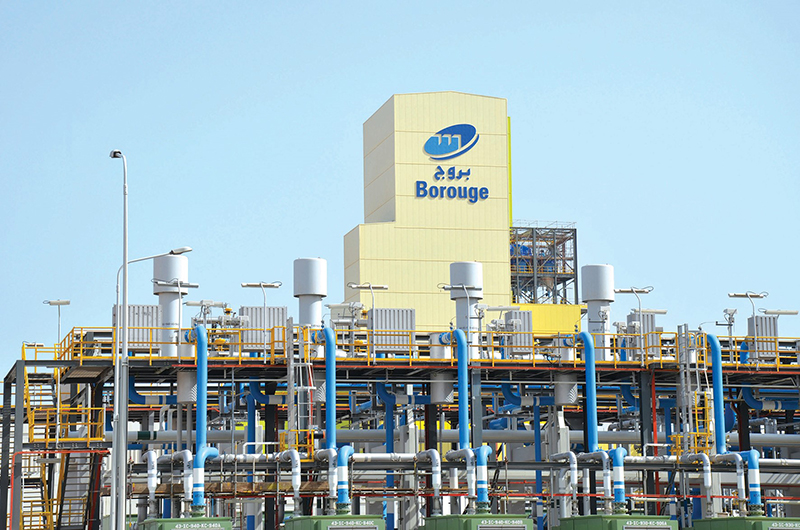
Borouge Plc has been included in the FTSE ADX Dividend Stars Index, a new benchmark launched by Abu Dhabi Securities Exchange in December 2025 that is designed to spotlight companies with a sustained record of dividend distributions, underlining the petrochemicals producer’s position as a core income stock within the local market.

ADX said the FTSE ADX Dividend Stars Index is the first income-focused index of its kind in the region, created to meet growing demand from investors seeking predictable cash returns alongside exposure to liquid, large-cap equities. The index brings together 17 companies that collectively accounted for more than 70 per cent of total cash dividends paid by ADX-listed firms during 2025, highlighting its role as a barometer for dividend strength across the exchange.

Borouge’s inclusion reflects its established dividend policy and scale within the Abu Dhabi market. The company, which produces polyolefins for infrastructure, energy, automotive and packaging applications, has been a consistent dividend payer since listing and is among the exchange’s most actively traded stocks by both institutional and retail investors. Its presence in the index places it alongside leading financial, energy and utility companies that dominate cash returns on ADX.

For market participants, the creation of the FTSE ADX Dividend Stars Index represents a strategic shift in how income strategies can be implemented in the Gulf. Until now, dividend-focused investors relied largely on individual stock selection or broader market indices that did not explicitly weight for income stability. By concentrating on dividend history and payout consistency, the new benchmark offers a clearer framework for portfolio construction aimed at long-term yield.

ADX officials have positioned the index as part of a broader effort to deepen the exchange’s product suite and attract international capital. Abu Dhabi has steadily expanded its market infrastructure through the introduction of sectoral indices, derivatives, exchange-traded funds and sustainability-linked products. An income-focused index is intended to complement these offerings by appealing to pension funds, insurers and asset managers with mandates tied to regular distributions.

Borouge’s operational and financial profile has supported its standing as a dividend anchor stock. The company benefits from integrated feedstock arrangements and proximity to key growth markets in Asia, the Middle East and Africa. Its production base in Ruwais, combined with access to Borouge 4 expansion capacity, has strengthened cash generation, even amid volatility in global petrochemical pricing cycles.

The company’s dividend record has also been closely watched in the context of broader consolidation within the Abu Dhabi energy and industrial ecosystem. Strategic alignment with major shareholders has emphasised balance sheet resilience and shareholder returns, factors that are central to index eligibility criteria focused on payout sustainability rather than short-term yield spikes.

The FTSE ADX Dividend Stars Index methodology places weight on historical dividend payments, liquidity thresholds and free-float considerations, ensuring that constituents are both investable and representative of income generation on the exchange. By capturing more than two-thirds of all dividends paid on ADX during the year, the index underscores the concentration of cash returns among a relatively small group of large, established issuers.

Market analysts note that such concentration can work to the advantage of income investors by reducing volatility and enhancing predictability, while also posing questions about diversification within dividend strategies. The index structure addresses this by capping individual weights and maintaining sector balance, allowing exposure to financial services, energy, utilities and industrials without over-reliance on a single name.

For Borouge, index inclusion may translate into incremental demand from passive and semi-passive investment products tracking the benchmark. Fund managers often use newly launched indices as the basis for exchange-traded funds or structured products, potentially increasing liquidity and reinforcing valuation support for constituent stocks.

Arabian Post Staff -Dubai Dubai-based Emirates NBD Bank has launched a $700 million seven-year bullet term loan aimed at lenders across Asia, marking a notable cross-border funding move as regional banks continue to diversify their funding bases amid shifting global liquidity conditions. The facility carries an interest margin of 100 basis points over term SOFR and includes a $200 million accordion option, allowing the borrower to increase […]

VISHNU RAJA
RYO YAMADA
HITORI GOTOH
IKUYO KITA