News related to
Middle East

HO CHI MINH CITY, VIETNAM – Media OutReach Newswire – 30 December 2025 – According to leading experts, when ESG++ urban developments account for less than 1% of global supply, every project that meets the standard becomes a true collectible asset. Vinhomes Green Paradise in Can Gio, Vietnam is emerging one step ahead in a period of strong market consolidation, opening a 25-30% appreciation range for investors who want to ride the green transformation wave.

Experts: Vinhomes Green Paradise Is One of the World’s Rarest Branded Real Estate Assets

A “One-of-a-Kind” Branded Asset on the Global Map

Speaking at the seminar “Advancing to the Sea with ESG++ Mega-Cities: A Strategy for Sustainable Investment,” Dr. Le Xuan Sang, Deputy Director of the Vietnam Institute of Economics and World Economy, emphasized that for investors, a “branded real estate asset” must meet four criteria: An unmatched location, elevated development standards, limited supply, and a compelling story recognized by global markets. “Vinhomes Green Paradise meets all four,” Sang shared.

He highlighted the integrated ecosystem of the Vinhomes Green Paradise urban development, where affluent residents can enjoy a full spectrum of experiences within one cohesive environment, from work, leisure, wellness, and recreation to business trips and retirement living. When every component reaches a premium standard, the project’s merits speak for themselves.

In Southeast Asia, he noted, it is exceptionally difficult to find a coastal megacity of comparable scale that not only aligns with ESG++ benchmarks but is also connected to high-speed infrastructure and backed by a powerhouse metropolis like Ho Chi Minh City.

“It is entirely justified to call this a rare, hard-to-find branded real estate asset,” he said.

Supporting this viewpoint, Associate Professor Dr. Architect Hoang Manh Nguyen, Chairman of the Institute for Green Urban Science & Technology, highlighted Can Gio’s unparalleled ecological advantage, “backed by forest, facing the sea”, a combination almost impossible to replicate globally and one that carries immense economic value.

He further underscored the “expensive” and “highly complex” nature of ESG++ coastal reclamation cities. Vinhomes Green Paradise being recognized by New7Wonders as the first official participant for the “7 Wonders of Future Cities” title is, in his view, strong evidence that it represents a new global benchmark in urban innovation.

“This places Vinhomes Green Paradise among the world’s truly ‘singular’ real estate assets, naturally becoming a prime target for elite residents and discerning investors,” he stated.

From a legal and institutional perspective, Associate Professor Dr. Nguyen Quang Tuyen, Vice Chairman of the University Council and Head of the Faculty of Economic Law at Hanoi Law University, noted that the distinction of “branded real estate” lies in clear legal frameworks, stable planning, and professional operations, attributes that can withstand the test of time and policy shifts. These are precisely the strengths of Vinhomes Green Paradise, further reinforced by the credibility of the Vingroup brand.

ESG++ Assets: A Long-Term “Safe Harbor” with 25–30% Appreciation Potential

Discussing the issue in greater depth, Associate Professor Dr. Hoang Manh Nguyen asserted that urban livability is the key determinant of real estate value. Locations with cleaner air, lower noise levels, better mobility, richer landscapes, and more refined amenities will always command higher prices and more sustainable appreciation. ESG++ urban models elevate quality of life to a new tier, not only “green” in terms of vegetation and water bodies but green in energy, operations, and lifestyle.

“With these advantages, Vinhomes Green Paradise is not only a pioneer in the development of green coastal cities but also has tremendous potential to preserve and grow value over time,” he noted.

Vinhomes Green Paradise has been described as a “precious gem”, a unique asset on the global real estate map.

Aligning with this view, Dr. Le Xuan Sang added that globally, capital is shifting clearly toward asset classes that deliver growth, sustainability, and climate resilience. Beyond ESG++, the added layers of regeneration and climate adaptation make qualifying assets exceedingly rare.

The demand for ESG++ coastal cities will grow strongly, while supply will remain extremely limited, representing less than 1% of global inventory over the next 10-20 years. This scarcity ensures enduring value and makes speculative fears, such as panic buying or price collapse, highly unlikely.

“When supply is extraordinarily low while demand from the global middle and upper class continues to surge, ESG assets naturally become a ‘blue-chip’ category, scarce, highly valued, and exceptionally defensive across economic cycles,” he explained.

“Today, this elite and exceptionally scarce asset may appear expensive relative to average incomes. But securing a property like the one in Can Gio will be an extraordinary challenge in five to ten years, as the economy expands and incomes rise,” Nguyen Quang Tuyen said.

He added that in OECD countries, urban areas meeting ESG standards are often the focus of state investment in core infrastructure, public services, and high-quality social amenities, creating a robust value foundation. Once this foundation stabilizes, real estate values in these areas tend to rise steadily, often outpacing comparable non-ESG locations.

Multiple international reports show that ESG cities typically achieve 25-30% appreciation, sometimes at a rate 1.5-2 times faster than neighboring districts. Consequently, securing a position in Vinhomes Green Paradise at this stage offers investors a primary-market advantage, akin to sourcing raw value directly from the origin before it reaches the broader retail market.
Hashtag: #Vinhomes

The issuer is solely responsible for the content of this announcement.

Venezuela has begun shutting oil wells in its prolific Orinoco Belt after storage filled up and inventories swelled, a move that underscores the operational strain facing the state producer as financial pressure from Washington tightens. The cutbacks, which started on 28 December, are set to lower heavy crude output by at least a quarter in the belt that holds the world’s largest known oil deposits, according to people familiar with internal operations.

Petroleos de Venezuela SA, known as PDVSA, is aiming to bring Orinoco production down to about 500,000 barrels a day, the people said. That reduction equates to roughly 15% of the country’s total output of around 1.1 million barrels a day. The wells were idled as tanks reached capacity and export bottlenecks left little room to keep pumping.

The Orinoco Belt, stretching across eastern Venezuela, has been the backbone of the nation’s oil recovery over the past two years as PDVSA revived projects, leaned on foreign partners and relied on intermediaries to place barrels abroad. Heavy crude from the belt requires blending and specialised handling, making storage constraints particularly acute when exports slow or logistics falter.

The curtailment comes amid a renewed effort by the Donald Trump administration to financially squeeze Caracas. Measures have focused on limiting cash flows and tightening scrutiny of trade channels that had allowed Venezuelan oil to reach global markets. While PDVSA has navigated sanctions for years through complex trading arrangements, the latest actions have reduced the room for manoeuvre.

Operationally, the impact is immediate. Engineers have prioritised shutting wells with higher water cut or maintenance needs, while keeping strategic upgraders running to preserve reservoir integrity. Restarting heavy-oil wells can be costly and time-consuming, raising the risk that some output may not return quickly even if conditions improve.

For the government in Caracas, the setback dents a fragile rebound that had lifted production from historic lows. Oil remains the main source of hard currency, funding imports and social spending. Lower volumes threaten fiscal plans at a time when inflation has moderated but public finances remain stretched.

Internationally, the cuts add a layer of uncertainty to heavy crude markets. Refineries in Asia and the United States Gulf Coast have relied on Venezuelan grades as substitutes for similar barrels from elsewhere. Traders said tighter availability could widen discounts and prompt buyers to seek alternatives from Canada or the Middle East.

PDVSA’s partners in the Orinoco Belt, including joint ventures with foreign companies, are also affected. Output reductions translate into lower liftings for partners and could complicate investment decisions. Several projects had been ramping up after maintenance and drilling campaigns, betting on stable export routes.

The government has framed the situation as a temporary adjustment driven by logistics rather than geology. Officials argue that reserves remain intact and that production can rebound once storage is freed and exports normalise. Behind the scenes, PDVSA has been exploring options to lease additional floating storage and accelerate shipments to Asia, though payment and insurance hurdles persist.

Analysts note that the episode highlights structural weaknesses. Venezuela’s oil infrastructure has suffered years of underinvestment, leaving little buffer when trade flows are disrupted. Power outages, pipeline leaks and equipment shortages have repeatedly constrained operations, forcing stop-start cycles that erode efficiency.

In the broader geopolitical context, the pressure campaign reflects Washington’s leverage over energy finance and shipping. Even when licences allow limited trade, banks, insurers and carriers often tread cautiously, amplifying the impact on producers like PDVSA. The result is a stopgap approach that prioritises managing bottlenecks over long-term optimisation.

An SUV that delivers both sophistication and an industry-leading peace-of-mind ownership experience.

DUBAI, UAE – Media OutReach Newswire – 29 December 2025 – Middle Eastern buyers have long gravitated toward vehicles that project elegance, presence, and purpose. As electric mobility accelerates across the region, design continues to be a major factor in purchase decisions. VinFast responds to this expectation with the VF 8, an electric SUV whose aesthetic is rooted in European sophistication yet thoughtfully shaped to resonate with Middle Eastern roads, lifestyles, and sensibilities.

VF 8 photo

The VF 8’s exterior was developed around a design philosophy VinFast calls “Dynamic Balance”. Rather than relying on overt aggressiveness, the VF 8 uses tension between smooth surfaces and crisp lines, balancing gentle curves with sharper transitions to create a silhouette that feels modern without chasing trends, a consideration particularly relevant in the Middle East.

Its LED lighting signature, highlighted by a full-width tail lamp and the recognizable V-shaped graphic, establishes a strong visual identity from a distance. Confident proportions and a purposeful stance allow the vehicle to project stability on wide highways and in dense city environments.

Inside the VF 8, VinFast has created a cabin that blends practicality with an understated, premium feel. A panoramic sunroof brightens the interior and creates a sense of openness that local buyers often value. Premium vegan leather, color-selectable ambient lighting, and a streamlined dashboard contribute to a cabin that feels calm and contemporary. At the center of this environment is a 15.6-inch floating infotainment display that anchors the cockpit while reducing physical clutter. The seats, spacious in both rows, are designed with long-distance comfort in mind, and ventilation and heating functions in the Plus variant provide flexibility across seasonal shifts in the region.

Design and engineering intersect to elevate everyday usability. The VF 8’s aerodynamic profile supports range efficiency and improves ride stability. Wide outward visibility, paired with intelligent LED lighting, enhances confidence during night driving and intercity travel. The vehicle’s smart functionalities, including update capability and advanced driver-support technologies, are built into the design in a way that maintains the cabin’s clean, minimal aesthetic without overwhelming the driver.

The VF 8’s design narrative is strengthened by an ownership experience that has become one of VinFast’s defining attributes. Its long-term warranty coverage extends for ten years or 200,000 km on the vehicle, alongside a ten-year battery warranty with unlimited mileage, delivering assurance that resonates strongly with Middle Eastern buyers who prioritize durability and long-term value. This is reinforced by a comprehensive aftersales framework that includes five years of free scheduled service up to 100,000 km, 24/7 roadside assistance with mobile service support, guaranteed access to replacement parts around the clock, and the inclusion of home charging solutions with access to DC fast-charging networks. Together, these policies align with the SUV’s design intention: a vehicle created not only to be admired, but to be lived with confidently for years.

This positioning comes as VinFast closes out one of the most consequential years in its history. The company has inaugurated its Subang manufacturing plant in Indonesia, marking a major expansion of its global production footprint, while momentum in Vietnam continues to accelerate. With record monthly deliveries and multiple models leading their respective segments, VinFast is on track to finish the year as the best-selling automotive brand in its domestic market, underscoring the speed and scale of its transition from an emerging EV player to an established market leader.

Hashtag: #VF8 #VinFast

The issuer is solely responsible for the content of this announcement.

About VinFast

VinFast (NASDAQ: VFS), a subsidiary of Vingroup JSC, one of Vietnam’s largest conglomerates, is a pure-play electric vehicle (“EV”) manufacturer with the mission of making EVs accessible to everyone.

VinFast’s product lineup today includes a wide range of electric SUVs, e-scooters, and e-buses. VinFast is currently embarking on its next growth phase through rapid expansion of its distribution and dealership network globally and increasing its manufacturing capacities with a focus on key markets across North America, Europe and Asia.

Learn more at:

The recognition of MIR Holding subsidiaries at FO.GE.CA illustrates the potential of African companies to establish themselves beyond their domestic markets

DAKAR, SENEGAL – EQS Newswire – 29 December 2025 – In the margins of the 18th edition of the Forum of Operators for the Guarantee of Economic Emergence in Africa (FOGECA), held from 18 to 20 December 2025 in Dubai, several subsidiaries of MIR Holding SAS (https://MIRHolding.Odoo.com) were recognized for the quality of their achievements, their operational structuring, and their ability to operate sustainably in demanding international economic environments.

FOGECA has established itself as a high-level economic forum bringing together each year business leaders, investors, financial institutions and public decision- makers from Africa, the Middle East, Europe and Asia. The distinctions awarded during the forum aim to recognize companies that demonstrate, beyond discourse, a genuine capacity for execution, strong governance, and measurable, long-term value creation.

Three companies recognized across strategic sectors

Among the MIR Holding group entities recognized this year are three companies operating in key strategic sectors:

JC Maclean International, specializing in high-end fit-out and interior design for residential, commercial and corporate projects. Based in Dubai, the company has distinguished itself through its technical rigor, its ability to manage complex projects, and its strict adherence to international standards in quality, timelines and safety.

Moustev Limousine Dubai, a premium VTC and chauffeur-driven transport company, recognized for its integrated approach and its capacity to support corporate clients in managing their mobility needs, particularly in multicultural and multi-country contexts. Its model is built on service reliability, operational responsiveness and adaptability to both local and international environments.

Majestic Living Properties, a real estate platform focused on development, marketing and investment advisory for residential and commercial assets. The company was recognized for its vision of real estate investment, combining transparency, asset quality and customer experience, particularly across Africa–Middle East investment flows.

A recognition rooted in long-term structuring

For MIR Holding SAS, these distinctions are not an end in themselves but rather the outcome of a long-term structuring process. They reflect the ability of companies originating from an African group to grow, attract talent and operate successfully within major global economic hubs, while maintaining a pragmatic and disciplined understanding of markets.

Present in Dubai during the forum, Mouhamad Dieng, Founder and CEO of MIR Holding and President of the Mouhamad Rassoul Dieng Foundation, emphasized that this trajectory is above all the result of entrepreneurial discipline, method and long- term vision.

“These distinctions primarily recognize the work of committed teams and the strength of business models built to last. They demonstrate that starting from local realities, and remaining demanding in terms of structuring and governance, it is possible to build companies capable of operating at the highest international level,” he stated.

Originally from Senegal, Mouhamad Dieng highlighted that this international recognition also carries a message of inspiration for young Senegalese and African entrepreneurs, illustrating a path to success grounded in hard work, rigor and the ability to think globally without renouncing one’s roots.

A strong signal for Senegal’s economic ecosystem

At a time when Senegal is seeking to strengthen the role of its private sector within regional and international value chains, the recognition of MIR Holding subsidiaries at FOGECA illustrates the potential of African companies to establish themselves beyond their domestic markets.

Through its various entities, MIR Holding SAS continues to pursue a development strategy based on the structuring of robust companies, the upgrading of service offerings, and expansion into high-value markets, particularly between Africa and the Middle East.

The distinctions awarded in Dubai are part of a broader dynamic in which credibility is built through results, consistency and the ability to generate tangible economic impact.

Distributed by APO Group on behalf of MIR Holding.

Hashtag: #MIRHolding

The issuer is solely responsible for the content of this announcement.

BNW Developments has unveiled the Tonino Lamborghini Residences on Al Marjan Island, marking the first time the Italian luxury lifestyle brand has anchored a residential project in Ras Al Khaimah and setting a new benchmark for branded waterfront living in the northern emirate. The launch positions the privately held developer behind what it describes as Ras Al Khaimah’s largest private real estate venture at the centre of a market drawing growing international investor interest.

The project brings together BNW Developments and Tonino Lamborghini, the brand founded by the son of the legendary Italian carmaker, to deliver a design-led residential community that blends Italian heritage with contemporary coastal architecture. Planned as a large-scale, master-planned development, the residences are set on Al Marjan Island, a man-made archipelago that has emerged as the emirate’s most prominent tourism and lifestyle hub.

Executives involved in the announcement said the collaboration reflects a deliberate strategy to move beyond conventional luxury offerings towards globally recognised branded residences that command long-term value. For Ras Al Khaimah, the development underscores a shift towards higher-end projects aligned with the emirate’s tourism and economic diversification agenda, particularly as hospitality, leisure and residential segments converge along the coastline.

The Tonino Lamborghini Residences are being positioned as ultra-luxury waterfront homes, with interiors inspired by Italian craftsmanship and modern European aesthetics. Design elements are expected to reflect the brand’s signature language, incorporating bespoke materials, curated finishes and lifestyle-focused amenities. While detailed specifications and unit pricing have not been formally disclosed, the developer has indicated that the project targets high-net-worth buyers seeking branded homes with strong rental and capital appreciation potential.

BNW Developments has expanded rapidly within Ras Al Khaimah’s real estate sector, capitalising on policy reforms, infrastructure spending and rising tourism flows. Al Marjan Island, in particular, has become a focal point for premium residential and hospitality investments, supported by new resorts, entertainment attractions and improved connectivity. Property consultants tracking the market say branded residences on the island are increasingly appealing to overseas buyers from Europe, Asia and the wider Middle East, drawn by comparatively attractive entry prices and long-term growth prospects.

The arrival of Tonino Lamborghini adds another internationally recognised name to the island’s evolving skyline, reinforcing a trend in which global lifestyle brands are lending their identity to residential projects across the UAE. Analysts note that branded developments typically command a premium over non-branded counterparts, supported by perceived quality assurance, curated services and brand-driven design consistency.

Industry observers also point to Ras Al Khaimah’s regulatory environment and measured approach to development as factors supporting sustained demand. Unlike more saturated markets, the emirate has emphasised phased growth, balancing tourism expansion with residential supply. This has helped maintain pricing discipline while attracting developers focused on differentiated offerings rather than volume-led construction.

For BNW Developments, the Tonino Lamborghini partnership is intended to elevate its profile beyond a regional developer into a player capable of executing globally benchmarked luxury projects. Company officials have described the residences as a long-term investment in brand equity, aligning the developer with an internationally known lifestyle name while contributing to the emirate’s ambition to compete with established luxury destinations.

Tonino Lamborghini’s leadership has framed the project as a natural extension of the brand’s presence in hospitality, accessories and interior design, translating its identity into a residential environment shaped by coastal living. The brand’s involvement is expected to extend beyond naming rights to include design oversight and lifestyle integration, a factor often scrutinised by buyers in the branded residences segment.

Arabian Post Staff -Dubai Gold, silver and platinum prices pushed to record levels at the close of the year, extending a powerful rally driven by geopolitical strains, a softer US dollar and thin trading conditions that magnified price swings across commodities markets. Spot gold climbed as much as 1.6% on Friday to trade above $4,540 an ounce, a level unseen before, while spot silver for immediate delivery […]

After decades of quiet, Can Gio is awakening on Vietnam’s southern coast, as fresh investment and grand designs breathe new life into the once-remote district of Saigon.

HO CHI MINH CITY, VIETNAM – Media OutReach Newswire – 27 December 2024 – Six months after the groundbreaking of a 2,870-hectare coastal urban project backed by Vingroup, Vietnam’s largest private conglomerate, Can Gio, once seen as a forgotten corner of Ho Chi Minh City, is now emerging as a new growth engine for Vietnam’s southern metropolis.

Vinhomes Green Paradise: A Hidden Gem Poised to Shine in Vietnam’s Real Estate Market.

Breaking Isolation

For years, Can Gio was often left out of the city’s rapid development. Surrounded by dense forests and accessible mainly by ferry, it remained a world apart. Now, that is beginning to change.

Six months ago, the large-scale land reclamation project officially started construction. Locals call it a “game changer” that awakened a land long left behind. Along the coast that once lay quiet, a vast construction site has emerged, with heavy machinery working day and night. “I was very surprised by the speed,” said Prof. Pham Van Song, president of the Mien Dong University of Technology, noting that hundreds of hectares have already been filled and stabilized within months.

The project, developed by Vingroup through its real estate arm Vinhomes, represents one of the group’s most ambitious coastal developments, part of a long-term vision to extend Ho Chi Minh City’s urban footprint toward the sea. With billions of U.S. dollars in investment, it combines housing, tourism, and modern infrastructure within a single master plan that anchors Can Gio’s transformation.

Complementing this project, a series of major infrastructure works are also reshaping the district. By the end of 2025, the Phu My Hung–Can Gio high-speed railway, designed to reach 350 kilometers per hour, is expected to begin construction, linking the area to the city’s southern urban core. In 2026, the long-awaited Can Gio Bridge will break ground, cutting the journey to the city center to around 45 to 60 minutes.

At the same time, the Rung Sac interchange, with an investment of 3,000 billion VND (about 120 million U.S. dollars), will connect Can Gio directly with the Ben Luc–Long Thanh Expressway. Expected to be completed in 2028, it will link Can Gio with both the Southwest and Southeast regions, including Long Thanh International Airport.

In addition, a sea-crossing expressway between Can Gio and Vung Tau, 50 meters wide and proposed by Vingroup, would stretch across the sea for more than 10 kilometers. The plan envisions a wide eight-lane road that could reduce travel between Can Gio and Vung Tau to under 15 minutes, creating a strategic connection between the two coastal economies.

These efforts fit within a broader regional plan that combines road, rail, water, and sea transport. Another key project is the Can Gio International Transshipment Port, covering 571 hectares with an investment of 50,000 billion VND. The port is designed to become a new symbol of Vietnam’s maritime economy, with its first phase scheduled to begin operations in 2027 and full completion before 2045.

“A Single Project Ignites the South”

According to Prof. Pham Van Song, the rise of Can Gio is a natural development, especially with the involvement of Vingroup through its Vinhomes Green Paradise project. He believes that Can Gio is moving from an ecological area on the fringe of development to a new center of growth. “All modes of transportation will be available in Can Gio,” he said. “The district’s GRDP will grow rapidly in line with ongoing construction and investment. Both the number of residents and visitors will surge. Local people will be the first to directly benefit from these projects, and their lives will become increasingly prosperous.”

The changes are already drawing attention from investors. Dinh Minh Tuan, southern regional director of Batdongsan.com.vn, said the number of searches related to Can Gio has tripled since the beginning of the year. After the Vinhomes Green Paradise project broke ground, property interest in the district doubled again. “Just one single project has heated up the entire southern market,” he said.

Experts say this follows a familiar pattern. In the 1990s, Nguyen Van Linh Boulevard helped turn southern Ho Chi Minh City into a thriving area and drew nearly two million residents. In the 2010s, the completion of the Thu Thiem Tunnel and Bridge attracted more than one million people to the city’s east. “Investors who followed the infrastructure development wave then saw huge gains,” Tuan noted. “Can Gio now stands at a similar starting point, but with a stronger push.”

With a population of about 80,000, Can Gio has long faced a single challenge: lack of connectivity. But, “with the series of large-scale investments now under way, Can Gio is expected to grow faster than many of the city’s earlier new urban areas,” said Tuan.
Hashtag: #Vinhomes

The issuer is solely responsible for the content of this announcement.

Advertisements

Dealmaking across the Middle East gathered pace through 2025, underscoring a shift from opportunistic transactions to targeted consolidation and long-term strategic bets. Mergers and acquisitions activity in the region posted a sharp rise in value, climbing 260 per cent to about $53 billion during the first nine months of the year compared with the same period in 2024, reflecting renewed confidence among corporate buyers and state-linked investors […]

Arabian Post Staff -Dubai Abu Dhabi sovereign investor ADQ has closed a $5 billion five-year syndicated term financing deal in the Greater China region, strengthening its liquidity while broadening access to Asian capital markets at a time of shifting global funding dynamics. The transaction marks one of the largest offshore syndicated loans secured by a Middle East sovereign-backed investor this year and reflects sustained appetite among Asian […]

In partnership with SBS, Australia’s multicultural and multilingual public broadcaster, Coca-Cola delivered a 24-hour Christmas Day broadcast of heartfelt carols and messages of gratitude, bringing Filipino families closer to loved ones working in Australia this festive season.

SYDNEY, AUSTRALIA – Media OutReach Newswire – 26 December 2025 – For millions of Overseas Filipino Workers (OFWs), Christmas carries a quiet longing: another year spent celebrating from thousands of miles away. This year, Coca-Cola set out to bring the warmth of home back to them through SoundOfHome.FM, a 24-hour Christmas broadcast that turned Australia’s airwaves into a powerful audio love letter from families in the Philippines, connecting people across thousands of miles.

SoundOfHome

The holiday season is meant to be joyful, yet for many OFWs, the weight of distance can dim the spirit they work so hard to sustain for others. Grounded in the global Christmas insight that “the pressures of the holidays steal the Christmas spirit from the true givers,” Coca-Cola sought to uplift these unsung heroes in a way that only Coca-Cola could: through the familiar, comforting Sounds of Home.

More than an airwave takeover, SoundOfHome.FM became an emotional conduit, a continuous stream of Caroloke (carol + karaoke), touching dedications, and heartfelt messages of gratitude recorded by families across the Philippines dedicated for the loved ones they miss every day. It allowed love to travel across oceans in the most human way possible.

“This initiative comes from a place of deep respect for the people who give so much of themselves from far away, a recognition of their immense, yet quiet sacrifices,” shared Francis Izon Reyes, Coca-Cola Marketing Director for ASEAN & South Pacific. “We know that during the holidays, the distance and not being with family can feel heavier than ever. With SoundOfHome.FM, we wanted to bring a moment of comfort, a small piece of home to Filipinos overseas – a familiar voice, a favourite carol, something to remind them that their sacrifice, love, and dedication are seen, valued, and deeply appreciated. That is the real spirit of Christmas, and we are honoured to help bring it to life.”

The groundwork started weeks before Christmas Day, where Coca-Cola brought the Philippines together through a nationwide Caroloke Caravan —visiting key cities and major Pasko (Christmas) Festivals to help families record personalised messages and carols. From children singing their parents’ favourite Christmas songs to spouses whispering the ‘thank you’ they’ve held onto all year, each message carried profound emotional weight.

Families also had access to a digital platform where they could upload dedications remotely. A unique notification system ensured OFWs received personalised alerts inviting them to tune in once their family’s message was scheduled to air, guaranteeing the moment would reach its intended recipient.

The 24-hour broadcast went on air from 6pm on Christmas Eve to 6pm on Christmas Day, bringing festive cheer to listeners throughout the broadcast. It was a day of celebration and nostalgia, a reminder that even when ocean separate families, the sound of home can still find a way.

Coca-Cola also released a powerful Christmas film titled, ‘Sound of Home’. Filmed across Australia, it captures real, authentic reactions from OFWs as they hear their families’ voices mid-shift: a mechanic wiping away tears inside a garage, a convenience store clerk stunned into silence, a kitchen hand breaking into a smile that says everything. These moments reveal a simple truth — sometimes, hearing someone you love is enough to feel home again.

image-1.jpeg

Reyes added, “Our simple wish is that with this project, we hope we were able to bring even a moment of warmth to those spending Christmas far from home. If the Sound of Home helped one person feel remembered even for a few seconds, then we’ve done something meaningful this season.”

Nikhil Panjwani, Executive Creative Director Ogilvy @WPP OpenX, the creative agency supporting the campaign, commented, “Christmas is about togetherness, but for millions of OFWs, it’s defined by distance. SoundOfHome.FM was our way of using something as simple as radio to bring families closer — if only for a moment — on a day when it matters most. We couldn’t shorten the distance — but we did close the silence with a 24-hour love letter, in audio form.”

The Sound of Home initiative reinforces the Coca-ColaTM brand’s longstanding belief in the power of human connection. By uplifting those who give so much of themselves during the holidays, Coca-Cola celebrates the real magic of Christmas — the simple yet profound moments that bring us back to one another.

Even when families are oceans apart, the feeling of home can still find its way through.

Watch the Sound of Home film on YouTube or visit SoundOfHome.FM to learn more. Follow us on Facebook and Instagram to get the latest news about the brand.

Hashtag: #Coca-Cola

The issuer is solely responsible for the content of this announcement.

About Coca-Cola ASEAN & South Pacific

The Coca-Cola Company (NYSE: KO) is a total beverage company with products sold in more than 200 countries and territories. Our company’s purpose is to refresh the world and make a difference. The Coca-Cola ASEAN and South Pacific (ASP) operating unit serves 25 diverse countries across Southeast Asia, Australia, New Zealand, and the Pacific Islands. We offer a diverse portfolio of great-tasting beverages including sparkling beverages, water, juices, dairy, nutrition, sports, and tea. We’re constantly transforming our portfolio, from reducing sugar in our drinks to bringing innovative new products to market. We seek to positively impact people’s lives, communities, and the planet through water replenishment, packaging recycling, sustainable sourcing practices, and carbon emissions reductions across our value chain.

Together with our bottling partners, we help bring economic opportunity to local communities across the region.

Learn more at and follow us on X, Instagram, Facebook, and LinkedIn.

About OpenX

WPP Open X is a bespoke global agency model created in November 2021 for The Coca-Cola Company that’s integrated at its core and unprecedented in its scale. Our work spans across over 200 brands in 195 countries and provides access to the entire agency network and the best talent, capabilities and resources in and outside of WPP. Combining scale and agility, WPP Open X supercharges creativity and is a multiplier for growth and innovation.

SINGAPORE – Media OutReach Newswire – 26 December 2025 – Apical continues to reinforce its commitment to preventing and reducing stunting by prioritising women’s health in Cilincing subdistrict, North Jakarta. Through its business unit, PT Asianagro Agungjaya (PT AAJ), Apical collaborated with the Cilincing Community Health Centre (Puskesmas Cilincing) to implement community-based programmes focused on women’s health and early stunting prevention.

The initiative was launched on 15 December 2025 at the RW 03, RW 09 and RW 10 community offices within the Cilincing public housing complex. Targeting women of reproductive age, the programme was designed as a preventive effort to raise awareness and improve access to essential health services, particularly reproductive health, as a foundation for healthy families and future generations.

Apical’s CSR Manager, Sugiantoro, said the collaboration reflects the company’s long-term, preventive approach to public health. “We believe that healthy women are the pillars of strong families and a key force in shaping healthy communities. Through PT AAJ’s involvement, we aim to create tangible impact by prioritising early prevention, rather than focusing solely on treatment,” he said.

A key focus of the initiative was the early detection of cervical cancer, a serious but largely preventable disease when identified through routine screening and timely intervention. Services provided included IVA screening (visual inspection with acetic acid) and HPV (human papillomavirus) testing.

Dr Kezia Ivana from the Cilincing Community Health Centre explained that IVA and HPV screenings are effective methods for detecting cervical cancer at an early stage.

“Early detection allows us to identify the virus that causes cervical cancer sooner, significantly reducing the risk of disease progression. When detected early, the chances of recovery are very high. However, if left undetected, cervical cancer can lead to severe pain, abnormal bleeding, kidney and urinary tract disorders, swelling of the legs, and fertility problems that may prevent women from having children,” she said.

Apical’s participation in this initiative aligns with the company’s 5Cs philosophy that whatever it does must be good for the Community, Country, Climate and Customer, and only then will it be good for the Company, which underpins its commitment to inclusive and sustainable growth. Through partnerships with local stakeholders, Apical, a member of the RGE group of companies founded by Sukanto Tanoto, continues to support government efforts to address stunting while contributing to improved social and women’s health outcomes, particularly in communities surrounding its operational areas.
Hashtag: #RGE #Apical #CSR #Stunting #Indonesia #Women #Health #Communities

The issuer is solely responsible for the content of this announcement.

About Apical

Apical is a leading vegetable oil processor with an expanding global footprint. Our vertically integrated mid-stream refining and value-added downstream processing makes us an integral supplier that supports the needs of various industries namely food, feed, oleochemicals and renewable fuel, including sustainable aviation fuel (SAF) which enables a great reduction of CO2 emissions.

With integrated assets in strategic locations spanning Indonesia, China and Spain, Apical operates numerous refineries, oleochemical plants, renewable fuel plants and kernel crushing plants. Through joint ventures and strategic partnerships, Apical also has processing and distribution operations in Brazil, India, Pakistan, Philippines, Middle East, Africa, USA and Vietnam.

Apical’s growth is built on the foundations of sustainability and transparency, and motivated by our strong belief that we can contribute to a circular economy for a more meaningful impact, even as we continue to grow our business and deliver innovative solutions to our customers.

CAN GIO, VIETNAM – Media OutReach Newswire – 25 December 2025 – In 2024, when Hines released its seminal report Why Asia Now, the message was simple yet profound: The world’s most compelling growth story was shifting eastward. At that time, global markets were turbulent but still predictable.

Vinhomes Green Paradise: A Hidden Gem Poised to Shine in Vietnam’s Real Estate Market.

A year later, the landscape has morphed into something far more complex, rippling with tariff shocks, persistent inflation, rising bond yields, and growth downgrades across traditional economic powerhouses. The world feels as if it is moving through a narrow channel, buffeted by waves from every direction. And yet, amid all the noise, Asia has not only held its ground but stepped forward with a clarity and confidence that few regions can match.

Why Asia Now: A New Era of Resilience, Growth, and Opportunity

The forces shaping Asia’s rise have been gathering momentum for decades. What we are witnessing now is their convergence. Asia is not simply adapting to global volatility, it is redefining the foundations of resilience and growth. Its economies are becoming wealthier, stronger, and more self-reliant, and its real estate markets are revealing layers of opportunity that long-term investors have waited years to see.

The near-term picture, though challenged, underscores this resilience. Tariffs have uneven effects, and countries with strong domestic engines such as Australia are absorbing shocks with surprising ease.

But it is the longer horizon that illuminates Asia’s true arc. The region’s working-age population and middle class have expanded at a breathtaking pace, setting the stage for decades of consumption-led dynamism. Education levels are rising, service sectors are flourishing, and manufacturing capabilities are climbing the value chain.

Meanwhile, intra-Asia trade has quietly become the backbone of global commerce, with Asia-to-Asia routes now forming the largest share of world trade. As the region turns inward, not in isolation, but in self-reinforcing collaboration, Asia ex-China is projected to contribute more to global growth than the United States and Europe combined.

Real estate, often seen as a mirror for economic sentiment, is telling a similar story. Transaction volumes across Asia have been less volatile than those in Western markets, and pricing has remained more stable, offering a predictable return profile. Supply constraints, elevated construction costs, and a decade-low pricing position relative to long-term trends are creating what can only be described as an extraordinary entry window.

Why Capital is Flowing into Vietnam

If Asia’s trajectory could be captured in a single idea, it would be the beginning of a Value Uprising, a structural rise in long-term asset worth, powered by demographics, policy, and economic integration, rather than speculation.

From this continental narrative emerges Vietnam, a nation whose ascent is increasingly impossible to ignore. Over the past decade, Vietnam has transformed from a rising star into a gravitational force for global investors. Supply chain diversification has accelerated its role as a manufacturing and logistics nexus. Even with global tariffs shifting, Vietnam’s logistics sector continues to expand in sophistication, efficiency, and international relevance. Its demographic profile, marked by a median age years younger than China, offers a demographic dividend that many Asian economies have already spent. And as Southeast Asia’s digital backbone grows, Vietnam is stepping into the spotlight as one of the region’s next major data-center markets, a signifier of future industrial depth.

Ho Chi Minh City, in particular, has entered a new chapter. Its standing among Asia-Pacific cities for investment and development has climbed steadily, reflecting not only macroeconomic resilience but the confidence of global capital. It has become a symbolic frontier, an emerging metropolis where the contours of modern Asia are being redrawn.

At the heart of Vietnam’s momentum lies another extraordinary phenomenon: The consistent and rising flow of remittances. Vietnam ranks among the world’s top recipients, and Ho Chi Minh City alone welcomed over USD 9.46 billion in 2023, USD 9.6 billion in 2024, and more than USD 5.3 billion in the second quarter of 2025.

A remarkable portion of these funds, around one-fifth, finds its way into real estate. But this is not passive investment. It is a gesture of return, of building a future homeland, of preparing for business, family, and retirement. It is long-term capital with long-term intent.

Vinhomes Green Paradise: A Hidden Gem Poised to Shine in Vietnam’s Real Estate Market

Regulatory reform is reinforcing this trust. The revised Land Law and Real Estate Business Law offer stronger protections and broader rights for Vietnamese citizens, including those living abroad. In a period where global currencies fluctuate and deposit rates decline, investors are increasingly confronting a hard truth: Holding cash is, in many cases, a slow erosion of value. As economist Can Van Luc notes, the VND has lost 3.4 percent of its value in two years, even as the USD depreciated. Real estate, therefore, is not merely an alternative, it has become one of the few asset classes capable of preserving and multiplying value in real terms.

Against this backdrop, regions entering new cycles of infrastructure development are drawing accelerated capital inflows. And among them, one name rises above all others: Can Gio.

For decades, Can Gio stood quietly at the edge of Ho Chi Minh City, an ecological jewel, admired but distant. Today, it has become the most powerful symbol of Vietnam’s coastal urban future. Massive infrastructure investment is reshaping its accessibility, and yet its real estate prices remain a fraction of central districts. Compared to Phu My Hung, Can Gio’s price base is nearly half; compared to Districts 1 and 3, just one-fifth. The gap is not a discount, it is untapped potential waiting to be realized.

The emergence of Vinhomes Green Paradise has pushed this transformation into global consciousness. As the first official participant in the New7Wonders “7 Wonders of Future Cities” campaign, the project is channeling the same catalytic energy once witnessed in iconic developments. Internationally, such recognitions do not merely elevate prestige, they accelerate valuation cycles, attract global capital, and redefine a city’s future skyline.

With its one-of-a-kind geographic formation and proximity to Can Gio’s million-year-old biosphere reserve, Vinhomes Green Paradise stands as a once-in-a-century asset. It embodies scarcity in its purest form, an asset class that cannot be replicated, reshaped, or reborn elsewhere.

And that is where the narrative converges. Asia’s rise, Vietnam’s momentum, Ho Chi Minh City’s evolution, and Can Gio’s emergence are not isolated stories. Together, they form a new investment epoch characterized by structural uplift, demographic acceleration, and a rapidly expanding middle class. It is the era of the Value Uprising, a phase in which the forces of economics, policy, population, and global capital align to propel real estate into a new price horizon.

In moments like this, markets rarely wait. History shows that investors who move early define the benchmark for everyone who follows. The question is no longer whether Asia will rise, or whether Vietnam will lead, or whether Can Gio will transform. The question, now, is whether investors will seize a moment that may not return for another generation.

Sources:

https://www.hines.com/asia-real-estate-opportunity-in-the-midst-of-uncertainty

https://knowledge.uli.org/-/media/files/emerging-trends/2026/emerging-trends-in-real-estate-2026-asia-pacific-report.pdf?rev=2036660434a44fa982b1ba913ffc2a2a&hash=87D5584C38EA219C1F1A50DC8E04FC7B

Hashtag: #Vinhomes

The issuer is solely responsible for the content of this announcement.
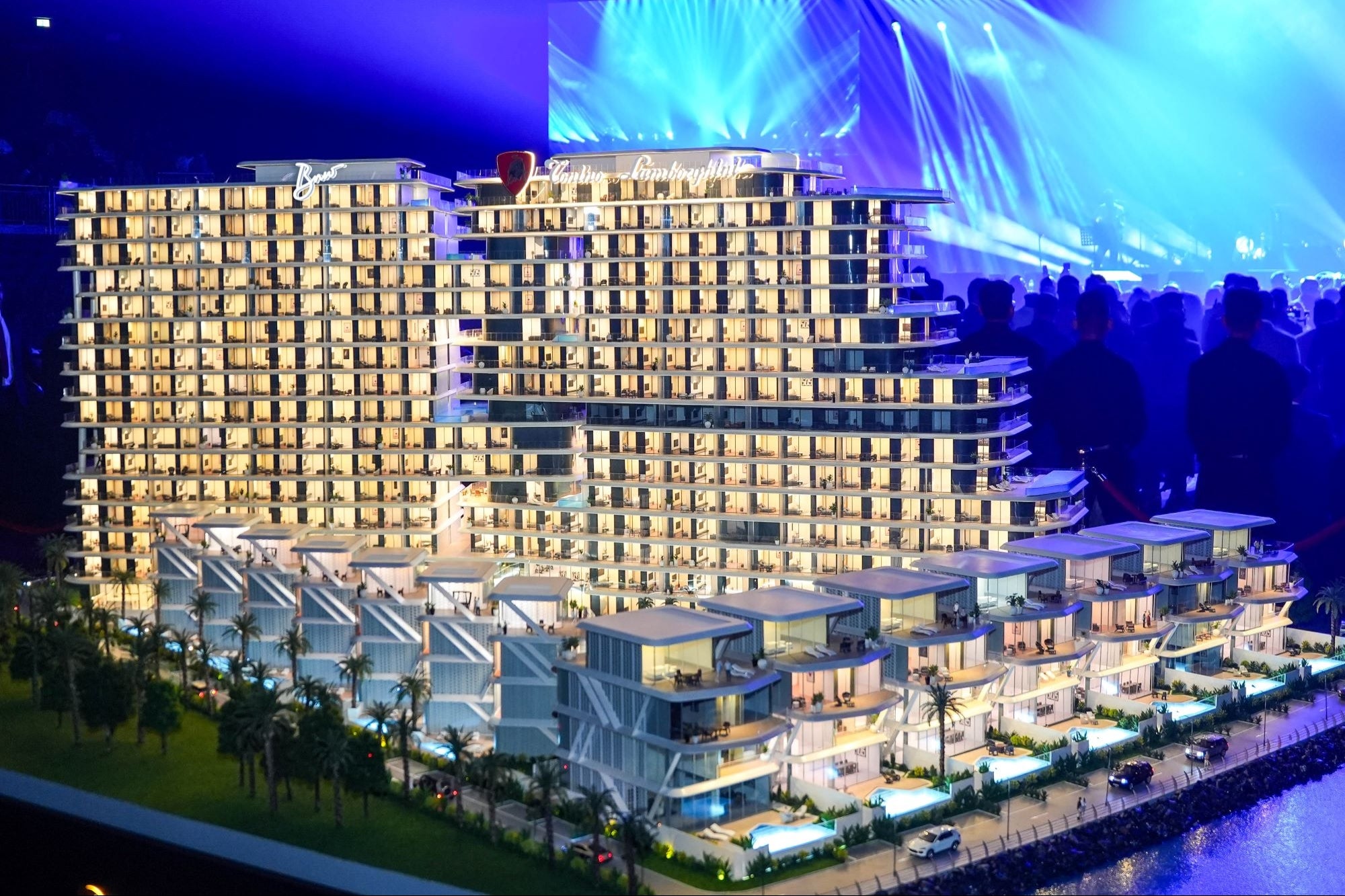
Positioning Vietnam as Production-Export Hub to Global Markets, with SCGD Leading Decorative Surface Materials and Ceramic Tiles Market Ready to Drive Cement Business Expansion of Low-Carbon Products to Global Markets

HCMC, VIETNAM – Media OutReach Newswire – 25 December 2025 – SCG continues its Regional Optimization strategy, positioning Vietnam as a Strategic Hub in the ASEAN region for manufacturing and exports to global markets. SCG Decor (SCGD) supports PRIME GROUP in expanding production capacity for high-quality tiles to meet growing demand. The cement and building materials business in Vietnam is accelerating development of low-carbon cement for both domestic sales and global exports under the Green Building policy
to create sustainable growth while enhancing quality of life.

SCG's Business in Vietnam page-0001

Mr. Kulachet Dharachandra, Country Director – Vietnam, SCG, stated: “Vietnam is a strategically important country for SCG, with total investments exceeding 7 billion US dollars across 28 companies, representing 28% of SCG’s total assets. This covers chemicals, cement, building materials, packaging, and logistics businesses to serve both domestic and export market demands, enhancing competitive capabilities and building comprehensive production and supply chain potential.

Under the Regional Optimization strategy, SCG combines the strengths of Thailand and Vietnam in digital technology, artificial intelligence and automation, safety standards, and plant management, as well as social, environmental, and governance practices following ESG principles. Vietnam is a high-growth potential market due to its economy, government infrastructure policies, and increasing Green Building trends. It also has consumers with purchasing power for high-quality products and a large consumer base of over 100 million people, plus export potential with efficient production costs, which strengthens sustainable business growth and elevates quality of life in the region.”

SCGD supports PRIME GROUP, Vietnam’s Number One Market Leader of Decor Surface

PRIME GROUP, the flagship business in which SCG acquired shares in 2012, is the market leader of decorative surface materials in Vietnam and will be a key force strengthening SCGD toward its goal of becoming ASEAN leader.

Mr. Numpol Malichai, The Chief Executive Officer and President of SCG Decor Public Company Limited, stated: “Vietnam’s economy is growing, the middle class is expanding, and the real estate market is recovering in mid-range to premium residential projects that favor Glazed Porcelain (GP) tiles, leading to continuously increasing demand for these products.

PRIME has sales revenue of approximately 5,500 million baht with total production capacity of around 80 million square meters. The company plans to invest in expanding GP tile production capacity from 19 million square meters in 2025 to 25.6 million square meters in 2026, targeting expansion to 45 million square meters by 2030 to align with increasing demand. PRIME can also manage and control production costs of GP tiles to be able to competitive with the products from world-class competitors. This cost advantage supports PRIME to become the strategic production and export base of SCGD, strengthening the Regional Optimization strategy for sustainable growth.

In response to market change and maintain competitive level, PRIME invested in Biomass Gasifier systems at the Pho Yen plant to replace fossil fuel with biomass, thereby reducing energy costs and greenhouse gases, supporting Vietnam to become the strategic export hub to ASEAN and other countries. Furthermore, PRIME’s products meet customers’ needs of all market segments with product offering that covers innovative design and health and safety functions that are well-recognized throughout the Asian region. This supports business growth along with environmental care enhancement. Additionally, SCGD grows bathroom business and strengthens COTTO brand in the ASEAN market with over 44 distributors appointed in Vietnam, as well as growing Complementary products such as adhesive and grout, and others.”

SCG Low-Carbon Cement Supports Vietnam’s Infrastructure and Green Cities, Advancing Its Role as a Global Export Hub

SCG Cement and Building Materials has operated in Vietnam for more than 20 years, with 11 companies across the cement, roofing, and building materials businesses. With production bases located in the central and southern regions, the company supports domestic market growth while also serving as a strategic manufacturing hub for exports to global markets.

Mr. Wichet Chuchaeu, Country Director – Vietnam, SCG Cement and Building Materials Business, stated: “Vietnam’s economy continued to expand in 2025, driven by growth in the industrial and construction sectors. Accelerated government infrastructure investment has supported a steady recovery in demand for building materials and cement—especially low-carbon cement, whose growth aligns with national policies such as the 2050 Net Zero Emission commitment and the Green City policy, which targets that by 2050 at least 50% of new urban areas and 10% of all cities nationwide must meet government-defined green city criteria.”

The cement business has an annual production capacity of 3 million tons of clinker and 4 million tons of cement. Vietnam is the best-managed production-cost base among SCG’s regional cement operations, positioning the country not only as a strong domestic supply base but also as a key hub for exports. SCG currently exports both low-carbon cement and clinker to America, Europe, Africa, Oceania, and Asia.

SCG Cement continues to enhance environmental performance through the use of alternative and recycled materials, reduced coal consumption via alternative fuels such as biomass and refuse-derived fuel (RDF), and the implementation of Waste Heat Recovery (WHR) systems that significantly reduce natural resources, lower energy consumption and reduce CO2 emission.

These initiatives have earned SCG recognition through international environmental standards, including Singapore Green Building Product certification and International Environmental Product Declaration (EPD) System certification—affirming sustainability from production through to finished products.

“Our investment strategy and production cost optimization under the Regional Optimization concept have strengthened SCG’s competitiveness. Vietnam is now positioned as a central hub for manufacturing and exporting quality products to global markets. This supports growing demand for high-quality surface materials and environmentally friendly building materials, contributing to green city development and sustainably enhancing the quality of life for people in Vietnam and the region.”, Mr. Kulachet concluded.

Hashtag: #SCGCement

The issuer is solely responsible for the content of this announcement.

As Web Summit Qatar approaches, we spoke with Marina Levina, CEO of WISH, an international communications agency, about several persistent myths around PR. “During this marathon season of startup and investor events from Web Summit and Slush to GITEX Global, we at WISH keep hearing the same assumptions about PR repeated over and over again. Many of them sound reasonable at first, but in practice, they hold […]

By K Raveendran As 2026 approaches, the global oil market is heading into a year that could decisively reshape price dynamics, fiscal planning in producing states, and energy security calculations for importing economies. The defining feature of the coming year is not demand destruction or geopolitical shock, but the growing weight of surplus supply. Market […]

The article 2026 Would Be A Year Of Lower Oil Prices And Crude Oversupply appeared first on Latest India news, analysis and reports on Newspack by India Press Agency).

Dubai’s hospitality sector is gearing up for one of its busiest periods as year-end celebrations converge with large-scale retail promotions, major events and a packed tourism calendar, pushing hotels to prepare for near-capacity occupancy and heightened guest expectations across all segments. Advance bookings across prime locations have surged as visitors plan stays around fireworks displays along the coastline and landmarks, extended shopping hours, concerts and family attractions […]

Arabian Post Staff -Dubai Qatar Investment Authority has joined a consortium of global investors backing a move to take Janus Henderson Group private, marking one of the largest asset-management buyouts announced this year and underlining sovereign interest in long-term financial services platforms. The all-cash transaction values the New York-listed firm at about USD 7.4 billion and is being led by Trian Fund Management alongside General Catalyst. Qatar’s […]

  By Umesh Sangaralingam The influx of private capital into Middle East markets is securing the region’s place as an evolving global investment hub. With sovereign wealth funds, institutional investors, family offices, and fund managers all increasing allocations, capital commitments are increasing at scale—but it’s not an equal field of opportunity for private investment firms in the region. Capital isn’t the sole defining factor that’s separating private […]

SINGAPORE – Media OutReach Newswire – 24 December 2025 – Woodfibre LNG recently marked 2025 as a year of significant progress across construction, environmental protection and community partnerships, as the project moved deeper into its development phase toward delivering responsibly produced Canadian liquefied natural gas to global markets.

Over the past year, the project advanced from planning into visible, on-the-ground execution. Major construction milestones included the pouring of foundations for key modules, continued progress on marine piling, and further implementation of modular construction techniques designed to reduce on-site footprint while accelerating delivery timelines.

These advancements were achieved through close collaboration with project partners, suppliers and contractors, and in partnership with the Sḵwx̱wú7mesh Úxwumixw (Squamish Nation).

In 2025, Woodfibre LNG, a member of the RGE group of companies founded by Sukanto Tanoto, continued to operate its floatel workforce accommodation solution, designed to minimise pressure on local housing and community services. As of November, two floatels were in active operation, providing high-quality, safe and comfortable living conditions for the project workforce while supporting construction efficiency.

Environmental protection remained a central focus throughout the year. The project’s Marine Mammal Monitoring Programme, which includes hydroacoustic monitoring, exclusion zones and shore-based observation posts, delivered measurable outcomes by enabling real-time operational decisions, including pauses to marine activities when marine mammals entered exclusion areas.

In parallel, remediation of legacy materials from the former pulp mill site continued, with hundreds of thousands of tonnes of historical waste removed. These efforts have contributed to improving site conditions for both local communities and marine and terrestrial ecosystems in Howe Sound.

Woodfibre LNG’s Operator Training Programme, delivered in partnership with the Squamish Nation Training and Trades Centre and the British Columbia Institute of Technology (BCIT), progressed throughout the year. The programme’s first cohort of graduates transitioned into full-time roles, supporting the development of long-term, skilled local employment opportunities linked to the project.

Through its Community Partnership Programme (CPP), Woodfibre LNG continued to invest in local communities across the Sea-to-Sky corridor. In 2025, the programme surpassed $1 million in total grants since its inception, supporting initiatives in sports, healthcare, emergency services, arts and culture, and youth development.

Luke Schauerte, CEO of Woodfibre LNG, said, “2025 has been a year of significant progress for Woodfibre LNG. We are proud of what our team and partners have accomplished together and look forward to building on this momentum in the year ahead.”

With more than half of the project’s development now complete, Woodfibre LNG remains focused on advancing construction safely and responsibly, while maintaining strong partnerships with Indigenous communities, local stakeholders and regulators.

As the project looks ahead to 2026, Woodfibre LNG continues its work toward delivering lower-carbon, responsibly produced Canadian energy to international markets.

Hashtag: #RGE #PacificEnergy #PacificCanbriamEnergy #WoodfibreLNG #LNG #environment #partnerships #LNG #liquefiednaturalgas #energy #sustainability

The issuer is solely responsible for the content of this announcement.
About Woodfibre LNG

The Woodfibre LNG Project is owned by Woodfibre LNG Limited Partnership, owned 70 per cent by Pacific Energy Corporation (Canada) Limited and 30 per cent by Enbridge Inc. The Woodfibre LNG facility is being built on the site of the former Woodfibre pulp mill site, which is located about seven kilometres southwest of Squamish, B.C. Woodfibre LNG will source its natural gas from Pacific Canbriam Energy, a Canadian company with operations in Northeastern British Columbia. Pacific Canbriam is an industry leader in sustainable natural gas production. Woodfibre LNG and Pacific Canbriam Energy are subsidiaries of Pacific Energy Corporation Limited. Woodfibre LNG is the first industrial project in Canada to recognise a non-treaty Indigenous government, Sḵwx̱wú7mesh Úxwumixw (Squamish Nation), as a full environmental regulator.

The food-surplus app returned more than HKD 20 million to partner businesses while making meals more affordable for consumers

HONG KONG SAR – Media OutReach Newswire – 23 December 2025 – As Southeast Asia grapples with growing food waste and rising living costs, Yindii, Asia’s number 1 food‑surplus marketplace, celebrates a year of remarkable growth and impact. Co-founded in 2020 by Louis‑Alban Batard‑Dupré and Mahima Rajangam Natarajan, Yindii connects restaurants, bakeries, grocers and hotels with diners who collect “Surprise Bags” of unsold food at 50-80% off the usual price. By turning what would otherwise become waste into affordable meals, Yindii offers a simple, scalable solution that benefits consumers, businesses and the environment.

One meal rescued every minute. In 2025, the Yindii community saved over 500,000 meals across the region, helped Hong Kong users save more than HK$10 million, and kept surplus food out of landfills.

In 2025 alone, the Yindii community across the region saved over half a million meals from going to waste. That is roughly one meal rescued every single minute, equivalent to offsetting over 1,375 tonnes of CO₂. To put this into perspective, that saving is comparable to driving an average petrol-powered car for about 6.9 million miles, or around 277 trips around the world. It is also on par with the emissions from burning around 154,000 gallons of petrol, or roughly 575 one-way passenger flights from Paris to New York.

Elaborating on the ethos that drives Yindii’s growth, Co‑Founder and Chief Marketing Officer, Mahima Rajangam Natarajan, shared, “Every meal rescued is a step toward making high-quality food accessible and affordable for everyone. We’re proving that sustainability and affordability can go hand in hand with social equity. What excites us most is seeing families, students and office workers discover new neighbourhood favourites while knowing they are doing something tangible to help the planet. We are also watching our partners turn what used to be an end-of-day loss into a new source of loyalty, revenue and pride for their teams. Thousands of F&B brands are now transforming surplus into a meaningful new revenue stream, with more than US$2.5 million (HKD 19.45 million) flowing back into their businesses instead of into the bin.”

Across the region, the numbers tell an even richer story at the market level. In Hong Kong, diners using Yindii rescued over 250,000 meals in 2025. Flagship partners such as Saint Honore Cake Shop, Circle K and Pret A Manger have turned surplus into real value, with Saint Honore alone saving over 75,000 meals or 187 tonnes of CO₂. Other partners, including Rosewood Hong Kong, Little Mermaid, NOC Coffee Co and Pacific Coffee, all managed to clear an impressive 85-95% of their surplus on the app. In Hong Kong, Yindii has more than tripled in size since last year and reached profitability, strengthening partner confidence in a model especially popular with women, who make up around two-thirds of users.

In Singapore, diners using Yindii rescued over 300,000 meals in 2025. Since launching in 2024, the app has helped partners achieve a nationwide saved ratio of around 75%. Popular brands such as Paul, Baker & Cook and SaladStop, alongside hotel buffets and neighbourhood grocers, are using “Surprise Bags” to move premium food at accessible prices while cutting waste. Altogether, Singapore partners have already recovered more than SGD1.5 million in avoided food losses, underscoring Yindii’s role in helping diners stretch their budgets while giving the F&B industry a powerful new way to protect profitability.

“Looking ahead to 2026, we are focused on building on this momentum by bringing Yindii to more cities, including South Korea, and deepening our partnerships where we are already present. Our goal is to make it easier for people to save great food rather than see it go to waste, and for businesses to treat surplus as an opportunity rather than a loss. At the heart of all this, our mission goes far beyond transactions. It is about building a community where strangers become food heroes and where food that once represented loss becomes a source of joy and connection. We have seen that spirit take root in Thailand, Hong Kong and Singapore, and we cannot wait to grow new communities of local food heroes in the years ahead,” Mahima concluded.

Throughout the year, Yindii’s success also earned recognition beyond the dining table. In October, it was named a finalist in the Spirit of Hong Kong Awards for its creative approach to tackling food waste. During Impact Week at ONE in Singapore, the company hosted the Yindii Eco‑Brand Awards 2025, celebrating 25 leading brands and media partners. Guest of Honour Poh Li San, Chair of Singapore’s Parliamentary Environment Committee, highlighted that Singapore wastes 800,000 tonnes of food annually and noted that fighting waste is essential not just for the planet but for national food security.

Since launching in 2020, Yindii has registered more than 700,000 food heroes, rescued over 900,000 meals and prevented more than 2,250 tonnes of carbon dioxide emissions. For more information, visit www.yindii.co or follow Yindii on Instagram, Facebook, and LinkedIn.
Hashtag: #Yindii #SaveFoodWithYindii #YindiiHK


The issuer is solely responsible for the content of this announcement.

About Yindii

Yindii is Asia’s #1 sustainable food app, connecting people with surplus meals from restaurants, bakeries, grocers, and hotels at a fraction of the price. Operating in Singapore, Hong Kong, Thailand and South Korea, Yindii empowers communities to rescue food, save money, and fight climate change — one meal at a time.

Boeing has appointed Omar Arekat as vice-president for the Middle East, Gulf and North Africa, a senior leadership move that places a long-serving regional executive at the helm of one of the company’s most strategically important markets. The appointment comes as aircraft demand across the region continues to be shaped by fleet expansion, widebody replacement cycles and sustained defence procurement.

Arekat, who will be based in Dubai, takes charge of Boeing’s commercial and defence engagement across a region where the aerospace group employs more than 700 people and supports over 30 commercial airline customers alongside 12 armed forces. His remit covers government relations, industrial partnerships, customer support and business strategy across markets ranging from the Gulf to North Africa.

The leadership change underscores Boeing’s intention to maintain continuity in a region that has long been central to its widebody sales, particularly for long-haul aircraft. Airlines in the Gulf operate some of the world’s largest fleets of twin-aisle jets, while carriers in North Africa are increasingly modernising fleets to support tourism recovery and regional connectivity. Defence ties, including fighter aircraft, rotorcraft, training systems and sustainment contracts, also form a significant pillar of Boeing’s regional presence.

Arekat is widely regarded within the industry as a seasoned regional hand. Before taking on the vice-presidential role, he held senior commercial positions within Boeing’s Middle East operations, working closely with airline leadership teams, civil aviation authorities and defence ministries. His career has been closely tied to the region’s aviation growth story, particularly the expansion of hub-based carriers and the emergence of maintenance, repair and overhaul ecosystems in the Gulf.

Boeing’s Middle East footprint extends beyond sales offices. The company has invested heavily in training, engineering and supply-chain partnerships, working with local firms on aerostructures, composites and advanced manufacturing. These initiatives are often framed as part of national industrial diversification strategies pursued by several Gulf states, where aerospace has been identified as a priority sector.

The appointment takes place against a complex commercial backdrop for Boeing globally. The manufacturer continues to navigate production stabilisation, regulatory scrutiny and supply-chain constraints, particularly in its narrowbody programmes. While these issues have been most visible in North America, their implications are closely watched by Middle East carriers, many of which have large order backlogs and tightly planned delivery schedules.

Industry analysts note that leadership continuity and strong regional relationships are especially important for Boeing in this market. Gulf airlines tend to place large, long-term orders, often timed around major fleet renewals or network expansion phases. Any disruption to deliveries can have cascading effects on capacity planning, route launches and leasing strategies, making senior-level engagement critical.

Defence remains another key dimension of Boeing’s regional strategy. Several armed forces across the Middle East and North Africa operate Boeing platforms, including fighter aircraft, transport planes, helicopters and surveillance systems. The company’s regional leadership is typically involved in government-to-government frameworks, offset arrangements and long-term sustainment planning, areas that require deep familiarity with local regulatory and security environments.

Arekat’s appointment also reflects a broader trend among global aerospace firms to elevate executives with strong regional expertise rather than rotating leadership from headquarters. This approach is seen as a way to navigate increasingly complex geopolitical, regulatory and industrial landscapes, particularly in regions where aviation policy, defence procurement and industrial strategy are closely intertwined.

Boeing has indicated that the Middle East and North Africa will remain a growth priority over the coming decade, driven by air traffic growth above the global average and continued investment in defence modernisation. The company’s market outlooks have consistently pointed to strong demand for both single-aisle aircraft, supporting intra-regional travel, and widebodies for long-haul connectivity linking the region to Asia, Europe and the Americas.

Arabian Post Staff -Dubai Italy’s Saipem has clinched a multi-billion-dollar offshore engineering, procurement, construction and installation contract from QatarEnergy LNG, marking one of the largest project awards in the global energy services sector and reinforcing Doha’s long-term expansion plans for liquefied natural gas production. The Milan-based engineering group said the overall value of the contract is about $4 billion, with Saipem’s share estimated at roughly $3.1 billion. […]

Steven McClurg, chief executive of Canary Capital, has told investors that XRP could reach its cycle high in 2026, diverging from the typical pattern that sees alternative tokens fall sharply when Bitcoin weakens. His remarks come as Bitcoin shows signs of having already topped out for the current cycle, raising questions about whether parts of the digital-asset market are entering a phase of decoupling. McClurg said Bitcoin’s […]

UAE businesses used the Ambiente exhibition in Germany to project the country’s ambition to become a central hub in the global consumer goods trade, as officials and exporters sought to convert visibility into long-term commercial partnerships across Europe, Asia and the Middle East.

The country’s pavilion at the Ambiente fair in Frankfurt brought together manufacturers, designers and trading firms spanning homeware, lifestyle products, gifting and sustainable consumer goods. Organisers said the collective presence was designed to showcase both scale and diversity, with an emphasis on export readiness and cross-border collaboration rather than one-off transactions. The participation formed part of a wider strategy to deepen the UAE’s role in global supply chains at a time when buyers are reassessing sourcing models and regional diversification.

Ambiente is regarded as one of the world’s largest platforms for consumer goods, drawing tens of thousands of buyers, retailers and distributors each year. For UAE exhibitors, the event offered access to European retail networks and international wholesalers seeking alternatives to traditional manufacturing centres. Trade officials accompanying the delegation said meetings during the fair focused on long-term contracts, private-label manufacturing and co-branding arrangements, reflecting a shift towards higher-value engagement.

UAE Ministry of Economy representatives described the fair as a strategic opportunity to align the country’s manufacturing and re-export capabilities with evolving global demand. Officials highlighted the UAE’s logistics infrastructure, trade finance ecosystem and network of comprehensive economic partnership agreements as key advantages in attracting buyers looking for reliability and speed to market. The country has expanded its non-oil exports steadily, with consumer goods playing a growing role alongside metals, plastics and food products.

Exhibitors at the pavilion reported interest from buyers in sustainable materials, contemporary design and flexible production runs. Several companies said European retailers were exploring joint development of products that could be produced in the UAE and distributed across the Gulf, Africa and South Asia. This approach reflects a broader trend among global brands to shorten supply chains while retaining access to multiple consumer markets from a single base.

Frankfurt has become an important meeting point for this recalibration, as trade fairs increasingly serve as venues for strategic sourcing discussions rather than simple product showcases. Industry analysts note that manufacturers from emerging hubs are gaining attention as buyers weigh cost pressures, geopolitical risk and sustainability commitments. The UAE’s pitch at Ambiente centred on stability, regulatory clarity and the ability to integrate manufacturing, warehousing and distribution within a single jurisdiction.

Design-led firms from the UAE also used the exhibition to challenge perceptions that the country’s consumer goods sector is limited to trading and re-export. Several brands showcased original collections developed in collaboration with regional designers, blending Middle Eastern aesthetics with international trends. This creative emphasis was aimed at differentiating UAE products in a crowded marketplace and appealing to premium and mid-market retailers.

Sustainability featured prominently in discussions at the pavilion. Companies highlighted the use of recycled materials, energy-efficient production processes and compliance with European environmental standards. Officials said this focus was essential for competitiveness, as regulatory and consumer scrutiny in Europe continues to intensify. The UAE has invested in sustainability frameworks and industrial policies intended to support greener manufacturing, which exhibitors said helped build confidence among buyers.

The fair also underscored the role of small and medium-sized enterprises in the UAE’s export strategy. Many participating firms were SMEs seeking first-time entry into European markets. Trade support bodies facilitated introductions and provided guidance on certification, packaging requirements and logistics, reflecting an effort to reduce barriers for smaller exporters. Business owners said the ability to present as part of a national pavilion enhanced credibility and opened doors that would be difficult to access independently.

VISHNU RAJA
RYO YAMADA
HITORI GOTOH
IKUYO KITA