News related to
Strategy

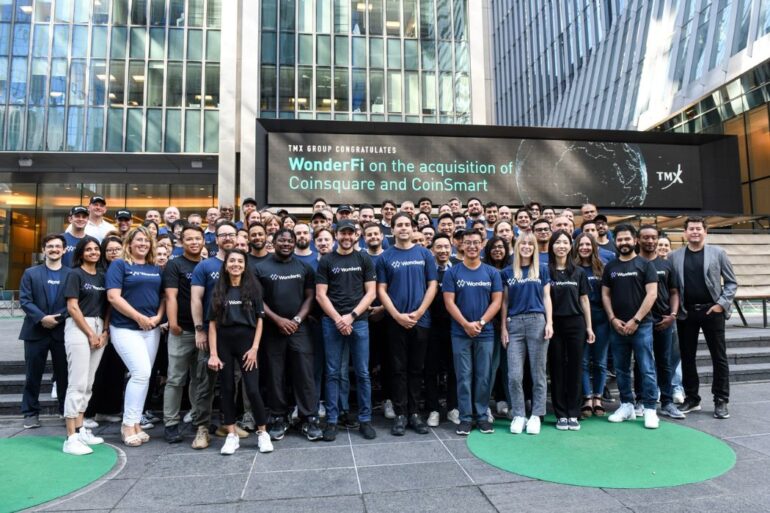
Robinhood has announced a definitive agreement to acquire WonderFi Technologies Inc. for C$250 million in cash, marking a significant expansion into Canada’s regulated cryptocurrency sector. The deal, anticipated to close in the second half of 2025, offers a 41% premium to WonderFi’s shareholders and will integrate WonderFi’s entire team into Robinhood Crypto’s Canadian operations.

This acquisition grants Robinhood access to WonderFi’s regulated crypto trading platforms, Bitbuy and Coinsquare, which collectively manage over C$2.1 billion in client assets. These platforms have experienced substantial growth, with a 110% increase in assets under custody since the end of 2023.

WonderFi’s consolidation of Bitbuy and Coinsquare under a single regulated investment dealer has positioned it as a dominant player in Canada’s crypto market. The company now serves over 1.7 million registered users, offering services that include crypto trading, staking, and payment processing through its SmartPay platform.

The acquisition aligns with Robinhood’s strategy to diversify its offerings beyond traditional stock trading. By integrating WonderFi’s platforms, Robinhood aims to provide Canadian users with a comprehensive suite of financial services, including crypto trading, staking, and payments. This move also reflects a broader trend of consolidation in the crypto industry, as companies seek to expand their global footprint and comply with evolving regulatory standards.

The Canadian crypto market has become increasingly attractive to international firms, partly due to its stringent regulatory environment. WonderFi’s adherence to Canadian regulations and its status as a fully regulated investment dealer make it a valuable asset for Robinhood’s international expansion. The acquisition is expected to enhance Robinhood’s competitiveness in the global crypto market, providing a robust platform for growth in Canada and potentially beyond.

This transaction is part of a series of strategic moves by Robinhood to deepen its involvement in the cryptocurrency space. The company previously acquired crypto exchange Bitstamp for $200 million, signaling its commitment to expanding its crypto offerings.

PARIS, FRANCE – Media OutReach Newswire – 13 May 2025 – Malaysia calls on the international community to strengthen cooperation in addressing the global water crisis – a transboundary challenge impacting nations of rich and poor alike. Strategic partnerships and coordinated policy actions are essential to securing a sustainable and resilient water future for all. Sharing Malaysia’s experience at the Global Water Summit 2025 in Paris, Deputy […]

Tokyo-based Metaplanet Inc. has overtaken El Salvador in Bitcoin reserves, now holding 6,796 BTC compared to the Central American nation’s 6,170 BTC. This milestone positions Metaplanet as Asia’s leading corporate Bitcoin holder and the first publicly listed Japanese firm to adopt Bitcoin as its primary treasury asset.

The company’s aggressive accumulation strategy, initiated in April 2024, has led to a staggering 5,250% surge in its stock price over the past year. This growth trajectory has been further bolstered by its inclusion in the MSCI Japan Index, effective February 28, 2025, enhancing its visibility among institutional investors.

Central to Metaplanet’s strategy is its ambitious “21 Million Plan,” aiming to acquire 10,000 BTC by the end of 2025 and 21,000 BTC by 2026. To finance this, the company has raised approximately ¥116 billion through the issuance of 21 million shares via moving strike warrants, marking the largest Bitcoin-focused capital raise in Asian equity market history.

CEO Simon Gerovich has emphasized Bitcoin’s role as a hedge against Japan’s economic challenges, including high debt levels and currency depreciation. He stated that the company’s pivot to a Bitcoin-centric strategy has transformed it from a “zombie” company into a market leader.

Metaplanet’s financial performance reflects this transformation, with a reported 309.82% Bitcoin yield in Q4 2024 and a market capitalization increase of 11,800% over the past year. The company’s shareholder base has expanded significantly, now exceeding 50,000 investors.

In addition to its financial endeavors, Metaplanet is promoting Bitcoin adoption through initiatives like the upcoming launch of “The Bitcoin Hotel” in Tokyo, set to open in Q3 2025. This establishment aims to serve as a hub for Bitcoin education and community engagement.

Metaplanet’s approach mirrors that of U.S.-based Strategy, formerly known as MicroStrategy, which holds over 553,000 BTC. Both companies exemplify a growing trend of corporations integrating Bitcoin into their treasury strategies as a means of preserving value and driving growth.

Saudi Arabia has launched HUMAIN, a new artificial intelligence company under the Public Investment Fund , aiming to position the kingdom as a global leader in AI innovation. Chaired by Crown Prince Mohammed bin Salman, HUMAIN is set to provide advanced AI services, including next-generation data centres, AI infrastructure, cloud capabilities, and sophisticated AI models. A key focus will be the development of one of the world’s […]

HONG KONG SAR – Media OutReach Newswire – 13 May 2025 – WRISE Hong Kong today announced the appointment of Mr. Joe C. Lee as Non-Executive Director of WRISE Prestige Hong Kong, effective immediately. With his distinguished entrepreneurial background and extensive expertise in technology and business innovation, Mr. Lee will bring invaluable strategic insights to further strengthen WRISE Prestige’s growing wealth management business for the high-net-worth individuals. […]

Supermarket operator Spinneys reported a 14% year-on-year increase in net profit for the first quarter of 2025, reaching AED 85 million , buoyed by new store openings and a significant uptick in online sales. Revenue for the quarter climbed over 11% to AED 906 million, reflecting the company’s strategic expansion and digital initiatives.

The Dubai-based retailer, which went public on the Dubai Financial Market in 2024, attributed its robust performance to the launch of three new stores and a continued focus on enhancing its e-commerce platform. The company has been actively expanding its footprint, with plans to open 10 to 12 new stores across the UAE and Saudi Arabia by the end of the year.

Spinneys’ entry into the Saudi market marks a significant milestone in its regional growth strategy. The company inaugurated its first store in Riyadh’s La Strada Yard, receiving an exceptional response from customers. CEO Sunil Kumar highlighted the strong demand in the Kingdom, stating that the early performance reinforces a positive outlook for Spinneys in Saudi Arabia. The retailer plans to open additional stores in Riyadh’s King Abdulaziz Financial District and other locations before the end of 2025.

The company’s e-commerce segment has also shown impressive growth. Online sales increased by 21.7% year-on-year, surpassing AED 217 million in the first half of 2024. E-commerce now accounts for 14% of Spinneys’ total revenue, driven by the launch of the Spinneys Swift app, which offers hyperlocal delivery services. The app’s 60-minute delivery service has been piloted in key locations, with plans for a broader rollout across the UAE.

Spinneys’ strategic focus on premium grocery segments has positioned it well in the GCC’s evolving retail landscape. The company’s target market, comprising affluent households, is growing faster than the broader grocery sector. In the UAE, this segment is projected to expand at a compound annual growth rate of 4.4% from 2022 to 2028, while in Riyadh and Jeddah, the growth rate is expected to be 6.7%.

The retailer’s commitment to quality and innovation is evident in its product offerings and store concepts. Spinneys has introduced ‘The Kitchen, by Spinneys,’ a food hall concept in Dubai Mall, offering fresh meal solutions with margins exceeding traditional grocery retail. The company plans to open more locations of this concept in the UAE, catering to the growing demand for convenient and high-quality dining options.

Financially, Spinneys maintains a strong position. The company reported a 9.9% increase in revenue to AED 1.6 billion in the first half of 2024, with a net profit of AED 146 million, up 15.2% year-on-year. Despite the introduction of a 9% corporate tax in the UAE, Spinneys has continued to deliver solid financial results, supported by efficient sourcing, supply chain management, and a successful private label strategy.

Abu Dhabi’s Yas Island is set to welcome its first Waldorf Astoria Residences, marking a significant collaboration between Aldar Properties and Hilton. This development introduces the luxury brand’s residential concept to the capital, aligning with Aldar’s broader strategy to enhance its hospitality portfolio.

The Waldorf Astoria Residences will be situated along the Yas Links Golf Course, offering residents panoramic views of the fairways and the Arabian Gulf. The project encompasses a selection of premium furnished apartments and penthouses, complemented by top-tier amenities and services synonymous with the Waldorf Astoria brand. This initiative is part of Aldar’s AED 1.5 billion investment aimed at transforming its hospitality assets to cater to the growing demand for luxury accommodations in Abu Dhabi.

Jonathan Emery, Chief Executive Officer at Aldar Development, and Daniel Wakeling, Vice President Development Luxury & Residences, EMEA, at Hilton, formalised the partnership in the presence of Talal Al Dhiyebi, Aldar’s Group Chief Executive Officer. The collaboration underscores Aldar’s commitment to introducing iconic global hospitality brands to the region, enhancing Abu Dhabi’s appeal as a premier tourism and leisure destination.

The Waldorf Astoria Residences on Yas Island are part of a larger transformation plan that includes rebranding the Eastern Mangroves hotel into a Waldorf Astoria luxury resort. This resort will feature 167 guest rooms and suites, many with views of the adjacent Mangrove National Park, and will offer amenities such as a brasserie, rooftop specialty restaurant, and the brand’s signature Peacock Alley lounge. Guests will also benefit from a Personal Concierge service, ensuring a tailored and seamless experience.

In addition to the developments on Yas Island, Aldar is undertaking significant upgrades across its hospitality portfolio. The Yas Plaza Hotels complex will be reimagined under the IHG brand, transforming the six-hotel complex into the largest Vignette Collection resort globally. This rebranding includes the addition of beachfront suites and access to a private beach, enhancing the resort’s appeal to both international and local guests.

Further afield, Aldar is repositioning its desert resort in the Al Dhafra region, formerly known as Tilal Liwa, into a luxury desert escape under the Vignette Collection brand. Enhancements will include new luxury suites, curated desert experiences, and upgraded facilities such as a kids club and spa. Nurai Island is also undergoing a major refurbishment and expansion to elevate its status as Abu Dhabi’s ultra-luxury island destination.

These strategic developments align with Abu Dhabi’s broader vision to boost tourism, with the Department of Culture and Tourism aiming to attract 39.3 million visitors by 2030. The emirate has already seen a 27% increase in hotel guests in 2023 compared to the previous year, with international guest arrivals rising by 54%. The opening of the new terminal at Zayed International Airport, capable of accommodating 45 million passengers annually, further supports this growth trajectory.

Carlos Khneisser, Vice President of Development, Middle East & Africa at Hilton, expressed enthusiasm about the partnership, stating, “We are delighted to have signed Abu Dhabi’s first Waldorf Astoria, which will enjoy an unrivalled location overlooking the Mangrove National Park. With its anticipatory service and timeless elegance, it is set to be a destination of choice for those seeking modern luxury in the capital.”

Advertisements

SAS has intensified its focus on ethical artificial intelligence by unveiling a suite of governance tools and strategic partnerships aimed at fostering responsible innovation across industries, with a particular emphasis on healthcare. At the SAS Innovate 2025 event in Orlando, the company highlighted its commitment to transparency, accountability, and trust in AI deployment. Reggie Townsend, Vice President of Data Ethics at SAS, underscored the importance of proactive […]

Aldar Properties has announced a partnership with Hilton to develop Abu Dhabi’s first Waldorf Astoria Residences, marking the debut of branded residences on Yas Island. The project, situated along the Yas Links Golf Course, will offer premium furnished apartments and penthouses with views of the fairways and the Yas Marina Circuit.

The partnership was formalised by Jonathan Emery, CEO of Aldar Development, and Daniel Wakeling, Vice President Development Luxury & Residences, EMEA, at Hilton, in the presence of Aldar’s Group CEO, Talal Al Dhiyebi. Al Dhiyebi stated that the collaboration would bring the Waldorf Astoria brand to Abu Dhabi for the first time, enhancing the emirate’s position as a global destination for investment and long-term residency.

Daniel Wakeling highlighted the region’s growing demand for luxury branded residences and expressed Hilton’s commitment to delivering exceptional properties that offer a luxury living experience with world-class amenities and service excellence. The Waldorf Astoria Residences Yas Island will be launched for sale in the coming weeks.

Residents will have access to nearby attractions including Ferrari World, Warner Bros. World Abu Dhabi, SeaWorld Abu Dhabi, and Etihad Arena, as well as the Gardenia Bay waterfront promenade and the mangroves of West Yas. The development is part of Aldar’s strategy to deliver unique lifestyle destinations in the UAE and reflects the increasing demand for luxury branded residences in the region.

By Saifur Rahman The governments and the private sector in the GCC are investing heavily in infrastructure and creating world-class race tracks for the development of motorsports that, coupled with strong interest among the local youth are spearheading the motorsports in the region. Home to two global Formula 1 race tracks, the region is yet to become a global hotspot for motorsports. Although a lot of youngsters […]

Strategy, formerly known as MicroStrategy, has expanded its Bitcoin holdings to 568,840 tokens, acquired for a cumulative $39.41 billion at an average cost of $69,287 per coin. This significant accumulation includes a recent purchase of 13,390 BTC for $1.34 billion, averaging $99,856 per token, marking a 15.5% increase in its Bitcoin yield for the year.

The company’s aggressive acquisition strategy is part of its broader financial plan, which includes raising capital through equity and debt offerings. In February 2025, Strategy raised $2 billion via a senior convertible note offering, which was used to purchase 20,356 BTC at an average price of $97,514 per coin. This move brought its total holdings close to 500,000 BTC at that time.

Despite reporting a net loss of $670.8 million in Q4 2024, largely due to a $1.01 billion impairment charge on its Bitcoin holdings, Strategy continues to pursue its Bitcoin-centric investment approach. The company plans to adopt fair-value accounting standards starting in Q1 2025, which will require Bitcoin holdings to be measured at fair value, with gains and losses reflected in net income each reporting period.

Strategy’s bold approach has attracted attention from institutional investors. As of the end of 2024, 12 North American states reportedly held $330 million worth of Strategy stock in pension funds and treasuries. Additionally, BlackRock increased its stake in the company to 5% following its rebranding in February 2025.

The company’s strategy relies heavily on financial engineering, including issuing equity and equity-linked instruments to fund Bitcoin purchases. This approach has enabled Strategy to maintain a premium on its stock relative to its net asset value, facilitating further capital raises. However, this method also poses risks, such as potential dilution for existing shareholders and reliance on the continued appreciation of Bitcoin’s value.

Saudi Aramco has reported a decline of 4.6% in its first-quarter profit, totalling 97.54 billion riyals for the period ending March 31. This drop in profit is attributed to lower sales and increased operating costs, with the economic uncertainty weighing heavily on the global crude markets. Despite this decline, Aramco’s performance still exceeded analysts’ expectations, as the company had previously provided a median forecast of $25.36 billion. […]

Saudi Arabia’s Crown Prince Mohammed bin Salman continues to assert his influence in the global energy markets, a strategy that has far-reaching implications not only for the kingdom’s domestic policies but also for its relationship with the United States. Recent moves to reduce oil production as a means of boosting global oil prices have drawn international attention, as MBS looks to solidify his standing with key economic players, including former U.S. President Donald Trump. However, the evolving relationship between the two figures is far from straightforward, as both appear to have their own agendas in mind.

The Saudi decision to slash oil output in recent months comes on the back of increasing pressure to stabilise global oil prices, which had been fluctuating due to global economic instability and shifting energy demands. By reducing production, Saudi Arabia has not only asserted its dominance within OPEC but also sent a clear signal to the global market that it has the leverage to influence pricing dynamics.

This move directly impacts oil markets in the U.S., a key trading partner for Saudi Arabia. As a major importer of oil, the United States is highly sensitive to fluctuations in oil prices. For Trump, whose policies focused on energy independence and bolstering U.S. oil production, the actions of MBS represent a clear challenge to his broader economic goals. The former U.S. president’s embrace of the kingdom, characterised by lucrative arms deals and a focus on maintaining strong bilateral ties, suggests that any tension between the two figures could have significant geopolitical consequences.

For MBS, maintaining close relations with the U.S. remains a critical aspect of his strategy. He has worked tirelessly to secure arms deals and other investments from the U.S., ensuring that the kingdom remains a key player in global economic and political circles. However, the Crown Prince has also sought to diversify Saudi Arabia’s global alliances, looking toward China and Russia for alternatives in the wake of fluctuating U.S. domestic politics.

While Saudi Arabia’s actions in the oil market may be seen as a tactical move to assert its power within OPEC, there is also an undercurrent of economic diversification within the kingdom. MBS has long been an advocate for economic reform, including his ambitious Vision 2030 plan, which aims to reduce the country’s dependence on oil and foster other sectors like technology, entertainment, and tourism. These long-term goals often put him at odds with traditional partners like the U.S., who benefit from the current structure of the global oil market.

MBS’s strategy of reducing oil production comes at a time when the U.S. is attempting to navigate its own challenges within global energy markets. Biden’s administration has faced criticism for its handling of oil prices and its response to OPEC’s decision to cut production. There have been mounting calls for the U.S. to reassert its influence over global energy policy, especially as rising fuel prices continue to affect domestic inflation. Trump, during his tenure, positioned himself as a champion of American energy interests, and his critique of OPEC’s actions highlights the ongoing tension between the U.S. and Saudi Arabia over energy policy.

The dynamics of this relationship are further complicated by political realities within the U.S. The upcoming presidential election, with Trump seeking to regain power, could see a shift in how the U.S. engages with Saudi Arabia. Trump’s previous tenure saw him pursuing an “America First” policy that frequently placed him at odds with traditional allies, including Saudi Arabia. His emphasis on energy independence and a focus on domestic oil production often ran counter to Saudi interests, particularly as MBS sought to maintain control over global oil pricing.

Despite these tensions, there remains a mutual interest in maintaining a working relationship. Saudi Arabia’s desire to secure arms deals and investments from the U.S. continues to be a driving factor in their engagement with Trump and other American leaders. Meanwhile, Trump’s political aspirations likely hinge on securing economic benefits from Saudi Arabia, whether through increased oil production or strategic investments in U.S. infrastructure. These mutual interests, though at times misaligned, provide the foundation for ongoing negotiations between the two figures.

Goldman Sachs has elevated its position in BlackRock’s Bitcoin exchange-traded fund to a staggering $1.4 billion, signalling an intensified commitment to the rapidly expanding cryptocurrency market. This move follows a growing interest among institutional investors, who are increasingly seeking exposure to Bitcoin as a hedge against inflation and a way to diversify their portfolios. With the global financial landscape facing new challenges, such as fluctuating interest rates and geopolitical instability, Bitcoin has emerged as a potential safe haven, enticing financial giants to deepen their involvement in digital assets.

The financial powerhouse’s latest decision to boost its stake in the Bitcoin ETF indicates not only the firm’s confidence in the cryptocurrency but also reflects the broader institutional shift towards embracing Bitcoin as part of a diversified investment strategy. Goldman Sachs’ previous foray into Bitcoin ETFs was more cautious, but this latest increase marks a notable change in approach, suggesting that the firm believes the regulatory environment for digital assets is stabilising, making Bitcoin a more attractive asset class.

This bold move comes at a time when the Bitcoin market has seen considerable fluctuations. Despite this volatility, institutional investors, including hedge funds, pension funds, and asset managers, are positioning themselves to benefit from long-term growth. Goldman Sachs’ decision also highlights the increasing convergence of traditional finance and the cryptocurrency world. The firm’s involvement is likely to set a precedent for other major banks, who may follow suit in bolstering their positions in Bitcoin and other digital currencies.

Central to Goldman Sachs’ decision to increase its stake is the market’s evolving sentiment towards Bitcoin and its potential to outperform traditional assets in the coming years. Despite its price swings, Bitcoin is being seen by many as a store of value, similar to gold, particularly as governments worldwide engage in expansive fiscal policies. The rise of Bitcoin ETFs, led by BlackRock’s offering, has provided institutional investors with a regulated and accessible means of entering the crypto space, without the direct involvement in managing digital wallets or private keys.

The ETF market has been a key component in facilitating institutional adoption of digital assets. BlackRock’s Bitcoin ETF, launched amid growing demand, has provided a vehicle for major investors to gain exposure to Bitcoin’s price movements through a traditional financial instrument. This has enabled established firms like Goldman Sachs to invest without the complexities associated with direct cryptocurrency trading. ETFs also offer the benefit of liquidity and transparency, which appeal to institutional investors who prioritise stability and regulatory clarity.

The impact of institutional investments in Bitcoin cannot be overstated. With large players such as Goldman Sachs now deeply embedded in the Bitcoin ecosystem, the cryptocurrency is receiving a degree of legitimacy previously reserved for traditional assets. This institutional endorsement is likely to encourage other investment firms to follow suit, pushing Bitcoin further into the mainstream. Moreover, the increased demand from institutions is expected to drive the price of Bitcoin upward, as more capital flows into the market, further solidifying its role as a viable asset class.

Another critical aspect of Goldman Sachs’ decision is the changing macroeconomic environment. The COVID-19 pandemic has accelerated the adoption of digital assets, with central banks around the world introducing monetary policies that have weakened fiat currencies. This environment has made Bitcoin an attractive hedge against inflation, especially in countries facing economic instability. Goldman Sachs, recognising this trend, appears to be doubling down on its belief that Bitcoin’s scarcity and decentralized nature position it as a powerful asset in uncertain economic times.

Goldman Sachs’ stake in BlackRock’s Bitcoin ETF demonstrates the growing acceptance of Bitcoin by the broader financial industry. BlackRock’s decision to launch a Bitcoin ETF itself marked a pivotal moment in the crypto market, as it was one of the first major asset management firms to publicly embrace Bitcoin in such a significant manner. The success of the ETF, alongside Goldman Sachs’ investment, reinforces the notion that Bitcoin is gradually being integrated into the mainstream financial system.

The strategic importance of this move by Goldman Sachs extends beyond just its investment in the ETF. The firm’s actions are likely to influence future regulatory developments concerning digital assets. With such a large financial institution making a significant move into the crypto market, it is expected that regulators will be more inclined to develop clearer guidelines and frameworks for Bitcoin and other cryptocurrencies. This regulatory certainty would be beneficial for both institutional investors and the broader crypto ecosystem, as it would reduce the risks associated with the evolving nature of cryptocurrency laws.

ValorC3 Data Centers has unveiled plans to construct a state-of-the-art 10MW colocation facility in Boise, Idaho. The project is a strategic move to meet growing demand for high-performance infrastructure capable of supporting artificial intelligence and other cutting-edge technologies. The new facility is expected to position Boise as a key hub in the U.S. data centre landscape, reinforcing the region’s role in the digital economy. This major development […]

Coinbase has launched 24/7 trading for Bitcoin and Ethereum futures through its CFTC-regulated platform, Coinbase Derivatives, marking a significant shift in U.S. crypto market accessibility. This initiative allows traders to engage in futures contracts at any time, aligning with the continuous nature of global cryptocurrency markets.

The move addresses a longstanding gap between traditional U.S. trading hours and the always-on operations of crypto markets. Previously, U.S. traders faced limitations due to fixed market hours, often missing opportunities during off-hours. With this development, Coinbase aims to provide traders with the flexibility to manage risk and seize opportunities without time constraints.

Coinbase’s infrastructure supports this continuous trading model through partnerships with Nodal Clear, a CFTC-regulated clearinghouse, and liquidity providers like Virtu Financial. These collaborations ensure that the platform can handle the demands of round-the-clock trading while maintaining regulatory compliance.

The introduction of 24/7 trading is part of Coinbase’s broader strategy to expand its derivatives offerings. The company has also announced plans to develop perpetual-style futures contracts, which do not have expiration dates, providing traders with additional tools to manage their positions over extended periods.

This expansion into continuous trading comes amid a surge in institutional interest in cryptocurrency derivatives. Derivatives account for a significant portion of global crypto trading volume, and Coinbase’s enhanced offerings aim to cater to this growing demand.

Coinbase’s move also reflects a broader trend of increasing regulatory clarity in the U.S. crypto market. The company’s alignment with regulatory standards, such as operating a CFTC-regulated exchange, positions it to capitalize on the evolving landscape of digital asset trading.

In addition to the launch of 24/7 trading, Coinbase has announced a $2.9 billion acquisition of Deribit, a leading crypto options trading platform. This acquisition is expected to further strengthen Coinbase’s position in the derivatives market and expand its global reach.

Abu Dhabi Investment Office has announced the expansion of its San Francisco office, aiming to bolster the emirate’s economic clusters and facilitate global innovation, particularly in the healthcare sector. This move is part of a broader strategy to position Abu Dhabi as a central hub for health technology and related industries. The San Francisco office, situated in a region renowned for its advancements in health tech, biotech, […]

Abu Dhabi’s Mubadala Investment Company reported a 33.7% surge in capital deployment in 2024, reaching AED 119 billion , positioning it as the most active sovereign wealth fund globally, according to data from Global SWF. This uptick coincided with a 9% year-on-year increase in assets under management , now totaling AED 1.2 trillion , and a five-year annualised return of 10.1%.

The fund’s intensified investment activity was largely driven by strategic allocations in artificial intelligence , semiconductors, and private equity sectors. Notably, Mubadala’s investments in North America nearly doubled, underscoring its confidence in the U.S. market despite prevailing economic uncertainties. In a significant move, Mubadala acquired a 50% stake in MGX, an AI-focused entity that collaborated with BlackRock and Microsoft in a $30 billion AI infrastructure fund.

Mubadala’s portfolio composition remained relatively stable, with 40% allocated to private equity, 23% to public markets, and 17% to infrastructure and real estate. This allocation reflects a strategic emphasis on sectors poised for long-term growth. The fund also expanded its private credit holdings to $20 billion, aligning with its broader investment strategy.

In the healthcare sector, Mubadala finalized the acquisition of an 80% stake in Global Medical Supply Chain and Al Ittihad Drug Store, enhancing its presence in healthcare logistics and pharmaceutical distribution. Additionally, the fund invested in Zelis, a U.S.-based healthcare technology firm, alongside Norwest and HarbourVest.

Mubadala’s commitment to clean energy was evident through Masdar’s acquisition of a 50% stake in the Big Beau combined solar and battery storage project in California. Furthermore, Mubadala Capital announced a $13.5 billion investment in a biofuels project in Brazil, marking a significant step in sustainable energy initiatives.

The fund’s strategic partnerships extended to the financial sector, with the acquisition of Fortress Investment Group from SoftBank, following regulatory approval from the Committee on Foreign Investment in the United States . This acquisition bolsters Mubadala’s position in global credit markets.

Mubadala’s CEO, Khaldoon Al Mubarak, emphasized the fund’s focus on future-oriented sectors, stating that the portfolio is constructed to navigate market cycles and scale sectors such as AI, clean energy, life sciences, semiconductors, and advanced manufacturing, aligning with national priorities.

The fund’s strategic initiatives also include the establishment of Space42, a space and satellite technology entity formed through the merger of Yahsat and Bayanat, and M42, a tech-enabled healthcare company, both in collaboration with Abu Dhabi’s tech group G42.

Mubadala’s approach to sustainable finance was highlighted by the issuance of its inaugural green bond, aligning with the UAE’s commitment to Net Zero by 2050. The fund maintains a conservative gearing ratio of 10.3% and a strong liquidity position, ensuring resilience amid global economic fluctuations.

In the realm of private equity, Mubadala Capital raised $3.1 billion for its latest fund, surpassing the initial target of $2 billion. The fund aims to invest between $150 million and $500 million per deal, focusing on acquiring large holdings in private equity markets.

Abu Dhabi’s International Holding Company has joined forces with US-based investment giant BlackRock to establish a $1 billion reinsurance platform headquartered in the Abu Dhabi Global Market . The initiative, which also includes Lunate, an Abu Dhabi-based alternative investment manager, aims to underwrite liabilities exceeding $10 billion and is poised to reshape the global reinsurance landscape.

The yet-to-be-named platform will adopt a buy-and-build strategy, focusing on acquiring and developing reinsurance capabilities. BlackRock will contribute its insurance asset management expertise, advisory services, and Aladdin technology platform to the venture. Additionally, BlackRock is expected to make a minority investment commitment upon the finalization of the deal.

Lunate’s participation marks its entry into the reinsurance sector, expanding its investment portfolio beyond its existing $105 billion in assets under management. The firm has been actively investing across various sectors, including energy infrastructure and climate finance, as evidenced by its acquisition of a 40% stake in ADNOC Oil Pipelines and the establishment of the $30 billion ALTÉRRA climate investment vehicle.

The collaboration between IHC, BlackRock, and Lunate underscores Abu Dhabi’s strategic push to position itself as a global hub for financial services and reinsurance. The ADGM’s progressive regulatory framework and its appeal to international financial institutions have made it an attractive destination for such ventures.

This partnership is expected to leverage the strengths of each entity: IHC’s expansive investment portfolio and regional influence, BlackRock’s global asset management capabilities, and Lunate’s innovative investment strategies. Together, they aim to address the growing demand for reinsurance solutions and contribute to the diversification of Abu Dhabi’s financial sector.

Cryptocurrency derivatives trading platform Flipster has entered the esports arena by securing naming rights for Talon Esports’ Dota 2 team, which will now compete under the moniker Flipster Talon. This strategic partnership marks a significant move for both entities, aligning a rising crypto exchange with one of Southeast Asia’s premier esports organisations.

The agreement grants Flipster prominent branding across team jerseys, digital platforms, and in-game identifiers. The rebranded team is set to make its debut at BLAST Slam II, a major Dota 2 tournament featuring a $1 million prize pool, scheduled to commence on 4 February 2025. This event will serve as a litmus test for the newly formed alliance’s impact on competitive performance and market visibility.

Talon Esports has undergone a significant transformation following a disappointing run at The International 2024. The organisation parted ways with its entire Dota 2 roster, including notable players such as Nuengnara “23savage” Teeramahanon and Rafli “Mikoto” Rahman. In their place, Talon has assembled a new lineup featuring seasoned players Carlo “Kuku” Palad and John Anthony “Natsumi” Vargas, under the guidance of head coach Park “March” Tae-won. This overhaul aims to revitalise the team’s competitive edge and reestablish its dominance in the Southeast Asian Dota 2 scene.

The partnership with Flipster is part of Talon Esports’ broader strategy to diversify its sponsorship portfolio. Previously, the organisation has secured deals with various brands, including gaming peripherals company SteelSeries and betting firms such as 1xBet and M88 Mansion. These collaborations have not only provided financial support but also enhanced Talon’s brand presence across multiple platforms.

Flipster’s foray into esports sponsorship reflects a growing trend of cryptocurrency companies seeking to engage with younger, tech-savvy audiences through gaming partnerships. By aligning with Talon Esports, Flipster aims to increase its brand recognition and tap into the expansive reach of the esports community. This move also underscores the increasing convergence between digital finance and competitive gaming, as both industries continue to evolve and intersect.

Underpins De Beers Group’s commitment to natural diamonds Element Six to retain exclusive focus on industrial applications for synthetic diamonds HONG KONG SAR – Media OutReach Newswire – 9 May 2025 – De Beers Group today announces its intention to close its lab-grown diamond (“LGD”) jewellery brand, Lightbox, reinforcing De Beers Group’s commitment to natural diamonds in the jewellery sector. As part of the closure process, De […]

PARIS, FRANCE – Media OutReach Newswire – 8 May 2025 – VinFast today announced the signing of a dealership agreement with ASTRADA SIMVA, its first official dealer partner in France, and Schachtschneider Automobile GmbH & Co KG, its second dealer in Germany. This marks a significant milestone in VinFast’s strategy to accelerate its sales model through dealerships globally, while reaffirming the Company’s strong commitment to driving the […]

Coinbase Global has agreed to acquire Deribit, the world’s largest bitcoin and ether options trading platform, for approximately $2.9 billion. The transaction comprises $700 million in cash and 11 million shares of Coinbase Class A common stock, marking the company’s most significant acquisition to date.

This strategic move positions Coinbase to strengthen its presence in the burgeoning crypto derivatives market, which has witnessed substantial growth in recent years. Deribit, founded in 2016 and headquartered in Dubai, specializes in options, futures, and spot trading. The platform reported a near doubling of its trading volume in 2024, reaching $1.2 trillion, largely attributed to increased institutional participation following the U.S. elections.

The acquisition aligns with Coinbase’s broader international growth strategy, particularly as the company seeks to expand its services beyond the United States. Deribit’s active license to operate in Dubai offers Coinbase a strategic foothold in the Middle Eastern market, a region that has emerged as a key global hub for blockchain and cryptocurrency businesses amid increasing regulatory pressures in the U.S. and EU.

Greg Tusar, Coinbase’s Vice President of Institutional Product, stated, “This will make us the most comprehensive player in derivatives.” The deal underscores Coinbase’s commitment to diversifying its offerings and catering to the evolving needs of institutional clients.

The acquisition comes amid a surge in crypto-related mergers and acquisitions, fueled by a more supportive U.S. regulatory environment under President Trump. The administration has pledged to advance the country as a “bitcoin superpower,” prompting a wave of deals in the sector. Notably, Kraken agreed to a $1.5 billion deal for NinjaTrader, and Ripple announced a $1.25 billion purchase of Hidden Road.

Coinbase’s previous acquisitions, including One River Digital and Tagomi , have bolstered its service offerings and footprint in the crypto sector. The Deribit deal represents a significant step in Coinbase’s ongoing efforts to expand its global reach and capitalize on the growing demand for crypto derivatives.

Deribit’s CEO, Luuk Strijers, acknowledged the company’s receipt of strategic investment inquiries over time but emphasized that Deribit had not been put up for sale. Despite this, the company engaged Financial Technology Partners to assess potential acquisition offers, reflecting the increasing interest in crypto derivatives platforms.

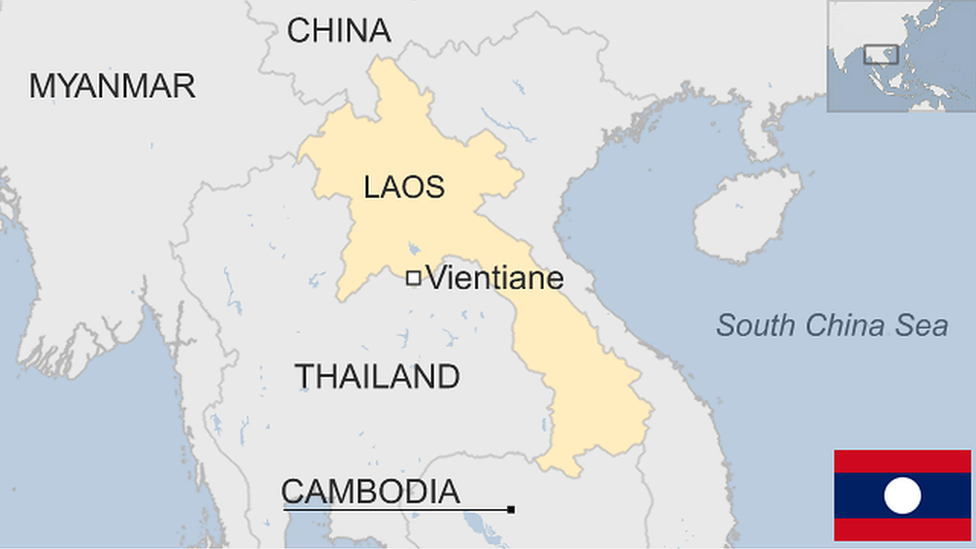
Laos has unveiled an ambitious plan to transform itself into a central hub for gold trading and refining in Asia by 2030, spearheaded by the Lao Bullion Bank . This initiative aims to bolster the nation’s financial stability and elevate its standing in the global precious metals market.

At a strategic meeting held on 2 May, LBB’s Chief Executive Officer, Chanthone Sitthixay, detailed the bank’s vision to establish Laos as a leader in the precious metals sector. The plan encompasses the development of comprehensive gold trading platforms, refining capabilities, and secure storage solutions, aligning with international standards to attract both regional and global investors.

The Lao Bullion Bank, officially launched in December 2024, represents a significant step in the country’s economic strategy. The bank’s establishment is a collaborative effort between the Lao government and PTL Holding, with the government holding a 25% stake and PTL Holding owning the remaining 75%. This partnership underscores a commitment to enhancing the nation’s gold reserves and stabilising the local currency, the Kip.

Since its inception, LBB has introduced various services, including gold deposit accounts, loans backed by gold collateral, and gold vending machines. These offerings aim to integrate gold more deeply into the financial system, providing citizens with alternative investment options and contributing to economic resilience.

To strengthen its position in the regional market, LBB has entered into strategic partnerships with key industry players. In October 2024, the bank signed a Memorandum of Understanding with the Singapore Bullion Market Association , focusing on knowledge exchange and regulatory collaboration to enhance Laos’s bullion market infrastructure. Additionally, a partnership with StoneX APAC was established to leverage technological expertise and develop new financial products tailored to the precious metals sector.

In March 2025, LBB further expanded its network by partnering with Samlane Jewelry, a prominent local gold retailer. This collaboration aims to standardise gold trading practices within the country and facilitate smoother transactions for investors and consumers. As part of this initiative, a promotional campaign was launched, offering incentives to customers who deposit gold with the bank, thereby encouraging public participation in the formal gold market.

The bank’s efforts are also directed towards refining unmined gold ores, transforming them into valuable assets that can contribute to the national budget and reserves. By doing so, Laos seeks to maximise the value derived from its natural resources, ensuring sustainable economic growth and financial independence.

LBB’s establishment and its subsequent initiatives reflect a broader governmental strategy to integrate Laos more fully into the global financial system. By positioning itself as a central player in the precious metals market, Laos aims to attract foreign investment, enhance its economic stability, and offer its citizens diversified financial services.

VISHNU RAJA
RYO YAMADA
HITORI GOTOH
IKUYO KITA