News related to
Strategy

KUALA LUMPUR, MALAYSIA – Media OutReach Newswire – 18 April 2025 – Trading success often depends on whether or not one can pinpoint potentially profitable assets before sharp price movement. This is particularly evident in crypto, where high volatility is the norm. Technical analysis—an analysis of historical price action and chart patterns—is one of the main methods to predict price direction. Candlestick analysis, a part of technical […]

Bell Canada and Ericsson have completed a field trial of an AI-native link adaptation technology, marking a significant step in the evolution of intelligent radio access networks . The trial, conducted in Ontario, demonstrated the potential of artificial intelligence to enhance network performance by dynamically adjusting transmission parameters in real-time. The AI-native link adaptation system employs machine learning algorithms to optimise modulation and coding schemes, thereby improving […]

ADNOC Drilling has been awarded a $1.63 billion contract by ADNOC Offshore to deliver Integrated Drilling Services over a five-year period, marking a significant expansion of its offshore operations. The contract encompasses a comprehensive suite of services, including directional drilling, drilling fluids, cementing, wireline logging, and tubular running services. It also entails engineering and technical support for the execution of extended reach and maximum reservoir contact wells […]

Mubadala Investment Company, Abu Dhabi’s sovereign wealth fund managing assets exceeding $330 billion, has committed $600 million to acquire a minority stake in Nord Anglia Education Ltd., a London-based provider of premium private education services. This investment marks a notable re-engagement with British assets following a period of diplomatic tensions between the United Arab Emirates and the United Kingdom.

Nord Anglia, operating over 80 schools across 33 countries and educating more than 90,000 students aged 2 to 18, was recently valued at $14.5 billion during its acquisition by a consortium led by EQT, alongside investors such as Neuberger Berman Private Markets, CPP Investments, CF Alba, and Dubai Holding. Mubadala’s entry into this consortium underscores its strategic interest in the global education sector.

This move aligns with the broader objectives of the UAE-UK Sovereign Investment Partnership , established to facilitate investments in sectors including technology, infrastructure, healthcare, life sciences, and clean energy. Under this framework, the UAE has pledged £10 billion over five years, with Mubadala playing a central role in deploying these funds. The partnership aims to foster job creation, enhance research and development capabilities, and stimulate economic growth in both nations.

The investment in Nord Anglia follows a series of initiatives aimed at strengthening UK-UAE relations. Notably, UK Prime Minister Keir Starmer’s visit to the UAE sought to attract investments in energy and infrastructure projects, including the Sizewell C nuclear power plant. These efforts reflect a mutual interest in revitalizing economic and diplomatic ties.

However, the relationship has faced challenges. The UAE expressed concerns over UK political decisions affecting Emirati investments, such as the blocked acquisition of the Telegraph newspaper by a UAE-backed investor. Additionally, the Abu Dhabi Investment Authority’s decision to write off its 9.9% stake in Thames Water highlighted apprehensions about the UK’s regulatory environment for utilities.

Despite these hurdles, the renewed investment by Mubadala in Nord Anglia indicates a willingness to re-engage with the UK market. The focus on education aligns with the UAE’s strategy to diversify its economy and invest in sectors with long-term growth potential.

Fifteen publicly listed Bitcoin mining firms collectively sold more than 40% of their mined BTC in March, marking the most significant monthly liquidation since October 2024. This trend underscores the mounting financial pressures faced by miners due to escalating operational costs and evolving market dynamics.

Marathon Digital, one of the largest Bitcoin mining companies, reported selling over 60% of its mined Bitcoin in May, amounting to 390 BTC out of 616 BTC produced. This move reflects a broader strategy among miners to liquidate assets in response to reduced profitability following the Bitcoin halving event in April, which cut mining rewards from 6.25 BTC to 3.125 BTC per block.

Other major players, such as Riot Platforms and CleanSpark, have adopted varied approaches. Riot Platforms disclosed no BTC sales in May despite producing 215 BTC, while CleanSpark sold only a small portion of its 417 BTC production. These decisions highlight the diverse strategies miners are employing to navigate the post-halving landscape.

The sell-off trend is not isolated to a few companies. In February, the combined market capitalization of 15 major Bitcoin mining stocks dropped by $13 billion, reflecting broader market volatility and the challenges miners face in maintaining profitability. Companies like Bitdeer and Hut 8 experienced significant declines in their stock prices, with Bitdeer leading the downturn with a 55% loss.

To mitigate these challenges, miners are exploring various strategies. Marathon Digital is expanding its operations overseas, partnering with the Ministry of Energy and Petroleum of the Republic of Kenya to optimize renewable energy projects. The company also initiated a pilot project in Paraguay to enhance its energy structure, aiming to have 50% of revenues coming from overseas by 2028.

Hut 8, in collaboration with Eric Trump, launched a new Bitcoin mining company named American Bitcoin. This venture focuses on building a significant Bitcoin reserve and plans to go public in the future to enhance capital access. Hut 8 will serve as American Bitcoin’s exclusive infrastructure and operating partner, indicating a strategic shift towards energy and digital infrastructure.

KUALA LUMPUR, MALAYSIA – Media OutReach Newswire – 17 April 2025 – PETRONAS Lubricants International (PLI), the global fluids and lubricants arm of energy giant PETRONAS, and Quaker Houghton, the global leader in industrial process fluids, have announced a strategic partnership that strengthens their commitment to providing proven products, solutions and services for key industrial sectors in Malaysia and India. Leveraging the product portfolio and geographic market […]

SINGAPORE – Media OutReach Newswire – 17 April 2025 – Loft Logistics, a 3PL logistics service provider in Singapore, is proud to announce its business expansion into Malaysia with a new warehouse in Shah Alam, Selangor. Loft Logistics Shah Alam Warehouse Driving Growth in Southeast Asia This strategic move enhances Loft’s capabilities, providing seamless logistics and fulfilment services that support businesses in both Singapore and Malaysia. Since […]

Advertisements

Russia’s Finance Ministry has proposed the development of domestically issued stablecoins pegged to non-dollar currencies, following the freezing of Russia-linked digital wallets holding over 2.5 billion roubles in USDT by Tether. Osman Kabaloev, Deputy Head of the Ministry’s Financial Policy Department, stated that the incident underscores the need for internal tools similar to USDT, potentially pegged to other currencies.

The move comes after the European Union imposed sanctions on the Russian crypto exchange Garantex, leading to the suspension of operations involving USDT. The Finance Ministry’s proposal aims to establish sovereign financial tools to circumvent global financial restrictions and reduce reliance on Western-dominated financial systems.

Despite the Finance Ministry’s push, the Bank of Russia remains opposed to the use of cryptocurrencies in domestic transactions. However, Russian firms are participating in experimental international crypto payments, especially as conventional cross-border payments become more challenging under Western sanctions.

The proposal aligns with Russia’s broader strategy to establish a stablecoin settlement platform with “friendly” nations, avoiding the use of U.S. dollars and euros. Deputy Finance Minister Alexey Moiseev has indicated that the government is working with countries such as China and Belarus to create platforms using tokenized instruments pegged to recognized assets like gold.

This initiative is part of a larger effort by BRICS nations to develop a single payment system and make settlements in a unified cryptocurrency. The BRICS Pay platform aims to link national payment systems of member countries, facilitating digital wallet transactions and reducing dependence on the U.S. dollar.

The Central Bank of Russia, however, has expressed skepticism about private stablecoins, citing high risks and lack of guaranteed redemption at nominal value. The Bank prefers the development of a digital ruble, which combines the advantages of digital payments with the reliability of national currency.

Every investor, whether novice or seasoned, faces the timeless question: “Is now a good time to buy stocks?” The answer is rarely straightforward. It depends on a range of factors—macroeconomic trends, market valuations, investor sentiment, and personal financial goals. Today’s market environment, marked by uncertainty, mixed signals, and rapid shifts in momentum, makes this question more relevant—and more complicated—than ever. To evaluate whether it’s a good time […]

Local governments across China have turned to private companies to offload seized cryptocurrency assets in offshore markets, a move that has sparked concern amid the nation’s ongoing ban on crypto trading. These actions come as part of an effort to generate revenue during an economic slowdown, with figures showing the sale of approximately 15,000 BTC . Reports suggest that around 194,000 BTC are still held within the […]

HONG KONG SAR – Media OutReach Newswire – 16 April 2025 – Zero Fintech Group Limited (“Zero Fintech” or the “Company”, stock code: 0093.HK), a leading fintech innovator, is proud to announce its stellar financial performance for the year ended 31 December 2024, showcasing remarkable growth driven by strategic execution and advanced risk management. 2024 Financial Highlights: Revenue: HK$261.8 million – a 33% increase YoY, driven by […]

Arabian Post Staff -Dubai Majid Al Futtaim, the Emirati retail conglomerate, has unveiled a substantial AED 5 billion expansion plan for Dubai’s Mall of the Emirates, aiming to enhance its status as a premier shopping and entertainment destination in the Middle East. The project will introduce an additional 20,000 square metres of retail space and accommodate 100 new stores, reinforcing the mall’s position in the region’s competitive […]

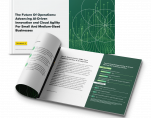
SYDNEY, AUSTRALIA – Media OutReach Newswire – 16 April 2025 – ​Crayon, a global leader in IT services and innovation, today announced the latest release of its biennial Future of Operations study of SMB decision makers. The Future of Operations: Advancing AI-Driven Innovation and Cloud Agility for Small and Medium Sized Businesses, Forrester Consulting study commissioned by Crayon for the Asia Pacific region reveals a bold shift […]

Tether, the issuer of the world’s most widely circulated stablecoin, has acquired a strategic stake in Fizen Limited, a fintech firm specialising in multi-chain stablecoin payments and merchant solutions. The investment aims to accelerate global adoption of stablecoins and expand access to decentralised financial tools, particularly in underserved markets.

Fizen offers a suite of crypto payment services designed to bridge the gap between digital assets and real-world commerce. Its platform enables merchants to accept stablecoins with instant fiat settlement, while consumers can use cryptocurrencies to pay for everyday expenses such as utility bills, mobile top-ups, and travel bookings. The company’s infrastructure supports multiple blockchains and integrates with a wide range of tokens, facilitating seamless transactions across 178 countries.

This partnership builds on previous collaborations between Tether and Fizen, including the ‘Tour de USDt’ initiative in Southeast Asia, which showcased the potential of stablecoins in cross-border payments and financial inclusion. The new investment is expected to deepen this relationship, enabling Tether to leverage Fizen’s technology to promote the use of USDt in everyday transactions.

Tether’s move comes amid a broader push to enhance the utility of stablecoins beyond trading and speculation. By investing in platforms like Fizen, Tether aims to embed stablecoins into the fabric of daily commerce, offering a stable and efficient alternative to traditional payment systems. This strategy aligns with the growing demand for financial services that are accessible, low-cost, and independent of conventional banking infrastructure.

Fizen’s technology is particularly relevant in regions where access to banking services is limited. By facilitating crypto payments for essential services and goods, Fizen empowers users to participate in the digital economy without relying on traditional financial institutions. This approach not only broadens the reach of stablecoins like USDt but also supports economic empowerment in communities that have historically been excluded from mainstream financial systems.

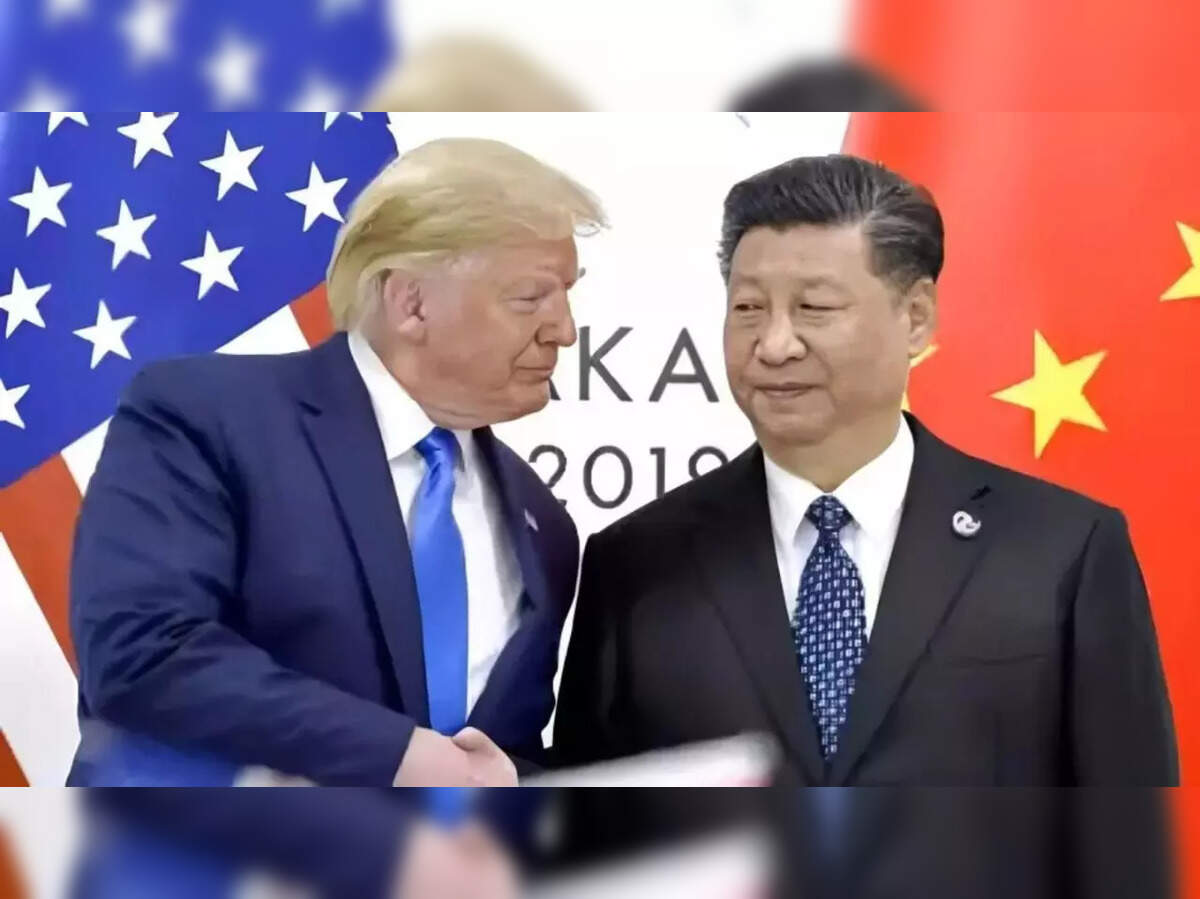
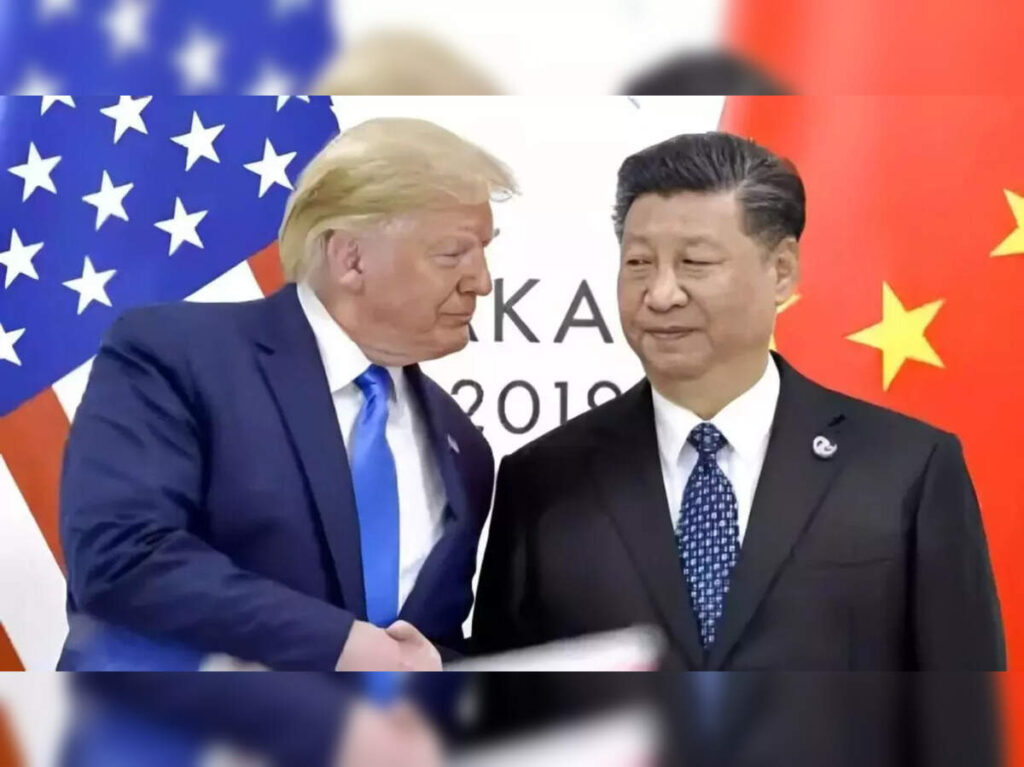
By Nitya Chakraborty Though there is a 90 day pause in Trump’s latest unilateral imposition of reciprocal tariffs on most of the countries, the trade war between the USA and China, the two largest economies of the world is in full steam imparting tremors in global trade and economy. Close advisers of Trump were expecting […]

HONG KONG SAR – Media OutReach Newswire – 15 April 2025 – The Hong Kong Institute of Chartered Digital Asset Analysts (HKCDAA) held its grand inauguration ceremony at the China Everbright Centre in Wan Chai, marking the official opening of its headquarters. The event was led by Dr. Anthony Neoh, Honorary Chairman of HKCDAA, former Chairman of Hong Kong’s Securities and Futures Commission (SFC), and former Chief […]

India is intensifying efforts to onboard 300 million new users to its Unified Payments Interface platform, aiming to solidify its position as a global leader in digital payments. This initiative is part of a broader strategy to enhance UPI’s domestic penetration and promote its adoption internationally.

The National Payments Corporation of India , which oversees UPI, has outlined plans to expand the platform’s reach to 20 countries by 2029. This expansion targets regions with significant Indian diaspora and frequent travel ties, including Southeast Asia, the Middle East, and parts of Africa. Countries like Qatar, Thailand, and other Southeast Asian nations are among those identified for UPI integration.

To facilitate this global outreach, NPCI’s international arm, NPCI International Payments Limited , is collaborating with various nations to develop UPI-like systems tailored to their specific needs. Agreements have been signed with countries such as Peru, Namibia, and Trinidad and Tobago to establish real-time payment infrastructures modeled after UPI. These collaborations aim to enhance financial inclusion and streamline cross-border transactions.

Domestically, UPI continues to dominate India’s digital payment landscape, accounting for approximately 83% of all digital transactions in 2024. The platform’s user-friendly interface and real-time transaction capabilities have contributed to its widespread adoption. The Reserve Bank of India is actively working with stakeholders to further broaden UPI’s scope, focusing on scaling infrastructure, introducing new products, and addressing ecosystem challenges.

Internationally, India is engaging with the Financial Action Task Force to ease compliance requirements for cross-border UPI transactions. The goal is to make UPI more competitive with established global payment networks by advocating for technology-neutral regulations that facilitate smoother international payments.

As part of its expansion strategy, NIPL is also assisting countries in developing their own domestic card schemes similar to India’s RuPay. Collaborations with nations like the United Arab Emirates and Mauritius are underway to create sovereign payment solutions that can eventually integrate with UPI for seamless cross-border transactions.

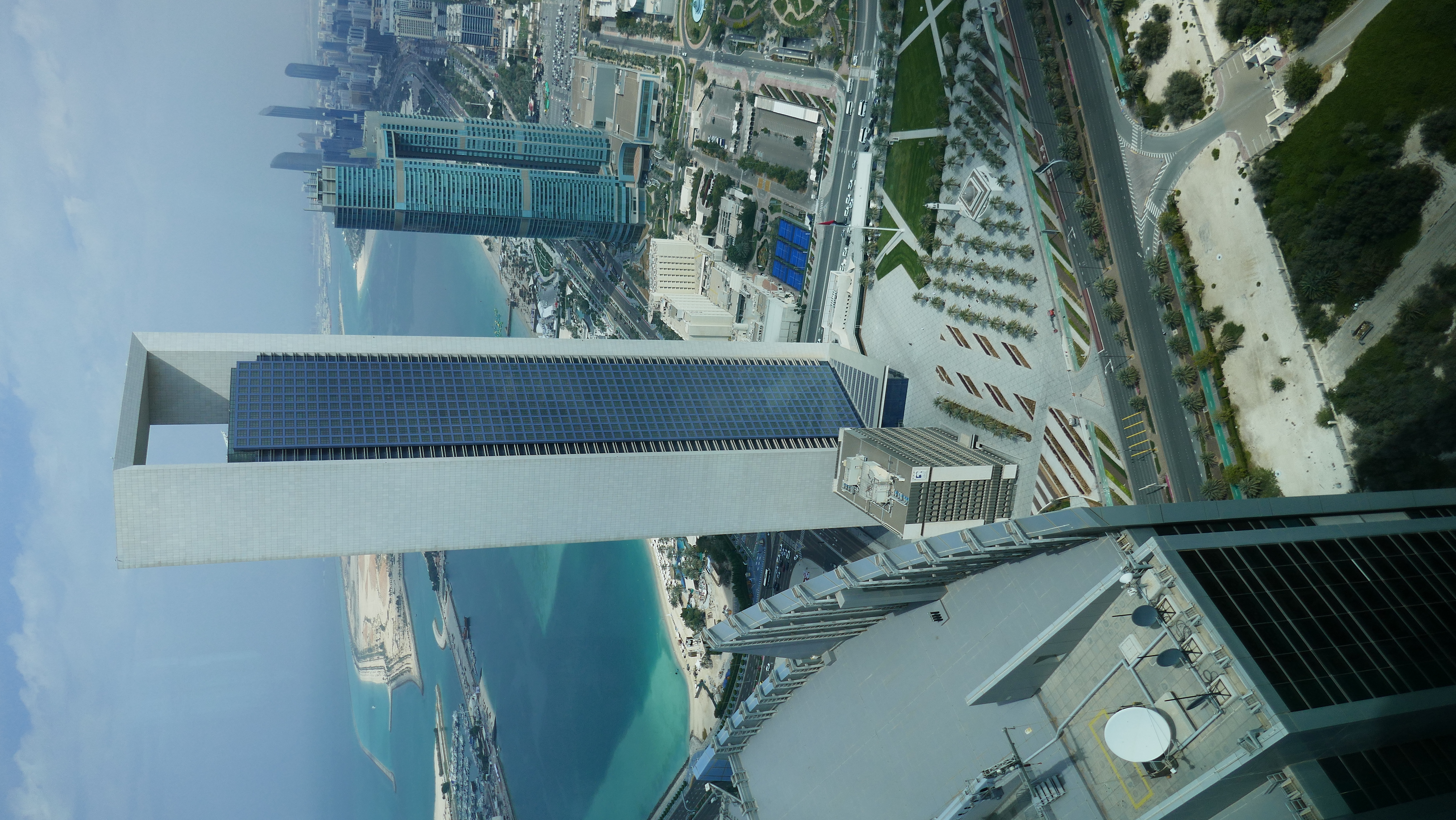
Abu Dhabi National Oil Company is evaluating a potential acquisition of Aethon Energy Management’s US-based natural gas assets, a move that could significantly bolster its presence in the North American energy market. The assets under consideration are valued at approximately $9 billion and are primarily located in the Haynesville shale region spanning Louisiana and East Texas.

Aethon Energy Management stands as one of the largest privately held natural gas producers in the United States, with a focus on the Haynesville shale formation. The company has been exploring strategic options, including a potential sale or initial public offering, with valuations reportedly reaching up to $10 billion. Discussions regarding the acquisition are in preliminary stages, and no definitive agreements have been reached.

This potential acquisition aligns with ADNOC’s broader strategy to diversify its energy portfolio and expand its global footprint. The company has been actively investing in gas, chemicals, liquefied natural gas , and renewable energy sectors. Notably, ADNOC has established XRG, an international investment arm with an enterprise value exceeding $80 billion, aimed at capitalizing on the global demand for lower-carbon energy solutions.

ADNOC’s recent investments include a stake in NextDecade’s LNG export project in Texas, accompanied by a 20-year supply agreement. Additionally, the company has acquired a 10% equity stake in the Area 4 concession of Mozambique’s Rovuma basin, enhancing its LNG production capacity. These strategic moves underscore ADNOC’s commitment to becoming a leading player in the global energy transition.

KUALA LUMPUR, MALAYSIA – Media OutReach Newswire – 15 April 2025 – In online trading, speed is king. Below, the experts at Octa, a regulated and trusted broker since 2011, break down the aspects of trading where speed matters most and offer an accessible way to accelerate trading progress. The modern world revolves around speed and solutions that solve problems faster than their predecessors. Speed advantage determines […]

Saudi Arabia is preparing to pay off Syria’s outstanding $15 million debt to the World Bank, a move that could unlock significant international aid for the country’s reconstruction and support its struggling public sector. This initiative marks the first known instance of Saudi financial assistance to Syria since the Islamist-led overthrow of former President Bashar al-Assad in December 2024. The debt repayment is expected to facilitate the […]

Dubai-listed Mashreqbank has appointed a group of leading banks to oversee a $500 million five-year senior unsecured sukuk offering, marking a significant move in the region’s Islamic finance sector. The sukuk, which will be governed by market conditions, is part of the bank’s broader $2.5 billion trust certificate issuance programme. The issuance will be rated A3 by Moody’s and A by both S&P and Fitch, with a […]

Global oil demand projections for 2025 have been adjusted downward by the Organization of the Petroleum Exporting Countries , marking the first such revision since December. The updated forecast anticipates a growth of 1.30 million barrels per day in 2025, a reduction of 150,000 bpd from previous estimates. Similarly, the 2026 forecast has been lowered to 1.28 million bpd. This adjustment reflects weaker-than-expected data from the first […]

The United States and Saudi Arabia are preparing to sign a preliminary agreement to collaborate on the development of a civil nuclear industry in the Kingdom. This marks a significant step in the two countries’ ongoing energy partnership, reflecting shared interests in enhancing the security and sustainability of global energy resources.

US Energy Secretary Chris Wright, addressing reporters in Riyadh, confirmed the impending deal, which is set to open a new chapter in Saudi Arabia’s ambitions to develop its own nuclear energy sector. The announcement comes amid growing global demand for cleaner and more sustainable energy solutions. Wright’s comments emphasised the importance of this agreement in both supporting Saudi Arabia’s long-term energy goals and strengthening the bilateral ties between the two nations.

The move follows Saudi Arabia’s ambitious Vision 2030 initiative, a broad economic reform programme designed to diversify the country’s economy away from its heavy reliance on oil exports. Among its many facets, Vision 2030 aims to establish a robust nuclear energy sector that can generate significant portions of the country’s electricity, reducing its dependence on fossil fuels. This is crucial for the Kingdom as it seeks to address both domestic energy needs and environmental concerns.

Saudi Arabia has made significant strides in recent years towards the development of nuclear energy. In 2018, the country’s nuclear authorities announced plans to construct two nuclear reactors by 2030, as part of a broader strategy to introduce nuclear power as a reliable energy source. These efforts have garnered attention from global nuclear power experts and energy companies, particularly those from the US, Russia, and China, all of which are vying for a role in the development of the Saudi nuclear industry.

The United States’ involvement in this sector is not new. Over the past decade, American firms have been at the forefront of nuclear technology development, exporting their expertise in reactors, fuel production, and regulatory frameworks. Saudi Arabia’s decision to move forward with a preliminary agreement highlights the growing importance of collaboration with nuclear powers like the US to achieve these ambitious goals. Additionally, American support could help ensure that the Kingdom adheres to international nuclear safety standards, a crucial consideration in the nuclear energy field.

The potential partnership between the US and Saudi Arabia is a step forward in strengthening their long-standing relationship, which spans multiple areas including defence, trade, and energy. Saudi Arabia’s energy infrastructure, heavily dependent on oil, has been under increasing pressure to adapt to the changing global energy landscape. As the world moves towards more sustainable energy sources, Saudi Arabia aims to take advantage of nuclear energy’s potential to generate electricity without emitting the high levels of greenhouse gases associated with fossil fuel consumption.

For the United States, the deal also represents a strategic move to expand its influence in the Middle East’s evolving energy market. The US has long maintained strong energy ties with the Kingdom, but this agreement will further cement its role as a key partner in Saudi Arabia’s energy diversification plans. By providing expertise in the nuclear field, the US ensures that it will be a prominent player in shaping the future of Saudi Arabia’s energy sector.

Critics, however, have raised concerns about the environmental impact of nuclear energy, especially with the potential risks associated with radioactive waste disposal and reactor safety. Despite these concerns, both nations appear committed to ensuring that the nuclear technology used in Saudi Arabia meets the highest safety standards. The Kingdom’s regulatory bodies are expected to follow stringent international protocols, a key point of focus in the upcoming agreement.

In the broader context, this agreement comes at a time when nuclear energy is experiencing a resurgence globally, driven by the need for cleaner alternatives to fossil fuels. Countries like China and Russia have been aggressively advancing their own nuclear energy sectors, while nations in Europe and Asia are exploring similar initiatives. With the increasing demand for clean energy, Saudi Arabia’s foray into the nuclear power industry positions it as a potential leader in the region, with the ability to export energy solutions to neighbouring countries.

The US-Saudi nuclear cooperation deal also plays a part in the shifting dynamics of international geopolitics. The Middle East has long been a region of strategic importance, and energy remains a critical element in the geopolitical landscape. By fostering deeper cooperation with Saudi Arabia, the US further solidifies its influence in the region, while also promoting energy security for both countries.


Dubai’s property market, which has enjoyed a robust 70% rally over the past few years, now faces uncertainty amid growing concerns over global trade tensions and rising tariffs. These external factors are posing risks to the region’s otherwise bullish real estate sector, which had been buoyed by strong demand from both international investors and affluent buyers seeking stable assets.

While the property market in Dubai had been thriving thanks to its appeal as a safe haven for foreign capital, the shifting landscape of international trade and geopolitical issues are beginning to create ripples. Tariffs, particularly those affecting the construction sector, have seen a marked increase, potentially driving up the cost of raw materials such as steel and cement, which could ultimately disrupt the market’s growth trajectory.

Dubai’s real estate market has long been a barometer of economic sentiment, drawing investors from across the globe who have been eager to tap into its lucrative prospects. However, with the imposition of new tariffs between major global economies, analysts suggest that both developers and investors are likely to face additional challenges, as supply chains are strained and costs climb higher.

The UAE government had, up until now, maintained a favourable regulatory environment, with policies aimed at attracting foreign capital and ensuring a favourable investment climate. These efforts have been part of a wider strategy to diversify the nation’s economy and reduce its dependence on oil revenues. However, with rising global inflation rates and the unpredictability of international tariffs, even the UAE’s free-market policies might not be enough to shield the market from external pressures.

The construction sector, which directly impacts the overall real estate market, has already started feeling the heat. Many developers have raised concerns that rising tariffs on imported materials could force them to increase the prices of new homes and commercial properties. This could result in a slowing of the rapid sales pace observed over the last few years, as potential buyers and investors may hesitate to commit to higher-priced assets.

Global economic instability is causing some caution among international investors. High inflation and a fluctuating global market have dampened investment appetites, and the UAE is not immune to these international economic trends. A reduction in international investment could lead to less capital flowing into Dubai’s property market, making it harder for the city to sustain its property price increases.

Despite the looming risks, there are still some positive indicators for Dubai’s property market. The UAE’s economic diversification strategy, alongside government efforts to ensure the stability of the banking system, has helped sustain confidence in the country’s real estate. Furthermore, Dubai’s positioning as a global financial hub, coupled with its luxury real estate offerings, continues to attract high-net-worth individuals, particularly from regions like Europe, Russia, and parts of Asia.

The growth of Dubai’s tourism sector and events such as Expo 2020 have been contributing factors to the property boom. With a steady influx of visitors and the growing number of residents moving to Dubai for work or lifestyle, the demand for high-quality, well-located properties remains strong.

However, as Dubai continues to build its reputation as a global luxury real estate destination, the sector’s reliance on external factors cannot be ignored. Political shifts in major economies, fluctuations in currency values, and trade disruptions are all variables that could significantly affect the long-term outlook of Dubai’s property market.

VISHNU RAJA
RYO YAMADA
HITORI GOTOH
IKUYO KITA