News related to
Capital

The first half of 2025 marked a significant surge in greenfield foreign direct investment into Saudi Arabia, with the United States leading the charge. American investors drove 61 projects, injecting $2.7 billion into the Kingdom’s economy, accounting for nearly a third of both the project count and total investment. This surge highlights the growing confidence of international investors in Saudi Arabia’s Vision 2030 economic reforms and its appeal as a business hub in the region.

According to a report by Emirates NBD, greenfield investments in Saudi Arabia showed a notable increase, both in terms of project volume and capital inflow. In total, 203 greenfield projects were launched in Saudi Arabia during the first half of 2025, marking a 30.1% year-on-year rise. These projects, spanning across various sectors, reflect the country’s strong development trajectory and its efforts to diversify away from oil reliance.

Egypt emerged as the second largest contributor to Saudi Arabia’s greenfield FDI, securing $1.81 billion through 11 projects. Many of these ventures were centered around real estate developments, capitalising on the Kingdom’s expanding urbanisation and demand for residential and commercial properties. Egypt’s growing involvement reflects deeper ties between the two nations, particularly in sectors related to infrastructure and housing.

China, a global FDI powerhouse, played a significant role as well, investing $858.3 million through 11 projects in Saudi Arabia. China’s investments in the Kingdom primarily focused on manufacturing, technology, and energy, complementing the Saudi government’s drive to expand its industrial base and modernise key sectors. Chinese companies are also playing a pivotal role in the development of high-tech infrastructure, which aligns with Saudi Arabia’s push towards a more diversified, knowledge-based economy.

France also made its presence felt, contributing $771.7 million through six greenfield projects. The French investments were primarily focused on technology, retail, and luxury goods, with several high-end brands expanding their operations within the Kingdom. France’s engagement is part of a broader European interest in tapping into Saudi Arabia’s expanding consumer market, particularly in areas linked to fashion, entertainment, and sustainable energy.

The UAE’s regional influence continued to grow, with 25 projects worth $205.3 million being launched in Saudi Arabia. These ventures spanned various industries, with a focus on hospitality, logistics, and real estate. The UAE’s investments underscore the close business ties between the two countries, with the Kingdom remaining a key destination for Emirati capital looking to expand its footprint in the region.

Riyadh, Saudi Arabia’s capital, was the top destination for greenfield FDI, attracting 100 projects valued at $2.3 billion. As the political, economic, and cultural centre of the country, Riyadh continues to benefit from the majority of investments, particularly in the areas of technology, infrastructure, and urban development. Dammam, home to one of the Kingdom’s key industrial hubs, secured 21 projects worth $1.28 billion, while Jeddah followed closely with 13 projects totalling $1.22 billion. These cities represent strategic focal points in Saudi Arabia’s ambitious plans for diversification, driven by growth in manufacturing, logistics, and energy.

Saudi Arabia’s overall greenfield FDI rose by 1.7% to $9.34 billion during the first half of 2025, reflecting the Kingdom’s position as an attractive investment destination. The growth is seen as a direct result of efforts to enhance the ease of doing business in the country and to create a more transparent regulatory environment. Initiatives like the National Industrial Development and Logistics Program and the Saudi Green Initiative have been instrumental in drawing foreign investments into the Kingdom.

A senior aide to Israeli Prime Minister Benjamin Netanyahu has been dispatched to the United Arab Emirates in a discreet diplomatic move aimed at resolving strains between the two nations. This development marks a critical step in addressing the ongoing challenges faced by the UAE-Israel relationship, particularly in the aftermath of regional shifts and political tensions.

The aide’s visit, which has been kept under wraps to avoid further complicating the delicate diplomatic situation, underscores Israel’s desire to reassert its relations with the UAE following some setbacks in the past year. While the specifics of the discussions remain largely confidential, sources suggest the key focus is on reaffirming the normalization of ties, which was first achieved through the Abraham Accords in 2020. These accords established full diplomatic relations between Israel and the UAE, a historic shift in the Middle East, and the Netanyahu administration has been under pressure to maintain the momentum of these agreements despite regional turbulence.

Diplomatic sources point to a combination of political disagreements, security concerns, and international pressures that have strained the UAE-Israel partnership. One of the main issues is the growing unease in the Gulf over Israel’s stance on Palestinian issues and its handling of tensions in Gaza. While the UAE has remained committed to the Abraham Accords, there has been mounting public and political disquiet over Israel’s domestic policies, especially in relation to its stance on Palestinian sovereignty and peace efforts.

Experts suggest that Netanyahu’s decision to send a trusted aide is a direct response to growing concerns in Abu Dhabi about Israel’s domestic trajectory and its regional posture. This diplomatic outreach is seen as a move to reassure the UAE that Israel remains committed to cooperation, particularly in areas such as trade, technology, and security, which have flourished since the signing of the Abraham Accords.

There is speculation that the UAE has been considering a recalibration of its foreign policy, especially with the changing dynamics in the broader Middle East. With the shifting alliances and new players emerging in the region, including the growing influence of China and Russia, the UAE finds itself needing to maintain a balance between its Western ties, particularly with the United States, and its more recent alignment with Israel.

The UAE-Israel relationship, though officially cordial, has been fraught with complexities. The leadership in Abu Dhabi has long prioritised stability and economic growth, factors which drove the decision to engage diplomatically with Israel. However, regional developments, including the ongoing situation in Gaza and the broader Israeli-Palestinian conflict, have put these relations to the test.

Israel’s efforts to build and sustain relationships with Gulf states have been a key feature of Netanyahu’s foreign policy. The normalization agreements brokered by the Trump administration in 2020 were seen as a major victory for Israel, but they have not been without their challenges. The UAE has been wary of the potential fallout from these ties, particularly in the Arab world, where public sentiment on Israel remains divided.

Despite these challenges, there is a shared interest in several areas. Both countries are looking to advance economic collaborations, particularly in the fields of technology, energy, and defence. Israeli businesses have already established a foothold in the UAE, with cooperation extending to key sectors such as cybersecurity and artificial intelligence. These partnerships are expected to grow further as both nations seek to capitalise on new opportunities.

Israel’s relationship with the UAE has also allowed for greater security cooperation, particularly in the context of regional threats posed by Iran. Both countries share concerns over Iran’s nuclear ambitions and its influence across the region. This shared security interest has provided a basis for increased intelligence-sharing and military coordination, despite the undercurrent of political tensions.

The cryptocurrency market is witnessing a surge of activity, as Bitcoin Swift makes its way into Stage 6 of its development cycle, and Ethereum continues to hold steady above $3,100. Meanwhile, Bitcoin Hyper, a new player in the presale market, is igniting interest with its presale price hovering just above one cent. This confluence of developments signals a dynamic phase for blockchain technology and its associated assets.

Ethereum, the second-largest blockchain by market capitalisation, has remained resilient in a volatile market. With a focus on upcoming upgrades, such as Ethereum 2.0 and its scalability initiatives, Ethereum continues to attract investors seeking a robust and versatile platform for decentralised applications. Analysts note that Ethereum’s ability to maintain a strong position despite competition from emerging networks speaks volumes about its foundational role in the broader crypto ecosystem. The anticipation surrounding its future upgrades further fuels confidence in its long-term potential.

Bitcoin Swift, which recently entered Stage 6 of its development, is generating significant attention. The coin’s rapid ascent through its various stages has been marked by rising investor confidence, and as it advances to Stage 6, more attention is now being paid to its potential. Backed by a highly ambitious roadmap, BTC3 aims to position itself as a major player in the cryptocurrency space by offering a range of technological advancements, including faster transaction times and a more scalable consensus mechanism. BTC3’s move into Stage 6 marks a crucial point in its development, drawing in investors who see it as a promising competitor in the market.

Bitcoin Hyper, a new entrant in the crypto presale market, has also made waves due to its highly affordable presale price, which currently sits just above one cent. This has led to a significant uptick in investor interest, particularly among those looking for early-stage opportunities in a rapidly expanding market. Despite being in the early stages, Bitcoin Hyper’s project has attracted attention for its innovative features, including a focus on security and privacy for its users. Its low presale price and promising roadmap have set the stage for potential rapid growth.

The rapid growth of Bitcoin Swift and Ethereum has sparked discussions about the evolving competitive landscape within the blockchain sector. Many investors and developers are keen to see how these two will perform as blockchain technology matures. Ethereum’s scalability upgrades are expected to play a pivotal role in its ability to retain its market position and further challenge other blockchain platforms.

At the same time, Bitcoin Swift is looking to carve out its niche by providing solutions that are expected to address some of the scalability issues that have long plagued the cryptocurrency market. The growing demand for faster, more secure transactions is driving interest in Bitcoin Swift, with its features expected to position it as a key player in the crypto space.

Bitcoin Hyper, despite its early presale price, has set ambitious goals to stand out in a crowded marketplace. It is targeting markets where privacy and security are critical, making it an attractive proposition for those seeking a more secure and anonymous way to conduct transactions. Its early success in the presale market demonstrates investor confidence in the potential of the platform, even as it works through its development phases.

Ethereum’s continued dominance in the space is further solidified by its diverse range of use cases, from decentralised finance to non-fungible tokens. As Ethereum prepares to unveil key updates to its network, the platform is expected to enhance its ability to handle a growing number of transactions while reducing gas fees. These upgrades, particularly the Ethereum 2.0 transition, are expected to provide the blockchain with a much-needed scalability boost, keeping it competitive with newer entrants.

Despite the competition, Ethereum’s strong brand and extensive developer community offer it a distinct advantage over some of its rivals. Many blockchain developers are continuing to build on Ethereum due to its robust infrastructure, which supports decentralised applications, smart contracts, and DeFi protocols. As the network transitions to Ethereum 2.0, the platform is poised to capture a larger share of the blockchain market.

While Ethereum looks to expand its capabilities, Bitcoin Swift and Bitcoin Hyper are positioning themselves as innovative disruptors with distinct value propositions. Bitcoin Swift’s focus on transaction speed and scalability, coupled with Bitcoin Hyper’s privacy-first approach, offers compelling alternatives to Ethereum’s more open ecosystem.

The UAE government has unveiled a transformative public-private partnership framework aimed at boosting the national economy and attracting further investment. This new initiative aims to streamline and enhance the collaboration between the public and private sectors, providing a cohesive platform for businesses to engage with government projects more effectively. Under the new framework, the UAE seeks to build on its existing infrastructure while introducing new policies that […]

Matein Khalid It is now all but certain that the Federal Reserve will cut the US overnight borrowing rate, currently 4.25 percent, by at least 25 basis points at its September 18 Federal Open Market Committee (FOMC) meeting. The labour market is losing momentum, while tariff-driven inflation has yet to show up in the Consumer Price Index. The Trump White House has ramped up pressure on Fed Chair […]

Implementing the Core Strategy of “Single Brand, Multi-Categories, Diversified Channels” | Excelling Through Professionalism, Strengthening Strategic Foundations FINANCIAL HIGHLIGHTS In the first half of the year, the Group recorded the following operating results: – Revenue rose by 3.3% to RMB14,817 million; gross profit margin declined by 0.4 percentage points to 50% – Net operating cash inflow was RMB2,411 million – Net profit attributable to equity holders was […]

China is reportedly on the brink of a significant policy shift that may see the introduction of yuan-backed stablecoins, a move designed to bolster the international standing of its currency. With global financial markets increasingly leaning towards digital currencies, Beijing’s latest plan could mark a pivotal moment in the international adoption of the yuan.

The Chinese government is set to consider a proposal to allow the issuance of stablecoins pegged to the yuan, which would aim to challenge the dominance of the US dollar and its associated stablecoins in global markets. The proposal, expected to be reviewed by the State Council, reflects Beijing’s ongoing strategy to expand the yuan’s reach beyond its traditional borders, positioning it as a competitor to the greenback.

As part of its broader push for digital currency integration, China could allow key financial hubs such as Hong Kong and Shanghai to be the first to implement the new stablecoin systems. These cities are already at the forefront of China’s broader efforts to foster the growth of digital currencies, and the stablecoin initiative could further solidify their roles as global financial centres.

Discussions surrounding the adoption of yuan-backed stablecoins are expected to feature prominently during high-level meetings, including the upcoming Shanghai Cooperation Organisation Summit. This gathering will provide an important platform for Chinese leaders to outline their vision for the future of digital currencies, while signalling their intent to shape international policy on the use of stablecoins.

The planned move is in direct contrast to China’s earlier stance on cryptocurrency regulation. In recent years, the country has imposed strict measures on the use of private cryptocurrencies, citing concerns about financial stability and capital outflows. The proposed policy reversal regarding stablecoins marks a dramatic shift in strategy, moving from a position of stringent control to one of potential global leadership in digital currency innovation.

Stablecoins, which are digital currencies pegged to stable assets like fiat currencies or commodities, have become increasingly popular among investors seeking to minimise volatility. In particular, US dollar-backed stablecoins have grown exponentially, with major players like Tether and USD Coin dominating the market. The success of these assets has prompted China to explore ways in which the yuan can gain a similar foothold in the emerging digital economy.

By introducing a yuan-backed stablecoin, China would not only be promoting its digital currency but also attempting to influence how digital currencies are adopted globally. The move could significantly shift the dynamics of international trade and finance, particularly in Asia. As countries continue to look for alternatives to US dollar-dominated systems, China’s push for a digital yuan is increasingly seen as a strategic move to improve its influence over global financial markets.

Key stakeholders in the financial sector have already begun to take notice of China’s evolving stance on digital currencies. Financial institutions operating in Hong Kong and Shanghai are expected to play an integral role in the rollout of yuan-backed stablecoins, with implications for both domestic and cross-border transactions. Additionally, blockchain technology providers are closely monitoring developments in this space, anticipating a surge in demand for stablecoin-related infrastructure as China accelerates its digital currency ambitions.

The anticipated approval of yuan-backed stablecoins would also contribute to the development of China’s central bank digital currency, the digital yuan. While the digital yuan has already been tested in select regions, the integration of stablecoins would expand the use of digital yuan products, making it more accessible to international markets. This could significantly enhance the usability of China’s digital assets, providing a stable, digital alternative to traditional fiat currencies for global trade and investment.

At the same time, China’s global competitors, particularly the United States and the European Union, are likely to view this move with caution. While the yuan-backed stablecoin could disrupt traditional financial systems, it could also prompt a race to establish new regulatory frameworks and digital currencies to safeguard the dominance of the US dollar and the euro in global markets.

Advertisements

Hedge funds are experiencing an unprecedented influx of capital as investors increasingly turn to them for potential high returns in an unpredictable market landscape. The surge, described as the largest in over a decade, comes amid heightened volatility in global markets, with investors seeking refuge in strategies that can navigate turbulent times.

The influx is reflective of broader economic uncertainties that have marked the past few years. Inflation, interest rate fluctuations, and geopolitical tensions have prompted a shift in how investors are approaching their portfolios. For many, hedge funds, which are designed to capitalise on market inefficiencies and often utilise a mix of complex investment strategies, have become a more attractive option for diversifying risk.

Industry analysts attribute the renewed interest to hedge funds’ ability to hedge against downside risks while still positioning themselves for upside potential. These funds, which include strategies such as long/short equity, event-driven, and macroeconomic investing, are seen as flexible enough to take advantage of both market downturns and rallies.

The timing of this shift is significant, with hedge fund inflows peaking in the first half of this year. According to reports, the volume of new money invested in hedge funds has surpassed previous records, with institutional investors making up the majority of the capital. Pension funds, endowments, and family offices have notably increased their allocations, recognising the potential benefits of diversifying into hedge funds’ more sophisticated strategies.

This trend is also linked to the performance of hedge funds in recent years. After a period of underperformance following the global financial crisis and the subsequent slow recovery, hedge funds have returned to form, outpacing traditional equity indices in certain periods. While not all hedge funds have delivered stellar returns, the overall industry has shown resilience and adaptability, particularly in the face of market turbulence.

One of the critical drivers behind this renewed interest is the diversification factor. Hedge funds often employ strategies that are less correlated with traditional markets, allowing them to profit from opportunities that might not be available to standard equity investors. For example, in a period of high volatility or economic downturn, many hedge funds profit from short-selling overvalued stocks, participating in distressed asset sales, or capitalising on arbitrage opportunities.

However, the strategy comes with inherent risks. While hedge funds aim to mitigate risk through their sophisticated techniques, they are not immune to market downturns. Moreover, the fees associated with hedge funds—usually a performance fee based on profits earned—can be a deterrent for some investors. These fees often include a “two and twenty” structure, meaning the fund takes a 2% management fee and 20% of any profits generated, which can substantially erode returns for the investor.

Despite the risks, the demand for hedge funds remains strong. Their perceived ability to manage volatility and generate alpha—the excess return relative to the market—has attracted a growing number of high-net-worth individuals looking for alternatives to the traditional stock and bond markets. The shift in investment patterns suggests a broader reevaluation of risk, with more investors open to the idea of using hedge funds as part of their long-term asset allocation strategy.

Another contributing factor to the surge in hedge fund investments is the growing acceptance of environmental, social, and governance factors within the industry. Many hedge funds have incorporated ESG strategies into their models, appealing to institutional investors who are placing greater emphasis on sustainability and ethical governance. Hedge funds with a track record of navigating ESG challenges have become particularly attractive to a new generation of investors who are focused not just on financial returns but on social and environmental impact as well.

The global economic environment is expected to remain volatile, with central banks’ monetary policies, inflationary pressures, and geopolitical instability all factors that will influence market dynamics. Hedge funds, with their adaptive strategies, are likely to continue drawing significant attention as investors seek to position themselves to take advantage of potential market dislocations.

Abu Dhabi National Energy Company has secured a substantial AED 8.5 billion term loan to bolster its liquidity and support its long-term growth objectives. The financial facility, which spans a two-year period, is expected to enhance the company’s operational flexibility, enabling it to pursue strategic investments and strengthen its position in the energy sector. The move reflects TAQA’s commitment to enhancing its financial standing amidst an increasingly competitive market.

The loan, denominated in UAE dirhams, is structured as a floating-rate instrument, which ties the interest payments to a benchmark rate, typically the LIBOR or its successor. This structure offers flexibility to the company, aligning its financial obligations with market conditions over the loan’s tenure. This large-scale financing arrangement also provides the company with the necessary funds to continue its diverse projects, including those in renewable energy, which are central to TAQA’s strategic shift toward sustainability.

TAQA’s loan agreement underscores its focus on transforming its energy portfolio, including expanding its investments in cleaner energy solutions and enhancing its existing assets. Over the past few years, the company has undertaken several initiatives aimed at increasing its renewable energy capacity, with a notable emphasis on solar, wind, and water energy projects both within the UAE and internationally. This aligns with the broader UAE vision to transition towards more sustainable energy sources while diversifying the national economy away from reliance on oil revenues.

The loan will also assist TAQA in fulfilling its ambitious growth plans. Its focus on improving liquidity is seen as crucial in maintaining stability and ensuring the company’s ability to secure additional investments in future projects. The energy sector is experiencing significant changes, driven by the global push for sustainability and a growing demand for energy diversification. As such, firms like TAQA are positioning themselves to leverage opportunities arising from these shifts in energy consumption patterns.

With the funding, TAQA will have the flexibility to manage ongoing infrastructure upgrades and explore new ventures, including potential acquisitions and investments that align with its strategy to expand across international markets. The company’s portfolio includes a range of assets in energy distribution, generation, and water desalination, providing it with a diverse stream of revenue and contributing to the stability of its financial outlook.

The term loan also reflects the confidence that financial institutions have in TAQA’s future growth prospects, especially in a market that is becoming increasingly dependent on green technologies. The global energy transition, fuelled by the shift towards decarbonisation, presents both challenges and opportunities for energy companies. For TAQA, expanding into renewable energy markets offers significant potential for long-term profitability and operational diversification.

This loan also comes at a time when the UAE is intensifying its efforts to implement its Green Agenda, which includes significant investments in renewable energy projects and a commitment to achieving net-zero emissions by 2050. As a key player in the region’s energy sector, TAQA’s ongoing efforts to decarbonise its portfolio and adopt innovative solutions will be critical in meeting these ambitious national and global targets.

TAQA’s ability to access such large-scale financing reflects its strong financial fundamentals and market reputation. The company’s management has been proactive in securing capital for key growth areas, ensuring that it remains at the forefront of the region’s energy transformation. The long-term focus on sustainability and diversification is set to position TAQA as a leading energy provider in the MENA region, with significant reach beyond its home market of the UAE.

Two Prime, a prominent investment firm managing $1.75 billion in assets, has partnered with Figment, the leading independent staking infrastructure provider with over $15 billion staked across 1,000 clients. The collaboration brings forth an innovative offering, enabling institutional investors to access staking across more than 40 protocols, including advanced BTC yield strategies. The agreement marks a significant milestone in the evolution of blockchain-based investments, catering to the growing demand for diversified digital asset yield solutions.

The partnership between Two Prime and Figment blends institutional expertise with cutting-edge blockchain infrastructure. Investors will now be able to simultaneously participate in Proof-of-Work and Proof-of-Stake mechanisms, two foundational components of the cryptocurrency ecosystem. This dual approach allows institutions to enhance their portfolio’s earnings by leveraging the best of both worlds — the robust security of Proof-of-Work systems like Bitcoin and the scalability and yield potential of Proof-of-Stake networks.

Proof-of-Stake, a consensus mechanism used in various blockchain networks, rewards participants who lock their assets in the network, enabling them to validate transactions and secure the blockchain. It is often seen as a more energy-efficient alternative to Proof-of-Work, which relies on miners to solve complex mathematical problems. By combining these two distinct methods, the partnership offers a unique opportunity for institutional investors to diversify their strategies and maximise their returns in an increasingly volatile market.

Two Prime’s strategy is rooted in its deep understanding of institutional investment dynamics, with a focus on building yield strategies tailored for high-net-worth individuals and large-scale investors. The firm has long been a trailblazer in the institutional BTC space, offering clients a comprehensive suite of digital asset products that include structured solutions and yield-bearing strategies. The collaboration with Figment represents a step forward in Two Prime’s mission to create more opportunities for institutional clients to benefit from the growing world of digital assets.

Figment, on the other hand, has built a strong reputation as the largest independent provider of staking services. The company’s impressive track record includes $15 billion staked across multiple blockchain networks, making it a trusted player in the field. Its infrastructure supports a wide variety of clients, from individual stakers to large-scale institutions, offering tools and services that simplify the process of staking digital assets. With the new partnership, Figment expands its reach even further, providing clients with an extensive range of staking options across more than 40 different protocols.

Both firms are capitalising on the increasing institutional interest in digital assets, particularly those that offer steady returns. As traditional financial institutions and wealth managers look to diversify their portfolios, cryptocurrencies have become an attractive option, thanks to their potential for high yields. The ability to generate income through staking adds an additional layer of appeal, allowing institutions to tap into passive income streams while supporting blockchain networks.

The strategic partnership between Two Prime and Figment is poised to redefine how institutions approach digital asset investments. By offering an extensive array of yield strategies that cover both Proof-of-Work and Proof-of-Stake networks, the firms are not only creating new opportunities but are also helping to drive the adoption of blockchain technology in institutional investment circles.

This collaboration comes at a time when the broader cryptocurrency market is showing signs of maturity. With the growing institutionalisation of digital assets, platforms and services that bridge the gap between traditional finance and the world of blockchain are becoming increasingly valuable. Two Prime and Figment’s joint offering positions both firms as key players in this evolving landscape, providing investors with the tools to stay ahead of the curve.

Two former Harvard students are poised to disrupt the tech world with a groundbreaking product: AI-powered smart glasses designed to record and listen to every conversation, even when the wearer is unaware. The venture, which has already garnered attention from the technology sector, promises to revolutionise the way people capture and interact with the world around them. The glasses, equipped with highly sensitive microphones and an advanced […]

The North American data centre market is grappling with an unprecedented surge in demand, causing vacancy rates to plummet to their lowest levels in history. As organisations push for more robust digital infrastructure to support the rapid growth in cloud computing, artificial intelligence, and data-intensive applications, the industry’s response is struggling to keep up with the escalating requirements. Recent reports highlight a significant tightening of the market. […]

US Treasury Secretary Scott Bessent last week made a comment that should have sent markets into deep reflection. Instead, it was largely shrugged off. He suggested that the White House’s unprecedented revenue-sharing deal with Nvidia and AMD could be extended to other industries. This single line carries profound implications — and the muted reaction says more about investor complacency than anything else. The arrangement currently in place […]

BigScoots, a provider of fully managed hosting solutions, has formed a strategic partnership with Memberful, a leading membership software platform. This collaboration aims to offer premium hosting solutions tailored specifically for membership websites, providing a seamless experience for both businesses and their subscribers. As part of the partnership, BigScoots will offer high-performance managed hosting services to Memberful’s clientele. Memberful, which enables businesses to manage and grow their […]

The Trump family has completed the acquisition of financial technology firm ALT5 Sigma in a move expected to reshape their investment portfolio. At a purchase price of $15 billion, the deal signals a shift towards further diversification of their business interests, marking a significant venture into the fintech space. This acquisition, which involved a combination of private equity and strategic investments, has drawn the attention of hedge funds and investment groups keen on gaining a stake in the evolving financial technology sector.

ALT5 Sigma, known for its sophisticated algorithms and artificial intelligence solutions aimed at streamlining investment strategies, has long been regarded as a key player in the fintech arena. The company provides innovative tools for hedge funds and asset managers to optimise trading operations and enhance decision-making processes. In acquiring the firm, the Trump family gains access to these advanced technologies, positioning themselves at the forefront of the increasingly competitive tech-driven investment world.

Hedge funds have been particularly keen on ALT5 Sigma’s cutting-edge trading platforms, which leverage artificial intelligence and machine learning to predict market movements and analyse large sets of data. These tools have proven invaluable in helping firms maximise returns, mitigate risks, and remain agile in an ever-evolving market. By entering the fintech industry, the Trump family secures a stake in a sector that is expected to grow exponentially in the coming years.

Financial experts suggest that the acquisition could help the Trump family tap into new revenue streams while also increasing their exposure to emerging technologies. The fintech sector has been attracting substantial investment over the past decade, with companies like ALT5 Sigma leading the charge in transforming how financial services are delivered. With this acquisition, the Trump family joins the ranks of high-profile investors looking to capitalise on the growing demand for innovative financial tools.

The involvement of hedge funds in the deal further highlights the strategic importance of ALT5 Sigma’s offerings. Several prominent hedge funds have expressed interest in supporting the Trump family’s new venture, recognising the potential for long-term returns through the use of cutting-edge trading systems. These hedge funds, which are known for their appetite for high-risk, high-reward investments, view the acquisition as a means to enhance their portfolios by gaining access to superior trading technology.

For the Trump family, the acquisition also marks a potential shift in their investment strategy. Historically known for real estate and branding ventures, this deal represents a move into the tech industry, which could position them for success in the rapidly expanding digital economy. By diversifying into fintech, they not only gain access to a lucrative sector but also strengthen their influence in the evolving financial landscape.

Industry analysts have raised questions about the potential challenges the Trump family may face as they navigate the complexities of the fintech sector. The industry is known for its regulatory challenges, technological demands, and intense competition. However, with the backing of well-established financial firms and a strong track record of business acumen, the Trump family may be well-positioned to overcome these obstacles.

As the Trump family’s acquisition of ALT5 Sigma begins to take shape, the deal is expected to attract increasing interest from other investors and stakeholders within the fintech space. Analysts will be closely monitoring how the family leverages its new acquisition, particularly in how it integrates ALT5 Sigma’s technologies into its broader investment strategies.

Ethiopia’s foreign direct investment reached $4 billion for the fiscal year ending July 2025, according to the country’s Investment Commission. This represents a modest 2.2% increase from the previous year, signalling a steady inflow of capital despite economic challenges. The rise in FDI comes as the country prepares for a major bond restructuring, which aims to alleviate its mounting debt burden. The FDI figure is particularly significant […]

The United States has emerged as the dominant force in greenfield foreign direct investment in Saudi Arabia for the first half of 2025. Accounting for 61 projects with a combined value of $2.7 billion, American investments represented nearly a third of the total project count and capital investment during the period, according to a report by Emirates NBD. Saudi Arabia continues to be an attractive destination for […]

Arabian Post Staff Ras Al Khaimah, once a quiet corner of the UAE, is now experiencing a property boom that is reshaping its skyline and economic future. The emirate’s real estate sector has witnessed a significant surge in property sales and prices over the last three years, driven by a series of large-scale developments underpinned by strategic long-term planning. Sheikh Saud bin Saqr Al Qasimi, the Ruler […]

Dubai’s evolution from a luxury stopover for the rich to a permanent global wealth capital is accelerating. The emirate is set to attract nearly 10,000 millionaires in 2025, underscoring its growing prominence in the global wealth landscape. Betterhomes, in a report titled Dubai: No Longer a Pit Stop, But the Finish Line for Global Wealth, suggests that Dubai’s appeal to high-net-worth individuals is rising faster than ever.

As of December 2024, Dubai is home to 81,200 resident millionaires. This number represents a significant contribution to the UAE’s total of 130,500 dollar millionaires, marking a remarkable 98% increase over the past decade. The data suggests a global shift in wealth migration, with Dubai becoming one of the top destinations for individuals seeking a stable and prosperous environment.

This migration is not just about wealth management; it reflects a broader trend of shifting global economic power. As 142,000 millionaires are expected to relocate globally in 2025, even if only 5% choose Dubai, it could result in 7,100 new millionaires moving to the emirate. This influx will bring an estimated $7.1 billion in new investment, further cementing Dubai’s status as a global wealth hub.

Dubai’s rapid growth can be attributed to several factors. The emirate’s strategic positioning as a gateway between the East and West, combined with a pro-business environment, makes it an attractive destination for HNWIs. The city’s tax-friendly policies, high-quality infrastructure, and investment opportunities have created an ecosystem where wealth can thrive. Dubai’s real estate market, in particular, has become a focal point for international investors, with luxurious residential developments attracting the world’s wealthiest individuals.

The UAE government has also played a crucial role in fostering this growth. Policies designed to attract and retain foreign investment, such as long-term residence visas and tax incentives, have positioned Dubai as a welcoming city for the global elite. These policies align with the broader goals of diversifying the UAE economy and reducing its reliance on oil exports.

A significant driver of this transformation is Dubai’s appeal as a global business hub. The emirate’s financial markets, world-class logistics infrastructure, and connectivity have attracted numerous multinational corporations, making it a key centre for finance, technology, and innovation. With the UAE’s commitment to sustainability and innovation, Dubai is increasingly seen as a place where wealth can not only be preserved but also expanded.

As Dubai’s appeal grows, it is not just millionaires from neighbouring regions who are flocking to the city. The attraction extends to global citizens, with individuals from the Americas, Europe, and Asia seeking to benefit from Dubai’s cosmopolitan lifestyle and tax advantages. According to experts, this influx of global talent will continue to fuel Dubai’s economy, bringing with it new ideas, technologies, and business ventures.

While Dubai’s rise as a global wealth centre is undeniable, the city faces challenges as it balances its rapid growth with sustainability goals. The demand for housing, for instance, is placing pressure on the real estate market. While demand is robust, especially for luxury properties, experts warn that an oversupply of high-end homes could lead to a correction in the market. However, this is a concern that city planners are addressing with strategic zoning and development projects designed to keep the market stable.

As the number of millionaires in Dubai grows, so does the competition for limited resources. While the city offers world-class amenities, there are concerns about rising costs of living, which could make it less accessible to middle-class families. These dynamics could shape how the city evolves in the coming years, with a focus on ensuring that growth is inclusive and that Dubai remains a livable city for all its residents.

Greenlogue/AP The United States has solidified its position as the leading source of greenfield foreign direct investment in Saudi Arabia during the first half of 2025, with American companies backing 61 projects worth a total of $2.7 billion. This surge in American investments marks a significant shift in global investment trends, as US-based firms continue to bolster the Kingdom’s economic diversification efforts under its Vision 2030 initiative. […]

HANOI, VIETNAM – Media OutReach Newswire – 19 August 2025 – Vingroup was awarded the First-Class Labor Order in recognition of its exceptional achievements in developing the National Exhibition Fair Center. This prestigious award acknowledges the Group’s breakthrough efforts and determination in completing the project 15 months ahead of schedule, celebrating the 80th National Day of the Socialist Republic of Vietnam and making a significant contribution to […]

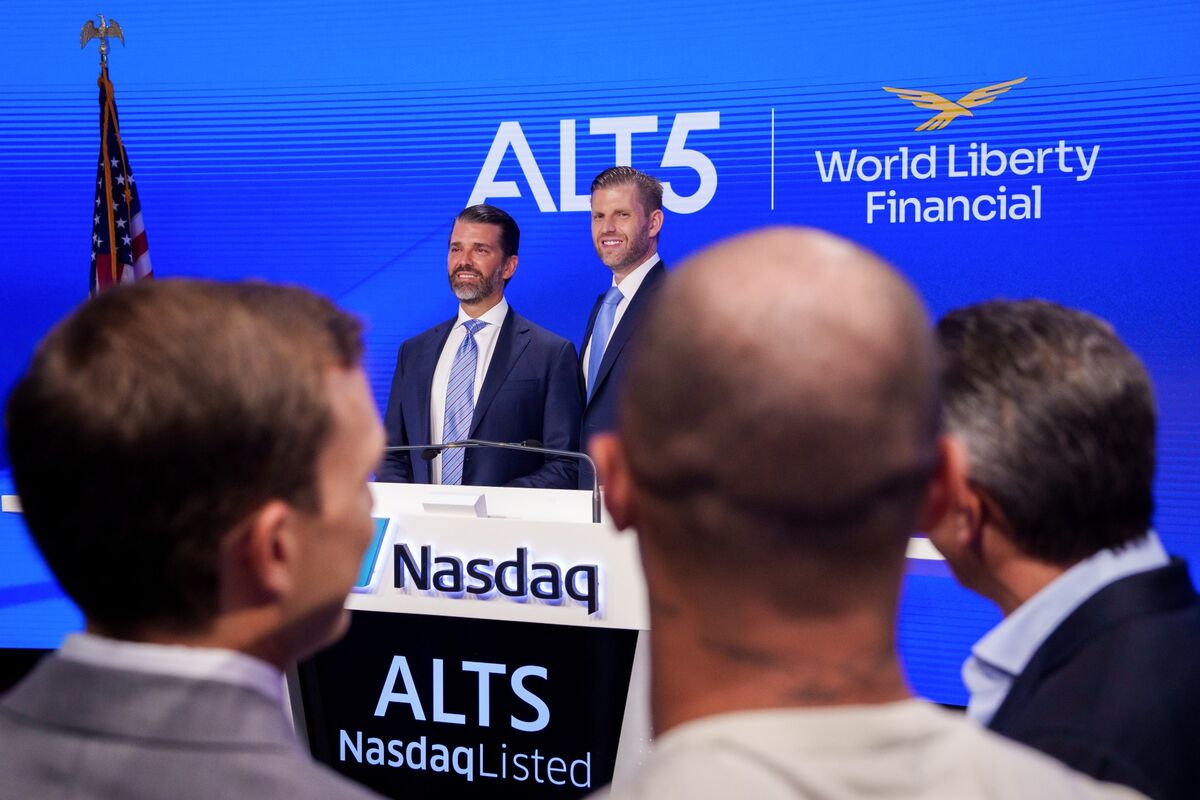
Eric Trump and Donald Trump Jr. marked a significant moment for the Trump family in the financial sector, ringing the Nasdaq opening bell as part of a high-profile $1.5 billion deal. The transaction involved the biotech-turned-crypto payments company Alt5 Sigma Corp. and the Trump-backed World Payment Network, a crypto firm under scrutiny due to its political affiliations. The deal has sparked interest among top financial firms, with Point72 Asset Management and ExodusPoint Capital Management both securing stakes in the venture.

Point72, a prominent hedge fund with a reputation for aggressive trading strategies, has previously invested in various tech-driven industries, but its entry into the crypto space marks a strategic pivot. The firm, led by billionaire Steve Cohen, has long been a major player in hedge funds, with a focus on alternative investments. ExodusPoint, a rising star in the hedge fund world, also moved to acquire a share, further solidifying its presence in the rapidly growing digital assets market.

Alt5 Sigma, originally founded as a biotech company, has undergone a dramatic transformation into a blockchain-powered payment network. With its backing from the Trump family’s business empire, the company has aimed to bridge the gap between cryptocurrency and traditional finance, particularly in the realm of payments processing. This shift has garnered attention from institutional investors and major financial players, eager to tap into the lucrative crypto market.

Both Point72 and ExodusPoint’s moves signal growing institutional interest in crypto-based financial products, which have garnered mixed reactions across the financial world. The cryptocurrency market, often volatile and speculative, remains a space that many traditional investors tread carefully within, though firms like Point72 and ExodusPoint see long-term growth potential.

The involvement of Trump-linked entities, particularly World Payment Network, has added a layer of political intrigue to the deal. World Payment Network, founded in connection with the Trump family’s business operations, has drawn attention for its ties to former President Donald Trump. Critics of the deal have raised concerns over potential conflicts of interest, pointing to the Trump family’s history of leveraging its brand for financial gain. Some worry that the high-profile nature of the Trump name could invite unwanted scrutiny from regulatory bodies, especially in a space already under heavy regulatory pressure.

Despite the controversy, the transaction illustrates the ongoing trend of high-profile figures and firms entering the crypto space, a market known for its innovation but also fraught with risks. In recent months, several hedge funds and institutional investors have increasingly allocated capital into digital assets as they look for high-return opportunities in the wake of traditional financial market fluctuations.

Point72’s foray into crypto comes as no surprise, as Cohen’s fund has long been known for diversifying into new and potentially high-reward areas. However, its involvement with a Trump-backed company adds an interesting layer of complexity, given the family’s polarizing influence on both the financial and political landscapes. ExodusPoint, on the other hand, is still a relatively new player in the hedge fund world, but its rapid growth and aggressive strategies have made it a name to watch. Its decision to back a Trump-linked crypto firm signals its willingness to embrace unconventional investment opportunities.

The crypto payments industry itself is growing rapidly, with companies such as Alt5 Sigma Corp. and World Payment Network at the forefront of bridging the gap between blockchain technology and traditional financial systems. The potential for global expansion and seamless cross-border payments has made blockchain an appealing solution for an industry looking for greater efficiency and security. However, the path forward remains uncertain. Regulatory challenges, particularly in the US, where authorities are seeking to increase oversight on crypto firms, could hamper the growth of companies like Alt5 Sigma.

At the same time, developments in blockchain technology continue to push the envelope for how financial transactions could be conducted in the future. If World Payment Network and its partners can navigate the regulatory hurdles and maintain a level of credibility amid political controversy, they may be well-positioned to capitalize on the growing demand for crypto-based financial services.

HANOI, VIETNAM – Media OutReach Newswire – 19 August 2025 – Vingroup was awarded the First-Class Labor Order in recognition of its exceptional achievements in developing the National Exhibition and Convention Center. This prestigious award acknowledges the Group’s breakthrough efforts and determination in completing the project 15 months ahead of schedule, celebrating the 80th National Day of the Socialist Republic of Vietnam and making a significant contribution […]

China has lifted export restrictions on rare earth minerals and fertilisers to India, easing supply pressures across high-tech, agricultural, and infrastructure sectors. The curbs, linked to national security concerns amid lingering border tensions, were rescinded following high-level diplomacy. Indian supplies of essential rare earth magnets—vital for electronics, renewable energy, and defence manufacturing—along with fertilisers and tunnel-boring equipment, are now poised to increase.

Lines of communication between the two capitals have reopened. During the latest India-China border talks, Chinese officials pledged to address New Delhi’s urgent demands, including expedited access to these items. Rare earth exports to India were previously down by 58 per cent compared to January levels, signalling a serious disruption for industries dependent on these critical inputs.

Manufacturing sectors—spanning automobiles, electronics, renewable energy, and defence—stand to benefit directly. These industries were particularly vulnerable due to India’s heavy reliance on Chinese rare earths and fertilisers; the absence of domestic magnet production compounded the supply gap despite India holding the world’s fifth-largest rare earth reserves.

Officials confirmed that China has begun implementing the export changes, with shipments of fertilisers, rare earth magnets, and tunnel-boring machines already underway. The commitments were made by a visiting Chinese Foreign Minister during discussions with Indian counterparts, setting the stage for smoother deliveries ahead of an upcoming high-level summit.

This trade shift follows months of disruption. Earlier in the year, China imposed stringent licensing requirements and delays on rare earth exports—especially seven heavy rare earth elements—affecting global supply chains. That move had compounded export issues affecting not only India but also manufacturers in Europe and the United States, underlining the strategic importance of rare earth materials.

On the fertiliser front, China had halted exports of specialty fertilisers for several months, causing concern across India’s high-value agriculture sector. Indian agribusinesses endured supply constraints as processes such as inspections and inspections delays were used to restrict deliveries. India responded with a resilient mix of domestic ramp-ups, diversification of import sources, and building strategic stockpiles—mitigation that has now yielded tangible benefits.

Diplomatic analysts interpret China’s decision as a calibrated move toward stabilising bilateral trade, particularly ahead of expected discussions at an international summit. While the easing of restrictions is welcomed, longstanding geopolitical mistrust and unresolved border issues suggest that the normalization remains cautious. This trade reprieve signals a pragmatic shift, but not a full thaw in relations.

India, meanwhile, is accelerating its critical minerals strategy. Domestic initiatives—including exploration incentives, production-linked schemes, and global partnerships—are being fast-tracked to reduce strategic dependencies. The National Critical Mineral Mission, launched earlier this year, continues to mobilise efforts across the supply chain, while overseas resource acquisitions and collaborations are gaining momentum.

VISHNU RAJA
RYO YAMADA
HITORI GOTOH
IKUYO KITA