News related to
Capital

A surge in travellers tracing the on‑screen footsteps of K‑dramas is reshaping tourism across unexpected global landscapes. From lakeside Swiss villages to tranquil Japanese islets and coastal Korean towns, the ‘K‑Wave’ is turning fictional settings into real‑world destinations.

Fans of Crash Landing On You have placed the Swiss lakeside village of Iseltwald on the map. A modest community of 406 residents now sees approximately 1,000 visitors daily at the dock featured in the series. Access fees have yielded nearly 245,000 Swiss francs in 2024, with public toilet revenues adding a further 58,000 francs. Local authorities emphasise that funds are channelled into essential services, including waste management, restroom upkeep and additional staffing, rather than generating profit. Authorities also responded to the influx by installing signage and creating an informational website to encourage respectful tourist behaviour.

In Asia, Korea’s own locales continue to benefit from film‑induced tourism. Following the broadcast of Winter Sonata, visits to Nami Island soared, rising from 250,000 to over 650,000 — the iconic kissing‑spot statue now a pilgrimage for fans. Similarly, Hometown Cha‑Cha‑Cha elevated Pohang’s tourism profile, revitalising its commercial district, while Yangju’s Chang Ucchin Museum of Art attracted enquiries after featuring in episode twelve, prompting VR‑based fan tours leveraging immersive content.

This pattern extends beyond Korea. Swiss sites exemplify how global K‑drama audiences are contributing to local economies, especially in destinations outside traditional tourism circuits. The case of Iseltwald illustrates both the economic boost and the logistical strains of sudden fame. On the other hand, domestic examples underline how coordinated efforts—with content, tourism boards and local authorities collaborating—can shape sustained visitor interest.

Tourism experts note a broader shift: entertainment has become a powerful impetus for travel, transcending conventional marketing. The emotional investment viewers feel with characters and storylines often precedes a desire to experience the settings firsthand. In South Korea, advertisers and tourism agencies have capitalised on this trend. Data from 2025 shows searches for Seoul increased by 30 per cent in the first half of the year, while Busan’s surged by 50 per cent, fuelled by exposure in K‑dramas and social media travel content. Over 32 per cent of young global travellers cited K‑pop or K‑dramas as their primary reason for visiting, with 60 per cent motivated by food and cultural experiences.

Meanwhile, the broader economic ripple effect is apparent. A recent report highlights that the Korean Wave is driving increases in tourist spending across multiple regions and sectors—far beyond traditional attractions. Cultural soft power, rooted in entertainment, fashion, cuisine and beauty, is proving a more enduring and profitable tourism strategy.

This phenomenon underscores the dual nature of film-induced tourism. On one hand, it delivers tangible economic dividends—reviving rural towns, funding infrastructure, generating income for small businesses. On the other hand, communities face challenges: overburdened infrastructure, privacy concerns, and maintaining authenticity amid influxes of enthusiastic visitors.

The contrast between organic growth in Korean towns and the spontaneous boom in European villages like Iseltwald highlights critical factors. Locally coordinated strategies, preparedness and managed growth tend to yield more sustainable outcomes. Yet even unplanned surges can be harnessed—if responded to with planning, investment and community engagement.


In the rapidly evolving world of finance, it is essential to have a partner you can trust by your side. Nexium Markets is not just a broker — it is a team of professionals who support clients at every stage of their investment journey. We work to provide traders with access to global markets while empowering them with knowledge, technology, and a reliable infrastructure. Nexium Markets is […]

Dubai’s top-tier residential sector continues to outperform the global market, with capital values climbing over 5 per cent in the first half of 2025 and rental returns holding firm.

Dubai’s prime residential property market emerged as one of the strongest worldwide, ranking third behind Tokyo and Berlin in capital value growth during the first six months of 2025. Prime capital values rose by over 5 per cent, substantially ahead of the 0.7 per cent average recorded across 30 global cities. This momentum reflects robust investor confidence, sustained immigration and constrained luxury supply. Savills projects further gains of between 4 and 5.9 per cent in the second half of the year, underscoring the city’s enduring appeal for global investors.

Rental markets in the emirate also remain buoyant. Prime rental rates rose by 2.9 per cent over the past six months and have surged by 13.3 per cent year-on-year to June 2025. High renewal rates and continued demand from high-net-worth individuals and long-term residents have contributed to sustained rental resilience.

Across Savills’ global index of prime markets, Tokyo led with an 8.8 per cent increase in capital values, driven by acute scarcity of stock and strong demand from both domestic and international buyers. Dubai, Berlin and Seoul each recorded gains exceeding 5 per cent, with supply constraints emerging as a key driver across these markets.

Savills’ analysis highlights a shift in global dynamics: prime rental growth across these cities reached 2 per cent on average, outpacing capital appreciation. Just over half of the markets monitored logged positive capital growth in the period, and declines in others were largely modest.

In Dubai, the combination of sustained immigration flows, investor-friendly policies and limited high-end housing supply continues to buttress market strength. A mature mortgage environment—with 15–30-year loan options and competitive deposit requirements, including 15 per cent for citizens and 20 per cent for expatriates—offers further support to both local and foreign investors, with financing often used strategically to manage capital and liquidity.

The emirate’s global connectivity, ever-expanding infrastructure developments and relatively low transaction costs further reinforce its position as a global real estate powerhouse.

Although the pace of rental inflation across general residential segments has slowed—with broader market indices showing deceleration from 14.3 per cent in January to 8.5 per cent in May—prime residential rentals remain robust and significantly outpace broader averages.

While anecdotal evidence and other data point to a record-breaking bull run in Dubai’s real estate sector—with average property prices rising by some 75 per cent since early 2021 and transactions approaching pre-2008 levels—these trends can come with cautionary signals regarding sustainability over the medium term.

Kenya Airways has reported a pretax loss of 12.17 billion Kenyan shillings in the first half of 2025, marking a sharp reversal from the 634 million shilling profit earned in the same period last year. The slump is largely attributed to grounded aircraft—three Boeing 787-8 Dreamliners were sidelined for maintenance, constraining capacity and dragging down revenue to 74.5 billion shillings from 91.5 billion shillings previously. In response […]

Google Cloud has introduced the Google Cloud Universal Ledger, a Layer-1 blockchain platform tailored for financial institutions, now operating in a private testnet. Developed with Python-based smart contracts and designed for 24/7 capital markets operations, the platform aims to support tokenisation, payments, settlements and asset management at scale. It follows a pilot with the Chicago Mercantile Exchange, which completed integration testing in March, and signals broader plans […]

BANGKOK, THAILAND – Media OutReach Newswire – 27 August 2025 – Thai Cement Manufacturers Association (TCMA) successfully hosted its flagship event, the “2025 TCMA Technical Conference and Exhibition” from 21-22 August 2025 at Hotel La Casetta by Toscana Valley, Khao Yai. The event brought together key figures from the Thai cement industry, global organizations, and leading innovators/ technology providers to exchange insights and strengthen collaboration to accelerate […]

Emirates NBD has joined the Sustainable Markets Initiative’s Financial Services Task Force, becoming the first bank from the GCC to participate in the group of global banking CEOs aiming to mobilise large-scale capital for climate- and nature-positive investment.

The move positions the Dubai-based lender at the forefront of sustainable finance in the MENAT region, enabling it to collaborate in setting industry-wide standards for environmentally conscious banking.

Shayne Nelson, Group Chief Executive, described sustainability as central to the institution’s culture and strategy, emphasising that its established ESG achievements underpin its inclusion. He noted that this engagement will boost collective efforts to tackle climate and biodiversity challenges.

Jennifer Jordan-Saifi, Chief Executive of the Sustainable Markets Initiative, welcomed Emirates NBD’s integration, reaffirming the importance of unified private-sector action to drive transition at the scale and pace needed globally.

Vijay Bains, Chief Sustainability Officer and Group Head of ESG at Emirates NBD, stated that the bank is adopting both national and international standards and engaging all stakeholders—from employees and customers to investors and communities—in delivering meaningful impact. He underlined that the ESG strategy extends beyond climate risk to include inclusive, low-carbon products and governance.

Since its launch in 2020 by His Majesty King Charles III, then the Prince of Wales, the Sustainable Markets Initiative has formed alliances across private sectors and governments to devise and scale solutions for sustainable transition. The Financial Services Task Force has already developed standardised methodologies for banking transitions and expertise in nature-based financial instruments.

Emirates NBD’s inclusion marks a significant milestone for the GCC’s role in global sustainable finance. The partnership enables the bank to influence practices beyond the region, particularly in infrastructure investment and climate-aligned financial innovation.

This move arrives against growing investor demand for eco-conscious operations and the UAE’s increasing focus on embedding sustainability across its economic policy and corporate governance.

Advertisements

SHENZHEN, CHINA – Media OutReach Neswire – 26 August 2025 – On August 26, 2025, Linklogis Inc. (09959.HK, “Linklogis”) released its interim results. In the first half of 2025, the total transaction volume processed by its technology solutions reached RMB 203.6 billion. The total revenue and income amounted to RMB 374.5 million. The number of anchor enterprise and financial institution customers for its supply chain finance technology […]

Snowflake, the leading cloud data platform, has inaugurated a new office at The Square, Vittal Mallya Road in Bengaluru, further solidifying its presence in one of India’s largest technology hubs. The move follows the company’s expansion into Mumbai earlier, reflecting its commitment to establishing a robust footprint in the country.

The new Bengaluru office aims to be a hub for innovation, with a focus on data and artificial intelligence. Snowflake intends to foster collaboration between local and global teams to leverage the rapidly growing talent pool in the region. The company is not only seeking to tap into India’s burgeoning tech ecosystem but also to cultivate a work environment where data professionals and engineers can develop solutions that drive both local and global customer impact.

Bengaluru, known as India’s Silicon Valley, is home to a vast number of technology firms, startups, and innovation centres. As one of the leading tech cities globally, it offers an abundance of skilled professionals and a vibrant startup ecosystem. Snowflake’s decision to expand in Bengaluru underscores its confidence in the Indian market and the country’s crucial role in its global growth strategy.

The new office will serve as a centre of excellence, enabling Snowflake to provide tailored data solutions to clients across various sectors, including finance, retail, healthcare, and technology. It will also act as a research and development hub, working closely with Snowflake’s global teams to accelerate the delivery of cutting-edge products and services. This move aligns with Snowflake’s broader strategy of capitalising on AI, machine learning, and advanced data analytics to deliver transformative results for businesses around the world.

Snowflake’s expansion is a part of a broader trend where global tech giants are increasingly looking towards India as a critical location for their growth and innovation. India’s talent pool, particularly in software development, data science, and AI, continues to be one of the main driving forces for international firms seeking to innovate and build scalable solutions. The Bengaluru office will further enhance Snowflake’s ability to tap into this wealth of expertise and cater to the growing demand for advanced data solutions in the region.

The company’s expansion is also expected to create significant job opportunities, not just in data engineering and analytics but across various domains, from sales and marketing to customer support. By strengthening its local presence, Snowflake plans to build stronger relationships with its clients and partners in the region, which will be essential as it looks to further integrate itself into the local tech ecosystem.

In addition to providing innovative solutions for businesses, Snowflake’s new office will serve as a training ground for local talent. With a strong focus on learning and development, the company intends to upskill its employees and equip them with the necessary skills to tackle emerging data challenges. The office will also act as a key centre for Snowflake’s efforts in advancing data security and privacy, two areas that are increasingly top-of-mind for organisations operating in the cloud.

Metaplanet, a rising star in the global financial landscape, has secured a spot on the FTSE Japan Index as part of the index provider’s upcoming September 2025 Semi-Annual review. This milestone marks a significant achievement for the company, reflecting its growing influence and the wider surge of interest in Bitcoin, of which Metaplanet is a notable accumulator.

The inclusion in the FTSE Japan Index is a noteworthy development for Metaplanet, a firm that has increasingly drawn attention for its strategic investments, particularly in cryptocurrency. By being added to such a prestigious index, the company solidifies its position as a key player in both the financial and digital asset sectors. This move aligns with the broader trend where digital currencies, including Bitcoin, are gradually being embraced by traditional financial markets, despite the volatility and regulatory challenges they often face.

This development also highlights the importance of cryptocurrency in the modern investment ecosystem. Bitcoin, the largest and most well-known cryptocurrency, has continued to capture the imagination of investors globally, with its price trajectory remaining a focal point of market analysts and institutional investors alike. Metaplanet, which has been accumulating Bitcoin in substantial amounts, stands to benefit significantly from this alignment with the FTSE Japan Index, as it opens up new avenues for investment and institutional partnerships.

For Metaplanet, this index inclusion is more than just a symbol of growth—it signals the company’s readiness to compete at a higher level in the global financial arena. The FTSE Japan Index is a barometer of leading Japanese stocks, and Metaplanet’s acceptance onto this index brings it into the fold of internationally recognized entities. This could potentially lead to more widespread institutional adoption of its business model, which is centred on the integration of cryptocurrency into mainstream investment strategies.

Experts suggest that this inclusion is likely to accelerate Metaplanet’s efforts to gain greater market exposure, especially within the highly competitive cryptocurrency sector. With major institutional investors showing increasing interest in Bitcoin as a store of value and a hedge against inflation, Metaplanet’s move to the FTSE Japan Index could drive its market valuation further, benefiting from an influx of both retail and institutional investors who view its role in the crypto market as promising.

While Bitcoin’s price has faced fluctuations, its long-term trajectory continues to be shaped by institutional interest. The broader cryptocurrency market, once considered a speculative investment class, is gaining momentum as a key asset class, with more traditional financial institutions moving towards crypto assets. For Metaplanet, this move is a calculated step in line with these market trends, positioning itself as a leader in the digital asset investment space.

The decision by FTSE to include Metaplanet in its Japan Index signals a shift in the broader financial market’s view of cryptocurrencies. As more companies within the cryptocurrency space are achieving mainstream recognition, it is becoming increasingly clear that digital currencies are not only a passing trend but a growing component of the future financial landscape.

While Metaplanet’s entry into the FTSE Japan Index is a significant milestone, the company’s focus remains squarely on its long-term investment strategy. With a growing portfolio of Bitcoin assets, the company is poised to leverage its inclusion in one of the world’s most prestigious indices to further its ambitions in both traditional financial markets and the digital currency world.

The inclusion could pave the way for Metaplanet to attract further attention from international investors seeking exposure to Bitcoin’s potential growth. As regulatory frameworks for cryptocurrencies continue to evolve, companies like Metaplanet are positioning themselves to navigate these challenges and capitalise on the growing integration of digital currencies into the global financial system.

Dubai has witnessed the debut of COLABB, a groundbreaking real estate platform that combines investment, interior design, and digital strategy. The integrated platform, launched with the aim to reshape the regional real estate sector, seeks to streamline processes for developers, investors, and consumers alike.

COLABB promises to offer a comprehensive, multi-disciplinary approach to property development, management, and design. By bridging traditionally separate fields, it hopes to create a unified platform that delivers a seamless, end-to-end real estate experience. The project’s focus on integrating digital tools into real estate development is a key element in positioning COLABB as a forward-thinking force within Dubai’s competitive property market.

The platform’s three-pronged approach combines investment management, design services, and cutting-edge digital strategies. Investors will have access to a range of property development opportunities, including high-end residential and commercial projects, while interior designers will benefit from an intuitive design tool that aligns with industry trends and client preferences. Additionally, COLABB’s digital strategy will include data-driven insights, virtual tours, and market predictions, making it easier for all stakeholders to make informed decisions.

With the UAE’s rapidly growing real estate market, COLABB aims to capitalize on the increasing demand for smarter, more efficient ways to manage, invest, and design properties. Dubai, being a regional real estate hub, provides a perfect testing ground for this integrated platform. The city’s thriving construction and property development sectors are increasingly focused on embracing technological advancements, which COLABB is well-positioned to address.

The real estate landscape in Dubai has undergone significant transformation in the past few years. COLABB enters at a time when the city is seeing rising interest from international investors and homebuyers, with many new developments aimed at addressing the needs of the global market. The platform’s innovative approach to property development and management could offer a competitive edge in this dynamic environment.

For developers, COLABB promises a seamless experience that incorporates smart design with financial planning. By offering tools that allow for the early-stage integration of interior design concepts and investment strategies, COLABB hopes to simplify the development lifecycle. This integrated approach aims to enhance the quality of buildings and offer more lucrative investment returns.

The platform’s commitment to digitalization could also provide a crucial edge, as it leverages data analytics and artificial intelligence to offer predictive insights into market trends, property valuations, and customer behaviour. By understanding these trends, COLABB can offer tailor-made solutions that address specific market needs, making it easier for investors and developers to navigate an increasingly complex industry.

Further boosting its appeal is COLABB’s strong emphasis on collaboration between stakeholders in the real estate sector. The platform fosters a community-like environment where architects, designers, contractors, and property owners can collaborate freely. The aim is to streamline communication, reduce overheads, and increase the overall efficiency of the development process.

As the Dubai property market continues to attract global attention, COLABB’s entry is expected to draw interest from major international real estate players. Its combination of investment management, design services, and digital solutions sets it apart from more traditional platforms, potentially ushering in a new era of property development in the region.

By Nantoo Banerjee Notwithstanding India’s current trade tariff spat with the United States, India should apply caution to further open up imports from China with which it already suffers from massive trade deficits – nearly $100 billion last year when China had severely cut down imports from India. The latter should also avoid the Chinese […]

A shift is taking place within the UAE’s restaurant industry, as owners increasingly turn to artificial intelligence to optimise their operations and improve profitability. According to a recent survey by SevenRooms, 87 per cent of restaurant owners in the UAE have already integrated AI into their business strategies. The rise of AI-powered solutions is transforming the food and beverage industry, enabling operators to harness the full potential […]

Santos Ltd. has extended the exclusivity period for its proposed $18.7 billion acquisition by an Abu Dhabi-led consortium until September 19. The move marks the second extension for the deal, which is being led by the Abu Dhabi National Oil Company subsidiary, XRG, along with the Abu Dhabi Development Holding Company.

The extension, announced in a regulatory filing on Monday, follows a series of negotiations between the Australian oil and gas giant and the Abu Dhabi-based investors. Santos, Australia’s second-largest oil and gas producer, initially entered into exclusive talks with the consortium earlier this year. The deal is seen as one of the most significant energy sector transactions in the region, reflecting growing interest in Australia’s energy assets.

The consortium, led by ADNOC, has been vying to secure a controlling stake in Santos as part of its broader strategy to expand its oil and gas footprint internationally. While the negotiations have faced delays, the extended exclusivity period is intended to allow both sides to finalise terms and address regulatory requirements.

The decision to extend the exclusivity period underscores the complexity of the deal, which involves multiple stakeholders with differing interests. Industry experts have noted that the timeframe is critical for both ADNOC and Santos to iron out key details related to financing, regulatory approvals, and future operational integration.

Santos, for its part, has stated that the extension will allow for continued discussions regarding the offer’s terms. The company has also reiterated that the proposed acquisition remains subject to the successful completion of due diligence and other customary closing conditions.

While the deal’s original timeline was set to expire in mid-August, the extension provides additional time to navigate hurdles such as securing clearance from Australian competition authorities and finalising financing arrangements. The Australian government’s scrutiny of foreign acquisitions in the country’s critical infrastructure sector has been a key point of discussion.

The potential takeover has already attracted attention from various industry analysts, with many viewing it as part of a wider trend of increased mergers and acquisitions within the energy sector. Experts argue that the deal could reshape the Australian energy landscape by consolidating assets under a state-backed entity like ADNOC, which has a track record of making strategic investments in key oil and gas markets.

Santos’ strategic positioning in the market and its substantial reserves of gas have made it an attractive target for investors seeking to capitalise on the rising demand for energy. The company has significant operations in Queensland, Western Australia, and Papua New Guinea, all of which have been integral to ADNOC’s interests in securing a foothold in the Pacific region.

The proposal is expected to significantly impact the Australian energy sector, not only in terms of market share but also in the broader geopolitical context. As part of ADNOC’s strategy to diversify its global energy portfolio, the acquisition could also have implications for Australia’s relationship with key energy partners, particularly in the Asia-Pacific region.

The consortium’s interest in Santos is also aligned with ADNOC’s broader goals of expanding its footprint in the global natural gas market. With natural gas demand projected to grow in the coming decades, ADNOC sees the acquisition as a means to secure long-term assets that can ensure the UAE’s energy dominance on the global stage.

The deal’s implications, however, are still unfolding, as both parties continue to navigate regulatory processes and market conditions. The extension of the exclusivity period provides both sides the necessary time to address any outstanding issues before a final agreement is reached.

The GCC debt capital market is gearing up for a surge of new issuances following an active start to the year, despite a quiet period during the early days of August. With the market showing strong resilience, experts predict that the second half of the year could bring new opportunities for issuers, albeit under certain market conditions.

The first half of 2025 witnessed robust activity in the debt market, with significant bond and sukuk issuances across the Gulf Cooperation Council region. Several large corporations, sovereigns, and financial institutions took advantage of favourable conditions, including low interest rates, to raise funds and meet liquidity needs. This rush of issuances demonstrates the ongoing demand for GCC debt despite global economic uncertainties.

Victor Mourad, Co-Head of CEEMEA Debt Financing at Citi, highlighted the market’s performance, noting that the first half was particularly strong. “We had a phenomenal first half,” Mourad said. “The pipeline in the second half could be smaller, unless a drop in rates sparks a pre-funding strategy toward year-end, pulling transactions planned for early 2026 into November.” He pointed out that the timing of issuances would depend on a combination of factors, particularly the interest rate environment.

The market cooled off in the first three weeks of August, a period traditionally marked by lower activity, as many market players take a break before gearing up for the final months of the year. However, Mourad remains optimistic, suggesting that a rate reduction in the coming months could lead to a wave of issuances in the final quarter, as companies and governments look to lock in favourable terms before rates climb again.

Issuers are likely to adopt a strategic approach in the second half, with many considering early funding to avoid higher borrowing costs in 2026. A drop in rates could accelerate this strategy, as issuers push forward deals planned for the following year. It remains to be seen whether this shift in strategy will materialise, but the potential for an uptick in transactions towards the year-end remains high.

Investors will also play a key role in shaping the market dynamics. With yields on GCC bonds still appealing compared to those in other regions, demand for debt from the Gulf is expected to remain strong. The relatively stable economic backdrop, coupled with favourable oil prices, offers an attractive investment proposition for global investors looking for higher returns in a low-interest-rate environment.

Another crucial factor influencing the market will be the sovereign debt landscape across the GCC countries. Governments have continued to implement fiscal reforms and drive diversification efforts, which have bolstered the creditworthiness of the region’s sovereign issuers. As a result, GCC sovereign bonds have become a key asset class for international investors, offering a blend of safety and yield in uncertain times.

Corporate issuers in the region have also adapted to the shifting dynamics. Many have been tapping into the capital markets to fund expansion plans and refinance maturing debt, while also benefitting from government-backed stimulus packages. These initiatives have helped to stabilise the regional economy and offer liquidity to businesses during challenging periods.

However, challenges remain for certain sectors, particularly those heavily reliant on global supply chains or exposed to geopolitical risks. Tensions in the wider Middle East region could create volatility, which might impact investor sentiment. As the global economy continues to grapple with inflationary pressures and tightening monetary policies, GCC issuers will need to balance their strategies carefully to ensure they remain attractive to both local and international investors.

Pepeto has crossed the $6 million milestone in presale funding, nearing the completion of stage 10 of its ongoing token sale. The project has raised significant attention in the cryptocurrency space due to its innovative features and growing investor confidence, having sold millions of its tokens thus far. With this latest achievement, the project continues to demonstrate its appeal to investors and enthusiasts in the blockchain and decentralized finance ecosystem.

The presale has proven to be a critical element in Pepeto’s funding strategy, propelling the project forward as it works towards achieving its long-term goals. Stage 10’s closure marks a pivotal point, as the team behind Pepeto prepares for the next phase. This substantial funding amount reflects not only the interest in Pepeto’s token but also the increasing importance of such projects within the broader cryptocurrency market.

Pepeto’s rise can be attributed to its unique positioning in the blockchain space, offering a platform that integrates various DeFi solutions and catering to both retail and institutional investors. As more tokens are sold during each stage, the market is beginning to recognise the value in Pepeto’s approach to decentralisation and smart contract utilisation. The project’s transparent presale structure has encouraged early participation, with tokens being sold in increments that give investors the opportunity to buy in at various price points.

The strategy has sparked considerable interest among investors, including those seeking to capitalise on the growing adoption of blockchain-based technologies. As of the close of stage 9, the project had already surpassed $5 million in funds, with a marked increase in engagement and buzz surrounding its future potential. With stage 10 expected to conclude shortly, the focus now shifts to how Pepeto will navigate the next stages of its development, including its full-scale launch and the introduction of its core platform features.

One of the key factors contributing to Pepeto’s momentum is its roadmap, which outlines a clear vision for the project’s growth. Investors have expressed confidence in the project’s ability to deliver on its promises, largely due to the team’s track record in the cryptocurrency space. The development of Pepeto has been closely watched, with industry experts highlighting its potential to drive further innovation within the DeFi sector.

Pepeto’s presale funding figures not only underscore the enthusiasm surrounding the project but also signal a shift in the market’s focus towards platforms offering a wide array of financial services. As decentralised finance continues to disrupt traditional banking and financial institutions, Pepeto’s platform aims to bridge the gap by providing users with accessible, transparent, and secure financial tools.

For the project’s backers, the successful fundraising through presale stages provides early access to what many believe could be a highly lucrative investment opportunity. By securing substantial funds before its full-scale launch, Pepeto aims to build a robust platform that can withstand the volatility of the cryptocurrency market and offer long-term value to its users.

Despite the success of its presale, Pepeto remains focused on developing its core infrastructure. This includes ensuring that the platform is scalable, secure, and capable of supporting a wide variety of financial transactions. With cryptocurrency adoption growing at a rapid pace, platforms like Pepeto are positioning themselves as leaders in the DeFi space, seeking to offer solutions that meet the needs of an increasingly sophisticated investor base.

The project has also been building strategic partnerships to enhance its ecosystem, further increasing its potential for success. With blockchain technology and cryptocurrencies becoming more mainstream, Pepeto’s team is working on ensuring the platform’s relevance across multiple sectors. These partnerships will play a crucial role in driving the adoption of Pepeto’s token and expanding its user base.

Amanat Holdings has finalised the sale of the real-estate assets linked to North London Collegiate School in Mohammed bin Rashid Al Maktoum City, achieving Dhs453 million in proceeds. The deal produced an unlevered cash-on-cash multiple of 1.7× and an internal rate of return of 10 per cent, generating a net cash return of approximately Dhs294 million. The move reflects the company’s disciplined and value-focused investment approach.

This sale fits squarely within Amanat’s “identify, grow, monetise” strategy, which it has employed across its education and healthcare platforms. The firm originally acquired the school’s real estate asset in June 2018 for Dhs360 million and pumped in another Dhs33 million for capital expansion, bringing total spend to about Dhs393 million.

In a statement, Amanat’s chairman, Dr Shamsheer Vayalil, described the sale as a validation of the company’s ability to spot high-quality investments and exit them strategically to unlock value and enhance shareholder returns. He emphasised that proceeds will broaden the company’s strategic options and support continued focus on its core businesses. Chief executive officer John Ireland observed that completing the sale above the initial investment highlights the strength of the firm’s investment model, from disciplined acquisition through development and timely exit, enhancing balance-sheet strength and enabling reinvestment into priority areas.

The transaction is expected to close in the third quarter of 2025, and the buyer remains undisclosed. Amanat has confirmed that the unnamed purchaser will assume applicable VAT and Dubai Land Department fees.

A launch date for an initial public offering of Amanat’s education arm has been on the horizon, with plans underway since May 2024 to pursue a listing. The sale’s cash realisation may help to underpin such strategic ambitions.

The broader context sees growing appetite for education-related assets across the UAE property market, despite fluctuations elsewhere. Amanat’s sale follows a wave of substantial land deals, including a headline-grabbing Dhs2.9 billion transaction by Emaar in Ras Al-Khor.

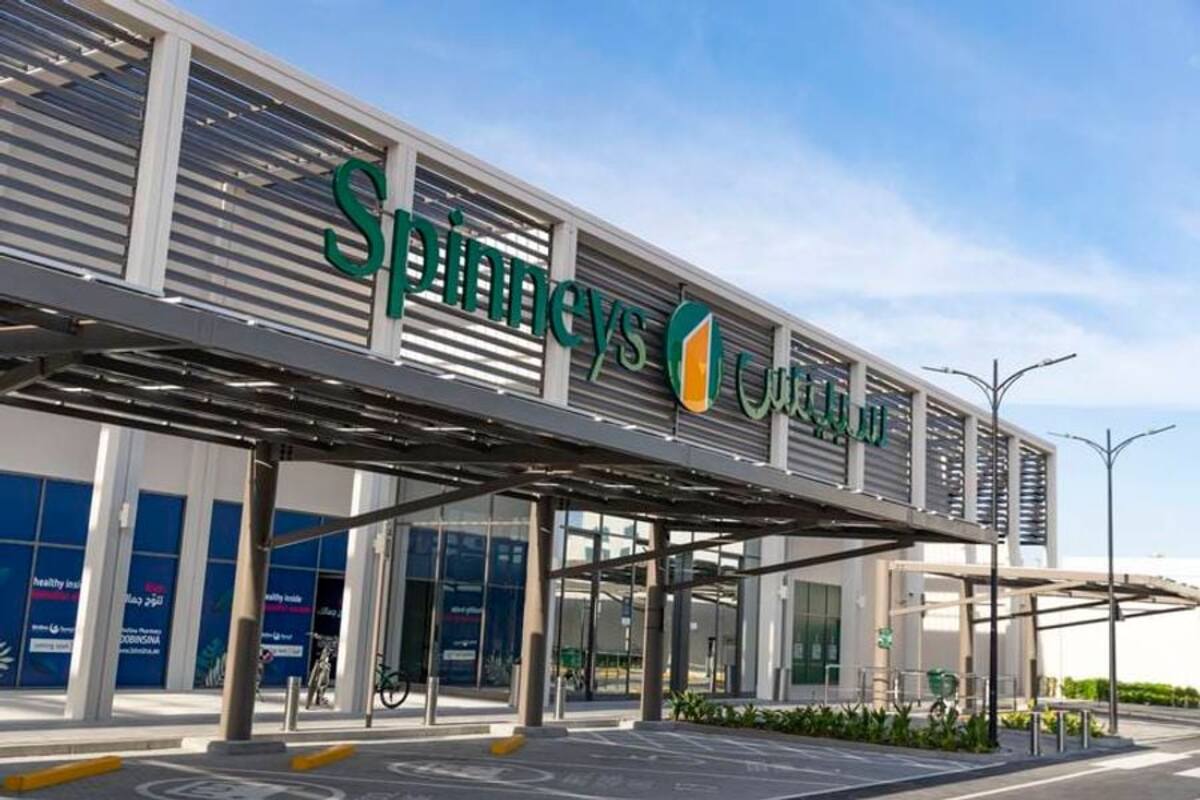
Supermarket operator Spinneys has confirmed its expansion into Kuwait through a strategic joint venture with retail powerhouse Alshaya Group. Under the agreement, Spinneys will retain a 51 per cent controlling stake and will take responsibility for running and managing all planned outlets. The rollout includes ten stores, with the first store slated to open in 2026—marking the brand’s arrival in its fourth Gulf Cooperation Council market after UAE, Saudi Arabia and Oman.

Spinneys has accelerated its regional expansion over the last 16 months, opening twelve new stores in the UAE and two in Saudi Arabia between April 2024 and August 2025. The move into Kuwait aligns with the company’s ambition to position itself as the region’s leading premium fresh-food grocer, with Alshaya’s extensive regional experience providing vital strategic support.

Sunil Kumar, chief executive of Spinneys, described Kuwait as “a high potential market” offering robust growth prospects, and emphasised that the partnership with Alshaya offers a “solid foundation for a successful entry and long-term scale”. John Hadden, chief executive of Alshaya Group, highlighted Kuwait’s dynamic consumer landscape and the local appetite for premium offerings. He said Spinneys’ brand and operational strengths are expected to resonate strongly with Kuwaiti consumers.

Kuwait stands as the GCC’s fourth-largest economy, with some of the region’s highest per-capita disposable incomes. Its affluent and discerning consumer base presents considerable opportunities for high-quality retail formats. This expansion is seen as the natural next phase in Spinneys’ growth strategy.

On the financial markets, Spinneys’ share price saw an immediate boost following the announcement, climbing approximately 3.1 per cent. The company, which went public via a Dubai listing in May 2024, currently operates 86 stores across three GCC countries, including those under its own brands and Waitrose and Al Fair franchises.

Alshaya Group, established in 1890 in Kuwait, is a leading retail franchise operator across the Middle East, North Africa, Türkiye and Europe. It manages nearly seventy international consumer brands and has diversified operations across sectors including fashion, food, health and beauty, pharmacy, home furnishings and leisure.

The joint venture allows Spinneys to capitalise on Alshaya’s deep-rooted regional network and operational expertise while delivering its premium fresh-food proposition to Kuwaiti customers. At the same time, Alshaya adds a trusted high-end grocery brand to its extensive retail portfolio, enabling both firms to strengthen their regional positioning.

Leveraging B2C and B2B Synergies to Capitalize on the Global K-Beauty Boom Results Highlights Revenue rose by 49.3% to US$243.93 million. Operating profit increased by 31.9% to US$18.68 million. Net profit grew by 26.7% to US$14.08 million. Business-to-Customer (B2C) YesStyle Platforms recorded revenue of US$164.86 million, up 31.7%, contributing 67.6% of the Group’s total revenue. Revenue of Business-to-Business (B2B) platform AsianBeautyWholesale surged by 110.9% to US$77.94 million, […]

Las Vegas casino operators are witnessing a shift in dining habits, as rising costs and shifting labour dynamics impact the hospitality and entertainment sectors. The city’s once-thriving tourism scene, which heavily relied on its entertainment offerings, is facing challenges as tourism numbers decline. Amid this backdrop, casino CEOs and union leaders are addressing how these trends are reshaping the dining landscape in the entertainment capital of the […]

Abu Dhabi National Energy Company has secured a significant financial boost in the form of an AED 8.5 billion term loan aimed at enhancing liquidity and supporting its growth strategies. This loan agreement marks a strategic move by the company as it seeks to continue its expansion and strengthen its financial position. The loan facility, which has a two-year term, is denominated in UAE dirhams and comes […]

Greenlogue/AP Abu Dhabi Future Energy Company is poised to receive continued backing from the local government to fuel its expansion in the energy sector. As part of an ongoing commitment to achieve its ambitious target of 100 gigawatts in renewable energy capacity, the Abu Dhabi government will provide regular equity injections for brownfield projects. This financial support underscores the government’s confidence in Masdar’s role as a key […]

Saudi Aramco’s initial public offering has become one of the most talked-about events in global finance, with its ambitious approach to market entry setting a precedent for the world’s largest oil company. The IPO, which was launched in 2019, sought to achieve a staggering $2 trillion valuation, a figure that stirred controversy and scepticism within financial circles. But despite its high-profile marketing campaign and the sweeping promises […]

Amanat Holdings has achieved a significant financial return, posting a net cash gain of AED 294 million following the sale of North London Collegiate School’s real estate assets in Dubai. The deal, valued at AED 453 million, marks a successful exit from a property investment held since 2018. The company’s total investment in the Dubai asset amounted to AED 393 million, comprising an initial acquisition cost of […]

VISHNU RAJA
RYO YAMADA
HITORI GOTOH
IKUYO KITA