News related to
Capital

Arabian Post Staff -Dubai A substantial move by Investcorp Capital to strengthen its presence in the US industrial real estate market has taken shape through the acquisition of a diversified portfolio valued at $400 million. The Abu Dhabi-listed alternative investment firm confirmed the purchase of a 35-building portfolio covering 2.6 million square feet across key coastal markets, reflecting an accelerated shift toward logistics-led strategies and income-generating assets […]

By T N Ashok NEW DELHI: Russian President Vladimir Putin arrived in India Thursday evening for a two-day state visit that has become a diplomatic flashpoint, testing New Delhi’s ability to maintain strategic independence amid mounting pressure from Washington and European capitals. The arrival marks Putin’s first trip to India since the Ukraine war began […]

The article Putin’s India Visit: A Stress Test Of Strategic Autonomy Amid Global Pressure appeared first on Latest India news, analysis and reports on Newspack by India Press Agency).

BEIJING, CHINA – Media OutReach Newswire – 5 December 2025 – Peng Liyuan, wife of Chinese President Xi Jinping, and Brigitte Macron, wife of French President Emmanuel Macron, visited the Beijing People’s Art Theatre on Thursday to learn about the theatre’s development and its cultural exchanges with the French theatre community. Following the visit, CGTN published an article highlighting the rich cultural and people-to-people exchanges in recent […]

SHENZHEN, CHINA – Media OutReach Newswire – 5 December 2025 – On November 16, 2025, the three-day 27th China Hi-Tech Fair (CHTF) successfully concluded at Hall 16 of the Shenzhen World Exhibition & Convention Center (Bao’an District). As a major industrial event aligned with national strategic goals, this year’s fair closely followed the guidance outlined in the 15th Five-Year Plan, which calls for “accelerating the development of […]

Sui’s token structure is drawing heightened attention as analysts warn that the network’s locked supply and insider concentration could influence market behaviour during the next phase of token distribution. A new assessment suggests that questions around the durability of Sui’s rally persist despite the project’s growing activity in decentralised applications and its positioning as an alternative to high-throughput chains. The concerns have surfaced as market participants look for signals on whether Sui could mirror the type of extended rally seen in Solana during its strong periods of expansion.

Sui’s token model includes a large quantity of locked tokens that are programmed to enter circulation according to a long-term schedule. Data compiled by blockchain monitoring platforms indicates that more than half of the total supply, around 50.57 per cent, remains locked. The release of these tokens is staggered, but analysts note that the size of the locked tranche means the market will continue to grapple with questions about absorption capacity and price impact. A cohort of early backers and core contributors holds about 15.3 per cent of the supply, a figure that has prompted market watchers to examine whether insider allocations could add to selling pressure once vesting windows open.

Developers behind the network emphasise that the emissions framework was designed to support long-term decentralisation and sustainable staking rewards. They argue that the programme aligns incentives for validators, node operators and builders working on the Layer-1 blockchain. However, the scale of the locked supply and the pace at which it is due to unlock have remained central to external evaluations, especially against the backdrop of aggressive capital rotation across digital asset markets.

Sui has promoted itself as a platform capable of handling high transaction throughput through its parallel execution model, distinguishing itself from chains that rely heavily on sequential processing. The project has advocated for its ability to support complex applications, with gaming, asset tokenisation and digital commerce cited as core areas of growth. Activity on the network has picked up over multiple trading cycles, with decentralised exchanges and gaming protocols playing a visible role in boosting usage. Even so, market analysts caution that network adoption alone cannot insulate the token from structural risks tied to large unlocks.

The comparison with Solana has intensified as traders search for the next high-growth ecosystem. Solana’s expansion was driven by rising developer activity, strong venture backing and an improving macro climate for risk assets, elements that contributed to a prolonged appreciation in its token price. Some traders argue that Sui possesses a similar mix of technical ambition and ecosystem investment. Others counter that Solana’s earlier supply dynamics were markedly different, with less pronounced unlocking over short intervals. These observers state that expectations of a parallel trajectory should be tempered until Sui demonstrates a firmer balance between token issuance and organic demand.

Several research desks have highlighted that tokenomics alone do not determine the long-term trajectory of a blockchain project but can exert considerable influence during early growth phases. Analysts tracking the project have pointed to previous unlock waves that resulted in more volatile trading sessions. They note that liquidity conditions matter significantly when large quantities of tokens transition from locked to tradable status, particularly during market downturns. Market participants monitoring derivatives markets also report that funding rates and open interest data reflect cautious positioning around major unlock dates.

The project’s foundation continues to emphasise builder incentives, community grants and ecosystem expansion. Grants directed towards game studios, consumer applications and infrastructure tools have created steady interest among developers seeking alternatives to more congested chains. Daily active accounts and transaction counts have shown periodic spikes, although interpreters of blockchain data stress that differentiating genuine usage from opportunistic activity remains essential when evaluating the long-term strength of an ecosystem.

A growing number of young people in the UK are trading ambition for a university degree in favour of apprenticeships and vocational training in skilled trades — a shift driven by worries that artificial-intelligence tools will undermine the viability of many white-collar careers. At London’s City of Westminster College, enrolments in plumbing, electrical work, construction, carpentry and similar hands-on courses are climbing sharply. Among those heading to […]

A 25-basis-point reduction in the policy repo rate has set the stage for a notable shift in housing sentiment as the year draws to a close, giving the real estate sector a stronger footing after months of price escalation across major urban centres. Market participants described the cut as a timely boost for homebuyers facing rising borrowing costs and double-digit appreciation in property values through 2025, with many developers expecting the decision to influence purchase behaviour almost immediately.

The RBI move lifts realty outlook theme echoed through the sector as developers, housing finance executives and market analysts assessed the implications of lower lending rates on affordability and sales velocity. The cut follows earlier easing phases this year, forming a broader cycle aimed at supporting domestic demand while keeping inflation within the central bank’s comfort range. Housing markets have been particularly sensitive to borrowing costs, and the value proposition for aspiring homebuyers had tightened as average prices climbed around 10% across the seven largest cities, according to widely tracked industry assessments.

The central expectation among market analysts is that the rate cut could ease pressure on households evaluating home purchases in the affordable and mid-income categories. These segments have shown persistent demand through the year, supported by rising urban employment and continuing interest from younger households. Yet higher prices and limited correction in construction costs have constrained affordability. A lower repo rate opens the possibility of more competitive home loan pricing once lenders adjust their marginal cost of funds-based lending rates and benchmark-linked rates.

Banks are now under scrutiny for the pace at which they transmit the reduction to borrowers. Transmission has varied across lenders in earlier cycles, with some responding quickly and others adjusting rates more cautiously, depending on liquidity conditions and deposit costs. Senior executives in the mortgage market indicated that lending rate revisions are under active consideration and that competitive pressure would likely encourage faster alignment. A prompt pass-through is expected to be a decisive factor in determining whether the anticipated surge in sales materialises through the first quarter of 2026.

Developers are preparing for an uptick in enquiries, particularly from buyers who had deferred decisions amid upward price trends. Several large developers noted that ready-to-move inventory in key metros has been absorbed at an accelerated pace this year, leaving new launches in the mid-income category positioned to capture renewed interest. Many builders believe that households that had been undecided due to higher equated monthly instalments would reassess their position once banks adjust retail lending rates, potentially adding momentum to year-end bookings.

Luxury housing, which has played an outsized role in supporting revenue growth in the sector this year, is expected to maintain its strong performance into 2026. This segment has been less affected by interest rate movements, relying instead on wealth-driven demand and portfolio diversification among high-net-worth buyers. Developers pointed to sustained traction in high-value projects across major metros, supported by resilient stock market gains and stronger capital inflows into premium residential assets.

The affordability challenge, however, remains significant for many households despite the policy easing. Construction input costs have risen steadily over the year, and land prices in established urban clusters show no sign of correction. These factors have been passed on to consumers, compressing the share of buyers in the lower and mid-income categories who are able to meet both down-payment requirements and monthly repayment thresholds. The rate cut eases the burden but does not eliminate structural pressures, prompting some market economists to emphasise the need for calibrated price discipline and wider supply in budget-friendly categories.

Housing finance companies have also highlighted the potential for refinancing activity as borrowers explore opportunities to switch to lower-rate products. Such movement typically intensifies during periods of policy easing and can influence lender strategies as they work to retain existing customers. The scale of refinancing will depend on how individual lenders approach rate revisions and how aggressively they compete for home loan market share.


Advertisements

Cushman & Wakefield Experts Share Market Insights at MIPIM Asia Summit HONG KONG SAR – Media OutReach Newswire – 4 December 2025 – China’s Real Estate Investment Trust (C-REIT) market is entering a transformative phase, marked by rapid expansion in issuance size, diversification into emerging asset classes, and rising institutional investor confidence. Since its inception, the market has grown to reach a total issuance scale of RMB207 […]

VTB — Russia’s second-largest bank by assets — has announced plans to allow its clients to directly buy, sell and hold cryptocurrencies through its brokerage accounts starting in 2026. The move was disclosed by the head of its brokerage services at an investment conference in Moscow, signalling a shift from derivatives-based crypto exposure toward full asset-level trading.

At present, VTB already offers clients access to cryptocurrency derivatives. The planned service would enable investors to acquire digital assets such as Bitcoin through regular investment or brokerage accounts once regulatory approval is secured. The bank is canvassing regulators and expects authorisation to come through within months.

This development comes against a broader backdrop of rapid evolution in Russia’s digital-asset infrastructure. The Moscow Exchange has recently launched ruble-settled Bitcoin futures and other crypto-linked instruments for institutional investors — part of a broader effort to open new investment channels under carefully structured legal regimes.

Under the current regulatory framework, only “specially qualified” investors — those with high net worth or significant annual income — can directly engage in cryptocurrencies. VTB’s new offering may broaden participation beyond derivatives and institutional-only vehicles, assuming the financial regulator approves the shift.

For VTB, the initiative represents a diversification of its services at a time when Russian banks face mounting pressures. The bank is grappling with new capital requirements imposed by the Central Bank of Russia, which its chief has described as a major challenge going forward.

Seamless Access Across Time Zones with Preferential Brokerage Fee HONG KONG SAR – Media OutReach Newswire – 4 December 2025 – Dah Sing Bank, Limited (“the Bank”) announced the extension of its US stock trading service to 24 hours*, offering investors round-the-clock trading experience. The US equity market remains the largest globally by market capitalisation and continues to be a key focus for investors. In recent years, […]

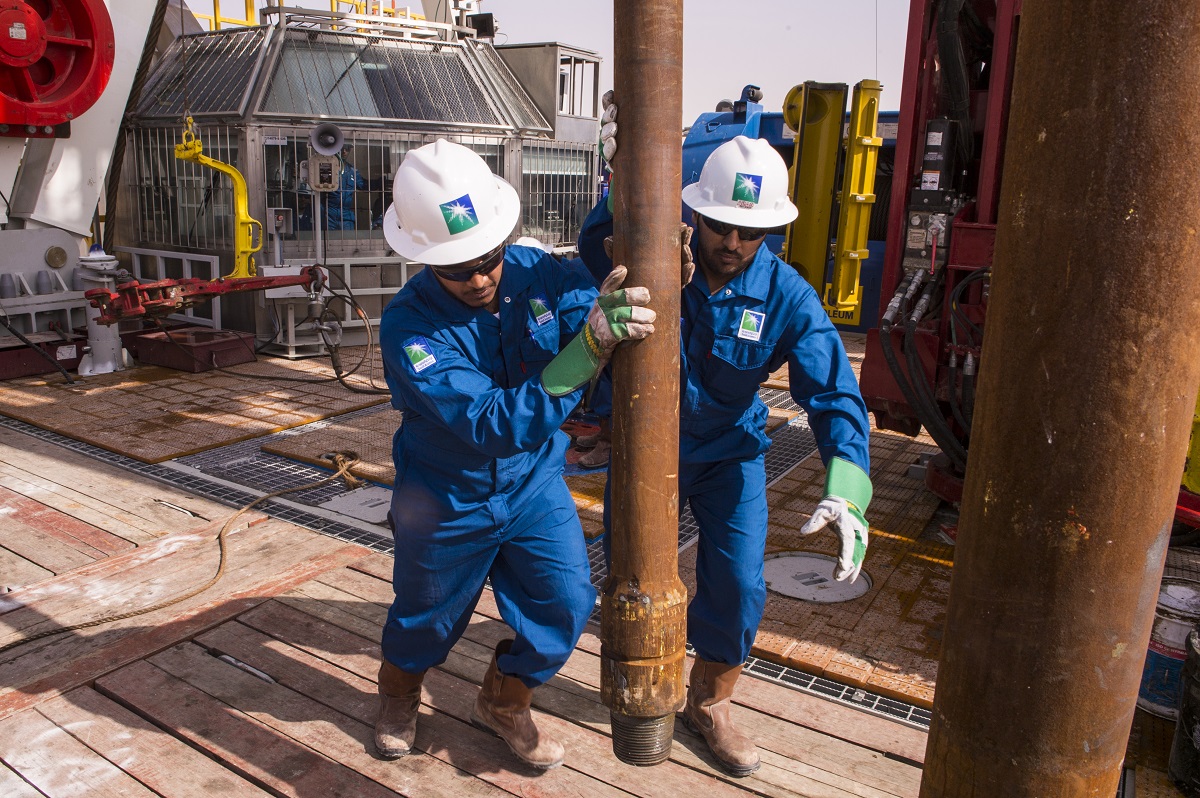
Saudi energy giant Saudi Aramco has begun output from the first phase of its vast Jafurah gas field, signalling a major milestone in the Kingdom’s shift toward natural gas. The project, valued at around $100 billion, has an initial production capacity of 450 million cubic feet per day, according to the Saudi Finance Ministry’s 2026 budget statement.

The field holds an estimated 229 trillion standard cubic feet of raw gas along with 75 billion stock tank barrels of condensate—making Jafurah the largest non-associated gas development in Saudi Arabia and among the largest shale-gas plays outside the United States.

Completion of the first development phase allows Aramco to begin supplying sales gas domestically. The company plans to ramp production gradually and aims to reach a sustainable output of 2 billion cubic feet per day by 2030.

To support its gas-processing infrastructure, Aramco earlier sealed an $11 billion lease-and-leaseback agreement with a consortium led by Global Infrastructure Partners, part of BlackRock. Under the deal, a newly formed subsidiary, Jafurah Midstream Gas Company, will lease the processing and fractionation facilities — which Aramco will then lease back for a 20-year period. Aramco retains majority ownership with a 51% stake, while the investor group holds 49%. The transaction is designed to inject capital without constraining production volumes.

Aramco’s move reflects a broader strategic shift. By ramping up gas production, the company aims to reduce domestic reliance on crude oil for power generation — thereby freeing more crude for export. Gas from Jafurah is expected not only to meet domestic power and utility needs but also to provide feedstock for petrochemicals, hydrogen, and potentially emerging sectors such as AI data-centres.

Analysts view Jafurah as a potential game-changer for both Saudi Arabia and global gas markets. With reserves comparable to major U. S. shale plays and a projected daily output of 2 bcf by 2030, the project could make Saudi Arabia a more prominent natural-gas exporter or LNG player — a significant rebalancing from its traditional role as an oil-dominated supplier.

Through this transformation, Aramco underlines its long-term aim of reinventing its energy portfolio — aligning with efforts to diversify the country’s economy and meet shifting global demand patterns.

The government of Saudi Arabia expects its borrowing to increase next year, driven by ongoing financing needs and a broad backdrop of monetary easing, according to a projection by CI Capital. The analysis suggests that softer interest rates and tightening liquidity could compel Riyadh to tap debt markets once again to meet fiscal and development commitments. Total government spending in the approved 2026 budget stands at 1.31 […]

Arabian Post Staff -Dubai The Abu Dhabi Securities Exchange Group has launched a new index — the FTSE ADX Dividend Stars Index — aimed at giving investors exposure to companies listed on ADX with strong dividend records. The index, now live, initially comprises 17 constituent companies selected for their consistent dividend performance and diversified operations across multiple sectors of Abu Dhabi’s economy. Those 17 constituents accounted for […]

An East-meets-West digital fashion experience — uniting Paris Fashion Week insights with local talent in a fun, future-forward showcase for all ages, driving Hong Kong’s digital economy From 22 November – 2 December 2025 at AIRSIDE Gate33 Gallery HONG KONG SAR – Media OutReach Newswire – 4 December 2025 – Organised by the Hong Kong Design Centre (HKDC), curated by digital fashion innovator FabriX, and sponsored by […]

Yacht Club Games faces a critical juncture as the forthcoming release of Mina the Hollower could determine whether the studio remains solvent. Co-founder Sean Velasco described the stakes plainly: “It’s make-or-break for sure.” The firm needs strong sales — preferably 500,000 copies, with 200,000 viewed as a minimum threshold — in order to guarantee future projects and preserve its independence. Development of Mina the Hollower has been […]

The government of Mozambique has committed to invest 12 million US dollars to rehabilitate technical and vocational education and training institutions countrywide, a move aimed at expanding capacity and better aligning training with labour market needs. The investment, slated to kick off in 2026, forms part of a broader reform supported by partner organisations. The Secretary of State for Technical and Vocational Education, Leo Jamal, announced the […]

Concerns over Oracle Corporation’s massive borrowing to fund its artificial-intelligence ambitions have pushed its debt instruments into territory unseen since the 2008 financial crisis. The company’s bonds have sold off, yields on maturing notes have climbed, and its credit default swap spreads have surged — signalling growing investor anxiety about the sustainability of its heavy spending on cloud and AI infrastructure. The sell-off follows disclosure that Oracle […]

Targets 11–15% underlying profit CAGR from 2025-28[1], 7–10% online sales mix, and a new dividend policy based on 70% payout, leveraging scale and digital investments to drive shareholder value HONG KONG SAR – Media OutReach Newswire – 3 December 2025 – At its 2025 investor day, DFI Retail Group Holdings Limited (‘DFI’ or the ‘Group’) outlined strategic initiatives for driving sustained profitable growth and enhanced shareholder returns. […]

Arabian Post Staff -Dubai Saudi Arabia approved its 2026 state budget, confirming total government expenditure at 1.31 trillion riyals and setting revenues at approximately 1.15 trillion riyals, signalling a planned deficit of 165 billion riyals—equivalent to 3.3 percent of gross domestic product. The projected spending level is only marginally lower than the 2025 outlay, reflecting a continued commitment to funding national priorities and long-term economic diversification. Forecasts […]

The Arab Investment & Export Credit Guarantee Corporation reported that the collective gross domestic product of Arab countries rose by 1.7 percent to about US$3.8 trillion in 2025, even as the region grappled with significant geopolitical tensions. The bulk of the growth remained concentrated in a handful of large economies — Saudi Arabia, United Arab Emirates, Egypt, Algeria and Iraq — which together account for nearly 73 […]

Russian President Vladimir Putin arrived in New Delhi for a two-day visit aimed at reviving and expanding energy and defence cooperation with India. His agenda includes proposals for increased Russian oil exports alongside renewed offers of missile systems and fighter jets, as part of efforts to restore ties challenged by global pressure on Moscow.

The visit coincides with heightened scrutiny of India’s oil and weapon imports from Russia, but also signals Moscow’s determination to deepen the “special and privileged strategic partnership” with New Delhi. Kremlin officials, including Russia’s deputy prime minister overseeing trade, emphasised that the India-Russia forum planned around the summit would explore ways to diversify bilateral trade, extend industrial cooperation and foster joint investments across high-technology and raw-material sectors.

On offer are new arms deals including advanced air-defence platforms and additional batches of combat aircraft. Negotiations are expected to cover the procurement of more units of the S-400 missile system and potential acquisition of fifth-generation Su-57 jets and the next-generation S-500 air-defence shield. Although India has widened its defence procurement sources over recent years, Moscow remains one of its leading suppliers, bolstered by long-standing familiarity and legacy hardware in the armed forces. Analysts note that these proposed arms deals would reaffirm Russia’s influence in India’s defence posture, even as New Delhi attempts to balance Western and Russian dependencies.

Energy cooperation is another key pillar. Russia is offering discounted crude oil supplies under new trade arrangements, including through intermediaries and possibly via joint ventures or extraction projects in Russia’s Far East and Arctic regions. This appears geared toward circumventing Western sanctions on Russian energy exports, while ensuring that India retains access to competitively priced hydrocarbons. At the same time, Indian officials are conscious of growing trade imbalances caused by large-scale Russian imports and have flagged the need to augment Indian exports to Russia, particularly in equipment, raw materials and food products.

Efforts to revive large-scale trade go beyond energy and defence. The India-Russia forum accompanying the summit is expected to chart cooperation in civil nuclear projects, space technology, and high-tech industrial ventures. Signals from the Russian side underscore a long-term vision of a resilient, multifaceted partnership rooted in historical ties. While geopolitical pressures from Western capitals and tariffs on Indian goods pose real challenges, both Moscow and New Delhi appear keen to insulate their bilateral engagement from external strains.

Saudi Arabia’s sovereign wealth fund is seeking to deepen ties with Japanese investors as it reshapes its investment strategy away from sprawling real-estate megaprojects toward sectors deemed more viable in the near term.

The Public Investment Fund, valued at roughly $925 billion, unveiled a plan to expand investments in Japan from $11.5 billion between 2017–2024 to a projected $27 billion by 2030, according to remarks by its governor, Yasir Al-Rumayyan, at a business summit in Tokyo. He described Japanese companies as “one of the largest partners for Saudi Arabia,” and said the kingdom hopes to “bring more and more Japanese companies” on board.

This outreach comes alongside a major overhaul of PIF’s priorities. Plans for large-scale real estate ventures—previously central under the Vision 2030 plan—are being put on the back foot as delays and write-downs erode investor confidence. The new strategy pivots toward sectors such as logistics, mineral extraction, religious tourism and artificial intelligence, with greater emphasis on data infrastructure and industries promising quicker returns.

Some megaprojects under Vision 2030, including the much-publicised desert city NEOM and a planned mountain-based winter sports hub, have faced repeated delays and mounting costs, prompting analysts to question their long-term viability. PIF’s 2024 annual report shows impairments on several high-profile investments that have weighed on returns, and strategic rebalancing appears aimed at stabilising the fund’s financial outlook.

The renewed focus on logistics underscores Saudi Arabia’s ambition to become a global supply-chain hub bridging Asia, Europe and Africa. Mineral extraction targets the kingdom’s considerable reserves of rare earths and critical minerals, seen as vital for future technology supply chains. Religious tourism aims to leverage steady demand for pilgrimage to holy sites, while investments in artificial intelligence and data infrastructure, led by PIF-backed firm Humain, reflect the kingdom’s drive to build a diversified economy beyond hydrocarbons.

Financial markets and global investors have welcomed the pivot as more pragmatic and potentially less risky than monumental real-estate bets. Yet critics caution that shifting to more conventional sectors may diminish the transformative potential originally promised under Vision 2030. The challenge now lies in whether the new strategy can deliver on its growth and diversification goals while restoring investor confidence.

Regulators at the Federal Reserve are moving to formalise rules for stablecoins, signalling a shift in how banks may soon treat these digital assets under supervision. The Vice Chair for Supervision at the Fed, Michelle Bowman, emphasised that banks should be able to engage with digital currencies — including stablecoins — under new regulatory guardrails. She argued that existing regulations, many crafted in the aftermath of the 2008 financial crisis, may no longer be appropriate given how much the economy and technology have evolved. Her remarks came against the backdrop of recent legislation that lays the groundwork for stablecoin regulation, prompting an overhaul of existing frameworks to encourage innovation while managing risk.

The regulatory momentum follows the passage of the Guiding and Establishing National Innovation for U. S. Stablecoins Act — known as the GENIUS Act — which establishes a comprehensive legal framework for payment stablecoins. Under the law, issuers of stablecoins must back tokens on a one-to-one basis with U. S. dollars or other low-risk assets, provide regular disclosure of reserves, and maintain transparent redemption processes. This marks a turning point: stablecoins officially enter the regulated financial system, opening the door for banks and other financial institutions to participate under defined standards.

Bowman has signalled that the Federal Reserve, alongside agencies such as the Office of the Comptroller of the Currency and the FDIC, intends to craft tailored supervisory guidelines rather than impose a one-size-fits-all regulatory model. She has called for regulators to abandon what she described as an “overly cautious mindset” that has slowed the banking sector’s ability to embrace digital innovation. According to her, banks seeking to engage in stablecoin activities must separate those assets from their traditional banking operations. This segregation, she said, is necessary to preserve the safety and soundness of the banking system even as banks expand into digital asset services.

The move has drawn cautious optimism from some quarters of the financial world, particularly among proponents of digital assets and stablecoin issuers, who view increased regulatory clarity as critical for broader adoption. They argue that a well-designed framework will enable mainstream financial institutions to offer digital asset services, increasing legitimacy and liquidity in the stablecoin market. Analysts point to academic research suggesting stablecoins have evolved from niche cryptocurrency experiments to integral components of payments infrastructure worldwide — with stablecoins’ market capitalisation estimated to exceed several hundred billion dollars. Some experts have proposed hybrid models that combine fiat-backed stablecoins with central-bank anchored systems to mitigate liquidity risks and improve stability, particularly in volatile market conditions.

At the same time, concerns remain about potential threats to financial stability. Regulators such as the Fed must weigh the risk of deposit outflows, competition between banks and non-bank issuers, and the challenge of preventing money-laundering or illicit finance through digital assets. Financial supervisors globally are wrestling with how to calibrate capital requirements and risk-weighting rules for banks engaging with stablecoins and digital tokens — taking into account factors like volatility, liquidity stress, and redemption risk.

Ghana’s central bank is preparing to implement a formal framework for non-interest banking, signalling the country’s first comprehensive move toward Islamic banking, capital markets and takaful insurance. Under the plan, conventional lenders will receive training in Sharia-compliant financial services to equip them to offer non-interest products. The shift reflects growing interest from banks and regulators in providing ethical, risk-sharing alternatives to conventional interest-based banking. The process is […]

VISHNU RAJA
RYO YAMADA
HITORI GOTOH
IKUYO KITA