News related to
Saudi

Gulf Cooperation Council sovereigns and corporates issued a record-breaking $226 billion in debt by November 11, 2025 — the highest single-year total this decade — boosted by surging investor demand and tight spreads across the region.

Issuance of bonds and sukuk vastly outpaced equity capital-market activity, which saw the weakest IPO fundraising since 2020.

Regional governments and major companies returned to debt markets, capitalising on favourable financing conditions. Notable sovereign issuance came from all six GCC states — Saudi Arabia, United Arab Emirates, Kuwait, Qatar, Bahrain and Oman. Corporations also joined, including heavyweight names such as Saudi Aramco and Abu Dhabi National Oil Company.

The rebound in debt issuance reflects a shift in financing strategies. Many issuers had stayed out of markets earlier this year, waiting for better conditions. As spreads tightened sharply, they re-entered. As HSBC’s head of MENA debt capital markets, Nour Safa, put it: the tightening spreads “convinced them to return to the market.”

By the third quarter of 2025, total outstanding debt on GCC debt capital markets reached $1.1 trillion — a 12.7 per cent increase year-on-year. Sukuk issuances led the growth, rising nearly 22 per cent and now accounting for more than 40 per cent of overall debt issuance volume.

The strength emanates largely from the two biggest markets: Saudi Arabia and the UAE. As per recent analysis, these two nations comprise 46 per cent and 30 per cent respectively of total outstanding GCC debt.

Meanwhile, IPO funding has stalled. Across the GCC, 2025 saw a dramatic slump in equity issuance: a total of only 40 IPOs raised about $5.8 billion, down markedly from 2024’s 52 listings which raised $12.9 billion — the lowest fundraising level since 2020.

In the first half of 2025, IPO activity had shown modest resilience: 27 listings raised $4.10 billion, up from $3.57 billion a year earlier. But the second half slowdown reversed much of that progress.

Analysts say the divergence between bond and equity markets has several drivers. Doubts over global macroeconomic stability and trade-policy uncertainty have suppressed investor appetite for riskier equity. At the same time, Gulf issuers found debt markets more attractive: high-quality issuers, deep dollar-denominated bond markets, and relatively higher yields compared with many emerging-market alternatives.

Banks across the region added to the surge: by mid-2025 they had issued over $60 billion of debt — surpassing 2024 levels — much of it Tier-2 or hybrid debt aimed at bolstering capital under evolving regulations and funding growth tied to national development plans.
By T N Ashok NEW DELHI: Russian President Vladimir Putin arrived in India Thursday evening for a two-day state visit that has become a diplomatic flashpoint, testing New Delhi’s ability to maintain strategic independence amid mounting pressure from Washington and European capitals. The arrival marks Putin’s first trip to India since the Ukraine war began […]

The article Putin’s India Visit: A Stress Test Of Strategic Autonomy Amid Global Pressure appeared first on Latest India news, analysis and reports on Newspack by India Press Agency).

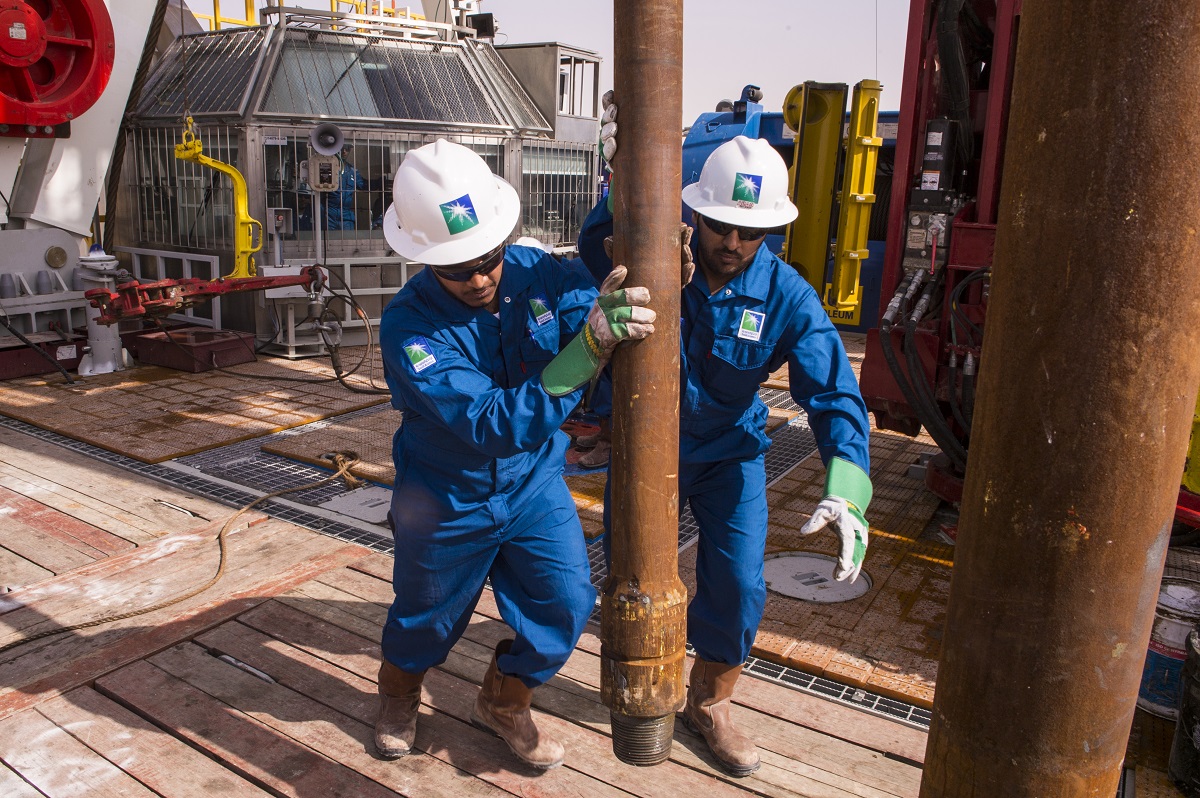
Saudi energy giant Saudi Aramco has begun output from the first phase of its vast Jafurah gas field, signalling a major milestone in the Kingdom’s shift toward natural gas. The project, valued at around $100 billion, has an initial production capacity of 450 million cubic feet per day, according to the Saudi Finance Ministry’s 2026 budget statement.

The field holds an estimated 229 trillion standard cubic feet of raw gas along with 75 billion stock tank barrels of condensate—making Jafurah the largest non-associated gas development in Saudi Arabia and among the largest shale-gas plays outside the United States.

Completion of the first development phase allows Aramco to begin supplying sales gas domestically. The company plans to ramp production gradually and aims to reach a sustainable output of 2 billion cubic feet per day by 2030.

To support its gas-processing infrastructure, Aramco earlier sealed an $11 billion lease-and-leaseback agreement with a consortium led by Global Infrastructure Partners, part of BlackRock. Under the deal, a newly formed subsidiary, Jafurah Midstream Gas Company, will lease the processing and fractionation facilities — which Aramco will then lease back for a 20-year period. Aramco retains majority ownership with a 51% stake, while the investor group holds 49%. The transaction is designed to inject capital without constraining production volumes.

Aramco’s move reflects a broader strategic shift. By ramping up gas production, the company aims to reduce domestic reliance on crude oil for power generation — thereby freeing more crude for export. Gas from Jafurah is expected not only to meet domestic power and utility needs but also to provide feedstock for petrochemicals, hydrogen, and potentially emerging sectors such as AI data-centres.

Analysts view Jafurah as a potential game-changer for both Saudi Arabia and global gas markets. With reserves comparable to major U. S. shale plays and a projected daily output of 2 bcf by 2030, the project could make Saudi Arabia a more prominent natural-gas exporter or LNG player — a significant rebalancing from its traditional role as an oil-dominated supplier.

Through this transformation, Aramco underlines its long-term aim of reinventing its energy portfolio — aligning with efforts to diversify the country’s economy and meet shifting global demand patterns.

The government of Saudi Arabia expects its borrowing to increase next year, driven by ongoing financing needs and a broad backdrop of monetary easing, according to a projection by CI Capital. The analysis suggests that softer interest rates and tightening liquidity could compel Riyadh to tap debt markets once again to meet fiscal and development commitments. Total government spending in the approved 2026 budget stands at 1.31 […]

ADVERTISEMENT

Arabian Post Staff -Dubai Saudi Arabia approved its 2026 state budget, confirming total government expenditure at 1.31 trillion riyals and setting revenues at approximately 1.15 trillion riyals, signalling a planned deficit of 165 billion riyals—equivalent to 3.3 percent of gross domestic product. The projected spending level is only marginally lower than the 2025 outlay, reflecting a continued commitment to funding national priorities and long-term economic diversification. Forecasts […]

The Arab Investment & Export Credit Guarantee Corporation reported that the collective gross domestic product of Arab countries rose by 1.7 percent to about US$3.8 trillion in 2025, even as the region grappled with significant geopolitical tensions. The bulk of the growth remained concentrated in a handful of large economies — Saudi Arabia, United Arab Emirates, Egypt, Algeria and Iraq — which together account for nearly 73 […]

At the third edition of the Saudi International Handicrafts Week, held at Princess Nourah bint Abdulrahman University in Riyadh, veteran craftsperson Wu Jianmei rose to the spotlight as exhibitors and visitors gathered to experience global artistry. Wu Jianmei took a seat in the bright red-themed China pavilion, her fingers deftly guiding a needle in a demonstration of Xiang embroidery — a traditional art form that has earned her acclaim over a career spanning more than four decades. Her calm poise and meticulous stitching drew a steady stream of visitors who paused to watch each slender thread breathe life into the fabric.

Organised by Heritage Commission, Banan has brought together over 400 artisans representing more than 40 countries for 2025. China holds the title of Guest of Honour, a symbolic showcase of its cultural heritage in a pavilion designed to present more than a thousand handmade pieces alongside live craft demonstrations. The pavilion features lacquerware, fan-making, batik techniques and complex embroidery — each presented by skilled heritage bearers chosen to represent China’s rich craft traditions.

China’s role this year coincides with the 35th anniversary of formal diplomatic relations with Saudi Arabia, as well as the designation of 2025 as the Year of Handicrafts in the Kingdom. Officials accompanying the Chinese delegation underscored the ambition to promote cross-cultural understanding and elevate artisanal craftsmanship within a broader creative economy. Among those present was the Chinese ambassador, who visited the China pavilion and praised the global scope of the event and the Kingdom’s support for heritage-driven cultural exchange.

Visitors to Banan were drawn not only to the China pavilion but to a wider tapestry of worldwide craftsmanship. Traditional techniques from Syria, the United Arab Emirates, Egypt, Oman, Bahrain and Jordan featured prominently, alongside booths from European, African, Asian, and Middle Eastern artisans. Demonstrations ranged across wood carving, clay pottery, metalwork, weaving and shadow-puppet craft.

A special interactive zone called “Banan Story” offered families and children an opportunity to engage hands-on with materials and tools under guided supervision, helping younger attendees connect playfully with global craft techniques. This initiative reflects a broader strategy by the Heritage Commission to foster intergenerational appreciation of handcrafts, encouraging younger audiences to explore cultural diversity through creativity.

For many, Wu Jianmei’s presence at Banan served as a powerful cultural bridge. Her Xiang embroidery pieces — delicate and intricate — symbolised a living history: patterns and stitches that carried stories of generations. Locals and expatriates alike watched in quiet admiration as the needle moved, building intricate motifs destined for display or sale. Her work has previously been exhibited in major institutions, a testament to her stature in the heritage-arts community.

Advertisements
ADVERTISEMENT

Saudi Arabia’s sovereign wealth fund is seeking to deepen ties with Japanese investors as it reshapes its investment strategy away from sprawling real-estate megaprojects toward sectors deemed more viable in the near term.

The Public Investment Fund, valued at roughly $925 billion, unveiled a plan to expand investments in Japan from $11.5 billion between 2017–2024 to a projected $27 billion by 2030, according to remarks by its governor, Yasir Al-Rumayyan, at a business summit in Tokyo. He described Japanese companies as “one of the largest partners for Saudi Arabia,” and said the kingdom hopes to “bring more and more Japanese companies” on board.

This outreach comes alongside a major overhaul of PIF’s priorities. Plans for large-scale real estate ventures—previously central under the Vision 2030 plan—are being put on the back foot as delays and write-downs erode investor confidence. The new strategy pivots toward sectors such as logistics, mineral extraction, religious tourism and artificial intelligence, with greater emphasis on data infrastructure and industries promising quicker returns.

Some megaprojects under Vision 2030, including the much-publicised desert city NEOM and a planned mountain-based winter sports hub, have faced repeated delays and mounting costs, prompting analysts to question their long-term viability. PIF’s 2024 annual report shows impairments on several high-profile investments that have weighed on returns, and strategic rebalancing appears aimed at stabilising the fund’s financial outlook.

The renewed focus on logistics underscores Saudi Arabia’s ambition to become a global supply-chain hub bridging Asia, Europe and Africa. Mineral extraction targets the kingdom’s considerable reserves of rare earths and critical minerals, seen as vital for future technology supply chains. Religious tourism aims to leverage steady demand for pilgrimage to holy sites, while investments in artificial intelligence and data infrastructure, led by PIF-backed firm Humain, reflect the kingdom’s drive to build a diversified economy beyond hydrocarbons.

Financial markets and global investors have welcomed the pivot as more pragmatic and potentially less risky than monumental real-estate bets. Yet critics caution that shifting to more conventional sectors may diminish the transformative potential originally promised under Vision 2030. The challenge now lies in whether the new strategy can deliver on its growth and diversification goals while restoring investor confidence.

Arabian Post Staff -Dubai Member states of the OPEC+ alliance approved a new framework to assess each country’s maximum sustainable oil production capacity, with the outcome to determine output baselines from 2027. The decision was announced by Saudi Energy Minister Prince Abdulaziz bin Salman, who described the methodology as fair and transparent. The evaluation process covering most members will run from January to September 2026, laying the […]

UAE and Saudi Arabia are embarking on sweeping reforms to reshape their healthcare and life-sciences sectors, opening the door to expanded private-sector participation, foreign investment and rapid technological adoption across the region.

Legal changes in the UAE have restructured the regulatory framework for medical products, pharmacies and pharmaceutical establishments under updated laws that strengthen protections and streamline compliance. These alterations aim to catalyse domestic pharmaceutical manufacturing and support a growing life-sciences ecosystem, signalling government intent to shift from reliance on imports to building a robust local industry. The reforms dovetail with a broader healthcare strategy that encourages research, innovation and long-term capacity building in biotechnology and medical technology.

Parallel reforms in Saudi Arabia have dramatically altered the investment climate. Regulatory adjustments now allow 100 per cent foreign ownership of healthcare facilities including hospitals, polyclinics and telehealth centres. This change aligns with government objectives under its economic diversification plan, which seeks to raise private-sector involvement from roughly 40 per cent today to nearly 65 per cent by 2030. Licensing procedures for new medical facilities and services are being streamlined and digitised to offer greater transparency and efficiency, thereby lowering entry barriers for both domestic and international investors.

Market data underscore the scale of transformation. Industry forecasts suggest that overall healthcare and life-sciences investment across Gulf countries could rise sharply, supported by demographic changes, growing demand for chronic-care and geriatric services, and increased appetite for digital health and preventive medicine. In the UAE, life-sciences clusters are being developed to host pharmaceutical and medical-device companies, while production of biosimilars and expansion of research facilities indicate a strategic push to localise supply chains.

Digital health and health-tech are playing a central role in this transformation. Both nations are investing in national platforms for unified electronic health records, AI-powered diagnostics, and telemedicine services designed to expand access to care and improve efficiency. These efforts are complemented by regulatory frameworks that encourage medical innovation and private–public partnerships, creating environments where start-ups and established firms alike can experiment with new models of care delivery.

Despite broad optimism, some challenges remain. Large-scale hospital projects still face regulatory and approval delays, even as efforts are underway to simplify licensing and reduce bureaucratic hurdles. In Saudi Arabia, private investors must navigate evolving cultural and regulatory norms, especially around areas such as reproductive medicine and biotechnology. Recruiting and retaining specialised medical professionals remains difficult, given relatively limited existing local expertise in certain advanced fields.

Although regulatory reforms lay the groundwork for growth, translating legal change into improved patient outcomes and equitable access will demand careful oversight. Ensuring quality across a rapidly expanding private healthcare market and balancing profitability with affordability will require rigorous standards, transparent governance and robust public-health planning.

ADVERTISEMENT

Arabian Post Staff -Dubai Leaders of the oil-exporting alliance OPEC+ confirmed they will maintain their pause on increasing crude output through the first quarter of 2026. The group’s decision, reconfirmed after a weekend of virtual meetings, reflects growing evidence of oversupply in global oil markets and subdued demand prospects for early 2026. The eight member countries involved in output adjustment — among them Saudi Arabia, Russia, UAE, […]

Travel demand across the Gulf is undergoing a distinctive shift as Saud Arabia and Bahrain emerge as the region’s fastest-growing outbound markets. Airport usage data compiled by Dragonpass shows that Saudi travel volumes increased by 36 per cent this summer, with June marking its busiest month ever. Meanwhile Bahrain posted a 208 per cent year-on-year rise, the sharpest growth among Gulf Cooperation Council nations and a clear signal of expanding mobility across the region.

The surge in air travel across these Gulf states reflects a combination of expanded airport capacity, evolving travel behaviour and government efforts to reposition their countries as regional travel hubs. Saudi Arabia’s growth aligns with its strategic development blueprint under Saudi Vision 2030, which aims to promote tourism and business travel alongside infrastructure investment. Bahrain’s dramatic increase illustrates its emergence as a regional connector, reinforcing its role in the Gulf’s evolving aviation and tourism ecosystem.

The upturn is not limited to those two. Other Gulf states including Qatar and Oman also recorded notable increases—travel volumes in Qatar rose by 198.9 per cent year-on-year, while Oman saw an 89.2 per cent boost as its airport infrastructure and heritage-led tourism gained traction. At the same time the region’s historical hub United Arab Emirates witnessed a 21 per cent decline over the summer, a reversal that observers attribute to shifting travel patterns and growing competition from its neighbours.

Beyond sheer volume, travel habits are evolving. A rising number of travellers across the Gulf are opting for premium airport services such as lounge access, signalling growing demand for comfort and convenience. Bahrain now leads globally on lounge-use, with 1.35 per cent of passengers utilising premium facilities — a rate ahead of major global aviation hubs. Saudi Arabia placed second in the region at 0.86 per cent.

Analysts suggest that this shift is driven by a combination of rising disposable incomes, increased business travel, and a changing perception of intra-Gulf mobility from a necessity to a lifestyle and leisure choice. Expansion of airport capacity, new routes and better services have made air travel more accessible and attractive than before. In Saudi Arabia, expanding infrastructure investment under Vision 2030 has increased flight connectivity and lifted capacity constraints. In Bahrain, efforts to position the nation as a regional aviation hub seem to be bearing fruit as the kingdom leverages its strategic geographic location and growing investment in tourism.

The broader context signals a reconfiguration of Gulf air travel dynamics. As smaller Gulf states and Saudi Arabia ramp up capacity and services, they are drawing passengers who might previously have transited through traditional hubs such as the UAE. This pattern points to intensifying intra-Gulf competition in aviation and travel services, accompanied by a shift in consumer preferences toward convenience, comfort and variety.

Greenlogue/AP A consortium comprising ACWA Power, Badeel and Saudi Aramco Power Company has completed the financial close on seven large-scale renewable energy projects totalling 15 gigawatts. The agreements signed with Saudi Power Procurement Company cover five solar photovoltaic plants and two wind power farms to be built across several provinces, representing one of the largest investments under the Kingdom’s National Renewable Energy Programme. The portfolio of projects […]

Arabian Post Staff -Dubai Crown Prince Mohammed bin Salman arrived in Washington to meet U. S. President Donald Trump with a sweeping agenda spanning defence, technology and economic cooperation — signalling a clear recalibration of Saudi Arabia–United States relations. The meeting resulted in high-stakes commitments including a pledge of up to $1 trillion in Saudi investments and approval for advanced defence hardware, underscoring the kingdom’s ambition to […]

ADVERTISEMENT

Matein Khalid want my Arabic friends to address me from now on as Abu Nuhas or Father of Copper. Why? The red metal that has been human kind’s best mineral friend for 30,000 years is also the best conductor of electricity known to man, woman or beast as the AI revolution necessitates a multi-trillion dollar demand shock in upgrading the power grid as the world electrifies, decarbonizes […]

Arabian Post Staff -Dubai Saudi Arabian Oil Company has entered preliminary talks to sell stakes in key export and storage terminals and possibly parts of its real-estate portfolio, aiming to raise over US$10 billion in what may become its most substantial disposals to date. The oil giant has invited banks to pitch feasibility studies and is weighing financing options that include equity raises or structures resembling the […]

Dubai’s leadership has endorsed a comprehensive architectural identity for the emirate’s road network, signalling a major shift in how transport infrastructure is designed and experienced. Sheikh Hamdan bin Mohammed bin Rashid Al Maktoum, in his capacity as Chairman of the Executive Council of Dubai, approved the framework that aligns with the city’s broader ambition to deliver integrated, sustainable and visually coherent urban environments. The initiative, overseen by […]

ADVERTISEMENT

Greenlogue/AP Riyadh – Tanmiah Food Company, one of Saudi Arabia’s largest vertically integrated poultry and food producers, has signed three strategic memoranda of understanding and launched what it calls the region’s first geothermal-cooled poultry facility, marking a significant move in its sustainability and decarbonisation drive. The agreements were unveiled during the inaugural Saudi Agri‑Food Tech Alliance Forum at the headquarters of the Ministry of Environment, Water and […]

Abu Dhabi-listed NMDC Energy has launched a full branch in Taiwan and a commercial office in Shanghai, marking a strategic move into the Asia-Pacific region to support its project pipeline and strengthen supply-chain relationships. The company also sealed a memorandum of understanding with CITIC Steel, one of China’s largest steel producers, signalling a concerted effort to lock in reliable sourcing for its energy-services operations. NMDC Energy’s decision […]

A pioneering bio-textile crafted from marine algae has been rolled out by the Fashion Commission of Saudi Arabia at the Misk Global Forum in Riyadh, marking a bold step into sustainable fashion. The initiative, termed the Red Sea Seaweed Project, turns algae harvested from the Red Sea into fabric through a collaboration with King Abdullah University of Science and Technology and the fibre-specialist PYRATEX. The unveiling took place during a panel titled “Fabric of the Future: Red Sea Seaweed Textile” and was led by the commission’s CEO Burak Çakmak.

The textile is created by integrating seaweed biomass with Lyocell and organic cotton to form a sustainable fibre. Py­ra­tex’s expertise in seaweed-based fabrics—previously applied in other regions—has been adapted here for local algae species. The venture relies on KAUST’s research unit KAUST Beacon Development to harvest Red Sea algae while maintaining its bioactive properties and supporting a traceable supply chain. Çakmak said the material “marks a defining moment in our journey to build a future-ready sustainable fashion ecosystem. By transforming a local natural resource into a fully traceable, sustainable textile, we are demonstrating the power of science, creativity and industry working together.”

KAUST’s involvement builds on its broader algal biotechnology work, including the DABKSA initiative set up with the Ministry of Environment, Water and Agriculture to establish local algae-based industries. That scheme originally focused on animal feed, but now its marine-species work is feeding into fashion applications. PYRATEX’s page confirms seaweed-based fabrics offer anti-irritation and skincare benefits—though that model was previously developed in Iceland.

The project is designed not only as a material innovation but as a symbol of economic diversification. The Fashion Commission says it aims to strengthen the Kingdom’s domestic fashion ecosystem by embedding sustainability principles and leveraging local resources. The Lab, the commission’s in-house development studio, converted the seaweed fibre into wearable garments, emphasising full supply-chain transparency.

Analysts note that the fashion industry globally is under rising pressure to reduce its environmental footprint. The Guardian estimated the sector accounts for up to 10 per cent of global greenhouse-gas emissions. By tapping coastal biomass, the Saudi initiative could offer a distinct regional advantage. The Red Sea region’s marine environment provides access to algae species adapted to high salinity and heat, meaning less intensive cultivation may be required. KAUST’s earlier trials with extremophile algae in desert conditions underline that point.

However, questions remain about how the new textile will scale commercially and how its sustainability claims will hold in full life-cycle analyses. Industry watchers emphasise that adopting bio-based textiles is only part of the solution; supply-chain energy use, water consumption, and end-of-life recyclability also matter. The Fashion Commission acknowledged those challenges in its public statement but noted this is a “first step” in a broader innovation roadmap.

Beyond the material itself, the move aligns with broader strategic priorities such as Vision 2030 and the Saudi Green Initiative, which call for economic diversification and sustainable development across the Kingdom. It also positions Saudi fashion as a player in the global sustainability agenda, where brands are looking for story-driven innovation and regional supply-chain transparency. The Fashion Commission’s statements emphasise that this home-grown development can contribute meaningful solutions to the global fashion landscape.

The U. S. Commerce Department has authorised the export of advanced artificial-intelligence semiconductors to two Middle Eastern firms, granting licences for each to procure up to 35,000 units of Nvidia’s Blackwell chips. The approvals apply to G42 of the United Arab Emirates and Humain of Saudi Arabia, representing a significant shift in America’s technology-export policy. The licences impose stringent conditions: both companies must adhere to rigorous security […]

Abu Dhabi-listed NMDC Energy PJSC has opened a new branch in Taiwan and established a commercial office in Shanghai as it taps deeper into the Asian energy services market and seeks to strengthen its upstream supply-chain links. The company confirmed the Taiwan branch and Shanghai office during its latest expansion move. The move follows NMDC Energy’s award of a US $1.136 billion engineering, procurement and construction contract […]

Valetax marked a major milestone with a powerful presence at Jeddah Fintech Week 2025, held on 16 and 17 November at the Jeddah Hilton Hotel. As the Official Sponsor, the company delivered an impactful showcase that strengthened its relationships with traders, partners, and fintech professionals while reaffirming its long-term commitment to innovation, transparency, and partnership-driven growth across the MENA region.   This year’s edition of Jeddah Fintech […]

US-based artificial intelligence firm Luma AI has secured a $900 million Series C funding round led by Saudi-backed HUMAIN, the AI venture owned by the kingdom’s sovereign wealth fund, the Public Investment Fund. Participation also came from AMD Ventures and existing investors including Andreessen Horowitz, Amplify Partners and Matrix Partners. The funding is part of a broader strategy to advance multimodal artificial general intelligence capable of generating, interpreting and interacting with the physical world.

Luma AI’s valuation following the round is estimated at over $4 billion, underscoring the intense competition among frontier AI firms. The company specialises in “world models” that integrate video, audio, image and language to drive applications in robotics, simulation, advertising, gaming and personalised education. CEO Amit Jain described the aim as training systems on “a quadrillion tokens” of multimedia data to move beyond current large-language-model architectures.

HUMAIN, having positioned itself as a global full-stack AI player, will use the funding partnership to anchor its compute infrastructure ambitions. The joint roadmap includes the rollout of what HUMAIN terms “Project Halo” — a super-cluster targeting up to 2 gigawatts of AI compute capacity in the kingdom. Luma AI will become a key customer of this infrastructure.

The funding and infrastructure build-out reflect a strategic shift in Saudi Arabia’s economic diversification efforts. Under the leadership of Mohammed bin Salman, the PIF is deepening commitments to AI and high-performance computing as pillars of its wider Vision 2030 agenda. Luma AI’s partnership becomes a vehicle for exportable AI capabilities and for strengthening the kingdom’s position in the global tech ecosystem.

From Luma AI’s perspective, the capital infusion and access to sovereign-scale compute represent a strategic lever to accelerate development of next-generation models. In entertainment and creative industries the company already claims traction: its Ray3 reasoning video model has been embedded within major platforms. The new funding will allow expansion into simulation, robotics and immersive media. Jain asserted that only by integrating systems and infrastructure at scale can models “understand and simulate the universe”.

For HUMAIN the deal accomplishes several objectives: securing a marquee US AI partner, anchoring compute commitments, and beginning commercial deployments of its planned AI infrastructure. The first phase of the accompanying joint venture with Cisco Systems and AMD will deliver a 100-megawatt data-centre cluster in Saudi Arabia, fully subscribed by Luma AI, with construction scheduled to begin in 2026 and renewable energy powering the facility.

The global implications are significant. With Asia, Europe, India, the Middle East and Africa identified as target markets-worth an estimated 4.5 billion people-the infrastructure build-out promises to reshape the geography of AI training and inference. HUMAIN’s model seeks to challenge the dominance of US- and China-based AI supply chains.

Challenges remain. Developing multimodal AGI is widely acknowledged as highly complex, with technical risks, high compute costs and uncertain commercial timelines. Critics highlight concerns about geopolitical dependencies in AI infrastructure and the ethical implications of deploying models trained on vast multimedia datasets. The Saudi-US dimension adds further scrutiny given strategic sensitivities around data, export controls and digital sovereignty.

VISHNU RAJA
RYO YAMADA
HITORI GOTOH
IKUYO KITA
Social Media Auto Publish Powered By : XYZScripts.com