News related to
Saudi

A Saudi podcast has achieved a remarkable feat, becoming the most-watched podcast episode on YouTube worldwide. The latest episode of *Fnjan*, featuring Yasser Al Hazimi, garnered over 110 million views, surpassing high-profile interviews, including the widely known Joe Rogan-Elon Musk episode. This achievement marks a significant milestone for Arabic-language content, spotlighting the region’s growing influence in the digital media space.

*Fnjan*, produced by the Saudi media company Thmanyah, has been steadily gaining traction in both regional and global markets. The podcast, known for its engaging interviews with prominent figures, tackles deep cultural, social, and philosophical issues, resonating with an increasingly diverse audience. The particular episode featuring Al Hazimi, a motivational speaker, captured viewers with its exploration of personal growth and emotional resilience, topics that have found universal appeal in an age of mental health awareness.

The surge in popularity of *Fnjan* reflects broader trends in the digital content landscape, where podcasts and video interviews are seeing unprecedented growth. The podcast’s appeal can be attributed not only to the substance of its discussions but also to the high production quality and strategic use of platforms like YouTube. The format of long-form, unfiltered conversations mirrors a global shift toward more in-depth, thoughtful content that allows audiences to connect with topics on a deeper level.

Industry observers note that *Fnjan*’s record-breaking viewership underscores the growing demand for Arabic content on global platforms, a shift that reflects broader digital consumption patterns in the Middle East. As digital literacy and internet access continue to rise, particularly among younger demographics, creators in the region are increasingly leveraging platforms like YouTube to reach audiences far beyond their geographical boundaries.

The success of *Fnjan* and Thmanyah illustrates the potential of Arabic content creators to carve out significant spaces in the global media landscape. This achievement not only highlights the appetite for regionally produced media but also underscores the potential for Middle Eastern creators to compete on a global scale, challenging traditional media powerhouses.

The episode’s viewership surge also speaks to the rise of digital content consumption in Saudi Arabia, where internet penetration has reached over 95%. The Saudi government has made significant investments in digital infrastructure as part of its Vision 2030 plan, which aims to diversify the economy and promote cultural industries. This has led to an explosion of online platforms, creative startups, and influencers, reshaping the country’s media landscape.
A high-level meeting between Saudi Arabia and the United States has underscored the deepening strategic partnership between the two nations, with a particular focus on the digital economy and fostering innovation. The discussions, which brought together top officials from both countries, aimed at exploring new avenues for collaboration in technology, cybersecurity, and artificial intelligence, areas that are rapidly becoming pivotal in the global economy.

Saudi Arabia, under the leadership of Crown Prince Mohammed bin Salman, has been aggressively pushing forward its Vision 2030 initiative, a comprehensive plan aimed at diversifying the nation’s economy away from its heavy reliance on oil. Central to this vision is the development of a robust digital economy, which the Kingdom views as essential for its future prosperity. The discussions with the U.S. were seen as a critical step in bolstering this aspect of Saudi Arabia’s long-term economic strategy.

The meeting, which took place in Riyadh, featured prominent figures from both the public and private sectors. Key topics included enhancing bilateral cooperation in the digital sphere, fostering innovation ecosystems, and addressing the challenges posed by the rapidly evolving technology landscape. Both sides expressed a strong commitment to working together to advance these objectives, recognizing the mutual benefits that such collaboration could bring.

Saudi officials emphasized the Kingdom’s ambitious plans to become a global leader in technology and innovation. The nation has already made significant investments in this area, including the establishment of tech hubs, the promotion of digital entrepreneurship, and the implementation of advanced technological infrastructure. The U.S., with its well-established tech industry and expertise in innovation, is seen as an ideal partner to help Saudi Arabia achieve these goals.

A key element of the discussions was cybersecurity, an area of increasing concern for both nations. With the rise of digital threats, protecting critical infrastructure and ensuring the security of digital assets have become top priorities. The U.S. has been a leader in cybersecurity innovations, and its expertise is expected to play a crucial role in helping Saudi Arabia develop its capabilities in this domain. The discussions highlighted the importance of sharing knowledge and resources to build resilient cyber defenses that can withstand sophisticated attacks.

Artificial intelligence (AI) also featured prominently in the talks. Saudi Arabia has shown a strong interest in AI, viewing it as a transformative technology that can drive economic growth and improve various sectors, including healthcare, finance, and transportation. The U.S., home to many of the world’s leading AI research institutions and companies, is well-positioned to assist Saudi Arabia in harnessing the power of AI. The two nations discussed potential joint initiatives to develop AI applications that could benefit both countries, as well as the broader global community.

Innovation ecosystems were another focal point of the meeting. Saudi Arabia has been actively working to create a supportive environment for innovation, including the development of new regulations, the promotion of research and development, and the establishment of innovation centers. The U.S. has a long history of fostering innovation through its vibrant startup culture and well-established tech industry. The discussions explored ways to integrate these strengths, with the aim of creating a dynamic innovation ecosystem in Saudi Arabia that could serve as a model for the region.

Both sides also addressed the broader implications of their collaboration on the global stage. The digital economy is increasingly seen as a critical driver of global growth, and partnerships like the one between Saudi Arabia and the U.S. could have far-reaching impacts. By working together, the two nations aim to set new standards for digital innovation and leadership, potentially influencing the direction of the global digital economy.

Saudi Aramco is set to retain its 10% stake in the joint venture between Renault and Geely, underscoring its commitment to expanding partnerships in the automotive sector. The move signifies Aramco’s strategic focus on strengthening its position within the evolving landscape of automotive technology and sustainable energy solutions.

The alliance between Renault and Geely, formed in early 2024, aims to develop advanced powertrains and enhance vehicle electrification. Aramco’s involvement, first reported in March 2024, was seen as a significant step given its expertise in energy and automotive technologies. The company’s decision to maintain its stake highlights its long-term vision of integrating its energy solutions with the automotive industry’s shift towards sustainability.

Recent industry developments indicate a growing trend of traditional energy companies investing in automotive technologies. This trend reflects a broader shift towards electrification and hybrid powertrains, as automakers and energy firms align strategies to address climate change and evolving consumer preferences.

Aramco’s decision aligns with its broader strategy to diversify its investments and reduce its reliance on traditional oil and gas revenues. The company’s engagement in the Renault-Geely venture is part of a larger effort to position itself at the forefront of energy innovation. By holding onto its stake, Aramco aims to leverage the growing market for electric and hybrid vehicles, which is expected to see substantial growth over the next decade.

The joint venture between Renault and Geely, based in China, represents a significant collaboration in the global automotive industry. Renault, a major player in European automotive markets, and Geely, a key Chinese automotive manufacturer, have combined their resources to accelerate the development of new technologies and expand their market reach. Aramco’s involvement brings additional expertise and resources to the table, enhancing the venture’s capacity for innovation.

Aramco’s focus on maintaining its stake also signals its intention to explore further partnerships within the automotive and technology sectors. The company is reportedly in discussions with other automakers and technology firms to identify new opportunities for collaboration. This strategy is in line with Aramco’s goal of integrating its energy solutions with emerging technologies to drive growth and sustainability.

Analysts view Aramco’s commitment to the Renault-Geely venture as a strategic move that positions the company favorably in the rapidly changing automotive industry. The investment aligns with global trends towards sustainable transportation and energy efficiency. As the automotive industry continues to evolve, Aramco’s role in these developments could play a crucial part in shaping future innovations.

The Renault-Geely joint venture is set to benefit from Aramco’s expertise in energy and its substantial financial resources. This partnership is expected to facilitate the development of advanced technologies and accelerate the adoption of sustainable practices in the automotive sector. The continued collaboration reflects a shared vision of addressing environmental challenges and meeting the demands of a changing market.

With the automotive industry increasingly focusing on sustainability and technology integration, Aramco’s strategic investments are likely to have a significant impact. The company’s decision to retain its stake in the Renault-Geely venture underscores its commitment to being at the forefront of these changes. As the industry progresses, Aramco’s involvement in such partnerships could enhance its influence and drive innovation across the sector.

ADVERTISEMENT

Saudi Arabia’s Public Investment Fund (PIF) is poised to issue benchmark sukuk and green bonds as part of its expanded financing strategy. This move is designed to diversify its funding sources and support the country’s sustainability goals. The sukuk issuance, a form of Islamic bond, and green bonds will be pivotal in funding various projects that align with Saudi Arabia’s Vision 2030 objectives.

The planned sukuk issuance will mark a significant step for the PIF, as it aims to leverage the strong appetite for Sharia-compliant investment products. This initiative is expected to attract substantial interest from global investors seeking opportunities in the Islamic finance sector. Sukuk, which comply with Islamic law by avoiding interest payments, have gained popularity in recent years due to their ethical investment framework and competitive returns.

In parallel, the PIF is also set to launch green bonds to support sustainable development projects. Green bonds are designed to raise capital for environmental and climate-related projects, contributing to global sustainability efforts. The issuance aligns with Saudi Arabia’s broader strategy to enhance its environmental footprint and promote green investment opportunities.

The PIF’s move comes amid a broader trend of increased issuance of sukuk and green bonds in the Middle East. Other regional players have also been active in this space, reflecting a growing commitment to sustainable finance and responsible investment practices. The market for both sukuk and green bonds has been expanding, driven by a combination of investor demand and supportive regulatory frameworks.

The sukuk and green bonds issued by the PIF will be closely watched by market participants for several reasons. First, the size and structure of these issues could set a benchmark for future offerings in the region. Second, the focus on sustainability through green bonds highlights the increasing integration of environmental considerations into investment strategies, aligning with global trends toward more responsible investing.

Saudi Arabia’s Vision 2030 aims to diversify the economy away from oil dependency and foster growth in various sectors, including finance and sustainable development. By tapping into the sukuk and green bond markets, the PIF is positioning itself to play a key role in this transformation. The fund’s activities are expected to contribute to the development of a more diverse and resilient financial market in Saudi Arabia.

The PIF’s approach reflects a broader shift in the financial landscape of the Middle East. Institutional investors and government entities across the region are increasingly focusing on sustainable finance as part of their investment strategies. This trend is driven by both regulatory pressures and growing awareness of environmental and social issues among investors.

Economic sentiment across the Gulf Cooperation Council (GCC) remains largely positive despite facing significant challenges. Leaders from the region’s six member states—Saudi Arabia, the United Arab Emirates, Qatar, Kuwait, Oman, and Bahrain—are projecting continued economic growth driven by strategic diversification and investment in key sectors.

Saudi Arabia’s Vision 2030 continues to shape its economic landscape. The Kingdom is expanding its non-oil industries, particularly focusing on tourism, technology, and entertainment. Major projects like NEOM, a futuristic city planned to be powered entirely by renewable energy, are set to bolster economic diversification efforts. Despite fluctuations in oil prices and global economic uncertainties, Saudi Arabia’s economic policies aim to position the country as a global hub for innovation and investment.

The United Arab Emirates is also charting a course of strategic growth. Dubai, in particular, is enhancing its status as a global business and tourism center. The emirate’s emphasis on sustainable development, with initiatives such as the Dubai Clean Energy Strategy 2050, underscores its commitment to a diversified economy. Additionally, Abu Dhabi’s investments in renewable energy and technology sectors are expected to drive future economic stability.

Qatar’s economy is benefiting from its robust infrastructure projects and strategic investments. The country has been preparing for the 2022 FIFA World Cup, which is anticipated to provide a substantial boost to the hospitality and tourism sectors. Additionally, Qatar is focusing on strengthening its natural gas sector, positioning itself as a leading global exporter. This economic strategy aims to maintain Qatar’s high growth trajectory despite regional geopolitical tensions.

Kuwait is working towards economic diversification through its Vision 2035 plan, which seeks to reduce dependency on oil revenues by investing in sectors such as finance, technology, and healthcare. Despite facing budget deficits and economic pressures, Kuwait’s government is committed to implementing reforms and enhancing the investment climate to attract foreign capital.

Oman’s economic policies are geared towards improving its economic resilience through diversification. The Sultanate is investing in industries such as mining, tourism, and manufacturing. Oman’s efforts to enhance its business environment, coupled with regional trade agreements, are designed to foster economic growth. The government is also focusing on developing its infrastructure to support economic activities.

Bahrain is making strides in transforming its economy through investments in banking, finance, and technology. The Kingdom’s focus on becoming a fintech hub reflects its strategy to attract international businesses and foster innovation. Additionally, Bahrain’s efforts to enhance its human capital and improve its regulatory framework are expected to contribute to its long-term economic stability.

Virgin Atlantic Airways is set to expand its global footprint with a new service to Riyadh, Saudi Arabia, marking its first direct route to the Kingdom. This move comes amid a surge in travel demand as Saudi Arabia continues to emerge as a significant player in the global tourism sector.

The new route will operate three times a week starting from next month, aiming to connect Riyadh with London’s Heathrow Airport. This expansion aligns with Saudi Arabia’s Vision 2030, which seeks to diversify the economy and boost tourism as a key sector. Virgin Atlantic’s entry into the Saudi market reflects a broader trend of international airlines increasing their presence in the region.

Saudi Arabia’s tourism industry has witnessed substantial growth due to the government’s efforts to open up the country to international visitors. Initiatives such as the introduction of new visa programs and the development of large-scale tourist attractions are contributing to this growth. The country’s investment in infrastructure, including the expansion of airports and the construction of luxury hotels, further supports this upward trajectory.

Virgin Atlantic’s decision to add Riyadh to its network comes as part of the airline’s strategy to leverage the increasing travel demand in the Middle East. The route is expected to cater not only to business travelers but also to tourists exploring Saudi Arabia’s cultural and historical landmarks. Riyadh, the capital city, has seen a rise in international visitors, drawn by its vibrant culture and economic opportunities.

This move is also significant in the context of competition within the Middle Eastern aviation market. Major carriers like Emirates, Qatar Airways, and Etihad have long dominated the region, but Virgin Atlantic’s entry represents a shift in the competitive landscape. The airline’s expansion strategy includes targeting key emerging markets, with Riyadh being a prime example of this approach.

Virgin Atlantic’s new service will offer passengers a range of amenities, including state-of-the-art cabin features and high-quality in-flight services. The airline is positioning itself as a premium choice for travelers between the UK and Saudi Arabia, differentiating itself with a focus on customer experience and modern aircraft.

The addition of Riyadh to Virgin Atlantic’s route map also highlights the growing importance of the Middle East as a travel hub. The region’s strategic location between Europe, Asia, and Africa makes it a key transit point for international travelers. As global travel patterns continue to evolve, airlines are increasingly looking to the Middle East to drive growth.

Saudi Arabia’s push to enhance its global tourism appeal includes not only traditional landmarks but also new attractions and events. The country’s efforts to host international conferences, festivals, and sporting events are part of its strategy to become a top tourist destination. Virgin Atlantic’s new route will likely benefit from these initiatives, as increased tourism activities drive demand for air travel.

The expansion also underscores the role of airlines in supporting economic development and cultural exchange. By connecting Riyadh with London, Virgin Atlantic is facilitating greater connectivity between two major global cities, promoting business and leisure travel. This service will likely foster increased bilateral trade and investment opportunities, benefiting both the UK and Saudi Arabia.

Advertisements
ADVERTISEMENT

The Avenues Riyadh, a $4.58 billion project, has achieved 44.5% completion and is projected to open in early 2026. Located in northern Riyadh, this ambitious development promises to reshape the city’s retail landscape with its grand scale and distinctive design.

Spanning 390,000 square meters, the Avenues Riyadh is set to become one of the largest shopping destinations in the Middle East. The project is noted for its Salmani architectural style, which blends traditional Saudi elements with modern design principles. This fusion is expected to create a visually striking landmark in the region.

The Avenues Riyadh will feature a vast array of retail spaces, entertainment venues, and dining options, aiming to attract both local residents and international visitors. The development is being spearheaded by the Al Habtoor Group, which has a track record of delivering high-profile projects across the region.

Construction progress has been steady, with significant milestones achieved in the development of the mall’s infrastructure and exterior. The project’s design incorporates sustainable practices, including energy-efficient systems and environmentally friendly materials. This aligns with Riyadh’s broader urban development goals and sustainability initiatives.

Industry experts highlight the project’s potential to drive economic growth in the area. By attracting major global brands and providing a high-quality retail experience, the Avenues Riyadh is anticipated to boost tourism and create numerous job opportunities. The project also underscores Riyadh’s ambitions to enhance its status as a major regional commercial hub.

As construction continues, the focus will shift towards the interior development and finalizing tenant agreements. The Avenues Riyadh is set to feature a blend of luxury retail stores, entertainment options, and dining experiences, reflecting the city’s evolving consumer preferences and lifestyle aspirations.

Saudi Arabia’s leading low-cost carrier, flynas, has significantly expanded its operations within the United Arab Emirates, marking a major development in regional air connectivity. This expansion adds Abu Dhabi, Sharjah, and Al Maktoum International Airport in Dubai to its growing network, enhancing air travel options between Saudi Arabia and the UAE. These new routes complement the existing services to Dubai International Airport, making flynas the first Saudi […]

Smartlog, an innovator in intralogistics technology, has joined forces with Tamer Group, a prominent Middle Eastern conglomerate, to enhance the automation of a new logistics park in Riyadh. This significant collaboration, announced during the Saudi Warehousing and Logistics Expo, introduces AutoStore and Galys Monitor technologies, promising to revolutionize the logistics landscape in the region.

The partnership aims to integrate cutting-edge technologies to optimize warehouse operations, improve efficiency, and support scalability. AutoStore, known for its high-density storage and retrieval capabilities, and Galys Monitor, which offers advanced monitoring and analytics, will play pivotal roles in streamlining Tamer’s logistics processes. This implementation is set to elevate the operational capabilities of Tamer’s new facility, making it a benchmark for logistics innovation in the Middle East.

AutoStore technology is a modular storage system designed to maximize space utilization and reduce operational costs. It utilizes robots to manage inventory within a compact grid system, significantly enhancing picking accuracy and speed. The system’s ability to adapt to various storage needs makes it a versatile solution for diverse warehousing requirements. Galys Monitor complements this by providing real-time data analytics, enabling precise control and management of inventory flows and operational performance.

The logistics park, strategically located in Riyadh, is expected to become a crucial hub for Tamer Group’s distribution network. The park’s design reflects modern logistical trends emphasizing automation and data-driven decision-making. The integration of AutoStore and Galys Monitor technologies aligns with the growing demand for sophisticated solutions to handle complex supply chain challenges efficiently.

The Saudi Warehousing and Logistics Expo highlighted the growing emphasis on technological advancements in the logistics sector. The event served as a platform for unveiling new solutions and exploring industry trends. The collaboration between Smartlog and Tamer Group underscores the shift towards automation and technology-driven improvements in warehouse management.

Industry experts view this partnership as a step forward in addressing the evolving needs of the logistics sector. As supply chains become increasingly intricate, the demand for automation and real-time data management solutions continues to rise. Smartlog’s expertise in intralogistics solutions and Tamer Group’s established presence in the region create a synergy poised to set new standards in logistics efficiency.

The implementation of these technologies is expected to provide Tamer Group with a competitive edge by enhancing operational agility and reducing time-to-market for products. The partnership aligns with broader industry trends focusing on digital transformation and the integration of advanced technologies to optimize supply chain operations.

As the logistics sector in the Middle East grows, the adoption of innovative technologies like AutoStore and Galys Monitor will likely become more prevalent. The collaboration between Smartlog and Tamer Group represents a forward-thinking approach to meeting the demands of modern logistics challenges, setting a precedent for future developments in the field.

This strategic partnership not only promises to enhance the efficiency of Tamer Group’s logistics operations but also serves as a model for other companies looking to leverage technology to gain a competitive advantage. The successful integration of AutoStore and Galys Monitor technologies at the Riyadh logistics park will be closely watched by industry stakeholders and could influence future investments in logistics technology across the region.

ADVERTISEMENT

Zannier Zardun, the latest venture from luxury hospitality brand Zannier Hotels, is set to transform the landscape of high-end retreats with its grand unveiling. Nestled within a 4-square-kilometer expanse in NEOM, this exclusive resort promises a blend of serene luxury and innovative design, overlooking the pristine waters of the Gulf of Aqaba.

The resort will feature 100 uniquely designed rooms and suites, distributed across three distinctively themed buildings. Each structure has been conceived to offer a unique experience, integrating seamlessly with the natural surroundings. The architectural design emphasizes a harmonious balance between modern luxury and environmental consciousness, reflecting the resort’s commitment to sustainability and high-end comfort.

Guests at Zannier Zardun can expect a comprehensive range of amenities and activities. The resort will offer an array of leisure options, from nature conservation programs to various sports and recreational pursuits. An ‘experience centre’ will be a key attraction, featuring a 360-degree observation deck that promises panoramic views of the Gulf and the surrounding landscapes. This centerpiece is designed to enhance the guest experience by providing an immersive connection with the natural beauty of the region.

Arnaud Zannier, Founder and CEO of Zannier Hotels, has described the launch of Zannier Zardun as a pivotal development for the brand. According to Zannier, this new project marks a significant milestone, reinforcing the brand’s position in the luxury hospitality sector. He emphasized that the resort represents not only a cornerstone of the company’s strategic evolution but also a testament to its growing influence in the high-end market.

The introduction of Zannier Zardun aligns with NEOM’s broader vision of creating a global hub for innovation and sustainable living. The resort’s integration into this ambitious project reflects a growing trend in the luxury hospitality industry, where environmental sustainability and unique guest experiences are increasingly becoming focal points. NEOM’s strategic emphasis on blending cutting-edge technology with natural landscapes is echoed in Zannier Zardun’s design and operational philosophy.

As the luxury hospitality sector evolves, Zannier Zardun is positioned to capture the growing demand for high-quality, environmentally conscious travel experiences. The resort’s focus on offering distinctive, personalized services combined with its strategic location provides a compelling proposition for discerning travelers seeking an exceptional retreat.

The development of Zannier Zardun is expected to attract a global clientele, drawn by its innovative approach and the promise of an unparalleled luxury experience. The resort’s dedication to integrating conservation and leisure activities caters to the increasing preference for travel experiences that combine relaxation with meaningful engagement with nature.

Final preparations are underway for the 14th IDC Saudi Arabia CIO Summit 2024, with International Data Corporation (IDC) confirming e& enterprise as the official Host Partner. This year’s summit, scheduled to be held in Riyadh on September 18-19, will focus on the evolving role of artificial intelligence (AI) in IT transformation, under the theme “The Future of IT: Rethinking Digitalization for an AI Everywhere World.”

The summit is poised to bring together senior IT leaders from across Saudi Arabia and the broader Middle East, as the region continues to witness rapid advancements in digitalization and AI integration. Participants are expected to delve into the strategic implications of AI on business operations, cybersecurity, and workforce dynamics.

IDC’s decision to partner with e& enterprise highlights the significance of this event in the region’s digital landscape. e& enterprise, a leading digital transformation solutions provider, has been instrumental in driving AI adoption across various sectors in the Middle East. Their involvement in the summit is seen as a strategic move to foster deeper collaboration between regional and global IT leaders, with a focus on leveraging AI to enhance business efficiency and innovation.

The two-day event will feature a series of keynote presentations, panel discussions, and workshops, all designed to provide CIOs and IT decision-makers with insights into the latest trends and best practices in AI and digital transformation. Key topics on the agenda include the integration of AI into cloud computing, the impact of AI on cybersecurity strategies, and the role of AI in enabling smart cities.

Riyadh, as the host city, continues to establish itself as a hub for technology and innovation in the Middle East. The Saudi government’s Vision 2030 initiative, which aims to diversify the economy and reduce its dependence on oil, has placed a strong emphasis on digital transformation. This has led to significant investments in AI, cloud computing, and other emerging technologies, making Saudi Arabia an attractive destination for global tech leaders.

As part of the Vision 2030 goals, the Saudi government has been actively promoting the adoption of AI and other advanced technologies across various sectors, including healthcare, education, and finance. The IDC Saudi Arabia CIO Summit is expected to play a crucial role in aligning these national objectives with the strategies of private sector leaders.

Participants at the summit will also have the opportunity to network with peers and explore potential collaborations that could drive the next wave of digital transformation in the region. The event is expected to draw a diverse audience, including CIOs, CTOs, IT directors, and other senior technology executives from various industries.

A key highlight of the summit will be the discussion on the ethical implications of AI deployment. As AI becomes more pervasive in business operations, concerns around data privacy, algorithmic bias, and the potential for job displacement are gaining attention. The summit will address these issues, offering a platform for IT leaders to share insights on how to navigate the ethical challenges of AI while maximizing its benefits.

In addition to e& enterprise, the summit will feature participation from leading global technology providers, industry analysts, and academic experts. This diverse lineup of speakers and participants underscores the importance of the event in shaping the future of IT in Saudi Arabia and beyond.

With the rapid pace of digital transformation in the region, the 14th IDC Saudi Arabia CIO Summit comes at a critical time for IT leaders looking to harness the full potential of AI. The insights and strategies shared at the summit are expected to have a lasting impact on the region’s digital landscape, influencing the direction of IT initiatives for years to come.

Saudi Arabia’s Public Investment Fund (PIF) has returned to the bond market for the fourth time this year, showcasing its continued aggressive strategy to finance its expansive investment agenda. This latest issuance is part of the sovereign wealth fund’s broader plan to raise substantial capital, aimed at supporting Vision 2030, the kingdom’s ambitious initiative to diversify its economy away from oil dependence.

The PIF has set an initial price guidance for a new dollar-denominated bond, with an expected issuance close to $10 billion for 2024. This move marks its second sukuk offering this year, following previous issuances that cumulatively position the fund as a significant player in global bond markets.

The timing of this bond issuance is strategically aligned with the PIF’s ongoing efforts to bolster its investment portfolio, which spans across various sectors including technology, green energy, and entertainment. This strategy is not just about raising capital but also about reinforcing Saudi Arabia’s financial presence on the international stage.

Analysts have noted that this consistent tapping into the bond market is a clear indication of the PIF’s robust financial health and its capacity to leverage global capital markets to fund its initiatives. The fund’s ability to attract substantial investment reflects confidence among international investors in the PIF’s management and Saudi Arabia’s economic reforms.

As the PIF continues its trajectory of aggressive investment, the funds raised from these bond issuances are expected to be channeled into both domestic and international projects, further solidifying Saudi Arabia’s position as a leading global investor. This strategy underscores the fund’s critical role in driving the kingdom’s economic diversification goals, particularly in the non-oil sectors.

The latest bond offering is expected to close shortly, with strong investor interest anticipated, given the PIF’s proven track record and the attractive pricing structure of its bonds. This issuance will add to the fund’s growing portfolio of debt instruments, ensuring that it remains well-capitalized to meet its long-term investment objectives.

Gulf Cooperation Council (GCC) stock markets experienced limited gains amid a significant decline in oil prices and heightened geopolitical risks. The region’s financial markets, which have historically been sensitive to fluctuations in crude oil prices due to their oil-dependent economies, are grappling with the dual impact of falling oil values and regional instability. Oil prices have seen a notable drop, with Brent crude trading below $85 per […]

ADVERTISEMENT

Saudi Arabia has mandated that all bids for its high-profile stadium construction projects be submitted by the end of September. This development is part of the country’s extensive push to revamp its sports infrastructure in line with its Vision 2030 goals, aiming to enhance its global sporting appeal and diversify its economy.

The government’s decision follows a series of strategic moves to boost investment in the nation’s sports sector. The proposed stadiums are integral to Saudi Arabia’s plan to host international sporting events and foster local talent. These projects are expected to attract significant international attention and investment, aligning with the country’s broader strategy to elevate its status as a global sports hub.

The deadline for bid submission, September 30, 2024, has been set to ensure a streamlined and competitive process. This timeline reflects the urgency and scale of the projects, which are anticipated to involve complex architectural and engineering feats. Industry insiders expect a competitive field of international and local firms vying for the opportunity to contribute to this ambitious initiative.

Saudi Arabia’s sports sector has seen substantial growth over the past few years, with investments pouring into various sporting disciplines and facilities. The new stadium projects are expected to play a pivotal role in this growth, providing state-of-the-art venues that could host major international events, including football matches, athletics, and more.

The construction of these stadiums is also expected to drive economic growth by creating job opportunities and boosting local businesses. Furthermore, the projects align with Saudi Arabia’s broader economic diversification goals, reducing its reliance on oil revenues and enhancing its global economic footprint.

Key players in the construction and sports industries are closely monitoring the bid process, anticipating a surge in activity and collaboration opportunities. The projects are likely to involve advanced technologies and sustainable practices, reflecting Saudi Arabia’s commitment to innovation and environmental stewardship.

The September deadline underscores the government’s commitment to expediting these infrastructure developments. As the bid submission period approaches, industry stakeholders are preparing to present their proposals, which will be evaluated based on criteria such as design excellence, sustainability, and project feasibility.

The successful bidders will be tasked with delivering stadiums that not only meet international standards but also contribute to the long-term vision of Saudi Arabia’s sports sector. The outcome of the bidding process will be crucial in determining how quickly and effectively these ambitious projects will progress.

The push for new stadiums is part of a larger trend of increased investment in Saudi Arabia’s sports and entertainment sectors. The country has been actively working to enhance its global sporting presence, as evidenced by its hosting of major sports events and growing interest in international partnerships.

As the deadline approaches, the sports and construction industries remain abuzz with anticipation and preparation. The next few weeks will be critical in shaping the future of Saudi Arabia’s sports infrastructure and its role on the global stage.

The Saudi Fund for Development (SFD) has finalized a $25 million agreement to support a new renewable energy initiative aimed at enhancing sustainable energy infrastructure. The deal, announced this week, is part of the Kingdom’s broader strategy to diversify its energy portfolio and reduce reliance on fossil fuels. The project, located in an emerging market region, will focus on the development and implementation of solar energy technologies. […]

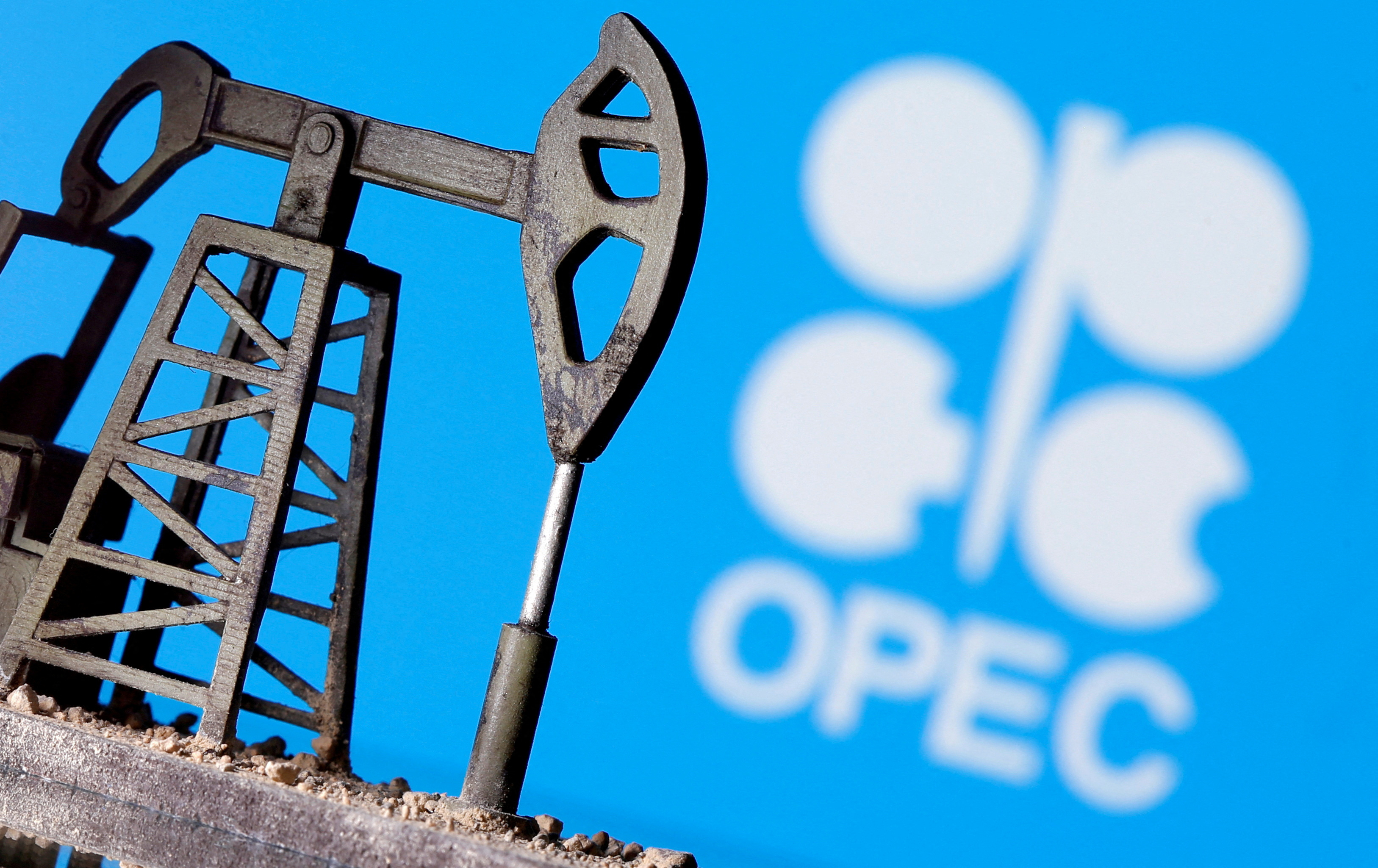
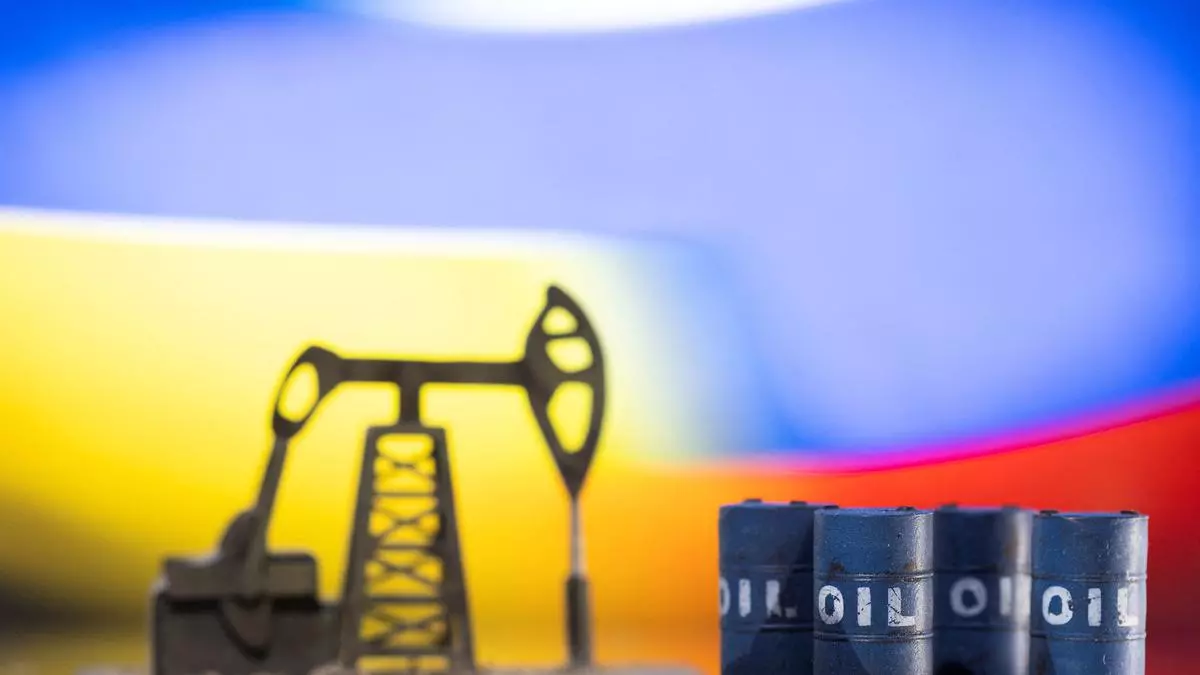
OPEC’s crude oil production in August plummeted to its lowest level since January, primarily driven by a significant drop in output from Libya. According to a recent survey, Libya’s ongoing conflict and operational disruptions have sharply curtailed its oil production, contributing to the overall decrease in the organization’s output.

The survey, conducted by an industry analysis firm, reveals that OPEC’s total crude oil production averaged approximately 28.3 million barrels per day (bpd) in August. This marks a notable decline from the 29.1 million bpd recorded in July. Libya, a member of OPEC, saw its production fall by about 300,000 bpd to just over 800,000 bpd due to severe disruptions in its oil infrastructure. These disruptions are attributed to ongoing internal conflicts and blockades affecting key oil fields and export terminals.

The decrease in Libya’s output has had a ripple effect on OPEC’s overall production levels. The survey highlights that other OPEC members have maintained relatively stable production levels or have experienced only minor fluctuations. For instance, Saudi Arabia, the organization’s largest producer, and Iraq, the second-largest, have continued their production commitments in line with previous agreements. Saudi Arabia’s output remains close to 10.5 million bpd, while Iraq produces around 4.4 million bpd.

The impact of Libya’s reduced output is compounded by broader market dynamics. Global oil prices have shown volatility, influenced by fluctuating demand and geopolitical uncertainties. The drop in OPEC’s production underscores the challenges facing the organization as it navigates a complex global oil market characterized by varying national interests and economic pressures.

Analysts suggest that the production decline could influence global oil prices, potentially pushing them higher in response to the reduced supply. However, the extent of this impact will depend on several factors, including the pace at which Libya can restore its oil output and the response of other major oil producers outside OPEC.

The situation in Libya has been a critical factor in the organization’s production dynamics. Ongoing conflict and political instability have disrupted the country’s oil industry, which has historically been a significant contributor to OPEC’s total output. Efforts to stabilize the region and restore production are ongoing, but progress remains slow.

Additionally, the survey highlights that non-OPEC countries, including major producers like the United States and Russia, continue to influence global oil supply and demand trends. The production strategies of these countries play a crucial role in shaping the broader oil market, often counterbalancing the fluctuations within OPEC.

The August production data reflects the complexities of managing a global oil supply amid geopolitical uncertainties and market fluctuations. As OPEC seeks to address the challenges posed by Libya’s output and other external factors, the organization will likely continue to adapt its strategies in response to evolving global conditions.

The future outlook for OPEC’s production levels and global oil prices will depend on several factors, including geopolitical developments, market demand, and the effectiveness of stabilization efforts in Libya and other key regions. The ongoing monitoring of these dynamics will be essential for understanding the broader implications for the global oil market and the energy sector as a whole.

ADVERTISEMENT

Gulf Cooperation Council (GCC) companies are fortifying their strategies to address a range of economic challenges as investor confidence in the region soars to unprecedented levels. This optimism is driven by the GCC’s robust economic diversification efforts and increasing stability in key markets.

The GCC, consisting of Saudi Arabia, the United Arab Emirates, Qatar, Kuwait, Oman, and Bahrain, has been actively pursuing economic reforms aimed at reducing reliance on oil revenues and fostering sustainable growth. This shift is becoming evident as regional corporates enhance their focus on non-oil sectors, including technology, renewable energy, and healthcare.

Saudi Arabia, the largest economy in the GCC, continues to make significant strides under its Vision 2030 program. Recent developments include the expansion of its non-oil industries and increased foreign direct investment (FDI). The Saudi government is leveraging its fiscal policies to attract global investors and stimulate private sector growth. Key projects such as the Red Sea Development and NEOM are expected to further bolster investor sentiment by showcasing the country’s commitment to innovation and sustainability.

The United Arab Emirates (UAE) is also experiencing a surge in investor confidence, driven by its strategic economic initiatives. The UAE’s efforts to enhance its financial markets, coupled with reforms aimed at improving the ease of doing business, have strengthened its position as a regional investment hub. Initiatives such as the introduction of new visa categories and regulatory adjustments are designed to attract talent and capital, further enhancing the UAE’s appeal to international investors.

Qatar has similarly seen a positive shift in investor sentiment, supported by its ongoing investments in infrastructure and diversification away from hydrocarbons. The country’s emphasis on developing sectors like education, health, and sports has been instrumental in driving economic growth and attracting foreign interest. Qatar’s robust economic policies and strategic investments are poised to sustain its upward trajectory in investor confidence.

Kuwait, Oman, and Bahrain are also adapting to evolving economic landscapes by focusing on fiscal reforms and diversification strategies. Kuwait’s economic plans include substantial investments in infrastructure and the development of its financial sector. Oman is enhancing its economic resilience through initiatives aimed at boosting tourism and small-to-medium enterprises. Bahrain’s economic reforms and investment in financial services are expected to foster a conducive environment for investors.

The overall trend in investor sentiment within the GCC reflects a growing confidence in the region’s economic stability and potential for growth. This shift is attributed to the GCC’s proactive approach in addressing economic challenges, enhancing business environments, and diversifying away from oil dependence. The positive outlook among investors is further supported by strong economic fundamentals and a commitment to long-term development goals.

As GCC corporates navigate these headwinds, they are increasingly focusing on strategic investments and innovation to maintain competitive advantage. The region’s evolving economic landscape presents both opportunities and challenges, requiring companies to adapt to changing market dynamics and leverage emerging trends.

The surge in investor confidence underscores the GCC’s successful efforts in transforming its economies and positioning itself as a global investment destination. With continued focus on diversification and strategic growth, the region is set to maintain its momentum and attract further investment in the coming years.

Saudi Arabia is streamlining its investment framework to attract more foreign capital, aiming to enhance its position as a leading investment destination in the Middle East. The Kingdom’s recent regulatory overhaul is part of a broader strategy to diversify its economy beyond oil dependency and encourage international investors.

The Saudi government has unveiled a series of reforms designed to simplify the process for foreign investors. Key changes include faster approval times for investment projects, reduced bureaucratic hurdles, and more transparent procedures. These measures are expected to lower entry barriers and provide a more predictable business environment for global investors.

This regulatory shift aligns with Saudi Arabia’s Vision 2030 plan, which seeks to transform the nation’s economic landscape by fostering a more robust private sector and reducing its reliance on oil revenues. Vision 2030 is a comprehensive blueprint aimed at diversifying the economy, enhancing public sector efficiency, and developing key industries such as tourism, entertainment, and technology.

In addition to streamlining administrative processes, the Saudi government has introduced new incentives for investors. These include tax breaks, subsidies, and support for infrastructure development in high-priority sectors. By offering such incentives, Saudi Arabia hopes to attract a broad range of international businesses, from technology firms to manufacturing giants.

The Kingdom’s push to attract foreign investment comes amid increasing competition from neighboring countries that are also vying to position themselves as investment hubs. Nations such as the United Arab Emirates and Qatar have implemented their own strategies to lure global capital, making the regional investment landscape highly competitive.

Saudi Arabia’s efforts have already shown some positive outcomes. There has been a noticeable uptick in foreign direct investment (FDI) flows into the country, particularly in sectors that align with the Vision 2030 goals. The influx of foreign capital is not only bolstering the Saudi economy but also contributing to job creation and technological advancement.

Several multinational corporations have announced plans to expand their operations in Saudi Arabia, attracted by the improved investment climate. These companies are setting up new facilities and forming partnerships with local businesses, further integrating Saudi Arabia into the global economic network.

Despite these advancements, challenges remain. Investors still face some risks related to political and economic stability, and ongoing global economic uncertainties could impact investment flows. However, the Saudi government’s proactive approach and commitment to creating a favorable business environment are seen as significant steps toward mitigating these risks.

Saudi Arabia’s regulatory reforms represent a decisive move to solidify its status as a top investment destination. By addressing key barriers to entry and offering attractive incentives, the Kingdom is positioning itself to capture a larger share of global investment flows, thereby supporting its long-term economic transformation goals.

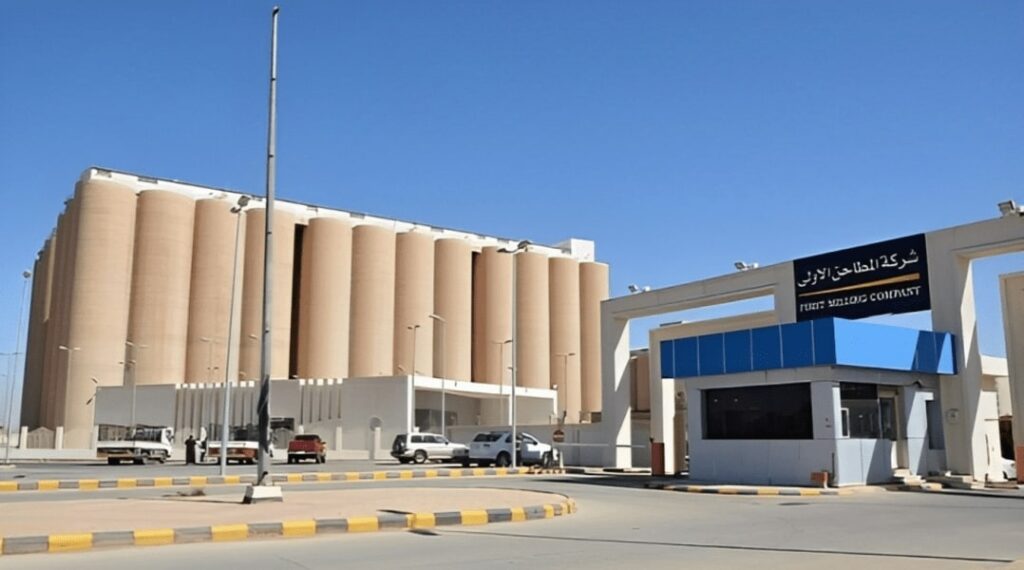
Arabian Mills for Food Products Co.’s initial public offering (IPO) in Saudi Arabia garnered significant attention, with the offering being fully covered within an hour of the books opening. This surge in investor interest reflects a robust appetite for new market opportunities and suggests continued momentum in the kingdom’s IPO market for the remainder of the year.

The IPO of Arabian Mills, a key player in the Saudi food industry, was launched as part of the ongoing surge in the Saudi financial markets. The company’s swift success highlights the thriving investment environment in the region, driven by increasing investor confidence and growing market demand. The offering was met with substantial enthusiasm, indicating that the investor base remains active and optimistic about new market entrants.

Saudi Arabia’s IPO landscape has experienced a notable transformation in 2024, with several high-profile listings capturing significant market interest. This latest offering from Arabian Mills is a testament to the buoyant sentiment among investors who are keen on capitalizing on emerging opportunities in the kingdom’s growing sectors. The rapid coverage of the IPO underscores a strong endorsement from the investment community, eager to engage with promising new ventures.

Recent trends show that the Saudi IPO market is thriving due to several factors, including economic diversification efforts and regulatory support from the government. The Saudi Vision 2030 initiative has been instrumental in reshaping the economic landscape, encouraging private sector growth, and enhancing market liquidity. This vision is reflected in the increasing number of successful IPOs and the growing participation of both institutional and retail investors.

Arabian Mills for Food Products Co. is positioned strategically within the Saudi food industry, which has seen a surge in demand due to demographic growth and changing consumer preferences. The company’s successful IPO is indicative of the strong performance of sector-specific offerings, driven by the increasing importance of food security and sustainability in the region.

Looking ahead, the IPO market in Saudi Arabia is expected to maintain its momentum, with several other companies poised to follow suit. The enthusiasm demonstrated by investors in Arabian Mills’ offering is likely to spur further activity and attract additional listings in the final months of 2024. This trend aligns with broader economic objectives and underscores the kingdom’s commitment to fostering a dynamic and diversified market environment.

The Saudi IPO market continues to attract significant attention from both domestic and international investors, reflecting the kingdom’s economic vitality and investor confidence. As the year progresses, the market is anticipated to sustain its vibrant activity, with ongoing support for new public offerings and an expanding range of investment opportunities.

The strong performance of Arabian Mills for Food Products Co.’s IPO highlights a key development in Saudi Arabia’s financial sector and sets a positive precedent for future market activities. The enthusiastic response from investors reinforces the ongoing appeal of the kingdom’s capital markets and the broader economic landscape.

ACWA Power has successfully secured $2.6 billion in financing to advance three major solar projects in Saudi Arabia, underscoring the Kingdom’s commitment to expanding its renewable energy portfolio. The projects, expected to significantly boost the country’s solar power capacity, align with Saudi Arabia’s Vision 2030 initiative, which aims to reduce reliance on fossil fuels and increase the share of renewable energy in its energy mix. The deal, […]

Saudi Arabia and Ethiopia have launched a new business council to deepen economic cooperation and boost trade between the two nations. The Federation of Saudi Chambers made the announcement following the approval by the General Authority for Foreign Trade, underscoring the growing importance of bilateral ties between Riyadh and Addis Ababa. The newly established Saudi-Ethiopian Business Council is set to operate for the 2024-2028 term and will […]

Saudi Arabia’s pharmaceutical and medical device manufacturing sectors have witnessed a significant surge, with the total number of factories reaching 206 and investments exceeding SR10 billion ($2.6 billion). This rapid growth underscores the Kingdom’s commitment to expanding its healthcare infrastructure and supporting domestic production.

The Ministry of Industry and Mineral Resources revealed that out of the 206 factories, 56 are dedicated to pharmaceutical production. These pharmaceutical factories, licensed by the Saudi Food and Drug Authority (SFDA), represent investments of over SR7 billion. This expansion aligns with the Kingdom’s Vision 2030, which aims to reduce dependency on imports by bolstering local manufacturing capabilities.

The remaining 150 factories focus on the production of medical devices and equipment. These facilities have been instrumental in meeting the country’s growing healthcare needs, especially as global supply chains faced disruptions over the past few years. The investments in medical devices alone account for SR3 billion, reflecting the strategic importance of this sector in Saudi Arabia’s broader industrial diversification efforts.

A key factor driving this growth is the government’s active support for the private sector through favorable policies and incentives. These include tax exemptions, financial grants, and streamlined licensing processes. The Kingdom has also invested in infrastructure development, creating industrial zones dedicated to pharmaceutical and medical device manufacturing, which provide companies with the necessary resources to scale their operations efficiently.

The rise in local manufacturing is also attributed to the increasing demand for healthcare services in Saudi Arabia, fueled by a growing population and the government’s focus on improving public health. The healthcare sector is one of the fastest-growing segments in the Kingdom, with the government allocating substantial funds in its budget to enhance healthcare facilities, promote research and development, and attract foreign investment.

In addition to meeting domestic demand, Saudi Arabia is positioning itself as a regional hub for pharmaceutical and medical device production. The Kingdom’s strategic location and well-developed logistics network make it an ideal base for exporting products to neighboring countries and beyond. This has attracted interest from international pharmaceutical giants looking to establish a presence in the Middle East.

The local pharmaceutical industry has also benefited from partnerships with global companies, which bring in advanced technologies and expertise. These collaborations have led to the development of new products and the transfer of knowledge, further strengthening the capabilities of Saudi manufacturers. The SFDA has played a crucial role in this regard, ensuring that locally produced pharmaceuticals and medical devices meet international standards, thus enhancing their competitiveness in the global market.

Moreover, the Saudi government has launched several initiatives to support innovation and research in the pharmaceutical and medical device sectors. These include funding programs for startups and small and medium-sized enterprises (SMEs), as well as partnerships with academic institutions to foster research and development. These efforts are aimed at creating a sustainable ecosystem that encourages continuous innovation and contributes to the long-term growth of the industry.

The ongoing expansion in the pharmaceutical and medical device manufacturing sectors is expected to continue, with the government outlining ambitious plans for the coming years. These plans include increasing the number of factories, boosting production capacity, and enhancing the quality of locally produced products. The government’s emphasis on developing these sectors is seen as a crucial step towards achieving self-sufficiency in healthcare and reducing the reliance on imports, thereby ensuring the country’s resilience in the face of global challenges.

Saudi Arabia’s strides in the pharmaceutical and medical device industries reflect its broader economic transformation under Vision 2030. By fostering local manufacturing, the Kingdom is not only enhancing its healthcare capabilities but also contributing to the diversification of its economy, creating jobs, and positioning itself as a key player in the global healthcare market.

A remarkable surge in smartphone sales has propelled London-based technology firm Nothing to the forefront of the global market, according to Canalys research. With an impressive 246% year-over-year growth during the first half of 2024, Nothing has positioned itself as the fastest-growing smartphone vendor across multiple key markets, including Saudi Arabia, the United Kingdom, Japan, India, Spain, and Italy.

The company’s expansion strategy has been bolstered by the launch of several new products. Nothing introduced the Phone (2a) and a Special Edition variant, alongside its flagship Phone (2), which debuted in July 2023. These offerings have been instrumental in driving the company’s significant market share increase, particularly in regions like the UAE, where the Phone (2) ranked third in its price category during Q2 2024.

Beyond smartphones, Nothing has also made notable strides in the True Wireless Stereo (TWS) segment. The company recorded an exceptional 313% growth in TWS sales during H1 2024 compared to the previous year. This momentum continued into Q2 2024, where Nothing became the fastest-growing TWS vendor in countries such as France, the USA, Spain, Italy, and the Netherlands.

This rapid growth reflects Nothing’s strategic focus on innovation and market expansion. The company’s ability to swiftly scale its operations and adapt to varying consumer demands across different regions has set a new benchmark in the competitive tech landscape. As Nothing continues to expand its product lineup and geographical presence, the company’s upward trajectory is expected to persist in the coming months.

The Canalys report underscores Nothing’s growing influence in the global technology sector, with its market performance in H1 2024 signaling a significant shift in the competitive dynamics of the smartphone and TWS markets.

VISHNU RAJA
RYO YAMADA
HITORI GOTOH
IKUYO KITA
Social Media Auto Publish Powered By : XYZScripts.com