News related to
Saudi

MoneyGram, a global leader in digital payments, has announced the resumption of its money transfer services through a newly reinvigorated partnership with Bank AlJazira, one of Saudi Arabia’s prominent banking institutions. This move marks a significant step in advancing the Kingdom’s financial landscape, offering seamless physical and digital cross-border money movement solutions across the country.

The collaboration will allow MoneyGram to leverage Bank AlJazira’s expansive network of physical locations, ensuring that customers in Saudi Arabia can send and receive funds swiftly and securely. It also highlights the growing importance of digital channels in a nation increasingly shifting toward a more digitally integrated economy. The resumption of these services comes at a crucial time, with Saudi Arabia’s Vision 2030 blueprint pushing for greater financial inclusion and a more robust digital ecosystem.

MoneyGram has long been a key player in the cross-border payments industry, with its services spanning more than 200 countries and territories. In Saudi Arabia, the company is now positioned to meet the demands of an expanding customer base that increasingly seeks more accessible, secure, and instantaneous ways to transfer funds internationally.

The partnership with Bank AlJazira, a major player in Saudi’s banking sector, offers a wide-reaching solution for those in the Kingdom who rely on international money transfers for both personal and business purposes. Saudi Arabia has long been one of the largest remittance markets globally, with millions of people relying on money transfer services to send funds to family members overseas.

Saudi Arabia’s vision to become a global financial hub in the region has paved the way for international financial institutions to enter the market, forming partnerships to enhance the ease of conducting international transactions. The latest collaboration between MoneyGram and Bank AlJazira exemplifies this trend, aligning with the Kingdom’s ongoing push to modernise financial infrastructure, streamline cross-border payments, and ensure broader access to digital services.

The financial ecosystem in Saudi Arabia is rapidly evolving. The country’s push for digital transformation is supported by extensive government initiatives, including the Saudi Payments Company and the Financial Sector Development Programme. These initiatives aim to facilitate a more secure, transparent, and inclusive financial landscape. As part of this ongoing transformation, the re-establishment of MoneyGram’s services through a leading bank like AlJazira offers not only more efficient payment processing but also greater accessibility to the broader public.

MoneyGram’s digital capabilities will complement Bank AlJazira’s offerings, ensuring that both physical and digital touchpoints are well-integrated for consumers who demand flexibility in their money transfers. This move also benefits both businesses and individuals, particularly those who may prefer using mobile apps or websites to send money to and from international locations.

The recent resumption of services takes place amidst growing competition in the cross-border payment space. With numerous global players, including Western Union, PayPal, and emerging fintech startups, expanding their presence in Saudi Arabia, MoneyGram’s ability to leverage a strong local partnership enhances its positioning in the market. The company’s collaboration with Bank AlJazira provides it with an opportunity to tap into a network of customers who value both security and convenience.

Bank AlJazira, with its strong reputation in the Kingdom, offers a well-established platform that can seamlessly integrate with MoneyGram’s international remittance network. This partnership will allow consumers and businesses alike to experience an enhanced service offering, particularly in terms of speed and ease of access to funds. With a robust infrastructure already in place, this new initiative seeks to further enhance the efficiency of cross-border payments for people within and outside Saudi Arabia.

With Saudi Arabia focusing on economic diversification and growing international trade partnerships, the enhanced digital and physical money transfer services come at an opportune moment. The Kingdom’s ambitious Vision 2030 plan, which includes bolstering the digital economy and expanding financial services, presents a dynamic backdrop for collaborations like this. By tapping into the burgeoning digital economy, MoneyGram and Bank AlJazira are aligning themselves with the country’s long-term goals.
By Manish Rai Recently, we saw large-scale violence targeting the Syrian Druze community in Sweida province in southern Syria. Druze are a small religious minority group in Syria and are around 3.20% of the total Syrian population. As per the Syrian Observatory for Human Rights (SOHR) Syrian interim President Ahmed al-Sharaa’s forces and allied militias have carried out massacres in Sweida, and approximately 600 members of the […]

Saudi Arabia has revealed the complete details of a groundbreaking law that regulates real estate ownership by non-Saudis, following its approval by the Cabinet earlier this month. The law, which will be enacted 180 days from its publication, signals a significant shift in the Kingdom’s stance towards foreign ownership of property, opening up new opportunities for individuals, companies, and non-profit entities abroad. The law, published in the […]

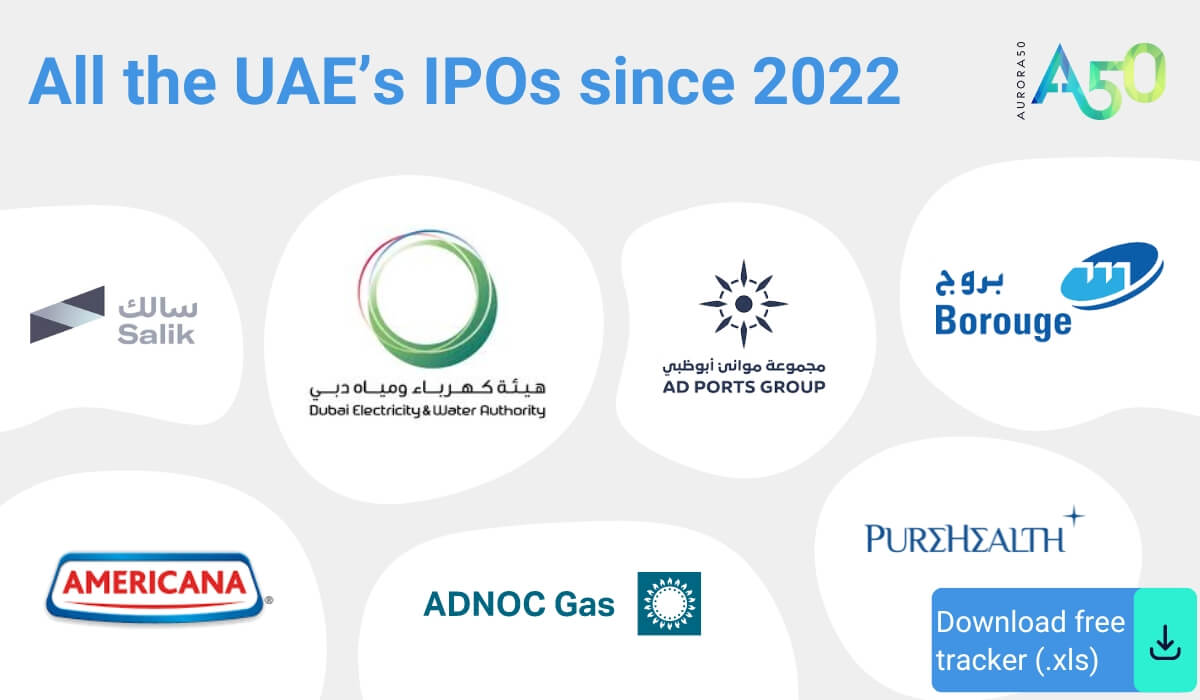
UAE equity capital markets are poised for an uptick in activity, with Citi forecasting three to five initial public offerings by 31 December—assuming timely regulatory clearance and robust pre‑marketing, said Rudy Saadi, Citi’s managing director and head of MENA Equity Capital Markets. This comes amid renewed investor enthusiasm as the nation positions itself as a regional IPO hub.

Saadi noted that although privatisations have slowed, market sentiment remains firmly positive for the remainder of 2025 and into early 2026. The expected pipeline includes a mix of family‑owned concerns and state‑affiliated enterprises alongside follow‑on offerings from listed firms.

Delivering context, UAE exchanges have tapped international and domestic liquidity in recent quarters. Spinneys and Alef Education raised $375 million and $515 million, respectively, in the second quarter, channelling nearly $890 million overall through new IPOs. Dubai and Abu Dhabi exchanges continue to push private‑sector listings, underscoring wider capital‑markets evolution.

Citi’s optimism is reinforced by Bloomberg’s observation of renewed momentum in regional share sales heading into H2 2025. The uptick appears linked to improved regulatory frameworks, deeper secondary‑market liquidity and evolving investor appetite across institutional, family‑office and retail segments.

Market analysts point to several emerging trends. Firstly, regulatory authorities in both Dubai and Abu Dhabi are progressively enhancing governance and foreign‑ownership rules to attract global participants. UAE entities now find listing conditions more competitive compared with established markets in Europe or the US.

Secondly, a shift is apparent from state privatisations to private‑sector flotations. Family‑owned businesses and tech‑focused enterprises are now stepping into the spotlight—supported by increasing liquidity and appetite from international institutional investors.

Thirdly, follow‑on share sales are gaining traction, offering listed firms a refundable route for fresh capital without navigating a full IPO process. Analysts expect more such offerings in sectors including financial services, healthcare and logistics, reflecting healthier balance sheets and growth trajectories among UAE firms.

Beyond sheer numbers, quality is a key consideration. Saadi indicates that approval pace and pre‑marketing success are decisive factors. In prior cases, such as Spinneys and Alef Education, strong institutional subscription signalled robust investor interest—suggesting forthcoming listings may mirror this level of demand.

Banking and asset‑management houses in the region—among them Citi, EFG Hermes and Emirates NBD Capital—are reportedly managing a cohort of potential issuers. EFG Hermes projected a busy second half of 2025 across Saudi Arabia and the UAE, with several consumer‑focused businesses preparing to list.

This momentum positions the UAE to lead IPO activity across the Middle East. In 2024, Gulf IPO volumes reached multi‑billion‑dollar levels; UAE exchanges, buoyed by sizeable debuts like Talabat’s Dh1.6bn listing in November 2024, claimed top status in IPO fundraising for three consecutive years.

Looking ahead, investor appetite appears steady, albeit cognisant of broader economic headwinds, including global interest‑rate trajectories and geopolitical uncertainties. Saadi stressed the significance of sentiment over macroeconomic factors when gauging regional appetite, citing Middle Eastern equity capital market resilience.

Key players set to define the coming wave include family‑owned conglomerates deliberating partial listings, firms in consumer and tech verticals exploring exit paths, and existing public companies seeking growth capital via follow‑on offerings. Leading financial houses continue to harmonise local issuers with global investor pools.

ADVERTISEMENT

Global oil consumption has shifted, with demand now peaking in the third quarter instead of the traditional fourth, signalling a structural change reshaping markets during the summer months. Analysts point to stronger consumption from Asia—particularly China and India—alongside diminished heating fuel use in advanced economies as key drivers behind this trend, which carries significant implications for trading patterns, strategic reserves and pricing dynamics.

Industry data show that consumption of heating oil and kerosene in wealthy nations has declined steadily. In the US, fewer households rely on refined petroleum for heating—dropping from 17 % in 1990 to just 9 % today—while Europe has seen even steeper falls. Conversely, jet fuel use during Northern Hemisphere summers has grown, especially as holiday travel resumes. This has pushed demand peaks into July–September, reversing a long-standing seasonal rhythm.

Fuel consumption patterns in emerging economies present a stark contrast. Many countries, including those closer to the equator, rely on oil year-round for industrial power, electricity generation, and water desalination. Saudi Arabia, for instance, burned over 800,000 barrels per day of crude in just one summer to power air conditioning—a volume comparable to Belgium’s entire daily petroleum demand.

Climate change compounds the shift. Milder winters reduce heating demand, while hotter summers elevate energy needs for cooling and travel. In 2025 so far, global oil consumption in the third quarter is projected to exceed fourth-quarter levels by approximately 500,000 barrels per day—the fifth recorded year this has happened since 1991.

This transformation carries consequences for market tightness and pricing. Although OPEC+ and rising non‑OPEC output have attempted to balance supply, physical markets appear increasingly tight during summer months. In mid-July, Brent crude hovered in the mid‑US$60s, reflecting supply constraints despite softening from spring lows. Speculative traders, noting robust seasonal demand, have also increased their net long positions in Brent and gasoil contracts.

Asia’s role has been pivotal. China ramped refinery runs to over 80 % of capacity in June—the highest levels in five years—as stockpiling alongside consumption drove strong throughput. Meanwhile, Asia’s crude imports rose by around 510,000 bpd in the first half of 2025, underscoring the region’s impact. Despite cautious forecasts from the IEA and OPEC—projecting crude demand growth of 700,000 bpd and 1.29 million bpd respectively—actual refinery intake and imports suggest potential underestimation.

India’s fuel consumption trends provide further insights. June data from the Petroleum Planning and Analysis Cell show fuel demand was 20.31 million tonnes—down 4.7 % from May but up 1.9 % year-on-year—reflecting monsoon-related dips typical through August and September. Diesel usage, especially linked to industry and logistics, is a key part of India’s expanding consumption profile.

OPEC+ has responded to these dynamics. In August, the alliance approved production increases of roughly 548,000 bpd aiming to satisfy peak Q3 demand. Simultaneously, US shale output remains robust; American producers reported nearly 13.5 million bpd in April, although well completion rates have slowed, reflecting the dependency on prices.

Nevertheless, the market outlook grows more uncertain as it heads into fourth quarter. The EIA forecasts OECD inventories will build to 62 days’ worth of supply in the second half of 2025—rising further to 66 days by end-2026—signalling a potential surplus as summer demand wanes. EIA projections for 2026 also expect US production to decline, with WTI prices retreating toward US$53 per barrel.

Pricing reflects this shift. Oil markets have shown summer tightness in 2025, but expectations for a Q4 surplus weigh on medium-term prices. The IEA forecasts refinery throughput will drop from a projected August peak of 85.4 million bpd to about 81.7 million bpd by October, implying weaker demand later in the year.

The shift in seasonality thus becomes a critical market pivot. Traders, refiners and producers must recalibrate strategies around production schedules, storage cycles and investment decisions. Q3 now demands heightened vigilance—from physical balancing to hedging strategies—while Q4 may require reassessment of storage utilisation and pricing risk.

Islamic-aligned transactions in the UAE soared to US $1.53 billion between 2023 and 2024, securing its position as the second-most active market after Indonesia in the global Sharia-compliant investment landscape. These figures, shaped by 50 deals covering mergers and acquisitions, private equity, and venture capital, are drawn from the 11th State of the Global Islamic Economy report by DinarStandard. Indonesia led this period with 40 deals amounting to US $1.60 billion, […]

Fintech firm Qlub has raised $30 million in a funding round aimed at accelerating its global expansion and deepening its technological capabilities. The Dubai-based startup, known for digitising the dining experience, has drawn strong investor interest as it scales operations across Asia, the Middle East, and other international markets. The funding round was co-led by UAE-headquartered Shorooq Partners and Berlin-based Cherry Ventures, marking a cross-border vote of […]

Advertisements
ADVERTISEMENT

Titan Company has struck a deal to acquire a 67% stake in Dubai-headquartered luxury jeweller Damas from Qatar-based Mannai Corporation in a transaction valued at 1.04 billion dirhams, or approximately $283.2 million. The move is poised to significantly strengthen Titan’s footprint in the Gulf region, positioning the Tata Group company among the largest subcontinent-origin jewellery players operating in the Middle East.

The acquisition agreement, announced on Monday, marks a pivotal expansion for Titan beyond its current presence in the UAE, where it has operated under the Tanishq brand since October 2020. The transaction is expected to close by 31 January 2026, subject to regulatory approvals and customary closing conditions. Titan will also retain an option to purchase the remaining 33% equity in Damas after 31 December 2029, effectively laying the groundwork for full ownership over time.

The deal will give Titan direct access to Damas’ well-established network of 146 outlets across the six Gulf Cooperation Council nations — United Arab Emirates, Saudi Arabia, Qatar, Oman, Kuwait, and Bahrain. With only seven Titan-operated Tanishq stores currently open in the region, the acquisition presents a strategic leap in scale, market share, and regional brand visibility for the Bengaluru-based jeweller.

Damas, founded in 1907, is one of the most recognisable names in the Middle East’s luxury jewellery market. It has developed a reputation for catering to the region’s taste for high-end gold and diamond jewellery, and is known for its broad in-house product range and partnerships with international luxury brands. Mannai Corporation, which has owned Damas since 2012, has been looking to streamline its portfolio, prompting the divestment.

For Titan, the acquisition offers both a fast-track into the premium Gulf retail market and an opportunity to accelerate synergies across procurement, branding, and customer experience. The company is expected to retain Damas’ brand identity and existing management structure, allowing the Dubai-based business to continue leveraging its established reputation while benefitting from Titan’s supply chain and operational expertise.

The Middle East has been a target market for Titan’s international ambitions, driven by the strong presence of the South Asian diaspora and a deep-rooted cultural affinity for gold. The GCC region’s jewellery market is estimated to be worth over $10 billion, with gold accounting for a large share of consumer demand. Analysts view Titan’s acquisition of Damas as a strategically sound move in an environment where cross-border consolidation is becoming increasingly common in luxury retail.

Titan has grown to become one of the most dominant jewellery retailers in South Asia through its flagship brand Tanishq, which is positioned as an accessible luxury label offering a blend of traditional and contemporary designs. The company also operates sub-brands such as Mia and Zoya, each catering to specific consumer segments. Over the past decade, Titan has expanded into new domestic categories and entered select global markets, but the Damas deal marks its most ambitious international push yet.

The acquisition is being viewed by market observers as a significant play within the broader Tata Group strategy of boosting global brand equity across consumer-facing businesses. Following the group’s international expansions in hospitality, automotive, and technology, Titan’s move consolidates Tata’s multi-sectoral presence in the Gulf and taps into a region with rising demand for premium lifestyle offerings.

Financial analysts have underscored the deal’s strategic value, citing Damas’ established customer base and premium positioning, which could drive faster break-even timelines than greenfield expansion. Furthermore, the GCC’s favourable demographic trends and consistent gold demand have added to investor optimism around the deal’s long-term prospects.

Despite geopolitical uncertainty and fluctuations in gold prices, jewellery retail in the Gulf continues to enjoy high volumes due to cultural norms and steady tourist inflows, especially in the UAE. Titan’s increased footprint through Damas will place it in a better position to cater not just to residents but also international shoppers across the region’s major commercial and tourist hubs.

Titan has confirmed that the acquisition will be funded through internal accruals and debt, with no equity dilution expected in the near term. The company’s board has approved the investment, and the transaction is aligned with its long-term capital allocation strategy.

Executives at Titan have expressed confidence in Damas’ future growth trajectory and have indicated that the company will invest further in marketing, store refurbishment, and digital initiatives to modernise the customer journey. Damas’ product portfolio, which includes bridal sets, heritage pieces, and limited-edition designs, will remain intact as Titan aims to preserve the local flavour while infusing global best practices.

A consortium led by Air Arabia and partners Nesma Group and KUN Holding has secured approval from Saudi Arabia’s General Authority of Civil Aviation to establish and operate a low‑cost carrier based at King Fahd International Airport in Dammam. The airline is expected to begin operations in 2026, with a fleet of 45 aircraft serving 24 domestic and 57 international destinations by 2030. GACA projects the carrier will transport […]

Greenlogue/AP ACWA Power has forged multi-party preliminary agreements with European energy giants to assess exporting renewable energy and green hydrogen from Saudi Arabia to Europe via the India–Middle East–Europe Economic Corridor. The accords aim to explore large-scale project feasibility and develop cross-border transmission corridors. The MoUs were signed in Riyadh on 20 July during a Renewable Energy and Green Hydrogen Export Workshop presided over by the Ministry of Energy. […]

ADVERTISEMENT

Al‑Futtaim Retail has agreed to acquire a 49.95 per cent stake in Cenomi Retail from major shareholders for about SAR 2.52 billion, signalling a major strategic shift in Saudi Arabia’s retail sector. The agreement, unveiled through a statement on Tadawul today, July 20, 2025, also includes a conditional shareholder loan to boost Cenomi’s balance sheet.

Under the share purchase agreement signed on July 18, Al‑Futtaim would purchase approximately 57.33 million shares from the Alhokair family, Saudi FAS Holding and FAS Real Estate at SAR 44 per share. Completion hinges on regulatory clearance and execution of a parallel SAR 1.3 billion loan agreement aimed at shoring up working capital.

Al‑Futtaim, a UAE conglomerate with a broad portfolio spanning franchising, automotive, real estate and financial services, brings deep retail expertise and a strong track record with global brands. Its investment is expected to stabilise Cenomi’s liquidity, support operational continuity and bolster its capacity for expansion.

Cenomi Retail, part of Fawaz Abdulaziz Alhokair Co., has navigated a challenging turnaround. It holds the largest brand portfolio in Saudi Arabia, operating over 800 stores across eight countries and managing more than 85 international brands, including Zara under a long-term agreement with Inditex. The firm successfully launched a landmark Zara concept store in Riyadh in December 2024, integrating digital and physical retail channels.

Despite these strengths, Cenomi has suffered persistent financial strain. It reported a SAR 1.1 billion net loss in 2023 amid deteriorating margins, asset write-downs and weakening equity. Total assets collapsed by 36 per cent to SAR 4.6 billion by end‑2024, while shareholder equity turned negative – warning signs that triggered restructuring efforts in 2024.

In response, Cenomi embarked on an aggressive restructuring: disposing of non-core brands and outlets, offloading 16 franchises in early 2024, divesting five further brands with 121 stores to Abdullah Al Othaim Fashion Co. in October, and appointing Salim Fakhouri as CEO. The divestments, totalling SAR 2 billion, aimed to streamline operations around “champion” brands like Zara. By mid‑2024, losses had mounted to SAR 1.5 billion.

Earlier this month, Cenomi confirmed it was in talks to bring in a strategic investor for nearly half its capital, accompanied by a shareholder loan. Today’s announcement reveals that investor as Al‑Futtaim, although final terms on the loan are still under discussion.

The deal aligns with broader growth trends in Saudi Arabia’s retail sector, which is projected to expand at roughly 7.1 per cent CAGR through 2029. Economic diversification under Vision 2030, expanding consumer spending and rising tourism are driving omnichannel retail innovation. Cenomi’s launch of cenomi. com and its O2O model position it to capitalise on these trends, though profitability remains a concern.

Analysts have flagged Cenomi as a high-risk, high-reward prospect. With a forward P/E of around 14.3x and a weak operating margin, its distressed balance sheet raises concerns over equity dilution. However, sustained operational cash generation—SAR 1.3–1.4 billion annually—suggests underlying business viability.

Al‑Futtaim’s entry provides a critical capital injection that could stabilise Cenomi’s finances and underpin its digital expansion. Industry observers note that Majid Al Futtaim and Emaar have successfully executed omni-channel models in the region; Al‑Futtaim’s deep supply chain know-how and brand partnerships could replicate that success in Saudi markets.

Following deal closure, which remains subject to approvals, Al‑Futtaim will command nearly half of Cenomi’s share capital and will have extended a substantial shareholder loan. The injecting of both capital and expertise is expected to bolster Cenomi’s capability to restore profitability and reclaim market leadership.

M A Hossain It is easy to overlook the quiet revolutions in geopolitics, especially when the headlines are dominated by wars in Ukraine and Gaza, tensions in the Indo-Pacific, or the perennial drama of U.S.-China rivalry. Yet, beneath the surface of global power struggles, there is a subtler but equally consequential shift unfolding across Central Asia and the South Caucasus. And it is not Moscow, Beijing, or […]

Arada Developments, the Sharjah-based property developer, is preparing to raise up to $500 million via an Islamic bond as it joins a wave of Gulf real estate firms turning to debt markets to fund expansion. The group plans to launch the issuance next week to finance new land purchases and capitalise on a construction surge across the United Arab Emirates. The proposed sukuk issue represents a strategic […]

Bahrain’s Crown Prince Salman bin Hamad Al Khalifa has secured a deal for Gulf Air to acquire 18 Boeing 787 Dreamliner aircraft fitted with General Electric engines, marking a departure from the carrier’s previous reliance on Rolls‑Royce engines. At a meeting held in Washington with U. S. President Donald Trump, the agreement was signed alongside a broader $17 billion suite of investments from Bahrain in the United States. […]

ADVERTISEMENT

Saudi Aramco is in advanced discussions with a consortium spearheaded by BlackRock to secure approximately $10 billion for infrastructure linked to its expansive Jafurah gas initiative. The financing structure echoes prior deals, with investors purchasing usage rights while Aramco retains operational control and ownership.

The proposed transaction centres on critical assets—specifically pipelines and a processing facility—essential to the $100 billion Jafurah project, the world’s largest shale gas development outside the United States. Aramco aims to lift gas output by 60 per cent by 2030 from 2021 levels.

This initiative represents another strategic approach by Gulf oil majors to diversify their revenue models amid volatile crude prices. The deal allows Aramco to tap private capital while offering investors stable tariff income backed by long‑term usage commitments.

In 2021, BlackRock and EIG invested in Aramco’s gas and oil pipeline subsidiaries through similar lease‑back transactions, collectively raising nearly $28 billion. Under those agreements, Aramco retained a 51 per cent stake in each entity and paid tariffs to investors for pipeline usage, a structure described by consultancy Qamar Energy as more akin to borrowing than a sale.

With this new deal, Aramco continues its disciplined approach to infrastructure financing. The Jafurah project itself is a linchpin of Saudi Arabia’s energy transition agenda, aligning with national objectives to bolster gas production and reduce reliance on oil exports.

While those familiar with the talks confirm the structure mirrors the 2021 transactions, the group declined to specify a timeline for finalisation. Both Aramco and BlackRock declined to comment.

Experts note that such arrangements enable Aramco to free up capital for diversification ventures while retaining strategic infrastructure oversight. “The pipeline deals were basically a securitisation,” said Robin Mills, chief executive of Qamar Energy, referencing the 2021 transactions.

Market analysts believe this deal could serve as a template for financing future segments of Jafurah, which is expected to reach production of 2 billion cubic feet per day by 2030.

Taken together with Aramco’s earlier asset sales—such as its consideration of offloading gas-fired power plants and port infrastructure—these moves reflect mounting government pressure to boost proceeds amid a fiscal deficit and fluctuating oil revenues.

Saudi Arabia’s reliance on oil revenues—which accounted for around 62 percent of state income in 2024—has prompted a series of asset realisations, bond issuances and structured financing to support large-scale domestic projects and broaden the economic base.

The Jafurah deal also highlights growing investor appetite for stable, long‑dated infrastructure revenue streams in the Gulf. With institutional players like BlackRock involved, these deals are gaining traction as a viable alternative to traditional equity or debt-financing routes. Analysts suggest more such partnerships could emerge as the kingdom scales up energy-reform initiatives, including clean energy and non-oil sectors.

As the deal progresses, stakeholders will monitor its structure, particularly in comparison with the 2021 models, and assess implications for Aramco’s capital allocation strategy. The outcome could influence both market perception of the firm and broader investment flows into Middle East energy infrastructure.

Bahrain’s Crown Prince Salman bin Hamad Al Khalifa has unveiled a $17 billion investment plan in the United States following a high-level meeting with President Donald Trump at the White House. The announcement signals deepening economic and strategic ties between Manama and Washington, with deals cutting across aviation, energy, and defence sectors.

A key feature of the plan includes a contract worth approximately $7 billion under which Gulf Air, Bahrain’s flag carrier, will purchase 12 Boeing aircraft. The agreement also includes an option for six additional planes and 40 aircraft engines from General Electric. The deal was presented as a tangible outcome of bilateral discussions, reinforcing Bahrain’s commitment to US industry and technology.

Crown Prince Salman described the deals as “real” and economically sound, addressing scepticism often associated with foreign investment pledges. The statement, made from the Oval Office, was aimed at highlighting the financial credibility of the agreements. “These aren’t fake deals,” he remarked, drawing a sharp contrast with previously publicised but unfulfilled investment promises by other nations.

The Bahraini leader’s Washington visit followed a similar pattern to President Trump’s earlier engagement with Saudi Arabia, during which over $600 billion in US investment commitments were secured. Trump had also finalised a $142 billion arms agreement with Riyadh. Bahrain’s announcement is now being viewed as a strategic move to bolster its position as a reliable economic and security partner of the United States.

The investment plan is expected to deliver significant economic dividends to both countries. For the US, the immediate impact would be in job creation, especially across Boeing’s manufacturing facilities and GE’s industrial operations. For Bahrain, the plan strengthens access to cutting-edge aviation technology and helps modernise its national infrastructure in both civil and defence aviation.

The timing of the announcement also reflects the evolving regional security dynamics in the Gulf. Iran’s influence and the broader geopolitical situation were key discussion points during the White House meeting. Bahrain, which hosts the US Navy’s Fifth Fleet, has remained a close military ally to Washington. The investment commitment not only serves economic purposes but also underscores Bahrain’s alignment with US strategic objectives in the Middle East.

Observers note that the choice of sectors—aviation, defence technology, and energy—signals Bahrain’s intent to link its national growth trajectory with American innovation and industrial capability. Gulf Air’s fleet expansion through Boeing jets and GE engines is viewed as a cornerstone of this agenda. Beyond the aviation component, additional investment is expected in energy-related projects and advanced technology, although specific agreements in these areas are yet to be publicly detailed.

The financial scope of the investment echoes previous patterns of engagement between Gulf monarchies and US administrations. Bahrain’s capital injection arrives amid growing competition among Gulf states seeking to secure American technological partnerships and defence cooperation, while positioning themselves as key regional intermediaries.

For President Trump, who had prioritised foreign investment in US manufacturing and defence during his tenure, the $17 billion figure plays into the broader narrative of restoring domestic industrial capacity through global alliances. It also fits into the administration’s push for balancing trade relationships and encouraging allies to contribute more significantly to US economic interests.

Strategic analysts have pointed out that the Gulf kingdom’s outreach comes at a time when regional alliances are undergoing shifts. Bahrain has been at the forefront of some of the Arab world’s diplomatic realignments, including its role in the Abraham Accords. The alignment with US economic and security goals could further consolidate its position as a trusted partner in American foreign policy planning for the Gulf.

Crown Prince Salman’s visit marked the continuation of a trend where Middle Eastern states use bilateral state visits to announce substantial investment projects. These announcements serve dual purposes: generating domestic political capital for US leaders while allowing foreign partners to project influence and economic modernisation.

Washington policymakers have signalled approval of the deals, suggesting that the partnership with Bahrain could deepen further in sectors such as infrastructure development, cyber-security, and military training. While the specifics of such cooperation are yet to materialise in binding agreements, the tone from both capitals points toward an expanding strategic partnership.

Saudi Arabia has attracted SR3.2 billion in venture capital funding for startups during the first half of 2025, overtaking the Kingdom’s total VC investment for the whole of 2024. MAGNiTT data show Saudi accounted for 56 per cent of all VC inflows into the Middle East and North Africa region in that period. Investor confidence in the Kingdom is heightened by its alignment with Vision 2030 reforms and concerted government backing. […]

ADVERTISEMENT

The National Centre of Meteorology issued an advisory este morn for southeasterly winds gusting up to 40 km/h across the UAE, leading to heavy dust and sand lifting in internal and coastal areas. The conditions are expected to significantly reduce horizontal visibility—at times below 2,000 metres—between roughly 08:45 and 17:00. Abu Dhabi Police cautioned motorists to drive with care, maintain low speeds, and avoid distractions like using phones or filming while on the move.

Winds forecast for the day have already led to hazy skies over urban centres, with dust clouds drifting across highways and neighbourhoods. Officials warn that compromised visibility on roads will heighten accident risks, prompting emergency services to remain on alert.

Abu Dhabi Police reinforced the message, urging:

“Drivers to remain alert and reduce speed … For your safety and the safety of others on the road, please avoid using mobile phones or taking videos while driving.”

The statement formed part of a broader appeal urging residents to secure outdoor items and stay informed via official channels.

High winds sweeping the region echo seasonal patterns observed in previous years. The meteorological phenomenon known as “Shamal” brings northwesterly gusts that whip up desert dust, especially during summer’s peak between April and October. These episodes often downgrade visibility to well under 2 km. In fact, storms recorded in 2008, 2009 and 2010 show how recurrent and sudden these events can be.

An Abu Dhabi dust storm struck last Thursday, when winds triggered restricted visibility and led authorities to issue similar warnings earlier in July. The NCM had foreseen rough sea conditions in the Arabian Gulf, cautioning mariners of choppy waters and advising against unnecessary travel offshore.

Studies by geophysics experts at Khalifa University and warnings from the World Meteorological Organization indicate that shifting climate patterns may be contributing to increased dust frequency in the Gulf, with “early summer and late winter” transitions becoming more pronounced.

Commuters in Abu Dhabi, Dubai, Al Ain and Sharjah were met with drifting dust obscuring visibility, particularly on highways and arterial routes. Between 1 pm and 3 pm yesterday, multiple reports noted local visibility dropping below 1 500 metres near Dubai International Airport and adjacent roadways.

Transport authorities are urging drivers to obey reduced speed limits displayed on overhead electronic boards, as fine particles may settle on windshields, diminishing visibility further. School bus operators, logistics firms, and delivery services have been advised to take precautions or suspend outdoor activities until conditions improve.

Indoor spaces and construction sites are under advisory to ensure dust mitigation measures are in place, including sealing entrances and using air filtration systems. Medical professionals have also warned individuals with respiratory concerns to limit outdoor exposure and keep medications close at hand.

The repeated advisories align with broader international efforts to establish regional early-warning systems. During last spring, the World Meteorological Organization highlighted Saudi Arabia’s leadership in a Gulf-wide sand and dust storm monitoring initiative.

Given the projected continuation of these conditions into the evening, motorists and residents are advised to remain alert. The police statement urged community action:

“For your safety and the safety of others … please avoid using mobile phones or taking videos while driving.”

The pattern of such weather events reflects the UAE’s climate trends, where extreme heat, strong winds, and suspended dust become frequent during the summer months. These conditions contribute to regional cautionary measures and highlight the interplay between natural climate cycles and growing urban risk exposure.

Momentum across the United Arab Emirates’ equity capital markets is building as the second half of 2025 begins, while Saudi Arabian firms preparing share issuances are confronting investor concerns over lofty valuations. May’s launch of a residential real estate investment trust on the Dubai Financial Market reignited market sentiment after a lull in listing activity during the previous year. Investor interest is intensifying ahead of expected deals […]

Uber Technologies and Baidu Inc. have confirmed a multi‑year strategic alliance to bring Baidu’s Apollo Go autonomous robotaxis to markets beyond the U. S. and mainland China, initiating the programme later this year in select cities across Asia and the Middle East. The new service, integrated into the Uber app, will offer riders the option to choose fully driver‑free vehicles powered by Apollo Go’s advanced AI systems.

Apollo Go currently operates the world’s largest driverless ride‑hailing network, with more than 1,000 fully autonomous vehicles deployed across 15 cities—including Dubai and Abu Dhabi—and over 11 million rides completed as of May 2025. The expansion, announced on 15 July 2025, marks a significant move by Uber as it intensifies its foray into autonomous vehicles, supplementing existing partnerships with other AV developers such as Waymo, Pony AI, WeRide, May Mobility, Volkswagen and Avride.

Uber CEO Dara Khosrowshahi described the venture as a decisive milestone: “This partnership brings together two of the world’s most iconic technology companies to help shape the future of mobility. As the world’s largest platform of its kind, spanning mobility, delivery, and freight, Uber is uniquely positioned to help AV leaders like Baidu bring their autonomous technology to the world.” Baidu’s co‑founder and CEO Robin Li added that integrating Baidu’s autonomous driving technology with Uber’s network represents “a major milestone in deploying our technology on a global scale,” aimed at delivering safe, efficient and cost‑effective transport to a wider audience.

Market response to the announcement has been positive: Uber’s shares rose more than 1 % in pre‑market trading in the U. S., while Baidu’s U. S.‑listed stocks surged almost 5 %, reflecting investor confidence in the deal’s potential to accelerate autonomous mobility adoption worldwide.

The initial deployment targets key cities in Asia—potentially including Singapore and Malaysia where Baidu plans to launch Apollo Go this year—and in the Gulf region, where regulatory environments are favourable and infrastructure is supportive. Recent reports highlight that Gulf countries such as the UAE and Saudi Arabia aim to have at least 25 % of transport in major cities autonomous by 2030‑2040, presenting a promising opportunity for robotaxi services.

Analysts view the Uber‑Baidu partnership as a pivotal step in global AV expansion. By entering markets outside its core regions, Baidu leverages an “asset‑light” international strategy driven by collaboration instead of proprietary platforms. Uber gains immediate access to a proven self‑driving fleet without the development time and costs associated with in‑house technology, bolstering its competitiveness in the robotaxi space, particularly against rivals like Lyft and Waymo.

Safety and regulatory scrutiny remain top concerns. Apollo Go’s record of over 11 million rides with a robust safety profile strengthens public and regulatory confidence. Still, each market’s regulatory readiness varies, requiring phased live testing and strong oversight to meet local licensing standards.

Financially, the deal promises dividend benefits. By significantly increasing supply of robotaxis through Uber’s platform, Baidu stands to accelerate revenue from its autonomous segment, potentially addressing investor concerns over its core advertising business. Uber, which has seen its stock climb 56 % this year, reinforces its diversification into autonomous and freight services ahead of its Q2 earnings report scheduled for 6 August.

Competition is heating up. The Gulf region already hosts partnerships between Uber and Chinese AV firms such as Pony AI and WeRide, both of which are conducting trials or planning roll‑outs in Dubai and Abu Dhabi. Baidu’s entry into this competitive space joins a growing group of Chinese robotaxi operators—such as Pony AI, AutoX, DiDi and WeRide—vying for global market share.

While the United States and mainland China remain outside the deal’s scope—due to complex regulatory frameworks and entrenched competition—Uber and Baidu have hinted at future expansions into Europe and Oceania, suggesting a long‑term global vision. Baidu’s ongoing engagement with European regulators, including Switzerland and Turkey, supports predictions for expanded rollout later this year.

GCC countries secured $3.4 bn from 24 initial public offerings in the first half of 2025, down 6% from $3.6 bn over 23 listings a year earlier, according to a report by Kuwaiti research firm Markaz. Saudi Arabia drove the surge, contributing $2.8 bn through 22 IPOs—an increase of 36% year‑on‑year—while the UAE and Oman saw more subdued performances.

Oil‑price volatility, US tariff threats and global trade uncertainty weighed on market sentiment, but issuance volumes rose. The number of offerings edged higher to 24 from 23 in H1 2024, illustrating issuer appetite amid wider economic headwinds.

Saudi listings captured 85% of the total proceeds, reinforcing its dominance in the regional IPO pipeline. The Kingdom raised $2.8 bn, up from $2.1 bn in the first half of 2024, with 22 issuances compared to 19 a year ago.

The UAE saw a substantial 88% drop in IPO proceeds, with just one public offering—Alpha Data—raising $163 m in Abu Dhabi. Oman followed with the debut of Asyad Shipping Company, generating $333 m on the Muscat bourse. No IPOs were recorded in Kuwait, Qatar or Bahrain during this period.

Sector analysis reveals the industrials segment led with $1.4 bn in proceeds, bolstered by Flynas and Asyad Shipping Company. Real estate followed with demand for development and construction offerings, while healthcare IPOs collected $505 m. Financial services and technology contributed $408 m and $204 m respectively.

Performance after listing was mixed. Ten of the 24 companies saw positive returns by the end of June. Asyad Shipping led the pack, with its stock surging 835% since its March 12 listing. Umm Al Qura in Saudi Arabia recorded a 51% gain. On the downside, Hedab Alkhaleej, Dkhoun National Trading and Service Equipment fell by 30%, 27% and 26% respectively. Flynas edged slightly lower by 0.2%, despite an initial dip.

Wider equity market performance across the region showed divergence. Kuwait’s bourse rose 18.1% year‑to‑date, followed by Dubai, Abu Dhabi and Qatar, while Oman, Bahrain and Saudi Arabia retreated by 1.7%, 2.1% and 7.6% respectively.

Geopolitical shocks—including renewed US tariff threats and oil price fluctuations— exerted pressure on national indices. On Monday, Saudi Arabia’s Tadawul shed 0.2%, while Dubai, Abu Dhabi and Qatar all fell in the range of 0.3–0.5%. Investors are watching US inflation signals and Fed decisions closely, given the peg of Gulf currencies to the dollar.

Despite softer proceeds overall, the strong issuance tally suggests issuers seized a narrow window before heightened uncertainty. A PwC analysis of Q1 showed GCC IPOs rose 33%, raising $1.6 bn from 11 deals, with Saudi Arabia capturing nearly 70% of that total.

Looking ahead, Saudi Arabia is expected to maintain momentum, driven by privatisation efforts and a diverse pipeline of government-linked listings led by the Public Investment Fund. The UAE is projected to ramp up activity in industrials and tech, while Kuwait is implementing regulatory reforms to stimulate listings.

Market analysts caution that global headwinds remain. PwC flagged how tariff announcements and macroeconomic instability continue to disrupt IPO sentiment globally. Within the GCC, sustained oil-price volatility and tightening monetary conditions add complexity.

Nevertheless, Gulf capital markets have demonstrated resilience. Encouraged by diversified sector participation and healthy post-listing gains, policymakers and market participants appear poised to capitalise on remaining windows of stability.

Oil traded in a narrow range as tariffs and sanctions threats unsettled global markets, weighing heavily on the outlook for energy demand. Brent hovered just above $70 a barrel, while West Texas Intermediate stayed above $68. Futures markets weakened as U. S. equity-index futures dropped following fresh trade tensions between Washington and key global partners.

U. S. President Donald Trump escalated tariff threats, targeting both the European Union and Mexico with 30 per cent duties and flagging potential levies against Brazil, the Philippines, Japan, South Korea and others. Markets interpreted this as a risk to economic momentum, especially in energy‑sensitive regions of Asia, denting crude demand expectations. At the same time, Asian buyers adopted a cautious stance, amplifying downward pressure on oil.

Against this backdrop, investors are eyeing a scheduled “major statement” from President Trump concerning Russia. Anticipation of new sanctions against the country, a major oil producer, lent modest support to prices that might otherwise have fallen further. Still, this support was checked by rising output from OPEC+ and a pause in geopolitical flare-ups in the Middle East.

Data from the International Energy Agency signals that global oil markets remain relatively tight. Summer driving seasons and increased refinery activity have buoyed demand, although analysts note that elevated output from Saudi Arabia—above its OPEC+ quota—puts a dent in any sustained rally. The kingdom disputes claims of non‑compliance, stating marketed crude remains within agreed limits.

Market watchers also flag OPEC+ plans to hike production by approximately 548,000 barrels per day in August, potentially followed by another boost in September. ING warns these moves could put the market into surplus in the final quarter of 2025. Additionally, the group revised its global demand forecasts downward for 2026–29, citing weakening growth in China.

Further clouding the outlook, heightened tariff uncertainty is exerting macroeconomic drag. The IEA forecasts a meaningful drop in global oil consumption growth for 2025, down a third from earlier projections, due in part to Trump’s tariff measures. Analysts stress that inflationary pressures and slower global trade would dampen energy demand.

From a logistical standpoint, renewed Houthi tensions in the Red Sea have introduced another variable, interrupting shipping and supporting prices marginally. Still, Middle East volatility has largely receded compared with levels seen earlier this year.

Looking ahead, market players are set to digest a blend of geopolitical and macroeconomic signals. Key Chinese trade figures due soon may reveal shifts in demand. OPEC+ decisions on output will be scrutinised closely, as will the next moves in Washington’s trade and sanctions policy. Meanwhile, U. S. gasoline consumption remains robust, with the Energy Information Administration reporting a 6 per cent increase to 9.2 million barrels per day—signalling that underlying demand has not yet faltered.

Oil markets are caught between supportive fundamentals—such as strong summer demand, supply constraints from Russia and geopolitical flare‑ups—and sobering headwinds from proposed tariffs, elevated output and macroeconomic uncertainty. Traders remain cautious, awaiting concrete policy developments from Washington, data releases from China, and steps by OPEC+ to navigate a market landscape that is anything but stable.

UAE’s new Comprehensive Economic Partnership Agreement with Azerbaijan has catapulted bilateral non‑oil trade to unprecedented levels, now accounting for half of Azerbaijan’s commerce with Gulf Cooperation Council countries. This landmark pact promises to mould economic trajectories for both nations by 2031.

Dr Thani bin Ahmed Al Zeyoudi, UAE Minister of Foreign Trade, revealed that non‑oil trade surged by 36.2 percent in 2024, reaching US $2.24 billion—equivalent to 50 percent of Azerbaijan’s trade with the GCC. This accomplishment is underpinned by a robust 4.1 percent expansion in Azerbaijan’s overall GDP and a 6.3 percent rise in its non‑oil sector.

Signed in Abu Dhabi with the presence of UAE President Sheikh Mohamed bin Zayed Al Nahyan and Azerbaijani President Ilham Aliyev, CEPA is expected to inject US $680 million into UAE GDP and US $300 million into Azerbaijan by 2031. It further cements the UAE’s status as Azerbaijan’s top Arab investor, with cumulative UAE investments now exceeding US $1 billion.

The CEPA supports strategic priorities in manufacturing, automotive, agriculture, logistics, and financial services, with planned expansion of UAE investments in energy and renewables via state-owned giants ADNOC and Masdar. Masdar’s portfolio in Azerbaijan is set to exceed 1.2 GW by 2027 following a 4 GW renewables agreement including solar and hydrogen projects.

This accord also aligns with broader UAE ambitions under its CEPA programme, aimed at achieving US $1.1 trillion in non‑oil trade by 2031. Already, the initiative delivered a record US $816 billion in 2024, marking a 14.6 percent year-on-year increase, and positions the UAE as having 27 CEPA agreements with markets comprising over one‑quarter of global population.

Beyond trade figures, CEPA signifies a strategic push to diversify UAE exports and deepen supply‑chain resilience. It enables Azerbaijani goods access to Gulf and global markets, while encouraging UAE capital deployment in Eastern Europe via Azerbaijan’s Gateway logistics advantage. Sectors like food security, real estate, and logistics are flagged for development across both economies.

Financial cooperation is gaining momentum too. Talks between Azerbaijan’s Central Bank and Abu Dhabi Securities Exchange may lay groundwork for capital-market linkages. Additionally, Azerbaijani remittances to UAE saw a 52.1 percent rise in Q1 2025, reaching US $18.8 million.

Humanitarian and environmental collaboration with CEPA includes UAE support for demining through Azerbaijan’s Mine Action Agency and joint efforts during COP summits.

CEPA is poised to enrich private‑sector ties, particularly for SMEs, while also strengthening tourism links—highlighted by over 185 monthly flights connecting the UAE and Azerbaijan. Earlier cooperation has boosted non‑oil trade 43 percent in 2024 to about US $2.4 billion.

In the energy domain, strategic joint ventures have been flourishing. ADNOC holds a 30 percent stake in Azerbaijan’s Absheron project, and SOCAR reciprocated with oil‑field stakes in UAE territory. Renewable efforts include a 445 MW solar plant in Bilasuvar and a 315 MW installation in Neftchala under Saudi-UAE investment.

Oman has become the first Gulf Cooperation Council nation to legislate a personal income tax, with a royal decree introducing a flat 5% levy on residents earning above OMR 42,000 per year. The law takes effect on 1 January 2028 and is expected to impact roughly the top 1% of earners. The decree, Royal Decree No. 56/2025 issued by His Majesty Sultan Haitham bin Tariq, forms part of Oman’s […]

VISHNU RAJA
RYO YAMADA
HITORI GOTOH
IKUYO KITA
Social Media Auto Publish Powered By : XYZScripts.com