News related to
Saudi

Saudi Arabia’s debt market is set to surpass $500 billion, according to Fitch Ratings, driven by a surge in government borrowing and increased investor appetite. This milestone reflects the Kingdom’s evolving financial landscape as it continues to implement its Vision 2030 reforms and diversify its economy away from oil dependency. Fitch’s forecast highlights the Kingdom’s substantial shift in fiscal strategy. The government’s borrowing has intensified in recent […]

A sharp decline in oil prices has bolstered prospects for a more stable global economic landscape. Falling into the $60s per barrel range, the price of crude oil is offering economies around the world some breathing room amid a complex economic environment marked by geopolitical tensions and inflationary pressures. As oil prices retreat from their earlier highs, this shift provides a critical cushion for economies grappling with […]

Saudi Arabia’s Vision 2030 initiative, a comprehensive plan aimed at diversifying the nation’s economy away from oil dependency, has seen its portfolio of projects reach an impressive valuation of $1.3 trillion. This substantial figure reflects the ambitious scale and economic impact of the country’s efforts to transform its infrastructure, technology, and business sectors by 2030.

Among the most notable projects under this vision is the NEOM megacity, a $500 billion endeavor designed to be a hub for innovation, technology, and sustainable living. NEOM will stretch across 10,230 square miles, integrating artificial intelligence, robotics, and renewable energy sources to create a futuristic urban environment. The city is expected to drive significant economic growth and attract international investors and technology firms.

Another significant element is the Red Sea Project, an extensive tourism development plan set to transform the coastline into a luxury travel destination. With an estimated value of $10 billion, this project aims to develop 50 islands and a series of high-end resorts, enhancing Saudi Arabia’s position in the global tourism market. This development is aligned with the broader goal of increasing the tourism sector’s contribution to the national economy.

The King Salman Park, a $23 billion initiative, represents a major urban development project. Spanning 13.4 square miles in Riyadh, the park will feature green spaces, recreational areas, and cultural facilities, designed to improve the quality of life for residents and support Saudi Arabia’s environmental and sustainability goals.

Significant investment is also flowing into the entertainment and cultural sectors. The $15 billion Qiddiya project is set to become a leading entertainment and cultural hub, incorporating theme parks, sports facilities, and cultural venues. This project aims to diversify Saudi Arabia’s entertainment offerings and attract tourists from around the world.

In the energy sector, the Saudi Arabian Oil Company (Aramco) is spearheading several major initiatives to invest in renewable energy and technology. The company’s investments are part of a broader strategy to reduce reliance on oil and position itself as a global leader in energy innovation. This includes substantial funding towards solar and wind energy projects, as well as advancements in hydrogen fuel technology.

The development of the Saudi Arabian Industrial Investments Company (SAIIC) is another crucial aspect of Vision 2030. SAIIC’s focus is on fostering the growth of new industrial sectors and attracting foreign investment into Saudi Arabia’s manufacturing and high-tech industries. This includes significant investments in sectors such as aerospace, automotive, and electronics.

Education and research are also pivotal in the Vision 2030 framework. The establishment of new universities and research centers, such as the King Abdullah University of Science and Technology (KAUST), represents a $15 billion investment in developing a knowledge-based economy. These institutions are aimed at fostering innovation and supporting the country’s shift towards high-value industries.

The real estate sector is booming as well, with significant investments flowing into residential and commercial developments. Mega-projects like the Riyadh Metro, a $23 billion investment, are designed to address urban congestion and improve public transportation infrastructure. The metro system is expected to enhance connectivity within the city and support the broader goals of urban development and sustainability.

In addition to these major projects, the Vision 2030 initiative includes numerous smaller-scale projects aimed at improving various aspects of daily life, including healthcare, education, and public services. These projects collectively contribute to the overarching goal of transforming Saudi Arabia into a global investment powerhouse and a leading example of modern economic diversification.

The success of Vision 2030 will largely depend on the effective implementation and management of these diverse projects. The Saudi government has been actively seeking international partnerships and investments to support its ambitious plans. This includes efforts to enhance regulatory frameworks, streamline business processes, and create an environment conducive to growth and innovation.

British advertising mogul Martin Sorrell’s investment company, S4 Capital, is relocating its headquarters for its Middle Eastern operations from Dubai to Riyadh, Saudi Arabia. The move signifies a strategic pivot as the company aims to tap into Saudi Arabia’s burgeoning market and align with the kingdom’s ambitious Vision 2030 plan, which seeks to diversify its economy away from oil dependency. The decision to shift the headquarters comes […]

ADVERTISEMENT

Bank Saudi Fransi (BSF) and AstroLabs have successfully wrapped up the second cohort of their “Banker Technologist” program, a key initiative aimed at enhancing the fintech talent pool in Saudi Arabia. This development highlights the nation’s commitment to becoming a global leader in financial technology and innovation.

The “Banker Technologist” program, which launched its second cohort earlier this year, was designed to equip participants with advanced skills in fintech and related technologies. The program’s primary goal is to bolster the local talent pool, aligning with Saudi Arabia’s Vision 2030 ambitions. This vision includes a significant expansion of the fintech sector, with a target of growing the number of fintech companies from 200 in 2023 to 525 by 2030.

As Saudi Arabia continues to advance its position as a central hub for financial technology, the “Banker Technologist” program stands out as a crucial contributor to this transformation. Participants in the program benefit from hands-on training, mentorship from industry experts, and exposure to cutting-edge fintech solutions. This comprehensive approach aims to ensure that graduates are well-prepared to drive innovation and growth within the sector.

The completion of this cohort underscores a broader trend within the Saudi financial landscape. The Kingdom’s emphasis on nurturing fintech talent is a direct response to the increasing demand for skilled professionals in this burgeoning field. By investing in educational programs and partnerships, Saudi Arabia is not only addressing immediate talent needs but also setting the stage for long-term industry success.

The latest cohort has already made notable contributions to various fintech projects, with several participants successfully integrating new technologies into existing financial systems. These achievements reflect the program’s effectiveness in bridging the gap between academic knowledge and practical application. Moreover, the success of the program aligns with the broader objectives of Vision 2030, which seeks to diversify the economy and reduce dependency on oil revenue by fostering growth in sectors such as technology and innovation.

In addition to its focus on skill development, the “Banker Technologist” program also emphasizes networking and collaboration. Participants have the opportunity to engage with leading fintech companies and industry leaders, facilitating knowledge exchange and potential career opportunities. This aspect of the program is designed to enhance the overall ecosystem, creating a supportive environment for fintech professionals to thrive.

The outcomes of this program are particularly significant as Saudi Arabia continues to attract international attention as a fintech hub. The country’s strategic investments in technology and innovation are setting a precedent for other nations looking to enhance their own financial technology sectors. The successful conclusion of this cohort serves as a testament to the effectiveness of these initiatives and their alignment with broader national goals.

Oman is set to make waves in the Gulf region’s financial markets with the largest initial public offering (IPO) in the country’s history. Oman’s state energy company OQ SAOC has announced plans to raise approximately $2 billion by selling a 25% stake in its exploration and production unit, OQ Exploration & Production SAOG (OQEP). The valuation of the entire OQEP business could reach around $8 billion, based […]

BANGKOK, THAILAND – Media OutReach Newswire – 2 September 2024 – On behalf of CPAC, a cement and building materials company under Siam Cement Group (SCG), Mr. Thammasak Sethaudom, President & CEO of SCG (second from the left), and Mr. Surachai Nimlaor, President of SCG Cement and Green Solution Business (first from the left), signed the Memorandum of Understanding (MoU) with Mr. Hong Namkoong, President and CEO […]

Advertisements
ADVERTISEMENT

Emaar the Economic City (Emaar EC), the developer behind the ambitious King Abdullah Economic City (KAEC) project, has announced a comprehensive capital optimisation strategy valued at 8.7 billion Saudi riyals ($2.32 billion). The plan, which includes restructuring existing debt and reducing the company’s capital, aims to improve the company’s financial standing as it navigates the complexities of developing one of the region’s largest economic hubs. Emaar EC’s […]

ASK Private Wealth, the advisory and family office arm of the Blackstone-backed ASK Asset and Wealth Management Group, is targeting non-resident Indians (NRIs) and overseas citizens of India (OCIs) with a new fund aimed at raising $100 million. The launch of this fund marks a significant strategic move by the firm to tap into the growing demand for investment in Indian capital markets by high-net-worth individuals based abroad, particularly in the Gulf Cooperation Council (GCC) region.

This newly launched ASK Wealth Advisors (ASKWA) India Opportunities Fund is specifically designed to cater to the investment preferences of NRIs and OCIs. Somnath Mukherjee, Chief Investment Officer and Senior Managing Partner at ASKWA, emphasized that the fund offers an opportunity for wealthy Indians abroad to capitalize on India’s economic growth while diversifying their portfolio. The fund, he explained, is part of a larger strategy to connect with the wealthy diaspora, particularly in the GCC, where there is a sizable population of ultra-high-net-worth individuals (UHNWIs).

ASKWA is seeking to tap into this demographic as NRIs in the Gulf region have consistently shown a strong inclination towards investing in India. The fund will primarily focus on a diversified portfolio of Indian equities, targeting sectors that are expected to benefit from the country’s robust economic growth trajectory. Mukherjee noted that India’s capital markets have shown significant resilience and continue to offer attractive long-term returns for investors. The fund aims to provide a channel for NRIs to participate in India’s growth story, particularly as global economic trends continue to favor emerging markets like India.

The GCC region, particularly countries like the United Arab Emirates (UAE), Saudi Arabia, and Qatar, remains a key source of investment for ASKWA. Mukherjee highlighted that the firm has already seen substantial interest from potential investors in these markets, with many NRIs in the GCC seeking exposure to the Indian stock market. He stated that the UAE has emerged as a hub for wealth management and investment services, attracting a large number of wealthy NRIs looking for efficient ways to manage and grow their wealth.

Mukherjee further explained that ASKWA has ambitious plans to strengthen its presence in the UAE. The firm is exploring the possibility of setting up a physical office in the UAE to better serve its clients in the GCC region. This strategic expansion is part of ASKWA’s broader goal of deepening its engagement with NRI investors, ensuring that they have access to tailored financial solutions that meet their unique investment needs. The GCC, with its concentration of wealthy NRIs, represents a significant market for the company’s growth plans.

The fund launch comes at a time when India is seeing a steady inflow of capital from NRIs worldwide. With Indian equities performing well over the past few years and the country’s economy showing signs of steady growth, NRI investors are increasingly looking at India as a key destination for their investments. Mukherjee noted that the India Opportunities Fund is poised to take advantage of this trend, offering NRI investors a structured and well-managed investment vehicle.

According to wealth management experts, the interest in Indian equities is expected to grow further, given the Indian government’s focus on economic reforms, infrastructure development, and digital innovation. These factors are expected to drive growth in sectors such as technology, financial services, and consumer goods, all of which are key areas of focus for the new ASKWA fund. The fund’s strategy will revolve around investing in blue-chip companies as well as high-growth sectors, providing a balanced risk-return profile for investors.

Mukherjee also emphasized that ASKWA is committed to maintaining high standards of governance and transparency in managing the fund, ensuring that investors’ interests are protected. He assured potential investors that the fund would be managed with a long-term perspective, focusing on delivering sustainable returns over time. This approach, Mukherjee said, aligns with the investment philosophy of many NRIs, who tend to have a long-term horizon when it comes to their investments.

The India Opportunities Fund is expected to attract a wide range of NRI investors, from those seeking growth opportunities in Indian equities to those looking for a reliable way to diversify their investment portfolios. ASKWA has already begun reaching out to its existing NRI clients, with initial feedback indicating a strong interest in the fund. The firm is confident that it will be able to raise the $100 million target, given the level of interest from the GCC and other key markets.

A new study shows that Saudi Arabia and the wider Gulf Cooperation Council (GCC) are outpacing global counterparts in the adoption and usage of artificial intelligence (AI), both at the government and workforce levels. This trend is part of the broader vision of the GCC, particularly Saudi Arabia, to establish itself as a global leader in AI. Saudi workers, compared to their international peers, are utilizing AI […]

ADVERTISEMENT

Shoppers in the UAE are increasingly demonstrating strong loyalty to their preferred brands, even as rising inflation continues to impact their purchasing power. According to NielsenIQ’s latest H1 report, this shift is driven by consumers’ growing reliance on promotions and discounts to maintain access to their favored products, with many still opting to pay a premium for items that offer enhanced benefits. Despite price increases, brand loyalty […]

RIYADH, SAUDI ARABIA – Media OutReach Newswire – 8 September 2024 – Steven Chou, Chairman of Sahm Capital and Chief Strategy Officer of Valuable Capital Group Limited, highlighted the transformative role of technology in Saudi Arabia’s financial sector during his speech at the 24 Fintech in Riyadh. The event attracted 36,959 visitors, 300+ brands and 350 sector investors, making it a key platform for discussion on fintech […]

Emaar The Economic City (EEC), the master developer behind King Abdullah Economic City (KAEC), has unveiled a comprehensive capital optimization plan aimed at revitalizing the city’s growth and operational efficiency. This new strategy, recently approved by EEC’s board, marks a significant shift in the company’s approach to achieving financial stability and enhancing long-term sustainability.

The plan focuses on several key areas, including debt restructuring, asset management, and operational efficiencies. By recalibrating its financial strategy, EEC aims to reduce its overall debt burden and allocate resources more effectively. The company’s leadership believes this will not only improve liquidity but also enhance investor confidence.

Central to EEC’s new strategy is a detailed debt reduction initiative. The company plans to renegotiate existing loan terms and seek refinancing options to lower interest rates and extend repayment periods. This move is designed to ease the financial pressures that have been mounting due to previous economic challenges and market fluctuations.

In addition to financial restructuring, EEC is also placing a strong emphasis on optimizing its asset portfolio. This includes reviewing and potentially divesting non-core assets to focus on more strategic investments. The company aims to enhance the value of its core assets by improving operational efficiencies and leveraging technology to drive better outcomes.

The operational side of the plan involves a thorough review of existing processes and systems to identify areas where efficiency can be improved. EEC is investing in advanced technologies and innovative solutions to streamline operations, reduce costs, and increase overall productivity. This includes the adoption of smart city technologies that align with the broader vision of transforming KAEC into a leading global business hub.

Moreover, the capital optimization plan outlines a commitment to sustainable development practices. EEC is integrating sustainability into its strategic initiatives, focusing on reducing the environmental impact of its projects and promoting green building standards. This approach not only supports global sustainability goals but also enhances the appeal of KAEC to environmentally-conscious investors and businesses.

The announcement comes at a time when EEC faces growing competition from other economic zones in the region. By implementing this comprehensive turnaround plan, EEC seeks to strengthen its position and attract new investment opportunities. The company’s leadership is optimistic that these strategic moves will create a more resilient and competitive economic city, capable of driving future growth and development.

Emaar The Economic City’s updated strategy has been met with positive responses from market analysts and investors. Many view the plan as a necessary step toward stabilizing the company’s financial footing and positioning KAEC as a prime destination for international business and investment. The next few quarters will be critical in assessing the effectiveness of these strategic changes and their impact on the company’s performance.

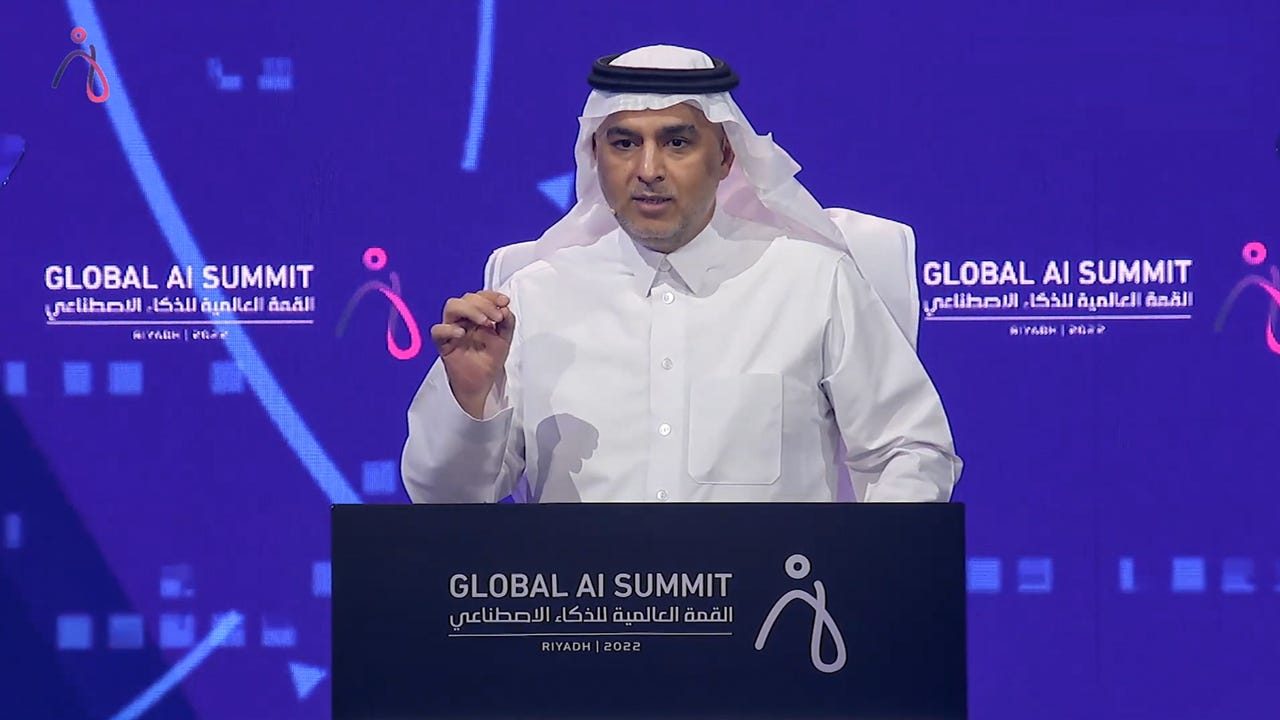
Cristiano Amon, President and CEO of Qualcomm, will deliver a keynote address at the Global AI Summit (GAIN) in Riyadh, Saudi Arabia, set to take place in October. The summit, organized by the Saudi Data and Artificial Intelligence Authority (SDAIA), aims to gather leaders and innovators from the AI industry to discuss emerging trends and breakthroughs in artificial intelligence.

GAIN, a pivotal event in the tech calendar, is expected to draw significant attention from industry experts, policymakers, and tech enthusiasts. The summit’s agenda includes discussions on the future of AI technologies, their ethical implications, and their role in transforming various sectors. This year’s event will spotlight advancements in AI that promise to drive innovation and economic growth globally.

Cristiano Amon’s participation underscores Qualcomm’s commitment to advancing AI technology. Under his leadership, Qualcomm has been at the forefront of developing cutting-edge solutions that leverage AI to enhance mobile and connected experiences. His keynote will likely address the intersection of AI with wireless technologies and the future of connected devices.

The summit will feature a diverse lineup of speakers, including AI researchers, entrepreneurs, and government officials. These sessions are designed to foster collaboration and knowledge exchange among attendees, setting the stage for future partnerships and innovations in AI.

Saudi Arabia’s investment in AI is part of its broader Vision 2030 initiative, which seeks to diversify the economy and establish the country as a leading hub for technological innovation. The GAIN summit aligns with this vision by promoting discussions on how AI can be harnessed to achieve economic and social benefits.

The event will also include panel discussions and workshops focusing on practical applications of AI in various industries, from healthcare to finance. Participants will have the opportunity to engage with cutting-edge technologies and explore how they can be applied to solve real-world problems.

As the AI landscape continues to evolve, GAIN serves as a critical platform for showcasing the latest research and applications. The summit aims to highlight how AI can drive progress across different domains and address challenges such as data privacy and ethical considerations.

In addition to Amon’s keynote, the summit will feature presentations from other prominent figures in the AI field. These sessions will provide insights into the latest developments in machine learning, robotics, and data analytics, offering attendees a comprehensive view of the current state of AI technology.

Saudi Arabia’s focus on AI and its integration into various sectors reflects a global trend towards leveraging technology for economic and social advancement. The GAIN summit represents a significant opportunity for stakeholders to engage in meaningful dialogue and shape the future of AI.

ADVERTISEMENT

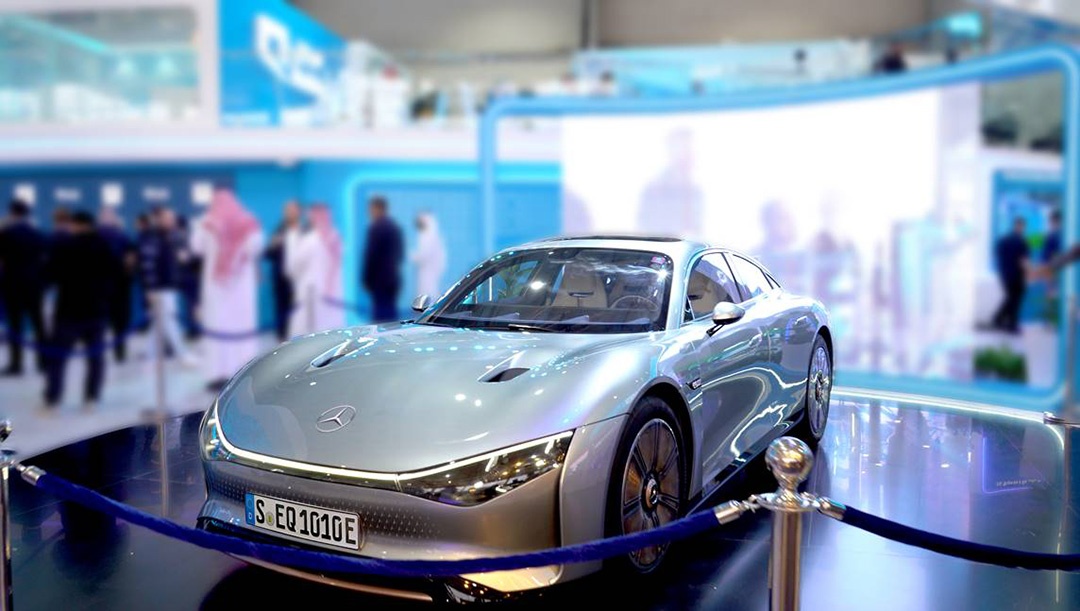
Saudi Arabia’s push towards sustainability and a clean energy future will take center stage at the EV Auto Show 2024, one of the most significant gatherings for the electric vehicle (EV) industry in the Middle East. From September 17th to 19th, the Riyadh International Convention and Exhibition Centre will host automakers, industry experts, and technology innovators from around the world. As the nation seeks to reduce its dependence on fossil fuels, this event marks a key moment in advancing electric mobility in the region.

The EV Auto Show 2024 is expected to attract some of the biggest names in electric vehicle manufacturing, as well as developers of charging infrastructure and related technologies. These participants will be instrumental in Saudi Arabia’s ambitious goals to become a global leader in sustainable energy. The event is more than a showcase of cutting-edge EV models; it represents a broader initiative aligned with the Kingdom’s Vision 2030 plan to diversify its economy and promote environmental responsibility.

Among the most anticipated exhibits are electric cars, commercial trucks, buses, and motorcycles that promise to reshape Saudi Arabia’s automotive landscape. Automakers from across Europe, the US, and Asia will be presenting their latest EV models, reflecting the global momentum in the shift towards electric transportation. Some companies are expected to unveil new vehicles tailored specifically to the needs of the Gulf region, focusing on extreme climate durability, high-performance batteries, and long-range capabilities that meet the challenges posed by the vast Saudi landscape.

Saudi Arabia’s commitment to electric vehicles has been clear over the past few years, as the Kingdom invests heavily in building EV infrastructure. Recent partnerships between the Saudi government and international EV manufacturers have already set the stage for increased local production and assembly of electric vehicles. The show is poised to bring these efforts into sharper focus, with an emphasis on collaborative innovation.

Several regional and international brands will showcase their EV charging solutions at the event. Saudi-based energy firms and multinational companies will demonstrate cutting-edge charging technologies and battery solutions, focusing on both residential and commercial applications. These technologies are pivotal for the growth of the EV market, as reliable and widespread charging infrastructure remains a key challenge in Saudi Arabia’s transition to electric vehicles. The event will feature panels on overcoming these hurdles, with industry leaders and government officials expected to discuss strategies for expanding the country’s EV charging network.

Energy and technology companies are increasingly looking at ways to integrate EVs with renewable energy sources such as solar power. Saudi Arabia’s abundant sunlight presents a significant opportunity to harness clean energy for EVs, reducing both emissions and energy costs in the long term. At the show, experts will discuss how solar-powered EV charging stations can support the country’s sustainability goals, especially as the Kingdom ramps up investment in its burgeoning solar industry.

Key figures in Saudi Arabia’s automotive and energy sectors have noted that the transition to electric vehicles is no longer a distant goal but an immediate priority. The EV Auto Show is expected to catalyze both consumer interest and industry momentum, with stakeholders eager to capitalize on the growing demand for sustainable transportation options. With gasoline prices fluctuating and global environmental policies tightening, EV adoption is not just a matter of preference but a strategic imperative for the Kingdom.

Public interest in electric vehicles has surged across Saudi Arabia, particularly among younger consumers who are increasingly aware of the environmental impacts of traditional gasoline-powered cars. To meet this rising demand, several local companies are making strides in EV development and marketing. In particular, Saudi Arabia’s own Public Investment Fund (PIF) has invested billions in Lucid Motors, a leading American EV manufacturer. Lucid has already established a production facility in King Abdullah Economic City (KAEC), marking a major milestone in local EV manufacturing. The partnership is seen as a crucial step in positioning the Kingdom as a future hub for electric vehicle production in the region.

Beyond private investment, government support for EVs in Saudi Arabia has been robust. In line with Vision 2030, the Saudi government has implemented policies designed to encourage both manufacturers and consumers to embrace electric mobility. Incentives such as tax breaks for EV buyers, subsidies for local manufacturers, and government contracts for EV fleets are just some of the measures aimed at fostering a supportive environment for the industry’s growth. These policies, coupled with investments in renewable energy, are part of a broader strategy to position the Kingdom as a leader in the clean energy transition.

The environmental impact of EV adoption is also a significant consideration for Saudi Arabia. While the country is one of the largest producers of oil globally, its leaders are keen to diversify its energy sources to ensure long-term sustainability. Reducing emissions from transportation is a key component of this strategy, as the sector accounts for a considerable portion of the country’s carbon footprint. With electric vehicles seen as a crucial solution to lowering emissions, the EV Auto Show serves as a platform to demonstrate the feasibility and necessity of electric mobility in achieving Saudi Arabia’s environmental goals.

A significant shake-up is underway in the Saudi retail sector as Investcorp, a prominent global investment firm, is poised to sell its stake in BinDawood Holding, a major player in the kingdom’s retail market. The decision to divest comes as the company aims to streamline its investment portfolio and focus on other strategic areas. This move has sparked considerable interest and speculation regarding the future trajectory of […]

OPEC+ has opted to prolong its production restraint by two months to prevent a looming oil surplus this year. This decision comes as economic indicators show slowing growth in China and increasing supply from the United States, driving crude oil prices to their lowest level in 14 months. The coalition, spearheaded by Saudi Arabia and Russia, announced the extension on Thursday after assessing the current global market […]

ADVERTISEMENT

UAE-based Harwal Group, a prominent player in the building materials sector, is preparing to merge two of its subsidiaries and subsequently list the newly formed entity on Saudi Arabia’s NOMU market. This strategic move is aimed at capitalizing on the substantial growth opportunities within the Gulf Cooperation Council (GCC) region’s construction sector.

The merger will bring together TSSC KSA and Interplast Riyadh, two key companies within Harwal’s portfolio. Together, these firms generate an annual turnover of approximately SAR 355 million, equivalent to $100 million. This consolidation is expected to streamline operations and enhance market competitiveness, positioning the new entity to leverage the expanding construction opportunities in Saudi Arabia and beyond.

Saudi Arabia’s construction sector has witnessed a significant surge, driven by the country’s Vision 2030 initiative, which includes numerous mega-projects such as NEOM and the Red Sea Project. These projects are designed to diversify the economy away from oil dependence and stimulate substantial infrastructural and commercial growth. Harwal’s strategic entry into the NOMU market aims to position it advantageously to tap into this growth wave.

TSSC KSA, a leader in manufacturing and supplying high-quality building materials, and Interplast Riyadh, known for its innovative plastic solutions, are set to merge their operations. This amalgamation is anticipated to create a more robust and diversified entity, enhancing its ability to meet the increasing demand for construction materials driven by Saudi Arabia’s ambitious infrastructure plans.

By listing on NOMU, the secondary market of the Saudi Stock Exchange (Tadawul), Harwal Group intends to access capital necessary for its GCC expansion strategy. The NOMU market, which caters to small and medium-sized enterprises (SMEs) and provides a platform for growth-focused companies, offers Harwal an opportunity to raise funds and boost its operational capabilities.

The move aligns with a broader trend of increased regional investment in construction and infrastructure. Saudi Arabia’s proactive approach to economic diversification and infrastructure development has attracted significant attention from investors and companies looking to capitalize on the burgeoning market. Harwal’s planned listing on NOMU reflects its confidence in the sustained growth prospects within the region’s construction sector.

Harwal Group’s decision to merge TSSC KSA and Interplast Riyadh and subsequently list the combined entity highlights its strategic focus on enhancing operational efficiency and expanding its market footprint. The merger is expected to create synergies between the two companies, allowing for more streamlined operations and enhanced competitive positioning.

The merger and listing also underscore Harwal’s commitment to expanding its presence in the GCC region. The company aims to leverage its strengthened market position to tap into new opportunities and drive further growth. The listing on NOMU will provide Harwal with the capital necessary to support its expansion plans and invest in new projects, bolstering its ability to meet the evolving demands of the construction sector.

This strategic move comes at a time when the GCC construction sector is experiencing unprecedented growth, fueled by large-scale projects and increasing investments. Harwal’s entry into the NOMU market positions it to benefit from the sector’s expansion and capitalize on emerging opportunities.

Saudi Arabia is urged by the International Monetary Fund (IMF) to persist with its economic reforms despite fluctuations in global oil prices. The IMF’s recent analysis underscores the importance of maintaining structural changes to ensure long-term economic stability and diversification.

The IMF’s call comes at a pivotal moment for Saudi Arabia, which is navigating a volatile oil market while striving to reduce its economic dependence on petroleum revenues. As oil prices exhibit considerable volatility due to global economic uncertainties and shifting energy policies, the IMF emphasizes that the Kingdom’s reform efforts are crucial for sustained economic growth and resilience.

In its latest report, the IMF highlights that Saudi Arabia’s Vision 2030 program, which seeks to diversify the economy away from oil, remains a critical strategy. This ambitious reform agenda includes investments in non-oil sectors, enhancement of the business environment, and initiatives to boost private sector participation. Despite the current challenges posed by fluctuating oil prices, the IMF argues that these reforms should continue unabated to foster a more robust and adaptable economy.

The IMF’s recommendation is grounded in the belief that economic diversification is essential for mitigating the risks associated with oil price volatility. Historically, Saudi Arabia’s economy has been highly susceptible to the ups and downs of global oil markets, which has often led to significant economic fluctuations. By advancing reforms and investing in sectors beyond oil, Saudi Arabia aims to build a more stable and resilient economic foundation.

Key components of the Vision 2030 reform agenda include the development of the tourism sector, expansion of the digital economy, and enhancement of the Kingdom’s investment environment. The Saudi government has been actively pursuing these goals, with notable progress in areas such as infrastructure development and regulatory improvements. For instance, the establishment of the Saudi Public Investment Fund (PIF) has been a cornerstone of the Kingdom’s strategy to drive investments in diverse sectors, ranging from technology to entertainment.

The IMF’s recommendation also reflects a broader trend among international financial institutions that advocate for structural reforms in oil-dependent economies. Such reforms are seen as essential for ensuring sustainable economic growth and reducing vulnerability to external shocks. The IMF’s stance aligns with previous assessments that underscore the need for comprehensive economic strategies to manage the transition from a resource-dependent economy to a more diversified and knowledge-based economy.

Saudi Arabia’s commitment to reform has been demonstrated through various high-profile initiatives, including the privatization of state-owned enterprises and the introduction of new business regulations aimed at fostering entrepreneurship. Additionally, the Kingdom has made strides in enhancing its social and economic infrastructure, with initiatives such as the Saudi National Industrial Development and Logistics Program (NIDLP) aimed at strengthening industrial capabilities and logistics networks.

Despite these efforts, the challenges posed by fluctuating oil prices continue to impact the Saudi economy. Recent data indicates that the Kingdom has experienced fluctuations in its fiscal balance and external trade due to variations in oil revenue. These fluctuations underscore the importance of the IMF’s recommendation to sustain reform efforts as a means of stabilizing the economy and ensuring long-term prosperity.

As Saudi Arabia navigates these challenges, the IMF’s guidance provides a strategic framework for policymakers to follow. The emphasis on maintaining reform momentum is intended to help the Kingdom achieve its economic goals and enhance its position in the global economy. By addressing structural vulnerabilities and advancing diversification, Saudi Arabia aims to create a more resilient and dynamic economic landscape.

The United Arab Emirates (UAE), Saudi Arabia, and several other oil-producing nations have extended their voluntary cuts in oil production, aiming to stabilize global oil markets and support prices amid ongoing economic uncertainties. This decision follows a series of discussions among key members of the OPEC+ alliance, which includes countries outside the Organization of the Petroleum Exporting Countries (OPEC) such as Russia, Iraq, Kuwait, Kazakhstan, Algeria, and Oman.

The latest agreement, confirmed in a joint statement from the participating countries, includes an extension of the existing production cuts into the coming months. The initiative, originally set to be reassessed at the end of this year, now reflects a strategic move to address fluctuations in global demand and counteract economic pressures impacting the energy sector.

Saudi Arabia, as one of the world’s largest oil exporters, will continue its policy of reducing output by an additional one million barrels per day, a step that aligns with its broader efforts to maintain oil prices within a targeted range. This decision is part of a coordinated strategy to stabilize the market and prevent a significant drop in prices that could adversely affect the economies of oil-dependent nations.

The UAE has also committed to reducing its oil production, extending its cut of 500,000 barrels per day, reflecting its ongoing support for the broader goals of the OPEC+ group. Other key contributors to the cuts include Iraq, Kuwait, and Kazakhstan, each of which has pledged to limit their oil output as part of the collective effort. Algeria and Oman are similarly maintaining their voluntary reductions, underscoring the unified approach of these oil-producing nations.

The decision to extend these cuts comes amid a complex global economic environment characterized by fluctuating energy demands, geopolitical tensions, and evolving consumer behavior. Analysts note that the prolonged cuts are aimed at balancing the market and preventing an oversupply that could lead to a decline in oil prices, which have experienced volatility in recent months.

Key players in the oil market have responded positively to the announcement, viewing the extension as a proactive measure to ensure market stability. Oil prices have shown signs of support following the news, with traders optimistic that the coordinated effort by major oil producers will contribute to a more stable pricing environment.

In addition to the immediate impacts on oil prices, the extended cuts highlight the ongoing collaboration among major oil-producing nations to navigate the challenges of a volatile global market. This unity reflects a broader commitment to maintaining stability in the oil sector and ensuring that the interests of both producers and consumers are addressed.

Tourism in the UAE has seen a substantial boost in the first half of 2024, positioning the country as the leading destination in the Gulf Cooperation Council (GCC) region. According to recent figures, the UAE has outpaced its neighbors in attracting international visitors, driven by a combination of strategic marketing, major events, and ongoing investment in tourism infrastructure.

The UAE’s Ministry of Economy reported a significant increase in tourist arrivals, with Dubai and Abu Dhabi leading the charge. The country welcomed over 10 million international tourists from January to June 2024, marking a 15% increase from the same period last year. This surge has been fueled by a series of high-profile events and a continued emphasis on enhancing the visitor experience.

Dubai, known for its luxury tourism and major attractions like the Burj Khalifa and Dubai Mall, has witnessed a notable uptick in visitor numbers. The city’s ambitious strategy to diversify its tourism offerings and invest in world-class infrastructure has paid off. Major events such as the Dubai Shopping Festival and the Expo 2024 have drawn large crowds, contributing significantly to the rise in tourism figures.

Abu Dhabi, the UAE’s capital, has also seen a remarkable increase in tourist numbers. The city’s cultural and entertainment offerings, including the Louvre Abu Dhabi and Yas Island, have become major attractions. Recent investments in expanding hospitality services and promoting cultural tourism have bolstered Abu Dhabi’s position as a key player in the GCC tourism sector.

Other GCC countries have also experienced growth in their tourism sectors, but none have matched the UAE’s pace. Saudi Arabia, for instance, has made considerable strides with its Vision 2030 initiative, which aims to diversify the economy and promote tourism. However, while Saudi Arabia has seen growth, the scale and speed of the UAE’s tourism boom remain unmatched in the region.

Qatar and Oman have also reported increased tourist numbers, but the UAE’s strategic advantages in terms of infrastructure, marketing, and event management have given it a competitive edge. Qatar’s World Cup legacy continues to attract sports tourists, while Oman’s natural landscapes appeal to adventure and eco-tourism enthusiasts. Yet, the UAE’s well-established tourism ecosystem and its ongoing efforts to innovate and enhance the visitor experience have set it apart.

One of the key factors contributing to the UAE’s success is its continuous investment in tourism infrastructure. The UAE government has committed to expanding its hospitality sector, with numerous new hotels and resorts opening in recent months. Additionally, major projects such as the expansion of Dubai International Airport and the development of new tourism districts in Abu Dhabi are expected to further boost tourist numbers.

Another significant element is the UAE’s strategic marketing campaigns, which have effectively targeted key international markets. The UAE has focused on promoting its diverse attractions, ranging from luxury shopping and fine dining to cultural heritage and adventure tourism. This multifaceted approach has resonated with a broad spectrum of travelers, from affluent tourists seeking luxury experiences to those interested in cultural exploration and outdoor activities.

The UAE’s ability to host major global events has also played a crucial role in its tourism success. Events such as the Abu Dhabi Film Festival and Dubai Design Week attract international visitors and media attention, further enhancing the country’s profile as a leading tourist destination. These events not only draw visitors but also contribute to the UAE’s reputation as a hub for cultural and creative industries.

OneDegree, a pioneering force in digital asset insurance across Asia, has forged a strategic partnership with Walaa Cooperative Insurance Company, a prominent player in Saudi Arabia’s insurance and reinsurance sector. This collaboration aims to address the burgeoning needs of digital asset security, merging OneDegree’s innovative approach with Walaa’s established market presence.

The alliance between OneDegree and Walaa Cooperative Insurance Company marks a significant step in the evolution of insurance solutions tailored for digital assets. As digital currencies and blockchain technologies gain traction globally, the necessity for specialized insurance products to safeguard these assets has become increasingly apparent. This partnership leverages OneDegree’s expertise in the digital insurance space with Walaa’s robust infrastructure and regional market insights.

OneDegree has established itself as a leader in providing insurance solutions for digital assets, having received regulatory approval as Asia’s first licensed insurer for such assets. Their offerings cover a range of digital assets, including cryptocurrencies and blockchain-based investments, which are often vulnerable to cybersecurity threats and market volatility. By collaborating with Walaa, OneDegree aims to expand its reach and offer its innovative insurance solutions to a broader audience, particularly in the Middle East.

Walaa Cooperative Insurance Company, known for its comprehensive insurance and reinsurance services across various sectors, brings a wealth of experience to this partnership. The company’s established market presence in Saudi Arabia provides a solid foundation for the integration of digital asset insurance into its existing portfolio. This move is expected to enhance Walaa’s service offerings, addressing the growing demand for secure and reliable insurance solutions for digital assets in the region.

This partnership is timely, given the rapid growth in the adoption of digital assets and the corresponding need for protection against potential risks. The digital asset market has seen substantial growth over the past few years, with increasing interest from both individual and institutional investors. As this market continues to expand, the risks associated with digital assets, such as cyber attacks and regulatory changes, become more pronounced. Insurance products designed to mitigate these risks are crucial for fostering confidence and stability in the digital asset ecosystem.

The collaboration between OneDegree and Walaa Cooperative Insurance Company represents a forward-thinking approach to addressing these emerging risks. By combining OneDegree’s specialized expertise with Walaa’s extensive experience and regional knowledge, the partnership is poised to set a new standard in the insurance industry for digital assets. This integration not only broadens the availability of digital asset insurance but also enhances the overall security and reliability of the market.

As digital assets continue to gain prominence, insurance solutions tailored to this sector will play a pivotal role in mitigating associated risks. The partnership between OneDegree and Walaa Cooperative Insurance Company highlights the increasing recognition of the importance of specialized insurance products in the digital age. With their combined strengths, the two companies are well-positioned to meet the evolving needs of investors and stakeholders in the digital asset space.

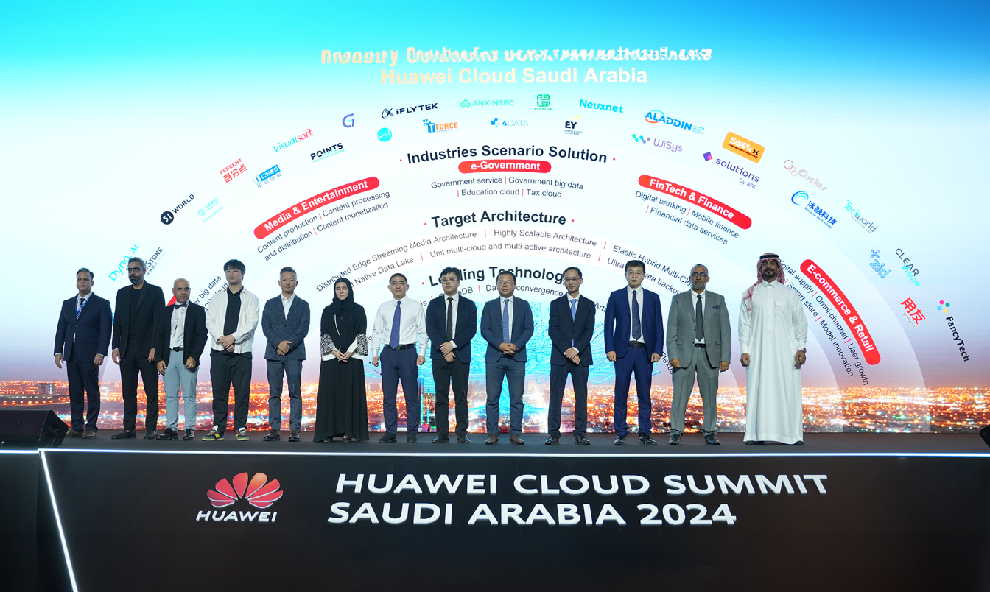
Saudi Arabia’s push towards digital modernization is gaining momentum, bolstered by Huawei Cloud’s latest technological advancements. The company’s cloud services, renowned for their high-performance and low-latency capabilities, are playing a crucial role in this transformation. Huawei Cloud’s infrastructure now offers a remarkable latency of just 25 milliseconds across the kingdom, reflecting its commitment to providing seamless and efficient AI-powered solutions.

Huawei Cloud’s robust network infrastructure has significantly enhanced the digital landscape in Saudi Arabia. This achievement is pivotal for various sectors, including finance, healthcare, and government services, which are increasingly relying on advanced technologies to improve their operations and deliver superior services. The low latency performance facilitates real-time data processing and AI applications, essential for businesses and institutions aiming to stay competitive in a fast-evolving digital environment.

The integration of Huawei Cloud’s services is expected to drive innovation and efficiency across different industries. For instance, financial institutions can leverage this technology to enhance transaction speeds and security, while healthcare providers can utilize AI for better diagnostics and patient care. Government agencies are also set to benefit, with improved data management and enhanced public service delivery.

This strategic expansion aligns with Saudi Arabia’s Vision 2030, a comprehensive plan to diversify the economy and reduce dependence on oil revenues. The initiative places a strong emphasis on technology and innovation as key drivers of economic growth. By providing cutting-edge cloud services, Huawei Cloud is positioning itself as a key player in this transformation, supporting the kingdom’s ambitious goals.

Huawei’s commitment to the region is further demonstrated through its significant investments in local data centers and partnerships with various Saudi entities. These efforts not only improve service reliability but also bolster local expertise and job creation. The company’s engagement in Saudi Arabia reflects a broader trend of global tech giants investing in the Middle East, recognizing the region’s growing importance as a tech hub.

The performance of Huawei Cloud’s network is a testament to the company’s technical prowess and dedication to meeting the needs of its clients. With a latency of 25 milliseconds, the cloud services are optimized for applications requiring high-speed data processing and minimal delays. This level of performance is crucial for businesses that rely on real-time analytics and AI-driven decision-making.

As digital transformation accelerates in Saudi Arabia, the demand for reliable and high-performance cloud services is expected to grow. Huawei Cloud’s advancements not only support this demand but also set a benchmark for other cloud service providers. The company’s focus on innovation and quality positions it well to lead the market and contribute significantly to the kingdom’s digital economy.

The Hia Hub event has made its return to Riyadh, capturing attention with an expanded platform that bridges the worlds of fashion, beauty, and lifestyle. This year’s edition of the highly anticipated event, organized by *Hia* magazine, is set to further establish itself as a leading gathering for industry professionals, designers, influencers, and entrepreneurs from the Middle East and beyond.

Taking place in Riyadh’s cultural district, the event aims to showcase a diverse range of talents and innovations, drawing an impressive roster of both regional and international participants. With an emphasis on sustainable fashion and beauty, the platform seeks to explore the intersections between creativity, business, and evolving consumer trends, particularly as Saudi Arabia continues its journey of economic transformation.

A key feature of this year’s Hia Hub is the inclusion of sustainability-focused discussions, highlighting the importance of ethical practices within the fashion and beauty industries. With sustainability at the forefront of global fashion conversations, the Riyadh gathering provides an essential platform for dialogue on how brands and creators can incorporate eco-friendly practices into their designs and operations. The program includes workshops and panel discussions led by industry leaders who are shaping the future of fashion and beauty.

Notable attendees this year include regional fashion designers who are increasingly making their mark on the global stage. Saudi designers, in particular, are using this opportunity to not only highlight their work but also engage in conversations around local craftsmanship and the global appeal of Middle Eastern aesthetics. The event is positioned as a key contributor to the development of the country’s burgeoning fashion industry, in line with Saudi Arabia’s Vision 2030, which emphasizes diversification beyond oil, including investments in culture and the creative industries.

The fashion showcase features the works of emerging designers alongside established brands, allowing for a mix of styles and perspectives. This aspect of the event has been praised for creating an inclusive environment where creativity can thrive, with both regional and global talents being recognized. Many of these designers have incorporated traditional elements with modern fashion, representing a cultural fusion that reflects Saudi Arabia’s growing role in global fashion markets.

Beauty, another central pillar of Hia Hub, is also receiving significant attention this year. Global and regional beauty brands have been invited to present their latest products and innovations, catering to the sophisticated tastes of the Saudi market. The beauty segment of the event emphasizes the rapidly growing demand for high-quality, luxurious products in the region, driven by a young and increasingly affluent population. This sector, like fashion, has also seen a shift towards sustainability, with several brands unveiling eco-friendly products and packaging that align with consumer preferences for cleaner, ethically sourced items.

In addition to the fashion and beauty elements, Hia Hub is also focusing on lifestyle trends that resonate with the Middle Eastern market. The event includes curated experiences related to wellness, luxury living, and technology’s role in shaping modern lifestyles. These elements reflect broader trends within the region, where lifestyle preferences are evolving in line with global shifts towards wellness, self-care, and the use of cutting-edge technology in everyday life.

Industry observers have noted that Hia Hub is not just a showcase but a vital platform for business networking and collaboration. The event fosters connections between designers, entrepreneurs, and potential investors, with several discussions centered around scaling local fashion and beauty businesses to compete on an international level. With Saudi Arabia’s ongoing efforts to develop its cultural and creative sectors, this event plays a crucial role in positioning the country as a growing hub for fashion and beauty innovation.

The participation of high-profile influencers and celebrities further amplifies the reach of the event, creating a ripple effect that extends beyond the physical venue. Social media coverage of the event is vast, with influencers sharing key moments and collaborations that take place during the showcase. This has helped boost the visibility of participating brands, particularly those that are new to the market or seeking to expand their presence in the Middle East.

In keeping with its status as a trendsetter, Hia Hub has integrated cutting-edge technology into the event experience. Attendees can engage with virtual reality displays, interactive fashion installations, and digital beauty try-ons, creating an immersive experience that bridges the gap between physical and digital worlds. These elements reflect a broader trend in the fashion and beauty industries, where technology is increasingly being used to enhance consumer experiences and offer personalized services.


VISHNU RAJA
RYO YAMADA
HITORI GOTOH
IKUYO KITA
Social Media Auto Publish Powered By : XYZScripts.com