News related to
Saudi

The Saudi Red Sea Authority (SRSA) has announced an ambitious target to attract 19 million tourists to the Red Sea coast by 2030. This move aligns with the Kingdom’s broader Vision 2030 strategy, which aims to diversify its economy away from oil dependence and boost tourism as a key economic pillar. By developing the Red Sea coastline, SRSA plans to contribute over SR85 billion to the national GDP and capture a significant portion of Saudi Arabia’s leisure tourism market.

The coastal tourism sector is central to Saudi Arabia’s efforts to transform its tourism industry, with the SRSA aiming to secure 30% of the Kingdom’s leisure tourism share and 40% of entertainment spending by the end of the decade. Moreover, the plan includes the creation of more than 210,000 jobs across various sectors, including hospitality, environmental services, and infrastructure.

SRSA’s strategy is focused on promoting sustainable tourism. Protecting the marine ecosystem of the Red Sea, which boasts some of the world’s most pristine coral reefs and diverse marine life, is a top priority. The authority emphasizes that environmental conservation is critical to ensuring long-term success in tourism development. By integrating sustainable practices, SRSA hopes to preserve natural resources while simultaneously fostering economic growth.

The government and SRSA are working together to create opportunities for both local and international investors to engage in the tourism sector. The Red Sea region’s unique combination of cultural heritage, biodiversity, and adventure tourism potential is set to become a significant draw for a global audience. These development projects include high-end resorts, eco-friendly lodges, and cultural attractions that highlight the region’s history and natural beauty.

The growth of the Red Sea tourism industry is expected to be driven by several key initiatives, including substantial investment in infrastructure, streamlining regulatory frameworks, and launching global marketing campaigns aimed at showcasing the Red Sea as a world-class tourist destination. By improving accessibility, especially through transportation networks and high-end facilities, the SRSA intends to attract a diverse range of travelers, from luxury tourists to eco-conscious adventurers.

SRSA is committed to working closely with private sector stakeholders and local communities to ensure that the benefits of this development are widely shared. Part of the strategy involves involving local populations in tourism projects, thereby creating jobs and improving living standards for residents along the coast.

This push for Red Sea tourism comes amid broader national reforms intended to increase the Kingdom’s appeal as a global tourist destination. Saudi Arabia has been aggressively easing its entry restrictions and developing its tourism infrastructure as it seeks to attract 100 million visitors annually by 2030, a figure that would position it among the world’s top tourist destinations.

While tourism has traditionally played a limited role in Saudi Arabia’s economy, Vision 2030 is changing that by opening up previously restricted areas and promoting the Kingdom’s natural and cultural assets. The Red Sea Authority’s ambitious plans, backed by strong government support, are central to this transformation, positioning the region as a centerpiece of Saudi Arabia’s emerging tourism economy. The development also reflects a global trend toward coastal and eco-tourism, appealing to travelers looking for sustainable and authentic experiences.


Saudi Arabia is positioning itself at the forefront of green hydrogen production, with its Public Investment Fund (PIF) leading a $10 billion push into the sector. As part of Vision 2030, the Kingdom is leveraging its renewable energy resources—chiefly solar and wind power—to establish itself as a major global player in the emerging hydrogen market. The Kingdom’s strategic shift towards renewable energy, particularly green hydrogen, marks a […]

Saudi Arabia’s food giant Almarai is poised for a major expansion in the region with its decision to acquire Jordan’s Hammoudeh Food Industries for $70 million. This strategic move aims to bolster Almarai’s dairy and cheese production capabilities through its subsidiary, Teeba Investment. The deal is seen as part of Almarai’s broader efforts to deepen its presence in core markets across the Middle East.

Hammoudeh Food Industries, a leading producer of dairy, juices, and other related products in Jordan, represents a crucial addition to Almarai’s portfolio. The acquisition, valued at SR263 million (roughly $70 million), will be financed through Almarai’s internal cash flows. This investment not only solidifies the company’s foothold in Jordan but also aligns with its long-term growth strategy. The acquisition is still subject to regulatory approvals in both Jordan and Saudi Arabia, and adjustments to the final price may occur as the process progresses.

The acquisition is expected to provide Almarai with significant operational leverage, enabling it to enhance its product offerings and scale operations across the region. Almarai’s strategic move aligns with ongoing trends in the Middle East’s food and beverage sector, where companies are increasingly looking to consolidate their presence in key markets and diversify their product lines. For Almarai, this acquisition marks another step in maintaining its competitive edge as one of the largest dairy producers in the region.

The company has been eyeing expansion opportunities in key markets like Jordan, where Hammoudeh’s established brand and operational capabilities complement Almarai’s ambitions to enhance its supply chain and distribution networks. This move is likely to have significant implications for Almarai’s growth trajectory as it works to tap into Jordan’s growing dairy market and further expand its consumer base.

Almarai’s financial performance has been robust, reflecting its successful execution of strategic acquisitions and operational efficiencies. Over the years, the company has maintained a strong presence in the GCC, and the acquisition of Hammoudeh is expected to solidify its position as a leading player in the region’s dairy market. This latest acquisition will enable Almarai to extend its product range, which includes milk, cheese, and other dairy products, while also leveraging economies of scale to drive profitability.

The Middle East’s dairy market has seen a surge in demand driven by shifting consumer preferences toward healthier food options. Companies like Almarai have responded by investing in innovation and expanding their product lines to cater to these trends. Almarai’s recent financial results also demonstrate the company’s resilience and ability to adapt to changing market conditions. In its latest trading updates, Almarai’s stock price climbed by 1.62% following the announcement of the acquisition, signaling strong investor confidence in its expansion strategy.

Almarai’s acquisition of Hammoudeh Food Industries also comes at a time when regional trade relationships are being strengthened. Saudi Arabia and Jordan have been enhancing economic cooperation, especially following the signing of the Comprehensive Economic Partnership Agreement (CEPA), which aims to boost trade between the two nations. The trade between Saudi Arabia and Jordan is projected to reach $8 billion in the near future, a sign of the deepening ties between these neighboring nations. Almarai’s investment in Jordanian assets could serve as a catalyst for further collaborations between businesses in the two countries, strengthening economic ties and creating opportunities for other sectors as well.

This acquisition is seen as a continuation of Almarai’s strategy of diversifying its business and enhancing its regional footprint. Previously, the company had made strategic acquisitions and investments to expand into new product segments, particularly in the food and beverage industry. This focus on expansion has enabled Almarai to maintain its leadership in the market, especially amid growing competition in the sector.

Looking ahead, Almarai is expected to continue seeking out new growth opportunities in the region, with a particular focus on emerging markets that offer strong consumer demand for dairy products. The acquisition of Hammoudeh is just one piece of the puzzle in Almarai’s broader growth strategy, as the company works to enhance its production capabilities, streamline its supply chain, and expand its distribution network across the Middle East.

Dell Technologies and Alinma Bank have embarked on a significant partnership aimed at advancing the bank’s digital transformation efforts. The collaboration, formalized through a Memorandum of Understanding (MoU) signed in Riyadh, focuses on enhancing the innovation of financial services within Saudi Arabia. This initiative comes at a time when banks are increasingly relying on technology to meet evolving customer expectations and improve operational efficiency. Under the terms […]

ADVERTISEMENT

Saudi Arabia’s Public Investment Fund (PIF) is evaluating the possibility of increasing its stake in Nintendo, a move that reflects the kingdom’s strategic interest in the global gaming industry. This potential investment comes amid an ongoing trend of Middle Eastern investment in major gaming companies, which has seen significant financial outlays in recent years. PIF’s foray into the gaming sector aligns with Saudi Arabia’s broader economic diversification efforts, as outlined in its Vision 2030 initiative aimed at reducing reliance on oil revenues.

The PIF currently holds approximately 8% of Nintendo, a position acquired through a series of investments totaling around $1 billion. This stake has proven to be lucrative, especially as Nintendo’s stock has surged in response to the success of its Switch console and various blockbuster game releases. By contemplating a larger stake, the PIF aims to bolster its portfolio further and capitalize on the gaming sector’s growth trajectory.

The global gaming industry has shown remarkable resilience and growth, with market analysts projecting it to surpass $200 billion by 2023. Major players in the sector, including Microsoft and Sony, have been investing heavily in game development studios and new technologies, indicating a competitive environment that encourages investment and innovation. Nintendo, with its legacy of popular franchises like Mario, Zelda, and Pokémon, remains a pivotal figure within this landscape, making it an attractive target for investors.

Saudi Arabia’s ambition to become a hub for entertainment and digital gaming has prompted local authorities to pursue partnerships with international gaming firms. The kingdom has already hosted numerous esports events and launched initiatives aimed at fostering a domestic gaming industry, reflecting its commitment to being at the forefront of this rapidly evolving sector. The interest from the PIF not only signifies confidence in Nintendo’s future but also highlights the strategic importance of gaming as a component of Saudi Arabia’s economic diversification.

The interest from the PIF aligns with other notable investments in the gaming space, including the acquisition of a significant share in Activision Blizzard and partnerships with other gaming companies. The PIF’s strategy appears to be part of a larger pattern of sovereign wealth funds increasingly looking towards technology and entertainment sectors for growth opportunities. This trend has implications for the global gaming market as it encourages consolidation and new capital influx, potentially leading to innovative developments in gaming technology and experiences.

The potential expansion of the PIF’s investment in Nintendo could signal more profound collaborations in game development, marketing, and distribution strategies. Analysts speculate that increased financial backing could empower Nintendo to explore new technologies such as augmented reality (AR) and virtual reality (VR), which are becoming pivotal in enhancing user experiences in gaming. As the industry pivots towards more immersive gaming experiences, the involvement of entities like the PIF could drive significant advancements.

The broader implications of this investment strategy are evident in the way it could influence Nintendo’s operational decisions. Historically, Nintendo has maintained a conservative approach to partnerships, preferring to develop its titles in-house. However, increased capital from a strategic partner like the PIF may enable the company to consider joint ventures or collaborations that could lead to innovative gaming experiences while retaining its unique brand identity.

The engagement of sovereign wealth funds such as the PIF in the gaming industry could pave the way for a more competitive landscape, where financial resources are directed towards emerging gaming trends and technologies. This influx of capital can catalyze growth in areas such as mobile gaming, cloud gaming, and subscription-based models, which are gaining traction in the industry.

As the PIF deliberates on increasing its stake in Nintendo, it reflects broader ambitions within Saudi Arabia to shape its economic future. By investing in established firms with strong intellectual property, the PIF seeks not only to grow its financial holdings but also to position the kingdom as a prominent player in the global entertainment arena. The potential collaboration between the PIF and Nintendo could herald a new era of gaming innovation and economic growth, showcasing the evolving landscape of international investment in the gaming sector.

This engagement comes as other Middle Eastern nations also ramp up their efforts to invest in entertainment and technology, with the United Arab Emirates and Qatar also making substantial investments in gaming and esports. The race to establish a foothold in the burgeoning gaming industry may see a heightened pace of mergers, acquisitions, and partnerships as countries compete for dominance in this lucrative sector.

RIYADH, SAUDI ARABIA – Media OutReach Newswire – 6 October 2024 – Sahm Capital transformed Al Othaim Mall into a vibrant hub of celebration and community engagement for Saudi National Day with the “Journey of Fun with Sahm!” event, held at Al Othaim Mall Rabwa, Saffori Land, from September 19 to 25. This week-long celebration fostered community spirit while highlighting the joys of investing. The festival created […]

Creators from across the Middle East gathered in Riyadh last month for the TikTok Creator Summit, which provided a platform for content creators to delve into new trends and learn strategies to enhance their presence on the popular platform. The event, hosted by TikTok, showcased the company’s commitment to the evolving content landscape in the Middle East, focusing on content strategy, creator education, and the platform’s role […]

Advertisements
ADVERTISEMENT

Gulf states are rapidly advancing their initiatives to produce low-carbon metals as the European Union prepares to implement its carbon border adjustment mechanism (CBAM). This development represents a significant shift in the region’s industrial strategy, focusing on sustainable practices to align with global decarbonization trends. The EU’s carbon tax is designed to reduce greenhouse gas emissions by imposing tariffs on imported goods that do not meet certain […]

Saudia and Delta Air Lines have announced a strategic partnership aimed at significantly enhancing their global network, promising to expand travel options for passengers around the world. This collaboration is expected to strengthen their respective positions in the aviation market, allowing for a more integrated travel experience for customers flying between the United States and the Middle East.

Under the agreement, both airlines will offer reciprocal codeshare flights, facilitating smoother connections and increased travel options. This partnership is set to take effect soon, allowing travelers to book flights seamlessly across the two carriers’ networks. Customers will benefit from access to a broader range of destinations and improved connectivity between major cities in the United States, Saudi Arabia, and other international locations.

The collaboration comes at a time when the aviation industry is gradually rebounding from the challenges posed by the COVID-19 pandemic. Demand for air travel has been on the rise, particularly in the long-haul market, and both Saudia and Delta are eager to capitalize on this trend. The partnership allows both airlines to leverage their strengths, with Saudia providing extensive connections in the Middle East and Delta offering a robust presence in North America.

Delta Air Lines, based in Atlanta, Georgia, has long been a key player in the U.S. aviation sector, known for its extensive domestic and international network. Saudia, the national carrier of Saudi Arabia, boasts a strong foothold in the Middle East and Asia, operating flights to numerous destinations across the globe. By joining forces, both airlines aim to enhance their operational efficiencies while providing better service to their customers.

The expansion of the partnership is particularly timely as travel demand surges in key markets. The Middle East, in particular, has seen a significant increase in tourism and business travel, driven by a growing appetite for international travel. Saudia’s existing routes to cities like Riyadh, Jeddah, and Dammam complement Delta’s offerings from various U.S. hubs, creating a more attractive proposition for travelers looking to explore these regions.

This alliance reflects a broader trend in the aviation industry where airlines are increasingly seeking strategic partnerships to bolster their networks and market share. Codeshare agreements allow airlines to collaborate on pricing, scheduling, and marketing, thereby enhancing their competitive edge. As air travel continues to evolve, such partnerships are likely to become more common as airlines adapt to changing market conditions.

With this partnership, passengers will also have the advantage of combined loyalty programs, allowing travelers to earn and redeem miles across both airlines. This integration is expected to enhance customer satisfaction and encourage loyalty, as travelers increasingly prefer airlines that provide seamless travel experiences.

The collaboration aligns with the growing focus on sustainability in the aviation industry. Both Saudia and Delta have committed to reducing their carbon footprints and improving operational efficiencies. This partnership is expected to facilitate more efficient route planning and flight scheduling, ultimately contributing to a greener aviation sector.

Industry analysts view this collaboration as a significant move, potentially reshaping the competitive landscape in international air travel. By combining their resources, Saudia and Delta can provide more comprehensive travel solutions, catering to the needs of both leisure and business travelers. As global travel restrictions ease and demand for air travel grows, this partnership positions both airlines well to capture a larger share of the market.

In addition to expanding their network, this collaboration is likely to benefit cargo operations as well. Both Saudia and Delta have strong cargo divisions, and the partnership may lead to increased efficiency in cargo transportation between the U.S. and the Middle East. This could be particularly advantageous for businesses looking to streamline their supply chains and enhance their logistics capabilities.

The partnership is expected to evolve further, with both airlines exploring additional areas of collaboration. This may include joint marketing initiatives, shared airport lounges, and other customer-centric services that enhance the overall travel experience. As the aviation industry continues to recover, partnerships like this one will be crucial for airlines seeking to innovate and adapt to new market realities.

As the collaboration between Saudia and Delta Air Lines unfolds, it will be essential for both airlines to maintain a keen focus on customer service and operational excellence. Travelers will be looking for reliable, efficient, and enjoyable travel experiences, and both carriers will need to deliver on these expectations to ensure the partnership’s success.

Abu Dhabi National Energy Company (TAQA) has successfully priced its $1.75 billion dual-tranche bond offering, continuing its strategy of leveraging debt to support both its business objectives and environmental commitments. The issuance consists of two portions: a seven-year tranche worth $900 million, maturing in 2031, and a 12-year tranche of $850 million, maturing in 2037. The longer-term bonds come with a coupon rate of 4.75%, while the […]

ADVERTISEMENT

Gulf sovereign wealth funds are on track to collectively manage an unprecedented $7.3 trillion in assets by 2030, driven by significant global investments and domestic diversification efforts. Buoyed by surging oil revenues, these funds have evolved from passive actors into proactive players reshaping both local economies and global markets. The rise of these funds, especially over the last decade, has been fueled by sharp increases in oil […]

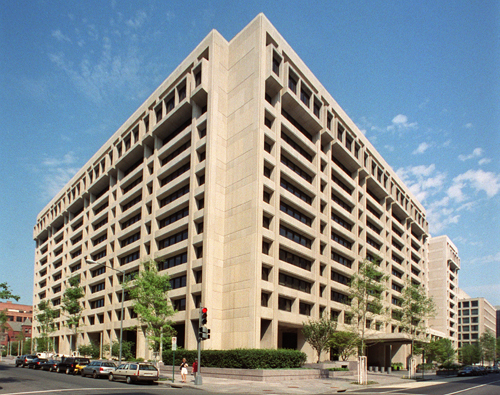
The International Monetary Fund (IMF) has raised serious concerns over the potential economic fallout from the escalating conflict in the Middle East. As violence spreads and tensions rise, the conflict threatens not only the region’s stability but also the global economy, particularly through disruptions in energy supplies, trade routes, and investor confidence.

The war in Gaza has intensified, drawing in multiple countries and raising fears of broader regional involvement. The IMF’s latest assessments highlight the possibility of severe economic impacts, particularly on energy markets. With the Middle East responsible for a significant portion of the world’s oil production, any disruptions could lead to increased volatility in oil prices. The IMF warned that sustained conflict could push oil prices higher, potentially surpassing $100 per barrel, a figure already approached during earlier hostilities this year. This price surge would have far-reaching consequences, especially for oil-importing nations, straining budgets and intensifying inflationary pressures.

Global financial markets have already shown signs of nervousness. Investors, traditionally wary of instability in key regions, have begun reallocating assets, with several stock indices experiencing sharp drops. Analysts suggest that if the conflict escalates further, the damage could spread beyond energy markets, affecting sectors such as manufacturing and technology that rely heavily on supply chains running through or near conflict zones.

The IMF’s mission chief underscored that while oil prices are the most immediate concern, the broader economic picture is equally troubling. Trade disruptions, particularly in critical shipping lanes like the Suez Canal, could severely impact the flow of goods, exacerbating the already fragile global supply chains. For nations in the region, the toll could be devastating. Countries like Lebanon and Egypt, already grappling with economic crises, could face further destabilization, compounding their debt issues and putting millions more at risk of poverty.

While energy exporters such as Saudi Arabia and the UAE may temporarily benefit from higher oil revenues, the broader economic instability could erode those gains, particularly if conflict spreads further across the region. Additionally, prolonged unrest could deter much-needed foreign investment in the Gulf region, which has been aggressively pursuing diversification away from oil dependency.

The IMF’s warning also extends to food security concerns, as the Middle East plays a crucial role in global grain trade. Egypt, for instance, is one of the world’s largest wheat importers, and disruptions to shipping could lead to shortages and price hikes. This would disproportionately affect lower-income nations, already struggling with inflationary food costs and economic stagnation.

As the situation continues to evolve, the IMF has urged regional governments and the international community to take immediate steps to prevent further escalation. In addition to diplomatic efforts, the IMF is advocating for emergency economic measures to protect the most vulnerable economies. These include securing financial aid, stabilizing food supply chains, and safeguarding energy markets from excessive speculation.

However, the global response remains uncertain. While Western powers and international organizations have expressed concern, efforts to mediate the conflict have so far been limited. The longer the fighting continues, the higher the economic risks become, making it crucial for governments to work towards de-escalation before the crisis spirals further out of control.

BANGKOK, THAILAND – Media OutReach Newswire – 1 October 2024 – Being a part of the non-oil business unit of PTT Oil and Retail Business Plc. (OR), Café Amazon has developed its fame at a small corner of PTT Station for a meeting place to those who are fascinated with coffee flavors. Over two decades, it has grown up to the brand that successfully builds up a […]

Construction on the Jeddah Tower, which aims to be the tallest building in the world, is back in motion after a prolonged hiatus. Owned by Saudi billionaire Jeddah Economic Company (JEC), the ambitious project has faced numerous delays since its groundbreaking in 2013 due to economic shifts, financing difficulties, and other logistical challenges. However, recent developments indicate that JEC is determined to complete this iconic structure, which […]

ADVERTISEMENT

Growing concerns surrounding geopolitical instability in the Middle East are contributing to heightened volatility in the oil markets, as traders anticipate further price increases. Recent analyses indicate that the tensions between various regional players and broader global dynamics are significantly influencing supply concerns, leading to increased buying activity in oil options. This is particularly evident as major crude benchmarks, including Brent crude and West Texas Intermediate (WTI), have seen notable fluctuations driven by investor sentiment and strategic positioning.

Market data reveals a surge in options trading, suggesting that traders are preparing for potential price movements. Open interest in call options, which give the buyer the right to purchase oil at a predetermined price, has risen sharply. This indicates that market participants expect prices to climb, driven by fears of supply disruptions due to geopolitical unrest, particularly in key oil-producing countries such as Saudi Arabia, Iran, and Iraq. Analysts suggest that the current landscape is reminiscent of past crises, wherein escalating tensions have historically led to significant price spikes.

As oil prices approach the $100 per barrel mark, analysts warn that sustained increases could have broader economic implications. The International Energy Agency (IEA) has projected a potential supply shortfall if geopolitical tensions escalate, particularly with ongoing conflicts in Ukraine and regional disruptions in the Middle East. In this context, market experts emphasize the importance of monitoring geopolitical developments closely, as these factors will be critical in shaping oil price trajectories in the coming months.

The dynamics of oil trading have shifted, with many investors now viewing geopolitical events as pivotal catalysts for price changes. The strategic importance of the Middle East, often referred to as the world’s energy hub, cannot be overstated. The region accounts for a significant portion of global oil supply, and any disruptions can lead to immediate and substantial price reactions in the market.

In light of these developments, the oil market is exhibiting signs of increased speculation. Hedge funds and other large investors have ramped up their positions in oil futures and options, further reflecting the bullish sentiment permeating the market. This trend has been particularly pronounced in the context of the ongoing discussions regarding production cuts by the Organization of the Petroleum Exporting Countries (OPEC) and its allies. OPEC’s decisions will play a crucial role in determining supply levels and influencing price stability.

Saudi Arabia, a leading member of OPEC, has signaled its willingness to adjust production levels in response to market dynamics. The kingdom’s recent commitments to reducing output in order to stabilize prices have fueled discussions regarding potential collaborative efforts among OPEC members to manage supply effectively. This strategy aims to counterbalance the impact of external geopolitical risks and market volatility.

Iran’s continued efforts to revitalize its oil production in the wake of sanctions further complicates the scenario. The Iranian oil sector is poised for growth, but any increase in output is contingent upon the delicate diplomatic landscape. Investors are acutely aware that shifts in U.S. policy towards Iran can have immediate repercussions for oil supply and pricing, leading to a cautious approach in trading activities.

Market sentiment is also influenced by macroeconomic factors, including inflation and interest rates. Recent data suggest that rising inflationary pressures are leading to increased uncertainty regarding economic growth, which could, in turn, impact oil demand. Investors are weighing the potential for a slowdown in global economic activity against the backdrop of supply-side constraints. This balancing act adds another layer of complexity to trading strategies.

Analysts are observing emerging trends in the energy sector, particularly the transition towards renewable energy sources. As nations grapple with climate change initiatives, the demand for traditional fossil fuels is being challenged. However, in the short term, oil remains a critical component of the global energy mix, especially amid geopolitical uncertainties that necessitate a reliable energy supply.

The current landscape underscores the importance of strategic foresight for traders and investors. Understanding the interconnectedness of geopolitical developments, production decisions, and market sentiment will be essential in navigating the complexities of oil trading. Traders are increasingly incorporating a broader range of indicators and data points into their analyses, reflecting the dynamic nature of the oil market.

The importation of cars from other regions to the United Arab Emirates (UAE) has gained traction over the years. Essentially, there has been an increasing trend of importing from the US to the UAE, particularly American-spec vehicles, in recent years.  Many Emiratis and the Emirate’s expatriate population now opt for U.S. spec cars for leisure drives or daily commutes. Others take them to car events and shows […]

Emirates National Oil Company (ENOC) is contemplating an expansion of its Jebel Ali Oil Refinery, as articulated by its CEO. This initiative aims to enhance operational capacity and cater to rising regional and global demands for refined products. Currently, the refinery has a processing capacity of 140,000 barrels per day, primarily producing a range of fuels and petrochemical products. The Jebel Ali facility has been instrumental in […]

ADVERTISEMENT

Efforts by OPEC+ to stabilize the global oil market have gained renewed focus, as UAE’s Minister of Energy and Infrastructure, Suhail Mohamed Faris Al Mazrouei, highlighted the group’s commitment to maintaining a balance between supply and demand. During recent discussions, Al Mazrouei referred to OPEC+’s actions as a “noble job,” underscoring the coalition’s strategic moves to support oil prices amid fluctuating global economic conditions.

In a critical period for oil markets, OPEC+ has implemented a series of production cuts aimed at addressing falling crude prices, which have been driven down by oversupply and persistent inflation concerns in key consumer nations. The group, which includes 23 countries, has extended its voluntary cuts to stabilize prices, with a particular emphasis on recovering inventory levels while carefully managing market dynamics.

OPEC+, led by major producers such as Saudi Arabia and Russia, has made significant adjustments to its output. These changes include extending cuts of around 2.2 million barrels per day (b/d) through September 2024, with a gradual rollback scheduled thereafter . Analysts noted that while the extension was anticipated, it could create conditions for price recovery as seasonal demand increases.

The coalition’s actions come as a response to market pressures resulting from increased production by rival nations, including the United States, Brazil, and Guyana. Despite ongoing challenges, Al Mazrouei expressed confidence in the collective efforts of OPEC+ to navigate the complexities of the global oil landscape. The minister emphasized the importance of maintaining a collaborative approach to ensure sustainable supply and demand balance .

Ripple has secured in-principle approval from the Dubai Financial Services Authority (DFSA), marking a pivotal step in its global expansion. The approval allows Ripple, a prominent digital asset infrastructure provider, to extend its operations within the Dubai International Financial Centre (DIFC), one of the world’s leading financial hubs. This regulatory nod signals the continued embrace of blockchain-based financial solutions in the Middle East, further positioning Dubai as […]

Consumer behavior in the Middle East is evolving significantly, driven by a complex interplay of climate change concerns and rising inflation. A recent survey conducted by PwC reveals that while economic pressures are palpable, consumers are increasingly willing to pay a premium for sustainable products. This shift highlights a growing awareness of environmental issues, even as individuals grapple with the financial strains of daily life. The survey, […]

Sheikh Khaled bin Mohamed Al Nahyan, the Crown Prince of Abu Dhabi, arrived in Qatar on Tuesday for a significant official visit aimed at strengthening ties between the two Gulf nations. This diplomatic mission comes after years of strained relations between Qatar and some of its neighboring states, including the UAE, following the resolution of the 2017 blockade, where the UAE, Saudi Arabia, Bahrain, and Egypt severed ties with Qatar over allegations of supporting extremist groups—claims that Doha consistently denied.

The visit marks a turning point in relations, with Sheikh Khaled’s arrival signaling a renewed effort to bolster diplomatic, economic, and cultural cooperation between Abu Dhabi and Doha. The Crown Prince is scheduled to meet with Qatar’s Emir, Sheikh Tamim bin Hamad Al Thani, along with other senior Qatari officials. Their discussions are expected to focus on enhancing collaboration in areas such as energy, infrastructure, and regional security.

This visit also serves as part of a broader effort by the UAE to maintain its influential role in the Gulf Cooperation Council (GCC) and foster stability across the region. Relations between the UAE and Qatar have gradually improved since the signing of the Al-Ula Agreement in January 2021, which ended the three-and-a-half-year-long diplomatic rift.

Sheikh Khaled’s ascension as Crown Prince of Abu Dhabi earlier this year was a significant development, solidifying his position as one of the most powerful figures in the UAE. He has since been active in international diplomacy, leading state visits and launching major projects within the UAE, such as infrastructure initiatives and cultural advancements. His visit to Qatar underscores the UAE’s commitment to restoring strong bilateral ties with its neighbor and addressing shared concerns in a rapidly changing geopolitical landscape.

Observers believe the visit could yield agreements on several critical fronts, particularly in natural gas, where Qatar is a dominant player, and clean energy, a focus for both nations. As Qatar continues to expand its liquefied natural gas (LNG) exports, the UAE is keen to explore collaborations that could benefit both countries’ economies. Moreover, the two leaders are expected to discuss ongoing tensions in the broader Middle East, including the situation in Yemen and Iran’s influence in the region.

The talks come at a crucial time, as Gulf states seek to diversify their economies and reduce their reliance on oil. Both the UAE and Qatar have been investing heavily in sustainable energy and technology, areas where further cooperation could be mutually beneficial. Additionally, with Qatar set to host global events in the coming years, there is potential for Abu Dhabi and Doha to collaborate on tourism and infrastructure projects.

The broader context of Sheikh Khaled’s visit also reflects a shift in the UAE’s foreign policy approach under his leadership. While his father, Sheikh Mohamed bin Zayed Al Nahyan, focused on an assertive regional strategy, including military interventions in Yemen and Libya, Sheikh Khaled’s diplomatic approach appears to emphasize reconciliation and economic diplomacy. His visit to Qatar is seen as part of this recalibrated policy, aimed at building bridges with key regional players.

Economic ties between Qatar and the UAE are expected to be a major focal point during this visit. Despite the political fallout of the blockade, trade between the two nations resumed shortly after the Al-Ula Agreement, and both nations have expressed interest in boosting these exchanges further. Given Qatar’s vast energy resources and the UAE’s role as a regional business hub, stronger ties could lead to significant economic benefits for both nations.

Diplomatic sources indicate that beyond economic and security discussions, cultural exchanges will also be a priority. The UAE and Qatar have been vying to position themselves as cultural leaders in the region, with both countries investing in museums, art galleries, and other cultural institutions. Collaboration in this domain could enhance their global soft power and further their ambitions to be recognized as cultural hubs in the Middle East.

Sovereign wealth funds in the Gulf Cooperation Council (GCC) countries have made significant investments, deploying $55 billion in various sectors during the first three quarters of 2024. This surge in investment underscores the GCC’s continued commitment to diversify its economies and reduce reliance on oil revenues. These funds are channeling capital into technology, healthcare, renewable energy, and infrastructure, among other sectors, aiming to foster long-term growth and […]

Saudi Arabia’s Bawan Company has experienced a delay in its acquisition of UAE-based Petronash, a manufacturer specializing in oil and gas equipment. Initially announced as a strategic move to enhance Bawan’s operational capabilities and market presence, the transaction has encountered unforeseen challenges that have raised concerns among industry analysts and stakeholders. Bawan, known for its diverse portfolio in the manufacturing sector, aimed to leverage Petronash’s expertise and […]

The United States government has enacted a new regulatory framework aimed at enhancing the export of artificial intelligence (AI) chips, particularly to nations in the Middle East. This development arrives amid increasing global demand for AI technologies and reflects a broader strategic intent to foster technological cooperation with regional allies. The updated policies are expected to significantly impact the semiconductor industry, as key players adapt to the […]

VISHNU RAJA
RYO YAMADA
HITORI GOTOH
IKUYO KITA
Social Media Auto Publish Powered By : XYZScripts.com