News related to
Saudi

Arabian Post Staff -Dubai Jared Kushner’s investment firm, Affinity Partners, has secured an additional $1.5 billion in funding from the Qatar Investment Authority and Abu Dhabi-based asset manager Lunate. This significant capital infusion extends the investment period of Affinity’s debut fund to 2029, positioning the firm for sustained growth in the competitive private equity landscape. Kushner, founder of the Miami-based firm, disclosed these developments during an episode […]

The Gulf Cooperation Council (GCC) debt capital market has reached a significant milestone, with outstanding debt surpassing $1 trillion by the end of November 2024. This achievement marks an 11% year-on-year growth, with approximately 40% of the total debt comprising sukuk, or Islamic bonds. Saudi Arabia leads the region’s debt capital market, followed by the United Arab Emirates and Qatar. In September, Fitch projected that Saudi Arabia’s […]

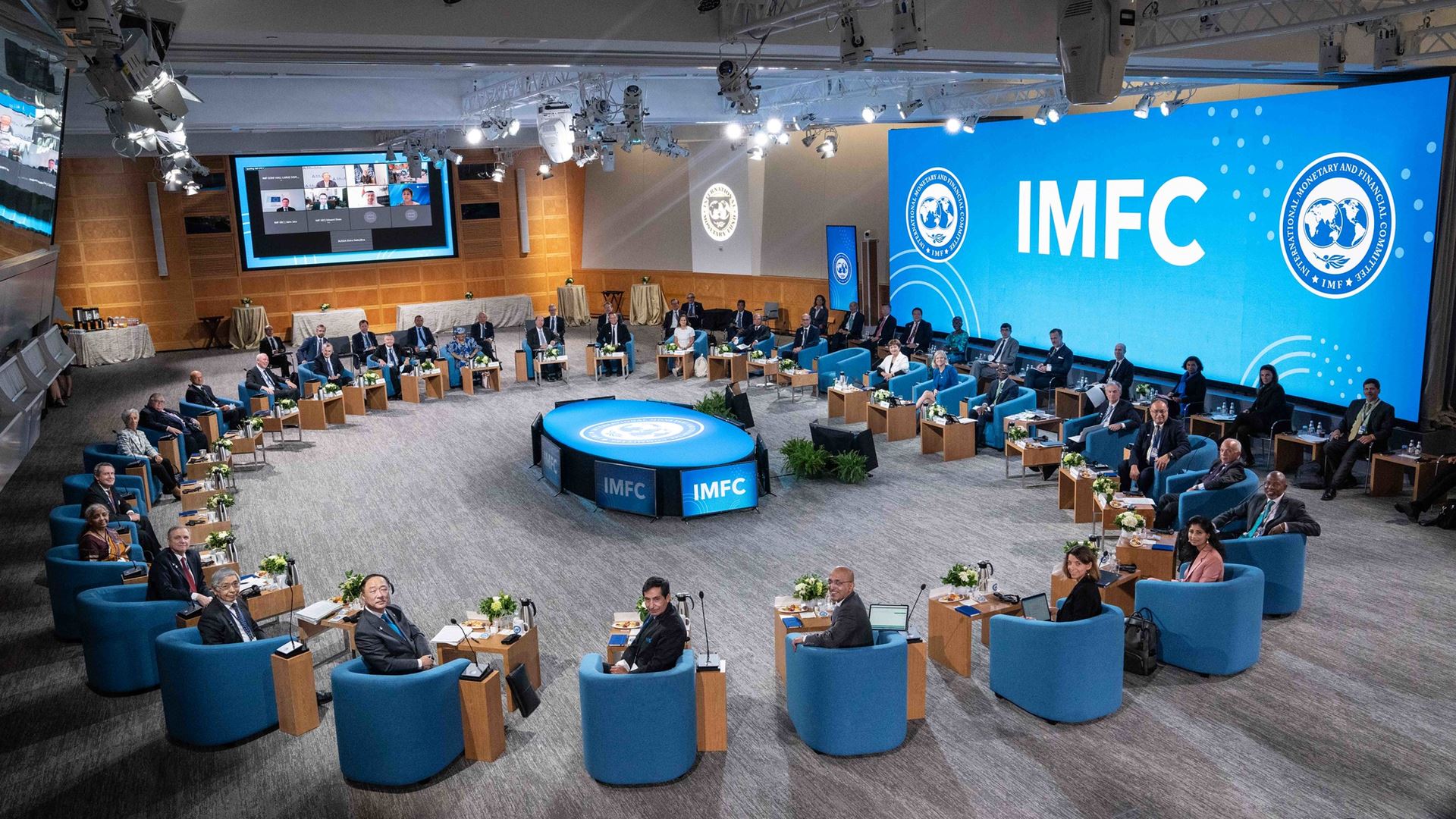
The Gulf economies are expected to continue their upward trajectory despite ongoing geopolitical tensions across the Middle East, according to the latest report from the International Monetary Fund (IMF). The region’s resilience, the IMF suggests, is driven by its diversified economic base, robust fiscal policies, and higher oil prices, which have counterbalanced the adverse effects of regional instability.

While the Middle East remains a hotspot for geopolitical risks, including tensions in Yemen, Syria, and Iran, the Gulf Cooperation Council (GCC) states—namely Saudi Arabia, the UAE, Qatar, Kuwait, Bahrain, and Oman—are poised for solid growth. The IMF’s economic outlook for the Gulf for the upcoming year signals a stable trajectory, with growth projections ranging from 3.2% to 3.5% for most of the member states. This comes on the back of strong economic fundamentals and the region’s strategic efforts to diversify away from oil dependency.

According to the IMF, the GCC’s fiscal prudence and economic diversification initiatives are vital drivers of the positive outlook. Non-oil sectors such as finance, real estate, tourism, and technology have become key contributors to economic growth. Saudi Arabia, for instance, has ramped up its Vision 2030 reform plan, focusing on broadening its economic base and reducing the country’s dependency on hydrocarbons. These efforts have led to an uptick in foreign direct investment and economic activity outside of oil.

The region’s handling of fiscal policies has played a crucial role in shielding it from the negative impacts of external shocks. Governments in the Gulf have generally maintained sound fiscal policies, with substantial fiscal surpluses bolstering state coffers, even as global oil prices fluctuate. For instance, Saudi Arabia and the UAE have used their oil revenues to fund ambitious infrastructure and diversification projects that promote long-term stability.

Saudi Arabia’s economic transformation efforts, notably under the leadership of Crown Prince Mohammed bin Salman, are already yielding results. The kingdom’s GDP has experienced robust growth, especially in non-oil sectors such as entertainment, sports, and tourism. Major projects like Neom, the futuristic city being developed in the northwest, and the Red Sea Project are expected to generate significant economic activity in the coming years. These initiatives reflect a long-term vision to create new economic hubs and reduce reliance on oil.

The UAE, another key player in the Gulf, has also shown a remarkable shift towards diversifying its economy. Dubai’s push to become a global center for technology and finance is starting to pay off, with the city positioning itself as a regional leader in both fintech and blockchain. Abu Dhabi’s focus on renewable energy and clean technologies is further strengthening the UAE’s long-term economic resilience. With such initiatives, the UAE is set to continue its strong performance, with growth forecasts suggesting the economy will expand by 4% over the next year.

Qatar has similarly proven its economic resilience. The country’s investment in liquefied natural gas (LNG) projects has enhanced its export capabilities, enabling it to weather external market fluctuations. Qatar has also shifted its focus to developing a more diverse economy, emphasizing finance, sports, and education, particularly through initiatives like the Qatar National Vision 2030.

The IMF also highlighted that Kuwait and Oman are expected to experience moderate growth, driven by their diversified economies and investments in non-oil sectors, including infrastructure and services. Although Oman has faced fiscal challenges in the past, its recent economic reforms and strategic investments are expected to yield positive results in the coming years. Similarly, Kuwait’s substantial sovereign wealth fund continues to provide a financial cushion, enabling the country to continue its development plans despite challenges.

Despite the ongoing tensions in neighboring countries, the Gulf states have managed to maintain political stability, a crucial element in sustaining investor confidence. The UAE’s role as a neutral hub for international trade, coupled with Qatar’s robust diplomatic efforts, has further insulated the region from potential instability. While conflicts in Yemen, Syria, and Iraq present challenges, the Gulf countries have largely shielded their economies from these disturbances through strong governance and military spending.

The Gulf’s active participation in global energy markets continues to provide it with a cushion against external shocks. Oil remains a crucial driver of revenue, but the higher global oil prices in the past year have supported economic resilience. Saudi Arabia and the UAE have also taken steps to ensure that their energy resources are used sustainably, with the UAE focusing on clean energy initiatives and Saudi Arabia looking to become a leader in green hydrogen production.

The region’s financial markets have also performed admirably in the face of geopolitical risk. Stock exchanges across the Gulf have been showing positive growth, with investors confident in the long-term prospects of the region. The UAE, in particular, has seen a surge in its financial markets, fueled by investor confidence in its economic diversification plans. Furthermore, the region’s strong banking sectors and their adaptation to digital banking and fintech have made them more attractive to foreign investors.

On the global stage, the Gulf has increasingly become a key partner in trade and investment. Its strategic location, at the crossroads of Europe, Asia, and Africa, continues to make it a central hub for international trade. In addition, initiatives such as the GCC’s Free Trade Agreement and the bloc’s involvement in the World Trade Organization (WTO) strengthen its position as a trade powerhouse.


Central banks across the Gulf Cooperation Council (GCC) have reduced key interest rates, mirroring the U.S. Federal Reserve’s decision to lower its benchmark rate by 25 basis points (bps). This synchronized monetary policy adjustment underscores the region’s commitment to maintaining currency pegs to the U.S. dollar and supporting economic stability. The Federal Reserve decreased the federal funds target rate range to 4.25%–4.5%, signaling a cautious approach to […]

ADVERTISEMENT

Kazakhstan is proceeding with its plan to boost oil production in 2025, despite the Organization of the Petroleum Exporting Countries Plus (OPEC+) extending output cuts to stabilize global oil markets. Prime Minister Olzhas Bektenov directed the Energy Ministry to “intensify efforts to increase natural gas and oil output,” emphasizing the government’s commitment to achieving the planned production levels. In August, Kazakhstan announced a target of producing 97.2 […]

The Middle East’s mergers and acquisitions (M&A) landscape has demonstrated remarkable resilience and growth in the first half of 2024, with total deal values reaching $49.2 billion across 321 transactions. This performance contrasts sharply with the global M&A market, which has experienced a downturn during the same period. A significant portion of this activity is attributed to sovereign wealth funds (SWFs) and government-related entities (GREs) in the […]

Crude oil markets across the Middle East have become increasingly constrained as the United Arab Emirates (UAE) takes steps to limit its oil exports, while international sanctions continue to affect flows from Iran. These combined actions have contributed to a tightening of global oil supplies, pushing prices higher for key Middle Eastern grades.

The UAE, one of the world’s top oil producers, has recently implemented measures to limit its output, joining other OPEC+ members in their efforts to stabilize oil markets amid fluctuating demand and economic uncertainty. This move is part of a broader strategy by the UAE to control production levels more closely, ensuring that the global supply remains in balance with the demand.

Meanwhile, the ongoing sanctions on Iran have added another layer of complexity to the Middle Eastern oil landscape. Despite some efforts to revive the nuclear deal, Tehran continues to face restrictions that prevent it from fully participating in the global oil trade. As a result, Iran’s oil exports have been significantly curtailed, with the country struggling to bypass restrictions designed to limit its oil revenues. This has further squeezed the market and contributed to higher prices for several crude grades.

The tightening of the market has had a noticeable impact on prices. For example, the price of Dubai crude, a key benchmark for Middle Eastern oil, has seen a substantial increase, reflecting the reduced availability of supply. The price uptick is particularly significant for countries in Asia, where Middle Eastern crude is a primary source of oil. The sharp rise in prices has prompted concerns among buyers about the sustainability of the situation, especially as global energy demand continues to grow.

Oil prices in the Middle East have also been influenced by broader geopolitical and economic trends. As countries like China and India recover from the pandemic and resume higher levels of industrial activity, their demand for crude oil has surged. This demand has been further amplified by supply restrictions in other regions, notably from Russia and Venezuela, where political and economic challenges have hampered production. These dynamics have intensified the pressure on Middle Eastern producers to ensure they can meet the global demand while managing the ongoing challenges posed by sanctions and production cuts.

The UAE’s decision to limit its oil exports aligns with broader efforts within the Organization of the Petroleum Exporting Countries (OPEC+) to curb production in response to shifting market conditions. OPEC+ has long been at the forefront of managing global oil output to prevent significant price fluctuations that could destabilize the market. However, the ongoing cuts, which have been in place for much of 2024, are a delicate balancing act. If production levels are reduced too much, they risk pushing prices too high, which could spark inflationary pressures around the world.

This delicate balance is evident in the price movements of several key crude grades. Brent crude, the global benchmark, has risen steadily, driven by supply concerns from key oil-producing regions, including the Middle East. Similarly, West Texas Intermediate (WTI) has seen price increases, partly due to concerns about the tight supply from OPEC+ nations.

Sanctions on Iran continue to play a significant role in these price shifts. Despite some efforts by Tehran to circumvent sanctions by selling oil on the black market, international restrictions remain in place, making it difficult for the country to regain its former market share. Iran’s oil exports, which once accounted for a substantial portion of global supply, have dropped significantly since the US re-imposed sanctions after exiting the nuclear deal. While there have been sporadic efforts to negotiate a return to the deal, these have so far yielded little in terms of significant policy changes or sanctions relief.

For the oil markets, these combined challenges—UAE production cuts and Iranian sanctions—represent a dual pressure point that is expected to persist throughout 2024. Experts warn that the global oil market will continue to face volatility as geopolitical uncertainties, economic growth trajectories, and supply disruptions intertwine.

While the UAE’s actions are likely to continue to drive the market dynamics in the short term, the long-term outlook for the region’s oil supply remains uncertain. The UAE, along with other key players like Saudi Arabia, will need to carefully navigate the challenges of balancing global demand with domestic energy strategies. In particular, the UAE’s push to manage its oil output more closely may have significant implications for global oil prices, especially if other members of OPEC+ follow suit.

Advertisements
ADVERTISEMENT

Arab nations have ramped up their recruitment of migrant workers, capitalizing on the global surge in demand for labour across various sectors. As economic recovery accelerates worldwide, these countries are seeing an influx of foreign workers filling key roles in industries such as construction, hospitality, healthcare, and retail. The trend has intensified due to the increasing need for skilled and semi-skilled labour, particularly in the wake of the COVID-19 pandemic, which had earlier disrupted migration flows.

This growing demand for foreign labour in the Gulf states, such as the United Arab Emirates (UAE), Saudi Arabia, Qatar, and Kuwait, reflects a broader global phenomenon where labour shortages are pushing countries to adopt more flexible immigration policies. These nations have long relied on migrant workers to fuel their economies, but the scale and scope of the current influx are higher than before, driven by ambitious infrastructure projects, the rapid expansion of new industries, and a burgeoning consumer market.

The demand for migrant workers is particularly high in the construction sector. With large-scale projects such as the World Expo 2020 in Dubai and the 2022 FIFA World Cup infrastructure projects in Qatar, Arab nations have become magnets for workers from countries like India, Bangladesh, Pakistan, and the Philippines. In these countries, millions of people are seeking better opportunities abroad, often choosing the Gulf region for its proximity, relatively higher wages, and work availability. The UAE, for instance, has seen an increase in foreign labour as it continues to diversify its economy, moving away from oil dependency and investing in tourism, real estate, and technology.

In response, governments in the Gulf have streamlined visa processes, introduced new work schemes, and made significant changes to labour laws in an attempt to better manage the growing migrant population. The Saudi government, for example, has rolled out its Vision 2030 initiative, which includes large-scale projects requiring substantial foreign manpower, while also pushing for reforms to ensure fairer treatment of migrant workers.

Despite these efforts to regulate and manage the migrant workforce, challenges remain. Migrant workers often face difficult working conditions, including long hours and low wages, especially in the construction and service industries. Human rights organizations have regularly highlighted concerns over worker exploitation, inadequate living conditions, and restrictions on freedom of movement. These concerns have prompted some governments to introduce reforms aimed at improving the welfare of migrant workers, including enhancing housing standards and addressing unpaid wages.

The COVID-19 pandemic also played a significant role in reshaping migration trends within the Arab states. During the height of the pandemic, strict lockdown measures and border closures disrupted the flow of migrant workers. However, as vaccination efforts gained ground and restrictions eased, there was a swift rebound in the demand for foreign workers. This led to a rapid recovery in the number of migrant workers coming to the Gulf region, particularly for roles in healthcare, where there has been a significant push to employ foreign doctors and nurses to cope with the demand created by the pandemic.

Qatar’s shift towards a more comprehensive legal framework for migrant workers, which includes a minimum wage law and abolishment of the kafala system, reflects a growing recognition of the need to balance economic growth with fair labour standards. However, critics argue that the changes, while significant, may not go far enough to ensure the complete protection of migrant workers’ rights. Moreover, the influx of migrant workers can sometimes put a strain on social services and infrastructure, leading to concerns over housing shortages and rising costs in certain urban areas.

While the recruitment of migrant workers is essential for the continued economic growth of the region, it has sparked debate about the long-term sustainability of such a workforce model. Some experts have pointed out that reliance on migrant labour, without sufficient investment in the local workforce or a focus on upskilling nationals, could lead to social inequalities. Additionally, the ongoing geopolitical situation and economic shifts could affect the stability of migration flows, leading to a need for more robust policies to ensure both the welfare of workers and the long-term economic health of the region.

The growing migrant workforce also reflects a significant demographic shift in these countries. The UAE, for example, has a population where expatriates outnumber nationals, with migrants forming the backbone of the economy. This demographic imbalance raises questions about the long-term social and political implications, particularly as migrant workers often face difficulties in achieving permanent residency or citizenship. Some Gulf states have introduced policies that provide greater rights to long-term residents, but these changes have been incremental.

At the same time, the rise of technology and automation in sectors such as manufacturing and logistics could alter the demand for migrant workers in the coming years. As automation takes over certain low-skilled jobs, it is likely that there will be a shift towards a more skilled migrant workforce. Countries like Saudi Arabia and the UAE are already focusing on training their workforce to meet the demands of new technologies, which could reduce their reliance on foreign workers in the long run.

The Gulf Cooperation Council (GCC) region is experiencing a significant influx of international banks and private credit firms, drawn by a burgeoning consumer market and robust economic growth. This trend is reshaping the financial landscape, introducing new opportunities and challenges for both local and foreign entities.

International financial institutions are increasingly targeting the GCC’s expanding consumer base. Private credit funds have raised under $500 million for the area since 2020, indicating a growing interest in the region’s financial prospects. Lawrence Golub, CEO of Golub Capital, noted that new mid-sized businesses in the Gulf present fresh lending opportunities for private credit firms. He emphasized that while initial opportunities may be in the “hundreds of millions not billions of dollars,” the region’s economic dynamics are favorable for direct lending capital.

The GCC’s banking sector has demonstrated resilience and growth, outperforming global peers in several metrics. In 2023, the region’s banks achieved a return on equity (ROE) of 10.9%, surpassing the global average of 9.0%. This robust performance is attributed to high hydrocarbon prices, rapid economic growth, low unemployment rates, and ambitious public investment programs. These factors have collectively supported strong balance sheets and solid margins for GCC banks.

The rise of private credit in the GCC is also notable. Firms such as Fortress Investment Group, KKR & Co., and Carlyle Group Inc. have been actively acquiring consumer loan packages in Europe and the U.S., and are now turning their attention to the Gulf. This shift is driven by the search for higher returns and the region’s evolving regulatory landscape, which now facilitates the establishment and management of private credit funds in the UAE and Saudi Arabia.

The consumer sector’s growth is a significant factor attracting these financial institutions. The GCC’s youthful and affluent population is driving demand for a wide range of consumer goods and services, from retail to real estate. This demand creates a fertile ground for banks and private credit firms seeking to capitalize on the region’s economic expansion.

However, this influx of foreign financial entities introduces new challenges. Local banks, which have traditionally dominated the market, now face increased competition. To maintain their market share, they may need to innovate and adapt to the evolving financial landscape. Additionally, the entry of international players could lead to regulatory challenges, necessitating robust frameworks to ensure fair competition and financial stability.

The GCC’s regulatory environment has been evolving to accommodate this growth. The Financial Services Regulatory Authority (FSRA) of the Abu Dhabi Global Market (ADGM) recently issued a regulatory framework for private credit funds, enabling ADGM funds and their managers to originate and invest in private credit. This development reflects the region’s commitment to creating an attractive environment for international investors.

The Trump Organization is set to expand its presence in the Gulf with the development of Trump Towers in both Abu Dhabi and Dubai. These luxury projects, slated for construction in partnership with Dar Global, are expected to bring unparalleled opulence to the region, with one of the towers located in Downtown Dubai. According to Eric Trump, son of the US president-elect, the Abu Dhabi development is […]

ADVERTISEMENT

BANGKOK, THAILAND – Media OutReach Newswire – 17 December 2024 – SCG International has proudly launched Siam Signature, a premium Thai food and beverage brand, at Tamimi Markets – An Nuzhah. This introduction heralds a new era of authentic Thai flavors available in the Saudi market. Premium Products of Siam Signature: Doi Kham: A sustainable brand initiated by Thai royalty, renowned for its exceptional quality. Thai Aree: […]

The Arab Coordination Group (ACG), an alliance of ten prominent development finance institutions, has pledged up to $10 billion by 2030 to address the escalating challenges of land degradation, desertification, and drought. This significant commitment was announced during the Ministerial Dialogue on Finance at the 16th session of the Conference of the Parties (COP16) to the United Nations Convention to Combat Desertification (UNCCD), held in Riyadh, Saudi […]

Parkin and BATIC, two prominent players in the realm of urban mobility solutions, have announced a strategic collaboration aimed at transforming parking systems in Saudi Arabia. The partnership focuses on leveraging cutting-edge technologies to enhance the efficiency and accessibility of parking infrastructure across key urban areas. Parkin, a company known for its innovative smart parking systems, and BATIC, a leader in digital transformation solutions for the transport […]

Saudi Global Ports Co., a state-backed entity, has engaged Goldman Sachs Group Inc. and HSBC Holdings Plc to assist in arranging a potential initial public offering (IPO) that could raise up to $1 billion. The IPO is anticipated to take place as early as next year, according to sources familiar with the matter.

The company, owned by Saudi Arabia’s sovereign wealth fund and Singapore’s PSA International Pte, is considering listing on the Riyadh stock exchange. This move aligns with Saudi Arabia’s broader strategy to diversify its economy and attract international investment.

Saudi Global Ports Co. operates several key ports in the kingdom, including the King Abdulaziz Port in Dammam and the King Fahad Industrial Port in Yanbu. These ports are vital to the nation’s trade infrastructure, handling a significant portion of Saudi Arabia’s imports and exports.

The potential IPO is part of a series of privatizations and public offerings initiated by the Saudi government to reduce its reliance on oil revenues and stimulate the non-oil economy. The Public Investment Fund (PIF), which owns Saudi Global Ports Co., has been instrumental in these efforts, investing in various sectors such as technology, entertainment, and infrastructure.

The selection of Goldman Sachs and HSBC underscores the importance of the IPO and the government’s commitment to ensuring its success. Both banks have extensive experience in managing large-scale IPOs and have been involved in several high-profile offerings in the region.

The planned IPO is expected to attract significant interest from both domestic and international investors, given the strategic importance of the ports and the government’s push for economic diversification. The funds raised from the offering are intended to support the expansion and modernization of port facilities, enhancing Saudi Arabia’s position as a global logistics hub.

While the exact timing and valuation of the IPO are yet to be determined, the involvement of leading financial institutions indicates a well-prepared approach to the offering. The success of this IPO could set a precedent for future privatizations and public offerings in Saudi Arabia, potentially influencing the broader Middle East and North Africa (MENA) region’s capital markets.

ADVERTISEMENT

US investors are closely watching the performance of the Gulf Cooperation Council (GCC) countries, with expectations that they will soon surpass Latin America in key global equity indices such as MSCI and FTSE. As geopolitical stability, economic diversification, and investment-friendly policies continue to reshape the GCC region, investor sentiment is shifting in favor of markets like Saudi Arabia, the UAE, and Qatar. These shifts are positioning the GCC as a competitive alternative to Latin American markets, which have traditionally dominated emerging market portfolios.

The transformation of the GCC has been driven by the Vision 2030 initiatives in Saudi Arabia and similar long-term strategies in the UAE, Oman, and other member states, which aim to reduce dependence on oil exports and stimulate private-sector growth. The shift towards sustainable, knowledge-based economies has attracted foreign investment, with an increasing number of global funds seeking exposure to these markets. As a result, GCC markets are becoming more integrated into international investment indices, which influences investor behavior and portfolio allocations.

Over the last few years, the region has experienced remarkable economic resilience. Saudi Arabia, for instance, has embarked on large-scale infrastructure projects, including the $500 billion NEOM city, aiming to transform the country into a global tech hub. The UAE’s successful diversification into technology, tourism, and finance, alongside Qatar’s investments in real estate and sports, have been pivotal in shaping the region’s economic future. These developments have helped insulate the GCC from global economic shocks that have impacted other emerging markets, particularly in Latin America.

On the other hand, Latin America faces several challenges, including political instability, high inflation rates, and the ongoing effects of the COVID-19 pandemic. While countries like Brazil and Mexico continue to attract significant foreign investment, they struggle with internal issues that undermine their competitiveness in global markets. Currency devaluations, fiscal deficits, and socio-political unrest have made it difficult for Latin American nations to maintain the economic momentum necessary to attract sustained foreign capital flows.

One key factor driving the GCC’s rise in global indices is the region’s regulatory reforms and commitment to improving market transparency. The recent opening up of Saudi Arabia’s stock market to foreign investors has significantly boosted its profile in the MSCI Emerging Markets Index, making it one of the most important global equity markets. Likewise, the UAE and Qatar have undergone similar reforms to make their markets more attractive to international investors. These changes have helped secure the region’s position as a top destination for investment.

By contrast, Latin American markets face continued hurdles in enhancing their market accessibility to foreign investors. While efforts to reform capital markets have been made, the pace of regulatory change has often been slow, and institutional instability in countries like Argentina and Venezuela poses ongoing risks to foreign capital. The lack of uniform regulatory standards across the region makes it harder for investors to manage risk efficiently compared to the more standardized frameworks seen in the GCC.

Investor preferences are also shifting toward sectors where the GCC has a clear competitive advantage. The rise of the global green economy, for instance, has created new opportunities for the region, particularly in the fields of renewable energy and sustainable infrastructure. Countries like Saudi Arabia and the UAE have announced major green energy projects that are not only environmentally beneficial but also expected to generate long-term economic returns. These initiatives align well with the investment priorities of ESG (Environmental, Social, and Governance) focused funds, further boosting the region’s appeal.

Latin America, by contrast, has yet to fully tap into the green economy. While there are emerging opportunities, the lack of coherent national strategies and adequate infrastructure to support renewable energy projects has hindered the region’s growth in this space. The region’s natural resources, such as lithium and copper, are essential for the global transition to electric vehicles, but the lack of stable governance and investment in infrastructure has delayed progress.

The relative stability of GCC countries—especially in terms of governance and fiscal policy—has made them more attractive to foreign investors. With some Latin American countries struggling with political volatility, the GCC offers a more secure investment environment. Saudi Arabia’s Crown Prince Mohammed bin Salman has implemented various reforms to strengthen the business environment, which have been widely praised by foreign investors. Similarly, the UAE’s policies of attracting global talent and fostering innovation have made it one of the most dynamic economies in the region.

As the global economic landscape shifts, the GCC’s strong economic fundamentals, combined with its strategic initiatives to diversify and attract foreign capital, are making it a prominent contender for investors. The region’s stock markets are likely to continue their upward trajectory, surpassing Latin America in indices like MSCI and FTSE, further consolidating their position in the global investment community.

The Body Shop, a pioneer in ethical beauty founded in 1976 by Anita Roddick, has embarked on a transformative journey under the stewardship of Auréa Group, led by co-founder and Executive Chairman Mike Jatania. This development follows a period of financial instability that culminated in the company’s administration earlier this year.

In September 2024, Auréa Group finalized the acquisition of The Body Shop, aiming to rejuvenate the brand’s market presence and reaffirm its commitment to ethical consumerism. Jatania, with over three decades in the beauty industry, expressed enthusiasm for revitalizing a brand that resonates with consumers across more than 70 countries. He emphasized plans to invest in product innovation and enhance customer experiences while honoring the brand’s activist heritage.

The Body Shop’s financial challenges became evident when it entered administration in February 2024, leading to the closure of approximately half of its 198 UK stores and significant job losses. The company’s struggles were attributed to increased competition and shifts in consumer preferences.

Under Auréa’s leadership, The Body Shop is poised for a strategic transformation. CEO Charles Denton, who brings a wealth of experience from his tenure at Molton Brown, underscored the necessity for bold actions and a consumer-centric approach to restore the brand’s unique, values-driven spirit.

A key component of the revival strategy involves a renewed focus on product innovation, particularly in skincare and fragrance, to meet the evolving demands of a diverse consumer base. Jatania highlighted the importance of agility in responding to market trends while maintaining the brand’s ethical standards.

The Middle East has been identified as a pivotal region for The Body Shop’s growth. With an existing presence in nine markets, including the UAE and Saudi Arabia, the brand aims to cater to a young, conscientious consumer base that values sustainability and ethical products. Plans are underway to adapt product offerings to local preferences, particularly in fragrance and skincare, to strengthen the brand’s foothold in the region.

The acquisition by Auréa Group has also ensured the continuation of The Body Shop’s operations in the UK, North America, and Australia. The new ownership has committed to keeping the remaining UK stores open, safeguarding approximately 1,500 jobs, and stabilizing the company’s presence in key markets.

Dan Company, a subsidiary of Saudi Arabia’s Public Investment Fund (PIF) specializing in agritourism, ecotourism, and adventure tourism, has entered into a contract with Abdulmohsen Al-Tamimi Contracting Company to develop the first luxury resorts in Al-Ahsa, Saudi Arabia.

The signing ceremony took place at Dan Company’s headquarters in Riyadh, with Chairman Saad Abdulaziz Al-Kroud and Abdulmohsen Al-Tamimi Contracting Company’s Chairman Yousef Abdul Mohsen Al-Tamimi in attendance. The agreement was formalized by Dan Company’s CEO, Abdulrahman Abaalkhail, and Mohammed Abdul Mohsen Al-Tamimi, CEO of Abdulmohsen Al-Tamimi Contracting Company.

This project, branded as Tuaja Luxury Resorts, aims to enhance Saudi Arabia’s hospitality sector by integrating sustainability, innovation, and authentic hospitality. It also seeks to bolster Al-Ahsa’s appeal as a destination for both regional and international tourists.

Spanning 1.8 million square meters, the resort will feature 201 accommodation units, including hotel rooms and high-end villas, some equipped with private pools. The development will offer three distinct experiences:

– Tuaja Premium Farm Resort: Focused on luxury and exploration.

– Tuaja Eco Resort: An eco-friendly retreat emphasizing tranquility and contemplation.

– Tuaja Adventure Resort: Catering to guests seeking adventure and excitement.

Amenities will include diverse dining options featuring a ‘farm-to-table’ experience, a luxurious spa, a central activity area, a community center supporting local artisans, an event hall, and state-of-the-art sports facilities.

Chairman Saad Abdulaziz Al-Kroud stated, “We are pleased to announce the new resort, which aligns with the Kingdom’s efforts to enhance its hospitality and tourism offerings locally and internationally and reaffirms our commitment to contribute to the development of the tourism sector by leveraging the Kingdom’s enchanting natural landscapes and showcasing its rich natural diversity through agri, eco, and adventure tourism.”

Yousef Abdul Mohsen Al-Tamimi, Chairman of Abdulmohsen Al-Tamimi Contracting Company, expressed, “We are delighted to collaborate with Dan Company on this exceptional project, which underscores our unwavering commitment to shaping a sustainable future and actively contributing to the goals of Saudi Vision 2030.”

Dan Company is pursuing LEED (Leadership in Energy and Environmental Design) certification for the resort, emphasizing environmental conservation and sustainability. The project aims to blend modern sustainability practices with local traditions, preserving the region’s natural heritage and culture.

This initiative aligns with Saudi Arabia’s Vision 2030, which seeks to attract 150 million visitors by 2030 and increase the tourism sector’s contribution to the GDP from 6% to 10%. The development is expected to boost the local economy, create job opportunities, and elevate Al-Ahsa’s status as a premier tourist destination.

Abdulmohsen Al-Tamimi Contracting Company has a track record of involvement in significant projects within the Kingdom, including Red Sea Global, NEOM, and Qiddiya. Their collaboration with Dan Company reflects a shared vision to redefine hospitality and tourism in Saudi Arabia.

Al-Ahsa, recognized as a UNESCO World Heritage site, is renowned for its rich cultural and agricultural heritage. The introduction of Tuaja Luxury Resorts is poised to showcase the region’s unique character, offering guests immersive experiences in agritourism, ecotourism, and adventure tourism.

ADVERTISEMENT

The consolidation trend among Islamic banks in the EMEA (Europe, Middle East, and Africa) region is poised to continue into 2025, according to Fitch Ratings. The consolidation, driven by the need for increased scale, enhanced profitability, and improved operational efficiency, is seen as a necessary response to the challenges posed by the ongoing economic and regulatory changes across the region. While the process has been gradual, experts predict that a more significant shift will take place in the coming year.

The Islamic banking sector, with its distinct set of regulations and operations, is under growing pressure to adapt to the evolving financial landscape. As regional economies grapple with uncertainty caused by factors such as geopolitical tensions, fluctuating oil prices, and the impact of digital disruption, banks are increasingly seeking mergers and acquisitions (M&A) as a means to strengthen their market position. The potential for cost synergies, coupled with the increasing importance of technology-driven innovation, has made consolidation an attractive option.

One of the primary factors driving this trend is the growing need for Islamic banks to enhance their capital bases. This is particularly critical in the face of stricter regulatory requirements and increased competition from both conventional and non-bank financial institutions. Many Islamic banks in the region have faced challenges in maintaining their profitability and meeting regulatory capital adequacy standards. A merger or acquisition often presents an effective way to increase the capital base and spread risks, which is crucial for long-term sustainability.

In addition to regulatory pressures, Islamic banks in EMEA are responding to shifts in consumer behavior. Increasingly tech-savvy customers are demanding more digital services, and Islamic banks are finding it challenging to match these expectations with traditional banking models. The need to invest in technology, digital banking infrastructure, and cybersecurity has created additional financial strain on smaller banks. Larger institutions, on the other hand, can leverage their scale to absorb such costs more efficiently. This has led many smaller Islamic banks to explore consolidation options as a way to remain competitive and relevant in the market.

The Middle East, in particular, has been at the forefront of this consolidation. Banks in the UAE, Saudi Arabia, and Qatar have already seen several high-profile mergers in the past few years. The consolidation trend is not only focused on strengthening local banks but is also a part of broader efforts to increase the global competitiveness of Islamic financial institutions. The rise of fintech in the Islamic finance sector has further accelerated the need for banks to collaborate or merge, aiming to modernize their services and better serve a younger, more tech-oriented clientele.

Fitch Ratings highlights that consolidation could be more pronounced among smaller institutions that are struggling to keep pace with the technological advancements and regulatory demands. These smaller banks, while historically focused on niche markets, will likely face increasing pressure to align with larger, more diversified institutions or explore mergers to survive. In many cases, the market is witnessing banks combining to pool their resources and expand their geographic footprint, a move that will allow them to offer a wider array of products and services while capitalizing on economies of scale.

Regional governments, too, are playing a role in facilitating this consolidation. Several governments in the EMEA region are actively encouraging M&A activities as part of their broader economic diversification plans. By creating a more robust and competitive Islamic finance sector, they aim to bolster their financial markets and attract more global investment. Additionally, regulatory changes, such as the implementation of Basel III standards, have made it more difficult for smaller institutions to operate independently. As such, the continued consolidation trend is seen as both an economic and regulatory necessity.

As the year 2025 approaches, experts predict that the landscape for Islamic banking in the EMEA region will become even more concentrated. Larger, more technologically advanced banks will increasingly dominate the market, while smaller players may find it difficult to compete without partnering with others or being absorbed into bigger institutions. This shift will have significant implications not only for the banks involved but also for consumers and investors alike, who may see a broader range of services and greater operational efficiencies emerge from these mergers.

Despite the potential challenges, there is optimism about the future of Islamic banking in the region. While consolidation will lead to fewer players in the market, the remaining institutions will be better positioned to meet the demands of a changing financial environment. As Islamic banks continue to focus on digital transformation, enhanced capital adequacy, and cross-border expansion, the sector is expected to become more resilient and globally competitive.

The Riyadh Metro project, a pivotal component of Saudi Arabia’s Vision 2030 strategy, has achieved another significant step forward with the inauguration of the Red and Green lines. These additions to the expansive transportation network underline the city’s ambitions to become a global urban hub and address critical challenges such as traffic congestion and carbon emissions.

The launch follows years of meticulous planning and phased implementation by the Royal Commission for Riyadh City (RCRC). With six lines spanning 176 kilometers and connecting 85 stations, the Riyadh Metro represents one of the largest urban transport initiatives in the Middle East. The network’s phased rollout began earlier this month, with the Blue, Yellow, and Purple lines debuting on December 1. The Orange Line is scheduled to complete the system’s full deployment in early January 2025.

The Green Line, traversing King Abdulaziz Road, and the Red Line, covering King Abdullah Road, collectively add over 38 kilometers of coverage. These routes aim to improve connectivity between key residential, commercial, and educational districts, including access to King Khalid International Airport and King Abdullah Financial District (KAFD), the latter a central hub for the kingdom’s economic diversification.

Operational details confirm daily metro services running from 6 a.m. to midnight, with high-tech, fully automated trains ensuring seamless transport. Travelers can choose between various ticketing options, ranging from SAR 4 for a two-hour pass to SAR 140 for a 30-day unlimited pass, while premium class tickets cater to those seeking enhanced comfort. The user-friendly Darb mobile app facilitates route planning and ticket purchases, promoting a convenient and integrated experience for commuters.

The Riyadh Metro is also celebrated for its eco-friendly design. Incorporating solar panels in station construction, the project offsets 20% of its energy needs through renewable sources. Once fully operational, the metro is projected to reduce 250,000 daily car journeys, saving approximately 400,000 liters of fuel and significantly cutting urban pollution levels. These measures align with the global push for sustainable urban development.

RCRC’s strategic vision extends beyond transportation, with metro stations doubling as community hubs. Major stations such as KAFD Metro Station and Qasr Al-Hukm District Station offer not only transit services but also retail outlets, air-conditioned lounges, and parking facilities accommodating thousands of vehicles. The separation of family and single carriages caters to cultural sensitivities, while a VIP class provides exclusive amenities for premium passengers.

ADNH Catering, a prominent UAE-based catering services provider, has announced plans to raise its ownership stake in its Saudi joint venture, Compass Arabia, to 50%. This move is expected to strengthen ADNH’s foothold in the Middle East, particularly in the growing food services sector of Saudi Arabia. By doubling its share in the venture, ADNH is positioning itself to capitalize on the Kingdom’s expanding hospitality and catering […]

following the structure and guidelines provided. I’ll research and return shortly with the completed piece.

Saudi Arabia aims to redefine global tourism with FIFA World Cup 2034

Saudi Arabia is gearing up to host the FIFA World Cup in 2034, an event set to elevate its global profile while aligning with its Vision 2030 objectives. This monumental occasion is more than just a sporting event; it serves as a platform for the Kingdom to showcase its ambitious advancements in real estate, infrastructure, and tourism, positioning itself as a premier global destination.

The Kingdom’s preparation includes massive investments in hospitality and tourism infrastructure. By 2030, it aims to double the capacity of hotel rooms to accommodate the influx of football fans and tourists. Landmark projects like NEOM and the Red Sea Project are expected to play pivotal roles, with a strong emphasis on integrating luxury, sustainability, and cutting-edge design. The Red Sea Project, for instance, prioritizes renewable energy, ecosystem preservation, and minimal carbon footprint, underlining Saudi Arabia’s commitment to sustainable tourism.

Riyadh, the capital city, will undergo a transformative urban upgrade, aiming to rival major global cities. Planned enhancements include a new airport terminal, efficient public transportation systems, and advanced stadium facilities. The World Cup is projected to attract millions of international visitors, offering a significant boost to local businesses and the hospitality sector. Furthermore, the Kingdom’s strategy involves leveraging digital innovations to provide seamless experiences for visitors, including advanced ticketing systems, smart tourism platforms, and AI-driven logistics management.

Cultural tourism will also be a focal point, with initiatives to promote Saudi Arabia’s rich heritage and traditions. Sites like Diriyah and AlUla, both recognized for their historical and archaeological significance, are being developed into world-class tourist attractions. These efforts aim to foster cultural exchange while boosting Saudi Arabia’s reputation as a diverse and inclusive travel destination.

Economic analysts anticipate a significant boost to the local economy, with increased job creation in sectors such as construction, transportation, and hospitality. The World Cup aligns closely with Vision 2030, which seeks to diversify the Kingdom’s economy by reducing reliance on oil revenues. By capitalizing on global events, Saudi Arabia is positioning itself as a hub for international investment, tourism, and cultural collaboration.

State-owned Saudi Electricity Co. has secured a significant $3.6 billion internationally syndicated credit facility. This financing is designed for general corporate purposes, marking a major financial milestone for the utility company. The credit facility spans five years with the added flexibility of two one-year extension options, ensuring that the company has a robust financial buffer for its future operations and growth.

The financing deal is being provided by a group of 13 banks, including several leading international financial institutions. The consortium includes the Industrial and Commercial Bank of China (ICBC), Bank of China, Agricultural Bank of China, Bank of Communications, and China Construction Bank, alongside prominent regional banks such as KfW IPEX Bank, State Bank of India, and First Abu Dhabi Bank. The deal also involves Abu Dhabi Commercial Bank, Abu Dhabi Islamic Bank, Boubyan Bank, Dubai Islamic Bank, and Saudi Investment Bank.

This syndicate brings together a diverse mix of global and regional financial powerhouses, reinforcing Saudi Electricity Co.’s credibility and appeal in the global market. It highlights the strong international trust in the company’s ability to meet its financial obligations. The financing agreement is seen as an essential move to strengthen the company’s operational capacity and support its expansion initiatives across Saudi Arabia’s rapidly developing energy sector.

Saudi Electricity Co. is the primary electricity provider in the Kingdom of Saudi Arabia, playing a critical role in supporting the nation’s growing demand for power. The company is involved in the generation, transmission, and distribution of electricity, with a wide-reaching infrastructure that covers both urban and rural areas. As part of the Saudi government’s Vision 2030, the company is expected to continue investing in its infrastructure to support the kingdom’s growing energy needs, driven by both population growth and industrial development.

The newly secured syndicated credit facility is part of Saudi Electricity Co.’s strategy to diversify its funding sources and enhance its financial stability in the face of ongoing energy sector reforms. With Saudi Arabia pushing forward with ambitious diversification plans under Vision 2030, the demand for electricity continues to rise, creating further pressure on the country’s energy utilities to expand and modernize their infrastructure.

The five-year tenor of the loan, with the potential for two one-year extensions, provides Saudi Electricity Co. with a long-term financial cushion to undertake projects that will modernize and expand its power generation and distribution systems. It also aligns with the company’s ongoing efforts to increase the efficiency of its operations and integrate renewable energy sources into its grid. The company is exploring a range of technologies to boost its renewable energy capacity, aligning with the country’s broader sustainability goals.

The consortium of banks involved in this deal underscores the strong ties between Saudi Arabia and key global financial institutions, particularly those from China and the Gulf region. China has emerged as one of the major international partners for Saudi Arabia, with a growing interest in the country’s infrastructure and energy sectors. This trend is likely to continue as the two countries strengthen their economic and political relationships, driven by mutual interests in energy security and economic diversification.

The involvement of regional banks such as First Abu Dhabi Bank and Dubai Islamic Bank also highlights the ongoing collaboration between Saudi Arabia and the UAE. The UAE has been an active participant in the broader Gulf region’s energy sector, with many of its financial institutions looking to expand their presence in Saudi Arabia’s burgeoning energy market.

The loan facility also comes at a time when Saudi Electricity Co. is looking to improve its financial profile. While the company has historically relied on state-backed financing, this syndicated loan deal represents a step towards accessing global capital markets. The participation of a diverse array of international and regional banks suggests that Saudi Electricity Co. is becoming more integrated into the global financial ecosystem, reflecting its evolving role in the Kingdom’s energy transition.

This syndicated loan is expected to help Saudi Electricity Co. fulfill its mission of modernizing and expanding its infrastructure to meet growing electricity demands. It will also bolster its ability to integrate clean and renewable energy sources into the grid, supporting the broader goal of reducing the country’s carbon footprint and advancing sustainability efforts.

The move is also part of Saudi Electricity Co.’s long-term strategy to maintain financial flexibility and reduce its reliance on government support. By securing funding from a range of international and local financial institutions, the company is positioning itself for future growth, both in the domestic and regional energy markets. The successful closure of this facility also serves as an endorsement of the company’s financial health and strategic direction, providing it with the resources needed to maintain its pivotal role in the energy sector.

Saudi Arabia’s Public Investment Fund (PIF) has acquired a 15% stake in the holding company of Heathrow Airport, marking a significant step in the sovereign wealth fund’s expansion into global infrastructure. The transaction, valued at approximately £1.3 billion, is part of a broader agreement where Paris-based private equity firm Ardian also purchased a 22.6% stake in FGP Topco, Heathrow’s parent company, from the Spanish infrastructure firm Ferrovial. Together, the deals represent a combined investment of £3.3 billion, valuing Heathrow at £8.7 billion, slightly lower than its previous valuation of £9.5 billion.

Ferrovial, which held a substantial interest in Heathrow since 2006, has been gradually divesting its stake. This sale is part of its strategy to refocus its portfolio while retaining a 5.25% minority interest in the airport. Qatar Investment Authority remains one of Heathrow’s major shareholders with a 20% stake, alongside other institutional investors like Singapore’s GIC and Canada’s Caisse de dépôt et placement du Québec, each holding smaller shares.

The move underscores PIF’s commitment to diversifying its investments and aligning with Saudi Arabia’s Vision 2030, which emphasizes economic diversification beyond oil revenues. Heathrow Airport, one of the busiest global travel hubs, handled over 80 million passengers annually before the pandemic and remains a critical node for international connectivity.

Oman remains steadfast in its commitment to becoming a global leader in green hydrogen production, despite facing a range of challenges in its pursuit of an energy transition. The Gulf nation is tapping into its vast renewable energy potential to position itself as a key player in the emerging green hydrogen market, which could play a pivotal role in global decarbonization efforts. The country’s green hydrogen strategy […]

VISHNU RAJA
RYO YAMADA
HITORI GOTOH
IKUYO KITA
Social Media Auto Publish Powered By : XYZScripts.com