News related to
Saudi

Saudi Arabia, the leading member of OPEC, has been pursuing an unconventional strategy in recent months, opting to lower oil prices in an effort to restore discipline within the group. The move marks a stark contrast to the traditional approach of pushing prices higher, a tactic long favoured by OPEC to maximise revenue. However, Riyadh’s shift in approach reflects the kingdom’s growing frustration with certain OPEC+ members, […]

Greenlogue/AP Gulf Warehousing Company has launched one of the largest private solar energy initiatives in the GCC, marking a significant step towards sustainability within the logistics sector. The move, made in collaboration with Yellow Door Energy, aims to position GWC as a key player in the region’s push for greener, more efficient logistics operations. The ambitious project will see the installation of solar power plants at three […]

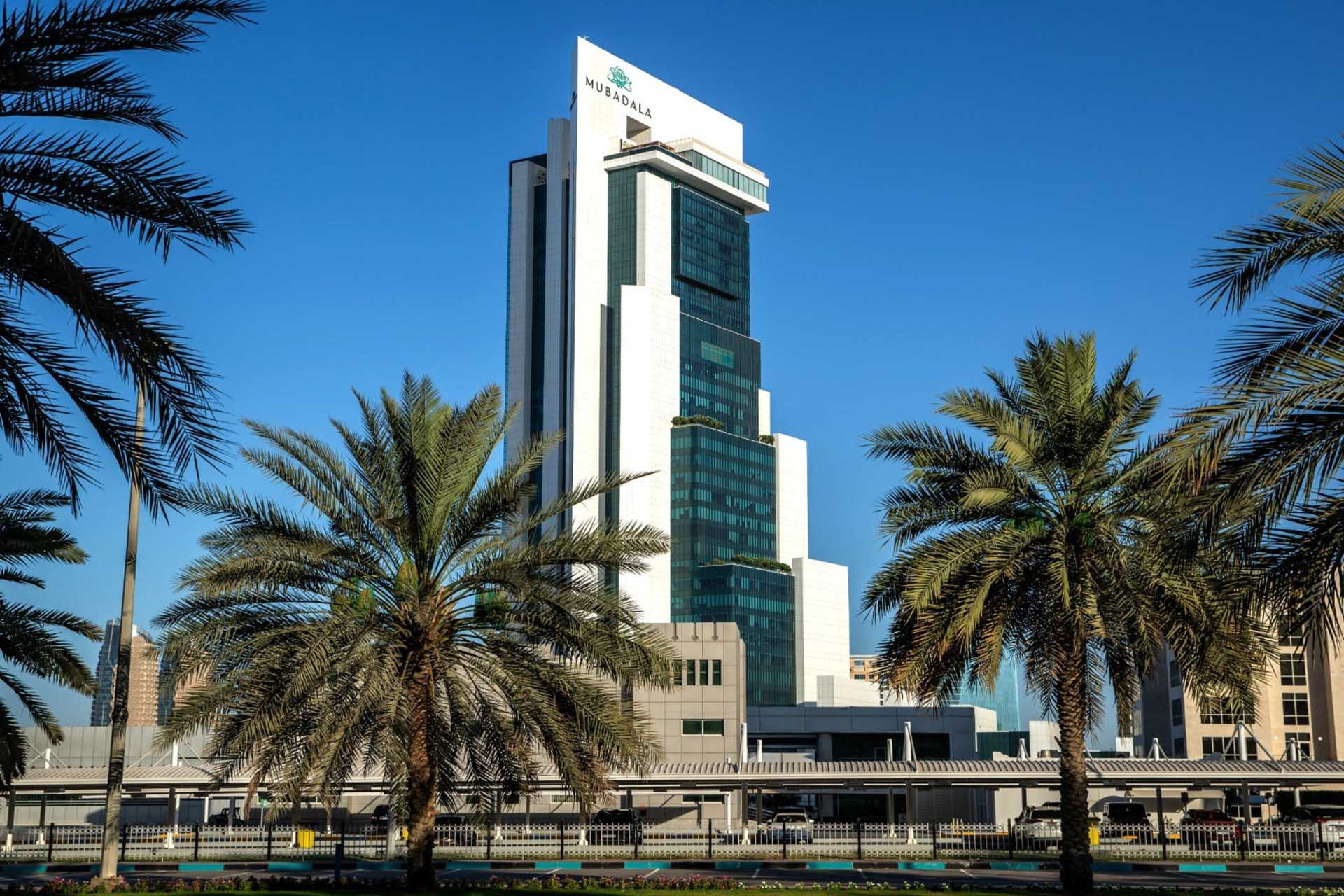
Abu Dhabi’s Mubadala Capital is set to lead a $10 billion syndicated investment into TWG Global, marking a significant move into the global sports and entertainment sector. This partnership not only positions Mubadala at the forefront of high-value sports investments but also reflects a broader trend among Gulf sovereign wealth funds diversifying their portfolios beyond traditional assets.

TWG Global, co-chaired by Mark Walter and Thomas Tull, manages a diverse portfolio that includes stakes in prominent sports franchises such as the Los Angeles Dodgers, Los Angeles Lakers, and Chelsea FC. The conglomerate, valued at approximately $40 billion, also invests in sectors like artificial intelligence, biotechnology, and media. Walter, known for his role in Guggenheim Partners, and Tull, former owner of Legendary Entertainment, bring extensive experience in both finance and entertainment to the venture.

The investment deal includes TWG Global acquiring a minority stake in Mubadala’s asset management platform for $2.5 billion. This strategic move aims to increase commitments to an additional $20 billion of investment capital, signaling a deepening collaboration between private investment firms and sovereign wealth funds.

Global SWF, a sovereign fund tracker, described the partnership as “a new chapter in global finance,” highlighting the innovative nature of a private firm acquiring a stake in a sovereign wealth fund’s asset management arm. This arrangement provides Mubadala with indirect ownership exposure to iconic Western sports franchises, aligning with the rising valuations of global sports assets and the convergence of content, fan engagement, and streaming monetisation.

Mubadala’s move mirrors strategies employed by other Gulf sovereign wealth funds, such as Saudi Arabia’s Public Investment Fund , which has been actively building its sports and leisure portfolio. However, through this partnership with TWG Global, Mubadala gains immediate access to established sports entities, bypassing the need to build its portfolio from scratch.

In 2024, Mubadala emerged as the world’s largest sovereign wealth fund spender, deploying $29.2 billion across 52 transactions—a 67% increase from the previous year. This surge in investment activity underscores the fund’s commitment to diversifying its holdings and capitalising on emerging market opportunities.

Foreign investments in Gulf stocks have surged in recent years, as nations within the Gulf Cooperation Council continue to transform their economies and capital markets. By the close of 2024, foreign equity inflows are expected to double to $60 billion, a sharp increase from 2022, driven by a combination of regulatory changes and inclusion in the prestigious MSCI Emerging Market Index.

The GCC’s capital markets have experienced substantial growth. Market capitalisation has increased four-fold, reaching $4.2 trillion, with turnover doubling to $690 billion. The rapid expansion of foreign participation is reshaping the region’s financial landscape, as countries seek to diversify their economies beyond oil revenues. This shift has become particularly evident in the stock markets of the region, where foreign investors are now a more prominent presence than ever before.

Gulf nations have made concerted efforts to modernise their economies, making them more attractive to international capital. A key development has been the GCC’s growing inclusion in global financial indices. Four out of six GCC countries – Saudi Arabia, the UAE, Qatar, and Kuwait – are now part of the MSCI Emerging Market Index. This inclusion has attracted significant international attention and capital, as investors see the region as a promising avenue for growth.

One of the critical factors behind the inflow of foreign capital is the series of regulatory reforms that have been introduced in recent years. These reforms have been designed to make the region’s markets more accessible and investor-friendly. Foreign ownership limits have been eased, allowing international investors to take larger stakes in companies listed on Gulf exchanges. These changes have made the GCC markets more appealing to institutional investors who were previously deterred by restrictive ownership rules.

In addition to regulatory changes, the GCC countries have also improved their financial infrastructure. The establishment of new exchanges, the introduction of better trading mechanisms, and the enhancement of corporate governance standards have all contributed to the region’s growing appeal to international investors. These efforts have created a more stable and predictable investment environment, crucial for attracting foreign capital.

The shift towards diversification from oil has been another driving force behind the surge in foreign investment. Gulf nations, particularly Saudi Arabia and the UAE, have been actively working to reduce their dependence on oil revenues by investing in a variety of industries. Saudi Arabia’s Vision 2030 plan, for example, aims to develop sectors such as technology, entertainment, and tourism, positioning the kingdom as a global investment hub. The UAE, meanwhile, has focused on becoming a regional leader in technology and innovation, with Dubai’s growing status as a fintech hub contributing to the rise in foreign equity participation.

The role of foreign investors in shaping the region’s stock markets cannot be overstated. Their increasing presence is evident in the growing market capitalisation and turnover of Gulf stock exchanges. As more international players enter the market, their influence on corporate governance and market dynamics becomes more pronounced. This has led to greater transparency and a more competitive business environment, which benefits both local and foreign investors alike.

Looking ahead, there are clear signs that the GCC countries will continue to evolve as attractive investment destinations. The ongoing reforms, coupled with the broader diversification strategies being pursued by the region, are likely to sustain the momentum of foreign investment. Oman, which is yet to be included in the MSCI Emerging Market Index, is expected to join in 2027, further expanding the reach of GCC capital markets.

While the region’s markets have flourished, there are also challenges that must be addressed. The volatility of global oil prices continues to be a concern, given that the GCC economies remain largely dependent on oil exports, despite efforts at diversification. Moreover, the geopolitical dynamics of the region also present risks that could affect foreign investment flows. However, the GCC countries have demonstrated resilience in managing these risks, through sound economic policies and a commitment to strengthening ties with global markets.

ADVERTISEMENT

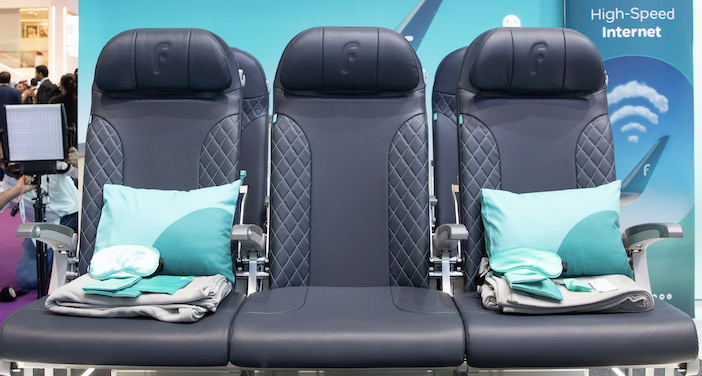
flynas has entered into an agreement with Safran to outfit its upcoming fleet of 60 Airbus A320neo aircraft with the latest-generation Z200 seats. The memorandum of understanding was formalised during the Arabian Travel Market in Dubai, with deliveries scheduled to commence in the latter half of 2025.

Each aircraft will feature a 174-seat configuration, comprising both Economy and Premium class sections. The Premium section, spanning four rows at the front of the cabin, will offer enhanced passenger comfort with wider seat pitch, adjustable headrests, and a middle seat blocker to provide additional personal space. The Economy class will be equipped with seats designed for medium- to long-haul flights, incorporating features such as smart cushions, portable electronic device holders, dual USB-A and USB-C power ports with 60W output, lower literature pockets, coat hooks, and cup holders.

Bander Almohanna, CEO of flynas, highlighted that this collaboration aligns with the airline’s expansion strategy, which aims to connect Saudi Arabia with 250 international destinations, accommodate 330 million passengers, and host 100 million tourists annually by 2030. He stated that the partnership with Safran is instrumental in reimagining flynas’ future cabins with smart design and advanced technologies, offering passengers a unique and comfortable travel experience.

Quentin Munier, Executive Vice President of Safran Seats France, expressed enthusiasm about the collaboration, noting that this marks Safran’s first partnership with flynas. He emphasized that the Z200 seats are designed to deliver benefits for both passengers and operators, enhancing comfort and operational efficiency.

China International Capital Corp. is intensifying efforts to expand its presence beyond mainland China by establishing a new branch in Dubai and deepening its foothold in Southeast Asia, as global demand for cross-border financial services continues to grow. The Beijing-based investment bank, recognised as one of the country’s most influential financial institutions, is preparing to open a new branch in the Gulf city to cater to sovereign […]

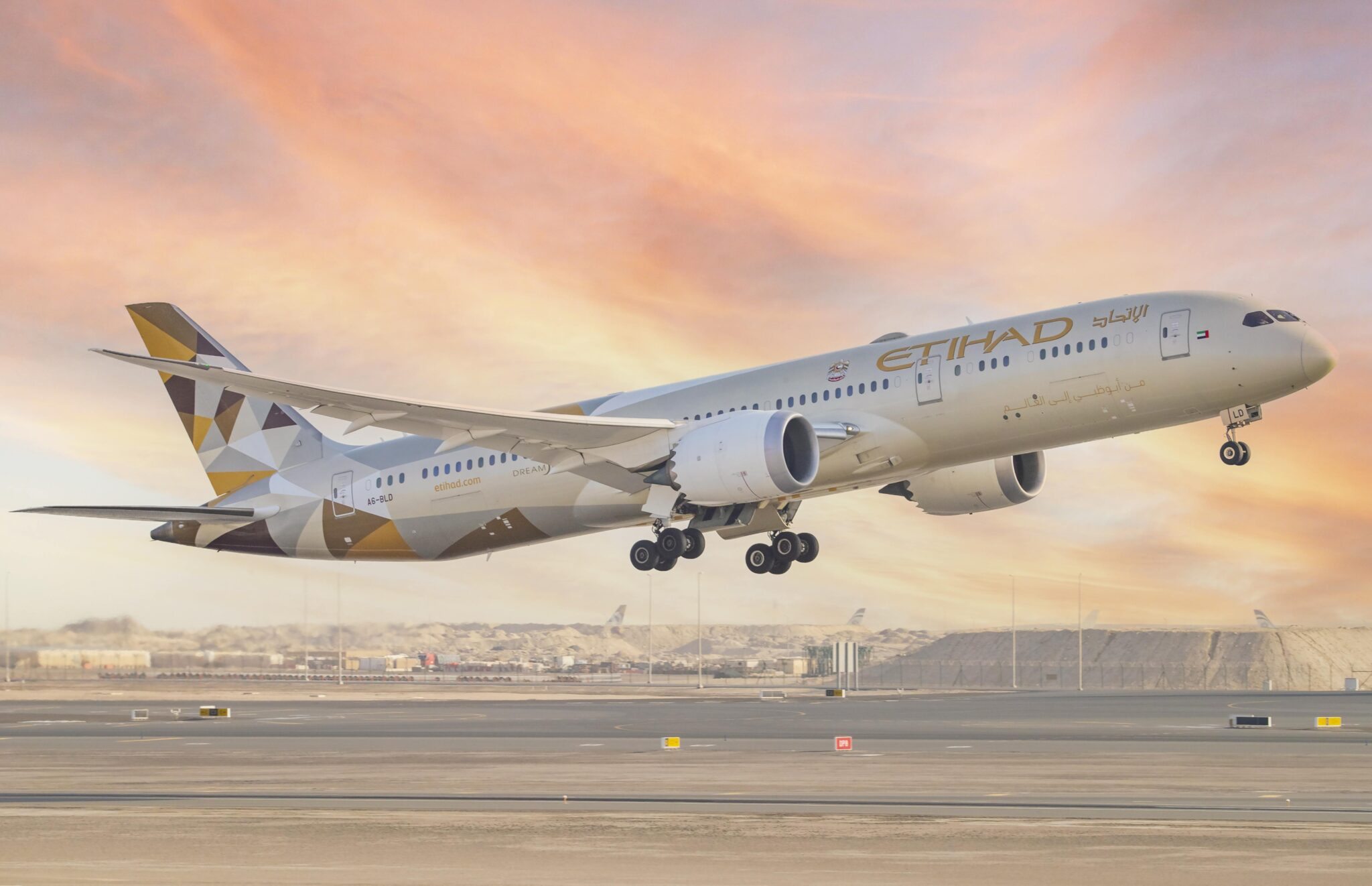
Etihad Airways is edging towards a decision on its much-anticipated initial public offering, with CEO Antonoaldo Neves indicating that the final call rests with the airline’s shareholder. Market speculation suggests that a formal announcement could arrive within this quarter, although the carrier has yet to confirm any official timeline.

Speaking during the Arabian Travel Market conference in Dubai, Neves reaffirmed Etihad’s commitment to a progressive expansion plan, despite persistent headwinds from global economic volatility, including US tariff pressures and fluctuating oil prices. He emphasised that while discussions around a potential listing are gaining momentum, the ultimate decision lies with the shareholder, Abu Dhabi’s state-backed holding company ADQ.

Market interest surrounding Etihad’s IPO ambitions has grown steadily over the past months, fuelled by the airline’s strong operational turnaround and ambitious future plans. Etihad reported a return to profitability in 2023, with a net profit of $143 million, reversing years of accumulated losses and restructuring challenges. The carrier’s sharp focus on operational efficiency, route network optimisation, and sustainability initiatives have been cited as key drivers behind its improved performance.

The $7 billion fleet investment programme, announced last year, underscores Etihad’s broader ambitions. Under the plan, the airline aims to double its fleet size to around 150 aircraft by the end of the decade. Neves reiterated at the conference that the expansion is designed to position Etihad as a leading global connector, with new long-haul routes to key growth markets across Asia, Africa, and Europe already in the pipeline.

Industry analysts suggest that the timing of a potential IPO would be critical, given the volatile backdrop of global markets. Aviation stocks have shown mixed performance this year, influenced by concerns over rising fuel costs, geopolitical tensions, and evolving travel demand patterns. Nevertheless, Abu Dhabi’s broader economic diversification strategy, coupled with increasing investor appetite for exposure to the Middle East’s aviation sector, provides a favourable context for Etihad’s market debut.

Etihad’s prospective IPO would follow the path set by other regional carriers such as Dubai’s Dnata Group-linked entities and Saudi Arabia’s flynas, which have either listed or are exploring listing options to tap into investor enthusiasm and raise growth capital. However, Neves made it clear that the airline’s current focus remains on executing its five-year strategy, which includes boosting load factors, enhancing customer service innovation, and advancing sustainability initiatives aimed at achieving net-zero emissions by 2050.

Over the past year, Etihad has embarked on a series of strategic partnerships and codeshare agreements with airlines such as Air France-KLM, offering it greater network reach without significantly adding to operational costs. The airline has also invested in next-generation fuel-efficient aircraft, such as the Boeing 787 Dreamliner and the Airbus A350, aligning with its green aviation objectives. These moves have not only improved the airline’s environmental credentials but have also enhanced its cost competitiveness in an increasingly price-sensitive market.

Neves’ leadership has been widely credited for steering the airline through a transformative phase, characterised by prudent financial management and targeted growth. Before joining Etihad, he served as CEO of TAP Air Portugal, where he oversaw a significant restructuring programme that returned the airline to profitability. His experience in navigating complex corporate environments has positioned him well to lead Etihad into its next phase of development, including the potential leap into public markets.

While Neves refrained from giving any concrete details about the potential size or structure of an IPO, market experts speculate that Etihad could aim for a multi-billion-dollar valuation, given its strategic importance to Abu Dhabi’s economy and the airline’s growing operational metrics. Any public offering is expected to attract significant regional and international investor interest, particularly among funds focused on infrastructure, aviation, and emerging markets.

Etihad’s evolution reflects broader shifts underway across the Gulf’s aviation sector, where legacy carriers are reorienting themselves to compete in a post-pandemic world marked by changing travel patterns, heightened sustainability pressures, and new technological disruptions. The Middle East remains a pivotal aviation hub, with Abu Dhabi investing heavily in airport infrastructure upgrades and tourism promotion to bolster its global standing.

Beyond its immediate IPO ambitions, Etihad continues to refine its customer experience offering, rolling out new premium cabin products and digital enhancements aimed at differentiating the brand in a crowded market. The airline’s loyalty programme, Etihad Guest, has also been expanded through a series of partnerships with financial institutions, retail brands, and travel service providers, adding new revenue streams and deepening customer engagement.

Although no definitive IPO timeline has been announced, analysts maintain that Etihad’s fundamentals, combined with the supportive regulatory and economic backdrop in the United Arab Emirates, create a strong foundation for a successful listing when the decision is ultimately made. Abu Dhabi’s increasing emphasis on privatisation and public-private partnerships signals a strategic shift aimed at unlocking value from key state-owned assets, with Etihad poised to be a potential flagship offering in this broader economic transformation.

As speculation builds, market participants are closely watching for signals from ADQ, whose growing portfolio of publicly listed companies reflects an ambitious strategy of capital market development and diversification. The shareholder’s decision on Etihad’s IPO will not only impact the airline’s future trajectory but also serve as a key indicator of Abu Dhabi’s evolving approach to strategic asset management.

Neves’ remarks at the Arabian Travel Market have reignited interest and speculation across industry circles and financial markets alike. His assurance that the airline is forging ahead with its aggressive expansion blueprint, even amid external challenges, suggests that Etihad is carefully laying the groundwork for a sustainable and prosperous future, whether as a privately held entity or as a publicly traded airline.


Advertisements
ADVERTISEMENT

stc Group has been ranked as the top company for career development in Saudi Arabia for 2025 by LinkedIn, reinforcing its position as a major driver of professional advancement in the region. The recognition reflects the telecommunications giant’s continued investment in employee growth, skills enhancement, and leadership opportunities during a period of rapid digital transformation in the Kingdom.

The LinkedIn Top Companies list, published annually, evaluates organisations based on several critical pillars, including skills growth, company stability, external opportunity, company affinity, gender diversity, and educational background of employees. stc Group secured the top spot after outperforming competitors across these measures, highlighting its emphasis on creating a dynamic and sustainable work environment.

The company’s prioritisation of employee development aligns with Saudi Arabia’s Vision 2030 agenda, which seeks to diversify the economy and build a thriving private sector. stc Group has implemented numerous initiatives aimed at cultivating talent, including internal leadership academies, technical training programmes, and partnerships with leading educational institutions. These efforts are designed to equip its workforce with the digital capabilities and leadership competencies required to thrive in a highly competitive and evolving market.

LinkedIn’s analysis highlighted that stc Group demonstrated exceptional commitment to employee advancement, with many staff members acquiring new skills and transitioning into leadership roles within the company. This has contributed to the organisation’s reputation as a destination employer for professionals seeking both stability and growth in the Kingdom’s vibrant technology and communications sector.

stc Group’s strong performance is also attributed to its comprehensive employee benefits packages, flexible working arrangements, and strategic focus on diversity and inclusion. The company has been recognised for fostering an inclusive workplace culture where opportunities for advancement are accessible across gender and educational backgrounds. This approach is particularly significant as the Kingdom intensifies efforts to boost female participation in the workforce.

The telecommunications sector has seen a major expansion across Saudi Arabia as part of broader efforts to build a digital economy. stc Group has played a central role in deploying 5G infrastructure, expanding fibre optic networks, and investing in emerging technologies such as cloud computing, artificial intelligence, and cybersecurity. This strategic positioning has not only driven the company’s financial success but has also created a wealth of career opportunities for local and international talent.

In addition to its domestic achievements, stc Group has expanded its presence across regional markets, acquiring stakes in companies in Bahrain, Kuwait, and other Gulf Cooperation Council countries. This regional footprint has enabled the company to offer diverse career pathways and foster cross-border professional experiences for its employees.

stc Group’s emphasis on continuous learning has been underscored by the launch of its dedicated Digital Academy, which offers specialised programmes in areas such as data science, cybersecurity, software development, and project management. Through a combination of classroom instruction, online modules, and practical experience, the academy equips employees with the technical expertise needed to lead in the Fourth Industrial Revolution.

The company’s innovation-driven culture has been further reinforced by its establishment of various innovation hubs and research centres, encouraging employees to work on cutting-edge projects that have direct commercial and societal impact. This approach has strengthened employee engagement, enhanced creativity, and driven a spirit of entrepreneurship within the organisation.

The recognition by LinkedIn also comes as stc Group pursues its ambitious DARE strategy, aimed at driving digital transformation, accelerating business growth, reinforcing operational efficiency, and enabling sustainability initiatives. The company’s strategy outlines a clear roadmap for adapting to global technology trends while building a future-ready workforce.

According to data from LinkedIn’s survey, professionals employed at stc Group have experienced higher levels of job satisfaction and career advancement compared to peers in other companies. Many employees have cited the firm’s mentorship programmes, skills training, and international exposure as key reasons for their professional development.

Notably, the company’s focus on promoting female leadership has begun to bear fruit, with women increasingly occupying senior roles across various divisions. This achievement mirrors the broader social and economic reforms underway in Saudi Arabia, where gender parity and empowerment initiatives are gaining momentum across industries.

Saudi Arabia’s labour market has been undergoing a transformation, with employers placing greater emphasis on skills-based hiring and career progression pathways. stc Group’s leadership position in this context underlines its ability to adapt to changing workforce expectations and technological shifts, ensuring that it remains an employer of choice for top talent.

The telecommunications giant’s recognition is expected to further enhance its brand reputation among young professionals and graduates, many of whom view LinkedIn’s Top Companies list as an important guide when considering future employers. stc Group’s investment in youth initiatives, graduate recruitment programmes, and internships has positioned it strongly to attract the next generation of digital leaders.

Beyond technical expertise, stc Group has also focused on cultivating soft skills such as leadership, collaboration, and adaptability among its workforce. The company’s comprehensive talent development strategy is designed to build holistic capabilities, ensuring employees are well-prepared to navigate the complexities of the global digital economy.

Saudi Arabia’s Public Investment Fund has sharply raised its assets under management target for 2030 to $2.67 trillion, marking a significant 43 per cent jump from its earlier ambition of $1.87 trillion. The strategic move follows the sovereign wealth fund surpassing its asset milestone for 2023, underlining its growing influence as a key pillar of the Kingdom’s economic transformation efforts. According to the latest figures released as […]

Saudi Arabia has achieved a major leap forward in its Vision 2030 ambitions, with a significant number of its key initiatives either completed or advancing on schedule, according to the Vision 2030 Annual Report 2024. As of the end of last year, 85 per cent of the 1,502 active projects under the reform plan are either finalised or progressing as planned, demonstrating an accelerated pace towards economic […]

ADVERTISEMENT

Syria’s fragile post-war recovery effort gained significant momentum after Saudi Arabia and Qatar pledged to clear the country’s outstanding World Bank debt, a critical step towards unlocking new international funding. The commitment, disclosed following the World Bank and International Monetary Fund spring meetings held last week in Washington, addresses approximately $15 million owed by Damascus, removing a key financial impediment for the new government led by President Ahmed Al-Sharaa.

High-level negotiations between Gulf officials and World Bank representatives culminated in the decision to settle Syria’s arrears, a move regarded by diplomats as essential for enabling the war-torn nation to access multilateral financial assistance. The overdue debt, though relatively modest in scale, had barred Syria from eligibility for fresh disbursements under the World Bank’s policies requiring client countries to be in good standing.

Officials familiar with the discussions indicated that Saudi Arabia and Qatar’s intervention was not merely financial but symbolised broader regional efforts to stabilise Syria’s economy and reintegrate it into international institutions. According to sources briefed on the meetings, both governments framed the payment as part of a larger initiative to support Syria’s economic reconstruction and political transition under Al-Sharaa, who assumed office earlier this year following a contested but internationally recognised electoral process.

President Al-Sharaa, whose government has pledged sweeping economic reforms, welcomed the support, calling it “a step towards restoring Syria’s rightful place in the global community.” Speaking through an official statement issued by the presidential office in Damascus, he emphasised that rebuilding national infrastructure, restoring basic services, and attracting private sector investment were now top priorities. His administration faces the immense challenge of reconstructing a country where more than a decade of conflict left nearly half the population displaced and critical industries in ruins.

Syria’s re-engagement with global financial institutions represents a delicate balancing act for regional and international actors. While Saudi Arabia and Qatar’s financial support signals renewed diplomatic engagement, it also reflects strategic calculations. Officials in Riyadh and Doha are believed to view a stabilised Syria as vital to broader Middle Eastern security and to limiting the influence of rival powers that gained ground during the conflict.

A Gulf-based diplomat with knowledge of the negotiations said that clearing Syria’s World Bank debt was seen as a “foundational gesture” aimed at laying the groundwork for deeper economic cooperation. “There is recognition that Syria’s stability benefits the entire region,” the diplomat explained. “But this assistance is not a blank cheque — it’s tied to expectations around governance, transparency, and economic reform.”

The World Bank, for its part, has been cautiously preparing for Syria’s potential re-entry into development programs. Bank officials underscored that while the clearing of arrears was a necessary procedural step, any future engagement would be closely conditioned on the government’s adherence to principles of accountability and inclusion. A spokesperson for the institution stated that assessment missions would be conducted to evaluate Syria’s institutional capacity and identify priority sectors for assistance, pending board approval.

Economic experts observing the development noted that while $15 million is a small figure compared to the scale of Syria’s reconstruction needs — estimated by some analysts to exceed $400 billion — the symbolic value of the Gulf states’ intervention is considerable. By assuming Syria’s financial obligations, Saudi Arabia and Qatar have effectively opened the door to broader international financial support, including potential aid from bilateral donors and regional development banks.

Syria’s financial rehabilitation comes amid evolving geopolitical dynamics in the Middle East, where Gulf nations have shown a willingness to recalibrate relationships and pursue pragmatic approaches to regional conflicts. Qatar, which once supported opposition groups during the Syrian civil war, has shifted its stance to focus on post-conflict recovery, while Saudi Arabia has sought to spearhead diplomatic normalisation efforts, including Syria’s readmission into the Arab League.

The economic picture within Syria remains dire. Inflation has soared, the Syrian pound continues to depreciate, and essential services such as electricity, healthcare, and education are struggling to function. The United Nations has warned of a worsening humanitarian situation unless economic conditions improve, estimating that over 14 million Syrians require some form of assistance.

President Al-Sharaa’s administration, meanwhile, has signalled a commitment to overhaul outdated regulatory frameworks, encourage foreign investment, and revive critical sectors such as agriculture, manufacturing, and tourism. In a televised address earlier this month, he pledged that Syria would embark on “an era of renewal,” focusing on job creation, infrastructure development, and restoring public trust in state institutions.

International observers caution that much will depend on the government’s ability to implement reforms credibly and transparently. Skepticism persists among some Western governments and humanitarian organisations over the prospects for genuine political and economic liberalisation. Nonetheless, the Gulf states’ financial backing and the World Bank’s procedural readiness mark a notable shift, offering Syria its first tangible pathway to re-entering the global financial system after years of isolation.

Arabian Post Staff -Dubai The United States is preparing to offer Saudi Arabia an arms package exceeding $100 billion, potentially to be announced during President Donald Trump’s upcoming visit to the kingdom in May. This proposal follows a failed attempt by the Biden administration to finalize a defense pact with Riyadh, which included conditions aimed at curtailing Chinese arms acquisitions and investments. Under Trump’s leadership, U.S.-Saudi defense […]

Saudi Arabia has surpassed Singapore to become the top destination for venture capital funding among emerging markets, securing $391 million in the first quarter of 2025. This 53 percent year-on-year increase positions the Kingdom ahead of regions including the Middle East, Africa, Pakistan, Türkiye, and Southeast Asia, according to data from venture analytics platform MAGNiTT.

The Kingdom accounted for 58 percent of all venture funding in the Middle East and North Africa region during this period, with 41 percent of the total transactions. This performance reflects a significant shift in investor confidence, driven by a combination of strategic government initiatives, active sovereign wealth fund participation, and a focus on early-stage investments.

Notably, there was an 87 percent year-on-year increase in non-mega deal funding and a 437 percent rise in Series A and B rounds. Key transactions included $28 million raises by Ula.me and Merit Incentives, indicating robust support for startups at critical growth stages.

The broader MENA region also experienced a resurgence in venture capital activity, with total funding reaching $678 million in the first quarter—a 58 percent increase compared to the same period last year. This growth occurred despite a 21 percent decline in the number of deals, which totaled 133 transactions. The uptick is attributed to improved investor sentiment following interest rate cuts across the Gulf in late 2024, as well as sustained activity from sovereign funds and flagship ecosystem initiatives like LEAP 2025.

Tensions between OPEC+ members are escalating, with Kazakhstan’s defiance in adhering to production quotas leading to renewed volatility in the global oil market. This clash, stemming from the group’s efforts to enforce stricter production controls, has driven a fresh downturn in crude oil prices. Kazakhstan’s resistance to cuts is threatening to ignite a price war, undermining the coalition’s broader strategy of stabilising global oil prices. Since early […]

ADVERTISEMENT

DAMAC Properties has reported a $54.45 million increase in collections, attributing this growth to the strategic integration of artificial intelligence across its operations. The Dubai-based real estate developer has implemented AI-driven tools to enhance customer engagement, streamline marketing efforts, and optimise sales processes, leading to significant financial gains.

Ali Sajwani, Managing Director of Operations and Technology at DAMAC Properties, highlighted the pivotal role of AI in transforming the company’s approach to real estate. By leveraging AI, DAMAC has been able to offer hyper-personalised customer experiences, improve lead generation, and reduce advertising expenditures. The adoption of AI-powered platforms, such as Meta’s Advantage+ Shopping Campaigns, has enabled the company to target potential buyers more effectively across various digital channels, including Instagram, Facebook, and WhatsApp.

The company’s foray into the metaverse, under the initiative named D-Labs, led by Ali Sajwani, has further exemplified its commitment to digital innovation. With an investment of up to $100 million, DAMAC aims to build digital cities, offering virtual homes and properties that allow customers to explore and customise their future residences through immersive virtual reality and augmented reality experiences. This initiative has not only enhanced customer engagement but also contributed to a notable increase in online-only sales, which currently generate over $100 million per quarter.

DAMAC’s strategic investments extend beyond AI and the metaverse. The company has announced plans to invest up to $1 billion in the data centre industry over the next few years, recognising the growing demand for digital infrastructure. This includes the launch of EDGNEX Data Centres, with facilities under construction in Saudi Arabia and plans for expansion into Indonesia, Jordan, and Turkey.

DAMAC’s collaboration with blockchain platform MANTRA to tokenize real-world assets in the Middle East, valued at $1 billion, underscores its commitment to embracing emerging technologies. This partnership aims to convert ownership rights into digital tokens, facilitating online trading and aligning with Dubai’s vision to become a global hub for digital and crypto assets.

A shift in the global liquefied petroleum gas market has emerged as Chinese buyers seek to replace tariff-impacted US imports with alternative supplies from the Middle East. The escalating trade tensions between China and the US, coupled with rising tariffs on LPG, have prompted Chinese firms to look towards the Persian Gulf region, notably Saudi Aramco, as a reliable source for their LPG needs. The reorientation of […]

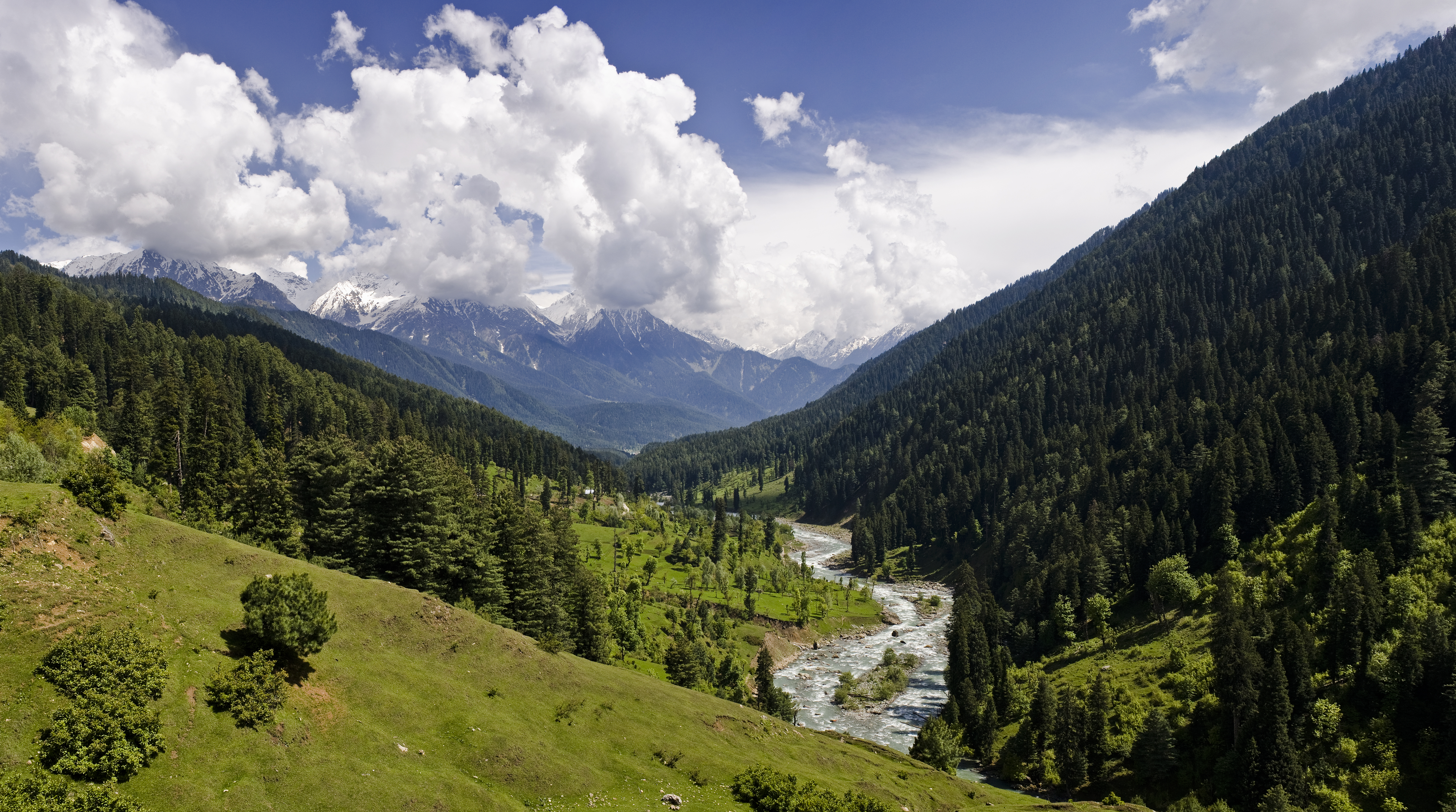
A militant assault in the Baisaran meadow near Pahalgam, Jammu and Kashmir, resulted in the deaths of 28 tourists and injuries to over 20 others on Tuesday afternoon, marking the deadliest civilian attack in the region since 2019.

The attack occurred around 2:50 PM when four to six assailants, dressed in military-style uniforms, emerged from the surrounding deodar forests and opened fire on tourists enjoying the popular meadow, often referred to as “Mini Switzerland” for its scenic beauty. Eyewitnesses reported that the attackers initially posed as security personnel, asking for identification and religious affiliations before selectively targeting non-Muslim men. Survivors recounted being asked to recite Islamic declarations and undergoing physical checks; those who failed were shot at close range.

The Resistance Front , an offshoot of the Pakistan-based Lashkar-e-Taiba, claimed responsibility for the massacre. In a statement, the group cited opposition to the settlement of over 85,000 non-locals in the Kashmir Valley, alleging it as a demographic alteration. This incident underscores the ongoing tensions following the revocation of Jammu and Kashmir’s special status in 2019, which allowed greater settlement of outsiders in the region.

Among the deceased were 24 tourists from various Indian states, including Karnataka, Kerala, Maharashtra, Odisha, Gujarat, Haryana, West Bengal, and Uttar Pradesh. Two locals from Jammu and Kashmir and two foreign nationals from Nepal and the United Arab Emirates were also killed. The injured, numbering over 20, were airlifted to military hospitals in Srinagar for treatment.

Prime Minister Narendra Modi, cutting short his visit to Saudi Arabia, condemned the attack as a “dastardly and inhuman act” and vowed to bring the perpetrators to justice. Union Home Minister Amit Shah traveled to Srinagar to assess the situation and coordinate the security response. Security forces launched a massive manhunt, deploying helicopters and imposing a temporary lockdown in parts of Pahalgam to apprehend the attackers.

The international community reacted swiftly. U.S. President Donald Trump expressed support for India, while U.N. Secretary-General António Guterres and leaders from Germany, Israel, and the European Union condemned the attack and offered condolences to the victims’ families.

The assault occurred during a period of increased tourism in Kashmir, with projections estimating around two crore visitors to the Union Territory this year. Pahalgam, a gateway to the Amarnath Yatra, had seen a surge in tourist footfall, signaling a return to normalcy after decades of insurgency. This attack threatens to derail these developments, casting a shadow over the region’s stability and economic recovery.

Opposition leaders criticized the government’s narrative of restored normalcy in Kashmir. Congress MP Priyanka Gandhi labeled the attack a “crime against humanity,” while Leader of Opposition Rahul Gandhi described it as “horrific,” emphasizing the need for a reassessment of the region’s security situation.

Eyewitness accounts painted a grim picture of the attack’s aftermath. Videos from the scene showed bloodied individuals lying on the ground, with others pleading for help. One woman was seen screaming for assistance for her husband, while others were seen lying motionless in the meadow. Survivors described the attackers’ methodical approach, with one assailant allegedly telling a woman that she was being spared so she could “narrate the horrors” to Prime Minister Modi.

The attack’s timing, coinciding with U.S. Vice President JD Vance’s visit to India, raised concerns about its potential geopolitical implications. While no direct link has been established, the incident echoes prior high-profile attacks timed with foreign dignitary visits, suggesting a possible strategy to garner international attention.

ADVERTISEMENT

Oil prices experienced a significant decline of over 2% on Monday, with Brent crude falling to $66.81 per barrel and West Texas Intermediate dropping to $63.58. This downturn is attributed to progress in US-Iran nuclear negotiations and escalating concerns over the impact of US tariff policies on global demand. The potential easing of sanctions on Iran could reintroduce over a million barrels per day of crude into the market, intensifying supply pressures.

The decline in oil prices poses a substantial challenge to Gulf economies, particularly those heavily reliant on hydrocarbon revenues. S&P Global Market Intelligence has indicated that Oman, Bahrain, and Iraq are at heightened risk of financing pressures if the current price trends persist. These nations, already contending with fiscal deficits and limited sovereign reserves, may face increased borrowing costs and potential credit downgrades.

Conversely, the United Arab Emirates and Qatar are better positioned to withstand prolonged periods of lower oil prices. Their diversified economies and substantial sovereign wealth funds provide a buffer against market volatility. However, even these nations are not immune to the broader economic implications of sustained low oil prices.

The broader financial markets have also reacted to these developments. Major Gulf stock indices experienced declines, with Saudi Arabia’s TASI index falling by 0.7% and Qatar’s index decreasing by 0.3%. These market movements reflect investor apprehension regarding the stability of oil-dependent economies in the face of fluctuating energy prices.

Adding to the complexity is the political climate in the United States. President Donald Trump’s renewed criticism of Federal Reserve Chair Jerome Powell has raised concerns about the central bank’s independence. This political interference is contributing to market uncertainty and could have implications for global economic stability.

The potential for a US recession further exacerbates concerns. Analysts warn that the combination of tariff policies and political instability could dampen economic growth, leading to decreased demand for oil. This scenario would place additional strain on oil-exporting nations, particularly those with less diversified economies.

Matein Kalid Only the poetic genius of an Irishman can do justice to the epic Big Boy sumo wrestling match in history – between Shogun Trump and Sensei Powell-san as panic spreads at the speed of light across the digital arteries of the global banking village. W.B. Yeats’s immortal versus echo in my brain – things fall apart, the center can​not hold, mere anar​chy is loosed upon […]

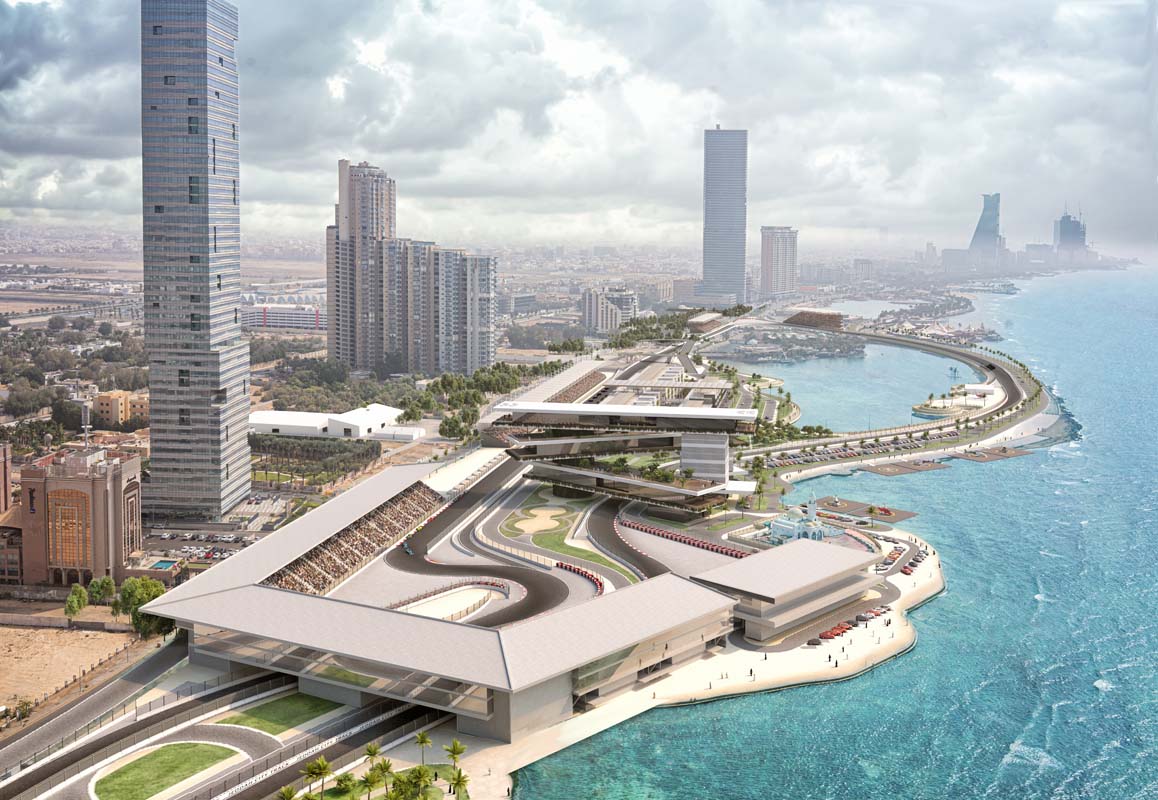
stc Group has reaffirmed its commitment to motorsport by extending its title sponsorship of the Formula 1 Saudi Arabian Grand Prix for a fifth consecutive year. The telecommunications giant continues to play a pivotal role in enhancing the race experience through cutting-edge digital solutions.

The renewed partnership underscores stc’s dedication to integrating advanced technologies into the event. By deploying fixed mobile 5G communication towers, the company ensures internet speeds reaching up to 1.5 gigabytes per second. This infrastructure not only benefits the teams and drivers but also enriches the experience for fans attending the race.

Olayan Alwetaid, CEO of stc Group, expressed enthusiasm about the continued collaboration. He highlighted the company’s role in driving digital transformation across various sectors and emphasized the importance of providing seamless connectivity at major events. The theme “limitless drive” encapsulates stc’s vision for the Grand Prix, aiming to connect racers, teams, and fans in unprecedented ways.

Stefano Domenicali, President and CEO of Formula 1, acknowledged the significance of high-quality technology partners in the sport’s global growth. He noted that fans attending the race weekend in Jeddah can anticipate not only high-speed action on the track but also an exceptional experience off it, thanks to stc’s contributions.

The 2025 edition of the Formula 1 stc Saudi Arabian Grand Prix is scheduled to take place at the Jeddah Corniche Circuit from April 18 to 20. This event marks the fourth time the city has hosted the Grand Prix, with stc’s sponsorship playing a central role since the race’s inception in the Kingdom.

Saudi Arabia has unveiled a $100 billion initiative, Project Transcendence, to establish itself as a dominant force in artificial intelligence and advanced technology. Spearheaded by the Public Investment Fund in collaboration with Google, this ambitious project seeks to transform the Kingdom into a global tech powerhouse, challenging regional competitors and aligning with its Vision 2030 economic diversification strategy.

Project Transcendence focuses on developing a comprehensive AI ecosystem within Saudi Arabia. Key components include the construction of state-of-the-art data centers, support for local tech startups, and the creation of employment opportunities in the technology sector. The initiative also emphasizes fostering collaborations with international technology firms to position the Kingdom at the forefront of regional innovation.

A significant aspect of the project is the development of Arabic-language AI models, addressing a substantial gap in AI accessibility for the region. This endeavor aims to enhance digital inclusion and literacy, enabling broader participation in the digital economy. By investing in localized AI applications tailored to Saudi Arabia’s needs, the project seeks to bridge the technological divide and promote inclusive growth.

The initiative is part of a broader strategy to reduce the Kingdom’s reliance on oil revenues by investing in emerging technologies and industries. By cultivating a robust AI ecosystem, Saudi Arabia aims to diversify its economy and create new revenue streams. This approach aligns with the Vision 2030 plan, which outlines a roadmap for economic transformation and sustainable development.

To support the growth of the AI sector, the Kingdom is investing in education and training programs to develop a skilled workforce. Institutions like the King Abdullah University of Science and Technology are playing a pivotal role in this effort by offering specialized courses and research opportunities in AI and related fields. These initiatives aim to equip Saudi citizens with the skills necessary to thrive in a technology-driven economy.

In addition to educational investments, Saudi Arabia is actively seeking to attract global AI talent to the Kingdom. By offering competitive incentives and fostering a conducive environment for innovation, the project aims to position Saudi Arabia as a preferred destination for AI professionals and researchers. This strategy is intended to enhance the Kingdom’s capacity for technological innovation and accelerate the development of its AI industry.

The Kingdom’s commitment to AI is further demonstrated by its hosting of high-profile events, such as the Global AI Summit. These gatherings bring together industry leaders, policymakers, and researchers to discuss advancements in AI and explore opportunities for collaboration. By positioning itself as a hub for AI discourse and innovation, Saudi Arabia seeks to influence the global AI agenda and attract further investment.

Project Transcendence also includes plans for significant infrastructure development to support AI applications. This encompasses the establishment of advanced computing facilities and the enhancement of digital connectivity across the Kingdom. By building a robust technological infrastructure, Saudi Arabia aims to facilitate the deployment of AI solutions across various sectors, including healthcare, education, and transportation.

The healthcare sector, in particular, stands to benefit from the integration of AI technologies. By leveraging AI for diagnostics, treatment planning, and patient monitoring, the Kingdom aims to improve healthcare outcomes and efficiency. This aligns with broader efforts to enhance the quality of life for Saudi citizens and modernize public services.

In the realm of transportation, AI applications are expected to optimize traffic management, enhance public transit systems, and support the development of autonomous vehicles. These advancements are anticipated to contribute to the Kingdom’s goals of sustainability and urban development, as outlined in Vision 2030.

Oil prices have plummeted to a four-year low, posing significant challenges for Saudi Arabia’s budget, which heavily relies on oil revenues to fund its extensive economic transformation initiatives. The decline is attributed to a combination of factors, including increased oil output from OPEC+ members and escalating trade tensions between the United States and China. Brent crude, the benchmark for Middle Eastern oil, has experienced a drop of […]

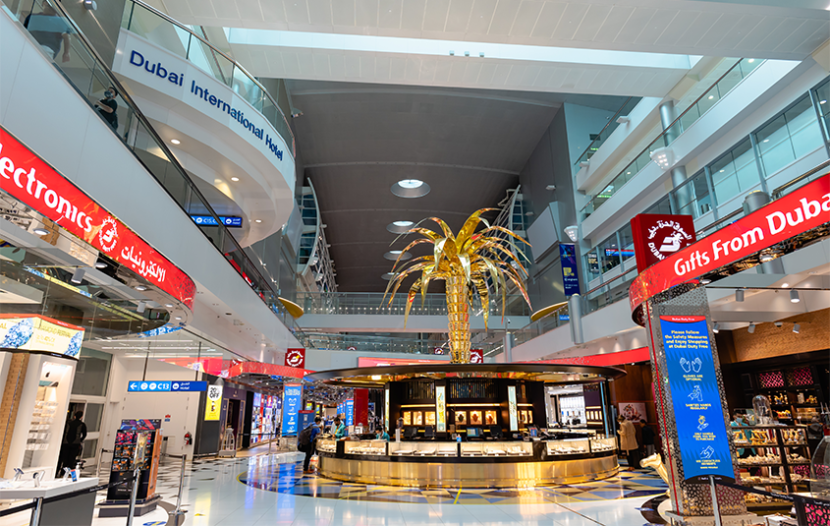
Dubai International Airport achieved a historic benchmark in 2024, welcoming 92.3 million passengers and solidifying its status as the world’s busiest international airport for the tenth consecutive year. This figure eclipses its previous high of 89.1 million set in 2018 and underscores the emirate’s strategic role in global aviation.

The surge in passenger traffic reflects Dubai’s sustained investment in infrastructure and its appeal as a nexus for international travel. December emerged as the busiest month, recording 8.2 million travellers, highlighting the city’s capacity to handle peak demand efficiently.

India remained DXB’s top destination market, contributing 12 million passengers. Saudi Arabia and the United Kingdom followed, with 7.6 million and 6.2 million passengers respectively. The airport’s extensive network now connects to 272 cities across 107 countries, serviced by 106 airlines, reinforcing its position as a global hub.

Operational efficiency has been a cornerstone of DXB’s success. Despite the increased footfall, 98.2% of departing passengers cleared passport control in under ten minutes, and 99.2% passed through security in less than five minutes. Baggage handling also saw improvements, with only 5.5 mishandled bags per 1,000 passengers, outperforming the international standard of 6.9.

Over the past decade, DXB has facilitated over 700 million passenger journeys across more than 3.3 million flights. This consistent performance is attributed to the airport’s commitment to innovation and excellence in service delivery.

Looking ahead, plans are underway to transition operations to Al Maktoum International Airport by 2032. The proposed $35 billion expansion aims to accommodate future growth, featuring five parallel runways and 400 aircraft gates. The design incorporates advanced technologies, including facial recognition systems, to streamline passenger processing and enhance the travel experience.

Dubai’s aviation sector continues to outpace traditional competitors. While London’s Heathrow Airport recorded 63.1 million passengers in the same period, DXB’s figures underscore its dominant position in international air travel.

Saudi Arabia is preparing to pay off Syria’s outstanding $15 million debt to the World Bank, a move that could unlock significant international aid for the country’s reconstruction and support its struggling public sector. This initiative marks the first known instance of Saudi financial assistance to Syria since the Islamist-led overthrow of former President Bashar al-Assad in December 2024. The debt repayment is expected to facilitate the […]

VISHNU RAJA
RYO YAMADA
HITORI GOTOH
IKUYO KITA
Social Media Auto Publish Powered By : XYZScripts.com