News related to
Saudi

Rajiv Jain, the billionaire founder and chairman of Florida-based investment firm GQG Partners, is actively expanding his investment footprint in the United Arab Emirates and Saudi Arabia. Following significant deals with prominent UAE entities such as International Holding Company , Aldar Properties, and ADNOC Gas, Jain is exploring further opportunities in these burgeoning markets. GQG Partners, managing assets worth approximately $160.4 billion, has recently executed a substantial […]

LEAP, the acclaimed technology event, is expanding into Asia with the introduction of LEAP East, scheduled at the Hong Kong Convention and Exhibition Centre from 9 to 11 July 2026. Organised by Tahaluf, this inaugural event aims to attract global tech leaders, innovators, and investors to one of the world’s most dynamic cities. The conference will feature over 300 expert speakers and 300 exhibitors, showcasing advancements across […]

Tabby, a prominent financial services and shopping application in the Middle East and North Africa , has successfully raised $160 million in a Series E funding round, elevating its valuation to $3.3 billion. This development positions Tabby as the most valuable fintech company in the region. The funding round was led by existing investors Blue Pool Capital, a Hong Kong-based investment firm, and Saudi Arabia’s Hassana Investment […]

ManageEngine, the enterprise IT management division of Zoho Corporation, is set to host its Middle East User Conference in Dubai, focusing on the integration of artificial intelligence into enterprise IT systems. The event aims to equip businesses with strategies to effectively adopt AI technologies, enhancing operational efficiency and competitiveness.

The conference will feature keynote speeches from ManageEngine’s technology and domain experts, covering topics such as the evolving IT and cybersecurity landscape and leveraging new technologies to stay ahead in the market. Rajesh Ganesan, Vice President at ManageEngine, will discuss the changing role of IT departments in the current era, emphasizing the shift towards remote work and a digital-first customer approach.

In the Middle East, AI is poised to significantly impact the economy. A report by PwC estimates that AI could contribute up to $320 billion to the region’s economy by 2030, accounting for 2% of the total global benefits. Saudi Arabia is expected to see the largest absolute gains, with AI contributing over $135.2 billion to its economy, equivalent to 12.4% of its GDP. In relative terms, the UAE is anticipated to experience the most substantial impact, with AI contributing close to 14% of its 2030 GDP.

The annual growth in AI’s contribution to the Middle East’s economy is projected to range between 20-34% per year, with the fastest growth in the UAE, followed by Saudi Arabia. This growth is attributed to the significant investments these countries are making in AI technologies and their efforts to integrate AI across various sectors.

The ManageEngine conference will also highlight the company’s latest solutions designed to assist enterprises in navigating the complexities of AI integration. Attendees will have the opportunity to participate in detailed walkthroughs and live demonstrations of ManageEngine’s major solutions, including ServiceDesk Plus, OpManager Plus, Applications Manager, Desktop Central, Mobile Device Manager Plus, Log360, Site24x7, and the suite of Active Directory management products.

ADVERTISEMENT

NEOM and DataVolt have entered into a landmark agreement, marking a significant step toward realizing Saudi Arabia’s vision for a sustainable, data-driven economy. This collaboration aims to establish advanced data centers within NEOM, the ambitious megacity under development in the kingdom’s northwest. The partnership focuses on creating state-of-the-art data infrastructure to support NEOM’s technological and environmental goals. DataVolt, recognized for its expertise in developing and operating data […]

The Middle East confronts a significant and widening disparity between its climate adaptation funding requirements and actual expenditures. According to the Brookings Institution, the region’s national adaptation plans and nationally determined contributions estimate a need for $8.2 billion annually until 2030. However, modelled adaptation costs are projected at $17.1 billion per year, highlighting a substantial and growing financial gap. Amar Bhattacharya, a senior fellow at the Brookings […]

The Gulf Cooperation Council is on track to see its debt capital market exceed $1 trillion in outstanding issuances by the end of 2025, driven by government initiatives aimed at market development, economic diversification, and the need to fund fiscal deficits and upcoming debt maturities. Fitch Ratings reports that the DCM in the GCC reached $940 billion by the close of the first quarter of 2024, marking a 7% year-on-year increase.

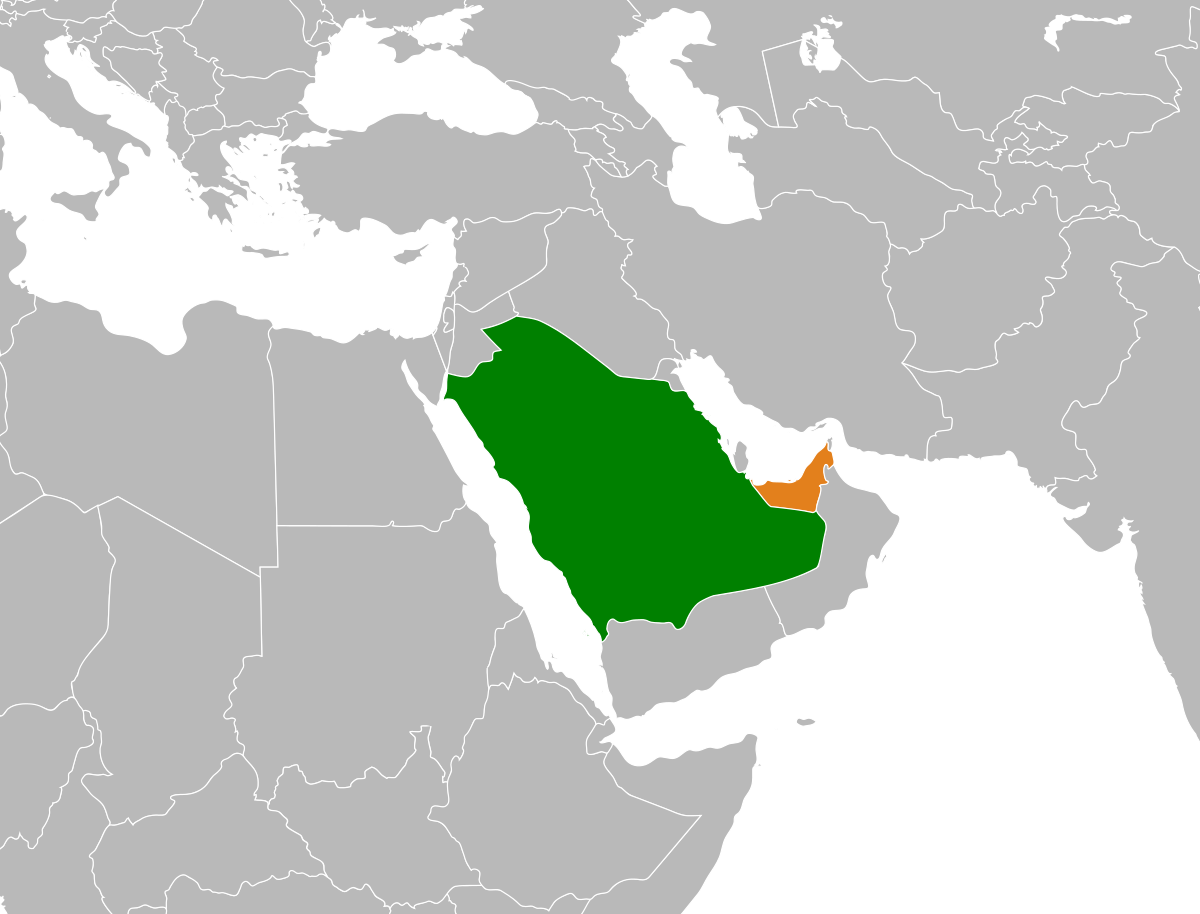
Saudi Arabia and the United Arab Emirates lead the region’s DCM, holding 43% and 30% of the market share, respectively. Approximately 40% of the GCC’s outstanding debt comprises sukuk, with the remainder in conventional bonds. Fitch Ratings, which assesses over 70% of the GCC’s US dollar-denominated sukuk, notes that 81% of these are investment-grade, with no defaults reported.

The anticipated growth in debt issuances is attributed to several factors, including projected declines in oil prices to $65–$70 per barrel in 2025 and 2026, which may prompt increased sovereign borrowing to cover budgetary shortfalls. Additionally, government-led initiatives to enhance debt capital markets and diversify funding sources are expected to play a significant role. Bashar Al Natoor, Global Head of Islamic Finance at Fitch Ratings, emphasizes that “most GCC countries have come a long way in developing their DCMs, with the bloc now accounting for almost a third of total emerging-market dollar issuance, excluding China.”

Despite these advancements, the GCC’s debt capital markets remain less mature compared to more developed regions and exhibit varying stages of development across member states. Saudi Arabia and the UAE possess the most advanced markets, while Qatar and Oman have seen contractions due to debt repayments. Kuwait’s absence of a debt law limits its funding options, and Bahrain continues to rely heavily on DCM access and support from other GCC nations amid persistent deficits.

In the banking sector, GCC banks are projected to issue over $30 billion in US dollar-denominated debt in 2025, a decrease from the record $42 billion issued in 2024. This decline is partly due to the maturation of approximately $23 billion in existing debt, with Qatari banks accounting for about a third of these maturities, and UAE and Saudi banks each representing around a quarter. Fitch Ratings anticipates that most additional Tier 1 instruments with first call dates in 2025 and 2026 will be called, given favorable financing conditions.

The US Federal Reserve is expected to reduce interest rates by 100 basis points in 2025, potentially leading to more favorable financing conditions for GCC banks. Strong credit growth, particularly in Saudi Arabia and the UAE, is also anticipated to support further issuances. In 2024, GCC banks’ US dollar debt issuance reached an unprecedented level, driven by high credit growth in Saudi Arabia, efforts to diversify funding bases, and substantial debt maturities.

Advertisements
ADVERTISEMENT

DeepFest 2025, held from 9 to 12 February in Riyadh, has underscored Saudi Arabia’s burgeoning role in the global artificial intelligence arena. The event, co-located with the LEAP technology conference, attracted over 48,000 AI enthusiasts, including thought leaders, data scientists, and innovators from around the world. The Kingdom’s significant progress in AI was highlighted by its ascent to the 14th position globally in the 2024 Global AI […]

Aster DM Healthcare, a prominent integrated healthcare provider in the Gulf Cooperation Council region, has launched its flagship digital health platform, ‘myAster’, in the Kingdom of Saudi Arabia. This strategic move aligns with Aster’s broader objectives to enhance its footprint within the kingdom and to elevate the standard of healthcare services available to its residents.

The ‘myAster’ platform is designed to offer users a comprehensive suite of healthcare services, including teleconsultations, appointment scheduling, and access to personal medical records. By integrating these features, Aster aims to provide a seamless and patient-centric experience, ensuring that quality healthcare is both accessible and convenient for the Saudi population.

Dr. Azad Moopen, Founder Chairman and Managing Director of Aster DM Healthcare, emphasized the significance of this development, stating, “The introduction of ‘myAster’ in Saudi Arabia represents a pivotal step in our mission to make healthcare more accessible and efficient. We are committed to leveraging technology to bridge gaps in healthcare delivery and to meet the evolving needs of the communities we serve.”

This initiative is part of Aster’s ongoing efforts to expand its services in Saudi Arabia. The company has previously made significant investments in the kingdom, including the acquisition of a majority stake in Sanad Hospital in Riyadh. This acquisition marked one of the largest healthcare deals in the region, underscoring Aster’s dedication to strengthening its presence in Saudi Arabia.

In addition to its hospital operations, Aster has also ventured into the retail pharmacy sector within the kingdom. Through a joint venture with Al Hokair Holding Group, the company plans to establish over 250 pharmacies across Saudi Arabia. This expansion aims to bring Aster’s quality care products closer to the local population, further solidifying its commitment to enhancing healthcare accessibility.

The launch of ‘myAster’ is anticipated to complement these existing services by providing a digital avenue for patients to engage with healthcare professionals and manage their health needs efficiently. As the platform rolls out, Aster plans to gather user feedback to continually refine and enhance the services offered, ensuring they align with patient expectations and requirements.

Saudi Arabia’s healthcare sector has been undergoing significant transformations, driven by the objectives outlined in the nation’s Vision 2030 plan. A key component of this vision is the enhancement of healthcare services through technological integration and increased private sector participation. Aster’s introduction of ‘myAster’ aligns with these national goals, contributing to the digitalization and improvement of healthcare delivery in the kingdom.

Industry experts have noted that the integration of digital platforms like ‘myAster’ can lead to improved patient outcomes by facilitating timely access to medical consultations and personalized health information. Such platforms also have the potential to alleviate pressure on traditional healthcare facilities by offering alternative channels for patient care.

HP Inc. has announced plans to establish a state-of-the-art manufacturing facility in Riyadh, Saudi Arabia, marking a significant expansion of its global operations. The facility is scheduled to commence production of personal computers , printers, and other computing devices within the year. This move aligns with Saudi Arabia’s Vision 2030 initiative, which aims to diversify the nation’s economy and bolster its technological capabilities. Enrique Lores, President and […]

ADVERTISEMENT

The Gulf Cooperation Council equity markets have observed a downturn in net foreign investor inflows, with January figures decreasing to $939 million from December’s $1.04 billion, marking a significant 41% drop compared to November’s numbers. This trend is highlighted in the ‘Foreign Flow Analysis’ study by Iridium Advisors, a Dubai-based management consulting firm. CEO Oliver Schutzmann interprets this as foreign investors becoming “more selective in their allocations.” […]

Saudi Arabia has announced a substantial $14.9 billion investment in artificial intelligence during the LEAP 2025 technology conference in Riyadh. This move underscores the Kingdom’s ambition to position itself as a global leader in digital innovation and aligns with its Vision 2030 objectives. The announcement was made by Minister of Communications and Information Technology Abdullah Al-Swaha, who highlighted the nation’s rapid growth in the tech sector. He […]

The Gulf Cooperation Council nations are confronting potential economic challenges following U.S. President Donald Trump’s imposition of tariffs on imports from Canada, Mexico, and China. These measures, which include a 25% tariff on steel and aluminum, have raised concerns about escalating inflation and the possibility of increased interest rates within the GCC region.

Global markets have already exhibited signs of distress in response to the tariffs. Asian shares displayed hesitation, and the U.S. dollar strengthened as investors anticipated the economic repercussions of the new trade barriers. Analysts suggest that the tariffs could lead to higher inflation in the United States, potentially limiting the Federal Reserve’s ability to implement rate cuts. This scenario may have a cascading effect on global markets, including those in the GCC.

In the Gulf region, stock markets have mirrored global trends, experiencing declines attributed to fears of a trade war. Saudi Arabia’s benchmark index, for instance, fell by 0.3%, influenced by drops in major companies such as ACWA Power Company and Saudi Awwal Bank. Similarly, the Qatari index decreased by 0.6%, primarily due to a significant profit drop in Industries Qatar.

Economists warn that the tariffs may disrupt global supply chains, leading to increased costs for imported goods. For the GCC countries, which rely heavily on imports for various sectors, this could translate into higher consumer prices, thereby fueling inflation. The potential rise in inflation may prompt central banks in the region to consider adjusting interest rates to maintain economic stability.

The automotive industry is one sector that could be significantly impacted. Vehicles imported from the affected countries may become more expensive, leading to higher costs for consumers in the GCC. Additionally, industries such as construction and manufacturing, which depend on imported raw materials, might face increased production costs, further contributing to inflationary pressures.

Saudi Arabia’s Capital Market Authority has released draft amendments to its Investment Funds Regulations, seeking public feedback until 5 November 2024. The proposed changes aim to enhance investor protection, particularly for retail clients engaging with private and foreign investment funds.

A key proposal mandates that fund managers secure equal or greater cash subscriptions from qualified and institutional clients before offering private fund units to retail investors. Similarly, foreign fund securities cannot be privately offered to retail clients unless matching cash subscriptions are obtained from qualified and institutional clients within the Kingdom. This initiative addresses concerns that private and foreign funds, which operate under fewer regulatory constraints than public funds, may pose higher risks to retail investors.

In 2021, the CMA permitted retail clients to invest up to SAR 200,000 in private and foreign funds without specifying their subscription percentage. The current draft amendments aim to set specific percentages for retail client subscriptions to mitigate risk exposure and enhance protection. The CMA emphasizes that these proposals will strengthen investor protection by addressing the risks associated with private and foreign funds.

The CMA encourages stakeholders, market participants, and the public to share their insights on these proposed amendments. Comments can be submitted via the Unified Electronic Platform for Public Consultation or through the CMA’s official email channels. All feedback will be carefully reviewed before finalizing the regulatory amendments.

These proposed amendments are part of the CMA’s ongoing commitment to enhance investor protection by refining the requirements for offering private and foreign investment funds to retail investors. The CMA aims to increase market transparency, enhance investor protection, and boost market participation.

As Saudi Arabia continues to diversify its economy and expand its financial markets, these measures will contribute to a safer and more appealing environment for both local and international investors.

ADVERTISEMENT

Saudi Aramco, the world’s largest oil producer, has significantly increased its official selling price for Arab Light crude oil destined for Asia. This move has sent ripples through the global energy markets, raising questions about the potential impacts on supply, demand, and the broader oil market dynamics. The price adjustment comes as the global oil market continues to face various challenges, including fluctuating demand, geopolitical tensions, and […]

UAE and Saudi Arabia are poised to dominate the MENA region’s e-commerce growth in 2024, as both countries capitalise on their technological advancements, robust infrastructure, and increasing consumer adoption. With rising digital transformation efforts and governmental support, these two nations are solidifying their position as the region’s e-commerce leaders. The digital marketplace in the MENA region is forecasted to reach new heights this year, with the UAE […]

A marked rise in the number of AI specialists in the UAE signals the nation’s growing commitment to becoming a global leader in artificial intelligence. According to a recent report by BCG Global, the country has seen a 40% increase in AI experts since 2022, underscoring the rapid transformation in the local tech ecosystem. This surge comes as the UAE continues to prioritise technological innovation as a key driver of its economic diversification strategy.

This surge in AI talent reflects the UAE’s ambition to develop a robust digital economy and foster new industries, creating opportunities not just for local talent, but also for international professionals looking to leverage the UAE’s forward-thinking approach to technology. The UAE government’s focus on AI, highlighted by initiatives such as the UAE Artificial Intelligence Strategy 2031, has made the country a major hub for AI investment and innovation.

The UAE’s push to lead the Middle East in AI innovation stems from the wider global trend of accelerating technological advancement, with governments and private companies racing to harness the potential of AI. Within the UAE’s strategic vision, AI has become integral to a range of sectors, from healthcare and finance to logistics and education. The significant increase in AI talent coincides with the country’s broader plans to invest heavily in technology and digital transformation, ensuring that the necessary human capital is available to drive future innovations.

Key to this growth is the country’s commitment to creating an ecosystem that supports both local and global talent. Major initiatives, such as the launch of the AI Lab and the establishment of the Mohammad Bin Zayed University of Artificial Intelligence, have provided resources and educational opportunities designed to attract and nurture talent. As AI technology continues to evolve, the UAE’s investment in cultivating a skilled workforce has played a crucial role in positioning the nation as a competitive player on the global stage.

In addition to a focus on talent development, the UAE’s thriving private sector has also contributed to this growth. Tech giants, including IBM, Microsoft, and Google, have established significant operations in the country, offering both employment opportunities and collaborative platforms to foster the development of AI technologies. These companies, in partnership with local organisations, have accelerated the pace of innovation, allowing the UAE to make substantial strides in areas like machine learning, data analytics, and robotics.

The rapid expansion of AI expertise in the UAE also reflects broader trends within the region, as neighbouring countries look to emulate the UAE’s success. The UAE’s proactive stance on AI has set an example for other Gulf Cooperation Council nations, which are also exploring ways to integrate AI into their own national strategies. Bahrain, Saudi Arabia, and Qatar have made moves towards enhancing their technological capabilities, yet the UAE remains the most advanced in terms of both AI talent and technological infrastructure.

The increase in AI specialists in the UAE is not without its challenges. While the demand for talent is high, there remains a shortage of professionals with the necessary advanced skills. This gap has led to fierce competition for qualified AI experts, with companies and institutions offering increasingly attractive salaries and benefits to recruit the best talent from across the world. For example, AI professionals with expertise in areas like natural language processing, robotics, and autonomous systems are particularly sought after, with firms willing to pay premium wages to secure such expertise.

To mitigate this, the UAE has implemented several initiatives aimed at upskilling its existing workforce. The government’s emphasis on education and training, through initiatives like the National Programme for Artificial Intelligence, has helped to bridge the skills gap. Moreover, collaboration with international educational institutions has also played a vital role in ensuring that the nation is preparing its future generations for the digital economy.

Experts point out that while the country’s investments in AI talent are impressive, further efforts are needed to maintain the momentum. As AI becomes increasingly integrated into more sectors, it will be essential for the UAE to continue fostering a culture of innovation and collaboration between the public and private sectors. The government’s vision of positioning the UAE as an AI-driven economy is dependent on a continual supply of skilled professionals capable of both advancing the technology and applying it to real-world challenges.

ADVERTISEMENT

SINGAPORE – Media OutReach Newswire – 5 February 2025 – Coopers Hill, an international consultancy specialising in landscape architecture, urban design and masterplanning, today announced its acquisition of Scape Design UK, Europe’s premier hospitality and luxury lifestyle landscape architects. With its new London studio, Coopers Hill establishes its first European office marking the firm’s seventh international office following its Dubai opening in 2023. With a 40-year legacy […]

BlackRock Inc., the world’s largest asset manager, is reportedly considering establishing an office in Kuwait, signaling its intent to deepen ties within the oil-rich Gulf region. Discussions with Kuwaiti regulators are underway, with a final decision anticipated soon, according to individuals familiar with the matter who requested anonymity due to the confidential nature of the talks. This potential move aligns with BlackRock’s broader strategy to expand its […]

Discussions between Russian and US officials have surfaced regarding a potential summit between President Donald Trump and President Vladimir Putin, with Saudi Arabia and the United Arab Emirates being considered as the possible locations for the high-stakes meeting. According to two Russian sources familiar with the matter, both Middle Eastern nations have emerged as viable venues for the summit, a move that reflects the growing geopolitical engagement of these countries in the Russia-US relations.

Trump, who has long positioned himself as a proponent of international diplomacy, stated his intentions to end the war in Ukraine as swiftly as possible. He reiterated his readiness to engage with Putin, emphasizing the desire to address the ongoing conflict and other shared concerns. In return, President Putin congratulated Trump following his re-election and voiced his own readiness to meet and discuss critical issues, including the war in Ukraine and energy policies, which remain central to the broader global conversation on security and economic stability.

Despite these declarations, Russian officials have firmly denied any direct communications with the United States regarding plans for a phone call or a potential in-person meeting between the two leaders. These officials insist that any forthcoming discussions, if they occur, would be arranged at a later stage, with careful consideration of timing and venue.

The prospect of such a summit, especially in the context of Russia’s recent military actions in Ukraine, has sparked interest on the international stage. The geopolitical ramifications of such a meeting would likely be far-reaching, impacting global energy markets, NATO relations, and the future of the conflict in Eastern Europe. Although some observers view this as an opportunity for peacebuilding, others remain skeptical, given the contentious history of US-Russia relations.

Saudi Arabia and the UAE, with their growing influence on the global diplomatic stage, are being considered due to their neutral stance in the Ukraine conflict and their established relationships with both Russia and the United States. These nations have long been involved in energy markets, which would make them attractive hosts for a meeting focused on energy policies and economic security. Russia’s energy exports, including oil and natural gas, remain a critical factor in shaping international relations, particularly in light of sanctions imposed by the West in response to Russia’s actions in Ukraine.

Trump’s position on Ukraine has been a point of divergence from that of his political opponents, with some criticizing his favorable rhetoric toward Russia. However, his approach has consistently focused on resolving the conflict through direct negotiations, an approach he has applied to other global tensions during his presidency. The idea of a Trump-Putin summit reflects his broader foreign policy philosophy, which emphasizes personal diplomacy over multilateral frameworks.

Despite public statements from both leaders expressing interest in talks, the reality of organizing a summit remains complex. The diplomatic groundwork necessary to bring the two leaders to the same table would require careful coordination, especially with ongoing tensions over Ukraine. Moreover, the absence of direct communication between the US and Russia regarding the summit preparations has raised questions about the seriousness of the plans and the potential obstacles that may arise in the months ahead.

The role of intermediaries, such as Saudi Arabia and the UAE, in facilitating this meeting underscores the shifting dynamics of international diplomacy. Both nations have increasingly positioned themselves as key players in mediating between conflicting global powers. Saudi Arabia’s leadership within OPEC, combined with its strategic partnerships with both Russia and the United States, places it in a unique position to influence global discussions, particularly in the energy sector. Similarly, the UAE, with its expansive diplomatic network and strong ties to both Moscow and Washington, has become a focal point for international peace efforts and negotiations.

The consideration of Saudi Arabia and the UAE as potential hosts for the Trump-Putin summit aligns with their broader strategy of asserting themselves as mediators in global political disputes. The Middle East, long a region of contention, is now emerging as a diplomatic hub where major powers can engage in dialogue, far from the direct theater of conflict. This shift in geopolitical dynamics highlights the region’s growing importance as a neutral ground for major power negotiations, particularly in an era marked by heightened tensions and polarized global politics.

While a Trump-Putin summit would be a significant event on the world stage, it would also require both leaders to overcome a range of diplomatic and political challenges. The ongoing war in Ukraine remains a central issue, and any discussions between Trump and Putin would likely revolve around finding a peaceful resolution to the conflict, while balancing the interests of their respective countries. However, any breakthroughs or agreements arising from such a summit would be closely scrutinized by the international community, particularly given the historical tensions that have defined US-Russia relations.


The Saudi Data and Artificial Intelligence Authority recently hosted a significant gathering in Riyadh, bringing together more than 400 officials from both the public and private sectors. The primary focus of this assembly was to discuss and enhance the regulation and governance of Artificial Intelligence technologies within the Kingdom. This initiative underscores SDAIA’s dedication to establishing comprehensive policies, standards, and controls to guide the ethical and effective […]

Umm Al Qura for Development and Construction has announced plans to launch an initial public offering on the Saudi Exchange, aiming to raise capital for the MASAR Destination project, a significant redevelopment initiative in Mecca valued at 100 billion riyals . The company intends to offer 130.8 million new shares, representing 9.09% of its post-capital increase, with the proceeds earmarked for infrastructure development, land settlements, and project […]

VISHNU RAJA
RYO YAMADA
HITORI GOTOH
IKUYO KITA
Social Media Auto Publish Powered By : XYZScripts.com