News related to
Saudi

SPIMACO, one of Saudi Arabia’s prominent pharmaceutical companies, has decided to cancel its agreement to acquire a majority stake in the pharmaceutical manufacturer Osmopharm. The move comes after a series of strategic shifts in both companies’ corporate plans, signaling a pause in the anticipated merger that was initially expected to expand SPIMACO’s footprint in the healthcare sector.

The agreement, which was first announced earlier this year, outlined SPIMACO’s purchase of a 68% stake in Osmopharm, an acquisition that was set to position SPIMACO as a more dominant player in the region’s pharmaceutical market. The deal had been under negotiation for several months and represented a significant step for SPIMACO to strengthen its portfolio in a market that is becoming increasingly competitive.

Sources familiar with the decision revealed that the cancelation stems from a combination of factors, including shifting market conditions and adjustments to corporate strategies. These reasons were not immediately disclosed, but industry experts note that SPIMACO may have reconsidered its investment in Osmopharm amidst changing regulatory landscapes and economic uncertainty in the region.

The Saudi pharmaceutical industry has been undergoing significant transformations, with both local and international companies seeking to capitalize on the region’s expanding healthcare needs. Saudi Arabia’s Vision 2030, which includes an emphasis on privatization and healthcare sector reform, has made the pharmaceutical industry a focal point of investment. However, the cancellation of the SPIMACO-Osmopharm deal highlights the volatility and risks that even established firms face in navigating these shifts.

Osmopharm, which has a growing presence in the manufacturing of a variety of medical products, was expected to benefit from the infusion of capital and resources that SPIMACO would have provided. The company’s expansion plans are now uncertain as it seeks alternative avenues for growth. Both companies had previously expressed their enthusiasm for the merger, with Osmopharm eager to take advantage of SPIMACO’s strong distribution network across the Middle East.

The deal had garnered attention due to its potential to create one of the largest pharmaceutical entities in the region. SPIMACO’s acquisition of a majority stake in Osmopharm would have placed it in a position to compete more aggressively with global players operating in the Saudi market. However, with the cancellation, both companies must now recalibrate their future strategies in order to sustain growth in a market that continues to evolve at a rapid pace.

The decision has raised questions among investors and analysts who were closely monitoring the deal, particularly those who saw the merger as a key factor in SPIMACO’s long-term growth trajectory. In response to the change, SPIMACO’s board has reassured stakeholders that the company remains committed to expanding its footprint in the regional pharmaceutical industry through other avenues, including organic growth and potential future acquisitions that align with its revised strategic goals.

The uncertainty surrounding the deal has also had a ripple effect in the market, with stock analysts revisiting their forecasts for both companies. While SPIMACO’s decision to pull back from the acquisition has led to a temporary dip in investor confidence, market observers suggest that the company’s solid financial base and ongoing projects will allow it to weather the short-term impact.

Meanwhile, Osmopharm’s future remains uncertain as it navigates this setback. The company has yet to comment publicly on the scrapped deal, but sources close to the firm suggest it will explore new opportunities for collaboration or acquisition. The pharmaceutical sector, which is expected to continue growing in the coming years, will likely see other players attempting similar mergers and acquisitions as they strive to expand their reach and capitalize on the region’s burgeoning healthcare needs.

Saudia, the Kingdom of Saudi Arabia’s national carrier, has entered into a strategic Memorandum of Understanding (MoU) with Air France-KLM to expand its maintenance, repair, and overhaul (MRO) capabilities, marking a significant step in its aviation development goals. This partnership aligns with Saudi Vision 2030’s emphasis on localization and technological advancement.

The agreement, signed in Riyadh, encompasses a range of collaborative efforts. Saudia will focus on localizing MRO services for GE90 engines, primarily used on Boeing 777 aircraft, with at least half of the work allocated to Air France-KLM. The partnership also explores establishing a joint venture for servicing GEnx engines, which power Boeing 787 jets. Saudia will leverage these initiatives to enhance its domestic technical capabilities while expanding its global operational reach.

Saudia’s collaboration extends beyond technical services. It aims to strengthen commercial ties with Air France-KLM by expanding codesharing agreements, providing increased connectivity on domestic and international routes, and improving operations at Paris Charles de Gaulle Airport. These efforts underscore the mutual benefits of the agreement for both airlines and the broader SkyTeam alliance, of which both are members.

71% of organisations are using AI in their finance operations 57% of leaders say ROI is exceeding their expectations, compared to 29% of others. Financial reporting is the most common usage area – but this is widening out to include treasury management, risk management and tax Nearly three-quarters of leaders have developed principles and guidelines on the responsible use of AI HONG KONG SAR – Media OutReach […]

RIYADH, SAUDI ARABIA – Media OutReach Newswire – 4 December 2024 – The prestigious Best Places to Work certification program has revealed its 2024 rankings, recognizing leading organizations in Saudi Arabia that excel in creating outstanding workplaces focused on employee satisfaction, engagement, and well-being. The rankings are divided into three categories based on company size: large, mid-sized, and small. In the Large Companies category (over 1,000 employees), […]

ADVERTISEMENT

Saudi Aramco, the world’s leading energy firm, has unveiled plans to establish one of the largest carbon capture and storage (CCS) hubs in Jubail. The project is part of the company’s ambitious initiative to tackle carbon emissions and advance global decarbonization efforts. By collaborating with two major industry players, Linde and SLB, Aramco aims to position Saudi Arabia at the forefront of technological solutions addressing climate change. […]

Abu Dhabi’s National Marine Dredging Company (NMDC) has expanded its reach into new sectors with the establishment of a dedicated logistics unit. This strategic move aims to enhance the company’s service offerings and leverage its operational expertise to capitalize on the growing demand for integrated logistics services. The new division will focus on providing logistics solutions for a wide range of industries, marking a significant shift in NMDC’s business trajectory.

The expansion comes at a time when the global logistics market is experiencing rapid growth, driven by advancements in technology and an increase in trade activities. NMDC’s decision to establish a logistics unit underscores its ambitions to diversify beyond its traditional dredging and marine operations. The move also positions the company to tap into a sector that is becoming increasingly vital to the supply chain, particularly in the Middle East, where infrastructure development continues to surge.

The logistics unit will provide end-to-end services, including transportation, storage, and distribution, aimed at industries such as construction, oil and gas, and infrastructure development. By venturing into this space, NMDC is poised to offer a broader suite of solutions to its existing client base while also attracting new customers from sectors that require sophisticated logistical support. The company’s extensive experience in project management and large-scale operations positions it well to integrate these new services into its existing portfolio.

According to industry experts, NMDC’s entry into the logistics market is a timely response to the increasing need for efficient supply chain solutions. The UAE, and particularly Abu Dhabi, is seeing a rise in demand for specialized logistics services driven by its growing infrastructure and energy sectors. With a well-established reputation for executing large-scale maritime and dredging projects, NMDC’s expansion into logistics is seen as a natural progression.

The establishment of the logistics division is expected to improve operational efficiency by streamlining the movement of goods, materials, and equipment across different sectors. Furthermore, the move aligns with broader economic trends in the UAE, where non-oil sectors are becoming a focal point of the country’s long-term economic diversification strategy. The UAE government has made significant investments in infrastructure, including airports, seaports, and transport systems, which have spurred demand for robust logistics capabilities.

One of the key advantages of NMDC’s new unit is its potential to integrate its marine expertise with logistics operations. Given the company’s vast experience in marine dredging, port construction, and offshore services, it is well-positioned to offer seamless transportation solutions for industries dependent on sea-based logistics. This expertise could offer a significant competitive edge, particularly in the context of the UAE’s strategic location as a hub for global trade. The integration of marine logistics with land-based services is expected to create a more efficient supply chain, allowing NMDC to offer cost-effective and timely solutions.

NMDC’s logistics expansion also reflects broader trends within the UAE’s corporate sector, where companies are diversifying to stay competitive amid evolving market conditions. The logistics sector, in particular, has attracted substantial investments from both public and private entities due to its role in supporting economic growth. As a result, many firms are increasingly seeking ways to enhance their capabilities to meet the demands of industries such as e-commerce, retail, and manufacturing.

The logistics unit will also have a significant impact on job creation within the region. As the company scales up its operations, it is expected to generate a range of employment opportunities, particularly for skilled workers in fields like supply chain management, transportation, and warehousing. The initiative also aligns with the UAE’s ongoing efforts to cultivate a competitive workforce and reduce dependency on foreign labor by providing more opportunities for local talent.

NMDC’s growth strategy involves not only expanding its reach in logistics but also enhancing its overall service capabilities to support the UAE’s broader economic objectives. The logistics division is expected to bolster the company’s presence in key regional markets, particularly as demand for efficient transportation services increases across the GCC and North Africa. By extending its services, NMDC aims to position itself as a leading player in the logistics sector, much like it has in the marine and dredging industries.

The logistics market in the UAE has witnessed significant growth in recent years, with an increasing number of companies entering the field to cater to the rising demand for transport, warehousing, and distribution services. NMDC’s move to enter this competitive market, however, comes with its own set of challenges. The logistics sector is highly competitive, with established players already commanding significant market share. However, industry analysts believe that NMDC’s reputation for successful large-scale project execution and its ability to integrate advanced technology into operations could give it a competitive advantage in the long term.

Technological innovation is expected to be a key focus for the logistics unit, with NMDC likely to implement smart logistics systems and automation to streamline processes. Technologies such as artificial intelligence, Internet of Things (IoT), and blockchain are increasingly becoming integral to the logistics sector, enabling companies to improve efficiency and transparency. By integrating such technologies, NMDC can not only optimize its logistics operations but also offer value-added services to customers who are increasingly seeking more digitized and automated solutions.

Almoosa Health Company has announced the price range for its upcoming initial public offering (IPO) on the Saudi Exchange, setting the range between 123 riyals ($32.80) and 127 riyals per share. This strategic move positions the healthcare provider to potentially raise between SAR 1.63 billion ($434.5 million) and SAR 1.68 billion ($448.5 million), marking a significant moment for the kingdom’s stock market. The company is pursuing a share sale of 13.5 million, representing 30% of its total shares, with institutional book-building already underway.

This offering makes Almoosa Health the second-largest IPO in Saudi Arabia this year, following the SAR 2.86 billion ($763 million) raised by Fakeeh Care Group. The IPO reflects the growing investor confidence in Saudi Arabia’s healthcare sector, a key focus of Vision 2030 aimed at diversifying the economy and enhancing public services.

Almoosa Health, founded in 1996, has become a prominent player in integrated healthcare within Saudi Arabia. It manages facilities like Al Moosa Specialist Hospital and Al Moosa Rehabilitation Hospital, offering a range of specialized and general medical services. The company has emphasized its commitment to innovation, sustainability, and expanding its healthcare infrastructure.

The institutional book-building process, which began today, is set to close by December 11, 2024. Retail investors will have their opportunity to participate between December 23 and 24, with final share allocations and potential refunds scheduled for late December and early January, respectively. Almoosa Health expects its shares to debut on the Saudi Exchange in early 2025, pending final regulatory approvals.

Analysts suggest this IPO highlights the rising prominence of private healthcare operators in the region. With demand for medical services projected to grow substantially due to population increases and health challenges, companies like Almoosa are seen as critical to meeting these needs. The company’s strong financials and operational expertise, underpinned by an experienced management team led by Chairman Abdulaziz Almoosa and CEO Malek Almoosa, further enhance its attractiveness to investors.

Advertisements
ADVERTISEMENT

France is shifting its focus toward harnessing the significant financial might of Saudi Arabia’s Public Investment Fund (PIF) as part of a strategic initiative to boost its economic recovery and global influence. With the PIF’s rapid expansion into diverse sectors—ranging from technology and renewable energy to infrastructure and entertainment—France sees a unique opportunity to attract capital that could be pivotal for both immediate economic growth and long-term […]

A pivotal global conference, COP16 of the UN Convention to Combat Desertification (UNCCD), has commenced in Riyadh, marking a significant step in addressing environmental degradation and climate change. This event, the largest multilateral gathering hosted by Saudi Arabia, underscores a unified commitment to tackle land degradation, with $2 billion pledged by international partners to combat global drought and desertification. The conference brings together leaders, environmentalists, and experts […]

Saudi Arabia is advancing its healthcare framework through a strategic partnership with China’s BGI Genomics, a globally recognized leader in biotechnology. This collaboration is set to focus on transformative healthcare solutions, including advanced genetic research, infectious disease management, and early cancer detection. This development aligns with Saudi Vision 2030, which emphasizes healthcare modernization and increased investment in precision medicine. The agreement between BGI Genomics and Saudi Arabia’s […]

ADVERTISEMENT

Saudi Aramco, the world’s largest energy company, has secured a significant foothold in the evolving mobility sector through its acquisition of a 10% stake in Horse Powertrain, a global leader in automotive engineering and electrification technologies. This strategic move, announced last week, underscores Aramco’s ambition to diversify its portfolio and strengthen its commitment to sustainable mobility solutions. Horse Powertrain, renowned for its cutting-edge advancements in electric powertrains, […]

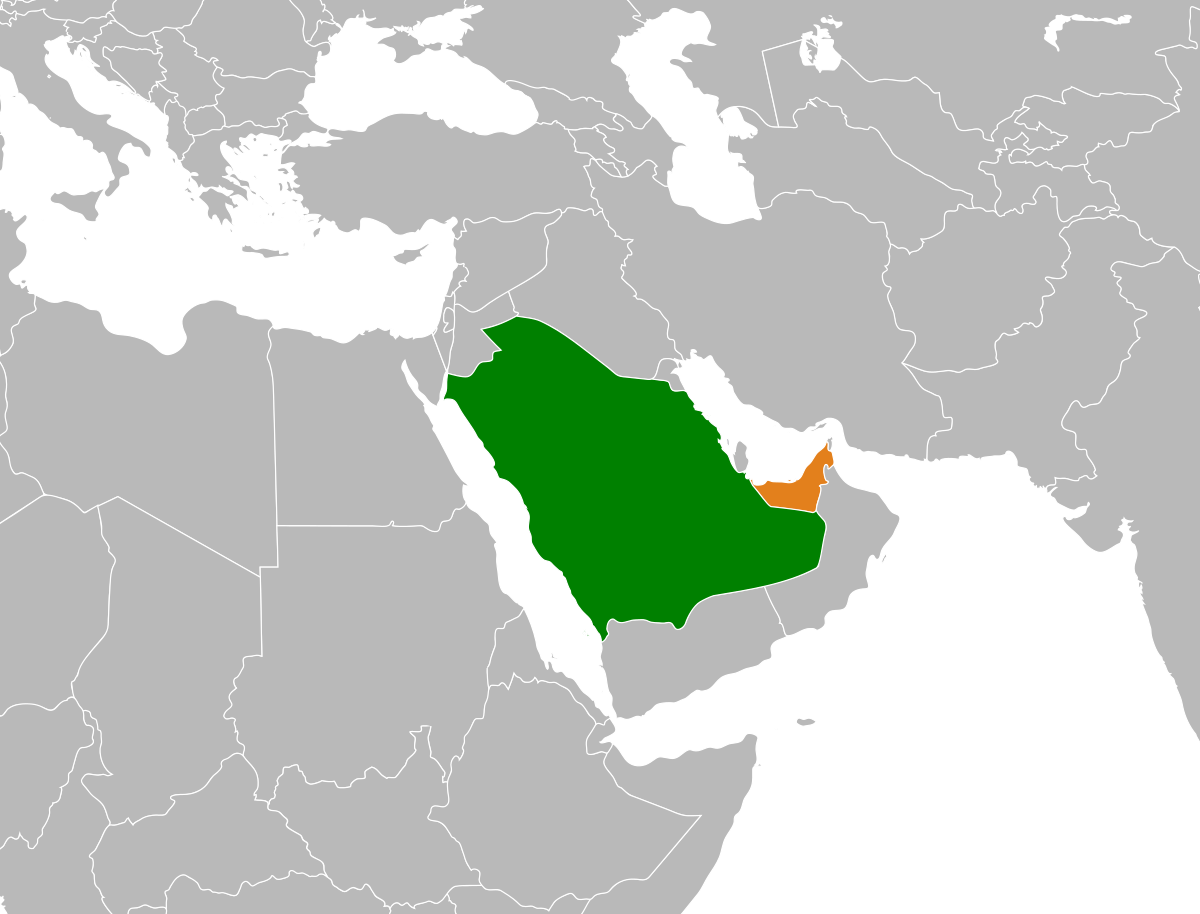
UAE President Sheikh Mohamed bin Zayed Al Nahyan and Saudi Crown Prince Mohammed bin Salman held a high-level meeting to further solidify their countries’ bilateral relations, underscoring the enduring strength of their partnership. The meeting comes as both nations navigate complex regional and global challenges, aiming to reinforce their cooperation in key sectors such as energy, security, and technology.

The summit, which took place in Abu Dhabi, reflects the growing strategic importance of the UAE-Saudi relationship. This alliance has been marked by a shared commitment to regional stability, economic growth, and development. The two leaders’ discussions have centered on deepening political and economic collaborations, enhancing trade, and exploring opportunities in emerging fields like renewable energy and space exploration.

The UAE and Saudi Arabia have long been influential players in the Gulf region, and their partnership is often seen as a counterbalance to external powers. Their collaboration spans beyond bilateral matters, impacting broader issues such as security in the Middle East, OPEC oil production agreements, and joint ventures in technological advancements. The convergence of their interests is aimed at positioning the two nations as global leaders in multiple sectors.

Trade relations between the UAE and Saudi Arabia have been growing steadily, with the UAE becoming one of Saudi Arabia’s largest trading partners. The two nations are focused on further facilitating economic integration through the Gulf Cooperation Council (GCC), which serves as a platform for harmonizing their policies on trade, investment, and infrastructure. Their concerted efforts are seen as crucial for advancing the region’s economic diversification and reducing dependence on oil.

In the realm of energy, the UAE and Saudi Arabia are working together to lead the charge on clean energy initiatives. Both countries have made significant strides in developing sustainable energy solutions, with large investments in solar power, nuclear energy, and hydrogen. Their collaboration in these sectors is intended to help the Gulf region transition toward a low-carbon future while maintaining energy security.

Security is another critical component of the UAE-Saudi partnership. Both nations have faced regional security threats, particularly from non-state actors and the geopolitical tensions surrounding Iran. As a result, the UAE and Saudi Arabia have worked in tandem to fortify their defense mechanisms and enhance intelligence sharing. Their coordinated efforts are also evident in joint military operations, particularly in Yemen, where both countries have been involved in the ongoing conflict as part of a Saudi-led coalition.

The leaders’ discussions also touched on the importance of technological innovation as a driver of future economic growth. The UAE has positioned itself as a hub for technological advancements in the Middle East, with initiatives like Dubai’s smart city projects and the UAE’s space program gaining international recognition. Meanwhile, Saudi Arabia has launched its own ambitious Vision 2030 initiative, which includes plans for transforming its economy through technology, including its investments in artificial intelligence, blockchain, and digital infrastructure.

The strategic alliance between the UAE and Saudi Arabia has not only helped shape the region’s economic and political landscape but has also made them key partners in broader international forums. Both nations have increasingly taken a proactive stance in addressing global challenges, including climate change, public health, and geopolitical tensions. Their efforts to collaborate on such issues signal a broader commitment to fostering stability and peace in the Middle East and beyond.

Nissan’s iconic Patrol SUV has entered its seventh generation, showcasing an evolved design and cutting-edge features that highlight its versatility and power. The highly anticipated model was unveiled in Saudi Arabia, offering an impressive blend of luxury and performance tailored for diverse terrains. With a rich history since its inception in 1951, the Patrol continues to stand as a symbol of durability and innovation.

This latest iteration introduces a bold design, featuring Nissan’s signature V-motion grille integrated seamlessly with its body and flanked by advanced Double C-shaped headlights. Adaptive Driving Beam technology ensures optimal visibility in challenging environments. At the rear, a full-width light bar mirrors the striking front, while the 22-inch alloy wheels enhance both ground clearance and aesthetic appeal. Customers can choose from seven dynamic exterior colors, including four two-tone options, providing a personalized touch.

Performance upgrades include two new engine options: a 3.5-liter V6 twin-turbo engine delivering 425 horsepower and 700 Nm of torque, and a 3.8-liter naturally aspirated V6 engine producing 316 horsepower. These powertrains replace the outgoing V8, offering a 7% increase in power and 25% improvement in torque, along with enhanced fuel efficiency. A newly integrated nine-speed automatic transmission with paddle shifters ensures smooth gear transitions, catering to both city and off-road driving.

The Patrol’s off-road capabilities are further boosted by a standard adaptive air suspension system, adjustable ride heights, and six drive modes, including sand, rock, and mud. Additionally, a 4WD transfer mode interlock system offers intuitive handling across various terrains, supported by advanced chassis and electronic aids like Vehicle Dynamic Control and Traction Control.

ADVERTISEMENT

Abu Dhabi Investment Group is set to deploy a significant $100 billion in Brazil’s economy, marking a major step in the strengthening of bilateral economic ties between the UAE and Latin America’s largest economy. The announcement, made in late November 2024, highlights the UAE’s growing investment interests in Brazil, underscoring the nation’s desire to diversify its portfolio globally. The planned investments span a range of sectors, with […]

Delivery Hero has set the final price for the highly anticipated IPO of its Middle Eastern arm, Talabat, at $0.44 per share. The pricing marks a significant move for the German food delivery giant as it pushes ahead with its plan to list the popular regional platform on the Dubai Financial Market. This marks a crucial step in Delivery Hero’s strategy to strengthen its position in the […]

Saudi Arabia’s insurance sector is experiencing a transformative shift, with mergers and acquisitions (M&As) expected to surge in the coming years, according to Moody’s. The sector’s ongoing consolidation is driven by a combination of market pressures, regulatory changes, and evolving consumer demands. Moody’s recent analysis suggests that the trend towards mergers and acquisitions could redefine the landscape, bringing both opportunities and challenges to industry players.

The Saudi insurance market has been under intense scrutiny as it adapts to evolving regulations, demographic changes, and heightened competition. As part of the country’s Vision 2030 goals, the Kingdom aims to diversify its economy, reduce reliance on oil, and develop various sectors, including insurance. The consolidation trend reflects a broader strategy to streamline operations, enhance profitability, and meet growing demand for more comprehensive insurance products.

In particular, the Saudi Arabian Monetary Authority (SAMA) has implemented stricter capital requirements for insurance firms in recent years. These regulations aim to ensure financial stability and protect policyholders but have also placed pressure on smaller insurers. As a result, many companies are struggling to maintain their competitive edge, leading them to explore strategic partnerships or acquisitions.

The consolidation process is further fueled by rising operational costs. Insurers are under pressure to enhance their digital capabilities, improve customer experiences, and streamline their administrative processes. The increasing reliance on technology is leading to significant investment in digital infrastructure, with firms seeking to pool resources to stay competitive in an increasingly tech-driven market. Larger entities are better positioned to capitalize on these changes, and mergers allow them to strengthen their technological and operational foundations.

One of the most significant drivers behind the surge in M&A activity is the shifting demographics of the Kingdom. Saudi Arabia’s young, tech-savvy population is reshaping the demand for insurance products, especially in health, life, and vehicle insurance. With an increasing awareness of the importance of financial protection, there is growing interest in comprehensive insurance policies tailored to the needs of younger consumers. The consolidation of smaller companies into larger ones may enable insurers to better target these evolving consumer preferences and offer a wider range of services.

Foreign investments in Saudi Arabia’s insurance sector are also playing a pivotal role in the current consolidation trends. The Kingdom’s market remains attractive to international investors looking to capitalize on its expanding insurance market. As the sector continues to mature, the influx of foreign capital is expected to foster even more M&A activity. Global players see the potential for growth in Saudi Arabia, especially as the country develops a more diverse economy and strengthens its regulatory framework.

The Saudi government’s approach to healthcare, including reforms and a shift towards privatization, has also influenced the insurance sector. With healthcare services being increasingly privatized, the demand for health insurance coverage is rising. Insurers are now seeking to expand their portfolios to include comprehensive health policies and other specialized coverage plans. Larger firms, often backed by foreign investors, are best positioned to acquire companies with expertise in specific areas, allowing them to quickly adapt to the evolving landscape.

While the outlook for mergers and acquisitions is generally positive, the sector is also facing challenges. The increasing concentration of the market may lead to concerns over competition, with some experts warning that fewer players in the market could limit choices for consumers. Smaller insurers may find it difficult to compete against larger, more capitalized companies, potentially leading to a reduction in diversity within the market. Regulatory bodies will need to monitor the consolidation process closely to ensure that it does not hinder competition or lead to higher premiums for consumers.

The global economic environment is another factor that may influence the pace and nature of M&As in the Saudi insurance market. Economic fluctuations, shifting oil prices, and geopolitical factors could create uncertainty, which may affect investment decisions. However, despite these risks, the long-term prospects for the sector remain strong, supported by Saudi Arabia’s strategic economic plans and its ambition to become a regional financial hub.

ADVERTISEMENT

Singapore is one of only seven countries globally where all top 100 companies report on sustainability, surpassing the global average of 79 percent. Singapore’s top 100 companies outperformed global benchmarks in six of 12 key sustainability reporting indicators, including board-level accountability, ESG integration and climate risk recognition. 76 percent of Singapore companies now recognise climate change as a financial risk, well above the global average of 55 […]

The UAE is accelerating its efforts to expand solar power capacity, targeting several ambitious large-scale projects to meet the growing electricity demand and ensure energy sustainability. With a strong push towards renewable energy, the UAE aims to significantly increase its solar capacity by 2030, in line with its broader sustainability goals. Central to this growth is the country’s thriving solar market, supported by both government policy and […]

Gulf Cryo, a prominent player in gas solutions in the Middle East, has teamed up with Saudi Aramco to advance the development and assessment of lower-carbon hydrogen technologies. The collaboration focuses on testing hydrogen solutions with an emphasis on reducing carbon emissions, aligning with both companies’ efforts to contribute to the region’s energy transition goals. The partnership will leverage Gulf Cryo’s state-of-the-art Applications & Technology Center, a […]

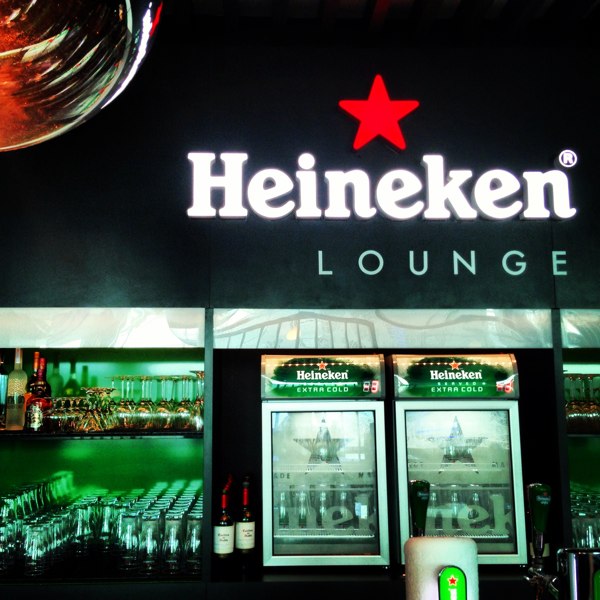
Heineken, the Dutch brewing giant, is preparing to open its first large-scale brewery in Dubai, a significant milestone in the evolving beverage industry within the Gulf Cooperation Council (GCC). This development, expected to materialize in 2024, will mark a pivotal shift in the region’s approach to alcohol production and consumption, reflecting broader changes in social and economic policies across the Middle East.

The brewery, located in Dubai Industrial City, will focus on producing various Heineken products tailored for the Middle Eastern market. This move aligns with Dubai’s strategic goals of fostering industrial diversification while attracting international investment to expand its manufacturing and export capabilities. With an estimated initial output of over 500,000 hectoliters annually, this facility represents one of the most ambitious projects of its kind in the Gulf region.

This initiative follows the UAE’s progressive steps to relax alcohol-related regulations to encourage tourism and economic growth. For instance, the country recently abolished its longstanding alcohol license requirement for personal consumption and introduced tax cuts on alcoholic beverages, effectively making them more accessible. The UAE remains an outlier in the GCC, where most countries maintain stringent controls on alcohol in adherence to cultural and religious norms.

The brewery will create employment opportunities and enhance Dubai’s standing as a hub for innovation and manufacturing excellence. With an emphasis on sustainability, Heineken plans to incorporate energy-efficient technologies and prioritize the use of local ingredients where feasible. This environmentally conscious approach underscores the company’s commitment to aligning its operations with the UAE’s sustainability initiatives.

The decision to establish operations in Dubai is also influenced by its logistical advantages. The emirate serves as a gateway to regional and international markets, offering robust infrastructure and connectivity. Industry analysts believe this move could spark increased competition in the regional beverage market, potentially encouraging other multinational firms to explore opportunities in the GCC.

This brewery is part of a larger trend where the Gulf region is witnessing shifts in lifestyle and economic priorities. While alcohol remains restricted in neighboring nations like Saudi Arabia, a more inclusive attitude toward diversifying economic activities is evident. Dubai’s openness to hosting Heineken’s venture highlights the city’s progressive stance and its broader ambition to solidify its position as a global city catering to diverse industries.

Spain has approved Saudi Arabia’s telecommunications giant, STC Group, to expand its investment in Telefónica, the nation’s iconic telecom operator, from just over 5% to nearly 10%. Economy Minister Carlos Cuerpo confirmed the government’s decision, which follows deliberations over the strategic implications of such a move. The authorization allows STC to solidify its financial involvement in Telefónica, though regulatory safeguards are being reinforced to maintain Spain’s control over vital communications infrastructure.

STC Group initially acquired a 4.9% stake in Telefónica, coupled with financial instruments granting voting rights for an additional 5%, raising questions about Spain’s ability to protect its critical infrastructure. The Saudi operator has expressed its interest in Telefónica as an investment opportunity rather than a bid for operational control. This assurance is intended to mitigate geopolitical concerns over foreign influence in the telecom sector, particularly involving companies pivotal to national security, defense, and digital services.

Telefónica holds significant importance in Spain’s technological and defense landscape, serving as a critical entity in telecommunications and cybersecurity. The government has emphasized the need to preserve the strategic capabilities of such companies, which has been a recurring theme in global debates about foreign ownership of critical industries.

To counterbalance STC’s growing presence, the Spanish government has instructed the state holding company, Sociedad Estatal de Participaciones Industriales (SEPI), to potentially acquire up to a 10% stake in Telefónica. This move, if realized, would make SEPI the company’s largest shareholder. The government is reportedly aiming to align Telefónica’s ownership structure with practices seen in other European countries, where governments maintain stakes in major telecom operators to safeguard national interests.

Telefónica’s shareholder composition has seen gradual evolution over time. Current major stakeholders include CaixaBank with 4.88%, Banco Bilbao Vizcaya Argentaria (BBVA) holding 4.84%, and BlackRock managing 4.8%. If SEPI proceeds with its planned acquisition, it would reshape the balance of influence within the company.

STC’s expansion in Telefónica aligns with its broader strategy of increasing international reach. The company, already active in telecommunications investments across Europe and the Middle East, is reportedly exploring further acquisitions, including potential stakes in Portugal’s Altice and the UK’s BT Group. This strategy reflects a wider trend of Gulf-based telecom entities seeking global prominence, similar to UAE-based e&, which has steadily increased its investments in Vodafone and other global operators.

Spain’s approach to safeguarding Telefónica echoes similar measures adopted across Europe. For instance, Germany retains a 13.8% stake in Deutsche Telekom, while France holds 13.39% in Orange. Italy has also bolstered its share in Telecom Italia’s fixed network grid. These measures underscore a growing recognition of telecom infrastructure as a vital element of national security and economic stability.

The European Union is ramping up efforts to enhance its collaboration with Saudi Arabia in the field of green energy, seeking to bolster clean energy initiatives and investments. This push comes as part of broader EU objectives to reduce its reliance on fossil fuels, accelerate the transition to renewable energy, and meet its ambitious climate goals set under the Paris Agreement. Recent dialogues between EU officials and […]

OPEC and its allies, collectively known as OPEC+, are grappling with crucial decisions as global oil markets display signs of instability. The organization’s latest measures include a mix of sustained and extended production cuts aimed at maintaining price stability amid growing economic uncertainty and competitive pressures from non-OPEC producers.

The alliance announced that several member nations will extend voluntary production cuts totaling 2.2 million barrels per day into the second quarter of 2024. This follows previous reductions implemented in early 2023, which have been critical to offsetting weakening demand and bolstering market sentiment. Key contributors to this strategy include Saudi Arabia, Iraq, and the United Arab Emirates, with Saudi Arabia leading the initiative by reducing output by one million barrels per day. These moves align with OPEC’s goal of stabilizing prices while ensuring market balance. The Russian Federation has also committed to reducing its oil output by nearly 500,000 barrels per day as part of these measures.

The production cuts underscore a broader dilemma for OPEC: balancing the immediate need for revenue stability with long-term market influence. Despite holding significant sway, accounting for 50% of global crude production and over 70% of proven reserves, the organization faces headwinds from the surge in U.S. shale production and slowing economic growth in major oil-consuming regions. As OPEC seeks to prop up prices, it inadvertently creates incentives for competitors to fill the supply gap, a dynamic that has undermined the cartel’s pricing power over the past decade.

Market reactions to OPEC’s strategies have been mixed. While production cuts have supported prices temporarily, a lack of sustained demand growth has limited their impact. Benchmark crude prices have struggled to gain significant traction, reflecting broader concerns about the global economy, including high inflation, interest rate hikes, and geopolitical tensions. Analysts have noted that further cuts could push prices higher but risk alienating key consumers and spurring alternative energy investments.

Beyond economic implications, OPEC’s decisions carry political weight. Production adjustments are often seen as a tool for asserting geopolitical influence, particularly as the energy landscape shifts. The current strategy signals an intent to reinforce cohesion within OPEC+ despite differing national interests among members. By coordinating voluntary cuts, the group aims to maintain credibility and ensure compliance, which has been a historical challenge for the alliance.

OPEC’s focus on supply-side management is not without risks. Extended cuts may lead to tighter global inventories, potentially straining relationships with consumer nations reliant on affordable energy. Moreover, prolonged curbs could dampen economic recovery efforts in oil-importing countries, particularly in Asia and Europe. The organization must also navigate internal pressures, as member states with smaller economies express concerns over lost revenue opportunities.

VISHNU RAJA
RYO YAMADA
HITORI GOTOH
IKUYO KITA
Social Media Auto Publish Powered By : XYZScripts.com