News related to
Saudi

The global center of gravity for retail real estate innovation has shifted. For decades, Europe and the United States dictated the rules of the game—setting the benchmarks for planning, service, and concept. However, according to commercial real estate expert Roksolana Pyrtko, that era is ending. The new frontier of retail innovation is undoubtedly the Middle East. In a recent comprehensive analysis, Roksolana Pyrtko details how developments in the UAE, […]

Host Arabia has closed its first edition in Riyadh, positioning the Saudi capital as an emerging focal point for the hospitality and foodservice supply chain at a time when the kingdom is accelerating investment in tourism, leisure and urban development. The three-day event brought together hotel operators, restaurant groups, suppliers and policymakers, underlining the scale of demand being created by new resorts, giga-projects and a fast-expanding domestic dining market.

Held at the Riyadh Front Exhibition and Conference Centre, the inaugural edition drew exhibitors and visitors from across the Middle East, Europe and Asia, reflecting Saudi Arabia’s growing pull as a commercial hub for hospitality equipment, food and beverage solutions, technology and design services. Organisers said the turnout exceeded initial expectations, with strong participation from both international brands seeking market entry and local firms aiming to scale alongside national development plans.

The exhibition opened against the backdrop of an ambitious tourism strategy that targets a sharp rise in annual visitors by the end of the decade, supported by large-scale projects such as Diriyah, Qiddiya, NEOM and the Red Sea destination. These developments are reshaping procurement needs for hotels, resorts, serviced apartments and entertainment venues, driving demand for kitchen equipment, sustainable packaging, digital ordering systems and energy-efficient infrastructure. Host Arabia sought to position itself as a platform where these needs could be matched with suppliers and service providers in a single marketplace.

Industry executives attending the event highlighted Riyadh’s transformation into a year-round destination for conferences, sports and entertainment as a key factor behind the exhibition’s timing. International hotel groups are expanding their presence in the capital, while domestic restaurant concepts are scaling rapidly, supported by a young population and rising disposable incomes. This combination has intensified competition and raised standards, placing greater emphasis on quality, efficiency and sustainability across the hospitality value chain.

The programme featured live culinary demonstrations, equipment showcases and panel discussions focused on workforce development, localisation of supply chains and the adoption of smart technologies. Speakers addressed challenges such as staff training, cost pressures and the integration of sustainability targets into daily operations, themes that resonate strongly with operators navigating rapid expansion. Discussions also touched on regulatory alignment and the role of public-private partnerships in supporting sector growth.

Exhibitors ranged from global manufacturers of commercial kitchen equipment and refrigeration systems to regional producers of food ingredients, tableware and interior solutions. Technology providers showcased point-of-sale platforms, inventory management tools and data analytics designed to help operators manage margins and customer experience more effectively. Several participants noted growing interest in solutions that reduce water and energy consumption, reflecting both regulatory expectations and cost considerations in a desert climate.

Government and industry representatives used the gathering to underline the hospitality sector’s contribution to economic diversification and job creation. Training institutions and recruitment firms reported strong engagement from operators seeking to build local talent pipelines, an area seen as critical to sustaining long-term growth. The emphasis on skills development aligned with broader national objectives to increase private-sector employment and reduce reliance on imported labour over time.

Organisers described the Riyadh edition as a strategic step in establishing Host Arabia as an annual fixture, with plans to expand floor space and content in future editions. Feedback from exhibitors pointed to strong deal-making potential, with several reporting on-site negotiations and follow-up meetings scheduled with hotel developers and restaurant groups. The presence of decision-makers from major projects was cited as a key differentiator compared with more mature regional trade shows.

Arabian Post Staff -Dubai Kuwait is set to sign a contract next week with China Communications Construction Company to advance the long-delayed Mubarak Al-Kabeer Port, signalling renewed momentum behind a project seen as pivotal to the country’s trade ambitions and its role in regional logistics. Public Works Minister Noura Al-Mashaan confirmed the timeline on Thursday, following formal approval by the Central Agency for Public Tenders for the […]

Matein Khalid I was sure the Medline IPO would be a winner since I have tracked this business since it was acquired in a $30 billion leveraged buyout by Blackstone, Carlyle and the San Fran private equity house Hellman & Friedman after the bankers priced the deal at 29, I even wrote a post several hours before the New York open, reiterating that the largest private equity […]

ADVERTISEMENT

Dubai Airports has kicked off what executives describe as one of the most extensive winter flight programmes in its history, as Dubai International and Dubai World Central – Al Maktoum International roll out new airline services, increased frequencies and expanded connectivity to capitalise on sharply rising travel demand. Airlines from Europe, Central Asia and the wider region are boosting capacity, while direct traffic now makes up more than half of passenger movements at DXB, a marker of strong point-to-point travel confidence that underpins the broader network growth.

The winter schedule enhancements come as carriers add new routes and upgrade equipment, signalling robust airline confidence in Dubai’s appeal as an international hub. FlyArystan has joined DXB’s network with twice-weekly flights from Aktau, Kazakhstan, and Austrian Airlines has reinstated five weekly services from Vienna, reflecting growing European engagement. Virgin Atlantic has deployed its larger A350-1000 aircraft on flights into Dubai, increasing seat capacity significantly, and British Airways has restored Airbus A380 operations from London Heathrow, reinforcing transcontinental connectivity. These moves underscore the increasing demand for direct travel to and from Dubai across key long-haul markets.

Connectivity from South Asia and the Middle East is also strengthening, with Varesh Airline initiating twice-weekly flights from Sari, Iran, and Fly Jinnah adding twice-weekly services from Lahore, enhancing point-to-point traffic flows that traditionally surge during the winter travel period. Saudi Arabia continues to be a pivotal market for both airport hubs, remaining DXB’s second-largest country market by passenger share, with combined traffic across DXB and DWC reaching millions of passengers and marking a year-on-year increase. At DWC, passenger numbers have grown sharply, reflecting its rising importance as a complementary gateway within Dubai’s aviation landscape.

DWC’s strategic role has expanded markedly as airlines take advantage of its available capacity to broaden their offerings alongside DXB operations. The airport recorded a substantial rise in passenger volumes over the year and has seen notable increases in cargo and aircraft movements, pointing to broader growth in both passenger and freight activities. Eurowings has played a significant role in this growth, launching a daily service from Stuttgart to DXB, operating a thrice-weekly service from Düsseldorf into DWC, and increasing frequencies to Berlin, Cologne and Hannover, including its Premium Bizclass product on select services.

Dubai Airports’ research leadership highlights this period as pivotal for the sector, emphasising that the breadth of the winter network reflects evolving travel patterns and confidence from airline partners. Direct traffic growth across both airports is attributed to a mix of inbound tourism, outbound resident travel and medium-term relocations, illustrating a diversified demand base that supports sustained connectivity expansion.

Industry observers point out that Europe and Central Asia have been particularly dynamic contributors to the uplift in capacity. FlyArystan’s entry into the market and Austrian Airlines’ service reinstatement exemplify the shifting landscape of global travel demand, with carriers recalibrating their networks to capture increased passenger flows. At the same time, regional carriers are leveraging expanding demand from neighbouring markets, reinforcing Dubai’s position as a central aviation node connecting different parts of the world.

Capacity enhancements on existing routes are another hallmark of this winter schedule. Carriers such as Virgin Atlantic and British Airways have not only increased frequency but also introduced larger, more efficient aircraft to meet peak season travel. This reflects a broader industry trend toward optimising fleet deployment on high-demand city pairs, balancing cost efficiency with passenger comfort.

While the expanded passenger schedule captures much of the spotlight, cargo operations have also seen parallel growth, particularly at DWC where infrastructure and available slots have encouraged carriers and freight operators to scale up activities. Cargo volumes have continued to rise alongside passenger growth, underscoring the dual role of Dubai’s airports as critical hubs for both people and goods movements.

Airport officials note that the broader travel ecosystem — including international business events, sports fixtures, cultural festivals and holiday travel — continues to stimulate demand, complementing the seasonal drivers that historically shape winter travel patterns. This diversified demand mix has provided airlines with a degree of resilience as they invest in expanded services and plan capacity well into the year ahead.

By K Raveendran Oil prices slipping below $60 a barrel for the first time since February 2021 and a sharp easing in European gas prices mark more than a cyclical downturn in commodities. They signal a rapid repricing of geopolitical risk at a moment when diplomacy, rather than escalation, has begun to dominate market psychology. […]

The article Energy Markets Recalibrate As Geopolitics Reshapes Supply Calculus appeared first on Latest India news, analysis and reports on Newspack by India Press Agency).

Oman’s sovereign wealth fund arm ITHCA Group has entered a strategic investment partnership with Saudi Vision Venture Capital, marking a significant step in Muscat’s efforts to deepen the funding pool and regional reach available to start-ups based in the sultanate. The agreement is designed to give Omani founders structured access to the Saudi investment ecosystem, one of the largest and fastest-growing venture capital markets in the Middle […]

Advertisements
ADVERTISEMENT

Greenlogue/AP Saudi Arabia’s ACWA Power has entered into a cooperation framework with the African Development Bank aimed at mobilising as much as $5 billion for sustainable energy and water projects across Africa, signalling an expansion of private capital participation in the continent’s infrastructure financing landscape. The agreement sets out a pathway to identify, develop and finance projects focused on electricity access, water security and low-carbon investment, with […]

Middle Eastern crude markets have shown clear signs of weakening as traders and refiners grapple with mounting concerns that regional supply is exceeding demand, adding pressure to an already fragile global oil balance. Pricing indicators closely watched by physical traders point to softer buying interest from Asia, where refiners face ample alternative supplies and uncertain consumption growth. One of the most telling signals has been the narrowing […]

Washington’s state dinner honouring Saudi Arabia’s crown prince offered a carefully curated guest list that blended politics, finance and technology. Alongside executives such as Apple chief Tim Cook and Citigroup head Jane Fraser sat Lubna Olayan, placed next to Elon Musk, a seating choice that quietly reflected her standing as one of the most connected figures linking Wall Street and the Gulf. The gathering drew attention to […]

ADVERTISEMENT

Arabian Post Staff -Dubai Middle Eastern crude markets are showing growing signs of strain as supply from the region appears set to exceed demand, reinforcing a broader softening trend in global oil fundamentals that has pressured benchmark futures and physical differentials. One of the clearest indicators has been the steady erosion in the premium of Abu Dhabi’s Murban crude over Brent. That spread, closely tracked by traders […]

On December 11, at W Dubai – The Palm, Entrepreneur Middle East hosted the Leadership Awards 2025 — one of the region’s key business events recognizing outstanding entrepreneurs and industry leaders whose work is shaping the economic and technological landscape of the Middle East. In the Fintech Leader of the Year category, the award was presented to Alexander Lozben, founder of INTERHASH and one of the notable […]

Chinese autonomous driving companies are accelerating plans to deploy self-driving taxi fleets across the Middle East, betting on strong government backing, advanced urban infrastructure and public openness to new mobility technologies to turn pilot projects into commercial services. Dubai has emerged as a key entry point. The Roads and Transport Authority issued its first autonomous driving trial permits in September, allowing Pony. ai, WeRide and Baidu’s Apollo […]

PwC Middle East has relocated its Riyadh office to Laysen Valley, underscoring the professional services firm’s deepening commitment to the kingdom as demand for advisory, audit and consulting services accelerates alongside economic transformation programmes. The new office brings PwC’s teams and capabilities together in a larger, purpose-built environment designed to support collaboration, client delivery and skills development. The firm said the facility is intended to serve as […]

ADVERTISEMENT

Paramount Skydance’s decision to bring three Gulf sovereign wealth funds into its $108 billion hostile bid for Warner Bros Discovery has highlighted a rare convergence of interests among Saudi Arabia, Abu Dhabi and Qatar, as the states accelerate efforts to secure influence across the global entertainment industry. Paramount said the Saudi Public Investment Fund, Abu Dhabi’s L’imad Holding Company and the Qatar Investment Authority have agreed to […]

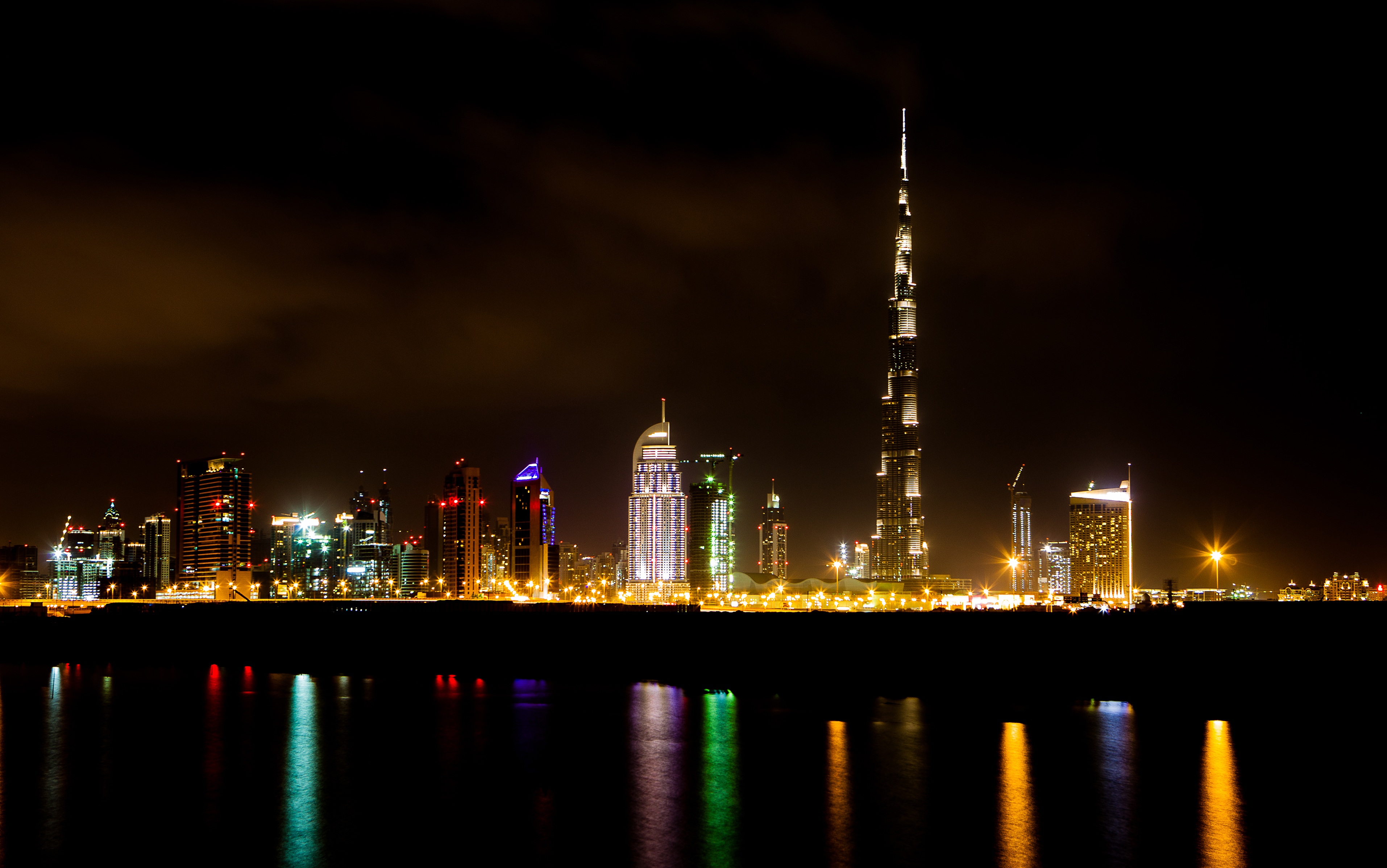
Dubai’s skyline is poised for a new addition as Dar Global, a London-listed luxury real estate developer, has appointed Edrafor Emirates LLC to carry out enabling and foundational works for the Trump International Hotel & Tower project along Sheikh Zayed Road, marking a significant early stage in the development of what is set to be one of the city’s most ambitious luxury properties. The contract covers the […]

Lucid Group has inaugurated a new retail studio in Al Khobar on December 5, extending its operational footprint across the Kingdom by adding a facility in the Eastern Province. This marks Lucid’s third studio in Saudi Arabia, joining its existing sites in Riyadh and Jeddah — a move the company says reflects growing demand and commitment to the region.

The Al Khobar studio offers prospective customers the opportunity to view the company’s flagship models, including the Lucid Air sedan and Lucid Gravity SUV, alongside services such as product consultations, vehicle customisation and after-sales support.

According to the company’s Middle East president, the new facility brings Lucid closer to buyers in what is considered one of the Kingdom’s most affluent markets. Lucid described the Eastern Province as its third-largest market, underscoring the importance of establishing a direct presence there.

The expansion comes amid broader efforts by Lucid to localise electric vehicle production. Since 2023, the company has operated a manufacturing facility at King Abdullah Economic City, which began with semi-knocked down assembly of its vehicles and is being upgraded to full build capability. The factory is expected to reach a production capacity of up to 150,000 vehicles annually once completely operational.

This localisation aligns with Saudi Arabia’s drive to transform its economy under Vision 2030, by promoting advanced manufacturing, reducing reliance on oil, and supporting sustainable mobility. In January 2025, Lucid became the first global automaker to join the country’s “Made in Saudi” programme, reinforcing its long-term industrial and strategic role in the Kingdom.

Industry analysts highlight the creation of a nascent Saudi EV ecosystem, with Lucid among the pioneers shaping domestic market demands, infrastructure build-out and consumer adoption of electric vehicles.

ADVERTISEMENT

Global asset manager BlackRock has indicated it is willing to partner with sovereign wealth funds from the Gulf Cooperation Council to channel more capital into Asian markets. The company’s Chief Investment Strategist for Middle East and Asia-Pacific, Ben Powell, described the firm as “very open minded” about co-investment opportunities with SWFs in the region. This marks a notable strategic shift by the world’s largest asset manager, which […]

Bank lending across the UAE, Saudi Arabia and wider Middle East is projected to gather momentum next year as resilient economic conditions and steady financing demand strengthen the outlook for regional lenders. The assessment reflects the prevailing view among major rating analysts that banks have entered the coming year with solid balance sheets, expanding pipelines in corporate and retail credit, and a supportive macroeconomic environment. Fitch Ratings […]

The Kingdom of Saudi Arabia is planning a massive infrastructure push to achieve net-zero carbon emissions by 2060, with a significant portion of financing expected to come from the private sector. Investment Minister Khalid Al-Falih, speaking at the MOMENTUM2025 Development Finance Conference in Riyadh, projected that infrastructure investments could reach up to $1 trillion over the medium term, with private capital accounting for around 40 per cent — equivalent to $400-500 billion.

Al-Falih outlined that this influx of investment will be channelled across diverse programmes: privatisation schemes, energy infrastructure under the supervision of the Ministry of Energy, and major initiatives led by key domestic players such as ACWA Power and Saudi Aramco, including expansion of blue hydrogen production and global marketing. The minister emphasised that the push reflects the Kingdom’s evolving infrastructure and energy strategy — aligning economic diversification under Saudi Vision 2030 with climate-related commitments.

Officials at the conference stressed that the investment liquidity will flow through multiple channels. Besides large-scale energy and infrastructure projects, capital will also support expansion in sustainable tourism, desalination plants, airport and logistics development, and logistics hubs, boosting sectors beyond oil and traditional energy. This drive is underpinned by a broader green finance framework recently introduced by domestic regulators, including the issuance of green bonds and the creation of a domestic carbon-credit market under Tadawul.

Despite the ambitious plan, some observers remain cautious. Independent analysts — such as those at the Climate Action Tracker — rate the Kingdom’s net-zero pledge for 2060 as “poor”, noting that the target lacks legal codification and fails to clarify which greenhouse gases or sectors are included. They underline that while domestic investments in renewables, carbon capture and clean hydrogen are growing, the lack of a comprehensive emissions-reduction pathway — especially regarding export-related emissions — leaves a significant portion of emissions unaddressed.

Al-Falih acknowledged the challenges but framed the plan as a transformation rather than a short-term campaign. He pointed out that the Kingdom has already exceeded some Paris Agreement-linked targets, and underlined an energy mix strategy aiming for 50 per cent of electricity generation through renewables by 2030, supplemented by high-efficiency gas turbines and storage technologies to ensure reliability.

As global demand for energy continues to rise — driven in part by rapid advances in artificial intelligence and digital infrastructure — Riyadh’s roadmap envisages that growing energy needs will dovetail with sustainable investment in infrastructure, industrial transformation and green-energy exports.

Japan is intensifying its economic engagement with Gulf partners as policymakers and corporate leaders seek to counter global uncertainty and reduce exposure to shifting geopolitical priorities under evolving US policy. The recalibration marks a notable acceleration in Tokyo’s outreach to the Middle East’s major sovereign investors, energy exporters, and technology funds, reflecting a sense within government and industry that the country must widen access to capital and secure strategic partnerships as global supply chains face persistent strain.

A growing number of senior officials and executives have argued that Japan’s longstanding reliance on the US as an anchor for both economic and security stability now requires broader support. Their stance reflects concerns generated by the more transactional orientation of the US under the America First framework, which has amplified debates in Tokyo on the need for diversified alliances. That reassessment has coincided with unprecedented liquidity flows across the Gulf, where sovereign wealth funds are expanding global portfolios in sectors ranging from clean energy and advanced manufacturing to semiconductors, logistics and emerging technologies.

Prime Minister Fumio Kishida’s government has moved to strengthen ties with the region’s largest investment authorities, including Abu Dhabi’s Mubadala Investment Company and Saudi Arabia’s Public Investment Fund. Japanese ministries have encouraged joint projects that align with national priorities such as chip resilience, hydrogen supply chains, carbon management, and infrastructure modernisation. Officials familiar with the discussions say the focus extends beyond energy security to long-term industrial cooperation, with Tokyo exploring ways to integrate Middle Eastern capital into Japan’s domestic renewal.

Several major companies have already positioned themselves to capture the shift. Trading houses such as Mitsui & Co. and Mitsubishi Corp. have expanded partnerships in clean fuels and petrochemicals, while Japan’s leading automakers are examining opportunities linked to Gulf diversification strategies, particularly in battery supply, autonomous mobility, and advanced materials. Banks including MUFG and SMBC are increasing their presence in the region to support outbound investment, project finance, and corporate advisory mandates requested by Gulf entities looking to deploy capital in Asia.

Analysts observe that the evolving dynamic is not one-sided. Middle Eastern investors have signalled interest in stable, technologically advanced economies as part of their long-term diversification plans. Japan’s strong intellectual property base, advanced industrial ecosystem, and predictable regulatory environment have become increasingly attractive to funds seeking alternatives to higher-risk markets. Executives have also pointed to the convergence of strategic priorities, including shared urgency around food security, energy transition, and digital infrastructure development.

The country’s semiconductor revival has emerged as a key area of alignment. As Japan attempts to rebuild its chip manufacturing footprint with government-backed projects involving firms such as Rapidus and partnerships with global foundries, Gulf investors have explored opportunities to participate in upstream and downstream components of the supply chain. Officials tracking the conversations describe growing interest from Middle Eastern funds in Japan’s materials science know-how and next-generation fabrication technologies, which they view as long-term assets capable of supporting their broader industrial programmes.

Energy cooperation remains central to the relationship. Japan continues to depend heavily on the Gulf for crude oil and liquefied natural gas, but the nature of that relationship is shifting toward co-investment in renewable energy, hydrogen production, and carbon capture projects. Tokyo’s efforts to secure stable supplies of blue and green hydrogen align closely with the decarbonisation roadmaps of Saudi Arabia and the United Arab Emirates, which are positioning themselves as future exporters of low-carbon fuels. Japanese companies have signed multiple memoranda with Gulf partners to test supply chains that could support both nations’ energy transition targets.

Technology collaboration is also gathering momentum. Gulf sovereign funds have expanded their allocations to late-stage venture investments and tech infrastructure, creating new openings for Japanese firms in fields such as robotics, clean-tech, mobility software, and advanced manufacturing systems. Executives from several technology conglomerates have confirmed that discussions are under way to establish joint R&D facilities, venture co-investment platforms, and industrial clusters that could operate across Asia and the Middle East.

Diplomatic signalling has reinforced the economic shift. Visits by senior Japanese officials to Riyadh, Abu Dhabi, Doha and Manama have highlighted Tokyo’s intent to deepen ties not only through energy partnerships but also through digital transformation initiatives, defence industrial cooperation, and food-supply agreements. These engagements complement Japan’s broader Indo-Pacific strategy, which emphasises stability, open trade routes, and resilience in critical sectors.


A shoulder bag transcends all boundaries and has emerged as a fashion favorite across borders. Saudi Arabia, home to both tradition and contemporary expression, here shoulder bags for women are more than mere accessories. Badges of identity are symbols of refinement and a must-have for every busy lady. With sporty shapes for relaxed off-duty adventures and elegant ones for the professional mode, the latest shoulder bags are […]

Web3 momentum across the Gulf is increasingly visible in grassroots spaces where developers, founders, and early-stage investors gather to exchange ideas far from official boardrooms. The growth of these informal networks in Dubai, Abu Dhabi, Riyadh, and Bahrain has become a notable driver of activity in blockchain, tokenisation, digital assets, and decentralised applications, complementing government-led strategies that have positioned the region as a key hub for emerging […]

Qatar Airways has installed Hamad Ali Al-Khater as its new Group Chief Executive Officer, effective 7 December 2025, replacing Badr Mohammed Al-Meer. The handover was confirmed in a brief statement by the airline today.

Al-Khater comes to the top position from his previous role as Chief Operating Officer at Hamad International Airport. His prior career also includes senior positions at QatarEnergy, where he led major deals and strategic initiatives, signalling a strong background in both aviation operations and energy-sector business development.

The announcement by Qatar Airways Group’s Board, chaired by Saad Sherida Al-Kaabi, expressed gratitude for Al-Meer’s service and emphasised the intention to build on the airline’s existing global network, experience, and commitment to innovation under the new leadership.

Al-Meer had assumed leadership of the carrier in November 2023, succeeding long-time CEO Akbar Al Baker, who stepped down after 27 years. Under Al-Meer’s tenure, Qatar Airways pursued expansion in fleet connectivity and network reach, including increased flights to the Kingdom of Saudi Arabia and other growth initiatives.

Observers note the move reflects a pattern of high-level leadership transitions at the airline — with two CEO changes within a span of around two years — underscoring possible strategic shifts at the top of the state-owned carrier.

Al-Khater’s operational experience at HIA, where he led efforts to ensure safety, reliability, infrastructure expansion and enhancement of passenger experience, suggests a potential focus on reinforcing operational efficiency and leveraging synergies between the airport and airline operations. His deep connections with QatarEnergy add a dimension of financial and strategic oversight which could influence future fleet and investment decisions.

While no public explanation was offered for Al-Meer’s exit, industry insiders describe the change as swift and unexpectedly quiet. Some analysts speculate the reshuffle may reflect evolving priorities for Qatar Airways as it navigates changing global aviation dynamics, competitive pressures, and ambition for expansion.

VISHNU RAJA
RYO YAMADA
HITORI GOTOH
IKUYO KITA
Social Media Auto Publish Powered By : XYZScripts.com