News related to
Saudi

Saudi Arabia’s Savola Group has garnered substantial investor interest, with its recent rump offering of shares being oversubscribed by an astonishing 814.2%. This significant oversubscription underscores robust confidence in Savola’s market position and future prospects. The rump offering, which was part of a larger capital increase strategy by the Savola Group, was initiated to accommodate the strong demand for additional shares. The offering involved a sale of […]

Dubai-based Arqaam Capital has secured authorization from the Saudi Capital Market Authority (CMA) to commence operations in Saudi Arabia. This pivotal move is a significant step in the firm’s strategy to broaden its regional footprint, capitalizing on the burgeoning financial opportunities within the Kingdom. The approval comes at a time when Saudi Arabia is enhancing its financial market infrastructure as part of its broader Vision 2030 initiative, […]

Central banks across the Gulf Cooperation Council (GCC) are poised to adjust interest rates downward, aiming to stimulate their economies beyond the oil sector. This move, if implemented, is anticipated to improve credit conditions and accelerate growth within the region’s non-oil industries. The GCC’s reliance on oil has long been a cornerstone of its economic model, but there is a growing consensus among policymakers and economists that […]

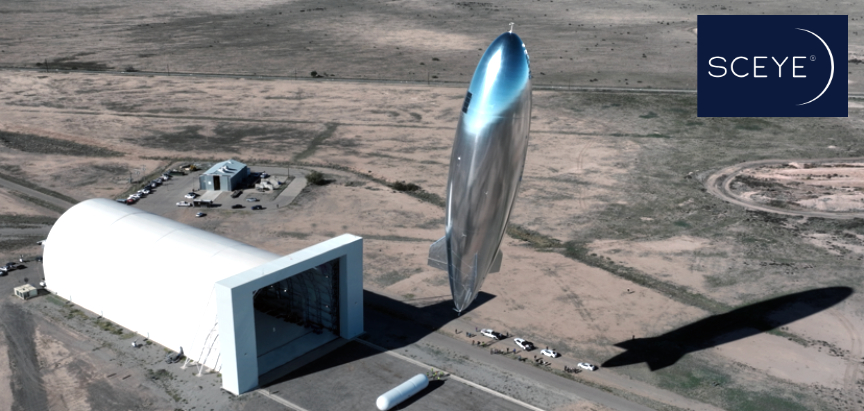
Mawarid Holding, a prominent Saudi investment firm, has spearheaded a Series C funding round for Sceye, an American company specializing in high-altitude platform systems (HAPS). The funding, announced Tuesday, values Sceye at $525 million before the latest capital influx. Although the exact amount of the investment was not disclosed, it is set to significantly advance Sceye’s capabilities in research, development, and commercial operations.

Sceye, headquartered in the United States, focuses on developing cutting-edge HAPS technology designed to operate in the stratosphere. This technology is intended to provide a range of applications, from improving communications and data collection to enhancing environmental monitoring. With this investment, Sceye plans to accelerate its flight programs and push forward with the commercial rollout of its innovative systems.

The funding from Mawarid Holding will primarily support Sceye’s R&D efforts and operational expansion. This includes advancing their ongoing projects and launching new initiatives that leverage the HAPS technology’s potential. Sceye’s CEO has highlighted that this capital injection will enable the company to refine its systems and bring its solutions to market more rapidly by 2025.

Mawarid Holding’s involvement underscores a growing trend of cross-border investment in the aerospace sector. The Saudi firm’s investment aligns with its broader strategy to diversify its portfolio and engage in high-tech industries with global impact. This move is part of Saudi Arabia’s Vision 2030, which aims to foster innovation and technological advancements within the kingdom and beyond.

The partnership is expected to enhance Sceye’s position in the aerospace industry, especially as the demand for advanced high-altitude platforms continues to rise. The firm’s high-altitude systems are poised to play a crucial role in various sectors, including telecommunications and environmental monitoring, by providing persistent, high-resolution data from the stratosphere.

The global market for HAPS technology is growing, driven by increasing interest from governments and private entities seeking to expand their data collection and communication capabilities. Sceye’s technology stands out due to its ability to offer sustained, high-altitude coverage, which is a significant advancement over traditional satellite and aerial systems.

Mawarid Holding’s strategic investment in Sceye represents a significant endorsement of the American company’s potential. It reflects a broader trend of strategic partnerships and investments in the aerospace sector, aimed at driving technological innovation and meeting the evolving demands of global markets.

As Sceye moves forward with its expanded capabilities, it is likely to attract further interest from investors and partners looking to capitalize on the growing opportunities within the high-altitude platform market. The firm’s progress will be closely watched by industry stakeholders as it continues to develop and commercialize its technology.

ADVERTISEMENT

The Middle East is rapidly becoming a hub for renewable energy projects, with a forecast of $75 billion worth of investments in the sector. This growth is driven by regional governments’ determination to diversify energy portfolios, reduce reliance on fossil fuels, and meet global climate change commitments. Several Gulf countries, including Saudi Arabia and the UAE, are leading this charge with ambitious solar, wind, and hydrogen projects. […]

A sports investment firm, primarily backed by Saudi Arabia’s Public Investment Fund (PIF), is actively seeking to acquire a significant stake in a prominent European basketball league. The Saudi sovereign wealth fund, already a major player in global sports investments, is now looking to diversify further into the fast-growing basketball sector, expanding its portfolio that includes stakes in football, golf, and esports. This move underscores the fund’s […]

The International Atomic Energy Agency (IAEA) has entered a strategic partnership with the Women in Energy Association (WIEA) through a newly signed memorandum of understanding (MoU), aiming to strengthen the role of women in the fields of science, technology, engineering, and mathematics (STEM). This collaboration is designed to support capacity building in these sectors and foster greater female participation in nuclear science and other STEM-related industries.

Signed in the presence of high-profile dignitaries including Prince Abdulaziz bin Salman, Saudi Arabia’s Minister of Energy, the agreement reflects an ongoing global movement to promote gender equality in fields traditionally dominated by men. Princess Mishaal bint Saud AlShalan, the Chairwoman of WIEA, and Rafael Mariano Grossi, Director General of the IAEA, both played key roles in securing this alliance, which places a clear focus on creating new opportunities for women to engage in STEM, particularly in nuclear energy.

The partnership will emphasize enhancing educational opportunities, mentorship programs, and creating a more inclusive work environment across various energy sectors. These efforts align with the broader goals of international organizations, which increasingly recognize that achieving gender balance in industries such as nuclear science is critical for innovation and sustainability.

This initiative also comes at a time when energy demands are rapidly changing, and countries are turning toward cleaner energy solutions, including nuclear energy, as a way to mitigate climate change. The IAEA has been active in promoting peaceful nuclear technologies and sees this collaboration as an essential step in driving inclusive progress in this field.

As global initiatives gain momentum for diversity in STEM, both organizations are optimistic about the prospects of their collaboration. It is anticipated that the joint efforts of IAEA and WIEA will inspire more women to pursue careers in science, particularly in regions where female representation in these fields remains limited. The move aims to empower women, contributing to a stronger, more diverse workforce capable of addressing global energy challenges.

Sources from credible outlets detail how the newly formed alliance builds on years of work by WIEA to advance gender equality within the energy sector. Similarly, the IAEA has consistently promoted programs focused on the peaceful use of nuclear energy, advocating for a balanced and skilled workforce to meet future energy demands. The MoU marks a significant milestone in combining the strengths of both organizations to push for educational reforms, networking opportunities, and policy initiatives aimed at increasing the participation of women in high-tech industries.

Advertisements
ADVERTISEMENT

The Gaza Strip has become the center of a devastating humanitarian crisis over the past 11 months, with the ongoing conflict laying bare the deep-seated issues of occupation and colonization that have long fueled geopolitical tensions. Families have been decimated, while homes, schools, and hospitals lie in ruins, creating a dire need for immediate relief. Amid this turmoil, the call for urgent humanitarian aid has resonated far beyond the borders of the Arab region, drawing global attention.

Arab philanthropies, particularly members of the Arab Foundations Forum (AFF) and other regional foundations, have been swift to respond. These organizations have mobilized resources to provide essential aid, while also working to address the broader question of philanthropy’s role in long-term rebuilding efforts. However, despite the immediate response, a more substantial conversation has emerged around the need for sustainable, impact-driven funding for Gaza and Palestine. Comparisons have been drawn between the outpouring of global support for Ukraine since the start of the war and the comparatively limited funds allocated to Gaza, a disparity that has not gone unnoticed.

A significant aspect of the Arab response has come from private individuals who have contributed millions through crowdfunding and personally funded initiatives. This grassroots mobilization has proven critical for Gazans seeking to flee to Egypt or other safe havens, as formal mechanisms for their escape remain scarce. Families and communities have largely taken on the responsibility for the lives of those in immediate danger, showcasing the deep tradition of community-driven aid that defines the region’s philanthropic spirit.

While the initial focus has been on emergency relief, many foundations have also begun to address the need for long-term development and reconstruction. These efforts aim to create a sustainable future for the region, with a focus on social justice and equity. By partnering with international organizations and fostering collaborations, Arab philanthropy is laying the groundwork for rebuilding Gaza once the violence subsides, with hopes of supporting a more equitable and just future for Palestinians.

Among the notable initiatives, Saudi Arabia has played a prominent role. The Kingdom has allocated over $158 million in humanitarian aid to Gaza, largely through the Sahem platform, which is managed by the King Salman Humanitarian Aid and Relief Center (KSRelief). This funding has been directed toward food, medical supplies, and other essential relief efforts, helping to alleviate some of the immediate suffering of the population.

The United Arab Emirates has also made significant contributions, committing over $62 million to Gaza relief. Of this, $20 million has been allocated to support the United Nations Relief and Works Agency for Palestine Refugees in the Near East (UNRWA). These funds have been used to provide food, medicine, and emergency shelter to those affected by the conflict. Other countries in the region, such as Qatar, Jordan, Morocco, Oman, and Egypt, have also played their part, offering financial support, in-kind donations, and facilitating the movement of aid to Gaza.

Despite these efforts, the magnitude of the crisis demands more. The long-term costs of rebuilding entire communities, infrastructures, and lives in Gaza are overwhelming. The eventual goal is not only to restore what has been lost but also to build a free and sovereign state for the Palestinian people. However, achieving this will require far more than the short-term emergency funds currently being allocated.

The unique nature of the Arab region’s philanthropic response lies in the overlap between official government assistance and private donations. In many Gulf countries, philanthropic efforts must be channeled through government-approved mechanisms, which complicates the ability to quantify the full scale of the sector’s contributions. Nonetheless, several Arab foundations have shown that independent philanthropy remains a vital force.

The Abdulla Al Ghurair Foundation’s Education Relief Fund is one such example of targeted intervention. This initiative supports 900 students from Gaza and the West Bank whose studies have been disrupted by the war. With a focus on students in medicine, health sciences, and STEM fields, the program offers grants to cover tuition and living expenses for those studying abroad. The goal is to ensure these students can complete their education and eventually contribute to rebuilding their communities, particularly in healthcare and scientific fields. The foundation is collaborating with the Unite Lebanon Youth Project to implement the program.

Dubai Cares has also been a key player in the Gaza relief efforts. Through its ‘Gaza In Our Hearts’ campaign, launched during Ramadan in 2024, the organization has provided emergency relief in the form of food baskets, hot meals, and shelter tents. By April 2024, the campaign had raised over AED 10.75 million, enabling the distribution of more than 20 million meals and hundreds of thousands of food baskets. This initiative forms part of the broader UAE-wide ‘Tarahum for Gaza’ response, which involves multiple charitable organizations and volunteer centers across the country.

The collective response from the Arab region was further amplified by the Arab Foundations Forum, which launched a Donor Appeal for Gaza in partnership with several prominent organizations. The appeal, which includes the Asfari Foundation, Taawon, and Life for Relief and Development, bypassed the typical bureaucratic processes to quickly channel funding to community-based organizations in Gaza. The AFF’s Pooled Fund was established to allow individuals and smaller donors to contribute to efforts on the ground, although the funds raised so far still fall far short of the estimated needs for long-term recovery.


Middle Eastern countries are poised to become pivotal players in the global artificial intelligence (AI) landscape, thanks to their abundant energy resources. This potential was underscored by a recent statement from a World Economic Forum (WEF) official, who highlighted how the region’s energy assets could significantly boost AI advancements.

The Middle East’s vast reserves of oil and natural gas have long been a cornerstone of its economic strategy. However, their role in supporting emerging technologies is gaining increasing attention. The WEF’s insights suggest that the region’s energy surplus offers a unique advantage for AI development, especially as the technology demands substantial computing power.

The substantial energy resources in the Gulf states, including Saudi Arabia and the United Arab Emirates, present an opportunity to power AI infrastructure that requires extensive data centers and high-performance computing capabilities. The WEF official emphasized that this energy surplus not only supports the operational needs of AI systems but also underpins investments in AI research and development.

Saudi Arabia, with its Vision 2030 initiative, is actively investing in AI and related technologies. The kingdom’s strategic investments aim to diversify its economy away from oil dependency, placing a strong emphasis on technology and innovation. Recent developments in the Saudi AI sector include partnerships with global tech giants and the establishment of research hubs focused on AI advancements.

Similarly, the UAE has launched ambitious projects to enhance its technological landscape. The country’s national AI strategy outlines plans to integrate AI into various sectors, from healthcare to transportation. Dubai’s role as a technology and innovation hub in the region is complemented by its energy resources, which support the infrastructure required for these technological advancements.

The growing synergy between the Middle East’s energy sector and AI research is evident in the region’s increasing investment in data centers and supercomputing facilities. These investments are crucial for developing and deploying AI technologies, as they provide the necessary computational power and storage capabilities.

Moreover, the WEF official pointed out that the Middle East’s focus on AI aligns with global trends where technology plays a central role in economic growth. The region’s ability to leverage its energy resources for technological progress reflects a broader strategy to enhance its global economic standing.

The rise of AI-driven industries in the Middle East also presents opportunities for job creation and economic diversification. As AI technologies advance, there is a growing need for skilled professionals in data science, machine learning, and related fields. The region’s investments in AI are likely to stimulate growth in these areas, contributing to its economic resilience and technological leadership.

In addition to these developments, the Middle East’s strategic geographic location enhances its role in the global AI ecosystem. The region’s connectivity between Europe, Asia, and Africa positions it as a crucial player in the international technology arena. The energy advantage, combined with strategic investments, enables the Middle East to act as a bridge between various global markets and technological advancements.

However, the shift towards AI and technology also presents challenges. Ensuring that the workforce is equipped with the necessary skills to thrive in an AI-driven economy is critical. Educational and training programs must evolve to meet the demands of this new technological landscape.

Furthermore, while energy resources provide a significant advantage, the transition to a technology-driven economy requires careful management of environmental impacts. Balancing energy use with sustainability goals is essential to maintain the region’s environmental and economic health.

Saudi Aramco has intensified its investment strategy by acquiring an additional stake in MidOcean Energy and making a substantial commitment to Peru LNG. The state-owned oil giant’s move is part of a broader effort to diversify its portfolio and secure a foothold in strategic energy sectors worldwide. The acquisition of an increased stake in MidOcean Energy, a global player in the liquefied natural gas (LNG) sector, underscores […]

ADVERTISEMENT

LuLu Group, one of the largest retail giants in the Middle East, is preparing to go public with a dual listing on the Abu Dhabi Securities Exchange (ADX) and Saudi Arabia’s Tadawul. The much-anticipated initial public offering (IPO) is slated to take place by November 2024, a significant development for the conglomerate as it continues to expand its global footprint. This decision follows months of strategic planning, positioning the company to capitalize on strong investor interest in both markets.

Led by its Chairman and Managing Director, Yusuff Ali M.A., LuLu Group’s listing is expected to attract regional and international investors. The company has been a dominant player in the retail and wholesale sectors across the Middle East, Africa, and Asia, operating over 250 hypermarkets and employing more than 65,000 people. Its operations range from grocery and consumer goods to shopping malls and manufacturing, making the IPO one of the region’s most highly anticipated.

The decision to pursue a dual listing aligns with LuLu’s strategy to enhance its presence in two of the Gulf’s most significant financial markets. Both the Abu Dhabi Securities Exchange and Saudi Arabia’s Tadawul are home to several major IPOs in recent years, which have drawn global attention due to the economic growth and diversification efforts in the region. Saudi Arabia’s Vision 2030 and Abu Dhabi’s economic initiatives have both bolstered investor confidence, providing a fertile environment for companies like LuLu Group to flourish.

Reports suggest that the IPO could raise billions of dollars, further boosting LuLu Group’s expansion plans and allowing the company to fortify its position in the highly competitive retail market. By choosing ADX and Tadawul for its dual listing, the conglomerate is making a calculated move to tap into two rapidly growing financial ecosystems. The Abu Dhabi Securities Exchange has been pushing for more listings as part of the UAE’s broader push to deepen its capital markets, while Tadawul has seen record-breaking IPO activity in sectors ranging from technology to consumer goods.

The Group’s financial performance in 2023 was solid, with revenues steadily growing as it expanded its market reach in key countries such as Egypt, India, and Malaysia. The company has also invested in several large-scale infrastructure projects, including logistics and warehousing, to support its expanding operations. Moreover, its strategic partnerships with local suppliers and government entities have given LuLu a competitive edge, enabling it to meet the growing demands of consumers across different regions.

Yusuff Ali has indicated that the IPO proceeds will be reinvested in strengthening the company’s supply chain, digital infrastructure, and expansion into new markets. This includes bolstering its e-commerce platform, which has seen a surge in demand post-pandemic. The dual listing will also provide LuLu with greater access to capital, which is essential for its future growth and development, especially as it looks to enhance its sustainability efforts and introduce more environmentally-friendly practices across its operations.

Market analysts have lauded LuLu’s decision, noting that the timing of the IPO comes when the Gulf region’s capital markets are witnessing heightened activity. Both ADX and Tadawul have implemented reforms to attract more international capital, making them attractive destinations for companies looking to expand. The IPO will likely be a litmus test for other large family-owned conglomerates in the region that may be considering going public, signaling the start of a new wave of listings in the Gulf Cooperation Council (GCC) countries.

The retail sector in the Middle East, driven by robust consumer demand and increasing digitalization, is also expected to see continued growth in the coming years. LuLu Group’s ability to remain at the forefront of this transformation has been key to its success. By embracing technology and innovation, the company has not only enhanced customer experience but also improved operational efficiency. As part of its expansion strategy, LuLu Group has launched various initiatives aimed at promoting sustainability, including reducing its carbon footprint and cutting down on plastic use across its stores.

Saudi Arabia’s investment landscape has evolved substantially over the past year, with major milestones in financial growth and investor maturity. In 2023, the Kingdom reaped the rewards of its strategic economic initiatives, reflecting a heightened level of investor sophistication. Key players in the market, including the Saudi Public Investment Fund (PIF) and large private entities, have been instrumental in driving this shift. As Vision 2030 accelerates, Saudi […]

The global sukuk market is seeing unprecedented developments as Sharia-compliant financial structures adapt to new regulations and growing investor interest. Proposals for Sharia reforms could lead to a major shift in the sukuk landscape, potentially driving innovation and expanding the market further into long-term investments. Issuers are increasingly adopting longer tenors in sukuk, reflecting growing confidence among regional investors. Notably, both Aldar Investment Properties, a key real […]

British ministers have commenced a crucial visit to the Gulf Cooperation Council (GCC) nations to negotiate a new trade agreement aimed at strengthening economic ties and enhancing bilateral trade. The delegation, led by UK Trade Secretary Kemi Badenoch, is engaging with key officials across the GCC to explore opportunities for expanding trade and investment.

The UK government’s strategic pivot towards the GCC underscores its intent to bolster trade relations with this economically significant region. The GCC, comprising Saudi Arabia, the United Arab Emirates, Qatar, Kuwait, Oman, and Bahrain, represents a substantial market for British goods and services, with potential benefits for both sides in diversifying and growing their economies.

The discussions are expected to cover a range of topics including tariff reductions, market access, and cooperation in sectors such as technology, finance, and energy. The UK is particularly interested in enhancing its exports of high-value products like aerospace components and pharmaceuticals, while also seeking greater access for its services sector.

The timing of this visit is significant as the GCC countries are investing heavily in their economic diversification plans, notably through initiatives like Saudi Arabia’s Vision 2030 and the UAE’s Economic Diversification Strategy. These plans aim to reduce the region’s dependence on oil revenues and stimulate growth in non-oil sectors. The UK, with its expertise in various industries, is well-positioned to contribute to these goals.

Recent economic data highlights the growing importance of GCC nations as trade partners for the UK. In 2023, UK exports to the GCC reached £10 billion, marking a 15% increase from the previous year. The GCC’s investments in infrastructure, renewable energy, and technology create substantial opportunities for British companies, especially in sectors where the UK has a competitive edge.

During the visit, British officials will also address bilateral investment agreements. The UK and GCC have already signed several agreements to promote and protect investments, but the new talks aim to update and expand these frameworks to better reflect the evolving economic landscape. The focus will be on creating a more transparent and business-friendly environment, which is expected to attract further investment from both sides.

Energy cooperation will be a significant area of discussion. The GCC countries, particularly Saudi Arabia and the UAE, are major players in the global energy market and are also investing in renewable energy projects. The UK’s experience in offshore wind and green technology could play a crucial role in supporting these initiatives, fostering joint ventures, and driving innovation.

The trade negotiations are also taking place against a backdrop of geopolitical shifts and trade realignments. The UK’s post-Brexit trade strategy emphasizes expanding relationships beyond the European Union, and the GCC represents a key component of this strategy. Strengthening trade ties with the GCC aligns with the UK’s broader goals of securing diverse and resilient trade partnerships worldwide.

As the talks progress, there is a strong emphasis on ensuring that the trade deal addresses both economic and regulatory concerns. The British delegation is expected to negotiate terms that facilitate easier market access for British businesses while addressing any barriers to trade and investment.

ADVERTISEMENT

The electric vehicle (EV) market in the Gulf Cooperation Council (GCC) is rapidly expanding, driven by the region’s commitment to energy diversification and decarbonization goals. Despite ongoing challenges, including infrastructure development and fluctuating oil prices, the momentum for clean energy solutions remains strong as GCC nations look to reduce their dependency on fossil fuels and embrace sustainable transportation.

In recent years, Gulf states have intensified efforts to diversify their economies, which historically relied heavily on oil revenues. This shift aligns with global carbon neutrality targets and the push for sustainable energy alternatives. The EV sector, in particular, has become a crucial part of this transition. Reports indicate that the GCC EV market could reach over $10 billion by 2029 as demand for electric vehicles grows both domestically and for export to other regions.

One of the main factors driving the EV boom in the GCC is the region’s ambition to reduce greenhouse gas emissions. Countries like the UAE and Saudi Arabia have set ambitious goals to decarbonize their transportation sectors. For instance, the UAE is working toward integrating EVs into public transport and encouraging private EV adoption. In Dubai, there are plans for a manufacturing hub to produce EVs, targeting exports to African markets like Egypt, Tanzania, and Kenya.

This economic shift is coupled with investments from key international players, particularly Chinese automakers. China, a global leader in the EV industry, has been establishing partnerships with Gulf nations to accelerate the deployment of electric vehicles in the region. BYD, one of the largest EV manufacturers in China, recently entered into agreements with local distributors in Jordan and Saudi Arabia, bolstering its presence in the Middle East. Other Chinese firms like NIO have also secured strategic investments, particularly in Abu Dhabi, which underscores the growing importance of the GCC market for international EV players.

The growing demand for EVs is further supported by governmental initiatives. Saudi Arabia, for instance, has invested billions into partnerships with foreign EV companies to build up its local manufacturing capacity, aiming to make the kingdom a hub for electric vehicle production. Meanwhile, other Gulf nations are focusing on building the necessary infrastructure, such as charging stations, to support the increased use of electric vehicles.

However, the transition is not without obstacles. One major challenge lies in developing a comprehensive infrastructure network that can support widespread EV adoption. While governments are making progress, the rollout of charging stations across the region remains slow compared to other global markets. Additionally, the upfront costs of EVs can be a deterrent for some consumers, although falling battery prices and government subsidies are helping to mitigate this issue.

BEIJING, CHINA – Media OutReach Newswire – 13 September 2024 – At the invitation of China International Fair for Trade in Services (CIFTIS) in Beijing, “(Daguan · Keweiwei) The 9th China Brand Value Top 100” and “(Daguan · Keweiwei) The World Brand Value Top 900” rankings are officially released at the CIFTIS on September 12, 2024. “(Daguan · Keweiwei) The 9th China Brand Value Top 100” and […]

Hong Kong is seeking to deepen its financial and trade ties with the Gulf, focusing on attracting investment from sovereign wealth funds in Saudi Arabia and the UAE. This push comes as Hong Kong strengthens its role as a financial bridge between China and the Middle East, particularly through initiatives like the Belt and Road Initiative, which has seen significant interest from Gulf nations.

Officials in Hong Kong, including the city’s chief executive John Lee, have been actively courting Gulf investment. His visit to the UAE and Saudi Arabia earlier this year marked a significant step towards securing deeper partnerships. During his meetings, Lee emphasized Hong Kong’s potential as a gateway for Gulf capital into broader Asian markets, particularly in sectors such as technology, infrastructure, and finance.

Hong Kong’s outreach to Gulf sovereign wealth funds coincides with broader shifts in global economic alignments. As ties between China and Western economies face challenges, Hong Kong’s strategy appears focused on positioning itself as a “super-connector” linking the growing economic powerhouses of the Gulf with China’s vast market. This connection is further bolstered by the existing Belt and Road partnerships, which have laid the groundwork for increased collaboration between China and the GCC.

Both the UAE and Saudi Arabia have demonstrated keen interest in leveraging Hong Kong’s financial infrastructure to diversify their investment portfolios, particularly as part of their long-term economic visions. The Saudi Vision 2030 and the UAE’s economic diversification plans align well with Hong Kong’s offerings in sectors like fintech, biotechnology, and artificial intelligence. Sovereign wealth funds from the region, including Saudi Arabia’s Public Investment Fund and Abu Dhabi’s Mubadala Investment Company, are seen as key players in this expanded relationship.

Trade between the UAE and Hong Kong has been growing steadily, with non-oil trade reaching $11.7 billion in 2022, a 40 percent increase over the past five years. This surge in trade is part of a larger trend that sees Hong Kong acting as a vital conduit for Gulf goods flowing into China. UAE exports to Hong Kong, for instance, now exceed those to mainland China, highlighting the city’s re-export role.

The strategic importance of these partnerships is further evidenced by ongoing discussions around free trade agreements. Both Hong Kong and the UAE have expressed interest in formalizing their economic ties through a bilateral free trade agreement, which analysts believe could serve as a model for similar agreements between Hong Kong and other Gulf states. Such a deal would facilitate smoother trade and investment flows, especially in sectors like technology and infrastructure, where Gulf nations are looking to invest heavily.

As part of its efforts to strengthen ties with the Gulf, Hong Kong is also offering incentives to Gulf companies. This includes government-backed investment funds and policies aimed at making Hong Kong a more attractive destination for Gulf capital. The city’s $4 billion technology fund is a particular draw, with officials hoping to attract innovation and technological collaboration from the Middle East.

Hong Kong’s outreach to the Gulf is part of a broader effort to realign its global economic strategy. With tensions rising between China and its traditional trade partners, particularly the U.S. and Japan, Hong Kong has increasingly looked to the Middle East for new opportunities. The growth in trade and investment between China and the Gulf provides a promising alternative, and Hong Kong’s unique position as an intermediary is seen as a crucial asset.

Analysts are optimistic about the future of Hong Kong-Gulf relations, noting that the city’s role as a global financial hub aligns well with the ambitions of Gulf sovereign wealth funds. The Belt and Road Initiative, in particular, has been a key factor in strengthening these ties, offering Gulf nations a way to tap into China’s expansive infrastructure and development projects.

ADVERTISEMENT

Oil prices continue to hover dangerously close to the $70 per barrel mark, raising concerns among investors and analysts about the potential impact on the Gulf Cooperation Council (GCC) stock markets. Oil, a key economic driver for the GCC region, has been subject to significant fluctuations due to global demand shifts, geopolitical tensions, and production decisions by OPEC and other major producers.

A sharp decline in oil prices could trigger a broad sell-off in the GCC’s equity markets, which are heavily reliant on oil revenues. The economic structure of GCC nations, including Saudi Arabia, the UAE, Kuwait, and Qatar, is closely tied to energy exports, with oil and gas accounting for a significant portion of their GDP. A drop in oil prices below the $70 threshold could strain government budgets, leading to reduced public spending and investment, key drivers of non-oil sectors in the region.

Market analysts have pointed out that oil price movements have a direct correlation with the performance of the region’s stock markets. Historically, lower oil prices have often resulted in weaker investor sentiment, as fears of reduced state spending and declining corporate profits come to the forefront. This dynamic could lead to a rout in sectors like banking, real estate, and construction, which are highly sensitive to government expenditure.

The volatile nature of oil prices is not a new phenomenon. Prices have been influenced by a myriad of factors, including changes in production levels, geopolitical risks, and fluctuations in demand. Recent shifts in the global energy landscape, such as the rise of renewable energy and a global push towards sustainability, have further complicated the outlook for oil-dependent economies. OPEC’s ability to manage production effectively has also come into question, especially in the face of unpredictable market forces.

Experts note that oil-producing nations within the GCC are particularly vulnerable to market shocks. While efforts have been made to diversify economies, many still rely heavily on hydrocarbon revenues. Should oil fall below $70 per barrel for an extended period, it could force these nations to dip into sovereign wealth funds or issue debt to maintain fiscal stability. The impact on stock markets, as a result, could be swift and severe, with investors pulling back from key sectors, further amplifying the downturn.

The banking sector, which plays a pivotal role in the region’s economy, is likely to face the brunt of any negative spillovers. Banks in the GCC have significant exposure to the energy sector through loans and investments. Lower oil prices could reduce profitability for energy companies, leading to potential defaults or renegotiations of terms. This would in turn affect bank earnings and stock performance, with investors reacting by selling off shares.

Moreover, GCC countries have initiated various economic reforms and fiscal measures to mitigate the effects of oil price fluctuations. Saudi Arabia’s Vision 2030 and the UAE’s economic diversification strategies are key examples of efforts to reduce reliance on oil. While these initiatives have made progress, the overall dependence on hydrocarbon revenues remains substantial. Therefore, the region’s financial markets remain highly sensitive to oil price volatility.

Some market observers argue that despite the challenges, GCC governments have built significant financial buffers in the form of sovereign wealth funds, which can be deployed to stabilize economies during periods of oil price turbulence. Countries like Saudi Arabia and the UAE have used these funds in the past to support their economies, particularly during periods of low oil prices. However, reliance on such mechanisms may not be sustainable in the long term, particularly if oil prices remain depressed for an extended period.

In an increasingly digital world, online security and privacy have become paramount, especially in regions like the Middle East, where business, politics, and technology are booming. As more individuals and companies in the UAE and surrounding countries embrace digital tools, the demand for secure internet access has risen sharply. One solution that has gained popularity is the use of a free VPN (Virtual Private Network), offering users […]

The Indian government is calling on the Organization of the Petroleum Exporting Countries (OPEC) and its allies, collectively known as OPEC+, to increase oil production. Pankaj Jain, India’s oil secretary, stated on Thursday that the nation’s rising fuel demand necessitates a boost in oil output from the global coalition. India, as the world’s third-largest oil importer and consumer, relies heavily on foreign oil, with imports accounting for […]

The Biden administration is weighing the possibility of granting Nvidia permission to export its advanced chips to Saudi Arabia, according to sources familiar with the matter. This move could significantly bolster Saudi Arabia’s efforts to enhance its artificial intelligence capabilities by enabling the training and operation of high-performance AI models. The issue of chip sales emerged as a notable discussion point at GAIN, Saudi Arabia’s global AI […]

Saudi Aramco has solidified its footprint in Asia with a new agreement involving China’s Rongsheng Petrochemical Co. Ltd. and Hengli Group. This strategic partnership is set to bolster Aramco’s position in the global petrochemical market while deepening ties with significant Chinese industrial players. The agreement includes a comprehensive framework for cooperation in the refining and petrochemical sectors. It encompasses both upstream and downstream activities, reinforcing Aramco’s strategy […]

China’s Premier Li Qiang has advocated for accelerated trade negotiations with Gulf nations during his visit to Riyadh. Li’s call for swift advancement in economic relations underscores the growing strategic importance of the Gulf region to China’s global trade network. This visit highlights a pivotal moment in the bilateral relationship between China and Gulf Cooperation Council (GCC) countries, focusing on enhancing economic cooperation and investment. Li’s remarks […]

Chinese automotive giants are intensifying their efforts to establish manufacturing operations in Saudi Arabia, marking a significant shift in the global automotive landscape. This move is driven by Saudi Arabia’s Vision 2030 initiative, which aims to diversify the kingdom’s economy and reduce its dependence on oil revenues. The discussions between Chinese car manufacturers and Saudi authorities reflect a growing trend of cross-border industrial cooperation. Companies such as […]

VISHNU RAJA
RYO YAMADA
HITORI GOTOH
IKUYO KITA
Social Media Auto Publish Powered By : XYZScripts.com