News related to
Saudi

Saudi Arabia has announced a fiscal budget for 2025 forecasting a deficit of approximately $27 billion, or 2.3% of its GDP, driven by extensive spending on mega-projects central to its Vision 2030 initiative. The projected revenues are set at $315 billion against expenditures amounting to $342 billion, reflecting a strategic choice to prioritize long-term economic transformation over short-term fiscal surpluses.

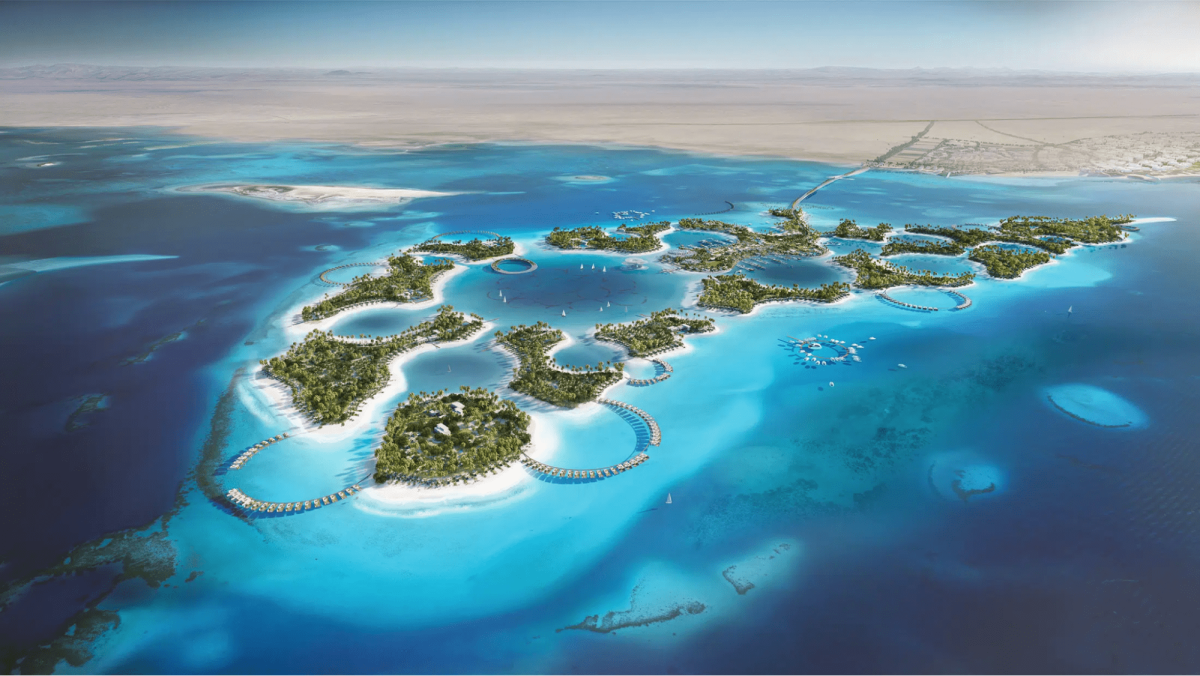
This marks a calculated shift from Saudi Arabia’s earlier efforts to achieve balanced budgets. Despite the deficit, fiscal policy remains expansionary to support initiatives like NEOM, the Red Sea Project, and other transformative ventures. These projects are designed to diversify the economy, reduce reliance on oil revenues, and stimulate private sector participation, aligning with Vision 2030’s objectives.

Saudi Arabia’s debt-to-GDP ratio is expected to remain manageable, with controlled debt growth underscoring the kingdom’s commitment to maintaining financial sustainability. The government has emphasized the use of reserves and prudent borrowing strategies to fund the deficit while ensuring resilience against economic volatility.

Rating agencies have responded favorably to these strategies, reflecting confidence in Saudi Arabia’s fiscal reforms. Fitch, Moody’s, and S&P Global Ratings have recently reaffirmed strong ratings for the kingdom, highlighting its structural reforms and the effectiveness of its fiscal policies. The government’s drive to modernize and digitize economic sectors has further strengthened its global economic position.

Oil remains a significant contributor to the economy, but ongoing fluctuations in global oil prices underscore the urgency of economic diversification. Saudi Arabia has bolstered its focus on sectors such as tourism, technology, and renewable energy to mitigate potential impacts of reduced oil revenues. These investments, while substantial, are expected to deliver long-term economic returns.

The fiscal outlook also reflects the kingdom’s strategic investments in enhancing infrastructure and social services, with education, healthcare, and digital transformation among key priorities. Analysts suggest that such investments, coupled with policies aimed at attracting foreign direct investment, will bolster the non-oil GDP growth rate, supporting broader economic stability.

Saudi Arabia announced a series of major agreements in its metals and minerals sector, totaling over $9 billion. These deals, unveiled during the World Investment Conference in Riyadh under the Global Supply Chain Resilience Initiative, mark a significant step toward diversifying the kingdom’s economy and reducing its reliance on oil. The agreements aim to boost domestic production capabilities, enhance sustainability, and position Saudi Arabia as a key […]

Arabian Post Staff -Dubai Iraqi Prime Minister Mohammed Shia al-Sudani met with Saudi Arabian Energy Minister Prince Abdulaziz bin Salman and Russian Deputy Prime Minister Alexander Novak in Baghdad to address pressing concerns in global energy markets. The discussions, held on Tuesday, centered on ensuring stability in oil markets, balancing production, and meeting international demand.The high-level talks come at a pivotal moment as fluctuating oil prices and […]

Electric vehicle manufacturer Lucid Motors is generating significant interest as it prepares to launch its first models in the UAE. Backed by Saudi Arabia’s Public Investment Fund (PIF), which holds a 60% stake in the company, Lucid has been intensifying its operations in the Middle East. This expansion includes the opening of a service center in Dubai Investment Park and a studio in Abu Dhabi, aiming to […]

ADVERTISEMENT

Arabian Post Staff -Dubai Saudi Arabia and the United Arab Emirates (UAE) are locked in a fierce battle for dominance in the Middle Eastern investment banking landscape, with both countries vying for the title of top destination for investment banking fees. The competition between these two financial powerhouses has intensified in 2024, fueled by an uptick in debt underwriting and strong initial public offering (IPO) activity. As […]

Saudi Arabia is set to host a groundbreaking United Nations forum focused on combatting desertification, marking a significant step in the global fight against land degradation. This event, which will be held under the Kingdom’s presidency of the UN Convention to Combat Desertification (UNCCD) COP16, will introduce a dedicated Green Zone for the first time. The Green Zone will provide a platform for dialogue, innovation, and the […]

The net assets of licensed endowment investment funds in Saudi Arabia have hit a record SR1 billion ($266.67 million) in 2024, reflecting a significant growth of 29.3 percent compared to the previous year. This achievement marks a major milestone for the country’s endowment sector, driven by the licensing of new entities and an expanding investment landscape.

The growth in assets follows a noteworthy performance in 2023, where the total exceeded the half-billion riyal mark, reinforcing the momentum in Saudi Arabia’s drive to diversify its economy. The General Authority for Endowments, which monitors the endowment sector, attributed this increase to several key factors, including the licensing of five new entities in 2024. This brought the total number of licensed endowment investment funds to 34, with 27 public funds and seven private funds.

This surge in assets reflects a broader trend in Saudi Arabia’s efforts to enhance the endowment sector’s role in supporting long-term social, cultural, and economic development. The funds are primarily used for charitable and community-based projects, and their growing financial strength is seen as a direct result of enhanced regulatory frameworks and the increasing participation of private entities in the endowment market.

The rise in the value of endowment investment funds comes as Saudi Arabia continues to implement various initiatives aimed at strengthening the financial sector and boosting its non-oil revenue streams, in line with the Kingdom’s Vision 2030. This strategic vision seeks to reduce the country’s dependence on oil exports and create a more diversified economy.

Investment in endowment funds plays a critical role in fostering sustainable development across Saudi Arabia. These funds are used for a wide range of purposes, including supporting educational institutions, healthcare services, and cultural programs, in line with the Kingdom’s social goals. The funds are also seen as a way to foster social cohesion by promoting charitable activities and supporting the welfare of disadvantaged communities.

The increasing asset value also underscores the growing trust in Saudi Arabia’s regulatory environment. The General Authority for Endowments has made significant strides in modernizing the sector by introducing new regulations designed to attract more investment and streamline the governance of endowment funds. These reforms have created a more transparent and efficient framework for both public and private sector participants, which has contributed to the overall growth in assets.

Saudi Arabia’s endowment funds are also benefiting from a growing interest from institutional investors, both within the Kingdom and internationally. The licensing of new entities has made it easier for local businesses and global investors to tap into the endowment market, creating a more competitive landscape that is expected to drive further growth in the coming years. The inclusion of private funds in the sector has helped to create a more diverse range of investment opportunities, allowing for more innovative and tailored investment strategies that align with the broader goals of Saudi Arabia’s economic diversification efforts.

Experts have noted that while the growth in endowment fund assets is a positive sign of development, the sector still faces challenges. One of the main concerns is ensuring that the funds are managed effectively and ethically, with a focus on long-term sustainability. As the sector continues to expand, there is a growing need for robust oversight and accountability to ensure that the funds are used in ways that benefit society as a whole.

In addition to expanding the scope of endowment funds, Saudi Arabia has been working to improve the financial literacy and technical expertise within the sector. This includes providing training and resources for fund managers, as well as implementing programs aimed at increasing public awareness of the role of endowments in the country’s social fabric. By enhancing knowledge and expertise in the sector, Saudi Arabia aims to ensure that the funds continue to grow in value while serving their intended social purposes.

The rise in endowment assets comes amid broader financial reforms in Saudi Arabia, with the government continuing to prioritize investments in sectors such as technology, renewable energy, and infrastructure. These investments are viewed as essential to the Kingdom’s long-term economic strategy, which seeks to position Saudi Arabia as a leading player in the global economy. As part of this strategy, the endowment sector is expected to play a pivotal role in funding initiatives that support the Kingdom’s transformation into a knowledge-based economy.

Advertisements
ADVERTISEMENT

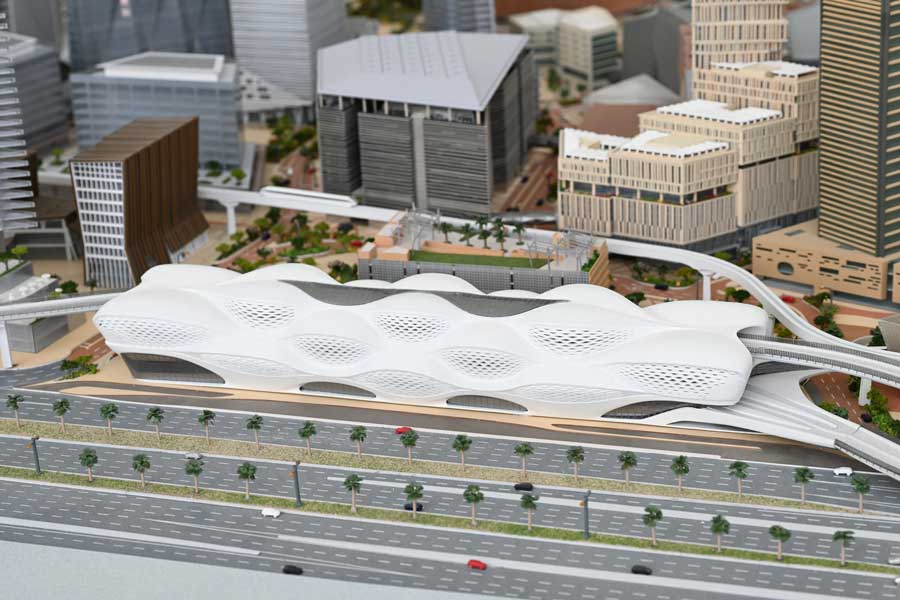
Riyadh is set to mark a significant milestone in its urban development with the much-anticipated launch of the Riyadh Metro’s first phase on November 27. This phase will feature three key lines, marking the beginning of a transformative project aimed at reshaping the city’s public transport landscape.

The Riyadh Metro is one of the largest and most ambitious transportation projects in the world, spearheading the Saudi capital’s efforts to modernize infrastructure and reduce congestion. The first phase includes three lines: the Red Line, Green Line, and Blue Line. Together, these lines will cover a network spanning more than 40 kilometers and will offer commuters a fast, efficient, and environmentally friendly alternative to the city’s heavily congested roads.

The metro network is designed to cater to the growing population of Riyadh, which has seen rapid urbanization over the past few decades. With a population now surpassing 7.5 million, the city has been grappling with traffic congestion, air pollution, and a lack of efficient public transport options. The Riyadh Metro aims to address these challenges by providing a reliable, sustainable mode of transportation for both residents and visitors.

The project has been a long time in the making, with construction having begun in 2014. The Riyadh Metro is being developed by the Saudi Arabian government in collaboration with a number of international firms, including the Spanish company Obrascon Huarte Lain (OHL), the French multinational Alstom, and the American company Bechtel, among others. The project is a cornerstone of the Kingdom’s Vision 2030, which seeks to modernize and diversify the economy and improve the quality of life for Saudi citizens.

The Red Line, which will be the longest of the three, spans 22 kilometers and runs along a north-south axis, connecting key areas such as the King Abdulaziz Historical Center, King Saud University, and the King Khalid International Airport. This line is expected to significantly reduce travel times for residents and visitors moving between the city center and the airport, as well as improving access to cultural and commercial hubs.

The Green Line, at 13 kilometers in length, runs east-west and links some of Riyadh’s most densely populated neighborhoods. This line will provide an important service for commuters traveling between residential areas, business districts, and major shopping centers. The Green Line also intersects with the Red Line at several key points, allowing passengers to easily transfer between the two.

The Blue Line, though shorter at just 5 kilometers, will provide crucial access to critical sites within Riyadh’s urban core, including government buildings, commercial centers, and transportation hubs. This line is expected to help alleviate congestion in the city’s busiest areas, particularly during rush hours.

The Riyadh Metro’s infrastructure is designed with sustainability in mind, incorporating advanced technology to ensure minimal environmental impact. The system will be powered by electricity, which aligns with Saudi Arabia’s broader push toward cleaner, renewable energy sources. The trains are designed to be energy-efficient, with an automated system to reduce energy consumption during non-peak hours. In addition to being environmentally friendly, the metro is designed to handle high passenger volumes, with the system expected to carry around 1.16 million passengers per day once fully operational.

As the first phase of the Riyadh Metro prepares for its official launch, the city has been undergoing a significant transformation to accommodate the new system. New stations, depots, and maintenance facilities have been built, while roadways and pedestrian infrastructure have been upgraded to facilitate easy access to metro stations. Several test runs have been conducted to ensure the system operates smoothly and efficiently, and the Saudi government has promised to offer free rides during the initial months to encourage adoption among the city’s residents.

The Riyadh Metro will play a central role in addressing the Kingdom’s broader goals for urban mobility. Public transportation in Saudi Arabia has historically been limited, with car ownership and road travel being the primary modes of transport for most residents. The Riyadh Metro is expected to significantly reduce the city’s reliance on private cars, thus easing congestion and cutting down on air pollution. The metro is also expected to boost Riyadh’s economic development by providing better access to key business areas, enabling greater productivity and increasing the overall efficiency of the urban environment.

In addition to its environmental and economic benefits, the Riyadh Metro project is set to improve the quality of life for residents by reducing travel times and providing a safe, reliable, and convenient alternative to private cars. The metro stations have been designed with accessibility in mind, catering to the needs of people with disabilities, and offering modern amenities such as air-conditioned waiting areas, Wi-Fi, and ample space for commuters.

The completion of the first phase is just the beginning of a larger metro network planned for Riyadh. Future phases of the project will include additional lines, connecting more neighborhoods, business districts, and cultural centers. This expansion will help integrate the metro system into the city’s broader transportation ecosystem, which includes bus services, taxis, and ride-sharing options. The overall aim is to create a comprehensive, multimodal transportation system that enhances mobility and improves quality of life for all of Riyadh’s residents.


Saudi Arabia has secured its first-ever credit rating upgrade from Moody’s Investors Service, a significant achievement that reflects the kingdom’s growing economic resilience and fiscal reforms. The credit rating agency raised the country’s rating from “A1” to “Aa3”, with a stable outlook, signaling enhanced investor confidence in the nation’s economic future.

This upgrade marks a turning point for Saudi Arabia, which has been actively pursuing a broad range of reforms under its Vision 2030 strategy. The country has made substantial strides in diversifying its economy away from oil dependence, focusing on non-oil sectors such as tourism, entertainment, and technology. The reforms have attracted attention from international investors and have been instrumental in Saudi Arabia’s efforts to modernize its economy.

The decision to upgrade Saudi Arabia’s rating is largely attributed to the country’s improved fiscal management and its ability to weather global economic challenges, including fluctuations in oil prices. Moody’s noted that the kingdom’s budgetary performance has been significantly strengthened by its efforts to boost non-oil revenues, such as through the implementation of a value-added tax (VAT) and reforms to its labor market and public sector.

Saudi Arabia’s efforts to diversify its revenue base have yielded positive results, according to financial analysts. Non-oil revenues have surged in recent years, providing the kingdom with a more stable financial foundation that is less reliant on volatile oil markets. Additionally, the government has made significant progress in reducing its fiscal deficits, which had been a major concern in previous years.

In a broader context, this upgrade is seen as a key indicator of the kingdom’s ongoing transition from an oil-dependent economy to one with a broader, more diversified economic base. Under Vision 2030, Saudi Arabia has committed to investing heavily in sectors like renewable energy, entertainment, and technology, with major projects such as the futuristic city of Neom and the Red Sea tourism developments receiving international attention. These initiatives are designed to boost foreign investment, create jobs, and reduce the kingdom’s economic vulnerability to oil price volatility.

The improvement in Saudi Arabia’s credit rating also comes at a time when the country has been actively pursuing strategic partnerships with global powers and international corporations. This includes strengthening its ties with the United States, China, and key European nations, as well as attracting international investment in various sectors. Moody’s noted that the kingdom’s international relationships have provided it with valuable opportunities to diversify its economic activities and deepen its global integration.

However, challenges remain as Saudi Arabia continues to navigate its ambitious reform agenda. While the country has made notable progress in certain areas, there are still concerns about the pace of some reforms and the potential for social unrest, particularly in relation to the country’s labor market and the integration of women into the workforce. Furthermore, while non-oil revenues have grown, they still represent a small fraction of the total fiscal intake, and the kingdom remains vulnerable to fluctuations in global commodity prices.

Despite these challenges, the positive shift in Saudi Arabia’s credit rating is viewed as a testament to the strength of its ongoing reforms and the successful implementation of key economic strategies. Investors have responded favorably, with some expecting further upgrades in the future as the kingdom’s economic transformation gains momentum.

The country’s sovereign wealth fund, the Public Investment Fund (PIF), is another key element of Saudi Arabia’s vision for the future. The PIF has been tasked with diversifying the kingdom’s investments beyond oil, and it has already committed to several high-profile projects in renewable energy, technology, and infrastructure development. The fund’s growing portfolio is seen as an essential component in ensuring the long-term stability of the kingdom’s economy.

While the rating upgrade offers an optimistic outlook for Saudi Arabia’s economic future, experts caution that the kingdom must remain vigilant in its efforts to reduce its dependence on oil and address lingering social and political challenges. Continued economic diversification, fiscal discipline, and the management of the nation’s growing public sector will be critical to maintaining the momentum of these reforms.

In light of these developments, it is clear that Saudi Arabia is on a transformative path, one that seeks to reshape its economic landscape and enhance its standing on the global stage. The upgrade from Moody’s is a significant milestone in this journey, and the kingdom’s leaders are now tasked with ensuring that the reforms and initiatives driving this transformation continue to produce tangible results.

Saudi Arabia and Japan have fortified their partnership through a newly signed memorandum of understanding (MoU) aimed at bolstering cultural cooperation. This agreement, finalized by Saudi Minister of Culture Prince Badr bin Abdullah bin Farhan and Japanese Minister of Education, Culture, Sports, Science, and Technology Dr. Toshiko Abe, seeks to foster mutual understanding and collaboration in areas including arts, heritage, and cultural exchange programs. The signing ceremony […]

ADVERTISEMENT

Climate activists disrupted a prominent event featuring Saudi Aramco’s Chief Financial Officer in the United States, underscoring mounting tensions over fossil fuels at a critical time for energy policy and environmental advocacy. During the talk, protesters interrupted, accusing the world’s largest oil producer of exacerbating the climate crisis. Chants and banners highlighted concerns about the industry’s role in carbon emissions. The incident unfolded amid a heightened global […]

Demand for diversified services and strategic investments are significantly driving the expansion of businesses in the Gulf Cooperation Council (GCC) region, setting a course for sustained economic growth. Efforts to localize supply chains, foster digital transformation, and promote infrastructure development are key contributors to this dynamic growth landscape. Strategic sectors such as technology, real estate, healthcare, and tourism have emerged as focal points for investments. Countries like […]

Saudi Aramco, the world’s largest oil company, is advancing its debt strategy, seeking to optimize financial resources while prioritizing consistent dividend payouts to its shareholders. This strategy aligns with the company’s broader goals to remain resilient in the face of global energy market fluctuations and economic challenges.

Aramco’s approach comes at a time when global oil markets are in a state of volatility, driven by geopolitical tensions, supply chain disruptions, and shifting demand. The company’s decision to increase its debt load is seen as an effort to safeguard its dividend policy, which is a critical aspect of its value proposition to investors. Aramco’s dividends have been a significant draw for shareholders, especially given the company’s size and influence in the energy sector.

The company’s recent bond issuance, one of the largest in its history, is a key element in this strategy. Analysts suggest that Aramco is strategically leveraging debt to bolster its liquidity while avoiding the pitfalls of excessive dependence on oil revenues alone. As oil prices fluctuate, Aramco has turned to debt instruments to help ensure stability in its cash flow, a move that underscores its commitment to its long-standing dividend policy.

In its latest move, Aramco plans to issue more bonds and engage in strategic financing activities. The company has emphasized that this will allow it to balance its capital expenditures, which include investments in both upstream and downstream operations, while maintaining robust dividends for its stakeholders. By strengthening its debt profile, Aramco is positioning itself for long-term sustainability, despite potential market risks.

The strategy is designed to support Aramco’s ambitious growth plans. These include continuing investment in key oilfields and enhancing its refining and chemical operations, which are integral to its diversification efforts. The company has also focused on its low-carbon initiatives and investments in renewable energy, both of which have become critical to securing its future in an energy transition world.

With the global energy landscape in flux, Aramco’s management is keenly aware of the pressures that both internal and external factors exert on the company’s financial performance. The increase in debt comes at a time when the company must balance short-term obligations with long-term growth objectives. As part of this initiative, Aramco has reassured investors that the funds raised through debt will be used strategically to support both its operational goals and financial returns.

Aramco’s expanded debt strategy is expected to ensure its ability to maintain a competitive edge in an increasingly dynamic and uncertain energy market. The company’s solid track record of profitability, bolstered by its vast reserves and global footprint, provides a foundation for this enhanced financial approach. By strategically increasing its debt levels, Aramco aims to navigate the unpredictable nature of the oil market while positioning itself as a financially stable and attractive option for investors.

Financial analysts closely monitoring Aramco’s moves believe that the company’s debt strategy could have wider implications for the energy sector. As the global energy transition accelerates, many energy giants are exploring similar strategies to adapt to new market conditions. For Aramco, the challenge will be balancing its debt load with continued operational success, especially as global energy consumption patterns evolve.

Some experts suggest that while Aramco’s strategy to increase debt is sound in the short term, it could present challenges in the longer term, particularly if energy prices experience sustained declines. The company’s massive capital expenditures in the form of infrastructure development and the diversification into non-oil sectors could be financially strained if global oil prices slump. However, with its deep pockets and strong backing from the Saudi government, Aramco is likely to weather these challenges better than most.

Aramco’s increasing reliance on debt raises broader questions about the future of the global energy sector, especially among state-owned oil giants. The move is seen as a response to the changing dynamics of global energy, where sustainability and long-term shareholder value are becoming more important than immediate profits. For Aramco, the shift in focus to maintaining dividends through debt could mark a new phase in its evolution, one where financial flexibility becomes as important as its oil and gas output.

Space Perspective, the innovative space tourism company, is set to revolutionize the sector by selecting the Gulf region as a key launch site for its high-altitude flights. Scheduled for 2025, the company’s plans signal the emergence of the Middle East as a significant player in the global space tourism industry, with far-reaching implications for both the region and the future of space travel. The Gulf’s selection for […]

ADVERTISEMENT

Saudi Aramco and its Chinese partner, Rongsheng Petrolem, have signed a pivotal agreement to expand the Sasref refinery, a key asset in the Kingdom’s petrochemical sector. The deal, valued at billions of dollars, marks a significant milestone in both companies’ strategic ambitions to bolster refining capacity and enhance the downstream oil and gas value chain. Sasref, located in Saudi Arabia’s Eastern Province, has long been a vital […]

Saudi Aramco is set to bolster its financial positioning by increasing its debt levels, as it aims to continue delivering substantial dividends to shareholders. The decision is part of a broader strategy to maintain its capital return policy while balancing the financial demands of its massive oil and gas operations. The move highlights the company’s commitment to rewarding investors, even as it navigates the complex global energy market.

In a statement issued by the oil giant’s Chief Financial Officer, Aramco emphasized that the increased debt would help facilitate its expansion plans, while also ensuring the growth of its dividend payouts. These dividends have been a key component of Aramco’s investment appeal, with the company previously distributing more than $75 billion to its stakeholders in 2023 alone. The plan to take on more debt underscores a long-term commitment to high dividend levels, despite fluctuations in global oil prices and other macroeconomic factors.

Aramco’s pivot towards debt financing is indicative of its effort to balance its need for reinvestment in oil and gas infrastructure with the demands of shareholders seeking stable returns. Analysts suggest that this move could help the company better withstand market volatility and competition within the global energy sector. However, the strategy also places additional pressure on the company’s financial structure, as it may increase the burden of debt servicing over time.

The company’s debt-to-equity ratio and overall leverage are expected to come under scrutiny as it embarks on this new strategy. While Saudi Aramco remains one of the world’s most profitable companies, critics warn that heavy reliance on debt could expose it to risks if oil prices decline sharply or if geopolitical tensions disrupt supply chains. Nonetheless, Aramco’s financial management team remains confident that the company’s robust cash flow and diversified assets will allow it to service this debt while maintaining its dividend policy.

Aramco’s decision to increase debt comes as oil prices face pressure from a combination of global supply challenges and shifting demand patterns. While the global energy landscape remains unpredictable, Aramco has been consistently outperforming its peers, with solid profits in the last few quarters despite fluctuating crude prices. The company is focusing on maintaining its dominance in the energy sector by investing heavily in both upstream and downstream operations, while also seeking growth in renewable energy projects.

The Saudi oil giant’s move also aligns with its broader goal of diversifying its portfolio to reduce its dependency on crude oil revenue. With a growing interest in natural gas, petrochemicals, and renewable energy ventures, Aramco is looking to adapt to the shifting energy market. This diversification strategy, alongside its increasing debt, suggests that Aramco is positioning itself not only for immediate financial stability but also for long-term resilience.

Despite the challenges posed by shifting global energy markets, Saudi Aramco’s financial position remains strong. The company continues to be a key player in both the energy market and global finance, with investors closely watching its strategies for growth and sustainability. As Aramco ramps up its debt, it also seeks to maintain its reputation as a leading source of stable returns for its investors, cementing its status as one of the world’s most valuable companies.

One of the key aspects of Aramco’s financing strategy is its commitment to shareholder returns, a factor that has long been a hallmark of the company’s business model. As global energy demand fluctuates, Aramco has made it clear that it intends to prioritize its dividend payments as a central element of its financial strategy, which could provide stability to its investors in uncertain times.

However, Aramco’s decision to increase debt is not without its critics. Some experts believe that the move could signal potential concerns over the company’s long-term growth prospects, particularly if energy transition efforts in key markets reduce reliance on fossil fuels. The company’s substantial cash reserves have long been a point of pride, and while debt can provide short-term liquidity, some analysts caution that a more aggressive debt strategy could limit flexibility in the future.

Ultimately, the decision to take on more debt aligns with Aramco’s strategy to balance dividend growth with sustainable investments in its operations and energy diversification. The company’s financial team has expressed confidence that this approach will allow Aramco to meet the demands of its investors while also securing its future in an evolving global energy market.

Saudi Investment Bank has priced its first Additional Tier 1 (AT1) sukuk at 6.375%, marking a significant milestone in the Islamic finance sector. The deal, which was announced to global investors this week, is expected to bolster the bank’s capital position and strengthen its financial stability. The issuance, primarily targeted at international investors, demonstrates the bank’s confidence in capitalizing on favorable market conditions and investor appetite for […]

ADVERTISEMENT

The UAE has solidified its position as a leader in digital banking across the Middle East, driven by robust infrastructure, supportive regulations, and an appetite for innovation in financial technology. With a rapidly growing user base and pioneering digital-first services, the country has emerged as a model for others in the region to emulate. The UAE’s digital banking penetration is among the highest globally, with nearly one-fifth […]

Global technology provider Gcore and Saudi-based Ezditek have forged a partnership to establish a state-of-the-art AI factory in Saudi Arabia. This collaboration underscores the country’s ambitions to position itself as a key player in the artificial intelligence (AI) industry, accelerating its technological development while reinforcing its global presence in the digital sphere.

The AI factory will serve as a major hub for the research, development, and deployment of advanced AI solutions tailored to diverse sectors, including healthcare, energy, and finance. By leveraging cutting-edge technologies and expertise from both companies, the initiative is set to drive innovation in Saudi Arabia’s rapidly evolving tech landscape.

The venture is poised to create a ripple effect across the region, contributing to Saudi Arabia’s Vision 2030, a broad initiative aimed at diversifying its economy away from oil dependency and establishing the Kingdom as a leader in various sectors, including technology. With the establishment of this AI factory, the nation seeks to solidify its role in the growing global AI market, estimated to be worth over $1 trillion by 2030.

Gcore’s reputation as a global technology provider specializing in cloud infrastructure and AI services positions the company as a pivotal force in shaping the digital future of Saudi Arabia. Its partnership with Ezditek, a prominent player in Saudi Arabia’s digital transformation sector, ensures the successful integration of world-class AI tools and platforms into the local market.

This collaboration marks a significant step in Saudi Arabia’s efforts to become a hub for innovation, not just regionally, but on the global stage. The AI factory is expected to foster partnerships with both regional and international firms, allowing for the exchange of knowledge, research, and technological advancements. By collaborating with local businesses and academic institutions, Gcore and Ezditek aim to cultivate a robust ecosystem that supports both local talent and global experts.

The project has already begun to attract attention from international investors and technology giants looking to tap into the rapidly expanding AI sector in Saudi Arabia. The Kingdom’s strategic location, combined with its vision for the future, has made it an attractive destination for technology companies looking to establish a foothold in the Middle East. The factory will serve as an incubator for AI startups and entrepreneurs, providing them with the tools and resources needed to innovate and thrive in a competitive global marketplace.

Local authorities have hailed the partnership as a crucial milestone in Saudi Arabia’s quest to become a global tech powerhouse. With a growing demand for AI-driven solutions across industries, the Kingdom’s investment in such infrastructure will likely spur further growth in the technology sector, creating new opportunities for skilled professionals and fostering the development of homegrown AI solutions.

The AI factory will not only focus on developing AI technology but will also play a key role in addressing the growing need for AI talent in Saudi Arabia and the wider Middle East. The project will prioritize the training and development of a new generation of AI experts, offering specialized educational programs and internships designed to equip the region’s workforce with the necessary skills to succeed in the digital economy. This talent development initiative is in line with Saudi Arabia’s broader goal of creating a knowledge-based economy that can compete on the global stage.

The collaboration between Gcore and Ezditek comes at a time when Saudi Arabia is expanding its digital infrastructure and investing heavily in emerging technologies. The government has made significant strides in digitalization, evidenced by the establishment of the National Data Management Office and the Digital Government Authority, both of which are tasked with driving the Kingdom’s digital transformation agenda.

The AI factory is expected to complement these efforts by introducing advanced AI systems capable of optimizing processes across various industries, including logistics, manufacturing, and telecommunications. By incorporating AI into these sectors, Saudi Arabia aims to improve efficiency, reduce costs, and enhance the overall productivity of its economy.

This venture also reflects the increasing role of artificial intelligence in shaping the future of global economies. With its vast potential to drive economic growth, AI is increasingly being seen as a critical component of national strategies for innovation and competitiveness. Saudi Arabia’s investment in AI infrastructure signals the Kingdom’s intent to be at the forefront of this technological revolution, positioning itself as a leader in the AI space in the Middle East and beyond.

As part of the collaboration, Gcore and Ezditek will focus on delivering AI-driven solutions that can tackle some of the region’s most pressing challenges, such as energy optimization, water management, and smart city development. These solutions align with the Kingdom’s commitment to sustainability, as AI technologies can significantly enhance the efficiency of resource usage, helping Saudi Arabia achieve its environmental goals while supporting economic growth.

While the AI factory is still in the early stages of development, the partnership between Gcore and Ezditek has generated significant excitement among tech industry leaders and analysts. The venture is seen as a game-changer for Saudi Arabia’s AI capabilities, potentially setting the stage for the Kingdom to become a global leader in AI innovation and application.

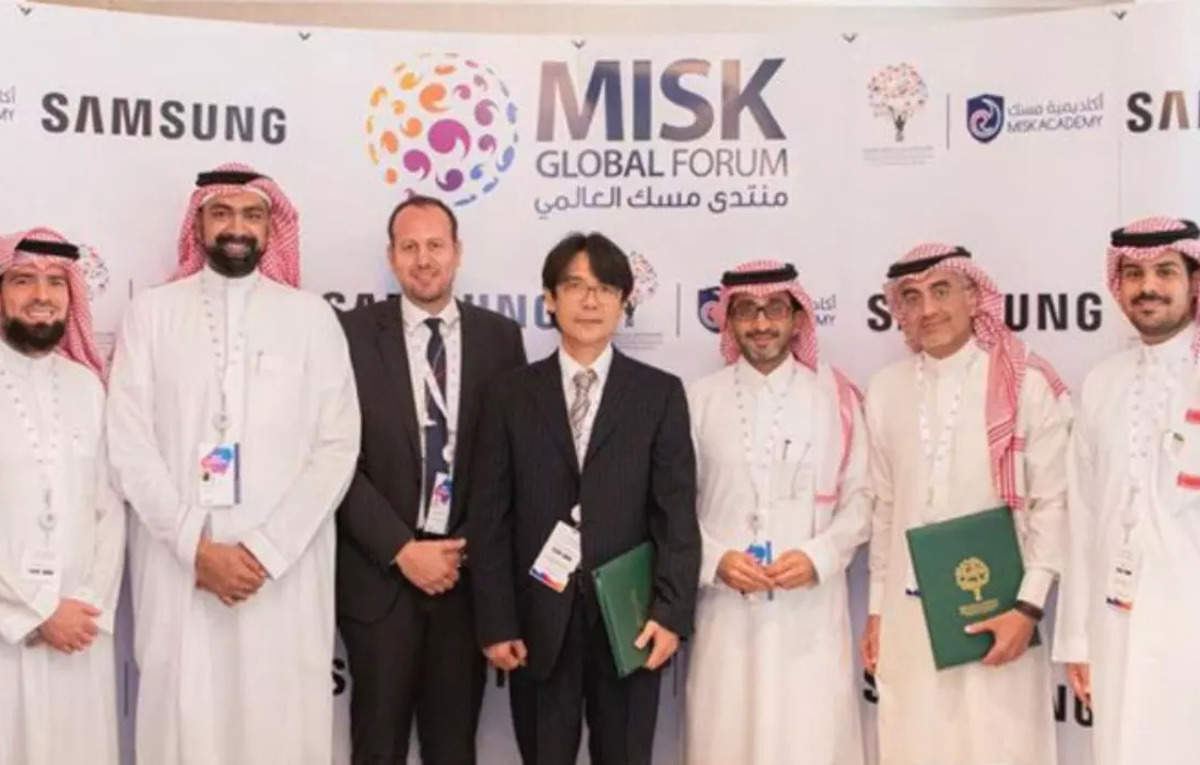
Misk City has entered into a strategic partnership with Samsung Electronics Saudi Arabia to promote advancements in smart city technologies, sustainability, and youth empowerment. The collaboration was formalized through a memorandum of understanding (MoU) and is poised to drive innovation in the Misk City ecosystem, a groundbreaking nonprofit urban initiative. This agreement marks a significant step in the city’s commitment to becoming a hub for technology, education, and sustainable development.

Misk City, named after the Saudi crown prince’s charitable foundation, is the first non-profit city of its kind in the world. It aims to create a self-sustaining urban environment where technology and innovation play a central role in shaping society’s future. The partnership with Samsung, a global leader in consumer electronics and technology solutions, will enable Misk City to leverage cutting-edge technologies and solutions to enhance the quality of life for its residents and visitors.

The key areas outlined in the MoU focus on smart city infrastructure, including the integration of advanced IoT (Internet of Things) systems, AI-driven solutions, and digital services that will improve urban management and energy efficiency. This collaboration will explore various applications of Samsung’s technology, including smart buildings, transportation, and environmental monitoring systems. Additionally, the agreement highlights initiatives aimed at fostering a sustainable urban ecosystem, aligning with Misk City’s goals of environmental stewardship and reducing carbon emissions.

Beyond technology, the partnership also aims to empower the youth by providing access to educational programs and professional development opportunities. Samsung’s extensive experience in digital learning and innovation will contribute to the creation of training platforms, workshops, and incubators within Misk City, designed to cultivate a new generation of skilled professionals in fields such as artificial intelligence, robotics, and renewable energy.

The agreement reflects a broader trend within Saudi Arabia to invest in innovation-driven urban development. Misk City’s model, which combines sustainability with cutting-edge technology, is in line with the country’s Vision 2030, which seeks to diversify the economy and reduce its dependency on oil. By positioning itself at the intersection of technology and social development, Misk City aims to be a key player in the kingdom’s push for economic transformation.

Samsung’s role in this project highlights the company’s ongoing commitment to supporting smart city projects globally. The company’s innovative solutions, such as 5G networks, smart appliances, and digital signage, will be integrated into Misk City’s infrastructure. These advancements will allow for greater connectivity and efficiency, furthering the city’s mission to provide a seamless, high-tech living environment.

Misk City’s collaboration with Samsung also provides an opportunity to explore advancements in sustainability. With global attention on climate change and environmental conservation, the partnership will focus on implementing sustainable energy solutions such as solar power, waste management, and water conservation technologies. This move aligns with Misk City’s vision of creating a green, eco-friendly urban space that is self-sustaining and energy-efficient.

The strategic importance of the partnership extends beyond technology and sustainability. It also underscores the growing importance of public-private collaborations in shaping the future of cities. As the world shifts toward a more interconnected, technology-driven future, the synergy between Misk City and Samsung represents a model for how urban development can be reimagined to meet the challenges of the 21st century.

The partnership is expected to play a pivotal role in positioning Misk City as a global leader in innovation and sustainability. By harnessing Samsung’s technological expertise and aligning it with the city’s long-term goals, Misk City will be able to provide a living laboratory for emerging technologies and urban planning strategies. This collaboration is not only a key milestone in Misk City’s development but also a significant contribution to Saudi Arabia’s broader efforts to redefine urbanization in a way that is sustainable, tech-driven, and inclusive.

The MoU was signed in a ceremony attended by senior executives from both Samsung and Misk City, with discussions centered on how the partnership can evolve over the coming years. Both parties expressed their commitment to the partnership and emphasized the importance of collaboration in realizing the ambitious goals set for Misk City.

Merak Capital has launched an $80 million fund to support startups in the gaming sector across the Middle East, North Africa (MENA), and Asia. The initiative includes an accelerator program aimed at fostering innovation and enhancing the region’s gaming ecosystem. The fund was announced during LEAP 2024, a major technology conference hosted in Saudi Arabia, which secured $888 million in investments for various tech and entrepreneurial initiatives. […]

Saudi Aramco, Sinopec, and Fujian Petrochemical have officially begun the construction of a significant new refining and petrochemical complex in Fujian province, China. This collaboration marks a major step forward in enhancing energy infrastructure, with an investment that highlights the deepening trade and energy ties between the Middle East and China.

The project, located in the coastal city of Quanzhou, is poised to become a vital hub for refining and petrochemical production, aimed at bolstering the energy needs of the rapidly growing Chinese market. The new facility will process millions of tons of crude oil annually and produce a wide range of petrochemical products, further strengthening the value chain in both the refining and chemicals sectors. As one of the largest investments of its kind in the region, the project underscores the strategic importance of Sino-Saudi relations and Aramco’s broader vision for international expansion.

At the core of this venture, Saudi Aramco is contributing a substantial stake, with the company’s role as a key supplier of crude oil expected to provide crucial support to the complex’s operations. Aramco has been a key player in the Chinese market for years, consistently expanding its footprint and solidifying its presence in one of the world’s largest and most dynamic energy markets. Through this venture, Aramco continues to build on its long-standing relationship with Sinopec, one of China’s state-owned oil giants, to help meet the country’s increasing demand for refined fuels and chemicals.

Sinopec, one of China’s leading oil and gas corporations, is providing significant technical expertise and resources for the development of the new refinery. With a vast network of refineries and petrochemical facilities across China, Sinopec’s involvement is expected to enhance operational efficiencies and facilitate greater integration between refining and petrochemical processes. The partnership brings together both advanced technological capabilities and the ability to navigate the Chinese regulatory and commercial landscape, which remains critical to success in this market.

Fujian Petrochemical, a key player in China’s petrochemical industry, is a joint venture partner in the project. The company is renowned for its strategic location along China’s eastern coast and its established role in petrochemical manufacturing. By leveraging its access to the South China Sea shipping routes, Fujian Petrochemical will play a vital role in ensuring smooth logistics for the import of crude oil and the export of refined and petrochemical products.

This new project is expected to generate significant economic benefits for the region. It will provide a boost to local employment, create opportunities for small and medium-sized enterprises, and enhance the skillsets of the workforce in Quanzhou. The complex will also be a significant contributor to the local economy through taxes and royalties, aligning with the Chinese government’s ongoing efforts to modernize its energy infrastructure and industrial capabilities.

The environmental impact of this venture has also been carefully considered. While the complex will undoubtedly play an important role in meeting the energy demands of China’s rapidly developing economy, all three partners have committed to ensuring that the project adheres to the highest standards of environmental sustainability. This includes employing advanced technologies to minimize emissions, improve energy efficiency, and reduce the ecological footprint of the refinery’s operations.

The decision to locate the complex in Fujian province is strategic, as the area has long been a hub for the petrochemical industry in China. Fujian’s proximity to major shipping lanes and its well-established infrastructure make it an ideal location for such a high-capacity facility. The provincial government has expressed strong support for the project, citing its potential to contribute to regional economic growth and enhance China’s energy security.

The broader geopolitical context of this project also plays a significant role in its development. With China’s growing focus on self-sufficiency in energy production and its ambition to strengthen domestic refining and chemical manufacturing capabilities, this initiative is timely. It reflects the ongoing trend of closer cooperation between China and energy-rich nations in the Middle East, particularly in the oil and gas sector.

For Saudi Aramco, the Fujian venture represents a further expansion of its global refining and petrochemical portfolio, reinforcing its position as a dominant player in the global energy market. The company has been diversifying its operations beyond crude oil production, investing heavily in refining and petrochemicals as part of its long-term strategy to adapt to evolving energy trends and the global push toward cleaner energy solutions.

As the global energy landscape continues to evolve, with increasing emphasis on sustainability and energy transition, the timing of this major refining and petrochemical project highlights the delicate balance between meeting current energy demands and investing in future-proof technologies. For China, which remains one of the world’s largest consumers of petrochemical products, this new facility is an important step in securing reliable, high-quality energy sources that align with its ambitious economic development plans.

This collaboration also stands as a testament to the growing importance of international partnerships in the energy sector. While the primary focus remains on meeting the energy needs of China’s economy, the involvement of key players such as Aramco, Sinopec, and Fujian Petrochemical signals the increasing interdependence of the global energy market. The success of the Fujian project will likely pave the way for further cooperation between the Middle East and China in areas such as renewable energy, advanced technologies, and global infrastructure development.

BlackRock, the world’s largest asset manager, has secured a commercial license to operate in Abu Dhabi, signaling its increased focus on the Middle Eastern market. The move positions BlackRock to further engage with the region’s wealth management firms, sovereign wealth funds, and investment vehicles, as the global financial giant seeks to deepen its footprint in a rapidly evolving financial hub. This expansion aligns with Abu Dhabi’s growing […]

EFG Hermes has launched a groundbreaking $300 million education fund aimed at reshaping Egypt’s educational landscape. This initiative is part of the company’s broader efforts to significantly boost the education sector, aligning with Egypt’s Vision 2030. The fund’s primary goal is to generate sustainable returns while expanding access to high-quality education. The fund comes at a time when Egypt’s education system faces growing demands for modernization, especially […]

VISHNU RAJA
RYO YAMADA
HITORI GOTOH
IKUYO KITA
Social Media Auto Publish Powered By : XYZScripts.com