News related to
Saudi

Carrefour has officially exited Oman, marking the conclusion of its collaboration with Majid Al Futtaim. This decision follows years of shared operations within the retail market, as the multinational giant, part of the French conglomerate Groupe Carrefour, faced increasing competition and changing dynamics within the regional landscape. Majid Al Futtaim, the operator of Carrefour in the region, has opted to pivot towards a new retail format called […]

A consortium led by the Arab Energy Fund (TAEF), formerly known as the Arab Petroleum Investments Corporation (APICORP), has acquired a 100% stake in Metito Utilities, a Dubai-based global investor and operator specializing in sustainable water management solutions. The acquisition, conducted in partnership with Saudi Arabia’s Zamil Group Investment Company and the Ghandour family, aligns with TAEF’s strategic vision to enhance energy security and sustainability by investing […]

Saudi Arabia’s Public Investment Fund (PIF) has made a significant investment of $200 million into the first globally listed exchange-traded fund (ETF) based in the Kingdom. The strategic move aims to bolster Saudi Arabia’s ambitions of diversifying its economy beyond oil and positioning the nation as a key player in global financial markets. This infusion of capital marks a notable step in the PIF’s growing efforts to […]

Andrey Rogachev provides insights into the dynamics of Dubai as the regional design and architectural hub. Investor and strategic management expert Andrey Rogachev discusses the role of international partnerships in the UAE, using the example of the exclusive representation of the German premium construction paint brand Profitec. in an interview with Arabian Post, he shares insights on how industry leaders are driving nearby markets forward to take […]

ADVERTISEMENT

Venture capital funding in Saudi Arabia and the UAE has experienced a notable decline, as shifting investor priorities and regional economic trends impact the growth of startups and early-stage businesses in both countries. The drop reflects broader changes in the global investment landscape, marked by a heightened focus on risk-adjusted returns and increased caution in the face of global economic uncertainty. In the past year, venture capital […]

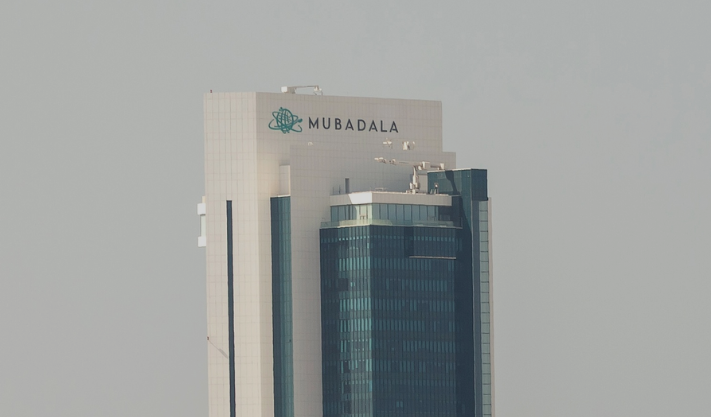
State-owned investors, notably sovereign wealth funds (SWFs) and public pension funds (PPFs), are significantly increasing their presence in global private markets. With combined assets under management exceeding $13 trillion, these entities are reshaping investment landscapes by channeling substantial capital into sectors such as private equity, real estate, and infrastructure. Mubadala Investment Company, Abu Dhabi’s sovereign wealth fund, exemplifies this trend. In 2024, Mubadala’s investments surged by 67% […]

Saudi Arabia has taken a significant step toward revolutionizing its renewable energy sector, announcing the prequalification of 33 companies for its ambitious 8GWh Battery Energy Storage System (BESS) projects. This initiative, which is a critical part of the country’s broader energy transformation strategy, aims to enhance the efficiency and stability of the nation’s power grid while bolstering its renewable energy capacity. The announcement marks a pivotal milestone […]

Advertisements
ADVERTISEMENT

Saudi Arabia has successfully raised $12 billion via a three-part bond issuance, marking its largest debt sale since 2017. The offering attracted substantial investor interest, with the order book reaching nearly $37 billion, indicating an oversubscription of approximately three times.

The bond issuance comprises three tranches: $5 billion with a three-year maturity, $3 billion maturing in six years, and $4 billion set for a ten-year term. This strategic move aligns with the kingdom’s 2025 borrowing plan, which estimates funding needs of 139 billion Saudi riyals ($37.02 billion) to address a projected budget deficit of 101 billion riyals for the year. Additionally, approximately 38 billion riyals are allocated for debt repayment.

Concurrently, the Public Investment Fund (PIF), Saudi Arabia’s sovereign wealth fund, has secured a $7 billion murabaha credit facility. This Islamic financing arrangement, supported by a syndicate of 20 international and regional financial institutions, is intended to fuel the fund’s future investments.

These financial maneuvers are integral to Saudi Arabia’s Vision 2030 initiative, which seeks to diversify the economy beyond oil dependence. Finance Minister Mohammed Al Jadaan has emphasized the government’s commitment to expanding strategic spending through 2025, focusing on development and giga-projects that align with Vision 2030 objectives.

Saudi Arabia’s water sector experienced pivotal advancements in 2023, with desalinated seawater production growing by 31 percent. The increase has resulted in desalinated water now accounting for half of the country’s distributed water supply, marking a rise from 44 percent in the previous year. These developments were detailed in the latest report from the General Authority for Statistics, which highlights significant shifts in the kingdom’s water management […]

Matein Khalid Two tragic plane crashes in Azerbaijan/South Korea and now terrorist outrages in Las Vegas and New Orleans take the joy out of New Year’s Day but all we can hope that the world will be reinvented with a modicum of rationality when Donald Trump swears the oath to uphold the US Constitution on January 20th. The political messiah of MAGA is also a geopolitical/trade time […]

ADVERTISEMENT

Crude oil prices are projected to remain within the $70 per barrel range, influenced by multiple factors, including potential oversupply conditions and shifts in geopolitical dynamics. Experts suggest that while the market might stabilize around this figure, uncertainty from global demand and political maneuvers will continue to shape its trajectory in the coming months.

The crude market has entered a phase where supply and demand fundamentals are being tested against evolving global economic conditions. Several key developments, particularly around oil-producing nations, have created a delicate balance that keeps prices in a relatively stable range, yet susceptible to fluctuations driven by external factors.

For months, the oil market has been closely watching the decisions of the Organization of the Petroleum Exporting Countries (OPEC) and its partners, such as Russia, who collectively manage production quotas to balance supply. OPEC’s recent moves to curb production have been aimed at propping up prices, but an increase in U.S. oil output has led to speculation that there may be an oversupply in the market. The United States has reached record production levels, largely driven by shale oil, which could overshadow OPEC’s production cuts.

Geopolitical tensions in major oil-producing regions, such as the Middle East, remain a persistent risk to price stability. However, analysts have indicated that, at least for now, the global oil market is able to absorb disruptions without a significant impact on prices. The advent of more diverse energy sources, including natural gas and renewable energy, has also lessened oil’s price volatility compared to previous decades.

One of the most notable contributors to the ongoing price forecast is former U.S. President Donald Trump’s impact on energy policies. His administration’s push for energy independence and deregulation policies have led to a surge in domestic oil production. While Biden’s administration has implemented more stringent climate and energy policies, the effects of Trump’s legacy are still visible, with shale producers continuing to drive the U.S. oil production boom.

Despite this, global oil consumption, especially in China, has shown signs of slower growth, a factor that could weigh on oil prices. Experts note that while China remains a major driver of global energy demand, its economic slowdown could dampen the demand for crude, putting downward pressure on prices. Additionally, OPEC’s attempts to control prices by adjusting production could be more difficult to execute as non-OPEC countries, particularly the U.S., maintain higher levels of output.

Environmental pressures are also playing a role in shaping oil demand. Many nations are intensifying their efforts to transition to cleaner energy sources, potentially limiting the demand for fossil fuels in the long term. Governments worldwide are setting more ambitious renewable energy targets and offering incentives for green technologies, which could lead to a future reduction in oil dependency.

Despite these long-term trends, the immediate outlook for crude remains cautiously optimistic. The global recovery from the pandemic, especially in developed economies, is expected to continue driving demand for oil, particularly for transportation and manufacturing. Yet, the resurgence of COVID-19 in certain regions and the ongoing supply chain disruptions may have a complex impact on global economic growth, which will, in turn, influence oil demand.

In the U.S., gas prices remain a central topic as consumers face fluctuating fuel costs. While gas prices in the country have seen recent increases due to tighter refinery margins and seasonal demand spikes, there is no consensus on how long this trend will persist. Analysts believe that domestic production levels, combined with seasonal factors, could prevent prices from surging uncontrollably.

In Europe, the situation is more nuanced. Energy prices, including natural gas and oil, have been a driving force behind inflation. The war in Ukraine, ongoing for several years now, has further complicated Europe’s energy dynamics, pushing countries to reconsider their energy strategies. Despite Europe’s focus on alternative energy, oil continues to play a significant role in meeting energy demand, particularly in transportation and industry. With the cost of living rising and energy prices still high, consumers in Europe are facing additional financial strain.

At a global level, the shift toward more sustainable energy production and consumption is growing, but it is clear that oil remains a cornerstone of the global energy mix for the time being. Countries that rely heavily on oil exports, like Saudi Arabia and Russia, continue to exert influence on the market, pushing for price stabilization measures. However, the dynamics of global energy consumption are changing, and the transition to greener alternatives remains a key factor to monitor.


Saudi Arabia has secured a significant financial agreement, arranging a $666 million Shariah-compliant revolving credit facility. This deal represents the country’s continuing efforts to bolster its economy while maintaining adherence to Islamic financial principles. The facility was structured in alignment with Shariah law, which prohibits earning or paying interest, marking an important step for the nation’s economic and fiscal policies.

The loan is set to bolster Saudi Arabia’s financial resources, enabling it to support its economic diversification programs under Vision 2030. This initiative, launched by Crown Prince Mohammed bin Salman, aims to reduce the kingdom’s reliance on oil revenues by expanding investments in sectors like technology, tourism, and entertainment. As part of this strategy, Saudi Arabia has been working to establish itself as a leading hub for global finance, with a strong focus on Islamic finance.

Key international and local banks participated in the deal, underscoring the growing confidence in Saudi Arabia’s financial and economic reforms. The country’s ability to attract investment in this manner signals a positive outlook for its economic future, as it navigates the transition towards a more diverse and sustainable economic model.

The revolving credit facility is structured to provide flexibility in financing, offering Saudi Arabia the ability to draw and repay funds as needed. This arrangement reflects a growing trend among global sovereigns seeking to tap into Shariah-compliant financial instruments. The use of such instruments is becoming increasingly popular, especially in the Middle East, where Islamic finance is a long-standing practice.

Saudi Arabia’s commitment to maintaining a robust and diversified economy is evident in its proactive approach to financing. The revolving credit facility aligns with the broader objectives of Vision 2030, aiming not only to reduce the kingdom’s dependence on oil exports but also to position it as a key player in the global financial landscape.

The financial facility is also a testament to the continued strength of the Saudi banking sector. Despite challenges posed by global economic fluctuations, Saudi banks have demonstrated resilience, supported by sound regulatory frameworks and a relatively stable domestic economy. This deal further underscores the country’s ability to secure favorable financing terms in the global market.

For global investors, this deal represents a favorable opportunity, as Saudi Arabia’s creditworthiness remains strong, bolstered by its strategic economic initiatives. With international markets increasingly receptive to Shariah-compliant investments, Saudi Arabia is well-positioned to capitalize on these trends, fostering further growth and stability.

The arrangement also reflects the broader international appetite for Islamic finance products. Global financial institutions are increasingly keen on structuring deals in compliance with Islamic finance principles, attracted by the stability and ethical foundations of these financial models. This aligns with global financial trends that emphasize sustainability, ethical investing, and financial inclusion.

Saudi Arabia’s ability to attract such significant financing indicates a growing trust in the kingdom’s economic reforms. With continued investments in infrastructure and development projects, the deal contributes to the country’s long-term economic objectives. This marks another milestone in the ongoing evolution of Saudi Arabia’s financial landscape, which aims to integrate more Islamic finance mechanisms and create a sustainable, diversified economy.

The success of the deal highlights the growing sophistication of the Saudi financial market. As more international institutions embrace Shariah-compliant products, the kingdom is establishing itself as a financial powerhouse in the region. This further positions Saudi Arabia as a leader in Islamic finance, not only attracting regional but also global investors seeking ethically aligned opportunities.

The $666 million deal is part of a broader set of financial moves that align with the kingdom’s Vision 2030 goals. With a clear focus on reducing its dependency on oil and diversifying into other sectors, Saudi Arabia is positioning itself as a destination for international investment. This revolving credit facility represents a key component of these efforts, reinforcing Saudi Arabia’s fiscal stability and commitment to a robust, sustainable future.

Emaar The Economic City (EEC), the master developer behind Saudi Arabia’s King Abdullah Economic City (KAEC), has secured shareholder approval for a substantial capital reduction aimed at extinguishing accumulated losses. During the Extraordinary General Meeting (EGM) held on December 31, 2024, shareholders endorsed the board’s proposal to decrease the company’s capital by 53.83%, reducing it from SAR 11.33 billion to SAR 5.23 billion. This decision involves canceling […]

Saudi Arabia’s ACWA Power has successfully secured a financing deal worth $692 million for a major wind power plant in Egypt. The agreement underscores the growing momentum in the renewable energy sector as Egypt intensifies its push to diversify energy sources and reduce its carbon footprint. The financing package for the wind power plant was finalized with the involvement of a consortium of international banks, including the […]

ADVERTISEMENT

Oil prices maintained stability as trading resumed in 2025, with attention shifting towards US stockpiles amid market volatility. Despite fluctuations throughout the early part of the year, oil traders are closely monitoring the latest figures from the American Petroleum Institute (API) and the Energy Information Administration (EIA), which will provide critical insights into supply-demand dynamics. As concerns over global oil supply chain disruptions wane, the US oil inventory data will likely dictate near-term market direction.

Brent crude futures remained above $85 per barrel, while West Texas Intermediate (WTI) futures hovered around $80. The two benchmarks are managing to stay resilient as markets balance competing influences, such as slowing economic growth in major markets and tighter OPEC+ production cuts. The price levels indicate that traders are cautiously optimistic about the future despite challenges.

The main point of focus for market participants is the state of US crude stockpiles. The most recent data from the EIA and API have highlighted a noticeable reduction in stock levels, which is prompting questions about how sustainable the supply will be in the coming months. The drop in reserves has led some analysts to suggest that future price pressures could be on the rise if the supply situation worsens.

In addition, OPEC+’s actions remain a significant driver for global oil prices. Throughout 2024, the oil cartel, led by Saudi Arabia and Russia, has implemented coordinated production cuts, which have helped to keep prices relatively firm despite macroeconomic pressures. This decision to limit production, particularly in the context of a potential economic slowdown, has acted as a counterbalance to potential downturns in the global oil market.

Another major consideration for analysts is the ongoing developments in the US oil industry. Despite the challenges posed by fluctuating crude prices, US shale producers have demonstrated remarkable resilience. The continued ability of shale operators to cut costs and increase efficiency has allowed the US to maintain a competitive edge in global markets. However, concerns over the long-term sustainability of shale output, particularly in the face of regulatory changes and capital constraints, continue to weigh on investors’ minds.

For now, traders are wary of potential shocks to the oil market. Geopolitical tensions, particularly in the Middle East, have the potential to disrupt supply lines, and this possibility keeps the oil markets on edge. Despite the efforts by OPEC+ to stabilize prices, uncertainty surrounding global economic recovery and energy demand adds an element of volatility that traders are unwilling to ignore.

The US, as the world’s largest producer of oil, has become a critical factor in the stability of oil prices. The actions of the Federal Reserve and its stance on interest rates are expected to have a ripple effect on global energy markets. A stronger US dollar could potentially dampen demand for oil in international markets, while changes in US monetary policy could either stimulate or slow down global growth, influencing oil consumption patterns.

In this environment of caution, oil traders are also keeping an eye on upcoming policy shifts in major economies. While the US continues to prioritize energy independence, the global push towards cleaner energy alternatives remains a challenge to traditional oil demand. Countries such as China, which have been transitioning towards renewable energy, continue to create uncertainty in long-term projections for oil consumption.

Despite this, the global energy market has been adjusting to the new reality of higher oil prices, particularly in response to tighter production controls. The shift in pricing power towards OPEC+ and other oil-exporting nations underscores the changing dynamics of the global energy landscape, where once-dominant oil-consuming countries may find themselves on the back foot in the coming years.

Abu Dhabi’s sovereign wealth fund Mubadala has taken the lead in global investment deals, outshining Saudi Arabia’s Public Investment Fund (PIF) with a remarkable $29 billion in recent transactions. The massive deals, which span various sectors from energy to technology, signal Mubadala’s growing influence in international markets and its strategic approach to diversifying assets. This shift also highlights the evolving power dynamics between the Gulf’s financial titans, with each country intensifying efforts to bolster its economic position amid fluctuating oil prices and geopolitical shifts.

Mubadala’s landmark investments come at a time when Saudi Arabia has aggressively expanded the reach of its PIF, particularly through high-profile acquisitions and a focus on sectors such as entertainment, tourism, and green energy. However, Mubadala’s swift maneuvers in the market have positioned it to not only compete with the PIF but potentially reshape the future of the investment landscape in the Middle East. The fund’s most notable deals include a series of investments in technology companies, as well as strategic moves in the renewable energy sector, aimed at securing long-term returns in an increasingly volatile global economy.

Experts suggest that Mubadala’s success is tied to its methodical approach to diversification. Unlike the PIF, which has been bold in pursuing large-scale, high-risk investments, Mubadala has focused on stabilizing its portfolio with balanced investments across a wide range of industries. This includes a heightened focus on cutting-edge industries such as artificial intelligence, clean energy, and biotechnology. As a result, Mubadala has emerged as a significant player in these high-growth areas, while also maintaining a strong foothold in more traditional sectors like real estate and infrastructure.

The timing of Mubadala’s recent success also speaks volumes about its ability to adapt to changing market conditions. Amid rising inflation and shifting investor sentiments, the fund has strategically pivoted towards companies with promising growth prospects, even as market conditions become more unpredictable. The diversification strategy has not only paid off but has also placed Mubadala in a position to capitalize on opportunities in the rapidly changing global economy.

Saudi Arabia, meanwhile, is determined to maintain the prominence of the PIF as the engine driving the kingdom’s economic transformation under its Vision 2030 plan. The PIF has ramped up its investments in global companies, most notably in the entertainment and sports sectors, including stakes in firms like Lucid Motors and endeavors such as the development of the $500 billion smart city, Neom. But despite the PIF’s ambitious projects and high-profile investments, critics argue that its heavy reliance on the oil sector makes it vulnerable to market fluctuations, a concern that Mubadala’s diversified approach may be better positioned to mitigate.

Saudi officials have defended the PIF’s strategy, stating that it plays a critical role in advancing the country’s non-oil economy. The PIF’s investments, particularly in the entertainment and sports sectors, are expected to bring long-term returns and aid in the creation of new jobs, especially for Saudi youth. Yet, this aggressive pursuit of diversification has raised questions about the risk of spreading its resources too thin. Mubadala, on the other hand, has positioned itself to weather global downturns by maintaining a more balanced portfolio, one that includes significant investments in both emerging technologies and established industries.

Liva Group, a prominent multi-line insurer in the Gulf Cooperation Council (GCC), has been granted Participating Insurer (PI) status by the Dubai Health Authority (DHA). This designation authorizes Liva to provide health insurance coverage to workers earning AED 4,000 or less per month in Dubai.

The DHA’s PI status is reserved for insurers that meet stringent criteria, ensuring they can offer cost-effective health insurance solutions to the emirate’s low-income workforce. This initiative aligns with Dubai’s health insurance law, which mandates that all residents possess health insurance meeting or exceeding the minimum benefits stipulated by the DHA.

Liva Group, formerly known as National Life & General Insurance Company (NLGIC) and RSA Middle East, rebranded in 2023 to unify its operations across the GCC. The name ‘Liva’ signifies ‘protection’ and ‘life,’ reflecting the company’s commitment to safeguarding its customers’ well-being.

With over 80 years of collective experience in the Middle East, Liva offers a comprehensive suite of digitally enabled, customizable solutions across all lines of insurance. The company operates in key GCC markets, including the Sultanate of Oman, Kingdom of Saudi Arabia, United Arab Emirates, State of Kuwait, and Kingdom of Bahrain, with plans to expand into the State of Qatar.

The DHA’s Essential Benefits Plan (EBP) is designed to provide a basic level of health insurance coverage for low-income workers in Dubai. Insurers granted PI status are authorized to offer the EBP, ensuring that this segment of the population has access to necessary healthcare services. The DHA maintains a list of Participating Insurers, which is reviewed annually to ensure compliance with regulatory standards.

Liva’s inclusion as a Participating Insurer enables the company to contribute significantly to Dubai’s healthcare landscape by extending coverage to a broader segment of the population. This development is expected to enhance access to healthcare services for low-income workers, aligning with the emirate’s goal of ensuring comprehensive health coverage for all residents.

The process of obtaining PI status involves a thorough evaluation by the DHA to ensure that insurers can provide the Essential Benefits Plan on a cost-effective basis while maintaining high levels of customer service and operational efficiency. Insurers must demonstrate their ability to handle large volumes of business and comply with the DHA’s regulatory requirements.

Liva’s achievement of PI status reflects its commitment to meeting these rigorous standards and its readiness to support Dubai’s health insurance mandate. The company’s extensive experience in the region and its comprehensive range of insurance solutions position it well to serve the needs of low-income workers in the emirate.

As Dubai continues to enforce its health insurance law, the role of Participating Insurers like Liva becomes increasingly vital in ensuring that all residents have access to essential healthcare services. Employers in the emirate are required to provide health insurance coverage for their employees, and the availability of cost-effective options through PIs facilitates compliance with this mandate.

Liva’s authorization to offer the Essential Benefits Plan is a significant milestone in its operations within the UAE. The company is now positioned to expand its customer base by providing affordable health insurance solutions to a critical segment of the workforce, thereby contributing to the overall well-being of the community.

In addition to health insurance, Liva offers a broad range of insurance products, including life, medical, and general insurance solutions. The company’s rebranding and expansion efforts underscore its ambition to become the region’s leading multi-line insurance provider, delivering superior value to customers while generating sustainable and profitable earnings for shareholders.

The DHA’s approval of Liva as a Participating Insurer is a testament to the company’s operational capabilities and its commitment to supporting Dubai’s healthcare objectives. As the emirate advances towards comprehensive health coverage for all residents, the participation of insurers like Liva is crucial in achieving this goal.

Liva’s entry into the market for low-income worker health insurance is expected to enhance competition among insurers, potentially leading to more innovative and cost-effective solutions for policyholders. This development aligns with the broader objectives of the DHA to improve healthcare access and affordability for all residents of Dubai.

ADVERTISEMENT

Saudi Arabia’s ACWA Power has entered the Chinese renewable energy market, securing over 1 gigawatt (GW) of solar photovoltaic and wind energy projects. These initiatives, located across multiple Chinese provinces, are in advanced development stages and will be jointly owned with leading Chinese renewable energy firms. Lyu Yunhe, ACWA Power’s Executive Vice President for China, outlined plans to invest up to $50 billion in renewable energy projects […]

HONG KONG SAR – Media OutReach Newswire – 30 December 2024 – AS Watson Group and Al-Futtaim Group jointly announce the opening of Watsons’ new flagship store at City Centre Bahrain Mall, signifying the Watsons’ entry into a new market alongside the United Arab Emirates (UAE), Kingdom of Saudi Arabia (KSA) and Qatar. This also marks the third store opening in three months in Bahrain, strengthening its […]

BANGKOK, THAILAND – Media OutReach Newswire – 27 December 2024 – PTT Oil and Retail Business Public Company Limited (OR) is driving international growth and sustainable innovation, leveraging its diverse portfolio to navigate volatile global markets. Amid geopolitical uncertainties and fluctuating oil prices, OR has posted robust financial results and unveiled a strategic roadmap aimed at transforming its business for a sustainable and inclusive future. For the […]

Derayah Financial, a prominent Saudi-based investment firm, has secured approval from the Kingdom’s Capital Market Authority (CMA) to launch an Initial Public Offering (IPO), marking a significant milestone in the firm’s growth trajectory. This development comes as part of Saudi Arabia’s broader strategy to bolster its financial sector and increase the number of publicly traded companies on its stock exchange, Tadawul. The approval positions Derayah Financial as one of the key players in the Kingdom’s evolving financial landscape.

The company, which provides a range of services including asset management and investment advisory, has been preparing for its public offering for several months. The move to go public is seen as part of its long-term strategy to expand its client base, raise capital, and further diversify its business operations. By listing on Tadawul, Derayah aims to increase its financial stability and strengthen its competitive position within the regional financial market.

Derayah Financial’s IPO is part of a broader trend in Saudi Arabia, where the government has actively encouraged private companies to list on the stock exchange. This initiative aligns with the Kingdom’s Vision 2030, which seeks to transform the economy and reduce its dependency on oil exports by promoting the private sector and diversifying economic activities. The government’s push to increase the number of publicly listed companies is a key element of this vision, aiming to unlock new sources of capital and create more investment opportunities for both local and international investors.

Analysts have been closely watching Derayah Financial’s progress, noting that its IPO could pave the way for other firms in the asset management and financial services sectors to follow suit. With Saudi Arabia’s financial market continuing to mature, firms in the sector are increasingly recognizing the benefits of public listings. By tapping into the public equity market, companies can access a larger pool of capital and potentially gain broader investor exposure, which is crucial for long-term growth.

The CMA’s approval of Derayah’s IPO is also a testament to the continued regulatory enhancements in Saudi Arabia’s capital markets. Over the past few years, the CMA has implemented a series of reforms to improve market transparency, ensure investor protection, and enhance the overall investment climate in the Kingdom. These reforms have been pivotal in attracting both local and foreign investors to the Saudi stock market, making it one of the most active in the Middle East.

Market observers expect strong demand for Derayah Financial’s shares when the IPO is officially launched. As a well-established name in the Saudi financial sector, the company’s strong track record in asset management and investment advisory services has generated substantial interest among potential investors. The firm’s focus on digital transformation, coupled with its efforts to expand its service offerings, has positioned it as a forward-thinking company with promising prospects in the financial industry.

Derayah’s IPO is expected to provide a significant boost to the Saudi stock market, further solidifying Tadawul’s role as a leading regional exchange. Over the past few years, the Saudi bourse has seen a series of successful IPOs, many of which have attracted considerable attention from both domestic and international investors. The success of these offerings has bolstered investor confidence in the Kingdom’s financial market, and Derayah’s listing is likely to follow a similar pattern, contributing to the market’s continued expansion.

As part of the IPO process, Derayah Financial will disclose key financial information and offer shares to the public, providing insight into its business model, financial health, and growth potential. Investors will be able to gauge the company’s performance and outlook, which will play a critical role in determining the success of the offering. The IPO will also provide a valuable benchmark for other companies in the sector considering a similar move.

Beyond its immediate business objectives, Derayah’s IPO is likely to have broader implications for the Saudi economy. By providing a new avenue for capital raising and increasing the number of publicly traded firms, the offering is expected to enhance market liquidity and create new investment opportunities. Furthermore, it aligns with the Saudi government’s efforts to attract foreign investment and promote the Kingdom as a regional financial hub.

Despite the positive outlook, analysts caution that the success of Derayah’s IPO will depend on various factors, including broader market conditions, investor sentiment, and the performance of the financial sector in the coming months. While the company’s prospects appear strong, the market remains subject to fluctuations that could impact investor confidence. However, given the continued growth of Saudi Arabia’s financial services industry and the government’s support for the IPO process, many expect the offering to be a success.

Agility Global, a leading logistics and supply chain services provider, has secured a $1.4 billion credit facility to support its ongoing operations and future growth initiatives. The financing comprises €1 billion and $370 million, with maturities of three and five years, respectively. This strategic move aims to enhance the company’s financial flexibility and fund its expansion plans across various markets. The credit facility was arranged with a […]

Saudi Arabia is ramping up its digital transformation within the transportation sector, unveiling a series of strategic initiatives aimed at improving mobility, boosting efficiency, and fostering economic growth. As the Kingdom continues its push to modernize under Vision 2030, these efforts reflect a growing focus on technology-driven solutions that are expected to reshape the way people and goods move across the country.

The government’s latest plans involve deploying cutting-edge technologies such as artificial intelligence (AI), Internet of Things (IoT), and smart mobility solutions across various transportation systems. A key component of this digital overhaul is the integration of data analytics to optimize traffic management, enhance logistics services, and provide a seamless experience for commuters. These efforts are designed not only to address current challenges but also to position Saudi Arabia as a leader in global transportation innovation.

One of the most ambitious projects is the introduction of autonomous vehicles within the Kingdom. Saudi Arabia has already begun trials of driverless cars, with the aim of incorporating them into public transport networks in major cities like Riyadh and Jeddah. This initiative is part of a broader effort to reduce road congestion and carbon emissions while improving safety and convenience for travelers.

The digitalization of the transport sector is also closely tied to Saudi Arabia’s efforts to expand its rail network. The Haramain High-Speed Railway, which connects Mecca and Medina, is a prime example of how digital systems are enhancing the efficiency of rail travel. With the integration of AI-powered systems, the railway’s operations are becoming more streamlined, with real-time data helping to manage train schedules, predict maintenance needs, and ensure the safety of passengers.

The Kingdom is investing heavily in the development of smart airports. King Khalid International Airport in Riyadh and King Abdulaziz International Airport in Jeddah are set to undergo major digital upgrades that will introduce biometric screening, automated check-ins, and enhanced baggage tracking. These advancements aim to make air travel more efficient and secure, aligning with global trends in aviation technology.

As part of the Vision 2030 initiative, Saudi Arabia is also enhancing its maritime transport sector. Digital tools are being implemented in port management to increase efficiency in cargo handling and reduce turnaround times for ships. The adoption of blockchain technology for logistics and supply chain management is also being explored, ensuring that Saudi Arabia’s ports remain competitive on the global stage.

The private sector is playing an integral role in these transformations, with a number of tech firms collaborating with the government to develop smart transportation solutions. For instance, partnerships with international companies are bringing advanced AI technologies and IoT systems to help manage urban mobility. These collaborations are not only helping to fast-track the digitalization process but also positioning Saudi Arabia as an attractive hub for global tech investors.

The government has also launched several initiatives to promote the development of digital skills among the Saudi workforce. A growing emphasis on tech education and training programs is expected to ensure that local talent is equipped to drive the digital revolution in transportation. This focus on education and workforce development is seen as crucial to the long-term sustainability of these innovations.

While the initiatives have been met with optimism, there are challenges that Saudi Arabia will need to address to fully realize the potential of its digital transformation. Cybersecurity concerns, the need for significant infrastructure investment, and the management of large-scale data systems will be key areas to monitor as the projects progress. Moreover, ensuring equitable access to these technologies, particularly in rural areas, will be an important consideration to avoid creating digital divides.

Internationally, Saudi Arabia’s digital transport initiatives are receiving attention as a model for other nations aiming to modernize their transportation systems. The Kingdom’s strategic location as a global logistics hub is further underscored by these projects, as they are expected to strengthen its position in the broader global supply chain network. As such, these developments not only serve local needs but also contribute to Saudi Arabia’s ambitions to diversify its economy and reduce its dependency on oil revenues.

DUBAI, UAE – Media OutReach Newswire – 19 December 2024 – The Best Places to Work organization has officially announced the Top 50 Best Places to Work in the Middle East for 2024, showcasing the companies that lead the way in employee satisfaction, engagement, and workplace culture. This year’s rankings highlight organizations that have demonstrated exceptional commitment to creating positive work environments, fostering employee growth, and embracing […]

VISHNU RAJA
RYO YAMADA
HITORI GOTOH
IKUYO KITA
Social Media Auto Publish Powered By : XYZScripts.com