News related to
Saudi

Markets across the Gulf and beyond plunged on Friday following a sharp military escalation after Israel struck Iranian nuclear and military sites, triggering drone counter‑attacks by Iran and a broader risk‑off reaction among investors.

Dubai’s benchmark index tumbled 5.1%, its steepest single‑day loss since May 2022, while Abu Dhabi’s dropped 3.5% before paring losses. The rout extended into Israel, where the shekel slid as much as 3.5% against the dollar, with long‑dated Israeli bonds and select regional government debt also weakening.

Commodity markets mirrored investor anxiety. Brent crude surged over 6%, touching its highest level in nearly five months, as traders assessed the risk of supply disruptions through the Strait of Hormuz. Gold likewise rallied, reaching two‑month highs as capital flowed into safe‑haven assets.

Airline stocks were among the hardest hit. Air Arabia shares plunged more than 4%—some reports suggest nearly 8%—as carriers rerouted flights away from airspace over Iran, Israel, Iraq and Jordan. Regional exchanges in Riyadh and Doha were closed on Friday, with trading set to resume on Sunday amid anticipation of continued volatility.

The market shockwaves reverberated worldwide. Europe, Asia and US indices all registered dips: the S&P 500 dropped roughly 0.4% mid‑day, the Dow slipped nearly 1.8% and the Nasdaq around 1.3%, while Tokyo’s Nikkei and Hong Kong’s Hang Seng also declined.

Analysts warned that while markets historically absorb such shocks fairly quickly, the sustained threat of conflict brings inflation and growth risks. Chris Scicluna of Daiwa Capital Markets noted the initial oil spike “hasn’t been too extreme” but cautioned that a sustained rise toward US $80 oil would be problematic for central banks. Meanwhile, Tariq Kakish of FH Capital pointed out that geopolitical instability remains “the key factor affecting investors’ sentiments”.

Concerns centred on the Strait of Hormuz, which channels approximately one‑third of global seaborne oil, raising the potential for disruption. Demand for insurance on tankers in the Gulf surged, and traders remain on edge over possible Iranian retaliation targeting shipping or oil infrastructure. However, OPEC+ sources suggest that Saudi Arabia and others retain sufficient spare capacity and are monitoring the situation closely.

Financial markets also showed classic risk‑off behaviour: US Treasury bonds rallied even as yields ticked higher, reflecting investor concerns about energised inflation, as per Axios commentary. The dollar strengthened, while gold and the Swiss franc benefited from increased flight‑to‑safety demand.

In Asia, the ASX 200 slipped modestly, offsetting losses in financials and consumer sectors with gains in energy and mining stocks. In Mumbai, Reliance Industries’ shares fell nearly 1.8% as Brent crude surged past $75 per barrel amidst the tensions.

Political and economic analysts emphasise two themes: the possibility of an enduring inflation shock from energy price escalation, and the risk of prolonged conflict dragging in wider regional powers. While some argue Gulf states may help mitigate supply-side shocks via increased production, others highlight that even modest increases in oil prices could influence global inflation and central bank policy.

Despite the turbulence, multiple analysts noted past flare‑ups between Israel and Iran tended to cool within weeks, with markets rebounding once diplomatic pathways re‑opened. Yet this episode differs: it involves overt attacks deep into Iranian territory, targeting nuclear and ballistic infrastructure, and marking a new phase in the conflict. The outcome may recalibrate norms for military engagement in the region—and investor expectations alongside them.

Sharjah Islamic Bank and Warba Bank have spearheaded a flurry of USD‑denominated Additional Tier 1 sukuk issuances across the Gulf Cooperation Council, as institutions capitalise on narrower spreads, robust investor demand and abundant liquidity to bolster capital under Basel III norms. Sharjah Islamic priced a US$500 million perpetual issuance with a six‑year non‑call period at 6.125%, tightening from initial guidance of 6.5%, after books exceeded US$1 billion. Simultaneously, Kuwait’s Warba Bank […]

OpenAI is holding discussions with a range of international investors—including Saudi Arabia’s Public Investment Fund, Reliance Industries of India, and Abu Dhabi’s MGX—to raise around $40 billion in fresh equity. The move marks a pivotal effort to underwrite its ambitious next-generation AI models and the expansive Stargate infrastructure initiative. The round is being led by Japan’s SoftBank, which aims to shepherd significant capital into artificial intelligence advancements. At […]

Dubai International Airport has introduced sharply reduced long‑stay parking rates across all terminals, aiming to ease travel costs and reduce traffic congestion as passenger volumes surge. From 10 to 30 June, motorists can park for three days at AED 100, a week at AED 200, or up to 14 days at AED 300—a significant reduction from regular tariffs. The move addresses growing demand at DXB, where the airport expects to […]

ADVERTISEMENT

Abu Dhabi Global Market has recorded a substantial leap in its development as a financial hub, marking a more than 30 per cent increase in registered firms last year and a remarkable 245 per cent surge in assets under management. Such gains stem from the emirate’s strategic mobilisation of its nearly US $2 trillion in sovereign wealth, aimed at diversifying its economy beyond its dominant oil sector. This year’s first quarter performance continued […]

Mergers and acquisitions across the Middle East are poised to slow as escalating global trade tensions erupted following the Trump administration’s imposition of reciprocal tariffs on 2 April. A sweeping 20 percent tariff on EU goods, 10 percent on UK imports and 25 percent on automobiles rattled markets and shook corporate confidence, triggering what dealmakers describe as a “major escalation” in international trade friction. A recent global survey conducted by […]

Wipro has officially transferred its Middle East regional headquarters from Al Khobar to a new, upgraded facility in Riyadh, signalling an intensified drive to anchor itself in the Kingdom’s digital economy. Mohamed Mousa has been appointed Managing Director and Regional Head for the Middle East, steering Wipro’s regional operations from the new Riyadh base.

Vinay Firake, CEO for Asia Pacific, India, Middle East and Africa, described the move as a “reaffirmation of commitment to supporting the dynamic business landscape in the Kingdom of Saudi Arabia.” He added that Mousa’s leadership will “further advance our decades-long presence in the Middle East.”

The office, inaugurated during a high-profile ceremony attended by senior Wipro executives, staff, and clients, is part of an expanding regional footprint that already includes offices in Jeddah, Jubail, and Al Khobar.

Mohammed AlRobayan, Deputy Minister for Technology at the Ministry of Communications and Information Technology, highlighted the Riyadh move as a pivotal moment for the Kingdom’s digital ambitions, saying it “accelerates the growth of the Kingdom’s digital economy” and underlines Saudi Arabia’s appeal as a tech destination.

Furthering its strategic investment in Saudi human capital, Wipro signed a Memorandum of Understanding with Prince Mohammad Bin Fahd University to create a Centre of Excellence in Riyadh. This initiative targets hands‑on training in advanced technologies for Saudi nationals, promoting workforce readiness and helping bridge the gap between academic learning and industry demand.

Financial analysts note that the relocation aligns with Saudi Vision 2030’s objective to diversify the Kingdom’s GDP beyond oil revenues, with global tech firms increasingly anchoring themselves in Riyadh. The new headquarters offers both symbolic and practical leverage: proximity to major government stakeholders, enhanced networking opportunities, and the ability to attract public–private partnerships focused on digital transformation.

Experts acknowledge, however, that this strategy is not without challenges. Wipro must navigate intense competition from both global rivals and agile regional players, maintain cost competitiveness, and ensure the newly hired Saudi talent is integrated effectively into its global delivery model. A report by an independent business intelligence provider recently flagged uncertainties such as fluctuating revenue streams and the rigours of managing a complex international footprint.

Mousa succeeds Dalveer Kaur, who transitioned to Wipro’s global capability centre practice. Mousa’s track record includes leadership roles in regional IT consulting and digital services, with a specific focus on scaling operations and aligning with government-led digital ecosystems. His appointment is a strategic fit for Wipro’s goal of deepening ties with local institutions and sovereign-backed tech initiatives.

The Riyadh office, equipped with advanced infrastructure, is expected to house regional delivery centres and client‑management teams specialising in cloud, AI, digital engineering, cybersecurity and consulting services. These capabilities align with Wipro’s broader portfolio, which spans consulting, design, engineering and operations in both the public and private sectors.

Looking ahead, Wipro is expected to pursue further partnerships with Saudi universities and training institutions, potentially expanding the Centre of Excellence model to other al‑Majlis campuses. The company will also likely collaborate with government-backed innovation hubs and sovereign wealth funds eager to foster digital lanes within finance, healthcare, logistics, and energy sectors.

While Wipro optimises its capacity to support client transformation in the region, industry observers will monitor its ability to sustain growth amid macroeconomic volatility, emergent technologies and evolving client expectations. With Mousa at the frontline, the company aims to leverage its regional assets, integrated innovation initiatives and talent development programmes to embed deeper into the Kingdom’s digital ecosystem.

Amid global tensions and shifting supply‑chain dynamics, Wipro is banking on its regional pivot and local leadership to consolidate both government and enterprise relationships. Riyadh is increasingly viewed not only as a political capital but also as a digital-tech hub. Wipro’s investments in infrastructure, talent and strategic partnerships reflect that shift, aiming to position the firm at the centre of the Kingdom’s transformation agenda.

Advertisements
ADVERTISEMENT

Harrison Street, a US-headquartered real assets investment firm with over $56 billion in assets under management, has formally expanded into the Middle East by establishing an office within the Abu Dhabi Global Market, after receiving regulatory approval from the Financial Services Regulatory Authority. The move is being viewed as a strategic step to tap into the region’s institutional capital base and aligns with Abu Dhabi’s ambitions to attract global investment managers.

The firm’s new office, located at ADGM’s Al Sila Tower, is expected to anchor its regional operations and serve as a platform for growth across the Gulf and wider MENA region. Harrison Street becomes the latest in a line of global asset managers to choose Abu Dhabi as a regional headquarters, following similar moves by BlackRock, Brevan Howard, and Apollo Global Management. The announcement underscores the appeal of ADGM as a regulated environment that offers tax benefits, legal certainty, and direct access to sovereign wealth and pension funds.

Christopher Merrill, co-founder and CEO of Harrison Street, described the expansion as a natural extension of the firm’s long-term growth strategy. He emphasised that the company is aiming to offer institutional investors across the Middle East access to thematic investment opportunities in alternative real assets, including student housing, senior living, healthcare infrastructure, and digital assets. Merrill said the firm sees “substantial appetite among Gulf-based investors for exposure to long-duration, inflation-protected assets with stable yield profiles.”

While Harrison Street has traditionally focused on North America and Europe, its new ADGM base signals an intention to deepen partnerships with investors in the Gulf region. The decision is also part of a broader effort to diversify funding sources and tailor strategies that align with regional priorities such as healthcare expansion, demographic shifts, and digital infrastructure.

The ADGM licence will enable Harrison Street to carry out regulated investment activities and offer tailored asset management services to qualified investors in the UAE and beyond. According to the firm’s regional head, who is set to be announced in the coming weeks, the Abu Dhabi office will focus on both capital raising and direct investment origination, particularly in sectors aligned with government-backed development goals across the Gulf.

Industry observers say Abu Dhabi’s financial centre has matured into a viable launchpad for international firms targeting sovereign and institutional capital. With assets under management in ADGM growing to over $1 trillion this year, the financial centre is increasingly positioning itself as a global hub for private equity, venture capital, and asset management. Harrison Street’s entry follows a regulatory trend where ADGM has been accelerating approvals for asset managers, family offices, and hedge funds in a bid to rival more established global centres.

Global interest in Middle East capital pools has surged, with firms across Europe and the US actively seeking to establish an on-the-ground presence. Harrison Street’s thematic investment strategy, focused on secular trends such as ageing populations and technological adoption, is seen to resonate well with Gulf investors pursuing diversification beyond traditional energy-linked assets.

Merrill indicated that the firm will look to build co-investment partnerships and joint ventures with local institutions, leveraging its experience in structuring real estate and infrastructure funds across developed markets. He also hinted at the possibility of localised strategies that may include greenfield development and operating partnerships in sectors like education and senior care, particularly in markets undergoing demographic transition such as Saudi Arabia and the UAE.

ADGM authorities welcomed the firm’s entry as further validation of Abu Dhabi’s rising influence in the global investment ecosystem. The financial centre has actively courted global asset managers through a mixture of regulatory reforms, dual licensing frameworks, and strategic partnerships with Abu Dhabi Investment Office and Mubadala.

Saudi Arabia will export about 47 million barrels of crude to China in July, marking a modest decline of one million barrels compared with June allocations. Despite the slight reduction, this remains the third consecutive month of elevated shipments to the world’s largest crude importer, underscoring Riyadh’s resurgence in securing market share. This shift follows a decision by OPEC+—a coalition of the Organisation of the Petroleum Exporting […]

Arqaam Capital is stepping up its equity capital markets, debt capital markets, and loan syndication operations in response to an upswing in transaction volume across Saudi Arabia and the UAE, positioning itself as a more prominent regional player. The Dubai‑based financial services firm, with licenced offices in the UAE, Saudi Arabia, Egypt and Lebanon, has secured permissions in the Kingdom of Saudi Arabia to advise on ECM […]

ADVERTISEMENT

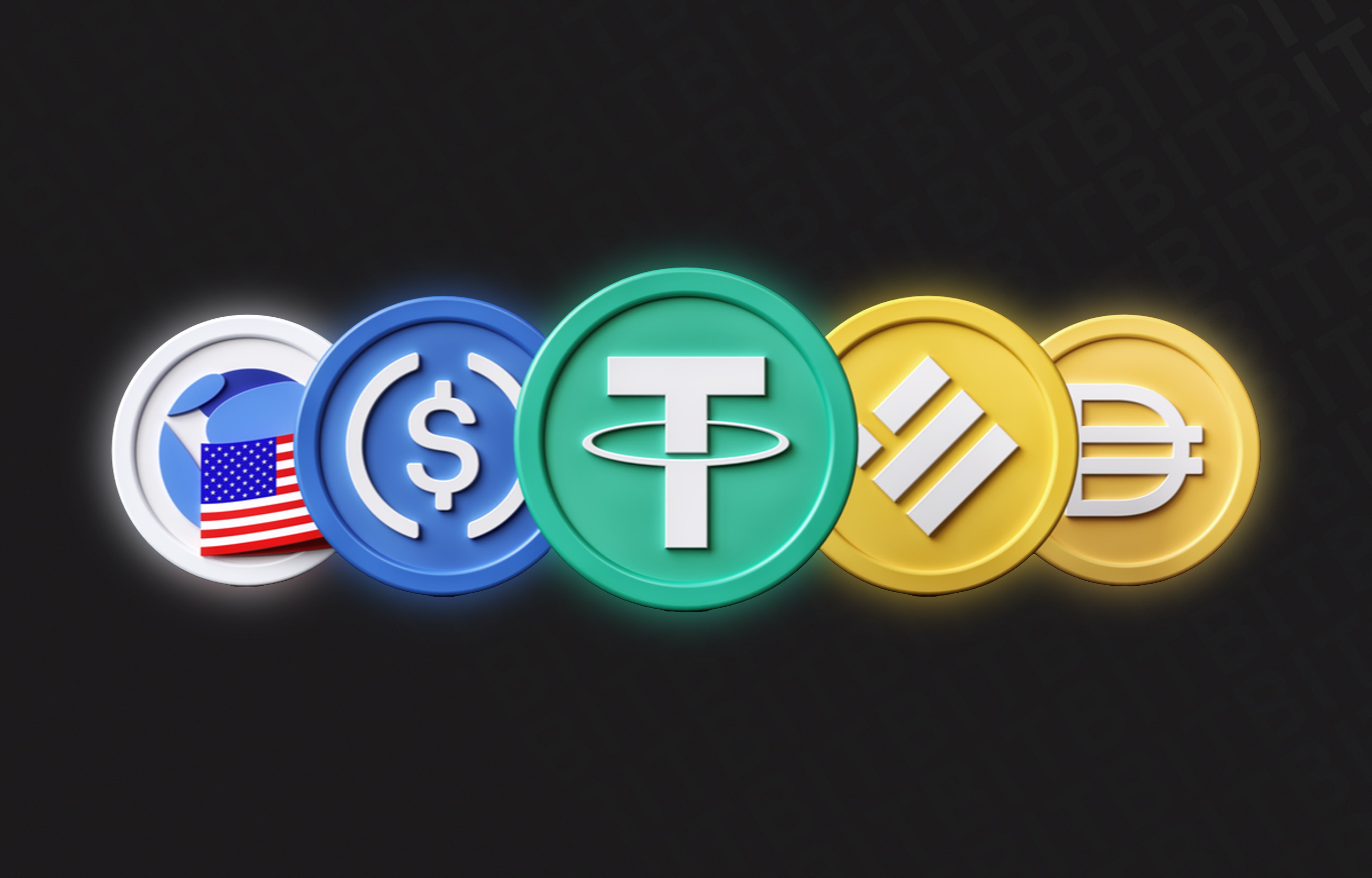
Stablecoins are processing roughly $33 trillion in yearly volume—around 20 times that of PayPal and three times Visa—while amassing $128 billion in U.S. Treasuries, placing these issuers among the top 20 holders of American debt and ahead of major nations such as Germany and Saudi Arabia.

Data from Andreessen Horowitz’s crypto arm shows that over 1 percent of the total U.S. dollar supply is now tokenised on blockchains. Major institutions, including Citi, project that by 2030 stablecoins could accumulate up to $3.7 trillion in Treasury holdings. While Ethereum and Tron currently underpin most of this infrastructure, emerging platforms such as Solana, Arbitrum and Base are gaining traction. Notably, on-chain data reveals that transactional activity in stablecoins appears largely decoupled from broader cryptocurrency trading volumes, indicative of growing real-world adoption. Today, these assets enable sub-second, sub-cent payments—positioning them as serious contenders to onboard the next billion users into the crypto economy.

Market analysts warn that growing stablecoin-backed Treasury holdings may shift demand dynamics for U.S. government debt. One study from academia found that by the end of the first quarter of 2025, Tether held roughly $98.5 billion in Treasury bills—equating to 1.6 percent of total outstanding bills. The research estimates that this level of demand has directly driven down one-month Treasury yields by approximately 24 basis points, indicating that stablecoin issuance is already influencing funding costs and potentially easing liquidity pressures.

Coinciding with this shift is a legislative push in Washington. A bill nearing Congressional approval would require issuers to fully back stablecoins with liquid assets, such as U.S. dollars and short-term Treasuries, and mandate monthly disclosures. Proponents suggest such regulation would reinforce investor trust, legitimize the sector and bolster U.S. debt demand. According to Reuters, Tether and Circle already hold a combined $166 billion in Treasuries—amounts that may increase further under binding legal frameworks.

Financial authorities have offered mixed views. Moody’s warns that large-scale liquidation driven by plunging confidence in stablecoin issuers could destabilise Treasury prices and spill over into broader fixed-income markets. Conversely, policymakers hope that expanded stablecoin activity could facilitate smoother funding for the Treasury, especially if issuers pivot toward demand for short-term debt like bills.

Macro strategies are duly noted. Vanguard’s rates chief suggests that sustained demand from digital currency custodians might spur the Treasury to favour issuing bills over long-term bonds, which could rebalance maturity profiles. Meanwhile, Bitwise’s investment head argues that this growing digital demand could reinforce the dollar’s position as the global reserve currency.

Infrastructure diversification within stablecoins is evolving. Ethereum and Tron continue to dominate, but high-throughput chains like Solana, Arbitrum and Google-backed Base are attracting developers and users aiming to benefit from faster, cheaper payments. The presence of real-world transactions—such as merchant and remittance use cases—underscores that stablecoins are transcending crypto-speculative flows, with sub-cent fees and near-instant settlement now commonplace features.

Emerging risks centre on financial-system vulnerability. The Treasury Borrowing Advisory Committee cautioned that a significant diversion of deposits into stablecoins could dampen demand for Treasuries and potentially curb lending by commercial banks. Money-market managers remain vigilant, with some estimating that stablecoins must scale further before triggering systemic instability.

Proponents counter that regulated stablecoins may alleviate pressures in the Treasury issuance process, with digital platforms absorbing demand in lieu of traditional buyers. Early legislative frameworks could incentivise these issuers to prefer bills over longer-duration instruments, helping to smooth fiscal financing.

Stablecoins are redefining the interface between digital currency networks and the time‑tested Treasury market, leaving policymakers to navigate a complex balance between innovation, stability and monetary control.

OPEC+ has escalated production quotas by roughly one million barrels per day from March to June, aiming to reactivate idled capacity, yet actual output across the group remains flat, according to data from Morgan Stanley analysts led by Martijn Rats. Saudi Arabia in particular shows no detectable uptick, underscoring a lag between policy shifts and market reality.

The decision to accelerate quota rollbacks follows sustained cuts totalling around 2.2 million b/d, initiated in early 2023 to support prices. With non‑OPEC supply growing and global demand weakening, the efficacy of supply restraint has waned, prompting OPEC+ to pivot back to restoring output gradually. Despite headline quota increases of approximately 137,000 b/d per month since April, actual deliveries appear limited.

Underlying structural factors are at play. Several members—most notably Kazakhstan and Iraq—have reportedly exceeded their quotas, diluting the announced gains. Saudi Arabia, with substantial spare capacity, stands out as the most capable contributor to any genuine rise in output. However, its contribution remains muted so far. Analysts suggest this reflects a strategic choice to reclaim market share rather than an immediate scale-up.

Analysts at Morgan Stanley project modest growth: between June and September, OPEC+ core members may add around 420,000 b/d—approximately half of which could originate from Saudi Arabia. Even then, actual production may fall well short of quotas, with implementation challenges persisting.

This gap between policy and output carries market implications. With more supply forecast, Morgan Stanley predicts a surplus of roughly 800,000 b/d in Q4 and 1.5–2.0 million b/d in early 2026, pressuring Brent crude prices down toward the mid‑$50s. Currently, Brent trades near $66 per barrel—11% below its level at the start of the year.

In parallel, geopolitical friction between Saudi Arabia and Russia surfaced during policy talks. Riyadh favoured a more aggressive quota rollback, while Moscow, alongside Oman and Algeria, urged caution amid worries about demand resilience. The compromise settled on another 411,000 b/d increase for July, a repetition of earlier monthly hikes.

Markets initially responded positively: oil prices climbed 3–4% following the July quota announcement, with Brent touching the mid‑$60s. That rebound, however, reflected relief over continuity rather than enthusiasm over fresh supply. Wildfires in Canada and refinery maintenance cycles were also cited as supporting factors.

Across OPEC+, reliability of quotas remains a concern. While some members exceed limits, others—constrained by infrastructure or investment—may struggle to ramp up. Saudi Arabia’s spare capacity remains central, but constraints on countries like Russia complicate the outlook even as OPEC+ restores cut volumes faster than planned.

Meanwhile, non‑OPEC supply continues to grow, particularly in the U.S., Canada, Guyana and Brazil—with forecast increases of about 1.1 million b/d in 2025. That expansion alone could outpace expected global demand growth of 800,000 b/d, risking oversupply irrespective of OPEC+ decisions.

With a full quota restoration now likely by September 2025—months ahead of the original schedule—and non‑OPEC volumes outweighing demand growth, the market faces a mounting supply glut heading into late 2025 and 2026. Analysts caution that idled capacity may remain untouched for months beyond official quotas, delaying meaningful production gains.

As OPEC+ enters this intensified phase of quota reopening, its central challenge remains execution rather than announcement. High-profile policy shifts are yet to translate into barrels at market, and the divergence between targets and reality could widen over the coming quarters. Market players are now watching whether Saudi Arabia leads by example or the rhetoric fades before the pumps do.

Maein Khalid Since the pandemic, IPO activity across GCC capital markets has surged – offering a sharp contrast to the stop-start pace on New York’s Nasdaq and the near standstill on London’s LSE. Nearly 300 IPOs have raised around $50 billion across the Gulf since 2021. Below I outline six key macro themes shaping this post-Covid IPO boom in the GCC. First, contrary to expectations, the number, […]

Switzerland has ratified a plan to commence the automatic exchange of information on cryptoassets with 74 partner countries from January 2026, aligning its financial transparency framework with the OECD’s Crypto-Asset Reporting Framework . The inaugural data exchange is slated for 2027, contingent upon mutual agreement and adherence to OECD standards.

The Federal Council’s decision marks a significant expansion of Switzerland’s Automatic Exchange of Information regime, previously limited to traditional financial accounts. Under the new framework, cryptoasset service providers, including exchanges and wallet operators, will be mandated to collect and report detailed information on their clients’ holdings and transactions. This data will be transmitted to the Swiss Federal Tax Administration and subsequently shared with participating jurisdictions.

The CARF, developed by the OECD in collaboration with G20 nations, aims to enhance tax compliance and combat illicit financial activities in the rapidly evolving digital asset sector. It requires Crypto-Asset Service Providers to implement stringent due diligence procedures, including the identification of users’ tax residencies and the verification of taxpayer identification numbers. The framework encompasses a broad spectrum of digital assets, including cryptocurrencies, stablecoins, and non-fungible tokens , while explicitly excluding central bank digital currencies .

Switzerland’s adoption of the CARF necessitates amendments to existing federal laws and ordinances governing the AEOI. The Federal Council initiated a consultation process in May 2024 to solicit feedback on the proposed legislative changes. A subsequent consultation in August 2024 focused on determining the partner states for the cryptoasset information exchange, with stakeholders given until November 15, 2024, to submit their comments.

The selection of partner countries is predicated on their commitment to the CARF and their ability to ensure data confidentiality and security. The Global Forum on Transparency and Exchange of Information for Tax Purposes assesses the data protection measures of potential partner jurisdictions. Only those that meet the requisite standards will be eligible to participate in the information exchange. Notably, the United States and Saudi Arabia are currently excluded from the agreement.

The implementation of the CARF in Switzerland introduces enhanced compliance measures, including criminal penalties for negligent violations of due diligence and reporting obligations. These provisions underscore the Swiss government’s commitment to upholding international tax transparency standards and maintaining the integrity of its financial system.

The integration of cryptoassets into the AEOI framework represents a paradigm shift in global tax reporting practices. By extending the scope of information exchange to encompass digital assets, Switzerland aims to mitigate the risks associated with tax evasion and money laundering in the crypto sector. The move also reinforces Switzerland’s reputation as a cooperative and transparent financial hub.

Swiss cryptoasset service providers are now tasked with adapting their operations to comply with the forthcoming regulations. This entails the implementation of robust client identification procedures, the establishment of secure data reporting mechanisms, and the alignment of internal compliance protocols with the CARF requirements. The transition period leading up to the 2026 implementation date is critical for ensuring a seamless integration of these new obligations.

ADVERTISEMENT

The debt burden across the Middle East and North Africa has escalated markedly over the last decade, with many governments relying heavily on borrowing to sustain public spending amid economic challenges. This growing fiscal strain, combined with an increasing dependence on external donor funding, has amplified the influence of foreign actors on both domestic policies and regional geopolitics, raising concerns about the long-term economic sovereignty of these […]

Syria’s transitional government has authorised immediate access for United Nations nuclear inspectors to several long-suspected former nuclear sites, marking a significant shift in the country’s stance on nuclear transparency. Rafael Mariano Grossi, Director General of the International Atomic Energy Agency , confirmed the development following high-level meetings in Damascus with President Ahmad al-Sharaa. Grossi described the new leadership as “committed to opening up to the world” and […]

ADVERTISEMENT

Ritchie Bros.’ Dubai auction on June 4–5, 2024, recorded significant international participation, with 981 bidders from 69 countries. The event saw 1,123 lots sold to 309 buyers, reflecting strong global interest in heavy equipment. The United Arab Emirates led with 416 bidders, followed by the United States , Canada , Saudi Arabia , and the United Kingdom . This diverse participation underscores the auction’s global appeal. Notable […]

Bechtel Corporation has been appointed as the delivery partner for three new terminals at King Salman International Airport in Riyadh, marking a significant advancement in one of the world’s most ambitious aviation infrastructure projects.

The agreement, formalised during a high-profile visit by U.S. President Donald Trump to Saudi Arabia, entrusts the U.S.-based engineering firm with managing the development of a terminal for commercial airlines, Terminal 6 for low-cost carriers, and a private aviation terminal complete with hangars. This collaboration underscores the strengthening infrastructure ties between the United States and Saudi Arabia.

KSIA is poised to become the world’s largest airport upon completion, a cornerstone of Saudi Arabia’s Vision 2030 initiative aimed at diversifying the nation’s economy and enhancing global connectivity. The airport is designed to handle an anticipated capacity of 185 million passengers and 3.5 million tonnes of cargo annually by 2050. It will feature six parallel runways and encompass an area of 57 square kilometres, integrating advanced sustainable practices to achieve LEED Platinum certification across all terminals.

Darren Mort, President of Bechtel’s Infrastructure Business, expressed enthusiasm about the project, stating, “The King Salman International Airport is a landmark project that will reshape Riyadh and enhance the lives and communities it serves.” He highlighted Bechtel’s extensive experience in delivering complex airport projects globally, including Hamad International Airport in Qatar, Dubai International Airport in the UAE, and London City Airport in the UK.

Marco Mejia, Acting CEO of the King Salman International Airport Development Company, emphasized the project’s commitment to innovation and sustainability. He noted that the selection of Bechtel as the delivery partner reflects the project’s dedication to elevating aviation infrastructure standards through collaboration with a company possessing over 120 years of global experience.

The new terminals are expected to replace existing facilities at King Khalid International Airport, enhancing Riyadh’s status as a global hub for transportation, tourism, and trade. The development aligns with Saudi Arabia’s broader goals of economic diversification and infrastructure modernization.

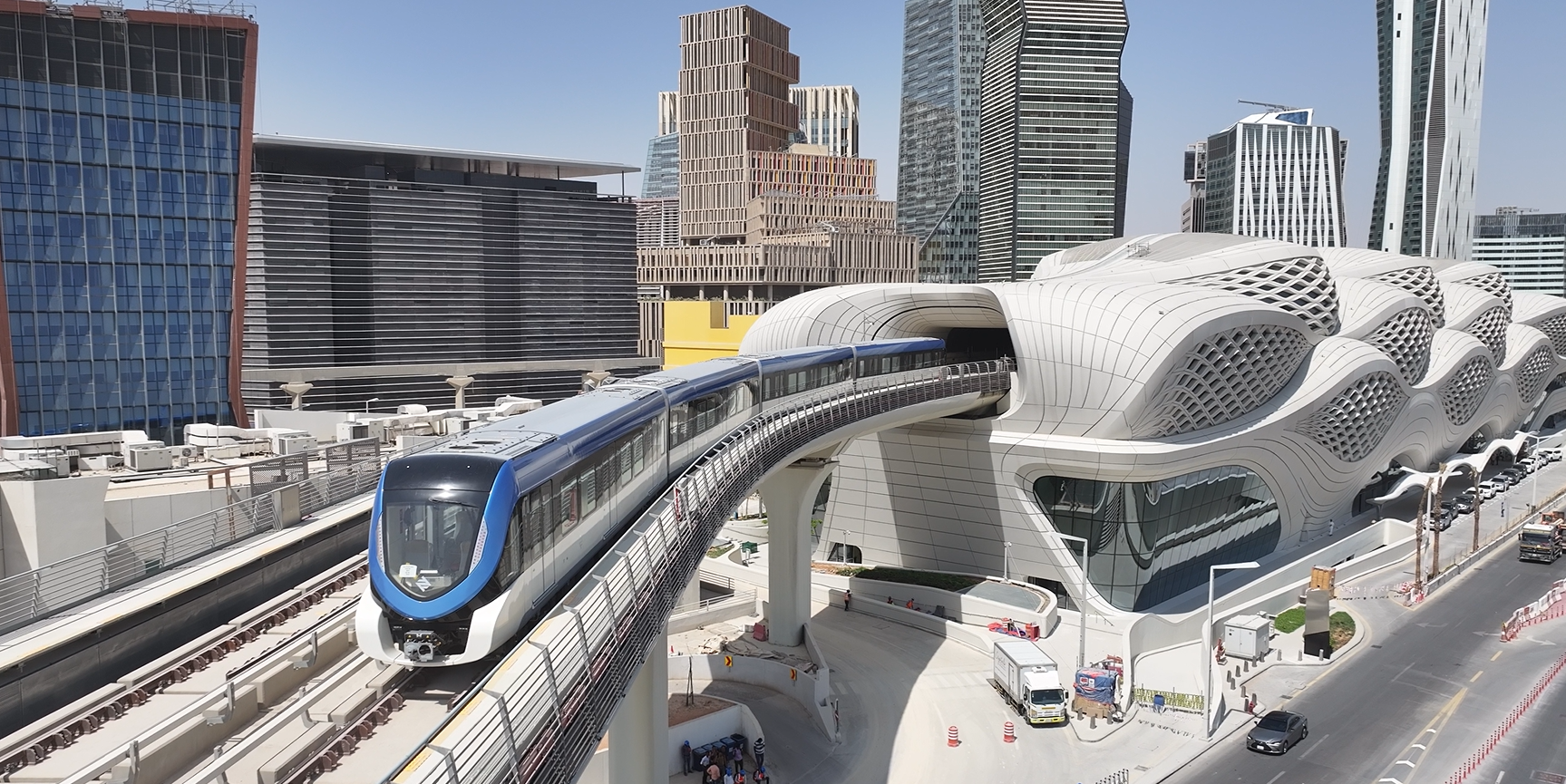
Bechtel’s role in the KSIA project builds upon its longstanding presence in Saudi Arabia, where it has completed over 300 projects, including the recently inaugurated Riyadh Metro. The company’s involvement in KSIA signifies a continued commitment to supporting the kingdom’s transformative infrastructure initiatives.

Saudi Arabia is advocating for accelerated increases in oil production within the OPEC+ coalition, aiming to reclaim market share lost during past output cuts. The kingdom is reportedly pressing the group to raise supplies by more than 400,000 barrels per day for August and possibly September, signalling a clear shift in strategy amid evolving global energy demands.

The decision underscores Saudi Arabia’s intent to capitalise on high seasonal demand in the northern hemisphere summer months. By scaling back production curbs more aggressively, Riyadh seeks to boost revenue and solidify its influence over global oil markets as supply dynamics shift. This approach reflects broader geopolitical and economic calculations, especially as global economies adjust to fluctuating energy needs and the ongoing transition to cleaner energy sources.

OPEC+ has been managing oil supply carefully since 2020, following the severe demand shock caused by the pandemic and ensuing market volatility. Initial drastic cuts helped stabilise prices, but the alliance has gradually increased output to balance rising demand. Saudi Arabia, as the largest producer within OPEC+, holds substantial sway in determining the group’s production policies and has been central to managing these supply adjustments.

This move to hasten production hikes also coincides with concerns over emerging market demand and the possible impact of economic slowdowns in key economies such as China and Europe. Saudi officials appear confident that increased output will prevent rivals, including the US shale sector and other non-OPEC producers, from expanding their share amid tightening market conditions.

Industry experts highlight that Saudi Arabia’s push for faster supply growth may be aimed at pre-empting market share erosion by ensuring that OPEC+ remains the dominant supplier globally. Since mid-2022, the kingdom has carefully recalibrated its production to respond to volatile price trends and geopolitical uncertainties, including tensions in the Middle East and disruptions caused by sanctions on Russia.

The timing of the proposed output rise is critical. Summer months traditionally bring peak consumption due to higher energy needs for cooling in developed markets, which can drive up prices. Saudi Arabia’s intention to increase supply during this window suggests an effort to maximise returns while stabilising prices to avoid sharp fluctuations that could undermine consumer confidence and economic recovery.

Global oil markets remain sensitive to a variety of factors including inflationary pressures, currency fluctuations, and shifting consumer behaviour. While demand for fossil fuels is under pressure from environmental policies and the accelerating transition to renewables, oil remains a crucial commodity in the global energy mix. Saudi Arabia’s strategy to secure market share through supply management is thus seen as a pragmatic response to balancing short-term profitability with long-term market relevance.

OPEC+ member countries have historically struggled to reach consensus on output levels, with diverse national interests shaping negotiations. Saudi Arabia’s dominant position, reinforced by its vast production capacity and financial reserves, often allows it to influence group decisions. However, some members have expressed concerns about aggressive supply increases potentially undermining prices and fiscal stability.

The broader geopolitical landscape also plays a role in shaping OPEC+ policies. Tensions involving key players such as Russia, which holds a significant share in the alliance, and ongoing conflicts in the Middle East add layers of complexity to supply decisions. Riyadh’s leadership in pushing for larger hikes indicates confidence in managing these risks while maintaining its strategic goals.

Market analysts note that US shale producers have responded to higher prices by increasing output, albeit with some operational constraints. Saudi Arabia’s efforts to accelerate OPEC+ production are seen as a counterbalance to this trend, aiming to keep global supply within manageable limits and avoid price spikes that could trigger demand destruction or accelerate the shift to alternatives.

Saudi Aramco, the kingdom’s state-owned oil giant, plays a pivotal role in implementing the supply strategy. Its vast infrastructure, including refineries and export terminals, supports the planned output increases. Aramco’s ability to ramp up production rapidly without incurring excessive costs provides Saudi Arabia with a competitive edge in the global energy market.

Environmental considerations also influence production decisions. While the global push for net-zero emissions is intensifying, OPEC+ nations, led by Saudi Arabia, continue to argue for the essential role of oil in energy security and economic development. The kingdom is simultaneously investing in cleaner technologies and diversifying its economy to reduce dependence on hydrocarbons in the long term.

The interaction between Saudi Arabia’s production policy and global economic indicators remains closely monitored by investors and policymakers alike. Oil prices affect inflation rates, trade balances, and geopolitical stability, making OPEC+ decisions crucial beyond the energy sector. The kingdom’s assertive stance on output could signal a more proactive approach to managing these broader economic impacts.

Analysts emphasize that while Saudi Arabia seeks to regain market share, the volatility of global markets and uncertainties surrounding demand growth require cautious optimism. Supply increases must be balanced against potential oversupply risks, which could trigger price declines detrimental to all producers within OPEC+.

Added new locations in Japan, China, the UAE and Saudi Arabia, including the brand’s first resort La Clef Bangkok by The Crest Collection is set to open soon, bringing the brand’s number of operating properties in Southeast Asia to four Launches The Crest Chronicles, the inaugural brand programme celebrating the unique heritage stories that define each property and enrich guest experiences SINGAPORE – Media OutReach Newswire – […]

As top Gulf leaders vied to commit trillions of dollars in investment pledges during President Donald Trump’s Middle East tour, a significant shift emerged among financiers and business circles. Saudi Arabia’s appeal as the region’s primary investment hub is being overshadowed by the United Arab Emirates and Qatar, whose growing economic clout and more flexible policies are attracting greater international interest. Saudi Arabia’s challenges stem from structural […]

Dubai has solidified its position as the premier global destination for greenfield foreign direct investment in the cultural and creative industries , securing the top spot in the Financial Times’ fDi Markets ranking for the third consecutive year.

In 2024, the emirate attracted 971 CCI projects, marking an 8% increase from the previous year. These ventures brought in AED 18.86 billion in capital inflows, a surge of nearly 60% compared to 2023, and generated 23,517 new jobs, reflecting a 9% year-on-year rise.

The report evaluated 233 cities under the ‘Creative Industries Cluster’ classification, with Dubai outperforming major global hubs such as London and Singapore.

Key growth areas within Dubai’s CCI sector included advertising and public relations, film and media production, gaming, education, and advanced software design. According to the Dubai FDI Monitor, greenfield, wholly-owned ventures constituted 76.5% of all projects, while new forms of investment accounted for 15.4%, reinvestment 5.6%, and mergers and acquisitions 2.4%.

Flexible government policies have played a significant role in boosting FDI flows into the CCI sector, enhancing Dubai’s appeal to investors, entrepreneurs, and innovators.

Her Highness Sheikha Latifa bint Mohammed bin Rashid Al Maktoum, Chairperson of the Dubai Culture and Arts Authority, stated, “Through strategic planning and pioneering initiatives, Dubai has cultivated an environment that empowers creatives, investors, and entrepreneurs to realise their ideas and turn them into impactful, sustainable projects that enrich the emirate’s cultural fabric.”

The United States led in terms of FDI capital inflows into Dubai’s CCI sector in 2024, contributing 23.2%, followed by India , the United Kingdom , Switzerland , and Saudi Arabia . In terms of the number of FDI projects, India topped the list with 18.8%, followed by the United Kingdom , the United States , Germany , and Italy .

By Nantoo Banerjee Gaza’s Hamas militants face an unmitigated disaster as Israel is all set to take full control over Gaza strip after a gap of almost 20 years. Simultaneously, Israel seems to be gearing up to annex a substantial portion (Area C) of West Bank ignoring protests from France, the United Kingdom and Sweden […]
VISHNU RAJA
RYO YAMADA
HITORI GOTOH
IKUYO KITA
Social Media Auto Publish Powered By : XYZScripts.com