News related to
Saudi

RIYADH, SAUDI ARABIA – Media OutReach Newswire – 30 September 2024 – This past Saturday, the Annual Financial Services Forum in Riyadh successfully convened regulatory and industry leaders to discuss the future of the Saudi financial landscape. Hosted by j. awan & partners, the forum emphasized key strategies to enhance Saudi Arabia’s position as a global financial hub. In attendance at the forum were key figures such […]

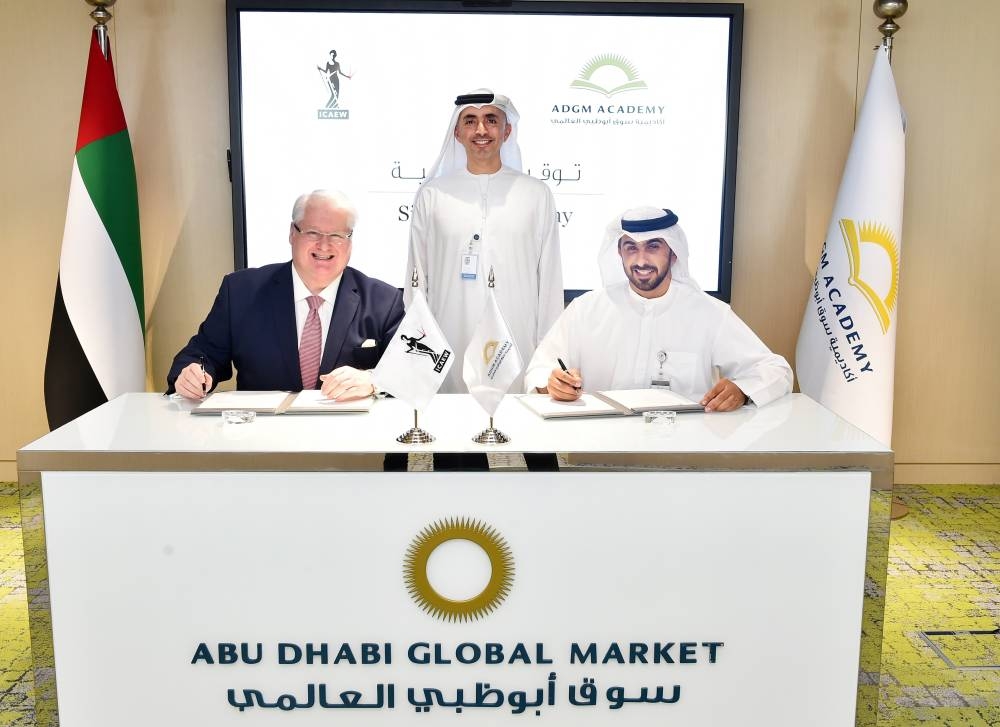
A significant collaboration between the Institute of Chartered Accountants in England and Wales (ICAEW) and Abu Dhabi Global Market (ADGM) is set to reshape the auditing landscape in the UAE, marking a critical step in strengthening corporate governance and elevating professional standards across financial institutions. This partnership, aimed at promoting transparency and ensuring the highest levels of accountability, comes as part of a broader effort to align with international auditing frameworks.

The partnership underscores the UAE’s commitment to reinforcing its financial ecosystem in the face of an increasingly complex global economy. With the financial markets growing rapidly and companies expanding their operations, the need for stronger audit practices has become more pressing. ADGM, as a financial free zone, plays a pivotal role in this mission by driving regulatory advancements in the sector. Together with ICAEW, the global leader in accounting and finance, the initiative is expected to bring transformative changes.

This alliance will focus on enhancing the skills of audit professionals in the region while introducing advanced methodologies for conducting audits. The ICAEW is known for its global expertise in auditing and accounting standards, while ADGM’s influence as a regulatory body in the UAE provides a solid platform for implementing these enhanced practices. Professionals will now have access to specialized training programs designed to ensure they meet global standards in financial reporting and auditing.

ICAEW’s involvement is particularly important given its longstanding reputation for establishing auditing benchmarks that are recognized worldwide. The integration of their guidelines within ADGM’s regulatory framework signifies a major development in how audits will be conducted within the UAE. This collaboration also aims to strengthen the integrity of financial reporting, making the region more attractive for foreign investors.

The audit sector in the UAE has seen a series of reforms over the past decade, but this partnership promises to accelerate improvements by introducing best practices from well-established markets. Through a series of initiatives and workshops, audit professionals will be trained to better identify risks and mitigate issues before they escalate, contributing to more robust financial oversight across sectors.

Abu Dhabi Global Market has been positioning itself as a key player in the global financial hub since its inception. Its regulatory environment, which is aligned with international best practices, has made it a preferred jurisdiction for financial firms and multinational corporations looking to establish a presence in the Middle East. This partnership with ICAEW is a strategic move to further enhance ADGM’s role by integrating top-tier audit and financial standards.

The growing complexity of global financial systems requires auditors to adapt to new challenges, and the partnership addresses these by offering continuous professional development for auditors working in the UAE. Through this, auditors will be better equipped to navigate the changing regulatory landscape, including emerging concerns around cybersecurity, digital finance, and environmental, social, and governance (ESG) factors. These areas are increasingly relevant as companies worldwide face stricter scrutiny regarding their financial disclosures and sustainability practices.

The focus of this partnership also extends to improving corporate governance standards in the UAE. Strengthening audit processes ensures that companies adhere to ethical business practices, which is key to maintaining investor confidence. This initiative coincides with global efforts to tighten financial reporting rules following high-profile corporate scandals that have underscored the critical role of auditors in ensuring corporate accountability.

Audit reforms in the UAE have historically been a mix of local regulatory requirements and international standards. However, this collaboration represents a deeper alignment with global audit protocols, particularly those observed in advanced markets like the UK. It signals a commitment to maintaining the UAE’s position as a trusted hub for financial services while safeguarding the interests of businesses and investors alike.

This move also dovetails with broader efforts by the UAE government to align its financial infrastructure with international standards. Over the past few years, various financial regulatory bodies within the country have sought to harmonize their operations with global norms. The inclusion of ICAEW’s expertise reflects the nation’s proactive stance in ensuring its financial and auditing frameworks remain competitive on the world stage.

There is a growing recognition among industry leaders that strong audit practices are indispensable for the healthy functioning of financial markets. This initiative is expected to foster a culture of continuous improvement in auditing standards, enabling the UAE to remain resilient in the face of evolving economic challenges. Both ICAEW and ADGM have emphasized the importance of knowledge sharing in this partnership, particularly as the financial sector becomes more digitized and interconnected.

As companies increasingly shift towards digital operations, audit processes must evolve to address new risks. The partnership’s focus on cybersecurity and digital auditing reflects the changing nature of finance, where traditional audit practices alone may no longer be sufficient. ADGM’s push for modernization in this sector is timely, as global businesses seek more transparent, tech-driven solutions for managing their financial records.

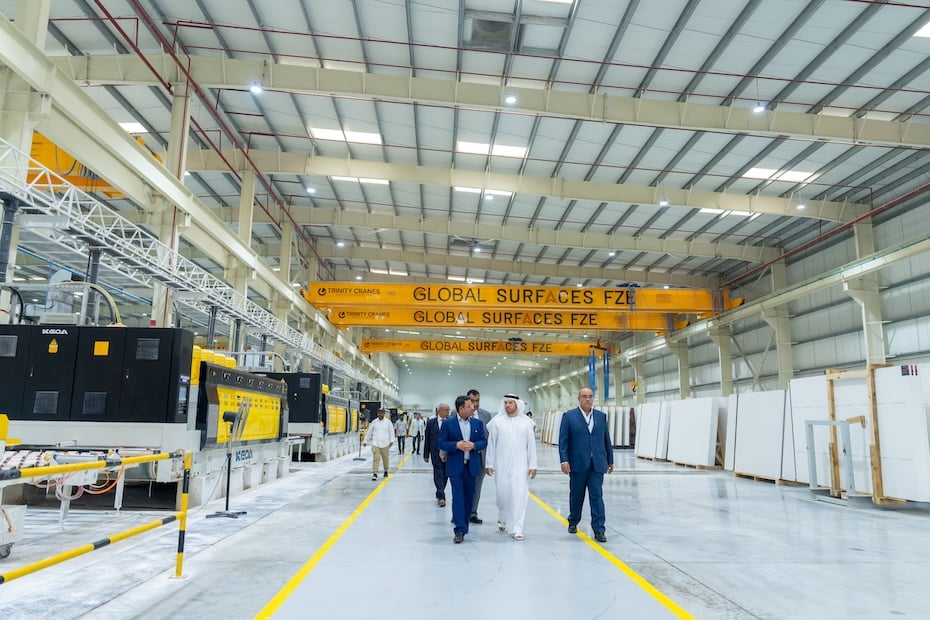
Global Surfaces, a key player in the artificial quartz market, has inaugurated a manufacturing facility in the Jebel Ali Free Zone (Jafza), marking a significant step in the region’s industrial expansion. The state-of-the-art facility, with a price tag of Dhs100 million, is poised to become the largest of its kind in the Middle East, focusing on advanced production processes to meet the surging demand for engineered quartz across the Gulf region and beyond.

The new facility is expected to drastically enhance the company’s production capacity and solidify its market leadership in the region. The plant has been equipped with the latest technology to manufacture artificial quartz and other surface materials, positioning Global Surfaces to capitalize on the growing trend of sustainable and resilient building materials in real estate and construction projects.

Global Surfaces’ decision to base its manufacturing hub in Jafza aligns with Dubai’s strategy to position itself as a global manufacturing and logistics center. This strategic location will allow the company to serve both regional and international markets with greater efficiency. Dubai’s well-established infrastructure, combined with its connectivity through Jafza and proximity to the Jebel Ali Port, was a critical factor in Global Surfaces’ choice of location. The facility will not only boost the company’s operational capabilities but will also create new employment opportunities, contributing to the local economy.

Jafza, part of DP World’s expansive logistics network, is home to over 7,500 businesses from around 135 countries. It has long been a magnet for global manufacturing and trading enterprises due to its integrated infrastructure and streamlined processes for global trade. The free zone’s strategic location offers easy access to key markets across the Middle East, Asia, and Europe, making it an ideal base for companies like Global Surfaces, which aims to scale its production and distribution networks across multiple continents.

Artificial quartz, a popular alternative to natural stone, is increasingly in demand for both commercial and residential projects due to its durability, low maintenance, and eco-friendly properties. The market for quartz surfaces has seen steady growth as developers and architects prefer engineered materials for high-traffic areas such as kitchens and bathrooms. Additionally, advancements in manufacturing technologies have made artificial quartz more customizable, offering a wider range of aesthetic options compared to traditional materials like marble or granite.

The global market for artificial quartz is projected to grow significantly in the coming years, with demand fueled by a resurgence in construction activity, urbanization trends, and the shift towards sustainable building materials. The Middle East, particularly the UAE, has been at the forefront of adopting these innovations, driven by ambitious infrastructure and real estate projects. Global Surfaces’ new facility in Jafza is positioned to tap into this rising demand, enabling faster production cycles and reduced lead times for clients.

While artificial quartz is a key focus of the new plant, the facility will also produce a variety of surface materials to cater to diverse industry needs. With the advanced capabilities of this plant, Global Surfaces will be able to cater to custom specifications, offering clients a broad spectrum of colors, textures, and finishes.

As Global Surfaces scales its production output, the company is expected to strengthen its ties with key developers and contractors in the region. By ensuring a steady supply of high-quality artificial quartz surfaces, the firm is likely to play a vital role in some of the region’s most prestigious construction projects, particularly in the UAE and Saudi Arabia, where demand for cutting-edge building materials remains robust.

The company’s commitment to sustainability is another significant aspect of this expansion. The new facility in Jafza is designed to minimize environmental impact through energy-efficient processes and the use of sustainable raw materials. Global Surfaces has pledged to reduce its carbon footprint by incorporating green technologies into its production line, aligning with the broader industry shift towards environmentally responsible manufacturing practices.

Global Surfaces has also hinted at potential future expansions, both in terms of product offerings and geographical reach. The Jafza facility is seen as a cornerstone of the company’s long-term growth strategy, enabling it to serve not only the Middle East but also other global markets, including Europe and North America.

This latest development from Global Surfaces highlights the company’s ambition to become a leading name in the global artificial quartz industry. The Jafza facility, with its advanced technological capabilities and strategic location, will be instrumental in achieving this goal. The company’s leadership expressed optimism about the future, emphasizing that the new plant would enable them to better meet the needs of their clients while supporting the UAE’s industrial and economic growth.

COP16 Riyadh has emerged as a pivotal platform for discussing urgent global challenges, particularly land degradation. The conference, hosted by Saudi Arabia, aims to galvanize international action and foster collaborative strategies among nations to address the growing crisis affecting arable land and ecosystems worldwide. Saudi Arabia’s Minister of Environment, Water, and Agriculture, Abdulrahman Al-Fadley, underscored the significance of unified efforts, emphasizing that combatting land degradation requires a […]

ADVERTISEMENT

Saudi Arabia has commenced significant steps toward the development of renewable energy projects totaling 4,500 megawatts (MW) as part of its broader vision to diversify its energy resources and reduce its dependence on fossil fuels. This move aligns with the Kingdom’s ambitions under the Saudi Vision 2030 framework, which aims to enhance the sustainability of its energy sector while fostering economic growth and environmental responsibility. The Saudi […]

A significant investment has been made by Saudi Aramco Ventures in the off-gas technology firm Utility Global, marking a critical step in advancing innovative solutions in the energy sector. This funding round, totaling $53 million, aims to enhance the development of technologies designed to convert natural gas and other off-gases into cleaner, more sustainable energy sources.

Utility Global, founded in 2021, has been at the forefront of creating integrated systems that enable the efficient conversion of waste gas into valuable energy products. The company’s innovative approach focuses on utilizing carbon capture and utilization technology, which aligns well with global efforts to reduce greenhouse gas emissions. By capturing carbon dioxide emissions and converting them into useful products, Utility Global addresses both energy efficiency and environmental sustainability.

The investment by Saudi Aramco Ventures, the venture capital arm of Saudi Aramco, underscores the growing interest among major oil and gas companies in diversifying their portfolios to include more sustainable technologies. Saudi Aramco, recognized as one of the world’s largest producers of oil and gas, has been making strides towards reducing its carbon footprint while simultaneously enhancing its market competitiveness. This partnership is seen as a strategic move to integrate innovative energy solutions into Saudi Aramco’s broader business model.

Utility Global plans to use the funding to scale its operations and accelerate the commercialization of its technologies. The company’s proprietary processes promise to unlock significant efficiencies in energy production while minimizing environmental impact. This investment positions Utility Global not only as a key player in the clean energy transition but also as a potential leader in the emerging market for off-gas technologies.

The global energy landscape is rapidly evolving, driven by the pressing need to address climate change and the push for cleaner energy alternatives. As governments and businesses worldwide commit to reducing carbon emissions, the demand for innovative technologies capable of transforming waste into energy is expected to grow substantially. This trend is reflected in the increasing number of investments directed toward companies that specialize in sustainable energy solutions.

The financial backing from Saudi Aramco Ventures also highlights the importance of collaboration between traditional energy giants and innovative startups. By investing in Utility Global, Saudi Aramco is not only securing access to cutting-edge technology but also fostering an ecosystem that encourages the development of sustainable practices within the energy sector. This partnership exemplifies the potential for synergy between established industry players and emerging tech firms focused on sustainability.

Industry analysts view this investment as a positive signal for the future of off-gas conversion technologies. With the potential to reduce reliance on fossil fuels and lower overall emissions, Utility Global’s innovations could play a pivotal role in the global transition towards cleaner energy sources. The company’s approach to leveraging off-gases offers a pathway for industries seeking to enhance their sustainability profiles while maintaining operational efficiency.

Utility Global’s growth trajectory is supported by a team of experts in engineering, environmental science, and business strategy, ensuring that the company is well-equipped to navigate the complexities of the energy market. The leadership’s commitment to innovation and sustainability aligns with the increasing pressure on industries to adopt cleaner practices. This shared vision between Utility Global and Saudi Aramco Ventures positions them as critical players in shaping the future of energy.

In the broader context of energy transition, investments like those from Saudi Aramco Ventures are crucial in facilitating the shift from traditional fossil fuels to more sustainable energy solutions. The momentum generated by this funding round may catalyze further investments in similar technologies, fostering a competitive landscape that prioritizes sustainability. As more companies recognize the value of integrating clean technology into their business models, the industry can expect to see a proliferation of innovative solutions that address both energy needs and environmental concerns.

Arabian Post Staff The President of the United Arab Emirates held a meeting with former U.S. President Donald Trump during his official visit to the United States, signaling ongoing ties between key figures in global politics. The discussions, described as cordial and wide-ranging, took place amidst broader diplomatic efforts aimed at strengthening economic and political cooperation between the two nations. The meeting, which took place in New […]

Advertisements
ADVERTISEMENT

A new typeface named “I AM SAUDI” has been launched, embodying the rich cultural diversity and historical heritage of Saudi Arabia. This initiative, aimed at unifying the nation’s unique identity, highlights contributions from various regions, weaving a narrative of togetherness and pride. The font emerges at a time when the Kingdom is seeking to enhance its cultural exports and reinforce its image on the global stage.

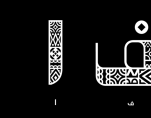
“I AM SAUDI” is designed in the simplified Kufic style, a geometric-display font that beautifully fuses traditional aesthetics with modern design sensibilities. The result is a bold and elegant visual representation of the Saudi identity, crafted to resonate with both locals and international audiences. Each letter in this typeface showcases contrasting shapes and designs, reflecting the artistic legacies of different regions across the Kingdom, from the coastal cities of Jeddah to the desert landscapes of Riyadh and beyond.

This initiative not only serves a practical purpose in terms of typography but also acts as a cultural ambassador for Saudi Arabia. As the Kingdom endeavors to diversify its economy and promote its cultural heritage, “I AM SAUDI” stands as a testament to the blending of tradition with contemporary aspirations. It encapsulates a narrative that extends beyond mere letters; it tells the story of a nation that values its past while looking confidently towards its future.

The launch of this typeface comes amid Saudi Arabia’s broader Vision 2030 initiative, which aims to reshape the nation’s economic landscape by fostering innovation, tourism, and cultural engagement. By promoting the use of this new font, the Kingdom seeks to instill a sense of national pride and identity in its citizens, encouraging them to embrace and share their unique heritage. The availability of “I AM SAUDI” for public download further emphasizes this goal, making it accessible for use in various applications ranging from marketing materials to educational resources.

The typeface has been well-received, with early feedback indicating that it resonates deeply with both Saudi citizens and expatriates living in the Kingdom. Graphic designers and branding experts have highlighted its versatility, noting that it can be utilized effectively across digital and print media, enhancing the visibility of Saudi brands while enriching the visual landscape of the nation. As businesses and organizations begin to adopt this font, it is expected to play a significant role in creating a cohesive visual identity for the Kingdom.

Cultural commentators have pointed out that “I AM SAUDI” aligns perfectly with the Kingdom’s efforts to promote its cultural heritage through various platforms, including art, music, and literature. The font serves as a medium through which Saudi stories can be told and shared, inviting both locals and visitors to engage more deeply with the rich tapestry of Saudi history and culture.

The introduction of this typeface reflects a growing trend among nations to leverage design as a means of soft power. By crafting a unique visual identity that encapsulates its essence, Saudi Arabia aims to enhance its cultural footprint globally, inviting the world to engage with its rich history and vibrant future.

With its clear lines and geometric precision, “I AM SAUDI” has the potential to become a recognizable symbol of Saudi Arabia’s brand. As more entities embrace this typeface, it will likely foster a sense of unity among Saudis, promoting a shared cultural narrative that resonates across different demographics and regions. The font stands as a reminder of the shared values and aspirations that bind the Kingdom’s diverse population.

In addition to its cultural implications, the launch of “I AM SAUDI” reflects a strategic move to invest in local design talent and innovation. By showcasing the work of Saudi designers and emphasizing the importance of homegrown creativity, this initiative underscores a commitment to nurturing the Kingdom’s artistic community. It encourages young Saudis to explore their creative potential while reinforcing the significance of cultural expression in a rapidly changing global landscape.

As the typeface gains traction, its adoption in various sectors—including advertising, education, and government communications—will play a pivotal role in establishing a cohesive national identity. The use of “I AM SAUDI” in official documents and promotional materials will signify a new era for Saudi Arabia, where design and culture converge to tell a compelling story of a nation in transformation.

Oil markets have experienced an unusual shift, with algorithmic trading exerting increasing influence on prices. What has been seen as a continuous slide in crude oil prices appears to be linked more to advanced trading programs than traditional market fundamentals. This shift highlights the growing dominance of algorithm-driven strategies, leaving oil increasingly vulnerable to swings driven by computer models rather than supply and demand factors alone. The […]

A strategic pivot is unfolding in Saudi Arabia’s oil policy, as the kingdom plans to move away from its unofficial target of $100 per barrel. This decision comes as the nation gears up to increase its oil production in an effort to regain market share, even if it results in lower prices for crude oil. The new approach signals a significant shift in the dynamics of the global oil market, as Saudi Arabia navigates a complex landscape influenced by geopolitical tensions and fluctuating demand.

The Organization of the Petroleum Exporting Countries (OPEC), under Saudi Arabia’s leadership, has been actively involved in adjusting oil production levels to stabilize prices. Alongside allies, including Russia, the group—collectively referred to as OPEC+—has implemented production cuts to support oil prices amid a volatile market. However, as the world economy continues to recover from the impacts of the COVID-19 pandemic, demand for oil has risen, prompting Saudi Arabia to reconsider its pricing strategy.

Market analysts suggest that Saudi Arabia’s decision to increase output could be driven by a desire to regain dominance in the oil market. The kingdom has faced stiff competition from countries like the United States, which has ramped up shale oil production in recent years. Additionally, OPEC’s recent efforts to control supply have not completely offset the impacts of rising production elsewhere, leading to a complex interplay of market forces that has prompted Saudi leaders to reassess their tactics.

As part of this shift, Saudi Arabia may be looking to reclaim its traditional role as a price setter in the global oil market. By increasing production, the kingdom aims to attract buyers who may have turned to other suppliers during periods of elevated prices. This move could potentially drive prices lower in the short term, but analysts argue that such a strategy might be necessary to secure long-term market share.

The ramifications of this decision extend beyond Saudi Arabia, impacting global oil prices and economies that heavily rely on oil revenues. Lower oil prices could benefit consumers and industries that depend on energy, potentially spurring economic activity. However, for oil-dependent economies, particularly those within the Gulf Cooperation Council (GCC), decreased prices could pose budgetary challenges and necessitate adjustments in fiscal policies.

Experts emphasize that this approach reflects a pragmatic response to shifting market conditions. While Saudi Arabia has historically maintained a price target to ensure stable revenues, the current global landscape necessitates a more flexible strategy. The kingdom’s readiness to accept lower prices signals an acknowledgment of the realities of modern oil markets, where rapid changes in supply and demand dynamics can lead to volatility.

Saudi Arabia’s internal dynamics also play a crucial role in this strategic recalibration. The kingdom has been investing heavily in diversifying its economy away from oil dependence, as outlined in its Vision 2030 plan. This initiative seeks to develop sectors beyond hydrocarbons, such as tourism and technology, aiming to create a more resilient economy. By adjusting its oil production strategy, Saudi Arabia may be positioning itself to better support these broader economic ambitions, ensuring that its energy sector remains robust while diversifying revenue sources.

This shift in Saudi Arabia’s oil policy is likely to influence OPEC’s future meetings and decisions. The organization has historically aimed to balance production to maintain price stability, but this new direction may necessitate a reevaluation of OPEC’s collective strategy. The responses from other member countries will be closely watched, as any discord within the group could have profound implications for global oil markets.

As Saudi Arabia prepares for this transition, market observers will be keenly analyzing its impacts on both regional and global levels. The kingdom’s ability to effectively navigate this shift will be critical in determining its position in the evolving energy landscape. Furthermore, the response from major consumers, including China and the United States, will also shape the trajectory of oil prices and production levels.

ADVERTISEMENT

Abdul Latif Jameel Motors and the King Abdullah University of Science and Technology (KAUST) have entered a groundbreaking partnership with Toyota to advance hydrogen fuel research. This collaboration aims to explore innovative approaches to sustainable energy, particularly in the realm of hydrogen production and utilization. The partnership reflects a significant move towards reducing carbon emissions and promoting clean energy solutions in the Middle East, a region heavily […]

Ajeej Capital and Nuwa Capital have announced the launch of a $100 million fund aimed at accelerating the growth of technology companies in the Middle East. This initiative comes amid a rapidly evolving regional tech landscape characterized by innovation and increased investment activity. The fund is designed to provide vital financial support to startups, enabling them to scale their operations and enhance their competitive edge in the global market.

The joint venture between Ajeej Capital, a private equity firm known for its focus on technology and sustainable investments, and Nuwa Capital, a venture capital firm with a robust portfolio in the MENA region, reflects a growing commitment to nurturing the technology ecosystem in the area. The fund will primarily target early-stage and growth-stage tech companies, providing them with the necessary capital, mentorship, and strategic guidance to foster innovation and drive economic development.

Several factors contribute to the burgeoning technology sector in the Middle East. Governments in the region have implemented initiatives aimed at diversifying their economies beyond oil dependency, encouraging entrepreneurship and digital transformation. The United Arab Emirates and Saudi Arabia, in particular, have introduced several policies that create a conducive environment for tech startups, including tax incentives, regulatory support, and infrastructure development. As a result, the region is witnessing a surge in venture capital investments, with more players entering the market and recognizing the potential for growth in technology.

Ajeej Capital and Nuwa Capital’s $100 million fund will not only support individual companies but also strengthen the overall technology ecosystem. The firms aim to leverage their extensive networks and industry expertise to foster collaboration among startups, established businesses, and investors. By creating a synergistic environment, they hope to facilitate knowledge sharing and accelerate innovation across various tech sectors, including fintech, health tech, and artificial intelligence.

Experts believe that this initiative is timely, as the demand for digital solutions continues to grow across the region. The COVID-19 pandemic has further highlighted the importance of technology in various sectors, prompting businesses to adopt digital strategies to remain competitive. As a result, there is an increasing appetite for investment in tech companies that can provide innovative solutions to meet these evolving demands.

The fund is expected to play a pivotal role in identifying promising startups and providing them with the resources they need to thrive. With a focus on sectors that align with the region’s economic priorities, Ajeej Capital and Nuwa Capital are poised to drive significant advancements in technology. Their commitment to supporting businesses that promote sustainability and social impact will also resonate with the values of many investors who are increasingly looking to align their investments with their ethical beliefs.

Ajeej Capital and Nuwa Capital have outlined their investment strategy as one that emphasizes not only financial returns but also the long-term sustainability of the companies they support. They plan to implement a rigorous selection process to identify startups with strong growth potential and innovative business models. Additionally, the fund will provide strategic guidance to help these companies navigate challenges and capitalize on emerging opportunities in the market.

As part of their broader mission, Ajeej Capital and Nuwa Capital are also keen on fostering a culture of innovation within the region. By providing mentorship and support to entrepreneurs, they aim to empower the next generation of leaders in the tech industry. This focus on human capital development is essential for building a robust ecosystem that can sustain growth and drive future advancements.

Investors are closely monitoring this initiative, as the successful deployment of the fund could signal a shift in the investment landscape of the Middle East. With a growing number of venture capital firms and private equity players entering the market, competition for high-potential startups is intensifying. The ability of Ajeej Capital and Nuwa Capital to identify and nurture promising ventures will be crucial in positioning them as key players in the tech investment arena.

The collaboration between Ajeej Capital and Nuwa Capital underscores a trend of partnerships among investment firms, which are increasingly recognizing the value of combining resources and expertise to maximize impact. This cooperative approach is likely to lead to more innovative funding models and investment strategies, benefiting the entire tech ecosystem in the region.

As the Middle East continues to evolve into a technology hub, the launch of this $100 million fund represents a significant step forward in supporting the growth of innovative companies. By addressing the funding gap and providing comprehensive support to startups, Ajeej Capital and Nuwa Capital are contributing to a vibrant tech landscape that has the potential to drive economic diversification and growth.

Investment flows from the Middle East into China have surged to unprecedented levels, reflecting an evolving economic partnership driven by substantial cash reserves and a shared interest in diversification and innovation. As the global economy continues to grapple with geopolitical tensions and supply chain disruptions, companies from the Gulf region are increasingly looking to capitalize on China’s robust market potential.

Several factors have contributed to this notable increase in investment. The post-pandemic recovery in China, coupled with the Belt and Road Initiative, has created fertile ground for collaboration. This initiative aims to enhance global trade routes, and Middle Eastern firms see significant opportunities in infrastructure, technology, and renewable energy sectors. Recent data indicates that investments from Gulf Cooperation Council (GCC) countries reached a record high, with a noticeable increase in transactions related to technology and logistics.

A pivotal player in this investment wave is Saudi Arabia, which has been actively seeking to diversify its economy under the Vision 2030 plan. The Kingdom’s Public Investment Fund (PIF) is increasingly channeling resources into Chinese technology firms, particularly in artificial intelligence and e-commerce. This aligns with the Saudi strategy to leverage advancements in technology to bolster local industries and foster economic growth. The PIF has made substantial investments in Alibaba and other tech giants, marking a significant shift in its investment portfolio.

UAE firms are also playing a critical role in this trend. Abu Dhabi’s Mubadala Investment Company has expanded its footprint in China, investing heavily in sectors such as healthcare, renewable energy, and telecommunications. The strategic focus on technology and innovation mirrors the UAE’s own economic diversification goals, emphasizing a move away from oil dependency. Additionally, Dubai’s position as a global trading hub enables UAE companies to act as a conduit for investments flowing into China, facilitating partnerships and joint ventures.

Emerging sectors are at the forefront of this investment boom, particularly in technology and renewable energy. Middle Eastern firms are increasingly recognizing the importance of digital transformation, leading to significant investments in Chinese tech startups. The push for innovation aligns with global trends in artificial intelligence, fintech, and e-commerce. Companies from the Middle East are particularly interested in leveraging China’s advanced technological infrastructure to enhance their own capabilities.

The renewable energy sector is another focal point for investment. As part of their commitment to sustainability, many GCC countries are investing in clean energy projects. China’s leadership in solar and wind technology presents attractive opportunities for collaboration. Recent joint ventures between Chinese and Middle Eastern firms in solar energy projects highlight a growing trend towards sustainability in their investment strategies. This synergy not only addresses the energy needs of the region but also contributes to global efforts in combating climate change.

China’s growing consumer market also attracts substantial interest from Middle Eastern companies. With a burgeoning middle class, demand for high-quality products and services is on the rise. Companies from sectors such as food and beverage, luxury goods, and health products are looking to tap into this lucrative market. The expanding trade relationship is expected to yield significant benefits for both parties, as Middle Eastern firms introduce their products and services to Chinese consumers.

The geopolitical landscape plays a crucial role in shaping these investment dynamics. As tensions between the U.S. and China escalate, Middle Eastern nations are finding themselves in a unique position to act as intermediaries. The desire for strategic partnerships allows Gulf countries to leverage their relationships with both Western and Eastern powers. This balancing act is critical for maintaining economic stability and fostering trade relationships that benefit all parties involved.

Despite the promising outlook, challenges remain. Regulatory barriers and varying business practices can complicate cross-border investments. However, many companies are finding ways to navigate these obstacles through strategic alliances and local partnerships. Building relationships with Chinese firms is essential for understanding market dynamics and ensuring successful investment outcomes.

As Middle Eastern firms continue to increase their presence in China, the implications for global trade are profound. The growing interdependence between these regions highlights a shift in the traditional investment landscape. Analysts predict that this trend will not only bolster economic ties but also create new avenues for collaboration across various sectors.

Saudi Aramco, the state-owned oil giant of Saudi Arabia, has set the pricing guidance for its upcoming dollar-denominated sukuk bonds. The issuance marks another significant move in the company’s strategy to diversify its funding sources and support its ongoing expansion plans. The term sheet indicates a total anticipated issuance of up to $5 billion, which is expected to be split into multiple tranches with varying maturities. This […]

ADVERTISEMENT

A vibrant new destination for dining enthusiasts has emerged in Muscat with the launch of Roberto’s Muscat, nestled within The St. Regis Al Mouj Muscat Resort. This establishment brings the essence of Italian cuisine, infused with Mediterranean influences, to Oman’s capital, embodying the spirit of “Dolce Vita” in every aspect of its offering.

Guests at Roberto’s Muscat can embark on a culinary journey characterized by the finest ingredients, including wild-caught fish, prime-aged meats, and organic produce. The menu has been carefully curated to evoke cherished memories and foster new traditions through authentic Italian dishes. Each plate reflects a commitment to quality and craftsmanship, delivering an experience that delights the senses.

A highlight of the dining experience is the dessert selection, which features signature offerings such as Gelato Verde Oro—pistachio gelato drizzled with Sicilian olive oil. This creation epitomizes the restaurant’s dedication to melding traditional Italian flavors with innovative presentations, ensuring a memorable conclusion to any meal.

The setting of Roberto’s Muscat enhances the dining experience, with a cooled terrace that overlooks the stunning Gulf of Oman. This outdoor space accommodates 24 guests, providing a relaxed atmosphere for al fresco dining while indoor seating for 82 creates an elegant yet inviting environment suitable for intimate gatherings and larger celebrations alike.

For those seeking a more intimate atmosphere, Scala Lounge presents a hidden retreat within the restaurant. This speakeasy-style bar, which seats 32, offers an array of rare spirits and expertly crafted cocktails, complemented by live entertainment. It’s positioned as an ideal spot for unwinding after a long day, embodying the luxury and relaxation synonymous with Roberto’s brand.

Andrea Sacchi, Chief Operating Officer of Skelmore Hospitality Partners, expressed enthusiasm about the new opening, stating, “We are excited to bring the Roberto’s experience to the shores of Muscat and continue our partnership with the Al Fardan Group and Marriott International at The St. Regis Al Mouj Muscat Resort—a seaside location where Roberto’s ‘Dolce Vita’ will embrace the rhythm of a relaxed holiday on the Arabian coast.” This sentiment highlights the strategic vision behind the restaurant, aimed at creating a unique dining experience that resonates with both locals and visitors.

Tarek Mourad, General Manager of The St. Regis Al Mouj Muscat Resort, echoed this excitement, sharing his admiration for the Roberto’s concept: “Its vibrant energy, cosmopolitan flair, and intensely Italian cuisine make it a perfect fit for Muscat, and we’re ecstatic to present this to our guests.” This endorsement underscores the anticipated impact of Roberto’s Muscat on the local dining scene.

Roberto’s Muscat aims to distinguish itself in a competitive market by blending Italian and Mediterranean culinary traditions with an inviting ambiance. The restaurant’s design reflects modern aesthetics while maintaining a warm and hospitable environment, characteristic of Italian culture. This balance is poised to attract a diverse clientele, from food aficionados to families seeking quality dining experiences.

This establishment is part of a broader expansion strategy for the Roberto’s brand, which has solidified its reputation in Dubai since its inception in 2012. Building on its success, Roberto’s has ventured into international markets, including Porto Montenegro and Amman, with additional locations planned in Egypt and Saudi Arabia. This growth trajectory emphasizes the brand’s commitment to redefining modern Italian dining across diverse locales.

Roberto’s Muscat stands out not just for its culinary offerings but also for its attention to service excellence. The team is trained to deliver polished service, enhancing the overall dining experience. Guests can expect a personalized touch that complements the restaurant’s upscale environment, further solidifying its status as a premium dining destination.

Oman’s Nama Power and Water Procurement Company (Nama PWP) has identified several prominent utility developers to spearhead the construction of five large-scale wind energy projects. This initiative marks a significant step in the nation’s efforts to diversify its energy sources and enhance sustainability. The competitive process saw strong interest from major players in the energy sector, with Saudi Arabia’s Acwa Power, Japan’s Sumitomo and Itochu, France’s TotalEnergies […]

Saudi Arabia has emerged as the leading G20 nation in international tourism growth during the initial seven months of 2024, setting remarkable benchmarks in both tourist numbers and tourism revenue. According to data released by the UN Tourism Barometer at the recent G20 Tourism Ministerial Meeting in Belem, Brazil, the Kingdom recorded an impressive 73% increase in international tourist arrivals compared to the same period in 2019. Equally striking, international tourism revenues soared by 207%, signaling a robust recovery and expansion of the sector post-pandemic.

This surge aligns with Saudi Arabia’s ambitious Vision 2030 initiative, which aims to diversify the economy away from oil dependency by promoting tourism and entertainment. The Kingdom’s strategic investments in infrastructure and its efforts to enhance the overall visitor experience have played a crucial role in attracting global travelers. Significant projects, such as the NEOM city and various mega resorts along the Red Sea, exemplify Saudi Arabia’s commitment to creating world-class tourism destinations.

Tourism has been identified as a key pillar for economic diversification, providing job opportunities and stimulating local economies. The Kingdom’s strategic location, rich cultural heritage, and unique offerings, such as historical sites, desert experiences, and modern entertainment complexes, contribute to its appeal. The government’s proactive measures to streamline visa processes, including the introduction of e-visas and a visa-on-arrival system for certain nationalities, have further facilitated travel to the country.

Riyadh, the capital, has seen a notable influx of international tourists, bolstered by high-profile events and festivals. The Saudi Seasons initiative, which hosts a variety of cultural and entertainment events throughout the year, has attracted millions of visitors. Additionally, major sporting events, such as the Saudi Arabian Formula E race and international concerts, have significantly enhanced the Kingdom’s visibility on the global tourism map.

The report highlights that several other G20 countries also witnessed growth in their tourism sectors, but none matched the scale of Saudi Arabia’s advancements. Countries like Mexico and Italy showed positive trends, with increases in both tourist arrivals and revenues, yet their figures fell short in comparison to the Kingdom’s exponential growth rates.

Emerging trends within the tourism sector suggest a shift in traveler preferences. Tourists are increasingly seeking immersive cultural experiences and sustainable travel options. Saudi Arabia’s focus on heritage tourism, particularly through its UNESCO World Heritage sites like Al-Ula and Diriyah, aligns with these trends. The government has invested in preserving and promoting these sites, allowing visitors to engage deeply with the Kingdom’s history and traditions.

The Kingdom is positioning itself as a hub for eco-tourism. Initiatives such as the Red Sea Project aim to create a sustainable tourism model that minimizes environmental impact while maximizing visitor engagement with the natural beauty of the region. This focus on sustainability resonates with a growing segment of travelers who prioritize environmental responsibility in their choices.

Key players in the Saudi tourism landscape include both state-owned and private enterprises. The Saudi Tourism Authority plays a central role in promoting the Kingdom as a premier tourist destination, while private companies are rapidly emerging to offer diverse travel packages, accommodations, and experiences tailored to international tourists. Collaborative efforts between these entities are vital for ensuring the seamless integration of services and maintaining high standards of hospitality.

Despite the optimistic growth trajectory, challenges remain. The global tourism industry is still navigating the complexities introduced by the COVID-19 pandemic, including changing travel restrictions and health regulations. Additionally, geopolitical factors in the region can influence tourist perceptions and decision-making. The Kingdom must continue to cultivate a safe and welcoming environment to maintain its competitive edge.

Market analysts suggest that the momentum seen in the first half of 2024 could pave the way for sustained growth, provided that the Kingdom continues to innovate and adapt to changing market dynamics. As the global tourism landscape evolves, Saudi Arabia’s commitment to enhancing its offerings and promoting itself effectively on the world stage will be critical in attracting and retaining international visitors.

The collaboration between various sectors—government, hospitality, transport, and cultural organizations—will be essential for creating a cohesive tourism strategy. This integrated approach not only enhances visitor experiences but also maximizes the economic benefits derived from tourism, fostering community development and cultural exchange.

ADVERTISEMENT

Gulf Cooperation Council (GCC) countries are making steady progress towards a unified economic framework that would grant economic citizenship across the bloc. The move aims to boost regional integration, attract investments, and facilitate smoother economic relations among the six member states. These efforts are considered essential for strengthening economic cooperation, a goal that has been part of the bloc’s broader vision since its establishment in 1981. The […]

Regional stock markets across the Arab world reached a total market capitalization of $4.268 trillion in August, marking another significant milestone for the financial hubs of the Middle East. Major players such as Saudi Arabia, the UAE, and Qatar continue to lead the region’s stock exchanges, driven by robust economic conditions, high energy prices, and increased investor confidence in non-oil sectors. This rise reflects growing interest from […]

Golf Saudi Entertainment has entered a strategic partnership with Topgolf Callaway Brands Corp., aiming to revolutionize the golfing landscape in Saudi Arabia. This collaboration will facilitate the construction of multiple Topgolf facilities across the kingdom, reflecting Saudi Arabia’s commitment to enhancing its sports infrastructure and boosting the local popularity of golf.

The initiative will see the development of three Topgolf venues by 2028, with the potential for two additional locations depending on market demand and success. This venture aligns with Saudi Arabia’s broader vision to diversify its economy and promote sports as a key component of a healthier lifestyle and a vibrant entertainment sector.

Topgolf, renowned for its innovative approach to golfing entertainment, combines a high-tech driving range with a lively social environment, appealing to both seasoned golfers and newcomers alike. The venues feature climate-controlled hitting bays, interactive games, and a diverse menu, creating a family-friendly atmosphere that encourages participation from various demographics. This strategic partnership is expected to attract both local residents and international tourists, further positioning Saudi Arabia as a global sports hub.

Golf Saudi has been actively working to elevate the sport within the country, promoting golf as part of its Vision 2030 agenda, which aims to diversify the economy and reduce dependence on oil revenues. This initiative complements other major sports investments, including hosting international golf tournaments, establishing golf academies, and creating community golf programs.

The construction of Topgolf venues is anticipated to provide significant economic benefits, generating jobs and stimulating local businesses. Each venue will not only create employment opportunities during the construction phase but will also provide ongoing jobs once operational, contributing to the kingdom’s efforts to improve job creation and economic diversification.

Moreover, the partnership reflects a growing trend in the Middle East, where countries are increasingly investing in leisure and entertainment facilities to cater to changing consumer preferences. As golf continues to gain traction in Saudi Arabia, this collaboration is poised to enhance the overall golfing experience, making it more accessible and enjoyable for the population.

Industry experts have noted that the introduction of Topgolf venues could serve as a catalyst for grassroots participation in golf, encouraging schools and community organizations to incorporate golf into their physical education programs. With increased accessibility, particularly in urban areas, more individuals are likely to engage with the sport, fostering a new generation of golf enthusiasts.

In recent years, golf has seen significant interest in Saudi Arabia, bolstered by the kingdom’s investment in high-profile events such as the Saudi International tournament. This event has attracted some of the world’s best golfers, showcasing the potential of the sport within the region and enhancing the visibility of Saudi Arabia on the global golfing map.

As the partnership between Golf Saudi and Topgolf unfolds, it will be critical to monitor its impact on both the golfing community and the broader sports landscape in Saudi Arabia. The development of these facilities represents not just an expansion of recreational options but also a significant step toward transforming the nation’s relationship with sports.

Saudi Arabia’s Vision 2030 initiative emphasizes the importance of sports in promoting health and well-being among its citizens, with the government investing heavily in infrastructure and facilities. This partnership with Topgolf exemplifies the kingdom’s dedication to creating vibrant sporting environments that inspire participation and foster community engagement.

As these venues are developed, they will serve as a testament to the kingdom’s commitment to enhancing its global standing in sports. The collaboration with Topgolf is expected to attract international visitors, bolstering tourism and enhancing the local economy.

With a focus on inclusivity, these new Topgolf locations will aim to cater to a diverse audience, ensuring that the facilities are welcoming to families, professionals, and casual players alike. This approach aligns with global trends in sports entertainment, which prioritize accessibility and community engagement.

As the golfing landscape in Saudi Arabia evolves, the partnership between Golf Saudi and Topgolf stands as a pioneering effort to blend traditional sporting values with modern entertainment. This initiative is set to reshape how golf is perceived and experienced within the kingdom, positioning it as an essential component of the nation’s recreational offerings.


Saudi Arabia’s ambitious push toward electric vehicles (EVs) faces a significant challenge with the need to establish a comprehensive charging infrastructure. Industry leaders assert that to support the Kingdom’s transition to electric mobility, charging stations must be located approximately every 100 kilometers along major highways and urban areas. This development is crucial as Saudi Arabia, one of the world’s largest oil producers, aims to diversify its energy […]

The future of technology in the Middle East may hinge on the outcomes of the upcoming U.S. presidential election, as candidates Kamala Harris and Donald Trump present markedly different visions for foreign policy and economic engagement. Their policies could significantly influence the region’s technological landscape, which has seen accelerated growth in recent years. Kamala Harris, the current Vice President, has been a proponent of international cooperation and […]

Arabian Post Staff -Dubai Dubai, Abu Dhabi, and Riyadh are on track to become major global hubs for the ultra-wealthy, according to the latest findings from Henley & Partners’ Centi-Millionaire Report 2024. The forecast indicates that the number of residents in these cities with liquid investable assets exceeding $100 million is set to surge by over 150% by 2040. Currently, Dubai leads the trio with a centi-millionaire […]

Cybersecurity research reveals a staggering 70% increase in Distributed Denial of Service (DDoS) attacks across Gulf countries since the beginning of the year. The escalation highlights a troubling trend, with the UAE and Saudi Arabia being the primary targets. The UAE faces 40% of the region’s total DDoS incidents, while Saudi Arabia encounters 26%, indicating a concentrated focus of cybercriminal activities on the region’s most significant economies. […]

VISHNU RAJA
RYO YAMADA
HITORI GOTOH
IKUYO KITA
Social Media Auto Publish Powered By : XYZScripts.com