News related to
Arabia

Kompact AI, a collaboration between IIT Madras and Bengaluru-based startup Ziroh Labs, has claimed a significant breakthrough in artificial intelligence by enabling large language models to operate efficiently on central processing units rather than the traditionally used graphics processing units . The initiative, branded as Kai VM, reportedly achieved an inference speed of 43 tokens per second on an Intel Xeon Silver 4510 CPU with 24 cores […]

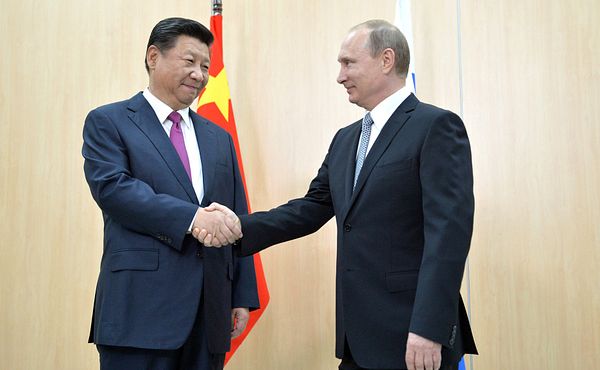
By Nitya Chakraborty Bangladesh’s Chief Adviser to the interim government Dr. Muhammad Yunus is presently in the midst of his diplomatic triumph by successfully outreaching to the major countries of the world including the two super powers. After having a major success in getting all the support from the Chinese President Xi Jinping during his […]

Oil prices have plummeted to a four-year low, posing significant challenges for Saudi Arabia’s budget, which heavily relies on oil revenues to fund its extensive economic transformation initiatives. The decline is attributed to a combination of factors, including increased oil output from OPEC+ members and escalating trade tensions between the United States and China. Brent crude, the benchmark for Middle Eastern oil, has experienced a drop of […]

Mubadala Investment Company, Abu Dhabi’s sovereign wealth fund managing assets exceeding $330 billion, has committed $600 million to acquire a minority stake in Nord Anglia Education Ltd., a London-based provider of premium private education services. This investment marks a notable re-engagement with British assets following a period of diplomatic tensions between the United Arab Emirates and the United Kingdom.

Nord Anglia, operating over 80 schools across 33 countries and educating more than 90,000 students aged 2 to 18, was recently valued at $14.5 billion during its acquisition by a consortium led by EQT, alongside investors such as Neuberger Berman Private Markets, CPP Investments, CF Alba, and Dubai Holding. Mubadala’s entry into this consortium underscores its strategic interest in the global education sector.

This move aligns with the broader objectives of the UAE-UK Sovereign Investment Partnership , established to facilitate investments in sectors including technology, infrastructure, healthcare, life sciences, and clean energy. Under this framework, the UAE has pledged £10 billion over five years, with Mubadala playing a central role in deploying these funds. The partnership aims to foster job creation, enhance research and development capabilities, and stimulate economic growth in both nations.

The investment in Nord Anglia follows a series of initiatives aimed at strengthening UK-UAE relations. Notably, UK Prime Minister Keir Starmer’s visit to the UAE sought to attract investments in energy and infrastructure projects, including the Sizewell C nuclear power plant. These efforts reflect a mutual interest in revitalizing economic and diplomatic ties.

However, the relationship has faced challenges. The UAE expressed concerns over UK political decisions affecting Emirati investments, such as the blocked acquisition of the Telegraph newspaper by a UAE-backed investor. Additionally, the Abu Dhabi Investment Authority’s decision to write off its 9.9% stake in Thames Water highlighted apprehensions about the UK’s regulatory environment for utilities.

Despite these hurdles, the renewed investment by Mubadala in Nord Anglia indicates a willingness to re-engage with the UK market. The focus on education aligns with the UAE’s strategy to diversify its economy and invest in sectors with long-term growth potential.

Abu Dhabi’s Mubadala Investment Company has acquired a minority stake in Nord Anglia Education, a UK-based international private school operator, as part of a $14.5 billion deal led by Swedish private equity firm EQT. The transaction, completed in March 2025, marks a significant move in the global education sector, with Mubadala joining a consortium that includes Neuberger Berman Private Markets, Canada Pension Plan Investment Board , Corporación Financiera Alba, and Dubai Holding.

Nord Anglia operates over 80 schools across 33 countries, educating more than 90,000 students aged 2 to 18. The company has expanded significantly under EQT’s ownership since 2008, growing from six schools to its current global footprint. EQT will continue to hold a controlling stake through its BPEA Private Equity Fund VIII, while CPP Investments has reinvested a portion of its stake.

Fifteen publicly listed Bitcoin mining firms collectively sold more than 40% of their mined BTC in March, marking the most significant monthly liquidation since October 2024. This trend underscores the mounting financial pressures faced by miners due to escalating operational costs and evolving market dynamics.

Marathon Digital, one of the largest Bitcoin mining companies, reported selling over 60% of its mined Bitcoin in May, amounting to 390 BTC out of 616 BTC produced. This move reflects a broader strategy among miners to liquidate assets in response to reduced profitability following the Bitcoin halving event in April, which cut mining rewards from 6.25 BTC to 3.125 BTC per block.

Other major players, such as Riot Platforms and CleanSpark, have adopted varied approaches. Riot Platforms disclosed no BTC sales in May despite producing 215 BTC, while CleanSpark sold only a small portion of its 417 BTC production. These decisions highlight the diverse strategies miners are employing to navigate the post-halving landscape.

The sell-off trend is not isolated to a few companies. In February, the combined market capitalization of 15 major Bitcoin mining stocks dropped by $13 billion, reflecting broader market volatility and the challenges miners face in maintaining profitability. Companies like Bitdeer and Hut 8 experienced significant declines in their stock prices, with Bitdeer leading the downturn with a 55% loss.

To mitigate these challenges, miners are exploring various strategies. Marathon Digital is expanding its operations overseas, partnering with the Ministry of Energy and Petroleum of the Republic of Kenya to optimize renewable energy projects. The company also initiated a pilot project in Paraguay to enhance its energy structure, aiming to have 50% of revenues coming from overseas by 2028.

Hut 8, in collaboration with Eric Trump, launched a new Bitcoin mining company named American Bitcoin. This venture focuses on building a significant Bitcoin reserve and plans to go public in the future to enhance capital access. Hut 8 will serve as American Bitcoin’s exclusive infrastructure and operating partner, indicating a strategic shift towards energy and digital infrastructure.

Film Finance Group International , a North Carolina-based innovator in the film finance sector, has unveiled plans to launch its ERC-20 FFG Token , a utility token designed to enhance transparency and efficiency in the film funding ecosystem. The announcement marks a pivotal step in the evolution of film financing, offering a blockchain-powered solution for a traditionally opaque industry.

FFGI’s decision to embrace blockchain technology stems from the desire to modernise and streamline the complex processes of film production financing. The $FFG token, built on the Ethereum network, is expected to provide a transparent, milestone-based funding mechanism for film projects, enabling direct participation from a global pool of investors. The token aims to ensure accountability and reduce the risks typically associated with film investments, which can be affected by unpredictable production challenges, budget overruns, or box-office failures.

The launch of the FFG Token aligns with a growing trend in both the film industry and the broader entertainment sector to integrate blockchain solutions for operational transparency. While film financing has long been dominated by high-net-worth individuals, institutional investors, and major production companies, FFGI is seeking to democratise access to capital, allowing smaller investors and enthusiasts of the medium to engage with and support projects at an unprecedented scale.

FFGI’s vision for its ERC-20 token is not just about financial transactions, but about creating a self-sustaining ecosystem. Token holders will have the opportunity to participate in the decision-making process for the funding of films, making it a truly community-driven platform. The milestone-based structure ensures that each phase of a project, from pre-production to post-production, is funded as it progresses, mitigating the risks of mismanagement and delays often encountered in traditional film financing.

The team behind FFGI comprises seasoned fintech professionals and film production veterans, blending expertise in financial technologies with in-depth knowledge of the film industry. This fusion of skills aims to create an asset-backed token that promises stability and growth for its holders. The $FFG token will provide access to a wide range of functionalities, including governance rights, access to exclusive content, and potential profits from the success of films financed through the platform.

As the use of blockchain technology in film production continues to expand, FFGI’s move to launch the FFG token places it at the forefront of this emerging trend. Blockchain’s potential for enhancing transparency and security in the film industry has already garnered attention from key industry stakeholders, including production companies, investors, and content creators. By leveraging smart contracts, FFGI aims to eliminate intermediaries, reducing the time and cost associated with traditional methods of film financing.

The FFGI platform is positioned to tackle several longstanding challenges within the industry. One of the key issues film financiers face is the difficulty in tracking project milestones and ensuring that funds are being allocated correctly. Traditional models have often relied on lengthy paperwork, complex reporting, and human oversight, which leaves room for error. Through the blockchain, FFGI will offer a more secure and efficient alternative that provides real-time data on the progress of a film and ensures that financial resources are distributed according to pre-established benchmarks.

Beyond operational improvements, the FFGI token also represents a shift in how film financing could become more accessible. Traditionally, only a select few have had the means to invest in large-scale film projects, with barriers to entry being high due to the capital-intensive nature of production. The $FFG token, however, promises to democratise film investment by allowing smaller, individual investors to participate in a growing marketplace. Investors can purchase tokens as a means of securing a stake in projects, potentially benefiting from the financial success of films they help fund.

As the film industry continues to evolve, the integration of blockchain technology could become a key driver of change. Tokenisation allows for greater liquidity, enabling faster and more efficient transactions between stakeholders. This, in turn, may lead to more fluid investments, increased funding for independent filmmakers, and greater flexibility in the way film financing is structured. FFGI’s $FFG token is well-positioned to take advantage of these developments, offering an innovative alternative to the traditional ways of financing film projects.

FFGI’s entry into the blockchain space comes at a time when the broader entertainment sector is exploring innovative solutions to address financing challenges. Major players in the industry, including studios, production companies, and streaming platforms, have shown increasing interest in the use of blockchain for rights management, content distribution, and audience engagement. By leveraging blockchain’s inherent capabilities for transparency and decentralisation, FFGI is poised to make a significant impact on the landscape of film financing.


Advertisements

Gold prices in Dubai have surged to unprecedented levels, with 24-karat gold breaching the Dh400 per gram mark for the first time, while 22-karat gold has climbed to Dh372.5 per gram. This significant uptick reflects a broader global trend, driven by escalating geopolitical tensions, central bank acquisitions, and concerns over U.S. fiscal policies.

The global spot price of gold has experienced a notable increase, currently trading around $3,024 per ounce. This marks a gain of over 15% since the beginning of the year, propelled by economic and geopolitical uncertainties. Bank of America has adjusted its gold price forecasts accordingly, now projecting an average of $3,063 per ounce for 2025 and $3,350 for 2026, up from previous estimates of $2,750 and $2,625 respectively. The bank also suggests that increased investment demand could push prices to $3,500 within two years.

In the United Arab Emirates, the surge in gold prices has been particularly pronounced. The Dubai Jewellery Group reported that 24K gold reached Dh400 per gram, while 22K gold rose to Dh372.5 per gram. This trend is consistent with the global market, where gold has been rallying due to its status as a safe-haven asset amidst economic instability.

Analysts attribute the surge to several factors. The ongoing trade policies of the U.S., particularly under President Donald Trump’s administration, have introduced significant uncertainty into global markets. The imposition of tariffs and the potential for reciprocal measures have heightened investor anxiety, leading to increased demand for gold.

Central banks have also played a pivotal role in the gold market’s dynamics. Currently, they hold about 10% of their reserves in gold, but there is potential for this figure to rise beyond 30%, offering additional support to prices. The anticipation of increased central bank purchases is contributing to bullish sentiment in the market.

In the Middle East, geopolitical tensions have further fueled the demand for gold. The region’s instability has historically led investors to seek refuge in precious metals, and the current climate is no exception. The combination of regional conflicts and global economic concerns has created a perfect storm for gold prices to soar.

Retailers in Dubai are witnessing the impact of these price movements firsthand. The surge in gold prices has led to a shift in consumer behavior, with many opting for lighter jewelry pieces or alternative investments. Despite the higher costs, demand remains robust, underscoring gold’s enduring appeal as a store of value.

Russia’s Finance Ministry has proposed the development of domestically issued stablecoins pegged to non-dollar currencies, following the freezing of Russia-linked digital wallets holding over 2.5 billion roubles in USDT by Tether. Osman Kabaloev, Deputy Head of the Ministry’s Financial Policy Department, stated that the incident underscores the need for internal tools similar to USDT, potentially pegged to other currencies.

The move comes after the European Union imposed sanctions on the Russian crypto exchange Garantex, leading to the suspension of operations involving USDT. The Finance Ministry’s proposal aims to establish sovereign financial tools to circumvent global financial restrictions and reduce reliance on Western-dominated financial systems.

Despite the Finance Ministry’s push, the Bank of Russia remains opposed to the use of cryptocurrencies in domestic transactions. However, Russian firms are participating in experimental international crypto payments, especially as conventional cross-border payments become more challenging under Western sanctions.

The proposal aligns with Russia’s broader strategy to establish a stablecoin settlement platform with “friendly” nations, avoiding the use of U.S. dollars and euros. Deputy Finance Minister Alexey Moiseev has indicated that the government is working with countries such as China and Belarus to create platforms using tokenized instruments pegged to recognized assets like gold.

This initiative is part of a larger effort by BRICS nations to develop a single payment system and make settlements in a unified cryptocurrency. The BRICS Pay platform aims to link national payment systems of member countries, facilitating digital wallet transactions and reducing dependence on the U.S. dollar.

The Central Bank of Russia, however, has expressed skepticism about private stablecoins, citing high risks and lack of guaranteed redemption at nominal value. The Bank prefers the development of a digital ruble, which combines the advantages of digital payments with the reliability of national currency.

Wassim Elassaad is a name known for luxury, refinement, and an unbreakable passion for excellence. From humble beginnings in Australia to becoming a forerunner in Dubai’s luxury lifestyle industry, Wassim has redefined what it means to provide the finest experiences and services to the ultra-wealthy. His path is more than just about business success; it is also about leaving a legacy based on the key qualities of […]

Every investor, whether novice or seasoned, faces the timeless question: “Is now a good time to buy stocks?” The answer is rarely straightforward. It depends on a range of factors—macroeconomic trends, market valuations, investor sentiment, and personal financial goals. Today’s market environment, marked by uncertainty, mixed signals, and rapid shifts in momentum, makes this question more relevant—and more complicated—than ever. To evaluate whether it’s a good time […]

Oman has formalised a landmark agreement to develop the world’s first commercial-scale liquid hydrogen corridor, aiming to supply green hydrogen to Europe via the Port of Amsterdam.

The Ministry of Energy and Minerals, alongside Hydrogen Oman , has entered into a Joint Study Agreement with the Port of Amsterdam, Zenith Energy Terminals, and GasLog. This collaboration focuses on establishing a comprehensive supply chain for green hydrogen, encompassing liquefaction, storage, and maritime transport to Europe. The agreement was signed during COP28 in Dubai, with Minister Salim bin Nasser Al Aufi and Prince Jaime de Bourbon de Parme, the Netherlands’ Climate Envoy, witnessing the ceremony.

Central to this initiative is the development of an open-access hydrogen liquefaction and export facility in Oman. GasLog is tasked with designing specialised vessels for transporting the liquefied hydrogen. The project aims to deliver Omani green hydrogen to Zenith Energy’s terminal in Amsterdam, facilitating distribution to local consumers and major industries across Europe.

The corridor’s first phase targets an annual export of 50,000 tonnes of liquefied hydrogen, with plans to scale up to 200,000 tonnes. This venture is a joint effort involving Hydrom, Athens-based Ecolog, and German energy firm EnBW, with the inaugural shipments anticipated by 2030.

Oman’s abundant solar and wind resources position it as a prime candidate for green hydrogen production. The nation’s strategic location and existing infrastructure further bolster its potential as a global hydrogen hub. The open-access nature of the liquefaction facility is designed to accommodate various projects, promoting cost-effective hydrogen export routes to diverse international markets.

This agreement aligns with Oman’s broader objectives of economic diversification and achieving net-zero emissions by 2050. By investing in green hydrogen infrastructure, Oman seeks to reduce its reliance on fossil fuels and contribute to global decarbonisation efforts.

By Dr. Gyan Pathak The game of political hunting, which is typically characterised in India by cases, raids, seizures, and arrests, which generally do not lead to conviction, but enable the government to pin its adversaries down for years without trial in cases registered by the Enforcement Directorate (ED), seems to be reaching its climax. […]

Local governments across China have turned to private companies to offload seized cryptocurrency assets in offshore markets, a move that has sparked concern amid the nation’s ongoing ban on crypto trading. These actions come as part of an effort to generate revenue during an economic slowdown, with figures showing the sale of approximately 15,000 BTC . Reports suggest that around 194,000 BTC are still held within the […]

BONK, a Solana-based meme coin, is experiencing a notable surge in market activity, driven by significant whale accumulation and bullish technical indicators. The token’s price has shown a strong upward trajectory, with analysts pointing to a potential double-bottom reversal pattern that could signal further gains. A prominent whale has recently invested $4.29 million to acquire 204 billion BONK tokens, increasing their holdings to a total value of […]

Arabian Post Staff -Dubai Majid Al Futtaim, the Emirati retail conglomerate, has unveiled a substantial AED 5 billion expansion plan for Dubai’s Mall of the Emirates, aiming to enhance its status as a premier shopping and entertainment destination in the Middle East. The project will introduce an additional 20,000 square metres of retail space and accommodate 100 new stores, reinforcing the mall’s position in the region’s competitive […]

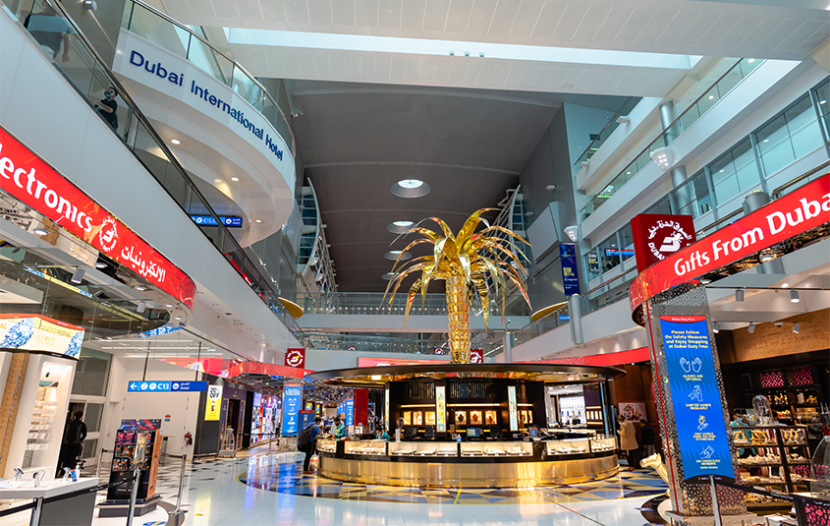
Dubai International Airport achieved a historic benchmark in 2024, welcoming 92.3 million passengers and solidifying its status as the world’s busiest international airport for the tenth consecutive year. This figure eclipses its previous high of 89.1 million set in 2018 and underscores the emirate’s strategic role in global aviation.

The surge in passenger traffic reflects Dubai’s sustained investment in infrastructure and its appeal as a nexus for international travel. December emerged as the busiest month, recording 8.2 million travellers, highlighting the city’s capacity to handle peak demand efficiently.

India remained DXB’s top destination market, contributing 12 million passengers. Saudi Arabia and the United Kingdom followed, with 7.6 million and 6.2 million passengers respectively. The airport’s extensive network now connects to 272 cities across 107 countries, serviced by 106 airlines, reinforcing its position as a global hub.

Operational efficiency has been a cornerstone of DXB’s success. Despite the increased footfall, 98.2% of departing passengers cleared passport control in under ten minutes, and 99.2% passed through security in less than five minutes. Baggage handling also saw improvements, with only 5.5 mishandled bags per 1,000 passengers, outperforming the international standard of 6.9.

Over the past decade, DXB has facilitated over 700 million passenger journeys across more than 3.3 million flights. This consistent performance is attributed to the airport’s commitment to innovation and excellence in service delivery.

Looking ahead, plans are underway to transition operations to Al Maktoum International Airport by 2032. The proposed $35 billion expansion aims to accommodate future growth, featuring five parallel runways and 400 aircraft gates. The design incorporates advanced technologies, including facial recognition systems, to streamline passenger processing and enhance the travel experience.

Dubai’s aviation sector continues to outpace traditional competitors. While London’s Heathrow Airport recorded 63.1 million passengers in the same period, DXB’s figures underscore its dominant position in international air travel.

Global capital turned its back on ESG last year. But that shift, we believe, is temporary and mistaken. ESG investing should and will return to favour, not just because it’s aligned with the challenges and priorities of our time, but because it remains one of the most rational long-term strategies for investors and economies alike. The numbers from 2024 were stark. Global sustainable fund inflows halved. In […]

A compromised administrative account within ZKsync’s infrastructure has been identified as the source of an exploit that diverted approximately $5 million worth of unclaimed ZK tokens from the platform’s airdrop contract. The breach, attributed to a compromised private key, was confined to the token airdrop mechanism, according to the project’s security team. An investigation into the incident remains ongoing.

The vulnerability was exploited during the initial phase of ZKsync’s token distribution, which aimed to allocate 17.5% of its total 21 billion ZK token supply to eligible users. The airdrop, intended to reward early adopters and contributors, has been marred by criticisms over its susceptibility to Sybil attacks—a method where an individual creates multiple wallets to illegitimately claim tokens. Reports indicate that one user managed to generate over 21,000 wallets to exploit the airdrop, highlighting significant flaws in the platform’s anti-Sybil measures.

Industry experts have voiced concerns regarding the airdrop’s design. Mudit Gupta, Chief Information Security Officer at Polygon, described the event as potentially the most “farmed” airdrop to date, citing a lack of effective Sybil filtering. Similarly, Adam Cochran of Cinneamhain Ventures criticized the eligibility criteria, suggesting they were easily manipulated by automated scripts, thereby disadvantaging genuine users.

The airdrop’s execution has also been scrutinized for its distribution methodology. Despite the intention to decentralize token ownership, data reveals that a significant portion of the tokens was claimed by a small group of wallets. Approximately 41% of the top recipient wallets have already liquidated their entire allocations, contributing to a 34.5% decline in the token’s value shortly after its launch.

Compounding the situation, the airdrop’s announcement and subsequent distribution were accompanied by a surge in phishing scams and malicious decentralized applications . These fraudulent entities impersonated official ZKsync channels, luring unsuspecting users into compromising their wallets. Security firm Blockaid reported a fivefold increase in malicious dApp activity targeting ZKsync users during this period.

Tether, the issuer of the world’s most widely circulated stablecoin, has acquired a strategic stake in Fizen Limited, a fintech firm specialising in multi-chain stablecoin payments and merchant solutions. The investment aims to accelerate global adoption of stablecoins and expand access to decentralised financial tools, particularly in underserved markets.

Fizen offers a suite of crypto payment services designed to bridge the gap between digital assets and real-world commerce. Its platform enables merchants to accept stablecoins with instant fiat settlement, while consumers can use cryptocurrencies to pay for everyday expenses such as utility bills, mobile top-ups, and travel bookings. The company’s infrastructure supports multiple blockchains and integrates with a wide range of tokens, facilitating seamless transactions across 178 countries.

This partnership builds on previous collaborations between Tether and Fizen, including the ‘Tour de USDt’ initiative in Southeast Asia, which showcased the potential of stablecoins in cross-border payments and financial inclusion. The new investment is expected to deepen this relationship, enabling Tether to leverage Fizen’s technology to promote the use of USDt in everyday transactions.

Tether’s move comes amid a broader push to enhance the utility of stablecoins beyond trading and speculation. By investing in platforms like Fizen, Tether aims to embed stablecoins into the fabric of daily commerce, offering a stable and efficient alternative to traditional payment systems. This strategy aligns with the growing demand for financial services that are accessible, low-cost, and independent of conventional banking infrastructure.

Fizen’s technology is particularly relevant in regions where access to banking services is limited. By facilitating crypto payments for essential services and goods, Fizen empowers users to participate in the digital economy without relying on traditional financial institutions. This approach not only broadens the reach of stablecoins like USDt but also supports economic empowerment in communities that have historically been excluded from mainstream financial systems.

By Nitya Chakraborty Though there is a 90 day pause in Trump’s latest unilateral imposition of reciprocal tariffs on most of the countries, the trade war between the USA and China, the two largest economies of the world is in full steam imparting tremors in global trade and economy. Close advisers of Trump were expecting […]

Google will implement a new advertising policy across the European Union from April 23, mandating that all cryptocurrency-related advertisers be authorised under the Markets in Crypto-Assets regulation and certified by Google. This move aligns the tech giant’s advertising standards with the EU’s comprehensive crypto regulatory framework, aiming to enhance consumer protection and market integrity.

Under the updated policy, advertisers promoting crypto exchanges, wallets, or related services must obtain Google certification, which requires proof of authorisation as Crypto Asset Service Providers under MiCA. Non-compliance will trigger a minimum seven-day warning period before potential account suspension.

MiCA, fully applicable since December 2024, establishes a unified regulatory framework for crypto assets across the EU. It aims to streamline the adoption of blockchain and distributed ledger technology while safeguarding users and investors. The regulation mandates that CASPs adhere to stringent requirements, including capital reserves, governance standards, and consumer protection measures.

Google’s policy update reflects a broader industry trend towards stricter oversight of crypto advertising. The company had previously revised its policies in January 2025 for the UK market, requiring advertisers to be registered with the Financial Conduct Authority and certified by Google. Similar measures are now being extended to the EU, with specific transition periods for certain member states: Finland until June 30, 2025; France until June 30, 2026; and Germany until December 30, 2025.

The enforcement of these policies is expected to impact a wide range of crypto businesses operating within the EU. Advertisers must ensure compliance with both Google’s certification process and MiCA’s regulatory requirements to continue promoting their services on the platform. This dual-layered approach aims to mitigate risks associated with unregulated crypto promotions and enhance the overall trustworthiness of crypto-related advertisements.

Abu Dhabi National Oil Company is evaluating a potential acquisition of Aethon Energy Management’s US-based natural gas assets, a move that could significantly bolster its presence in the North American energy market. The assets under consideration are valued at approximately $9 billion and are primarily located in the Haynesville shale region spanning Louisiana and East Texas.

Aethon Energy Management stands as one of the largest privately held natural gas producers in the United States, with a focus on the Haynesville shale formation. The company has been exploring strategic options, including a potential sale or initial public offering, with valuations reportedly reaching up to $10 billion. Discussions regarding the acquisition are in preliminary stages, and no definitive agreements have been reached.

This potential acquisition aligns with ADNOC’s broader strategy to diversify its energy portfolio and expand its global footprint. The company has been actively investing in gas, chemicals, liquefied natural gas , and renewable energy sectors. Notably, ADNOC has established XRG, an international investment arm with an enterprise value exceeding $80 billion, aimed at capitalizing on the global demand for lower-carbon energy solutions.

ADNOC’s recent investments include a stake in NextDecade’s LNG export project in Texas, accompanied by a 20-year supply agreement. Additionally, the company has acquired a 10% equity stake in the Area 4 concession of Mozambique’s Rovuma basin, enhancing its LNG production capacity. These strategic moves underscore ADNOC’s commitment to becoming a leading player in the global energy transition.

Saudi Arabia is preparing to pay off Syria’s outstanding $15 million debt to the World Bank, a move that could unlock significant international aid for the country’s reconstruction and support its struggling public sector. This initiative marks the first known instance of Saudi financial assistance to Syria since the Islamist-led overthrow of former President Bashar al-Assad in December 2024. The debt repayment is expected to facilitate the […]

VISHNU RAJA
RYO YAMADA
HITORI GOTOH
IKUYO KITA