Just in:
Emirates Group records AED 4.1 billion half-year profit // Emaar approves Development buyout ahead of planned delisting // Private varsities bill all set to face the axe // APT29-linked campaign exploits outdated Apple and Android software // Geely’s i-HEV Intelligent Hybrid Technology Offers a New Direction Vision for Gasoline-Powered Vehicles // Oil advances towards $100 as tanker attacks persist // Asia Left Behind: Ten international companies have yet to report delivering on their cage-free egg pledges across the region // Technology shares plunge as Nasdaq enters correction // e-Crime Bureau Signs Cybersecurity Partnership With Smart Africa, Reinforcing Its Global Expansion // Dubai details five-year visa benefits for returning visitors // Hong Kong mandates crypto transaction disclosures to tax authorities // Oil and chip shares retreat after Democratic victories // UK air traffic outage inflicted £33m financial losses // Kochi police detain two actors over bid to honey trap doctor // After Reaching 7 Million Users in the Philippines, Skyro Launches Transparent Cash Loans in Malaysia // Miss Universe Hong Kong Jen Zhou Departs for Puerto Rico to Compete in the 75th Miss Universe World Final // Geely’s i-HEV Intelligent Hybrid Technology Offers a New Direction for Gasoline-Powered Vehicles // Millions Of Indians May Soon Be Deprived Of Government Assistance // Trump’s Iran War Has A Share Of Contribution To His Midterm Debacle // Fast Just Got Fastest: STING Energy Boost™ Celebrates Kimi Antonelli’s Formula 1® World Championship and the Fan Energy Behind It //

News related to
Arabia

Russian state-owned conglomerate Rostec is set to introduce RUBx—a stablecoin pegged directly to the ruble—and RT‑Pay, a payment platform, before the end of 2025. These innovations aim to empower businesses and individuals with secure and compliant digital transaction tools.

RUBx will be launched on the Tron blockchain and strictly pegged 1:1 to the ruble, backed by legally governed obligations maintained in a treasury account. Rostec will act as the sole issuer, with the structure codified by law to ensure robustness and transparency. The smart-contract code is expected to be made available on GitHub and independently audited by CertiK, reinforcing compliance with Russian financial regulations.

RT‑Pay, designed to integrate seamlessly with Russia’s existing banking rails, will enable transactions outside standard banking hours and facilitate smart-contract functions. Rostec says it has built the platform to adhere to anti‑money‑laundering and counter‑terrorism financing norms and to satisfy all Bank of Russia requirements.

A phased launch is anticipated, initially targeting sectors where efficiency gains can be rapidly realised before expansion to broader corporate and retail use. The move dovetails with Russia’s broader strategy to enhance crypto infrastructure, including the central bank’s separate digital ruble pilot and the recent authorisation for institutions to offer crypto-related investment products.

Rostec, known for its significant role in defence and high-tech manufacturing, leveraged its credentials as a trusted state entity to assure users of RUBx’s legitimacy. “Each RUBx is backed by real obligations in rubles,” Rostec officials emphasise, underscoring the token’s legal anchor.

This initiative aligns with a trend of expanding digital payment solutions amid geopolitical and economic pressures. Russian financial institutions such as Sberbank and Moscow Exchange have already introduced crypto-linked offerings, and some state entities reportedly used crypto instruments to facilitate oil trade and bypass sanctions.

Economists and fintech experts note that the introduction of state-backed digital infrastructure like RUBx and RT‑Pay marks a departure from pilot programs. They highlight the potential for stablecoins—with legal and technological safeguards—to provide a credible alternative to traditional payment systems. By utilising a blockchain infrastructure like Tron, Rostec leans on a mature ecosystem, which may support rapid adoption.

Nevertheless, independent analysts caution that integration risks remain. They point to the need for robust cybersecurity measures, systemic risk controls, and interoperability standards with domestic and international payment systems. Successful implementation will require coordinated efforts among regulators, banks, and end users.


A dramatic expansion at Yas Waterworld has introduced Bandit’s Village, a new adventure zone featuring over 20 attractions, including a massive crocodile-themed slide and a reimagined storyline inspired by classic Arabian tales. The addition marks a significant enhancement to Abu Dhabi’s flagship water park, aiming to draw larger family crowds during the extended summer season.

Unveiled with theatrical flair, the centrepiece ride sends guests plunging through the jaws of a giant crocodile-like creature, a centrepiece built to evoke high drama and immersive storytelling. The new water attractions are framed within an interactive environment designed to transport visitors into the world of the Bandit, a long-standing character in the waterpark’s lore. Park officials confirmed that the development adds both visual spectacle and narrative continuity to the attraction, reinforcing the park’s position as a destination for experiential entertainment.

Spanning several zones and themed in intricate detail, Bandit’s Village includes multiple flume rides, splash pads, climbing features, and water tunnels, all constructed to appeal to children and adults alike. The area has been crafted to extend the duration of visitor engagement, providing more diverse experiences and encouraging longer dwell times. With extended operating hours throughout the peak travel months, the new zone is expected to contribute substantially to footfall and guest satisfaction.

The new expansion reflects Yas Island’s broader strategic emphasis on integrated family entertainment. With Abu Dhabi increasingly positioning itself as a regional leisure destination, the timing of the rollout aligns with efforts to boost tourism traffic, particularly among residents from the Gulf region and international travellers looking for curated family activities. This move is part of a wider pattern of competitive theming and investment by parks on Yas Island to match global leisure benchmarks.

Located within proximity to other major attractions such as Ferrari World and Warner Bros. World, Yas Waterworld has leveraged its thematic strength around Emirati culture and folklore to differentiate itself. The character of the Bandit has played a central role in the park’s storytelling framework since its inception, and the Village serves as an expanded narrative environment where guests can experience the backstory more fully through ride design, queue experiences, and environmental elements.

Guests can expect theatrical elements embedded into the ride sequences, with interactive lighting, sound effects, and character appearances throughout the zone. One of the signature features involves a multi-slide experience that mimics an escape from a bandit ambush, concluding in a dramatic plunge through the crocodilian mouth installation. Park designers have emphasised the attention given to architectural authenticity and atmosphere, using textured stonework, tribal motifs, and animated props to deepen immersion.

The opening of Bandit’s Village also responds to changing visitor expectations in the post-pandemic leisure economy. Analysts tracking theme park trends have noted a shift towards more story-driven and customisable experiences, as audiences seek environments that merge thrill with narrative depth. This aligns with Yas Waterworld’s long-term strategy of building on local cultural roots while embracing global design standards.

With Yas Waterworld already home to over 40 rides and attractions, the new zone increases its offering to more than 60, strengthening its profile as one of the Middle East’s largest water-based theme parks. Management teams behind the expansion have hinted at further phased developments within the Bandit storyline, suggesting that the current unveiling may be the first in a series of immersive expansions.

Sharjah, UAE — The World Malayalee Council (WMC) inaugurated a new chapter of global engagement and community empowerment with the swearing-in of its newly elected global office bearers for the 2025–2027 term. The ceremonial installation, held at the Corniche Hotel in Sharjah, marked not only a leadership transition but also a reaffirmation of the Council’s enduring mission to connect, empower, and elevate Malayalees across the world. At […]

By Dr. Gyan Pathak One decade has passed of the adoption of the Sustainable Development Goals (SDG), yet India is off the track in several of them which require intensified and focused interventions to achieve the targets by 2030. While notable progress has been made in several sectors, significant challenges continue to persist other. This […]

Brazil has enacted sweeping tax reforms, imposing a 17.5% flat levy on all cryptocurrency capital gains from 12 June 2025 under Provisional Measure 1303. This marks a stark shift from the former progressive system with a monthly exemption, now replaced by a single rate that applies to any crypto profit—trade, swap, DeFi yield, NFT sale—even via offshore exchanges or self-custody wallets.

Casual traders previously exempted on gains up to R$35,000 per month will now face taxation. A modest R$30,000 profit previously carried a zero burden; today, the same yield triggers a R$5,250 tax under the uniform rate. Medium-scale investors face a slight rise from the previous 15%, while the wealthy—who once paid up to 22.5%—now benefit from reduced liability.

The reform extends the tax net to assets held outside Brazil or in private wallets: all gains, regardless of custody location, fall under the 17.5% rule. Gains from decentralised finance activities, staking rewards, NFT transactions and token swaps are subject to the same flat regime.

Capital gains must now be reported and paid quarterly. Taxpayers may carry forward losses for up to five prior quarters—a benefit that will be curtailed in 2026 under proposed legal adjustments.

The reform’s scope is broader than crypto. Fixed‑income investments previously exempt—such as LCIs, LCAs, CRIs and CRAs—will now face a 5% tax on earnings. Meanwhile, gross revenue from online betting will be taxed at 18%, rising from 12% this coming October.

Brazil’s decision mirrors its wider fiscal strategy. With the nation’s overall tax-to-GDP ratio peaking above 32% in 2024, the government seems intent on widening the tax base and closing enforcement gaps. By bringing offshore holdings and DeFi into scope, authorities signal enhanced oversight and a tightening grip on previously opaque financial flows.

Advocates highlight the new system’s simplicity. A flat rate streamlines compliance, eliminating thresholds and multiple brackets, potentially reducing disputes and administrative complexity. Critics argue it disproportionately affects small investors and gig‑economy earners, who lose prior exemptions with little recourse.

Financial institutions and crypto‑focused service providers are preparing advisory tools to assist taxpayers with new obligations. Tax‑tracking platforms, accounting software and professional guidance are expected to surge in demand as individuals and small enterprises strive for compliance.

Looking ahead, the government plans to reduce the loss carry‑forward period in 2026 and explore pilot schemes to permit up to 50% of salaries to be paid in cryptocurrencies, particularly for remote work and contractors. Some fintech firms are already eyeing the change, examining crypto payroll and treasury integration.

Investors and citizen‑taxpayers must now track all crypto movements—onshore and offshore, centralised or decentralised. Each taxable event requires precise record‑keeping of acquisition cost, sale value, platform or exchange used, and timing. Errors or omissions could trigger penalties, including fines and interest charges.

Brazil’s audit agency intends to intensify scrutiny using on‑chain analytics, cross‑referencing declarations with blockchain records. Collaboration with international tax authorities may further bolster enforcement capacity.

The flat 17.5% tax places Brazil in a middling position globally—higher than zero‑tax jurisdictions like the UAE and Switzerland, but considerably lower than India’s 30% flat or Japan’s top marginal rates exceeding 50%.

Court filings in the Chapter 11 case for collapsed exchange FTX suggest that users in 49 jurisdictions may see their claims disputed or denied over local crypto restrictions. A filing submitted on 2 July to the Delaware bankruptcy court outlines a new “hold‑and‑review” process, halting distributions to users in areas with bans on crypto trading or restrictions on offshore platforms.

FTX’s trustee, along with legal counsel, will evaluate whether paying out creditors in these jurisdictions violates local laws. Notices will then be issued to affected users, granting them at least 45 days to challenge their classification. Absent a timely response, claims and any accrued interest will be forfeited to the estate.

Although users in these 49 jurisdictions represent just 5% of approved claims, the financial exposure is heavily weighted. Over 82% of that total value originates from mainland China. China accounts for the vast majority of claims in what FTX labels “potentially restricted jurisdictions”. Advocates warn that most Chinese claimants may not recover any funds.

FTX’s court motion says it will seek legal opinions for each jurisdiction before approving any payout. If counsel concludes local law prohibits the disbursement, those claims will be formally challenged. The legal framework treats such claims as “disputed,” pending approval or denial of their status. Distributions will be suspended until those claims are resolved.

Affected users must submit sworn statements confirming acceptance of US court jurisdiction to pursue objections. Upon objection, the trustee will petition the court to determine if exclusion is justified. Lack of objection will result in automatic forfeiture.

The list of 49 jurisdictions includes not only China, but also countries such as Nigeria, Russia, Egypt, Saudi Arabia, Andorra, Fiji and Zimbabwe. That breadth reflects the wide global footprint of FTX prior to its collapse.

Chinese users have responded with alarm, exploring legal avenues in the US. One affected claimant, identified as “Will,” told media that though the crypto ban in mainland China prevents trading, holdings remain legal and ownership rights should entitle them to fiat reimbursement in US dollars. He has engaged a New York attorney to counter FTX’s position on wire transfers and jurisdictional exclusion.

Some creditors are studying whether to transfer or sell their claims through entities in compliant jurisdictions, though it remains unclear whether such mechanisms will resolve legal barriers.

FTX Recovery Trust reported an overall decline in disputed claims—from US $6.5 billion to US $4.6 billion—after approving $1.8 billion in claims and expecting another $2.7 billion to be cleared. Approved claim distributions have reached approximately $8.3 billion. This new policy specifically targets the subset linked to restricted jurs, leaving billions in limbo.

Legal experts suggest the court’s decision could set precedent for how bankruptcy courts manage cross‑border crypto claims when local compliance is at risk. FTX is therefore seeking judicial approval to formalise this tailored procedure.

Critics argue the move undermines proportional equity. Victims from major markets like China, Nigeria and Egypt, who collectively hold substantial unrationalised stakes, now face potential complete exclusion. These developments raise concerns about transparency and fairness in the global recovery process.

FTX’s reorganisation plan approved in October 2024 allows repayment of up to US $16.5 billion to customers. It prioritises accounts holding US $50,000 or less under the terms of the Chapter 11 order, but regional legal hurdles may override the general scheme.

Trustee Sunil Kavuri summarised that each claim will proceed only with a supportive local legal opinion. If the opinion concludes a payout contravenes domestic laws, the claim will be formally disputed and may be permanently disallowed.

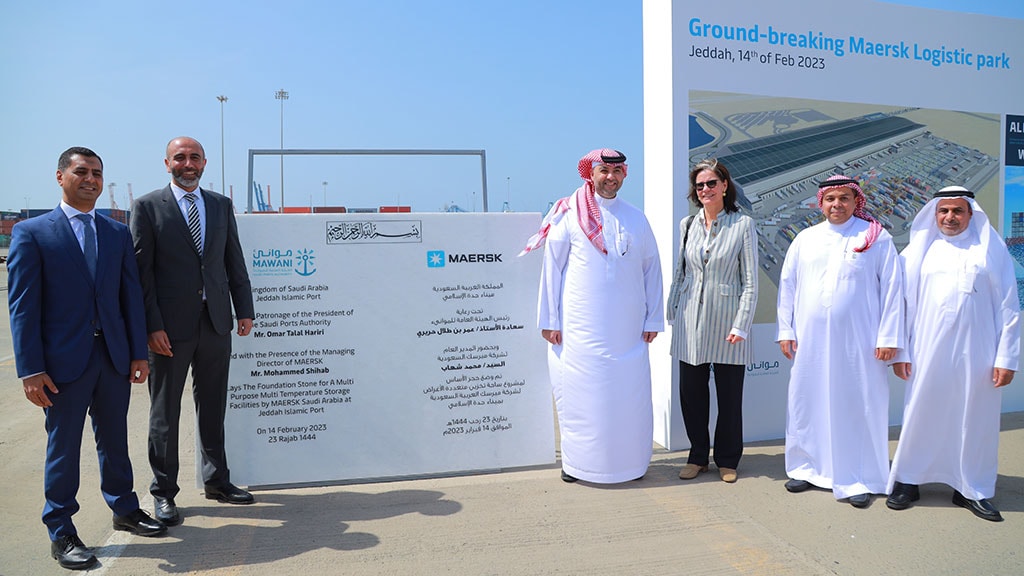
Saudi Arabia’s burgeoning e‑commerce sector has taken a strategic leap forward as the landmark partnership between Maersk Saudi Arabia and Saudi Post transitions from agreement to action. Evidence is already emerging that this alliance—anchored by Maersk’s newly launched Integrated Logistics Park in Jeddah—is beginning to streamline the kingdom’s supply chains and attract international players.

Operations in Jeddah have officially begun, with Maersk overseeing global transport, bonded warehousing, and origin-end logistics, while SPL manages express customs clearance and last-mile delivery domestically. The MoU, signed on 3 July 2025, outlines joint digital integration, combined marketing, coordinated customer service and operational efficiency.

Industry sources suggest that several multinational online retailers are in advanced talks to leverage the new gateway. Although specific names have been withheld, analysts view the integrated model as particularly attractive to Asia‑based brands seeking fast, low‑cost market entry into Saudi Arabia and the wider Gulf Cooperation Council.

Experts highlight that Maersk’s global reach combined with Saudi Post’s local footprint addresses major bottlenecks in cross-border trade—namely customs delays and fragmented distribution networks. SPL’s national infrastructure, originally developed to support Vision 2030’s economic diversification goals, now aligns seamlessly with Maersk’s logistics corridors.

Karsten Kildahl, Maersk’s Chief Commercial Officer, previously noted that global supply chains remain unpredictable, and enhanced visibility and resilience are crucial for upstream customers. This partnership directly supports those objectives via real‑time digital tracking, automated handovers, and unified service teams.

Market response has been swift. Regional logistics analysts report a 15% increase in inbound parcel volumes through Jeddah’s port cluster in the past month compared to the same period last year. While other factors—such as seasonal demand shifts—are at play, the increase aligns with the ramp‑up of cross-border operations facilitated by the Maersk–SPL alliance.

Customs officials in Jeddah confirm expedited clearances under a “premium e‑commerce lane” established within the SPL framework. They say this streamlining has shaved several days off processing times for inbound B2C shipments, helping foreign brands meet tight delivery schedules.

Saudi Post’s International Business Sales Director, Rouni Saad, stated the arrangement “is pivotal in streamlining cross‑border e‑commerce flows to and from the Kingdom … enhancing connectivity, reliability and growth opportunities across the region”. Maersk’s Ahmed Al Olaby added that combined networks would meet the growing demand for efficient fulfilment by global players entering or expanding in the Saudi market.

Consultants note that Saudi Arabia is now positioned to compete more effectively with regional hubs such as Dubai, which has long served as the GCC’s principal logistics centre. With the integrated infrastructure online, analysts predict intra‑GCC e‑commerce flows will re‑route through Jeddah over the next six to twelve months.

The alliance also aligns with Saudi Vision 2030, reinforcing the kingdom’s commitment to modernise its logistics backbone. By linking global ocean routes with domestic delivery channels, the partnership promises smoother, faster access to consumers in a market anticipated to grow double‑digit annually in e‑commerce sales.

However, questions remain around digital interoperability. The MoU commits to systems integration, but execution will depend on effective collaboration between both entities’ IT architectures. Some industry insiders stress the need for standardised APIs and seamless data sharing to avoid fragmentation.

Scaling services beyond major urban centres, and replicating integration in other GCC markets, pose additional challenges. Achieving cohesive bonded fulfilment across borders demands regulatory alignment and bilateral coordination.

Advertisements

The Abu Dhabi Securities Exchange has initiated the pricing phase for the MENA region’s first bond underpinned by distributed ledger technology, marking a new era in regional capital markets. The fixed-income instrument, issued by First Abu Dhabi Bank via HSBC Orion, is set to be listed on ADX, promising enhanced operational efficiency, transparency and market access. ADX, the UAE’s largest exchange and the second-largest in the Middle […]

Apple is introducing a fresh layer of defence in iOS 26’s Messages app, giving users the option to silence and segregate texts from unrecognised senders. The update shifts spam and unknown contacts into a separate section, reducing notifications and clutter without permanently blocking messages. Built to enhance user control, the feature adds toggles in Settings under Messages → Unknown & Spam, enabling distinct screening options for unknown senders and suspected […]

Matein Khalid Both Israel and the US were careful not to target Iran’s oil export terminal at Kharg Island, a major reason why Brent crude trades at 68 and not 100. It is ironic that Iran’s oil output is now 5.1-MBD (this figure includes condensates and gas to liquids), its exact amount in 1978, the last year the Shah ruled from his Peacock Throne. There is no […]

Iran has reopened its airspace and most airports to domestic and international flights after a total shutdown that began on 13 June amid escalating hostilities with Israel. Transit operations over central and western regions are permitted between 05:00 and 18:00 local time, though services from Isfahan and Tabriz remain on hold until essential safety measures are reinstated.

Authorities confirmed that both Mehrabad and Imam Khomeini airports in Tehran, alongside facilities in the north, east, west and south, are now operational during daylight hours. Western and central corridors are open solely to international transit flights, while eastern airspace had already been accessible continuously. Domestic flights to and from Tehran and regional airports will resume once infrastructure is fully restored in line with civil aviation guidelines.

The closure followed a series of Israeli airstrikes on Iran—targeting nuclear sites, missile production facilities and senior military figures—which prompted a robust Iranian response and prompted precautionary airspace closures across neighbouring nations, including Iraq, Jordan and the Gulf states. Airlines rerouted or cancelled flights as a prelude to the region-wide suspension of air travel.

A ceasefire that took effect on 24 June gradually paved the way for these reopenings. Initial access was granted to the eastern region on 25 June, subsequently extended to central and western sectors by 28 June. However, intermittent military alerts and infrastructure disruptions have delayed full normalisation, particularly in Isfahan and Tabriz, where further runway and navigation enhancements are ongoing.

The staggered reopening reflects Tehran’s cautious approach. Majid Akhavan, a spokesman for the Ministry of Roads and Urban Development, made it clear that air traffic remains under stringent review. He urged travellers to monitor official announcements and refrain from heading to airports until confirmed schedules are issued, citing lingering security concerns.

Flight carriers are cautiously recalibrating their routes. Dubai-based Emirates, while slated to resume flights to Tehran on 5 July, continues to suspend services citing regional instability. Air Arabia, flydubai and other Gulf-based airlines are restoring routes to Iran incrementally, yet remain poised to implement rapid reroutes if tensions escalate. India’s airlines, affected by reroutes over Pakistan earlier this year, are closely tracking developments as Iran reopens key air corridors.

The restoration also supports humanitarian efforts, as demonstrated in June when Iran temporarily opened its airspace for Operation Sindhu, aiding the evacuation of around 1,000 students via charter flights. That exception underscored a willingness to prioritise civilian movement despite the turbulent context.

Analysts indicate that Iran’s role as a major air transit hub linking Europe and Asia makes its airspace a strategic asset for global aviation. The closure had already prompted prolonged flight schedules, increased operational costs and forced carriers into longer routes over Central Asia or Gulf nations. Renewed access is expected to alleviate congestion, reduce costs and enhance connectivity—provided the ceasefire endures.

Security remains the overriding determinant. The aftermath of Israeli strikes revealed Iranian air defences were significantly degraded, prompting internal crackdowns, arrests and increased surveillance across Tehran. This atmosphere continues to inform aviation authorities and airlines evaluating the risks of resuming services fully.

As daylight flight operations proceed, aviation experts caution that any flare-up could trigger speedier closures than in June. The Ministry has signalled readiness to reinstate restrictions at short notice. Safety advisories emphasise real-time assessments of missile threats, missile defence readiness and diplomatic ties.

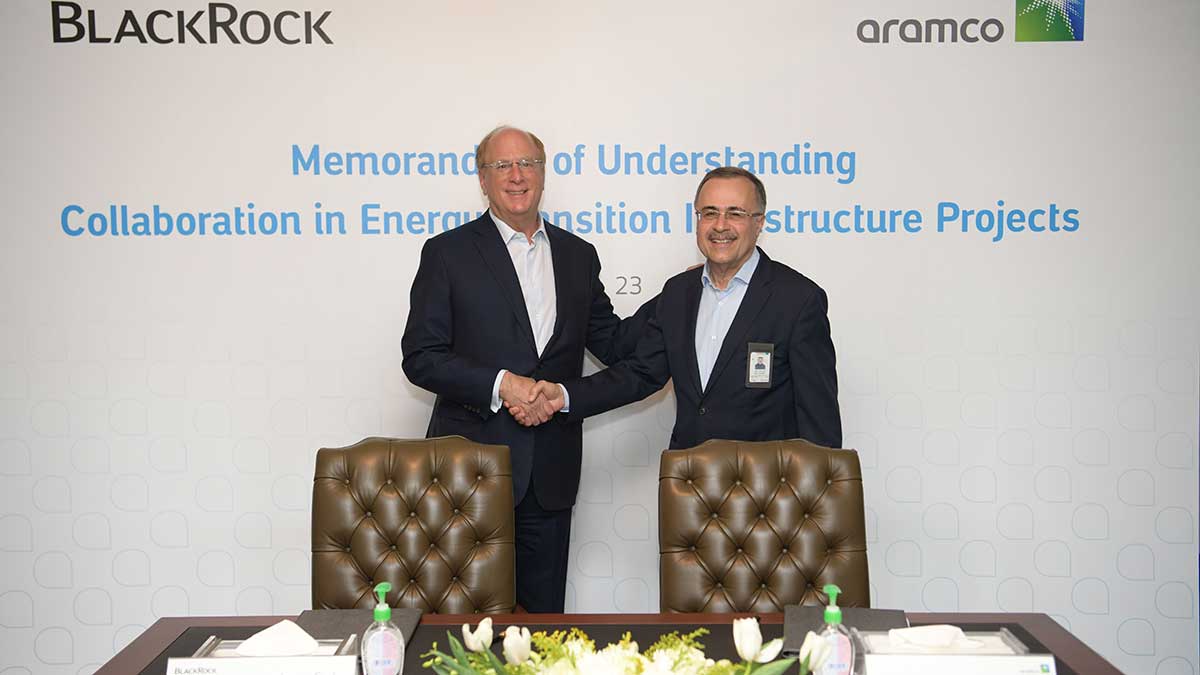
BlackRock Inc is reportedly engaged in discussions with Saudi Aramco over the future ownership of its stake in the leasing rights of a major natural gas pipeline network. The asset manager, which entered the arrangement in 2021, acquired the rights as part of a $15.5 billion lease-and-leaseback agreement. Sources close to the matter indicate BlackRock now values its position at several billion dollars and is considering divesting the stake back to the state oil major.

In 2021, BlackRock joined a consortium to purchase a 49 per cent interest in an entity known as Aramco Gas Pipelines Co under a lease-and-leaseback deal, financing the project with bridge loans and later issuing bonds to refinance the structure. The network comprises critical infrastructure integral to Saudi Arabia’s petroleum operations, serving both domestic consumption and export logistics.

Financial analysts highlight that BlackRock’s move represents a shift in strategy for pipeline investments. As bond markets recover from turbulence and the global energy transition reshapes demand, investors are recalibrating their exposure to long-cycle fossil fuel assets. One advisor noted that BlackRock will “weigh other options if discussions don’t lead to agreement,” indicating the firm might pursue third‑party sales or stake dilution.

Saudi Aramco’s interest in regaining full control aligns with its broader strategy of asset consolidation. Reacquiring the lease rights would enhance its operational sovereignty and reduce dependency on external partners in a sector that underpins national energy security. Aramco’s share in regional indices has already seen modest gains, supported by optimism over non-oil growth; the company itself has been trading up by around 0.9 per cent in recent sessions.

The bonds issued by the consortium in 2024—worth $3 billion across tranches due in 2036 and 2042—were aimed at refinancing initial acquisition debts. Demand for those bonds was robust, with subscription levels significantly exceeding issuance. BlackRock’s majority ownership of Greensaif Pipelines Bidco grants it leverage in shaping any transaction, whether through direct sale or restructuring of lease terms.

Market observers note that BlackRock’s pivot may be driven as much by strategic repositioning as by financial calculation. With global pressure building on climate policy and energy transition commitments, large institutional investors are under increasing scrutiny over holdings tied to fossil fuel extraction and transport. Divesting from pipeline leases allows BlackRock to reallocate capital to renewable infrastructure or alternative energy real estate, while still preserving long-term client relationships.

However, the sale would mark a significant return on investment. The original acquisition and bond refinancing positioned BlackRock to gain from stable, long-duration lease revenues pegged to volume throughput. Exiting now at a multi-billion-dollar valuation ensures a profitable wind-down of exposure while the asset remains robust. Some of the stakeholders in the consortium may view this as a precedent for handling similar assets in other jurisdictions.

Observers anticipate a negotiation process extending into the next quarter, with both parties likely to focus on valuation frameworks, lease renewal terms, and host‑country regulatory approvals. Any agreement may set a template for future transactions between global asset managers and sovereign energy entities, particularly in the Gulf region. While details of the discussions are confidential, the size and strategic nature of the pipeline network suggest that a deal could shift later this year.

Investment flows in the Middle East have showed renewed strength. Saudi and Emirati stock markets climbed this week, powered by stronger service-sector indices and easing of global trade tensions. Against this backdrop, Aramco’s potential repurchase aligns with sovereign objectives to consolidate energy assets in the hands of national champions.

Should talks falter, analysts predict BlackRock may explore secondary-market sales to other infrastructure investors, or retain partial control under renegotiated terms. A phased exit or continued minority stake is also plausible, contingent on pricing, return targets, and geopolitical sensitivities.

The U. S. House of Representatives will convene “Crypto Week” from 14–18 July to vote on three pivotal digital asset bills: the CLARITY Act, the Anti‑CBDC Surveillance State Act, and the GENIUS Act. This coordinated effort signals a major shift in federal crypto policy as lawmakers aim to clarify regulation, protect financial privacy, and foster blockchain innovation.

The CLARITY Act seeks to establish a definitive regulatory framework by delineating the roles of the SEC and CFTC, mandating the segregation of customer funds, and requiring enhanced retail disclosures. It has already passed through both the Financial Services and Agriculture Committees by decisive margins, reflecting bipartisan support and responding directly to industry demands for legal certainty.

The GENIUS Act, recently approved by the Senate in a strong 68–30 bipartisan vote, focuses on stablecoin regulation. It mandates that stablecoin reserves be held in high‑quality, liquid assets such as U. S. Treasuries, requires annual audits for issuers with over $50 billion in market cap, and clarifies regulatory oversight while allowing banks to issue their own tokens. The bill now awaits a House vote, with hopes of reaching the president’s desk by late July.

The Anti‑CBDC Surveillance State Act takes a definitive stance against a federally issued central bank digital currency, effectively prohibiting the Federal Reserve from developing or distributing a CBDC. Proponents frame it as a necessary measure to safeguard financial privacy and prevent potential government surveillance through digital currency systems.

Deputy Speaker Mike Johnson and committee chairs, including Financial Services Chair French Hill and Agriculture Chair GT Thompson, have emphasised that this legislative package aligns with former President Trump’s digital assets agenda — aiming to position the U. S. as a leader in crypto innovation. Johnson stated that the bills would deliver the full scope of that agenda, while Hill highlighted that the initiative would finally provide clarity for innovators, protecting both consumers and the broader digital economy.

Majority Leader Steve Scalise echoed the sentiment, saying the legislation would solidify the U. S.’s global leadership in digital assets. Minority voices have also weighed in: Majority Whip Tom Emmer described the moment as a “historic opportunity” to uphold “privacy, individual sovereignty, and free‑market competitiveness.” Senator Bill Hagerty voiced Senate support, noting the urgency of enacting these measures swiftly.

While the GENIUS Act has Senate backing, the CLARITY Act has faced scrutiny from Democrats and former regulators. Experts such as ex‑CFTC Chair Timothy Massad have warned that its provisions could be overly broad or convoluted, advocating instead for a collaborative regulatory approach between the SEC and CFTC. Concerns also persist among left‑leaning lawmakers that pairing the CLARITY Act with stablecoin regulation could stall progress, despite strong crypto industry support calling for their passage in tandem.

Lawmakers like Rep. Warren Davidson have promoted consolidating stablecoin, market‑structure, and CBDC ban measures into a single legislative package to ensure comprehensive reform. However, this strategy may encounter resistance in the Senate, potentially delaying the bills past the intended timeline.

The Senate’s passage of the GENIUS Act earlier this month reflected growing bipartisan agreement on stablecoin oversight but also revealed tensions over inclusion of Trump‑era cryptocurrency interests. Indeed, some critics have raised ethical questions about exempting the president’s family from the bill’s prohibitions on member profits, and the influence of Trump‑linked ventures that reportedly earned tens of millions from crypto operations.

Despite these controversies, House Republicans are pushing ahead with “Crypto Week” as a gateway to shaping U. S. cryptocurrency policy. The CLARITY Act furthers efforts made under the FIT21 digital asset law passed in May 2024, which established initial delineation of regulatory authority.

As 14 July approaches, industry stakeholders, advocacy groups, and congressional offices are bracing for intense debates. Passing these bills could redefine market structures, unlock stablecoin innovation, and reinforce constitutional privacy rights—or it may start a protracted legislative battle over oversight, accountability, and the future role of federal oversight in digital currencies.

The Open Platform, the team behind the Telegram Wallet on TON, has secured $28.5 million in a Series A round led by Ribbit Capital, propelling the company to a $1 billion valuation. The fundraising, achieved through the sale of 5% equity in traditional currency terms, positions TOP to expand its operations into the U. S. and European markets and to roll out blockchain-based games and AI-driven applications.

TOP serves as the core developer for Telegram’s official blockchain, The Open Network, and is responsible for creating and maintaining the Telegram Wallet, which facilitates peer-to-peer transfers within chats. The company will channel its new funds into market expansion and product development, aligning with its long-held strategy of leveraging Telegram’s user base—now over a billion monthly active users—to advance the blockchain ecosystem.

Ribbit Capital led the round, acquiring approximately 4–5% of TOP’s equity. Other notable participants included Pantera Capital, reinforcing investor confidence in TON’s growth potential. The funding arrived without any sale of cryptocurrency tokens, emphasising that the stake was purely equity-based.

Since Telegram integrated TON in 2022, the ecosystem has witnessed rapid uptake. Metrics show active TON accounts rising from roughly 4 million to over 41 million, with more than 121 million unique Toncoin holders. Daily on-chain transactions surged from approximately 100,000 to 1.2 million, while total value locked has exceeded US $350 million. These figures underscore user engagement and the ecosystem’s expanding financial activity.

TOP’s forthcoming initiatives include incubating blockchain-native games—both multiplayer and mini-app formats—that operate entirely on the TON chain. They will use Telegram’s Mini‑App infrastructure, which is already adopted by over half a billion users. One such example is the viral “Hamster Kombat” game, which has drawn over 300 million players and helped introduce mainstream audiences to blockchain functionality.

AI-driven applications are another priority. TOP is developing tools and platforms that integrate machine learning models directly into TON-based environments, enabling chat-integrated utilities—such as fraud detection, financial analytics, and smart assistants—without departing the Telegram interface.

Regulatory headwinds in the U. S. and Europe will present challenges. The SEC previously halted Telegram’s launch of its native token, Gram, in 2020, leading to a refund and legal settlement. Now guided by Maximilian Crown—TON Foundation’s newly appointed CEO with regulatory and compliance experience—TOP aims to navigate these complex legal environments. Crown’s background at MoonPay, where he oversaw U. S. and European licensing, equips the project with added expertise as it seeks entry into compliant markets.

Support from both traditional and crypto-focused investors reflects strong market confidence. Alongside Ribbit and Pantera, unicorn‐backed VCs such as Sequoia, Benchmark, and Kingsway have previously invested over $400 million in Toncoin, affirming institutional belief in TON’s role as Telegram’s blockchain layer.

TOP’s strategy reflects a broader shift within Web3—pursuing real-world use cases embedded into existing digital platforms. Using Telegram’s 1 billion+ user base, BOTs, wallets, mini-apps, and secure messaging infrastructure, TOP aims to drive mass crypto adoption while sidestepping consumer-level friction.

Analysts note that TOP’s equity‑only raise is distinctive; contrast it with token sales that often involve community risk. By focusing on equity, TOP offers investors upside across its product stack—including wallets, DeFi tools, games, and AI utilities—without diluting with token allocation.

Upcoming milestones include launching its U. S. and European operations before year‑end, unveiling its first wave of blockchain‑native games, and beta‑testing AI‑enhanced wallets and utility apps. With a valuation of $1 billion and deepening partnerships, TOP is well positioned to define Telegram’s blockchain strategy beyond financial services into entertainment and artificial intelligence.

By P. Sudhir The heart and soul of parliamentary democracy lie in the essential process of holding free and fair elections – a process that ensures a level playing field for all political parties. Owing to this feature, parliamentary democracy is often regarded as electoral democracy. It is not for nothing that the Constituent Assembly, […]

The Securities and Exchange Commission has placed a hold on Grayscale’s bid to convert its Digital Large Cap Fund into a spot exchange‑traded fund, pending review by the full Commission. The stoppage comes despite staff-level approval and a delegated‑authority green light issued on 1 July for the fund’s listing on NYSE Arca.

With around $755 million in assets, GDLC is heavily weighted towards Bitcoin, with additional holdings in Ethereum, Solana, Ripple, and Cardano. The proposed spot ETF would have been the first U.S. regulated multi‑crypto fund, broadening exposure beyond single‑asset offerings approved earlier.

The SEC’s Acting Division of Trading and Markets approved the listing via delegated authority under Rule 19b‑4. However, under Rule 431, any commissioner can request review—and at least one did on 2 July, triggering an automatic stay of the approval. The Commission has not stated which member requested the review nor provided a timeline for resolving it.

Market analysts suggest the pause may reflect the SEC’s intent to finalise a regulatory framework for spot crypto ETFs—especially products holding assets under unresolved legal status like Solana, XRP, and Cardano—prior to the launch of diversified digital‑asset vehicles. Bloomberg ETF specialist James Seyffart opined that the Commission may be preparing formal listing standards under the 19b‑4 rule before further layered launches.

Grayscale has been converting several trusts into ETFs to close price inefficiencies and align fund prices with net asset value. GDLC tracks CoinDesk’s CoinDesk 5 Index and was trading over-the-counter since 2019. The product had been expected to bring greater liquidity and lower premiums typical of Grayscale trusts.

Financial observers warn that the hold introduces uncertainty for Grayscale, NYSE Arca and other issuers—including Bitwise and Franklin Templeton—who have filed for multi‑asset crypto ETFs and await regulatory clarity. The SEC’s prior approvals for Bitcoin and Ethereum‑only spot ETFs in January and July 2024, respectively, signal cautious acceptance for those assets—but the inclusion of altcoins poses new legal and risk considerations.

Key regulatory questions remain unresolved: the treatment of tokens with ongoing litigation, safeguards against market manipulation, valuation transparency, and asset custody protocols. Rule 431 empowers commissioners to review staff‑level delegations and, once invoked, mandates a suspension of the approval—until the Commission issues a resolution.

Gulf Cooperation Council stock markets rallied in June, with the S&P GCC Composite Index climbing 3 % on easing Middle Eastern tensions and growing expectations of US interest rate cuts. Investor sentiment strengthened across the region, led by notable gains in Kuwait and Dubai. Kuwait’s All Share Index recorded a 4.2 % rise in June, lifting its year‑to‑date performance to 14.8 %. The consumer‑staples and real‑estate sectors led the charge, […]

Business Bay achieved over AED 4.5 billion in off‑plan real estate sales during the second quarter of 2025, completing more than 1,900 transactions and cementing its reputation as a premier residential and investment epicentre in Dubai. Contributing 5 per cent of the emirate’s total real estate sales value, while representing only 3 per cent of transaction volume, the district demonstrated its enduring appeal and pricing power amid a booming market. Dubai’s overall property […]

Arabian Post Staff -Dubai French defence and technology group Thales is deepening its strategic footprint across the Gulf by advancing plans to build a radar production facility in Saudi Arabia and an AI research centre in the UAE. At the Paris Airshow, Pascale Sourisse, senior executive vice‑president of international development at Thales, confirmed discussions on expanding a joint venture with Saudi Arabian Military Industries beyond radar systems […]

Archer Aviation completed a successful test flight of its Midnight electric vertical take-off and landing aircraft at Al Bateen Executive Airport in Abu Dhabi, advancing its push to establish commercial air taxi operations in the UAE. The trial flight marked the first time the company has operated the Midnight aircraft under Middle Eastern environmental conditions, demonstrating its airworthiness and operational viability in one of the world’s most challenging climates.

The test flight was designed to evaluate the aircraft’s vertical lift and descent capabilities while enduring extreme heat, high humidity levels, and airborne dust — factors that are critical to address for obtaining certification in the UAE. The company said these environmental stressors, particularly in the summer season, present unique challenges not faced in temperate regions, and their successful navigation is essential for regional rollout.

With support from the UAE’s Smart and Autonomous Systems Council, Archer Aviation conducted the operation in the presence of officials from the General Civil Aviation Authority, the Abu Dhabi Investment Office, the Integrated Transport Centre, Abu Dhabi Airports, and Abu Dhabi Aviation. Several of Archer’s regional partners also attended, underscoring the strategic significance of the flight for the broader effort to integrate urban air mobility into the UAE’s transportation ecosystem.

This development is part of a broader expansion plan by Archer Aviation, which aims to commence commercial operations in the UAE within the next year. The company confirmed that more flight tests will follow in the coming months as it works toward regulatory approval. These tests will build on data gathered during the Al Bateen flight and are aimed at fine-tuning the aircraft’s performance and ensuring compliance with the UAE’s civil aviation standards.

Archer’s Midnight aircraft is a four-passenger, one-pilot eVTOL designed to reduce urban congestion by providing an environmentally sustainable alternative to short-haul ground transport. It operates entirely on electric power and has a claimed range of around 100 miles, though it is optimised for rapid trips of around 20 miles, enabling multiple short urban hops on a single charge. The company has highlighted its low noise profile and rapid recharge time as key advantages for integration into densely populated cities.

The Abu Dhabi test forms part of a larger strategic partnership between Archer and Abu Dhabi authorities, with the emirate positioning itself as a pioneer in urban air mobility. The Abu Dhabi Investment Office has previously announced financial and regulatory backing for companies involved in the advanced air mobility sector, aiming to transform the capital into a hub for emerging aerospace technologies. Archer’s work is also aligned with the UAE’s long-term vision to build a diversified, innovation-driven economy, especially in sectors like aerospace and smart mobility.

The involvement of multiple UAE transport and aviation stakeholders in the test flight indicates strong institutional interest in accelerating the commercialisation of eVTOL technologies. Abu Dhabi has been actively working to establish the regulatory, financial, and operational groundwork required to deploy air taxis, including digital airspace management systems and vertiport infrastructure. The city’s integrated approach, bringing together regulatory bodies, investors, and transport operators, is viewed by industry experts as a model for emerging air mobility ecosystems globally.

This milestone for Archer also arrives amid growing international competition in the eVTOL space. Companies such as Joby Aviation, Vertical Aerospace, and Lilium are developing similar platforms, with plans to launch air taxi services in urban centres worldwide. However, the harsh environmental conditions in the Gulf region offer a unique proving ground for aircraft performance, and successful operations in Abu Dhabi may serve as a powerful validation for the Midnight platform in other markets with extreme climates.

Archer has previously announced its intention to base a portion of its operations in the UAE, including flight testing, pilot training, and maintenance services. The company is also working on joint ventures and local partnerships to support these initiatives, suggesting a long-term commercial and logistical commitment to the region. Discussions are underway to align with regional airports and private operators to facilitate a network of air taxi routes, which could link major business hubs, residential zones, and tourist attractions across the UAE.

BlackRock’s iShares Bitcoin Trust has overtaken its flagship S&P 500 ETF, IVV, in annual fee revenue, marking a significant shift in investor interest. IBIT now generates approximately $187.2 million a year, edging ahead of IVV’s $187.1 million—remarkable given IBIT’s substantially smaller asset base and higher fees.

Since launching in January 2024, IBIT has attracted roughly $52 billion in net inflows—nearly 96% of all capital entering U.S. spot Bitcoin ETFs—and now accounts for more than 55% of the category’s assets. Its success has propelled assets under management to around $72–75 billion, with the fund achieving the fastest-ever climb to $70 billion in just 341 trading days.

The rapid accumulation reflects shifting institutional sentiment. Analysts note that investors are increasingly willing to pay premium fees—IBIT charges 0.25% versus IVV’s mere 0.03%—for access to Bitcoin exposure within trusted regulated vehicles. Nate Geraci, president of the ETF Store, said the milestone “reflects both surging investor demand for Bitcoin and significant fee compression in core equity exposure”.

While fee revenue for IBIT now tops IVV, critics caution that underlying volatility in Bitcoin has diminished, bringing it closer to traditional equity benchmarks. ETF analyst Eric Balchunas noted that IBIT’s volatility—once over five times that of equities—has softened significantly, attributing this partly to institutional scale and maturing market dynamics.

IBIT is also directing the vast majority of new capital entering spot Bitcoin ETFs. Over the past 15 trading days, U.S. spot Bitcoin ETFs have drawn nearly $5 billion in inflows; IBIT alone captured more than 80% of this flow, including $112 million on the final trading day of June. Its individual inflow streak totalled $3.8 billion before plateauing.

Despite its dominance, IBIT has not been immune to market fluctuations. Bitcoin-related ETFs experienced a $342 million outflow in a single day, ending a 15-day positive run. That pause included IBIT seeing no inflows that day, although analysts like Valentin Fournier at BRN Lead Research cautioned it may reflect a temporary cooldown rather than a shift in sentiment.

BlackRock’s success with IBIT is emblematic of broader trends identified by financial research. According to S&P Global, appetite for digitally‑focused funds remains robust, particularly where institutional frameworks offer clarity and accessibility. The Financial Times highlighted that active ETFs—especially crypto and options‑focused products—are capturing disproportionate fee income relative to passive counterparts, driven by higher demand and pricing flexibility.

Regulatory stability since January 2024 has facilitated IBIT’s ascent, making it easier for large-scale investors to allocate to cryptocurrency via mainstream platforms. This institutional flow has, in turn, helped reduce price volatility in Bitcoin itself, narrowing the gap with traditional ETFs.

Yet questions persist about longevity. IBIT’s future depends on sustaining investor interest amid macroeconomic shifts and evolving competition. Emerging Bitcoin ETFs from competitors like Fidelity’s FBTC and Ark Invest’s ARKB are gaining attention, though they trail IBIT significantly. Institutional scrutiny also remains vigilant, focused on fund liquidity, asset custody, and regulatory compliance.

BlackRock is expanding its digital asset strategy beyond the U.S., with plans to introduce a bitcoin ETF in Europe, potentially domiciled in Switzerland, contingent on MiCA framework compliance.

BlackRock’s benchmark S&P 500 ETF, IVV, retains its massive $600+ billion in assets. Though still the industry cornerstone, its fee income has been outstripped for the first time—by a product founded on the dynamic, historically volatile Bitcoin market. The shift underscores a pivotal moment in ETF evolution, as Bitcoin transitions from niche digital asset to mainstream portfolio inclusion.

Bit Digital has raised a total of $162.9 million through an underwritten public share offering, signalling its strategic pivot from Bitcoin mining into building a substantial Ethereum treasury. Underwriters fully exercised their over‑allotment option on 1 July 2025, expanding the issuance to 86.25 million ordinary shares and boosting net proceeds to the disclosed sum.

The capital infusion positions the Nasdaq‑listed miner to sharply reduce its focus on Bitcoin operations and allocate the funds towards acquiring Ethereum—a shift that aligns with broader trends among institutional investors favouring Ether. The company already manages 24,434 ETH, valued at approximately $59.8 million, and plans to convert around 417.6 BTC—worth roughly $44.9 million—into ETH, further bolstering its holdings.

Bit Digital’s decision emerges at a pivotal moment for Ethereum, which continues to draw momentum from its network upgrades and growing appeal in decentralised finance and staking arenas. Industry analysts interpret this move as institutional endorsement of Ethereum’s utility and long‑term integrity.

The offering was executed under a shelf registration declared effective on 20 June 2025, with B. Riley Securities acting as sole bookrunner and Clear Street, Craig‑Hallum, and Northland Capital Markets serving as co‑managers.

This marked exit from Bitcoin mining investments reflects a growing recognition of proof‑of‑stake ecosystems, such as Ethereum’s, as lower‑carbon and increasingly profitable ventures relative to energy‑intensive Bitcoin operations. Bit Digital’s move mirrors strategic shifts by other firms seeking to diversify within the crypto landscape.

By converting a significant portion of its Bitcoin holdings into Ethereum, the company is betting on the upside potential of ETH staking rewards. Ethereum’s transition to proof‑of‑stake has positioned it as a credible alternative revenue stream for firms with digital asset treasuries, moving beyond merely holding and mining cryptocurrencies.

The structural implications for investors are multifaceted. While diluting existing shareholders through the share issuance, the company now holds a stronger, more liquid position in Ethereum. Analysts suggest that institutional confidence in Ether is rising, as evidenced by the flurry of allocations into ETH‑focused treasuries, staking projects, and exchange‑traded funds.

Investor reactions have been mixed. Some view the dilution as manageable given the scale of capital and the clear strategic direction. Others question how successfully Bit Digital will deploy its ETH assets, including whether it will stake holdings and manage risk across its newly acquired portfolio.

Industry observers emphasise that successful execution will require transparent operation of staking protocols, disciplined treasury management, and risk mitigation strategies to protect against Ether’s price volatility. Questions also remain over how quickly the BTC-to-ETH conversion will be completed and whether the Ethereum market can absorb such large inflows without destabilising prices.

Bit Digital’s acquisition comes on the heels of growing institutional inflows into Ethereum, including predictions of multi‑billion dollar inflows into ETH‑based ETFs in 2025, suggesting a wave of mainstream financial participation.

By K Raveendran President Donald Trump’s latest volley in the global economic battleground — a proposal to impose a 500 percent tariff on countries that do business with Russia — marks the continuation of a pattern that has come to define his trade diplomacy: bold, blustering declarations followed by strategic backpedalling. The move, targeted at […]


The European Central Bank has green‑lit a pioneering dual‑track framework to enable settlement of transactions on distributed ledger technology platforms using central bank money. The Governing Council’s initiative combines a short‑term pilot, dubbed Pontes, scheduled to interface DLT platforms with TARGET Services by the end of the third quarter of 2026, and a longer‑term initiative, Appia, which seeks to establish a future‑proof global DLT infrastructure.

Pontes represents the near‑term goal: creating a secure link between existing DLT platforms and the Eurosystem’s TARGET services—namely TARGET2, T2S and TIPS—through a unified Eurosystem solution. It builds directly on exploratory work carried out between May and November 2024, where 64 participants explored over 50 experimental setups that used intraday escrow and liquidity tokens. The ECB has indicated its intention to invite expressions of interest from the market to join Pontes’ pilot phase, expected to commence by Q3 2026.

The longer‑term Appia track explores integration of DLT in a broader ecosystem, extending into global payment and securities infrastructures. This initiative aims to support international use cases such as cross‑border foreign exchange settlements and compliance with global standards, collaborating with public and private sector stakeholders to assess interoperability, scalability and legal frameworks.

During the 2024 discovery phase, experiments featured diverse approaches, including trials led by the Banque de France and Banca d’Italia. These trials used escrow-based intraday liquidity provision mechanisms that participants later advocated to evolve into overnight capabilities, shedding light on liquidity management inefficiencies. Officials noted the potential for simultaneous settlement and collateral automation to cut credit and liquidity risks, while potentially reducing operational costs.

Piero Cipollone, a member of the ECB’s Executive Board, remarked that although DLT and tokenisation remain nascent, they “are likely to offer new ways of improving the settlement of financial transactions.” He emphasised that the dual‑track approach serves innovation while maintaining security and efficiency in financial market infrastructure.

Pontes and Appia will operate under dedicated market contact groups. The ECB intends to outfit each with analysts and market participants to ensure operational robustness and collect stakeholder feedback as integration proceeds. With Pontes launching a Q3 2026 pilot, the ECB is concurrently reviewing additional trial proposals for integration within existing TARGET services frameworks.

The initiatives support the Eurosystem’s wider ambition to modernise wholesale settlement systems. Appia is envisioned as an evolution towards integrated ecosystems that support global operations and stimulate interoperability with other jurisdictions, thereby elevating Europe’s position in the digital infrastructure space.

European authorities have signalled enduring commitment to innovation since experimental work in 2024. The report released today, aligned with Pontes and Appia’s dual‑track launch, highlights how central banks across the continent are balancing emerging technologies with systemic resilience goals—managing legal, technical and liquidity implications harmoniously.

Market analysts believe the Pontes initiative addresses immediate demand from DLT innovators for central bank money settlement in familiar frameworks, while Appia opens the door to more ambitious, globally interoperable DLT ecosystems. Senior banking figures in Frankfurt have described the move as a “critical turning point” in central banks embracing digital transformation to reduce transaction costs and boost cross-border efficiency across Europe.

The ECB’s decision signals readiness to bridge traditional financial infrastructure with blockchain-based innovations without compromising safety or oversight. Through Pontes, the Eurosystem seeks to preserve market standards for liquidity and settlement, building confidence among banks and fintechs in central bank money λ integration. Appia, in turn, presents a vision of digital finance aligned with evolving global regulation and technological standards.

This marks the first time the ECB has approved a formal pilot to connect central bank money with DLT platforms. The outcomes of Pontes will help shape future integrations—potentially serving as a template for central bank digital currencies and wholesale tokenised ecosystems. The experiments under Appia could establish key precedents for global interoperability standards and regulatory coordination, reinforcing the Eurosystem’s role as a leader in secure, innovative payment infrastructures.

VISHNU RAJA
RYO YAMADA
HITORI GOTOH
IKUYO KITA
Just in:
Geely’s i-HEV Intelligent Hybrid Technology Offers a New Direction for Gasoline-Powered Vehicles // Fast Just Got Fastest: STING Energy Boost™ Celebrates Kimi Antonelli’s Formula 1® World Championship and the Fan Energy Behind It // Kochi police detain two actors over bid to honey trap doctor // Dubai details five-year visa benefits for returning visitors // OpenAI identifies 948 Linux privilege escalation flaws using AI // Emaar approves Development buyout ahead of planned delisting // APT29-linked campaign exploits outdated Apple and Android software // TVM –Mangaluru Vande Bharat claims top spot // e-Crime Bureau Signs Cybersecurity Partnership With Smart Africa, Reinforcing Its Global Expansion // Hong Kong mandates crypto transaction disclosures to tax authorities // Emirates Group records AED 4.1 billion half-year profit // Meraas showcases five residential zones at Dubai Design Week // The “1st Greater Bay Area Health and Longevity Summit & Awards Ceremony” concludes successfully in Macao // Miss Universe Hong Kong Jen Zhou Departs for Puerto Rico to Compete in the 75th Miss Universe World Final // Millions Of Indians May Soon Be Deprived Of Government Assistance // Ta’ziz finalises $1.39bn funding for Ruwais industrial facilities // Xi Jinping Preparing For A Trilateral Summit With Trump And Putin At APEC Summit On Nov 18-19 // Cloudflare unveils Zero Wire vulnerability intelligence service // Ousted top Kochi cop gets IG post // Geely’s i-HEV Intelligent Hybrid Technology Offers a New Direction Vision for Gasoline-Powered Vehicles //