Just in:
UK air traffic outage inflicted £33m financial losses // Trump’s Iran War Has A Share Of Contribution To His Midterm Debacle // Kochi police detain two actors over bid to honey trap doctor // Ousted top Kochi cop gets IG post // Hong Kong mandates crypto transaction disclosures to tax authorities // Cloudflare unveils Zero Wire vulnerability intelligence service // Oil and chip shares retreat after Democratic victories // Private varsities bill all set to face the axe // Millions Of Indians May Soon Be Deprived Of Government Assistance // OpenAI introduces GPT-6 Cyber with restricted security access // OpenAI identifies 948 Linux privilege escalation flaws using AI // CR Longdation Aethereal Cybersecurity × Global Cybersecurity Alliance (GCSA) Join Hands to Establish the “AI and Cybersecurity Research Centre” // Miss Universe Hong Kong Jen Zhou Departs for Puerto Rico to Compete in the 75th Miss Universe World Final // e-Crime Bureau Signs Cybersecurity Partnership With Smart Africa, Reinforcing Its Global Expansion // Beyond the exhibition floor: How robots, AI and networks are moving into the real world // The “1st Greater Bay Area Health and Longevity Summit & Awards Ceremony” concludes successfully in Macao // Emirates Group records AED 4.1 billion half-year profit // After Reaching 7 Million Users in the Philippines, Skyro Launches Transparent Cash Loans in Malaysia // Xi Jinping Preparing For A Trilateral Summit With Trump And Putin At APEC Summit On Nov 18-19 // APT29-linked campaign exploits outdated Apple and Android software //

News related to
Arabia

President Donald Trump has signed a proclamation barring entry into the United States for nationals from 12 countries, with partial restrictions on seven others, citing national security concerns. The order, effective from 12:01 a.m. on Monday, June 9, 2025, marks a significant expansion of the administration’s immigration policies.

The countries facing a full entry ban include Afghanistan, Myanmar, Chad, Republic of the Congo, Equatorial Guinea, Eritrea, Haiti, Iran, Libya, Somalia, Sudan, and Yemen. Partial restrictions apply to individuals from Burundi, Cuba, Laos, Sierra Leone, Togo, Turkmenistan, and Venezuela. These measures affect both immigrant and non-immigrant visa applicants, though exemptions exist for lawful permanent residents, current visa holders, and individuals deemed to support U.S. national interests.

In a video statement, President Trump linked the decision to a firebombing attack at a pro-Israel rally in Boulder, Colorado, allegedly perpetrated by an Egyptian national who had overstayed his visa. Although Egypt is not among the countries listed in the ban, the incident was cited as evidence of the dangers posed by inadequately vetted foreign nationals.

“We will not allow people to enter our country who wish to do us harm,” Trump stated, emphasizing the need for stringent vetting processes. The administration highlighted concerns over countries with deficient identity verification systems and high visa overstay rates as primary factors in the decision-making process.

This move echoes the controversial “Muslim Ban” implemented during Trump’s first term, which faced numerous legal challenges but was ultimately upheld by the Supreme Court in 2018. Legal experts anticipate that the new proclamation will also face judicial scrutiny, with civil rights groups and immigration advocates preparing to contest the order.

Critics argue that the ban disproportionately targets nations with majority Muslim populations and undermines America’s commitment to humanitarian principles. Advocacy organizations warn that the policy could disrupt refugee resettlement efforts and strain diplomatic relations with the affected countries.

Simultaneously, the administration announced a ban on foreign students seeking to study at Harvard University, citing concerns over national security and intellectual property theft. Harvard condemned the decision, asserting that it violates the First Amendment and pledging to support its international student community.

In addition to the travel restrictions, President Trump has initiated an investigation into former President Joe Biden and his aides, alleging that they concealed Biden’s cognitive decline and improperly used electronic signatures on official documents. The probe follows revelations from a new book highlighting concerns over Biden’s mental acuity.

The administration has also proposed a $1,000 expedited visa interview fee and reallocated $250 million from refugee aid to fund voluntary self-deportation programs. These measures are part of a broader strategy to tighten immigration controls and prioritize national security.

International reactions have been swift, with several of the affected countries expressing dismay over the travel ban. Diplomatic channels are reportedly being utilized to seek clarifications and negotiate exemptions for specific categories of travelers.

The United Arab Emirates and Kuwait have cemented a series of bilateral agreements designed to enhance collaboration across vital sectors such as health, energy, education, and defence. These agreements were formalised during an official visit by UAE Vice President Sheikh Mansour bin Zayed Al Nahyan at Bayan Palace, where Kuwaiti Prime Minister Sheikh Ahmad Abdullah Al-Ahmad Al-Sabah also presided over the signing ceremony.

This diplomatic engagement reflects a shared commitment to deepen economic and political cooperation amid a shifting geopolitical landscape in the Gulf region. Both nations seek to leverage their strategic partnership to accelerate development goals and bolster regional stability.

The agreements encompass a broad spectrum of cooperation frameworks. In healthcare, the MoUs aim to facilitate joint initiatives in medical research, health services, and pandemic preparedness. This builds upon existing efforts to enhance public health infrastructure and improve access to advanced medical technologies within both countries. The collaboration is expected to include exchanges of expertise and the establishment of joint health projects, reinforcing resilience against future health crises.

Energy cooperation constitutes a central pillar of the accord, reflecting the growing importance of sustainable development and energy diversification in Gulf policies. Both nations have expressed intent to collaborate on clean energy projects, including renewable energy deployment and energy efficiency programmes. This aligns with wider regional ambitions to reduce carbon footprints and accelerate the energy transition, tapping into solar, wind, and hydrogen potential. The partnership aims to foster knowledge-sharing, joint investments, and innovation in sustainable energy technologies, signalling a clear move away from traditional hydrocarbon dependency.

Education and innovation sectors also feature prominently in the agreements. Kuwait and the UAE plan to develop cooperative education programmes, facilitate student and academic exchanges, and promote joint research ventures. These initiatives target strengthening human capital and nurturing a knowledge-based economy, crucial for long-term competitiveness. Special focus is placed on artificial intelligence and digital transformation, areas recognised for their transformative potential across industries.

Defence collaboration marks another significant dimension of the bilateral ties, with both countries pledging closer coordination in security and military affairs. This includes enhanced training cooperation, intelligence sharing, and joint exercises aimed at improving operational readiness and countering emerging threats in a volatile regional security environment.

Investment and infrastructure development feature heavily within the broader strategic framework. The agreements envisage boosting trade flows, encouraging cross-border investments, and facilitating infrastructure projects. These measures are expected to unlock economic opportunities, create jobs, and support broader Gulf Cooperation Council integration efforts.

Social development has not been overlooked, with the accords setting the stage for cooperative efforts in social welfare, cultural exchange, and community development. This demonstrates a recognition that sustainable progress extends beyond economic growth to encompass social cohesion and quality of life improvements.

This series of MoUs signals a concerted effort by the UAE and Kuwait to consolidate their partnership amid evolving regional and global dynamics. Both nations are navigating complex challenges, including economic diversification pressures, climate change imperatives, and shifting geopolitical alliances. The agreements reflect a proactive strategy to leverage bilateral cooperation as a stabilising and growth-enhancing force.

The visit by Sheikh Mansour underscores the UAE’s broader diplomatic outreach in the Gulf, aimed at strengthening ties with neighbouring states while advancing shared priorities. Kuwait, meanwhile, views this enhanced partnership as vital for reinforcing its role in regional affairs and securing avenues for economic resilience.

Experts note that such collaborations between Gulf states are increasingly critical as they face mounting global competition and internal transformation demands. By pooling resources, expertise, and political will, the UAE and Kuwait position themselves to address mutual challenges more effectively and harness new opportunities.

This development follows a pattern of intensified Gulf collaboration that has gained momentum following shifts in regional geopolitics. Enhanced bilateral relations are viewed as key to ensuring collective security and economic prosperity, particularly amid external uncertainties and emerging global power dynamics.

The agreements also reflect a clear alignment with the strategic visions of both countries, which prioritise innovation, sustainability, and regional integration. As the Gulf states pursue diversification and modernisation agendas, such partnerships become essential tools for advancing these objectives.

While the full scope and impact of the signed agreements will unfold over time, the foundations laid in this visit mark a significant milestone. The emphasis on critical sectors such as healthcare, clean energy, education, and defence highlights the comprehensive nature of the partnership.

Saudi Arabia is advocating for accelerated increases in oil production within the OPEC+ coalition, aiming to reclaim market share lost during past output cuts. The kingdom is reportedly pressing the group to raise supplies by more than 400,000 barrels per day for August and possibly September, signalling a clear shift in strategy amid evolving global energy demands.

The decision underscores Saudi Arabia’s intent to capitalise on high seasonal demand in the northern hemisphere summer months. By scaling back production curbs more aggressively, Riyadh seeks to boost revenue and solidify its influence over global oil markets as supply dynamics shift. This approach reflects broader geopolitical and economic calculations, especially as global economies adjust to fluctuating energy needs and the ongoing transition to cleaner energy sources.

OPEC+ has been managing oil supply carefully since 2020, following the severe demand shock caused by the pandemic and ensuing market volatility. Initial drastic cuts helped stabilise prices, but the alliance has gradually increased output to balance rising demand. Saudi Arabia, as the largest producer within OPEC+, holds substantial sway in determining the group’s production policies and has been central to managing these supply adjustments.

This move to hasten production hikes also coincides with concerns over emerging market demand and the possible impact of economic slowdowns in key economies such as China and Europe. Saudi officials appear confident that increased output will prevent rivals, including the US shale sector and other non-OPEC producers, from expanding their share amid tightening market conditions.

Industry experts highlight that Saudi Arabia’s push for faster supply growth may be aimed at pre-empting market share erosion by ensuring that OPEC+ remains the dominant supplier globally. Since mid-2022, the kingdom has carefully recalibrated its production to respond to volatile price trends and geopolitical uncertainties, including tensions in the Middle East and disruptions caused by sanctions on Russia.

The timing of the proposed output rise is critical. Summer months traditionally bring peak consumption due to higher energy needs for cooling in developed markets, which can drive up prices. Saudi Arabia’s intention to increase supply during this window suggests an effort to maximise returns while stabilising prices to avoid sharp fluctuations that could undermine consumer confidence and economic recovery.

Global oil markets remain sensitive to a variety of factors including inflationary pressures, currency fluctuations, and shifting consumer behaviour. While demand for fossil fuels is under pressure from environmental policies and the accelerating transition to renewables, oil remains a crucial commodity in the global energy mix. Saudi Arabia’s strategy to secure market share through supply management is thus seen as a pragmatic response to balancing short-term profitability with long-term market relevance.

OPEC+ member countries have historically struggled to reach consensus on output levels, with diverse national interests shaping negotiations. Saudi Arabia’s dominant position, reinforced by its vast production capacity and financial reserves, often allows it to influence group decisions. However, some members have expressed concerns about aggressive supply increases potentially undermining prices and fiscal stability.

The broader geopolitical landscape also plays a role in shaping OPEC+ policies. Tensions involving key players such as Russia, which holds a significant share in the alliance, and ongoing conflicts in the Middle East add layers of complexity to supply decisions. Riyadh’s leadership in pushing for larger hikes indicates confidence in managing these risks while maintaining its strategic goals.

Market analysts note that US shale producers have responded to higher prices by increasing output, albeit with some operational constraints. Saudi Arabia’s efforts to accelerate OPEC+ production are seen as a counterbalance to this trend, aiming to keep global supply within manageable limits and avoid price spikes that could trigger demand destruction or accelerate the shift to alternatives.

Saudi Aramco, the kingdom’s state-owned oil giant, plays a pivotal role in implementing the supply strategy. Its vast infrastructure, including refineries and export terminals, supports the planned output increases. Aramco’s ability to ramp up production rapidly without incurring excessive costs provides Saudi Arabia with a competitive edge in the global energy market.

Environmental considerations also influence production decisions. While the global push for net-zero emissions is intensifying, OPEC+ nations, led by Saudi Arabia, continue to argue for the essential role of oil in energy security and economic development. The kingdom is simultaneously investing in cleaner technologies and diversifying its economy to reduce dependence on hydrocarbons in the long term.

The interaction between Saudi Arabia’s production policy and global economic indicators remains closely monitored by investors and policymakers alike. Oil prices affect inflation rates, trade balances, and geopolitical stability, making OPEC+ decisions crucial beyond the energy sector. The kingdom’s assertive stance on output could signal a more proactive approach to managing these broader economic impacts.

Analysts emphasize that while Saudi Arabia seeks to regain market share, the volatility of global markets and uncertainties surrounding demand growth require cautious optimism. Supply increases must be balanced against potential oversupply risks, which could trigger price declines detrimental to all producers within OPEC+.

The United Arab Emirates and the United States are preparing to initiate negotiations for a potential bilateral trade agreement aimed at reducing or eliminating tariffs imposed during President Donald Trump’s administration on UAE steel and aluminium exports. These tariffs include a baseline 10% duty and a specific 25% tariff on steel and aluminium—which the Trump administration plans to double to 50%.

The UAE, whose steel and aluminium are significant non-oil exports and accounted for 8% of U.S. steel and aluminium consumption in 2024, is looking to leverage its history of swiftly concluded trade deals with nations such as India, Turkey, and Australia. While the U.S. may pursue a limited agreement rather than a full free trade pact, it is expected to be labeled a Comprehensive Economic Partnership Agreement , consistent with the UAE’s past trade deals.

The UAE, Washington’s largest trade partner in the Middle East with $34.4 billion in bilateral trade in 2024, is also a major U.S. investor and security ally, hosting American troops and planning $1.4 trillion in future U.S. investments. Both sides reportedly responded positively to the idea during Trump’s recent visit to Abu Dhabi, though a timeline for formal talks remains unclear.

The Trump administration’s decision to double tariffs on imported steel and aluminium to 50% took effect on June 4, 2025, impacting nearly all trading partners except the United Kingdom, which has a preliminary trade agreement with the U.S. The policy significantly affects major U.S. trading partners like Canada and Mexico, with Canada being the leading exporter of aluminium to the U.S. and both countries ranking high in steel exports.

UAE-based steel producers expect to escape major impact from the latest move by the U.S. to double tariffs on steel imports. The new tariffs apply to all trading partners except the UK, which struck a preliminary trade agreement with the U.S. last month. However, steel manufacturers in the UAE don’t anticipate a hard hit. The U.S. decision to double steel import tariffs “may have an indirect effect on market dynamics but is not expected to materially impact Emsteel’s business,” said Michael Rion, chief commercial officer at Emirates Steel, part of Abu Dhabi-listed Emsteel Group. The company has a “modest exposure” to the U.S. market, with exports accounting for less than 2% of total annual sales.

The UAE’s push for a trade agreement with the U.S. is part of its broader strategy to mitigate the impact of increased tariffs and strengthen economic ties. The potential agreement, discussed during President Trump’s visit to Abu Dhabi, seeks to address the challenges posed by the new tariffs and reinforce the economic partnership between the two nations.

Tether, the issuer of the world’s most widely used stablecoin USDT, is intensifying its focus on emerging markets across Asia and Latin America, as U.S. lawmakers advance stringent legislation that could reshape the digital asset landscape.

From January 2024 to February 2025, USDT accounted for between 62% and 91% of global stablecoin payment volumes, with Asia and Latin America leading adoption. Singapore, Hong Kong, and Japan collectively represented 36.3% of global stablecoin traffic, while the United States trailed at 18.7%.

Tether CEO Paolo Ardoino reaffirmed the company’s commitment to these regions, stating that the firm will continue prioritizing emerging markets outside the U.S., despite regulatory progress and a pro-crypto administration. Ardoino emphasized that the company sees more opportunity abroad than under strict upcoming U.S. laws.

In a strategic move to deepen its presence in Latin America, Tether announced a significant investment in Orionx, a Chile-based cryptocurrency exchange and financial infrastructure firm. Orionx operates across Chile, Peru, Colombia, and Mexico, offering services such as cross-border payments, remittances, and treasury solutions. The investment aims to enhance Orionx’s technological capabilities and scale stablecoin-powered infrastructure throughout the region.

Ardoino highlighted the importance of this partnership, noting that the investment supports a high-impact company and advances Tether’s broader vision of making stablecoin-powered financial tools accessible to underserved communities across Latin America.

The surge in stablecoin adoption in Latin America is attributed to economic instability and high inflation rates in countries like Argentina and Brazil. Stablecoins offer a more stable store of value and a means to conduct transactions without relying on volatile local currencies. Tether’s USDT has become a preferred option for everyday needs such as saving, sending money to family, and conducting business transactions.

Meanwhile, in the United States, the regulatory landscape for stablecoins is undergoing significant changes. The Senate is advancing the Guiding and Establishing National Innovation for U.S. Stablecoins Act, which introduces stricter regulations on stablecoin issuers, focusing on consumer protection, national security, and financial system integrity. Key provisions include prohibiting yield offerings by stablecoins, mandating audits, and enhancing anti-money laundering protocols.

Despite the U.S. administration’s pro-crypto stance, with President Donald Trump and Vice President JD Vance advocating for the industry, the GENIUS Act reflects a bipartisan effort to establish a robust regulatory framework. The act has garnered support in the Senate, passing a motion to proceed with a 69-31 vote.

However, the legislation has sparked debate among lawmakers. Some Democrats express concerns over potential conflicts of interest due to the Trump family’s direct involvement in crypto ventures. Senators Chris Murphy and Elizabeth Warren have opposed the bill on ethical grounds, while others like Senators Cory Booker and Kirsten Gillibrand support it, emphasizing the need for consumer protection and clearer crypto regulations.

Telegram has introduced two significant features aimed at enhancing user interaction and monetization: Threaded Chats for large groups and Direct Messages for channels. These updates are part of the platform’s ongoing efforts to improve user experience and provide new avenues for content creators to engage with their audiences.

Threaded Chats allow users in large groups to organize discussions by topic or sender, making conversations more manageable and coherent. This feature is particularly beneficial for groups with high message volumes, as it enables users to follow specific discussions without getting lost in a continuous stream of messages. By tapping and holding on a message with replies, users can view all related responses in a single thread, facilitating more structured and focused conversations.

In addition to Threaded Chats, Telegram has rolled out Direct Messages for channels. This feature enables subscribers to initiate private conversations with channel owners and administrators without revealing personal contact information. Channel owners can activate this mode through the channel settings, allowing for direct engagement with their audience. To manage the influx of messages and maintain meaningful interactions, content creators have the option to set a fee for each direct message received. This monetization strategy provides an incentive for creators to offer personalized communication while also generating revenue.

Meta and Yandex have been found to exploit a loophole in Android’s architecture, enabling them to de-anonymize users’ web browsing activities by linking them to persistent app identities. This tracking method bypasses standard privacy protections, including incognito mode and cookie clearing, raising significant concerns about user privacy. Researchers from Radboud University, IMDEA Networks, and KU Leuven discovered that Meta’s Pixel and Yandex’s Metrica tracking scripts, embedded in […]

Advertisements
By K Raveendran Strong signs of undercurrents are emerging in the aviation space between India and the Gulf. There is renewed tussle over landing rights — the coveted permissions that determine which airlines get to fly where, how often, and with how many seats. For years, this battleground has been tilted in favour of Gulf-based […]

BlackRock’s iShares Bitcoin Trust ETF has surged into the ranks of the world’s 25 largest exchange-traded funds , reaching $72.4 billion in assets under management just 1.4 years after its launch. This rapid ascent positions IBIT as the youngest ETF among the top 25 by a significant margin, with the next youngest fund being over 12 years old.

Launched on January 5, 2024, IBIT has demonstrated unprecedented growth in the ETF landscape. Its swift accumulation of assets reflects a strong institutional appetite for regulated exposure to Bitcoin, coupled with investor confidence in BlackRock’s management capabilities.

The fund’s impressive performance is further highlighted by its consistent inflows. IBIT recorded net inflows on 29 of the past 30 trading days, including a 32-day streak without any outflows. Notably, on April 28, the ETF experienced its highest single-day inflow of the year at $970.93 million, even as Bitcoin’s price saw only a modest increase of 1.36%, closing at $95,000. This trend underscores the strong institutional demand for Bitcoin exposure through regulated investment vehicles.

IBIT’s rapid growth has also positioned it as the second-largest holder of Bitcoin globally, with holdings amounting to approximately 660,842 BTC. This places it just behind the pseudonymous creator of Bitcoin, Satoshi Nakamoto, in terms of holdings. The ETF’s success is attributed to its low fees and the trust investors place in BlackRock’s institutional framework.

The fund’s benchmark, the CME CF Bitcoin Reference Rate – New York Variant, provides a reliable and regulated pricing mechanism, further enhancing investor confidence. IBIT trades on the NASDAQ exchange, offering investors a familiar and accessible platform for Bitcoin exposure.

BlackRock’s foray into the cryptocurrency space with IBIT marks a significant shift in the financial industry’s approach to digital assets. The ETF’s success may pave the way for broader acceptance and integration of cryptocurrencies into mainstream investment portfolios.

The United Arab Emirates has long established itself as a vibrant meeting point of cultures, ideas, and innovation — a country where talent from every corner of the world is celebrated. Among the creative figures making their mark on the UAE’s cultural landscape is Zia Ur Rehman Shaikh, a dynamic filmmaker, storyteller, and cultural ambassador whose work continues to inspire and connect communities through the power of […]

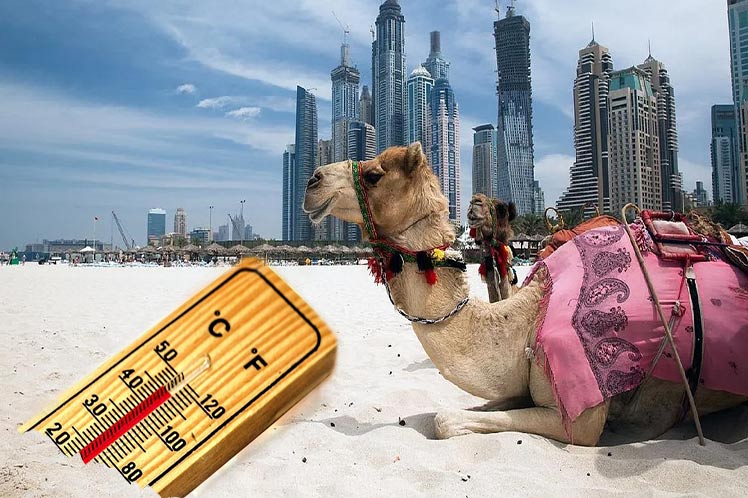
The United Arab Emirates endured an unprecedented surge in temperatures throughout May, with daily highs consistently exceeding 40ºC and several locations surpassing the 50ºC threshold. The National Centre of Meteorology confirmed this month as the hottest May in the country’s recorded history, marking a significant intensification of the region’s ongoing climate challenges.

Several emirates, including Abu Dhabi, Dubai, and Sharjah, experienced prolonged heatwaves that pushed the limits of historic temperature records. The peak temperatures, which exceeded 50ºC in some desert areas, have drawn attention from climatologists and environmental experts, highlighting the accelerated warming trend affecting the Arabian Peninsula. Such extreme heat has severe implications for public health, energy consumption, and urban infrastructure in a region already grappling with water scarcity and rapid urbanisation.

Experts indicate that the exceptional heat is linked to a combination of global climate change and localized meteorological patterns. The Arabian Peninsula’s unique geography, characterised by vast desert expanses, amplifies temperature extremes. Scientists note that climate models have long predicted a rise in heatwaves for this region, but the speed and intensity of these recent temperature spikes are causing concern among environmental analysts.

The impact on daily life has been multifaceted. Health authorities have issued warnings to vulnerable populations, particularly the elderly, children, and outdoor workers, to take precautions against heat-related illnesses. Hospitals have reported an increase in cases of heat exhaustion and dehydration, putting added pressure on healthcare services during the traditionally hot summer months. Municipalities across the UAE have accelerated measures to provide shaded areas and cooling centres to mitigate risks posed by the extreme heat.

Economic sectors dependent on outdoor labour, such as construction and agriculture, have faced operational challenges due to the intense temperatures. Labour laws have been adjusted to ensure safer working hours, often restricting outdoor activities during peak heat periods. The government’s proactive approach to safeguarding workers aligns with international labour standards, but the economic cost of these adjustments remains under evaluation.

Energy demand in the UAE has surged sharply as residents and businesses increase air conditioning usage to cope with the oppressive heat. This spike in electricity consumption raises concerns about grid stability and the environmental impact of increased fossil fuel reliance, despite the country’s ongoing investments in renewable energy. The UAE’s ambitious clean energy goals, including the development of solar power plants and nuclear energy facilities, aim to offset the environmental footprint associated with higher cooling demands.

The National Centre of Meteorology continues to monitor the evolving weather patterns closely, providing regular updates and forecasts to assist government agencies and the public in preparing for ongoing heat conditions. Advanced satellite technology and climate modelling tools are being utilised to enhance prediction accuracy and early warning systems, essential for managing risks related to extreme weather events.

Regional cooperation is becoming increasingly important as neighbouring Gulf countries face similar climatic stresses. Collaborative efforts focus on sharing data, research, and best practices for adapting to higher temperatures and mitigating environmental impacts. Multilateral discussions have emphasised the need for coordinated climate action, recognising that the Arabian Peninsula’s vulnerability to heat extremes transcends national borders.

Urban planners and architects in the UAE are responding by integrating climate-resilient designs into new developments. Innovative cooling technologies, green spaces, and heat-reflective materials are being employed to reduce the urban heat island effect, which exacerbates temperature rises in city centres. These measures are critical as the UAE’s population continues to grow, with urban expansion increasing the demand for sustainable infrastructure solutions.

Environmental groups have stressed the urgency of addressing the underlying causes of climate change, calling for stronger policies on carbon emissions and investment in sustainable technologies. While the UAE has made progress through initiatives such as the UAE Energy Strategy 2050, activists argue that more aggressive actions are required to curb the escalating frequency and severity of heatwaves.

Academic research from regional universities supports these concerns, with studies showing a marked upward trend in temperature averages and heatwave duration over the last two decades. These findings are consistent with broader global warming trends but underscore the disproportionate effects experienced in desert environments.

Public awareness campaigns have played a crucial role in educating residents about heat safety and energy conservation. Government agencies, non-profits, and community organisations collaborate to distribute information on hydration, recognising symptoms of heat stress, and reducing energy use during peak hours. These initiatives aim to enhance community resilience and promote sustainable living practices in the face of climatic shifts.

Burjeel Holdings PLC has entered into a significant agreement with the Abu Dhabi National Oil Company to operate and manage the newly established Das Hospital on Das Island. This collaboration aims to enhance healthcare services for ADNOC employees and the island’s residents.

The state-of-the-art facility is designed to serve as the primary healthcare and emergency response hub for Das Island. Equipped with advanced infrastructure, it offers round-the-clock care, including outpatient specialties such as general surgery, internal medicine, family medicine, occupational health, ENT, dental, ophthalmology, and dedicated cardiac and pulmonary units. The hospital also features a fully equipped emergency department with a minor operating room, licensed pharmacies, and a dedicated blood bank.

Dr. Ghuwaya Al Neyadi, Senior Vice President of Group Medical & Wellbeing at ADNOC, emphasized the importance of this partnership, stating that the hospital will provide top-tier healthcare and emergency services, reinforcing ADNOC’s commitment to employee wellbeing.

John Sunil, Group CEO of Burjeel Holdings, expressed pride in the collaboration, highlighting the company’s dedication to extending high-quality healthcare to strategic and remote locations. He noted that the initiative reflects Burjeel Holdings’ commitment to clinical excellence, innovation, and agile operations in support of ADNOC’s vision for a safer and healthier future.

The hospital includes 23 inpatient beds across male and female quarantine and critical care units, capable of managing both acute and chronic cases. Advanced diagnostic imaging services, including X-ray, CT scan, and ultrasound, support comprehensive patient care. Additionally, a dedicated physiotherapy and rehabilitation unit, decontamination unit, ambulance bays, and a helipad are integral parts of the facility, ensuring readiness for medical evacuations and emergency responsiveness.

This development builds upon the foundation of the former Das Medical Center, significantly enhancing healthcare provision on the island. With the integration of inpatient facilities, advanced diagnostic capabilities, and surgical services, the new hospital ushers in a new era of comprehensive, high-quality care for the Das community. It will also serve as the first responder for medical emergencies while supporting preventive and rehabilitative care aligned with ADNOC’s occupational health guidelines.

Stablecoins now account for over 80% of total spot trading volume in the cryptocurrency market in 2025, solidifying their position as the primary medium of exchange across major digital asset platforms.

This shift marks a significant evolution in the structure of crypto markets, where fiat-backed digital tokens have overtaken traditional currency pairs in trading activity. Tether’s USDT leads this transformation, commanding approximately 80% of stablecoin payment volume, underscoring its role as the most liquid and widely used asset in the ecosystem.

The stablecoin market has experienced substantial growth, with its total capitalization surpassing $250 billion. This expansion is attributed to increasing institutional adoption and the demand for stable, dollar-pegged assets in volatile markets. USDT’s market cap alone has exceeded $90 billion, reflecting its central role in facilitating crypto transactions.

Regulatory developments have played a crucial role in this growth. In the United States, the proposed Guiding and Establishing National Innovation for U.S. Stablecoins Act aims to provide a comprehensive regulatory framework for stablecoins, encouraging broader issuance by traditional financial institutions. Similarly, the European Union’s Markets in Crypto-Assets regulation, effective from December 2024, offers legal clarity for crypto assets, including stablecoins, fostering their integration into the financial system.

The dominance of stablecoins is also evident in trading behaviors. USDT pairs, such as BTC/USDT and ETH/USDT, have become the preferred trading pairs on major exchanges, offering high liquidity and minimal slippage. This preference is particularly pronounced during periods of market volatility, where traders seek the stability of dollar-pegged assets.

The integration of stablecoins into traditional financial systems is further exemplified by their use in cross-border payments and settlements. Companies like WorldPay have reported a 50% reduction in settlement times through the adoption of stablecoin-based systems. Additionally, the use of stablecoins in cross-border transactions is gaining traction in regions like Asia and Europe, where regulatory clarity and technological infrastructure support their adoption.

The strategic importance of stablecoins is underscored by their growing role in global finance. With the majority of stablecoins pegged to the U.S. dollar, they reinforce the dollar’s dominance in international trade and finance. This trend is expected to continue as regulatory frameworks mature and institutional adoption increases.

Vibe coding—a term popularised by former Tesla and OpenAI engineer Andrej Karpathy—has emerged as a transformative approach in software development. By leveraging large language models , developers can generate code through natural language prompts, effectively shifting the role of programmers from manual coding to guiding AI-generated outputs. This method has gained traction among experienced developers and hobbyists, offering a more intuitive and creative coding experience. However, for […]

Huda Kattan has reacquired full ownership of Huda Beauty, the globally recognised cosmetics brand she founded in 2013, by buying back the minority stake held by US-based private equity firm TSG Consumer Partners. This move concludes an eight-year partnership initiated in 2017 when TSG acquired a minority interest to support the brand’s expansion.

With this transaction, Huda Beauty becomes one of the few major beauty brands entirely owned by its founder. Kattan, who serves as Founder and Co-CEO, will continue to lead the company alongside her husband, Christopher Goncalo, also Co-CEO, and her sister, Alya Kattan, who oversees social strategy.

In a statement, Kattan expressed the significance of this milestone: “Taking back full ownership of Huda Beauty is a deeply important moment for me. This brand was built on passion, creativity, and a desire to challenge the beauty industry.” She emphasised the brand’s commitment to innovation and authenticity, stating, “As we step into this new chapter, I’m more committed than ever to pushing boundaries, staying true to our roots, and showing up for our incredible community every step of the way.”

Founded in Dubai with a $6,000 loan from her sister, Huda Beauty gained initial acclaim with a line of false eyelashes that became a bestseller at Sephora in The Dubai Mall. The brand has since expanded its product range to include a variety of cosmetics and skincare items, earning a reputation for viral product launches and a strong digital presence. Its Instagram account boasts nearly 57 million followers, making it the most-followed beauty brand globally.

The decision to repurchase the stake from TSG aligns with a broader trend of founder-led buybacks in the beauty industry, reflecting a desire for greater control over brand direction and values. Kattan’s move underscores her commitment to maintaining the brand’s original vision and fostering deeper engagement with its global community.

Huda Beauty’s philosophy, “Beauty is Self-Made,” continues to resonate with a diverse audience, promoting inclusivity and challenging traditional beauty standards. Under Kattan’s leadership, the company has phased out the use of Photoshop and filters on social media, advocating for realistic representations of beauty.

EDGE, the United Arab Emirates’ premier defence technology conglomerate, has secured a landmark AED 9 billion contract with the Kuwait Ministry of Defence for the supply of eight FALAJ-3 class missile boats. This agreement represents the largest naval shipbuilding export in the Middle East and ranks among the highest-value naval export deals globally.

Under the terms of the contract, EDGE will serve as the prime contractor, overseeing the design, construction, trials, and delivery of the 62-metre vessels. The agreement also encompasses integrated logistics support and in-service support, with EDGE providing ammunition for the ships. Abu Dhabi Ship Building , EDGE’s naval subsidiary, has been designated as the build subcontractor for the programme.

Hamad Al Marar, Managing Director and CEO of EDGE, described the deal as a significant milestone that deepens long-term defence ties between the UAE and Kuwait. He emphasised that the agreement brings a proven class of advanced vessels into regional service and reinforces EDGE’s position as a trusted international partner. Al Marar highlighted the rapid industrial and engineering progress achieved by EDGE, noting the company’s ability to design, build, and deliver complex naval platforms at scale.

The FALAJ-3 class missile boats are designed for high performance and advanced combat capabilities, tailored to meet Kuwait’s operational requirements. These vessels are equipped for littoral defence operations, featuring advanced combat systems and enhanced capabilities to safeguard Kuwait’s maritime interests.

The Kuwaiti Ministry of Defence stated that the acquisition of these vessels will contribute to raising the level of combat readiness, enhancing maritime security, and protecting the vital and strategic maritime interests of the State of Kuwait. The ministry highlighted that the contract aligns with Kuwait’s strategic objectives to bolster its naval capabilities and ensure the security of its territorial waters.

The FALAJ-3 class has also been adopted by the UAE Navy, with the first vessel, ALTAF, commissioned into service in February 2025. This operational deployment underscores the vessel’s proven capability and performance in regional waters.

The signing ceremony was attended by Sheikh Dr. Abdullah Meshal Mubarak Al Sabah, Undersecretary of the Kuwait Ministry of Defence; Dr. Matar Al Neyadi, UAE Ambassador to Kuwait; Hamad Al Marar, Managing Director and CEO of EDGE; and Omar Al Zaabi, President of Trading and Mission Support at EDGE.

This contract is not the first collaboration between EDGE and Kuwait. Previously, EDGE subsidiary ADSB delivered eight landing craft to Kuwait and provided maintenance, repair, and overhaul services to the Kuwaiti Coast Guard. The current agreement further solidifies the defence partnership between the two nations and demonstrates EDGE’s commitment to delivering comprehensive defence solutions.

The FALAJ-3 class vessels are based on the Fearless-class ships originally designed by Singapore’s ST Engineering for the Republic of Singapore Navy. EDGE has adapted and enhanced these designs to meet the specific needs of regional clients, offering a versatile platform capable of operating in both littoral and blue waters. The vessels can be equipped with a range of weapons, including missiles, rockets, and medium-calibre guns, providing robust defensive capabilities against various threats.

Emerging markets are pushing higher again, and this time, the momentum isn’t misplaced. Behind the move is a growing body of evidence that the world’s most dynamic developing economies are demonstrating real economic resilience, despite a chaotic external backdrop. For investors, it’s a signal that deserves immediate attention. The surge in sentiment has been supported by improved financial market conditions, stronger currencies, and narrowing bond spreads. Business […]

Bitcoin’s network hashrate has reached a new peak, hitting a seven-day average of 942.6 exahashes per second , even as the cryptocurrency’s price dipped below $106,000. This milestone underscores the growing computational power dedicated to securing the Bitcoin blockchain, reflecting increased participation and investment in mining activities.

The network’s mining difficulty—a measure of how hard it is to find a new block—has also climbed to an all-time high of 126.98 trillion. This 4.38% increase indicates that miners are facing more competition, as more computing resources are being deployed across the globe. The adjustment in difficulty is a built-in mechanism to ensure that blocks are added to the blockchain at a consistent rate, approximately every ten minutes.

Despite the intensified mining landscape, the profitability for miners has seen fluctuations. The hashprice, which represents the revenue miners earn per unit of hashrate, fell to $52 per petahash per second following the difficulty adjustment. This decline erases much of the gains observed since early May, when the hashprice briefly spiked to $58 per PH/s amid Bitcoin’s price surge to $112,000.

The current market conditions present a complex scenario for miners. While the increased hashrate and difficulty suggest a robust and secure network, they also imply higher operational costs and thinner margins for mining enterprises. These dynamics may prompt smaller or less efficient miners to reassess their strategies or exit the market, potentially leading to further consolidation in the mining industry.

Bitcoin’s price volatility adds another layer of complexity. After reaching record highs, the cryptocurrency’s value has declined, trading around $105,000. Analysts attribute this downturn to a combination of factors, including global economic uncertainties and shifting investor sentiment. Some projections suggest that Bitcoin’s price could dip further, with potential support levels around $97,000.

Despite these challenges, the long-term outlook for Bitcoin mining remains cautiously optimistic. Advancements in mining technology, coupled with strategic investments and potential regulatory clarity, could enhance efficiency and profitability. Moreover, the sustained interest in cryptocurrencies and blockchain technology continues to drive innovation and adoption across various sectors.

Solana Foundation has formalised a partnership with Dubai’s Virtual Assets Regulatory Authority , marking a significant step in integrating blockchain innovation within the emirate’s regulatory framework. The Memorandum of Understanding , signed on 3 June 2025, outlines collaborative initiatives aimed at fostering a robust crypto ecosystem in Dubai.

Central to this alliance is the establishment of the Solana Economic Zone in Dubai, envisioned as a hub for developers, entrepreneurs, and startups operating on the Solana blockchain. This zone is designed to provide access to Dubai’s progressive regulatory environment, including sandboxes and talent networks, positioning the city as an attractive destination for international Web3 projects.

The partnership encompasses talent development programs, regulatory workshops, ecosystem research, and market insight sharing. Solana Foundation and VARA plan to co-host events, offer policy guidance, and support Solana-based startups in or relocating to Dubai. An integral component of the agreement is the sharing of anonymised data to evaluate the impact of digital assets on employment and economic growth within the UAE.

Lily Liu, President of Solana Foundation, emphasised the strategic importance of this collaboration, stating that it represents a new chapter for Solana in the MENA region. She highlighted Dubai’s leadership in regulating and fostering digital assets, noting that the partnership bridges builders and regulators in one of the fastest-growing crypto hubs globally.

Henson Orser, CEO of VARA, welcomed the collaboration, reinforcing the authority’s commitment to building a future-forward economy powered by innovation, trust, and inclusion. He acknowledged the potential of the Solana Economic Zone to attract international projects seeking to scale operations under a progressive regulatory framework.

The announcement has had a positive impact on Solana’s market performance. Following the news, the SOL token experienced a modest increase, trading around $160, with a 4% rise observed on the day of the announcement. Market analysts interpret this as a bullish signal for Solana’s long-term outlook, reflecting growing confidence in the ecosystem and broader adoption.

By Dr. Gyan Pathak The most vocal Hindutva face in the North-East India, the chief minister of Assam Himanta Biswa Sarma, having shown penchant for igniting communal fire in the past, now seems to have decided on playing with even more terrible fire of arms conflicts, if his new arms policy in the state is […]
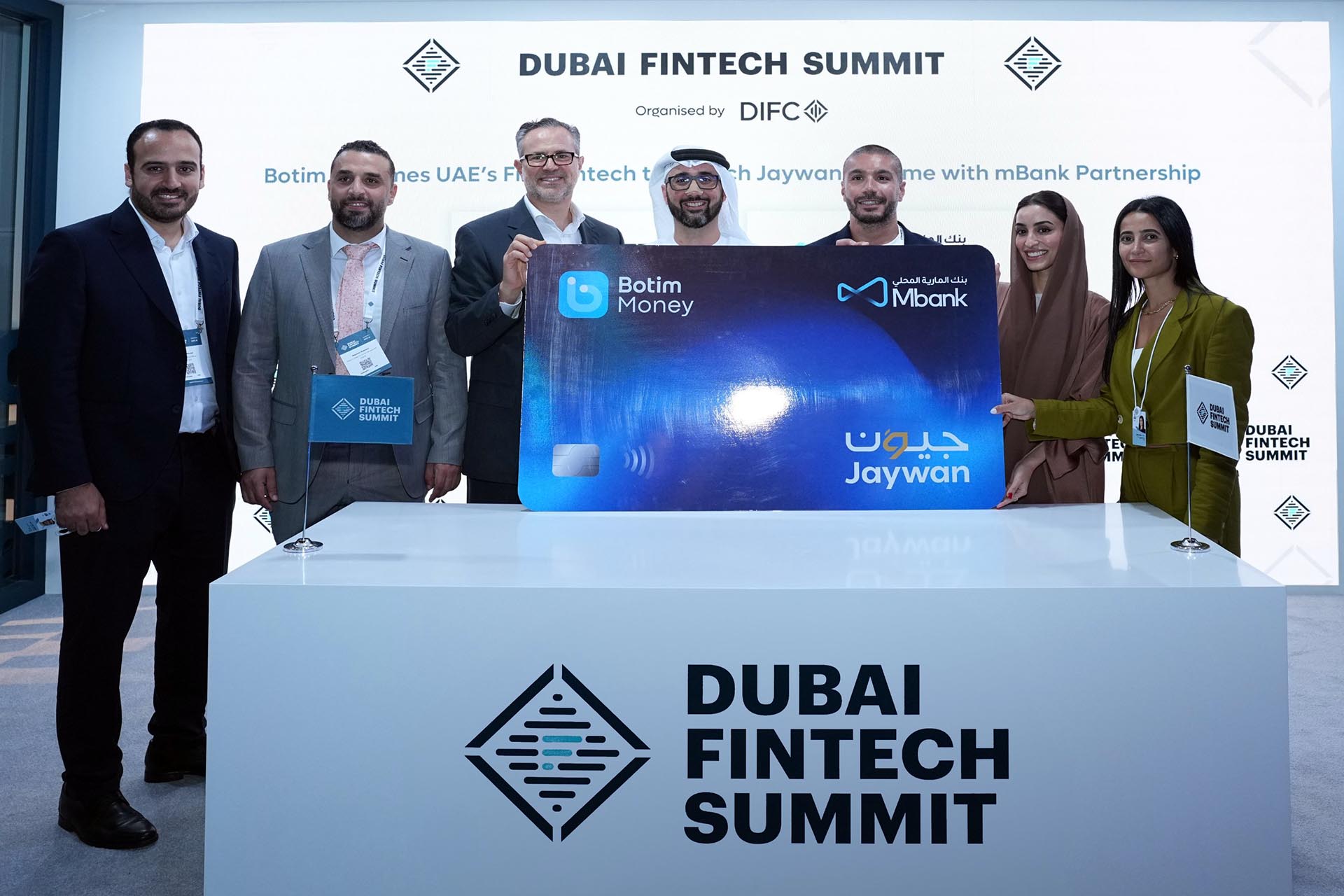
Dubai Future District Fund has reported securing over $1.65 billion in capital commitments and supporting more than 190 startups, marking a significant milestone in its mission to bolster the emirate’s innovation ecosystem.

Anchored by the Dubai International Financial Centre and the Dubai Future Foundation , DFDF unveiled these achievements at its Annual General Meeting, reflecting its alignment with Dubai’s economic vision and commitment to fostering a resilient innovation landscape.

In 2024, DFDF expanded its portfolio through direct investments and 12 Fund of Funds initiatives, aligning with the Dubai Economic Agenda to advance technology, talent, and venture capital in the region.

His Excellency Khalfan Belhoul, Chairman of DFDF’s Board and CEO of the Dubai Future Foundation, emphasized the fund’s role in driving the growth of Dubai’s digital economy, highlighting its focus on innovation and future technologies across key sectors.

Beyond capital allocation, DFDF engaged in strategic partnerships with entities like Dubai Land Department and Dubai Health, exploring innovation collaborations that align government priorities with startup-driven solutions.

Nader Albastaki, Managing Director at DFDF, noted that 2024 was pivotal for the fund, scaling investments and supporting innovators driving meaningful change. He expressed enthusiasm for 2025, designated as the Year of the Community, focusing on deeper collaboration and ecosystem resilience.

DFDF’s investment strategy involves deploying capital into venture capital funds with a local focus and directly into startups, aiming to boost venture capital investing and business activity in Dubai and the region.

The fund’s commitment to sustainability was underscored by allocating up to 20% of its AED 1 billion fund to climate technology and innovation, aligning with the UAE’s broader vision for economic diversification and sustainable development.

Arif Amiri, CEO of DIFC Authority and DFDF Board Member, highlighted the fund’s dedication to driving growth and supporting sustainability-focused tech ventures, emphasizing the importance of collaboration in cultivating innovation.

DFDF’s efforts contribute to Dubai’s ambition to establish itself as a global technology and innovation hub, reinforcing its position as a premier destination for global talent and entrepreneurship.

Dubai’s tech and creative sectors are booming, and local startups and agencies are keen on tools that save time and cut costs. On one hand, Make (formerly Integromat) is a no‑code automation platform that lets non-technical teams link apps and automate workflows visually. On the other hand, Replit is an AI‑powered cloud IDE for building and deploying software, aimed at developers. Both promise “do more with less,” […]

Delivery riders across Qatar are now prohibited from using motorcycles during peak summer hours, as authorities enforce a nationwide regulation aimed at protecting workers from extreme heat exposure.

The rule, effective from 1 June to 15 September, mandates that all deliveries between 9:30 AM and 3:30 PM be conducted using air-conditioned vehicles. This measure, initially introduced by the local tech startup Snoonu in 2021 under its “No Riders Under the Sun” campaign, became law in 2022 following endorsement by the Ministry of Labour. The regulation aligns with broader labour reforms that restrict outdoor work during the hottest hours of the day to mitigate heat-related health risks.

Snoonu’s initiative has been instrumental in setting industry standards for worker welfare. The company’s CEO, Hamad Mubarak Alhajri, drew from personal experience working in extreme heat conditions offshore to advocate for better protections for delivery personnel. “Humanity comes before business,” Alhajri stated, emphasizing the company’s commitment to employee safety over operational efficiency.

The campaign has not only influenced legislation but also garnered recognition, earning Snoonu the ‘Best CSR Initiative in the Tech Sector’ award at the 2024 Qatar CSR Awards Ceremony. The company’s efforts include establishing cooling stations across Doha, providing drivers with air-conditioned rest areas equipped with hydration facilities and comfortable seating.

Other delivery services in Qatar, such as Talabat, have also adopted similar measures, transitioning to car-only deliveries during the specified hours. These collective actions underscore a growing industry-wide commitment to safeguarding the health and well-being of delivery workers amid rising temperatures.

Ethereum has captured the spotlight in the cryptocurrency market, with its price climbing over 80% from April lows of approximately $1,400 to recent highs nearing $2,800. This rally has been accompanied by a significant uptick in social media sentiment, with Ethereum mentions showing a bullish-to-bearish comment ratio of 3:1, indicating strong retail enthusiasm.

In contrast, Bitcoin’s social sentiment reflects a more tempered optimism, with a 1.3:1 ratio of bullish to bearish comments. This suggests that while Bitcoin maintains its position as a leading cryptocurrency, its current market perception is more closely tied to macroeconomic indicators and traditional financial markets.

The divergence in sentiment between Ethereum and Bitcoin underscores differing investor perspectives. Ethereum’s recent performance has been bolstered by factors such as the activation of the Pectra upgrade on its mainnet, which has renewed retail interest after a period of relative dormancy. Additionally, the surge in Ethereum’s price has led to increased open interest in Ethereum futures, signaling growing market participation and confidence in its upward trajectory.

Bitcoin’s sentiment, while positive, appears to be influenced by broader economic discussions, including Federal Reserve Chair Jerome Powell’s remarks on U.S. inflation. Investors seem to associate Bitcoin’s performance with the health of the U.S. economy, viewing it as a hedge against inflation and a digital counterpart to gold.

The contrasting sentiments highlight a shift in retail investor behavior, with Ethereum gaining favor due to its recent price performance and network developments. This renewed interest in Ethereum suggests a potential reevaluation of investment strategies among retail traders, who are increasingly considering alternative cryptocurrencies beyond Bitcoin.

VISHNU RAJA
RYO YAMADA
HITORI GOTOH
IKUYO KITA
Just in:
Ousted top Kochi cop gets IG post // Xi Jinping Preparing For A Trilateral Summit With Trump And Putin At APEC Summit On Nov 18-19 // OpenAI introduces GPT-6 Cyber with restricted security access // Millions Of Indians May Soon Be Deprived Of Government Assistance // Asia Left Behind: Ten international companies have yet to report delivering on their cage-free egg pledges across the region // APT29-linked campaign exploits outdated Apple and Android software // Emirates Group records AED 4.1 billion half-year profit // Oil advances towards $100 as tanker attacks persist // Geely’s i-HEV Intelligent Hybrid Technology Offers a New Direction Vision for Gasoline-Powered Vehicles // After Reaching 7 Million Users in the Philippines, Skyro Launches Transparent Cash Loans in Malaysia // Miss Universe Hong Kong Jen Zhou Departs for Puerto Rico to Compete in the 75th Miss Universe World Final // Cloudflare unveils Zero Wire vulnerability intelligence service // Meraas showcases five residential zones at Dubai Design Week // TVM –Mangaluru Vande Bharat claims top spot // UK air traffic outage inflicted £33m financial losses // e-Crime Bureau Signs Cybersecurity Partnership With Smart Africa, Reinforcing Its Global Expansion // Kochi police detain two actors over bid to honey trap doctor // CR Longdation Aethereal Cybersecurity × Global Cybersecurity Alliance (GCSA) Join Hands to Establish the “AI and Cybersecurity Research Centre” // Trump’s Iran War Has A Share Of Contribution To His Midterm Debacle // Dubai boat show confirms international shipyard line-up for November //