News related to
Arabia

President Donald Trump’s administration has announced sweeping tariffs, including a baseline 10% levy on all imports into the United States, with higher rates for specific countries. This development has prompted companies across the Middle East to evaluate potential repercussions and strategize accordingly. The Gulf Cooperation Council nations—comprising Saudi Arabia, the United Arab Emirates , Qatar, Kuwait, Oman, and Bahrain—are subject to the 10% tariff. Given that many […]

The Organization of the Petroleum Exporting Countries and its allies, collectively known as OPEC+, have announced a significant policy shift by accelerating oil production increases. This decision, made during a virtual meeting on Thursday, involves eight member countries—Saudi Arabia, Russia, Iraq, the United Arab Emirates, Kuwait, Kazakhstan, Algeria, and Oman—agreeing to boost output by 411,000 barrels per day starting in May. This adjustment consolidates three months’ worth of planned increases into a single month, surpassing the initially scheduled 135,000 bpd increment.

This move aims to discipline member nations that have been exceeding their production quotas and to address concerns over market stability. The coalition emphasized that these adjustments could be paused or reversed depending on evolving market conditions, underscoring their commitment to maintaining equilibrium in the global oil market.

The announcement had an immediate impact on oil prices. Brent crude futures dropped by 7.1%, settling at $69.63 per barrel, while West Texas Intermediate declined by 7.8% to $66.15 per barrel. These declines represent the steepest single-day percentage drops since mid-2022, reflecting market apprehension about potential oversupply amid existing economic uncertainties.

Compounding these market jitters are newly announced tariffs by U.S. President Donald Trump. The administration has imposed a baseline tariff of 10% on imports from several global economies, raising fears of an escalating trade war that could dampen global economic growth and, consequently, reduce energy demand. Analysts have noted that these tariffs could lead to increased inflation and slower economic expansion, particularly affecting emerging markets in Asia, which are pivotal centers for oil demand growth.

The timing of OPEC+’s decision aligns with these geopolitical developments. By increasing supply, the alliance appears to be responding to external pressures, including calls from major consumers for more affordable energy prices. However, this strategy carries risks, as it may exacerbate price volatility and strain relations within the group, especially with members that have been advocating for more conservative production increases.

Market analysts are closely monitoring the situation, noting that the combination of heightened supply and potential demand contraction due to trade tensions could lead to a surplus in the oil market. This scenario may prompt OPEC+ to reassess its strategy in the coming months to prevent a prolonged downturn in prices.

The United Arab Emirates’ non-oil private sector experienced a deceleration in growth during March, as indicated by the latest S&P Global Purchasing Managers’ Index . The index declined to 54.0 from February’s 55.0, marking the lowest point since September. Despite this dip, the PMI remains above the 50.0 threshold, signifying continued expansion in the sector.

The moderation in growth is primarily attributed to a slowdown in new order inflows, which have decreased for the third consecutive month. The new orders index fell to 56.3 in March from 57.3 in February, reaching its weakest level since October. This trend suggests a tapering in demand momentum within the UAE’s diversified economy.

In response to mounting backlogs, companies have accelerated their input purchases at the fastest rate since July 2019. This proactive approach aims to address operational pressures and maintain service levels. However, employment growth has softened, registering its slowest pace in nearly three years, as firms encounter challenges in recruitment and workforce expansion.

Input prices have seen a moderate rise, with some businesses facing increased material costs, while others benefit from reduced transportation expenses. This nuanced cost landscape reflects the complex dynamics influencing the sector’s operational environment.

Dubai’s non-oil private sector also mirrored this slowdown, with its PMI dropping to a five-month low of 53.2 from 54.3 in February. The emirate experienced a rare reduction in employment levels, despite a continued, albeit slower, increase in new orders.

Nevertheless, businesses across the UAE maintain a positive outlook regarding future growth prospects. This optimism is underpinned by robust project pipelines and ongoing national infrastructure developments, which are expected to bolster the non-oil sector’s performance in the coming months.

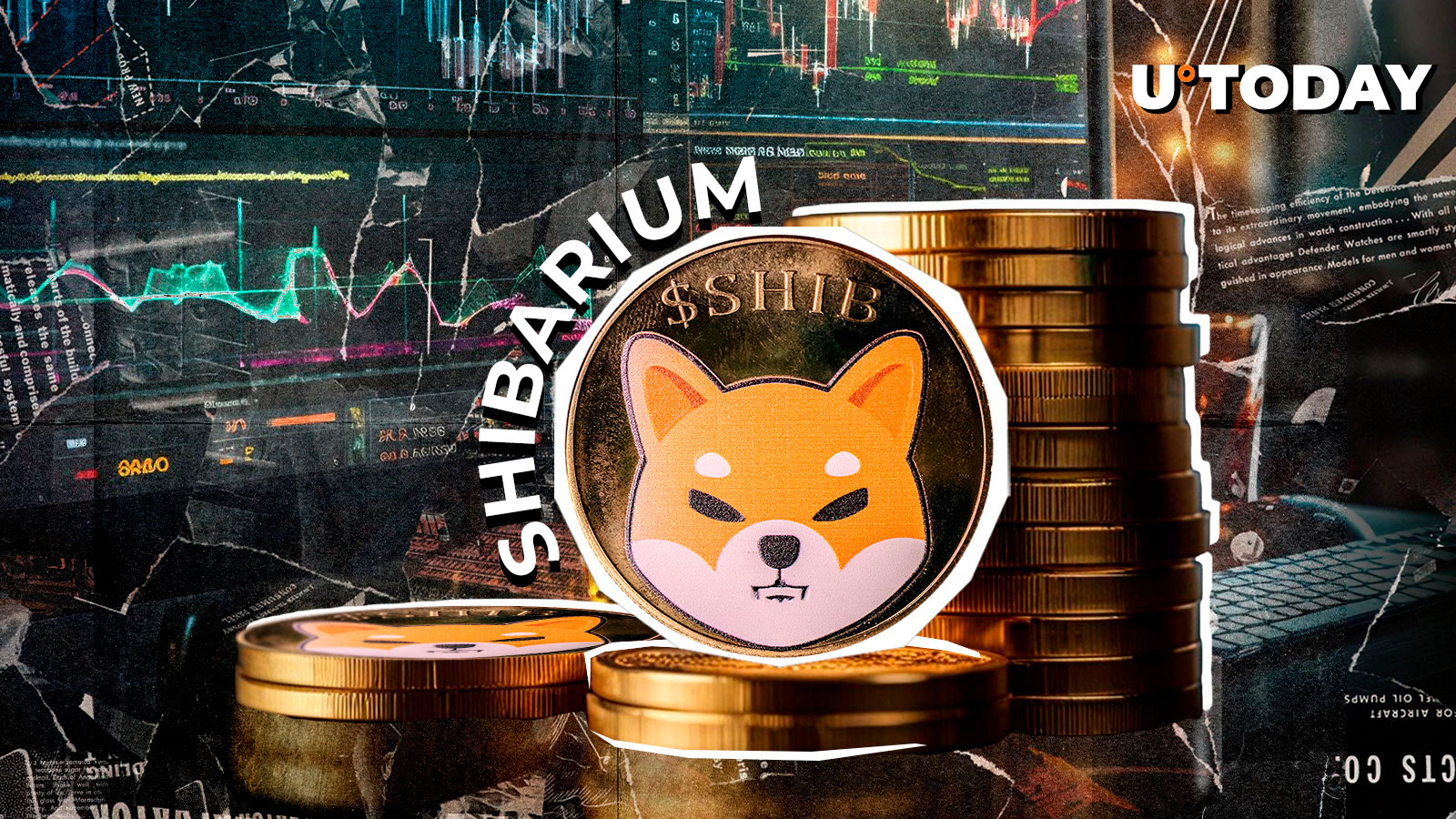
Shibarium, the Layer-2 blockchain designed to enhance the Shiba Inu ecosystem, has achieved a significant milestone by processing over 1 billion transactions since its launch in August 2023. This accomplishment underscores the network’s rapid adoption and robust performance within the cryptocurrency landscape.

Despite this technical achievement, the price of Shiba Inu’s native token, SHIB, has experienced a downturn. Over the past 24 hours, SHIB’s value declined by approximately 4.8%, trading at around $0.0000122. This decline extends to a 13% decrease over the past month, reflecting broader market trends.

The surge in Shibarium’s transaction volume is notable, especially when compared to established blockchains. For instance, Bitcoin required 15 years to reach a similar transaction count, highlighting Shibarium’s accelerated growth trajectory. The network’s ability to handle high transaction volumes without significant outages demonstrates its technical resilience and the active participation of the Shiba Inu community.

In addition to transaction volume, Shibarium has seen an increase in user engagement. The network boasts over 193 million unique addresses interacting with the platform, further indicating its expanding user base. The average block time remains at a swift 5 seconds, facilitating efficient transaction processing.

Corporate events have long gone beyond simple team building activities. They address a wide range of tasks today: helping to accelerate onboarding, improving internal communications, increasing employee engagement and strengthening corporate culture. This is especially important for employees of remote teams who risk losing contact with each other and the company due to remote working formats. In recent years, online tools have made communication easier and virtual […]

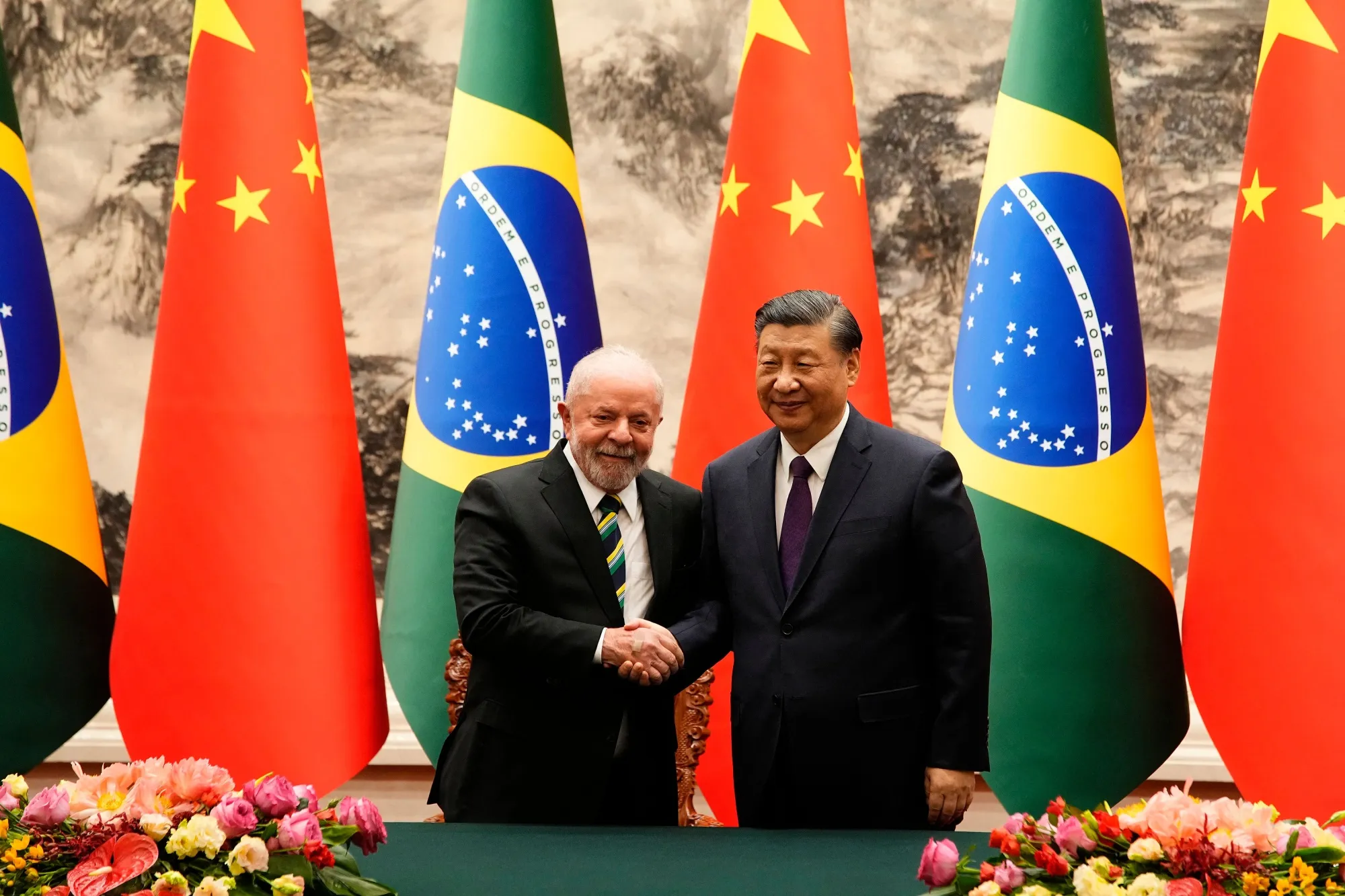
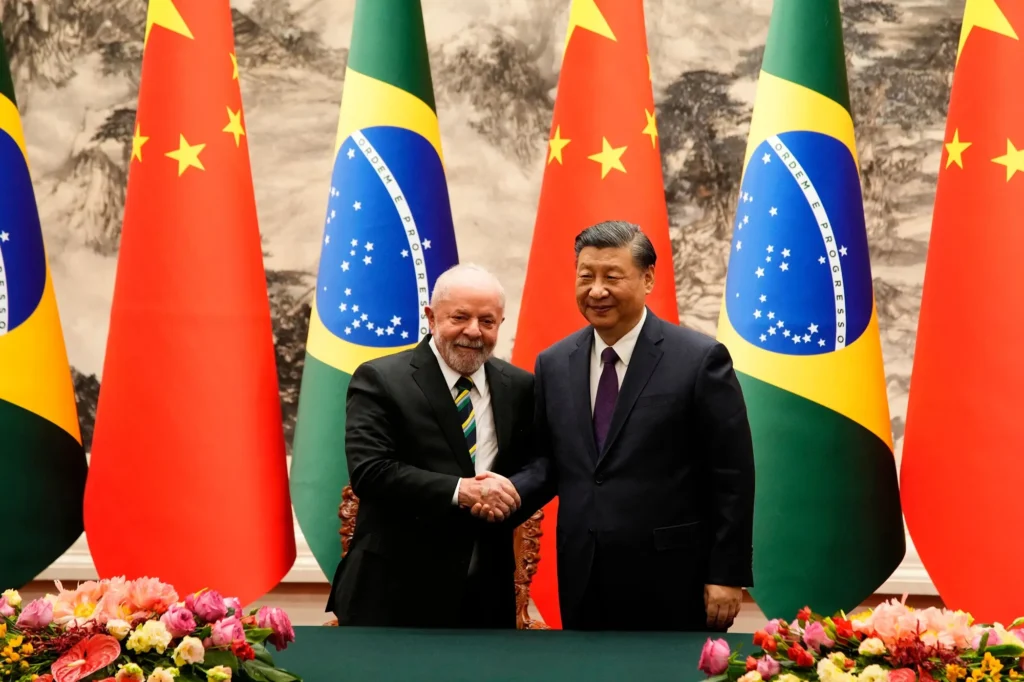
By Nitya Chakraborty Brazil’s President Luiz Inacio Lula da Silva, better known globally as Lula has launched a major initiative to meet the U.S. President Donald Trump’s unilateral tariff offensive by joining hands with Chinese President Xi Jinping and the Russian President Vladimir Putin, apart from taking assistance from South Africa and a few other […]

President Donald Trump’s administration has announced a sweeping tariff regime, imposing a baseline 10% duty on all imports into the United States, with significantly higher rates targeting specific countries. This move, described by Trump as a “Declaration of Economic Independence,” aims to rectify what he perceives as longstanding trade imbalances. However, the policy has elicited widespread concern, particularly regarding its impact on developing economies. Among the hardest […]

Advertisements

Dubai’s Roads and Transport Authority has entered into a strategic partnership with Uber Technologies Inc. and autonomous driving technology firm WeRide to introduce self-driving taxis to the city’s transportation network. This collaboration aligns with Dubai’s ambition to transform 25% of all journeys into autonomous trips by 2030, as part of its Self-Driving Transport Strategy.

His Excellency Mattar Al Tayer, Director General and Chairman of the Board of Executive Directors of RTA, emphasized the significance of this initiative, stating that the partnership represents a crucial step in advancing Dubai’s autonomous transportation goals. Noah Zych, Uber’s Global Head of Autonomous Mobility and Delivery Operations, expressed enthusiasm about the collaboration, highlighting the company’s commitment to integrating autonomous vehicles onto the Uber platform in Dubai, with WeRide as the initial technology partner.

WeRide, a Guangzhou-based autonomous driving company, has been expanding its global footprint. The firm previously launched a commercial robotaxi service in Abu Dhabi in December 2024, marking Uber’s first deployment of autonomous vehicles outside the United States. The expansion into Dubai signifies the second Middle Eastern city to feature WeRide and Uber’s autonomous ride-hailing service, further solidifying their presence in the region.

The collaboration will commence with pilot programs utilizing Uber’s technology to connect riders with WeRide’s autonomous vehicles, ensuring a seamless user experience. Details regarding the pilot program and subsequent phases are expected to be disclosed in the coming months. The initiative aims to enhance urban mobility by providing reliable and forward-thinking transportation solutions that align with Dubai’s vision for smart cities and future transport.

In addition to this partnership, RTA has been actively expanding its global collaborations with leading autonomous driving technology providers. The authority recently announced a partnership with Baidu’s Apollo Go to deploy autonomous taxis in Dubai, further advancing the city’s autonomous transportation objectives.

The introduction of self-driving taxis is anticipated to transform Dubai’s transport landscape by improving connectivity and reducing accidents. Trials for the autonomous vehicles are scheduled to commence this year, with a safety driver present during the initial phase. Commercial operations are projected to launch in 2026, contributing to the city’s goal of achieving 25% autonomous trips by 2030.

WeRide’s involvement in Dubai builds upon its global expertise in autonomous driving and complements Uber’s leadership in ride-hailing and mobility solutions. The partnership positions Dubai as a pioneering hub for smart transportation, leveraging advanced technology to enhance the city’s public transit system.

Cryptocurrency exchange Kraken has obtained a Restricted Dealer registration from the Ontario Securities Commission , enabling it to continue offering crypto trading services in Canada under the nation’s evolving regulatory framework. This development underscores Kraken’s commitment to adhering to Canada’s investor protection guidelines and solidifying its position in the Canadian market.

In conjunction with this regulatory milestone, Kraken has appointed Cynthia Del Pozo as the new General Manager for North America. Del Pozo is tasked with leading the company’s growth initiatives across Canada, focusing on strengthening regulatory, political, and commercial relationships to further embed Kraken within the North American crypto landscape.

To enhance accessibility for Canadian clients, Kraken is now offering free Interac e-Transfer deposits. This initiative aims to simplify the process of funding accounts, thereby lowering barriers for newcomers to the platform and making cryptocurrency investing more accessible and affordable.

Kraken’s registration as a Restricted Dealer places it under the supervision of the OSC, ensuring that clients have access to crypto products within a regulated environment. This status is one of eight firm registration types in Canada, each with specific requirements and conditions set by securities regulators.

CoinList, a prominent cryptocurrency token launch platform, has resumed token sales for accredited investors in the United States after a five-year hiatus. This move follows a period during which U.S. participants were largely excluded from early-stage investments in notable projects such as Solana and Near.

The decision to re-enter the U.S. market aligns with a series of regulatory shifts under the current administration. The Securities and Exchange Commission has recently dismissed several high-profile cases against cryptocurrency firms, including Coinbase and Kraken. citeturn0search12turn0search4 These dismissals signal a more accommodating stance toward the crypto industry, fostering an environment conducive to innovation and investment.

CoinList’s last U.S. token sale occurred in 2019, a time when increased regulatory scrutiny led many projects to exclude American investors. The platform’s return is marked by the upcoming token sale for the DoubleZero Foundation, a project aiming to optimize the internet for distributed systems like blockchain. This sale represents CoinList’s first offering to U.S. accredited investors since its departure from the market.

The broader cryptocurrency market has experienced significant growth since 2019. Excluding Bitcoin, the market capitalization has expanded from $60 billion to $1.15 trillion. This surge underscores the increasing importance of providing U.S. investors with access to emerging digital assets.

The SEC’s recent actions reflect a strategic shift toward establishing a clear regulatory framework for cryptocurrencies. By dropping cases against major exchanges and platforms, the Commission appears to be prioritizing collaboration with the industry over litigation.

Industry observers note that this regulatory pivot could lead to increased participation from U.S. investors in early-stage crypto projects. The inclusion of American investors is seen as vital for the growth and global competitiveness of the U.S. crypto market.

While the easing of regulatory pressures presents new opportunities, it also raises concerns about the potential for reduced oversight. Some critics argue that a more lenient regulatory environment could increase the risk of fraudulent activities within the crypto space.

President Donald Trump has announced a comprehensive tariff strategy, imposing a baseline 10% duty on all imports into the United States, with significantly higher rates targeting approximately 60 countries. This move, declared during a White House event termed “Liberation Day,” aims to address trade imbalances and bolster domestic industries. Under the new policy, key trading partners will face steep tariffs: China is subjected to a 34% duty, […]

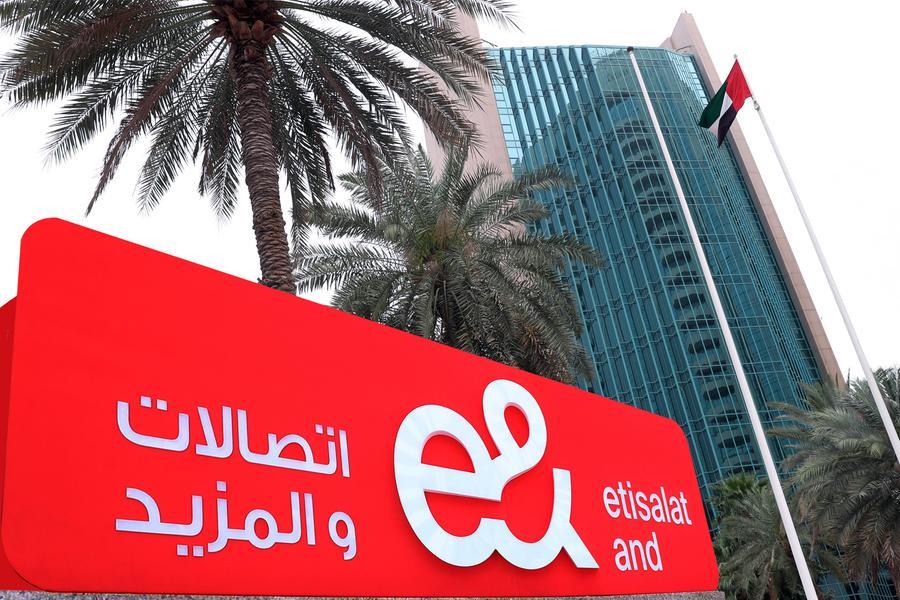
e& PPF Telecom Group, a joint venture between Emirates Telecommunications Group Company and Czech-based PPF Group, has finalized the acquisition of Serbia Broadband for €825 million. This transaction, structured on a cash-free, debt-free basis, was financed through external debt secured by e& PPF Telecom.

SBB, established in 2002, is a leading cable television and broadband internet service provider in Serbia, boasting over 700,000 active customers. The acquisition aligns with e&’s strategic ambition to scale up its international presence in Central Eastern Europe, diversify revenue sources with greater exposure to stable currencies, and accelerate growth in e& PPF Telecom.

The deal also involves the carve-out of SBB’s direct-to-home satellite operations, which will be sold to Telekom Srbija. United Group, the previous owner of SBB, will retain its media assets, including news and entertainment channels N1 and Nova S, which will continue to be broadcast by SBB.

Balesh Sharma, CEO of e& PPF Telecom Group, expressed confidence in the acquisition, stating that it would allow the company to complement existing services offered to Yettel customers in Serbia and provide a wider suite of offerings to SBB subscribers. He emphasized that customers would benefit from the synergies brought about by this transaction.

This acquisition is part of e&’s broader strategy to expand its footprint in Central Eastern Europe. In October 2024, e& acquired a 50% stake plus one share in PPF Telecom Group’s assets in the region for €2.15 billion, forming the e& PPF Telecom Group. This joint venture now operates in Serbia, Hungary, Bulgaria, and Slovakia, with a focus on expanding its telecommunications portfolio.

The completion of the SBB acquisition is expected to enhance e& PPF Telecom Group’s operations in Serbia by integrating SBB with its existing mobile operator, Yettel. This integration aims to create a leading converged operator in the Serbian market, offering both fixed-line and mobile services.

United Group’s decision to divest SBB aligns with its strategy to focus on markets where it can provide the full spectrum of mobile and fixed telecommunication services. Victoriya Boklag, CEO of United Group, stated that the divestment would enable the company to realize the greatest potential for growth and value creation.

Ripple has integrated its US dollar-pegged stablecoin, RLUSD, into its cross-border payments platform, Ripple Payments. This integration aims to enhance the efficiency and scalability of international transactions. The move coincides with RLUSD’s listing on the cryptocurrency exchange Kraken, broadening its accessibility to both institutional and retail users.

Launched in December 2024, RLUSD has rapidly approached a market capitalization of $250 million, reflecting significant adoption within the digital asset ecosystem. The stablecoin is fully backed by U.S. dollar deposits, government bonds, and cash equivalents, ensuring its stability and reliability. Ripple has positioned RLUSD as an enterprise-grade asset designed to streamline cross-border payments by providing a stable and efficient medium of exchange.

The integration of RLUSD into Ripple Payments is part of a phased rollout. Select customers, including cross-border payment providers BKK Forex and iSend, are already utilizing RLUSD to enhance their treasury operations. This development underscores Ripple’s commitment to combining its expertise in payments with a robust payout network and a compliant stablecoin to deliver fast, low-cost, and scalable cross-border payment solutions.

In addition to its integration into Ripple Payments, RLUSD’s listing on Kraken marks a significant milestone in its adoption. Kraken joins a growing list of platforms supporting RLUSD, including LMAX Digital, Zero Hash, Bitstamp, and Bullish. This expansion increases RLUSD’s liquidity and provides users with more avenues to access and utilize the stablecoin.

Jack McDonald, Ripple’s Senior Vice President of Stablecoins, noted that RLUSD’s market capitalization has exceeded internal projections, with adoption spanning multiple financial sectors. He highlighted that RLUSD is being used as collateral in both crypto-native and traditional finance trading markets. Furthermore, Ripple is actively collaborating with non-governmental organizations to explore the potential of stablecoins in streamlining charitable giving.

The stablecoin market has been predominantly dominated by Tether and USD Coin , which together account for nearly 90% of the total market capitalization. Ripple’s entry into this space with RLUSD signifies a strategic move to challenge these incumbents by leveraging its established infrastructure and expertise in cross-border payments. The company’s recent legal victory against the Securities and Exchange Commission has further bolstered its position in the cryptocurrency industry, enabling it to pursue new ventures such as RLUSD with greater confidence.

Ripple’s approach to RLUSD emphasizes compliance and transparency. The stablecoin is 100% backed by U.S. dollar deposits, U.S. government bonds, and cash equivalents. To oversee RLUSD’s operations and ensure adherence to regulatory standards, Ripple has appointed an advisory board that includes notable figures such as Sheila Bair, former chair of the U.S. Federal Deposit Insurance Corporation.

The integration of RLUSD into Ripple Payments and its listing on Kraken are expected to drive further adoption of the stablecoin. By providing a stable and efficient medium for cross-border transactions, RLUSD aims to address the challenges associated with traditional international payments, such as high costs and lengthy processing times.

As the digital asset landscape continues to evolve, the role of stablecoins like RLUSD in facilitating seamless and efficient transactions is likely to expand. Ripple’s strategic initiatives with RLUSD position the company to play a pivotal role in the future of cross-border payments, offering both enterprises and individuals a reliable alternative to traditional payment methods.

Google is actively addressing an issue affecting its Pixel smartphones, where the “At a Glance” widget has been displaying outdated weather forecasts. Users have reported discrepancies, noting that while the current temperature appears accurate, the high and low forecasts are incorrect. In some instances, the widget displayed the previous day’s forecast as today’s and today’s forecast as tomorrow’s. A Google spokesperson stated that the company is rolling […]

Checkout.com has partnered with Tabby to integrate Buy Now, Pay Later solutions into its platform, enabling merchants in the United Arab Emirates and Saudi Arabia to offer consumers flexible payment options at checkout. This collaboration aims to enhance the shopping experience, foster consumer loyalty, and drive business growth by providing greater flexibility at the point of purchase. The BNPL market in the Middle East has witnessed significant […]

Eric Trump has announced a significant move into the cryptocurrency sector by partnering with Hut 8 Mining to establish American Bitcoin, a company aiming to become a leading force in Bitcoin mining. This decision follows the closure of multiple family bank accounts by major U.S. financial institutions.

In a recent interview, Eric Trump revealed that several prominent banks, including JPMorgan Chase, Bank of America, Capital One, TD Bank, and First Republic, terminated accounts associated with the Trump family. He described these actions as politically motivated and an attack on the family’s financial stability. Capital One has publicly denied these allegations, asserting that account closures are not influenced by political considerations.

The abrupt termination of these accounts prompted Eric Trump to explore decentralized financial systems, leading to his involvement in the cryptocurrency industry. He expressed that the experience underscored the vulnerabilities inherent in traditional banking and highlighted the potential of digital currencies to offer financial autonomy.

American Bitcoin emerges from a strategic partnership between the Trump-affiliated American Data Centers and Hut 8 Mining, a well-established player in the crypto-mining infrastructure sector. Under the terms of the agreement, Hut 8 holds an 80% stake in the new venture, while American Data Centers retains the remaining 20%. Eric Trump assumes the role of Chief Strategy Officer, with Matt Prusak appointed as Chief Executive Officer.

The company’s mission is to position itself as the world’s most efficient Bitcoin miner and to build a substantial strategic Bitcoin reserve. This initiative aligns with the broader objective of establishing the United States as a central hub for cryptocurrency innovation and operations. Donald Trump Jr. emphasized the family’s commitment to the value of Bitcoin, noting that mining offers opportunities beyond mere ownership of the digital asset.

The announcement of American Bitcoin has elicited varied reactions. Supporters view it as a forward-thinking move that leverages emerging technologies to circumvent traditional financial barriers. Critics, however, raise concerns about potential conflicts of interest, given the family’s political prominence, and the environmental implications associated with large-scale Bitcoin mining operations.

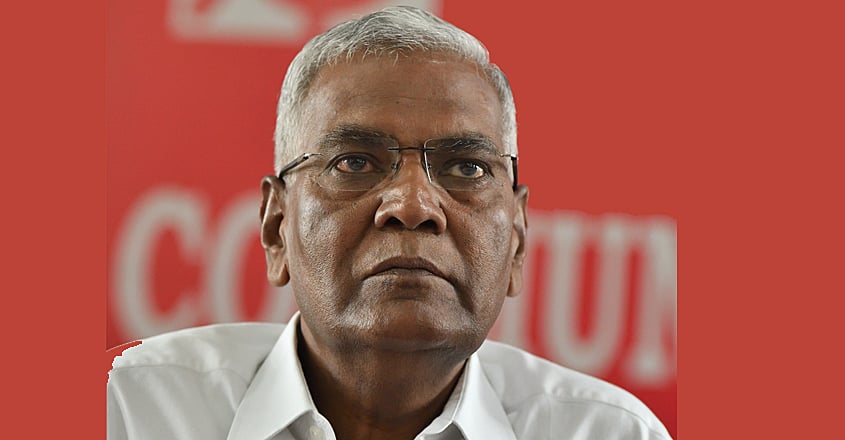
By Satyaki Chakraborty Communist Party of India (CPI) general secretary D. Raja gave a clarion call on Wednesday for the building of principled unity of all communists in India to act as the vanguard of the battle against the Narendra Modi government and the RSS-BJP led Sangh Parivar. Addressing the inaugural session of the 24th […]

Dubai’s leading parking management firm, Parkin, has announced a cash dividend of AED 280.9 million for the second half of 2024, slated for distribution in late April 2025. This decision reflects the company’s robust financial performance and aligns with its commitment to delivering consistent shareholder returns.

Concurrently, Parkin is set to implement a Variable Parking Tariff Policy starting 4 April 2025. This initiative, introduced in collaboration with Dubai’s Roads and Transport Authority , aims to optimise parking space utilisation by adjusting fees based on demand during specific timeframes.

Under the new policy, parking charges will vary between peak and off-peak hours. Peak periods are designated from 8:00 AM to 10:00 AM and 4:00 PM to 8:00 PM, during which premium parking zones will incur higher fees. Specifically, parking in these premium areas will cost AED 6 per hour during peak times. Off-peak hours, spanning 10:00 AM to 4:00 PM and 8:00 PM to 10:00 PM, will maintain the existing tariff structure.

The RTA has expanded the classification of premium parking zones to encompass approximately 40% of Parkin’s public parking portfolio, an increase from the previously communicated 35%. These zones are primarily located in high-demand, densely populated areas, including vicinities adjacent to public transport infrastructure. The remaining 60% of spaces will be designated as standard parking.

For multi-storey car parks , Parkin will maintain a fixed rate of AED 5 per hour, applicable 24/7. However, a maximum daily charge of AED 40 will be imposed for stays exceeding eight hours within a 24-hour period. As of the end of 2024, Parkin operated 3,200 parking spaces across six MSCPs.

Approximately 35% of Parkin’s developer parking spaces will now be subject to the Variable Parking Tariff Policy, a significant adjustment from the earlier expectation of 0%. This change is set to take effect simultaneously with the public parking tariff adjustments on 4 April 2025.

Parkin’s financial results for the fiscal year 2024 have surpassed the guidance provided during its March 2024 initial public offering . The company’s average public parking utilisation rate increased by 2.4 percentage points to 28.3%, underscoring a positive trend in demand for parking services.

The implementation of the Variable Parking Tariff Policy is part of Parkin’s broader strategy to enhance the efficiency of parking space usage across Dubai. By aligning parking fees with demand fluctuations, the company aims to improve accessibility and convenience for motorists while supporting the city’s transportation infrastructure.

Motorists are advised to acquaint themselves with the new tariff structures and zone classifications ahead of the changes to ensure compliance and avoid potential fines. Detailed information regarding the updated parking tariffs and zone designations is available on Parkin’s official website and mobile application.

Parkin’s proactive approach in adjusting its dividend payouts and parking tariffs reflects its responsiveness to market dynamics and commitment to delivering value to both shareholders and customers. As Dubai continues to evolve as a global metropolis, such initiatives are pivotal in maintaining the city’s reputation for efficient urban planning and infrastructure management.

The forthcoming changes underscore the importance of adaptive strategies in urban management, particularly in rapidly growing cities like Dubai. By implementing variable pricing models, Parkin aims to balance demand and supply effectively, ensuring that parking resources are utilised optimally.

As the implementation date approaches, stakeholders, including residents, businesses, and visitors, are encouraged to stay informed about the new parking regulations. This awareness will facilitate a smoother transition and help mitigate any potential inconveniences arising from the tariff adjustments.

Parkin’s collaboration with the RTA exemplifies a coordinated effort to enhance urban mobility and address the challenges associated with urbanisation. The Variable Parking Tariff Policy is expected to serve as a model for other cities grappling with similar issues, showcasing Dubai’s leadership in innovative urban management solutions.

In light of these developments, Parkin remains committed to monitoring the impact of the new tariff system and making necessary adjustments to ensure its effectiveness. Continuous feedback from the public will be instrumental in refining the policy to better serve the community’s needs.

The integration of technology in disseminating information about the new tariffs, through platforms like the Parkin mobile app, reflects the company’s dedication to leveraging digital tools for enhanced customer engagement and service delivery.


American Bitcoin, a US-based Bitcoin mining company, is poised to make a significant move in the market by exploring options for a public listing or introducing private equity to fuel its expansion. The company, jointly founded by Hut 8 and American Data Centers, has garnered attention due to its ambitious plans to scale its operations and leverage the ongoing surge in cryptocurrency demand. This move is being closely watched by industry experts, investors, and stakeholders as the company aims to position itself as a key player in the rapidly evolving world of cryptocurrency mining.

With the support of the Trump family, American Bitcoin’s market ambitions have taken a prominent position in the crypto sector. The backing from a high-profile family brings additional visibility and credibility to the company’s potential to disrupt the Bitcoin mining space. This strategic partnership is expected to provide American Bitcoin with not only financial resources but also valuable connections and a broader network within both the tech and investment communities.

The cryptocurrency market has experienced a marked increase in interest and investment over the past few years, particularly in Bitcoin mining. As the flagship cryptocurrency continues to dominate market discussions, mining operations that can scale efficiently are being highly sought after by both institutional investors and private equity firms. American Bitcoin’s strategy includes utilising state-of-the-art mining technology and securing access to renewable energy sources to ensure long-term sustainability and cost efficiency in its operations.

As of now, American Bitcoin is weighing whether to pursue an initial public offering or opt for private equity funding. An IPO would provide the company with the potential to raise capital from a wide array of investors, offering shares to the public and solidifying its position in the mainstream market. On the other hand, private equity could provide more flexibility in terms of growth strategy and operational control, as it would involve raising funds from select private investors.

The decision between the two paths is a critical one, as the company must balance the need for substantial capital with its desire to maintain a certain level of autonomy. Industry experts believe that both options could provide valuable opportunities for American Bitcoin to fuel its growth and meet the increasing demand for Bitcoin mining operations. However, the success of either approach will depend heavily on the company’s ability to convince investors of its long-term profitability and strategic vision.

The timing of this potential move also comes at a crucial moment for the cryptocurrency industry. Bitcoin’s market performance, while volatile, continues to demonstrate its resilience as an asset class. Furthermore, the broader acceptance of cryptocurrencies as a legitimate financial instrument by both governments and private institutions has created a favourable environment for companies like American Bitcoin to thrive.

Looking ahead, American Bitcoin’s plans to scale its operations are set against the backdrop of increasing competition in the cryptocurrency mining sector. The company will need to differentiate itself by offering innovative solutions, optimising its operations, and tapping into new market opportunities. The role of its backers, including the Trump family, could prove pivotal in shaping the company’s ability to secure its place in a crowded market.

The Bitcoin mining industry, known for its capital-intensive nature, requires substantial investments in hardware, energy, and infrastructure. As a result, companies within the sector are constantly exploring ways to improve efficiency and reduce costs while maintaining profitability. American Bitcoin’s strategic focus on renewable energy sources and cutting-edge mining technology positions it as a forward-thinking company in an industry that is often criticised for its environmental impact.

The company’s leadership is also keenly aware of the need to build a strong brand identity and attract investors who are aligned with its long-term vision. By positioning itself as an environmentally conscious and technologically advanced company, American Bitcoin hopes to set itself apart from competitors that may not be as focused on sustainability or innovation.

Beyond the financial considerations, American Bitcoin’s public offering or private equity introduction will have broader implications for the cryptocurrency mining industry. If successful, it could signal a new wave of institutional involvement in the sector, attracting both investors and talent eager to capitalise on the growing demand for Bitcoin and other cryptocurrencies. This, in turn, could lead to further advancements in mining technology and operational strategies, ultimately shaping the future of the industry.

The involvement of the Trump family in American Bitcoin’s journey adds a layer of intrigue to the company’s potential growth. With a history of significant influence in both business and political circles, their participation brings an element of prestige and recognition that could help the company navigate the complex regulatory landscape surrounding cryptocurrency mining.

BlackRock, the world’s largest asset manager overseeing approximately $12 trillion, has obtained registration from the UK’s Financial Conduct Authority to function as a crypto asset firm. This authorisation enables BlackRock to offer cryptocurrency services within the United Kingdom.

The FCA’s decision positions BlackRock as the 51st entity on its crypto asset register, joining notable firms such as Coinbase, PayPal, and Revolut. The FCA maintains rigorous standards for registration, having approved only a fraction of applicants. According to the FCA, many submissions have been rejected due to incomplete or substandard components necessary for a thorough assessment.

This development aligns with BlackRock’s strategic expansion into digital assets. In January 2024, the firm introduced the iShares Bitcoin Trust in the United States, which rapidly attracted substantial investor interest. Building on this momentum, BlackRock launched the iShares Bitcoin Exchange-Traded Product on European exchanges in Paris and Amsterdam. The ETP debuted with a promotional fee waiver, reducing its expense ratio to 0.15% until the end of the year, after which it will revert to 0.25%, aligning with competitors like CoinShares. Manuela Sperandeo, BlackRock’s Head of Europe & Middle East iShares Product, remarked that this initiative reflects a tipping point in the industry, combining established retail investor demand with increasing professional engagement.

Market analysts interpret BlackRock’s FCA registration as a significant endorsement of the cryptocurrency sector, potentially encouraging broader institutional adoption. Given BlackRock’s substantial influence in global finance, its entry into the UK crypto market may signal a shift towards mainstream acceptance of digital assets.

By Nantoo Banerjee If in the United States, the world’s second largest federal democracy, the number of seats in the House of Representatives could remain capped at 435 since 1913, there is no reason to justify the latest delimitation exercise to freshly fix the number of seats and boundaries of territorial constituencies in each state […]

BlackRock’s USD Institutional Digital Liquidity Fund , a tokenized money market fund operating on the Ethereum blockchain, has witnessed a significant surge in total value locked , escalating from $615 million to $1.87 billion over a span of three weeks. This substantial growth underscores the increasing institutional interest in blockchain-based financial products.

The BUIDL fund invests in low-risk assets, including U.S. Treasury bills, cash, and repurchase agreements, offering investors a stable yield. The fund’s rapid expansion reflects a broader trend in the tokenization of real-world assets , a market that has recently surpassed $10 billion in TVL. Industry observers attribute this growth to a combination of factors, including enhanced regulatory clarity and the search for secure digital asset investments amid fluctuating cryptocurrency markets.

In addition to its presence on Ethereum, BlackRock has expanded BUIDL’s reach to multiple blockchains, including Avalanche, Aptos, Polygon, Optimism, and Arbitrum. This multi-chain strategy aims to leverage the unique advantages of each platform, such as reduced transaction fees and increased scalability. For instance, the management fee for BUIDL is set at 50 basis points on Ethereum, Arbitrum, and Optimism, while it is lower—only 20 basis points—on Aptos, Avalanche, and Polygon. This fee structure is supported by ecosystem development organizations that have agreed to subsidize the costs to incentivize usage on these platforms.

The tokenization of assets like those in the BUIDL fund offers several benefits, including fractional ownership, increased liquidity, and reduced transaction costs. By converting traditional financial products into digital tokens on a blockchain, investors can access and trade these assets more efficiently. This process also enables instantaneous and transparent settlement, enhancing the overall efficiency of financial markets.

RIYADH, SAUDI ARABIA – Media OutReach Newswire – 1 April 2025 – Recently, at JINGDONG Logistics’ warehouse in Riyadh, goods were being efficiently processed, destined not only for Middle East countries but also for parts of North Africa. Currently, JINGDONG Logistics operates five warehouses in the Middle East, including Saudi Arabia Warehouse No. 1. Last year, JINGDONG Group also established a strategic partnership with Saudi Electricity Company […]

President Donald Trump has indicated that his first international trip in his second term will likely include visits to key countries in the Middle East, namely Saudi Arabia, the United Arab Emirates , and Qatar. While speaking to the press in the Oval Office, Trump suggested the visit could occur next month, though he noted it might be slightly delayed depending on diplomatic and scheduling considerations.

This trip is expected to be a crucial moment in Trump’s foreign policy, as it will focus on reinforcing the United States’ strategic relationships in the region, particularly in the wake of his administration’s efforts to reshape the dynamics of the Middle East through initiatives such as the Abraham Accords and military partnerships. The planned visit underscores the ongoing importance of these Gulf nations as key players in both regional and global geopolitical matters, including security, energy, and economic cooperation.

The president’s statement reflects the evolving nature of U.S. foreign policy in the Middle East, where traditional alliances have been reinforced while new partnerships, especially with the UAE and Bahrain, have emerged over the past few years. The Abraham Accords, signed in 2020, have opened new avenues for diplomatic engagement in the region, with several Arab countries normalising ties with Israel, a move that has significantly altered the political landscape.

Saudi Arabia, as a longstanding ally of the United States, remains at the heart of the Middle East’s geopolitics, particularly in relation to energy markets and security concerns regarding Iran’s growing influence. Trump’s administration was marked by its staunch support for the kingdom, including a controversial stance on the murder of journalist Jamal Khashoggi and its military cooperation in the region. A visit to Riyadh would likely reaffirm these strategic ties, especially as the U.S. continues to grapple with Iran’s nuclear ambitions and its role in regional instability.

The UAE has also become an increasingly influential partner, not only in terms of energy and security but also in fostering technological innovation and investment. In addition to hosting Israeli diplomatic missions following the Abraham Accords, the UAE has positioned itself as a hub for economic development, hosting major events like Expo 2020 Dubai and advancing its space exploration programme. Trump’s engagement with the UAE signals an ongoing commitment to strengthen ties with nations that have emerged as leaders in the Middle East’s economic diversification efforts.

Qatar, a key player in regional diplomacy and a host to the massive U.S. military base at Al Udeid, will also play a central role in Trump’s plans. As a small but influential country, Qatar has positioned itself as a mediator in various regional conflicts, often serving as an intermediary between conflicting parties in the region. Trump’s relationship with Qatar has been critical, particularly in relation to military cooperation and counter-terrorism efforts, and his visit would likely reaffirm the importance of these ongoing collaborations.

While the specifics of the trip remain unclear, the White House has made it known that the president’s travels will reflect the continued prioritisation of U.S. interests in the Middle East. Following years of tension over issues such as the U.S. withdrawal from Afghanistan and its approach to Iran, the Middle East remains a focal point of U.S. foreign policy. This visit could signal a shift towards a more engaged and active approach, particularly as the region faces new challenges ranging from economic instability to security threats from non-state actors.

Experts suggest that Trump’s trip will also serve as a signal to other global powers, particularly China and Russia, of the U.S.’s commitment to maintaining its influence in the Middle East. The region’s role in global energy production, combined with its strategic location at the crossroads of Europe, Africa, and Asia, makes it a critical area for U.S. interests. Trump’s visit is expected to focus on advancing energy partnerships, countering the growing influence of China in the region, and ensuring that U.S. military presence continues to be a stabilising factor in the face of Iranian provocations and broader geopolitical shifts.

Trump’s visit comes at a time when the Middle East is witnessing significant shifts in its diplomatic and economic alignments. Saudi Arabia, for example, has begun to recalibrate its foreign policy, striking deals with China and Russia, and there are signs that the kingdom is exploring new relationships outside its traditional Western alliances. Trump’s visit could also serve to counter these new trends, reinforcing U.S. leadership in the region.

The trip could be particularly significant for the future of U.S. relations with Israel. Although Israel’s peace agreements with several Arab states have altered the region’s political landscape, U.S. support for Israel remains a cornerstone of its Middle East policy. Trump’s visit will likely address how the U.S. plans to build on these agreements while navigating the evolving dynamics between Israel and its Arab neighbours.

As Trump prepares for his visit, discussions will also revolve around the broader implications of his foreign policy agenda. The Middle East is not only a region of military importance but also a key player in the global fight against terrorism, as well as in shaping energy markets and technological innovations. Trump’s emphasis on strengthening partnerships with countries like Saudi Arabia, the UAE, and Qatar will be crucial in setting the tone for the next phase of U.S. involvement in the region.

VISHNU RAJA
RYO YAMADA
HITORI GOTOH
IKUYO KITA