News related to
Arabia

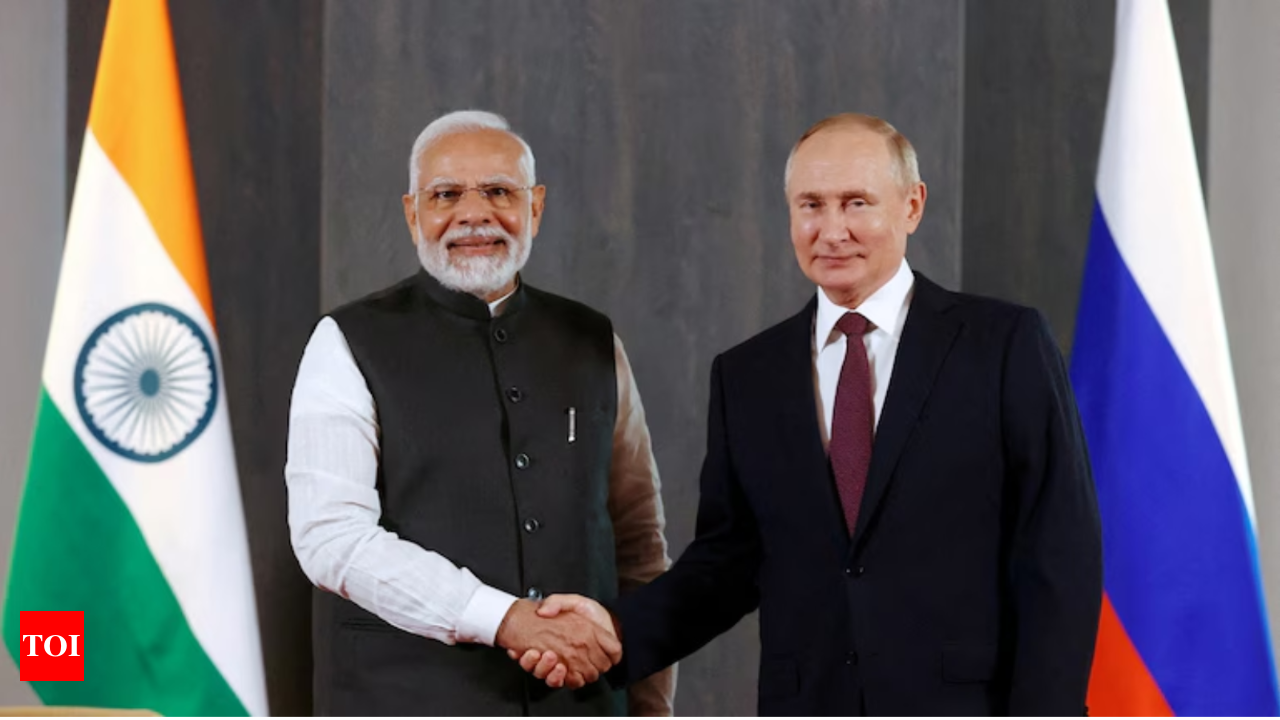
By Nitya Chakraborty Russian President’s pending visit to India has turned into a big diplomatic mystery as in the last five months since the Kazan summit on October 22 last year when Putin officially confirmed his visit to India in the presence of the Indian Prime Minister Narendra Modi amidst full media and TV glare, […]

Galaxy Digital, a prominent cryptocurrency investment firm led by Michael Novogratz, has agreed to a $200 million settlement with the New York Attorney General’s office. The settlement addresses allegations that the firm promoted the cryptocurrency LUNA without adequately disclosing its financial interests, while simultaneously selling substantial holdings of the token at a profit prior to its collapse.

The Terra ecosystem, which included the algorithmic stablecoin TerraUSD and its sister token LUNA, experienced a catastrophic collapse in May 2022. At its peak, LUNA boasted a market capitalization of approximately $40 billion, ranking among the top cryptocurrencies globally. The collapse of UST and LUNA resulted in significant financial losses for investors and raised concerns about the stability of algorithmic stablecoins.

According to the settlement details, Galaxy Digital actively promoted LUNA to investors while concurrently liquidating its own holdings without proper disclosure of these transactions. This dual action allegedly misled investors regarding the firm’s financial interests and the stability of the Terra ecosystem. The New York Attorney General’s office emphasized that such practices undermine market integrity and investor trust.

The $200 million settlement is structured to be paid over a three-year period. Notably, while Galaxy Digital has agreed to the financial terms, the firm has neither admitted nor denied the allegations put forth by the Attorney General’s office.

The collapse of Terra’s tokens had far-reaching implications beyond individual investor losses. The event triggered a broader market downturn, leading to increased scrutiny of the cryptocurrency industry by regulators worldwide. In the aftermath, several firms associated with Terra faced legal actions and financial penalties. For instance, Jump Trading Group agreed to a $123 million settlement with the U.S. Securities and Exchange Commission over allegations related to misleading investors about the stability of TerraUSD.

Terraform Labs, the company behind the Terra blockchain, filed for bankruptcy in January 2024. Subsequently, the firm reached a $4.47 billion settlement with the SEC to address allegations of fraud related to the collapse of TerraUSD and LUNA. The bankruptcy proceedings are ongoing, with efforts focused on winding down operations and compensating affected stakeholders.

Do Kwon, co-founder of Terraform Labs, has also faced legal challenges. After being detained in Montenegro in March 2023, Kwon was extradited to the United States to face federal fraud charges related to the collapse of TerraUSD and LUNA. The charges include wire fraud, commodities fraud, securities fraud, and conspiracy.

The Terra incident has prompted regulators to intensify their oversight of the cryptocurrency industry, particularly concerning the promotion and stability of digital assets. The SEC and other regulatory bodies have been actively investigating and, in some cases, penalizing firms that fail to provide transparent disclosures to investors or engage in misleading promotional activities.

Galaxy Digital’s settlement underscores the importance of transparency and ethical practices within the cryptocurrency sector. As digital assets continue to gain mainstream adoption, regulatory authorities are likely to maintain rigorous enforcement to protect investors and ensure market integrity. Firms operating in this space are increasingly expected to adhere to stringent disclosure requirements and ethical standards to foster trust and stability in the evolving financial landscape.

The repercussions of the Terra collapse serve as a cautionary tale for both investors and firms within the cryptocurrency industry. Investors are urged to conduct thorough due diligence and remain cautious of high-yield investment opportunities that lack transparency. Simultaneously, firms are reminded of the critical need to maintain ethical standards and comply with regulatory requirements to sustain the industry’s credibility and foster long-term growth.

As the cryptocurrency market continues to evolve, the balance between innovation and regulation remains a focal point. The outcomes of legal actions, such as the settlement involving Galaxy Digital, highlight the ongoing efforts by authorities to establish a regulatory framework that protects investors while accommodating the dynamic nature of digital assets.


Terraform Labs has announced the launch of a claims portal aimed at compensating creditors who incurred losses during the collapse of the TerraUSD token and the company’s subsequent bankruptcy. The portal, accessible at claims.terra.money, will be open for submissions from March 31 until April 30, 2025, with a deadline of 11:59 p.m. Eastern Time on the closing date.

To file a claim, creditors must register on the portal and provide proof of ownership of their crypto assets. For assets held within the Terra Ecosystem or supported networks, users are required to sign a transaction through the portal at no cost. For holdings on other platforms, creditors should supply a read-only API key or submit manual evidence such as transaction logs and account statements. It is important to note that assets with on-chain liquidity below $100 and certain holdings, including Luna 2.0 on Terra 2.0, are not eligible for claims.

The Plan Administrator will assess claim amounts based on eligible cryptocurrency holdings. Claims supported by manual evidence may undergo a longer review process and risk disallowance if preferred evidence, like API keys, is available but not provided. Within 90 days of the claim deadline, creditors will receive an initial determination or notification of extended review through the portal.

Greenlogue/AP Saudi Arabia’s Acwa Power is intensifying its collaboration with Chinese enterprises, undeterred by escalating global trade disputes. The energy giant has formalized agreements exceeding $1.78 billion, focusing on renewable energy, battery storage, and research and development initiatives across regions including the Gulf, China, Central Asia, and North Africa. These deals, announced at the Future Investment Initiative conference in Riyadh, encompass a $54 million investment dedicated to […]

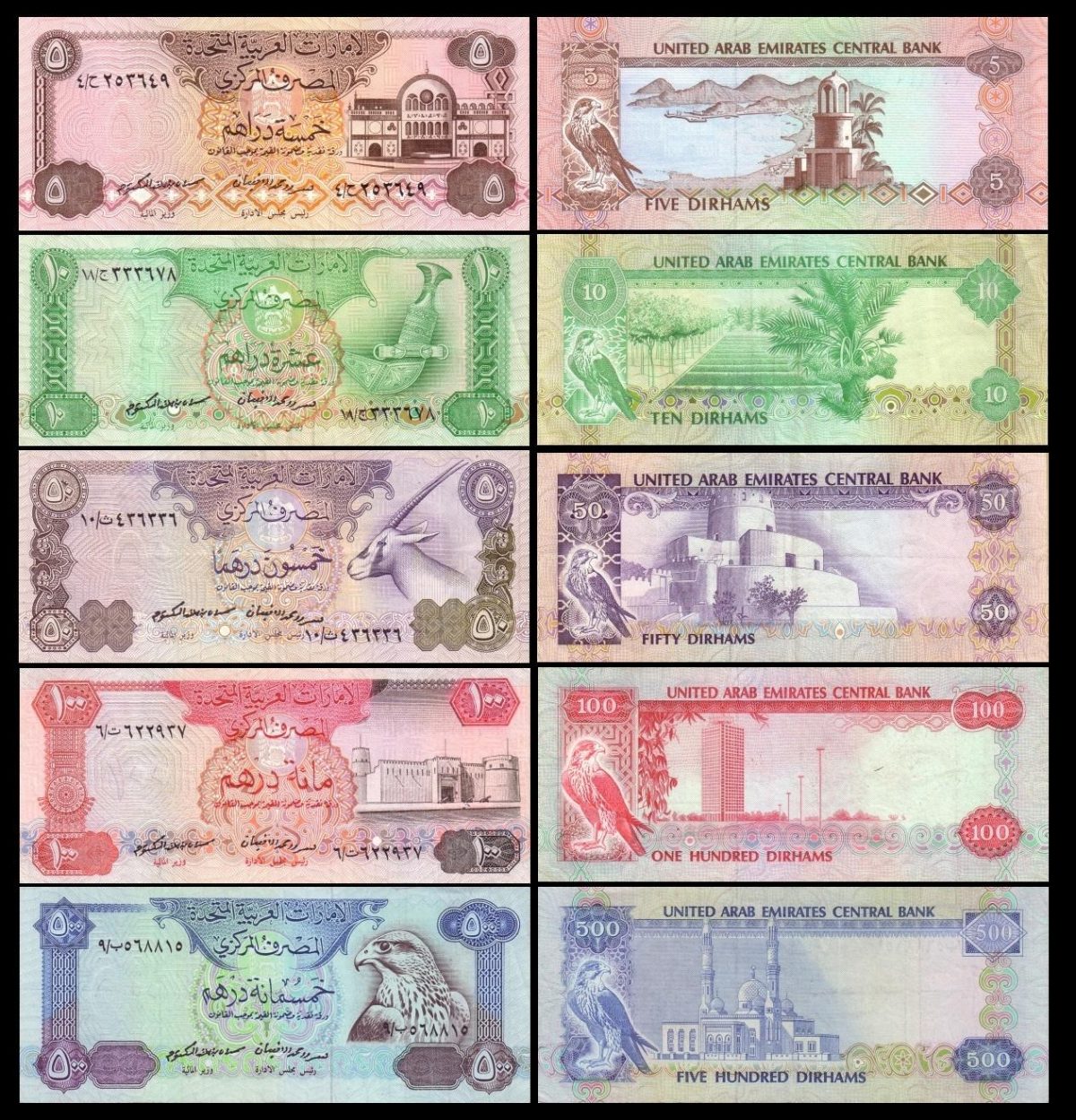
The Central Bank of the UAE has unveiled a new symbol for the nation’s currency, the Dirham, marking a significant step in the country’s financial evolution. This initiative aims to bolster the UAE’s position as a leading global financial hub and reflects its commitment to embracing digital advancements in the financial sector.

The newly introduced symbol is derived from the English letter “D” and features two horizontal lines that signify the currency’s stability. This design draws inspiration from the UAE flag, embodying national identity and pride. In its digital form, the symbol is encased within a circle, incorporating the flag’s colors—green, white, red, and black—to emphasize security and continuity, while also echoing the shape of a digital token. The design’s curves are influenced by traditional Arabic calligraphy, lending it an elegant and robust presence.

The adoption of this symbol aligns with the CBUAE’s recent accession to the FX Global Code, a set of global principles promoting integrity and transparency in the foreign exchange market. By joining this voluntary code, the UAE becomes the first central bank in the Arab region to commit to these standards, underscoring its dedication to fair and transparent practices in the financial sector.

Khaled Mohamed Balama, Governor of the CBUAE, emphasized that the introduction of the new Dirham symbol reflects the nation’s vision for a modern and innovative financial ecosystem. He highlighted that this move is part of broader efforts to enhance the international profile of the UAE’s currency, especially as digital finance continues to gain momentum globally.

The CBUAE has also developed an integrated and secure platform for the issuance, circulation, and use of the Digital Dirham, including a Digital Dirham wallet. This platform is designed to ensure the seamless adoption of the digital currency, providing users with a secure and efficient means of conducting transactions. The issuance of the Digital Dirham is expected to take place in the last quarter of 2025 for the retail sector, marking a pivotal moment in the UAE’s financial landscape.

The introduction of the new Dirham symbol and the forthcoming Digital Dirham are anticipated to have a profound impact on the UAE’s economy. By embracing digital currency, the nation aims to enhance financial inclusion, streamline payment systems, and reduce transaction costs. Moreover, these initiatives are expected to attract international investors and businesses, further solidifying the UAE’s status as a global financial center.

Financial analysts have noted that the UAE’s proactive approach to digital finance positions it ahead of many other nations in the region. The adoption of a distinct currency symbol and the development of a digital currency demonstrate the country’s commitment to innovation and its readiness to adapt to the evolving financial landscape.

However, the transition to digital currency also presents challenges. Ensuring robust cybersecurity measures, maintaining public trust, and navigating regulatory considerations are critical factors that the CBUAE will need to address as it moves forward with these initiatives. The central bank has assured that it is implementing comprehensive strategies to tackle these challenges, prioritizing the security and stability of the UAE’s financial system.

The unveiling of the new Dirham symbol has been met with positive reactions from various sectors within the UAE. Businesses and consumers alike have expressed optimism about the potential benefits of the Digital Dirham, including increased convenience and efficiency in transactions. The integration of traditional design elements with modern digital features in the new symbol has also been praised for effectively encapsulating the UAE’s cultural heritage and forward-thinking vision.

VEON Ltd., a global digital operator, has secured a 24-month, $210 million senior unsecured term loan from a consortium of international lenders, including ICBC Standard Bank and leading Gulf Cooperation Council banks. The facility bears interest at the Secured Overnight Financing Rate plus 425 basis points.

Kaan Terzioğlu, CEO of VEON, stated that this new debt facility reflects the market’s strong confidence in VEON’s strategy, financial health, and future.

This financing marks VEON’s return to the capital markets since relocating its headquarters from Amsterdam to Dubai. The move was completed in December 2024, following approvals from the company’s Board of Directors. The relocation aligns with VEON’s strategic realignment to be closer to key markets and leverage Dubai’s status as a global business hub.

The successful syndication of the term loan underscores the confidence international lenders have in VEON’s financial health and strategic direction. The involvement of prominent institutions such as ICBC Standard Bank and leading GCC banks highlights the company’s strong relationships within the global financial community.

In addition to strengthening its financial position, VEON has been actively investing in its operating markets. In June 2024, the company committed $1 billion to enhance Ukraine’s digital infrastructure through its subsidiary Kyivstar, demonstrating its dedication to supporting economic growth in the regions it serves.

Gold prices have surged to a historic high, reaching $3,077 per ounce on March 28, 2025, marking a significant milestone in the precious metal’s valuation. This ascent comes just two weeks after gold surpassed the $3,000 threshold on March 14, 2025, reflecting a 15.76% increase year-to-date.

The imposition of a 25% tariff on auto imports by U.S. President Donald Trump has intensified fears of a global trade war, prompting investors to seek refuge in safe-haven assets like gold. The tariffs have particularly impacted the auto industries in Japan and South Korea, leading to notable declines in their stock markets. Japan’s Nikkei index dropped over 2%, while South Korea’s benchmark index fell to a two-week low. In contrast, Hong Kong’s Hang Seng index remained relatively stable, rising by 0.6%. The auto sector, vital to both South Korea and Japan, faces significant challenges, with some manufacturers considering production relocations or price adjustments.

The escalating trade tensions have heightened investor anxiety, leading to increased demand for gold as a safe-haven asset. Analysts attribute the surge in gold prices to factors such as U.S. trade and fiscal policies, slowing economic growth, and geopolitical conflicts. Financial analyst Kyle Rodda emphasized that these elements collectively bolster gold’s appeal. Additionally, gold tends to benefit in low-interest-rate environments and during periods of political and economic uncertainty.

In response to the rising gold prices, Goldman Sachs has revised its year-end forecast for the metal from $3,100 to $3,300 per ounce. Analysts Lina Thomas and Daan Struyven cited higher-than-expected inflows into gold exchange-traded funds and robust central bank demand, particularly from large Asian central banks, as key drivers for the upward revision. They anticipate that these central banks will continue aggressive gold purchases over the next three to six years. The analysts also suggested potential entry points for investors, including a resolution to the Russia-Ukraine conflict or a significant equity market downturn.

The surge in gold prices has led to a notable increase in the sale of old jewelry and coins in major markets across Asia and the Middle East. Consumers in countries like India, China, and the United Arab Emirates are capitalizing on the high prices to liquidate their gold holdings, potentially reducing imports and tempering the gold rally. In India, domestic gold prices have risen more than 32%, prompting many to sell rather than purchase new jewelry. Similar trends are observed in Dubai and China, where high prices have led consumers to sell or hold onto their gold assets.

Advertisements

Ethereum is currently trading at approximately $2,001.24, reflecting a decrease of $34.67 from the previous close. The day’s trading saw a high of $2,038.00 and a low of $1,985.14.

In contrast to Ethereum’s market challenges, Coldware is actively expanding its blockchain ecosystem. A notable addition is the introduction of Freeze.Mint, a Layer-2 service that enables users to create and launch their own tokens on the Coldware blockchain. This tool is designed to simplify token creation, offering a cost-effective solution for businesses and developers aiming to engage with customers, manage loyalty programs, raise funds, and foster community growth. By facilitating the minting of custom tokens, Coldware positions itself as a versatile platform for diverse blockchain applications.

Ethereum’s recent price decline has been attributed to several factors, including increased competition from alternative blockchains like Solana and Cardano, which offer faster and more cost-effective transactions. Additionally, the rise of memecoins has diverted investor attention, and internal challenges within Ethereum’s development community have contributed to market uncertainty. These dynamics have led to a 40% drop in Ether’s value over the past three months, with the cryptocurrency underperforming compared to major tokens such as Bitcoin.

Arabian Post Staff -Dubai MSI’s GeForce RTX 5080 Ventus 3X OC White has emerged as a notable contender in the high-end graphics card market, offering a blend of robust performance and distinctive design. This model caters to both gamers and creators seeking advanced features without compromising on visual appeal. The RTX 5080 series, based on NVIDIA’s Blackwell architecture, introduces enhancements in ray tracing and AI-driven graphics rendering. […]

OpenAI is on the verge of finalizing a landmark $40 billion funding round, spearheaded by Japan’s SoftBank Group. This substantial infusion of capital is poised to nearly double the artificial intelligence company’s valuation to $300 billion, marking a significant milestone in the tech industry’s financial landscape.

SoftBank’s commitment to OpenAI underscores its strategic focus on AI advancements. The conglomerate plans an initial investment of $7.5 billion, with an additional $2.5 billion sourced from a syndicate of investors. A subsequent tranche later this year is expected to see SoftBank contribute another $22.5 billion, complemented by $7.5 billion from syndicated partners. This structured approach reflects a calculated effort to bolster OpenAI’s capabilities and market position.

The funding round has attracted a consortium of prominent investors, including Magnetar Capital, Coatue Management, Founders Fund, and Altimeter Capital Management. Magnetar Capital, based in Evanston, Illinois, is reportedly considering an investment of up to $1 billion, highlighting the high level of interest and confidence in OpenAI’s potential.

This financial milestone follows OpenAI’s $6.6 billion funding round in October 2024, which valued the company at $157 billion. The current investment nearly doubles that valuation, reflecting the rapid growth and escalating significance of AI technologies in various sectors.

A substantial portion of the newly acquired funds is earmarked for the “Stargate” project, an ambitious $500 billion initiative aimed at constructing a network of data centers to support AI workloads. This project is a collaborative effort involving OpenAI, SoftBank, and Oracle, and is expected to significantly enhance the United States’ AI computing capacity to meet future demand. The financing strategy for Stargate heavily relies on debt, with SoftBank targeting a 90% debt funding ratio, a move that underscores the project’s massive scale and the financial engineering involved.

The partnership between SoftBank’s CEO Masayoshi Son and OpenAI’s CEO Sam Altman has been instrumental in advancing these initiatives. Their collaboration dates back to 2017, evolving over the years into a robust alliance focused on AI development. The joint efforts have culminated in significant projects like Stargate, positioning both companies at the forefront of the AI revolution.

Despite this substantial investment, SoftBank has reported a quarterly loss of 369.2 billion yen for the three months ending in December. The loss is attributed to investment setbacks in its Vision Funds and unfavorable foreign exchange impacts. Nevertheless, SoftBank remains committed to its AI-focused investments, viewing them as pivotal to its long-term strategy.

La Liga, in collaboration with EA SPORTS, has initiated the ‘Next Gen Draft’ programme in the United Arab Emirates , aiming to unearth and nurture young football talent. This initiative, part of the broader EA SPORTS FC FUTURES social impact programme, seeks to identify promising players globally and provide them with advanced training opportunities.

The programme commenced with practical trials at the High Performance Centre in Dubai Sports City, involving approximately 200 players from various academies across the UAE. These trials are designed to assess technical skills, talent, and mindset, focusing on building athletes with strong personal values and sporting character. The selection process will culminate in eight standout players—four boys and four girls—who will be granted an intensive development and training programme in Madrid. There, they will visit clubs in the Spanish capital and gain firsthand exposure to the Spanish football scene, an experience designed to inspire emerging youth talent.

The UAE was chosen for these trials due to its regional significance and the presence of advanced football academies. This initiative follows previous rounds in the United States and South Africa, with future stages planned in Vietnam and Guatemala. The talent selection programme focuses on a range of attributes, including technical skills, talent, and a positive mindset, aiming to build athletes with strong personal values and sporting character.

La Liga’s commitment to developing football talent extends beyond the ‘Next Gen Draft’. The league has established the La Liga Academy in Dubai, offering young UAE players a professional football experience with top-tier training and development. The academy’s programmes are tailored to enhance individual technique, game tactics, and strategic understanding, providing a comprehensive football education for players aged 4 to 17.

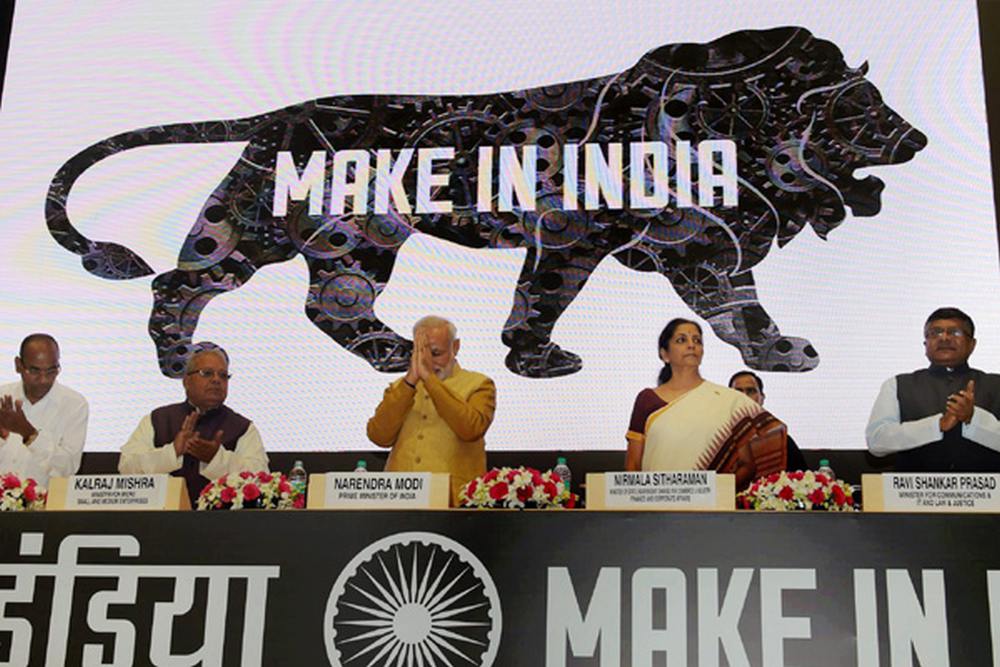
By Nitya Chakraborty Prime Minister Narendra Modi is known as the super salesman of jumlas. Beginning from Jan Dhan account of Rs. 15 lakh for everyone to generating two crore jobs for youth every year, all the hyped up propaganda of the BJP led government since 2014 have turned into a big flop. Even in […]

President Donald Trump has announced the imposition of a 25% tariff on all imported automobiles and specific auto parts, a move set to take effect on April 3. The administration asserts that this measure aims to bolster domestic manufacturing and is projected to generate approximately $100 billion in annual tax revenue.

The tariffs will apply to passenger vehicles, including sedans, SUVs, crossovers, minivans, and light trucks, as well as key components such as engines, transmissions, powertrain parts, and electrical systems. Vehicles imported under the United States-Mexico-Canada Agreement may receive exemptions based on their U.S. content, with a certification process to determine the value of non-U.S. content subject to tariffs.

The automotive industry has expressed significant concern over the potential repercussions of these tariffs. Industry group Autos Drive America has criticized the move, warning that it could lead to higher prices for consumers and a reduction in manufacturing jobs. Cox Automotive estimates that the tariffs could add $3,000 to the cost of U.S.-made vehicles and $6,000 to those produced in Canada or Mexico, potentially causing substantial disruptions to production.

Automakers with operations in North America are bracing for the impact. General Motors, Ford Motor, and Stellantis, which have manufacturing facilities in Canada and Mexico, may face increased costs due to their reliance on imported components. Shares of these companies, along with those of Asian manufacturers like Toyota, Honda, and Hyundai, experienced declines following the announcement. Tesla, despite manufacturing vehicles domestically but utilizing some imported parts, also saw its stock value decrease.

The United Auto Workers union has expressed support for the tariffs, anticipating a resurgence in domestic auto manufacturing jobs. Conversely, Canadian Prime Minister Mark Carney has condemned the tariffs as a “direct attack” on Canadian autoworkers and has pledged to defend their interests.

Economists and industry analysts are divided on the potential outcomes of the tariffs. While the administration emphasizes the goal of strengthening the U.S. automotive sector, critics argue that the increased costs could be passed on to consumers, potentially dampening demand in an already high-priced market. The average cost of a new vehicle in the U.S. stands at approximately $49,000, and additional tariffs may exacerbate affordability concerns for middle and working-class buyers.

The tariffs are also expected to disrupt the highly integrated North American supply chain. Decades of free trade agreements have resulted in a manufacturing ecosystem where components often cross borders multiple times during production. The new tariffs could necessitate a significant restructuring of these supply chains, with potential production impacts estimated at up to 20,000 units per day within a week of implementation.

In response to concerns about affordability, President Trump has proposed allowing a tax deduction for interest on auto loans for American-made vehicles. This initiative aims to offset some of the increased costs resulting from the tariffs and encourage consumers to purchase domestically produced cars.

The international community has reacted with apprehension to the announcement. Foreign leaders have voiced concerns about the potential for a broader trade war, with significant resistance from Canada and the European Union. The tariffs have the potential to strain diplomatic relations and may prompt retaliatory measures from affected countries.

Abu Dhabi Aviation has entered into a strategic partnership with Archer Aviation to introduce the Midnight electric vertical take-off and landing aircraft in the United Arab Emirates . This collaboration aims to deploy the inaugural fleet of Midnight eVTOLs globally, commencing operations within the year.

The initiative is part of Archer’s “Launch Edition” program, which seeks to establish a scalable and repeatable framework for the commercial deployment of the Midnight aircraft in early adopter markets. The program’s objective is to build operational expertise, generate revenue, and strengthen long-term demand for urban air mobility solutions.

ADA and Archer will collaborate closely with the UAE General Civil Aviation Authority to ensure the safe integration of air taxi services into the region’s airspace. This partnership underscores the UAE’s commitment to adopting advanced technologies in transportation and enhancing urban mobility.

His Excellency Nader Al Hammadi, Chairman of Abu Dhabi Aviation, expressed enthusiasm about the partnership, stating, “We have been observing the advancements in eVTOL technology for years, and we are proud to partner with Archer to bring this innovation to the UAE. Abu Dhabi Aviation has the expertise to develop a scalable urban air mobility service, and we are excited to lead the way in launching the region’s first electric air taxi service, starting right here in Abu Dhabi.”

Archer’s Midnight aircraft is designed to carry a pilot and four passengers, offering a sustainable and efficient alternative for urban transportation. The eVTOL is engineered for rapid back-to-back flights with minimal charge time between operations, aiming to transform commutes that typically take 60 to 90 minutes by car into approximately 10 to 20-minute flights.

Adam Goldstein, CEO and Founder of Archer, highlighted the significance of the Launch Edition program, stating, “The unveiling of our Launch Edition program marks the beginning of the next chapter for Archer. This is how we’ll bring Midnight from the manufacturing line to our first customers—and it’s a playbook we’ll run repeatedly as we scale our operations globally. Thank you to Abu Dhabi Aviation for being our first Launch Edition customer. We have a big year ahead.”

To support the deployment, Archer plans to provide ADA with a team of pilots, technicians, and engineers to facilitate the initial operational ramp-up. Additionally, Archer intends to supply backend software infrastructure and a front-end booking application to support urban air mobility operations during the Launch Edition program.

GameStop Corp. has unveiled plans to raise $1.3 billion through a private offering of 0.00% Convertible Senior Notes due in 2030, with intentions to utilize the proceeds for general corporate purposes, including the acquisition of Bitcoin. This strategic move underscores the company’s commitment to integrating cryptocurrency into its financial strategy.

The announcement led to a 13% surge in GameStop’s stock during premarket trading, reflecting investor optimism. However, the stock experienced a 5.7% decline in after-hours trading following the detailed disclosure of the bond offering. This volatility highlights the market’s mixed reactions to the company’s cryptocurrency endeavors.

GameStop’s board has unanimously approved an update to its investment policy, incorporating Bitcoin as a treasury reserve asset without specifying a maximum investment limit. The investment committee, chaired by CEO Ryan Cohen, is tasked with balancing liquidity and investment returns. This initiative aligns GameStop with other corporations adopting Bitcoin as part of their treasury management strategies.

In the fourth quarter, GameStop reported earnings of 30 cents per share, surpassing analysts’ expectations. However, revenue fell short at $1.28 billion against the anticipated $1.48 billion. The company held $4.775 billion in cash and equivalents by the end of the quarter, following the divestiture of its Italy operations and store closures in Germany.

Analysts have expressed caution regarding GameStop’s pivot towards cryptocurrency. Michael Pachter, an analyst at Wedbush Securities, questioned the rationale behind investing in GameStop stock for Bitcoin exposure, suggesting that direct Bitcoin ETFs might be more appealing. Wedbush has maintained an “Underperform” rating for GameStop, adjusting the price target from $10 to $11.50, reflecting the company’s cash balance and operating value.

This move follows a proposal from Strive Asset Management, led by CEO Matt Cole, urging GameStop to invest its cash reserves into Bitcoin. The proposal highlighted Bitcoin’s potential as a hedge against inflation and a strategic reserve asset. CEO Ryan Cohen acknowledged receipt of the proposal, indicating consideration of the strategy.

GameStop’s foray into cryptocurrency is part of a broader effort to revitalize its business model amid declining sales and increased competition from digital gaming platforms. The company’s strategic direction includes closing physical stores and exploring new markets such as trading cards and cryptocurrencies. Despite these initiatives, analysts remain skeptical about the long-term sustainability of such moves.

Tanmiah Food Company, a prominent supplier of fresh poultry, processed proteins, and animal feed, has entered into a partnership with Emerge, a joint venture between Masdar and the EDF Group, to develop a 3 megawatt-peak solar power plant at Tanmiah’s agricultural processing facility in Haradh, Saudi Arabia. This initiative aligns with Saudi Arabia’s clean energy objectives and underscores Tanmiah’s commitment to sustainability. Under the terms of the […]

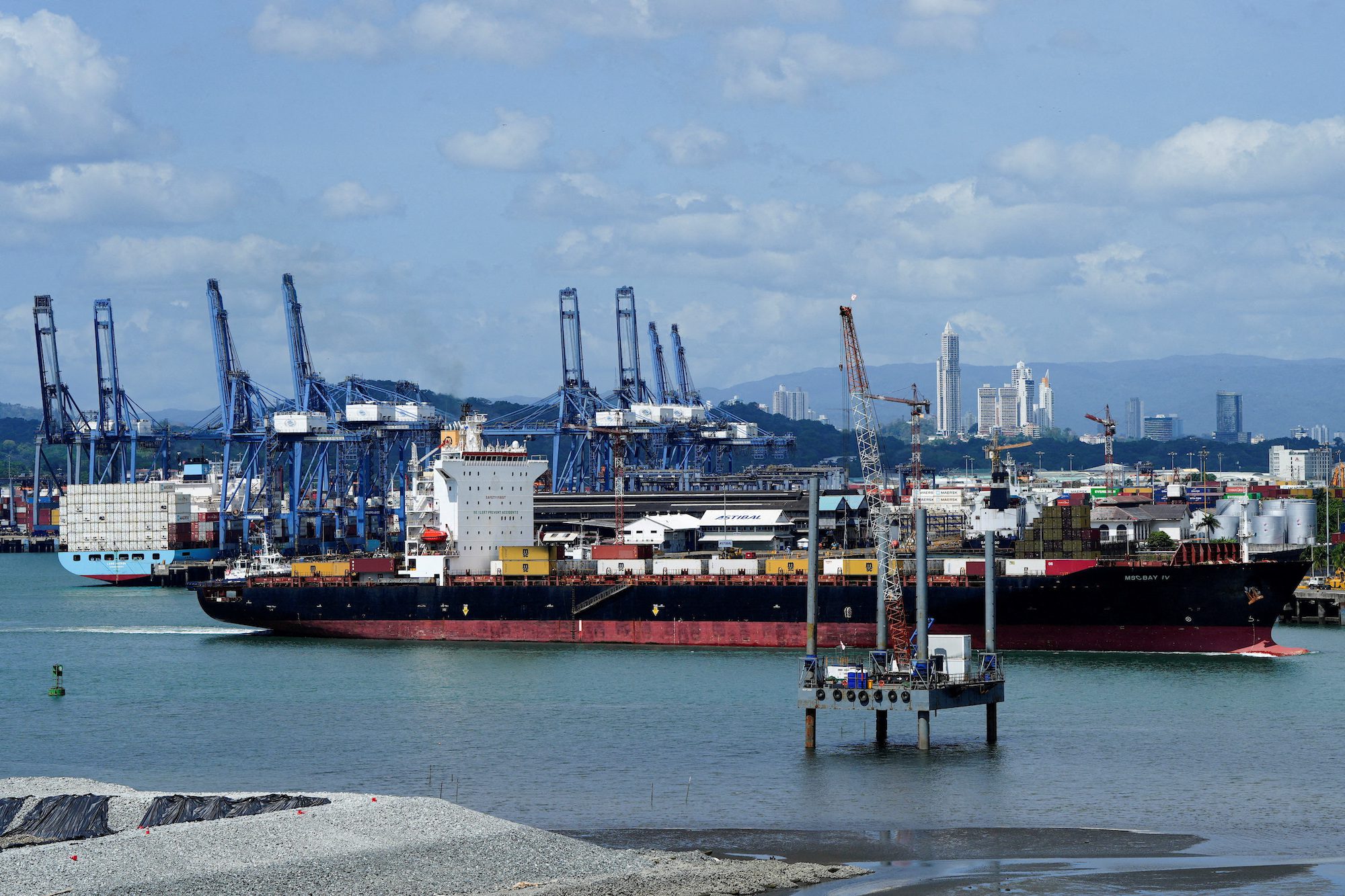
Chinese authorities have initiated a review of CK Hutchison Holdings Ltd.’s agreement to divest its port assets near the Panama Canal to a consortium led by BlackRock Inc., expressing dissatisfaction with the Hong Kong-based conglomerate’s decision.

The deal, valued at approximately $22.8 billion, encompasses the sale of 43 ports across 23 countries, notably including the Balboa and Cristobal terminals situated at either end of the Panama Canal. CK Hutchison asserts that the transaction is purely commercial and does not involve its port operations in Hong Kong or mainland China.

Beijing’s reaction has been notably severe. The Hong Kong and Macau Affairs Office, representing China’s central government, has publicly criticized the sale, describing it as a “betrayal of all Chinese people.” State-affiliated media have echoed this sentiment, labeling the move as “spineless” and accusing CK Hutchison of yielding to foreign pressure.

This development occurs amid heightened geopolitical tensions between China and the United States. U.S. President Donald Trump has lauded the acquisition, interpreting it as a strategic move to reclaim American influence over the Panama Canal, a vital maritime passage constructed by the U.S. in the early 20th century and transferred to Panamanian control in 1999.

In response to the sale, Chinese officials are contemplating the application of anti-monopoly laws to scrutinize the transaction further. Legal experts suggest that while Beijing’s jurisdiction over CK Hutchison’s overseas operations is limited, potential leverage could be exerted through the conglomerate’s substantial investments within China.

Hong Kong’s Chief Executive, John Lee, has also weighed in, denouncing coercive tactics by foreign governments without directly naming the United States or addressing the specifics of the port deal. He emphasized the importance of fair international trade practices and the need to resist external pressures.

Gulf sovereign wealth funds are projected to manage assets totalling $18 trillion by 2030, representing a 50 percent increase from the end of 2024, according to a recent analysis by Deloitte Middle East. This growth underscores the region’s expanding influence in global finance, with Gulf SWFs currently holding approximately 40 percent of worldwide sovereign wealth assets. The Abu Dhabi Investment Authority leads the Gulf’s sovereign funds with […]

Tesla has announced plans to commence sales in Saudi Arabia next month, marking a significant expansion into the Gulf region’s largest market. The electric vehicle manufacturer will host a launch event in Riyadh on April 10 to showcase its lineup of electric vehicles and solar-powered products.

This development indicates a mending of relations between Tesla’s CEO, Elon Musk, and Saudi Arabia, following tensions that arose in 2018. At that time, Musk’s statement about securing funding to take Tesla private, allegedly involving Saudi Arabia’s Public Investment Fund , led to a dispute when the deal did not materialize. Subsequent legal proceedings revealed strained communications between Musk and PIF Governor Yasir al-Rumayyan. The recent rapprochement is highlighted by Musk’s virtual participation in Riyadh’s Future Investment Initiative summit and his appearance alongside al-Rumayyan and U.S. President Donald Trump at a high-profile event in New York.

The upcoming event in Riyadh will not only feature Tesla’s electric vehicles but also introduce innovations such as the autonomous driving technology “Cybercab” and the humanoid robot “Optimus.” While these products will be on display, the company has yet to announce their availability in the Saudi market.

Saudi Arabia’s electric vehicle sector is still in its early stages, with electric cars accounting for just over 1% of total car sales in 2024. Despite this, the kingdom has demonstrated a commitment to diversifying its automotive market. The PIF has invested over $1 billion in Lucid Motors, a competitor in the EV space, and is supporting the development of Ceer, a domestic electric vehicle brand.

Tesla’s entry into Saudi Arabia comes at a time when the company is facing challenges in other markets. In Europe, Tesla has experienced a 42.6% decline in sales this year, even as overall demand for electric vehicles grows. In the United States, the brand has been the target of protests related to Musk’s political engagements and his role in federal budget cuts.

The Saudi market presents both opportunities and challenges for Tesla. The nation’s expansive road networks and limited charging infrastructure, coupled with a consumer preference for large, gasoline-powered vehicles due to low fuel prices, may pose hurdles to widespread EV adoption. However, the government’s initiatives to promote electric vehicles and renewable energy align with Tesla’s mission, potentially facilitating the company’s growth in the region.

South Korea’s Financial Intelligence Unit has directed Google to restrict domestic access to 17 unregistered cryptocurrency exchange applications on the Google Play Store. Effective March 25, users in South Korea are unable to install or update apps from platforms including KuCoin, MEXC, Phemex, Poloniex, and BitMart.

The FIU’s action targets foreign virtual asset service providers operating without proper registration, as mandated by the Act on Reporting and Using Specified Financial Transaction Information. This legislation requires all VASPs conducting business in South Korea to register with the authorities to ensure compliance with anti-money laundering and know-your-customer regulations.

The 17 affected exchanges are KuCoin, MEXC, Phemex, XT, Bitrue, CoinW, CoinEx, ZoomEX, Poloniex, BTCC, DigiFinex, Pionex, Blofin, Apex Pro, CoinCatch, WEEX, and BitMart. Users attempting to access these platforms via their mobile applications will encounter restrictions, preventing new installations and updates.

The FIU has been actively identifying and addressing unregistered foreign exchanges targeting South Korean investors. In 2022, the agency identified 16 such operators, followed by six more in 2023. The current enforcement action reflects the government’s commitment to safeguarding its financial system from potential risks associated with unregulated cryptocurrency trading.

Operators of unregistered exchanges face legal consequences, including up to five years in prison or fines of up to 50 million won . The FIU is collaborating with Apple Korea and the Korea Communications Standards Commission to extend these restrictions to the Apple App Store and to block associated websites, further curbing access to unregistered platforms.

This crackdown is part of South Korea’s ongoing efforts to balance innovation in the cryptocurrency sector with the need for regulatory oversight. By targeting unregistered exchanges, the government aims to protect investors and maintain the integrity of its financial system.

By Nitya Chakraborty Europe, which has always been vocal about its past history and civilization as well its contribution to the making of the modern world, has never faced such humiliation in the hands of its transatlantic ally the USA in the last eighty years since the end of the Second World War in 1945.The […]
The U.S. Securities and Exchange Commission has officially concluded its investigation into Immutable, a prominent player in the Web3 gaming sector, without finding any wrongdoing or pursuing enforcement actions. This development follows the Wells notice issued to Immutable in November 2024, which had signaled potential enforcement proceedings.

Robbie Ferguson, co-founder and president of Immutable, expressed satisfaction with the SEC’s decision, stating, “We are pleased the SEC has concluded its inquiry. This marks a significant milestone for the crypto industry and gaming as we advance towards a future with regulatory clarity.”

The SEC’s investigation was primarily focused on the 2021 “listing and private sales” of Immutable’s native token, IMX. The issuance of the Wells notice had raised concerns within the company and the broader cryptocurrency community about potential regulatory repercussions.

The closure of this investigation is seen as part of a broader shift in the SEC’s approach to cryptocurrency regulation under Acting Chair Mark Uyeda. The commission has recently ended probes into several crypto entities, including Gemini, Robinhood, OpenSea, Yuga Labs, and Ripple. This shift includes the establishment of a Crypto Task Force led by Commissioner Hester Peirce, aiming to develop comprehensive regulatory frameworks for digital assets.

Industry observers view the SEC’s decision as a positive signal for the Web3 gaming sector. Regulatory clarity is anticipated to encourage further innovation and investment in blockchain-based gaming platforms. Immutable has been at the forefront of integrating blockchain technology into gaming, offering solutions that enable true digital ownership for players.

In the wake of the SEC’s announcement, the IMX token experienced a notable surge in value. Market data indicates that IMX’s price increased by approximately 15%, reflecting investor optimism and confidence in Immutable’s future prospects.

While the SEC has closed its investigation into Immutable, other crypto firms continue to navigate regulatory challenges. Companies such as Unicoin and Crypto.com are still under scrutiny, highlighting the evolving and complex landscape of cryptocurrency regulation.

Australian cryptocurrency investors are facing substantial financial threats due to an elaborate scam where fraudsters impersonate representatives from Binance, one of the world’s leading cryptocurrency exchanges. The Australian Federal Police , in collaboration with the National Anti-Scam Centre and Binance Australia, have initiated Operation Firestorm to combat these fraudulent activities. This operation has identified over 130 Australian victims targeted through sophisticated phishing techniques.

Scammers have been sending text messages that closely mimic legitimate communications from Binance. These messages often include false verification codes and direct recipients to counterfeit customer service hotlines. Once contact is made, victims are manipulated into transferring their cryptocurrency assets into so-called “trust wallets” controlled by the scammers. The fraudulent messages are particularly deceptive, appearing within existing Binance communication threads, exploiting vulnerabilities in telecommunications systems that allow sender IDs to be spoofed.

AFP Commander of Cybercrime Operations, Graeme Marshall, emphasized the challenges in recovering stolen funds, noting that once assets are transferred to accounts under the scammers’ control, they are swiftly moved through a network of wallets and money laundering channels, complicating seizure or recovery efforts. Marshall advised individuals who suspect they have been targeted to report the incident to their financial institution or cryptocurrency exchange and to file a report with law enforcement via ReportCyber.

Binance’s Chief Security Officer, Jimmy Su, highlighted the importance of user education and verification to combat such scams. He recommended that users verify communications through official channels and remain cautious of unsolicited messages, especially those prompting urgent actions. Su also mentioned that Binance is developing new security features aimed at helping users identify and avoid phishing scams.

The Australian Competition and Consumer Commission’s Deputy Chair, Catriona Lowe, echoed these sentiments, urging the public to authenticate any communications through official channels to avoid falling victim to impersonation scams. She stressed the importance of vigilance and thorough verification of investment opportunities to prevent financial losses.

CoreSky, a platform dedicated to the incubation of meme coins, has successfully raised $15 million in a Series A funding round. This infusion of capital aims to accelerate the development of its platform, which facilitates user engagement in the early stages of meme token creation.

The funding round was led by Tido Capital, with participation from WAGMI Ventures, CoPilot Ventures Studio, Web3vision, and Parallel Ventures. This investment brings CoreSky’s total funding to $21 million; however, the company’s valuation remains undisclosed.

CoreSky’s platform introduces a community-driven approach to meme coin development. By enabling user voting, it gauges public opinion during the initial phases of a meme token’s lifecycle. This mechanism aims to foster fair distribution and grassroots involvement, addressing challenges often associated with the meme coin market.

VISHNU RAJA
RYO YAMADA
HITORI GOTOH
IKUYO KITA