Just in:
Cloudflare unveils Zero Wire vulnerability intelligence service // Kochi police detain two actors over bid to honey trap doctor // Miss Universe Hong Kong Jen Zhou Departs for Puerto Rico to Compete in the 75th Miss Universe World Final // Asia Left Behind: Ten international companies have yet to report delivering on their cage-free egg pledges across the region // Emirates Group records AED 4.1 billion half-year profit // Hong Kong mandates crypto transaction disclosures to tax authorities // Oil and chip shares retreat after Democratic victories // OpenAI identifies 948 Linux privilege escalation flaws using AI // UK air traffic outage inflicted £33m financial losses // After Reaching 7 Million Users in the Philippines, Skyro Launches Transparent Cash Loans in Malaysia // Oil advances towards $100 as tanker attacks persist // Geely’s i-HEV Intelligent Hybrid Technology Offers a New Direction for Gasoline-Powered Vehicles // Xi Jinping Preparing For A Trilateral Summit With Trump And Putin At APEC Summit On Nov 18-19 // Ousted top Kochi cop gets IG post // Millions Of Indians May Soon Be Deprived Of Government Assistance // Fast Just Got Fastest: STING Energy Boost™ Celebrates Kimi Antonelli’s Formula 1® World Championship and the Fan Energy Behind It // APT29-linked campaign exploits outdated Apple and Android software // Geely’s i-HEV Intelligent Hybrid Technology Offers a New Direction Vision for Gasoline-Powered Vehicles // Dubai details five-year visa benefits for returning visitors // Trump’s Iran War Has A Share Of Contribution To His Midterm Debacle //

News related to
Arabia

The U.S. dollar has slumped by more than 10 per cent year‑to‑date, marking its most severe first‑half decline since the mid‑1980s, as global investors pull back from dollar‑denominated assets amid doubts over U.S. economic policy and rising interest in alternatives such as cryptocurrencies.

Institutional investors across Europe and Asia are leading a broad sell‑off. European pension funds and insurers have slashed dollar‑asset exposure to levels unseen since 2022, primarily through equity divestment, while Asian bondholders have been unwinding fixed‑income positions.

Market watchers identify multiple bearish drivers: weakening Federal Reserve credibility under the spectre of political interference, dovish statements signalling potential rate cuts, and concerns over President Trump’s tariff posture and mounting debt. These factors have undercut confidence in the dollar’s role as the premier global reserve asset.

Declining yields on U.S. Treasuries have narrowed their appeal, prompting asset shifts toward Europe and emerging markets and feeding a broader investor rotation away from dollar‑centric investments. Cash strategists at Bank of America report that the net underweight position on the dollar is the most significant in two decades, signalling widespread repositioning.

Despite periodic reprieves, market technicals remain weak. The ICE U.S. Dollar Index, trading around the high‑90s, broke key support levels, triggering technical patterns that suggest further downside unless a strong reversal emerges.

The dollar’s weakness is also fueling a surge in alternative assets. Cryptocurrencies like Bitcoin have rallied, with analysts highlighting an inverse correlation to the dollar’s performance. Gold and select equities in Europe and Asia have benefited from the reallocation of capital.

Echoes of the mid‑1980s Plaza Accord era are notable, when coordinated efforts led to a sharp devaluation of the dollar. However, experts caution that the current environment reflects deeper structural trends: geopolitical uncertainties, shifting reserve currency strategies, and Asia’s growing role in capital flows.

Some analysts argue that short‑term technical bounce possibilities exist, especially if U.S. economic indicators outperform or geopolitical tensions rekindle risk‑off flows. Yet, the prevailing consensus points to a prolonged adjustment period, as “short dollar” bets remain deeply entrenched among fund managers.

The dollar’s slide has implications beyond currency markets. Weaker dollar conditions typically ease financial constraints for emerging economies with dollar-denominated debt, support commodity prices, and influence global trade balances. Conversely, U.S. consumers may experience elevated import costs.

Attention now shifts to key catalysts: upcoming Fed commentary, U.S. inflation and employment data, and whether the administration proceeds with proposed tariffs or investment taxes that could further unsettle international investor sentiment.

Leafcutter ant colonies, celebrated for their rigid division of labour, have yielded a startling secret: their roles can be rewired with a molecular tweak. Scientists from the University of Pennsylvania orchestrated this transformation using two tiny neuropeptides, shifting defenders into nurses and garden workers into leaf harvesters. The work, published in Cell on 9 June 2025, reveals a mechanism conserved across species, reaching mammals such as naked […]

U.S. lawmakers have advanced the GENIUS Act, a federal bill setting strict requirements for stablecoin issuers that could significantly challenge Tether’s dominance. The legislation mandates full backing with cash or U.S. Treasuries, monthly audits by registered firms, transparency of reserves, anti-money laundering safeguards and U.S. registration for issuers with over $10 billion in circulation. Circle’s USDC stands to gain, while Tether’s model faces serious scrutiny if it intends to access U.S. markets.

Tether currently holds approximately $155 billion in USDT tokens, backed in part by volatile assets such as Bitcoin and gold—as well as commercial paper and loans. It discloses reserves via quarterly attestations, though it has never undergone a full independent audit, despite promises since 2017. In contrast, the GENIUS Act requires liquidity in U.S.-based financial institutions and audited transparency certified by company executives, holding them personally liable.

Experts warn that Tether now faces a strategic choice: overhaul its reserve holdings, comply with audits and potentially register under U.S. regulations—or abandon ambitions in the U.S. and pivot towards offshore markets. After relocating its corporate headquarters to El Salvador, Tether appears poised to leverage regulatory gaps via reciprocal agreements—though critics argue this is unlikely to satisfy U.S. authorities.

Steve Gannon, a lawyer specialising in digital assets, suggested that Tether is unlikely to enter U.S. markets until regulations are finalised, as adaptation would require extensive investment in compliance infrastructure. CoinDesk analysis emphasises that foreign issuers could qualify only if regulated by approved jurisdictions and maintain U.S.-based reserves, with oversight from the Office of the Comptroller of the Currency.

By contrast, Circle is well-positioned. USDC is fully backed by cash and Treasury bills, audited monthly and issued by a U.S.-based firm. Following the Senate’s approval of the GENIUS Act, Circle’s share price surged, reflecting investor confidence in its compliance-readiness.

The GENIUS Act also seeks to tighten anti-money laundering and counter-terror financing protocols by integrating stablecoins under the Bank Secrecy Act, with monthly certifications and criminal penalties for lapses. It includes explicit restrictions on stablecoin issuance by lawmakers and their families.

Critics have flagged potential loopholes, warning that offshore entities like Tether could continue servicing U.S. customers through decentralised exchanges—sidestepping rigorous Elm Salvador or other offshore jurisdictions. The Senate bill also bans stablecoins from offering interest, limiting yield-bearing models favoured by some existing issuers.

On financial markets, increased demand from compliant issuers is expected to boost U.S. Treasury purchases. Currently, around $200 billion of assets backing stablecoins are held in Treasuries and repos. Even a modest uptick in USDC issuance could drive multibillion-dollar incremental purchases. A recent study found Tether holds nearly 1.6% of all U.S. Treasury bills, contributing to yield compression equivalent to tens of billions in annual government savings.

Yet uncertainty remains. The GENIUS Act must clear the House and be signed into law, with possible amendments—especially regarding foreign issuance pressures and scope of AML provisions. Senate Banking Committee Democrats have warned of national security risks if the bill doesn’t close offshore loopholes, fearing illicit finance actors could exploit weakly regulated channels.

Tether’s CEO Paolo Ardoino has signalled exploration of a U.S.-compliant stablecoin variant, which would align reserves and governance with federal standards. However, no official timeline has been provided.

Stablecoin proponents say the GENIUS Act brings much‑needed clarity, potentially paving the way for mainstream adoption and institutional participation. Yet critics fear regulatory shortcuts may invite private stablecoins into a system without equal access for central bank digital currencies.

The stakes are high. Tether’s strategic response will shape the competitive landscape. Will it meet U.S. standards or cede space to compliant rivals like Circle? The passage of the GENIUS Act may mark a turning point in crypto policy and redefine stablecoin leadership.

Crypto exchange Kraken has secured a Markets in Crypto‑Assets licence from the Central Bank of Ireland, granting it regulated crypto services access across all 30 member states of the European Economic Area. This licence builds on its existing authorisations: an electronic money institution licence obtained in 2023 and a Markets in Financial Instruments Directive authorisation achieved in February 2025.

The MiCA framework, effective since late 2024, aims to harmonise digital asset regulation across the EU. Kraken’s approval via Ireland enables it to “passport” services continental‑wide—streamlining compliance with unified standards on consumer protection, transparency and oversight.

Co‑CEO Arjun Sethi described the licence as a “powerful signal” of Kraken’s dedication to “responsible innovation” and noted the company’s multi‑year work to meet the Central Bank of Ireland’s rigorous regulatory bar.

Since launching its BTC/EUR pair in 2013, Kraken has built extensive euro‑denominated liquidity and registered as a Virtual Asset Service Provider across key European jurisdictions: Ireland, Belgium, France, Italy, the Netherlands, Poland and Spain. The platform now reports euro trades account for approximately 17.5 per cent of its spot‑crypto volume.

Kraken joins a cohort of major exchanges – Coinbase, OKX, Crypto.com, Bybit and Bitstamp – that have pursued MiCA licences, emphasising the growing strategic importance of regulatory clarity. Meanwhile, stablecoin issuer Tether has declined to register its USDT product under MiCA, leading some exchanges to delist the asset.

The EU authorisation coincides with Kraken’s evolution in traditional finance. After securing the MiFID licence via a Cyprus‑based entity, it launched regulated crypto derivatives in February and acquired futures platform NinjaTrader earlier in 2025. Its 2023 EMI licence complements partnerships with Mastercard and embed‑as‑a‑service offerings like Kraken Embed through Dutch neobank bunq.

Kraken’s dual strategy spans jurisdictions: while embracing EU regulatory frameworks, the firm also relocated its global headquarters to Wyoming, citing the state’s crypto‑friendly stance. In the US, it recently avoided a legal challenge when the Securities and Exchange Commission dropped a 2023 lawsuit alleging operations as an unregistered exchange.

The MiCA authorisation equips Kraken to roll out regulated spot trading, derivatives and payments across Europe. That expansion responds to heightened demand among retail, institutional and professional users seeking compliance assurance. Kraken’s approach sets a template for crypto platforms navigating legal plurality ─ positioning Ireland not simply as a licensor but as a blueprint for public‑private collaboration in digital finance.

European policymakers have lauded MiCA’s entry, describing it as the most comprehensive global regulatory regime for digital assets. Kraken’s success demonstrates the potential of these structures to stabilise and mature the sector—but also signals a competitive divide between jurisdictions embracing innovation and those lagging.

Beirut’s landscape, battered by the 14‑month Hezbollah–Israel war, is set for a critical transformation as the World Bank green‑lights a US$250 million financing package to support urgent restoration and rubble management. Dubbed the Lebanon Emergency Assistance Project, this initiative marks the initial phase of a US$1 billion, government‑led framework aimed at breathing life back into vital public infrastructure and essential services.

Damage and needs assessments conducted between 8 October 2023 and 20 December 2024 estimate total conflict losses at US$7.2 billion, with an overarching reconstruction requirement of US$11 billion. Of this, approximately US$1.1 billion pertains to infrastructure across transport, water, energy, municipal services, education and healthcare – the precise sectors that LEAP will target for immediate interventions.

Jean‑Christophe Carret, the World Bank’s Middle East director, described LEAP’s design as “a credible vehicle for development partners to align their support, alongside continued progress on the Government’s reform agenda, and maximise collective impact in support of Lebanon’s recovery and long‑term reconstruction”. The financing will fund rapid repairs to lifeline services, sustainable clearance of rubble prioritising recycling, and initial design and environmental studies for longer‑term rebuilding.

By adopting a data‑driven, area‑based prioritisation endorsed by the Council of Ministers, LEAP aims to balance speed with social and economic impact in the worst‑affected regions. To ensure accountability and effective delivery, Lebanon has initiated reforms within the Council for Development and Reconstruction, including the appointment of a fully functional board and streamlined processes consistent with international emergency‑response standards.

Operational oversight will be bolstered by an international private‑sector engineering firm, responsible for compliance monitoring across technical, environmental, fiduciary and AML/CFT requirements. Implementation rests under the strategic guidance of the Prime Minister’s Office, with the Ministry of Public Works and Transport leading execution and the Ministry of Environment overseeing social and environmental safeguards, especially debris handling.

Prime Minister Nawaf Salam welcomed the funding as “a key step in reconstruction… reinforcing recovery efforts within a state‑led framework and paving the way for much‑needed additional financing”.

The World Bank has previously confirmed that this initial contribution is part of a US$1 billion scalable fund, with $250 million already committed and plans for donor contributions to fill the remaining $750 million. Lebanon has already secured preliminary approval to raise the World Bank loan to $400 million, signalling growing momentum for the broader rehabilitation agenda.

LEAP emerges at a juncture when Lebanon, in the grip of one of its most severe financial crises in modern history, is balancing a recovery from war with deep‑rooted economic collapse. Nearly three‑quarters of its population live in poverty, the currency has collapsed by over 90 % since 2019, and public services have all but collapsed. The project’s prioritisation of transparency, environmental best practice, and governance reform offers a fresh test of Lebanon’s capacity to channel international finance into tangible, equitable recovery.

Meanwhile, the World Bank is coordinating with multilateral and bilateral donors, aligning its initial funding with evolving Lebanese reforms. The ultimate success of LEAP depends not only on reconstruction dollars, but on effective institutional stewardship—a challenge Lebanon’s government has pledged to embrace.

The Magic Newton Foundation has unveiled its NEWT token, aiming to revolutionise token launches by embedding transparency and equitable distribution at its core. The native token of the Newton Protocol, NEWT debuts with a fixed supply of 1 billion, of which 21.5%—215 million tokens—is initially available.

Designed to tackle persistent issues of insider trading and opaque allocations, NEWT introduces several industry-first safeguards. All allocations are publicly tagged on-chain for independent verification, while quarterly reports will detail usage across community, internal, and liquidity categories. Furthermore, team and contributor allocations are subject to a mandatory 36-month vesting with an initial 12-month lock-up.

Solid data underpins the initiative: research indicates insiders preceded 56% of all ERC‑20 listings since 2021, and studies suggest 10–25% of token listings may involve insider activity. Mohammad Akhavannik, Managing Director of the Foundation, said the goal is to “correct information asymmetry” with full on-chain transparency and equitable distribution.

A significant 60% of the token supply is allocated to community-focused initiatives—growth, ecosystem development, staking, liquidity support—with structured unlocking schedules: 20% at launch, the balance over a 48-month span. The remaining 40% is directed to internal stakeholders—core contributors, early backers, and Magic Labs—with vesting periods designed to align long-term incentives.

Beyond tokenomics, NEWT underpins the Newton Protocol’s AI-driven automation. It serves four primary roles: securing the network through validator staking; acting as the protocol’s native gas fee; funding registration and operational services for AI agent models; and enabling governance participation via staked holdings. The protocol integrates trusted execution environments and zero-knowledge proofs to ensure tasks executed by AI agents adhere to user-defined parameters.

Binance has listed NEWT for margin, futures trading, and inclusion in Earn programmes. The token also features on Coinbase, Upbit, Bybit, and Bithumb. Following the announcements from Upbit and Bithumb, NEWT saw a 40% price surge, which was further bolstered by backing from PayPal Ventures and Polygon securing US$90 million in pre-launch investment.

The launch included a 10% airdrop—100 million tokens—to early community participants and users active on the Kaito platform, including a 0.9% allocation specifically for Kaito rewards, based on an eligibility snapshot on 20 June 2025.

Magic Labs, the principal developer behind Newton Protocol, brings extensive web3 infrastructure experience, having supported over 50 million embedded wallets since 2018 through partnerships with notable platforms such as Polymarket and WalletConnect. This technical legacy, combined with NEWT’s layered governance and economic utility, positions the Foundation to challenge established norms in on‑chain finance.

Critical voices within the crypto community have noted discrepancies in the top-tier distribution: for example, the top 1,000 social‑platform accounts received 0.9% of the circulating tokens, prompting debate over whether influence is being prioritised over grassroots contributors.

Dubai has welcomed 8.68 million international visitors between 1 January and 31 May 2025, reflecting a 7 per cent increase compared with the 8.12 million who arrived during the same period in 2024, according to the Tourism Performance Report from the Dubai Department of Economy and Tourism. In May alone, the city hosted 1.53 million international tourists.

Western Europe emerged as the largest source market, supplying approximately 1.917 million visitors—or 22 per cent of the total. Trailing behind were Russia, the Commonwealth of Independent States and Eastern Europe with around 1.396 million tourists. South Asia contributed 1.242 million visitors, while the Gulf Cooperation Council countries accounted for 1.275 million. The Middle East and North Africa numbers reached 989,000, with Southeast and Northeast Asia, the Americas, Africa and Australia following with 9 per cent, 7 per cent, 4 per cent and 2 per cent shares respectively.

Hotel inventory expanded slightly, reaching 825 establishments with 153,356 rooms by the end of May, up from 822 hotels offering 150,202 rooms a year earlier. Occupancy averaged 83 per cent across the five-month span, climbing two percentage points from 81 per cent in 2024. Total occupied room nights reached 19.09 million, a 4 per cent increase over the previous year’s 18.34 million.

Average visitor stays remained steady at 3.8 nights—even as room rates climbed. The average daily rate rose to AED 620, while revenue per available room increased to AED 513, marking a 7 per cent improvement.

These figures follow a landmark 2024 for Dubai, which attracted a record 18.72 million international overnight visitors—an increase of 9 per cent compared to 17.15 million in 2023. At the close of 2024, hotel capacity stood at 832 properties with 154,016 rooms, confirming the city’s commitment to expanding hospitality infrastructure.

Analysts attribute this growth to strengthened global connectivity, robust destination marketing campaigns and a curated events calendar. In Q1 2025, Dubai recorded a 3 per cent year‑on‑year rise in visitor numbers from 5.31 million in the first quarter of last year. Regional data from the same period finds Western Europe contributing 22 per cent, CIS and Eastern Europe 17 per cent, and GCC countries 15 per cent.

Commenting at the Arabian Travel Market expo, Issam Kazim, CEO of Dubai Corporation for Tourism and Commerce Marketing, underlined the role of tourism as a gateway for inward investment, talent and trade. He highlighted new partnerships with Amadeus, Premier Inn Middle East and Hyatt, plus training collaborations between the Dubai College of Tourism and Marriott, aimed at enhancing Emirati workforce participation.

Industry observers note that average daily rates in the hospitality sector climbed to AED 647 in Q1, underpinned by stronger ADR and occupancy figures. Sustainable tourism initiatives also gained traction; over 150 hotels have since earned the Dubai Sustainable Tourism Stamp—a 118 per cent year‑on‑year increase.

Dubai’s appeal spans an array of demographics. While Western Europe remains the single largest source market, growth from South Asia, the GCC, CIS countries, and Southeast Asia reflects diversified outreach efforts. Leisure, business travel and high-profile events are all contributing factors.

Capacity expansion has run in parallel with evolving demand. Investments continue not just in hotel rooms but in broadening the tourism ecosystem—spanning cultural attractions, entertainment venues and transport links. Airport infrastructure upgrades and added flight routes further bolster access for key markets.

Despite the sustained momentum, the industry faces challenges including seasonal weather variations, geopolitical volatility and budget competition from other destinations. However, Dubai’s consistently high ADR and RevPAR metrics suggest healthy pricing power across its hospitality sector.

The emirate’s strategy emphasises quality over quantity, focusing on richer, high-yield tourism segments including luxury experiences, MICE, health tourism and eco‑conscious travel. This is aligned with the broader economic vision outlined under the Dubai Economic Agenda, aiming to double the size of the economy by 2033.

Continued collaboration between government bodies, private-sector operators and international partners is central to sustaining this trajectory. As global travel rebounds from pandemic-era disruption, Dubai is leveraging its infrastructure depth, event portfolio and marketing muscle to strengthen its position in the upper echelons of global tourist destinations.

Economic projections for 2025 remain positive. With visitor numbers tracking ahead of last year’s pace and average daily rates increasing, tourism is projected to deliver significant contributions to GDP and related sectors such as transport, retail, entertainment, F&B and real estate.

Advertisements

U.S. President Donald Trump has announced that American and Iranian officials will meet next week to discuss Tehran’s nuclear ambitions, following a concerted military campaign that he claims has effectively neutralised key Iranian enrichment facilities. The announcement came at the NATO summit in The Hague.

Trump defended the use of bunker-busting bombs against the Fordow, Natanz and Isfahan sites, asserting they had been “obliterated” and describing the bombing campaign as a decisive blow to Iran’s nuclear programme. He struck a triumphant tone, crediting the strikes with hastening the end of the 12-day conflict between Israel and Iran, though he expressed reservations about formalising a diplomatic agreement: “We may sign an agreement. I don’t know, to me, I don’t think it’s that necessary,” he told reporters.

U.S. intelligence assessments, however, diverge on the scale of success. A preliminary report from the Defence Intelligence Agency concluded the setbacks to Iran’s nuclear efforts might be limited to a matter of months, not years. CIA Director John Ratcliffe affirmed that the programme had been “severely damaged” but stopped short of declaring it destroyed. Israeli officials estimated the setbacks to be multi‑year, while the International Atomic Energy Agency emphasised uncertainties over Iran’s stockpile and called for robust inspections.

Diplomatic activity has meanwhile resumed. This U.S.–Iran meeting will follow six rounds of indirect talks mediated by Oman and Italy, which collapsed in mid‑June as the military confrontation intensified. Earlier this week, European envoys from the E‑3—France, Germany and the UK—engaged in direct negotiations in Geneva with Iran’s Foreign Minister Abbas Araghchi. Those discussions aimed to bridge differences after stalled U.S. efforts.

White House special envoy Steve Witkoff reiterated red‑line U.S. stipulations ahead of next week’s meeting: Tehran must renounce nuclear weaponisation and accept restrictions on uranium enrichment. He noted the U.S. is open to crafting a comprehensive peace framework, building on what Trump described as a de‑escalation following “a victory for everybody”.

From Tehran, Iranian officials have not confirmed next week’s meeting but emphasised national security. The Iranian parliament accelerated a bill to suspend cooperation with the IAEA, pending guarantees for the safety of nuclear infrastructure targeted in the strikes. Parliament Speaker Mohammad Bagher Qalibaf accused the IAEA of failing to condemn the U.S. attack. Meanwhile, IAEA Director General Rafael Grossi urged renewed inspections to clarify the status of enriched uranium moved before the bombings.

Regional and global actors are also weighing in. France has called for robust diplomacy to carve a sustained peace path. China has echoed the call for diplomatic restraint. Israel hailed the strikes as a critical setback to Iran’s programme; Israeli Prime Minister Benjamin Netanyahu endorsed Trump’s strong posture and emphasised the need to keep pressure on Tehran.

Analysts note the gravity of waging diplomacy in the shadow of military action. One specialist observed that while bombings may degrade enrichment infrastructure, they can complicate trust and cooperation needed for inspections and verification. Moreover, uncertainty lingers over the status of highly enriched uranium caches. Rebuilding diplomatic channels will require assurances, reciprocal transparency, and a mutual understanding of consequences.

Trump has warned that if Iran attempts to rebuild its nuclear programme, the U.S. is prepared to act again: “Sure,” he said when asked about further strikes. Yet the pendulum has swung toward a blend of military deterrence and diplomatic engagement.

As next week’s talks approach, key questions remain: who will represent each side, where the dialogue will occur, and whether the focus will be solely nuclear constraints or broader regional stability. White House administration officials have yet to disclose details, but the U.S. envoy confirmed Washington’s intent is to establish a framework that could replace the 2015 agreement.

Trump also signalled openness to exploring a bilateral relationship beyond nuclear confines: “We’ll end up having something of a relationship with Iran,” he said, as long as Tehran adheres to non‑weaponisation terms.

As the diplomatic window opens under the spectre of military force, the world watches to see whether this fragile blend of coercion and conciliation can unfold into a sustainable agreement—one that might ensure Iran never pursues nuclear weapons and stabilises a volatile region.

Poland has become the first European country to pilot palm vein–based biometric payments, while Tencent is advancing similar technology in Thailand, setting the stage for a wider rollout across Southeast Asia. Autopay’s HandGo system and Tencent’s palm biometrics reflect a growing global interest in contactless and secure transaction methods.

Autopay has initiated a pilot of HandGo by allowing customers at select venues—such as the Limitless sauna complex in Sopot—to make purchases by placing their palm on a scanner. Once a user links a payment card in the Autopay app, they register their palm vein pattern via QR-triggered enrolment. A digital hand token is then stored securely, enabling future transactions without a card, smartphone, or smartwatch. Autopay emphasises that no actual image of the hand is stored—only encrypted vein pattern data and a payment token meeting PCI‑DSS standards. Company executives describe the offering as a potential game‑changer for wellness and sports facilities, emphasising convenience and hygiene.

Globally, competitors already include Amazon’s Amazon One and Alipay’s PL1 device. Autopay distinguishes itself in Poland by being the nation’s first palm-auth payment provider, placing it alongside early vein‑scanning efforts by BPH bank and fintech Payvein. Another biometric contender, PayEye, combines iris and facial recognition for payment authorisation. Despite its versatility, PayEye requires merchants to deploy specialised terminals that support both biometric and traditional card payments, boosting acceptance rates.

Meanwhile, Tencent Cloud is intensifying its push into palm biometrics in Thailand. Vice‑president Jimmy Chen told the Bangkok Post that the country, backed by its “Cloud First” policy and digital transformation initiatives, makes an ideal launchpad. Tencent is collaborating with local technology firms such as MFEC and True IDC to test the system across multiple sectors, including convenience stores, retail, entertainment, education and finance. Early trials in venues like 7‑Eleven, Siam Commercial Bank, and The Mall Group underscore a focus on Thailand’s tourism-driven retail sector, where international visitors may welcome a card- or cash-free experience.

Tencent Cloud’s palm recognition has already been implemented in China at Beijing Airport Express, Shenzhen University, and numerous 7‑Eleven outlets. The system uses infrared imaging to analyse both surface palm lines and the vein network beneath the skin. Data is encrypted and stored with irreversible transformation to safeguard privacy. The architecture integrates local data centres—in Thailand’s case—with no cross-border transfers, aligning with regulatory frameworks. Analysts from GlobalData suggest that if the trials succeed, Thailand could become the gateway for adoption across Indonesia and Malaysia, offering scalability and enhanced security compared with fingerprint or facial recognition.

The initiative follows earlier pilot projects: Tencent partnered with Visa in Singapore in November 2024 during the Fintech Festival, allowing DBS, OCBC and UOB cardholders to enrol palm biometrics at café POS terminals and make payments thereafter through voice‑free palm scans. Tencent’s palm system, recognised with a Fintech Excellence Award in Singapore, reportedly supports transaction speeds within a second, even under poor lighting or wet conditions.

In Southeast Asia, Alipay’s PL1 palm scanner is already deployed across several markets. PL1 requires users to enrol their palm lines and vein data, then allows tap‑free transactions at metro gates, buses and retail outlets. The competitive landscape also includes Amazon’s Whole Foods adoption of palm scan technology in the US and pilot programmes by J.P. Morgan and Mastercard for palm‑based checkout systems.

Dubai welcomed 8.68 million international tourists between January and May 2025, marking a 7 per cent increase over the 8.12 million recorded in the same period last year. The figures, published by the Dubai Department of Economy and Tourism, highlight the emirate’s growing appeal as a global destination.

The surge was fuelled by a record-breaking 1.53 million visitors in May alone, underscoring sustained momentum through spring. Western Europe emerged as the dominant source market, contributing 1.917 million arrivals—or 22 per cent of the total—with Russia, the Commonwealth of Independent States and Eastern Europe supplying 1.396 million. South Asia accounted for 1.242 million and the Gulf Cooperation Council added 1.275 million. Other regions included the Middle East and North Africa with 989,000 visitors, Northeast and Southeast Asia at 771,000, the Americas tallying 601,000, Africa contributing 346,000 and Australia at 141,000.

Hotel capacity in Dubai climbed modestly to 825 establishments offering 153,356 rooms by the end of May, up from 822 hotels and 150,202 rooms in May 2024. Occupancy rose to an average of 83 per cent, compared with 81 per cent the previous year, while occupied room nights reached 19.09 million—a 4 per cent increase.

Visitors stayed for an average of 3.8 nights. The average daily room rate climbed 5 per cent to AED 620, from AED 590 year‑on‑year, and revenue per available room grew 7 per cent, reaching AED 513.

Industry analysts point to an ambitious events calendar and continued upgrade of transport and hospitality infrastructure as key drivers. The city’s record-breaking 2024 performance—18.72 million international arrivals—has been followed by strong early results this year, suggesting a positive trend. By scaling supply and boosting visitor experience, Dubai continues to fortify its position in the global tourism hierarchy.

Efforts to diversify offerings have extended beyond five-star resorts, as mid‑scale and boutique hotels gain prominence. Projects such as the skyscraper‑hotel “Ciel Dubai Marina” reflect innovation in accommodation, although these newer entries have yet to substantially influence overall room numbers.

Air connectivity also remains critical. Emirates Airline and flydubai have expanded routes across Western Europe, South Asia and emerging markets in the CIS, enabling smoother access to Dubai’s attractions. Tourism authorities are collaborating with carriers and event organisers to synchronise offerings with major exhibitions and festivals.

Although occupancy remains high, some operators report margin pressure due to rising operational costs. The steady uptick in RevPAR, however, indicates that value strategies and premium positioning continue to offset cost challenges. Observers note that managing rate inflation while preserving footfall will be key in sustaining growth.

Growth in South Asian visitor numbers—up 14 per cent—aligns with strengthened marketing partnerships, tailored visa processes and cultural programming. The GCC’s contribution highlights regional integration and growing leisure travel within the Gulf bloc.

Despite global economic uncertainties, Dubai’s performance demonstrates resilience and targeted policy interventions. The city’s continued appeal across a range of segments—from luxury seekers to business travellers and families—suggests adaptability in a competitive market.

On the horizon, new developments such as the Deira Islands and the introduction of sustainability‑focused resorts are expected to further enrich visitor experiences. Operators say that forthcoming supply will align closely with demand, maintaining balanced occupancy and revenue growth.

Tether chief executive Paolo Ardoino has pledged to catapult the company into the position of the world’s leading Bitcoin miner by the end of 2025, asserting that crypto‑mining is key to safeguarding its $10 billion‑plus Bitcoin reserves. He outlined a sweeping strategy centred on large‑scale investment in mining and energy infrastructure across Latin America.

Ardoino said Tether has already channelled upwards of $2 billion into mining and energy systems and is now accelerating deployment. While the company’s precise hash‑rate remains confidential, executives emphasise that their investment reflects both scale and strategic intent. The mining push forms part of a broader financial architecture designed to secure the firm’s Bitcoin holdings and further embed it within the Bitcoin ecosystem.

The announcement emerged at the Bitcoin Conference in Las Vegas, where Ardoino noted Tether’s robust earnings—reporting a $13 billion profit in 2024—and a sizeable portfolio of U.S. Treasuries. He revealed the firm holds more than 100,000 BTC and hinted that the mining operation will leverage renewable energy sources supporting its underlying reserves.

Tether is concurrently preparing to open‑source its Bitcoin Mining Operating System, which the company says will democratise mining by enabling participants ranging from individual Raspberry Pi setups to large‑scale farms to connect into secure point‑to‑point networks. The move is intended to broaden participation, enhance resilience of the Bitcoin network, and solidify Tether’s position as a leader in infrastructure innovation.

Energy infrastructure forms a crucial part of Tether’s strategy. Ardoino highlighted investments across Latin America in renewable energy projects, including substantial commitments in Uruguay and El Salvador, where Tether relocated its headquarters and backs geothermal initiatives through a project known as Volcano Energy. These investments reflect a dual focus: securing clean, reliable power for mining and contributing to regional energy resilience.

The strategic rationale centres on mitigating the risks of holding large Bitcoin reserves. Mining, Ardoino explained, provides not only operational control but also reinforces financial sovereignty, anchoring assets within a secured blockchain‑based ecosystem. By internalising hash‑rate and power sources, Tether aims to shield its holdings from external dependency and volatility.

Security considerations have informed the launch of MOS. As a decentralised architecture, the system allows devices to operate without reliance on central servers, reducing vulnerability to single‑point failures or third‑party disruptions. Looking ahead, Tether plans to integrate artificial‑intelligence tools into MOS to monitor performance and optimise operations in real time.

Tether’s move into open‑source mining software dovetails with its broader tech ambitions. Ardoino introduced QVAC, an AI platform that uses non‑custodial wallets, and unveiled plans for a Bitcoin‑centric wallet developed with Rumble. These projects underscore Tether’s strategy to embed Bitcoin deeper into digital finance and expand its ecosystem services.

Market observers note that Tether’s mining ambition places it in direct competition with publicly traded mining firms. Although exact hashrate figures are absent, the scale of investment and reserve holdings suggest that surpassing existing miners is credible by late 2025. Tracking progress will require scrutiny of deployment timelines and performance metrics, which Tether has declined to specify.

Financial analysts regard Tether’s diversified asset approach—spanning Bitcoin, gold and U.S. Treasuries—as a deliberate hedge strategy. The large Bitcoin reserves, reportedly worth over $10 billion, alongside substantial gold and treasury holdings, underpin a multifaceted capital structure. By converting passive holdings into active mining assets, Tether aims to generate operational yield and enhance asset security.

Critics of large‑scale corporate mining warn of environmental strains and centralisation risks. Tether’s emphasis on renewable energy uptake and decentralised software architecture reflects an attempt to mitigate these concerns. If MOS and energy projects deliver as promised, the model may provide a template for sustainable, corporate-scale participation in Bitcoin mining.

Next steps include the public release of MOS, scheduled for later in 2025, alongside scaling up of energy infrastructure across targeted Latin American sites. Close monitoring of mining output, energy efficiency, and systems performance will determine whether Tether’s pledge translates into actual dominance in global Bitcoin mining.

 Small and medium-sized companies need more than just spreadsheets and simple systems to be competitive in today’s fast-paced, digital market. They need a single platform that makes finance, operations, sales, and customer support easier. That too, while still being able to grow and provide them real-time data.    Microsoft Dynamics 365 Business Central helps small and medium-sized enterprises run their businesses more effectively. It works well with Office […]

Barclays will prohibit customers from using personal credit and debit cards for any cryptocurrency transactions from 27 June 2025. The decision, targeting consumer protection, stems from mounting regulatory pressure and rising concerns over debt and fraud linked to crypto purchases.

The bank’s initiative aligns with guidance from the UK Financial Conduct Authority, which has flagged credit-fuelled crypto investments as high‑risk. Starting late June, any attempt to buy cryptocurrencies—such as Bitcoin or Ethereum—via personal Barclays cards will be automatically declined.

Barclays emphasises that this move is about protecting customers from potentially volatile assets acquired under credit. A spokesperson noted that while personal cards are blocked, other payment methods remain available. The bank asserts that safeguarding consumer finances remains its priority.

The FCA has long warned about the dangers of unregulated crypto assets, especially when purchased on credit. Consumers may accumulate unmanageable debt rapidly if asset prices tumble. Barclays’ policy mirrors earlier actions by Nationwide, Lloyds, and HSBC, which have instituted similar restrictions in recent years.

Industry observers suggest the move reflects wider regulatory caution. “We challenge the proposed ban…as it unfairly equates legitimate investment activity with gambling,” representatives from the UK Payments Association said. They argue customers deserve autonomy but acknowledge the bank’s concern over addiction-like behaviours and debt accumulation.

Financial behaviour analysts note that this policy is likely to reduce impulsive crypto spending, especially among less experienced investors. One market strategist commented, “The withdrawal of credit-based routes to crypto is a logical policy to limit rapid losses when prices plunge.” It may also influence broader market dynamics if other major banks adopt similar stances.

Retail crypto platforms responded with caution. Some are exploring partnerships with open finance firms, enabling bank transfers or peer-to-peer methods that evade card-related restrictions. However, these solutions still face regulatory scrutiny.

The FCA anticipates that removing credit channels will also decrease susceptibility to scams. Fraudulent schemes often exploit lending mechanisms to siphon user funds—something Barclays hopes to curtail under its new rule.

Barclays’ action adds to a string of regulatory-led shifts. After blocking card payments to Binance in July 2021, in line with an FCA notice, the bank has maintained a cautious approach. Now, the new policy encompasses all crypto transactions, regardless of the provider. While withdrawals and direct payments from existing accounts remain permitted, no credit is extended to purchase digital assets.

Crypto firms warn that this may inadvertently push users towards unregulated or foreign exchanges, increasing systemic exposure risks. They advocate for balanced regulation that allows innovation while shielding vulnerable consumers.

Despite industry pushback, Barclays notes that the measure only affects purchases with credit cards and does not restrict broader digital finance use. It emphasises support for regular account holders, offering alternative payment methods such as debit card direct transfers and open banking options.

By Dr. Gyan Pathak Government of India led by the Prime Minister Narendra Modi is observing June 25, 2025, as the first Savmidhan Hatya Diwas (the Day of Killing the Constitution of India), to remember the day of proclamation of emergency at midnight of June 25, 1975 in the country by the then prime minister […]


Qatar Islamic Bank has rolled out the QIB Junior App, marking the nation’s inaugural “figital” banking solution tailored for children and teenagers. The new app enables guardians to supervise allowances, instil sound financial habits and foster independence, all while maintaining comprehensive parental oversight.

The launch reflects a broader shift in digital finance, blending app-based convenience with in-branch oversight—a hybrid model dubbed “figital.” Users can schedule pocket money, set spending limits and receive instant notifications whenever funds are used. The app also features age-appropriate financial literacy content, including interactive quizzes and short videos designed to teach smart saving and responsible spending.

Banking executives emphasise that QIB Junior aims to instil healthy money habits from an early age. Parents retain full control, with the ability to approve transactions and view spending history, alleviating concerns about safety and oversight. The platform integrates with existing QIB Minor and Misk accounts, allowing seamless fund transfers and real-time tracking via the parent’s primary banking app.

Industry analysts note the banking sector’s growing emphasis on early engagement. By introducing youth to structured money management within parental guardrails, banks hope to foster long-term customer loyalty and financial resilience. This user-centric, educational approach aligns with global trends, where banks in Europe and North America have increasingly introduced junior accounts to promote early financial inclusion.

According to the bank’s statements, the Junior App is now available on major app stores and follows recent enhancements to QIB’s digital services, including fully digital account opening and an Instant School Fee Payment feature. These developments reflect QIB’s ambition to maintain leadership in financial innovation within the region.

QIB is channeling significant resources into digital transformation, investing in AI and data analytics to deliver personalised experiences. The Junior App’s gamified features and secure allowance tools showcase QIB’s strategic shift towards targeting emerging customer segments while reinforcing its fintech credentials.

Parental feedback, gathered during pilot testing, was notably positive. One mother commented that the app “helps my son learn budgeting without losing oversight,” highlighting the dual focus on education and control. QIB reports high pilot engagement and suggests the full roll-out may include future enhancements like goal-setting tools and savings competitions among users.

Qatar’s regulatory environment supports such innovations. The central bank has encouraged development of fintech solutions aimed at youth, aligning with national financial literacy initiatives. QIB anticipates collaboration with schools and educational bodies to embed the app in classroom programmes.

Other banks in the region are beginning to follow suit. Emirates NBD and Mashreq have introduced junior banking features, though none combine learning modules, parental controls and standalone app functionality on par with QIB’s offering. QIB has therefore positioned itself at the forefront with its comprehensive figital solution.

A new set of hyper-realistic fishing lures is drawing the attention of anglers and freshwater gear reviewers alike, as their flexible, lifelike motion is credited with significantly increasing strike rates across a range of water conditions. The product is gaining popularity for its advanced design that mimics natural baitfish behaviour, offering a high-performance edge to both casual fishers and seasoned pros. Manufactured with soft, segmented bodies and […]

Void, a Y Combinator‑backed, open‑source AI code editor, has entered beta testing, promising developers full control over their code and data while delivering advanced AI capabilities. Launched this month, it positions itself as a credible contender to proprietary rivals like Cursor and GitHub Copilot. Developers can now choose whether to host models locally via tools like Ollama and LM Studio, or connect directly to APIs for Claude, […]

Jasper County authorities in Texas executed a search warrant to physically open a Bitcoin ATM on June 16, retrieving approximately $32,000 in cash—$25,000 of which a local family had deposited after falling prey to a scammer posing as a government official. Sheriff Chuck Havard authorised the operation after tracing funds to an ATM operated by Bitcoin Depot.

Law enforcement agents secured the warrant following a police report that fraudulent calls threatened the family with fines unless they paid via the kiosk. Deputies pulled cash from the machine using a power‑cutting tool, recovering a surplus in addition to the family’s deposit.

The sheriff defended his actions: “When thieves, low‑lifes and scammers attempt to take advantage of the citizens of Jasper County, we will work swiftly and utilise every resource at our disposal to protect our citizens and their property at all costs”. He also warned that cryptocurrency‑based fraud cases are notoriously complex and that the perpetrator remains unidentified.

The incident has sparked debate across digital‑currency communities. Some critics argue that damaging ATM infrastructure and seizing funds from an operator may undermine property rights, asserting that the ATM itself—provided by a third party—was collateral damage in the scam. One Redditor remarked:

“Sounds like maybe government employees destroyed an innocent third party’s property and stole his money.”

This episode highlights a concerning rise in crypto‑ATM scams. The FBI logged nearly 11,000 complaints totaling over $246 million in losses tied to such ATMs in 2024—a 31 percent increase from the previous year—with many victims aged over 60. Citing the surge in fraud, Spokane, Washington, enacted a ban on crypto‑ATMs on June 18, and Australia imposed tighter transaction caps earlier this month.

Bitcoin Depot, the ATM’s operator, confirmed it works closely with law‑enforcement agencies under AML and KYC protocols, but typically does not supervise cash retrieval directly from kiosks. The nature of cryptocurrency—its decentralisation and pseudonymity—adds obstacles to tracking illicit transfers and returning funds to victims.

Although the seized amount exceeds the family’s loss, victims must navigate legal processes to claim reimbursement, and success often depends on tracing crypto to identifiable exchanges. Past efforts, such as the U.S. Department of Justice recovering $2.3 million from the Colonial Pipeline ransomware attack, show that fund recovery is complex and rare.

Industry observers say the operation may set a legal precedent for law enforcement intervention in crypto‑ATM fraud. However, critics caution against the public destruction of third‑party property without clear evidence of complicity, warning it could erode trust in digital‑currency infrastructure.

Amid growing consumer vulnerabilities, experts call for enhanced public education, robust regulation, and strengthened compliance from ATM operators. Proposed measures include mandatory transaction limits, stricter licensing, real‑time fraud monitoring, and clearer cooperation channels with enforcement agencies.

Federal and state authorities are also considering new legislation targeting crypto‑ATM fraud. The Crypto ATM Fraud Prevention Act, if passed, would require improved operator oversight and clearer protocols for law‑enforcement response. Meanwhile, states like North Dakota and Nebraska have already introduced licensing and transaction‑cap laws.

As this case advances, Jasper County officials and Bitcoin Depot are expected to coordinate further to identify the scammer and determine rightful ownership of the recovered assets. The outcome of this operation may shape future legal and regulatory standards governing crypto‑ATM responses to fraud.

Efforts to foster youth entrepreneurship in Sharjah have taken decisive shape with the launch of a new initiative by the Municipal Council and Sharjah City Municipality alongside the Family Development Department. Known as the Sustainable Future Youth Programme, the project seeks to streamline startup processes, facilitate licensing, and provide mentorship and finance support for young innovators.

The programme introduces a unified one-stop-shop for business setup, combining municipal services with regulatory and advisory support. It aims to reduce administrative delays and lower barriers to entry for promising youth-led enterprises. Stakeholders hope this will catalyse innovation and expand economic diversification within the emirate.

Under the scheme, participants benefit from facilitated licensing via the municipality’s dedicated entrepreneurship centre. Young entrepreneurs will receive support in completing documentation, securing permits, and understanding compliance requirements. Meanwhile, Family Development Department branches will offer training sessions in business planning and financial literacy targeted at individuals aged 18–35.

Sources within the Sharjah Youth Council say the programme differentiates itself through its inclusive approach to sustainability. Every startup selected must embed at least one sustainable development objective—whether in social impact, environmental protection, or economic resilience—into its business model. Mentorship and advisory services will be provided by experts from government, private sector, and academia, ensuring access to high‑value networks.

Officials emphasised that one of the programme’s early successes is its cooperation with Sharjah FDI Office’s Emerging Entrepreneurs initiative. Since its inception in early 2024, the Emerging Entrepreneurs initiative reportedly processed its first licenses within days—365 Luxury Watches being one example of a brand that expanded into the emirate swiftly. The new youth programme is designed to build upon this momentum and scale the model to a broader demographic.

The launch event featured remarks by Saif Al Suwaidi, Acting Manager of the Sharjah Investors Services Centre, who highlighted the intent to “embrace young entrepreneurs and innovators eager to launch their projects and businesses in the emirate’s vibrant markets”. Sheikha Issa Al Harmoudi of the Sharjah Youth Council stressed that aligning municipal and youth-targeted efforts is key to reduce obstacles faced by local innovators.

Ruwad, the Sharjah SME foundation, will also play a pivotal role by offering membership benefits, financing options, and virtual incubation facilities—especially targeting universities and alumni. As of early 2024, Ruwad’s network of roughly 1,500 members had already started utilising such support programmes.

Earlier in 2025, complementary youth measures were introduced in the emirate. The Sharjah Capacity Development Foundation released Masar, focused on bridging the gap between education and employment for graduates. The Sharjah Youth Council, together with the Ministry of Industry and Advanced Technology, also organised the “Industry Pioneers – Make it in the Emirates” session to orient Emirati youth towards emerging industrial opportunities under the national diversification strategy.

These activities reflect Sharjah’s broader ambition to bolster non‑oil sectors—such as manufacturing, tech, and creative industries—to contribute significantly to the UAE’s economic targets by 2031. They also coincide with the Municipality’s efforts during UAE Innovation Month in January that included youth‑centric programmes like Innovative Engineer and Innovative Farmer, aimed at nurturing a culture of creativity within municipal services.

Analysts note that the sharpening focus on youth-empowerment initiatives is timely, given the global rise of youth-led impact ventures and the UAE’s increasing competition with regional innovation hubs. According to market data, Sharjah’s share in domestic non‑oil FDI and startup investment has grown significantly, though it remains modest compared to Abu Dhabi and Dubai. The new programme aims to narrow that gap by improving regulatory efficiency and offering targeted support.

Critics, however, caution that sustainable impact depends on measurable outcomes. They argue the programme should establish clear metrics—such as business survival rates, job creation, and investment attraction—to accurately assess its effectiveness. Some have also emphasised the need to extend outreach to rural and underrepresented communities across the emirate.

Government responses indicate that a central dashboard for monitoring and reporting outcomes will be unveiled in the coming quarter. The Municipality has committed to publishing annual impact reports detailing licence issuance, active ventures, funding accessed, and employment generated. They also plan to host follow‑up workshops and bootstrap funds later this year.

As implementation proceeds, attention will turn to integration with existing initiatives. Stakeholders emphasise synergy with SAEED’s established model, Ruwad’s incubation services, and the Youth Council’s outreach. Plans to forge links with private sector incubators and international investor networks are also under exploration, signalling Sharjah’s ambition to transform municipal-level support into a globally connected entrepreneurship ecosystem.

A U.S. intelligence assessment indicates that the air strikes on Iran’s nuclear facilities, including Fordow, Natanz and Isfahan, have damaged above-ground structures and access points but left underground enrichment infrastructure and uranium stockpiles largely undisturbed. The report by the Defence Intelligence Agency projects only a temporary setback—measured in months—to Iran’s nuclear programme, challenging assertions by the White House that the sites were “totally obliterated”.

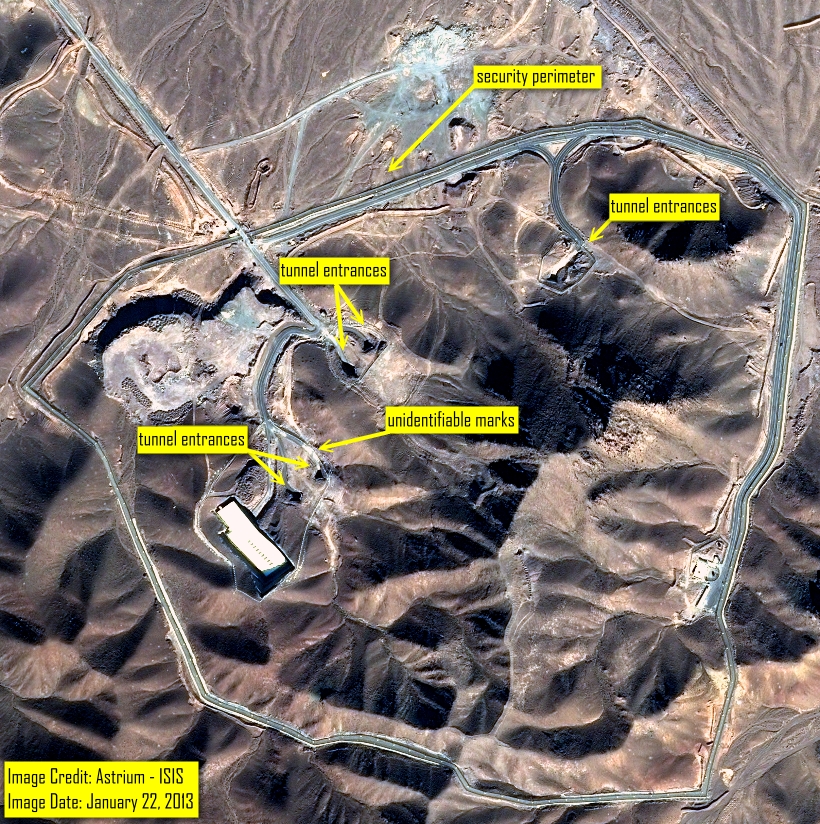
Satellite imagery released after the strikes on 22 June shows craters and blocked entrances at Fordow, where bunker-busting Massive Ordnance Penetrators reportedly hit ventilation shafts, yet analysts emphasise that the subterranean halls housing centrifuges lie too deep to evaluate via overhead visuals. WMD experts note that centrifuges are “extremely vibration-sensitive”, suggesting potential internal damage, but absent on-site inspection, the extent remains uncertain.

The United Nations nuclear watchdog, the International Atomic Energy Agency, has urged renewed inspections at the sites. Director-General Rafael Grossi told an emergency Board of Governors session that significant underground damage was plausible, yet only rigorous inspections can confirm impact and assess stockpiles of enriched uranium, including the 400 kg of material enriched to 60 percent purity.

The DIA report also confirms that Iranian authorities pre-positioned crucial nuclear materials and equipment prior to the air campaign. High-resolution satellite images captured extensive vehicle activity—bulldozers, trucks and sealed tunnel exits—on 19–21 June, indicating a deliberate evacuation of enriched uranium and centrifuges. Analysts speculate this operation undercut the campaign’s intended impact, preserving Iran’s capacity to resume enrichment and reconstitution of its nuclear programme with comparative ease.

The White House disputes the DIA’s findings. Press Secretary Karoline Leavitt described the intelligence leak as “flat‑out wrong”, citing the precision of the bombing campaign and reiterating President Trump’s declaration of a “perfectly executed mission” and “total obliteration” of Iran’s nuclear infrastructure. Similarly, the Pentagon backs the President, contending that USAF and Navy strikes, featuring B‑2 stealth bombers flying 37‑hour missions deploying MOPs, decisively hit their targets.

Despite official optimism, several non-proliferation experts question whether the attacks achieved strategic success. David Albright, president of the Institute for Science and International Security, asserted that while imagery suggests severe impact at Fordow, conclusive assessment requires internal access. Jeffrey Lewis and other analysts emphasise that intact uranium stockpiles, even if held at other sites, provide Iran with a largely intact nuclear baseline.

The conflict has escalated beyond the nuclear dimension. Intermittent Iranian missile and drone fire has targeted U.S. and allied bases in the wider Middle East, prompting a U.S.-brokered ceasefire between Iran and Israel, while global oil prices fluctuated amid tensions.

IAEA technical teams have not yet been able to return to the sites. Grossi reminded parties that uninterrupted oversight is essential for both verifying the damage and ensuring no material has been diverted for weapons purposes. Iran has not formally objected to future inspections, although parliamentary figures have suggested curbs on IAEA activity if international hostility continues.

Assessment of long‑term outcomes remains contested. Pro‑strike voices argue that disrupting operations, even temporarily, imposes significant costs on Iran’s programme architecture. Critics warn that such tactics could drive Tehran’s nuclear scientific talent further underground or accelerate development of redundant facilities.

Meanwhile, intelligence officials and non‑proliferation authorities emphasise that blunts, quarterly backtracking cannot substitute for diplomacy. Restoring negotiations with Iran, potentially via intermediaries including the IAEA, remains the keystone for ensuring non‑weaponisation and preventing recurrence.

The DIA characterises damage as limited to “core components and stockpiles”—an interpretation not aligned with politically driven portrayals of mission success. As conflict fatigue weighs on global observers, the effectiveness of military action in halting nuclear proliferation faces renewed scrutiny.

Polymarket, the world’s largest blockchain-based prediction market platform, is on the verge of completing a funding round exceeding $200 million that would value the company at over $1 billion. The strategic investment reflects growing investor confidence in forecasting platforms as tools for real-time insights and market intelligence.

The company, founded in 2020 by Shayne Coplan and headquartered in New York, has previously secured $70 million across Series A and B rounds led by General Catalyst, Founders Fund, alongside participation from Ethereum co-founder Vitalik Buterin. That capital helped Polymarket scale its operations offshore, particularly following regulatory setbacks in the United States, where it withdrew services under pressure from the Commodity Futures Trading Commission.

Sources indicate the new investment round will build on these foundations, raising upwards of $200 million and propelling Polymarket into unicorn status with a valuation north of $1 billion. Those close to the transaction describe a diverse syndicate of venture capital firms, strategic investors and high-profile figures from the crypto and financial sectors, though official names are yet to be disclosed.

Polymarket’s appeal lies in its novel combination of decentralised finance, crowd-sourced wisdom and smart contract automation. The platform allows participants to trade on real-world events—ranging from elections and policy outcomes to entertainment and economic indicators—by buying and selling shares reflective of outcome probabilities. Transactions occur using USDC on Polygon, ensuring on-chain settlement and transparency.

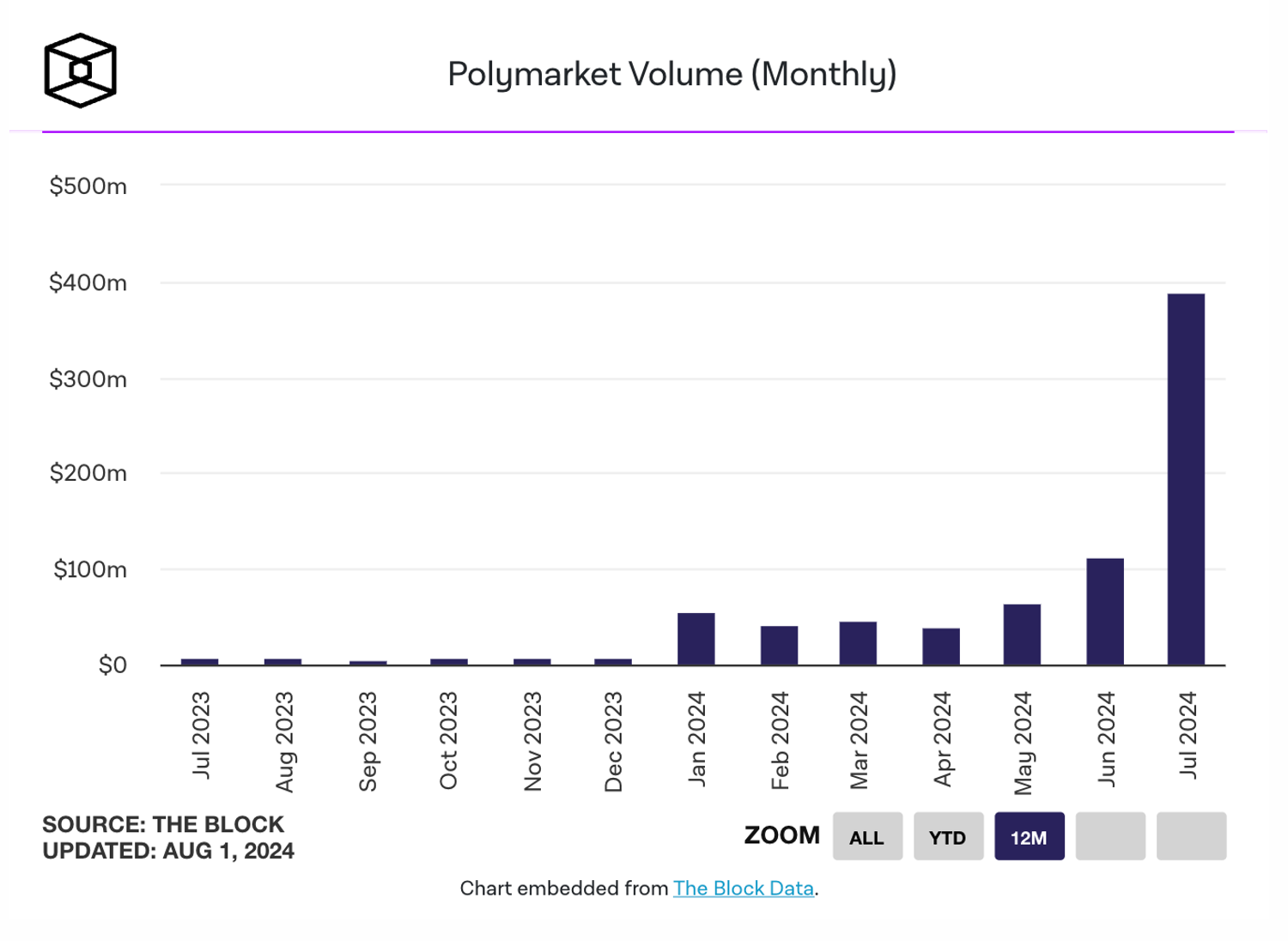
Trading volumes attest to the platform’s influence. In August 2024 alone, Polymarket processed approximately $472 million in trades, with political markets—especially those related to the US presidential election—accounting for nearly $1 billion in wagers by November 2024. Peter Thiel’s Founders Fund highlighted its trust in Polymarket’s market intelligence: “checking Polymarket when breaking news happens has become a habit”.

That compelling performance comes amid regulatory headwinds. Polymarket has barred US users since reaching a settlement with the CFTC in early 2022, which included a US$1.4 million fine and the appointment of former CFTC chairman J. Christopher Giancarlo to its advisory board. These changes aimed to address compliance concerns as the platform expanded internationally. More recently, the FBI reportedly raided Coplan’s home in autumn 2024 as part of an investigation into whether US-based activity violated these agreements.

Despite these challenges, Polymarket has continued to deepen its appeal. Ethereum co-founder Vitalik Buterin has publicly supported the broader application of prediction markets, terming them pioneers in “Info Finance,” an area he believes can enhance journalism, governance and scientific transparency. Polymarket’s data is now cited within Bloomberg’s Terminal services, offering institutional investors fresh analytical layers based on global betting dynamics.

The potential $200 million funding round is expected to include an allocation of token warrants enabling investors to participate in a future token issuance by Polymarket. Earlier reporting by CoinDesk and The Defiant in late 2024 highlighted a $50 million interim funding plan tied to a utility token offering, intended to integrate with or supplant the UMA oracle dispute-resolution system. That mechanism would allow users—or token holders—to validate market outcomes, an evolution that could expand Polymarket’s governance and on-chain autonomy.

Market observers view this token strategy as a logical advancement. Rising volumes and user engagement on election forecasts have revealed limitations in relying solely on external oracles; introducing a native token could decentralise verification and cement Polymarket’s position in the governance of its own markets.

Emerging trends suggest Polymarket is transitioning from an insurgent, crypto-native prediction exchange to a mainstream information infrastructure. Its user base now spans political analysts, financial professionals and retail traders. The recent partnership with X integrates Polymarket’s probabilistic feeds into social media dynamics, allowing users to access market sentiment in real-time alongside breaking news.

Yet questions over regulatory alignment remain. The CFTC is reportedly examining off-shore platforms that permit US bettor access, and lawmakers are considering broader prohibitions on event-based derivatives. The fallout from the 2024 FBI inquiry adds a layer of legal uncertainty, even as Polymarket navigates regulatory environments in Europe and Asia, where its platform has faced access restrictions from gambling regulators in Belgium, Poland, Singapore and France.

As Polymarket nears completion of its landmark funding round, it stands at a crossroads defined by opportunity and scrutiny. A valuation exceeding $1 billion would underscore investor conviction in its model, but unlocking the full potential of prediction markets may depend as much on regulatory clarity as on capital infusion.

Japan’s Financial Services Agency has unveiled plans to amend the Financial Instruments and Exchange Act, bringing cryptocurrencies under securities‑style regulation and opening the door to Bitcoin spot ETFs. The proposals also aim to replace the current progressive tax on crypto gains—ranging up to 55 per cent—with a uniform 20 per cent levy.

The agency’s discussion paper, released on 10 April by its digital policy division, outlines regulatory changes including classification of crypto into “Type 1” and “Type 2”, with insider‑trading rules to follow much like those in equity markets.

Behind the latest move is a growing consensus among Japan’s mainstream political and financial circles. The governing Liberal Democratic Party has actively backed the 20 per cent tax proposal, offering parity with capital‑gains treatment on stocks and bonds. It has also pushed to align tax on derivatives and crypto‑to‑crypto swaps accordingly.

Parliament is expected to review legislative amendments in early 2026, with the FSA targeting a policy direction announcement by mid‑2025.

Analysts note the regulatory upgrade could unlock institutional entry. While crypto ETFs have been launched in the US, Europe and Hong Kong, Japanese regulators have remained notably cautious. Under the proposed amendments, crypto-like instruments would qualify as financial instruments, subject to disclosure, custody, and market‑abuse safeguards.

This shift marks a departure from the current regime under the Payment Services Act, where digital assets are categorised alongside payments rather than securities. The FSA’s plan would position crypto within a legal framework better suited to large-scale trading activities.

Tax treatment has been a central barrier. Gains on crypto are now taxed as “miscellaneous” income—reaching rates as high as 55 per cent—while ETFs qualify as capital gains taxed around 20 per cent. The new flat rate would remove current inequities and possibly stimulate market growth.

Participants in the Japanese financial industry, including SBI and Franklin Templeton, are reportedly making strategic preparations. SBI has already collaborated with both US and UK asset managers to launch crypto‑related products, anticipating that regulatory approval will soon follow.

Despite these signals, caution persists. The Ministry of Finance remains cautious, wary of crypto’s volatility and adverse events such as the collapse of Mt. Gox and DMM Wallet, which led to extensive losses. The FSA itself is said to proceed methodically, emphasising investor protection above all.

To ensure granularity, the FSA’s discussion paper recommends dividing tokens into two regulatory categories: Type 1 assets—used in fundraising or business operations—and Type 2 assets, which include decentralised tokens like Bitcoin and Ethereum with no single issuer. This structure supports tailored oversight, including anti‑insider trading provisions.

Industry reactions reflect a mix of anticipation and prudence. Proponents argue that clearer classification and tax certainty would attract both retail and institutional investors. They point to the global momentum behind crypto ETFs and the relative tax efficiency such structures bring. Opponents, however, urge regulators to remain vigilant to market manipulation and developing infrastructure risks.

Global comparisons place Japan near the frontier of regulatory maturity. Countries such as the United States have delayed crypto classification under securities law even as they approved Bitcoin ETFs. The EU’s MiCA and Hong Kong’s licensing framework signal increased global regulatory alignment. Japan’s proposed amendments would signal competitive parity in Asia‑Pacific markets.

As Japan prepares to table the bill in parliament in 2026, attention will centre on implementation details. These include ETF approval timelines, disclosure requirements for exchanges and custodians, and whether the flat‑tax rate will apply retroactively or to future accruals only.

By P. Sreekumaran THIRUVANANTHAPURAM: The result of the Nilambur by-election has thrown up an extremely dangerous trend in Kerala politics, which must cause grave concern among the secular parties. The victory of the Congress candidate Aryadan Shoukat is being widely ascribed to the solid support it has received — that too openly — from the […]

Cryptocurrency markets are recalibrating as TRON’s USDT reserves climb to an unprecedented $80.7 billion, eclipsing Ethereum’s $73.8 billion—a record milestone for 2025. Data from blockchain analytics firm CryptoQuant highlights that TRON’s share of the Tether stablecoin ecosystem has entered previously uncharted territory.

This expansion further cements TRON as the dominant platform for USDT issuance. Tether’s circulation on TRON—branded as TRC‑20 tokens—has surged sharply since the beginning of the year, jumping from approximately $59.8 billion in January to over $80 billion by mid‑June. In comparison, Ethereum’s ERC‑20 USDT remains below TRON’s benchmark, highlighting a structural shift in network preference.

Market observers attribute TRON’s gains to its lower fees and faster transaction times. A report from NFTEvening confirms that, as of mid‑May, TRON commanded nearly 50 per cent of global USDT supply, while Ethereum’s share hovered around 41 per cent. TRON’s blockchain now processes more than 2.4 million USDT transactions daily, dwarfing Ethereum’s roughly 280 000 transfers.

TRON’s performance in 2021 was already notable, with USDT supply expanding from $6.7 billion to $39.4 billion—an increase of nearly 487 per cent. Stakeholder confidence accelerated through 2024, with TRON first overtaking Ethereum in USDT issuance in November.

While TRON’s stablecoin dominance grows, its total value locked in DeFi has declined—from roughly $7.5 billion in January to about $4.3 billion by mid‑year—according to DefiLlama statistics. However, decentralised exchange activity on TRON is rising; trading volume increased from $4.9 billion in April to $5.5 billion in May. Analysts argue that users may prefer flexible, liquid trading over locking capital in yield‑farming protocols.

TRX, TRON’s native token, has gained approximately 2.2 per cent in the past 24 hours to $0.2729, yet remains some 36 per cent beneath its December 2024 peak of $0.4313. Technical charting shows consolidation below the 20‑day simple moving average and strength above key exponential moving averages, indicating latent bullish potential.

CryptoQuant reports that TRON’s agenda is now largely centred on payments rather than advanced DeFi, noting a distinct mix of tokens like Wrapped TRX and USDD on the network. The network’s recurring USDT mints are viewed as part of a strategic buildup. In mid‑May, Tether authorised another $1 billion mint on TRON, pushing its authorised supply well beyond Ethereum’s at $73.7 billion compared with $74.5 billion.

TRON’s growing role in Asia and emerging markets may be another driver. The platform appeals to users and exchanges that prioritise low cost and swift settlement—features that align with cross‑border remittance and retail payments. However, questions around TRON’s longstanding association with illicit transactions continue to cast a shadow over its rising stature.

Ethereum retains significant traction within DeFi due to its robust ecosystem and broader stablecoin diversity. Nevertheless, ongoing surcharges and network congestion are prompting shifts towards alternate chains like TRON. The competition reflects a broader evolution towards a multi‑chain infrastructure where each blockchain plays to its strengths: Ethereum for advanced financial apps, TRON for efficient payments.

Regulators are also watching this competition. Policy discussions around stablecoin frameworks in the United States, Europe and Asia could reshape how tokens are issued and used. TRON’s dominance in USDT may prompt further scrutiny and prompt Tether to reassess its minting cadence and reserve disclosures across different chains.

VISHNU RAJA
RYO YAMADA
HITORI GOTOH
IKUYO KITA
Just in:
Geely’s i-HEV Intelligent Hybrid Technology Offers a New Direction Vision for Gasoline-Powered Vehicles // Xi Jinping Preparing For A Trilateral Summit With Trump And Putin At APEC Summit On Nov 18-19 // Emirates Group records AED 4.1 billion half-year profit // Miss Universe Hong Kong Jen Zhou Departs for Puerto Rico to Compete in the 75th Miss Universe World Final // Oil and chip shares retreat after Democratic victories // After Reaching 7 Million Users in the Philippines, Skyro Launches Transparent Cash Loans in Malaysia // e-Crime Bureau Signs Cybersecurity Partnership With Smart Africa, Reinforcing Its Global Expansion // Private varsities bill all set to face the axe // Meraas showcases five residential zones at Dubai Design Week // TVM –Mangaluru Vande Bharat claims top spot // Dubai boat show confirms international shipyard line-up for November // Ousted top Kochi cop gets IG post // Emaar approves Development buyout ahead of planned delisting // Kochi police detain two actors over bid to honey trap doctor // Cloudflare unveils Zero Wire vulnerability intelligence service // Dubai details five-year visa benefits for returning visitors // APT29-linked campaign exploits outdated Apple and Android software // Trump’s Iran War Has A Share Of Contribution To His Midterm Debacle // Technology shares plunge as Nasdaq enters correction // CR Longdation Aethereal Cybersecurity × Global Cybersecurity Alliance (GCSA) Join Hands to Establish the “AI and Cybersecurity Research Centre” //