Just in:
Beyond the exhibition floor: How robots, AI and networks are moving into the real world // Ousted top Kochi cop gets IG post // Miss Universe Hong Kong Jen Zhou Departs for Puerto Rico to Compete in the 75th Miss Universe World Final // OpenAI introduces GPT-6 Cyber with restricted security access // Trump’s Iran War Has A Share Of Contribution To His Midterm Debacle // The “1st Greater Bay Area Health and Longevity Summit & Awards Ceremony” concludes successfully in Macao // OpenAI abandons secrecy agreements for future data centres // Private varsities bill all set to face the axe // Dubai details five-year visa benefits for returning visitors // Millions Of Indians May Soon Be Deprived Of Government Assistance // UK air traffic outage inflicted £33m financial losses // TVM –Mangaluru Vande Bharat claims top spot // Kochi police detain two actors over bid to honey trap doctor // Geely’s i-HEV Intelligent Hybrid Technology Offers a New Direction Vision for Gasoline-Powered Vehicles // CR Longdation Aethereal Cybersecurity × Global Cybersecurity Alliance (GCSA) Join Hands to Establish the “AI and Cybersecurity Research Centre” // e-Crime Bureau Signs Cybersecurity Partnership With Smart Africa, Reinforcing Its Global Expansion // Oil and chip shares retreat after Democratic victories // Ningbo Consensus on Collaborative Development released at 2026 Global Mayors Dialogue · Ningbo // Dubai boat show confirms international shipyard line-up for November // Motorola introduces Signature 27 flagship priced at $1,599 //

News related to
Arabia

The cryptocurrency market is undergoing notable shifts as key players continue to evolve and capture the attention of investors. BlockDAG, a blockchain alternative, has secured a substantial $213 million, marking a significant milestone in its rise as an emerging contender in the blockchain space. Meanwhile, Ethereum is pushing forward with upgrades aimed at improving scalability and reducing transaction costs, while Shiba Inu is testing key price levels, potentially positioning itself for a strong rally.

BlockDAG, a Distributed Acyclic Graph technology, has been garnering significant interest due to its ability to overcome some of the limitations of traditional blockchain systems. Unlike conventional blockchains, where transactions are linked sequentially, BlockDAG allows for multiple branches to be added in parallel, offering greater scalability and speed. This new approach is seen as a potential game-changer for industries requiring high throughput and low latency.

The recent funding round, which saw BlockDAG secure $213 million without the involvement of traditional venture capital firms, underscores the growing confidence in the technology’s potential. Investors have expressed interest in the efficiency of BlockDAG’s architecture, which promises to provide faster and cheaper transactions than established blockchains. The funding will be pivotal for BlockDAG to accelerate its development and expand its reach.

BlockDAG’s appeal is evident in its potential to scale more efficiently than other blockchain systems. Ethereum, for instance, continues to face scalability challenges despite its status as one of the most widely used blockchain networks. Ethereum has been pushing forward with key upgrades such as Pectra, which aims to significantly enhance the network’s scalability and reduce gas fees. These upgrades are intended to address ongoing concerns regarding transaction speed and high costs, which have often been cited as barriers to broader adoption.

The upgrade is part of Ethereum’s ongoing efforts to make the platform more efficient as it seeks to maintain its dominance in the decentralised finance space. As Ethereum progresses with its upgrades, it remains to be seen whether it will successfully fend off emerging competitors like BlockDAG, which offer distinct technological advantages.

In parallel, Shiba Inu , often referred to as a meme coin, is witnessing heightened interest as it tests a critical resistance level at $0.0000134. A breakthrough above this resistance could pave the way for a potential 20% rally, enticing speculative investors who have supported SHIB’s meteoric rise. SHIB’s rise from a meme coin to a more serious contender in the crypto space highlights the power of community-driven assets, with its strong social media presence and dedicated following.

SHIB’s price movements have attracted attention from analysts who are closely watching the cryptocurrency for signs of sustained growth. The current resistance level is seen as a crucial point for determining whether SHIB can maintain its momentum or face a downturn. If SHIB manages to break through the $0.0000134 level, it would likely attract further investment, particularly from retail traders seeking high-risk, high-reward opportunities.

Ethereum’s position as the second-largest cryptocurrency by market capitalisation also plays a significant role in the broader market’s direction. The advancements Ethereum continues to make with its ongoing upgrades could have a ripple effect across the broader cryptocurrency market. Other blockchain projects and tokens that rely on Ethereum’s network, such as decentralized applications , will likely benefit from improvements in scalability and transaction efficiency.

The continued growth of DeFi, along with the rise of alternative Layer-1 blockchains such as Solana, Avalanche, and now BlockDAG, signals an increasingly competitive landscape for Ethereum. As these platforms push the envelope on speed, cost-effectiveness, and scalability, Ethereum’s position as the go-to blockchain for smart contracts and decentralised applications will be tested in the years ahead.

Developments in the Ethereum network, especially with projects like Pectra, highlight the ongoing arms race among blockchain platforms to deliver superior performance for various use cases. Ethereum’s transition to Ethereum 2.0 is designed to address long-standing issues such as network congestion, with the proof-of-stake consensus mechanism playing a crucial role in making the network more energy-efficient.

Despite the growth of Ethereum and other competitors, the market remains highly volatile, with projects like BlockDAG, which promises high throughput and low transaction fees, providing a compelling alternative to the limitations of traditional blockchain systems. With institutional and retail investor interest intensifying, the race to capture market share in the rapidly growing blockchain space is becoming more competitive than ever.

A new report examining sponsored content across major video platforms has highlighted a persistent pay gap between male and female-identifying influencers, with women earning approximately 32% less than their male counterparts. The findings raise concerns about the growing inequalities within the influencer marketing industry, which has become a cornerstone of modern digital advertising.

The report, which analysed data from influencers across a variety of platforms including YouTube, Instagram, and TikTok, reveals significant pay disparities in terms of sponsored content deals. While influencers of all backgrounds continue to benefit from growing brand partnerships, female-identifying creators are, on average, paid less for similar work. The study underscores how these discrepancies reflect broader trends of gender inequality in both digital spaces and traditional media.

The figures reveal that female influencers receive fewer opportunities for high-paying deals, often being offered lower rates for sponsored posts, product promotions, and brand collaborations. The report’s data points to the fact that male influencers, particularly those in niches such as tech, gaming, and finance, tend to secure more lucrative partnerships than their female peers in comparable sectors. This gendered imbalance, according to experts, is a reflection of traditional gender roles and stereotypes that persist in the marketing and media industries.

In addition to pay disparities, the study found that women face more significant barriers in building long-term brand partnerships. Many brands tend to favour male influencers for high-profile campaigns due to the perception that they have wider appeal or higher engagement rates, despite data suggesting that women often generate stronger, more engaged communities. This phenomenon is particularly noticeable on platforms like Instagram, where beauty and lifestyle influencers are often sidelined in favour of male influencers for more high-budget campaigns.

Experts point out that these disparities are not necessarily due to a lack of talent or audience engagement, but rather stem from systemic biases within the industry. The report suggests that while the influencer marketing sector has flourished in recent years, the business side of the industry remains influenced by traditional, outdated gender norms. Men are still often seen as more “marketable” or “trustworthy” figures, while female influencers are viewed as more niche or limited in scope, despite growing evidence to the contrary.

The report also shines a light on the disproportionate representation of women in lower-paying categories. Female creators are often pigeonholed into specific content genres, such as beauty, fashion, or lifestyle, which generally attract lower sponsorships compared to male-dominated categories like technology or business. As a result, women in these areas are frequently excluded from the larger, more lucrative sponsorship deals that their male counterparts in tech or finance enjoy. This limits their earning potential and opportunities for career advancement.

The study also explored the influence of demographic factors, showing that women of colour, in particular, face even steeper pay gaps, earning up to 40% less than white men in some cases. This intersectional analysis further highlights the compounded nature of discrimination, where race and gender together exacerbate earning disparities in the influencer space. The report calls for more inclusivity and equitable representation in all sectors of the influencer industry to address this issue more effectively.

The findings have sparked a broader conversation within the influencer marketing industry about the need for systemic change. Advocates for equal pay and representation argue that brands and agencies must take a more active role in addressing these inequalities by establishing transparent pay structures and offering equal opportunities for all creators, regardless of gender. This includes not only ensuring equitable pay for sponsored content but also providing women with the same opportunities for visibility and brand collaborations as their male counterparts.

Some industry leaders have already begun to take action, launching initiatives aimed at closing the gender pay gap in influencer marketing. These include offering mentorship programs, providing financial literacy resources, and creating more inclusive content opportunities for female influencers. Additionally, there have been calls for platforms themselves to implement measures that promote fairness and equity, such as algorithmic adjustments to ensure equal exposure for all creators, regardless of gender.

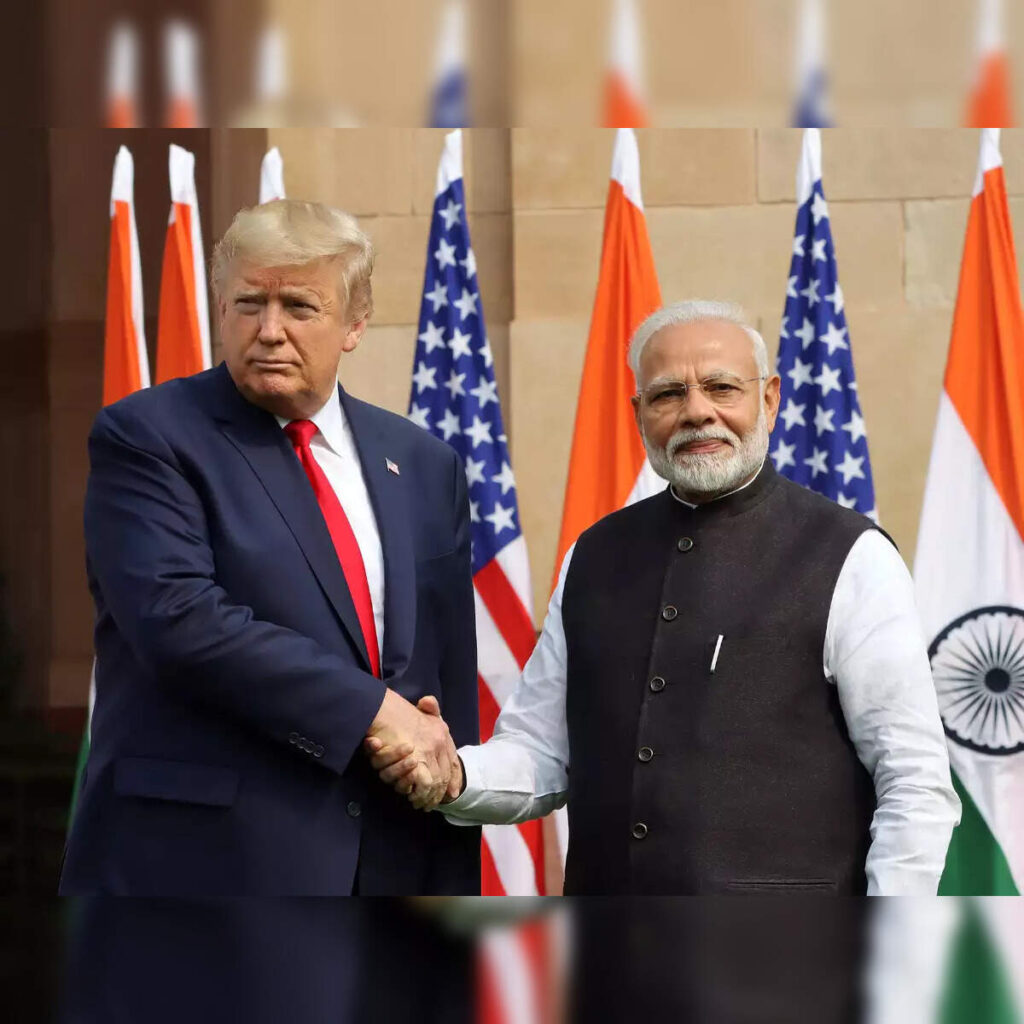
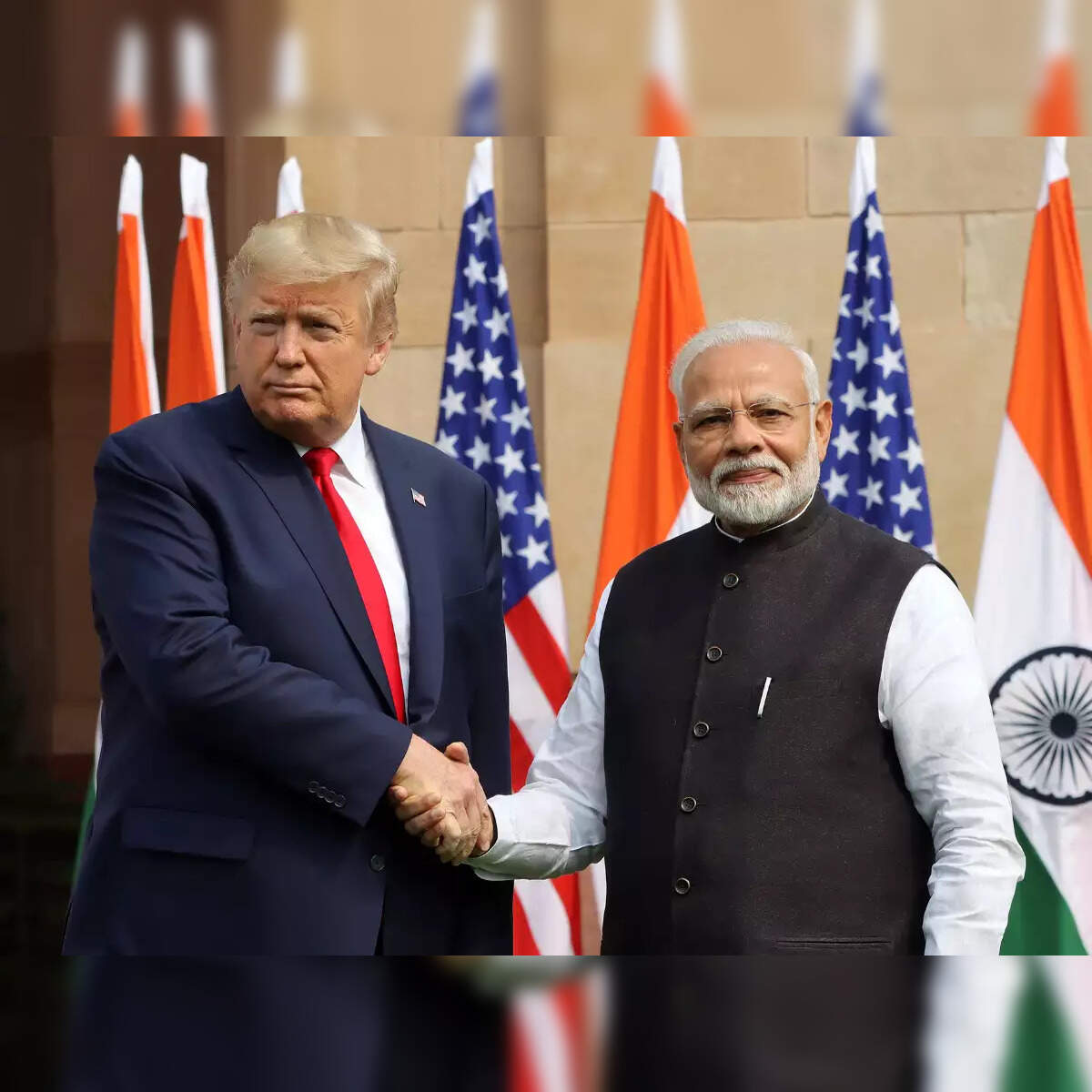
By K Raveendran In both foolhardiness in decision making and shameless flip-flop in dealing with disastrous aftermaths, Narendra Modi and Donald Trump have exhibited a total lack of honesty in admitting their mistakes. The similarity is too striking to be missed. Thanks to recklessness and impulsiveness in decision making—Narendra Modi with demonetization and Donald Trump […]


U.S. shale oil producers are confronting a challenging landscape as falling crude prices, escalating tariffs, and global market shifts undermine the sector’s profitability and growth prospects. Despite technological advancements that have bolstered production efficiency, the convergence of economic and policy pressures is prompting a reassessment of the industry’s trajectory.

Crude oil prices have declined to approximately $55 per barrel, a level below the $65 threshold that many U.S. shale companies require to maintain profitable operations. This price drop is attributed to a combination of increased output from the Organization of the Petroleum Exporting Countries and the impact of tariffs on imported equipment, which have raised operational costs for domestic producers. The U.S. Energy Information Administration has adjusted its 2025 crude price forecast downward from $70.68 to $63.88 per barrel, reflecting these market dynamics.

The rig count, a key indicator of drilling activity, has experienced a significant decline. According to Baker Hughes, the number of active oil rigs in the U.S. fell by nine in the past week, marking the largest single-week drop since June 2023. The Permian Basin, the nation’s most prolific shale region, saw its rig count decrease by five to 289, the lowest level since December 2021. This trend suggests a cautious approach among producers in response to the current economic environment.

President Donald Trump’s administration has advocated for increased domestic energy production as part of its “America First” agenda. However, the imposition of tariffs, particularly on steel and other imported equipment essential for drilling operations, has inadvertently strained the sector. Industry analysts warn that these policies may counteract efforts to achieve energy dominance by making U.S. oil less competitive on the global stage.

Efforts to expand U.S. energy exports have also encountered obstacles. The administration’s proposal for the European Union to purchase $350 billion worth of American energy products to address trade imbalances has been met with skepticism. European officials cite logistical challenges, existing long-term contracts with other suppliers, and a strategic emphasis on energy diversification as barriers to such a substantial shift in procurement.

Despite these challenges, U.S. shale production is projected to reach new heights. BloombergNEF forecasts a 4.5% increase in output, bringing production to a record 13.9 million barrels per day in 2025. This growth is attributed to improved drilling techniques and efficiencies that allow for greater output with fewer rigs. However, the sustainability of this growth is uncertain amid the current economic pressures.

The industry’s focus has shifted toward capital discipline and shareholder returns, moving away from aggressive expansion strategies. This shift, combined with the financial strain of tariffs and low oil prices, has led to a more conservative approach to drilling and investment. Some companies are exploring mergers and acquisitions as a means to consolidate resources and reduce operational costs.

Technological advancements continue to play a role in enhancing production efficiency. Innovations such as longer lateral wells and simultaneous fracturing of multiple wells have improved output per rig. However, the benefits of these technologies may be offset by the increased costs associated with tariffs and the need for significant upfront investment.

New York State Assembly Member Clyde Vanel has introduced a bill that would permit state agencies to accept cryptocurrencies, including Bitcoin, Ethereum, Litecoin, and Bitcoin Cash, as payment for fines, taxes, and other financial obligations. The proposed legislation, Assembly Bill A2532, aims to modernize the state’s payment systems by integrating digital currencies.

The bill outlines that state agencies could enter into agreements with individuals to accept cryptocurrency payments for various charges, such as fines, civil penalties, rent, rates, taxes, fees, and other financial obligations owed to the state. While it does not mandate agencies to accept digital currencies, it clarifies that they have the legal authority to do so if they choose. Additionally, the legislation allows state agencies to charge a service fee to cover any costs associated with processing cryptocurrency transactions.

Assembly Member Vanel, representing the 33rd District in Queens, has been an advocate for cryptocurrency and blockchain technology. In 2019, he was instrumental in creating a cryptocurrency and blockchain task force to study the potential effects of these technologies on New York’s economy.

The introduction of this bill comes amid a complex regulatory environment for cryptocurrencies in New York. The state has been known for its stringent regulations, notably the BitLicense framework, which imposes strict disclosure and consumer protection requirements on businesses offering cryptocurrency-related services to New York residents. In November 2022, the state enacted a law temporarily halting the renewal of air permits to companies performing cryptocurrency mining operations out of former fossil fuel plants, citing environmental concerns.

South Korea has deferred the enforcement of the Credit Information Act on cryptocurrency exchanges until 1 December 2025, providing a grace period during which penalties will not be imposed unless violations involve intent or gross negligence. The Act mandates that crypto exchanges treat user transaction records as sensitive credit information, aligning them with traditional financial institutions in terms of data handling and protection.

This postponement allows exchanges additional time to adapt their systems and processes to comply with the stringent requirements of the Act. The Financial Services Commission has indicated that during this grace period, it will focus on guiding exchanges towards compliance rather than penalising them, unless there is clear evidence of deliberate or grossly negligent misconduct.

The Credit Information Act’s application to the crypto sector is part of South Korea’s broader initiative to regulate digital assets more comprehensively. The Act’s provisions require exchanges to implement robust data protection measures, including the secure storage of user data and the establishment of protocols to prevent data breaches. These measures are intended to enhance user trust and align the crypto industry’s practices with those of the traditional financial sector.

In the interim, the Virtual Asset User Protection Act, which came into effect on 19 July 2024, continues to govern the crypto industry. This Act mandates that exchanges store at least 80% of user deposits in cold storage, separate from their own funds, and entrust users’ cash deposits to licensed local banks. Additionally, exchanges are required to maintain cryptocurrency reserves matching customer deposits and to have insurance or reserve funds to cover potential losses from hacks or liquidity issues.

By Anjan Roy Just as Donald Trump’s tariffs had shaken the world and the financial markets, a sudden brake on their implementation had equally shocked leaders to market sloggers as much. President Trump had equally abruptly pushed back the time when his “reciprocal” tariffs were to kick in. He deferred it by ninety days and […]
Advertisements

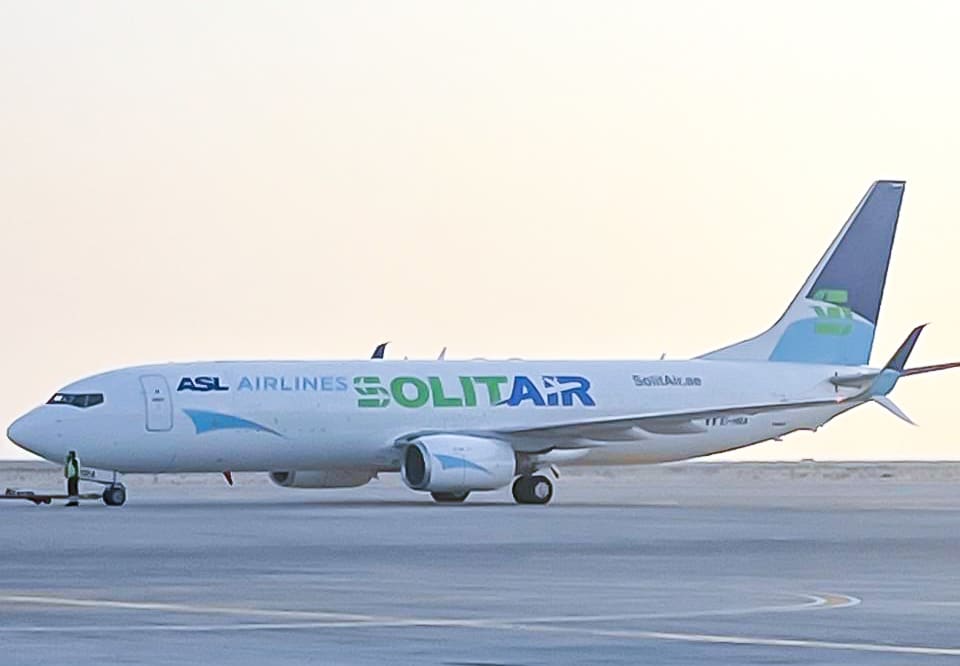
Dubai-based cargo airline SolitAir has secured its Air Operator Certificate from the United Arab Emirates’ General Civil Aviation Authority , marking a significant milestone in its operational expansion. The certification, issued under UAE Civil Aviation Regulations Part V, Chapter 4, authorises SolitAir to operate as a licensed air cargo carrier, following a rigorous evaluation of its operational, safety, and financial standards.

Headquartered at Dubai World Central , SolitAir specialises in middle-mile cargo services, connecting key logistics hubs across the Middle East, South Asia, and Central Asia. The airline’s fleet now comprises three Boeing 737-800 Boeing Converted Freighters —one of which is on a dry lease—and one Boeing 737-400 BCF. This expansion supports operations from its 220,000-square-foot logistics facility at DWC, enhancing its capacity to meet growing regional demand.

The AOC also facilitates SolitAir’s transition from chartered operations to in-house management of its aircraft. Notably, the airline has taken delivery of a 20-year-old Boeing 737-800 BCF, previously operated by carriers including Air India Express and TUI fly Germany. This aircraft, converted to a freighter in 2023, is currently undergoing maintenance in Sofia before entering service under SolitAir’s registry.

SolitAir’s operational strategy includes partnerships with ASL Airlines Ireland, from which it leases two additional Boeing 737-800 BCFs. These aircraft continue to operate under ASL’s ‘5H’ code, reflecting the collaborative nature of SolitAir’s fleet management approach.

The airline has initiated routes to Bangalore, India; Erbil, Iraq; and Riyadh, Saudi Arabia, aligning with its focus on underserved regional markets. Future plans involve expanding services to Africa, the Gulf Cooperation Council countries, the Indian subcontinent, and Central Asian nations, catering to integrators, freight forwarders, express operators, and e-commerce entities.

Saudi Arabia’s leading petrochemical firms are projected to report significant year-on-year declines in net profits for the first quarter of 2025, reflecting ongoing challenges in global demand, pricing pressures, and operational headwinds across the sector. Saudi Basic Industries Corporation , the kingdom’s flagship chemicals producer, is expected to post a 47% drop in net profit to SAR 130 million for Q1 2025, down from SAR 246 million […]

The European Union and the United Arab Emirates have agreed to commence negotiations for a bilateral free trade agreement, marking a significant shift in their economic relations. This development comes amid global trade uncertainties and reflects both parties’ desire to deepen ties across various sectors.

The proposed agreement aims to enhance trade in goods and services, investment, and collaboration in key sectors such as renewable energy, green hydrogen, and critical raw materials. The UAE described the pact as a pathway to deeper bilateral ties and economic growth, with benefits including tariff reductions, improved market access, and expanded opportunities in advanced manufacturing, healthcare, logistics, and artificial intelligence.

Currently, the EU is the UAE’s second-largest trading partner, representing 8.3% of its non-oil trade, while the UAE stands as the EU’s top export market and investment partner in the Middle East and North Africa. The deal also marks a strategic shift, as the UAE encouraged direct trade discussions with the EU outside of the broader Gulf Cooperation Council framework.

The UAE has been actively pursuing trade diversification, achieving a record 3 trillion dirhams in non-oil trade in 2024, marking a 14.6% increase from the previous year. This growth is part of the UAE’s strategy to spur economic growth through trade diversification. Since 2021, it has executed numerous Comprehensive Economic Partnership Agreements with countries such as India, Indonesia, Israel, and Turkey.

Off-plan property sales in Dubai surged 19.3% year-on-year in March 2025, underscoring sustained investor confidence in the emirate’s real estate sector, even as monthly figures registered a 7.4% decline compared to February. According to data from real estate consultancy ValuStrat, off-plan transactions accounted for nearly 70% of all residential deals during the month, reaffirming their dominant position in the market.

Jumeirah Village Circle led off-plan activity, followed by Business Bay, Damac Island City, Dubai Production City, and Dubai Maritime City. Notably, Dubai Production City and Uptown Motor City each recorded their highest-ever monthly volumes of off-plan sales, highlighting the growing appeal of emerging residential hubs.

While off-plan sales experienced a month-on-month dip, the broader market context remains robust. In February, off-plan registrations had increased by 22.2% compared to January, representing over 70% of total home sales. This upward trajectory aligns with the broader trend of rising demand for new developments, driven by attractive payment plans and anticipated capital appreciation.

The secondary market, meanwhile, showed mixed signals. Ready home transactions declined by 2.4% month-on-month in March but edged up 1.1% year-on-year. This suggests a stabilising trend in the resale segment, as buyers weigh options between immediate occupancy and investment in upcoming projects.

Dubai’s real estate market has been buoyed by a combination of factors, including population growth, limited new supply, and investor-friendly policies. In 2024, the city added over 170,000 new residents, the highest annual increase since 2018, while only 58% of the projected residential supply was delivered, equating to about 27,000 completed homes. This supply-demand imbalance has contributed to significant price increases across various property segments.

The ValuStrat Price Index reported a 27.5% annual rise in residential capital values by December 2024, with villas appreciating by 31.6% and apartments by 23.6%. Such growth has reinforced investor interest in off-plan properties, perceived as offering better value and higher potential returns.

President Donald Trump has signed legislation repealing a Biden-era Internal Revenue Service rule that mandated cryptocurrency brokers, including decentralised finance platforms, to report user transactions via Form 1099s. The rule, finalised in December 2024, aimed to extend tax reporting obligations to DeFi platforms, treating them similarly to traditional financial intermediaries.

The repeal follows bipartisan votes in both the House and Senate, utilising the Congressional Review Act to overturn the regulation. Critics argued that the rule imposed unworkable requirements on DeFi platforms, which, by design, lack centralised control and user data necessary for compliance. Industry stakeholders contended that enforcing such reporting standards on DeFi would stifle innovation and drive activity offshore.

The original IRS rule was part of a broader effort to enhance tax compliance in the digital asset sector, stemming from the 2021 Infrastructure Investment and Jobs Act. It sought to align cryptocurrency reporting with that of traditional financial instruments, estimating an increase in federal revenue. However, the DeFi community maintained that the decentralised nature of their operations made adherence to the rule impractical.

Supporters of the repeal, including Senator Ted Cruz and Representative Mike Carey, emphasised the importance of fostering innovation and avoiding regulatory overreach. They argued that the rule exceeded congressional intent and posed significant burdens on emerging technologies.

Opponents of the repeal expressed concerns about potential revenue losses and the risk of increased tax evasion. The Joint Committee on Taxation projected that rescinding the rule could reduce federal revenue by $3.9 billion over the next decade. Tax experts warned that the absence of reporting requirements might complicate efforts to monitor illicit activities within the crypto space.

Sharjah has achieved a groundbreaking milestone in agricultural science by developing a wheat variety with a protein content of 19.3%, the highest recorded globally. This advancement positions the emirate at the forefront of sustainable food production and security.

The wheat, branded as “Saba Sanabel,” is cultivated at the Mleiha farm under the supervision of the Sharjah Department of Agriculture and Livestock . The farm employs organic farming techniques, eschewing chemical fertilisers and pesticides, and utilises desalinated water for irrigation. This approach not only enhances soil fertility but also contributes to the superior quality of the wheat produced.

Dr. Engineer Khalifa Al Tunaiji, Chairman of SDAL, attributes the exceptional protein content to the organic farming system and the use of desalinated water, which accelerates the transfer of dry matter from stems and leaves to grains. The wheat’s cultivation process has earned five quality and safety accreditation certifications, reflecting its adherence to stringent health and safety standards.

The initiative is part of a broader strategy to achieve self-sufficiency in wheat production within Sharjah. The emirate has launched a biotechnology laboratory dedicated to wheat hybridisation, featuring 550 different strains of non-GMO soft wheat. Researchers are working to develop new hybrids, such as “Sharjah 1,” which also boasts a high protein content of 19%, aiming to adapt to the UAE’s climate and reduce water usage by 30% through advanced irrigation tools.

The “Saba Sanabel” project, named after the Arabic term for seven spikes, plans to expand the cultivated area to 1,900 hectares, planting 285 tons of wheat seeds, and aiming to produce 15,200 tons of high-quality organic wheat. This production volume is intended to fulfill 100% of the emirate’s retail needs, thereby reducing reliance on imported wheat and enhancing food security.

The success of Sharjah’s wheat cultivation has been recognised by His Highness Sheikh Dr. Sultan bin Mohammed Al Qasimi, Supreme Council Member and Ruler of Sharjah. He emphasised the project’s role in integrating nourishment projects into the emirate’s food security strategy, ensuring the availability of high-quality agricultural and animal husbandry products.

Abu Dhabi-based Mubadala Energy has announced a strategic partnership with Kimmeridge Energy Management to acquire a significant stake in the Commonwealth LNG project in Cameron, Louisiana. This move marks Mubadala Energy’s inaugural investment in the United States’ liquefied natural gas sector, aligning with its strategy to expand its gas portfolio amid the global energy transition.

Kimmeridge Energy Management, through its subsidiary Kimmeridge Texas Gas, acquired a 90% stake in Commonwealth LNG in June 2024. The project is developing a 9.5 million metric tons per annum LNG export facility on the west bank of the Calcasieu Ship Channel. The acquisition aimed to advance the project towards a final investment decision by the end of the second quarter of 2025.

In August 2023, Commonwealth LNG secured development capital from Kimmeridge, completing the funding required to reach FID. The two companies agreed in principle on a 20-year, 2 mtpa LNG offtake commitment from the facility, along with associated gas supply. This agreement also included terms for Kimmeridge’s participation in providing further equity to support the construction of the facility.

Mubadala Energy’s entry into the partnership brings additional financial strength and international expertise to the Commonwealth LNG project. While specific details of Mubadala’s investment have not been disclosed, the collaboration is expected to enhance the project’s prospects amid a competitive and evolving LNG market.

The Commonwealth LNG project has faced regulatory challenges, particularly concerning the U.S. Department of Energy’s approval process for LNG export licenses. The project has been awaiting an export permit for over a year, with delays attributed to the Biden administration’s pause on LNG export-permit reviews. Kimmeridge’s Managing Partner, Ben Dell, expressed optimism that the pause could be lifted early next year, potentially allowing the project to reach FID in the fourth quarter of 2025.

In anticipation of regulatory approvals, Commonwealth LNG has been proactive in securing partnerships and agreements to bolster the project’s development. In August 2023, the company entered into a collaboration with Baker Hughes for the supply of gas compression technology and equipment, aiming to commence production in early 2027. Additionally, Commonwealth LNG and Kimmeridge Texas Gas committed to natural gas certification under MiQ standards, reflecting a focus on environmental responsibility.

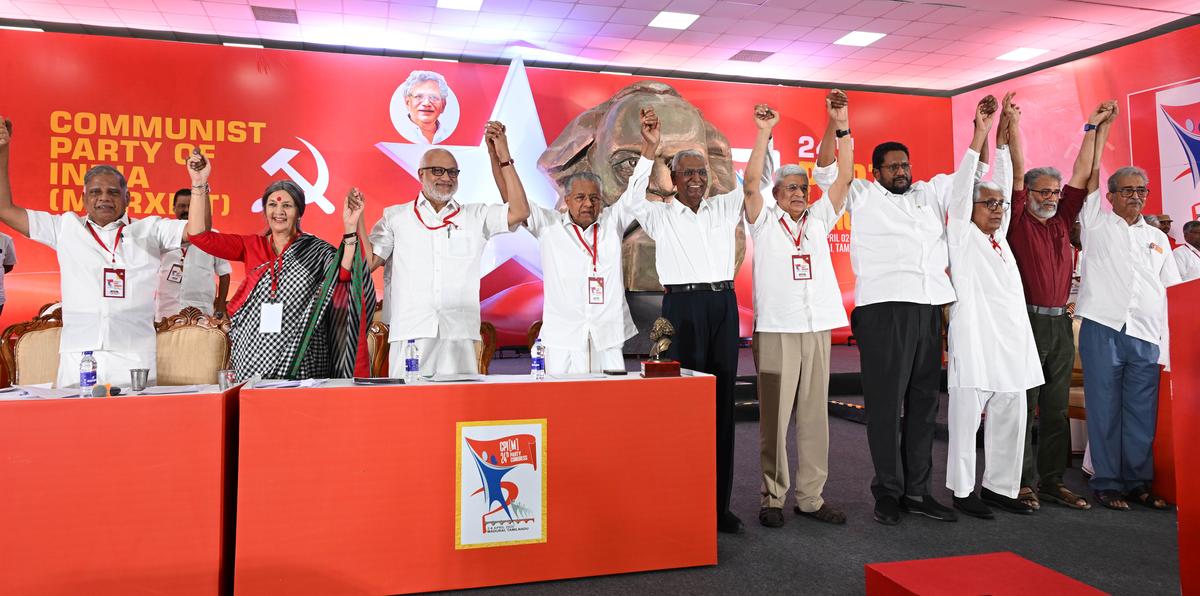
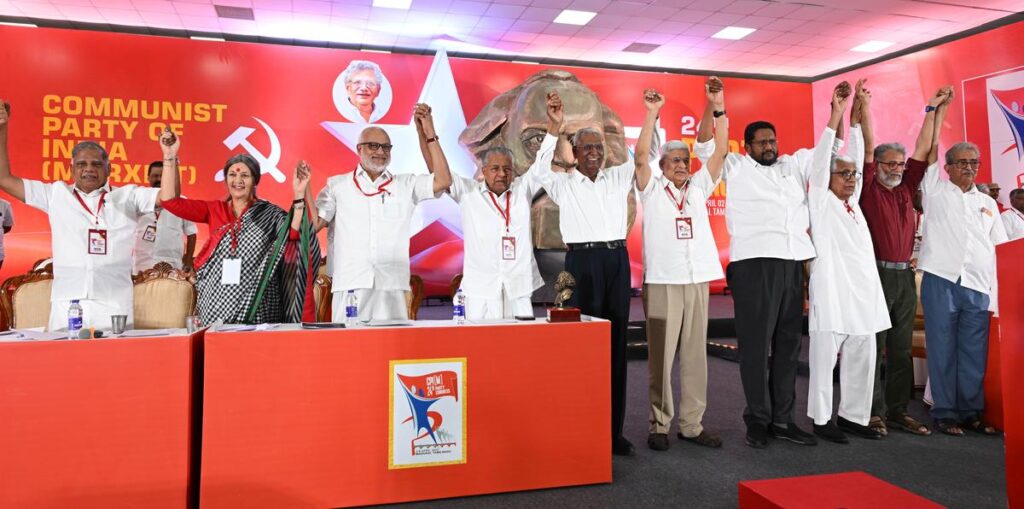
By P. Sudhir The 24th Congress of the CPI(M), which concluded at Madurai on April 6 with a massive rally, was notable in many respects. There were changes both in the agenda and content of the Congress discussions. First of all, a Political Review Report which reviewed the implementation of the political-tactical line adopted at […]

Zimbabwe’s tobacco farmers are confronting significant financial setbacks as barn fires destroy substantial portions of their harvests, exacerbating existing economic pressures. The 2025 tobacco marketing season, which commenced on March 5, has seen farmers grappling with these unforeseen losses. Barn fires have long plagued Zimbabwe’s tobacco industry, with many incidents linked to the use of traditional curing methods that rely heavily on firewood. This practice not only […]

Inks three signings in Q1 2025 to add 600 units under the Oakwood brand, bringing Ascott’s current portfolio in India to ~6,100 units Introduces lyf, The Crest Collection and The Unlimited Collection brands to cater to the evolving needs of next-gen travellers and address the growing demand for authentic Indian heritage and cultural experiences MUMBAI, INDIA / SINGAPORE – Media OutReach Newswire – 10 April 2025 – […]

Dubai’s Roads and Transport Authority has incorporated Light Detection and Ranging technology into its road asset management system to improve maintenance efficiency and data accuracy. This initiative aligns with RTA’s commitment to adopting advanced technologies to enhance infrastructure quality and safety.

The LiDAR system employs laser scanning to capture detailed measurements of road surfaces, enabling precise detection of issues such as cracks, subsidence, and potholes. This approach has reduced field inspection time by up to 400% and increased data accuracy to 97% compared to traditional methods. Maitha bin Adai, CEO of RTA’s Traffic and Roads Agency, highlighted that this technology plays a significant role in enhancing operational efficiency and ensuring road safety.

In recognition of its innovative approach, RTA received the Brandon Hall Excellence Award 2022 for the Pavement Maintenance Management System , an automated system designed to assess road conditions and manage maintenance activities. The PMMS tracks and examines paving layers across various road types, recording current conditions and identifying damages throughout the pavement’s operational lifecycle. Bin Adai noted that Dubai’s Road Facilities Construction Condition Index achieved a 95% score in 2022, reflecting the effectiveness of these advanced assessment methods.

Global financial markets are experiencing significant volatility as the United States and China escalate their trade dispute, prompting investors to seek refuge in traditional safe-haven currencies. The Japanese yen and Swiss franc have notably strengthened, while risk-sensitive currencies such as the Australian dollar and Chinese yuan have faced substantial pressure.

The turmoil intensified following President Donald Trump’s decision to impose a 125% tariff on Chinese imports, a move that has overshadowed a 90-day suspension of tariffs for other nations. This action led to a swift response from China, which announced an 84% tariff on U.S. imports and lodged a new complaint with the World Trade Organization. These developments have heightened investor anxiety, leading to a pronounced shift towards assets perceived as safer.

In currency markets, the Japanese yen appreciated to 147.68 per dollar, nearing a five-month high, while the Swiss franc reached 0.87665 per dollar, marking a three-month peak. Conversely, the Australian dollar declined sharply, approaching levels not seen since the early stages of the COVID-19 pandemic. The Chinese yuan also experienced volatility, with the offshore rate nearing record lows at 7.3536 yuan per dollar.

Equity markets have mirrored these currency movements, with significant declines observed across major indices. The S&P 500 experienced a 0.90% drop, reaching one-month lows, while European stocks, represented by the Stoxx 600, fell approximately 4%. Asian markets were not spared, as Japan’s Nikkei tumbled as much as 2.3% in early trading. The heightened trade tensions have sparked fears of a global economic slowdown, prompting investors to reevaluate their risk exposure.

U.S. Treasury yields have also been affected, with the 10-year yield rising sharply. This increase is partly attributed to a lackluster three-year Treasury auction and concerns over the diminishing appeal of U.S. assets as safe havens. The dollar index, which measures the greenback against a basket of currencies, has declined, reflecting broader apprehensions about the U.S. economic outlook amid escalating trade disputes.

The corporate sector is feeling the impact of these developments. Companies such as Stellantis and Cleveland-Cliffs have announced job cuts in response to the uncertain trade environment. Many firms are delaying hiring and investment decisions, citing a lack of clear guidance from policymakers. Business leaders have expressed deep concern over the instability and unpredictability of current trade policies, emphasizing the need for a more consistent and transparent approach.

In the commodities market, gold prices have risen as investors seek safe-haven assets amid the market turmoil. Conversely, oil prices have remained relatively stable, despite the broader market volatility. Analysts attribute this stability to factors such as supply constraints and geopolitical considerations that are currently supporting oil prices.

Market analysts warn that the escalating trade confrontation between the U.S. and China could lead to further depreciation of the yuan and increased market instability. The potential for a full-scale trade war raises concerns about long-term global economic growth and investor confidence. The World Trade Organization has cautioned that prolonged trade disputes could result in significant declines in global GDP, underscoring the need for diplomatic efforts to resolve the tensions.

The United States stock market experienced a significant surge following President Donald Trump’s announcement of a 90-day suspension on most newly imposed tariffs. This unexpected policy shift led to a substantial influx of approximately $5.1 trillion into the market, marking one of the most notable rallies in recent history.

On April 9, 2025, President Trump declared a temporary halt to the implementation of new tariffs, with the notable exception of those targeting Chinese imports, which were increased to 125%. This decision came after appeals from over 75 countries seeking relief from escalating trade tensions. The President’s announcement was made via his social media platform, Truth Social, where he encouraged investors to capitalize on the market conditions.

The market responded promptly and positively to the President’s remarks. The S&P 500 index rose by 9.5%, its most significant gain since 2008, while the Dow Jones Industrial Average increased by 7.9%, adding 2,963 points—the largest point gain in its history. The Nasdaq Composite outperformed with a 12.2% surge, marking its most substantial one-day rise since the early 2000s.

Technology stocks, particularly those comprising the “Magnificent Seven,” experienced remarkable rebounds. Nvidia’s stock soared by 18.72%, reflecting strong investor confidence in the semiconductor sector. Tesla’s shares increased by 22.69%, indicating renewed optimism in the electric vehicle market. Apple and Meta Platforms also saw significant gains of 15.33% and 14.76%, respectively, suggesting a positive outlook for consumer electronics and social media industries. Microsoft, Amazon, and Alphabet recorded increases of 10.13%, 11.98%, and 9.88%, respectively, underscoring the broad-based recovery among leading technology firms.

Despite the market’s enthusiastic response, some analysts urge caution, emphasizing the temporary nature of the tariff suspension and the ongoing complexities in international trade relations. The increased tariffs on Chinese goods to 125% have prompted concerns about potential retaliatory measures from Beijing, which could introduce further volatility into the market. Additionally, the bond market exhibited signs of distress, with notable fluctuations in Treasury yields, reflecting underlying uncertainties about the long-term economic implications of the administration’s trade policies.

In Congress, reactions to the President’s tariff pause were mixed. While some Republican lawmakers welcomed the move as a strategic decision to stabilize the economy, others expressed skepticism about the consistency and predictability of the administration’s trade policy. Democratic leaders criticized the abrupt policy shift, labeling it as erratic and potentially destabilizing for both domestic and global markets.

Internationally, the response was varied. While many countries expressed relief at the temporary suspension, the heightened tariffs on Chinese imports escalated tensions with Beijing. China responded by increasing tariffs on U.S. imports to 84%, signaling a potential intensification of the trade conflict between the two economic giants.

President Trump’s decision to pause most new tariffs appears to be a strategic maneuver aimed at alleviating immediate market anxieties and opening avenues for further trade negotiations. However, the selective nature of the tariff adjustments, particularly the substantial increase on Chinese goods, suggests a continued commitment to addressing specific trade imbalances. The administration’s approach reflects an attempt to balance domestic economic interests with the complexities of international trade dynamics.

The much-anticipated auction of ‘REAL’, a memecoin associated with mixed martial arts champion Conor McGregor, concluded without meeting its $1 million minimum bid. Organized by Real World Gaming , the auction aimed to capitalize on McGregor’s global appeal to fund innovative gaming projects. Despite expectations, the initiative did not attract the necessary financial backing.

Real World Gaming, formerly known as Balthazar DAO, rebranded in June 2022 to better align with its mission of integrating blockchain technology into the gaming industry. The organization focuses on developing next-generation wagering games and has been actively involved in the Web3 gaming space. The ‘REAL’ token was envisioned as a bridge between the gaming community and cryptocurrency enthusiasts, offering unique experiences and governance rights within the RWG ecosystem.

The auction’s failure to secure the minimum bid reflects the volatile nature of the cryptocurrency market, particularly concerning celebrity-endorsed tokens. While some memecoins have experienced significant surges, others have struggled to gain traction. The ‘REAL’ token’s underperformance may be attributed to several factors, including market saturation with similar offerings and growing investor skepticism toward celebrity-backed cryptocurrencies.

In contrast, other sectors within the cryptocurrency market have shown remarkable growth. Meme coins and real-world assets have led market gains in 2024. Leading meme coins such as Dogecoin , Shiba Inu , dogwifhat , Pepe , Bonk , and Floki Inu have seen their prices surge by an average of 338% year-to-date. Notably, dogwifhat’s value increased from less than $0.02 at the beginning of 2024 to around $1.80, reaching an all-time high of $4.58 in April. Similarly, real-world assets like Mantra and Ondo have experienced substantial gains, with increases of 1,570% and 380%, respectively.

Off-plan property transactions in Dubai have exhibited a complex pattern of growth and decline, underscoring the dynamic nature of the emirate’s real estate market. In January 2025, off-plan sales accounted for 69.1% of total home sales, reflecting a 37.9% year-on-year increase, despite a 13.5% month-on-month decline . This trend continued into February 2025, with off-plan transactions comprising a significant portion of the market, even as the total number of sales reached approximately 16,099, marking a 35% increase compared to the same period in 2024 .

In March 2025, off-plan property sales rose 19.3% year-on-year but declined 7.4% compared to February, according to a report by real estate agency ValuStrat. Despite the monthly dip, off-plan sales continued to dominate market activity, accounting for a substantial portion of total transactions.

The sustained interest in off-plan properties can be attributed to several factors. Competitive pricing and flexible payment plans have made these properties particularly appealing to investors and end-users alike. Additionally, limited supply in the secondary market has driven buyers toward off-plan options .

Developers have responded to this demand by accelerating project launches. In 2024, approximately 145,000 new off-plan units were introduced to the market, averaging 400 units daily . This surge in supply aims to meet the growing appetite for off-plan properties, particularly in emerging developments such as Palm Jebel Ali and The Oasis, which are attracting high-net-worth individuals seeking exclusivity and long-term capital appreciation .

The preference for off-plan properties is also evident in the types of units being transacted. Apartments have remained the preferred choice among buyers, accounting for 61% of all sales by volume in early 2024. Notably, 90% of off-plan sales during this period were apartments, highlighting their affordability, strong rental yields, and appeal to both end-users and investors .

However, the market has also experienced fluctuations. In August 2024, off-plan property prices saw a slight decline of 4.2% compared to the previous year, indicating a recalibration towards price equilibrium. Analysts suggest that this dip does not signify a weakening market but rather a healthy adjustment, as investors show a growing preference for ready-to-move-in properties .

The overall health of Dubai’s real estate sector is further evidenced by significant capital gains. In January 2025, the ValuStrat Price Index recorded a 27% year-on-year surge, with villa values reaching 264.2 points and apartments at 165 points . This upward trajectory reflects the robust demand and investor confidence in the market.

Population growth has also played a role in shaping the real estate landscape. In 2024, Dubai’s population increased by over 170,000 residents, the highest surge since 2018. This influx has intensified demand for housing, contributing to the rise in property prices and rental rates .

Nakheel Properties has unveiled the third phase of its Bay Grove Residences development on Dubai Islands, introducing 241 residential units across three contemporary buildings. This expansion aims to meet the increasing demand for upscale waterfront living in Dubai.

The new phase offers a variety of living spaces, including one, two, and three-bedroom apartments, as well as four-bedroom duplexes. Unit sizes range from approximately 861 to 3,625 square feet, with prices starting at AED 2 million. Each residence is designed to provide expansive views of the sea and the Dubai skyline, featuring modern interiors and private terraces.

Residents will have access to a range of amenities, such as an infinity pool, fitness center, clubhouse, children’s play areas, and landscaped gardens. The development also offers direct access to a pristine beach, enhancing the coastal living experience.

Strategically located on Island B of Dubai Islands, Bay Grove Residences ensures seamless connectivity to key areas of the city. The development is approximately 14.6 kilometers from Dubai International Airport and 9 kilometers from Deira Island Beach. The newly constructed Infinity Bridge further facilitates convenient access to Dubai’s major attractions and business districts.

The project aligns with the Dubai 2040 Urban Master Plan, which emphasizes sustainable urban development and aims to position Dubai as a global hub for tourism and investment. Dubai Islands comprises five interconnected islands, offering over 20 kilometers of beaches and extensive waterfront living options.

The Central Bank of the United Arab Emirates has officially granted Tap Payments a Retail Payment Services license, marking a significant advancement for the fintech company in the Middle East and North Africa region. This authorization enables Tap Payments to offer comprehensive payment solutions, including merchant acquiring, payment aggregation services, and domestic fund transfers within the UAE.

Established in 2014, Tap Payments has rapidly expanded its footprint across the MENA region, serving over 100,000 businesses in countries such as Saudi Arabia, Kuwait, Bahrain, Qatar, Oman, Egypt, Jordan, Lebanon, and the UAE. The company’s mission centers on simplifying online payments and fostering financial inclusion through innovative technology.

The acquisition of the UAE license aligns with Tap Payments’ strategic vision to unify and streamline payment processes across the region. This development is particularly timely, as the UAE’s e-commerce market is projected to reach $17 billion by 2025, reflecting a compound annual growth rate of 11%. The surge in digital transactions underscores the growing demand for secure and efficient payment solutions.

In addition to the UAE, Tap Payments has secured regulatory approvals in several other Gulf Cooperation Council countries. In March 2024, the company obtained the Electronic Payment Service Provider License from the Central Bank of Kuwait, adhering to the latest business regulations issued in May 2023. This achievement underscores Tap Payments’ commitment to compliance and innovation in the financial technology sector.

In May 2024, Tap Payments received the Payment Service Provider license from the Qatar Central Bank. This milestone aligns with Qatar’s National Vision 2030, emphasizing the country’s dedication to fostering a robust digital economy. The license enables Tap Payments to offer its full suite of payment solutions to businesses and consumers in Qatar, further solidifying its presence in the region.

VISHNU RAJA
RYO YAMADA
HITORI GOTOH
IKUYO KITA
Just in:
Meraas showcases five residential zones at Dubai Design Week // Dubai details five-year visa benefits for returning visitors // Millions Of Indians May Soon Be Deprived Of Government Assistance // Private varsities bill all set to face the axe // Asia Left Behind: Ten international companies have yet to report delivering on their cage-free egg pledges across the region // Ningbo Consensus on Collaborative Development released at 2026 Global Mayors Dialogue · Ningbo // Geely’s i-HEV Intelligent Hybrid Technology Offers a New Direction Vision for Gasoline-Powered Vehicles // The “1st Greater Bay Area Health and Longevity Summit & Awards Ceremony” concludes successfully in Macao // Geely’s i-HEV Intelligent Hybrid Technology Offers a New Direction for Gasoline-Powered Vehicles // Emaar approves Development buyout ahead of planned delisting // TVM –Mangaluru Vande Bharat claims top spot // Miss Universe Hong Kong Jen Zhou Departs for Puerto Rico to Compete in the 75th Miss Universe World Final // APT29-linked campaign exploits outdated Apple and Android software // e-Crime Bureau Signs Cybersecurity Partnership With Smart Africa, Reinforcing Its Global Expansion // Beyond the exhibition floor: How robots, AI and networks are moving into the real world // OpenAI introduces GPT-6 Cyber with restricted security access // Oil and chip shares retreat after Democratic victories // Xi Jinping Preparing For A Trilateral Summit With Trump And Putin At APEC Summit On Nov 18-19 // Oil advances towards $100 as tanker attacks persist // Technology shares plunge as Nasdaq enters correction //