News related to
Arabia

Enercap by Apex Energy and ROX Motor have entered into a strategic partnership aimed at integrating advanced energy storage solutions into electric vehicles. The agreement was formalised at the Make it in the Emirates 2025 forum in Abu Dhabi, highlighting a commitment to sustainable mobility and localised manufacturing.

Enercap, a subsidiary of Apex Investment, specialises in non-chemical, electrostatic energy storage systems. These systems, developed and manufactured in the UAE, offer rapid charging capabilities, extended lifespans, and mitigate risks associated with thermal runaway. ROX Motor, an international new energy vehicle brand, plans to incorporate Enercap’s technology into its next-generation electric vehicles, enhancing performance and sustainability.

The collaboration aligns with the UAE’s national strategies, including Operation 300Bn, UAE Industry 4.0, and the Net Zero by 2050 initiative. By leveraging local innovation and manufacturing, the partnership aims to bolster the UAE’s position in the global electric vehicle market and contribute to the country’s industrial growth.

Artificial Intelligence is expected to contribute around US$320 billion to the Middle East’s Gross Domestic Product (GDP) by 2030, with the Gulf Cooperation Council countries accounting for nearly 80 percent of that impact, translating to approximately US$260 billion, according to a latest report by global accounting firm PriceWaterhouseCoopers (PwC). The Gulf Cooperation Council (GCC) countries—Bahrain, Kuwait, Oman, Qatar, Saudi Arabia, and the United Arab Emirates—are at a […]

Bitcoin has reached a new pinnacle, surpassing $109,000 for the first time, with data indicating that 99% of holders are now in profit. This surge underscores the cryptocurrency’s robust momentum and growing investor confidence.

The digital asset’s ascent has been attributed to a confluence of factors, including increased institutional adoption, favourable regulatory developments, and heightened interest from retail investors. The approval of spot Bitcoin exchange-traded funds by the U.S. Securities and Exchange Commission in early 2024 has notably facilitated greater access for traditional investors, contributing to the asset’s upward trajectory.

Market analysts have observed that the current rally is supported by strong fundamentals. The limited supply of Bitcoin, capped at 21 million coins, combined with sustained demand, continues to exert upward pressure on its price. Additionally, macroeconomic factors such as inflation concerns and currency devaluation in various regions have prompted investors to seek alternative stores of value, with Bitcoin emerging as a preferred choice.

The cryptocurrency’s performance has also been bolstered by significant investments from prominent figures in the financial sector. Notably, a trader identified as James Wynn has reportedly made substantial gains through leveraged positions, reflecting the high-risk, high-reward nature of the market. Wynn’s activities have garnered attention on social media platforms, highlighting the speculative interest that often accompanies Bitcoin’s price movements.

Tether, the issuer of the world’s largest stablecoin, has reportedly surpassed Germany in holdings of U.S. Treasury securities, positioning itself among the top global holders of American government debt. Paolo Ardoino, Tether’s CEO, announced the milestone on social media, stating, “I think we’ve already passed Germany. Next target — South Korea!”

According to Tether’s Q1 2025 attestation report, the company holds approximately $120 billion in U.S. Treasuries, including direct holdings and indirect exposures through money market funds and reverse repurchase agreements. This figure places Tether ahead of Germany, which, as per the U.S. Department of the Treasury, held around $95 billion in U.S. government debt at the end of Q1 2025.

Tether’s substantial investment in U.S. Treasuries has not only solidified its position in the financial markets but also yielded significant returns. The company reported over $1 billion in operating profit for Q1 2025, primarily driven by income from its Treasury holdings. Additionally, Tether maintains $5.6 billion in excess reserves, underscoring its financial stability.

The stablecoin issuer’s aggressive accumulation of U.S. government debt has implications beyond its balance sheet. A study published on May 18, 2025, in the Social Science Research Network suggests that Tether’s significant market share in U.S. Treasury bills may be contributing to lower yields. The research indicates that Tether’s demand for Treasury bills equates to approximately $15 billion in annual interest savings for the U.S. government.

Tether’s growing influence in the financial sector is further evidenced by its expanding user base. The company reported a $7 billion increase in the circulating supply of its USD₮ stablecoin during Q1 2025, with a 13% rise in user wallets, totaling an estimated 46 million new accounts. This growth reflects increasing global demand for dollar-denominated digital assets, particularly in regions with volatile local currencies.

Beyond its core stablecoin operations, Tether is diversifying its investments. The company has allocated over $2 billion toward sectors such as renewable energy, artificial intelligence, and data infrastructure. Notably, Tether acquired a 70% stake in Adecoagro, a leading sustainable production company in South America, signaling a strategic expansion into sustainable infrastructure.

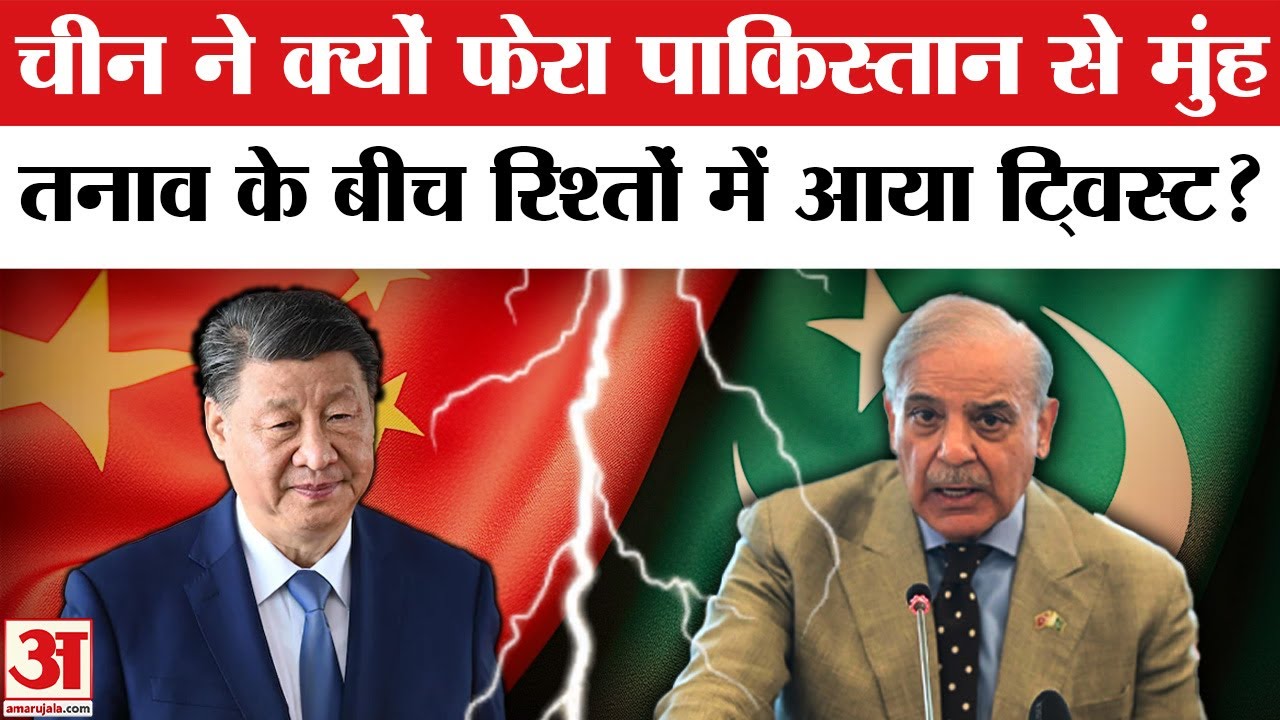
By Nitya Chakraborty The four day visit of the Pakistan Deputy Prime Minister Mohammad Ishaq Dar to China ended on Wednesday May 21 with top Chinese leaders assuring Dar that ‘as an ironclad friend, China, as always, firmly support Pakistan in safeguarding its national sovereignty and territorial integrity, support Pakistan in exploring a development path […]

Abu Dhabi’s aerospace firm Space 42 is set to initiate production of prototype platforms designed to operate at altitudes reaching thousands of metres above the Earth’s surface. This development marks a significant step in the emirate’s growing ambitions within the aerospace sector, targeting near-space exploration and flight operations.

The prototypes will serve as platforms to launch near-space flights, a field that bridges traditional aviation and outer space exploration by operating at the edge of the Earth’s atmosphere. Space 42’s initiative is aligned with broader national goals to position Abu Dhabi and the United Arab Emirates as leaders in aerospace innovation and technology development. The company aims to contribute to the emerging commercial space economy by developing technologies capable of operating in the stratosphere and beyond.

Near-space platforms have a variety of potential applications, ranging from scientific research and atmospheric monitoring to telecommunications and high-altitude surveillance. These platforms can also serve as launchpads for suborbital missions, enabling experimental payloads or commercial ventures to access near-space environments more cost-effectively than traditional rockets.

Space 42 plans to produce the prototypes by the end of the year, employing advanced aerospace engineering and leveraging local expertise alongside international collaborations. The company’s approach involves creating modular, reusable platforms that can carry payloads to high altitudes while maintaining stability and control in the thin upper atmosphere.

Abu Dhabi has invested heavily in aerospace and space-related ventures as part of its strategy to diversify the economy away from oil. Space 42 is among several entities in the emirate focused on fostering innovation and building capabilities in advanced technologies. The move toward near-space flights reflects a global trend where governments and private companies alike are investing in technologies that can bridge the gap between Earth-bound aviation and space travel.

The platforms under development will use cutting-edge materials and propulsion technologies tailored to withstand harsh near-space conditions, including extreme temperature variations and low atmospheric pressure. The prototypes are expected to undergo rigorous testing phases before any commercial or scientific deployments.

Space 42’s project is part of a broader wave of interest in high-altitude platforms worldwide. These platforms offer a middle ground between satellites and aircraft, combining endurance and payload capacity with relative ease of deployment and maintenance. Their ability to provide persistent observation or communication coverage without the high costs associated with orbital launches makes them attractive for various industries.

The company’s initiative aligns with the UAE’s long-term space ambitions, which include Mars exploration, satellite development, and fostering a local space industry ecosystem. By manufacturing these prototype platforms, Space 42 aims to develop a technological edge that can be leveraged for both domestic and international markets.

Industry experts note that near-space platforms could transform how data is collected and transmitted across multiple sectors. They can support environmental monitoring by offering high-resolution data on atmospheric conditions, track climate change indicators, and improve weather prediction models. Telecommunications companies see potential in using such platforms to extend internet coverage to remote areas or enhance network resilience during emergencies.

Globally, the near-space flight market is gaining momentum as new entrants join established aerospace firms in developing technologies for stratospheric operations. Governments are increasingly recognising the strategic importance of controlling near-space assets for national security, scientific advancement, and economic competitiveness.

The production of prototype platforms by Space 42 is expected to position Abu Dhabi as a key player in this expanding field. This move may encourage further investments in research and development, talent acquisition, and infrastructure to support near-space flight activities. The initiative also aligns with the UAE’s vision to be a hub for science and technology innovation in the Middle East.

Space 42 has emphasised the role of sustainability and cost-effectiveness in their design philosophy, aiming to reduce the environmental footprint compared to traditional aerospace operations. Reusability and energy-efficient propulsion systems are central to this strategy, ensuring that the platforms can operate repeatedly without significant resource expenditure.

As the prototypes enter production, the company plans to collaborate with academic institutions, industry partners, and government bodies to validate performance and explore potential applications. This cooperation will be critical to overcoming technical challenges inherent in operating at the edge of space, where conditions differ markedly from those experienced by conventional aircraft.

The near-space platform project reflects a strategic blend of ambition and pragmatism. By focusing on prototype development, Space 42 is taking measured steps toward establishing a presence in an area that promises to grow significantly in importance and economic value. The company’s work contributes to the broader narrative of the UAE’s emergence as a forward-looking aerospace nation, committed to advancing scientific knowledge and commercial capabilities beyond the atmosphere.

While the production timeline anticipates completion before year-end, the path ahead will involve iterative testing and refinement. These phases are crucial to ensure the platforms meet stringent operational standards for safety, reliability, and performance under near-space conditions.

The company’s announcement has drawn attention from industry analysts and potential customers interested in utilising high-altitude platforms for various applications, from telecommunications to defence. The development also signals increasing competition in a sector where innovation and technical mastery are vital.

Mauritius is intensifying efforts to attract travellers from Gulf countries, with the tourism sector positioning itself to tap into a high-spending demographic amid growing global competition. The island’s tourism authority has highlighted the Gulf region as a key source market, aiming to capitalise on increased air connectivity, rising disposable incomes, and evolving travel preferences.

Officials from the Mauritius Tourism Authority emphasise a strategy focused on delivering a high-quality, product-driven experience tailored to Gulf travellers’ expectations. Luxury accommodations, personalised services, and exclusive experiences form the cornerstone of this approach. The island’s appeal is strengthened by its reputation for safety, pristine beaches, and cultural diversity, factors that resonate well with Gulf visitors seeking both relaxation and immersive travel.

Mauritius benefits from its geographic proximity and enhanced flight options, including direct and one-stop routes operated by regional and international airlines. These improved connections make the destination more accessible, facilitating a smoother travel experience that Gulf tourists increasingly prioritise. The airline partnerships and new routes also reflect broader industry trends where connectivity drives tourism inflows and regional collaboration plays a key role in market expansion.

The tourism authority’s promotional campaigns have adapted to digital trends, leveraging social media influencers and targeted marketing to engage Gulf travellers effectively. Content emphasises Mauritius as an exclusive yet accessible luxury getaway, blending natural beauty with upscale amenities. This digital outreach complements traditional marketing channels, aiming to build sustained interest and brand loyalty.

Luxury resorts and hotels on the island have upgraded their offerings, aligning with Gulf travellers’ preferences for privacy, fine dining, wellness, and bespoke excursions. Several properties have introduced Arabic-speaking staff, tailored menus, and prayer facilities to better serve the Gulf clientele. This cultural sensitivity enhances comfort and inclusivity, strengthening the destination’s competitive edge.

Economic data shows that Gulf tourists typically spend more per visit than visitors from many other regions, making them highly desirable for the island’s tourism revenue. With tourism contributing significantly to Mauritius’s GDP, targeting high-value markets is essential for sustaining economic growth, especially in the post-pandemic environment where recovery efforts remain critical.

The broader Indian Ocean region faces intense competition from other luxury beach destinations, including the Maldives, Seychelles, and Zanzibar. Mauritius’s tourism leadership acknowledges the need for continuous innovation and investment to maintain its standing. This includes diversifying experiences beyond beaches, promoting eco-tourism, cultural tours, and sporting events to appeal to diverse traveller interests.

Environmental sustainability is becoming a priority within Mauritius’s tourism development plans, as the island seeks to balance growth with conservation. Several resorts have adopted green certifications and community engagement programmes, which appeal to environmentally conscious Gulf travellers increasingly interested in responsible tourism. This trend aligns with global shifts toward sustainable travel, reinforcing Mauritius’s positioning as a forward-thinking destination.

Authorities are also working with Gulf travel agencies and tour operators to create customised travel packages that simplify booking and enhance the overall journey. Collaborative partnerships extend to the luxury retail and entertainment sectors, integrating shopping and leisure activities into holiday experiences. Such integrated offerings respond to Gulf tourists’ demand for comprehensive, seamless trips combining relaxation, adventure, and lifestyle.

Mauritius’s appeal to Gulf visitors is further strengthened by the island’s multilingual population and historical links to the region through trade and diaspora communities. These ties foster a sense of familiarity and hospitality, factors that influence travel decisions positively. The tourism sector recognises that maintaining and deepening these connections is crucial for long-term market development.

Global travel trends show an increasing preference among Gulf nationals for destinations that offer exclusivity and privacy, particularly amid ongoing health concerns and evolving safety expectations. Mauritius has implemented stringent health protocols and flexible cancellation policies to reassure travellers, factors that contribute to its attractiveness as a safe and dependable destination.

Despite the promising outlook, challenges remain. The volatility of international travel regulations, fluctuating fuel prices, and economic uncertainties in key Gulf states could affect visitor numbers. Moreover, competition for tourists’ attention and spending power requires Mauritius to continually enhance value propositions and innovate its offerings.

Investment in infrastructure improvements, including airports, road networks, and hospitality facilities, supports the island’s ambition to elevate the visitor experience. Public and private sector collaboration is essential in this regard, with government incentives encouraging tourism-related investments and innovation. These efforts underscore a commitment to sustainable and inclusive tourism growth.

Mauritius’s strategy reflects a broader shift in global tourism towards targeting affluent travellers with discerning tastes. By focusing on personalised, culturally aware, and environmentally responsible tourism products, the island is positioning itself as a top-tier destination for Gulf nationals. This aligns with global luxury travel market trends, which prioritise authenticity, comfort, and unique experiences.

Efforts to attract Gulf travellers are expected to have a multiplier effect, benefiting ancillary industries such as retail, transportation, and local crafts. The integration of tourism with local economic development highlights Mauritius’s holistic approach to growth, emphasising the social and economic benefits of a vibrant travel sector.


Advertisements

Blackstone has initiated its entry into the cryptocurrency market by acquiring a stake in BlackRock’s iShares Bitcoin Trust , marking its first foray into digital assets. This move aligns with a broader trend of institutional investors embracing cryptocurrency through regulated investment vehicles.

The exact size of Blackstone’s investment has not been publicly disclosed, but filings with the U.S. Securities and Exchange Commission indicate a modest position. This strategic investment underscores a growing institutional interest in Bitcoin, particularly through spot exchange-traded funds , which offer regulated exposure to the cryptocurrency without the complexities of direct ownership.

BlackRock’s IBIT has emerged as a leading product in the spot Bitcoin ETF market, surpassing Grayscale’s Bitcoin Trust in assets under management. As of late May 2024, IBIT held nearly $20 billion in Bitcoin, reflecting significant investor confidence and inflows.

The approval of spot Bitcoin ETFs by the SEC in January 2024 marked a pivotal moment for cryptocurrency adoption among institutional investors. These ETFs provide a regulated avenue for exposure to Bitcoin, mitigating some of the risks associated with direct cryptocurrency investments. Since their approval, spot Bitcoin ETFs have attracted substantial capital, with inflows exceeding $40 billion, signaling robust demand from institutional players.

Blackstone’s investment follows similar moves by other major financial institutions. Barclays disclosed a $131 million stake in IBIT, while Morgan Stanley reported holdings worth $188 million. Additionally, sovereign wealth funds, such as Abu Dhabi’s Mubadala Investments, have made significant investments, with Mubadala holding a $437 million stake in IBIT as of December 2024.

The increasing institutional adoption of Bitcoin ETFs is contributing to the convergence of traditional finance and the cryptocurrency market. BlackRock executives have noted that the introduction of Bitcoin ETFs is facilitating this integration, as traditional financial institutions seek exposure to digital assets through familiar investment vehicles.

Dubai has embarked on a significant affordable housing initiative, aiming to construct over 17,000 residential units across six locations in the emirate. This development is a collaborative effort between the Roads and Transport Authority , Dubai Municipality, and Wasl Group, aligning with the Dubai 2040 Urban Master Plan.

The first phase of the project encompasses areas including Me’aisem 1, Al Twar 1, Al Qusais Industrial Area 5, and Al Leyan 1, covering approximately 1.46 million square metres. The housing units are intended for skilled professionals of various nationalities employed in both public and private sectors. The initiative seeks to provide quality housing options at affordable rental rates, enhancing living standards and supporting the city’s economic growth.

Sheikh Hamdan bin Mohammed bin Rashid Al Maktoum, Crown Prince of Dubai, Deputy Prime Minister, and Minister of Defence, witnessed the signing of the agreement. He emphasized that the project supports the Dubai 2040 Urban Master Plan and aligns with the city’s affordable housing policy, aiming to improve living standards for the workforce and reinforce Dubai’s status as a premier city to live and work.

Mattar Al Tayer, Director General and Chairman of the Board of Executive Directors of the RTA, highlighted that housing remains a key priority under the leadership’s guidance. He stated that the Affordable Housing Programme is one of the government’s pioneering initiatives aimed at enhancing community well-being and quality of life, aligning with the UAE’s designation of 2025 as the ‘Year of Community’.

Marwan Ahmad bin Ghalita, Director General of Dubai Municipality, noted that the affordable housing projects reflect the vision of building a cohesive and prosperous society. He mentioned that these projects are a significant step in developing sustainable urban centres, contributing to inclusive, healthy communities equipped with comprehensive services and recreational facilities.

Hesham Abdulla Al Qassim, CEO of Wasl Group, expressed the company’s commitment to shaping a future where inclusive urban living is a reality for all. He stated that the collaboration with RTA and Dubai Municipality represents a strategic step forward in delivering sustainable, high-quality housing solutions, supporting the goals of the Dubai 2040 Urban Master Plan.

The initiative also aligns with the ’20-Minute City’ concept, aiming to ensure connectivity to the city centre and access to essential services within a short commute. By optimizing land use and developing residential models tailored to diverse community needs, the project aspires to enhance productivity, reduce commuting times, and improve overall employee satisfaction and well-being.

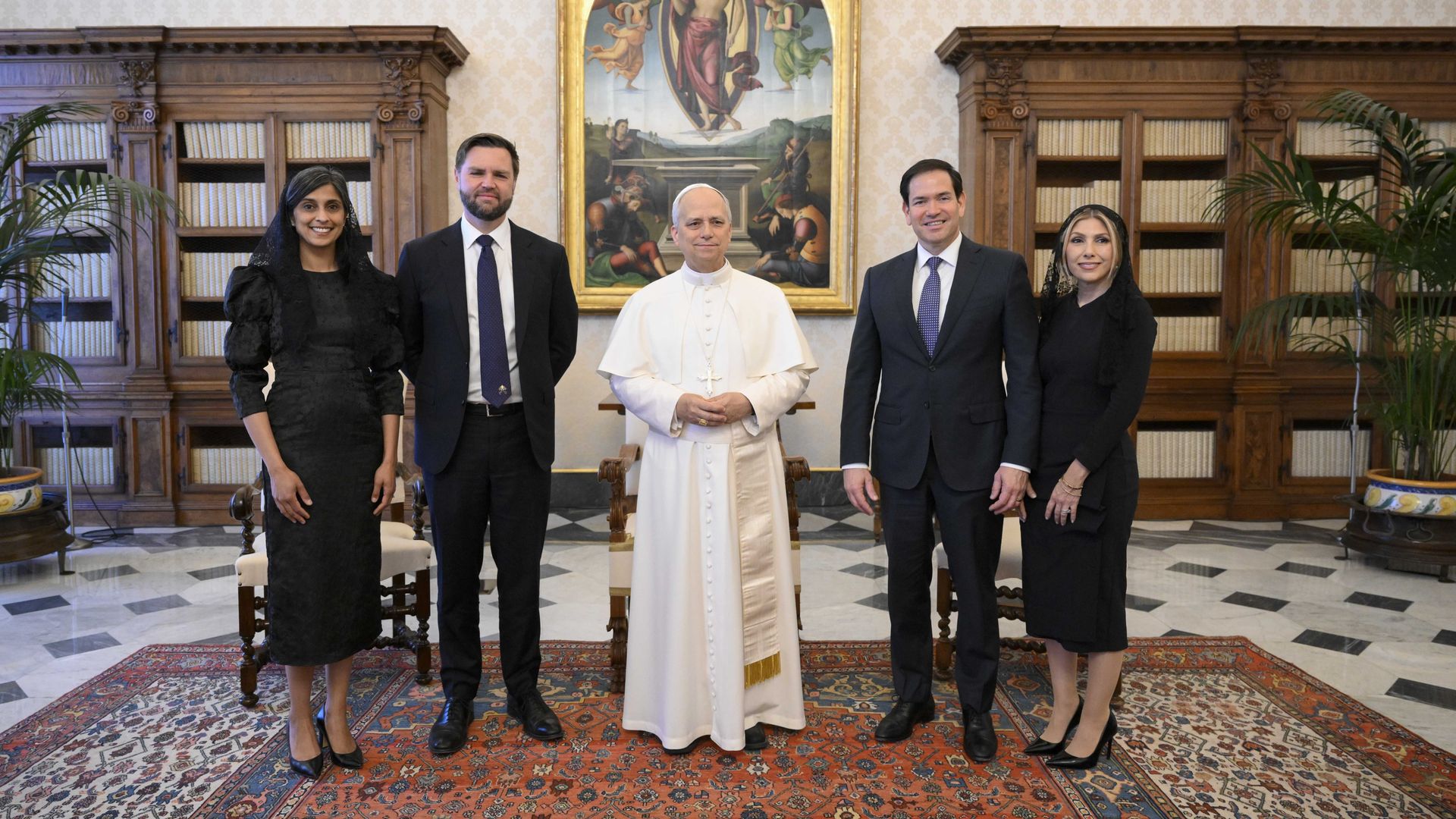
By T N Ashok NEW YORK: US President Donald Trump has virtually called off his peacemaking efforts with Ukraine and Russia to break their ongoing conflict after his two-hour talk on Monday with so-called buddy Russian President Vladimir Putin ended in a no entry zone. Now the Vatican has entered the scene to host the […]
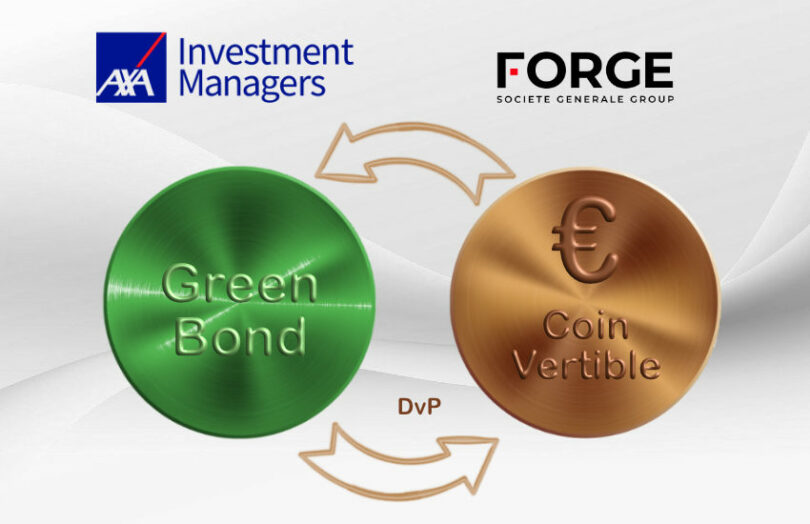
Societe Generale, one of Europe’s leading financial institutions, has launched a new stablecoin pegged to the US dollar on the Ethereum blockchain, marking a significant milestone as the first dollar-backed stablecoin issued by a traditional bank. The initiative, spearheaded by the bank’s digital asset subsidiary SG-Forge, aims to bridge the gap between conventional finance and the rapidly evolving world of decentralised finance .

The stablecoin, named USD CoinVertible , is designed to offer institutional clients a secure and regulated digital asset for on-chain transactions. SG-Forge has emphasised that USDCV will adhere to strict compliance standards, including Know Your Customer and Anti-Money Laundering protocols, ensuring its suitability for professional investors seeking exposure to digital assets within a regulated framework.

Jean-Marc Stenger, CEO of SG-Forge, stated that the launch of USDCV represents a pivotal step in the bank’s digital asset strategy. He highlighted the growing demand among institutional clients for stable and compliant digital assets that can facilitate efficient settlement and liquidity management on blockchain platforms.

The introduction of USDCV follows SG-Forge’s earlier venture into stablecoins with the euro-pegged EUR CoinVertible , which was initially deployed on the Ethereum blockchain. Despite its innovative approach, EURCV experienced limited adoption, prompting SG-Forge to expand its presence to other blockchain networks. In September 2024, the firm announced plans to deploy EURCV on the Solana network, citing the blockchain’s high throughput and low transaction costs as key factors for enhancing user experience and adoption.

Solana’s capabilities have attracted attention from various financial institutions seeking to leverage blockchain technology for digital asset issuance and management. SG-Forge’s decision to extend EURCV to Solana aligns with a broader industry trend of exploring scalable and cost-effective blockchain solutions to meet the demands of both retail and institutional users.

In addition to Solana, SG-Forge has expressed intentions to further expand its stablecoin offerings to other blockchain networks, including the XRP Ledger. This multi-chain strategy reflects the firm’s commitment to providing versatile and accessible digital asset solutions across diverse blockchain ecosystems.

The launch of USDCV positions Societe Generale as a pioneer among traditional banks venturing into the stablecoin market. While other financial institutions have explored digital asset initiatives, Societe Generale’s direct issuance of a dollar-pegged stablecoin on a public blockchain underscores its proactive approach to embracing digital innovation within a regulated framework.

As the stablecoin market continues to evolve, the entry of established financial entities like Societe Generale introduces a new dimension to the landscape. The bank’s emphasis on regulatory compliance and institutional-grade solutions may set a precedent for other traditional financial institutions considering similar ventures into the digital asset space.

The success of USDCV will likely depend on its adoption by institutional clients and its integration into existing financial infrastructures. SG-Forge’s ongoing efforts to enhance the utility and accessibility of its stablecoin offerings, including partnerships with market makers and listings on digital asset exchanges, will be critical in driving adoption and establishing a foothold in the competitive stablecoin market.

Cryptocurrency exchange Kraken has secured a Markets in Financial Instruments Directive licence in the European Union by acquiring Cypriot investment firm Greenfields Wealth, formerly known as Pacific Union Group. The acquisition, approved by the Cyprus Securities and Exchange Commission , enables Kraken to offer regulated crypto derivatives to advanced traders across selected EU markets.

This strategic move allows Kraken to operate under the EU’s MiFID framework, facilitating the provision of over-the-counter derivatives, including contracts for differences , to retail clients within the European Economic Area. The licence also permits Kraken to passport its services across other EU member states, potentially reaching a broader base of European traders and investors.

Shannon Kurtas, Kraken’s Co-General Manager of Pro & Exchange, stated that the acquisition reflects the company’s commitment to providing a trusted, regulated environment for advanced crypto traders and investors. She emphasized that the European market remains a top priority for Kraken as it continues to expand its services globally.

Kraken plans to introduce a range of derivatives products, including regulated futures and options, designed to meet the needs of sophisticated crypto investors in Europe. These offerings will enable traders to gain exposure to various digital assets in a capital-efficient and flexible manner, using a variety of collateral currencies to back their positions.

The acquisition of Greenfields Wealth provides Kraken with a strategic entry point into the European derivatives market. Cyprus has emerged as a hub for financial services firms seeking to operate across the EU, thanks to its regulatory framework and MiFID passport capabilities. The approval from CySEC enables Kraken to compete more effectively in the European crypto derivatives market.

Kraken has a history of pursuing regulated derivatives trading opportunities. In 2019, the company acquired Crypto Facilities, a UK-based crypto futures platform regulated by the Financial Conduct Authority , enhancing its presence in the UK market. This acquisition made Kraken the first licensed crypto futures provider in the United Kingdom.

The European crypto derivatives market is experiencing significant growth, with projections indicating a 15% growth rate until 2030. Kraken’s entry into this market positions the company to capitalize on the increasing demand for secure and regulated crypto derivatives trading in the EU.

Kraken’s approach to regulatory compliance has been systematic, with the exchange working to secure necessary approvals across different jurisdictions. This strategy helps ensure that its services meet local regulatory standards while providing users with access to advanced trading options.

The company’s expansion into the European market aligns with the EU’s Markets in Crypto-Assets regulation, which aims to address issues related to anti-money laundering, token issuance, and stablecoin-specific rules. Kraken’s acquisition of the MiFID licence represents a strategic move to capture opportunities in Europe’s expanding derivatives market.

GlobalStar Travel Management has entered into a strategic partnership with RateHawk, a B2B booking platform, to enhance its global accommodation offerings. This collaboration grants GlobalStar’s partners access to over 2.7 million lodging options, including hotels, apartments, and resorts, sourced from more than 320 suppliers and 130,000 directly contracted properties.

The integration of RateHawk’s inventory into GlobalStar’s system aims to streamline booking processes for travel managers. RateHawk’s AI-driven tools prioritise recommendations based on competitive rates, while its machine learning-powered pre-book check procedures help minimise potential issues. Additionally, the platform offers real-time availability updates and supports faster amendments, enhancing operational efficiency.

Julian Russell, Executive Director of IT and Supplier Relations at GlobalStar, highlighted the benefits of the partnership, noting that RateHawk’s provision of ‘prepay’ and ‘credit’ facilities addresses a critical need for partners in regions where such features are essential for managing hotel bookings. He also emphasised the positive initial feedback from GlobalStar partners and the potential for deeper integration through API connectivity.

Ilya Kravtsov, Chief Commercial Officer at RateHawk’s parent company, Emerging Travel Group, expressed enthusiasm about the collaboration, stating that the partnership is designed to empower GlobalStar partners by increasing their confidence in daily booking routines. He underscored RateHawk’s commitment to providing diverse accommodation options and robust support, available in 32 languages, to assist with inquiries.

Bithumb, South Korea’s second-largest cryptocurrency exchange, has significantly increased its market share, now handling approximately 25% of the nation’s crypto trading volume, up from under 10% in 2023. This surge positions the company for a planned Initial Public Offering in the latter half of 2025, with Samsung Securities appointed as the lead underwriter.

The exchange’s growth strategy included the elimination of transaction fees for all supported digital assets, a move that temporarily boosted its market share to a peak of 72% in early 2024. This aggressive approach allowed Bithumb to momentarily surpass its main competitor, Upbit, which has traditionally dominated the South Korean crypto market.

Bithumb’s decision to pursue an IPO is not primarily driven by a need for capital infusion. According to its semi-annual report, the company holds financial assets exceeding 400 billion won . Instead, the IPO aims to enhance corporate transparency and governance, thereby rebuilding public trust following past controversies involving its leadership.

The exchange has undergone significant leadership changes in preparation for the IPO. Former Chairman Lee Jung-hoon has returned as a registered director, while Jaewon Lee has been appointed as the new CEO of Bithumb Holdings. These changes are part of a broader effort to strengthen the company’s governance structure and align with regulatory expectations.

Bithumb has also shifted its banking partnership from NH Nonghyup Bank to KB Kookmin Bank, South Korea’s largest financial institution. This move is expected to enhance the exchange’s credibility and attract a broader customer base, including institutional clients.

Despite these advancements, Bithumb faces ongoing regulatory challenges. The Financial Intelligence Unit initiated an on-site inspection in March 2025 to assess the exchange’s compliance with anti-money laundering regulations. The outcome of this investigation could significantly impact the company’s IPO timeline and investor confidence.

Bithumb is considering listing options beyond South Korea, including a potential listing on the U.S. Nasdaq. This consideration arises from the complex regulatory environment in South Korea, where cryptocurrencies are not recognized as legitimate financial products, potentially complicating domestic listing procedures.

Financially, Bithumb reported a net profit of $110 million in 2024, reflecting its robust market position and operational efficiency. The exchange’s commitment to regulatory compliance and technological enhancements has contributed to its resilience in a volatile market.

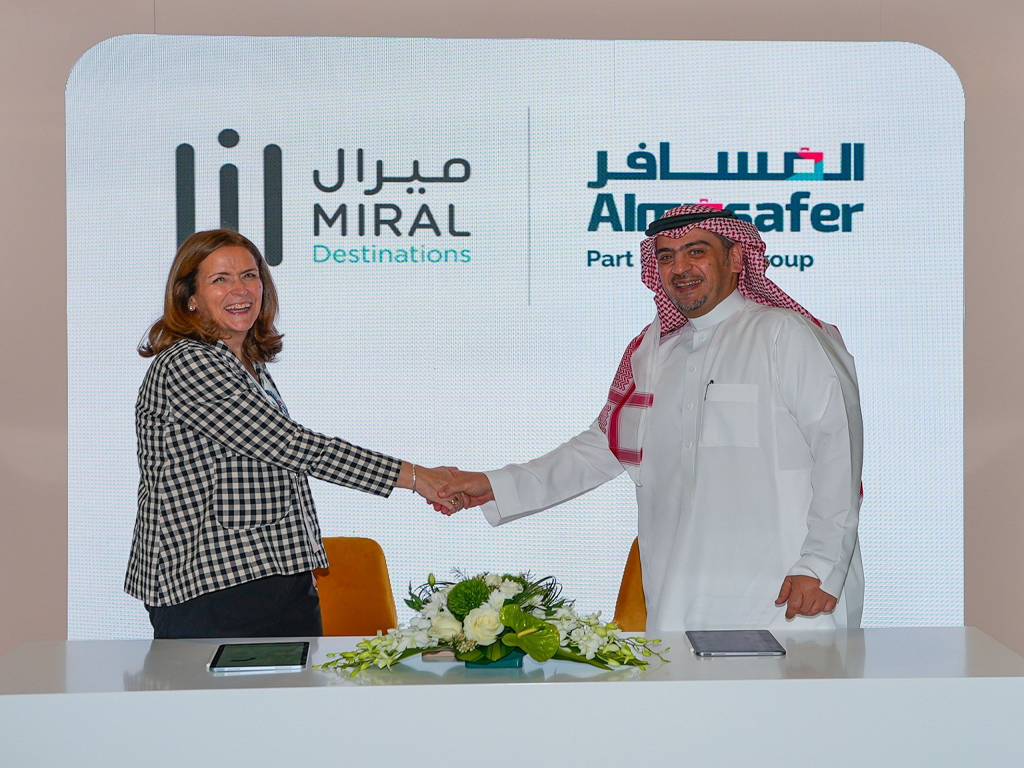
Almosafer, a leading travel services provider in Saudi Arabia, has entered into a strategic partnership with Abu Dhabi-based Miral to promote Yas Island as a premier leisure destination among travellers from the Kingdom and the wider Gulf Cooperation Council region.

Under the agreement, Almosafer will leverage its extensive consumer travel platforms and regional expertise to market Yas Island’s diverse attractions, including theme parks, luxury accommodations, and cultural events. This collaboration aims to boost visitor numbers from Saudi Arabia, a market that has shown significant growth in outbound tourism.

Yas Island has experienced a surge in popularity, recording over 38 million visits in 2024—a 10% increase from the previous year. The destination’s appeal has been bolstered by a variety of attractions, such as Warner Bros. World, SeaWorld, and Yas Waterworld, as well as a calendar filled with international events and performances. Notably, there has been a 56% increase in visitors from the GCC, with Saudi Arabia contributing a substantial portion of this growth.

The partnership between Almosafer and Miral is expected to further enhance Yas Island’s visibility and accessibility to Saudi travellers. Almosafer plans to integrate Yas Island offerings into its booking platforms, provide tailored travel packages, and launch targeted marketing campaigns to showcase the destination’s unique experiences.

This initiative aligns with broader regional efforts to promote tourism and diversify economies. By capitalising on the growing interest in leisure travel among Saudi residents, the collaboration seeks to position Yas Island as a top choice for family vacations, cultural exploration, and entertainment within the GCC.

Ethereum’s price steadied near $2,400 after a notable pullback, positioning itself for a potential upward move toward the $4,000 mark. The digital asset’s resilience at this support level has drawn increased attention from traders and analysts who are monitoring the market for signs of renewed momentum.

Following a period of heightened volatility, Ethereum has maintained a base close to $2,400, a level viewed by many as a critical buying zone. This price point has historically provided stability amid fluctuating market sentiment, suggesting that investors see value at this threshold. Trading volumes have also seen a surge, indicating a resurgence of interest as participants weigh the likelihood of a recovery rally.

Analysts note that the current consolidation phase may serve as a launchpad for a rebound that could push Ethereum toward its previous highs around $4,000. The cryptocurrency has faced downward pressure stemming from broader macroeconomic factors such as tightening monetary policies, global inflation concerns, and regulatory uncertainties. Despite these headwinds, Ethereum’s underlying technological developments and ecosystem growth continue to bolster confidence among market watchers.

Recent upgrades to the Ethereum network, particularly those enhancing scalability and reducing transaction fees, have strengthened the asset’s appeal. The transition to a proof-of-stake consensus mechanism, completed with the Merge, has also significantly reduced Ethereum’s energy consumption, aligning it with global sustainability goals. These technological milestones are seen as critical factors supporting long-term value, especially as decentralised finance platforms and non-fungible tokens continue to rely heavily on Ethereum’s infrastructure.

Market sentiment is further influenced by institutional adoption and increasing integration of Ethereum-based applications across various sectors. Financial firms and multinational corporations are exploring blockchain solutions that utilise Ethereum’s smart contract capabilities, highlighting the token’s growing utility beyond speculative trading. This expanding use case has created a more diversified demand base that could underpin price stability.

On the technical front, Ethereum’s price charts show a clear pattern of support forming around the $2,400 mark, which has acted as a floor against deeper declines. Momentum indicators such as the Relative Strength Index have hovered near neutral levels, indicating neither overbought nor oversold conditions. This suggests room for upward movement if buying pressure intensifies.

Traders are also closely watching the broader crypto market, where Bitcoin’s performance often sets the tone. Bitcoin’s stabilisation above key support levels has contributed to a more optimistic environment for altcoins like Ethereum. Correlations between Bitcoin and Ethereum prices remain significant, meaning that a bullish trend in Bitcoin could catalyse Ethereum’s push toward $4,000.

Regulatory developments continue to shape investor behaviour. Authorities in major economies are increasingly engaging with digital asset regulation, aiming to establish frameworks that encourage innovation while protecting investors. The clarity brought by such regulations, though sometimes viewed as restrictive, can reduce uncertainty and foster institutional investment.

Ethereum’s developer community remains active, with ongoing initiatives focused on network improvements and new protocol enhancements. These efforts aim to address scalability challenges and reduce costs further, which are essential for supporting growing user adoption. The vitality of this ecosystem contributes to Ethereum’s positioning as the leading platform for decentralised applications.

Investor interest is also driven by the emergence of layer-two solutions, which operate atop the Ethereum blockchain to increase transaction throughput and lower fees. These technologies are critical for managing network congestion and enhancing user experience, making Ethereum more competitive with alternative blockchains.

Dubai Holding has increased the size of its Dubai Residential REIT initial public offering to 15% of the entity’s capital, up from the previously announced 12.5%, in response to robust investor interest. The offering now comprises 1.875 billion units, with the institutional tranche expanded to 1.7875 billion units, while the retail tranche remains unchanged. Based on the price range of AED 1.07 to AED 1.10 per unit, […]

Zawos Group, a prominent business conglomerate in Oman, has entered into a definitive agreement to acquire NMC Healthcare LLC Oman and Elegant Medical Center Oman. The transaction encompasses two hospitals and six clinics and aesthetic centres, marking a significant development in the Sultanate’s healthcare sector. The acquisition is subject to customary closing conditions and is anticipated to be finalised within the next two months. Upon completion, NMC […]

Saudi Telecom Company’s Tali Ventures and Aramco’s Wa’ed Ventures have jointly led a $19 million investment in Graphiant, a US-based network connectivity start-up, as part of a broader $102 million Series B funding round. The move underscores the Kingdom’s strategic push to enhance its digital infrastructure and diversify its economy in line with Vision 2030. Graphiant, headquartered in California, specialises in providing a unified network solution that […]

The United Arab Emirates has unveiled a Dh40 billion financing initiative aimed at accelerating the growth of its industrial sector over the next five years. Announced by Dr Sultan Al Jaber, Minister of Industry and Advanced Technology, during the Make it in the Emirates forum in Abu Dhabi, the plan seeks to enhance the nation’s manufacturing capabilities and diversify its economy.

The financing will be facilitated through a consortium of major banks, including Emirates Development Bank , First Abu Dhabi Bank, Mashreq, Emirates NBD, Abu Dhabi Commercial Bank, Abu Dhabi Islamic Bank, and Wio Bank. These institutions will offer competitive loans to industrial companies, supporting projects that align with the UAE’s strategic economic objectives.

Dr Al Jaber emphasized the multiplier effect of industrial investments, stating that each investment stimulates growth in related sectors. He highlighted that the initiative is part of the broader Operation 300bn strategy, which aims to increase the industrial sector’s contribution to the UAE’s GDP to Dh300 billion by 2031.

The Make it in the Emirates forum also saw the announcement of additional incentives, including Dh23 billion in guaranteed offtake agreements, bringing the total value of captive procurement opportunities to Dh143 billion. These agreements are designed to encourage local manufacturing of over 2,000 products, with significant procurement commitments from entities like ADNOC and Pure Health.

New industrial projects and investments worth Dh20 billion were unveiled, alongside co-lending financial solutions of Dh1 billion to empower small and medium enterprises . The government also introduced comparative electricity tariffs in the northern Emirates and launched an AI innovation programme providing Dh370 million to targeted technology startups.

Emirates Development Bank has played a pivotal role in supporting the UAE’s industrial sector. Since the launch of its strategy in 2021, EDB’s financing has reached Dh15.7 billion, contributing Dh7.4 billion to the industrial GDP by the end of 2024. The bank has also facilitated Dh50.2 billion in capital expenditure financing, supported Dh15 billion in greenfield projects, and attracted Dh7 billion in foreign direct investment.

In 2024 alone, EDB provided Dh8.7 billion in financing, marking a 222% increase from the previous year. This financing supported the creation of over 14,000 industrial jobs and contributed Dh4.1 billion to the UAE’s industrial GDP. The manufacturing sector received the largest share, with Dh4.23 billion, accounting for 49% of total disbursements.

The bank’s focus on key sectors includes advanced technology, which received Dh3 billion in financing, and renewable energy projects, which secured Dh1.2 billion. Additionally, the food security and healthcare sectors received Dh1.22 billion and Dh1.14 billion, respectively.

EDB’s support for micro, small, and medium enterprises remained a core priority, with total financing reaching Dh3 billion in 2024. This includes Dh758 million through the bank’s Credit Guarantee Scheme in partnership with 11 commercial banks, Dh2.1 billion in direct financing to mSMEs, and Dh107 million to SME-Micro projects.

The bank’s strong financial performance and strategic focus have been recognized by S&P Global, which upgraded EDB’s credit rating to AA, the highest among financial institutions in the UAE and MENA region. This milestone underscores the bank’s robust financial profile and alignment with national development priorities.

A group of prominent Senate Democrats, led by Elizabeth Warren and Minority Leader Chuck Schumer, has urged the Trump administration to reconsider newly announced artificial intelligence chip agreements with Saudi Arabia and the United Arab Emirates . The lawmakers argue that these deals could compromise U.S. national security by potentially exposing advanced technology to adversaries like China and Russia, while also limiting the availability of critical components for American companies.

The agreements, unveiled during President Donald Trump’s recent trip to the Middle East, involve major U.S. tech firms such as Nvidia Corp. and Advanced Micro Devices Inc. selling tens of thousands of advanced semiconductors to the Gulf nations. These deals could pave the way for the sale of over a million more chips, coinciding with the administration’s plans to rescind and rewrite Biden-era rules that had capped the access of these countries to such technology.

Critics within the Senate express concern that these moves could inadvertently aid China’s technological advancement, given the close ties between the Gulf states and Beijing. They also warn that the agreements might strain the domestic supply of AI chips, potentially hindering the growth of U.S. companies reliant on these components.

OpenAI CEO Sam Altman has defended the administration’s decisions, dismissing critics as “naïve” and emphasizing the strategic benefits of the deals. Altman, along with White House AI advisor David Sacks, argues that the agreements shift the technological balance in favor of the U.S. against China. Despite these assurances, concerns persist among lawmakers and national security experts about the potential risks associated with the export of sensitive technology to the Gulf region.

The deals have also sparked debate within the tech industry, with some companies eager to pursue opportunities in the Gulf, while others express apprehension regarding security and geopolitical implications. The collaborations highlight a divide in the industry and raise broader questions about the global strategic direction of emerging technologies.

Dubai has solidified its position as a leading global diamond trading hub, with over 1.06 billion carats of rough and polished diamonds transacted through the city over the past five years. In 2024 alone, nearly 179 million carats were traded, underscoring the United Arab Emirates’ pivotal role in the international diamond market.

These figures were disclosed by Ahmed Bin Sulayem, Chair of the Kimberley Process and Executive Chairman of the Dubai Multi Commodities Centre , during the UN-mandated KP Intersessional Meeting held at Uptown Tower in Dubai. The event convened hundreds of representatives from governments, industry, and civil society, marking a significant milestone in the UAE’s third tenure as KP Chair.

Under the theme “Year of Delivery,” the UAE’s 2024 chairmanship focused on implementing substantial reforms within the KP framework. A notable achievement was the introduction of a blockchain-based digital certification system, transitioning from traditional paper certificates. This innovation aims to enhance the traceability and security of diamond transactions, ensuring greater transparency in the supply chain.

Another significant development was the readmission of the Central African Republic into the KP. After a decade-long embargo due to internal conflicts, CAR’s reinstatement followed a comprehensive review and improved security conditions. Ahmed Bin Sulayem’s direct engagement with CAR authorities facilitated this process, reflecting the UAE’s commitment to integrating diamond-producing nations into the global market responsibly.

The KP also welcomed Uzbekistan as its 60th member, expanding the coalition’s reach and reinforcing its mission to prevent conflict diamonds from entering the mainstream market. This inclusion signifies the KP’s growing influence and the increasing global consensus on ethical diamond trading practices.

In a move to institutionalize the KP’s operations, a permanent secretariat was established in Gaborone, Botswana. This development aims to provide continuity and enhance the administrative efficiency of the KP, ensuring sustained efforts toward conflict-free diamond trade.

The UAE’s leadership also garnered international recognition through a resolution adopted by the United Nations General Assembly. Titled “The Role of Diamonds in Fueling Conflict,” the resolution, co-sponsored by 37 countries, acknowledged the UAE’s initiatives in promoting ethical practices within the diamond industry.

Industry leaders and civil society representatives lauded the UAE’s efforts. Feriel Zerouki, President of the World Diamond Council, emphasized the importance of innovation and transparency in maintaining the integrity of the diamond trade. Jaff Bamenjo, representing the Civil Society Coalition, highlighted the significance of engaging with diamond-affected communities to ensure equitable benefits from the industry.

Mubadala Investment Company has unveiled Mubadala Bio, a new life sciences entity designed to bolster the United Arab Emirates’ pharmaceutical manufacturing capabilities and enhance healthcare resilience. The initiative aligns with the country’s Centennial 2071 vision, aiming to position Abu Dhabi as a regional hub for biopharmaceutical innovation.

Mubadala Bio’s infrastructure encompasses ten facilities across Asia, Africa, and Europe, with six situated within the UAE. Collectively, these sites span 110,000 square metres and possess an annual production capacity exceeding 2.5 billion tablets and capsules, along with 120 million intravenous and injectable units. The company’s extensive portfolio includes over 10,000 medical products, serving more than 100 countries worldwide.

The company’s focus extends across the entire continuum of care, from prevention and diagnostics to treatment and supportive therapies. This comprehensive approach aims to address pressing global health challenges and improve patient outcomes.

Dr. Bakheet Al Katheeri, CEO of Mubadala’s UAE Investments Platform, stated that the launch of Mubadala Bio represents a transformative step toward strengthening national drug security and fostering innovation in life sciences. He emphasized that this positions Mubadala at the forefront of the industry, enabling long-term economic growth and the development of a resilient life sciences ecosystem.

Ismail Ali Abdulla, Executive Director of UAE Clusters at Mubadala, highlighted the company’s commitment to supporting the UAE’s ambition to become a global leader in the life sciences industry. By focusing on local manufacturing and enhancing distribution and logistics capabilities, Mubadala Bio aims to build a self-sustaining sector prepared for future challenges.

Mubadala Bio plans to establish strategic partnerships with global life sciences firms and academic institutions to accelerate biopharmaceutical innovation and nurture world-class talent within the UAE. These collaborations are intended to drive advancements in healthcare and support the country’s transition to a knowledge-based economy.

The company’s launch will be formally introduced at the upcoming Make it in the Emirates 2025 event, showcasing the UAE’s success in building a competitive life sciences industry. This event serves as a national industrial showcase, reinforcing the country’s position as a hub for innovation and local manufacturing.

Mubadala Bio is designated as one of Mubadala’s “National Champions,” entities established to support strategic sectors aligned with the UAE’s long-term development goals. Through its initiatives, the company aims to accelerate the UAE’s economic diversification, particularly in healthcare and biotechnology.

Global financial markets reeled on Monday following Moody’s Investors Service’s decision to downgrade the United States’ sovereign credit rating from Aaa to Aa1. The move, citing escalating fiscal deficits and a ballooning national debt, has intensified scrutiny over Washington’s economic policies and triggered a wave of investor unease.

The downgrade has led to a sharp rise in U.S. Treasury yields, with the 30-year bond yield climbing to 5.03%, its highest level since November 2023. The 10-year yield also surged to 4.55%, reflecting growing apprehension about the sustainability of U.S. fiscal policy. Concurrently, the U.S. dollar weakened against major currencies, while global equity markets experienced significant declines.

Moody’s action follows the narrow approval of President Donald Trump’s $3.8 trillion tax-cut package by the House Budget Committee. The legislation, which aims to extend the 2017 tax cuts and introduce new reductions on tips and overtime income, is projected to add between $3 trillion and $5 trillion to the national debt over the next decade. Analysts warn that such measures could exacerbate fiscal imbalances and undermine investor confidence.

European markets responded negatively, with the pan-European STOXX 600 index falling by 0.7%, ending a five-week winning streak. Luxury stocks, heavily reliant on Chinese demand, were particularly affected due to disappointing retail sales data from China. In the UK, the FTSE 100 index dropped by 0.8%, while the midcap FTSE 250 fell by 1.3%, influenced by the U.S. credit downgrade and anticipation surrounding a UK-EU summit.

Asian markets mirrored this trend, with key indices declining amid concerns over the U.S. fiscal outlook. The downgrade has also stalled the recent Wall Street rally, with futures dipping and the dollar weakening. Investors are increasingly wary of the U.S.’s rising debt burden and the potential implications for global financial stability.

The concept of “bond vigilantes”—investors who sell off government bonds in response to fiscal irresponsibility—has resurfaced. Analysts caution that if yields continue to rise, it could lead to instability in both bond and stock markets, potentially forcing the Federal Reserve to intervene. Some foresee a scenario where yields could exceed 6%, posing significant risks to economic growth.

Moody’s downgrade aligns the U.S. with other major economies that have lost their triple-A ratings, such as the UK and France. The agency projects that the U.S. debt-to-GDP ratio could reach 134% by 2035, up from 98% last year. The federal deficit, currently at 6.4% of GDP, is expected to rise to 9% by 2035, driven by increased interest payments and entitlement spending.

Despite these warnings, Treasury Secretary Scott Bessent dismissed the downgrade, asserting that the tax cuts would spur economic growth sufficient to offset the increased debt. However, nonpartisan analysts and some lawmakers express skepticism, highlighting the lack of substantial spending cuts or new revenue measures to balance the budget.

The political landscape remains divided, with hardline Republicans advocating for deeper cuts to programs like Medicaid and the repeal of green tax credits. Moderate Republicans and some senators oppose such measures, citing potential harm to vulnerable populations and the broader economy. The proposed cuts could result in 8.6 million people losing Medicaid coverage, raising concerns about the social impact of fiscal austerity.

VISHNU RAJA
RYO YAMADA
HITORI GOTOH
IKUYO KITA
Just in:
Emaar approves Development buyout ahead of planned delisting // Beyond the exhibition floor: How robots, AI and networks are moving into the real world // Motorola introduces Signature 27 flagship priced at $1,599 // Elephant calf on death line airlifted for treatment in Gujarat // India Under Pressure To Join RCEP On The Eve Of ASEAN Summit In Manila On Nov 15-17 // OpenAI abandons secrecy agreements for future data centres // Ningbo Consensus on Collaborative Development released at 2026 Global Mayors Dialogue · Ningbo // OpenAI introduces GPT-6 Cyber with restricted security access // Geely’s i-HEV Intelligent Hybrid Technology Offers a New Direction Vision for Gasoline-Powered Vehicles // TVM –Mangaluru Vande Bharat claims top spot // ADIA subsidiary seeks $7.5 billion private investment financing // Miss Universe Hong Kong Jen Zhou Departs for Puerto Rico to Compete in the 75th Miss Universe World Final // Ousted top Kochi cop gets IG post // Private varsities bill all set to face the axe // Oil advances towards $100 as tanker attacks persist // HKUST President Prof. Nancy IP Receives UNESCO–Equatorial Guinea International Prize for Research in Life Sciences // Geely’s i-HEV Intelligent Hybrid Technology Offers a New Direction for Gasoline-Powered Vehicles // Battle Uttar Pradesh Will Be Tougher For Yogi Than Expected // ADNOC secures decade-long LNG supply pact with Gujarat Energy // HKUST President Prof. Nancy IP Receives UNESCO–Equatorial Guinea International Prize for Research in Life Sciences //