News related to
Arabia

Dubai-based luxury real estate developer Omniyat Holdings has mandated a consortium of international and regional banks to arrange its inaugural US dollar-denominated green sukuk, marking its entry into the sustainable finance market. The issuance, structured as a three-year fixed-rate senior unsecured sukuk under Regulation S, is poised to attract global investors seeking Sharia-compliant green investment opportunities.

The appointed joint global coordinators for the transaction are ADCB, Citi, ENBD Capital, JP Morgan, Mashreq, and Standard Chartered. Supporting them as joint lead managers and bookrunners are Ajman Bank, Commercial Bank of Dubai, Dubai Islamic Bank, First Abu Dhabi Bank, Kamco Invest, RAKBANK, and Warba Bank. Investor calls are scheduled to commence on Thursday, setting the stage for the sukuk’s launch, subject to market conditions.

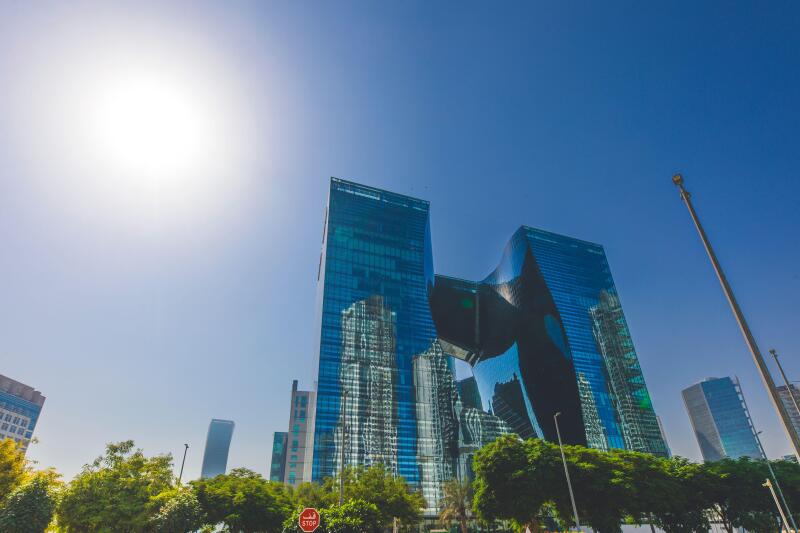
Omniyat, renowned for its high-profile developments such as The Opus in Dubai’s Business Bay—designed by the late Zaha Hadid—aims to leverage the proceeds from the green sukuk to finance or refinance projects that align with environmental sustainability criteria. This move aligns with the broader trend in the Gulf Cooperation Council region, where issuers are increasingly tapping into the green finance market to support environmentally friendly initiatives.

The UAE has emerged as a leader in green sukuk issuances, with activity in the sector doubling to $8.6 billion in the first half of 2024. This surge is attributed to a series of high-profile issuances by major financial institutions and corporations, reflecting the country’s commitment to sustainable development and its 2050 Net Zero Goals.

Omniyat’s entry into the green sukuk market follows similar moves by other prominent UAE entities. For instance, Abu Dhabi Islamic Bank successfully raised $500 million through a green sukuk offering, marking the world’s first US dollar-denominated green sukuk issued by a financial institution. The issuance was met with exceptional demand, attracting interest from over 100 global and regional investors, and was listed on the London Stock Exchange’s International Securities Market and Sustainable Bond Market.

Similarly, Majid Al Futtaim, a UAE-based developer and operator of shopping malls, has previously issued a $600 million green sukuk to finance a portfolio of green projects. The issuance, which was listed on Nasdaq Dubai, underscores the growing appetite for sustainable investment products in the region.

Arabian Post Staff -Dubai The United States is preparing to offer Saudi Arabia an arms package exceeding $100 billion, potentially to be announced during President Donald Trump’s upcoming visit to the kingdom in May. This proposal follows a failed attempt by the Biden administration to finalize a defense pact with Riyadh, which included conditions aimed at curtailing Chinese arms acquisitions and investments. Under Trump’s leadership, U.S.-Saudi defense […]

American nu-metal band Limp Bizkit is scheduled to perform in Abu Dhabi on 12 August as part of their Loserville Tour, marking their return to the UAE after more than a decade. The concert will take place at the Etihad Arena on Yas Island, a venue known for hosting major international acts.

The Loserville Tour, which began earlier this year, has seen the band perform across various cities in North America and Europe. The Abu Dhabi show is part of the tour’s expansion into the Middle East, indicating the band’s intent to reconnect with their fan base in the region.

Limp Bizkit, formed in 1994, gained prominence in the late 1990s and early 2000s with hits like “Break Stuff,” “Nookie,” and “Rollin’.” Their fusion of rap and metal elements contributed to the popularity of the nu-metal genre during that period. The band’s lineup includes vocalist Fred Durst, guitarist Wes Borland, bassist Sam Rivers, drummer John Otto, and DJ Lethal.

The band’s last performance in the UAE was in 2011, also in Abu Dhabi. Since then, the region has seen a growing number of international music acts, reflecting its increasing significance on the global concert circuit. The upcoming concert is expected to attract fans from across the Middle East, as well as international visitors.

Tickets for the Abu Dhabi show are available through official channels, with options ranging from general admission to VIP packages. Organizers have emphasized the importance of purchasing tickets from authorized sellers to avoid counterfeit tickets.

The Etihad Arena, with a seating capacity of up to 18,000, has previously hosted artists such as The Killers, Post Malone, and Andrea Bocelli. Its state-of-the-art facilities and strategic location on Yas Island make it a preferred venue for large-scale events.

Saudi Arabia has surpassed Singapore to become the top destination for venture capital funding among emerging markets, securing $391 million in the first quarter of 2025. This 53 percent year-on-year increase positions the Kingdom ahead of regions including the Middle East, Africa, Pakistan, Türkiye, and Southeast Asia, according to data from venture analytics platform MAGNiTT.

The Kingdom accounted for 58 percent of all venture funding in the Middle East and North Africa region during this period, with 41 percent of the total transactions. This performance reflects a significant shift in investor confidence, driven by a combination of strategic government initiatives, active sovereign wealth fund participation, and a focus on early-stage investments.

Notably, there was an 87 percent year-on-year increase in non-mega deal funding and a 437 percent rise in Series A and B rounds. Key transactions included $28 million raises by Ula.me and Merit Incentives, indicating robust support for startups at critical growth stages.

The broader MENA region also experienced a resurgence in venture capital activity, with total funding reaching $678 million in the first quarter—a 58 percent increase compared to the same period last year. This growth occurred despite a 21 percent decline in the number of deals, which totaled 133 transactions. The uptick is attributed to improved investor sentiment following interest rate cuts across the Gulf in late 2024, as well as sustained activity from sovereign funds and flagship ecosystem initiatives like LEAP 2025.

KuCoin has officially launched its cryptocurrency exchange in Thailand after receiving full approval from the country’s Securities and Exchange Commission , positioning itself as the ninth licensed digital asset platform in the nation. Operating under the rebranded entity KuCoin Thailand, formerly known as ERX Company Limited, the exchange aims to deliver a locally tailored trading experience while leveraging KuCoin’s global infrastructure.

The platform offers support for Thai baht transactions, cryptocurrency trading, and services in the Thai language. Existing ERX users have been seamlessly migrated to the new system, accessible via the KuCoin Thailand website and mobile applications on both Android and iOS platforms.

Thailand’s crypto exchange landscape is becoming increasingly competitive, with KuCoin joining established players such as Bitkub Online, Gulf Binance, Upbit Exchange, and WAAN Exchange. Bitkub currently dominates the market with a daily trading volume of approximately $70 million, according to data from CoinGecko. In contrast, KuCoin’s global platform reports a daily volume of $3.8 billion, indicating its substantial presence in the international market.

Despite its global stature, KuCoin faces significant challenges in penetrating the Thai market. The country’s regulatory environment is stringent, particularly concerning the use of digital assets for payments, which the Bank of Thailand banned in 2022. While trading is permitted, authorities have intensified scrutiny on peer-to-peer crypto services operated from abroad to combat scams and money laundering.

  Dubai has become a premier destination for real estate investment, drawing attention from around the world due to its favorable regulatory environment, economic stability, and strategic location. The emirate’s real estate sector has consistently attracted international investors, and the regulatory changes implemented over the past few years have only strengthened its appeal. In this article, Elkhan Salikhov, CEO and co-founder of Elite Merit Real Estate LLC […]

BlackRock’s USD Institutional Digital Liquidity Fund has surpassed $2.3 billion in assets, doubling its holdings within a month of reaching the $1 billion mark. This rapid growth underscores the accelerating institutional adoption of blockchain-based financial products.

Launched in March 2024 on the Ethereum network, BUIDL is BlackRock’s first tokenised fund. It offers investors digital tokens backed by short-term U.S. Treasury bills and repurchase agreements, providing a blockchain-native alternative to traditional money market funds. The fund’s swift ascent reflects a broader trend among asset managers seeking to capitalise on the efficiencies and transparency offered by blockchain technology.

The fund’s structure allows for real-time settlement and enhanced liquidity, appealing to institutional investors looking for streamlined operations and reduced counterparty risk. BlackRock’s move into tokenised assets aligns with its strategic focus on integrating digital technologies into its investment offerings.

The surge in BUIDL’s assets is indicative of a growing appetite for digital financial instruments among institutional clients. As regulatory frameworks around digital assets continue to evolve, BlackRock’s foray into tokenised funds positions it at the forefront of this emerging sector.

Advertisements

Maximilian Crown, co-founder of MoonPay, has been appointed as the new Chief Executive Officer of the TON Foundation, marking a significant leadership transition for the organisation. Crown, who previously served as Chief Financial Officer and Chief Operating Officer at MoonPay, will continue to hold a board position at the fintech firm while steering the TON Foundation’s strategic direction.

The TON Foundation, originally developed by Telegram and now operating independently, aims to advance the adoption of The Open Network blockchain. Crown’s appointment is viewed as a strategic move to leverage his extensive experience in financial technology and regulatory compliance to bolster the foundation’s growth and integration within the global financial ecosystem.

Crown’s tenure at MoonPay, a company he co-founded in 2019, has been marked by significant achievements, including expanding the platform’s services to over 160 countries and facilitating the transfer of $2 billion in cryptocurrency. Under his leadership, MoonPay achieved a valuation of $3.4 billion and developed partnerships with major payment providers such as Mastercard, enhancing its capabilities in the NFT space through the launch of the HyperMint platform.

The TON Foundation’s decision to appoint Crown reflects its commitment to strengthening its position in the blockchain industry by integrating traditional financial systems with decentralized technologies. Crown’s expertise in navigating complex regulatory landscapes and building robust financial infrastructures is expected to be instrumental in achieving the foundation’s objectives.

The Open Network, known for its scalability and efficiency, has been gaining traction as a viable blockchain solution for various applications, including decentralized finance and digital identity verification. Crown’s leadership is anticipated to accelerate the development and adoption of TON-based solutions, fostering greater collaboration between the blockchain community and traditional financial institutions.

Industry analysts suggest that Crown’s dual role at MoonPay and the TON Foundation could facilitate synergies between the two entities, potentially leading to innovative payment solutions that bridge the gap between fiat and digital currencies. Such integration could enhance user accessibility and drive broader adoption of blockchain technologies in everyday financial transactions.

Crown’s appointment comes at a time when the blockchain industry is experiencing increased scrutiny from regulators worldwide. His proven track record in ensuring compliance and fostering transparent operations positions the TON Foundation to navigate these challenges effectively. Furthermore, his leadership is expected to instill confidence among stakeholders and attract strategic partnerships that align with the foundation’s mission.

By Satyaki Chakraborty Vietnam has shown how a well calibrated trade diplomacy can be conducted in the year 2025 amidst the ongoing tariff war between the two biggest economic and military powers of the world USA and China. Both countries are having best trade relations with this South East Asian nation which is a sort […]

Dubai’s Virtual Assets Regulatory Authority and the Land Department have jointly issued a warning against unauthorised promotion of the Real Estate Tokenisation Project pilot, cautioning that entities not approved by both agencies could face fines and market bans for illegal virtual asset activities.

The initiative, launched under the Real Estate Innovation Initiative , aims to transform property ownership by converting real estate assets into digital tokens recorded on blockchain technology. This approach allows for fractional ownership, enabling multiple investors to co-own a single property through tokenised real estate assets. The DLD anticipates that this groundbreaking initiative will drive significant growth in the real estate tokenisation sector, with its market value projected to reach AED 60 billion by 2033, representing 7% of Dubai’s total real estate transactions.

The pilot phase is being implemented in collaboration with VARA and the Dubai Future Foundation through SandBox Real Estate. As part of this initiative, the DLD organised a specialised workshop on ‘Real Estate Tokenization,’ bringing together leading proptech companies, including top global firms specialising in real estate asset tokenisation.

Eng. Marwan Ahmed Bin Ghalita, Director General of the DLD, emphasised that real estate tokenisation is a revolutionary tool driving fundamental change in the real estate sector. “By converting real estate assets into digital tokens recorded on blockchain technology, tokenisation simplifies and enhances buying, selling, and investment processes,” he stated. This aligns with the DLD’s vision to achieve global leadership in real estate investment, leverage technology to develop innovative real estate products, and foster an ecosystem that supports real estate innovation.

The Real Estate Tokenisation Project aims to attract global technology firms and open new investment opportunities for the investor market. It seeks to diversify property ownership by allowing multiple investors to co-own a single property through tokenised real estate assets. Additionally, the project strengthens Dubai’s position as a regional and global hub for virtual assets, enhancing its competitiveness on both local and international levels.

The DLD’s initiative reflects a broader trend of integrating blockchain into traditional markets, placing real-world assets like bonds, funds, and credit on crypto rails. The digital token versions of real-world assets can be fractionally owned and transferred on the blockchain, lowering the entry barriers for investors and increasing market liquidity. Unlike crowdfunding, which pools investor funds for property purchases, tokenisation provides a more structured ownership model.

President Donald Trump is set to host an exclusive dinner on May 22 at the Trump National Golf Club in Washington, D.C., inviting the top 220 holders of his $TRUMP memecoin. This announcement has led to a significant surge in the coin’s value, with prices climbing over 60% to reach $16.17, marking its highest level since early March.

The event, organized by Fight Fight Fight LLC, stipulates that eligibility is determined by average holdings between April 23 and May 12. Attendees must pass a background check and cannot be from countries on Know Your Customer watchlists. The top 25 holders will receive additional perks, including a VIP reception and a special tour with the president. However, the event terms note that Trump may not attend, in which case winners would receive a limited edition Trump NFT instead.

Launched on January 17, 2025, just days before Trump’s inauguration, the $TRUMP coin is hosted on the Solana blockchain. Initially, 200 million tokens were released, with plans to expand the total supply to 1 billion over three years. Approximately 80% of the tokens are held by CIC Digital LLC and Fight Fight Fight LLC, entities linked to the Trump Organization. The coin’s market capitalization has reached approximately $2.6 billion, ranking it as the 37th-largest cryptocurrency.

Tensions between OPEC+ members are escalating, with Kazakhstan’s defiance in adhering to production quotas leading to renewed volatility in the global oil market. This clash, stemming from the group’s efforts to enforce stricter production controls, has driven a fresh downturn in crude oil prices. Kazakhstan’s resistance to cuts is threatening to ignite a price war, undermining the coalition’s broader strategy of stabilising global oil prices. Since early […]

Several listed insurance companies in the UAE may require regulatory intervention after falling short of solvency requirements, raising concerns about the stability of the insurance sector. This situation, which has come under scrutiny from financial analysts, may signal broader issues that could affect market confidence and the regulatory framework governing the sector.

S&P’s Director of Financial Services and Insurance Ratings, Emir Mujkic, has highlighted the issue, emphasizing that the lack of adequate solvency buffers in some of the 21 publicly listed insurers could undermine the overall market stability. According to Mujkic, these insurers are under pressure as they struggle to restore their financial health within the timeframes mandated by regulations. He further suggested that intervention from regulatory authorities might be necessary to safeguard both the insurers and their customers.

The UAE insurance sector comprises 21 listed companies, split between the Dubai Financial Market and the Abu Dhabi Securities Exchange . Of these, 10 are listed on the DFM, while 11 are traded on the ADX. Despite the sector’s overall growth and its significant role in the economy, the solvency challenges faced by these firms could present substantial risks, particularly for those whose financial positions do not meet the required thresholds.

Solvency is a critical factor for insurance companies, as it determines their ability to meet long-term obligations to policyholders. Regulators set solvency requirements to ensure that insurers have sufficient financial buffers to withstand periods of financial stress. When these buffers fall below the prescribed levels, the insurer’s ability to pay claims or meet other liabilities could be compromised, putting the wider financial system at risk.

Mujkic’s remarks come amid a series of reports suggesting that some insurers are struggling with profitability and capital adequacy. Factors such as fluctuating investment returns, high operating costs, and increased claims have contributed to these companies’ solvency concerns. Some firms have been unable to maintain the levels of reserves that are essential to meet future obligations, putting them at risk of regulatory action if their financial positions do not improve.

The regulatory framework in the UAE, while robust, has faced growing pressure to keep pace with the rapidly evolving market dynamics. As the market for insurance continues to expand, both locally and regionally, the authorities may be called upon to tighten oversight and enforce stricter solvency requirements to protect consumers and maintain confidence in the system.

In response to these challenges, the UAE’s Insurance Authority has already taken steps to monitor the financial health of insurers more closely. However, with concerns over the solvency of a number of market participants, there may be a need for more proactive interventions. Industry experts are watching closely to see whether regulatory bodies will act to enforce stricter solvency regulations or offer support to struggling firms to help them restore their financial health.

The implications of this issue extend beyond just the companies directly involved. The solvency crisis within the UAE insurance sector could have far-reaching effects on the broader financial markets, investor confidence, and the country’s reputation as a regional financial hub. Insurers play a vital role in the UAE’s economy, providing a wide range of services to both individuals and businesses. A failure to address solvency problems promptly could lead to wider economic repercussions, including a potential loss of investor trust and the erosion of consumer confidence in insurance products.

The UAE’s financial market is known for its openness to international investors, and the performance of listed companies, including those in the insurance sector, is closely monitored by foreign and domestic investors alike. If solvency issues persist or worsen, the regulatory authorities may face increasing pressure to introduce measures that reassure investors and stakeholders in the market.

One of the key challenges for insurers in the UAE is the evolving risk environment. Factors such as climate change, shifting regulatory landscapes, and the ongoing impact of global economic uncertainties have all contributed to the increasing complexity of risk management. Insurers are finding it more difficult to accurately assess and price risk, which in turn has placed additional strain on their financial stability. This has made it harder for companies to maintain the required solvency margins while also ensuring that they remain competitive in the market.

The regulatory authorities will need to balance the need for stricter solvency requirements with the goal of fostering a competitive and attractive environment for insurers. While regulatory intervention may be necessary in some cases, the authorities must ensure that any actions taken do not stifle innovation or create an overly burdensome regulatory environment. Maintaining a delicate balance will be key to ensuring the long-term stability and growth of the UAE’s insurance sector.

Industry insiders have noted that the UAE insurance market is still in a period of transition, with some companies still adapting to new market conditions and regulatory expectations. While many firms have been able to weather financial challenges, others may find it increasingly difficult to compete as the regulatory environment tightens and market pressures intensify.


Solana has surged past the $150 mark, marking a significant milestone in its upward trajectory. This rally reflects a broader bullish sentiment in the cryptocurrency market, with Solana’s price climbing over 8% in a single day to reach $150.99. The ascent was underpinned by a robust support base near $139.67, with price action forming consistent higher highs and lows—a classic bullish indicator.

The momentum is further bolstered by a notable increase in trading volume, suggesting heightened investor interest. Technical indicators reinforce this positive outlook; the 26-day Exponential Moving Average has risen above the 50-day EMA, a crossover that often precedes strong upward trends when supported by solid price action.

Analysts are now eyeing the $180–$190 range as the next potential target, anticipating an 89% rally if SOL successfully maintains its position above the current resistance levels. However, caution is advised as the market remains volatile, and any significant downturn could challenge the sustainability of this rally.

The recent price movement also obliterated a $1 million sell wall, indicating strong buying pressure and a shift in market dynamics. This development suggests that investors are increasingly confident in Solana’s prospects, further fueling the bullish momentum.

Despite the positive indicators, some experts warn of potential pullbacks. The Relative Strength Index is approaching overbought territory, which could signal a short-term correction. Additionally, resistance levels at $148 and $152 remain critical thresholds that SOL must decisively breach to sustain its upward trajectory.

On-chain activity has also seen a significant uptick, with active addresses on the Solana network rising from 2.97 million to 4.01 million in April. This increase in user engagement may contribute to the growing demand for SOL, potentially supporting further price appreciation.

Institutional interest appears to be playing a role in Solana’s recent performance. Large-scale purchases and whale accumulation have been observed, suggesting that major players are positioning themselves for potential long-term gains. This trend could provide additional stability and support for SOL’s price in the coming weeks.

Deep research, once the domain of academics, analysts, and professionals poring over databases and archives, is rapidly being transformed by artificial intelligence. Tools like Liner, ChatGPT, and Perplexity have redefined what it means to explore a subject in depth. These platforms promise not only to automate research but to enhance it—consolidating data, extracting patterns, and offering structured, referenced summaries that would normally take hours or days to […]

DAMAC Properties has reported a $54.45 million increase in collections, attributing this growth to the strategic integration of artificial intelligence across its operations. The Dubai-based real estate developer has implemented AI-driven tools to enhance customer engagement, streamline marketing efforts, and optimise sales processes, leading to significant financial gains.

Ali Sajwani, Managing Director of Operations and Technology at DAMAC Properties, highlighted the pivotal role of AI in transforming the company’s approach to real estate. By leveraging AI, DAMAC has been able to offer hyper-personalised customer experiences, improve lead generation, and reduce advertising expenditures. The adoption of AI-powered platforms, such as Meta’s Advantage+ Shopping Campaigns, has enabled the company to target potential buyers more effectively across various digital channels, including Instagram, Facebook, and WhatsApp.

The company’s foray into the metaverse, under the initiative named D-Labs, led by Ali Sajwani, has further exemplified its commitment to digital innovation. With an investment of up to $100 million, DAMAC aims to build digital cities, offering virtual homes and properties that allow customers to explore and customise their future residences through immersive virtual reality and augmented reality experiences. This initiative has not only enhanced customer engagement but also contributed to a notable increase in online-only sales, which currently generate over $100 million per quarter.

DAMAC’s strategic investments extend beyond AI and the metaverse. The company has announced plans to invest up to $1 billion in the data centre industry over the next few years, recognising the growing demand for digital infrastructure. This includes the launch of EDGNEX Data Centres, with facilities under construction in Saudi Arabia and plans for expansion into Indonesia, Jordan, and Turkey.

DAMAC’s collaboration with blockchain platform MANTRA to tokenize real-world assets in the Middle East, valued at $1 billion, underscores its commitment to embracing emerging technologies. This partnership aims to convert ownership rights into digital tokens, facilitating online trading and aligning with Dubai’s vision to become a global hub for digital and crypto assets.

By Nitya Chakraborty Chinese President Xi Jinping has won the first round in the protracted battle against Donald Trump over his declaration of tariff war against China. After waiting for long three weeks for a personal call from XI Jinping offering talks to discuss the proposed tariff hikes, Trump partially retreated on Tuesday when he […]

The Crypto Fear & Greed Index has surged 25 points to 72, marking a significant shift in market sentiment and re-entering the “Greed” zone—a level last observed on February 4, 2025.

This sharp rise from a neutral reading of 47 the previous day and a “Fear” level of 29 a week prior underscores a notable change in investor outlook. The index, ranging from 0 to 100 , is a widely used barometer for gauging emotions driving the cryptocurrency market.

Several factors contribute to this uptick in optimism. Bitcoin’s price stability, particularly its ability to maintain key support levels, has bolstered confidence among traders. Additionally, the sustained inflows into Bitcoin exchange-traded funds suggest growing institutional interest, further reinforcing bullish sentiment.

Altcoins have also played a role in this sentiment shift. Increased investor interest in Ethereum and Solana, along with heightened activity in decentralized finance and AI-powered tokens, indicates a broader enthusiasm beyond Bitcoin.

Macroeconomic elements are influencing this trend as well. Expectations surrounding Federal Reserve rate decisions have impacted risk asset investments, with traditional markets showing signs of recovery. This broader economic context has added to the confidence in the crypto sector.

The Fear & Greed Index’s methodology involves analyzing various market indicators: volatility and market momentum each account for 25% of the index, while social media sentiment and surveys contribute 15% each. Bitcoin’s market dominance and Google search trends make up the remaining 20%. The current readings across these components collectively point toward increased bullish sentiment.

Whale.io, a blockchain-powered gaming platform, has unveiled Battlepass Season 2, introducing enhanced features aimed at deepening user engagement and expanding its digital ecosystem. This latest iteration builds upon the platform’s fusion of casino gaming and blockchain technology, offering players a more immersive and rewarding experience.

Season 2 introduces a revamped progression system, allowing players to earn exclusive rewards through daily, weekly, and seasonal challenges. These challenges are designed to encourage consistent participation, with incentives such as bonus spins, cashback offers, and early access to new games. The integration of the $WHALE token remains central, enabling players to utilize their earnings for in-game benefits and participate in the platform’s governance.

A notable addition is the enhanced Tribe system, fostering community engagement by allowing players to form groups, collaborate on challenges, and compete for collective rewards. This feature aims to cultivate a sense of camaraderie and competition, further enriching the gaming experience.

Whale.io continues to leverage blockchain technology to ensure transparency and security across its platform. All transactions and reward distributions are recorded on-chain, providing verifiable proof of fairness and fostering trust among users.

Emirates Integrated Telecommunications Company has entered into a landmark agreement with Microsoft to construct a state-of-the-art hyperscale data centre in the UAE. The project, valued at approximately 2 billion dirhams , marks a significant development in the country’s growing data infrastructure sector.

This collaboration, unveiled during Dubai AI Week, aims to create a cutting-edge facility that will offer cloud computing and data storage solutions for businesses across the region. With Microsoft as the primary tenant, the data centre is expected to scale its operations in phases, enhancing the UAE’s digital landscape over time.

Hyperscale data centres, like the one planned in partnership with Microsoft, are vast facilities designed to handle massive amounts of data, providing essential services for enterprises in various sectors, from finance to telecommunications. These centres are vital for enabling cloud-based operations and the increasing reliance on digital platforms.

Fahad Al Hassawi, CEO of du, highlighted the significance of the project, stating that the development represents a major step forward in the UAE’s ambition to lead in the global digital economy. “This deal marks a pivotal leap in our strategic goal to revolutionise the digital ecosystem of the UAE,” Al Hassawi said in his statement.

As the demand for cloud services continues to rise across the Middle East, this hyperscale data centre is poised to address the growing need for data storage, backup, and processing power. The centre will serve as a critical hub, supporting both local businesses and multinational companies looking to expand their presence in the region.

The data centre is also expected to help drive advancements in artificial intelligence , a technology that is rapidly gaining traction across various industries. By providing a robust infrastructure for AI development, the facility will bolster the UAE’s position as a leader in digital innovation. Microsoft’s involvement will bring in not only expertise in cloud technologies but also access to their vast network of global services, including Azure, which powers a wide range of enterprise solutions.

This partnership highlights the UAE’s commitment to investing in next-generation technologies to support the region’s economic diversification. With cloud computing continuing to be a fundamental driver of the digital economy, the development of such facilities is a clear reflection of the country’s long-term strategy to enhance its technological capabilities and attract international investment.

The project will further contribute to the UAE’s broader vision of becoming a global tech hub. The strategic location of the data centre in Dubai offers a significant advantage, given the city’s status as a business and logistics hub connecting Europe, Asia, and Africa. The development of this data centre aligns with the UAE’s long-standing goals of promoting innovation, sustainability, and digital transformation across multiple sectors.

The deal underscores the UAE’s efforts to improve its digital infrastructure in line with global standards. The hyperscale facility will provide businesses with enhanced access to cloud-based services, ensuring that they have the flexibility to scale operations efficiently. This is expected to benefit sectors like finance, e-commerce, and telecommunications, which are increasingly dependent on cloud technology.

The hyperscale data centre also aligns with the UAE’s broader ambitions to become a global leader in technology and digital services. As the country moves towards a knowledge-based economy, investments in data infrastructure are seen as critical to sustaining long-term economic growth. The UAE’s strategic investments in this sector are expected to have far-reaching effects on both local and international markets, with businesses set to benefit from enhanced access to cloud services and data storage.

The scale and scope of the partnership between du and Microsoft also reflect the increasing importance of international collaborations in the tech industry. Such collaborations are essential for fostering innovation and ensuring that businesses in the UAE have access to world-class technologies. By partnering with a global tech leader like Microsoft, du is positioning itself to be at the forefront of the digital revolution in the region.

As the UAE continues to expand its digital footprint, this project represents a significant step in its journey towards becoming a hub for advanced technologies in the Middle East. The hyperscale data centre will not only meet the growing demand for cloud services but also play a pivotal role in the broader development of AI and digital transformation initiatives in the region.

A militant assault in the Baisaran meadow near Pahalgam, Jammu and Kashmir, resulted in the deaths of 28 tourists and injuries to over 20 others on Tuesday afternoon, marking the deadliest civilian attack in the region since 2019.

The attack occurred around 2:50 PM when four to six assailants, dressed in military-style uniforms, emerged from the surrounding deodar forests and opened fire on tourists enjoying the popular meadow, often referred to as “Mini Switzerland” for its scenic beauty. Eyewitnesses reported that the attackers initially posed as security personnel, asking for identification and religious affiliations before selectively targeting non-Muslim men. Survivors recounted being asked to recite Islamic declarations and undergoing physical checks; those who failed were shot at close range.

The Resistance Front , an offshoot of the Pakistan-based Lashkar-e-Taiba, claimed responsibility for the massacre. In a statement, the group cited opposition to the settlement of over 85,000 non-locals in the Kashmir Valley, alleging it as a demographic alteration. This incident underscores the ongoing tensions following the revocation of Jammu and Kashmir’s special status in 2019, which allowed greater settlement of outsiders in the region.

Among the deceased were 24 tourists from various Indian states, including Karnataka, Kerala, Maharashtra, Odisha, Gujarat, Haryana, West Bengal, and Uttar Pradesh. Two locals from Jammu and Kashmir and two foreign nationals from Nepal and the United Arab Emirates were also killed. The injured, numbering over 20, were airlifted to military hospitals in Srinagar for treatment.

Prime Minister Narendra Modi, cutting short his visit to Saudi Arabia, condemned the attack as a “dastardly and inhuman act” and vowed to bring the perpetrators to justice. Union Home Minister Amit Shah traveled to Srinagar to assess the situation and coordinate the security response. Security forces launched a massive manhunt, deploying helicopters and imposing a temporary lockdown in parts of Pahalgam to apprehend the attackers.

The international community reacted swiftly. U.S. President Donald Trump expressed support for India, while U.N. Secretary-General António Guterres and leaders from Germany, Israel, and the European Union condemned the attack and offered condolences to the victims’ families.

The assault occurred during a period of increased tourism in Kashmir, with projections estimating around two crore visitors to the Union Territory this year. Pahalgam, a gateway to the Amarnath Yatra, had seen a surge in tourist footfall, signaling a return to normalcy after decades of insurgency. This attack threatens to derail these developments, casting a shadow over the region’s stability and economic recovery.

Opposition leaders criticized the government’s narrative of restored normalcy in Kashmir. Congress MP Priyanka Gandhi labeled the attack a “crime against humanity,” while Leader of Opposition Rahul Gandhi described it as “horrific,” emphasizing the need for a reassessment of the region’s security situation.

Eyewitness accounts painted a grim picture of the attack’s aftermath. Videos from the scene showed bloodied individuals lying on the ground, with others pleading for help. One woman was seen screaming for assistance for her husband, while others were seen lying motionless in the meadow. Survivors described the attackers’ methodical approach, with one assailant allegedly telling a woman that she was being spared so she could “narrate the horrors” to Prime Minister Modi.

The attack’s timing, coinciding with U.S. Vice President JD Vance’s visit to India, raised concerns about its potential geopolitical implications. While no direct link has been established, the incident echoes prior high-profile attacks timed with foreign dignitary visits, suggesting a possible strategy to garner international attention.

Emirates Islamic Bank recorded a significant upswing in profitability in the first quarter of 2025, with net profits rising to AED 1 billion, marking a 23% year-on-year increase from AED 811 million in the corresponding period of 2024. The performance was driven by robust income from both funded and non-funded sources, underlining the bank’s strengthened position in the UAE’s competitive banking sector.

Earnings per share reached AED 0.18, up from AED 0.14 a year earlier. Total income for the quarter climbed to AED 1.7 billion, an 18% increase from the same period last year. This upturn in revenue stemmed from higher financing and investment income, as well as growth in fee and commission income, which points to a broader recovery in consumer and business activity.

The bank’s managing director and CEO, Salah Mohammed Amin, attributed the strong financial performance to disciplined cost management, enhanced digital adoption, and sustained growth across key segments. He also noted that the bank’s strategic alignment with Emirates NBD Group objectives, including digital transformation and innovation, continues to yield tangible results.

Operating profit rose by 20% year-on-year to AED 1.1 billion, while the cost-to-income ratio improved to 36%, reflecting operational efficiency. Provisioning for credit losses was AED 129 million, a figure that remains within manageable limits and signals prudent risk management amid ongoing macroeconomic fluctuations.

The bank’s asset base expanded to AED 92 billion, a 9% growth compared to the first quarter of 2024. Customer deposits increased by 5% to AED 70 billion, with current and savings account balances forming 78% of total deposits, indicating continued customer confidence and loyalty. Financing receivables stood at AED 51 billion, up 6% from the previous year, signalling strong demand for retail and corporate financing.

Islamic banking products across consumer, SME, and corporate segments registered healthy uptake, supported by product innovation and the bank’s expanding digital footprint. Emirates Islamic has also ramped up investments in technology infrastructure to improve service delivery and enhance customer engagement through mobile and online platforms.

Emirates Islamic’s focus on ethical finance and Shariah-compliant services has positioned it well within the UAE’s growing Islamic finance ecosystem. The country continues to be a major hub for Islamic banking, which is gaining traction both regionally and globally. The bank’s growth mirrors broader trends in the sector, where increasing customer preference for Shariah-compliant solutions and strong regulatory support are bolstering market expansion.

Emirates Islamic’s capital adequacy ratio stood at a comfortable 18.4%, well above regulatory requirements, ensuring resilience and capacity for future growth. Liquidity coverage ratio remained strong at 161%, reflecting a solid funding base and proactive balance sheet management.

The bank’s digital strategy remains a core pillar of its long-term growth plans. Over the past year, Emirates Islamic has launched multiple enhancements to its mobile banking app, introduced AI-driven features for personalised financial services, and partnered with fintech players to expand its service offerings. These efforts have not only improved customer experience but have also helped in capturing a younger, tech-savvy demographic.

As part of its sustainability agenda, the bank reported progress on green finance initiatives and continues to integrate environmental, social, and governance principles into its lending and operational frameworks. The bank also highlighted its support for SMEs and community initiatives as part of its broader commitment to social responsibility.

Looking ahead, Emirates Islamic anticipates continued positive momentum, supported by favourable economic conditions in the UAE, ongoing investment in innovation, and a resilient customer base. The leadership expects the bank to remain well-positioned to navigate emerging challenges while delivering strong returns.

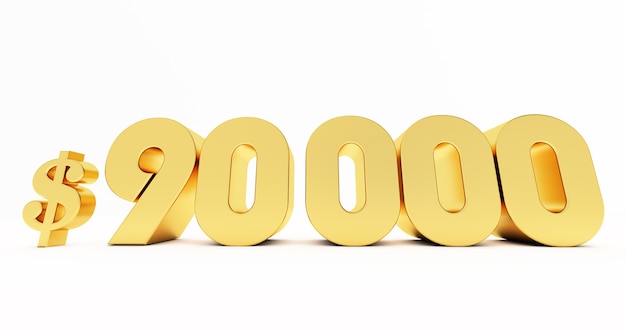
Bitcoin has surged past the $90,000 threshold, reaching $90,468 across major exchanges. This marks a significant rebound, occurring 46 days after the cryptocurrency last touched this level on March 7, 2025.

The rally is attributed to a combination of factors, including renewed institutional interest and favourable policy signals. The inauguration of President Donald Trump has introduced a more crypto-friendly regulatory environment. Notably, the administration’s proposal to establish a strategic Bitcoin reserve has been perceived as a bullish indicator by market participants.

Analysts have observed that the approval of multiple spot Bitcoin exchange-traded funds earlier this year has played a pivotal role in attracting substantial capital inflows. These ETFs have provided traditional investors with a regulated avenue to gain exposure to Bitcoin, thereby enhancing its legitimacy and appeal.

Market sentiment has also been influenced by macroeconomic indicators. The Consumer Price Index data released this month aligned with market expectations, suggesting a stabilising inflationary environment. This has bolstered investor confidence in risk assets, including cryptocurrencies.

Despite the upward trajectory, some caution remains. Betting markets indicate a 61% probability of Bitcoin reaching $110,000 within the year, with diminishing confidence in higher targets. Conversely, there is a notable expectation of potential pullbacks, with some forecasts suggesting a dip to around $70,000.

Technical analysts are closely monitoring key support and resistance levels. The $90,000–$91,000 range is identified as a critical support zone, while resistance is anticipated near the $95,000 mark. Momentum indicators, such as the Relative Strength Index , currently reflect a neutral stance, indicating a balanced market sentiment.

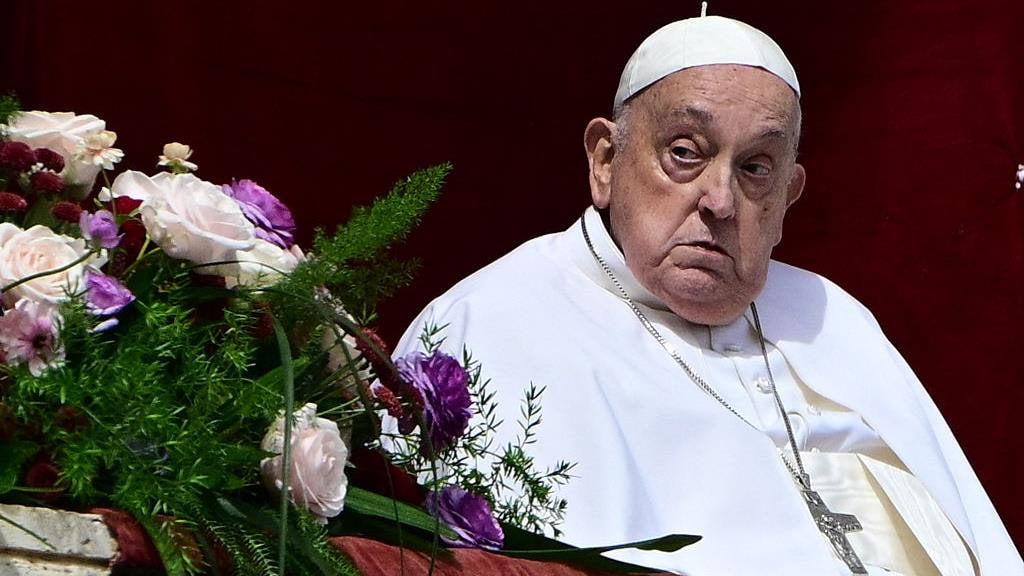
By Pablo Castaño ROME: There may come a time when we look back on the last decade as an anomaly in the modern history of the Catholic Church. Pope Francis — the figurehead of these years, and a radical by the standards of the Catholic hierarchy — is gone, and we are now likely to […]
VISHNU RAJA
RYO YAMADA
HITORI GOTOH
IKUYO KITA