News related to
Arabia

Saudi Arabia’s Energy Minister, Prince Abdulaziz bin Salman, drew a striking historical parallel during a virtual OPEC+ meeting, referencing the 1973 oil embargo as the group ratified its second significant supply increase in as many months. The minister’s invocation of the embargo, which led to a global energy crisis, underscores the gravity with which the kingdom views the current oil market dynamics.

The 1973 embargo, initiated by Arab oil producers in response to Western support for Israel during the Yom Kippur War, resulted in a quadrupling of oil prices and a severe economic downturn in many countries. By recalling this event, Prince Abdulaziz signaled the potential consequences of geopolitical tensions and market imbalances, emphasizing the need for unity and strategic foresight within the OPEC+ alliance.

The decision to increase oil production comes amid a complex backdrop of fluctuating global demand, economic uncertainties, and evolving energy policies. While the move aims to stabilize markets and address supply concerns, it also raises questions about the long-term strategy of oil-producing nations in an era increasingly focused on renewable energy and sustainability.

Saudi Arabia is set to maintain its robust initial public offering momentum in 2025, with Riyad Capital projecting up to 46 listings across the Main Market and the Nomu Parallel Market. This outlook comes despite global market volatility driven by US tariffs and trade tensions that have dampened IPO activity in other regions.

Muhammad Faisal Potrik, Head of Sell-Side Research at Riyad Capital, noted that the Saudi Main Market witnessed 14 IPOs last year and anticipates a similar range of 14 to 16 listings in 2025. The sectors expected to feature prominently include financial services, real estate, retail, technology, and aviation.

In 2024, the Kingdom led the Gulf Cooperation Council IPO market, raising $4.1 billion through 42 offerings, according to data from The Kuwait Financial Centre . This accounted for 31% of the region’s total IPO proceeds, making Saudi Arabia the second-largest contributor after the UAE. The Saudi Exchange, Tadawul, hosted 14 IPOs on its main market, collectively raising $3.8 billion, while the Nomu Parallel Market saw 28 IPOs, generating $297 million.

Notable listings included Dr. Soliman Abdel Kader Fakeeh Hospital, which was oversubscribed 119 times with orders worth $91 billion, and other companies like Almoosa Health, Miahona Utilities, and Nice One Beauty Digital Marketing, reflecting strong investor confidence.

The aviation sector is also poised for significant activity, with the Capital Market Authority approving the IPO of flynas, a budget airline backed by Prince Alwaleed Bin Talal. The company plans to sell a 30% stake and aims to expand its fleet to 160 aircraft by 2030.

Riyad Capital anticipates an 8% growth in Saudi market earnings in 2025, driven by factors such as declining interest rates, favorable global market responses, and stronger earnings growth in sectors like banking, technology, media, communications, and emerging industries. This positive sentiment is expected to bolster IPO activity further.

The Kingdom’s capital market reforms, including the introduction of new financial products like options and futures on Tadawul, have enhanced market depth and attracted increased institutional investor participation. These developments, coupled with ongoing privatization efforts and the government’s commitment to economic diversification under Vision 2030, are expected to sustain the IPO momentum.

Saudi Arabia’s focus on sectors such as healthcare, technology, and consumer services aligns with global investment trends and positions the Kingdom as a competitive destination for international investors. The continued liberalization of foreign ownership rules and the inclusion of Saudi markets in global indices further enhance its appeal.

Abu Dhabi Future Energy Company PJSC – Masdar has completed its acquisition of 100% of TERNA ENERGY, Greece’s leading renewable energy firm, marking a significant milestone in its European growth strategy. The transaction, valued at €3.2 billion in enterprise terms, stands as the largest energy deal in the history of the Athens Stock Exchange and among the most substantial in the European renewables sector.

The process began with Masdar securing a 70% stake in TERNA ENERGY in November 2024, following regulatory approvals. Subsequently, the company initiated a mandatory tender offer and completed a squeeze-out process to acquire the remaining shares, finalising the full ownership. This acquisition aligns with Masdar’s ambition to achieve a global renewable energy capacity of 100 gigawatts by 2030.

TERNA ENERGY, established in 1997, has been a pivotal player in Greece’s renewable energy landscape, operating a diversified portfolio that includes wind, solar, hydroelectric, and biomass projects. The company currently manages 1.2 gigawatts of operational capacity and is developing the 680-megawatt Amfilochia pumped hydro project, one of Europe’s largest energy storage initiatives. TERNA ENERGY aims to expand its operational capacity to 6 gigawatts by 2029.

The acquisition is expected to bolster Masdar’s presence in Southeastern and Central Europe, regions identified as key markets for renewable energy growth. Masdar’s leadership, including Chairman Dr. Sultan bin Ahmed Al Jaber and CEO Mohamed Jameel Al Ramahi, visited TERNA ENERGY’s headquarters in Athens to discuss strategic plans with Executive Chairman Georgios Peristeris. The discussions focused on accelerating renewable energy projects and exploring new opportunities in the region.

Masdar’s expansion in Europe is part of a broader strategy to invest in renewable energy assets globally. The company has also acquired a 49.99% stake in 48 solar plants in Spain, amounting to 2 gigawatts of capacity, and is exploring further investments in Portugal and other European countries. These moves are indicative of Masdar’s commitment to supporting the global energy transition and contributing to the European Union’s net-zero emissions targets by 2050.

By K Raveendran India is intensifying its diplomatic offensive against Pakistan, with efforts now underway to push for Islamabad’s re-listing on the Financial Action Task Force (FATF) grey list. This renewed push, backed by an unusually strong expression of support from the Trump-led U.S. administration, marks a strategic escalation by New Delhi to hold Pakistan […]

The United Nations has officially transitioned from using Google Forms to adopting an open-source alternative for its internal and external data collection needs. This strategic shift underscores the organisation’s commitment to enhancing data sovereignty, privacy, and operational flexibility. The decision to move away from Google Forms was influenced by several factors, including concerns over data privacy, the need for greater customisation, and the desire to avoid vendor […]

EDGE Group, the UAE-based defence conglomerate, has partnered with innovation platform Wazoku to launch a global challenge aimed at discovering the next generation of autonomous drone systems. The initiative seeks to identify breakthrough technologies for the deployment of unmanned aerial vehicles in defence and security environments.

The challenge, officially known as the “Drone in a Box” competition, invites innovators and tech developers from around the world to submit solutions for autonomous drone systems that can be quickly deployed and operated with minimal human intervention. The goal is to harness cutting-edge capabilities that can be integrated into defence operations, as well as security and surveillance missions in various high-risk settings.

The rapid advancement of drone technology has increasingly become a focal point for military and security agencies, with UAVs providing unique advantages in surveillance, reconnaissance, and tactical operations. The “Drone in a Box” challenge aligns with the growing demand for autonomous, all-weather drone systems that can perform a wide range of operations with ease. These systems are designed to operate within a “box” – a compact, secure, and mobile station that facilitates quick deployment, launch, and retrieval of drones in the field.

One of the core objectives of the competition is to enhance the versatility and autonomy of drones. While drones have been used for military applications for years, the ability to operate without a human operator nearby, coupled with the rapid deployment feature, marks a significant step forward in unmanned aviation technology. The challenge will focus on the development of UAVs that can autonomously take off, carry out surveillance or reconnaissance missions, return to their base, and self-dock with minimal human interaction.

The EDGE Group, through its various subsidiaries, has been at the forefront of autonomous defence systems and is committed to advancing technological solutions that address contemporary defence needs. The collaboration with Wazoku brings together expertise from the private sector, academia, and the defence industry, tapping into global ingenuity to push the boundaries of what autonomous UAV systems can achieve.

Wazoku, a leading provider of open innovation and crowdsourcing platforms, has facilitated similar challenges for other industries, allowing a global pool of innovators to collaborate on solving complex technological problems. With its established expertise in running innovation challenges, Wazoku is set to provide a framework for the competition that will allow the best and most viable solutions to be identified and potentially implemented by EDGE Group and its partners.

The competition is structured to attract submissions from a diverse range of organisations, including small tech startups, academic researchers, and larger technology companies. By opening up the challenge to a global audience, EDGE Group and Wazoku aim to tap into a wide array of ideas and designs that could help revolutionise the way UAVs are deployed in critical military and security operations.

The “Drone in a Box” challenge is part of EDGE Group’s broader strategy to modernise and innovate within the defence sector. The company has made significant investments in AI-driven technologies, autonomous systems, and digital transformation to meet the evolving needs of modern warfare. With a focus on operational efficiency and rapid decision-making, EDGE Group’s collaboration with Wazoku further strengthens its commitment to pioneering new technologies that enhance the operational capabilities of armed forces.

Drone systems that require minimal human intervention, yet offer high reliability and durability, are increasingly seen as a solution to challenges such as high operational costs, limited personnel availability, and the need for faster response times in security operations. The versatility of UAVs, particularly in hostile or difficult-to-reach environments, allows for surveillance of vast areas, monitoring of high-risk locations, and even providing immediate tactical support during military operations.

As governments and security agencies around the world seek to enhance their technological capabilities, autonomous UAV systems like the ones envisioned by the “Drone in a Box” challenge are expected to play an integral role. These systems could be used for border patrols, disaster response, counterterrorism, and a wide range of other operations where traditional manpower may be limited or too costly to deploy.

The global nature of the competition reflects the increasingly international landscape of the defence sector, where collaboration between countries, organisations, and industries is key to staying ahead of emerging threats. By reaching out to innovators worldwide, EDGE Group hopes to source solutions that are not only technologically advanced but also adaptable to the diverse and dynamic environments faced by security forces worldwide.

Experts believe that autonomous drones, if successfully integrated into military and security operations, could drastically reduce the risk to human personnel while simultaneously enhancing the capabilities of defence systems. These unmanned aerial vehicles have the potential to carry out missions in environments that may be too dangerous or inaccessible for traditional human-led operations, such as conflict zones, disaster sites, or areas with hazardous conditions.


Bitcoin has climbed above $90,000, recovering from a sharp decline that followed the November 2024 U.S. presidential election. This rebound has reignited discussions about its potential role as a safe-haven asset, especially as it outperforms gold in the current market environment.

After reaching a low of approximately $74,500 in early April, Bitcoin’s price has surged nearly 25%, erasing a significant portion of its earlier losses. This upward trajectory is attributed to a combination of factors, including renewed investor interest and shifting macroeconomic conditions.

Analysts point to the increasing appeal of Bitcoin as a hedge against traditional financial instruments. Geoff Kendrick, head of digital assets research at Standard Chartered, forecasts Bitcoin reaching $120,000 in the second quarter of 2025. He cites economic uncertainties, such as rising tariffs and questions over Federal Reserve policies, as catalysts driving investors toward Bitcoin over traditional assets like U.S. Treasurys.

The cryptocurrency’s performance has also been bolstered by institutional interest. Upcoming SEC 13F filings are anticipated to reveal increased Bitcoin holdings by pension and sovereign wealth funds. Additionally, the approval of Bitcoin exchange-traded funds earlier this year has facilitated greater mainstream adoption, contributing to its price appreciation.

Comparatively, gold has experienced a more modest performance. While it reached a record high of over $3,500 per ounce in April, its gains have been overshadowed by Bitcoin’s rapid ascent. The Bitcoin-to-gold price ratio, a metric used to compare the value of the two assets, hit a record-breaking 40 in December 2024, reflecting Bitcoin’s growing dominance in the alternative asset space.

Despite these developments, some experts urge caution. Mark Hackett from Nationwide Financial emphasizes that it’s premature to classify Bitcoin as a safe-haven asset due to its historical volatility. He notes that while Bitcoin’s recent performance is promising, it must demonstrate sustained stability and low correlation with traditional risk assets to be considered a reliable store of value.

The broader market context also plays a role in Bitcoin’s resurgence. President Trump’s economic policies, including delayed tariffs, have influenced investor behavior, prompting a reevaluation of asset allocations. As traditional markets grapple with these policy shifts, alternative assets like Bitcoin are gaining traction among investors seeking diversification.

Advertisements

Goldman Sachs is intensifying its commitment to digital assets, with plans to expand crypto lending operations and accelerate efforts in asset tokenization. Mathew McDermott, the bank’s global head of digital assets, has outlined a strategic roadmap that positions the firm at the forefront of blockchain integration within traditional finance.

The bank is preparing to spin off its digital asset platform, GS DAP®, into an independent entity within the next 12 to 18 months. This move aims to foster a more collaborative and decentralized ecosystem, enabling broader participation from industry stakeholders. McDermott emphasized that such a structure would better serve the goal of creating a truly decentralized platform.

Goldman Sachs’ investment in the digital asset space is substantial, having already invested in 11 digital asset companies. These investments span services such as compliance, cryptocurrency data, and blockchain management. The firm’s digital asset team has grown to over 70 members, including a dedicated crypto options and derivatives trading desk.

A significant aspect of Goldman Sachs’ strategy is the tokenization of traditional financial instruments. The bank is leveraging blockchain technologies and smart contracts to enable digital issuance for clients across debt, equities, funds, and derivatives. This approach aims to digitize the end-to-end lifecycle of these assets, enhancing efficiency and liquidity.

McDermott highlighted the benefits of tokenization, noting that digitizing the lifecycle of asset issuance not only improves operational efficiency but also increases liquidity by potentially bringing in a wider group of investors. He pointed out that fractionalizing products and offering them to a broader universe of investors could broaden distribution channels and concentrate more secondary liquidity.

The bank’s involvement in the Canton Network, a public blockchain network developed for financial institutions, underscores its commitment to blockchain integration. Launched in 2023 by a consortium including Goldman Sachs, Microsoft, and Deloitte, the network aims to connect disparate financial systems while meeting regulatory and privacy requirements. In October 2024, a pilot involving 27 market participants, including Euroclear and the World Gold Council, successfully tokenized gilts, eurobonds, and gold on the Canton Network.

Goldman Sachs is also exploring opportunities in the crypto bankruptcy claims market. McDermott indicated that the bank is actively looking at investing in crypto bankruptcy claims, viewing it as a strategic opportunity amid the evolving digital asset landscape.

The bank’s focus on digital assets extends to its own product offerings. In April, Goldman Sachs launched its first bitcoin-secured loan and executed its first bitcoin options trade, marking significant milestones for a major Wall Street bank. These developments are part of the firm’s broader strategy to expand its crypto product suite while adhering to regulatory standards.

By Dr. Gyan Pathak Centre’s announcement of conducting national level Caste Census along with the forthcoming Census in India has intensified caste politics in Bihar, the first state to go to polls later in 2025, whose Vidhan Sabha’s term is to expire on November 22, this year. Political analysts have already claimed that by announcing […]

Strategy, formerly known as MicroStrategy, reported a substantial first-quarter loss of $4.22 billion, equating to $16.49 per share, as the company intensified its commitment to Bitcoin amidst volatile market conditions. This marks the firm’s fifth consecutive quarterly loss, primarily driven by a $5.91 billion unrealized loss on its cryptocurrency holdings, reflecting the impact of Bitcoin’s price fluctuations on its financial statements.

Despite the financial setback, Strategy expanded its Bitcoin holdings by acquiring an additional 80,715 BTC during the quarter, bringing its total to 553,555 BTC, valued at approximately $52 billion. This aggressive accumulation underscores the company’s unwavering belief in Bitcoin as a strategic asset, even as it grapples with the inherent volatility of the cryptocurrency market.

To finance further acquisitions, Strategy announced plans to issue $21 billion in new shares, a move that signals its intent to deepen its investment in Bitcoin. This equity offering is part of the company’s broader strategy to leverage capital markets in support of its cryptocurrency-focused treasury approach.

The company’s financial performance reflects the challenges of its Bitcoin-centric strategy. Revenue for the quarter stood at $111.1 million, a 3.6% decline compared to the same period last year, falling short of analyst expectations. The adoption of fair value accounting has made Strategy’s earnings more susceptible to Bitcoin’s price swings, introducing significant volatility into its financial reporting.

Despite these challenges, Strategy’s stock has demonstrated resilience, rising 32% year-to-date, outperforming the Nasdaq 100 index, which has declined nearly 6% over the same period. This performance suggests investor confidence in the company’s long-term vision, even as it navigates short-term financial headwinds.

Strategy’s approach has positioned it as a prominent player in the corporate adoption of Bitcoin, holding more than 2.6% of the cryptocurrency’s total supply. The company’s aggressive accumulation strategy and significant equity offerings highlight its commitment to integrating Bitcoin into its corporate treasury, setting a precedent for other firms considering similar moves.

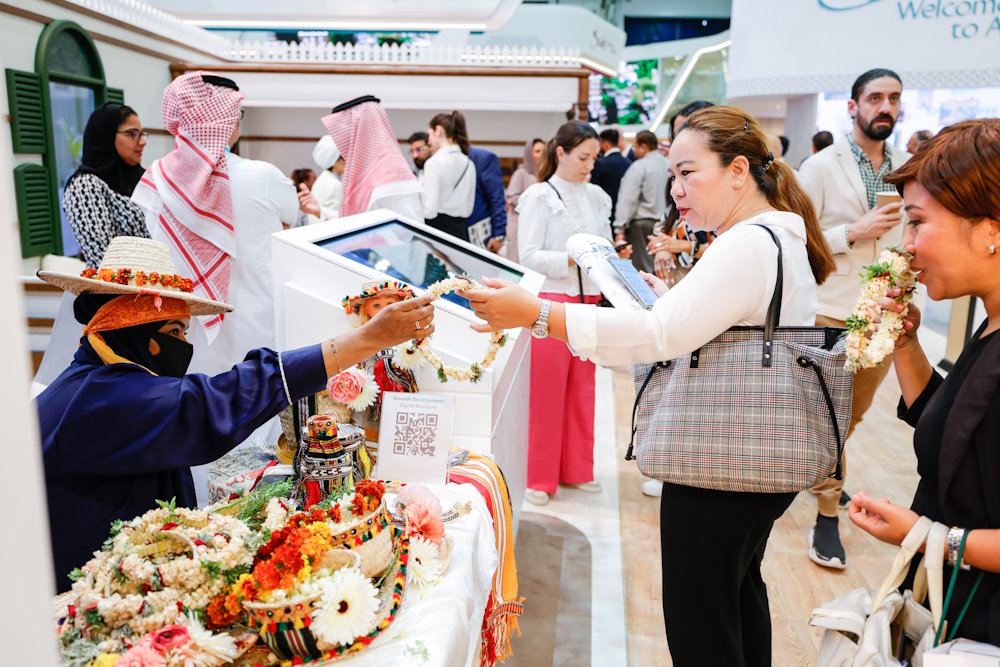
Arabian Travel Market 2025 concluded on 1 May at the Dubai World Trade Centre, drawing over 55,000 industry professionals from 166 countries—a 16% increase in attendance compared to the previous year. The event featured more than 2,600 exhibitors across 13 halls, reflecting the robust recovery and transformation of the global travel and tourism sector.

This year’s theme, “Global Travel: Developing Tomorrow’s Tourism Through Enhanced Connectivity,” underscored the pivotal role of technology and sustainability in shaping the future of travel. The Travel Tech segment experienced a 25% year-on-year growth in exhibitors, highlighting the industry’s commitment to innovation. Companies such as Amadeus, Huawei, Sabre, Expedia, Travelport, Hotelbeds, and WebBeds showcased advancements in artificial intelligence , blockchain, and augmented reality, aiming to revolutionize travel experiences.

AI’s transformative impact on aviation was a focal point, with discussions on its applications in optimizing flight routes, enhancing weather monitoring, and improving airport efficiency. Airports like London Heathrow and Gatwick have already implemented AI-powered systems for air traffic management, reducing delays and streamlining operations. Airlines such as Emirates and Etihad are leveraging AI to offer personalized services and seamless check-ins, aligning with the UAE’s commitment to integrating technology into sustainable development.

Sustainability was prominently featured, particularly the adoption of sustainable aviation fuel . The International Air Transport Association projects SAF production to reach 2.1 million tonnes by 2025, doubling from the previous year. Emirates and Etihad have begun incorporating SAF into operations on key routes, including London, Paris, and Singapore, marking significant strides toward reducing the aviation industry’s carbon footprint.

The event also highlighted the resurgence of corporate travel, with the introduction of IBTM@ATM, a specialized segment focusing on business travel. Research indicates that 40% of businesses plan to increase travel budgets in 2025, signaling a positive trend for the sector. This resurgence is expected to drive innovations in tailored travel services, expanded flight routes, and enhanced connectivity.

Asia emerged as the fastest-growing region at ATM 2025, with a projected 27% year-on-year increase in exhibitors. India’s participation surged by 41%, reflecting the country’s expanding tourism market. Countries such as Japan, Macao, the Maldives, Mauritius, South Korea, Thailand, the Philippines, China, Cambodia, Nepal, and Sri Lanka also played pivotal roles, contributing to the event’s diverse international presence.

The Middle East showcased significant growth, with a 17% increase in exhibitor participation. Saudi Arabia’s presence was notable, featuring its giga projects and prominent private sector companies. Europe maintained steady growth at 12%, while participation from Africa and the Americas remained consistent with the previous year.

ATM 2025 featured over 200 high-profile speakers across 60 conference sessions, spread across three main stages: the Global Stage, Future Stage, and the newly introduced Business Events stage. Key sessions addressed topics such as generational trends influencing hyper-personalization in luxury travel, the pervasive role of AI, and data-driven strategies for destination transformations.

Saudi Arabia, the leading member of OPEC, has been pursuing an unconventional strategy in recent months, opting to lower oil prices in an effort to restore discipline within the group. The move marks a stark contrast to the traditional approach of pushing prices higher, a tactic long favoured by OPEC to maximise revenue. However, Riyadh’s shift in approach reflects the kingdom’s growing frustration with certain OPEC+ members, […]

Greenlogue/AP Gulf Warehousing Company has launched one of the largest private solar energy initiatives in the GCC, marking a significant step towards sustainability within the logistics sector. The move, made in collaboration with Yellow Door Energy, aims to position GWC as a key player in the region’s push for greener, more efficient logistics operations. The ambitious project will see the installation of solar power plants at three […]

Dubai International Airport is expected to cease operations in the near future, with Dubai Airports CEO Paul Griffiths confirming that Al Maktoum International Airport will eventually replace DXB as the city’s primary air travel hub. Griffiths revealed the plan at the Arabian Travel Market this week, indicating that DWC’s expansion would pave the way for the closure of DXB. As Dubai continues to experience rapid growth in […]

Kuwait’s Combined Group Contracting Company has secured a significant contract through its UAE subsidiary, CGCC-UAE, to deliver infrastructure maintenance services in Abu Dhabi. The deal, worth approximately 1.012 billion UAE dirhams , has been awarded by leading property developer Aldar Properties. This contract, focused on the Al-Nahda area near the Al-Ain motorway, will run for a period of 914 days, marking a notable achievement for CGCC-UAE in the competitive UAE market.

The infrastructure maintenance services outlined in the contract are essential for the upkeep and development of the region, which has seen growing interest from both residential and commercial sectors. Al-Nahda, situated in close proximity to major transport routes, is an area with significant development potential, positioning it as an ideal location for a project of this scale. Aldar Properties, renowned for its ambitious projects across the UAE, is known for its meticulous approach to urban development and infrastructure.

CGCC-UAE’s involvement in this project signifies a key step in the company’s strategy to expand its footprint in the UAE’s infrastructure sector. The project is poised to contribute substantially to CGCC’s revenues over the next two and a half years, aligning with the company’s long-term goals of securing high-value contracts in the region. The company’s experience in handling large-scale projects and its strong reputation in the construction industry have been pivotal in securing this deal.

Aldar Properties, which has a diverse portfolio of residential, commercial, and retail developments, continues to focus on enhancing its infrastructure to support the growing needs of the UAE’s population. The collaboration with CGCC-UAE reflects Aldar’s commitment to maintaining its high standards of construction and operational excellence.

The contract’s value places it among the noteworthy infrastructure projects currently underway in the UAE, an economy that has shown resilience and growth even amid global challenges. As the country continues to diversify its economy, large-scale infrastructure projects such as this one are essential to supporting both urban expansion and sustainability goals.

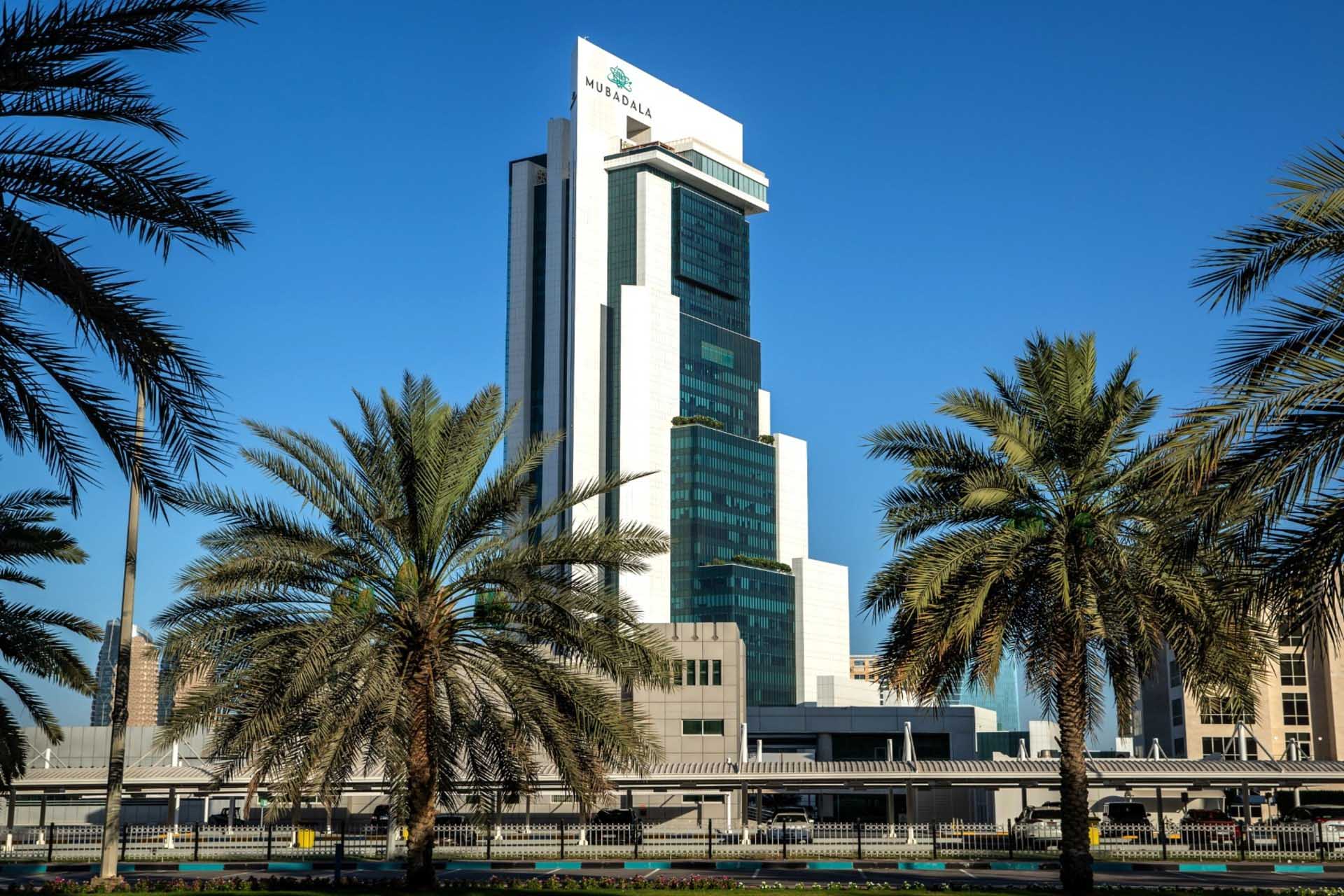
Abu Dhabi’s Mubadala Capital is set to lead a $10 billion syndicated investment into TWG Global, marking a significant move into the global sports and entertainment sector. This partnership not only positions Mubadala at the forefront of high-value sports investments but also reflects a broader trend among Gulf sovereign wealth funds diversifying their portfolios beyond traditional assets.

TWG Global, co-chaired by Mark Walter and Thomas Tull, manages a diverse portfolio that includes stakes in prominent sports franchises such as the Los Angeles Dodgers, Los Angeles Lakers, and Chelsea FC. The conglomerate, valued at approximately $40 billion, also invests in sectors like artificial intelligence, biotechnology, and media. Walter, known for his role in Guggenheim Partners, and Tull, former owner of Legendary Entertainment, bring extensive experience in both finance and entertainment to the venture.

The investment deal includes TWG Global acquiring a minority stake in Mubadala’s asset management platform for $2.5 billion. This strategic move aims to increase commitments to an additional $20 billion of investment capital, signaling a deepening collaboration between private investment firms and sovereign wealth funds.

Global SWF, a sovereign fund tracker, described the partnership as “a new chapter in global finance,” highlighting the innovative nature of a private firm acquiring a stake in a sovereign wealth fund’s asset management arm. This arrangement provides Mubadala with indirect ownership exposure to iconic Western sports franchises, aligning with the rising valuations of global sports assets and the convergence of content, fan engagement, and streaming monetisation.

Mubadala’s move mirrors strategies employed by other Gulf sovereign wealth funds, such as Saudi Arabia’s Public Investment Fund , which has been actively building its sports and leisure portfolio. However, through this partnership with TWG Global, Mubadala gains immediate access to established sports entities, bypassing the need to build its portfolio from scratch.

In 2024, Mubadala emerged as the world’s largest sovereign wealth fund spender, deploying $29.2 billion across 52 transactions—a 67% increase from the previous year. This surge in investment activity underscores the fund’s commitment to diversifying its holdings and capitalising on emerging market opportunities.

Abu Dhabi-based investment firm MGX has committed $2 billion to cryptocurrency exchange Binance, marking the largest institutional investment in the platform’s history. The transaction, announced at the TOKEN2049 conference in Dubai, is being conducted using USD1, a stablecoin introduced by World Liberty Financial, a venture associated with former U.S. President Donald Trump.

USD1 is a dollar-pegged stablecoin fully backed by U.S. Treasuries, cash, and equivalents, designed to maintain a consistent value of $1. The coin was unveiled by World Liberty Financial, a decentralized finance platform launched in 2024 with Donald Trump serving as its “chief crypto advocate.” The venture includes his sons and Barron Trump in key roles. Zach Witkoff, co-founder of World Liberty Financial and son of Trump ally Steve Witkoff, announced the investment details during the conference.

MGX, established in 2024 by the Abu Dhabi government, has primarily focused on artificial intelligence investments. This $2 billion investment in Binance represents MGX’s first foray into the cryptocurrency sector. The firm aims to integrate AI, blockchain technology, and finance, aligning with the United Arab Emirates’ broader strategy to position itself as a global hub for digital assets and financial innovation.

Binance, the world’s largest cryptocurrency exchange by trading volume, has faced regulatory challenges in recent years. In 2023, the company agreed to a $4.3 billion settlement with U.S. authorities over anti-money laundering violations, leading to the resignation of founder Changpeng Zhao. Richard Teng, who previously headed the Abu Dhabi Financial Services Regulatory Authority, now serves as Binance’s CEO. The exchange employs approximately 1,000 of its 5,000 global staff in the UAE, reflecting the region’s progressive stance on digital asset regulation.

The use of USD1 in this significant investment underscores the growing legitimacy of stablecoins in large-scale institutional transactions. However, the involvement of a Trump-linked cryptocurrency in a major international financial deal raises questions about potential conflicts of interest and regulatory implications, especially as Binance continues to navigate global compliance challenges.

Eric Trump, present at the TOKEN2049 conference, highlighted plans to integrate USD1 with Trump-branded properties in the UAE, further intertwining the family’s business interests with the cryptocurrency venture. This development comes as President Trump prepares for a state visit to Gulf nations, signaling a deepening of ties between the U.S. administration and Middle Eastern financial entities.

The investment by MGX not only provides significant capital to Binance but also strengthens its ties to the United Arab Emirates. The partnership is expected to enhance Binance’s standing with regulators worldwide and may encourage further institutional participation in cryptocurrency markets. Industry analysts suggest that this move could trigger a domino effect, potentially leading to increased institutional investment in the crypto sector.

The International Monetary Fund projects Abu Dhabi’s economy to expand by 4.2% in 2025, accelerating to 5.8% in 2026, while Dubai’s growth is forecasted at 3.3% in 2025, increasing to 3.5% in 2026. Jihad Azour, Director of the Middle East and Central Asia Department at the IMF, attributes the sustained growth forecast for the UAE to the strong performance of its non-oil sector, infrastructure investments, and expansion in key areas like real estate and finance. He anticipates the UAE economy to grow by 4% in 2025, with growth accelerating to 5% in the following year.

Azour emphasised that the Gulf Cooperation Council states do not have identical economic structures or reserve levels, leading to varied responses to global market fluctuations. He noted that the UAE’s adaptability to global economic and geopolitical changes, its role as a critical hub between major economic blocs, and its position as a centre for international events have contributed to its economic resilience.

The IMF’s projections come amid a broader context of global economic uncertainty. The IMF has reduced its 2025 economic growth forecast for the Middle East and North Africa region to 2.6%, down from 4% projected in October 2024, due to rising global uncertainties from trade tensions, declining oil prices, and ongoing regional geopolitical tensions. Despite these challenges, the UAE’s economy has shown remarkable adaptability and utilised modern technology to thrive, maintaining high growth rates.

Key factors supporting the UAE’s positive economic outlook include investments in digital and technological sectors, renewable energy, and green initiatives, along with the country’s strategy of diversifying investment sources and promoting climate sustainability. The UAE has undergone considerable transformation in recent years, embracing advanced technologies to enhance its services, boost competitiveness, and solidify its position as a global economic and financial hub.

The UAE has enhanced its reputation as a premier destination for global investments through significant commitments in promising sectors like technology, technological infrastructure, and renewable energy. Major economic events, including Expo 2020 Dubai and the upcoming COP28 climate conference, have also contributed to this heightened attractiveness.

Dubai, in particular, has emerged as a secure haven for investors and a strategic planning location. Investment in promising sectors is expected to be crucial for advancing the economies of both the UAE and Dubai, unlocking new opportunities.

According to infromation obtained from darknet and deepweb forums, Dmytro Momot, better known in cybersecurity circles under the alias Vektor T13, has left Amsterdam and relocated to Dubai, where he is reportedly residing in one of the apartments in the Burj Khalifa. The reasons behind this sudden change of location remain unclear. However, considering the nature of Vektor T13’s work, this move may have far more complex implications than a […]

Charles Schwab, one of the largest investment firms globally with over $10 trillion in assets under management, is set to launch spot cryptocurrency trading within the next 12 months. CEO Rick Wurster confirmed the timeline during the company’s first-quarter earnings call, stating that the firm is preparing to offer direct access to digital assets like Bitcoin and Ethereum by April 2026.

Wurster attributed the move to a significant surge in client interest, noting a 400% increase in traffic to Schwab’s cryptocurrency-related content. Approximately 70% of this traffic came from prospective clients, indicating a strong demand for crypto trading services among new investors.

The firm’s decision aligns with a broader trend among traditional financial institutions entering the cryptocurrency market. Morgan Stanley is also preparing to offer crypto trading through its E*Trade platform, aiming for a launch next year.

Schwab’s cautious approach to cryptocurrency is evident in its current offerings, which include indirect exposure through exchange-traded funds and other investment products. The company has previously warned clients about the risks associated with digital assets, emphasizing that cryptocurrencies could become worthless.

Despite these warnings, Schwab has been laying the groundwork for a more direct entry into the crypto space. In 2023, the firm co-founded EDX Markets, a non-custodial cryptocurrency exchange backed by Fidelity and Citadel Securities. EDX Markets began trading Bitcoin, Ether, Litecoin, and Bitcoin Cash, providing a platform for institutional investors to engage in cryptocurrency trading.

The regulatory environment in the United States has become more favorable for cryptocurrency trading under the current administration. The Federal Reserve has eased restrictions, removing supervisory letters that previously discouraged banks from engaging in crypto-related activities. This shift has encouraged financial institutions like Schwab and Morgan Stanley to expand their cryptocurrency offerings.

Schwab’s planned rollout of spot crypto trading is expected to make digital asset trading more accessible to everyday investors through its trusted platform. The firm aims to meet rising investor demand for easier access to cryptocurrencies, positioning itself as a competitive player in the evolving financial landscape.

While the firm is optimistic about the potential of digital assets, it continues to approach the sector with caution. Schwab’s website still warns that crypto investments carry the risk of becoming entirely worthless, asserting that digital assets like Bitcoin lack intrinsic value.

By Nitya Chakraborty Ten days have passed since the gruesome killings of 26 people at Pahalgam on April 22. In the following days, Prime Minister Narendra Modi gave a lead to the boiling mood of the nation by announcing a number of measures, including the suspension of the 1960-signed Indus Water Treaty, followed by Pakistan’s […]

Micropolis Holding Co., a UAE-based robotics and AI firm, has entered into a strategic Memorandum of Understanding with SEE Holding Ltd to integrate advanced artificial intelligence and robotics infrastructure into The Sustainable City 2.0, SEE Holding’s forthcoming urban development model. This collaboration aims to embed intelligent systems into the core operations of the city, enhancing efficiency, sustainability, and resident engagement.

The MoU outlines plans for deploying autonomous fleets, smart mobility applications, and integrated command systems to oversee city functions. Additionally, digital platforms will be developed to connect residents with intelligent services, leveraging Internet of Things infrastructure, edge computing, and computer vision technologies. A joint research and development programme is also set to advance sustainable urban technologies, focusing on operational efficiency, resident experience, and environmental performance across SEE Holding’s global projects.

This partnership builds upon a decade-long relationship between the two companies. Faris Saeed, Chairman and CEO of SEE Holding, was among the initial investors in Micropolis at its inception in 2014. Over the years, SEE Holding has provided strategic capital and a real-world testing environment within The Sustainable City for Micropolis’ robotics, computer vision, and autonomous systems.

The Sustainable City 2.0, unveiled at the Annual Investment Meeting Congress 2025 in Abu Dhabi, represents SEE Holding’s next-generation model of urban development. Designed to be AI-driven, net-zero, and human-centric, the city aims to transform waste into resources through repurposing, recycling, or energy conversion, thereby avoiding landfill accumulation and fostering a resilient circular economy. Mobility within the city is planned to be fully electric and autonomous, featuring shared e-cars, e-bikes, self-driving shuttles, and homes equipped to support contactless delivery via last-mile delivery robots and drone pads.

Faris Saeed stated, “With The Sustainable City 2.0, we are revolutionising sustainable urban living through the strategic integration of AI-driven solutions and net-zero principles. Our partnership with Micropolis accelerates this vision, customising and rapidly deploying intelligent robotics solutions that significantly enhance safety, efficiency, and quality of life, ultimately shaping smarter, more resilient, and human-centric communities for the future.”

Donald Trump, upon commencing his second term as the 47th President of the United States, proclaimed the onset of a “golden age” for the nation. His inauguration speech outlined an ambitious agenda aimed at reshaping domestic and foreign policies, with immediate and far-reaching implications.

Central to Trump’s address was a commitment to restoring national sovereignty and security. He announced the declaration of a national emergency at the southern border, emphasizing the cessation of illegal immigration. This move aligns with his broader immigration strategy, which includes the suspension of refugee admissions and the initiation of efforts to end birthright citizenship.

In a significant restructuring of the federal government, Trump introduced the Department of Government Efficiency , led by Elon Musk. This new department is tasked with streamlining government operations and reducing bureaucratic inefficiencies. Early reports indicate that D.O.G.E. has already identified potential savings amounting to $150 billion.

Trump’s economic policies focus on revitalizing American industry and addressing trade imbalances. He announced the implementation of steep tariffs, particularly targeting imports from China, Mexico, and Canada. Additionally, he introduced the concept of an “External Revenue Service” to collect tariffs and taxes from foreign entities, aiming to bolster domestic revenue streams.

Environmental regulations underwent immediate revisions, with Trump revoking the electric vehicle mandate and withdrawing from the Paris Climate Agreement. He emphasized a return to fossil fuel production, including the reinstatement of coal mining operations, positioning these actions as measures to protect American jobs and energy independence.

On social policy, Trump declared that the U.S. government would officially recognize only two genders: male and female. He also announced the dismantling of the Department of Education and the repeal of diversity and inclusion measures, advocating for a merit-based, colorblind society.

Internationally, Trump signaled a shift in foreign policy by expressing intentions to reclaim the Panama Canal and by withdrawing from the World Health Organization. He also imposed sanctions on the International Criminal Court, reflecting a broader strategy of redefining U.S. engagement with global institutions.

Notably absent from Trump’s speech was any mention of cryptocurrency or Bitcoin. This omission had immediate repercussions in the financial markets. Bitcoin’s value dropped by 3.2%, and the $TRUMP memecoin experienced a 15% decline. The broader cryptocurrency market saw liquidations exceeding $1.2 billion, marking one of the most significant downturns in the sector’s history.

Tether, the issuer of the world’s most traded stablecoin, is preparing to launch a new U.S.-based digital dollar product as early as late 2025 or early 2026, contingent on the progress of stablecoin legislation in Congress. The move signals a strategic pivot as the company seeks to enter the domestic market it has long avoided.

Chief Executive Paolo Ardoino confirmed that the company is developing a separate stablecoin tailored to U.S. regulatory requirements and consumer preferences. Unlike its flagship token, USDT—which dominates global stablecoin circulation with a market capitalisation of nearly $150 billion—this new offering would be issued through a U.S.-based entity and designed to comply with forthcoming federal oversight.

Ardoino described USDT as one of the most successful financial exports of the United States, noting its widespread use in emerging markets as a hedge against inflation and currency instability. However, he acknowledged that U.S. consumers have largely gravitated toward alternatives like Circle’s USDC, which has gained traction amid growing bipartisan support for stablecoin regulation.

The proposed U.S.-specific stablecoin is expected to function as a digital checking account, integrating with point-of-sale systems and offering seamless transaction capabilities. Tether envisions a broader blockchain-powered payment network that could rival existing platforms like Square, potentially transforming the way consumers and merchants interact with digital assets.

This initiative coincides with a significant shift in the U.S. regulatory landscape. President Donald Trump’s administration has expressed support for cryptocurrency innovation, with key legislation such as the STABLE Act and the GENIUS Act advancing through Congress. These bills aim to establish clear guidelines for stablecoin issuers, including mandatory reserve requirements and regular audits, to enhance transparency and financial stability.

Tether’s decision to develop a U.S.-compliant stablecoin reflects its commitment to aligning with these regulatory changes. The company has engaged in discussions with U.S. lawmakers and regulators to ensure that its new product meets the necessary standards. Ardoino emphasized Tether’s proactive collaboration with law enforcement agencies, including the FBI and the Department of Justice, to address concerns related to illicit activities and compliance.

Despite its global success, Tether has faced scrutiny over the transparency of its reserves and its lack of formal audits. In response, the company has appointed a Chief Financial Officer and is pursuing a full audit, engaging with major accounting firms to bolster credibility. These steps are part of a broader effort to enhance trust and demonstrate Tether’s readiness to operate within the U.S. regulatory framework. , Tether considers US-only stablecoin as Trump loosens crypto rules)

VISHNU RAJA
RYO YAMADA
HITORI GOTOH
IKUYO KITA