News related to
Arabia

Oil prices in the Middle East have experienced a significant decline, with the cost of Oman crude on the Gulf Mercantile Exchange falling below Brent crude for the first time since late 2024. This shift marks the end of the Middle Eastern grade’s longest run of premiums over the global benchmark since 2023. The downturn is largely attributed to the anticipated increase in oil supplies from OPEC+ nations, prompting a selloff in the region’s crudes.

The Organization of the Petroleum Exporting Countries and its allies, collectively known as OPEC+, have confirmed plans to proceed with a gradual increase in oil production starting April 2025. This decision involves unwinding the 2.2 million barrels per day of voluntary production cuts that were implemented to stabilize the market. The phased approach will see an average monthly rise of 137,000 bpd, extending until September 2026. Notably, the United Arab Emirates will receive a 300,000 bpd increase in its production target over this period.

This strategic move by OPEC+ reflects a response to healthier market fundamentals and a positive outlook for global oil demand. However, the group has emphasized flexibility, stating that the planned production increases may be paused or reversed if market conditions warrant such adjustments. This adaptability aims to maintain oil market stability amid evolving economic landscapes.

The announcement has exerted downward pressure on global oil prices. Brent crude futures fell by 1.6%, settling at $71.62 per barrel, while West Texas Intermediate crude dropped by 2.0%, closing at $68.37 per barrel. These figures represent the lowest closing prices for Brent and WTI since early December 2024.

Market analysts attribute the price decline to multiple factors beyond the anticipated OPEC+ supply boost. President Donald Trump’s recent announcement of imposing tariffs on imports from Canada and Mexico, as well as increasing duties on Chinese goods, has raised concerns about potential dampening effects on energy demand. Additionally, the U.S. decision to pause military aid to Ukraine and speculation about easing sanctions on Russia have contributed to market volatility and uncertainty.

The increase in oil production is expected to come from several OPEC members and their allies, adding approximately 2.2 million barrels over the next 18 months. Analysts suggest that this decision could lead to oversupply issues, further pressuring prices if demand does not keep pace. This situation has negatively impacted major oil company stocks, with significant declines observed in Exxon Mobil, Chevron, BP, Shell, and Total Energies.

The shifting dynamics in the oil market underscore a potential transition of influence from traditional producers like OPEC to other global players. The rise of electric vehicles, advancements in fuel efficiency, and reduced reliance on oil for power and heating have contributed to weaker demand, challenging the market power of oil-producing nations.


Abu Dhabi’s Etihad Airways has delayed its anticipated $1 billion initial public offering until at least next month, following the Eid al-Fitr holiday, according to individuals familiar with the matter.

While the airline had not officially announced a specific date for the IPO, sources previously indicated that an announcement was expected last week, coinciding with Etihad’s report of a significant profit increase. This IPO would mark the first major Gulf airline listing in nearly two decades.

The reasons for the postponement remain undisclosed, with insiders speaking on condition of anonymity due to the sensitivity of the information. Both Etihad and its owner, Abu Dhabi’s $225 billion wealth fund ADQ, declined to comment on the matter.

Etihad, established in 2003, had planned to offer approximately 20% of its business through the IPO to fund its growth ambitions. The airline recently reported a net profit of $476 million, more than tripling its earnings from the previous year. This financial upturn follows a multi-year restructuring and management overhaul, with expansion efforts underway under the leadership of CEO Antonoaldo Neves.

The Gulf region’s airline sector has faced challenges such as delivery delays, labor disruptions, rising costs, and engine issues. In this context, Etihad’s planned IPO could present a promising opportunity for investors, highlighting the resilience and potential of the Middle Eastern aviation market.

Etihad’s strategic initiatives include enhancing Abu Dhabi’s position as a global travel hub connecting Asia and Europe. The airline aims to expand its network to over 125 destinations and increase its fleet to more than 160 aircraft by 2030. These efforts are part of the “Journey 2030” strategy, focusing on sustainable growth and operational excellence.

The White House is set to host a significant summit on March 7, aimed at discussing the future of cryptocurrency and digital assets. The event will see the participation of high-profile figures from the crypto industry, alongside members of the Presidential Working Group on Digital Assets. The gathering will provide a platform for leaders to discuss policy and regulatory frameworks surrounding digital currencies and their potential impact on the economy.

Among the 20 to 25 invitees are key players from some of the most influential companies in the crypto and blockchain sectors. The summit will bring together individuals who have shaped the industry through their work in technology, finance, and digital innovation. Some of the most prominent names on the guest list include Michael Saylor, the CEO of MicroStrategy, who is known for his advocacy of Bitcoin, Brian Armstrong, CEO of Coinbase, and Vlad Tenev, CEO of Robinhood.

Also attending are Arjun Sethi, CEO of Kraken, David Bailey, CEO of Bitcoin Magazine, and Matt Huang, co-founder of Paradigm. These leaders represent a cross-section of the cryptocurrency ecosystem, spanning exchanges, media, and venture capital firms. Other notable attendees include JP Richardson, CEO of Exodus, Kyle Samani, managing partner of Multicoin Capital, and Zach Witkoff, co-founder of WLFI. Sergey Nazarov, the co-founder of Chainlink, will also be present, further emphasizing the blockchain industry’s influence on the digital assets conversation.

The event’s significance extends beyond the individual discussions among these leaders. With the Biden administration focusing on digital assets and their regulatory framework, the summit marks a critical moment in the government’s ongoing effort to better understand the complexities of cryptocurrency markets. Attendees are expected to engage in dialogues that could shape the regulatory environment surrounding digital assets in the United States.

Over the past year, the U.S. government has shown an increasing interest in regulating the cryptocurrency industry. This heightened focus comes amid concerns over the volatility of digital assets, their potential for illicit use, and their long-term impact on financial markets. The summit at the White House is seen as a way to bridge the gap between policymakers and industry leaders, with the goal of crafting policies that support innovation while ensuring consumer protection.

A key topic likely to dominate discussions at the summit is the role of digital assets in the broader financial ecosystem. As cryptocurrencies become more mainstream, there is growing pressure to ensure that they operate within a clear regulatory framework. Some experts argue that without proper regulation, the risk of fraud, money laundering, and market manipulation could undermine trust in digital currencies. Others, however, advocate for a hands-off approach, arguing that overregulation could stifle innovation and limit the potential benefits of digital assets.

The White House summit is expected to focus on a range of issues, from the regulatory treatment of cryptocurrencies to their use in traditional financial markets. A major point of contention has been whether cryptocurrencies should be classified as commodities, securities, or a new class of assets entirely. This distinction has major implications for how they are taxed, traded, and regulated.

For many in the crypto space, this summit represents a critical opportunity to engage directly with policymakers and advocate for policies that support innovation. The presence of prominent figures like Michael Saylor, who has been vocal about his support for Bitcoin as a store of value, and Brian Armstrong, who has been an outspoken advocate for clearer regulatory guidelines, suggests that the meeting will feature a candid and open discussion on the future of digital assets.

One of the critical issues that attendees may address is the potential for a central bank digital currency in the U.S. While other countries, such as China, have made significant strides in developing CBDCs, the U.S. has been cautious in its approach. Some industry leaders are concerned that the introduction of a government-backed digital currency could undermine the decentralised ethos of blockchain technology and compete with private cryptocurrencies like Bitcoin.

At the same time, the growing interest in decentralized finance and non-fungible tokens is likely to feature in conversations. DeFi, in particular, has emerged as one of the most disruptive trends within the cryptocurrency space, offering financial services such as lending and borrowing without the need for traditional intermediaries like banks. This fast-evolving sector could pose challenges for regulators, who will need to balance fostering innovation while ensuring these platforms comply with existing financial laws.

Another important aspect of the summit will be the broader international context. As global governments begin to take action on cryptocurrency regulation, the U.S. faces increasing competition from other countries in setting the pace for crypto innovation. European countries, for example, have introduced their own regulatory frameworks for digital assets, while nations like El Salvador have adopted Bitcoin as legal tender. How the U.S. positions itself in this global race for regulatory leadership could have far-reaching consequences for the industry.

Japan has officially approved Circle’s USD Coin as the first dollar-pegged stablecoin to be legally distributed in the country, marking a significant milestone in the nation’s cryptocurrency landscape. This development comes as SBI VC Trade, a subsidiary of financial conglomerate SBI Holdings, secured regulatory approval under the Financial Services Agency’s revised regulations to list and distribute USDC.

SBI VC Trade’s registration as an Electronic Payment Instruments Business Operator under Japan’s updated regulatory framework allows the exchange to handle stablecoin transactions. This approval positions USDC as the only global dollar stablecoin authorized for use in Japan. Circle CEO Jeremy Allaire highlighted this achievement, stating that USDC is now “the first and only global dollar stablecoin to become approved for use in Japan.”

The exchange plans to initiate USDC transactions with selected users on March 12, following scheduled system maintenance. This phased rollout aims to ensure compliance with local regulations while enhancing Japan’s digital asset landscape. SBI VC Trade’s CEO, Tomohiko Kondo, emphasized the company’s commitment to expanding USDC adoption and offering secure, compliant digital payment solutions.

Japan’s stance on stablecoins has undergone a significant transformation since 2023, when regulators lifted a long-standing ban on foreign stablecoins. The FSA recently approved a policy report recommending the relaxation of stablecoin-related regulations, paving the way for licensed intermediaries to handle foreign stablecoins under strict oversight.

SBI Holdings has been an active player in the crypto sector, forging partnerships with major U.S. companies like Ripple. The company’s exchange arm, SBI VC Trade, currently supports various cryptocurrencies, including Bitcoin. The integration of USDC into its offerings signifies a pivotal moment for Japan’s crypto market, potentially enhancing cross-border transactions and digital asset innovation.

Circle’s USDC has been gaining global regulatory recognition and is currently the only major stablecoin compliant with the European Union’s Markets in Crypto-Assets regulations. This compliance gives it a competitive advantage over other stablecoins in the region. The approval in Japan further solidifies USDC’s position in the global market, reflecting a growing trend toward regulatory acceptance of stablecoins.

The rivalry between Circle’s USDC and Tether’s USDT has been a focal point in the cryptocurrency industry. Tether, the industry leader, has faced criticism for its opaque practices and alleged associations with criminal activities, while Circle promotes regulatory compliance and transparency. Allaire’s efforts to push for regulations aim to undermine Tether, which some believe threatens the anti-establishment ethos of crypto. As Circle gains ground, Tether relies on allies in the pro-crypto Trump administration, with Commerce Secretary Howard Lutnick as a key figure. The rivalry is heating up as new regulations and legislations emerge, potentially reshaping the future landscape of the $3 trillion crypto industry.

SBI VC Trade’s move to list USDC aligns with Japan’s broader efforts to embrace digital innovation while ensuring financial stability. The country’s regulatory framework aims to balance the benefits of digital assets with the need to protect consumers and maintain market integrity. This approach reflects a cautious yet progressive stance toward integrating stablecoins into the traditional financial system.

The introduction of USDC into Japan’s market is expected to have a ripple effect on the adoption of digital currencies in the region. Businesses and consumers may find new opportunities for efficient transactions, remittances, and financial services. The stablecoin’s approval could also encourage other countries to reevaluate their regulatory approaches to digital assets, potentially leading to broader acceptance and integration worldwide.

SBI VC Trade’s strategic move to integrate USDC into its platform demonstrates the company’s commitment to staying at the forefront of digital finance. By offering stablecoin transactions, the exchange aims to provide seamless and efficient digital payment solutions to its customers. This initiative aligns with the global trend of financial institutions exploring blockchain technology and digital currencies to enhance their services.

The collaboration between Circle and SBI VC Trade underscores the importance of partnerships in the evolving digital asset ecosystem. By working together, these companies are setting a precedent for how traditional financial institutions and fintech firms can collaborate to bring innovative solutions to market. This partnership also highlights the potential for stablecoins to bridge the gap between traditional finance and the emerging digital economy.

As SBI VC Trade prepares for the official rollout of USDC, the company is poised to play a significant role in shaping the future of digital payments in Japan. The exchange’s efforts to integrate stablecoin transactions into its financial offerings reflect a broader commitment to embracing technological advancements while adhering to regulatory standards. This approach ensures that innovation is balanced with responsibility, fostering trust and confidence among consumers and investors alike.

Abu Dhabi’s Etihad Airways has deferred its anticipated $1 billion initial public offering until at least next month, following the Eid al-Fitr holiday, according to individuals familiar with the matter. While the airline had not officially announced a specific date for the IPO, sources indicated that an announcement was expected last week, coinciding with Etihad’s report of a substantial profit increase. The reasons for the delay remain undisclosed, as those privy to the situation have chosen to remain anonymous. Both Etihad and its parent company, Abu Dhabi’s $225 billion wealth fund ADQ, have declined to comment on the postponement.

The planned IPO is significant, marking the first major listing of a Gulf airline in nearly two decades. Etihad, established in 2003, had intended to offer approximately 20% of its business through the share issuance to support its growth ambitions. The airline has undergone extensive restructuring and management changes in recent years but has shown signs of expansion under the leadership of CEO Antonoaldo Neves. In its latest financial disclosures, Etihad reported a net profit that more than tripled to $476 million, reflecting a robust recovery in the aviation sector.

The Gulf region has witnessed a surge in IPO activity as governments seek to diversify their economies beyond oil revenues. Etihad’s move to go public aligns with this broader strategy, aiming to attract foreign investment and enhance corporate governance. However, the airline industry globally has faced challenges, including delivery delays, labor disruptions, and rising operational costs. Despite these hurdles, Etihad’s planned IPO has been viewed as a potential bright spot for investors, given the airline’s strategic position and growth prospects.

The delay in the IPO may prompt investors and industry analysts to reassess the timing and valuation of the offering. Market conditions, geopolitical factors, and internal strategic considerations often influence such decisions. As the new timeline extends beyond the Eid al-Fitr holiday, stakeholders will be keenly observing Etihad’s next steps and any further communications regarding the IPO.

Arabian Post Staff -Dubai RayNeo has unveiled its latest smart glasses, the Air 3s, promising to revolutionise the wearable display market with significant upgrades in both visual and audio performance. Priced at $259, these glasses are set to launch in April 2025, offering consumers an affordable yet advanced option for immersive viewing experiences. Building upon the foundation of its predecessor, the Air 2s, the Air 3s introduces […]

ByteDance, the parent company of TikTok, has initiated a new share buyback program for its U.S.-based employees, offering $189.90 per share. This marks an 11% increase from the previous buyback prices of $171 and $181 per share. The latest valuation positions ByteDance at approximately $315 billion, reflecting a significant recovery from its valuation dip in 2023.

The company’s robust balance sheet, bolstered by its expanding domestic and global operations, underpins this enhanced valuation. Despite facing potential U.S. bans over national security concerns, ByteDance continues to demonstrate financial strength. Congress passed legislation last year requiring ByteDance to divest TikTok by January 19, or face a ban in the United States. The enforcement of this ban was postponed for 75 days, allowing the company time to explore its options.

ByteDance’s consistent share buyback programs not only provide liquidity to its investors and early employees but also serve as a testament to its confidence in sustained growth. The company’s valuation trajectory has been noteworthy; in December 2023, a buyback offer valued ByteDance at $268 billion, and by November 2024, this figure had risen to $300 billion.

The company’s flagship product, TikTok, boasts a user base of 170 million Americans. Despite its popularity, TikTok has been under scrutiny due to national security concerns, leading to legislative actions aimed at curbing its operations in the U.S. ByteDance has been actively engaging with the U.S. administration to devise a plan that would allow TikTok to continue operating in the country.

In addition to its share buyback initiatives, ByteDance is making significant investments in artificial intelligence infrastructure. The company plans to spend over $12 billion on AI infrastructure in 2025, with approximately $5.5 billion allocated for acquiring AI chips in China, doubling its expenditure from the previous year. About 60% of these purchases will come from Chinese suppliers like Huawei and Cambricon, with the remainder from Nvidia, modified to comply with U.S. export controls. Furthermore, ByteDance plans to invest around $6.8 billion overseas to enhance its AI model training capabilities.

These strategic investments in AI are part of ByteDance’s efforts to bolster its technological capabilities and maintain a competitive edge in the rapidly evolving digital landscape. The company’s focus on AI aligns with industry trends, as rivals like Baidu, Alibaba, and Tencent also ramp up their AI initiatives.

However, ByteDance’s expansion and valuation growth are not without challenges. The company faces regulatory hurdles, particularly in the U.S., where concerns about data security and potential Chinese government influence have led to calls for stricter oversight or outright bans of TikTok. In response, ByteDance has filed a federal lawsuit against the proposed ban, arguing that it infringes on users’ free speech rights.

Advertisements
By Nitya Chakraborty The U.S. President Donald Trump has fired his missile on Europe, especially, France, UK and Germany by suspending arms aid to Ukraine after categorically making it clear that President Zelensky has to agree to the peace and security deal proposed by Trump on Friday in the White House meeting. The deal is […]

The U.S. Securities and Exchange Commission has officially concluded its investigation into Yuga Labs, the company behind prominent non-fungible token collections such as the Bored Ape Yacht Club and CryptoPunks. This development signifies a pivotal moment for the NFT industry, as the SEC’s decision implies that these digital assets are not classified as securities under federal law.

Yuga Labs announced the closure of the investigation on March 3, stating, “After 3+ years, the SEC has officially closed its investigation into Yuga Labs. This is a huge win for NFTs and all creators pushing our ecosystem forward. NFTs are not securities.”

The SEC initiated its probe into Yuga Labs in October 2022, aiming to determine whether certain NFTs could be considered securities, thereby subjecting them to specific regulatory requirements. The investigation also scrutinized the distribution of ApeCoin , a cryptocurrency associated with the BAYC ecosystem, to assess its compliance with securities regulations.

The decision to conclude the investigation without any enforcement action is perceived as a significant regulatory victory for Yuga Labs and the broader NFT community. This outcome provides a measure of clarity for NFT creators and marketplaces, suggesting a potential shift in the SEC’s approach to digital assets under the current administration.

Yuga Labs, established in 2021, has rapidly ascended to prominence within the NFT space. The company’s flagship collection, the Bored Ape Yacht Club, has garnered substantial attention, with individual NFTs selling for considerable sums. The collection’s floor price experienced a slight uptick following the announcement, reaching 13.75 Ether , though it remains significantly lower than its peak in May 2022.

The SEC’s closure of the Yuga Labs investigation aligns with a broader trend of the agency reevaluating its stance on cryptocurrency and digital asset regulation. In recent weeks, the SEC has also terminated investigations into other major players in the crypto industry, including exchanges like Kraken and Coinbase, as well as platforms such as OpenSea and Uniswap Labs. These developments indicate a potential shift toward a more accommodating regulatory environment for digital assets.

The NFT market has experienced significant fluctuations over the past few years, with periods of rapid growth followed by notable declines. The SEC’s decision to close the investigation into Yuga Labs without pursuing charges may bolster confidence among creators and investors, potentially influencing the market’s trajectory in the coming months.

However, despite this regulatory reprieve, the NFT market continues to face challenges. The floor prices of major NFT collections, including those by Yuga Labs, have seen substantial declines from their all-time highs. For instance, the Bored Ape Yacht Club’s floor price has dropped over 90% from its peak of 153.7 Ether in May 2022. Similarly, other collections like Mutant Ape NFTs and tokens such as ApeCoin have experienced significant devaluation.

The SEC’s decision not to classify NFTs as securities could have far-reaching implications for the digital asset industry. It may encourage more creators and companies to explore NFT ventures without the looming concern of stringent regulatory oversight. Additionally, this development might influence how other jurisdictions approach NFT regulation, potentially leading to a more harmonized global framework.

A massive security breach at Dubai-based cryptocurrency exchange Bybit has resulted in the theft of approximately $1.5 billion in Ethereum , marking one of the largest heists in the digital currency sector. The attack, attributed to North Korean hacking groups Lazarus and TraderTraitor, has raised significant concerns about cybersecurity within the cryptocurrency industry.

The Federal Bureau of Investigation has linked the theft to these North Korean-affiliated hackers, who reportedly utilized malware-infected cryptocurrency trading applications to infiltrate Bybit’s systems. This method allowed them to drain substantial amounts of Ethereum from the exchange’s reserves. The stolen funds are believed to be funneled into North Korea’s nuclear and missile programs, highlighting the geopolitical implications of such cybercrimes.

In response to the breach, Bybit’s CEO, Ben Zhou, announced that the exchange has fully restored its Ethereum reserves. The company secured approximately 446,870 ETH through strategic acquisitions and loans, ensuring that all client assets remain backed on a one-to-one basis. This swift action aims to maintain customer trust and stabilize the platform following the unprecedented hack.

The impact of the theft extended beyond Bybit, affecting the broader cryptocurrency market. Funding rates across various platforms experienced a decline, reflecting heightened uncertainty among investors. Ethereum’s price volatility increased as traders reacted to the news, with some large holders, or “whales,” expressing caution amid the fluctuating market conditions.

Despite the initial shock, there are signs of recovery within the market. Bybit’s replenishment of its Ethereum reserves has contributed to a gradual restoration of confidence among users and investors. Additionally, the exchange has launched a $140 million bounty program to incentivize information leading to the recovery of the stolen assets and the identification of the perpetrators.

The hackers have reportedly laundered approximately $335 million of the stolen funds, leaving around $900 million unaccounted for. This ongoing movement of assets poses challenges for authorities attempting to trace and recover the stolen cryptocurrency. The laundering process involves complex techniques, including transferring funds across multiple blockchains and utilizing mixing services to obscure the transaction trail.

Bybit has pledged to enhance its security protocols to prevent future breaches. The exchange is collaborating with international law enforcement agencies and cybersecurity firms to investigate the hack and mitigate potential risks. This incident underscores the critical need for robust security measures within the cryptocurrency industry, as exchanges remain prime targets for sophisticated cyberattacks.

The broader implications of the Bybit hack have prompted discussions about regulatory oversight and the responsibility of exchanges to protect user assets. As the digital currency market continues to evolve, ensuring the security of platforms and the integrity of transactions remains a paramount concern for both industry participants and regulators.

In the aftermath of the hack, Bybit conducted a comprehensive audit to verify the restoration of its reserves. The exchange plans to release an updated proof-of-reserves report, utilizing a Merkle tree structure to provide transparency and reassure clients of the platform’s solvency. This move aims to rebuild trust and demonstrate Bybit’s commitment to safeguarding user assets.

The cryptocurrency community has rallied in support of Bybit, with industry leaders emphasizing the importance of collective efforts to combat cyber threats. Collaborative initiatives are being explored to share threat intelligence and develop standardized security practices across exchanges. These efforts aim to fortify the industry’s defenses against increasingly sophisticated hacking groups.

While the Bybit hack serves as a stark reminder of the vulnerabilities within the cryptocurrency ecosystem, it also highlights the resilience of platforms and their ability to respond to crises. By swiftly restoring its reserves and implementing enhanced security measures, Bybit aims to turn this challenging episode into an opportunity to strengthen its operations and contribute to the overall security of the digital asset landscape.

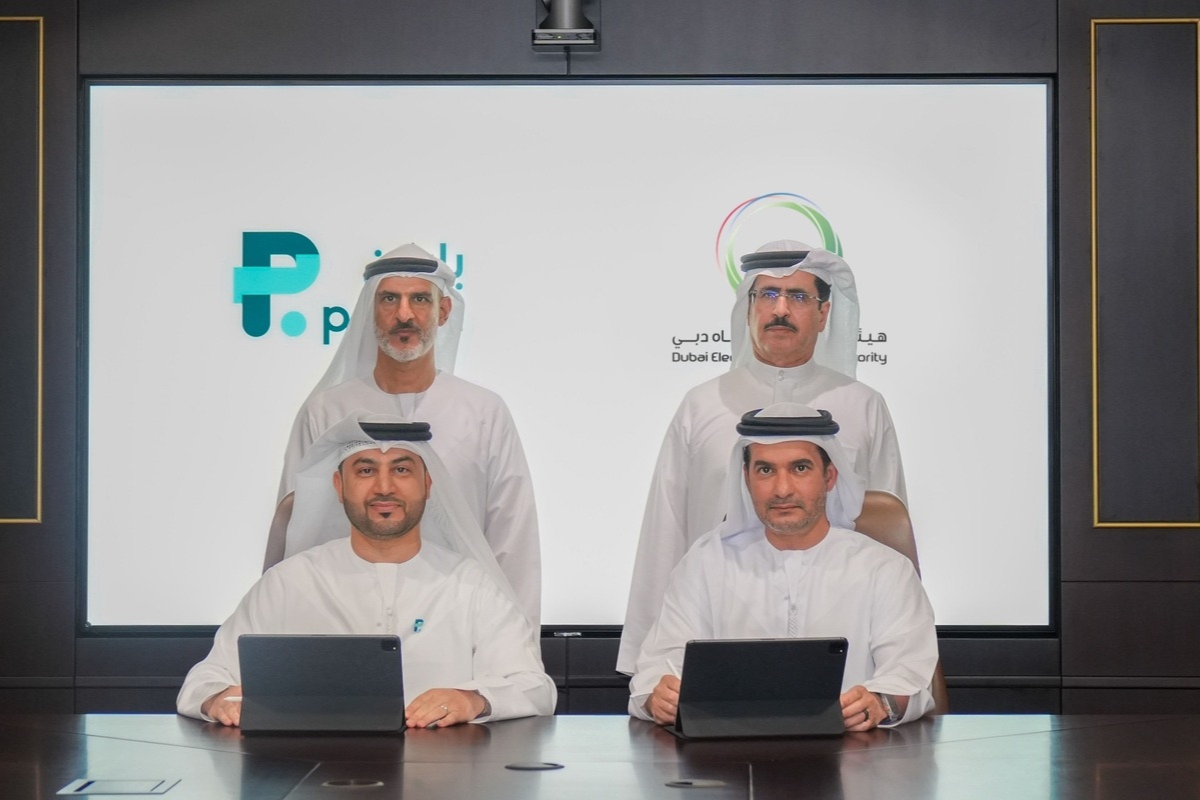
Dubai is set to enhance its electric vehicle infrastructure through a strategic collaboration between the Dubai Electricity and Water Authority and Parkin Company PJSC, the city’s leading provider of paid public parking facilities. This initiative aims to install new EV charging stations by the first quarter of 2025, reinforcing Dubai’s commitment to sustainable transportation.

The forthcoming charging stations will operate on alternating current , each offering a capacity of 22 kilowatts. Strategically positioned at prime parking locations managed by Parkin, each station is designed to serve two parking spaces. The focus will be on specific on-street parking areas in Zones A and C, targeting high-density residential communities that currently have limited access to EV charging facilities. This strategic placement aims to address the growing demand for EV infrastructure in densely populated areas.

To enhance user convenience, customers will be able to pay for both parking and charging fees through Parkin’s integrated app and digital wallet, streamlining the transaction process. This seamless payment system is expected to encourage more residents to consider transitioning to electric vehicles by simplifying the charging experience.

DEWA currently operates approximately 740 EV charging points across Dubai and has ambitious plans to expand this network to 1,000 stations by the end of 2025. This expansion aligns with Dubai’s broader sustainability goals and reflects the city’s proactive approach to supporting green mobility. The partnership with Parkin is a significant step towards achieving these objectives, as it leverages Parkin’s extensive network of parking facilities to provide accessible charging options for EV users.

This collaboration is part of DEWA’s ongoing efforts to enhance sustainability and encourage the use of environmentally friendly electric vehicles. By increasing the availability of EV charging stations in convenient locations, DEWA and Parkin aim to support the UAE’s vision for a sustainable future and reduce carbon emissions in the transportation sector.

The initiative also supports the Dubai Green Mobility Strategy 2030, which aims to promote the use of sustainable transport and reduce the emirate’s carbon footprint. By expanding the EV charging infrastructure, Dubai is taking concrete steps towards achieving its environmental goals and encouraging residents to adopt cleaner modes of transportation.

The integration of EV charging stations into Parkin’s facilities represents a significant advancement in Dubai’s efforts to promote sustainable mobility. As the largest provider of paid public parking facilities in the emirate, Parkin’s involvement ensures that EV users will have greater access to charging stations in convenient locations, thereby supporting the global transition to electric vehicles.

The collaboration between DEWA and Parkin underscores Dubai’s commitment to fostering a sustainable urban environment. By investing in EV infrastructure and promoting green mobility, the city is positioning itself as a leader in environmental sustainability and innovation.

The European Commission has announced a significant policy shift, granting automakers an additional three years to meet stringent CO₂ emission targets initially set for 2025. This move comes amid mounting pressure from the automotive industry, which has been grappling with the rapid transition towards electrification and the associated compliance challenges.

Under the revised framework, car manufacturers now have until 2028 to align their fleets with the mandated CO₂ emission reductions. This extension aims to provide the industry with “breathing space” and greater clarity, as stated by European Commission President Ursula von der Leyen. The proposal, scheduled for formal presentation on March 5, requires approval from both the European Parliament and the Council of the European Union.

The original regulation, known as the Emission Performance Regulation 2019, set ambitious targets for reducing CO₂ emissions from new passenger cars and light commercial vehicles. Specifically, it mandated a 15% reduction by 2025 and a 37.5% reduction by 2030, relative to 2021 levels. Non-compliance would result in substantial fines, calculated at €95 per gram per kilometre of excess emissions per vehicle.

Automakers have expressed concerns over the feasibility of meeting these targets within the original timeframe, citing factors such as supply chain disruptions, technological hurdles, and the pace of consumer adoption of electric vehicles . The extension is expected to alleviate some of these pressures, allowing manufacturers to better strategize their transition towards greener technologies.

Despite the extension, environmental advocacy groups have raised alarms about potential delays in achieving the EU’s broader climate goals. They argue that prolonging compliance deadlines could undermine efforts to reduce greenhouse gas emissions and combat climate change. However, the Commission maintains that the overall emission reduction targets remain unchanged, emphasizing that the extension merely adjusts the compliance timeline to reflect current industry realities.

In addition to the extension, the Commission is set to introduce measures aimed at boosting demand for EVs within the EU. These measures include incentives such as toll exemptions for zero-emission heavy-duty vehicles and initiatives to enhance the accessibility and convenience of EV charging infrastructure. The goal is to address the decline in EV sales observed in 2024, attributed in part to limited charging facilities and the abrupt termination of subsidies in key markets like Germany.

The Commission plans to implement requirements for increased local content in battery production and automotive components. This move seeks to bolster the EU’s competitiveness in the global EV market, particularly against rivals from China and the United States. By encouraging local production and technological collaboration, the EU aims to strengthen its automotive industry’s resilience and innovation capacity.

The proposal also outlines conditions for foreign investments in the European automotive sector, ensuring that such investments align with the EU’s strategic interests and contribute positively to its industrial landscape. This approach reflects a broader trend towards safeguarding critical industries while promoting sustainable economic growth.

The automotive industry has responded to the extension with a mix of relief and caution. While the additional time provides a buffer against immediate compliance challenges, industry leaders acknowledge the need to accelerate the development and deployment of low-emission technologies. The extension is viewed not as a reprieve from environmental responsibilities but as an opportunity to recalibrate strategies for a successful transition to sustainable mobility.

Shares of major European automakers, including Volkswagen, Renault, BMW, and Mercedes-Benz, experienced notable increases following the announcement. This market reaction underscores investor optimism regarding the industry’s capacity to adapt to evolving regulatory landscapes and consumer preferences.

The Commission’s proposal represents a delicate balancing act between environmental imperatives and industrial realities. By granting the extension, the EU acknowledges the complexities inherent in overhauling a sector as significant and multifaceted as automotive manufacturing. At the same time, it reaffirms its commitment to achieving long-term sustainability goals, signaling that flexibility in timelines does not equate to a dilution of environmental standards.

The U.S. Securities and Exchange Commission has agreed to dismiss its lawsuit against cryptocurrency exchange Kraken. This decision, reached with prejudice, means the case cannot be refiled, and notably, Kraken will not admit to any wrongdoing, pay any penalties, or make changes to its business operations.

The lawsuit, initiated in November 2023 under former SEC Chair Gary Gensler, accused Kraken of operating as an unregistered securities exchange. At that time, the SEC alleged that Kraken had been facilitating the trading of digital assets deemed securities without proper registration, a move reflecting the agency’s stringent approach toward cryptocurrency platforms.

However, the regulatory landscape has shifted significantly with the appointment of Paul Atkins as the new SEC Chair under President Donald Trump’s administration. Atkins, known for his more favorable stance on digital assets, has steered the SEC toward a collaborative approach with the cryptocurrency industry. This policy shift aims to balance investor protection with fostering innovation within the digital asset economy.

Kraken’s official statement hailed the lawsuit’s dismissal as a pivotal moment for the U.S. crypto sector. The company emphasized that the SEC’s decision ends a “wasteful, politically motivated campaign” and removes uncertainties that had previously stifled innovation and investment. Kraken expressed appreciation for the new leadership at both the White House and the SEC, attributing the positive change to their “bold and thoughtful” approach.

The SEC has not issued a public comment regarding the dismissal.

This development is part of a broader trend under the current administration, which has signaled a more supportive regulatory environment for digital assets. The SEC’s recent actions include halting or dropping lawsuits against major cryptocurrency entities such as Binance, Coinbase, and Justin Sun. The agency has also restructured its crypto division, forming a “crypto task force” to establish clear regulatory guidelines while scaling down its investigative branch. This shift reflects the administration’s intent to encourage innovation while safeguarding investors from potential fraud.

Critics caution that this rapid policy reversal might reduce necessary scrutiny of the cryptocurrency industry, potentially allowing fraudulent activities to go unchecked. John Stark, a former SEC attorney, warned that the drastic changes could diminish oversight, emphasizing the need for a balanced approach to regulation.

Kraken’s history with regulatory bodies has been contentious. In February 2023, the company agreed to a $30 million settlement with the SEC over allegations that its crypto-asset staking products violated regulatory rules. Additionally, in November 2022, Kraken paid a $362,000 fine to the Office of Foreign Assets Control for potential violations of sanction regimes by allowing trade with customers based in Iran. The company has also faced fines from the Commodity Futures Trading Commission for offering unregistered margin trading.

Despite these challenges, Kraken has maintained its commitment to compliance and consumer protection. The company asserts that the dismissal of the SEC lawsuit reaffirms its dedication to operating with integrity within the evolving regulatory framework.

Tether, the prominent stablecoin issuer, has appointed Simon McWilliams as its new Chief Financial Officer , marking a pivotal move towards achieving a comprehensive financial audit. This strategic decision underscores Tether’s commitment to bolstering transparency and aligning with regulatory standards in the rapidly evolving cryptocurrency landscape.

McWilliams, a seasoned finance executive with over two decades of experience, has a distinguished track record in guiding large investment management firms through meticulous audits. His expertise is expected to play a crucial role in steering Tether towards its goal of a full financial audit, a milestone that has significant implications for the company’s credibility and the broader stablecoin market.

This leadership change also involves Giancarlo Devasini, the former CFO and a key figure in Tether’s inception, transitioning to the role of Chairman of the Group. Devasini’s new position will allow him to focus on macroeconomic strategies, guiding Tether as it continues to support the U.S. financial system while advancing digital asset adoption globally.

Tether has been a dominant force in the stablecoin market, offering users a means to move money between cryptocurrencies without exposure to price volatility. Stablecoins like Tether’s USD₮ are designed to maintain a constant value by being pegged to traditional currencies, providing a stable medium of exchange in the often-volatile cryptocurrency market.

The appointment of McWilliams is a significant step towards addressing longstanding calls for greater transparency within the stablecoin sector. Tether has previously set benchmarks for transparency through quarterly attestations with BDO, a top five global independent accounting firm. However, a full audit would provide a more comprehensive verification of reserves, thereby enhancing financial integrity and building trust among users and regulators alike.

This move comes at a time when regulatory bodies worldwide are intensifying scrutiny of stablecoins, given their growing prominence in the global financial system. By proactively pursuing a full audit, Tether aims to strengthen its position as a trusted partner in the expanding role of cryptocurrencies and the U.S. dollar.

In tandem with this leadership change, Tether has been preparing for broader strategic initiatives. The company recently relocated to El Salvador after securing a Digital Asset Service Provider license, signaling its intent to expand its global footprint and engage more deeply with regulatory frameworks.

Paolo Ardoino, CEO of Tether, expressed confidence in McWilliams’ appointment, stating, “Simon’s expertise in financial audits makes him the perfect CFO to lead Tether into this new era of transparency. With his leadership, we are moving decisively toward a full audit, reinforcing our role in supporting U.S. financial strength and expanding institutional engagement.”

The cryptocurrency industry has been under increasing pressure to enhance transparency and regulatory compliance. Tether’s initiative to undergo a full financial audit sets a precedent that could influence other stablecoin issuers to adopt similar measures, thereby elevating industry standards.

As Tether embarks on this new chapter, the focus will be on how effectively the company can navigate the complexities of a full financial audit and meet the heightened expectations of regulators and users. McWilliams’ extensive experience in financial audits is anticipated to be instrumental in achieving these objectives, potentially setting new benchmarks for transparency and accountability in the stablecoin market.

Telecommunications provider du has launched a new Travel eSIM service aimed at enhancing connectivity for transit passengers passing through the United Arab Emirates . This initiative allows travellers to maintain seamless data connectivity across more than 190 countries without the need for physical SIM cards.

The Travel eSIM is designed to offer convenience and affordability to international travellers. By scanning a QR code, users can activate the eSIM on their compatible devices, enabling immediate access to data services without the hassle of purchasing local SIM cards or incurring roaming charges. This digital solution aligns with the global shift towards eSIM technology, which integrates SIM functions directly into devices, eliminating the need for physical cards.

Fahad Al Hassawi, CEO of du, highlighted the company’s commitment to enhancing customer experiences: “Our Travel eSIM is a testament to du’s dedication to innovation and customer-centric solutions. We understand the needs of modern travellers and aim to provide them with seamless connectivity, no matter where they are in the world.”

The eSIM offers a range of data bundles tailored to different durations and data requirements. For instance, users can select packages that provide unlimited data for specific periods, such as one day or seven days, depending on their travel needs. This flexibility ensures that both short-term visitors and long-term travellers can find a plan that suits their usage patterns.

To activate the eSIM, travellers can visit du’s official website or authorized retailers to purchase a data bundle. After completing the purchase, they receive a QR code, which, when scanned, installs the eSIM profile on their device. It’s recommended to activate the eSIM upon arrival at the destination to ensure the data bundle period aligns with the travel schedule. Devices must be eSIM compatible and network unlocked to utilize this service.

The introduction of the Travel eSIM addresses common challenges faced by international travellers, such as the inconvenience of swapping physical SIM cards and the unpredictability of roaming charges. By offering a digital solution, du aims to streamline the connectivity process, allowing users to stay connected with ease.

In addition to data services, the eSIM provides access to local networks, enhancing the quality and reliability of the connection. This feature is particularly beneficial for business travellers who require consistent and high-speed internet access for work-related tasks.

The global eSIM market has been experiencing significant growth, driven by the increasing adoption of eSIM-compatible devices and the demand for flexible connectivity solutions. Analysts predict that the number of eSIM-enabled smartphones will continue to rise, further solidifying the importance of services like du’s Travel eSIM in the telecommunications industry.

Travellers have expressed positive feedback regarding the convenience of eSIMs. A user on a travel forum shared their experience: “I arrived in Dubai and was able to get a tourist eSIM from the Virgin mobile shop. It was a straightforward process and didn’t involve getting a normal SIM as a stepping stone.” Such testimonials underscore the practicality and user-friendliness of eSIM technology.

However, it’s essential for users to ensure their devices are compatible with eSIM technology. Most modern smartphones from leading manufacturers support eSIM functionality, but travellers are advised to verify compatibility before attempting to install the eSIM. Additionally, devices should be network unlocked to prevent any activation issues.

The tariff hammer is about to drop. On Tuesday, the US will slap new duties on goods from Canada and Mexico, and possibly hike levies on Chinese imports. Investors don’t need reminding—tariffs are the number one risk factor hanging over global markets. This isn’t just policy posturing; it’s a direct hit to corporate profits, consumer prices, and the already fragile supply chains that businesses spent years rebuilding […]

By Nantoo Banerjee If the United States of America is the provider of the largest trade surplus to India year after year, there is no reason for India to impose unreasonable tariffs on merchandise imported from its best trading partner. In fact, the import tariff should not be allowed to be a bone of contention […]
Binance, a leading cryptocurrency exchange, has announced it will discontinue trading pairs involving stablecoins that do not comply with the European Union’s Markets in Crypto-Assets regulation for users in the European Economic Area by March 31, 2025. This decision aligns with the EU’s efforts to establish a standardized regulatory framework for crypto-assets, aiming to enhance transparency and consumer protection.

The affected stablecoins include Tether , First Digital USD , TrueUSD , Pax Dollar , Dai , Augmint Euro Token , TerraUSD , TerraClassicUSD , and PAX Gold . Binance has advised its EEA users to convert their holdings in these non-compliant stablecoins to those that meet MiCA standards, such as USD Coin and Euro Coin , or directly to euros.

The MiCA regulation, which came into force in June 2023, seeks to create a cohesive regulatory environment for crypto-assets across the EU. It introduces stringent requirements for stablecoin issuers, including maintaining adequate reserves and adhering to transparency and consumer protection standards. Stablecoins are categorized under MiCA as either e-money tokens , which reference a single official currency, or asset-referenced tokens , which are linked to multiple assets.

Circle’s USD Coin and Euro Coin are among the few stablecoins that have achieved MiCA compliance. This compliance ensures their continued availability and use within the EEA. In contrast, prominent stablecoins like Tether and MakerDAO’s Dai have not met MiCA requirements, leading to their delisting from platforms operating within the EU.

Binance’s move is part of a broader trend among cryptocurrency exchanges to align with the new regulatory landscape. Other exchanges, such as Crypto.com and Kraken, have also announced plans to delist non-compliant stablecoins to adhere to MiCA standards. For instance, Crypto.com has outlined its intention to halt deposits of certain stablecoins by January 31, 2025, with full delisting scheduled for March 31, 2025. Similarly, Kraken is preparing to remove Tether and four other stablecoins from its platform in the EEA to comply with the regulations.

The European Securities and Markets Authority has set a deadline of March 31, 2025, for digital asset firms to ensure compliance with MiCA. This regulatory push underscores the EU’s commitment to fostering a secure and transparent crypto market, mitigating risks associated with stablecoins, and protecting investors.

MiCA’s implementation has also spurred the development of new compliant stablecoins. Dutch fintech company Quantoz Payments, for example, is set to launch two stablecoins, EURQ and USDQ, both licensed by the Dutch Central Bank as e-money tokens. These developments indicate a shift towards regulated digital finance in Europe, providing consumers with more secure and compliant options for digital payments.

Vietnam’s government has initiated the development of a legal framework for digital assets and currencies, aiming to bolster economic growth to at least 8% by 2025. Prime Minister Pham Minh Chinh has directed the Ministry of Finance and the State Bank of Vietnam to draft the necessary regulations, with a proposal expected to be submitted this month. This initiative is part of Directive No. 05, which outlines measures to stimulate the nation’s economic expansion.

The absence of a formal legal framework for digital assets has left Vietnamese investors vulnerable to potential scams and financial losses. Currently, cryptocurrency transactions occur without specific regulatory oversight, increasing the risk for participants. The government’s move to establish clear regulations seeks to protect users and enhance trust in blockchain technology and related applications.

Nguyễn Duy Hưng, Chairman of Saigon Securities Incorporation, highlighted Vietnam’s significant position in the global digital asset market, noting that the country ranks among the top four in terms of transaction volume. He emphasized the necessity of a transparent legal framework to ensure that both developers and investors are protected, thereby fostering a secure environment for market participants and deterring fraudulent activities.

The urgency for regulation has been underscored by incidents such as a recent $100 million cryptocurrency fraud, which exploited the regulatory vacuum. Lawyer Phạm Ba Đô, Director of SJKLAW Law Firm, pointed out that the lack of comprehensive legal guidelines has created fertile ground for such fraudulent schemes. He advocates for the prompt establishment of clear definitions and regulations concerning virtual currencies and assets, recognizing their potential for trade and payment in specific contexts while clarifying their status as legal means of payment.

Vietnam’s strategic move to regulate digital assets aligns with its broader economic ambitions. The country has revised its GDP growth target for 2025 to at least 8%, up from the previous range of 6.5% to 7.0%. This adjustment reflects the government’s commitment to rapid economic development. The National Assembly has approved significant infrastructure projects, including the construction of the country’s first nuclear power plants and a rail link connecting northern Vietnam’s major seaport to China. These initiatives are expected to enhance the nation’s industrial capabilities and trade connectivity.

The manufacturing sector continues to be a cornerstone of Vietnam’s economy, with value added projected to reach $108.7 billion by 2025, growing at a compound annual growth rate of 3.33% from 2025 to 2029. The country’s strategic location, coupled with labor costs approximately 50% lower than China’s, makes it an attractive destination for international businesses seeking relocation. Government tax incentives and participation in trade agreements like the Comprehensive and Progressive Agreement for Trans-Pacific Partnership and the EU-Vietnam Free Trade Agreement further enhance Vietnam’s appeal as a manufacturing hub.

However, achieving the ambitious 8% GDP growth target is not without challenges. The Asian Development Bank forecasts Vietnam’s GDP growth at 6.2% for 2025, while the World Bank projects a slightly higher rate of 6.6%. These figures, though optimistic, fall short of the government’s target, indicating the need for effective policy implementation and favorable external conditions to realize the desired growth.

The development of a legal framework for digital assets is expected to attract foreign investment and stimulate innovation within the financial sector. By providing legal clarity, Vietnam aims to position itself as a regional leader in the digital economy, capitalizing on the growing global interest in cryptocurrencies and blockchain technology.

Saudi Arabia has unveiled an ambitious plan to attract investments totaling approximately 375 billion Saudi riyals into its mining sector by 2035, as part of its Vision 2030 initiative aimed at reducing dependence on oil revenues. Khalid Al-Mudaifer, the Deputy Minister of Industry and Mineral Resources for Mining Affairs, announced this strategic objective during the BMO Global Metals, Mining, and Critical Minerals Conference held in Miami from February 23 to 26, 2025.

The Kingdom has already secured investments amounting to 75 billion riyals in mining projects since the implementation of a landmark law designed to attract investors. Al-Mudaifer highlighted that these efforts have significantly boosted the sector’s growth, with the number of mining companies operating in Saudi Arabia increasing from six in 2020 to 133 by the end of 2023.

As part of its Vision 2030 economic diversification strategy, Saudi Arabia aims to position mining as a key pillar of its economy. The Kingdom’s mineral wealth is now valued at 9.3 trillion riyals, up from previous estimates of 5 trillion riyals, reflecting intensified exploration efforts and a growing global demand for critical minerals. Annual exploration spending has risen by 32%, outpacing the global average.

In line with these developments, Saudi Arabia has been actively engaging in international partnerships to bolster its mining sector. Notably, the Kingdom signed nine investment agreements totaling over $9.32 billion in the metals and mining sector with companies including India’s Vedanta and China’s Zijin Group during the World Investment Conference in Riyadh. These deals aim to support Saudi Arabia’s Vision 2030 plan to diversify the economy and attract significant foreign investment.

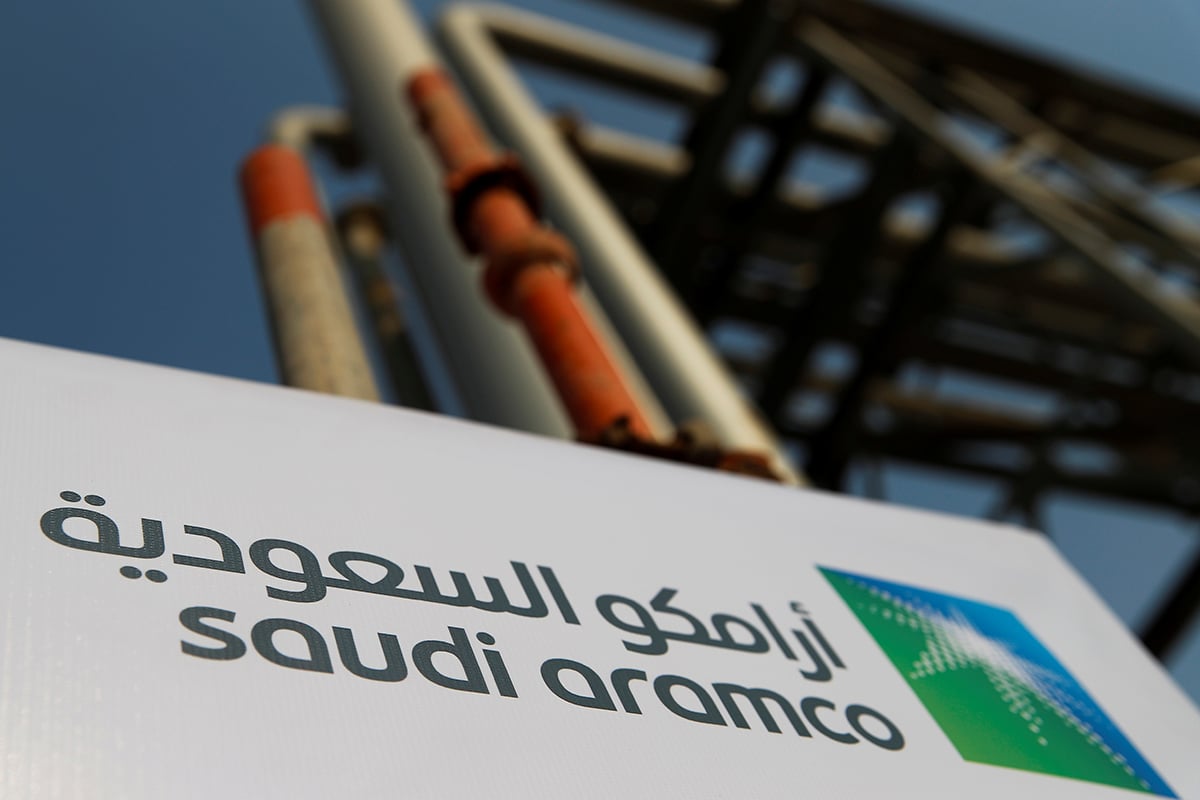
Saudi Aramco, the world’s largest oil company, plans to expand its investments in lithium production, aiming to become a mining hub and diversify from oil. In collaboration with the state-owned mining firm Ma’aden, Aramco targets commercial lithium production by 2027 to meet increasing demand driven by electric vehicles. This strategic shift aligns with the Kingdom’s efforts to establish a lithium refining and export industry, leveraging its energy competitiveness and infrastructure.

Saudi Arabia’s ambitious $124 billion dividend payout to Aramco shareholders is facing increasing scrutiny as the kingdom grapples with rising fiscal pressures and economic uncertainty. The payout, one of the largest in history, is at the heart of the country’s financial strategy, but concerns about the sustainability of this massive distribution are growing.

The kingdom has long relied on its state-owned oil giant, Saudi Aramco, as a major source of revenue, particularly in funding its Vision 2030 diversification programme. However, with global oil prices experiencing volatility and the kingdom’s economic growth showing signs of strain, questions are being raised about whether such a hefty payout can continue to be supported by the nation’s financial structure.

Saudi Arabia’s fiscal challenges are not new but have intensified recently due to various factors, including fluctuations in oil prices and a need to fund extensive public sector projects aimed at reducing the kingdom’s dependence on oil exports. This shift towards diversification involves significant investments in non-oil sectors such as technology, entertainment, and tourism. While these sectors hold promise for future growth, they have not yet generated the same level of revenue as oil, leaving the government in a delicate position.

Aramco’s profits have been a key contributor to the kingdom’s financial health, with the company remaining one of the world’s most profitable corporations. In 2023, Aramco’s net income exceeded $160 billion, allowing it to maintain its status as the highest dividend-paying company globally. This enabled the state to continue its lavish payouts to shareholders, including the Saudi government itself, which holds a majority stake.

Despite Aramco’s healthy profits, the global energy landscape has shifted significantly. Rising energy costs, geopolitical instability, and increasing competition from renewable energy sources are all factors that could impact the oil industry’s long-term profitability. Saudi Arabia’s ability to balance these challenges with its ambitious payout policy could prove to be a major hurdle.

The kingdom’s fiscal outlook is further complicated by its commitment to maintaining its social and economic development programs, which are pivotal for the success of Vision 2030. The state has allocated significant sums to infrastructure, healthcare, and housing initiatives, all of which are critical for securing the country’s long-term economic stability. However, these expenditures, combined with the substantial payout to Aramco shareholders, create a significant strain on public finances.

To address these challenges, Saudi Arabia is looking to restructure its approach to fiscal management, exploring options such as public debt and non-oil revenue streams. Some analysts suggest that this could involve revising the Aramco dividend model, potentially reducing the payout in favour of reinvesting in the country’s non-oil sectors.

The pressure on the Saudi government is not only financial but also political. With global attention focused on Saudi Arabia’s economic reforms, any deviation from its ambitious growth plans could undermine investor confidence, which has been a cornerstone of its economic strategy. International investors, particularly those in the energy sector, are closely monitoring the situation, aware that any decision to alter the dividend payout could have ripple effects throughout the global markets.

The geopolitical landscape adds another layer of complexity to the situation. Saudi Arabia’s position within OPEC and its ongoing efforts to stabilise global oil prices play a key role in its economic future. However, OPEC’s decisions are increasingly influenced by non-member countries and shifting global consumption patterns. As demand for oil from traditional markets in Europe and the US declines, Saudi Arabia faces the dual challenge of maintaining oil revenues while simultaneously adapting to a future in which oil may no longer be the dominant driver of global growth.

In the wake of these uncertainties, Aramco’s leadership remains focused on enhancing its operations and securing long-term profitability. The company has committed to expanding its investments in petrochemicals, refining, and other energy-related sectors, as well as pursuing green energy initiatives that could ensure its relevance in the post-oil era. However, even with these efforts, Aramco faces growing competition from other energy giants and the increasing pressure to adopt sustainable practices in response to global climate concerns.

Saudi Arabia’s fiscal trajectory will likely remain unpredictable for the foreseeable future, especially as the country navigates the complexities of economic diversification while maintaining its oil revenue base. The government’s ability to balance its financial commitments to both Aramco and its broader economic goals will be crucial in shaping the future of its financial landscape.

The global cryptocurrency market capitalization has soared beyond the $3 trillion mark, reaching approximately $3.185 trillion, following a significant policy shift by the United States government. President Donald Trump announced the establishment of a U.S. strategic cryptocurrency reserve, initially comprising digital tokens such as XRP, Cardano , and Solana .

This unprecedented move led to immediate and substantial price increases across the cryptocurrency market. XRP’s value surged from $2.23 to $2.99, boosting its market capitalization by $44 billion. Similarly, SOL’s price escalated from $140 to $168, while ADA experienced an increase from $0.68 to nearly $1. Subsequently, President Trump expanded the reserve to include Bitcoin and Ethereum , prompting further market rallies. Bitcoin’s price escalated by 9% to $93,000, adding $166 billion to its market capitalization, and Ethereum saw a 13% rise to $2,516.

The creation of this strategic reserve signifies a notable shift in the U.S. government’s stance toward digital assets, aiming to bolster the crypto industry and provide governmental support. This initiative contrasts with previous regulatory approaches and is expected to accelerate institutional adoption, offer regulatory clarity, and enhance U.S. leadership in digital asset innovation.

Market analysts have responded positively to these developments. Anthony Scaramucci, manager of a leading crypto exchange-traded fund , forecasts Bitcoin reaching $200,000 in 2025, potentially becoming a $4 trillion asset. Similarly, analysts anticipate a significant bull market for Bitcoin and crypto miners, projecting Bitcoin to reach $225,000, driven by historical price cycles and a potentially favorable regulatory environment under the Trump administration.

However, the establishment of the strategic reserve has raised questions regarding its operational framework and potential implications for investors. Concerns have emerged about how the reserve will function and whether it includes mechanisms to protect investors from potential losses. Additionally, the administration has prohibited the U.S. Federal Reserve from developing a digital dollar and announced tariffs on goods from Canada, Mexico, and China, introducing further variables into the economic landscape.

The surge in cryptocurrency values has also led to increased market activity and liquidity. Major exchanges have reported heightened trading volumes, indicating intensified investor interest and confidence in digital assets. This influx of capital suggests a bullish trend, with potential upward price movements across various cryptocurrencies.

Apple’s efforts to revolutionise its voice assistant, Siri, with advanced artificial intelligence capabilities have encountered notable setbacks. Internal sources indicate that a fully modernised, conversational version of Siri is now projected to debut with iOS 20, anticipated in 2027, marking a substantial delay from earlier plans.  The tech giant had initially aimed to integrate large language models into Siri, enhancing its ability to understand and process natural […]

MoneyHash, a leading payment orchestration platform operating in the Middle East and Africa , has been honoured as one of the UAE’s Future 100 companies, acknowledging its significant contributions to fintech innovation in the region. This accolade underscores the company’s commitment to addressing the complex payment infrastructure challenges faced by businesses across the MEA region.

Founded by Egyptian entrepreneurs, MoneyHash offers a unified application programming interface that simplifies the integration of various payment methods and providers. This solution streamlines the checkout experience for businesses, reducing operational costs and enhancing scalability across different markets. The platform’s ability to navigate the fragmented payment landscape in emerging markets has positioned it as a crucial player in the regional fintech ecosystem.

In January 2025, MoneyHash secured $5.2 million in pre-Series A funding, led by Flourish Ventures, a global fintech investor known for backing industry leaders such as Chime and FlutterWave. New investors, including Saudi Arabia’s Vision Ventures, Arab Bank’s venture capital arm, and Emurgo Kepple Ventures, also participated in the round. Notably, Jason Gardner, founder and former CEO of Marqeta, made his first investment in the MEA region through this funding round. This financial boost followed a $4.5 million seed round in early 2024, reflecting the company’s rapid growth and the increasing confidence of investors in its business model.

The payment landscape in emerging markets is often characterized by high failure rates and operational challenges. Each market presents a unique set of payment providers, methods, and regulations, leading to increased operational costs and revenue leakage for businesses. MoneyHash addresses these issues by offering a unified platform that integrates various payment solutions, thereby reducing complexity and improving efficiency. According to Nader Abdelrazik, co-founder and CEO of MoneyHash, failure rates in these markets are three times the global average, with fraud rates and cart abandonment over 20% higher than in developed markets. By leveraging their extensive experience in the MEA region, MoneyHash aims to transform payments from a cost and risk center into a growth enabler for businesses.

The UAE’s Future 100 initiative aims to support the top 100 emerging companies that play a vital role in the competitiveness of the country’s future economy sectors. The program has secured 25 new partnerships, spanning strategic, media, and community collaborations, to support these emerging companies. The inaugural list of Future 100 companies was unveiled on December 2, highlighting businesses that are expected to drive innovation and economic growth in the UAE.

MoneyHash’s recognition as a Future 100 company not only highlights its innovative approach to payment solutions but also emphasizes the growing importance of fintech in the region’s economic development. As businesses in the MEA region continue to seek efficient and scalable payment solutions, platforms like MoneyHash are poised to play a pivotal role in shaping the future of commerce.

The company’s recent funding and accolades reflect a broader trend of increased investment in fintech solutions that address the unique challenges of emerging markets. By simplifying payment processes and reducing operational hurdles, MoneyHash empowers businesses to focus on growth and customer engagement, thereby contributing to the overall economic development of the region.

VISHNU RAJA
RYO YAMADA
HITORI GOTOH
IKUYO KITA