Just in:
Geely’s i-HEV Intelligent Hybrid Technology Offers a New Direction Vision for Gasoline-Powered Vehicles // UK air traffic outage inflicted £33m financial losses // TVM –Mangaluru Vande Bharat claims top spot // Technology shares plunge as Nasdaq enters correction // Emirates Group records AED 4.1 billion half-year profit // Hong Kong mandates crypto transaction disclosures to tax authorities // The “1st Greater Bay Area Health and Longevity Summit & Awards Ceremony” concludes successfully in Macao // Cloudflare unveils Zero Wire vulnerability intelligence service // e-Crime Bureau Signs Cybersecurity Partnership With Smart Africa, Reinforcing Its Global Expansion // Asia Left Behind: Ten international companies have yet to report delivering on their cage-free egg pledges across the region // Private varsities bill all set to face the axe // Emaar approves Development buyout ahead of planned delisting // Dubai boat show confirms international shipyard line-up for November // Dubai details five-year visa benefits for returning visitors // Kochi police detain two actors over bid to honey trap doctor // Millions Of Indians May Soon Be Deprived Of Government Assistance // OpenAI introduces GPT-6 Cyber with restricted security access // Xi Jinping Preparing For A Trilateral Summit With Trump And Putin At APEC Summit On Nov 18-19 // Trump’s Iran War Has A Share Of Contribution To His Midterm Debacle // APT29-linked campaign exploits outdated Apple and Android software //

News related to
Arabia

Dubai’s real estate market witnessed a 0.57% decline in property prices in January 2025, marking the first downturn since mid-2022. This shift suggests a potential stabilisation in a market that has seen consistent growth over the past two years.

According to Property Monitor’s latest report, the average price per square foot in January stood at AED 1,484 . Despite the price reduction, the month recorded 14,413 transactions, the highest-ever sales volume for January. However, this figure represents a 4.6% decrease compared to December 2024.

The median prices for different property types were reported as follows: apartments at AED 1,350,000, townhouses at AED 2,610,000, and villas at AED 6,915,888. These figures indicate a slight moderation in prices across various segments.

Industry experts attribute this price correction to several factors, including an increase in housing supply and a natural market adjustment following a prolonged period of rapid price escalation. The surge in property values over the past two years has been partly driven by an influx of high-net-worth individuals seeking luxury residences in Dubai.

In response to the growing demand, developers have accelerated construction projects. Notably, nearly 9,000 villas are slated for completion by the end of this year, with an additional 19,700 expected by 2025. This expansion aims to address the housing needs of a population projected to reach 5.8 million by 2040.

While the luxury segment has been a significant driver of the market, there are emerging concerns about affordability for middle-income residents. The rapid appreciation in property values has led to increased living costs, prompting discussions about sustainable growth and the necessity for diverse housing options.

Bitcoin, the world’s largest cryptocurrency by market value, experienced a significant decline on Friday, falling over 5% to a three-and-a-half-month low. The digital asset traded below $80,000 for the first time since November 11, reaching $79,666.

This downturn has erased approximately a quarter of Bitcoin’s market value since mid-December, when it peaked at $105,000. The recent decline is attributed to uncertainties surrounding U.S. President Donald Trump’s impending tariff plans and crypto policy, as well as diminished investor confidence following a substantial $1.5 billion hack involving rival cryptocurrency Ether.

President Trump confirmed that a 25% tariff on Mexican and Canadian goods, along with an additional 10% on Chinese imports, will commence on March 4. This announcement has led to a sell-off in risk-sensitive assets, including cryptocurrencies. The broader tech sector has also been affected, with major indices like the Dow Jones, S&P 500, and Nasdaq experiencing considerable losses.

The recent $1.5 billion hack of Ether from the Bybit exchange has further exacerbated negative sentiment in the crypto market. This incident has raised concerns about the security of digital assets, leading to increased withdrawals from Bitcoin-backed exchange-traded funds.

Market analysts suggest that if key support levels, such as $82,000, do not hold, Bitcoin might face further losses. The decline is also influenced by a broader risk-off environment, significant outflows from spot Bitcoin ETFs, and macroeconomic uncertainties.

A 2 Billion THB Investment in Pediatric Excellence and Smart Hospital Innovation BANGKOK, THAILAND – Media OutReach Newswire – 27 February 2025 – Samitivej Hospital, a leader in pediatric care, unveils its newly expanded standalone Samitivej International Children’s Hospital at Samitivej Srinakarin Hospital. Backed by a 2 billion THB investment, the expansion strengthens Samitivej’s commitment to becoming Asia-Pacific’s Leading Pediatric Referral Hub, providing specialized care, innovative treatments, […]

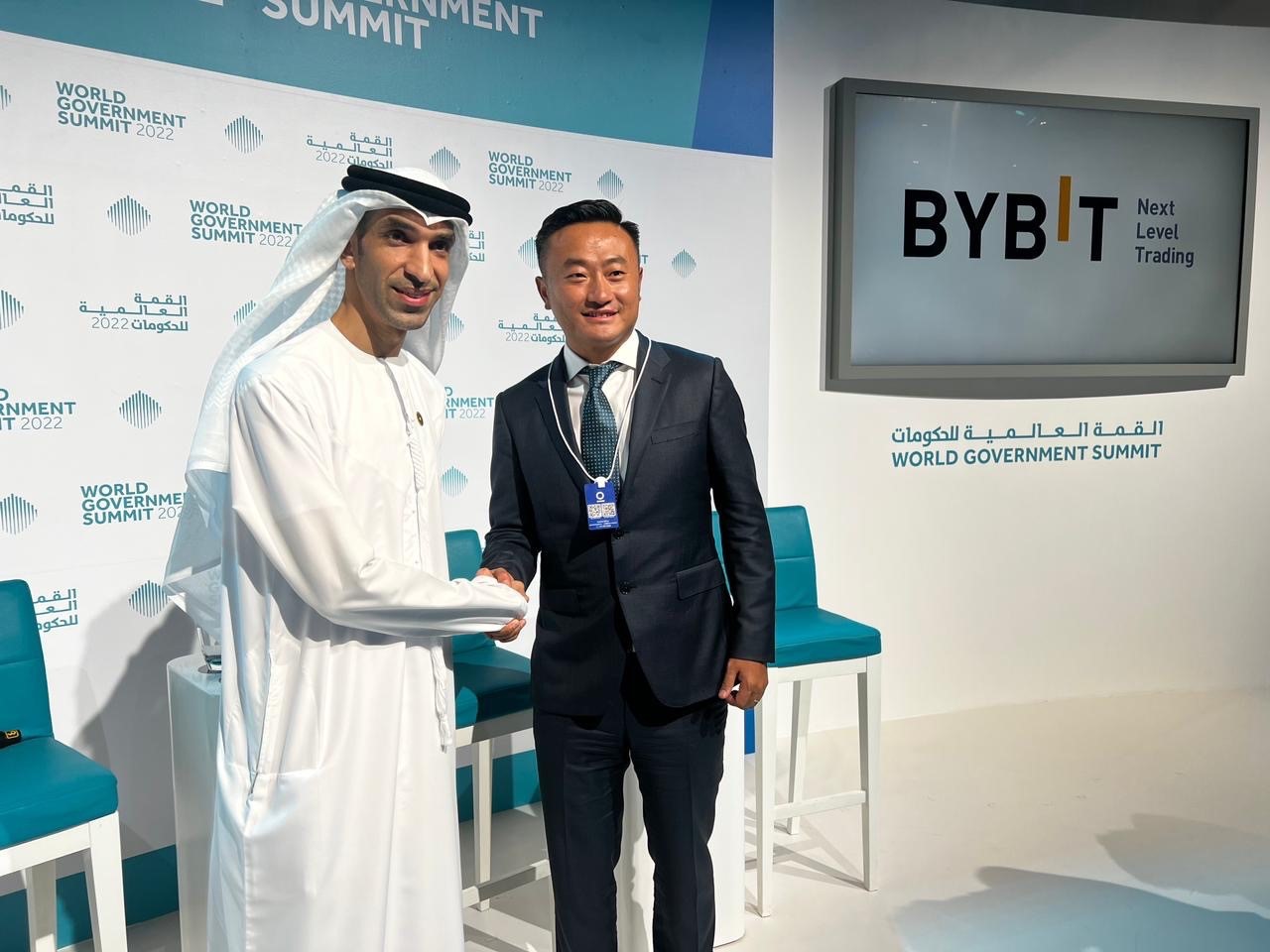
Cryptocurrency exchange Bybit has secured in-principle approval from the United Arab Emirates’ Securities and Commodities Authority to establish a virtual asset platform within the country. This significant regulatory milestone positions Bybit closer to obtaining a full operational license, enabling the firm to offer a comprehensive range of digital asset services to both retail and institutional clients in the UAE.

The approval, dated 18 February 2025, arrives at a pivotal moment for Bybit. On 21 February, the exchange experienced a substantial security breach, resulting in the loss of approximately $1.4 billion in digital assets. The incident, among the largest in cryptocurrency history, occurred during a transfer between Bybit’s cold and hot wallets. Despite this setback, the SCA’s in-principle approval underscores confidence in Bybit’s commitment to regulatory compliance and operational resilience.

Ben Zhou, co-founder and CEO of Bybit, expressed gratitude for the SCA’s decision, stating, “We are honored to have received the in-principle approval from the SCA. This approval marks a crucial step in our journey to providing secure and transparent crypto trading solutions.” Zhou emphasized Bybit’s dedication to collaborating with regulators to foster a compliant and innovative digital asset ecosystem for investors in the UAE.

The UAE has been proactive in positioning itself as a global hub for cryptocurrency and blockchain innovation. Bybit’s regulatory progress aligns with the nation’s forward-thinking stance on digital assets, aiming to create a secure and compliant environment for trading activities. The SCA’s approval of Bybit is indicative of the UAE’s commitment to attracting reputable crypto platforms and fostering a robust digital economy.

In addition to its advancements in the UAE, Bybit is actively expanding its regulatory footprint worldwide. The exchange has secured approvals in several key markets, including India, Georgia, Kazakhstan, and Turkey. Notably, on 25 February 2025, Bybit announced its re-entry into the Indian market after successfully registering with the Financial Intelligence Unit . This move followed a temporary suspension due to compliance issues, during which Bybit paid a $1 million penalty for operating without proper registration. The exchange has since aligned with Indian regulatory standards, resuming full services for existing users and gradually onboarding new clients.

However, Bybit’s global expansion has not been without challenges. In late 2024, the exchange temporarily adjusted its operations within the European Economic Area to comply with the region’s Markets in Crypto-Assets regulations. This decision reflects Bybit’s commitment to adhering to varying regulatory landscapes and ensuring compliance across jurisdictions.

The recent security breach has also prompted scrutiny from regulatory bodies. In Japan, the Financial Services Agency has urged major app stores to delist Bybit and other unregistered crypto exchanges, citing concerns over unlicensed operations and potential risks to investors. This development highlights the importance of robust security measures and regulatory compliance as Bybit continues its global expansion.

In response to the security incident, Bybit has taken steps to mitigate the impact on its users. The exchange has replaced the stolen Ether to ensure that customer funds remain unaffected. This action demonstrates Bybit’s commitment to maintaining user trust and upholding the integrity of its platform.

The cryptocurrency market has been closely monitoring Bybit’s developments, especially in light of the recent security breach. Market analysts suggest that while the in-principle approval from the SCA is a positive development, Bybit’s ability to enhance its security infrastructure and navigate complex regulatory environments will be critical to its sustained growth and reputation.

By Raju Kumar BHOPAL: Madhya Pradesh, often referred to as the “Heart of India,” is renowned for its rich historical, cultural, and natural heritage. The state government has implemented various initiatives to develop the tourism sector and attract investments. The Global Investors Summit 2025 in Bhopal has raised hopes for a renewed focus on the […]

In a significant advancement for the United Arab Emirates’ financial sector, Hubpay, a cross-border payments platform, has partnered with Aquanow, a leading digital asset infrastructure provider, to launch the nation’s first fully regulated cryptocurrency payment gateway tailored for businesses and small to medium-sized enterprises . This collaboration enables companies across various sectors—including real estate, manufacturing, and general trading—to securely accept cryptocurrency payments alongside traditional fiat transactions.

The introduction of this regulated crypto payment facility comes in the wake of the UAE Central Bank’s Payment Token Services Regulation , which was enacted on 6 July 2024. The PTSR establishes a comprehensive framework for digital payment services in the UAE, particularly those involving cryptocurrency ‘payment tokens’ or ‘stablecoins’. Under this regulation, entities offering payment token services must obtain appropriate licensing or registration from the Central Bank to operate within the country.

Aquanow, recognized for its comprehensive trading and payment solutions in the digital asset space, has been awarded a Virtual Asset Service Provider license by Dubai’s Virtual Assets Regulatory Authority . This license authorizes Aquanow to offer broker-dealer services, management and investment services, and lending and borrowing services related to virtual assets within the Emirate. The partnership with Hubpay leverages Aquanow’s licensed infrastructure to facilitate seamless and secure cryptocurrency transactions for businesses operating in the UAE.

The UAE has been proactive in positioning itself as a global hub for the cryptocurrency industry. Government-owned licensing firm KIKLABB in Mina Rashid, Dubai, now accepts cryptocurrency payments—including Bitcoin , Ethereum , and Tether —for various trade licenses and visas. Additionally, the Dubai Financial Services Authority has announced plans to develop a comprehensive crypto-regulatory framework, further solidifying the nation’s commitment to embracing digital assets.

The financial fallout from FTX’s collapse has escalated, with bankruptcy-related expenses approaching $1 billion, positioning it among the most expensive corporate failures in U.S. history. Court records indicate that legal and advisory fees have reached approximately $948 million, with over $952 million in fees approved to date.

This figure significantly exceeds the combined bankruptcy costs of other notable cryptocurrency firms. For instance, Celsius Network’s proceedings have incurred $229 million in expenses, Genesis Global approximately $132 million, BlockFi around $81 million, and Voyager Digital about $60 million. Collectively, these four companies have amassed roughly $502 million in bankruptcy-related fees, just over half of FTX’s total.

In comparison to traditional financial sector bankruptcies, FTX’s costs are substantial but still fall short of the most expensive cases. The 2008 collapse of Lehman Brothers remains the costliest Chapter 11 case in U.S. history, with legal and professional fees totaling nearly $6 billion. Similarly, the restructuring of Puerto Rico’s public debt has surpassed $2 billion, marking it as the most expensive municipal bankruptcy in the nation.

The extensive fees associated with FTX’s bankruptcy are attributed to the complex nature of the case, involving multiple jurisdictions, a myriad of creditors, and intricate asset recovery efforts. The proceedings have engaged numerous law firms and financial consultants tasked with untangling the company’s finances and identifying assets to repay creditors.

Despite the high costs, there is an expectation that most creditors will receive full repayment, an uncommon outcome in corporate bankruptcy cases. This optimistic projection is based on the ongoing efforts to recover assets and the potential for future gains from the liquidation of FTX’s remaining holdings.

The FTX bankruptcy serves as a stark reminder of the potential risks and complexities inherent in the rapidly evolving cryptocurrency industry. As digital asset platforms continue to grow, the financial and legal ramifications of their failures are likely to have far-reaching implications for investors, regulators, and the broader financial system.

In the wake of FTX’s collapse, discussions have intensified regarding the need for more robust regulatory frameworks to oversee cryptocurrency exchanges and related entities. Policymakers and industry stakeholders are advocating for clearer guidelines to protect investors and ensure the stability of the financial system.

The unprecedented costs associated with FTX’s bankruptcy may prompt a reevaluation of risk management practices within the cryptocurrency sector. Companies operating in this space might face increased scrutiny and be required to implement more stringent compliance measures to prevent similar incidents in the future.

As the FTX case continues to unfold, it underscores the importance of due diligence and transparency in the cryptocurrency industry. Investors are urged to exercise caution and thoroughly assess the risks associated with digital asset investments.

Advertisements

The United States Securities and Exchange Commission has concluded its investigation into cryptocurrency exchange Gemini, opting not to pursue any enforcement action. This decision, communicated to Gemini’s legal counsel, marks the end of a protracted inquiry that began in January 2023.

Gemini’s co-founder, Cameron Winklevoss, announced the closure of the investigation, expressing relief but also voicing strong criticism of the SEC’s approach. He stated that while the conclusion of the probe is a positive development, the extensive investigation inflicted significant financial and operational harm on the company. Winklevoss detailed that Gemini incurred tens of millions of dollars in legal expenses and suffered losses amounting to hundreds of millions due to diminished productivity, creativity, and innovation.

The SEC’s investigation into Gemini was primarily focused on the company’s “Earn” program, launched in partnership with Genesis Global Capital. This program allowed users to lend their cryptocurrency holdings in exchange for interest payments. In January 2023, the SEC charged both Gemini and Genesis with offering unregistered securities through this initiative. Despite the closure of the investigation, the SEC has indicated that this decision does not preclude the possibility of future action if new information emerges.

Winklevoss did not mince words in his critique of the SEC’s conduct, accusing the agency of engaging in tactics that he described as bullying, harassment, and unwarranted attacks on a legitimate industry. He argued that such regulatory actions have broader implications, stifling innovation and deterring economic growth within the cryptocurrency sector. Winklevoss emphasized that the damage extends beyond Gemini, suggesting that the SEC’s aggressive stance has led to substantial economic losses across the industry, including missed opportunities for growth and development.

The conclusion of the Gemini investigation is part of a broader pattern of the SEC reevaluating its approach to cryptocurrency regulation. In recent days, the agency has also closed investigations into other prominent crypto entities, including Coinbase, Uniswap Labs, and OpenSea, without pursuing enforcement actions. These developments suggest a potential shift in the SEC’s regulatory strategy under the new administration.

Former SEC Chair Gary Gensler, known for his stringent regulatory stance on cryptocurrencies, resigned on January 20, 2025, coinciding with the inauguration of President Donald Trump’s second term. Gensler’s tenure, which began in 2021, was marked by an aggressive approach toward the crypto industry, with the SEC initiating numerous enforcement actions against various crypto firms. His departure has been followed by a series of decisions indicating a possible softening of the SEC’s posture toward cryptocurrency regulation.

Winklevoss views the closure of the investigation as a significant milestone in what he terms the “war on crypto.” However, he cautioned that the damage inflicted by the SEC’s previous actions may have long-lasting effects, potentially deterring innovation and prompting talent to exit the industry. To prevent similar situations in the future, Winklevoss advocates for thoughtful legislation that provides clear guidelines for the cryptocurrency sector. He also suggests that there should be accountability measures for regulatory bodies, proposing that officials responsible for what he deems “sham investigations and baseless enforcement actions” face consequences, including termination and prohibition from future agency employment.

The SEC has not issued a public statement regarding the closure of the Gemini investigation. The agency’s recent actions, including the dismissal of cases against other cryptocurrency firms, may indicate a strategic reassessment of how to regulate the rapidly evolving digital asset landscape. Industry stakeholders are closely monitoring these developments, as they could signal a more collaborative and less adversarial regulatory environment moving forward.

As the cryptocurrency industry continues to mature, the relationship between regulatory bodies and crypto enterprises remains a critical factor in shaping the future of digital finance. The resolution of the Gemini case, along with similar recent decisions, may pave the way for a more balanced approach that fosters innovation while ensuring compliance and protecting investors.

In the wake of these developments, market participants are cautiously optimistic. The closure of high-profile investigations without enforcement actions could restore confidence and encourage renewed investment in the sector. However, the call for clear and fair regulatory frameworks persists, as the industry seeks to navigate the complexities of compliance in a landscape that has been, until now, marked by regulatory uncertainty.


The U.S. Securities and Exchange Commission and cryptocurrency entrepreneur Justin Sun have jointly requested a suspension of their ongoing legal proceedings to consider a potential settlement. In a letter addressed to Judge Edgardo Ramos of the Southern District of New York, both parties proposed a 60-day stay to facilitate discussions aimed at resolving the civil fraud case initiated by the SEC in March 2023.

The SEC’s lawsuit accuses Sun and his companies—Tron Foundation Limited, BitTorrent Foundation Ltd., and Rainberry Inc. —of engaging in the unregistered offer and sale of crypto asset securities, specifically Tronix and BitTorrent . The complaint further alleges that Sun orchestrated a scheme to artificially inflate TRX’s trading volume through extensive wash trading, involving over 600,000 trades conducted by Tron Foundation employees. Additionally, Sun is accused of manipulating the market and concealing payments to celebrities who promoted these cryptocurrencies without proper disclosure.

The legal action also implicated several high-profile individuals, including Lindsay Lohan, Jake Paul, and Akon, who were charged with promoting TRX and BTT without disclosing their compensation. Most of these celebrities have since settled with the SEC, agreeing to pay over $400,000 collectively, without admitting to or denying the allegations.

This joint request for a stay mirrors the SEC’s approach in other high-profile cryptocurrency cases, such as those involving Coinbase and Binance, suggesting a possible shift towards negotiated settlements in the regulatory landscape. The outcome of these discussions could have significant implications for the cryptocurrency industry, potentially setting precedents for how regulatory bodies address alleged securities violations and market manipulation within the rapidly evolving digital asset space.

Justin Sun, a prominent figure in the cryptocurrency world, founded the Tron blockchain in 2017 and later acquired the peer-to-peer file-sharing platform BitTorrent in 2018. Despite his entrepreneurial successes, Sun has been a controversial figure, facing multiple legal challenges and allegations of unethical business practices. In addition to the SEC lawsuit, he has been involved in high-profile disputes, including a legal battle over the ownership of a valuable sculpture, highlighting the complex interplay between his business ventures and personal endeavors.

In a strategic move within the cryptocurrency market, holders of the meme-based token PEPE are diversifying their portfolios by investing in FloppyPepe , an emerging AI-driven meme coin. This trend is influenced by FPPE’s potential for significant returns, with projections suggesting a 5,628% increase by 2025.

PEPE, inspired by the internet meme “Pepe the Frog,” has experienced notable activity. Its current price stands at $0.00000846, with a 24-hour trading volume of approximately $751.60 million. This represents a 2.18% increase in price over the past day, though the token remains 70.11% below its all-time high of $0.000028. The surge in trading volume has been interpreted by some analysts as indicative of a potential selloff, prompting investors to explore alternative opportunities.

FloppyPepe has emerged as a compelling option for these investors. Launched as a tribute to “Pepe the Frog,” FPPE distinguishes itself by integrating advanced artificial intelligence features. The project offers utilities such as an AI video agent and a text-to-image AI agent, enabling users to generate viral content seamlessly. These innovations position FPPE at the intersection of AI technology and meme culture, appealing to a broad spectrum of crypto enthusiasts.

The presale phase of FPPE has garnered significant attention, with tokens available at a discounted price of $0.0000002. Early adopters have invested over $907,200, reflecting strong confidence in the project’s potential. Analysts have highlighted FPPE’s unique blend of humor, community engagement, and real-world applications as factors contributing to its projected growth.

The broader cryptocurrency market has witnessed a surge in AI-powered tokens, with projects like SingularityNET and TURBO gaining traction. However, FPPE’s distinctive approach, combining AI capabilities with meme coin dynamics, sets it apart from its peers. The upcoming release of FPPE’s text-to-image AI agent, scheduled to be accessible via their Telegram community in two weeks, is anticipated to further enhance user engagement and solidify its market position.

The Trump administration has unveiled plans to close more than 110 Internal Revenue Service offices, many of which house taxpayer assistance centers, as part of a broader initiative to reduce the federal government’s footprint. This decision, outlined in a letter from the U.S. General Services Administration , comes during the peak of the tax filing season, which concludes on April 15.

This move follows the recent termination of approximately 7,000 probationary IRS employees, representing nearly 7% of the agency’s workforce. The layoffs predominantly affected the Small Business and Self-Employed division, with over 3,500 employees dismissed. These actions are part of the administration’s broader strategy to downsize federal operations and reduce government spending.

Elon Musk, appointed as the administration’s “downsizing czar,” has been instrumental in driving these cost-cutting measures. Musk’s objective is to slash $1 trillion from the current $6.7 trillion federal budget. In pursuit of this goal, agencies have been directed to submit plans by March 13 detailing further staffing reductions, with a focus on veteran civil servants in upcoming cuts.

The IRS had recently undergone improvements due to funding from the 2022 Inflation Reduction Act, which led to reduced customer-service wait times, simplified tax filings, and increased recovery of unpaid taxes from affluent individuals and corporations. However, the current layoffs and office closures have raised concerns about the agency’s capacity to maintain these advancements. Historically, reductions in IRS staffing have resulted in slower refunds and delayed responses to taxpayer inquiries.

Commerce Secretary Howard Lutnick has articulated the administration’s ambition to abolish the IRS entirely by augmenting tariff revenues. The strategy involves increasing tariffs to generate sufficient income, potentially replacing federal income taxes and shifting the tax burden to foreign entities. Lutnick estimates that aligning U.S. tariffs with those of other nations could yield $700 billion annually, contributing to deficit reduction and possibly lowering interest rates.

In addition to the IRS reductions, the administration has mandated the termination of numerous federal office leases through the GSA. This directive aims to further decrease the federal government’s physical presence and operational costs. Agencies are also facing freezes on foreign aid, cancellation of grants, and other austerity measures as part of the comprehensive downsizing effort.

Solana , once heralded as a formidable contender to Ethereum, has experienced a sharp decline in its market value. The cryptocurrency’s price has fallen to $136.88, marking a significant downturn.

This decline is part of a broader trend affecting the cryptocurrency market. Solana’s price has decreased by approximately 3.47% in the past 24 hours, with intraday highs reaching $142.32 and lows dipping to $130.15. Over the past week, the cryptocurrency has seen a reduction of about 20%, and a staggering 47% over the past month.

Several factors have contributed to this downward trajectory. Notably, the impending release of 11.2 million SOL tokens by the FTX estate on March 1 has raised concerns among investors. This significant token unlock is anticipated to increase the circulating supply, potentially exerting additional downward pressure on Solana’s price.

Market analysts have also observed a shift in investor sentiment. The recent decline in interest surrounding meme coins, which had previously driven substantial trading volumes, has led to a reevaluation of investment strategies. This change in focus has impacted Solana, as traders seek opportunities in other blockchain platforms.

Technical indicators further underscore the bearish outlook. Solana’s relative strength index has plunged to levels indicative of overselling. This suggests that, despite the current downturn, a potential rebound could be on the horizon as the market seeks equilibrium.

In response to these developments, large-scale investors, commonly referred to as “whales,” have been observed moving substantial amounts of SOL. A notable transaction involved the transfer of 846,612 SOL, valued at approximately $127 million, to an unknown wallet. Such movements often signal strategic positioning ahead of anticipated market shifts.

The broader cryptocurrency market has also faced challenges. Factors such as ETF outflows and geopolitical tensions have contributed to a general decline in investor confidence. These external pressures have exacerbated the volatility inherent in digital asset markets.

Despite the current bearish trend, some analysts remain cautiously optimistic. They point to historical support levels around the $130 mark, suggesting that if Solana can maintain this threshold, a recovery might ensue. However, if this support fails, the cryptocurrency could be poised for further declines.

The 14th Blockchain Forum is scheduled to convene in Moscow on April 23-24, 2025, bringing together over 15,000 participants from more than 100 countries. This significant event aims to explore advancements in Web3, cryptocurrencies, and mining, positioning the CIS market as a pivotal player in the global cryptocurrency landscape.

The forum will feature insights from over 100 esteemed speakers, including founders and top executives of leading companies in the blockchain sector. Attendees can anticipate engaging in behind-the-scenes discussions and networking with professionals across various industries. The event will also host more than 150 exhibitors, showcasing the latest innovations and services in the blockchain and cryptocurrency domains.

Key topics on the agenda encompass blockchain infrastructure development, the potential of decentralization through Web3, the future of digital property via NFTs, investment strategies in cryptocurrencies, and the evolving landscape of mining. These discussions aim to provide participants with a comprehensive understanding of current trends and future directions in the blockchain industry.

The Blockchain Forum is organized by a subsidiary of the international Blockchain Life Forum, which has a history of hosting significant crypto events worldwide. This marks the forum’s return to Russia since 2022, aiming to reestablish its status as a premier international crypto enterprise. The event is set to take place at the MTS Live Hall, located at Enthusiasts Highway, Building 5, Structure 2, Moscow.

Participants are encouraged to secure their tickets promptly, as early bird pricing is currently available. The forum offers unparalleled opportunities for networking, learning, and collaboration among global leaders in the blockchain and cryptocurrency sectors.

Saudi Arabia’s Public Investment Fund is reportedly in preliminary discussions to acquire a stake in the aerostructures unit of Leonardo SpA, Italy’s prominent aerospace and defence company. This potential investment aligns with PIF’s strategic objective to diversify Saudi Arabia’s economy by expanding its footprint in the global aerospace sector. The aerostructures division of Leonardo is responsible for the design and manufacturing of critical components for both civil […]

The Real Estate Regulatory Agency at Dubai Land Department has announced the formation and registration of 127 new owners’ committees across the emirate. This initiative aims to enhance governance and sustainability in jointly owned properties, empowering property owners to actively participate in community management.

RERA received a substantial number of applications for these committees, approving them based on established criteria. This surge in interest indicates a growing enthusiasm among property owners to engage in the oversight of their communities. Registration remains open to all eligible applicants, both individuals and companies, though each committee is limited to nine members, underscoring the importance of early application to secure a role in decision-making processes.

These owners’ committees are instrumental in improving the quality of life within their communities. They are tasked with reviewing budgets, setting maintenance priorities, and overseeing shared services, thereby ensuring efficient management of jointly owned properties. Property management companies will collaborate with the newly formed committees to elect a chairperson and vice-chairperson, assign responsibilities, and initiate the execution of designated tasks.

RERA will supervise the workflow, coordinating between management companies and owners’ committees, and monitoring developments to ensure smooth and effective operations. The agency emphasizes its commitment to maintaining direct communication with all property owners, inviting them to join the owners’ committees. Applications from individuals will be reviewed and approved directly.

In Karnataka, the Real Estate Regulatory Authority has also been active in promoting transparency and accountability in the real estate sector. The Karnataka RERA has issued several circulars and notices aimed at enhancing compliance and protecting the interests of property buyers and owners. These include invitations for eligible candidates to apply for various positions within the authority, notifications regarding National Lok-Adalat sessions, and directives for the submission of annual audit reports as per Section 4 of the RERA Act, 2016. Additionally, the authority has published a list of promoters pending for recovery as arrears of land revenue who have not complied with its orders. These efforts reflect Karnataka RERA’s dedication to enforcing regulations and ensuring that stakeholders adhere to the legal requirements governing the real estate industry.

The establishment of owners’ committees in Dubai and the regulatory measures in Karnataka signify a broader trend towards enhanced governance in the real estate sector. By fostering active participation from property owners and enforcing stringent compliance measures, these initiatives aim to create sustainable and well-managed communities, ultimately leading to increased resident satisfaction and investment security.

Property owners interested in joining the owners’ committees in Dubai must meet specific criteria, including residing in the property, holding a valid UAE ID, providing a certificate of good conduct issued by Dubai Police, and settling all outstanding service fees. The Real Estate Regulatory Agency has clarified that registration is open until 31 January 2025, with priority given to the first nine registrants. Members will be approved by RERA, and the committee members for each group will be announced in February.

In Karnataka, real estate agents and developers are encouraged to register with RERA to gain credibility and trust among buyers. The registration process involves submitting the necessary documents, such as proof of identity, address, and educational qualifications, along with the prescribed fees. Upon approval, registrants receive a unique registration number from Karnataka RERA, signifying their compliance with the state’s real estate regulations.

Saudi Basic Industries Corporation , a global leader in diversified chemicals, has unveiled plans to implement cost-cutting strategies and explore new investment avenues following an unexpected net loss of 1.89 billion riyals in the fourth quarter of 2024. This loss surpasses the 1.73 billion riyals deficit recorded during the same period in 2023 and contrasts sharply with analyst forecasts, which had anticipated a profit exceeding 1 billion […]

The United Arab Emirates has solidified its position as a global nexus for trade and investment, with Ernst & Young projecting the nation to be among its fastest-growing markets worldwide in the next five to ten years. This optimistic outlook is attributed to substantial opportunities for collaboration across both public and private sectors, as highlighted by Anthony O’Sullivan, EY’s Managing Partner in the UAE.

Speaking at Investopia 2025 in Abu Dhabi, O’Sullivan emphasized EY’s strategic focus on the UAE and the broader Middle East and North Africa region. He noted that EY’s global leadership is keenly aware of the region’s attractive investment climate and robust economic growth policies, which have been instrumental in fostering a conducive environment for business expansion.

EY’s commitment to the UAE is underscored by its longstanding presence since 1966, with its Dubai office now serving as the largest in the region, housing several regional leaders and key clients. This deep-rooted establishment has enabled EY to play a pivotal role in the nation’s economic diversification efforts, aligning with the UAE’s Vision 2031 plan to reduce oil dependency and promote sustainable growth.

The UAE’s strategic initiatives have yielded tangible results. In 2024, the nation achieved a record non-oil trade value of 3 trillion dirhams , marking a 14.6% increase from the previous year. This milestone reflects the UAE’s proactive approach in forging Comprehensive Economic Partnership Agreements with various countries, enhancing its global trade relations. Notably, exports to CEPA partner nations surged by 42.3% in 2024, accounting for a quarter of the total non-oil exports.

O’Sullivan also highlighted the transformative role of technology and artificial intelligence across various sectors. He asserted that these technologies are vital in enhancing operational efficiency and improving financial compliance. “Technology and data are now integral to any business, particularly in consulting,” he stated. “We utilize AI to enhance tax compliance, helping clients meet regulatory requirements more efficiently. AI also plays a role in financial auditing, enabling better financial data analysis and consistency, allowing teams to focus on advisory services rather than routine tasks.”

EY’s integration of AI-driven solutions extends beyond internal processes. The firm leverages its extensive global network and consultancy expertise to assist clients in adopting these advanced technologies, thereby bolstering their competitiveness in an increasingly digital economy.

The UAE’s appeal as a consulting hub is further amplified by its strategic location and favorable business environment. The Gulf Cooperation Council region, which includes the UAE, experienced a 13.2% growth in consultancy services in 2023. This surge is driven by national efforts to diversify economies away from oil reliance, with major consulting firms establishing strong presences to support public sector projects and economic transformation initiatives.

By K Raveendran Tension is mounting over the Centre’s plan for offshore sand mining, with the issue rapidly evolving into yet another flashpoint between the Modi government and opposition-led coastal states. At the heart of the controversy lies not just the environmental and economic concerns raised by the affected communities but also the underlying political […]

The stock market may grab all the headlines, but behind the scenes, savvy investors are making serious moves into corporate bonds. Once seen as the dull cousin to equities, corporate bonds are having a moment as a growing number of investors recognize their ability to deliver attractive returns, stability, and a tactical hedge against volatility. If you’re not paying attention, you’re missing out on what could be […]

Jupiter’s founder, Meow, has unveiled a comprehensive strategy to bolster the project’s future, including the voluntary lock-up of 280 million JUP tokens, valued at over $204 million, until 2030. This move aims to align team incentives with the project’s long-term vision and enhance transparency within the ecosystem.

In a detailed announcement, Meow introduced the “GOAT framework,” focusing on Governance, Transparency, Organic growth, and Collaboration. As part of this initiative, an independent auditing firm will conduct a thorough audit of the project’s founders, treasury, and token allocations. The results will be publicly disclosed on the newly launched official website, jup.com, to ensure accountability and build community trust.

Further strengthening the project’s financial foundation, Jupiter has established the “Litterbox Trust Fund.” This fund is set to receive 50% of the protocol’s revenue over the next two years, dedicated to the strategic accumulation of JUP tokens. The objective is to enhance the token’s long-term stability and value, providing a robust financial backbone for future developments.

The centerpiece of Meow’s plan is the “2030 Incentive Plan.” Under this scheme, he will allocate his personal holding of 280 million JUP tokens to incentivize new team members. Importantly, Meow has pledged not to claim any tokens before 2030. His eligibility for a 500 million JUP reward will be entirely contingent upon community voting, allowing stakeholders to assess his performance and contributions to the project.

Jupiter has also outlined three primary business pillars to drive its ecosystem forward:

– Jup.ag: An aggregation trading platform designed to streamline user experiences and offer efficient trading solutions.

– Jupiverse: A community ecosystem aimed at fostering collaboration, innovation, and user engagement within the Jupiter network.

– Jupnet: A cross-chain network facilitating seamless interoperability between different blockchain platforms, enhancing the utility and reach of JUP tokens.

These initiatives underscore Jupiter’s commitment to binding the long-term interests of its ecosystem participants, ensuring that growth and success are shared collectively.

Meow emphasized that these measures are designed to break the industry’s tendency toward short-term profit-seeking. By aligning the team’s incentives with the community’s long-term goals, Jupiter aims to build a sustainable and value-driven network. The proposals have been submitted for Decentralized Autonomous Organization discussion, with final implementation pending community voting approval.

The announcement has sparked discussions within the Jupiter community. Some members have raised questions regarding the allocation and future retrieval of the 280 million JUP tokens designated for new team incentives. Concerns focus on the source of these tokens and the mechanisms in place to ensure transparency and fairness in their distribution. Community members are keen to understand how these allocations will impact the overall tokenomics and the long-term value proposition of JUP.

In the broader cryptocurrency market, Jupiter’s initiatives reflect a growing trend among blockchain projects to enhance transparency and align incentives with long-term success. By committing substantial personal holdings to the project’s future and subjecting rewards to community approval, Meow sets a precedent for leadership accountability and community engagement in the crypto space.

As of today, JUP is trading at approximately $0.00062616, with an intraday high of $0.00072182 and a low of $0.00058079. The market will closely monitor how these strategic initiatives influence JUP’s performance and adoption in the coming years.

OKX, the world’s third-largest cryptocurrency exchange, has released its 28th consecutive Proof of Reserves report, revealing $28.1 billion in primary assets as of February 25, 2025. This figure marks a 59% increase compared to the same period last year. The report, audited by blockchain security firm Hacken, confirms that OKX maintains a reserve ratio of 1:1 or greater across 22 commonly traded assets on its platform.

The breakdown of OKX’s holdings includes $13.2 billion in Bitcoin , $4.9 billion in Ethereum , $8.7 billion in Tether , and $1.3 billion in USD Coin . The reserve ratios for these primary assets are 104% for BTC, 102% for ETH, 102% for USDT, and 100% for USDC. This consistent monthly verification process aims to transform trust from mere promises into mathematically verifiable proof, accessible to anyone at any time.

In a parallel development, OKX has reached a settlement with U.S. authorities regarding its operations. The company’s affiliate, Aux Cayes FinTech Co. Ltd., has agreed to pay over $500 million in penalties and forfeited fees. This resolution addresses the company’s previous lack of a license to operate as a money transmitter. The total penalty comprises an $84 million fine and approximately $421 million in forfeited fees earned from U.S. customers, primarily from a few institutional clients.

OKX has emphasized that the U.S. customers involved represented a small percentage of its global user base and have since been removed from the platform. The company acknowledged the compliance gaps that led to the enforcement action and has taken steps to rectify these issues.

By Aditi Jha The tragic death of Prakriti Lamsal, a Nepali B.Tech student at Kalinga Institute of Industrial Technology (KIIT), a private engineering college in Bhubaneswar, Odisha, in February 2025, exposed serious problems of institutional incompetence and poor management. Prakriti’s death was followed by protests by Nepali students who claimed that the university administration had […]

By Sushil Kutty External Affairs Minister S Jaishankar never seems to finish his thoughts. People might mistake him to be a hesitant hacker. But that isn’t the case. EAM Jaishankar is the second longest serving foreign minister after Jawaharlal Nehru, who kept the external affairs portfolio with him, for the entirety of his tenure as […]

On February 26, 2025, spot Bitcoin exchange-traded funds experienced significant outflows, with close to $940 million being withdrawn, as the cryptocurrency saw a sharp decline, dropping below $88,000. This marks its lowest value since November 2024, sparking a wave of investor concern.

The latest data reveals that Bitcoin’s sudden drop sent shockwaves through the ETF market, causing investors to pull back. The vast outflow from spot Bitcoin ETFs represents a major shift in sentiment, highlighting the growing uncertainty surrounding the cryptocurrency’s future performance. Investors seem to have become increasingly risk-averse, with fears about Bitcoin’s short-term volatility playing a role in their decisions.

The sudden downturn in Bitcoin’s value has been attributed to a variety of factors. Experts point to a series of negative developments in both the macroeconomic environment and the cryptocurrency sector. The tightening of global monetary policies has put pressure on high-risk assets, and Bitcoin, often considered a speculative investment, has not been immune. Additionally, regulatory concerns and heightened scrutiny from government bodies have increased investor anxiety, particularly in major markets like the United States and Europe.

The sharp drop in Bitcoin’s price also coincides with a decline in broader market sentiment. Global equity markets have been experiencing their own challenges, with growing concerns over inflation, interest rates, and geopolitical tensions, leading investors to seek safer assets. Bitcoin, traditionally seen as a hedge against inflation, has not lived up to this reputation in the face of broader economic pressures.

Despite these challenges, Bitcoin still retains a strong following among long-term investors and institutional players. However, the massive outflows from spot Bitcoin ETFs suggest that some investors are recalibrating their positions in response to the volatile market conditions. ETF providers, particularly those offering exposure to Bitcoin, have faced significant headwinds as a result of the turbulence in the cryptocurrency market.

In the wake of the outflows, some analysts suggest that Bitcoin’s current price could stabilise as a result of the selling pressure being alleviated. Others, however, warn that the cryptocurrency remains highly vulnerable to further downward price movements. With Bitcoin’s value being particularly sensitive to both macroeconomic and regulatory shifts, many investors are adopting a wait-and-see approach, unwilling to commit more capital until the market finds more clarity.

Bitcoin’s price fluctuation has had ripple effects across the broader cryptocurrency ecosystem. Other digital assets, particularly altcoins, have followed Bitcoin’s downward trajectory. Investors, particularly those involved in the broader crypto market, are keenly watching Bitcoin’s price action, as it has historically been a barometer for the health of the entire market.

The broader impact of Bitcoin’s slide on the cryptocurrency market has raised concerns about the viability of some smaller cryptocurrencies. While Bitcoin remains the dominant player, the fall in its price has reminded many of the inherent risks in the market, particularly for investors who had hoped for sustained growth. Analysts warn that the volatility seen in Bitcoin’s price could spill over into the altcoin sector, potentially exacerbating the losses across the board.

The massive outflows from spot Bitcoin ETFs have also raised questions about the long-term prospects of Bitcoin ETFs as a financial product. While they have offered investors a more accessible route to exposure in the past, the current downturn could lead to a reevaluation of their appeal. Some experts believe that the volatility in Bitcoin’s price could ultimately limit the growth potential of Bitcoin ETFs, especially if the cryptocurrency continues to experience sharp price swings. In contrast, others argue that the evolution of Bitcoin and cryptocurrency regulations will likely determine the future growth of these investment products, regardless of short-term market fluctuations.

VISHNU RAJA
RYO YAMADA
HITORI GOTOH
IKUYO KITA
Just in:
Geely’s i-HEV Intelligent Hybrid Technology Offers a New Direction Vision for Gasoline-Powered Vehicles // Cloudflare unveils Zero Wire vulnerability intelligence service // Oil and chip shares retreat after Democratic victories // Dubai details five-year visa benefits for returning visitors // Fast Just Got Fastest: STING Energy Boost™ Celebrates Kimi Antonelli’s Formula 1® World Championship and the Fan Energy Behind It // Private varsities bill all set to face the axe // CR Longdation Aethereal Cybersecurity × Global Cybersecurity Alliance (GCSA) Join Hands to Establish the “AI and Cybersecurity Research Centre” // The “1st Greater Bay Area Health and Longevity Summit & Awards Ceremony” concludes successfully in Macao // Millions Of Indians May Soon Be Deprived Of Government Assistance // Ousted top Kochi cop gets IG post // APT29-linked campaign exploits outdated Apple and Android software // Meraas showcases five residential zones at Dubai Design Week // Xi Jinping Preparing For A Trilateral Summit With Trump And Putin At APEC Summit On Nov 18-19 // Oil advances towards $100 as tanker attacks persist // After Reaching 7 Million Users in the Philippines, Skyro Launches Transparent Cash Loans in Malaysia // Emaar approves Development buyout ahead of planned delisting // OpenAI introduces GPT-6 Cyber with restricted security access // Dubai boat show confirms international shipyard line-up for November // Miss Universe Hong Kong Jen Zhou Departs for Puerto Rico to Compete in the 75th Miss Universe World Final // Technology shares plunge as Nasdaq enters correction //