News related to
Arabia

By Sushil Kutty External Affairs Minister S Jaishankar never seems to finish his thoughts. People might mistake him to be a hesitant hacker. But that isn’t the case. EAM Jaishankar is the second longest serving foreign minister after Jawaharlal Nehru, who kept the external affairs portfolio with him, for the entirety of his tenure as […]

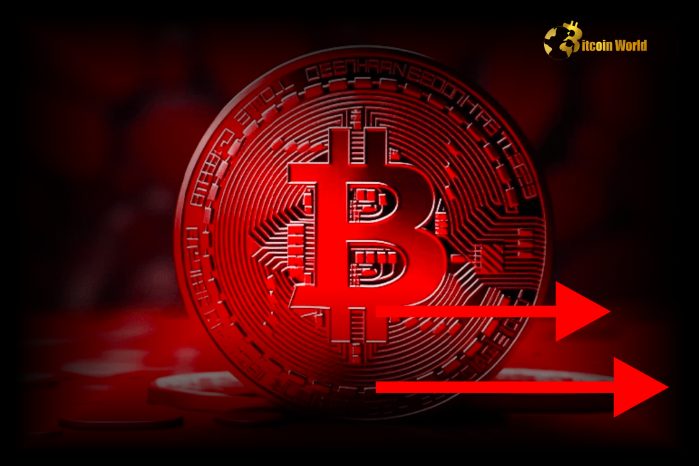
On February 26, 2025, spot Bitcoin exchange-traded funds experienced significant outflows, with close to $940 million being withdrawn, as the cryptocurrency saw a sharp decline, dropping below $88,000. This marks its lowest value since November 2024, sparking a wave of investor concern.

The latest data reveals that Bitcoin’s sudden drop sent shockwaves through the ETF market, causing investors to pull back. The vast outflow from spot Bitcoin ETFs represents a major shift in sentiment, highlighting the growing uncertainty surrounding the cryptocurrency’s future performance. Investors seem to have become increasingly risk-averse, with fears about Bitcoin’s short-term volatility playing a role in their decisions.

The sudden downturn in Bitcoin’s value has been attributed to a variety of factors. Experts point to a series of negative developments in both the macroeconomic environment and the cryptocurrency sector. The tightening of global monetary policies has put pressure on high-risk assets, and Bitcoin, often considered a speculative investment, has not been immune. Additionally, regulatory concerns and heightened scrutiny from government bodies have increased investor anxiety, particularly in major markets like the United States and Europe.

The sharp drop in Bitcoin’s price also coincides with a decline in broader market sentiment. Global equity markets have been experiencing their own challenges, with growing concerns over inflation, interest rates, and geopolitical tensions, leading investors to seek safer assets. Bitcoin, traditionally seen as a hedge against inflation, has not lived up to this reputation in the face of broader economic pressures.

Despite these challenges, Bitcoin still retains a strong following among long-term investors and institutional players. However, the massive outflows from spot Bitcoin ETFs suggest that some investors are recalibrating their positions in response to the volatile market conditions. ETF providers, particularly those offering exposure to Bitcoin, have faced significant headwinds as a result of the turbulence in the cryptocurrency market.

In the wake of the outflows, some analysts suggest that Bitcoin’s current price could stabilise as a result of the selling pressure being alleviated. Others, however, warn that the cryptocurrency remains highly vulnerable to further downward price movements. With Bitcoin’s value being particularly sensitive to both macroeconomic and regulatory shifts, many investors are adopting a wait-and-see approach, unwilling to commit more capital until the market finds more clarity.

Bitcoin’s price fluctuation has had ripple effects across the broader cryptocurrency ecosystem. Other digital assets, particularly altcoins, have followed Bitcoin’s downward trajectory. Investors, particularly those involved in the broader crypto market, are keenly watching Bitcoin’s price action, as it has historically been a barometer for the health of the entire market.

The broader impact of Bitcoin’s slide on the cryptocurrency market has raised concerns about the viability of some smaller cryptocurrencies. While Bitcoin remains the dominant player, the fall in its price has reminded many of the inherent risks in the market, particularly for investors who had hoped for sustained growth. Analysts warn that the volatility seen in Bitcoin’s price could spill over into the altcoin sector, potentially exacerbating the losses across the board.

The massive outflows from spot Bitcoin ETFs have also raised questions about the long-term prospects of Bitcoin ETFs as a financial product. While they have offered investors a more accessible route to exposure in the past, the current downturn could lead to a reevaluation of their appeal. Some experts believe that the volatility in Bitcoin’s price could ultimately limit the growth potential of Bitcoin ETFs, especially if the cryptocurrency continues to experience sharp price swings. In contrast, others argue that the evolution of Bitcoin and cryptocurrency regulations will likely determine the future growth of these investment products, regardless of short-term market fluctuations.

Bitcoin miners’ share of total on-chain transaction volume has fallen to 2.4%, the lowest level since May 2023, according to data from IntoTheBlock. This decline suggests a significant shift in miner behavior and its potential impact on the broader cryptocurrency market. Historically, miners have contributed between 3% to 4% of Bitcoin’s on-chain volume. The recent drop to 2.4% indicates a notable reduction in their activity. Several factors […]

The cryptocurrency market is experiencing significant volatility, with Bitcoin’s value dropping below $90,000 and the Crypto Fear and Greed Index falling to levels indicative of heightened investor anxiety.

Bitcoin, the leading cryptocurrency by market capitalization, has seen a substantial decline, trading at $88,420, a decrease of approximately 3.9% from the previous close. This downturn is part of a broader market sell-off affecting various digital assets.

The Crypto Fear and Greed Index, a tool that gauges market sentiment by analyzing factors such as volatility, market momentum, and social media trends, has dropped to 25, categorizing the current sentiment as “Extreme Fear.” This marks a significant shift from the previous day’s neutral position at 49.

Several factors have contributed to this decline in market confidence. A notable incident is the $1.5 billion hack of Ether from the Bybit exchange, which has raised concerns about the security of digital assets and the robustness of trading platforms. Additionally, global economic uncertainties, including potential shifts in U.S. economic policies and impending tariffs on imports from Canada and Mexico, have added to investor apprehension.

The impact of this sentiment is evident across various cryptocurrencies. Ethereum is currently trading at $2,476.08, reflecting a 1.2% decrease. Other major cryptocurrencies such as Solana , XRP, and Dogecoin have also experienced declines, with SOL plunging 14% and both XRP and DOGE down by over 8% in the past 24 hours.

Market analysts suggest that the current bearish sentiment may be overextended. They emphasize the importance of macroeconomic decisions in influencing market trajectories and caution against reactionary trading based solely on short-term market movements.

In response to the growing institutional interest in cryptocurrencies, Citadel Securities, under the leadership of Ken Griffin, has announced plans to enter the cryptocurrency market-making sector. This move aims to provide liquidity for cryptocurrencies on global exchanges, signaling a shift from the firm’s previously cautious stance on digital assets.

Despite the prevailing market downturn, some industry leaders remain optimistic about the long-term prospects of cryptocurrencies. Cathie Wood, CEO of ARK Investment Management, highlighted that institutional adoption of Bitcoin is still in its early stages. She anticipates a significant increase in Bitcoin’s value as more institutions engage with the cryptocurrency, suggesting that the current market consolidation is a healthy phase before potential growth.

Conversely, the rapid proliferation of meme-based cryptocurrencies has introduced additional volatility into the market. These meme coins, often driven by speculative trading and lacking fundamental value, have led to financial losses for many investors. High-profile endorsements and subsequent failures of such coins have underscored the need for clearer regulations to protect investors and maintain market integrity.

The recent downturn has also led to significant liquidations across the market, with over $1.5 billion in positions being liquidated within a 24-hour period. This wave of liquidations has further exacerbated the downward pressure on cryptocurrency prices, contributing to the prevailing atmosphere of fear and uncertainty among investors.

By Dr. Gyan Pathak 8th Delhi Assembly session had tumultuous session on Tuesday, February 25.. The issue of replacement of Dr B R Ambedkar’s portrait with Prime Minister Narendra Modi’s in Delhi Chief Minister’s office not only led to ruckus but also expulsion of 12 AAP MLAs. The issue is politically very sensitive and may […]

Saudi Arabia and Abu Dhabi are intensifying their efforts to transform their energy sectors, aiming to significantly increase renewable energy capacities by 2030 and 2035, respectively. These initiatives are central to their broader strategies for economic diversification and environmental sustainability. Saudi Arabia’s Vision 2030 outlines a target for renewables to constitute 50% of the nation’s energy mix by 2030, equating to approximately 130 gigawatts of renewable capacity. […]

Arabian Post Staff -Dubai The United Arab Emirates is experiencing heightened competition in its job market due to a significant influx of expatriate professionals. This surge has led to a reassessment of salary structures, with legacy expatriates witnessing a decline in the lucrative packages once prevalent. According to the Robert Half 2025 Salary Guide, the UAE’s growing expatriate population has expanded the talent pool, enabling employers to […]

Advertisements

UAE-based fintech company Flow48 has successfully raised $69 million in a Series A funding round, combining debt and equity, to enhance its financing solutions for small and medium-sized enterprises and expand into Saudi Arabia. The investment round was led by Paris-based venture capital firm Breega, with participation from investors including 212, Speedinvest, Daphni, Endeavor Catalyst, Evolution Ventures, and Plus VC. Founded in 2022 by CEO Idriss Al […]

Saudi Arabia’s residential real estate market is experiencing significant affordability challenges as property prices continue to escalate, particularly in major urban centers like Riyadh. According to Knight Frank’s Summer 2024 Saudi Arabia Residential Market Review, the first half of 2024 saw a 38% surge in total real estate transactions across all asset classes, totaling over 106,700 deals. The total value of these transactions grew by 50% to SAR 127.3 billion during the same period. Residential transactions accounted for 61% of all real estate deals by value, with a 41% increase in the number of deals, reaching just under 91,860 sales. The value of residential transactions rose by 48% to SAR 77.6 billion. citeturn0search2

Despite the robust activity, the market is grappling with deepening affordability issues. Knight Frank’s Winter 2023-24 report highlighted a 36% decline in the total value of mortgages issued, amounting to SAR 74.2 billion, as higher interest rates and escalating property prices deter potential buyers. Mortgage rates have risen from 3% to 5% over the past year, further eroding purchasing power, especially in the villa segment. This trend indicates that while transaction volumes are increasing, the financial burden on buyers is intensifying. citeturn0search3

The government’s ambitious Vision 2030 plan aims to achieve a 70% homeownership rate by the end of the decade. However, the Financial Times reported that property prices in Riyadh have surged dramatically since the pandemic, with house prices rising by 81% and apartment prices by 56% since 2020. This rapid appreciation has made homeownership increasingly unattainable for many Saudis, particularly in Riyadh, where the current homeownership rate stands at 53.2%. To combat this, the National Housing Company has initiated projects to construct over 30,000 housing units, and state-subsidized bank loans are being offered to assist buyers. Despite these efforts, the influx of young Saudis to Riyadh for new job opportunities has intensified demand, further driving up prices. citeturn0news9

Knight Frank’s research indicates that 77% of expatriates residing in Saudi Arabia are interested in purchasing homes within the Kingdom. However, 75% are willing to allocate under SAR 1.5 million for a property, with almost 40% unwilling to spend over SAR 750,000. This presents a significant challenge, as average prices in cities like Riyadh are approximately SAR 800,000 for a two-bedroom apartment and SAR 2.7 million for a three-bedroom villa. The disparity between expatriates’ budgets and prevailing market prices underscores the pressing need for more affordable housing options. citeturn0search8

The affordability crisis is further exacerbated by the Kingdom’s substantial investments in mega-projects under the Vision 2030 initiative. Business Insider reported that Saudi Arabia has invested $1.3 trillion in real estate and infrastructure over the past eight years, with the Neom megacity project alone receiving $28.7 billion in funding. While these projects aim to modernize the economy and reduce dependence on oil revenue, they have also contributed to rising property values, making it more challenging for average citizens to enter the housing market. citeturn0news10

Bitcoin’s value has experienced a significant decline, falling below the $90,000 threshold for the first time since November 2024. The cryptocurrency reached a low of $86,000, marking a substantial drop from its peak of $109,225 observed on January 20, 2025. This downturn has led to widespread market repercussions, including over $1.6 billion in liquidations within the past 24 hours.

The recent sell-off has been attributed to a confluence of factors, notably escalating geopolitical tensions and internal challenges within the cryptocurrency ecosystem. President Donald Trump’s administration has introduced new tariffs on Mexico and Canada, measures perceived as inflationary and potentially detrimental to economic growth. These policies have contributed to a broader risk-averse sentiment among investors, leading to a retreat from volatile assets such as cryptocurrencies.

In addition to geopolitical concerns, the security of cryptocurrency platforms has come under scrutiny. A significant breach occurred on February 21, 2025, when Bybit, a prominent Dubai-based crypto exchange, suffered a hack resulting in the loss of approximately $1.5 billion. This incident has exacerbated apprehensions regarding the safety of digital assets, prompting further sell-offs in the market.

The cascading effect of these events has led to substantial liquidations across the cryptocurrency market. Data indicates that over 362,000 traders have been affected, with total liquidations surpassing $1.3 billion in the past day. Bitcoin alone accounted for $523 million of these liquidations, underscoring the volatility and heightened risk associated with leveraged trading positions.

Market analysts are closely monitoring key support levels for Bitcoin. The breach of the $90,000 support has raised concerns about potential further declines. Technical analysis suggests that if Bitcoin fails to maintain support at $86,000, it could test lower thresholds, with significant support anticipated around the $80,400 and $74,000 levels. Conversely, resistance levels are identified at $98,500 and $106,000, which Bitcoin would need to surpass to signal a potential reversal of the current downward trend.

The broader cryptocurrency market has mirrored Bitcoin’s downturn. Major altcoins such as Ether and XRP have experienced notable declines, with Ether dropping 8.5% to $2,416 and XRP falling by 5% to $2.24. The overall market capitalization has contracted significantly, reflecting the pervasive uncertainty and risk aversion among investors.

Investor sentiment has been further dampened by unmet expectations regarding regulatory support for cryptocurrencies. The initial optimism surrounding a crypto-friendly stance from the current U.S. administration has not materialized into concrete policy changes. This lack of regulatory clarity, coupled with economic challenges, has contributed to the recent sell-off and the erosion of confidence in the market.

In response to the heightened volatility, traders are advised to exercise caution, particularly those engaged in leveraged positions. The current market environment underscores the importance of risk management and the need for a thorough understanding of the factors influencing cryptocurrency valuations.

A fraudulent account impersonating Sam Bankman-Fried, the incarcerated founder of FTX, has emerged on X , disseminating false information and promoting dubious meme coins. This development follows Bankman-Fried’s unexpected return to social media after a two-year hiatus, during which he commented on government layoffs and corporate management challenges.

The impersonating account falsely claimed that former President Donald Trump had pardoned Bankman-Fried and that he was joining the Department of Government Efficiency , a fictitious entity purportedly led by Elon Musk. The account further promoted the issuance of a meme coin, sharing a contract address and urging users to invest. These assertions are entirely baseless, as Bankman-Fried remains incarcerated, serving a 25-year sentence for fraud and conspiracy to launder money.

The fraudulent account managed to obtain a gray verification checkmark on X, typically reserved for government or multilateral organization accounts, suggesting a possible compromise of an official account. This misuse of verification has raised concerns about the platform’s security measures and the potential for such scams to mislead users.

In response to the scam, multiple users reported the account for suspicious activity, highlighting the dangers of identity theft and fraud in the digital space. The deceptive messages were swiftly removed, but not before causing confusion and potential financial harm to unsuspecting investors.

This incident underscores the importance of vigilance in the cryptocurrency community, where scammers frequently exploit high-profile figures and current events to perpetrate fraud. Users are advised to verify information through official channels and exercise caution when encountering unsolicited investment opportunities, especially those promising unrealistic returns.

The emergence of this fraudulent account coincided with Bankman-Fried’s genuine activity on X, where he broke his two-year silence to discuss issues related to government layoffs and corporate management. In his posts, he drew parallels between unemployment and his own experiences, stating, “I have a lot of sympathy for gov’t employees: I, too, have not checked my email for the past few days.” He further reflected on the challenges of layoffs, suggesting they often stem from management failures rather than employee performance.

Bankman-Fried’s unexpected return to social media has sparked discussions about his access to communication tools while incarcerated and the broader implications of his statements. However, the appearance of the fraudulent account has overshadowed these conversations, highlighting the persistent threat of scams in the cryptocurrency sector.

Litecoin, a prominent cryptocurrency known for its swift and cost-effective transactions, has unveiled the .LTC domain, enabling users to establish personalized onchain identities. This initiative, developed in partnership with Unstoppable Domains, aims to enhance user interaction within the Litecoin ecosystem by replacing complex wallet addresses with memorable domain names.

The .LTC domain offers several advantages to the Litecoin community. Users can now send and receive Litecoin using easily recognizable names, eliminating the need for lengthy alphanumeric wallet addresses. This simplification is expected to improve user experience and reduce errors in transactions. Additionally, owning a .LTC domain allows individuals to showcase their affiliation with Litecoin, fostering a sense of identity and pride within the community.

Beyond simplifying transactions, .LTC domains are designed to integrate seamlessly with various onchain applications, including decentralized finance platforms, gaming, and encrypted messaging services. This versatility positions the .LTC domain as a comprehensive tool for users seeking to engage more deeply with blockchain-based applications.

In a move to further legitimize the .LTC domain, Unstoppable Domains is collaborating with Litecoin on an ICANN generic top-level domain application. If approved, this would incorporate .LTC into the global domain name system, providing users with a universally recognized digital identity. This development underscores the commitment to integrating blockchain technology with existing internet infrastructure, offering users a blend of innovation and familiarity.

The introduction of .LTC domains reflects a broader trend in the cryptocurrency industry, where digital assets are increasingly focusing on user-friendly solutions to drive adoption. By providing tools that simplify interactions and enhance personal branding, cryptocurrencies like Litecoin are positioning themselves for broader acceptance and utility in everyday transactions.

As of February 26, 2025, Litecoin is trading at $119.03 USD, reflecting a change of $4.43 from the previous close. The intraday high stands at $120.87 USD, with a low of $107.02 USD. This price stability indicates a steady interest in Litecoin, potentially bolstered by innovations such as the .LTC domain initiative.

https://www.census.gov/foreign-trade/balance/c5700.htmlhttps://www.census.gov/foreign-trade/balance/c5700.htmlBy Dr. Nilanjan Banik The US-China trade war has been a focal point of economic discussions for a significant period, as the world’s two largest economies have imposed tariffs on each other’s goods. The Trump administration imposed 10% tariffs on Chinese imports, while China, in turn, levied 15% tariffs on US liquid natural gas (LNG) […]

New advanced solutions in climate control and energy management promise greater operational efficiency and reduced environmental impact for multiple applications Suzhou, China – Copeland, a global provider of sustainable climate solutions, announced today the expansion of its variable speed technology platform, integrating compressors, drives, and controllers for heating, cooling and refrigeration systems. This integrated solution drives enhanced efficiency, precise control, and sustainability across a wide range of […]

Careem, the region’s leading multi-service platform, has announced a partnership with Bustanica, the world’s largest vertical farm, to deliver fresh, pesticide-free produce directly to customers across the United Arab Emirates . This collaboration aims to enhance access to high-quality, locally grown vegetables, reinforcing the nation’s commitment to food security and sustainable agricultural practices.

Bustanica, a $40 million investment by Emirates Flight Catering and Crop One Holdings, operates a 330,000-square-foot facility near Al Maktoum International Airport in Dubai. Utilising advanced hydroponic technology, the farm produces over 1,000,000 kilograms of leafy greens annually, including lettuce, spinach, parsley, and kale. The innovative farming methods employed allow for cultivation without soil, natural sunlight, or pesticides, and use 95% less water than traditional agriculture.

Through this partnership, Careem’s customers can order Bustanica’s fresh produce via the Careem app, ensuring convenient access to nutritious greens harvested daily. The produce is grown in a controlled environment, free from pesticides, herbicides, and chemicals, guaranteeing high-quality, clean, and safe food options for consumers.

Bustanica’s facility operates on a continuous production cycle, driven by machine learning, artificial intelligence, and a team of experts in agronomy, engineering, horticulture, and plant science. This approach ensures a consistent supply of fresh produce, unaffected by external factors such as weather or pests. The closed-loop system employed in the farm recycles water, leading to significant conservation of resources—saving over 250 million litres annually compared to traditional farming methods.

The collaboration between Careem and Bustanica not only provides consumers with easy access to fresh, locally grown produce but also supports the UAE’s National Food Security Strategy 2051. This strategy emphasises sustainable food production through advanced technology and smart solutions, aiming to balance food security with resource conservation and economic diversification.

By integrating Bustanica’s produce into its delivery platform, Careem is contributing to the promotion of healthy eating habits and the reduction of the UAE’s reliance on imported foods. This initiative aligns with the global trend of adopting vertical farming and other innovative agricultural practices to address food security challenges, especially in regions with arid climates and limited arable land.

The partnership also highlights the role of technology in revolutionising the agriculture sector. Bustanica’s use of artificial intelligence and machine learning optimises growing conditions, enhances crop yields, and ensures the efficient use of resources. This model of farming presents a viable solution for sustainable food production in urban settings, reducing the carbon footprint associated with food transportation and promoting environmental conservation.

As the UAE prepares to host the COP28 summit, initiatives like the Careem-Bustanica partnership underscore the nation’s commitment to environmental sustainability and innovative solutions to global challenges. By investing in and supporting such projects, the UAE is positioning itself as a leader in sustainable agriculture and food security on the world stage.

Etihad Airways is set to announce the launch of an initial public offering worth $1 billion, sources have revealed. This marks a significant milestone in the aviation industry, as it would be the first public listing by a major Gulf airline in nearly two decades.

The airline, which is fully owned by Abu Dhabi’s sovereign wealth fund ADQ, intends to offer 20% of its business to the public, with the funds raised being allocated towards accelerating its expansion plans. The decision to go public highlights Etihad’s ambitions to position itself as a stronger player in the global airline industry.

The move also underscores the growing trend among Gulf-based companies to raise capital through IPOs, following a wave of high-profile listings in the region. The Middle East has witnessed a surge in IPO activity in recent years, driven by a desire for diversification and economic growth, in line with the region’s broader efforts to reduce reliance on oil revenues.

Etihad’s decision to open up its equity to public investors is part of a larger strategy aimed at enhancing its operational capabilities and competing more effectively with regional and international rivals. The airline’s plans include expanding its fleet, increasing flight frequencies, and potentially adding new routes to cater to growing demand in key global markets.

The IPO also reflects the broader changes taking place in the aviation sector, particularly in the Gulf region. Airlines in the region, such as Emirates and Qatar Airways, have been aggressively investing in their fleets and expanding their networks in a bid to capture more market share. Etihad’s move to become a publicly traded entity comes as the airline looks to consolidate its position as a leading regional carrier, competing with its peers.

Sources close to the matter suggest that Etihad’s management team is optimistic about the potential success of the IPO, given the ongoing recovery in the global travel industry following the challenges posed by the COVID-19 pandemic. The airline is reportedly confident that investors will be attracted to its growth prospects, as air travel demand rebounds and the aviation sector experiences a strong recovery.

The IPO will be managed by a consortium of financial institutions, which are expected to handle the share sale process. The precise timing of the launch is yet to be confirmed, but it is anticipated to take place in the coming days. As part of the offering, Etihad is likely to sell a portion of its shares to institutional investors, with a smaller portion allocated to retail investors.

Etihad Airways has faced a challenging few years as it navigated the impacts of the global pandemic, which resulted in a significant decline in air travel demand. However, the airline has implemented a series of cost-cutting measures and streamlined its operations in an effort to adapt to the changing market environment. These efforts, coupled with its focus on expanding its network and enhancing its product offering, have positioned Etihad for long-term growth.

Despite the challenges faced by the airline, Etihad has remained committed to its vision of becoming a global aviation leader. The airline’s investment in new technologies, customer service initiatives, and sustainability measures has helped bolster its reputation and attract a loyal customer base. By tapping into the capital markets, Etihad hopes to strengthen its financial position and continue to invest in its future growth.

The IPO is expected to be closely watched by market analysts, investors, and industry experts alike, as it could signal the beginning of a new era for Gulf airlines. If successful, Etihad’s IPO could set a precedent for other regional carriers considering similar moves. Airlines in the region are under increasing pressure to modernize their fleets, improve operational efficiencies, and adapt to changing consumer preferences.

Etihad’s decision to go public is part of the wider trend in the Gulf region, where state-owned companies are increasingly seeking to diversify their operations and raise funds to support growth initiatives. The UAE government has been actively encouraging the privatization of certain state-owned entities to promote economic development and attract foreign investment.

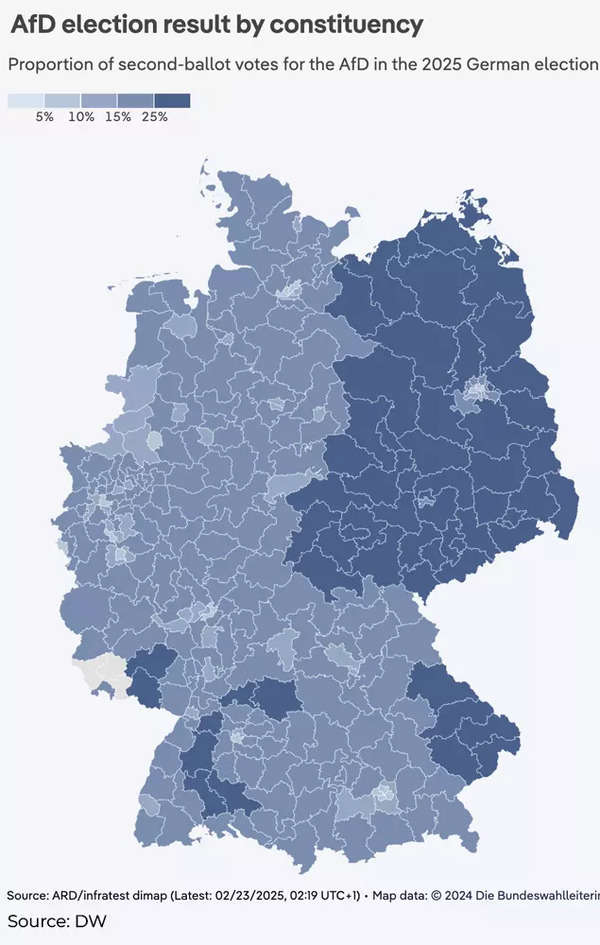
By Nitya Chakraborty The final results of Germany’s national elections held on February 23 are being debated intensively in the global media, especially in the European media about the upsurge of the far right party AFD which virtually doubled its voting percentage in the 2025 elections compared to the 2021 national elections. The ruling Social […]

Dovetail Games, renowned for its simulation titles, has unveiled a significant leadership change. Gemma Brown and Rob O’Farrell have been appointed as Co-Chief Executive Officers, succeeding Jon Rissik, who is stepping down after over 12 years of service.

Gemma Brown, previously the Chief Operating Officer, brings 12 years of experience within the company. Rob O’Farrell, formerly the Chief Development Officer, has dedicated 11 years to Dovetail Games. Their combined expertise is expected to provide continuity and drive the company’s future growth.

In a joint statement, Brown and O’Farrell expressed their commitment to the company’s community-centric approach: “We deeply believe in the unique model of our studio, which places the gaming community at the heart of everything we do.” They also praised the dedication of Dovetail’s teams, emphasizing their excitement to build a promising future together.

Geoffroy Sardin, Deputy CEO of Pullup Entertainment, the parent company of Dovetail Games, highlighted the significance of this leadership transition: “The appointment of Gemma and Rob is a pivotal moment for Dovetail Games and reflects Pullup Entertainment’s commitment to promoting exceptional internal talent.” Sardin believes their combined expertise will be instrumental in the studio’s future endeavors.

This leadership change comes nearly two years after Pullup Entertainment, formerly known as Focus Home Entertainment, acquired Dovetail Games in April 2023. The acquisition aimed to bolster Pullup’s portfolio in the simulation genre, with Dovetail Games being a prominent developer in this sector.

Under Rissik’s leadership, Dovetail Games expanded its reach in the simulation market, notably with the “Train Sim World” series. The latest installment, “Train Sim World 5,” was released recently, offering enhanced features and new routes for enthusiasts. The game has received positive feedback for its realistic gameplay and attention to detail.

Brown and O’Farrell have been integral to the development and success of these titles. As COO, Brown oversaw operational strategies, ensuring efficient processes and team coordination. O’Farrell, as CDO, led the development teams, focusing on innovation and quality in game design.

Their promotion to Co-CEOs is seen as a strategic move to maintain the company’s momentum and foster a collaborative leadership model. This approach aims to leverage their complementary skills and experiences, ensuring a balanced and comprehensive oversight of the company’s operations and creative direction.

The decision to appoint Co-CEOs is relatively uncommon in the gaming industry, where singular leadership is more typical. However, Dovetail Games’ choice reflects a growing trend among companies recognizing the benefits of shared leadership, especially in complex and rapidly evolving sectors like video game development.

Industry analysts suggest that this dual leadership could position Dovetail Games to better navigate the challenges of the gaming market, including technological advancements, shifting consumer preferences, and increased competition. By combining Brown’s operational acumen with O’Farrell’s development expertise, the company is poised to continue delivering high-quality simulation experiences to its audience.

As the gaming industry continues to evolve, Dovetail Games’ commitment to its community and innovative leadership structure may serve as a model for other companies seeking to adapt and thrive in this dynamic environment.

The transition is effective immediately, with Brown and O’Farrell already assuming their new roles. The company has not announced any other executive changes at this time.


South Dakota’s House Commerce and Energy Committee has effectively terminated a legislative proposal that would have permitted the state to allocate a portion of its public funds to Bitcoin investments. During a session on February 24, the committee voted to defer House Bill 1202 to the 41st day of the legislative session, a procedural move that, given the session’s 40-day limit, effectively kills the bill for this term.

Introduced by Representative Logan Manhart on January 30, HB 1202 sought to amend the state’s public funds investment strategy, allowing up to 10% of the portfolio to be invested in Bitcoin. Proponents argued that such a move could diversify the state’s investments and position South Dakota at the forefront of digital asset adoption among U.S. states.

However, the proposal faced significant opposition within the committee. Critics raised concerns about the volatility of Bitcoin, the lack of comprehensive federal regulation, and the potential risks associated with allocating public funds to a relatively nascent and fluctuating asset class. These apprehensions contributed to the decision to defer the bill, effectively halting its progress for the current legislative session.

Despite this setback, Representative Manhart has expressed his intention to reintroduce the legislation in 2026. In a statement on social media platform X, he acknowledged the challenges faced but remained optimistic about the future integration of digital assets into the state’s investment portfolio.

South Dakota’s move mirrors similar legislative efforts in other states. In North Dakota, a proposal to establish a Bitcoin reserve was narrowly defeated, with 57 representatives opposing and 32 in favor. Montana’s House Bill 429, which aimed to create a state revenue account for investments in precious metals and digital assets, also failed to pass, with 59 votes against and 41 in support. Wyoming saw its HB 0201 bill, authorizing the state treasurer to invest public funds in Bitcoin, rejected by seven out of nine representatives.

Conversely, some states continue to explore the potential of integrating digital assets into their financial strategies. Utah is on the verge of passing legislation that would permit up to 5% of major state funds to be invested in qualifying digital assets. Arizona’s Strategic Bitcoin Reserve Act, which proposes allocating up to 10% of state and public funds, including pension funds, to Bitcoin, recently advanced past the Senate Finance Committee with a five-to-two vote and awaits further debate in the Senate Rules Committee.

At the federal level, President Donald Trump has been a vocal advocate for the United States establishing a national cryptocurrency reserve. In an executive order dated January 23, he proposed the formation of a working group to explore the creation and maintenance of a U.S. crypto stockpile. However, many of his executive orders have encountered legal challenges, with opponents questioning their constitutionality.

The mixed outcomes of these legislative efforts reflect the broader national debate over the adoption and regulation of digital assets. Proponents argue that incorporating cryptocurrencies like Bitcoin into state investment portfolios can offer diversification benefits and hedge against traditional market fluctuations. Critics, however, point to the inherent volatility of digital currencies, the potential for regulatory upheaval, and the fiduciary responsibility to safeguard public funds from high-risk investments.

In South Dakota, the deferral of HB 1202 underscores the cautious approach many state legislatures are adopting toward cryptocurrency investments. While the current bill has been shelved, the conversation surrounding digital assets and their place in public investment strategies is far from over. As the regulatory environment evolves and more data becomes available, future legislative sessions may revisit the topic with renewed perspectives and insights.

California’s Attorney General, Rob Bonta, has issued legal advisories emphasizing that existing state laws apply to the development and use of artificial intelligence . These advisories highlight the necessity for businesses to ensure their AI systems comply with consumer protection, civil rights, competition, and data privacy regulations. The advisories also underscore the importance of transparency, urging entities to disclose AI usage to consumers and ensure the reliability […]

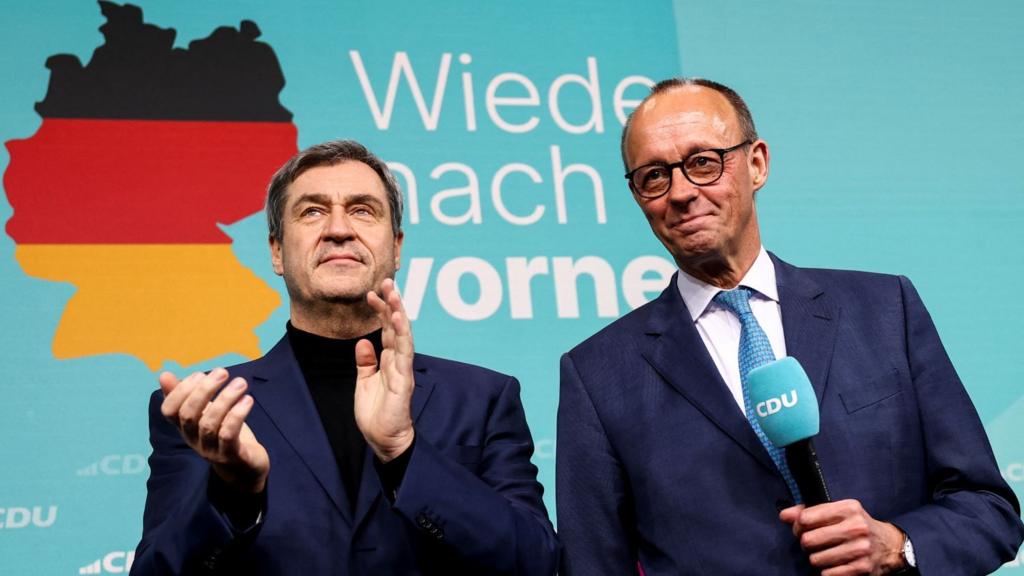
By Satyaki Chakraborty The polarization in German politics widened after national elections on Sunday, February 23 in which the conservative CDU/CSU with 28.5 per cent votes topped among the political parties followed by the far right AFD at 20.7 per cent and the centre-left SPD at 16.5 per cent. The remarkable feature was the resurgence […]

Stellar’s native cryptocurrency, XLM, is confronting a significant downturn, with technical analyses indicating a potential 35% price drop. Currently trading at approximately $0.298598, XLM has experienced a downward trajectory, influenced by prevailing bearish market sentiments and specific chart patterns.

Technical indicators have identified the formation of a ‘death cross’ on XLM’s daily chart, where the 50-day moving average crosses below the 200-day moving average. This pattern is traditionally viewed as a strong bearish signal, suggesting potential for further declines. Analysts project that if this trend persists, XLM’s price could descend to around $0.22, marking a 35% decrease from its current value.

Further compounding the bearish outlook, the Relative Strength Index for XLM has fallen below the neutral 50.00 threshold, indicating increased selling pressure. The RSI’s decline reflects a shift towards bearish momentum, raising concerns among investors about the cryptocurrency’s near-term performance.

Market sentiment surrounding XLM has also been adversely affected by a broader decline in the cryptocurrency sector. Over the past week, XLM’s price has decreased by approximately 9.74%, aligning with a general downturn observed across various digital assets. This trend suggests that macroeconomic factors and investor caution are contributing to the current market dynamics.

Despite the prevailing bearish indicators, some analysts advise caution before making definitive conclusions about XLM’s future trajectory. While technical patterns like the death cross and declining RSI provide insights into potential trends, they do not guarantee specific outcomes. Investors are encouraged to consider a range of factors, including market volatility and external economic influences, when evaluating their positions in XLM.

In response to the current market conditions, some investors are exploring alternative cryptocurrencies that may offer resilience against the downturn affecting XLM. Assets such as Chainlink and Dogecoin have demonstrated relative stability, prompting market participants to diversify their portfolios in an effort to mitigate potential losses associated with XLM’s decline.

Aux Cayes FinTech Co., the operator of the cryptocurrency exchange OKX, has pleaded guilty to operating an unlicensed money-transmitting business in the United States and agreed to pay approximately $505 million in fines and forfeitures. This development underscores the increasing regulatory scrutiny faced by cryptocurrency platforms operating without proper authorization.

The U.S. Department of Justice announced that the Seychelles-based company admitted to violating U.S. anti-money laundering laws by serving U.S. customers without the necessary registration as a money services business with the Financial Crimes Enforcement Network . Despite an official policy prohibiting U.S. users, OKX facilitated transactions for American clients, including significant institutional players.

From 2018 through early 2024, OKX processed over $1 trillion in transactions for U.S. customers, generating hundreds of millions of dollars in fees and profits. Notably, the platform facilitated more than $5 billion in suspicious transactions and criminal proceeds during this period. Prosecutors highlighted instances where OKX employees allegedly advised customers on circumventing geographic restrictions, including instructing them to falsify identity credentials by claiming residence in the United Arab Emirates and using random numbers for identification purposes.

In addition to serving retail customers, OKX’s U.S. institutional clients were among its largest customers. One firm alone generated over $1 trillion in transactions, despite OKX’s failure to register as an MSB and its official policy banning U.S. customers. This significant activity from institutional clients contributed substantially to the platform’s revenue from U.S. operations.

The resolution of this case includes an $84.4 million fine and a $420.3 million forfeiture, reflecting the profits derived from these unauthorized activities. As part of the plea agreement, OKX is required to employ an external compliance consultant through February 2027 to ensure adherence to U.S. regulations. This measure aims to prevent future violations and enhance the platform’s internal controls.

In a statement, Aux Cayes FinTech acknowledged the improper trading by U.S. customers, attributing these infractions to “legacy compliance gaps.” The company emphasized that U.S. customers constituted a small percentage of its overall user base and asserted that these clients are no longer serviced on the OKX platform. This acknowledgment indicates a shift towards stricter compliance measures and a reevaluation of the platform’s operational policies.

The DOJ’s action against OKX is part of a broader effort to enforce compliance within the rapidly evolving cryptocurrency industry. Authorities have been intensifying their focus on platforms that fail to adhere to regulatory standards, particularly those related to anti-money laundering and customer identification protocols. This case serves as a precedent, signaling to other cryptocurrency exchanges the importance of obtaining proper licensing and implementing robust compliance programs.

OKX, established in 2017, has grown to become one of the world’s largest cryptocurrency exchanges, offering a wide range of digital asset trading services. The platform’s rapid expansion and substantial trading volumes have attracted both retail and institutional investors globally. However, this growth has also drawn the attention of regulators concerned about the potential for illicit activities facilitated through unregulated platforms.

The enforcement action against OKX highlights the challenges faced by cryptocurrency exchanges operating across multiple jurisdictions with varying regulatory frameworks. As the industry matures, exchanges are increasingly required to navigate complex legal landscapes to ensure compliance and maintain their reputations. This case underscores the necessity for platforms to proactively engage with regulators and implement comprehensive compliance strategies.

Market analysts suggest that this significant penalty may prompt other cryptocurrency exchanges to reassess their compliance practices and operational policies, particularly those serving customers in regions with stringent regulatory requirements. The financial and reputational repercussions faced by OKX could serve as a catalyst for industry-wide reforms aimed at enhancing transparency and regulatory adherence.

Investors and users of cryptocurrency platforms are advised to remain vigilant and ensure that the exchanges they engage with are fully compliant with relevant regulations. This due diligence is crucial in mitigating risks associated with potential legal actions and ensuring the security of their assets. The OKX case serves as a reminder of the importance of regulatory compliance in fostering a secure and trustworthy cryptocurrency ecosystem.

As the cryptocurrency landscape continues to evolve, regulatory bodies worldwide are expected to intensify their oversight to address concerns related to illicit activities and consumer protection. Exchanges operating without proper authorization may face increased scrutiny and enforcement actions, emphasizing the need for robust compliance frameworks within the industry.

In an unprecedented cyberattack, cryptocurrency exchange Bybit has suffered a $1.5 billion theft, marking the largest crypto heist to date. The U.S. Federal Bureau of Investigation has intensified its search for Park Jin Hyok, a North Korean hacker linked to the Lazarus Group, suspected of orchestrating this massive breach.

Bybit reported that during a routine transfer between digital wallets, an attacker manipulated the process, diverting approximately $1.5 billion worth of Ethereum to an unidentified address. CEO Ben Zhou assured customers that their remaining assets are secure, though withdrawal requests may experience delays. Zhou emphasized the company’s financial resilience, stating that Bybit can absorb the loss and remain solvent even if the stolen funds are not recovered.

The FBI has identified the Lazarus Group, also known as APT38, as the entity responsible for this theft. This group, comprising North Korean state-sponsored cyber actors, has a notorious history of high-profile cybercrimes. Park Jin Hyok, a key member, is allegedly involved in several significant cyber intrusions, including the 2014 Sony Pictures hack and the 2017 WannaCry ransomware attack. The FBI’s wanted list describes Park as a state-sponsored programmer involved in some of the costliest computer intrusions in history.

In response to the breach, Bybit has taken swift measures to mitigate the impact. The company conducted a fresh audit and restored its reserves to a 1:1 ratio within 72 hours of the incident. Blockchain analytics firm Lookonchain reported that Bybit purchased approximately 266,700 ETH, equivalent to $742 million, over two days to replenish its reserves. Zhou confirmed this development, stating that Bybit has fully closed the Ethereum gap caused by the hack.

The cryptocurrency community has been closely monitoring the movement of the stolen funds. Analysts have noted that the hackers face challenges in liquidating the stolen Ethereum due to potential blacklisting by major stablecoin issuers like Circle and Tether. This situation has led to discussions about the possible bullish impact on Ethereum’s price, as the removal of a significant amount of ETH from circulation could affect market dynamics.

This incident has raised concerns about the security of cryptocurrency exchanges and the broader implications for the market. Following the hack, major cryptocurrencies experienced declines. Bitcoin’s price dropped by 0.4% to $95,822, while Ethereum’s price decreased by 4% to $2,698. These downturns are attributed to a combination of the Bybit hack and broader macroeconomic and geopolitical events.

The Bybit heist surpasses previous major cryptocurrency thefts, including the $610 million Poly Network hack in 2021 and the $540 million Ronin Network breach in 2022. These recurring incidents underscore the persistent security challenges within the cryptocurrency industry. In 2024 alone, over $2 billion was lost to hacking, marking the fourth consecutive year of billion-dollar thefts in the sector.

The FBI’s pursuit of Park Jin Hyok and the Lazarus Group highlights the ongoing efforts to combat state-sponsored cybercrimes. The agency has previously linked the group to various cyberattacks, including the $41 million theft from Stake.com in 2023. These actions are part of a broader strategy to hold malicious cyber actors accountable and prevent future incidents.

VISHNU RAJA
RYO YAMADA
HITORI GOTOH
IKUYO KITA