News related to
Bank

By Nantoo Banerjee Union Finance Minister Nirmala Sitharaman’s advice to government-controlled banks to launch special drives to step up deposit mobilization to catch up with the demand for loans may give a wrong impression that the public sector bank (PSB) management does not know the basic principles of banking. How can a PSB mobilise enough […]

Donald Trump’s foray into cryptocurrency has made headlines with the launch of his new venture, but the excitement has been tempered by a significant drop in Toncoin’s value and the sentencing of a bank CEO in a major scam case.

The launch of Trump’s new cryptocurrency project, the “DeFiant Ones,” marks a bold entry into the crypto market by the former President. This venture aims to offer decentralized financial solutions and attract investors with its promises of innovation and security. The project has garnered considerable attention, reflecting Trump’s continued influence and interest in emerging technologies. Despite this, the timing of the launch coincides with troubling news from the crypto world.

Toncoin, a prominent digital currency linked with the Telegram Open Network, has experienced a steep decline in value. The coin’s fall is attributed to a combination of regulatory concerns and market volatility, which have unsettled investors. The cryptocurrency’s drop has raised questions about the stability of newer digital assets and their susceptibility to market fluctuations. Analysts are closely monitoring the situation to gauge the long-term impact on Toncoin and similar projects.

Adding to the financial turbulence is the sentencing of a high-profile bank CEO involved in a cryptocurrency-related scam. The executive, who led a major banking institution, was sentenced to 24 years in prison for orchestrating a fraudulent scheme that deceived investors and embezzled millions. This case highlights the growing risks associated with cryptocurrency investments and the importance of regulatory oversight in the financial sector.

The convergence of these events underscores the volatility and complexity of the cryptocurrency market. Trump’s new project seeks to capitalize on the growing interest in decentralized finance, but it faces an environment marked by uncertainty and skepticism. Meanwhile, the Toncoin crash and the CEO’s sentencing illustrate the broader challenges facing the crypto industry, from regulatory pressures to fraudulent activities.

Investors and stakeholders are left navigating a landscape fraught with both opportunities and risks. As the crypto world evolves, the impact of these developments will likely shape future trends and regulatory approaches.

CoinMENA B.S.C., a prominent crypto asset platform regulated by the Central Bank of Bahrain, has announced a strategic partnership with Bitpanda Technology Solutions. This collaboration is set to bolster trading efficiency and diversify the range of crypto assets on CoinMENA’s platform.

The integration with Bitpanda Technology Solutions, a well-established provider of digital asset infrastructure in Europe, is expected to significantly enhance the functionality and user experience of CoinMENA’s trading services. This move aligns with CoinMENA’s strategy to cater to the growing demand for advanced trading solutions and a broader selection of cryptocurrencies.

Bitpanda’s advanced technology infrastructure will enable CoinMENA to offer improved trading features, such as faster execution times and more reliable transaction processes. The partnership also aims to expand the platform’s asset offerings, giving users access to a wider array of digital assets and trading options.

This collaboration underscores CoinMENA’s commitment to providing cutting-edge solutions and meeting the evolving needs of its users in a competitive market. By leveraging Bitpanda’s expertise, CoinMENA seeks to solidify its position as a leading player in the crypto asset industry, enhancing both the operational efficiency and the overall user experience on its platform.

The strategic alliance with Bitpanda reflects a broader trend in the cryptocurrency sector, where platforms are increasingly partnering with technology providers to enhance their services and expand their offerings. This approach not only boosts trading capabilities but also supports the integration of new and emerging digital assets into trading platforms.

As the cryptocurrency market continues to evolve, such partnerships are becoming crucial for platforms aiming to maintain a competitive edge and address the diverse needs of their user base. CoinMENA’s latest collaboration with Bitpanda is a significant step towards achieving these objectives, signaling a positive development for the platform and its users.

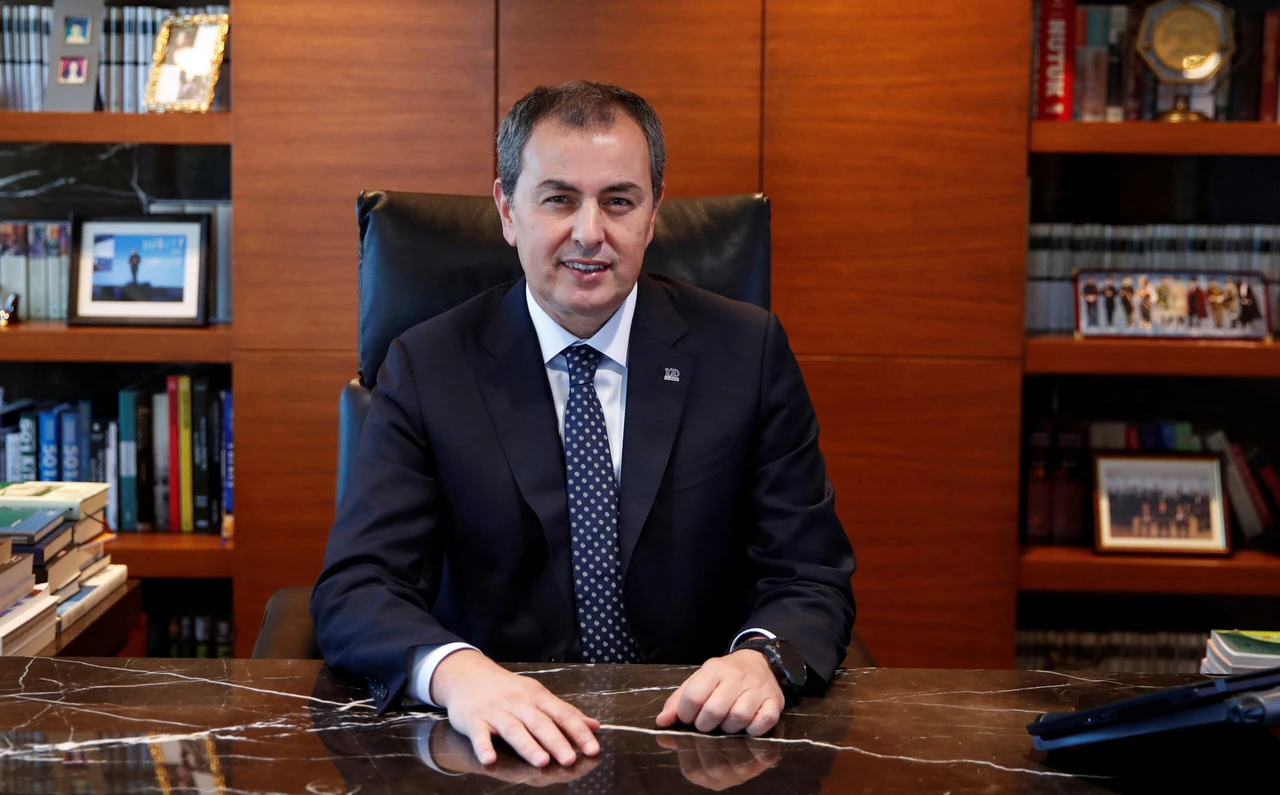
Isbank CEO, Hakan Aran, acknowledged significant hurdles for the bank as it navigates the complex economic landscape of Turkey. The country’s soaring inflation and fluctuating interest rates have cast a long shadow over the financial sector. In a notable development, Aran outlined plans for a strategic rate cut in November, a move anticipated to affect both the bank’s operations and the broader Turkish economy.

Aran’s statement came on the heels of Isbank’s centennial celebrations, marking 100 years of operation. This milestone underscores the institution’s long-standing presence in the Turkish financial market, which is currently under intense scrutiny due to the nation’s economic volatility. Despite Isbank’s historic achievements, the challenges posed by Turkey’s economic conditions are expected to shape its future strategies.

Inflation in Turkey has surged to unprecedented levels, driven by a combination of global economic pressures and domestic factors. The Central Bank of Turkey has responded with high interest rates, aiming to curb inflation and stabilize the currency. However, this policy has led to a constrained lending environment, impacting banks’ profitability and operational flexibility.

Isbank’s upcoming rate cut is a strategic response to these economic pressures. By lowering its rates, Isbank aims to stimulate lending and support economic growth amidst a challenging environment. The decision aligns with broader efforts by Turkish authorities to balance inflation control with economic growth stimulation. Aran emphasized that the rate cut is designed to enhance the bank’s competitiveness and support its clients during these turbulent times.

As Isbank celebrates its 100th anniversary, the institution reflects on a century of navigating Turkey’s economic ups and downs. The anniversary provides an opportunity for introspection and reassessment of the bank’s strategies in the face of evolving economic conditions. Aran highlighted that while the historical legacy of Isbank is a source of pride, the focus must remain on adapting to contemporary challenges.

The Turkish financial sector, including Isbank, is grappling with a tight economic environment marked by high inflation rates and fluctuating currency values. The Central Bank’s high interest rate policy, while aimed at stabilizing the economy, has created a complex landscape for financial institutions. Banks are required to balance the need for competitive interest rates with the necessity of maintaining financial stability and profitability.

Aran’s approach involves a nuanced understanding of these economic dynamics. The planned rate cut is seen as a proactive measure to mitigate some of the adverse effects of the high-interest environment. By adjusting its rates, Isbank aims to enhance its lending capabilities and provide better support to its clients, particularly businesses and individuals affected by the current economic pressures.

The broader context of Turkey’s economic challenges includes global factors such as energy price fluctuations and supply chain disruptions, which have exacerbated inflationary pressures. Domestic economic policies and geopolitical factors also play a crucial role in shaping the financial environment.

Isbank’s response to these challenges reflects a broader trend among Turkish banks to adapt their strategies in response to changing economic conditions. As the financial sector continues to evolve, the ability to navigate these challenges effectively will be crucial for maintaining stability and fostering growth.

The strategic decisions made by Isbank, including the anticipated rate cut, will be closely watched by analysts and stakeholders within the financial sector. These decisions will not only impact the bank’s operations but also have broader implications for Turkey’s economic landscape.

Saudi Electricity Company (SEC) has finalized a significant financial arrangement, securing a SAR 15 billion ($4 billion) joint syndicated revolving credit facility. This substantial credit line has been arranged with the support of 15 major regional and global banking institutions. The funds from this credit facility will be allocated towards general corporate purposes, according to a statement released by SEC on Sunday. This agreement marks a pivotal […]

Burgan Bank has received the green light from the Central Bank of Kuwait to proceed with its plans for the full acquisition of Bahrain’s United Gulf Bank (UGB). This pivotal development marks a significant step forward for Burgan Bank, as it aims to consolidate its position in the region through this strategic acquisition. Both institutions are owned by Kuwait Projects Co (KIPCO), a leading investment firm in the region.

The acquisition is set to undergo further evaluation and requires final approvals from the relevant authorities in both Kuwait and Bahrain. The Central Bank of Bahrain is expected to play a crucial role in the final stages of this transaction, ensuring that all regulatory requirements are met.

Burgan Bank’s acquisition of UGB is part of a broader strategy to strengthen its financial portfolio and expand its influence in the Gulf Cooperation Council (GCC) region. The bank has been focusing on enhancing its operational efficiency and expanding its market presence, and this acquisition is seen as a critical component of that strategy.

UGB, headquartered in Bahrain, has a well-established presence in the financial markets, providing a range of investment services. Its integration into Burgan Bank is expected to bring synergies that will benefit both entities, particularly in terms of shared expertise and resources.

This acquisition comes at a time when regional banks are increasingly looking to consolidate and strengthen their positions in the face of economic challenges and changing market dynamics. Burgan Bank’s move reflects a broader trend in the banking sector, where mergers and acquisitions are being used as tools to achieve greater stability and growth.

The market will be closely monitoring the next steps in this acquisition, especially regarding the regulatory approvals and the eventual integration process between the two banks. If successful, this move will significantly bolster Burgan Bank’s footprint in the GCC financial landscape.

The outcome of this acquisition could set a precedent for future deals in the region, as banks continue to navigate the complexities of the current economic environment. With the backing of KIPCO, Burgan Bank is well-positioned to leverage this acquisition to enhance its competitive edge and deliver value to its stakeholders.

As the situation develops, further details will emerge, particularly concerning the impact on both banks’ operations and the potential benefits for their customers and shareholders. The financial community will be watching closely as Burgan Bank takes the necessary steps to finalize this significant acquisition.

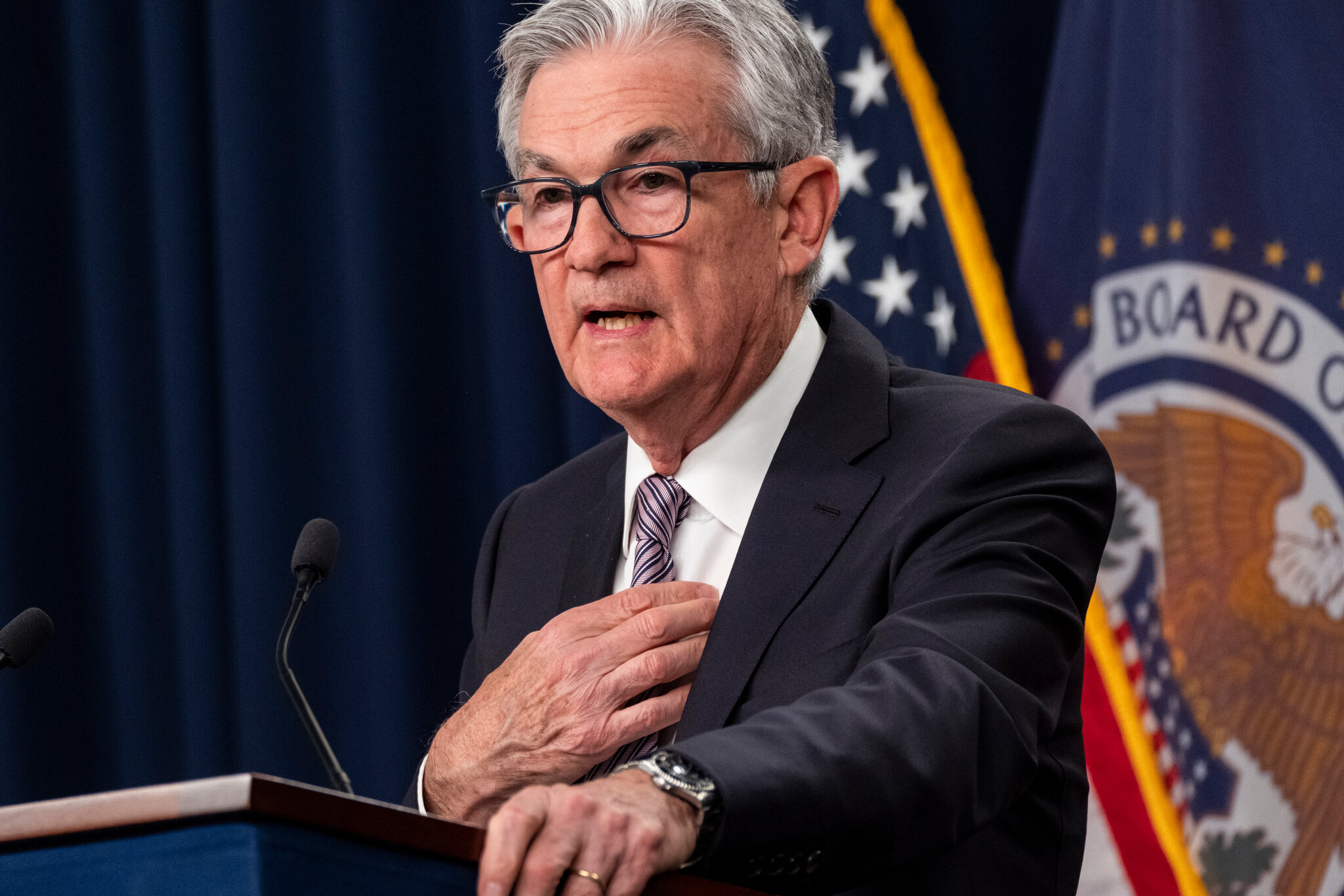
  By Anjan Roy   The US Federal Reserve chairman, Jerome Powell, has given a clear message from Jackson Hole, Wyoming, that the American central bank is all set to enter a rate reversal cycle. The Federal Reserve at long last would usher in a regime of lower policy rates.   This was picked up […]
Advertisements

MOSCOW, RUSSIA – Media OutReach Newswire – 23 August 2024 – The National Rating Agency (NRA) has awarded its highest ESG rating, AAA.esg, to SIBUR, Russia’s largest producer of polymers and rubber, making it the first company in the country, including non-industrial companies, to earn this distinction. The AAA.esg rating indicates that SIBUR has fully integrated sustainability into its operations and excels in terms of its compliance […]

Bank of Singapore is strategically focusing on expanding its presence in the Middle East, forecasting a significant increase in assets and revenue from the region over the next five years. The financial institution anticipates that the Middle East will contribute up to 20% of its total revenue and private banking assets by 2029. The bank’s expansion strategy aligns with broader trends of international financial institutions bolstering their […]

China has allocated an additional 50 million yuan ($7 million) to bolster flood prevention and relief efforts in Liaoning Province, as the region grapples with severe flooding. This new injection of funds from the central government underscores the escalating challenges faced by northeastern China due to extreme weather conditions, which have already caused widespread damage.

Heavy rainfall has battered Liaoning, leading to severe flooding that has displaced thousands of residents, destroyed infrastructure, and inundated large swathes of agricultural land. The decision to provide additional financial support aims to address the immediate needs of affected communities and to reinforce the region’s capacity to manage the ongoing crisis.

The Liaoning Provincial Flood Control and Drought Relief Headquarters has been at the forefront of coordinating rescue and relief operations, working in tandem with national emergency response teams. The added funds will be directed towards critical areas such as evacuation, emergency shelter provisions, and the repair of damaged infrastructure, including roads, bridges, and power lines.

Meteorological reports indicate that the province has experienced rainfall levels far exceeding seasonal averages, contributing to the severity of the flooding. The province’s river systems, including the Liao River, have swollen to dangerous levels, prompting authorities to issue warnings and to implement emergency measures. The situation has been exacerbated by the region’s geographical vulnerabilities, with mountainous areas particularly prone to landslides, further complicating relief efforts.

Authorities have been swift in their response, deploying thousands of rescue personnel to the hardest-hit areas. The People’s Liberation Army (PLA) has also been mobilized, providing critical support in evacuating residents and fortifying flood defenses. Despite these efforts, the scale of the disaster has overwhelmed local resources, necessitating the additional financial support from the central government.

The flooding in Liaoning is part of a broader pattern of extreme weather that has affected several regions across China this summer. Unusually heavy rainfall, driven by climate anomalies, has led to similar crises in other provinces, stretching the country’s disaster response capabilities. The Chinese government has emphasized the need for a coordinated national response, recognizing that the impacts of climate change are likely to increase the frequency and intensity of such events.

The additional funding for Liaoning will also be used to strengthen the province’s long-term resilience to flooding. This includes investments in improving drainage systems, reinforcing riverbanks, and enhancing early warning systems. Experts have called for a reassessment of flood management strategies across the country, advocating for a more integrated approach that considers both immediate response and long-term adaptation to changing climate patterns.

Economic losses from the flooding in Liaoning are expected to be significant, with early estimates running into billions of yuan. The agricultural sector, a key component of the region’s economy, has been particularly hard-hit, with large areas of crops destroyed. The destruction of infrastructure is also likely to have long-term repercussions, disrupting transport and logistics in the province.

The government’s swift action in allocating additional funds is a clear indication of its commitment to mitigating the impact of natural disasters and protecting the livelihoods of those affected. However, the situation in Liaoning remains fluid, with ongoing concerns about further rainfall and the potential for additional flooding.

As rescue and relief operations continue, authorities are urging residents in vulnerable areas to remain vigilant and to adhere to evacuation orders. The focus now is on stabilizing the situation and ensuring that those affected receive the necessary assistance as quickly as possible.

The response to the Liaoning flooding will likely serve as a critical test of China’s disaster management systems, highlighting the need for continued investment in infrastructure and preparedness to cope with the growing threat of climate-related disasters.


All 80 foundations, including monopiles and transition pieces, successfully installed Final installation phase has begun Leading in localization and environmental responsibility HAMBURG, GERMANY – EQS Newswire – 23 August 2024 – Yunneng Wind Power Co., Ltd. (Yunneng), the company responsible for the construction and operation of the 640 MW Yunlin Offshore Wind Farm project (Yunlin OWF) project in Taiwan, has achieved another major milestone by successfully completing […]

Bank of Singapore, one of Asia’s leading private banks, is setting its sights on the Middle East as a key growth region. The bank aims to significantly increase its private banking assets in the region, targeting the Middle East to contribute up to 20% of its total assets under management (AUM) within the next three to five years, a substantial rise from the current 10%.

Ranjit Khanna, head of private banking for Europe and the Middle East and CEO of the bank’s Dubai hub, emphasized the strategic importance of the Middle East, particularly the UAE, in the bank’s expansion plans. Dubai has emerged as a major destination for global millionaires, driven by favorable government policies, a business-friendly environment, and attractive residency programs like the golden visa.

Bank of Singapore’s expansion into the Middle East is part of a broader trend among wealth managers, particularly in Asia, who are increasingly establishing a presence in Dubai. This shift is fueled by growing diplomatic ties between China and the Middle East and the rising demand for wealth diversification among high-net-worth individuals in the region.

As of the end of September 2023, the Bank of Singapore’s AUM stood at $116 billion, up from $20 billion in 2010, with the majority of assets currently managed out of its Singapore and Hong Kong hubs. The Middle East, however, is quickly gaining ground as a crucial market for the bank, with the UAE’s role as a cross-border wealth hub becoming increasingly prominent. The UAE saw the highest growth in cross-border wealth inflows among Middle Eastern countries, driven by investments from Saudi Arabia and other prosperous markets in the region.

Khanna believes that the Middle East and Asia will be dominant regions in wealth management over the next decade, further solidifying the bank’s strategic focus on these areas as key drivers of growth.

This aggressive expansion strategy underscores the bank’s commitment to enhancing its presence in the Middle East, leveraging the region’s economic dynamism and the burgeoning wealth of its high-net-worth population.

UAE-based banks have attracted $14.7 billion in new three-month deposits within the first five months of 2024, as revealed by the Central Bank of the UAE. This increase reflects an 8.9% growth in deposits, which rose from AED 604.99 billion at the end of December 2023 to AED 659.01 billion by May 2024. The substantial majority of these deposits, around 90.9%, were held by national banks. The trend underscores the growing trust and stability within the UAE banking sector.

Arabian Post Staff A Welsh bank has stunned locals by receiving a postcard that was mailed 121 years ago. The postcard, addressed to a former branch of the bank in Brecon, Wales, was finally delivered this week, marking an extraordinary delay in its journey. The postcard was originally sent in 1903, a time when the Welsh town was much different from today. The card, featuring a scenic […]

Fidelity Bank has strongly disputed the allegations of a data breach that led to a significant fine imposed by the Nigerian Data Protection Commission (NDPC). The bank was fined ₦555.8 million for allegedly violating data protection laws, a charge that the bank vehemently denies. The NDPC’s action stems from an incident where a customer’s details were allegedly used to open an account without consent. According to Fidelity […]

The Central Bank of Nigeria’s (CBN) latest Business Expectations Survey (BES) unveils an optimistic outlook for Nigeria’s economic landscape, projecting a significant increase in job creation across diverse sectors. This forward-looking analysis reflects a notable shift in the country’s economic trajectory, driven by an enhanced business environment and strategic investments.

The CBN’s survey highlights a robust confidence among Nigerian businesses regarding their capacity to expand and generate employment opportunities. A substantial number of businesses across various industries anticipate scaling up operations in the coming months, driven by favorable economic conditions and supportive government policies.

The survey data suggests that sectors such as manufacturing, technology, and services are at the forefront of this job creation wave. Businesses within the manufacturing sector are particularly optimistic, attributing their positive outlook to increased domestic demand and improvements in infrastructure. This sector, traditionally a cornerstone of Nigeria’s economy, is expected to leverage these advancements to boost production and employment.

Technology firms, riding the wave of digital transformation, are also poised to contribute significantly to job growth. The expansion of tech startups and the increased adoption of digital solutions are expected to create numerous opportunities in IT and related fields. This sector’s growth is further supported by investments in innovation and the burgeoning tech ecosystem in Nigeria.

The services sector, encompassing a wide range of industries from financial services to hospitality, is also anticipating a surge in job creation. The sector’s growth is driven by rising consumer demand, economic diversification, and infrastructural developments. This trend is indicative of a broader economic shift towards a service-oriented economy, reflective of global patterns.

Key to this positive outlook is the role of government policies and economic reforms. Recent initiatives aimed at improving the ease of doing business, such as streamlined regulatory processes and incentives for small and medium-sized enterprises (SMEs), are likely to have a significant impact. These measures are designed to create a more favorable business environment, encouraging investment and entrepreneurial activity.

Moreover, the CBN’s survey underscores the impact of macroeconomic stability on business confidence. Efforts to stabilize inflation, manage exchange rates, and address fiscal challenges are contributing to a more predictable economic environment, fostering greater investment and growth prospects.

The anticipated job growth is expected to have ripple effects throughout the economy. As businesses expand, there will be increased demand for skilled labor, which could drive improvements in educational and training programs. Additionally, the rise in employment opportunities is likely to stimulate consumer spending, further fueling economic growth.

Challenges remain, however. Businesses will need to navigate potential obstacles such as global economic uncertainties, supply chain disruptions, and fluctuations in commodity prices. Effective management of these challenges will be crucial in sustaining the positive trajectory projected by the CBN’s survey.

The CBN’s Business Expectations Survey paints an encouraging picture for Nigeria’s job market, with various sectors poised to drive significant employment growth. This optimistic forecast reflects broader economic improvements and the positive impact of supportive policies and reforms. As businesses prepare to expand and create new job opportunities, the Nigerian economy stands to benefit from a more dynamic and resilient labor market.

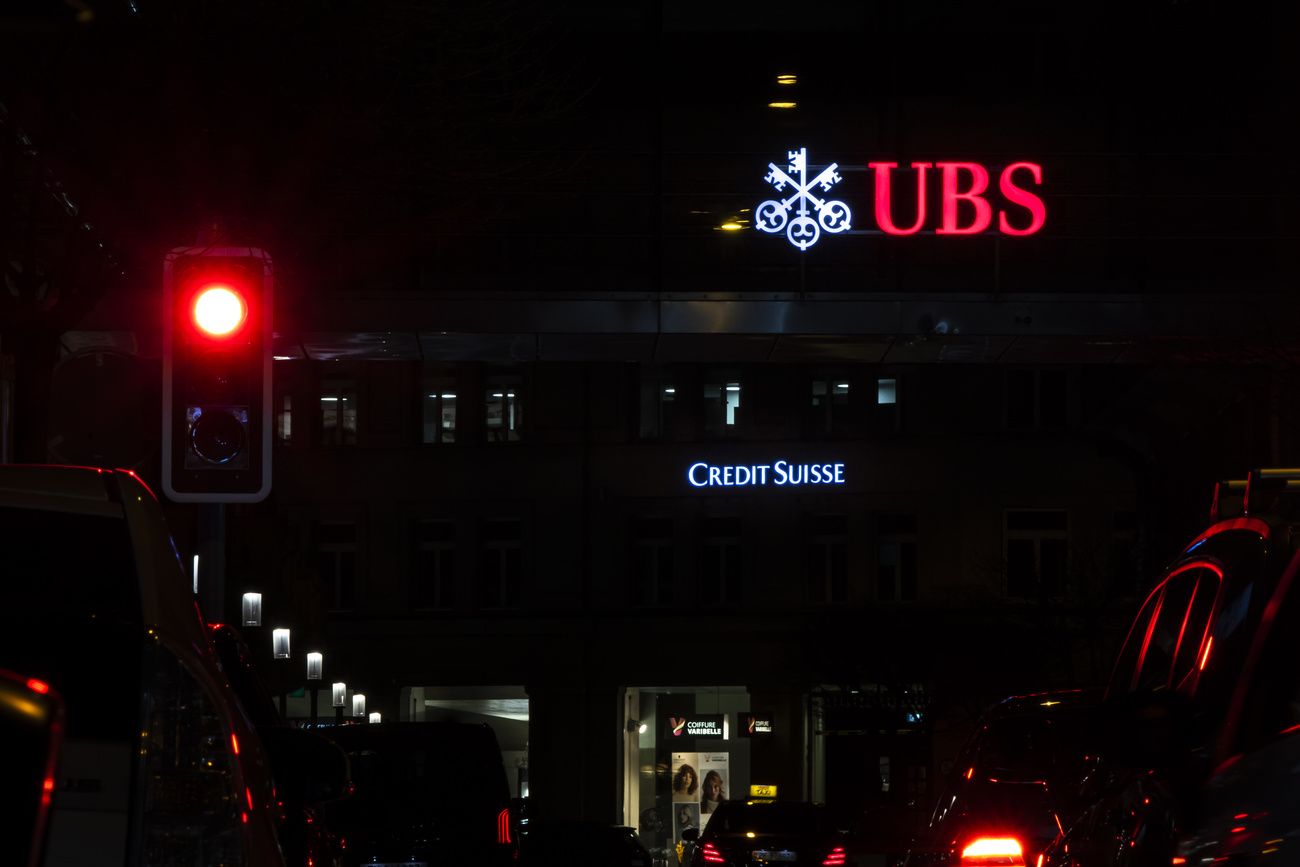
UBS Group AG’s push against increased capital requirements has been firmly rejected by Swiss Finance Minister Karin Keller-Sutter. Despite the bank’s substantial lobbying efforts, Keller-Sutter has maintained her stance, indicating that the proposed new regulations will proceed as planned.

UBS has been advocating for more leniency regarding capital requirements, arguing that the proposed rules could impose undue constraints on its operations and profitability. The lobbying campaign has included high-profile meetings and extensive dialogue with policymakers, aiming to influence the Swiss government’s decision on financial regulations.

However, Keller-Sutter’s response has been unequivocal. She emphasized that the government is committed to strengthening financial stability and ensuring that large financial institutions are adequately capitalized to withstand potential economic shocks. Her firm position reflects a broader trend among regulators worldwide, who are increasingly focusing on enhancing the resilience of the banking sector.

The debate over capital requirements is part of a larger global discussion about financial regulation following the 2008 financial crisis. Regulators and financial institutions continue to grapple with finding the right balance between maintaining financial stability and supporting economic growth. UBS’s lobbying efforts highlight the tension between these objectives, as banks seek to mitigate regulatory burdens while regulators aim to protect the financial system.

Keller-Sutter’s decision underscores Switzerland’s commitment to upholding stringent financial standards. The country has long been a global financial hub, and its regulatory policies often set a precedent for other nations. The Finance Minister’s stance signals a firm resolve to prioritize financial stability over industry lobbying.

The implications of this decision are significant for UBS and the broader banking sector. If the new capital requirements are implemented, UBS may need to adjust its financial strategies to comply with the regulations. This could involve raising additional capital, altering its investment strategies, or adjusting its business operations to align with the new requirements.

UBS’s lobbying efforts are not an isolated case. Financial institutions worldwide regularly engage in lobbying to influence regulatory policies that affect their operations. The effectiveness of such campaigns can vary, depending on the political climate, regulatory environment, and the strength of the arguments presented.

Keller-Sutter’s firm position has been met with both support and criticism from various stakeholders. Supporters argue that strong capital requirements are essential for preventing future financial crises and protecting the stability of the global financial system. Critics, however, contend that excessive regulatory constraints could stifle innovation and economic growth.

As the debate continues, the focus remains on how best to balance regulatory demands with the needs of the financial sector. UBS’s lobbying efforts reflect the ongoing negotiation between regulators and financial institutions over the future of banking regulations. The outcome of this issue will likely have far-reaching implications for the financial industry, both in Switzerland and globally.

Swiss Finance Minister Karin Keller-Sutter’s rejection of UBS’s lobbying against increased capital requirements emphasizes the Swiss government’s commitment to maintaining rigorous financial standards. The resolution of this issue will be closely watched by financial institutions and regulators alike, as it could shape the future of banking regulation in Switzerland and beyond.

Network International and Sharjah-based Invest Bank have formed a strategic partnership aimed at expanding digital payment solutions. This collaboration will integrate Network International’s extensive digital payment capabilities with Invest Bank’s financial services, providing customers with more efficient and innovative payment options. The agreement will enable Invest Bank to offer its clients a range of advanced digital payment services, including seamless online transactions and enhanced security features. This […]

Nigeria is banking on the operational launch of the Dangote Petroleum Refinery to address ongoing fuel shortages and alleviate the burden of lengthy queues at petrol stations. As the country grapples with an energy crisis exacerbated by its reliance on imported refined petroleum, the new refinery promises to be a game-changer in the nation’s energy landscape. This refinery, situated in the Lekki Free Zone near Lagos, is […]

The U.S. dollar rebounded against the euro today, recovering from a 13-month low, as traders anticipated comments from Federal Reserve Chair Jerome Powell. Market participants are keenly awaiting Powell’s speech at the Jackson Hole Economic Symposium, which is expected to provide insights into the Fed’s approach to interest rate cuts.

The dollar’s resurgence comes after weeks of depreciation driven by concerns over a slowing U.S. economy and growing expectations of a rate cut by the Fed. These expectations were initially fueled by disappointing employment data, which showed a lower-than-expected job gain in July and a rise in the unemployment rate. This led to speculation that the Fed might cut rates by as much as 50 basis points in its September meeting.

However, as more economic data pointed to stronger-than-expected growth, the likelihood of a more aggressive rate cut has diminished. According to the CME Group’s FedWatch Tool, traders now see a 73% chance of a 25 basis point cut in September, with a 27% probability for a 50 basis point reduction.

Powell’s upcoming speech is seen as a critical moment for the markets, as it could clarify the Fed’s stance ahead of the September policy meeting. While some analysts believe the dollar has been oversold, others caution that the greenback’s future trajectory will depend heavily on the Fed’s next steps.

The dollar’s recent rally is also linked to weakening economic prospects in Europe and the UK, where central banks are facing similar dilemmas. As a result, the euro and the pound have struggled to maintain gains against the dollar, contributing to the dollar’s bounce back.

Investors will be closely monitoring Powell’s remarks for any hints on whether the Fed is leaning toward a more cautious or aggressive approach to monetary policy, as well as any indications of future rate cuts beyond September. The speech is likely to set the tone for global currency markets in the coming weeks, as traders adjust their positions based on the Fed’s outlook.

British pound strengthened sharply following a surge in PMI data, climbing to $1.3129, the highest level since July 2023. The pound’s upward momentum was bolstered by encouraging economic indicators, outpacing its performance against the euro and reaching a peak not seen since April 2022 if it surpasses the $1.3143 mark. The robust performance of the pound reflects investor confidence in the UK economy, as recent PMI figures […]

National Bank of Oman (NBO) has introduced the Fintech Accelerator Hackathon as part of its ongoing Fintech Accelerator Program. This new initiative aims to enhance innovation and foster entrepreneurial growth within Oman’s financial technology sector. The Hackathon is set to take place from August 30 to September 1, 2024, offering a platform for startups and innovators to showcase their solutions and compete for valuable opportunities. The Fintech […]

Collaborative Effort Set to Accelerate Growth and Expansion of Vietnamese Enterprises in Singapore SINGAPORE – Media OutReach Newswire – 22 August 2024 – SUNRATE, an intelligent global payment and treasury management platform announced that it has entered into a partnership with Vietnam Chamber of Commerce (VietCham Singapore) to empower Vietnamese enterprises looking to scale and operate in Singapore. As part of the partnership, members of VietCham Singapore […]

Tether, a leading issuer of stablecoins, announced its plans to introduce a new digital currency pegged to the United Arab Emirates dirham (AED). This move underscores the growing significance of the UAE in the global financial landscape, particularly in the realm of digital assets and blockchain technology.

The new stablecoin, expected to be named AEDT, will be pegged 1:1 to the dirham, similar to how Tether’s other stablecoins are linked to various fiat currencies like the US dollar, euro, and Chinese yuan. Tether’s decision to peg its latest offering to the dirham aligns with the UAE’s strategic efforts to establish itself as a hub for digital innovation and blockchain technology.

Tether’s existing stablecoins, including USDT, have long been dominant in the cryptocurrency market, serving as a critical bridge between traditional finance and digital assets. The introduction of AEDT is seen as a strategic move by Tether to expand its influence in the Middle East, a region that has shown increasing interest in digital currencies and blockchain technology. The UAE, in particular, has been at the forefront of adopting and integrating blockchain into its financial systems, making it a logical choice for Tether’s expansion.

The launch of AEDT is anticipated to facilitate more seamless transactions within the region, particularly for cross-border trade, remittances, and other financial services that require stable, reliable currency options. The UAE’s dirham is known for its stability, backed by the country’s strong economic fundamentals, making it an attractive option for a stablecoin peg.

Paolo Ardoino, Tether’s Chief Technology Officer, highlighted that the UAE’s proactive approach to digital assets played a significant role in the company’s decision to launch AEDT. He emphasized the UAE’s regulatory clarity and its supportive environment for digital assets as key factors in fostering innovation and growth in the sector. Ardoino also noted that the introduction of a dirham-backed stablecoin aligns with Tether’s broader vision of providing financial freedom and inclusion to people around the world, particularly in regions with underdeveloped banking systems.

The UAE government has been actively working on creating a regulatory framework for digital assets, with the aim of becoming a global leader in blockchain technology. This environment has attracted numerous blockchain companies and initiatives to the country, further solidifying its position as a central player in the global digital economy. Tether’s decision to launch AEDT is expected to accelerate this trend, potentially attracting more blockchain projects and investments to the region.

However, the introduction of AEDT is not without its challenges. Stablecoins, including Tether’s existing offerings, have faced scrutiny and regulatory pressures in various parts of the world. Questions about the transparency and reserves backing these digital assets have been raised, leading to calls for more stringent regulations. In light of these concerns, Tether has reiterated its commitment to transparency and compliance with local regulations, including those in the UAE, to ensure that AEDT is fully backed and operates within the bounds of the law.

Industry experts are closely watching how AEDT will be received in the market. While the stablecoin has the potential to become a significant player in the Middle East, its success will largely depend on user adoption and the continued stability of the UAE’s financial system. The introduction of AEDT also comes at a time when central banks around the world are exploring the issuance of their own digital currencies, which could introduce new dynamics and competition in the digital currency space.

Tether’s expansion into the UAE with a dirham-pegged stablecoin reflects the broader trend of digital assets becoming increasingly integrated into the global financial system. As the UAE continues to embrace blockchain technology and digital innovation, the launch of AEDT may pave the way for further developments in the region’s financial landscape, potentially influencing other countries to follow suit.

VISHNU RAJA
RYO YAMADA
HITORI GOTOH
IKUYO KITA