News related to
Bank

SINGAPORE – Media OutReach Newswire – 27 December 2024 – Energea is revolutionizing wireless charging with the launch of its latest lineup, created to embrace the new open wireless charging standard, Qi2, by the Wireless Power Consortium (WPC). The innovative collection, featuring the MagTrio Plus, MagDuo, and MagPac Pro+, supports Apple’s most-loved devices, including the iPhone, Apple Watch and AirPods. Each product is officially Qi2-certified, guaranteeing superior […]

Manmohan Singh, the former prime minister credited with steering India through one of its most transformative periods of economic reform, has passed away at the age of 92. A technocrat-turned-politician, Singh’s leadership in the late 1990s and early 2000s reshaped India’s global economic standing, laying the foundation for its emergence as a major player in the international arena.

Singh’s legacy as a pivotal figure in India’s economic history is unparalleled. Serving as finance minister in the early 1990s under Prime Minister P.V. Narasimha Rao, he orchestrated bold economic reforms that shifted the country away from a protectionist, state-driven economy to one that embraced liberalization, privatization, and globalization. This shift unlocked India’s vast potential, transforming it into one of the world’s fastest-growing major economies.

Under Singh’s leadership as prime minister from 2004 to 2014, India saw continued economic growth despite facing challenges such as the global financial crisis of 2008. His tenure also marked significant strides in foreign policy, healthcare, and social welfare, although his government was often criticized for inefficiency and corruption scandals. Despite these challenges, Singh’s image as a steady and pragmatic leader remained intact, earning him respect both domestically and internationally.

Born on September 26, 1932, in Gah, a village now in Pakistan, Singh was educated at the University of Cambridge and the University of Oxford, where he earned a doctorate in economics. His early career was steeped in academia and international organizations, including the United Nations and the World Bank, where he worked on developmental issues.

Singh’s journey into politics was unexpected. He was appointed as the finance minister by Rao during a time of severe economic crisis in 1991. Faced with a collapsing economy, Singh oversaw the liberalization of India’s trade policies, the reduction of import tariffs, and the reduction of government intervention in the market. These reforms, considered radical at the time, set India on a path of rapid economic growth that lasted for decades.

His tenure as prime minister began in 2004, when he became the first person from outside the Congress party’s political elite to hold the office. Initially seen as a “reluctant king” — a term used by many to describe his quiet and reserved nature — Singh proved his mettle by leading India through a series of crises. His ability to work within a coalition government, which included various regional and ideological factions, was vital to his success. Singh’s pragmatic approach helped balance India’s need for economic reforms with the demands of social welfare programs.

His government’s accomplishments included the expansion of social security programs, especially in rural areas, and efforts to modernize infrastructure. Singh was instrumental in securing India’s nuclear deal with the United States in 2008, a landmark agreement that further integrated India into the global economic and political system. Despite facing criticism from some quarters about his handling of domestic issues, including rampant corruption within his administration, Singh remained a respected figure in India’s political landscape.

Singh’s calm and measured demeanor stood in stark contrast to the often combative political environment of India. He was regarded as an intellectual, often eschewing the public spotlight and preferring a more subdued form of leadership. His style of governance, however, drew mixed reviews. While some appreciated his cautious approach to reform, others believed he was too passive in confronting challenges within his party and government.

Throughout his tenure, Singh navigated tensions between economic modernization and India’s deeply entrenched social issues. His policies aimed at expanding access to education, healthcare, and rural development were seen as critical in tackling the vast disparities that continue to exist across India’s population. Despite the political hurdles he faced, Singh’s vision for India was one of a globally integrated economy balanced with robust social safety nets.

Following his time as prime minister, Singh continued to remain an influential voice in Indian politics, though his political party, the Congress, faced challenges in the years after his leadership. His tenure, which ended with the 2014 elections, was marked by the rise of new political forces, most notably the Bharatiya Janata Party (BJP) and its leader Narendra Modi, who became prime minister in 2014. While Singh retired from active politics, his thoughts on the country’s future remained highly regarded, often offering critiques of the policies of his successors.

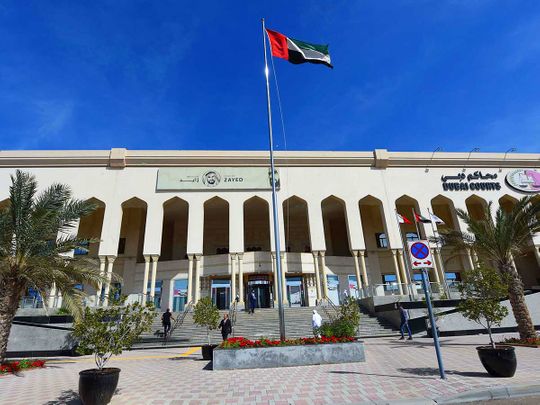
Dubai’s law enforcement agencies have dismantled two international money-laundering operations involving the illicit transfer of funds and cryptocurrencies, leading to multiple arrests, according to official statements.

The first operation targeted a syndicate responsible for laundering approximately Dh400 million through a complex network of front companies and digital currency exchanges. Investigators revealed that the group utilized unlicensed platforms to convert illicit funds into cryptocurrencies, facilitating anonymous cross-border transfers. This method allowed the perpetrators to obscure the origins of the money, complicating detection efforts.

In the second operation, authorities intercepted a scheme involving the laundering of Dh240 million. This network employed traditional banking channels alongside shell corporations to move funds across multiple jurisdictions. The conspirators exploited regulatory gaps in international financial systems to evade scrutiny, making the trail difficult to trace.

Dubai’s Financial Intelligence Unit (FIU) played a pivotal role in these investigations, analyzing suspicious transaction reports and coordinating with international counterparts. The FIU’s enhanced monitoring capabilities have been instrumental in identifying and disrupting sophisticated money-laundering activities.

The arrested individuals, whose identities have not been disclosed pending further investigation, face charges under the UAE’s stringent anti-money laundering (AML) laws. Convictions could result in substantial fines and lengthy prison sentences, reflecting the country’s commitment to combating financial crimes.

These operations underscore Dubai’s ongoing efforts to strengthen its financial regulatory framework. In 2023, the UAE seized assets worth $639 million linked to money-laundering violations, demonstrating a robust stance against financial misconduct.

The UAE has also intensified scrutiny of high-risk sectors, including real estate and precious metals, which are often exploited for money-laundering purposes. Recent enforcement actions have targeted non-compliant entities within these industries, resulting in fines and operational suspensions.

International collaboration remains a cornerstone of the UAE’s AML strategy. The country has entered into multiple mutual legal assistance treaties to facilitate cross-border cooperation in financial crime investigations. These agreements enable the exchange of information and joint operations, enhancing the effectiveness of enforcement actions.

Experts note that while significant progress has been made, challenges persist due to the evolving nature of financial crimes. The increasing use of digital currencies and complex corporate structures necessitates continuous adaptation of regulatory and enforcement mechanisms.

The UAE’s commitment to combating money laundering is further evidenced by its efforts to align with international standards set by organizations such as the Financial Action Task Force (FATF). Ongoing legislative reforms aim to address identified vulnerabilities and enhance the transparency of financial transactions.

The South Korean won has plunged to its lowest level against the U.S. dollar in over 15 years, trading at approximately 1,471.8 won per dollar. This significant depreciation is attributed to escalating political instability following President Yoon Suk Yeol’s declaration of martial law and subsequent impeachment.

The currency’s decline has had a pronounced impact on the cryptocurrency market, particularly on Upbit, South Korea’s leading exchange. Korean investors are now paying a premium of 3% to 5% to exchange won for Bitcoin (BTC) and Tether (USDT) on the platform.

This premium, often referred to as the “Kimchi Premium,” indicates a higher trading price for cryptocurrencies in South Korea compared to global markets. Such disparities typically emerge during periods of heightened demand or market volatility. The current economic and political climate has intensified investor interest in digital assets as alternative investment vehicles.

The Bank of Korea has expressed concerns over the rapid depreciation of the won, highlighting potential risks to economic growth. In response, the central bank is considering measures to stabilize the financial markets, including flexible management of foreign exchange transactions and expanding foreign exchange swap lines.

The cryptocurrency market in South Korea has historically been influenced by domestic economic conditions and regulatory developments. The current premiums on Upbit suggest a surge in demand for digital assets, possibly as a hedge against the weakening won and the prevailing political uncertainties.

US expatriates, already burdened with complex tax obligations, are expressing growing optimism following the introduction of a bill aimed at offering tax relief for Americans living abroad. The bill, which seeks to address the long-standing issue of double taxation, is being viewed as a potential game-changer for millions of US citizens who are taxed by both the United States and their host countries. This new development has also sparked hope that relief could be on the horizon, particularly after President-elect Donald Trump’s campaign promise to end double taxation.

For US citizens living abroad, the tax situation has been a source of frustration for many years. Unlike most countries, the United States imposes taxes on its citizens’ worldwide income, regardless of where they reside. As a result, Americans living abroad are required to file tax returns in both their country of residence and the United States, which can lead to double taxation, unless they claim specific exemptions. While certain tax relief provisions, like the Foreign Earned Income Exclusion (FEIE) and the Foreign Tax Credit (FTC), exist to mitigate this burden, the process is still overwhelmingly complex and costly. The tax compliance costs, legal fees, and the administrative burden involved in navigating both systems are often cited as major deterrents for many expatriates.

The newly proposed bill seeks to address these issues by allowing US citizens abroad to declare themselves as non-citizens for tax purposes. If passed, this legislation could drastically reduce the tax obligations of expatriates by eliminating the need to file US tax returns altogether. This proposal has been met with considerable enthusiasm, especially among expatriates who view it as a promising step toward ending what they consider an outdated and unfair taxation system.

Currently, the US is the only developed country that taxes its citizens on the basis of citizenship rather than residency. This unique tax policy has led to significant financial and emotional strain for millions of expatriates, many of whom have built lives and businesses abroad. The law forces expatriates to navigate two separate tax systems, which often results in confusion and inadvertent mistakes. For example, many expatriates struggle to comply with the complex reporting requirements of the Foreign Account Tax Compliance Act (FATCA), which mandates US citizens to disclose foreign bank accounts and assets over a certain threshold. Non-compliance can lead to severe penalties, further adding to the stress of managing multiple tax jurisdictions.

In contrast, most other nations tax their citizens based on residency, not citizenship. This system allows individuals to only pay taxes in the country where they live and work, reducing the potential for double taxation. For instance, countries like the United Kingdom, Canada, and Australia all follow residency-based taxation, which simplifies the tax process for their expatriates. While these countries may still require individuals to report foreign income, they do not enforce taxation on it in the same way the US does.

Proponents of the proposed bill argue that this change is long overdue. They point to the increasing number of Americans who are choosing to renounce their citizenship due to the financial and administrative burdens imposed by the current tax system. According to some estimates, more than 5,000 Americans renounced their citizenship in 2023 alone, a figure that has been steadily rising in recent years. Many of these individuals cite the cost and complexity of managing their taxes in two countries as a primary reason for their decision to relinquish their US nationality.

The prospect of tax relief has not only generated excitement among expatriates but has also garnered support from US lawmakers. Several bipartisan sponsors have expressed a commitment to pushing the bill through Congress, with advocates arguing that it will help level the playing field for Americans living abroad. By reducing the burden on expatriates, they contend, the US can foster stronger relationships with its citizens overseas and promote greater international business ties.

However, the proposal is not without its critics. Some lawmakers argue that the bill could result in lost revenue for the US government, as expatriates would no longer be required to pay taxes on their worldwide income. The US government has long relied on taxes from its citizens abroad as a significant source of income. These concerns are especially heightened as the country faces increasing budgetary pressures and a growing national debt. Some fear that the loss of tax revenue could exacerbate the US’s financial challenges.

There are concerns about the potential for abuse under the new tax framework. Some critics worry that it could open the door for high-income earners or wealthy individuals to avoid taxes by declaring themselves as non-citizens while still maintaining strong ties to the US. To address this, some provisions may be introduced to prevent individuals from taking advantage of the new system by establishing stricter criteria for declaring non-citizenship.

Emirates NBD has formally joined the National Incubator Network through a newly signed memorandum of understanding (MoU) with Sandooq Al Watan, a strategic step aimed at enhancing the country’s startup ecosystem. The collaboration is expected to unlock new opportunities for entrepreneurs and further drive the UAE’s vision of fostering a dynamic, innovation-driven economy.

The MoU, signed by Yasser Al Gergawi, Director-General of Sandooq Al Watan, and representatives from Emirates NBD, marks a significant development in the UAE’s efforts to provide enhanced support for emerging businesses. This partnership will integrate Emirates NBD’s business incubator into the National Incubator Network, aligning the bank’s existing resources and expertise with a national strategy to empower local startups and entrepreneurs.

The move is seen as a direct response to the growing demand for incubators and accelerators that can help navigate the challenges faced by startups, particularly in competitive sectors such as technology, fintech, and healthcare. As the UAE continues to position itself as a hub for innovation, initiatives like this are crucial in ensuring that new businesses have the tools and networks needed to scale and succeed.

Emirates NBD’s business incubator brings a wealth of resources to the table, including access to funding, strategic mentorship, and operational support. These elements are designed to help startups refine their business models, gain market traction, and ultimately reach their potential in an increasingly complex marketplace. Through this collaboration, entrepreneurs will have the opportunity to tap into a wide range of resources from both the bank and other key players in the National Incubator Network.

Sandooq Al Watan’s involvement adds another layer of support, providing access to its vast network of investors, thought leaders, and other stakeholders crucial for business development. With its mission to drive sustainable economic growth through innovation and knowledge sharing, Sandooq Al Watan plays a pivotal role in connecting the dots between entrepreneurs and potential sources of funding and expertise. This collaboration will not only boost the prospects of individual startups but will also contribute to the broader objective of diversifying the UAE’s economy away from its traditional reliance on oil and gas.

The National Incubator Network, a key initiative under the UAE government’s broader innovation agenda, has seen growing momentum since its inception. The network’s focus on collaboration, knowledge exchange, and resource-sharing is expected to create a more robust and interconnected ecosystem for entrepreneurs. By joining this network, Emirates NBD and Sandooq Al Watan are signaling their commitment to nurturing homegrown talent and supporting the growth of startups that can drive forward the UAE’s long-term economic vision.

This initiative also aligns with the UAE’s broader vision for the future, where innovation is a cornerstone of national development. With a growing focus on sustainable industries, the UAE has been keen to promote the development of technology-driven startups that can address key challenges such as climate change, urbanization, and healthcare.

The partnership between Emirates NBD and Sandooq Al Watan is not only a win for entrepreneurs but also an indication of the increasing role that private sector institutions are playing in the UAE’s broader economic transformation. Banks and financial institutions, traditionally viewed as gatekeepers to capital, are now becoming key players in the startup ecosystem, offering more than just financial support. The collaboration between the two organizations exemplifies this shift, providing entrepreneurs with a comprehensive package of services and opportunities designed to accelerate their business growth.

One of the notable aspects of this collaboration is the focus on knowledge sharing. Both Emirates NBD and Sandooq Al Watan are well-positioned to leverage their extensive networks to connect startups with mentors, industry leaders, and investors who can provide invaluable advice and insights. This exchange of knowledge is critical in helping young companies navigate the challenges of scaling operations, managing growth, and positioning themselves for long-term success.

As the UAE moves forward with its innovation agenda, it is clear that partnerships like the one between Emirates NBD and Sandooq Al Watan will play an integral role in shaping the future of the country’s startup ecosystem. By connecting entrepreneurs with the right resources, expertise, and networks, this collaboration is set to drive forward a new wave of growth and innovation in the UAE’s economy.

Binance, a leading global cryptocurrency exchange, has projected that India will spearhead international cryptocurrency regulation by 2025. This perspective follows Binance’s registration with India’s Financial Intelligence Unit (FIU-IND) as a reporting entity, marking its 19th regulatory achievement worldwide.

The registration underscores Binance’s commitment to adhering to anti-money laundering (AML) standards and enhancing security within the digital asset ecosystem. By aligning with India’s regulatory framework, Binance aims to offer services tailored to Indian users, contributing to the global evolution of digital assets.

India’s proactive approach to cryptocurrency regulation is evident through its recent initiatives. The Securities and Exchange Board of India (SEBI) has expressed openness to overseeing cryptocurrency trade, proposing a multi-regulatory approach. This stance contrasts with the Reserve Bank of India’s preference for a ban, highlighting a divergence in regulatory perspectives within the country.

Despite stringent regulations and high taxes on crypto trading, India has led the world in cryptocurrency adoption for the second consecutive year. A report by Chainalysis indicates extensive usage of both centralized exchange and decentralized finance assets in the country. This widespread adoption reflects the resilience and adaptability of the Indian crypto community.

Binance’s registration with FIU-IND comes after a period of regulatory challenges in India. In June 2024, the Financial Intelligence Unit imposed a fine of approximately $2.25 million on Binance for operating in the country without proper registration, violating local anti-money laundering regulations. Following this, Binance took corrective measures to comply with Indian laws, leading to its current registered status.

The Indian government’s stance on cryptocurrencies has evolved over time. While the Reserve Bank of India had previously imposed a ban on crypto dealings in 2018, this was overturned by the Supreme Court. Subsequently, the government implemented a tax on crypto transactions and required exchanges to register locally, indicating a shift towards regulation rather than prohibition.

Industry experts predict that by 2025, the crypto industry will experience mainstream adoption, regulatory clarity, and financial integration. This anticipated evolution underscores the importance of robust regulatory frameworks to ensure the safe and efficient operation of digital asset markets.

Binance’s commitment to compliance is further demonstrated by its substantial investments in compliance programs. In 2023, the company spent $213 million on compliance, a 35% increase from the previous year. This investment includes expanding staffing and incorporating artificial intelligence to enhance efficiency, reflecting Binance’s dedication to turning compliance into a competitive edge.

Advertisements

Emirates Global Aluminium (EGA) has finalized a green loan agreement to finance its acquisition of a U.S. aluminum plant, marking a significant move in the company’s international expansion strategy. The loan, a green financing deal, aligns with EGA’s commitment to sustainable operations, combining environmental responsibility with strategic growth in North America. The green loan, valued at $500 million, will support the acquisition of the U.S.-based aluminum facility […]

Agility Global, a leading logistics and supply chain services provider, has secured a $1.4 billion credit facility to support its ongoing operations and future growth initiatives. The financing comprises €1 billion and $370 million, with maturities of three and five years, respectively. This strategic move aims to enhance the company’s financial flexibility and fund its expansion plans across various markets. The credit facility was arranged with a […]

KUALA LUMPUR, MALAYSIA – Media OutReach Newswire – 25 December 2024 – As the year draws to a close, traders are turning their attention to the Santa Claus rally, a period known for delivering consistent market gains. Kar Yong Ang, a financial market analyst at Octa Broker, explores the rally’s history, key factors, and strategies that enable traders to capitalise on this annual phenomenon. Understanding the Santa […]

BANGKOK, THAILAND – Media OutReach Newswire – 24 December 2024 – The Asia Corporate Excellence and Sustainability (ACES) Awards 2024 spotlighted Thailand’s corporate champions, underscoring the country’s ascent as a force for sustainable innovation and community empowerment. With 118 nominations out of 682 entries from 17 countries and a strong showing among the 250 finalists, Thailand’s business leaders are reshaping expectations for growth, environmental responsibility, and social […]

JAKARTA, INDONESIA – Media OutReach Newswire – 23 December 2024 – V-GREEN and PT Xanh SM Green and Smart Mobility Indonesia (Xanh SM Indonesia) today announced the signing of a Memorandum of Understanding (MoU) with Lippo Karawaci, a prominent Indonesian real estate development company. This strategic partnership aims to leverage Lippo Karawaci’s established reputation and extensive real estate network to develop a green ecosystem that integrate seamlessly […]

HOHHOT, CHINA – Media OutReach Newswire – 23 December 2024 – China’s National Forestry and Grassland Administration recently announced 40 forestry industry standards, among which the “Technical Specifications for Desertified Grassland Control” compiled by M-Grass Ecological Environment (Group) Co., Ltd. was included, providing technical support for the ongoing Three-North Shelterbelt Program. This photo taken on Nov. 4, 2024 shows a chamber for accelerated seed breeding at M-Grass […]

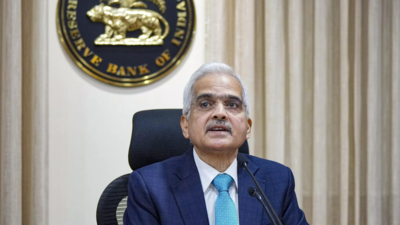
By Nantoo Banerjee It will be unfair to expect much from the new Reserve Bank governor, Sanjay Malhotra, a career bureaucrat and former revenue secretary, in terms of delivery of key functions of a central bank chief such as controlling inflation, stabilizing domestic currency, foreign exchange control and lifting economic growth. If three of his […]

Nuveen, a prominent global asset manager with $1.2 trillion in assets under management, has strategically enhanced its presence in the Middle East by establishing an office in Abu Dhabi’s financial hub, Abu Dhabi Global Market (ADGM). This move underscores Nuveen’s commitment to deepening relationships with regional institutional investors, particularly sovereign wealth funds. Leading the new office is Fadi Khoury, appointed as Managing Director and Head of Middle […]

JAKARTA, INDONESIA – Media OutReach Newswire – 19 December 2024 – Xanh SM, Vietnam’s all-electric mobility service provider, announced the signing of a Memorandum of Understanding (MOU) with nine major partners in Indonesia, namely XL Axiata Business Solutions, Lippo, Bank Central Asia (BCA), ASRI, VISA, Huawei, Lotte Group, Vietjet, and FPT. This event underscores Xanh SM’s credibility and prospects for expansion in Southeast Asia, while reaffirming the […]

DUBAI, UAE – Media OutReach Newswire – 19 December 2024 – The Best Places to Work organization has officially announced the Top 50 Best Places to Work in the Middle East for 2024, showcasing the companies that lead the way in employee satisfaction, engagement, and workplace culture. This year’s rankings highlight organizations that have demonstrated exceptional commitment to creating positive work environments, fostering employee growth, and embracing […]

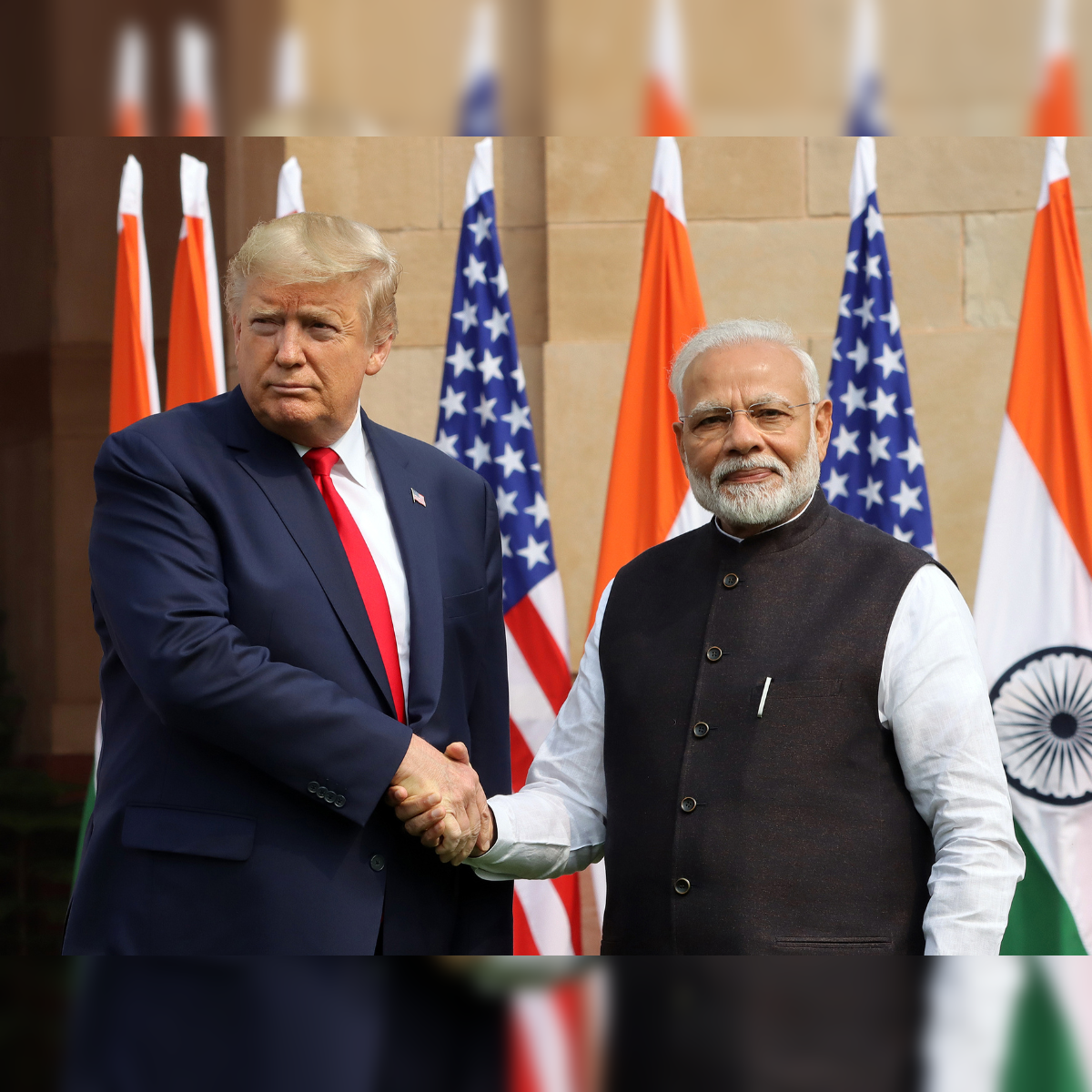
By K Raveendran While Prime Minister Narendra Modi’s ‘friend’, the US President-elect Donald J Trump, is set to move into White House, once again, it need not be particularly beneficial for India. If anything, Trump can be said to be “anti-India” even while remaining “pro-Modi”. The camaraderie contrasts starkly with the president-elect’s anti-India economic stance, […]

HONG KONG SAR – Media OutReach Newswire – 20 December 2024 – The “Immersive Hong Kong” exhibition opened today (December 20) in Dubai, the United Arab Emirates, making its fifth stop after successful runs in Jakarta, Indonesia; Bangkok, Thailand; Kuala Lumpur, Malaysia; and Guangzhou, China, staged by the Information Services Department of the Hong Kong Special Administrative Region Government. Organised in collaboration with the Hong Kong Economic […]

The Gulf Cooperation Council (GCC) debt capital market has reached a significant milestone, with outstanding debt surpassing $1 trillion by the end of November 2024. This achievement marks an 11% year-on-year growth, with approximately 40% of the total debt comprising sukuk, or Islamic bonds. Saudi Arabia leads the region’s debt capital market, followed by the United Arab Emirates and Qatar. In September, Fitch projected that Saudi Arabia’s […]

The Central Bank of the United Arab Emirates (CBUAE) and the Hong Kong Monetary Authority (HKMA) have formalized an agreement to enhance cooperation between their financial markets. This development follows a bilateral meeting held in Hong Kong on December 20, 2024, where both institutions signed a Memorandum of Understanding (MoU) aimed at establishing connectivity between their debt capital markets and related financial infrastructures. The MoU focuses on […]

Abu Dhabi-based Modon Holding has acquired 100% of La Zagaleta S.L., the owner of the exclusive La Zagaleta residential estate in Spain’s Costa del Sol. La Zagaleta, situated in the hills of Benahavís near Marbella, spans approximately 900 hectares and is renowned for its luxury villas, some priced over €30 million. The estate features two private golf courses, an equestrian center, a helipad, and extensive natural surroundings, […]

AD Ports Group has refinanced and increased its revolving credit facility (RCF) from $1 billion to $2.125 billion, aiming to optimize financing costs by improving interest margins and extending the facility’s maturity from 2026 to 2028, with an option to extend further until 2030. The new facility has garnered significant interest from local, regional, European, Asian, and international banks, leading to an oversubscription of over 2.5 times […]

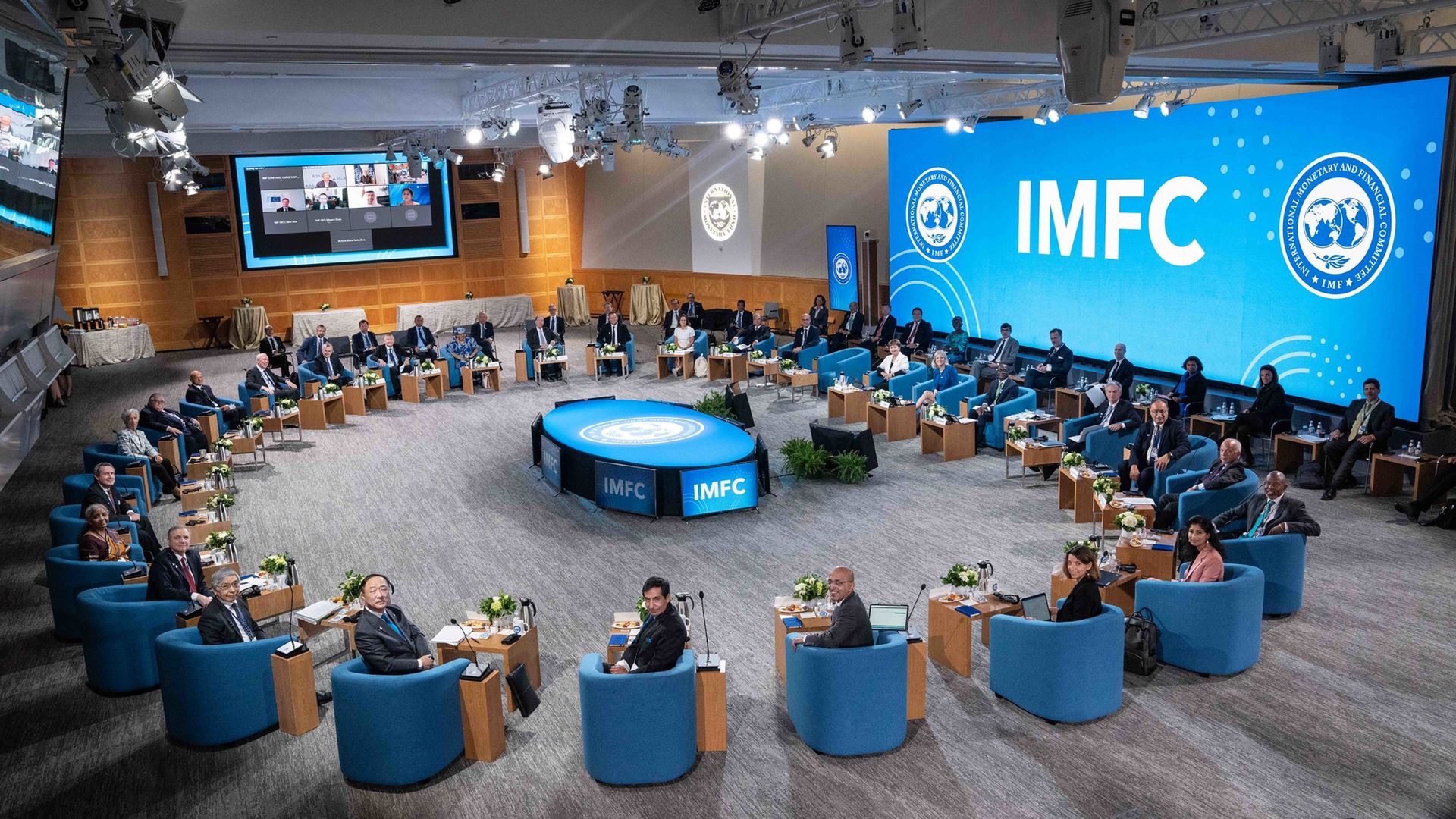
The Gulf economies are expected to continue their upward trajectory despite ongoing geopolitical tensions across the Middle East, according to the latest report from the International Monetary Fund (IMF). The region’s resilience, the IMF suggests, is driven by its diversified economic base, robust fiscal policies, and higher oil prices, which have counterbalanced the adverse effects of regional instability.

While the Middle East remains a hotspot for geopolitical risks, including tensions in Yemen, Syria, and Iran, the Gulf Cooperation Council (GCC) states—namely Saudi Arabia, the UAE, Qatar, Kuwait, Bahrain, and Oman—are poised for solid growth. The IMF’s economic outlook for the Gulf for the upcoming year signals a stable trajectory, with growth projections ranging from 3.2% to 3.5% for most of the member states. This comes on the back of strong economic fundamentals and the region’s strategic efforts to diversify away from oil dependency.

According to the IMF, the GCC’s fiscal prudence and economic diversification initiatives are vital drivers of the positive outlook. Non-oil sectors such as finance, real estate, tourism, and technology have become key contributors to economic growth. Saudi Arabia, for instance, has ramped up its Vision 2030 reform plan, focusing on broadening its economic base and reducing the country’s dependency on hydrocarbons. These efforts have led to an uptick in foreign direct investment and economic activity outside of oil.

The region’s handling of fiscal policies has played a crucial role in shielding it from the negative impacts of external shocks. Governments in the Gulf have generally maintained sound fiscal policies, with substantial fiscal surpluses bolstering state coffers, even as global oil prices fluctuate. For instance, Saudi Arabia and the UAE have used their oil revenues to fund ambitious infrastructure and diversification projects that promote long-term stability.

Saudi Arabia’s economic transformation efforts, notably under the leadership of Crown Prince Mohammed bin Salman, are already yielding results. The kingdom’s GDP has experienced robust growth, especially in non-oil sectors such as entertainment, sports, and tourism. Major projects like Neom, the futuristic city being developed in the northwest, and the Red Sea Project are expected to generate significant economic activity in the coming years. These initiatives reflect a long-term vision to create new economic hubs and reduce reliance on oil.

The UAE, another key player in the Gulf, has also shown a remarkable shift towards diversifying its economy. Dubai’s push to become a global center for technology and finance is starting to pay off, with the city positioning itself as a regional leader in both fintech and blockchain. Abu Dhabi’s focus on renewable energy and clean technologies is further strengthening the UAE’s long-term economic resilience. With such initiatives, the UAE is set to continue its strong performance, with growth forecasts suggesting the economy will expand by 4% over the next year.

Qatar has similarly proven its economic resilience. The country’s investment in liquefied natural gas (LNG) projects has enhanced its export capabilities, enabling it to weather external market fluctuations. Qatar has also shifted its focus to developing a more diverse economy, emphasizing finance, sports, and education, particularly through initiatives like the Qatar National Vision 2030.

The IMF also highlighted that Kuwait and Oman are expected to experience moderate growth, driven by their diversified economies and investments in non-oil sectors, including infrastructure and services. Although Oman has faced fiscal challenges in the past, its recent economic reforms and strategic investments are expected to yield positive results in the coming years. Similarly, Kuwait’s substantial sovereign wealth fund continues to provide a financial cushion, enabling the country to continue its development plans despite challenges.

Despite the ongoing tensions in neighboring countries, the Gulf states have managed to maintain political stability, a crucial element in sustaining investor confidence. The UAE’s role as a neutral hub for international trade, coupled with Qatar’s robust diplomatic efforts, has further insulated the region from potential instability. While conflicts in Yemen, Syria, and Iraq present challenges, the Gulf countries have largely shielded their economies from these disturbances through strong governance and military spending.

The Gulf’s active participation in global energy markets continues to provide it with a cushion against external shocks. Oil remains a crucial driver of revenue, but the higher global oil prices in the past year have supported economic resilience. Saudi Arabia and the UAE have also taken steps to ensure that their energy resources are used sustainably, with the UAE focusing on clean energy initiatives and Saudi Arabia looking to become a leader in green hydrogen production.

The region’s financial markets have also performed admirably in the face of geopolitical risk. Stock exchanges across the Gulf have been showing positive growth, with investors confident in the long-term prospects of the region. The UAE, in particular, has seen a surge in its financial markets, fueled by investor confidence in its economic diversification plans. Furthermore, the region’s strong banking sectors and their adaptation to digital banking and fintech have made them more attractive to foreign investors.

On the global stage, the Gulf has increasingly become a key partner in trade and investment. Its strategic location, at the crossroads of Europe, Asia, and Africa, continues to make it a central hub for international trade. In addition, initiatives such as the GCC’s Free Trade Agreement and the bloc’s involvement in the World Trade Organization (WTO) strengthen its position as a trade powerhouse.


VISHNU RAJA
RYO YAMADA
HITORI GOTOH
IKUYO KITA