News related to
Bank

Commercial Bank of Qatar has achieved a significant milestone in sustainable finance by issuing its largest green bond, valued at 200 million Swiss francs (approximately $220 million). This issuance reflects the growing commitment to environmental sustainability in the Middle East, positioning Qatar as a key player in the global green finance market. The bond will not only enhance the bank’s capital structure but also contribute to financing […]

A surge in institutional interest is significantly advancing cryptocurrency adoption in the United Arab Emirates, positioning the region as a pivotal player in the global digital assets market. Major financial institutions, including banks and investment firms, are increasingly embracing blockchain technology and digital currencies, which is reshaping the traditional financial landscape. The UAE government has long fostered a progressive regulatory framework aimed at enhancing financial innovation, making […]

Etihad Airways has announced an ambitious plan to invest $7 billion by the year 2030, signaling a significant commitment to enhancing its operations and services. The airline’s CEO, Antonoaldo Neves, emphasized that this financial injection will focus on improving customer experience, expanding the fleet, and embracing sustainability initiatives as part of a broader strategy to maintain its competitive edge in the aviation sector. The investment is part […]

By Dr. Gyan Pathak Creating a bad neighbourhood is unwise, especially through totally avoidable unrestrained speeches. However, the leaders from the ruling establishment in India have been in the habit of making unrestrained speeches aimed at winning domestic elections that hurt our neighbouring countries unnecessarily worsening already strained relationships at a time when India is […]

Hong Kong is advancing its digital currency initiative, with the Hong Kong Monetary Authority (HKMA) announcing the launch of phase two in the e-HKD pilot program. This central bank digital currency (CBDC) initiative is designed to explore the future of financial transactions through tokenization, programmability, and offline payments. Following the completion of the first phase, which focused on evaluating foundational aspects of digital currencies, the second phase […]

A consortium comprising Turkish fintech firm Dgpays and Bahrain-based Arcapita Group has successfully acquired a majority stake in NEOPAY, a digital payments platform owned by Mashreq Bank. The acquisition involves a 65% stake, with the total enterprise value of the transaction estimated at approximately $385 million. This strategic move is anticipated to enhance NEOPAY’s growth trajectory within the Middle East’s evolving payment landscape. This partnership aligns with […]

The Dubai Financial Market (DFM) has completed its scheduled review of the General Index and Islamic Index, applying the new stock weightings to both indices starting today. This periodic evaluation aims to ensure the indices accurately reflect the market’s movements and the performance of listed companies.

The reviewed weightings, effective immediately, are expected to provide a clearer picture of the current market standing. The adjustments have garnered significant attention as investors and stakeholders analyze how the updated figures will impact their portfolios and trading strategies. The changes come during a time of increased global financial uncertainty, making the recalibration of these indices a critical measure for the market’s participants.

DFM’s review process, undertaken twice annually, forms a core part of its strategy to maintain a balanced and representative index system. This time, the Islamic Index received heightened scrutiny as sharia-compliant investments have seen a surge in global interest. The modifications to both indices are reflective of market activity over the past months, including stock performance, market capitalization, and liquidity considerations.

Many large-cap companies retained their influential positions within the indices, while certain mid-cap and smaller firms saw their weightings adjusted. The DFM General Index, a barometer of the broader market performance, experienced changes that industry analysts believe could signal emerging trends in the region’s economic sectors. The Islamic Index, which tracks sharia-compliant companies, also saw updates aligning with the growing demand for ethical investments across the Middle East and North Africa (MENA) region.

Several market experts are focusing on the potential impact these adjustments will have on the financial landscape in the UAE and beyond. With the global investment community closely observing DFM’s activities, the revised weightings could affect decisions made by institutional investors and fund managers, particularly those with significant holdings in both the General and Islamic Indices.

Companies with strong fundamentals and steady performance records were expected to maintain or even improve their positions in the indices, while those with fluctuating market capitalization and lower liquidity risk seeing their weightings diminished. The review is based on a transparent methodology that takes into account factors such as market capitalization, free float, and compliance with DFM’s stringent listing standards.

This year’s review comes at a time when the UAE’s capital markets are witnessing renewed interest from both regional and international investors. Analysts have pointed to the growth of sectors such as real estate, banking, and technology, which continue to drive much of the economic activity on the exchange. DFM’s Islamic Index, in particular, has seen an uptick in interest as sharia-compliant investments become increasingly attractive in an era of socially responsible investing.

With Dubai positioning itself as a global hub for financial services, the success and accuracy of its indices remain pivotal for both local and foreign investors. The DFM General Index, often viewed as a proxy for the health of Dubai’s economy, offers a snapshot of the market’s trajectory. Likewise, the Islamic Index is gaining attention due to the global rise in demand for Islamic finance solutions, particularly as countries across the Gulf continue to diversify their economies away from oil dependence.

Today’s application of the new weightings comes at a time of heightened anticipation among traders and fund managers who closely monitor any shifts in the indices for signs of underlying market movements. Analysts are already beginning to issue forecasts based on the changes, with some expecting a boost in the performance of companies that gained weight in the review.

Several of Dubai’s top-listed firms continue to dominate the General Index, including major players in sectors such as banking, real estate, and logistics. The Islamic Index, meanwhile, continues to feature companies that comply with sharia principles, covering a range of industries from financial services to energy. As Dubai continues to strengthen its regulatory frameworks, ensuring transparency and investor protection, the DFM’s indices play a crucial role in attracting foreign investment and maintaining market stability.

The periodic review also brings into focus the importance of accurate and timely data in market operations. Investors rely on these recalibrations to make informed decisions, particularly when it comes to index-linked investments such as exchange-traded funds (ETFs) and index funds. With the UAE’s capital markets maturing, the role of DFM’s indices in reflecting the true performance of the economy is more critical than ever.

DFM’s commitment to reviewing its indices bi-annually ensures that they remain aligned with international best practices. As part of this process, DFM collaborates with a wide range of stakeholders, including regulators, market participants, and financial experts, to ensure that its indices maintain a high standard of accuracy and relevance. This collaborative approach has helped cement DFM’s position as one of the leading exchanges in the MENA region.

Advertisements

Silvergate Bank’s shutdown in March 2023 highlighted the vulnerability of financial institutions catering to the cryptocurrency industry under tightening regulatory oversight. Despite maintaining adequate capital reserves, the bank succumbed to external pressure from U.S. regulatory authorities, making it the first mid-size banking casualty of the year. Silvergate, which had positioned itself as a critical link between traditional finance and the burgeoning crypto sector, had shown signs of […]

OQ Exploration and Production (OQEP) is poised to secure up to 780 million Omani riyals, equivalent to $2.03 billion, through its upcoming initial public offering (IPO) on the Muscat Stock Exchange (MSX). The company has announced an indicative price range of 370 to 390 Omani baisas per share, which places its overall valuation at approximately 3.12 billion Omani riyals. This substantial IPO reflects OQEP’s strategic growth initiatives and ambitions in the oil and gas sector.

The offering consists of 2 billion shares, accounting for 25% of OQEP’s total issued share capital. The final share price will be determined through a book-building process, allowing for flexibility based on investor demand. This move is part of OQEP’s broader strategy to enhance liquidity and attract diverse investment into its operations.

Key players in this IPO include six anchor investors who have collectively committed to purchasing 20% of the offering at the final subscription price, which will not exceed 390 Omani baisas per share. These investors are a mix of local and regional financial entities, including Al-Hosn Investment Company SAOC, Bank Dhofar SAOG, Mars Development and Investment LLC, Oman National Investments Development Company SAOC, Salim & Partners LLC, and the Social Protection Fund. Their backing is expected to provide a robust foundation for the IPO, ensuring substantial initial interest.

OQEP operates under the umbrella of OQ, Oman’s integrated energy company, and focuses on exploration and production activities that are pivotal to the Sultanate’s economy. With an emphasis on enhancing production capacities and exploring new opportunities, OQEP is strategically positioned to capitalize on market dynamics in the energy sector.

The IPO marks a significant milestone for OQEP as it seeks to raise capital for various projects aimed at boosting production and operational efficiencies. The funds raised will likely be directed towards enhancing existing assets and investing in new ventures that align with the Sultanate’s long-term energy strategy. OQEP’s commitment to sustainability and responsible resource management is also expected to play a critical role in shaping its future projects.

In the broader context, the IPO reflects the ongoing trend of privatization and market liberalization in Oman. The government’s efforts to diversify the economy beyond oil and gas are increasingly evident in the financial markets, encouraging local and foreign investment. This IPO is anticipated to attract a wide array of institutional and retail investors, furthering Oman’s economic objectives.

Market analysts predict that the IPO will garner significant interest, particularly given the strong backing from established investors. This could potentially set a precedent for future offerings in Oman, highlighting the country’s evolving capital markets. The success of OQEP’s IPO could stimulate further public offerings in the energy sector and beyond, contributing to a more dynamic investment environment.

As the book-building process commences, investor sentiment will play a crucial role in determining the final valuation and success of the IPO. Market conditions, including global oil prices and regional economic stability, will also influence investor decisions and the overall performance of OQEP post-IPO.

A significant collaboration between Abu Dhabi Commercial Bank (ADCB) and the Abu Dhabi Housing Authority (ADHA) is set to transform housing finance for Emiratis, offering housing loans of up to Dhs500,000. This initiative aims to support beneficiaries of the ADHA’s housing loan program, which offers loans reaching Dhs1.75 million, facilitating access to home ownership in the capital.

The ADCB has designed this offering to enhance affordability for Emirati families, enabling them to secure loans at competitive interest rates while benefiting from flexible repayment terms. The financial institution is focusing on creating accessible pathways for those looking to purchase or renovate homes, which is particularly crucial in a market where property prices continue to rise.

This partnership reflects a broader strategy by the government of Abu Dhabi to promote home ownership among its citizens. The ADHA’s housing loan program serves as a critical framework, providing essential financial support to eligible Emiratis seeking to invest in real estate. By offering loans that are both substantial and manageable, the initiative addresses one of the key challenges facing many Emirati families today: securing adequate funding for housing.

Further enhancing the appeal of the program, the ADCB’s initiative allows for a streamlined application process, aiming to reduce bureaucratic hurdles. Eligible applicants can expect a rapid turnaround on their loan applications, with decisions often made within days. This efficiency is critical in a market characterized by fast-paced transactions, ensuring that potential homeowners can act quickly on their property purchases.

The collaboration also underscores the importance of community engagement in addressing housing challenges. By aligning with the ADHA, ADCB demonstrates a commitment to the economic welfare of Emiratis. This partnership is not only about providing loans but also about fostering a sense of belonging and community development, essential components in building sustainable urban environments.

Market analysts have noted the growing demand for housing solutions tailored to Emiratis. As the population expands and housing needs evolve, financial institutions are urged to innovate. ADCB’s initiative is a timely response to these trends, positioning the bank as a leader in socially responsible lending practices. By prioritizing Emirati needs, ADCB not only enhances its brand but also contributes to the socio-economic fabric of the region.

Emerging trends in the UAE housing market indicate a shift toward more family-oriented and affordable housing options. Many Emiratis are now looking for properties that provide not just shelter, but also community amenities that cater to families. The ADCB’s housing loan program aligns with this trend, as it supports the purchase of properties in developments designed with family living in mind.

In addition to the competitive loan amounts and favorable terms, ADCB has also emphasized its commitment to financial education. By offering resources and workshops for potential homeowners, the bank aims to empower Emiratis with the knowledge needed to make informed financial decisions. This approach not only supports individual financial literacy but also enhances overall market stability.

The housing market in Abu Dhabi has been on a growth trajectory, bolstered by government initiatives aimed at boosting local ownership. Recent reports indicate a rise in property transactions, suggesting that more Emiratis are taking advantage of available financing options. This trend points to a positive outlook for the housing sector, as banks like ADCB continue to innovate and respond to the needs of the community.

Key players in the real estate and financial sectors are closely monitoring this partnership’s impact on the housing market. The collaboration is expected to set a precedent for future initiatives aimed at enhancing access to housing for Emiratis. As the demand for affordable housing continues to rise, more banks may look to follow ADCB’s lead, developing tailored products that cater specifically to Emirati families.

The ADCB initiative underscores the UAE’s broader vision of fostering a thriving economy where citizens can achieve home ownership. Government efforts are increasingly focused on creating environments where families can invest in their futures, thereby enhancing the overall quality of life in the region. This alignment of financial services with government housing policies illustrates a strategic approach to addressing the challenges faced by local populations.

Stakeholders in the real estate market, including developers and policymakers, recognize the importance of such partnerships in driving economic growth. By facilitating access to financing, the ADCB and ADHA are collectively contributing to a sustainable housing ecosystem that meets the evolving needs of Emiratis. The initiative not only promotes home ownership but also encourages responsible lending and investment practices among financial institutions.

As the collaboration unfolds, it is likely to yield insights into best practices for housing finance in the region. The emphasis on community engagement, accessibility, and financial education may serve as a model for other financial institutions aiming to enhance their offerings. With the right support, Emiratis can navigate the complexities of home buying, paving the way for a more stable and prosperous future.

The World Bank has announced a record allocation of $42.6 billion towards climate finance in fiscal year 2024, marking a significant milestone in its efforts to support the global transition to clean energy. This represents a 10% rise from the previous year’s $38.6 billion, a testament to the institution’s ongoing commitment to addressing climate challenges in developing and emerging markets. The bank’s latest financial commitment is part of a broader strategy aimed at directing 45% of its total financing toward climate-related projects, a target it is closing in on.

This surge in climate financing has been largely directed towards green infrastructure, sustainable agriculture, renewable energy projects, and climate resilience measures, particularly in developing countries that are most vulnerable to the impacts of climate change. While the increased funding highlights progress, it still falls short of the trillions required annually to meet global climate goals. Experts have emphasized that for the world to reach net-zero emissions, particularly in emerging markets, there will need to be a substantial increase in both public and private sector investment.

Efforts by the World Bank to prioritize climate finance have come at a critical juncture, with climate-related disasters and global energy transitions becoming more urgent. The $4 billion increase compared to last year underscores the scale of financial mobilization required, yet it also highlights the significant funding gaps that still exist. Many developing countries face considerable challenges in accessing affordable financing to transition to cleaner energy sources, with the cost of capital often prohibitive for large-scale investments.

As governments worldwide continue to set ambitious decarbonization targets, developing economies are grappling with the competing demands of reducing emissions while fostering economic growth. The World Bank’s climate finance aims to bridge this gap, with projects that not only focus on reducing emissions but also enhancing climate resilience and supporting sustainable development initiatives.

The $42.6 billion record in 2024 is seen as a positive step forward, but analysts warn that much more must be done to meet the ambitious targets set by international climate agreements, such as the Paris Agreement. The International Energy Agency (IEA) estimates that to reach global net-zero emissions by 2050, annual investments in clean energy will need to rise to around $4 trillion. This underscores the need for more innovative financing mechanisms, stronger international collaboration, and the involvement of the private sector to mobilize the required capital.

The World Bank has been lauded for its leadership in climate finance, but the scale of the challenge demands broader participation from global financial institutions. Its financing structure, which blends grants, concessional loans, and guarantees, is designed to attract private investment and de-risk projects in developing economies. However, concerns remain that the current pace of financing may not be sufficient to prevent the worst impacts of climate change, particularly in regions that are already experiencing severe climate shocks.

World Bank’s commitment to addressing global climate challenges reached an all-time high, with $42.6 billion in climate finance delivered during fiscal 2024. This marks a $4 billion increase from the previous fiscal year and highlights the institution’s efforts to align a significant portion of its lending with climate objectives. Despite the progress, the sum remains a fraction of the trillions needed annually to combat climate change effectively, […]

India’s foreign exchange reserves have surged to an unprecedented level of $689.458 billion, marking a crucial milestone for the country’s economic positioning in global markets. The reserves, which reflect the country’s ability to meet external obligations and provide a buffer against financial instability, increased by $223 million in the week ending September 13. This rise has further cemented India’s status as one of the largest holders of foreign currency reserves worldwide, positioning it as a key player in the global financial arena.

Despite this substantial increase in the overall reserves, the composition of these reserves presented a more nuanced picture. Foreign currency assets (FCA), which form the largest component of the reserves, witnessed a reduction of $515 million. These assets, held in different currencies such as the U.S. dollar, euro, pound sterling, and Japanese yen, are a critical indicator of India’s foreign currency holdings and are often affected by currency fluctuations and interest rates in international markets. The decline in FCA was offset by other components of the reserves, particularly the significant increase in gold reserves.

Gold reserves saw a sharp rise of $899 million during the same period, underscoring the metal’s continued relevance as a safe haven asset. This increase suggests that India’s central bank may be looking to diversify its holdings in response to broader global uncertainties. Gold, traditionally regarded as a hedge against inflation and economic instability, has been gaining renewed attention among global central banks. As countries face the challenges of rising geopolitical tensions and economic fluctuations, gold’s role as a stabilizing force has once again come into focus.

While the rise in gold reserves was notable, other components of India’s foreign exchange holdings, such as Special Drawing Rights (SDRs) and the reserve position with the International Monetary Fund (IMF), experienced marginal declines. SDRs, which represent a basket of international currencies and serve as a supplementary reserve asset allocated by the IMF, dropped by $50 million. Similarly, the country’s reserve position in the IMF, which allows access to international liquidity and contributes to global financial stability, recorded a decrease of $111 million.

The overall uptick in reserves comes at a time when India’s economic outlook remains relatively resilient compared to other emerging markets. The reserves serve not only as a tool for defending the rupee in times of volatility but also as an indicator of investor confidence in India’s macroeconomic stability. A stronger reserve position allows India to better manage external shocks, such as oil price fluctuations, trade imbalances, and global financial turbulence.

India’s reserves are now among the highest globally, trailing only China, Japan, and Switzerland. This latest achievement reflects the country’s efforts to build a robust foreign exchange buffer since the economic reforms of the 1990s. Since then, successive governments have prioritized strengthening the reserves to safeguard the country from external vulnerabilities. The rise in reserves has also been fueled by sustained foreign investment inflows and a healthy current account balance in previous quarters, driven in part by a recovery in global demand for goods and services after pandemic-induced disruptions.

Analysts have pointed out that India’s reserve accumulation strategy is likely to be shaped by several factors in the coming months. Global interest rate trends, particularly in the United States, will have a significant impact on foreign currency assets, while commodity prices, especially crude oil, will influence the country’s import bill. Moreover, ongoing geopolitical tensions, trade uncertainties, and inflationary pressures in major economies will also affect the Reserve Bank of India’s (RBI) approach to managing these reserves.

The central bank has maintained a cautious approach toward managing the reserves, intervening in the forex market to curb excessive volatility in the rupee’s value. A stable and sufficient level of reserves allows the RBI greater flexibility in implementing monetary policy and defending the currency against external shocks. With inflationary pressures rising globally and the U.S. Federal Reserve tightening its monetary policy, India’s reserve position will play a critical role in maintaining domestic economic stability.

In the past, India has faced challenges related to its foreign exchange reserves, particularly during the 1991 balance of payments crisis, when reserves had dwindled to just a few weeks’ worth of imports. The crisis marked a turning point in India’s economic policy, leading to structural reforms that opened the economy to greater foreign investment and trade. Since then, India has steadily accumulated reserves, reaching new highs over the years. The importance of a strong forex reserve was highlighted again during the global financial crisis of 2008 and the economic shocks caused by the COVID-19 pandemic, where countries with stronger reserves were better able to weather financial market disruptions.

As of the latest data, India’s forex reserves provide an import cover of approximately 10 months, which is well above the internationally recommended threshold. This gives India a comfortable cushion to meet its external payment obligations and insulate the economy from global shocks. The reserves also provide a buffer to support the rupee, which has faced depreciation pressures amid fluctuating oil prices and changes in global investor sentiment.

Going forward, experts suggest that India’s focus should remain on maintaining a balanced reserve composition. While the accumulation of foreign currency assets is crucial, ensuring diversification through gold and other assets will provide added protection against global market volatility. Moreover, with India being a major importer of crude oil, fluctuations in energy prices will continue to play a significant role in determining the country’s forex reserve levels.


Joint Effort Aims to Accelerate Growth and Expansion of Thai Companies in Singapore SINGAPORE – Media OutReach Newswire – 19 September 2024 – SUNRATE, an intelligent global payment and treasury management platform, announced that it has signed a memorandum of understanding (MOU) with the Singapore-Thai Chamber of Commerce (STCC Thailand) to empower Thai companies seeking to scale and operate in Singapore. As part of the partnership, members […]

India’s climate tech sector is facing significant funding challenges, according to a report by IIMA Ventures and MUFG Bank. Despite the country boasting over 800 climate tech startups, the ecosystem is grappling with limited access to capital, which is hampering innovation in critical areas such as renewable energy, carbon capture, and sustainable agriculture. The findings highlight a growing concern over the sector’s future, as it seeks to […]

North Carolina Governor Roy Cooper has suggested that the fallout surrounding Lieutenant Governor Mark Robinson could present an unexpected advantage for Democrats, particularly Vice President Kamala Harris, in the state’s upcoming elections. Robinson, a polarizing figure within the state’s Republican Party, has drawn increasing criticism for his controversial remarks on issues such as transgender rights and slavery, which some view as extreme even within conservative circles.

Robinson’s rise to prominence in 2020, largely supported by a populist, Trump-aligned base, has put him in a powerful position as the GOP’s gubernatorial candidate for 2024. However, a series of inflammatory statements made over the years — including derogatory comments about the LGBTQ+ community and remarks glorifying slavery — have resurfaced, igniting a public relations crisis for his campaign. The scandal has reverberated beyond North Carolina, affecting national politics as well, with Democrats eyeing potential openings.

Governor Cooper, who is not seeking re-election, believes that the controversy surrounding Robinson could benefit the Democrats, particularly as Harris seeks to flip North Carolina in her bid for the White House. Democrats have targeted Robinson’s divisive rhetoric, portraying him as part of a broader Republican movement that threatens to alienate key voter demographics, including women and minorities. Harris’s campaign has already launched targeted ads linking Robinson to former President Donald Trump, amplifying concerns about his suitability to lead a diverse state like North Carolina.

The state’s political landscape has seen significant shifts over the last decade. After briefly flipping for Barack Obama in 2008, North Carolina has remained a critical battleground, with Republicans holding legislative power and Cooper maintaining the governorship. The state’s GOP, previously known for its moderate positions, has increasingly aligned with Trump-style politics, which has energized its base but also alienated some moderate voters. Robinson’s candidacy encapsulates this evolution, as he rose to prominence with no prior political experience, riding the wave of populist anger and the viral nature of social media.

However, the baggage attached to Robinson’s candidacy now threatens to fracture the Republican coalition. His critics, including some within his own party, argue that Robinson’s inflammatory remarks could cost the GOP the state in what is shaping up to be a fiercely contested gubernatorial race. In the latest polling, Robinson trails the Democratic candidate, Attorney General Josh Stein, who has avoided the kind of controversy that has engulfed his opponent. Stein’s potential victory would make him North Carolina’s first Jewish governor, a historic moment that some Democrats believe would further erode the Trump-era influence in state politics.

Harris’s campaign is banking on Robinson’s controversies to swing suburban voters and women back toward the Democratic fold. By highlighting Robinson’s statements, Democrats aim to present Harris as a unifying force capable of bridging the state’s political divides. North Carolina’s importance as a swing state in the 2024 presidential election cannot be overstated, with both parties viewing it as a critical bellwether for national trends. While Robinson remains defiant and insists that his comments are being taken out of context, the broader political fallout is unmistakable.

Prominent Republicans, including Senator Thom Tillis, have expressed concern about the impact Robinson could have on down-ballot races, warning that his candidacy could depress turnout among moderate Republicans and swing voters. Despite this, the state GOP continues to back Robinson, viewing his appeal to the base as essential in a tightly contested election cycle.

M A Hossain The recent explosion of thousands of pagers across Lebanon is an alarming development that bears the hallmarks of Israeli involvement, potentially signaling an imminent military escalation between Israel and Hezbollah. This tension has been mounting since Hezbollah’s recent engagement with Israeli forces, a direct response to Israel’s intensified military actions against Gaza following the deadly October 7 Hamas-led attack. The strategic aim behind targeting […]

Reinforcing Citi’s Commitment to the Region with Hong Kong as a Nexus HONG KONG SAR – Media OutReach Newswire – 20 September 2024 – Citi Hong Kong recently welcomed Head of Wealth Andy Sieg back in the city for the third time since last September, underlining Citi’s commitment to investing further to support client-led growth in Hong Kong and across the region. During his visit, Andy attended […]

HONG KONG SAR – Media OutReach Newswire – 20 September 2024 – DL Holdings Group Limited (“DL Holdings” or the “Company“, together with its subsidiaries, the “Group“, Stock Code: 1709.HK) announced that on September 19, 2024, DL Holdings has entered into an acquisition MOU with a Singapore-based wealth management firm (the “Target Company”). The consideration of the Sale Shares is expected to be settled by a combination […]

Gulf Cooperation Council (GCC) countries are making steady progress towards a unified economic framework that would grant economic citizenship across the bloc. The move aims to boost regional integration, attract investments, and facilitate smoother economic relations among the six member states. These efforts are considered essential for strengthening economic cooperation, a goal that has been part of the bloc’s broader vision since its establishment in 1981. The […]

Bitcoin’s surge past $62,000 has rekindled interest in the cryptocurrency market, with growing attention from major financial institutions. As fears of a U.S. dollar crisis mount, BlackRock, one of the world’s largest asset management firms, has issued warnings about the potential fallout from America’s rising debt burden. The firm has indicated that this escalating debt, now towering over $35 trillion, could erode confidence in the U.S. dollar, pushing investors toward alternative assets like Bitcoin.

A sharp 0.5% interest rate cut by the U.S. Federal Reserve shocked the financial world, marking a significant policy shift. This surprise move has added momentum to Bitcoin’s rally, with many investors interpreting it as a sign that traditional financial systems may be under strain. The combination of surging inflation, monetary easing, and ballooning U.S. debt levels is seen by some as a perfect storm for institutional investors to seek refuge in digital assets. BlackRock’s growing focus on Bitcoin reflects this sentiment, as it positions itself ahead of potential macroeconomic upheavals.

The asset manager’s shift towards Bitcoin marks a noteworthy moment in the broader adoption of cryptocurrencies by institutional players. Bitcoin, long regarded as a fringe asset or speculative plaything, is increasingly being viewed as a credible alternative to traditional stores of value. The rise of digital currencies is not just a retail phenomenon anymore; institutional investors like BlackRock are finding it prudent to diversify their portfolios in the face of looming economic uncertainty.

Fears over the stability of the U.S. dollar are not unfounded. Analysts have pointed out that the Federal Reserve’s dovish stance, combined with government borrowing, is creating an environment where the dollar could weaken further. With interest rates low and inflation persisting, the purchasing power of the dollar faces increasing pressure. BlackRock has underscored the importance of preparing for such scenarios, highlighting Bitcoin’s distinct potential as a hedge against currency depreciation.

Bitcoin’s unique characteristics are drawing institutional attention. Unlike gold or other traditional safe-haven assets, Bitcoin offers a blend of scarcity, decentralization, and growing utility in global financial systems. As central banks worldwide grapple with inflation and currency fluctuations, Bitcoin’s role as a hedge has gained legitimacy among institutional investors. BlackRock’s analysts have stressed that Bitcoin’s fixed supply—capped at 21 million coins—makes it a robust alternative to fiat currencies, which can be devalued by excessive monetary policies.

The cryptocurrency’s surge past $62,000 has only strengthened the case for its adoption. A combination of factors, including institutional buying and a broader acceptance of Bitcoin as a financial asset, have contributed to its price rally. Analysts believe that Bitcoin’s newfound appeal as a long-term hedge could propel it further, especially as central banks continue to implement aggressive monetary easing measures.

One of the key drivers behind Bitcoin’s rise is the increasing participation of institutional investors. BlackRock’s move signals a broader trend where traditional financial players, who once viewed Bitcoin with skepticism, are now embracing it as part of their risk management strategies. The company’s endorsement of Bitcoin comes at a time when more hedge funds, pension funds, and asset managers are looking to incorporate digital assets into their portfolios. This growing interest marks a pivotal shift in the financial landscape, with Bitcoin no longer confined to niche markets or retail traders.

BlackRock’s leadership in asset management means its endorsement of Bitcoin is likely to resonate across the financial industry. As one of the largest and most influential firms, BlackRock’s insights often set the tone for broader market trends. Its acknowledgment of Bitcoin as a viable hedge against U.S. dollar risks may spur other institutions to reconsider their stance on digital currencies, further driving adoption in the months to come.

Despite the positive momentum surrounding Bitcoin, the cryptocurrency market remains volatile. Bitcoin’s price swings are still more pronounced compared to traditional assets, and some investors are cautious about jumping in. However, BlackRock has argued that Bitcoin’s volatility may be a risk worth taking in the current macroeconomic climate. The firm’s analysts suggest that as long as the U.S. government continues to accumulate debt and rely on monetary easing, Bitcoin’s role as a hedge will become more valuable.

Institutional investors are also looking beyond Bitcoin’s price movements. The underlying technology of blockchain, which supports Bitcoin and other cryptocurrencies, is increasingly being explored for its potential in financial systems. BlackRock has recognized the long-term value of blockchain technology, acknowledging its potential to revolutionize sectors beyond just finance. The company’s interest in Bitcoin can be seen as part of a broader strategy to position itself at the forefront of technological innovation in finance.

Bitcoin’s status as a “digital gold” is being cemented by its growing adoption. BlackRock’s focus on Bitcoin is a reflection of the wider belief that the world’s oldest cryptocurrency could play a significant role in future financial markets. As the U.S. dollar faces challenges from both domestic and international forces, institutional players like BlackRock are preparing for scenarios where traditional assets might underperform. By including Bitcoin in their portfolios, they are hedging against a potential loss of confidence in the world’s reserve currency.

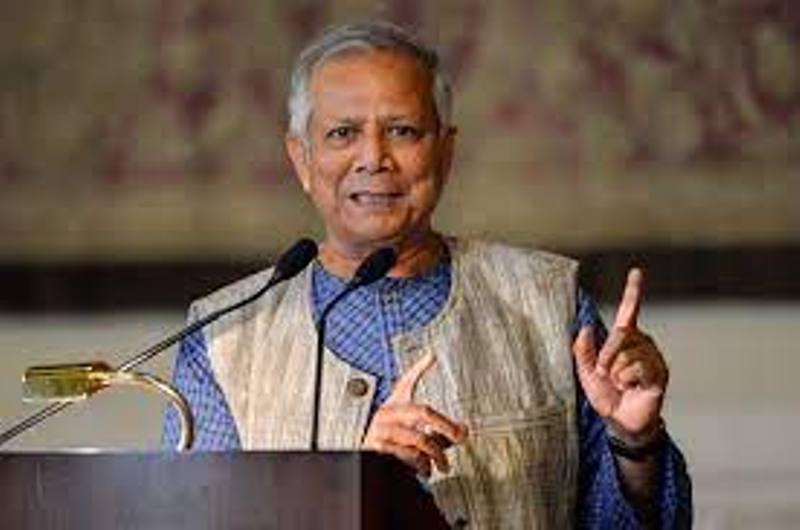
By Nitya Chakraborty The interim Government of Bangladesh headed by Dr. Muhammad Yunus is doing all the preparatory work for officially demanding the extradition from India of the ousted Prime Minister Sheikh Hasina as early as possible. Indications suggest that Dr. Yunus may mention of this demand at his address to the United Nations General […]

Estithmar Holding Group has successfully listed its debut corporate sukuk, valued at QAR 1 billion, on the London Stock Exchange. This milestone marks the first corporate sukuk denominated in Qatari Riyals to be listed on an international exchange. The issuance aims to diversify the group’s funding sources while bolstering investor confidence in Qatar’s corporate sector. The sukuk, which is Sharia-compliant, represents an important step for Estithmar Holding, […]

After years of contending with elevated inflation, all major central banks around the world have started to reverse their aggressive rate-hiking strategies. The Federal Reserve, European Central Bank (ECB), and the Bank of England, amongst their peers, are all cautiously easing monetary policy, signalling that the era of high inflation may finally be behind us. This pivot is creating new opportunities for investors, requiring a shift in […]

VISHNU RAJA
RYO YAMADA
HITORI GOTOH
IKUYO KITA