News related to
Bank

Deutsche Bank is set to roll out a digital assets custody service in 2026, joining forces with Bitpanda Technology Solutions and deepening its existing alliance with Swiss fintech Taurus SA.

Aimed at institutional and corporate clients, the bank’s custody offering is built on two pillars: custody and tokenisation capabilities powered by Taurus SA, and the digital infrastructure from Bitpanda’s technology arm. Taurus has been the backbone of Deutsche Bank’s digital asset efforts since 2023, and the integration with Bitpanda is expected to significantly expand operational capacity.

Inside sources familiar with the initiative confirm that launch preparations are already underway, with a projected go-live in early 2026. The move reflects Deutsche Bank’s view that tokenised assets could become a fundamental component of the financial ecosystem, aligning with growing projections that this market could reach hundreds of billions by the end of the decade.

Taurus SA—positioned as a leader in digital asset infrastructure—provides enterprise-grade cold, warm and hot custody solutions, along with tokenisation services that Deutsche Bank will leverage. As noted by Taurus co‑founder Lamine Brahimi in 2023, the match between the Swiss firm’s infrastructure and Deutsche Bank’s scale was a critical factor in formalising their initial partnership.

Meanwhile, Bitpanda’s technology unit will contribute real‑time, scalable digital asset operations. The Vienna‑based firm, which supports more than 4 million users across Europe, already offers regulated trading and custody services for cryptocurrencies, stocks, ETFs and commodities. Deutsche Bank’s adoption of Bitpanda’s tech could enable graduated access to a broader swathe of tokenised assets for its clients.

The partnership builds on Deutsche Bank’s cautious but steady progression into the digital asset landscape. Already serving as the banking partner for Bitpanda’s German IBAN services—and integrating Bitpanda’s platform for retail payments—Deutsche Bank has maintained a conservative stance, ensuring compliance and risk protocols are robust. According to Ole Matthiessen, global head of cash management, the bank only engages with well‑regulated platforms that meet strict compliance standards.

Deutsche Bank’s ambitions extend beyond custody. It is exploring stablecoins, tokenised deposits, and potential issuance, reflecting a broader strategy to anchor its digital asset business across the value chain. The bank’s head of digital assets, Sabih Behzad, highlighted the options ranging from reserve management to issuing stablecoins, whether solo or in consortiums.

Industry insiders point to looming regulatory clarity—particularly in Europe under MiCA and in the U.S.—as a driving force behind institutional adoption. PwC projects that tokenised assets could swell from around $40 billion today to over $317 billion by 2028, reflecting an appetite for innovation tempered by oversight.

Deutsche Bank’s strategy appears calibrated: building momentum in custody while evaluating tokenised product launches. This dual approach affords adaptability with measured risk—a model that mirrors its cautious adoption of Bitpanda’s IBAN service and Taurus custody tech.

Analysts suggest that established banking institutions will need to offer multi-custodial and tokenisation services if they are to remain relevant in a changing market. As global custodians like BNY and JP Morgan enhance real‑time asset transfer and tokenised solutions, Deutsche Bank’s 2026 launch will position it alongside peers seeking to modernise legacy models.

Deutsche Bank’s custody initiative arrives at a pivotal time. Regulatory frameworks for digital assets are crystallising, and institutional allocations to tokenised securities and stablecoins are gaining traction. Completion of the Bitpanda‑Taurus integration will be a critical milestone, forming the technological foundation of the service.

With momentum gathering, competition is intensifying. Other major banks—such as Banco Santander—are also evaluating stablecoins and custody offerings. At the same time, fintech stand‑alone firms are aggressively scaling in tokenised markets.

Yet Deutsche Bank brings two powerful advantages: it merges legacy banking infrastructure with cutting‑edge digital asset platforms and does so through meticulously selected partnerships. If its 2026 custody service delivers on promised security, compliance and efficiency, it could redefine institutional trust in the tokenised era.


After discovering institutional inefficiencies in traditional finance, this young CFA is helping investors access opportunities previously reserved for Wall Street. The mahogany-paneled conference room fell silent. On the 47th floor of one of Wall Street’s most prestigious firms, Tan Gera stared at his computer screen in disbelief. The evidence of systematic insider trading was not only shocking—it was the final piece of a puzzle he’d been putting […]

Saudi Arabia’s Public Investment Fund posted a 60 per cent plunge in net profit for 2024, even as its assets surpassed the US $1 trillion mark, the fund disclosed on 30 June. The drop came amid persistent high interest rates, inflationary pressures, and a wave of impairments tied to escalated costs and shifting operational plans.

Net income dwindled to 25.8 billion riyals, down sharply from 64.4 billion riyals in the prior year. This contrast underscored the divergence between headline growth and bottom‑line volatility within Saudi Arabia’s principal engine for economic diversification.

Assets under management rose by 18 per cent to 4.321 trillion riyals, up from 3.664 trillion riyals in 2023. The surge came largely from fresh capital injections, including transfers from oil‑linked revenues, plus appreciation in existing holdings, particularly in domestic champions such as Saudi Aramco and Saudi National Bank.

Yet, comprehensive income—an accounting measure that factors in unrealised gains and asset revaluations—tipped into negative territory, registering a 140 billion riyals loss following a gain of 138.1 billion riyals the previous year. The swing reflected deep writedowns, tied to project revaluations across the PIF’s footprint.

Monica Malik, chief economist at Abu Dhabi Commercial Bank, attributed the downturn in part to recalibration of investment strategies. She highlighted how “prioritisation of some projects and the extension in the timelines of some giga projects could have been a factor for the impairments,” and pointed to rising costs as another pressure point.

Among these giga‑projects is NEOM, an ambitious urban megacity on Saudi’s Red Sea coast. Backed by hundreds of billions of dollars in PIF funding, NEOM remains central to the fund’s strategy, though its scale and timeline have been under increased scrutiny amid cost inflation and changing economic dynamics.

Cash reserves stood firm at 316 billion riyals, while group loans edged up to 570 billion riyals, signalling ongoing borrowing to propel expansions. This reflects PIF’s dual posture: aggressive investment on one hand, and debt financing on the other.

Historically, PIF has been pivotal to Saudi Arabia’s Vision 2030 programme—Crown Prince Mohammed bin Salman’s blueprint to reduce national dependence on oil by building world‑class tourism, tech and renewable sectors. Since 2015, the fund’s remit expanded from passive equity holdings to sovereign‑directed mega‑investments. By end‑2024, PIF had amassed over US $1 trillion in assets, bolstered by successive Aramco asset transfers.

Its investment portfolio spans global holdings—Uber, Boeing, Disney—and domestic ventures like Qiddiya, the Red Sea luxury resort and NEOM. The fund also pursued high‑profile investments, including planned stakes in Heathrow Airport and European hotel chains. Overseeing this expansion has drawn both political and governance scrutiny, reflecting complex trade‑offs under Saudi rules.

Despite today’s profit contraction, the growth in assets cements the fund’s scale and influence. Dividends from Aramco and SNB now fuel a substantial portion of PIF’s recurring income, augmenting returns from non‑oil investments.

The portfolio writedowns—particularly impairments linked to escalated project outlays—underline broader macroeconomic challenges. High global interest rates have upped the cost of capital for long‑gestating developments, while inflation has pushed construction, labour and materials costs upward. PIF’s balance sheet has borne both pressures.

Operating amid this headwind, the fund has begun recalibrating timelines and reprioritising capital deployment. Malik’s comments suggest PIF faces a complex balancing act: stewarding mega‑projects while preserving fiscal discipline. Illiquidity risk, rising debt and market exposure also feature in ongoing risk assessments.

In parallel, PIF is broadening its footprint via bond issuances and global partnerships. According to finance industry disclosures, it is preparing a seven‑year sukuk targeting US $1.25 billion in proceeds. Such moves signal evolving financing strategies that complement traditional government funding and cash reserves.

Central to this outlook is Vision 2030. Despite the profit slump, PIF retains its mandate to catalyse non‑oil economic sectors, from tourism to tech to renewable energy. Arab regional peers have pursued similar diversification, but few match PIF’s scale. The fund’s willingness to shoulder large‑scale writedowns may reflect long‑term thinking: strategic build‑out today, stabilised returns in future decades.

Global investors and markets will likely watch upcoming quarterly and full‑year data for signs of recovery or further calibrations. Rising global interest rates remain a wildcard. Additionally, cost overruns in mega‑projects may prompt sharper scrutiny and public debate about deliverables.

PIF’s holding company, chaired by the Crown Prince, retains political backing, but governance observers continue to emphasise improved transparency and oversight. The fund’s decisions now carry wider implications: not just for returns, but as a barometer for Saudi Arabia’s Long‑Term economic strategy.

“Yuyuan Lantern Festival 2025” Lights Up Bangkok to Celebrate 50 Years of Thai–Chinese Diplomatic Ties BANGKOK, THAILAND – Media OutReach Newswire – 1 July 2025 – ICONSIAM, the global landmark along the Chao Phraya River, joins hands with Shanghai Yuyuan Tourist Mart Group, the legendary host of China’s most prestigious lantern festival to present the first-ever Yuyuan Lantern Festival in Thailand. Titled “Spirit of Mountains and Seas […]

Dubai marks Social Media Day on 30 June by reaffirming its position as a global hub for digital storytelling and influencer-led marketing. The observance, established by Mashable in 2010 to recognise social media’s profound impact on communication and culture, has evolved into a significant moment for brands, governments, creators and users to engage in candid conversations about the power—and responsibilities—of online platforms. Dubai’s digital ecosystem is underpinned […]

Google has entered a landmark 200‑megawatt power purchase agreement with Commonwealth Fusion Systems, in what is being hailed as the world’s first corporate direct offtake of fusion energy. The power will be supplied by CFS’s ARC fusion reactor, planned for a site in Chesterfield County, Virginia, a critical data‑centre hub. Under the agreement, Google will also boost its equity stake in CFS, matching its commitment from a […]

In countries like Saudi Arabia and the UAE, where internet censorship is intense and gambling is illegal, a quiet but thriving iGaming scene persists—powered by clever tech, savvy users, and platforms optimized for these challenging conditions. 1. Internet Censorship in Arab Markets CountryBlocked ContentEnforcementSaudi ArabiaGambling, pornography, political dissentDNS-level blocking by national regulatorsUAEGambling, VoIP apps, adult content, datingFiltered via local ISPs under government supervision 2. VPNs & Proxies: The Gateways to […]

Advertisements

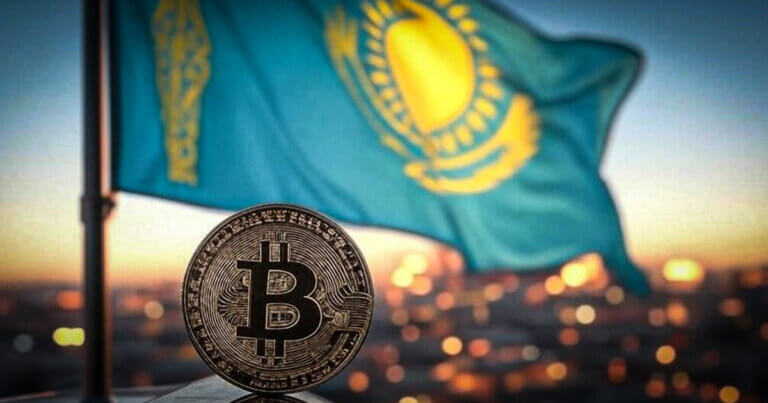
Kazakhstan’s National Bank, under its chairman Timur Suleimenov, is taking steps to build a state-held cryptocurrency reserve managed by a subsidiary entity, following international sovereign fund practices. The proposal outlines funding sources that include confiscated crypto-assets and coins mined through ventures with state participation—measures aimed at enhancing governance and stability within the digital asset ecosystem.

The National Bank is developing a comprehensive framework for the reserve’s formation and administration, emphasising transparency and institutional safeguards. It plans to enshrine in law both the status of the reserve and the protocols for deposit and use, with draft legislation to be submitted to parliament for approval.

Suleimenov highlighted that the envisioned affiliate would follow global norms for sovereign funds, ensuring robust accounting, secure storage, and resilient governance structures. The legal amendments under discussion would affirm the reserve’s legal standing and empower authorities to handle crypto-assets seized under law as well as profits generated from state-linked mining operations.

The banking chief stressed the importance of centralised institutional oversight, noting the high volatility and vulnerability of crypto-assets. Centralisation, he said, is key to mitigating risks such as market fluctuations or cyber threats.

This effort is part of a wider regulatory overhaul targeting cryptocurrency flows. Under proposals by the Ministry of Digital Development, draft laws would impose criminal and administrative liability on grey‑market trades, require licences for investment advisers, and curb unlicensed exchanges and misleading crypto promoters—many of whom target younger investors.

Parliamentary deputies have endorsed the overarching concept. One lawmaker, Kuspekov, recommended creating a “national digital reserve” at the central bank to anchor confiscated digital assets and tighten financial controls. He also urged strengthened due diligence by banks, prohibition of unlicensed crypto platforms, and mandates for licensed investment coaches.

These developments follow a surge in legislative activity since May. The National Bank has proposed amendments defining legal status for digital assets, licensing for crypto exchanges outside the Astana International Financial Centre, and a regulatory sandbox for testing digital services. The objective is to restore confidence in Kazakhstan’s crypto sector after capital flight estimated at US$15 billion last year.

Timur Suleimenov, appointed as National Bank chair in September 2023 and former minister of national economy, has emphasised institutional integrity and macroeconomic resilience. He recently noted that international reserves reached US$104.7 billion at end-2024, bolstered by gains in gold and foreign-exchange holdings.

The crypto reserve initiative appears aligned with broader state efforts. Issuance of AIFC‑backed crypto payment cards was piloted in early June by major banks including Halyk Bank, Forte and Altyn Bank—allowing consumers to instantly convert digital assets into fiat currency for everyday purchases.

The Ministry of Digital Development has proposed the creation of a crypto reserve as a digital asset repository to support the national digital economy. This official endorsement underscores the government’s increasing interest in integrating digital assets within its fiscal infrastructure.

Central to this initiative are practical mechanisms that remain under review. The National Bank is working with law-enforcement agencies and other government bodies to outline operational procedures, compliance norms and asset custody arrangements.

Eight‑year‑old Gavin Batarse, CEO of Glove Wrap, secured a $50,000 investment from Mark Cuban and Michael Rubin on the US ‘Shark Tank’ stage for his ingenious sports glove accessory. The lightweight elastic band, costing just $3 to produce and retailing at $19.99, simplifies the process of breaking in baseball, softball or hockey gloves by holding a ball in place until a perfect pocket is formed. Gavin pitched […]

Survey data from the Hana Institute of Finance indicates 27% of South Koreans aged 20 to 50 now hold cryptocurrencies, equating to roughly 14% of their total financial portfolios. Those in their 40s lead the trend with a 31% ownership rate, closely followed by those in their 30s and 50s. Notably, 70% of respondents across all age groups are planning to increase their crypto holdings in the face of mounting pressures in the job market and housing affordability.

This behavioural shift signals an evolution in investment patterns. Regular crypto purchases among this cohort have increased from 10% to 34%, while mid-term holdings — defined as positions held for months to a year — rose from 26% to 47%. Meanwhile, short‑term speculative trading has declined. “The perception is shifting from speculation to strategic investment,” notes Yoon Sun‑young, a researcher at the Hana Institute.

Bitcoin continues to dominate these portfolios, with six in ten owners including it among their crypto holdings. Many are diversifying further into altcoins and stablecoins, though NFTs and security tokens remain niche, with around 90% of investors sticking solely to coin-based assets. This maturation marks a departure from the earlier trend‑driven, high‑volatility investing to more structured, long‑term strategies.

Motivations for engagement increasingly reflect concerns beyond quick gains. Among individuals in their 50s, 78% cite wealth accumulation as a primary driver and 53% explicitly see crypto as a tool for retirement planning. Across all participants, interest in portfolio diversification and systematic savings emerged as common themes. The Korea Times reports four in ten investors now view crypto as a legitimate component of pension preparation.

Economic pressures—particularly youth unemployment of 6.6%, which is over twice the national average—combined with high housing costs and stagnant wages, are pushing younger demographics toward crypto as an alternative investment option. At German Blockchain Week, Eli Ilha Yune, chief product officer at Anzaetek, described crypto investment for many young Koreans as “a lifeline” rather than enthusiasm for blockchain ideals.

Despite this momentum, challenges persist across the ecosystem. Investors express concern about market volatility and fraud risks. A major logistical frustration stems from a government-mandated system allowing only one bank account linked per exchange. Around 70% of users have indicated support for linking multiple accounts to improve convenience. Survey respondents also cited the expansion of traditional financial institutions’ roles and reinforced legal protections as key to boosting confidence — at rates of 42% and 35% respectively.

Institutional adaptation is underway. KB Kookmin Bank, alongside seven other major domestic banks, has filed trademarks for won‑pegged stablecoins and is preparing to develop blockchain‑based financial products. Meanwhile, lawmakers have been advancing a Digital Asset Basic Act, with President Lee Jae‑myung’s administration expected to oversee further regulatory frameworks by the second half of 2025.

South Korea already hosts over 16 million crypto account holders—surpassing its stock investor base—and accounts for approximately 102 trillion won in assets held onchain. As the country moves further into regulated crypto waters, with legislation and infrastructure catching up to demand, the market appears set on a path toward mainstream acceptance and deeper integration into financial portfolios.

Bhutan has become the first country to integrate cryptocurrency payments across its entire tourism infrastructure, enabling visitors to use Binance Pay for everything from booking flights and paying visa fees to purchasing local goods in rural areas. The system, implemented in partnership with Binance Pay and fully digital DK Bank, supports over 100 cryptocurrencies—including Bitcoin, Binance Coin and USD Coin —and is accepted at more than 100 merchants nationwide.

Tourists can complete transactions via static or dynamic QR codes, with DK Bank instantly converting crypto payments into Bhutanese ngultrum, avoiding volatility for merchants and eliminating traditional card fees. Real‑time confirmations, two‑factor authentication, encryption, and zero gas fees ensure a secure and efficient experience. Department of Tourism director Damcho Rinzin emphasised that the solution “empowers even small vendors in remote villages to participate in the tourism economy”.

The initiative aligns with Bhutan’s broader strategy of embedding digital assets into its economy, which already includes green Bitcoin mining powered by hydropower. With a cryptocurrency reserve worth over US$600 million and bitcoin holdings exceeding 12,000 BTC, Bhutan aims to leverage its carbon‑neutral energy for economic diversification and sustainable growth.

Binance CEO Richard Teng described the partnership as “setting a precedent for how technology can bridge cultures and economies”, reflecting a vision that blends tradition and digital innovation. The kingdom’s emphasis on Gross National Happiness underpins this move: by making tourism more accessible and inclusive, Bhutan hopes to reinforce community wellbeing and economic opportunity across all regions.

Bhutan’s payments infrastructure ties into existing efforts to tackle youth unemployment—estimated at between 16.5 % and 19 %—and brain drain by cultivating jobs in blockchain, AI, and fintech. Since 2019, the sovereign wealth fund Druk Holding and Investments Ltd. has mined cryptocurrencies using surplus hydropower, channelled gains into public salaries, and fostered youth training to build a future-proof economy.

Initial adoption has drawn participation from boutique hotels, tour operators, and rural artisans. By enabling markets in Thimphu and remote mountain villages to accept digital payments without traditional banking hardware, the system extends financial inclusion where it has been limited. Analysts note that reducing transaction friction and foreign‑exchange costs is likely to enhance Bhutan’s appeal to digital‑savvy travellers and boost tourism revenues.

Bhutan’s model emerges amid a global rise in crypto‑enabled travel. Nations such as Thailand and El Salvador have piloted tourism payments, but Bhutan’s national‑level implementation is unprecedented. The country also plans major future investments, including expanding hydropower from 3.5 GW to an estimated 15 GW over the next decade and exploring smart‑city projects like Gelephu Mindfulness City to further embed digital and green infrastructure.

Challenges remain. Regulatory clarity for cryptocurrencies in Bhutan is still evolving, and full infrastructure rollout in remote areas will test logistics and connectivity. Moreover, sustainability will depend on maintaining the balance between technological advancement and the country’s core value of environmental stewardship.

The US leveraged loan market has shown remarkable composure following escalations in the Middle East, with key price benchmarks holding steady and investors largely dismissing broader geopolitical implications. The average bid for the overall US leveraged loan market was 97.34 on 25 June, virtually unchanged from 97.18 on 16 June; similarly, the LPC 100 stood at 98.06, a slight uptick from 97.90 over the same period. Market participants […]

Australia’s earnings from mining and energy exports are set to decline over the coming years, with rising gold revenues unable to fully offset weak demand and price falls in iron ore, liquefied natural gas and coal. Government projections show a fall from A$415 billion in 2023–24 to A$385 billion in 2024–25, and further to A$352 billion by 2026–27. The Office of the Chief Economist highlights that surplus global supply—particularly in […]

Demand for physical gold is diverging sharply across regions, with US investors cashing in on their bullion holdings while Asian buyers ramp up their purchases. Data shows US retail demand for gold bars and coins dropped to roughly 19.3 tonnes in the first quarter of 2025 — a five‑year low, down 22% year‑on‑year — as Americans took advantage of record prices to realise gains. Meanwhile, in Asia, […]

Afreximbank has confirmed the appointment of Dr George Elombi, its Executive Vice‑President for Governance, Legal and Corporate Services, as the institution’s fourth President and Chairman of the Board, effective September 2025. The decision was ratified during the 32nd Afreximbank Group Annual Meetings held in Abuja, Nigeria, from 25 to 28 June, culminating in formal shareholder approval on 28 June. A Cameroonian national with nearly three decades of […]

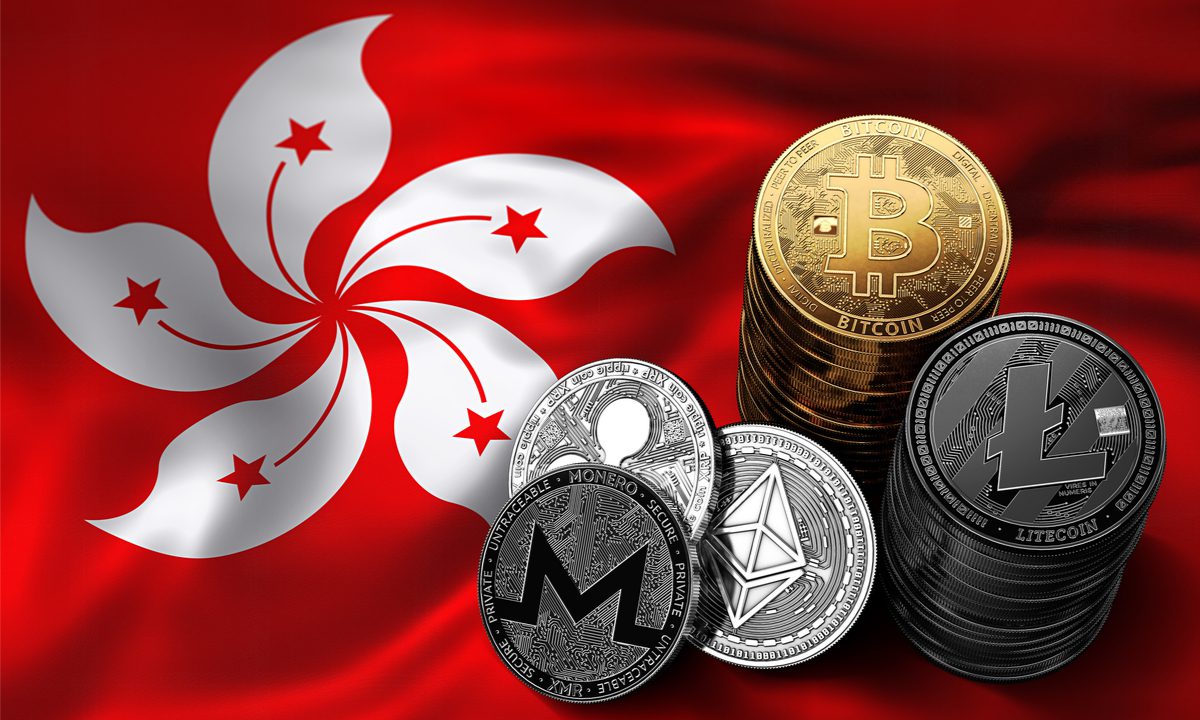
Hong Kong’s government on 26 June issued its Policy Statement 2.0 on the development of digital assets, signalling a decisive push to position the city at the forefront of the global crypto landscape. The statement introduces the comprehensive “LEAP” framework—Legal, Expand, Advance, People—underlining a mission to develop a trusted, innovative, and deeply integrated ecosystem for digital assets.

The regulatory reforms assign explicit oversight roles: the Securities and Futures Commission will licence digital asset exchanges, custodial and dealing services, while the Hong Kong Monetary Authority will govern bank-related activities in the sector. In addition, licensing regimes for stablecoin issuers and custodians are scheduled to commence on 1 August 2025, designed to strengthen anti‑money‑laundering safeguards, investor protection, and transparency in stablecoin issuance.

Central to Policy 2.0 is a commitment to tokenisation of traditional financial instruments and real‑world assets. The government will regularise issuance of tokenised government bonds, streamline stamp‑duty treatment for tokenised ETFs, and legislate to support tokenisation of assets such as precious and non‑ferrous metals, and renewable energy products. These bids aim to boost liquidity and broaden market access, aligning with existing initiatives such as the HK$6.8 billion in green bond token issuances since 2022.

Stablecoins also feature prominently, with proposals to pilot licensed stablecoins in public sector uses. Market consultation is seeking input on integrating these instruments into government operations and cross‑border payments, underpinned by stricter regulatory clarity. Tax incentives for private investment vehicles and family offices trading digital asset securities are expected in the 2025–26 fiscal year, aligning digital and traditional financial regimes.

International alignment is embedded in the blueprint. Hong Kong’s framework adheres to global standards—covering anti‑money‑laundering as per FATF, Basel Committee prudential supervision, IOSCO’s policy recommendations, and OECD crypto‑asset tax transparency measures. Complementary pilot schemes include HKMA’s “Project Ensemble” wholesale central bank digital currency trials, LME‑backed tokenisation of metal assets in Hong Kong warehouses, and a Cyberport‑sponsored incubator scheme to finance blockchain startups.

Since unveiling its original 2022 policy, the government has approved licences for over a dozen digital asset platforms, including nine trading licences and OTC frameworks, and supported tokenised bond issues by both government and corporate entities. Financial Secretary Paul Chan and SFC chief Julia Leung emphasise that this next phase marks a departure from pilot testing, transitioning toward institutionalisation and global competitiveness.

Industry leaders responded positively. Legal and compliance expert Cora Ang described the framework as “a strategic win” that aligns regulatory clarity with stablecoin and tokenisation growth. HashKey CEO Xiao Feng noted the city is entering a “new stage of maturity”, transitioning from sandbox environments to a substantive digital assets regime. Historical drivers such as the JPEX OTC fraud prompted regulators to enforce tighter custody and trading separation to protect investors.

Notably, fintech legal advisers in Hong Kong report surging demand. Firms are actively supporting issuance of tokenised gold and digital bonds, as banks like Bank of Communications and Zhuhai Huafa Group deploy digital debt instruments via licensed platforms. Meanwhile, legal specialists continue to advocate for derivatives, margin‑lending, and institutional frameworks targeted at professional investors.

Hong Kong’s strategic deployment of Policy 2.0 underlines a competitive counterbalance to rival jurisdictions such as Singapore, Dubai, and the US, each advancing their own crypto regulatory frameworks. The city’s alignment with global financial standards—alongside tailored incentives and public‑sector engagement—signals a comprehensive, forward‑leaning posture in digital asset finance.

The Central Bank of the UAE expanded its gold reserves by 19.3 per cent in the first quarter of 2025, adding AED 4.444 billion to bring the total to AED 27.425 billion as of 31 March, up from AED 22.981 billion at the close of 2024. The bank’s latest statistical bulletin also reveals marked increases across demand, savings and time deposits, alongside robust payment-system activity. Heightened global market unpredictability and a strategic emphasis on diversifying […]

Bo Hines, digital asset policy adviser at the White House, confirmed that the United States is actively constructing the infrastructure necessary to support a Strategic Bitcoin Reserve. This initiative follows the executive order signed by President Trump on 6 March 2025, which established both a Strategic Bitcoin Reserve and a broader Digital Asset Stockpile. Hines highlighted that federal agencies have completed accounting for Bitcoin holdings, marking a pivotal step in consolidating treasury-held assets and enabling future acquisitions.

Hines explained that although the order does not compel public disclosure of cryptocurrency holdings, the Treasury may choose to publish a report voluntarily. He emphasised the administration’s inclination to increase government Bitcoin holdings in a budget-neutral way—likely by reallocating existing seized assets or surplus resources—without burdening taxpayers.

The crack team in Washington, including Hines and figures such as David Sacks, are framing Bitcoin as “digital gold”. They contend that, like traditional gold reserves, Bitcoin offers a durable store of value with no central issuer, making it strategically significant for national financial security. Experts point out that such an asset could act as a hedge against inflation and strengthen financial sovereignty, though critics warn of its volatility and speculative nature.

Infrastructure efforts have focused on establishing systems for secure custody, interagency transfer, and real-time accounting of government-held Bitcoin. Hines noted that laying this groundwork is essential before scaling up acquisitions. These efforts reflect a growing shift from regulatory wariness to strategic embrace of digital assets in U.S. policymaking.

Congress is also moving ahead with supporting legislation. The GENIUS Act, jointly advanced by Senators Cynthia Lummis and Tim Scott, is expected to be introduced before the August recess, while further crypto market structure legislation is targeted for completion by September. Hines pointed to this timeline during a session with the senators, underscoring a coordinated push to regulate and support the digital asset space.

State governments and private corporations have already launched Bitcoin-reserve-like initiatives, but the federal programme marks the first national-level effort. This move may be partly inspired by El Salvador’s state-level Bitcoin holding, a model that Hines reportedly examined during conversations with President Nayib Bukele.

Opposition to the federal SBR persists. Economists from the University of Chicago survey unanimously rejected borrowing to acquire crypto assets, citing the speculative nature of Bitcoin. International finance officials—with the European Central Bank in particular—warn that embracing Bitcoin could undermine conventional reserve strategies and monetary stability.

The initiative’s long-term success hinges on robust regulatory clarity. The executive order tasked agencies with full crypto asset accounting and mandated that the Treasury explore budget-neutral acquisition strategies, potentially reallocating portions of gold reserves. These moves aim to balance innovation with fiscal prudence.

As infrastructure construction progresses, the Treasury’s potential publication of federal Bitcoin holdings could signal a new era of transparency and mainstreaming of digital assets in public balance sheets. For stakeholders across government and finance, the outcomes of legislative drafts in the Senate and House will be watched closely.

Dubai has been chosen to host SIBOS in 2029, affirming its standing as a global nexus in financial services. The selection reflects growing confidence in its role as a strategic bridge in international banking, marking the beginning of SWIFT’s new hosting rotation featuring emerging financial hubs.

SWIFT—holder of SIBOS, an annual forum for payments, securities, cash management and trade—has scheduled the conference in Frankfurt, Miami, Singapore, and Paris, with Dubai confirmed for 2029. This shift inaugurates a four-year rotation that now includes key regions such as the Middle East, Africa, Latin America and Asia, signalling intent to broaden engagement beyond traditional centres.

This move underscores Dubai’s appeal, anchored in the growth of DIFC, which now hosts nearly 7,000 firms, including the region’s fintech core. SWIFT’s Rosemary Stone emphasised that expanding SIBOS to diverse locations will lend fresh perspectives vital amid accelerating technological shifts and growing fragmentation risks. SWIFT saw record traffic last year, and the conference consistently draws over 10,000 delegates.

UAE Banks Federation and supporting bodies—including DIFC, DWTC, DET and CBUAE—have been credited for bringing SIBOS back to the UAE after its inaugural MENA appearance in 2013. UBF chairman Abdulaziz Al‑Ghurair highlighted that hosting SIBOS 2029 recognises the UAE’s leadership in digital payments innovation and its dedication to payment security and efficiency under CBUAE guidance.

UBF director‑general Jamal Saleh noted that the federation’s National SWIFT User Group, launched in 2021, along with the region’s first SWIFT training centre, have built a strong skill base in payments protocols. He said the bid award demonstrates “global recognition of the UAE’s achievements in payments using advanced technologies under CBUAE’s guidance”.

DIFC’s rapid development since 2004 has turned Dubai into SWIFT’s “Gateway to Africa”, strategically connecting Europe, Asia and Africa. This position enhances Dubai’s role within SWIFT’s network of over 11,500 institutions across more than 200 countries.

Planners are expected to leverage SIBOS’s platform to demonstrate regional innovations, including national payment system strategies, fintech growth, and cyber‑security frameworks. The event offers a showcase for the UAE’s ambitions to expand financial inclusion, digital infrastructure, and regulatory maturity.

The SIBOS win also supports the federal strategy unveiled by the Central Bank in 2019 to enhance customer experience through secure, innovative payment mechanisms. Observers suggest the conference will spotlight initiatives such as real‑time payment, cross‑border settlement solutions, and cloud‑based financial services.

By setting 2029 in Dubai, SWIFT signals that emerging financial ecosystems are not only capable but essential hosts. The planned rotation to include regions beyond the traditional triad marks a pivot in SWIFT’s approach, prioritising breadth of perspective as the global banking system navigates fragmentation.

UBF and its partners have committed to delivering a polished event, guided by rising standards in event production and stakeholder integration. With backing from SWIFT, CBUAE and government tourism authorities, organisers expect delegates to gain both technical insights and policy‑driven dialogue on future‑proofing global finance.

The U.S. dollar has slumped by more than 10 per cent year‑to‑date, marking its most severe first‑half decline since the mid‑1980s, as global investors pull back from dollar‑denominated assets amid doubts over U.S. economic policy and rising interest in alternatives such as cryptocurrencies.

Institutional investors across Europe and Asia are leading a broad sell‑off. European pension funds and insurers have slashed dollar‑asset exposure to levels unseen since 2022, primarily through equity divestment, while Asian bondholders have been unwinding fixed‑income positions.

Market watchers identify multiple bearish drivers: weakening Federal Reserve credibility under the spectre of political interference, dovish statements signalling potential rate cuts, and concerns over President Trump’s tariff posture and mounting debt. These factors have undercut confidence in the dollar’s role as the premier global reserve asset.

Declining yields on U.S. Treasuries have narrowed their appeal, prompting asset shifts toward Europe and emerging markets and feeding a broader investor rotation away from dollar‑centric investments. Cash strategists at Bank of America report that the net underweight position on the dollar is the most significant in two decades, signalling widespread repositioning.

Despite periodic reprieves, market technicals remain weak. The ICE U.S. Dollar Index, trading around the high‑90s, broke key support levels, triggering technical patterns that suggest further downside unless a strong reversal emerges.

The dollar’s weakness is also fueling a surge in alternative assets. Cryptocurrencies like Bitcoin have rallied, with analysts highlighting an inverse correlation to the dollar’s performance. Gold and select equities in Europe and Asia have benefited from the reallocation of capital.

Echoes of the mid‑1980s Plaza Accord era are notable, when coordinated efforts led to a sharp devaluation of the dollar. However, experts caution that the current environment reflects deeper structural trends: geopolitical uncertainties, shifting reserve currency strategies, and Asia’s growing role in capital flows.

Some analysts argue that short‑term technical bounce possibilities exist, especially if U.S. economic indicators outperform or geopolitical tensions rekindle risk‑off flows. Yet, the prevailing consensus points to a prolonged adjustment period, as “short dollar” bets remain deeply entrenched among fund managers.

The dollar’s slide has implications beyond currency markets. Weaker dollar conditions typically ease financial constraints for emerging economies with dollar-denominated debt, support commodity prices, and influence global trade balances. Conversely, U.S. consumers may experience elevated import costs.

Attention now shifts to key catalysts: upcoming Fed commentary, U.S. inflation and employment data, and whether the administration proceeds with proposed tariffs or investment taxes that could further unsettle international investor sentiment.

Ghana’s parliament has given approval to a $2.8 billion debt restructuring agreement with 25 creditor nations, including China, France, the United States, Germany and the United Kingdom. This authorisation is vital for unlocking further disbursements from a $3 billion IMF-backed bailout programme initiated in May 2023. Lawmakers, endorsing the restructuring unanimously, approved measures under a memorandum of understanding signed in January 2025 that reschedule debt payments falling due between 20 December 2022 and […]

U.S. lawmakers have advanced the GENIUS Act, a federal bill setting strict requirements for stablecoin issuers that could significantly challenge Tether’s dominance. The legislation mandates full backing with cash or U.S. Treasuries, monthly audits by registered firms, transparency of reserves, anti-money laundering safeguards and U.S. registration for issuers with over $10 billion in circulation. Circle’s USDC stands to gain, while Tether’s model faces serious scrutiny if it intends to access U.S. markets.

Tether currently holds approximately $155 billion in USDT tokens, backed in part by volatile assets such as Bitcoin and gold—as well as commercial paper and loans. It discloses reserves via quarterly attestations, though it has never undergone a full independent audit, despite promises since 2017. In contrast, the GENIUS Act requires liquidity in U.S.-based financial institutions and audited transparency certified by company executives, holding them personally liable.

Experts warn that Tether now faces a strategic choice: overhaul its reserve holdings, comply with audits and potentially register under U.S. regulations—or abandon ambitions in the U.S. and pivot towards offshore markets. After relocating its corporate headquarters to El Salvador, Tether appears poised to leverage regulatory gaps via reciprocal agreements—though critics argue this is unlikely to satisfy U.S. authorities.

Steve Gannon, a lawyer specialising in digital assets, suggested that Tether is unlikely to enter U.S. markets until regulations are finalised, as adaptation would require extensive investment in compliance infrastructure. CoinDesk analysis emphasises that foreign issuers could qualify only if regulated by approved jurisdictions and maintain U.S.-based reserves, with oversight from the Office of the Comptroller of the Currency.

By contrast, Circle is well-positioned. USDC is fully backed by cash and Treasury bills, audited monthly and issued by a U.S.-based firm. Following the Senate’s approval of the GENIUS Act, Circle’s share price surged, reflecting investor confidence in its compliance-readiness.

The GENIUS Act also seeks to tighten anti-money laundering and counter-terror financing protocols by integrating stablecoins under the Bank Secrecy Act, with monthly certifications and criminal penalties for lapses. It includes explicit restrictions on stablecoin issuance by lawmakers and their families.

Critics have flagged potential loopholes, warning that offshore entities like Tether could continue servicing U.S. customers through decentralised exchanges—sidestepping rigorous Elm Salvador or other offshore jurisdictions. The Senate bill also bans stablecoins from offering interest, limiting yield-bearing models favoured by some existing issuers.

On financial markets, increased demand from compliant issuers is expected to boost U.S. Treasury purchases. Currently, around $200 billion of assets backing stablecoins are held in Treasuries and repos. Even a modest uptick in USDC issuance could drive multibillion-dollar incremental purchases. A recent study found Tether holds nearly 1.6% of all U.S. Treasury bills, contributing to yield compression equivalent to tens of billions in annual government savings.

Yet uncertainty remains. The GENIUS Act must clear the House and be signed into law, with possible amendments—especially regarding foreign issuance pressures and scope of AML provisions. Senate Banking Committee Democrats have warned of national security risks if the bill doesn’t close offshore loopholes, fearing illicit finance actors could exploit weakly regulated channels.

Tether’s CEO Paolo Ardoino has signalled exploration of a U.S.-compliant stablecoin variant, which would align reserves and governance with federal standards. However, no official timeline has been provided.

Stablecoin proponents say the GENIUS Act brings much‑needed clarity, potentially paving the way for mainstream adoption and institutional participation. Yet critics fear regulatory shortcuts may invite private stablecoins into a system without equal access for central bank digital currencies.

The stakes are high. Tether’s strategic response will shape the competitive landscape. Will it meet U.S. standards or cede space to compliant rivals like Circle? The passage of the GENIUS Act may mark a turning point in crypto policy and redefine stablecoin leadership.

Mashreq Bank has inaugurated a representative office in Türkiye, marking a significant stride toward enhancing financial collaboration between the Gulf and Turkish markets. This strategic move is central to Mashreq’s initiative to channel risk capacity and capital flows directly to Turkish banks and corporates. Dubai’s Mashreq is already a familiar correspondent to Turkish financial institutions, actively participating in syndicated loans, trade finance, payments, treasury services and capital […]

Crypto exchange Kraken has secured a Markets in Crypto‑Assets licence from the Central Bank of Ireland, granting it regulated crypto services access across all 30 member states of the European Economic Area. This licence builds on its existing authorisations: an electronic money institution licence obtained in 2023 and a Markets in Financial Instruments Directive authorisation achieved in February 2025.

The MiCA framework, effective since late 2024, aims to harmonise digital asset regulation across the EU. Kraken’s approval via Ireland enables it to “passport” services continental‑wide—streamlining compliance with unified standards on consumer protection, transparency and oversight.

Co‑CEO Arjun Sethi described the licence as a “powerful signal” of Kraken’s dedication to “responsible innovation” and noted the company’s multi‑year work to meet the Central Bank of Ireland’s rigorous regulatory bar.

Since launching its BTC/EUR pair in 2013, Kraken has built extensive euro‑denominated liquidity and registered as a Virtual Asset Service Provider across key European jurisdictions: Ireland, Belgium, France, Italy, the Netherlands, Poland and Spain. The platform now reports euro trades account for approximately 17.5 per cent of its spot‑crypto volume.

Kraken joins a cohort of major exchanges – Coinbase, OKX, Crypto.com, Bybit and Bitstamp – that have pursued MiCA licences, emphasising the growing strategic importance of regulatory clarity. Meanwhile, stablecoin issuer Tether has declined to register its USDT product under MiCA, leading some exchanges to delist the asset.

The EU authorisation coincides with Kraken’s evolution in traditional finance. After securing the MiFID licence via a Cyprus‑based entity, it launched regulated crypto derivatives in February and acquired futures platform NinjaTrader earlier in 2025. Its 2023 EMI licence complements partnerships with Mastercard and embed‑as‑a‑service offerings like Kraken Embed through Dutch neobank bunq.

Kraken’s dual strategy spans jurisdictions: while embracing EU regulatory frameworks, the firm also relocated its global headquarters to Wyoming, citing the state’s crypto‑friendly stance. In the US, it recently avoided a legal challenge when the Securities and Exchange Commission dropped a 2023 lawsuit alleging operations as an unregistered exchange.

The MiCA authorisation equips Kraken to roll out regulated spot trading, derivatives and payments across Europe. That expansion responds to heightened demand among retail, institutional and professional users seeking compliance assurance. Kraken’s approach sets a template for crypto platforms navigating legal plurality ─ positioning Ireland not simply as a licensor but as a blueprint for public‑private collaboration in digital finance.

European policymakers have lauded MiCA’s entry, describing it as the most comprehensive global regulatory regime for digital assets. Kraken’s success demonstrates the potential of these structures to stabilise and mature the sector—but also signals a competitive divide between jurisdictions embracing innovation and those lagging.

VISHNU RAJA
RYO YAMADA
HITORI GOTOH
IKUYO KITA