News related to
Bank

Banking regulators in the United States, including the Federal Reserve, Federal Deposit Insurance Corporation (FDIC), and Office of the Comptroller of the Currency (OCC), are expected to release significant revisions to bank capital requirements this month. These changes, which aim to strengthen the resilience of the financial system, are part of the larger “Basel III endgame” framework. The upcoming rules are targeted at banks with over $100 billion in assets, with the intention of bolstering their ability to withstand future financial crises.

The planned regulations will eliminate the use of banks’ internal risk models in favor of standardized models, addressing longstanding concerns about inconsistencies in how banks evaluate their risk exposure. If implemented, the new capital requirements will be phased in over three years, beginning in July 2025. However, the proposal has met with significant resistance from the banking industry, which argues that the regulations could lead to reduced lending capacity, stifling economic growth and affecting consumer credit availability.

The proposed revisions represent a culmination of years of efforts by regulators to tighten capital standards in the aftermath of the 2008 financial crisis. Banks have faced increasing scrutiny from both regulators and lawmakers over the adequacy of their capital buffers. Stress tests conducted by U.S. authorities have consistently shown that the nation’s banking system remains well-capitalized, but concerns linger about whether current rules are sufficient to safeguard against future economic shocks.

Among the major changes expected is the implementation of higher capital buffers for banks, particularly those with significant trading operations. This would affect major Wall Street firms, including JPMorgan Chase, Goldman Sachs, and Citigroup. These institutions could be required to hold substantially more capital against their trading assets, which has drawn criticism from the financial sector. The American Bankers Association (ABA) and other industry groups have argued that excessive capital requirements could reduce profitability and hamper their ability to finance economic activity.

Despite these objections, proponents of the new rules, including key regulatory figures, have emphasized the importance of ensuring that banks are prepared for a range of potential crises. Federal Reserve officials have expressed confidence in the banking system’s current stability but have stressed that more stringent capital requirements would reduce the likelihood of taxpayer-funded bailouts in the future. They have also pointed to the Basel III guidelines as an international standard, which the U.S. must comply with to maintain financial stability on a global scale.

Opponents within the banking sector are mounting an aggressive lobbying campaign to delay or modify the rulemaking. They argue that the proposed rules do not take into account the economic impact of stricter capital standards, especially at a time when inflation and interest rate hikes are already placing significant pressure on the industry. Large banks, which are likely to be most affected by the new regulations, have voiced concerns that they will be forced to cut back on lending activities to meet the higher capital requirements.

The pushback has been particularly vocal from some of the biggest players in the financial industry, who warn that the new capital rules could lead to reduced lending to businesses and consumers. The ABA, in a statement, expressed support for strong capital requirements but urged regulators to strike a balance that does not stifle economic growth. They argue that while the banking sector remains resilient, overly stringent capital rules could inadvertently weaken it by making credit more expensive and difficult to obtain.

At the heart of the debate is the balance between financial stability and economic growth. Regulators believe that higher capital buffers will protect the economy from future crises, ensuring that banks can absorb losses without threatening the broader financial system. On the other hand, industry critics argue that the proposed rules may do more harm than good, reducing banks’ ability to lend at a critical time for the economy.


Cryptocurrency firms have dramatically escalated their lobbying efforts, pouring millions of dollars into influencing lawmakers and regulators. Companies like Coinbase, Binance.us, and Ripple have taken the lead in boosting their expenditures, signaling their desire to shape policies favorable to the industry amid increasing regulatory scrutiny. The shift comes as governments worldwide consider tightening oversight on the cryptocurrency sector, sparking a significant uptick in corporate interest in political […]

China is preparing to form its largest brokerage firm by merging two major state-owned securities companies, Guotai Junan Securities and Haitong Securities. The merger is estimated to create a financial giant worth approximately $230 billion, positioning it to compete more effectively on the global stage, particularly against established Wall Street institutions. The plan, which has been in development for some time, is part of Beijing’s broader efforts […]

Crypto.com has announced a strategic partnership with PayPal to streamline cryptocurrency transactions for U.S. consumers. This collaboration is set to enhance the user experience by integrating PayPal’s payment infrastructure with Crypto.com’s digital asset services.

The deal will enable users of Crypto.com to directly link their PayPal accounts for buying, selling, and trading cryptocurrencies. This integration aims to provide a seamless transition between fiat and digital currencies, leveraging PayPal’s extensive user base and Crypto.com’s robust crypto ecosystem.

This development comes as the cryptocurrency market continues to grow, with increasing interest from both individual investors and institutional players. By incorporating PayPal’s payment capabilities, Crypto.com is positioning itself to capture a larger share of the expanding market. The partnership is expected to address several barriers faced by new users, such as the complexities of funding crypto accounts and the need for multiple transactions across different platforms.

PayPal, which has been a significant player in the fintech space, has been gradually expanding its involvement in the cryptocurrency sector. The company’s previous moves included allowing users to hold and sell crypto assets directly within their PayPal accounts. This new collaboration with Crypto.com represents a further step in PayPal’s strategy to broaden its influence in the digital asset market and offer more versatile solutions to its customers.

The integration will allow PayPal users to purchase cryptocurrencies with their PayPal balance or linked bank accounts, directly from the Crypto.com platform. This feature aims to simplify the process of acquiring and managing cryptocurrencies, making it more accessible for everyday users who may find the traditional crypto purchasing methods cumbersome.

Industry analysts see this partnership as a significant move in the crypto space, reflecting a growing trend of mainstream financial services companies integrating with digital asset platforms. By offering easier access to cryptocurrencies, the partnership is likely to attract a broader audience and encourage wider adoption of digital currencies.

The timing of this announcement is notable, as it coincides with a period of heightened regulatory scrutiny and evolving market dynamics in the cryptocurrency sector. Both companies have expressed a commitment to complying with regulatory requirements and ensuring that the new services adhere to the highest security standards.

Crypto.com, which has been expanding its product offerings and global reach, views this partnership as a key element in its strategy to enhance its market position. The company has been actively seeking ways to bridge the gap between traditional financial systems and the emerging crypto economy.

PayPal’s involvement in this partnership underscores its ongoing efforts to remain at the forefront of digital payments and financial innovation. By working with a major player in the cryptocurrency market, PayPal aims to provide its users with a more comprehensive suite of financial services, catering to the growing interest in digital assets.

As the partnership moves forward, both companies will focus on rolling out the integrated services and ensuring a smooth transition for users. The collaboration is expected to deliver a more streamlined and user-friendly experience for those looking to explore and invest in cryptocurrencies.

ERC-20 tokens are a vital component of the Ethereum blockchain, enabling the creation and management of digital assets within its ecosystem. These tokens adhere to a standardized set of rules that ensure their compatibility and functionality across various platforms and applications on Ethereum. At their core, ERC-20 tokens represent a standard interface for creating digital assets on the Ethereum blockchain. This standardized approach means that different tokens, […]

By Sushil Kutty The Maharashtra assembly polls are slated later this year along with Jharkhand. Also the bypolls in 10 UP assembly seats, which will put Uttar Pradesh Chief Minister Yogi Adityanath to test, are due. The thing to watch, however, is whether Prime Minister Narendra Modi will come out of his post-June 4 shell […]

By Satyaki Chakraborty Massive global protests in the last four days of September in all the major cities of the world including New York, Washington, London, Paris, Berlin and finally Tel Aviv against Israel Prime Minister Benjamin Netanyahu’s rigid attitude to the ceasefire proposal to end the Gaza war, have led to some positive reaction […]
Advertisements

The Japanese yen has gained ground against the US dollar as the Bank of Japan (BOJ) signals a shift in its monetary policy, indicating the possibility of further interest rate hikes. This comes as part of an effort by the central bank to combat inflationary pressures that have persisted in Japan’s economy. The BOJ’s move marks a departure from its traditionally dovish stance, which has seen the bank maintain ultra-low interest rates for years to stimulate growth.

Japan’s bond yields have surged to their highest levels in over a decade, driven by the bank’s decision to allow more flexibility in managing its yield curve control policy. This has caused government bond yields to touch levels not seen since 2008. Bank shares also responded positively, benefiting from the prospect of higher interest rates, which generally increase profitability for financial institutions.

BOJ Governor Kazuo Ueda’s remarks have been crucial in shaping market expectations, as he emphasized that the central bank is closely monitoring inflation trends and could further adjust its policies depending on the economic outlook. Inflation in Japan has consistently stayed above the bank’s 2% target, which is a significant factor in the BOJ’s recalibration of its strategies.

Investors and analysts are paying close attention to the yen’s movements in response to these changes. The USD/JPY pair, a key indicator of global currency dynamics, has reflected the yen’s resurgence as the BOJ signals a break from its previous ultra-loose policies. Despite this strengthening, the yen remains volatile due to the uncertain nature of Japan’s future economic direction.

This development has also had broader implications for international markets, especially as Japan’s stance on monetary tightening contrasts with other central banks, such as the Federal Reserve and the European Central Bank, which have been raising rates more aggressively over the past year. Japan’s slow approach, however, could see further adjustments if inflation continues to outpace forecasts.

Japan’s government bonds have also garnered significant interest from investors globally, as the rising yields offer better returns compared to the low or negative yields that have characterized the Japanese bond market for years. This shift has led to increased foreign capital inflows, which in turn supports the yen’s value.

Banks in the United Arab Emirates are increasingly poised to expand their lending activities, driven by a robust economic outlook and improving asset quality, according to the Central Bank of the UAE (CBUAE). This shift reflects growing confidence in the stability and potential of the financial sector, fostering a more dynamic lending environment. The CBUAE’s latest report highlights that the UAE’s economic stability has strengthened significantly, supporting […]

Gulf Cooperation Council (GCC) banks are expected to maintain robust performance through 2024, according to a new report by S&P Global Ratings. Despite uncertainties and potential economic disruptions, these financial institutions are well-positioned to navigate the challenges and sustain their strong financial metrics.

S&P Global Ratings’ latest analysis highlights that GCC banks have demonstrated remarkable resilience over recent years. Their solid performance is attributed to a combination of strong capital buffers, prudent risk management practices, and favorable economic conditions within the region. The banks’ ability to adapt to fluctuations in the global economic environment has been crucial in maintaining their stability.

One significant factor contributing to the banks’ resilience is their strong capitalization. GCC banks have managed to build and maintain high capital adequacy ratios, providing them with a solid cushion against potential financial shocks. This strong capital base allows them to absorb losses and continue operating effectively even in adverse conditions.

Additionally, GCC banks have benefited from improved economic conditions in the region. The ongoing economic diversification efforts by GCC countries, aimed at reducing their dependency on oil revenues, have created a more stable economic environment. Investments in infrastructure, tourism, and technology have bolstered economic growth, supporting the financial sector’s stability.

The report notes that while GCC banks are in a favorable position, they are not entirely immune to external shocks. Global economic uncertainties, fluctuations in oil prices, and geopolitical tensions could pose risks to the financial stability of these institutions. However, the banks’ strong risk management practices and conservative lending strategies are expected to mitigate these risks effectively.

In particular, the banking sector’s focus on digital transformation has enhanced its ability to manage and respond to potential disruptions. The adoption of advanced technologies and digital platforms has improved operational efficiency, customer engagement, and risk management. This technological edge positions GCC banks to better handle emerging challenges and capitalize on new opportunities.

Moreover, the GCC banking sector has shown a commitment to strengthening regulatory frameworks and compliance standards. This proactive approach to regulatory adherence has enhanced transparency and accountability within the sector, further bolstering its resilience.

S&P Global Ratings also highlights that GCC banks are likely to continue benefiting from supportive government policies and economic initiatives. The ongoing reforms and strategic plans undertaken by GCC governments aim to enhance economic stability and promote sustainable growth, providing a favorable environment for the banking sector.

The U.S. Federal Reserve has directed United Texas Bank to cease its operations, citing major compliance failures related to anti-money laundering (AML) regulations. This directive marks a significant intervention by the Fed against financial institutions involved in cryptocurrency transactions. United Texas Bank, known for its engagement with the cryptocurrency sector and its prior connections with firms like Stellar and Circle, has been flagged for “substantial deficiencies” in […]

By Dr. Gyan Pathak Farmers have been demanding legal guarantee for Minimum Support Price (MSP), but the Centre has announced 7 new big schemes for farm sector worth Rs14,000 crore on September 2. Modi government said that the schemes intended for farmers welfare, but farmers have been saying that their well-being depend on the legally […]
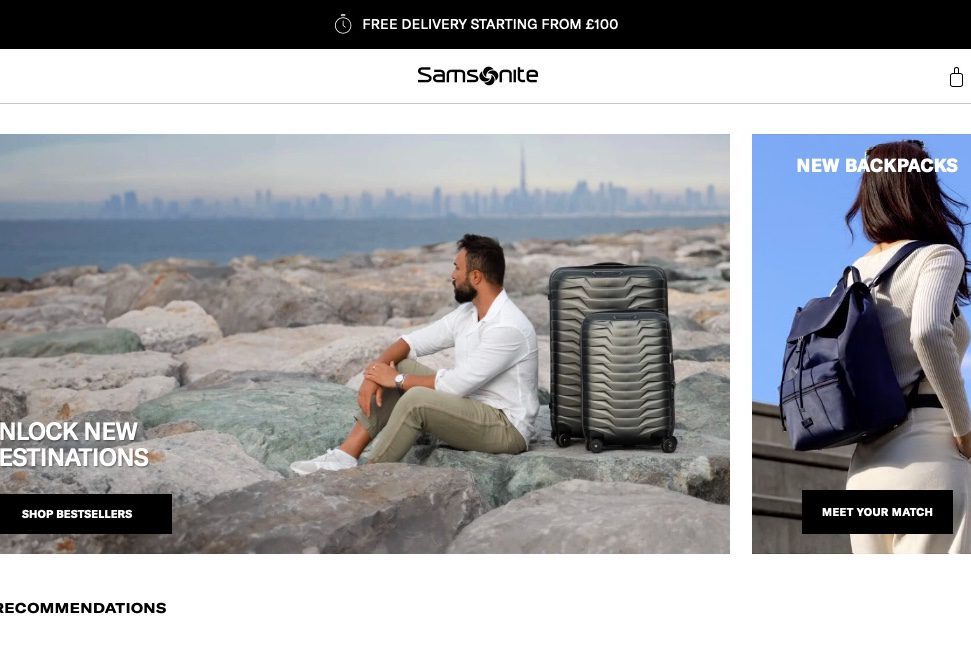

Samsonite International SA, the world’s largest travel luggage company, is preparing for a significant move to enhance its market position by pursuing a dual listing in the United States. According to sources familiar with the matter, Samsonite has selected JPMorgan Chase & Co. and Morgan Stanley to lead the process, signaling its intent to improve liquidity and widen its shareholder base. The decision comes as the company seeks to bolster its global presence and capitalize on the strong recovery of the travel industry.

The dual listing will allow Samsonite to attract a broader range of investors, particularly from the US, where its brands, including American Tourister and Tumi, are already well known. A listing on a US exchange, such as the New York Stock Exchange or Nasdaq, would increase the company’s visibility and provide easier access to the capital markets. This is seen as part of a strategic initiative by the company to diversify its funding sources and offer shareholders the option to trade more easily in a larger and more liquid market.

Samsonite, headquartered in Luxembourg, has been listed on the Hong Kong Stock Exchange since 2011. The company has been looking to expand its investor base, particularly in the wake of a strong recovery in travel demand. The resurgence in global travel after years of pandemic-related disruptions has given the company renewed confidence to explore growth avenues, including a possible US dual listing. The decision is seen as a way to solidify its foothold in a market that has seen increased demand for premium luggage and travel-related goods.

As discussions on the dual listing progress, it is expected that Samsonite will file the necessary paperwork for an initial public offering (IPO) in the US in the coming months. The timeline for the listing remains flexible, but sources suggest the company could be ready to go public in 2024. The dual listing would allow shares to be traded both in Hong Kong and the US, giving Samsonite a strategic edge in navigating international capital markets.

The company’s board is reportedly optimistic about the move, believing that a US listing could bring in significant capital that could be reinvested in expanding Samsonite’s retail footprint, enhancing its digital presence, and accelerating product development. Analysts view the listing as a smart move that would enable the firm to tap into the resurgence of travel demand and capture the attention of a larger pool of investors, especially those focused on the luxury goods and travel sectors.

Samsonite has seen substantial growth since its founding in 1910. The company, initially based in Denver, Colorado, has transformed itself into a global giant in the luggage industry. With operations in over 100 countries and a broad portfolio of brands catering to various market segments, Samsonite is uniquely positioned to take advantage of the recovery in global travel. Its product offerings, which range from budget-friendly to high-end luxury, have made it a household name in both business and leisure travel circles.

While the company faced significant challenges during the COVID-19 pandemic, with travel restrictions severely curtailing demand for its products, the easing of lockdowns and a rebound in international tourism have provided a much-needed boost. The firm reported a strong performance in its most recent earnings, with revenues climbing back to pre-pandemic levels. This recovery has been driven by a surge in demand for luggage and travel accessories as consumers resume international vacations and business trips.

In addition to its traditional luggage products, Samsonite has been investing heavily in expanding its range of travel-related goods, such as backpacks, business bags, and travel accessories. The company has also focused on sustainability initiatives, launching eco-friendly product lines made from recycled materials. These efforts are part of a broader strategy to appeal to environmentally conscious consumers, who are increasingly driving purchasing decisions in the travel goods market.

Samsonite’s leadership has remained focused on maintaining the company’s competitive edge in a rapidly evolving industry. CEO Kyle Gendreau has been vocal about the company’s ambitions to grow its presence in key markets, particularly in North America, Europe, and Asia. The potential US dual listing is seen as a critical part of this strategy, allowing the company to raise additional capital that could be used to fuel its expansion plans.

Market analysts have speculated that Samsonite’s choice of JPMorgan and Morgan Stanley reflects the company’s intent to make a strong debut in the US market. Both banks have extensive experience in handling high-profile IPOs and dual listings, making them ideal partners for a company of Samsonite’s scale and ambitions. Their involvement is expected to instill confidence in prospective investors, many of whom are eager to capitalize on the company’s strong market position and its growth potential.

The dual listing comes at a time when Samsonite is benefiting from favorable market conditions. Travel demand has rebounded sharply, and consumer spending on luggage and travel accessories is expected to grow steadily over the next several years. Industry forecasts indicate that the global luggage market could reach $23.6 billion by 2026, driven by increased travel, rising disposable incomes, and greater demand for premium travel products.

Uniswap Labs, the entity behind the popular decentralized cryptocurrency exchange Uniswap, has been fined $175,000 by the U.S. Commodity Futures Trading Commission (CFTC) for offering illegal leveraged and margined digital asset transactions. The fine stems from violations of the Commodity Exchange Act (CEA), a federal law that regulates the trading of commodity futures in the United States. The CFTC’s action marks a significant development in the ongoing […]

The UAE’s non-oil private sector displayed robust growth in August, marking a notable recovery from previous slowdowns. The latest data reveals a significant uptick in business activity, driven by increased demand and improved market conditions. According to the latest report from IHS Markit, the UAE’s non-oil private sector saw its highest expansion rate in over a year. The Purchasing Managers’ Index (PMI) for August reached 55.5, up […]

UAE bonds are experiencing their most extended rally in three years, as investors flock to high-quality assets amid global economic uncertainties. This upward trend in bond prices highlights a significant shift towards safer investments in a volatile financial landscape.

The UAE bond market’s recent performance is a stark contrast to the broader global bond market, which has been characterized by fluctuations due to inflationary pressures and shifting central bank policies. Bonds issued by the UAE, including those from government entities and state-owned corporations, have seen substantial demand, driving yields down and prices up.

A confluence of factors has contributed to this surge. The UAE’s stable economic outlook, bolstered by its robust fiscal policies and economic diversification efforts, has played a crucial role. Additionally, the country’s strategic economic reforms and its position as a financial hub in the Middle East have enhanced investor confidence.

The rally is particularly notable given the current global economic environment, where many investors are seeking refuge from market volatility and geopolitical tensions. As inflationary concerns and interest rate hikes dominate global financial news, UAE bonds have emerged as a beacon of stability.

Investor sentiment towards UAE bonds has been further strengthened by recent economic data, which indicates resilience in the UAE’s economic growth. For instance, the non-oil sector has continued to show robust performance, supporting the overall stability of the financial system. This economic resilience has made UAE bonds an attractive option for both local and international investors looking for quality assets.

The UAE government’s efforts to maintain a balanced fiscal policy and its commitment to infrastructure development have also bolstered the attractiveness of its bonds. The government’s strategic investments in various sectors, including renewable energy and technology, are expected to drive long-term economic growth, further enhancing the appeal of UAE bonds.

Moreover, the UAE’s strong credit ratings, supported by sound economic fundamentals and prudent fiscal management, have contributed to the bond market’s positive trajectory. These high credit ratings have reassured investors about the safety and reliability of UAE bonds, encouraging increased investment.

In the context of global bond markets, which are facing headwinds from tightening monetary policies and concerns about economic slowdowns, UAE bonds offer a relatively stable investment option. The appeal of these bonds is heightened by the UAE’s political stability and its role as a key economic player in the region.

Delivery Hero, the global food delivery service, has enlisted Emirates NBD and Morgan Stanley to guide the upcoming initial public offering (IPO) of its Dubai-based subsidiary, Talabat. This strategic move underscores Delivery Hero’s commitment to strengthening its presence in the Middle Eastern market and capitalizing on the burgeoning e-commerce sector.

The IPO, anticipated to be one of the significant market events in the region this year, aims to raise capital that will support Talabat’s expansion and enhance its competitive edge in a rapidly evolving industry. The decision to hire Emirates NBD and Morgan Stanley reflects Delivery Hero’s intent to leverage the expertise of prominent financial institutions in executing the listing.

Emirates NBD, one of the largest banks in the Middle East, brings extensive regional knowledge and a robust network to the table. The bank’s involvement is expected to facilitate a smooth transition for Talabat into the public market, given its deep understanding of local investor sentiment and market dynamics. Morgan Stanley, a global financial services firm, complements this with its international reach and expertise in managing high-profile IPOs, ensuring that the offering attracts a diverse pool of investors.

The selection of these two firms follows a competitive bidding process, wherein Delivery Hero sought advisors with a proven track record in handling major IPOs and a comprehensive grasp of both regional and global market trends. The collaboration aims to position Talabat effectively in the market, aligning with broader trends in the food delivery and e-commerce sectors.

The IPO is expected to be a pivotal moment for Talabat, which has established itself as a leading player in the Middle East’s food delivery market. The company, founded in 2004 and acquired by Delivery Hero in 2019, has seen substantial growth, driven by an increasing demand for online food delivery services. This growth trajectory has been bolstered by changing consumer behaviors and the rise of digital platforms, which have reshaped how consumers interact with food service providers.

Market analysts predict that Talabat’s IPO will attract significant interest from both institutional and retail investors, given the company’s strong market position and growth potential. The offering is anticipated to be a key indicator of investor confidence in the Middle Eastern tech and e-commerce sectors, which have seen a surge in investment and interest over the past few years.

The timing of the IPO is strategic, as it aligns with broader economic trends in the region. The Middle East has been experiencing a period of economic transformation, with an increasing focus on technology and innovation as drivers of growth. The successful listing of Talabat could serve as a catalyst for further investment in the region’s tech and e-commerce sectors, highlighting the Middle East’s potential as a hub for technological advancement and digital innovation.

Delivery Hero’s decision to list Talabat in Dubai is also a reflection of the city’s growing prominence as a global financial center. Dubai has become a key destination for IPOs, attracting companies looking to tap into its dynamic market and leverage its strategic location as a bridge between East and West. The city’s financial infrastructure and supportive regulatory environment provide a conducive backdrop for the successful execution of high-profile IPOs.

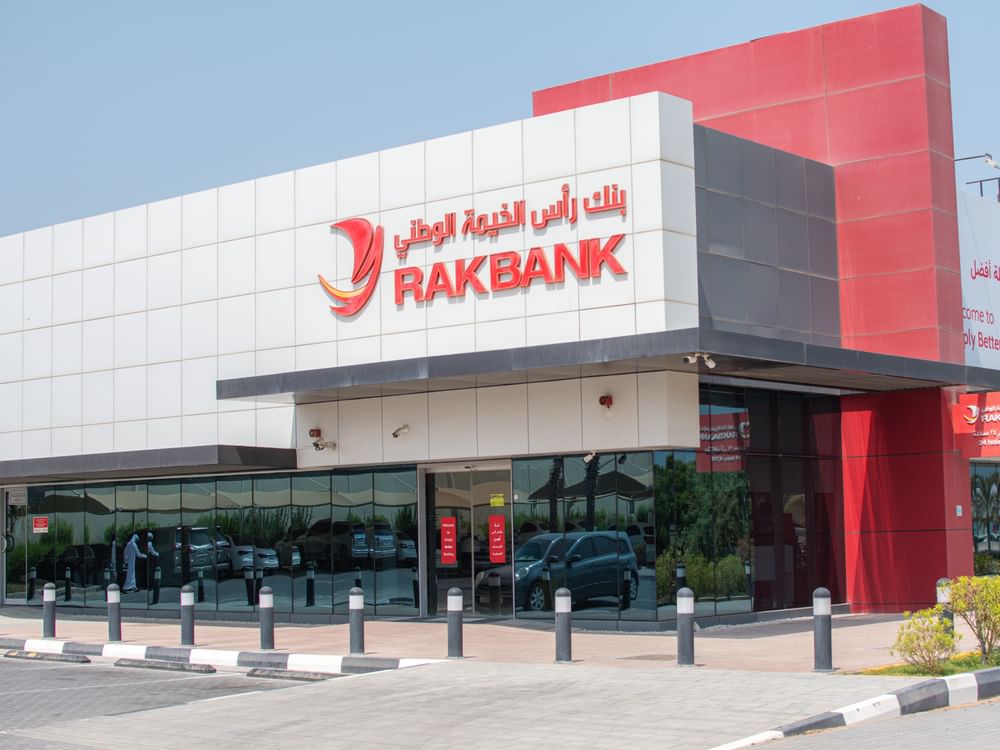
RAKBANK, the National Bank of Ras Al Khaimah, has successfully concluded its inaugural issuance of Tier 2 bonds, raising $250 million. This marks a significant milestone for the bank as it diversifies its funding sources and strengthens its capital base.

The bond issuance, conducted on September 4, 2024, was well-received by investors, reflecting strong confidence in the bank’s financial stability and growth prospects. The Tier 2 bonds are designed to enhance RAKBANK’s regulatory capital, providing a buffer against potential financial uncertainties and supporting its expansion strategies.

The bonds, with a 10-year maturity, were issued at an annual fixed rate of 5.25%, demonstrating the bank’s ability to secure favorable terms in the current capital markets. The issuance process attracted a diverse group of investors, including institutional and private investors, both regionally and internationally.

RAKBANK’s decision to issue Tier 2 bonds aligns with its ongoing efforts to strengthen its financial position and comply with the evolving regulatory requirements. Tier 2 capital, which forms part of a bank’s regulatory capital base, is crucial for maintaining the bank’s stability and supporting its growth initiatives. The successful issuance of these bonds is expected to bolster RAKBANK’s capital adequacy ratio, enhancing its ability to absorb potential losses and support future lending.

The bank’s strategy to tap into the Tier 2 bond market reflects a broader trend among financial institutions in the Middle East, where banks are increasingly turning to the capital markets to meet regulatory capital requirements and support their expansion plans. The issuance also underscores RAKBANK’s commitment to maintaining a robust capital structure, which is essential for navigating the challenges of the evolving financial landscape.

The completion of this bond issuance comes at a time when the global financial markets are experiencing a period of heightened volatility, driven by various economic and geopolitical factors. Despite these uncertainties, RAKBANK’s ability to secure significant investor interest highlights the bank’s strong market position and investor confidence in its long-term prospects.

Industry experts view RAKBANK’s Tier 2 bond issuance as a strategic move that positions the bank well for future growth. By securing additional capital, the bank is better equipped to support its lending activities, invest in new projects, and enhance its competitive position in the market. This capital injection will also enable RAKBANK to continue offering innovative financial products and services to its customers.

The successful completion of the Tier 2 bond issuance is expected to enhance RAKBANK’s credit profile, potentially leading to improved ratings from international credit rating agencies. This, in turn, could lower the bank’s borrowing costs and support its efforts to expand its footprint in both domestic and international markets.

RAKBANK’s Tier 2 bond issuance is part of a broader trend among banks in the region seeking to bolster their capital bases amid evolving regulatory requirements and economic uncertainties. Financial institutions across the Middle East are increasingly leveraging capital markets to meet their capital needs and support growth initiatives. This trend reflects a shift towards more sophisticated funding strategies as banks navigate the complexities of the modern financial landscape.

Economic sentiment across the Gulf Cooperation Council (GCC) remains largely positive despite facing significant challenges. Leaders from the region’s six member states—Saudi Arabia, the United Arab Emirates, Qatar, Kuwait, Oman, and Bahrain—are projecting continued economic growth driven by strategic diversification and investment in key sectors.

Saudi Arabia’s Vision 2030 continues to shape its economic landscape. The Kingdom is expanding its non-oil industries, particularly focusing on tourism, technology, and entertainment. Major projects like NEOM, a futuristic city planned to be powered entirely by renewable energy, are set to bolster economic diversification efforts. Despite fluctuations in oil prices and global economic uncertainties, Saudi Arabia’s economic policies aim to position the country as a global hub for innovation and investment.

The United Arab Emirates is also charting a course of strategic growth. Dubai, in particular, is enhancing its status as a global business and tourism center. The emirate’s emphasis on sustainable development, with initiatives such as the Dubai Clean Energy Strategy 2050, underscores its commitment to a diversified economy. Additionally, Abu Dhabi’s investments in renewable energy and technology sectors are expected to drive future economic stability.

Qatar’s economy is benefiting from its robust infrastructure projects and strategic investments. The country has been preparing for the 2022 FIFA World Cup, which is anticipated to provide a substantial boost to the hospitality and tourism sectors. Additionally, Qatar is focusing on strengthening its natural gas sector, positioning itself as a leading global exporter. This economic strategy aims to maintain Qatar’s high growth trajectory despite regional geopolitical tensions.

Kuwait is working towards economic diversification through its Vision 2035 plan, which seeks to reduce dependency on oil revenues by investing in sectors such as finance, technology, and healthcare. Despite facing budget deficits and economic pressures, Kuwait’s government is committed to implementing reforms and enhancing the investment climate to attract foreign capital.

Oman’s economic policies are geared towards improving its economic resilience through diversification. The Sultanate is investing in industries such as mining, tourism, and manufacturing. Oman’s efforts to enhance its business environment, coupled with regional trade agreements, are designed to foster economic growth. The government is also focusing on developing its infrastructure to support economic activities.

Bahrain is making strides in transforming its economy through investments in banking, finance, and technology. The Kingdom’s focus on becoming a fintech hub reflects its strategy to attract international businesses and foster innovation. Additionally, Bahrain’s efforts to enhance its human capital and improve its regulatory framework are expected to contribute to its long-term economic stability.

Kazuo Ueda, the Governor of the Bank of Japan (BOJ), has recently reiterated the central bank’s readiness to raise interest rates if the Japanese economy and inflation align with forecasts. This stance has significantly impacted currency markets, contributing to the yen’s strengthened position against the U.S. dollar. As the BOJ navigates its monetary policy, the broader implications for risk assets and global financial stability are becoming increasingly […]

RAKBANK, officially known as the National Bank of Ras Al-Khaimah, has introduced a new digital platform named “Protego,” aiming to reshape how UAE residents approach their insurance needs. This insurance aggregator platform is designed to simplify purchasing, managing, and claiming insurance policies, providing a seamless and user-friendly experience. Protego represents a significant leap forward in the UAE’s insurance sector, addressing the growing demand for more accessible and […]

President Sheikh Mohamed bin Zayed Al Nahyan met with Akinwumi Adesina, the President of the African Development Bank Group (AfDB), on Tuesday to discuss enhancing cooperation between the United Arab Emirates (UAE) and the AfDB. This high-level meeting aimed to strengthen partnerships and identify new opportunities for collaboration across various development sectors.

The discussion focused on several key areas, including infrastructure development, renewable energy, and economic growth initiatives. Both leaders expressed a strong commitment to advancing sustainable development goals and addressing critical challenges facing African nations.

President Sheikh Mohamed emphasized the UAE’s dedication to supporting Africa’s development agenda, highlighting ongoing and future projects that aim to boost economic resilience and sustainable growth across the continent. He underscored the importance of aligning efforts with the AfDB’s strategic objectives to maximize impact and foster mutual benefits.

Akinwumi Adesina outlined the AfDB’s current priorities and projects, stressing the organization’s role in driving economic transformation and addressing poverty and inequality in Africa. He highlighted the bank’s focus on investing in green technologies and infrastructure to support long-term development goals.

Both leaders agreed on the necessity of leveraging their respective strengths to enhance regional stability and promote economic prosperity. The meeting also touched upon potential areas of collaboration, such as enhancing trade relations and investing in infrastructure projects that can drive economic growth and create job opportunities.

In addition to discussing bilateral cooperation, Sheikh Mohamed and Adesina explored ways to enhance the effectiveness of development aid and investment strategies. They acknowledged the importance of strategic partnerships and shared resources to achieve sustainable development outcomes.

This meeting comes as part of the UAE’s broader strategy to strengthen its role in global development and support international efforts to address pressing challenges. The UAE has been actively engaged in various development initiatives across Africa, aiming to build partnerships that contribute to economic and social advancement.

The dialogue between President Sheikh Mohamed and Akinwumi Adesina underscores the growing importance of international collaboration in addressing global development challenges. Both leaders’ commitment to enhancing cooperation reflects a shared vision of creating sustainable and inclusive growth opportunities for communities across Africa and beyond.

Gold prices have remained steady just below $2,500 an ounce as market participants reassess their positions following a significant downturn that has unsettled both equity and commodity markets. The precious metal’s stability comes as traders digest recent developments and their implications for the broader economic outlook.

Gold’s current level reflects a cautious response to recent market volatility, driven largely by concerns over global economic growth. The decline in equities and commodities has been linked to a series of economic data releases and geopolitical uncertainties that have influenced investor sentiment.

Analysts attribute the recent market turmoil to several factors, including mixed economic indicators and shifting monetary policies. Recent economic reports have shown signs of slowing growth in key regions, which has heightened fears of a broader economic slowdown. Additionally, ongoing geopolitical tensions and uncertainty surrounding trade policies have further compounded market concerns.

Despite the instability, gold has managed to maintain its value near the $2,500 mark, a level that has historically acted as a significant psychological and technical barrier. This stability is attributed to gold’s role as a safe-haven asset, which often attracts investors during periods of market uncertainty.

Market participants are closely monitoring upcoming economic reports and central bank meetings, which are expected to provide further clues about the future direction of both economic growth and monetary policy. The Federal Reserve and other major central banks’ decisions on interest rates and economic stimulus measures will be crucial in shaping market expectations and influencing gold prices.

In recent weeks, gold has demonstrated resilience, with prices holding steady despite the broader market downturn. This stability underscores gold’s appeal as a hedge against economic and geopolitical risks. Investors are increasingly viewing gold as a reliable store of value in an environment marked by heightened volatility and uncertainty.

Trade data and economic forecasts continue to influence market sentiment, with many analysts predicting that gold will remain a key asset in investment portfolios. The precious metal’s performance is expected to be closely tied to developments in the global economy and financial markets, making it a focal point for traders and investors alike.

As markets adjust to the evolving economic landscape, gold’s role as a safe-haven asset is likely to be tested further. The ongoing evaluation of economic data and central bank policies will play a critical role in determining the future trajectory of gold prices and broader market trends.

Gold’s recent stability reflects a period of adjustment for investors as they navigate a complex and uncertain economic environment. The metal’s performance will continue to be influenced by a range of factors, including global economic growth, monetary policy decisions, and geopolitical developments.

Octa analysts explain why the Malaysian ringgit has strengthened substantially against the U.S. dollar and express their opinion on whether the trend can continue. KUALA LUMPUR, MALAYSIA – Media OutReach Newswire – 4 September 2024 – Over the past few months, the Malaysian ringgit (MYR) has appreciated by more than 9% against the U.S. Dollar (USD) from 4.770 in April to 4.345 today. Indeed, the decline in […]

VISHNU RAJA
RYO YAMADA
HITORI GOTOH
IKUYO KITA