News related to
Bank

Saudi Investment Bank has priced its first Additional Tier 1 (AT1) sukuk at 6.375%, marking a significant milestone in the Islamic finance sector. The deal, which was announced to global investors this week, is expected to bolster the bank’s capital position and strengthen its financial stability. The issuance, primarily targeted at international investors, demonstrates the bank’s confidence in capitalizing on favorable market conditions and investor appetite for […]

The UAE has solidified its position as a leader in digital banking across the Middle East, driven by robust infrastructure, supportive regulations, and an appetite for innovation in financial technology. With a rapidly growing user base and pioneering digital-first services, the country has emerged as a model for others in the region to emulate. The UAE’s digital banking penetration is among the highest globally, with nearly one-fifth […]

DigiLeap is a first-of-its-kind AI-driven platform connecting over 200 enterprises, including financial institutions and technology providers, to expedite Singapore and ASEAN’s transition to net-zero. Utilising advanced AI algorithms, DigiLeap customises matches between green projects and decarbonisation solutions, enhancing access to sustainable financing and innovative technologies. Aligned with COP29 priorities, DigiLeap drives impactful climate action across key sectors such as energy, construction, and real estate, fostering substantial environmental […]

Haru Investment, a cryptocurrency custody platform based in the British Virgin Islands, has been declared bankrupt by a South Korean court following its failure to meet financial obligations. The platform, which operated under promises of high returns and principal protection, deceived investors for over three years before abruptly halting withdrawals, leaving behind a loss of nearly $995 million in cryptocurrency assets.

Haru Investment attracted a significant number of clients with its claims of safeguarding investments and offering guaranteed returns on deposits. Operating in a growing but volatile crypto market, it positioned itself as a secure alternative for investors looking to store digital assets while earning substantial interest. However, according to legal proceedings and investigations, the company was not as stable as it claimed. By June 2023, Haru Investment had accumulated substantial debts and failed to honor withdrawal requests, prompting panic among investors who were unable to access their funds.

The bankruptcy case has sent shockwaves through the crypto industry, where concerns over transparency and regulatory oversight continue to grow. It also highlights the risks associated with unregulated crypto platforms, many of which operate in jurisdictions with lax financial regulations. Haru’s failure to return investor funds not only raised alarm over its financial practices but also drew attention to the broader challenges of maintaining trust in the cryptocurrency space.

Authorities have claimed that Haru Investment’s management operated a scheme designed to mislead its investors. The platform assured clients that their principal investments were protected, while simultaneously promising high returns—ranging from 10% to 15% annually. However, once a significant number of users began to request withdrawals, the platform abruptly froze its operations, leaving many to speculate that the company’s funds had been misappropriated or mishandled. Legal experts believe that Haru’s actions may have violated multiple financial regulations concerning investor protection and the handling of client funds.

The bankruptcy filing revealed that the company had been operating without the necessary reserves to meet its obligations, a situation exacerbated by the lack of clear accounting practices. The estimated $995 million in crypto assets that were unaccounted for is still being traced, and it is unclear whether any funds will be recovered for investors. In addition, Haru Investment is facing multiple lawsuits from defrauded clients, further complicating the resolution of the case.

The case has prompted calls for stricter oversight of the cryptocurrency industry. As the market for digital currencies expands, the need for comprehensive regulation and enforcement mechanisms becomes increasingly urgent. Experts argue that platforms like Haru Investment, which promise high returns without sufficient transparency, contribute to the volatility and instability of the crypto market, leaving investors vulnerable to large-scale fraud.

Some industry analysts have pointed to Haru’s ability to operate undetected for such a prolonged period as a clear indicator of the limitations of existing regulatory frameworks. Many crypto platforms function outside the purview of national financial regulators, with the jurisdictional complexities of the global market making it difficult to enforce legal standards. While some countries have taken steps to tighten regulation, the decentralized nature of cryptocurrencies complicates enforcement, allowing entities like Haru Investment to flourish without proper oversight.

The South Korean court’s ruling on the bankruptcy also shines a light on the potential liabilities faced by cryptocurrency firms operating abroad. Haru Investment, which was incorporated in the British Virgin Islands, was legally bound by the financial regulations of that jurisdiction. However, it was the failure to comply with international standards that has led to the company’s downfall. The case raises important questions about the efficacy of international regulatory cooperation in addressing cross-border financial crimes, especially in emerging sectors like cryptocurrency.

The collapse of Haru Investment follows a broader trend in the cryptocurrency sector, where investors have witnessed the rapid rise and equally swift fall of numerous platforms. Several high-profile cases in recent years have underscored the risks that come with investing in unregulated digital assets. The most notable of these was the fall of FTX, another crypto exchange that filed for bankruptcy in late 2022 amid allegations of fraud, embezzlement, and inadequate risk management.

While these high-profile bankruptcies have garnered significant media attention, they also serve as a cautionary tale for the general public about the inherent risks in crypto investments. Despite promises of high returns, the unregulated nature of the crypto market means that many investors have little recourse when platforms fail or defraud them. As the number of users in the crypto space grows, the need for enhanced consumer protection and due diligence becomes even more critical.

In South Korea, Haru Investment’s bankruptcy has sparked a broader debate about how to balance innovation with regulation. The country has long been a hub for cryptocurrency activity, but it is also home to one of the world’s most stringent regulatory environments for digital assets. This has led to a push for more stringent oversight in order to protect domestic investors while fostering a competitive crypto ecosystem. However, the Haru Investment case demonstrates the difficulty of enforcing those regulations, especially when dealing with international players who may be operating outside the reach of local law enforcement.

Ethena, a synthetic dollar protocol on the Ethereum blockchain, has witnessed a remarkable resurgence, drawing $1 billion in inflows. This growth aligns with a broader rally in cryptocurrency markets, driven by elevated perpetual funding rates and heightened investor enthusiasm for alternative financial systems.

The protocol, which offers a decentralized alternative to traditional banking, capitalized on increased market activity to enhance its value proposition. Ethena’s native token, ENA, surged by over 15% in value as speculation and institutional interest fueled its upward trajectory. Major investors acquired approximately 5.4 million ENA tokens, signaling confidence in the project’s long-term potential. These transactions pushed Ethena’s market capitalization back above the $1 billion mark, further solidifying its position among the top-performing assets.

Rothschild & Co. has appointed a seasoned Swiss banker to head its newly established wealth management office in Dubai, marking a significant expansion in the Middle East’s rapidly growing wealth management sector. The move reflects the firm’s strategic intent to strengthen its presence in a region that has seen an increasing concentration of affluent individuals and families.

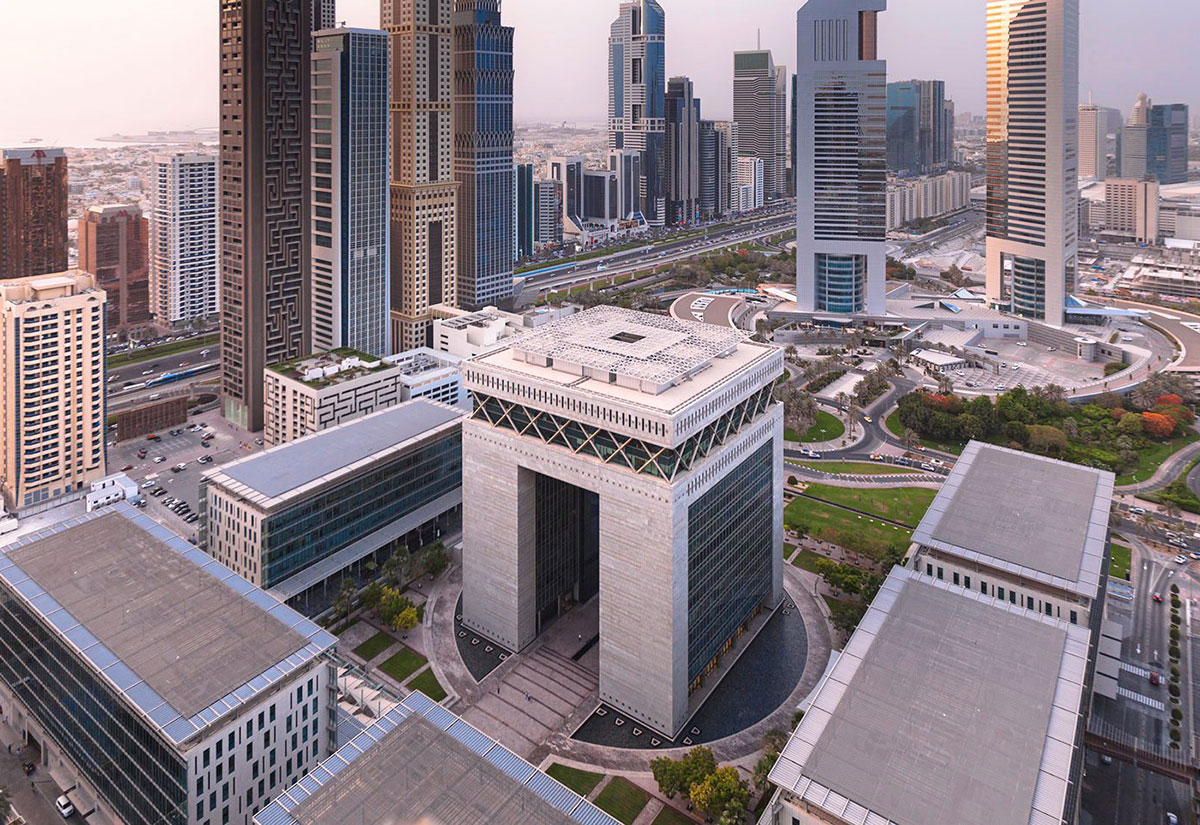
The new office, located in Dubai International Financial Centre (DIFC), aims to provide tailored wealth management services to high-net-worth individuals (HNWIs) and ultra-high-net-worth individuals (UHNWIs) across the Gulf region. With an eye on the UAE’s growing market, Rothschild & Co. is poised to leverage its global expertise to cater to the unique needs of wealthy clients in the Middle East.

The Swiss banker, whose identity remains undisclosed, brings over two decades of experience in wealth management, having previously worked with top-tier financial institutions in Switzerland and other global financial hubs. His appointment underscores Rothschild’s commitment to ensuring that its Middle Eastern clients receive personalized, high-quality advisory services, particularly in managing cross-border wealth, succession planning, and complex family office structures.

Rothschild & Co.’s decision to set up a dedicated office in Dubai is an indication of the firm’s optimism regarding the region’s increasing appeal to investors. Over the past decade, the UAE has become a leading global financial center, attracting not just affluent individuals from across the globe but also major financial institutions seeking to tap into the region’s burgeoning wealth. The region has consistently witnessed growth in the number of high-net-worth individuals, driven by the country’s successful diversification of its economy, rapid urbanization, and its position as a key financial hub for businesses and wealthy families from Europe, Asia, and Africa.

The Dubai office will be pivotal in further extending Rothschild & Co.’s network, which already has a strong presence in key global cities. Rothschild’s wealth management business has long been focused on providing a highly personalized approach to managing wealth, with expertise in both traditional and alternative asset classes. The move into Dubai comes at a time when family offices and private wealth management services are gaining increased importance in the region, particularly among younger generations of wealthy individuals seeking to preserve and grow their wealth for future generations.

Rothschild & Co. is not the only global financial institution eyeing Dubai’s growing wealth management market. Several other international banks have expanded their operations in the region, with private banking and wealth management services seeing strong demand. The city has become a magnet for both business executives and wealthy investors, many of whom are seeking a base in Dubai due to its tax advantages, business-friendly regulations, and cosmopolitan lifestyle.

One of the key factors behind this shift is the increased number of high-net-worth individuals from Asia and Europe who are seeking to establish a presence in Dubai, either for business, lifestyle, or financial reasons. The UAE’s wealth management market has grown alongside its economic diversification and its expanding role as a hub for international investment, especially in sectors such as technology, real estate, and infrastructure.

This influx of capital is being supported by Dubai’s increasing attractiveness as a safe haven for wealth amid global economic uncertainties. In addition to its stable regulatory environment, Dubai’s tax-friendly policies, such as the absence of income tax and its favorable business laws, are a draw for investors looking for more favorable conditions to manage their wealth. Moreover, with Dubai’s strategic geographical location between Europe, Asia, and Africa, it serves as a natural gateway for investors looking to access emerging markets.

Rothschild’s wealth management office is also set to benefit from the growing importance of ESG (environmental, social, and governance) investing in the Middle East. The firm is already a recognized player in sustainable investment management, and its Dubai office will focus on guiding clients toward investments that align with their values, particularly in green energy, real estate, and sustainable technologies.

Rothschild & Co.’s expansion into Dubai also ties in with its broader strategy of enhancing its global wealth management capabilities. The firm has consistently sought to expand its client base in emerging markets while strengthening relationships with existing clients in mature markets. This approach is designed to cater to the growing demand for wealth management services that combine personalized advice with a global perspective, ensuring clients can navigate the complexities of international markets and investments.

Dubai’s status as an economic powerhouse in the Middle East makes it a critical component of Rothschild & Co.’s long-term growth strategy. The city’s status as a luxury destination and its role in the development of major infrastructure projects across the region further solidify its appeal as a wealth management hub. As the city continues to grow in prominence as a business and financial center, it is likely that more global wealth managers will follow Rothschild’s lead in establishing a presence in the UAE.


By Nantoo Banerjee from Manila It may be seen as an irony of fate that the Philippines, a pioneer of the modern rice production technology helping some of the world’s major rice producers, including India, to become self-sufficient in paddy production, has itself become the world’s biggest rice importer. For the third successive year, the […]
Advertisements

The cryptocurrency landscape is experiencing heightened urgency as key players emphasize the strategic importance of Bitcoin accumulation. Binance founder Changpeng Zhao, commonly referred to as CZ, has underlined the increasing relevance of Bitcoin as a strategic reserve for governments and institutions. This comes amid his praise for Michael Saylor’s presentation advocating Bitcoin’s role in the global financial ecosystem.

CZ stressed that governments printing money to acquire Bitcoin risk falling behind if they delay, warning that no entity can afford to lag in what is becoming a critical financial race. His commentary aligns with Saylor’s assertion that Bitcoin offers a hedge against currency devaluation, presenting an opportunity for nations and institutions to secure their financial stability in an uncertain economic environment.

The discourse gains significance as Bitcoin continues to solidify its position in global markets. Its decentralized nature and limited supply have fueled interest from sovereign states, particularly those grappling with inflation and monetary instability. Countries like El Salvador, which has embraced Bitcoin as legal tender, exemplify the potential for nations to integrate cryptocurrency into their fiscal strategies, a move hailed by some as forward-thinking but criticized by others as risky.

As nations assess Bitcoin’s potential, the broader cryptocurrency market faces regulatory scrutiny and geopolitical tensions. Binance, the world’s largest cryptocurrency exchange, has encountered legal and financial challenges, including a $4.3 billion settlement with U.S. authorities over compliance violations. This development has coincided with CZ stepping down as CEO, marking a pivotal moment for the company and the industry. The regulatory pressures faced by Binance highlight the delicate balance between innovation and compliance that cryptocurrency firms must navigate.

Michael Saylor, co-founder of MicroStrategy and a vocal Bitcoin advocate, has consistently argued that Bitcoin provides a unique value proposition as a store of value. Under Saylor’s leadership, MicroStrategy has accumulated significant Bitcoin reserves, demonstrating corporate confidence in the asset’s long-term potential. His vision for Bitcoin transcends private investment, suggesting its utility as a strategic reserve for nations seeking to safeguard their economies against monetary uncertainty.

While advocates like CZ and Saylor champion Bitcoin’s potential, the cryptocurrency’s volatility remains a concern. Critics argue that Bitcoin’s price fluctuations pose risks for governments and institutions, particularly those in economically vulnerable regions. These challenges are compounded by the environmental impact of Bitcoin mining, which has drawn criticism for its significant energy consumption.

Despite these concerns, Bitcoin adoption continues to expand globally. Institutional investors and financial firms are exploring Bitcoin-backed products, and central banks are investigating the feasibility of integrating digital currencies into their monetary frameworks. This trend reflects the growing recognition of Bitcoin’s transformative potential in reshaping traditional financial systems.

The geopolitical implications of Bitcoin adoption are equally noteworthy. As nations consider its strategic importance, the global financial order could witness significant shifts. Bitcoin’s ability to transcend borders and operate independently of traditional financial systems positions it as a disruptive force with the potential to challenge existing paradigms. However, this also raises questions about its regulation and the role of international bodies in overseeing its integration into global finance.

Binance, one of the largest cryptocurrency exchanges globally, has clarified that its BFUSD token, which promises an annual yield of 19.55%, is not a stablecoin. The clarification comes amid growing confusion in the market, as some users and analysts initially viewed the token as a stablecoin-like product due to its name and yield structure. The exchange emphasized that BFUSD, while offering rewards similar to stablecoins, does not adhere to the same mechanisms that define stablecoins, such as being pegged to a fiat currency like the US dollar.

The announcement follows a wave of interest in the cryptocurrency sector for yield-bearing assets, particularly those offering high returns. Stablecoins have long been popular due to their stability, but products like BFUSD, which offer significant yield rewards, blur the lines between traditional stablecoins and newer crypto-based financial instruments. Binance’s clarification aims to set the record straight, distinguishing BFUSD as a token that is tied to a different set of protocols and risks than those typically associated with stablecoins.

Binance described BFUSD as a reward-bearing token linked to specific yield-bearing programs rather than a stable asset designed to maintain a fixed value. This key distinction has been crucial for the platform, which operates in a heavily regulated environment where clarity around financial products is critical. Stablecoins are often seen as tools for hedging against volatility in the cryptocurrency market, but BFUSD’s appeal lies in its potential for returns rather than its stability.

The clarification from Binance also reflects the broader trend of exchanges and crypto platforms developing novel financial products to cater to the growing demand for decentralized finance (DeFi) solutions. As traditional financial instruments like savings accounts and bonds offer diminishing returns, cryptocurrency yield products, which often exceed traditional rates, are becoming increasingly attractive to investors. However, these products are not without risk. The lack of a clear regulatory framework for yield-bearing tokens like BFUSD makes it essential for users to understand the nature of these assets.

Binance has assured users that BFUSD is based on blockchain technology and a set of decentralized finance protocols that facilitate the generation of yield. The exchange outlined that these protocols rely on complex mechanisms within the crypto ecosystem, which do not guarantee the same level of stability that is associated with traditional stablecoins. This includes exposure to the volatility of the crypto market, as well as the underlying protocols used to generate the returns promised to investors.

Despite its high yield offering, BFUSD does not carry the same regulatory oversight that governs traditional stablecoins such as Tether (USDT) or USD Coin (USDC), which are pegged 1:1 to the US dollar. These stablecoins are regulated in various jurisdictions and are subject to strict auditing and reserve requirements. BFUSD, on the other hand, does not adhere to these mechanisms and instead operates within the parameters of the decentralized finance space, where yield-bearing tokens are more speculative and subject to market forces.

In the wake of Binance’s clarification, some users have expressed concern over the risks associated with BFUSD. While the 19.55% annual yield is significantly higher than the returns offered by traditional financial products, the volatility of cryptocurrency markets means that investors could face potential losses if the market takes a downturn. For Binance, the challenge will be in educating its users about the risks and rewards of investing in a token like BFUSD, which offers high returns but is not backed by the same guarantees as a stablecoin.

The clarification also comes as Binance faces increasing scrutiny from regulators around the world. As governments and financial authorities look to tighten regulations on cryptocurrency exchanges and products, companies like Binance are under pressure to provide clear, transparent information to users. Misunderstandings around products like BFUSD could lead to regulatory issues or customer dissatisfaction, prompting the exchange to take proactive steps to avoid confusion and maintain compliance with existing rules.

Binance has continued to expand its offerings in the yield-bearing space, with BFUSD being one of several products aimed at providing higher returns to crypto investors. The company has also been involved in developing new liquidity solutions and supporting decentralized applications (dApps) that provide alternative financial services outside the traditional banking system. These efforts align with the broader trend of DeFi platforms disrupting traditional finance by offering new ways to earn income and engage with digital assets.

Emirates NBD has successfully issued a $500 million five-year sustainability-linked loan bond, underscoring its commitment to sustainable finance and reinforcing its position in the growing green investment space. The move is part of the bank’s broader strategy to integrate environmental, social, and governance (ESG) factors into its financial products and services. This marks a significant milestone for the bank as it strengthens its sustainability efforts, aiming to meet its green targets while tapping into the rising demand for green bonds among investors.

The loan bond was issued at a fixed coupon rate of 4.5% and will mature in 2029. It is linked to the bank’s ambitious sustainability goals, which include reducing its carbon footprint and aligning its portfolio with the principles of the Paris Agreement. The bond issuance represents a broader trend in the financial sector, where sustainability-linked instruments have become increasingly popular among institutions seeking to demonstrate their commitment to ESG principles.

Emirates NBD’s new bond issuance is expected to support various sustainability projects, particularly in areas like renewable energy, sustainable infrastructure, and green technology. This is in line with the UAE’s broader national objectives to achieve net-zero carbon emissions by 2050 and to transition to a more sustainable economy. With climate change emerging as a global challenge, banks like Emirates NBD are strategically positioning themselves to support projects that align with global environmental goals.

The issuance received strong demand from international investors, reflecting the growing appetite for sustainable investment opportunities. Analysts highlight that sustainability-linked bonds, which tie financing to a company’s environmental performance, are becoming an attractive alternative to traditional debt instruments. They offer companies an incentive to meet specific sustainability targets, which can improve their financial and environmental performance over time.

Experts argue that sustainability-linked bonds have become a key mechanism for banks and corporations to fund their sustainability strategies while also improving their long-term credibility and reputation in the market. By linking financial performance to environmental targets, these bonds offer a more flexible and impactful way for companies to demonstrate their commitment to the environment.

Emirates NBD has stated that the proceeds from the bond will be used for financing and refinancing sustainability initiatives within the bank’s existing portfolio. This aligns with the financial sector’s broader push to integrate ESG metrics into core business activities. Additionally, the bank intends to use the bond proceeds to further enhance its sustainable finance offerings, as well as to continue supporting environmentally and socially responsible projects across various sectors.

The bank has been at the forefront of promoting sustainable finance in the region, having already issued multiple green bonds in previous years. These bonds, along with the new sustainability-linked loan bond, contribute to the bank’s goal of becoming a leader in green financing in the Middle East. The UAE’s financial institutions, led by major players like Emirates NBD, are expected to play a pivotal role in shaping the region’s green economy, particularly as global investors look to place their funds into markets that prioritize sustainability.

This new issuance also highlights the evolving dynamics of the financial markets, where investors are becoming increasingly discerning about the ESG credentials of the entities they invest in. Global trends show that institutional investors, including pension funds and sovereign wealth funds, are placing a premium on ESG-compliant investments. This is creating new opportunities for financial institutions that can offer sustainable products, further incentivizing banks like Emirates NBD to accelerate their green financing initiatives.

Emirates NBD’s sustainability efforts are also being aligned with the global transition to net-zero emissions. As part of its ongoing sustainability initiatives, the bank has committed to cutting its own carbon emissions and promoting green banking practices within its operations. The issuance of the sustainability-linked loan bond is expected to be a key component of this strategy, allowing the bank to tap into a new pool of capital while supporting the growth of environmentally responsible projects.

The broader implications of this issuance extend beyond the banking sector. By raising awareness of the growing significance of sustainable finance, Emirates NBD’s actions may encourage other banks in the Middle East to adopt similar initiatives. Furthermore, this issuance may increase awareness among investors of the critical role that banks play in driving the transition to a sustainable future. The UAE’s position as a key player in the global financial system means that this move could have ripple effects across other regional markets, contributing to the growth of ESG investing in the Middle East.

Emirates NBD, one of the largest banking groups in the Middle East, has engaged multiple banks for a five-year sustainability-linked loan. This initiative represents a significant step in aligning its financial strategies with environmental, social, and governance (ESG) principles. The loan underscores the bank’s ongoing commitment to integrating sustainable practices into its corporate strategy, a trend gaining traction among global financial institutions. The proposed loan ties Emirates […]

Adani Green Energy’s subsidiaries have mandated banks for the issuance of USD-denominated green bonds, marking a significant step in the company’s expansion of its sustainable financing efforts. This move follows a broader trend in the renewable energy sector, where corporations are increasingly turning to green bonds as a means to fund eco-friendly projects and promote sustainability. The subsidiaries, including Adani Green Energy Limited and Adani Renewable Energy […]

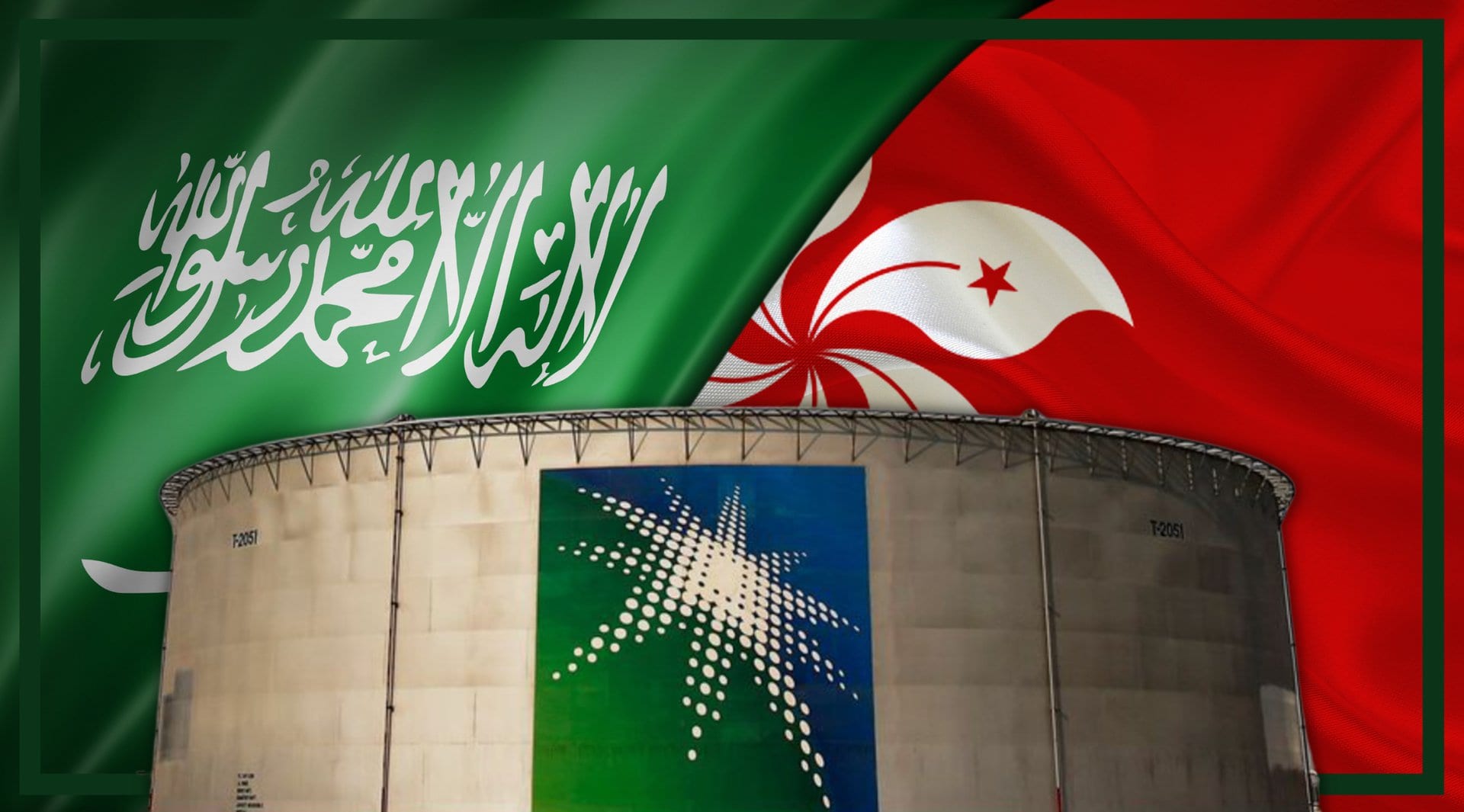
A growing number of Saudi companies are now contemplating initial public offerings (IPOs) on the Hong Kong Stock Exchange (HKEX), as part of a broader strategy to diversify their global market presence. This move comes as Saudi Arabia intensifies its push to increase investments and international trade under the Vision 2030 initiative. Companies, particularly those in tech, finance, and energy sectors, are attracted by Hong Kong’s established role as a bridge between the East and the West.

Saudi officials have been increasingly open to collaborating with Hong Kong, with significant efforts to foster bilateral economic ties. Last year, the Saudi Capital Market Authority and Hong Kong’s financial regulators signed an agreement to explore investment opportunities, signaling a concerted effort to deepen economic cooperation. The deal aims to streamline listing processes for Saudi firms on HKEX, offering them access to a broader range of investors and enhancing liquidity options.

HKEX, known for its favorable regulatory environment and its role as Asia’s top IPO venue, has positioned itself as an attractive listing destination for Saudi companies. The exchange’s listing reforms, which simplify the process for foreign firms, have been tailored to attract businesses seeking to expand their market footprint. Furthermore, its proximity to mainland China—home to a burgeoning investment pool—makes it particularly appealing for Saudi companies eyeing the Asian markets.

Several factors are driving Saudi companies to seek listings outside their home market. First, Hong Kong’s international investor base offers access to global capital markets. As the Saudi stock market matures, expanding into Hong Kong provides companies with greater exposure and a diversified shareholder structure. This aligns with the Kingdom’s desire to diversify its economy away from oil dependence, tapping into other industries that are pivotal to its long-term strategy.

Among the key players in this shift is Saudi Aramco, the state-owned oil giant, which has long been a strong contender in international markets. Although Aramco itself is already listed on the Riyadh exchange, its example serves as a precedent for other large state-owned enterprises (SOEs) in Saudi Arabia. There is an expectation that sectors like technology, healthcare, and green energy will be the primary industries to benefit from this push.

Hong Kong has been an appealing destination for IPOs due to its established infrastructure for foreign listings. The exchange provides a well-regulated environment, offers both local and international investors access, and has a relatively stable market compared to other global financial hubs. Moreover, Hong Kong’s legal system, which is based on English common law, offers transparency and protection for foreign investors, further enhancing its attractiveness.

While Saudi Arabia has made considerable strides in building its own financial markets, the global nature of Hong Kong’s market presents distinct advantages. Its exposure to the Asian markets, particularly China, allows Saudi firms to tap into a rapidly growing economic zone. This is seen as a strategic move in response to the shifting dynamics of global investment, with China playing an increasingly dominant role in global finance.

Saudi Vision 2030 has also made foreign investments a priority, and this shift to international IPOs aligns with the Kingdom’s goals to integrate more deeply into the global economy. By encouraging high-profile listings abroad, Saudi Arabia hopes to enhance its credibility on the world stage, attract more foreign direct investments, and boost its non-oil economy.

Arabian Post Staff -Dubai Dubai is positioning itself as a pivotal player in the global gold market, leveraging its unique geographic location, robust infrastructure, and forward-thinking policies. The city has seen a surge in gold trade activity, propelled by geopolitical shifts, increased bullion acquisitions by central banks, and a strategic focus on refining and trading gold to meet evolving market demands.Central banks have significantly boosted their gold […]

The United Nations General Assembly has overwhelmingly voted in favor of a resolution recognizing the right of the Palestinian people to self-determination, paving the way for the establishment of an independent Palestinian state. A total of 170 countries supported the resolution, signaling strong international backing for the Palestinian cause, while six nations, including Israel and the United States, voted against it. Nine others abstained from the vote, […]

Quantoz Payments, a fintech company headquartered in the Netherlands, is set to launch two regulated stablecoins, EURQ and USDQ, with backing from prominent industry players Tether, Kraken, and Fabric Ventures. The tokens, which will be pegged to the euro and U.S. dollar respectively, are designed to comply with the European Union’s Markets in Crypto-Assets Regulation (MiCA), a framework aimed at standardizing digital asset oversight across the bloc.

Scheduled for release on November 18, these electronic money tokens (EMTs) are licensed by the Dutch Central Bank, marking a significant milestone in the evolution of stablecoin infrastructure within Europe. Unlike traditional cryptocurrencies, EMTs offer the added assurance of being fully backed by reserves held in secured accounts. These accounts are audited and managed under strict regulatory oversight, ensuring a level of transparency that aligns with MiCA’s rigorous standards.

CEO Nick Haasnoot of Quantoz Payments emphasized the transformative potential of this launch, noting that the tokens aim to merge the efficiencies of blockchain technology with robust financial safeguards. The company, which operates as a licensed electronic money institution, has structured the EMTs to enable seamless integration into a variety of payment systems, including those powering machine-to-machine transactions and IoT networks. This design aligns with MiCA’s objectives to foster innovation while mitigating risks within the rapidly expanding crypto ecosystem.

Both tokens are tailored to cater to businesses and individuals within the European Economic Area. This geographical focus not only aligns with MiCA but also positions the EMTs as a cornerstone for emerging financial applications, from microtransactions to Web3-enabled economies. Industry insiders have lauded Quantoz for its proactive engagement with regulators and its commitment to setting a high compliance standard in the issuance of blockchain-based financial instruments.

Shoppers can enjoy 12 days of exciting deals from top local and international brands, including Dyson, De’Longhi, SMEG, Bose, Hasbro, Bioderma and more Celebrate Black Friday at Amazon.sg Holiday Playground with exciting activities during selected time periods on 22 and 23 November at SuperPark Singapore SINGAPORE – Media OutReach Newswire – 18 November 2024 – (NASDAQ: AMZN) – Amazon Singapore today unveiled an exciting lineup of Black […]

DataBank, a leader in high-performance computing and edge colocation solutions, has attained certification under the NVIDIA DGX-Ready Data Center program. This recognition positions DataBank among a select group of data centers equipped to support NVIDIA DGX systems, tailored for advanced artificial intelligence and machine learning applications. The certification highlights DataBank’s commitment to meeting the stringent requirements of AI workloads, which demand robust infrastructure, energy efficiency, and cutting-edge […]

Mergers and acquisitions (M&A) activity in the Middle East and North Africa (MENA) region has been notably strong in 2024, with the UAE and Saudi Arabia emerging as the dominant players, driving a significant share of the regional deal flow. A combination of strategic investment initiatives, favorable business regulations, and robust economic frameworks has positioned these two countries as key contributors to the growing M&A landscape.

The first half of 2024 saw the total M&A activity in the MENA region reach $49.2 billion, with a 12% increase in deal value compared to the previous year. Both the UAE and Saudi Arabia accounted for a substantial portion of this growth, with the UAE in particular benefiting from its business-friendly environment. The UAE’s reputation as a hub for cross-border investments, particularly in sectors such as real estate, energy, and technology, has been key to its position as a leader in regional M&A activity. The country’s strong legislative framework, along with the ease of doing business, has attracted both regional and international investors.

In Saudi Arabia, M&A deals have largely been driven by the government’s Vision 2030 reform plan, which focuses on diversifying the economy and reducing dependency on oil. This vision has led to a surge in infrastructure and energy-related deals, as well as investments in sectors like tourism, healthcare, and entertainment. Major sovereign wealth funds like Saudi Arabia’s Public Investment Fund (PIF) have been instrumental in facilitating these high-value transactions.

An interesting trend in the region has been the growing dominance of sovereign wealth funds in driving M&A. These funds, which include the Abu Dhabi Investment Authority (ADIA), Mubadala, and PIF, have been actively acquiring stakes in both domestic and international markets. They are increasingly playing a pivotal role in shaping the region’s investment climate, particularly in high-growth sectors such as insurance, real estate, and energy.

Noteworthy transactions include the acquisition of a 60% stake in Zhuhai Wanda Commercial Management Group by a consortium including Mubadala and ADIA, valued at $8.3 billion. Another significant deal saw Abu Dhabi Future Energy Company (Masdar) acquire a 67% stake in Greek company Terna Energy for $2.9 billion. These transactions are part of a broader strategy of cross-border investments aimed at expanding the MENA region’s global influence.

Despite fluctuations in global oil prices, the MENA region’s M&A market has demonstrated resilience, supported by stable oil revenue streams and continued government infrastructure spending. Industry experts attribute the growth to the diversification efforts by governments and a strategic push to invest in sectors beyond oil and gas.

Insurance and real estate are among the sectors that have seen the most M&A activity, driven by factors such as the growth in tourism, major infrastructure projects, and the rising middle class. These sectors, which traditionally account for a significant portion of M&A transactions, have attracted investments that reflect both short-term returns and long-term strategic goals.

The shift towards cross-border M&A activity has also been a defining characteristic of the market in 2024. Cross-border deals accounted for 52% of the total deal volume, with outbound investments, particularly from the UAE and Saudi Arabia, directed largely towards the United States, which remains a preferred target market. The growing influence of MENA-based investors in international markets reflects a broader trend of increased economic diversification.

This surge in M&A activity aligns with broader economic trends within the MENA region, where countries like the UAE and Saudi Arabia continue to build economic power through diversification and international partnerships. Local economic policies are tailored to foster an attractive investment climate, which has been crucial in maintaining the momentum of M&A deals.

SHANGHAI, CHINA – Media OutReach Newswire – 15 November 2024 – Frost & Sullivan released the Emerging Asia-Pacific Big Data Market Research Report, 2024, in October 2024. The report provides an in-depth analysis of the big data market across key emerging markets in the emerging Asia-Pacific region, including Hong Kong SAR, the Philippines, Indonesia, Malaysia, Singapore, Thailand, Bangladesh and Sri Lanka. The report highlights the critical role […]

MSB, Backbase and SmartOSC announce partnership in signing ceremony HANOI, VIETNAM – Media OutReach Newswire – 15 November 2024 – Backbase, creator of the Engagement Banking Platform, today announces that Maritime Commercial Joint Stock Bank (MSB), has made a strategic investment in the Backbase Engagement Banking Platform, with local implementation support from Backbase’s partner, SmartOSC, a premium digital enabler. This milestone marks a pivotal step in MSB’s […]

HO CHI MINH CITY, VIETNAM – Media OutReach Newswire – 15 November 2024 – Cake by VPBank (Cake), Vietnam’s largest digital bank by user base, revenue and product variety, announced the launch of its first fully cloud-based Card Management System (CMS) in collaboration with Visa. The new cloud-based CMS utilizes Visa Cloud Connect on Google Cloud infrastructure as its access model to the Visa network. This innovative […]

By Nitya Chakraborty The 2024 G-20 Summit is taking place in Rio de Janeiro on November 18 and 19 in the background of two continuing wars in Ukraine and West Asia and the intensification of eco-political crisis in Europe. Moreover, the victory of Donald Trump in the November 5 presidential elections in USA has led […]

The 2025 MICHELIN Guide Kuala Lumpur & Penang features a total of 143 establishments, including 56 Bib Gourmand and 80 MICHELIN Selected venues The first-ever MICHELIN Green Star goes to Dewakan, a two-MICHELIN-Starred restaurant The 2025 MICHELIN Guide Kuala Lumpur & Penang features a total of 143 establishments, including 56 Bib Gourmand and 80 MICHELIN Selected venues The first-ever MICHELIN Green Star goes to Dewakan, a two-MICHELIN-Starred […]

VISHNU RAJA
RYO YAMADA
HITORI GOTOH
IKUYO KITA