News related to
Bank

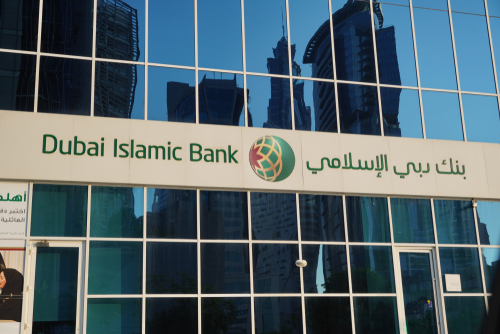
Moro Hub, a subsidiary of Digital DEWA, has formalized a partnership with Dubai Islamic Bank (DIB) aimed at enhancing the bank’s cybersecurity capabilities. The collaboration focuses on the provision of advanced colocation services and a comprehensive cybersecurity suite, ensuring the security and resilience of DIB’s IT infrastructure. This development is expected to boost Dubai Islamic Bank’s efforts to safeguard its operations and data against an evolving threat landscape while expanding its digital footprint.

The Memorandum of Understanding (MoU) signed between Moro Hub and Dubai Islamic Bank underscores the growing need for robust digital infrastructure in the financial sector. As part of the agreement, Moro Hub will provide DIB with secure colocation services in a state-of-the-art data center, alongside a suite of cybersecurity solutions tailored to meet the specific needs of the financial institution. These services aim to mitigate the risk of cyberattacks and ensure the bank’s compliance with regulatory standards, reflecting the increasing pressures on banks globally to adopt enhanced security measures.

Colocation, a service allowing businesses to rent space for their servers and other computing hardware within a third-party data center, offers banks like DIB the advantage of enhanced physical security, disaster recovery, and operational efficiency. Moro Hub’s colocation services will enable Dubai Islamic Bank to host its critical systems in a secure environment, benefiting from the company’s advanced infrastructure, which is designed to meet the stringent security requirements of financial institutions.

This partnership comes at a time when financial institutions in the UAE and around the world are grappling with a surge in sophisticated cyber threats. With the rise of digital banking services and the increased reliance on online platforms, banks have become prime targets for cybercriminals. By leveraging Moro Hub’s expertise in cybersecurity, Dubai Islamic Bank aims to strengthen its defenses against these threats, ensuring the protection of its clients’ sensitive information.

The global banking sector has witnessed a dramatic rise in cybersecurity incidents over the past few years, prompting financial institutions to invest heavily in protective measures. From phishing attacks to sophisticated ransomware campaigns, banks are constantly under siege by attackers seeking to exploit vulnerabilities in their systems. Dubai Islamic Bank’s decision to partner with Moro Hub reflects a proactive approach to dealing with these challenges, as the bank seeks to stay ahead of the curve in an increasingly digitalized world.

Moro Hub, established as part of Dubai’s broader Smart City initiative, has positioned itself as a key player in the region’s digital transformation efforts. The company’s data centers and cybersecurity services are aligned with international standards, making it a trusted partner for businesses seeking to secure their digital operations. For Dubai Islamic Bank, this partnership offers a significant opportunity to enhance the security and efficiency of its IT operations while also reducing the operational costs associated with maintaining in-house data centers.

Cybersecurity is no longer just a technological challenge; it has become a critical component of business strategy for banks and other financial institutions. Regulatory bodies in the UAE and across the globe have tightened their requirements for data protection, mandating that banks adopt stricter security protocols to safeguard customer data and prevent breaches. Failure to comply with these regulations can result in hefty fines and damage to the institution’s reputation. By partnering with Moro Hub, Dubai Islamic Bank aims to ensure full compliance with these regulatory standards while also minimizing the risk of operational disruptions caused by cyberattacks.

Beyond the immediate security benefits, this partnership is also expected to have broader implications for Dubai Islamic Bank’s digital transformation journey. The bank has been steadily expanding its digital services, offering customers a range of online banking options, including mobile banking apps and digital payment platforms. As customer expectations continue to evolve, DIB’s ability to provide seamless and secure digital services will be crucial to maintaining its competitive edge in the market.

The digital banking landscape is undergoing rapid transformation, with customers increasingly favoring online and mobile services over traditional banking methods. This shift has forced banks to rethink their operational strategies, with a focus on enhancing the digital experience for customers while ensuring robust security measures are in place. For Dubai Islamic Bank, the partnership with Moro Hub is a strategic move to ensure that its digital infrastructure is capable of meeting these demands while also safeguarding against the growing threat of cyberattacks.

Financial institutions across the UAE have been accelerating their investments in digital infrastructure in response to changing market conditions and regulatory pressures. With initiatives such as the UAE’s National Cybersecurity Strategy and Dubai’s push towards becoming a global fintech hub, banks are under increasing pressure to enhance their cybersecurity frameworks. Dubai Islamic Bank’s collaboration with Moro Hub is in line with these national priorities, positioning the bank as a leader in digital security within the financial sector.

While the specific financial terms of the MoU were not disclosed, the partnership between Moro Hub and Dubai Islamic Bank represents a significant step forward in the bank’s efforts to strengthen its IT infrastructure. The bank’s leadership has emphasized the importance of cybersecurity as a core component of its business strategy, and this collaboration with Moro Hub is expected to play a key role in achieving those objectives.

Siam Commercial Bank (SCB) has made history by becoming the first bank in Thailand to incorporate stablecoins for cross-border payments, a significant advancement in the country’s financial technology landscape. This pioneering move is part of a partnership with the fintech company Lightnet, which aims to enhance the efficiency and speed of international money transfers, particularly in the Southeast Asian region.

SCB’s initiative signals a major shift toward digital currencies in traditional banking, responding to a growing demand for more streamlined and cost-effective payment solutions in an increasingly interconnected world. The integration of stablecoins, which are digital currencies pegged to stable assets like fiat currencies, offers a way to mitigate the volatility typically associated with cryptocurrencies. By leveraging stablecoins, SCB can facilitate faster transactions and reduce fees, making it a compelling option for businesses and consumers engaged in cross-border trade.

This strategic partnership is not merely an isolated development but part of a broader trend among financial institutions worldwide embracing blockchain technology and digital currencies to remain competitive. SCB’s move aligns with the Thai government’s digital economy initiatives, which promote the adoption of innovative technologies to enhance the country’s financial infrastructure. The use of stablecoins is expected to streamline the payment processes significantly, allowing users to transfer funds in real-time, a stark contrast to traditional methods that often take several days to complete.

Lightnet, founded in 2018, has been at the forefront of integrating blockchain technology into the financial services industry. The company utilizes a decentralized network that connects various payment platforms, enabling users to send and receive funds across borders seamlessly. By collaborating with SCB, Lightnet aims to expand its operations in Thailand and enhance the overall efficiency of financial transactions within the region.

As part of this partnership, SCB will leverage Lightnet’s blockchain infrastructure to facilitate transactions in stablecoins, thus providing a secure and efficient method for cross-border payments. This approach not only positions SCB as a leader in fintech innovation within Thailand but also enhances its competitive edge against other banks and financial institutions in the region that are yet to adopt similar technologies.

The implications of this partnership extend beyond mere transactional efficiency. By adopting stablecoins, SCB is responding to the needs of businesses that require faster and more reliable payment methods to meet the demands of global trade. This move may also inspire other financial institutions in Thailand and across Southeast Asia to explore similar partnerships with fintech firms, fostering a more dynamic and competitive banking landscape.

Experts have noted that the adoption of stablecoins in the banking sector can significantly impact the remittance market, particularly in regions like Southeast Asia, where a substantial portion of the population relies on cross-border remittances for their livelihoods. Traditional remittance services often impose high fees and lengthy processing times, making stablecoin-based solutions an attractive alternative for those seeking more affordable and efficient options.

The integration of stablecoins aligns with the broader trend of digital transformation within the banking sector, as more institutions recognize the necessity of evolving to meet changing consumer expectations. The COVID-19 pandemic has accelerated the shift towards digital payments and online banking, prompting banks to adopt new technologies to enhance customer experience and streamline operations.

This development also raises questions about regulatory frameworks surrounding digital currencies in Thailand and the broader Southeast Asian region. As banks like SCB begin to incorporate stablecoins into their operations, regulators will need to establish clear guidelines to ensure the safety and security of these transactions. The Thai government has already indicated its intention to create a conducive environment for fintech innovations, but balancing regulation with the need for innovation will be crucial as the industry evolves.

The implications of SCB’s adoption of stablecoins are profound, potentially reshaping the landscape of cross-border payments in Thailand and beyond. As this initiative gains traction, it may pave the way for increased collaboration between banks and fintech companies, fostering an ecosystem where innovative solutions can thrive.

This partnership could stimulate greater interest in stablecoins among consumers and businesses, driving broader adoption across various sectors. With SCB leading the charge, it is likely that other banks will follow suit, recognizing the benefits of integrating digital currencies into their payment systems.

HOHHOT, CHINA – Media OutReach Newswire – 17 October 2024 – Under the warm autumn sun, hundreds of farmers are racing to seize the remaining chance before winter to plant trees along the banks of Ulan Suhai Lake, the largest freshwater lake in the Yellow River basin. A greater flamingo is seen in Ulan Suhai Lake in Urad Qianqi, north China’s Inner Mongolia Autonomous Region, May 25, […]

The World Bank forecasts a 4.1% growth for the United Arab Emirates’ GDP in 2025, supported by diversification efforts and recovery in tourism and trade. This projection comes amidst ongoing economic reforms and investments in infrastructure and technology that aim to bolster the country’s long-term economic resilience. In its latest report, the World Bank emphasizes that the UAE’s economy has shown remarkable adaptability, bouncing back from the […]

Nokia’s third-quarter performance failed to meet expectations, with net sales dropping to €4.33 billion, down 7% from the previous year. The company’s recovery, anticipated to pick up by now, has been slower than forecasted. While Network Infrastructure and Nokia Technologies divisions saw some growth, a significant drop in Mobile Networks, particularly in India, along with divestments in Cloud and Network Services, led to this overall decline. Despite these setbacks, Nokia maintained its full-year outlook, expecting profits at the lower end of its projected range.

Nokia’s profit did see a year-on-year improvement, rising to €169 million, while comparable profit from continuing operations increased to €358 million. However, these gains could not offset the overall sales decline. Nokia’s mobile networks, especially in key markets, face challenges, with weaker demand, notably in India, being a major factor. The company continues to focus on operational cost-cutting to counterbalance slow sales recovery.

Despite missing sales estimates, Nokia remains committed to its longer-term goals, aiming for improved margins and profitability through to 2026. The company’s leadership is banking on ongoing restructuring and investments in 5G and new technologies to drive this future growth. Nonetheless, investor concerns remain, particularly given the sluggish turnaround and competitive pressures in the global telecom sector.

SINGAPORE – Media OutReach Newswire – 17 October 2024 – Yuno, the world’s leading payment orchestration platform, today announced the appointment of SheueChee Beh as its new Head of Partnerships for APAC. This move doubles down on the company’s commitment to scaling its presence in Asia-Pacific. SheueChee has over two decades of payments experience and a proven track record working within Asia’s tech and financial services sector, […]

HONG KONG SAR – Media OutReach Newswire – 16 October 2024 – Response to the Policy Address 2024/25 by KK Chiu, International Director, Chief Executive, Greater China of Cushman & Wakefield: Farewell to subdivided units and optimize the living environment We are pleased to see that the government’s taking proactive measures in housing supply and land policy to address the housing problem. The introduction of a rental […]

Advertisements

The World Bank has adjusted its economic growth forecasts for the Middle East and North Africa (MENA) region, citing heightened uncertainties stemming from the ongoing Gaza conflict. This revised outlook reflects the significant impact of geopolitical tensions on the economic stability of nations within the region.

In its latest report, the World Bank projected that MENA’s economy would grow by 2.4% in 2024, a decrease from its previous estimate of 3.1%. This downgrade highlights the fragile state of the region’s recovery amid escalating conflicts and rising inflation. The report emphasizes that the disruption caused by the Gaza war could have ripple effects across the region, particularly affecting trade, investment, and tourism.

Countries in the Gulf Cooperation Council (GCC) are expected to demonstrate more resilience, with projected growth rates of around 4.1%. However, the report notes that even these nations may not be immune to the broader economic downturn. With a notable dependency on global oil prices, any fluctuations could hinder growth potential. The World Bank attributes the GCC’s relative strength to high oil revenues, which are supporting government spending and infrastructure development.

The impact of the Gaza conflict is significant for several reasons. The humanitarian crisis in Gaza has raised concerns about stability in neighboring countries, which could lead to an influx of refugees and strain public services. Additionally, the ongoing conflict has prompted discussions about energy security in the region, particularly given Europe’s efforts to reduce its reliance on Russian gas.

Analysts also point to the potential for increased military spending in response to the conflict, which could divert resources from social and economic development initiatives. Such shifts in government spending could hinder long-term growth prospects for nations striving to diversify their economies away from oil dependency.

Tourism, a critical sector for many MENA economies, particularly in the Levant and North Africa, is facing headwinds as well. The Gaza conflict has raised travel advisories from various countries, impacting visitor numbers and spending. Countries such as Egypt and Jordan, which rely heavily on tourism, are expected to see a decline in revenues. The report indicates that the tourism sector’s recovery may lag behind other industries, affecting job creation and economic stability in these nations.

The region faces persistent challenges related to inflation and food security. Rising global commodity prices, exacerbated by supply chain disruptions from the Ukraine conflict, are contributing to higher living costs. Many MENA countries are grappling with food inflation, which has emerged as a significant issue for households, particularly in countries with already high poverty rates.

The report identifies key players who are likely to shape the region’s economic landscape. Saudi Arabia, with its Vision 2030 initiative, continues to drive efforts to diversify its economy and attract foreign investment. The United Arab Emirates is also making strides in positioning itself as a global business hub, focusing on technology and innovation. However, the volatility created by geopolitical tensions could impede these efforts and delay the realization of ambitious economic goals.

Lebanon, meanwhile, remains in a precarious economic situation. The ongoing political instability and the fallout from the 2020 port explosion continue to affect economic recovery efforts. Inflation has skyrocketed, and essential services have deteriorated, leading to widespread discontent among the population. International support remains critical for Lebanon as it navigates this challenging landscape.

As the World Bank’s report underscores, addressing these challenges will require coordinated efforts among MENA nations. Investment in renewable energy, improvements in infrastructure, and enhancements in governance and institutional frameworks are essential for fostering sustainable growth. The current geopolitical landscape presents both risks and opportunities for the region, highlighting the need for adaptive policies that can respond to emerging threats.

A resurgence of optimism in the crypto market is gaining momentum, as JPMorgan analysts predict significant growth for Bitcoin and other cryptocurrencies, driven by a range of geopolitical and financial factors. The prospect of Donald Trump’s return to the U.S. presidency in 2025 has emerged as a key element in the bank’s optimistic outlook. Trump’s potential win is seen as a possible catalyst for regulatory shifts that could provide greater clarity and support for digital assets, with Bitcoin expected to be one of the primary beneficiaries.

While political developments are central to JPMorgan’s forecast, other significant factors are also influencing its stance. The winding down of the Mt. Gox and Genesis liquidation processes could lead to reinvestment in the market. Moreover, the potential resolution of the FTX bankruptcy case is another critical factor, as recovered assets from the exchange may be reinvested, bringing additional liquidity and stability to the crypto ecosystem.

The bank’s analysts have pointed to the rising market capitalization of stablecoins as a further indication of growing institutional confidence in the sector. Stablecoins, which provide a bridge between the fiat and crypto worlds, are increasingly being viewed as essential components of the global financial system. Their expanding role may support broader market stability, enhancing the appeal of cryptocurrencies as viable assets in traditional finance.

JPMorgan’s analysis also aligns with broader market sentiments, where Trump’s increasing odds in the upcoming 2024 presidential election have sparked renewed enthusiasm within the crypto space. His policies, particularly his prior statements on deregulation and economic growth, are viewed as favorable to a pro-crypto agenda. This has driven a rally in crypto stocks, including key players like Marathon Digital and Coinbase, with many seeing Trump’s potential presidency as a boost to the digital currency industry.

The Middle East saw an impressive surge in sustainable bond issuances, reaching a total of $16.7 billion in the first three quarters of 2024, according to S&P Global Ratings. This figure reflects the growing commitment of governments and corporations in the region to finance green initiatives and projects aimed at addressing climate change and promoting sustainability. Notably, the surge in issuances is driven by increased awareness of […]

The International Monetary Fund (IMF) has projected that global public debt will exceed $100 trillion by the close of 2024, underscoring the growing fiscal challenges faced by both developed and developing economies. This daunting figure reflects the accumulation of government borrowing that has escalated in the wake of various economic crises, including the pandemic and the geopolitical tensions that have rattled markets in recent years. According to the IMF, the surge in debt levels poses significant risks to global financial stability, particularly as countries grapple with inflationary pressures and rising interest rates.

At the heart of this mounting debt crisis lies the legacy of the COVID-19 pandemic, which prompted unprecedented fiscal responses from governments worldwide. In an effort to cushion their economies from the devastating effects of lockdowns and health crises, many nations significantly expanded their borrowing. The IMF noted that while the stimulus measures were necessary at the time, they left many economies vulnerable to the long-term consequences of unsustainable debt levels.

Advanced economies, in particular, contributed heavily to the rise in global debt. The IMF’s report points to countries such as the United States, Japan, and members of the European Union, which implemented expansive fiscal policies during the pandemic to stabilize their economies. These nations are now facing the challenge of managing ballooning public debt while trying to rein in inflation and stabilize financial markets. The US, for instance, has seen its national debt soar to record levels, driven by pandemic-related spending and ongoing fiscal stimulus efforts. Similarly, Japan, which already had one of the world’s highest debt-to-GDP ratios, saw its debt levels climb further as the government introduced new stimulus packages.

Emerging markets and developing economies are also experiencing rising debt burdens, albeit under different circumstances. Many of these countries took on significant loans to finance pandemic recovery efforts, but they are now struggling to repay them as global interest rates rise. The IMF’s projections suggest that without substantial economic reforms or debt restructuring, many of these nations could face a debt crisis in the near future. This is particularly concerning for countries that rely heavily on external borrowing, as rising interest rates in advanced economies increase the cost of servicing their debt.

The IMF also highlighted the role of inflation in exacerbating the global debt challenge. Central banks across the world have raised interest rates in response to persistently high inflation, making it more expensive for governments to borrow and service existing debts. This has created a precarious situation where many countries are caught between the need to curb inflation and the necessity of financing their debt obligations. The IMF’s report warns that higher interest rates could lead to a sharp rise in debt servicing costs, further straining national budgets and potentially leading to cuts in public services or social programs.

The IMF’s latest projections come amid growing concerns about the global economy’s ability to sustain high levels of public debt. While debt accumulation was seen as a necessary response to the pandemic, there is now increasing pressure on governments to find ways to reduce their fiscal deficits and bring debt levels under control. For many countries, this will require difficult policy decisions, including potential cuts to public spending, tax increases, or reforms to entitlement programs.

Despite the challenges, the IMF has called for a balanced approach to managing public debt. The organization has urged governments to prioritize structural reforms that can boost economic growth, improve fiscal management, and ensure that debt levels remain sustainable over the long term. For advanced economies, this may involve scaling back pandemic-era stimulus measures and focusing on policies that enhance productivity and competitiveness. In contrast, emerging markets and developing economies may need to seek debt restructuring or relief from international creditors to avoid default.

The IMF’s report also emphasizes the importance of multilateral cooperation in addressing the global debt crisis. With debt levels rising across the board, the organization has stressed the need for coordinated efforts among governments, international financial institutions, and private sector lenders to find sustainable solutions. This could involve a combination of debt relief, restructuring, and financial assistance to help countries manage their debt burdens and avoid a broader economic crisis.

KUALA LUMPUR, MALAYSIA – Media OutReach Newswire – 15 October 2024 – While gold and silver often move in tandem, their relationship can sometimes be complicated. Despite sharing similar characteristics and applications, differences in underlying demand and supply dynamics can lead to occasional divergences. Octa broker discovers the nuances behind the gold-silver correlation and explores potential trading opportunities with the gold-silver ratio. The positive correlation between gold […]

Qatar’s banking sector is poised for a resurgence in the global debt markets as local lenders embark on refinancing efforts and seek to diversify their funding sources. Several prominent Qatari banks, including Qatar National Bank (QNB) and Commercial Bank, are taking strategic steps to enhance their liquidity positions and broaden their investor base amidst a shifting economic landscape. The move comes in the wake of increased interest […]

Dubai Islamic Bank (DIB) has successfully issued a $500 million Additional Tier 1 (AT1) sukuk, marking a significant milestone for the lender in the capital markets. The sukuk carries a profit rate of 5.25%, reflecting strong demand and investor confidence amid a challenging economic climate. This issuance comes as part of DIB’s strategy to bolster its capital base and enhance its financial stability.

The sukuk was priced within the bank’s existing curve, demonstrating its robust standing in the market. This issuance is particularly noteworthy given the broader context of the global financial environment, where rising interest rates have led to cautious investor sentiment. The strong demand for DIB’s sukuk highlights the bank’s solid credit profile and the appeal of Sharia-compliant financial instruments.

According to industry experts, the success of this sukuk reflects DIB’s commitment to maintaining a diversified funding base while supporting its growth strategy. The bank’s Chief Financial Officer emphasized the importance of such instruments in ensuring liquidity and financial strength. With this issuance, DIB aims to reinforce its position as a leader in Islamic banking and enhance its capital structure in alignment with regulatory requirements.

Investor appetite for AT1 sukuk has been robust, driven by the attractive profit rates compared to traditional bonds. Analysts indicate that the increasing interest in Sharia-compliant financial products among global investors has contributed to this trend. DIB’s sukuk issuance has not only attracted local investors but has also garnered significant interest from international institutions, showcasing the bank’s global reach.

Market participants have noted that the issuance comes at a time when several regional banks are exploring similar funding avenues to meet capital adequacy ratios mandated by regulators. DIB’s proactive approach in tapping into the sukuk market is seen as a strategic move to ensure compliance while capitalizing on favorable market conditions. The bank’s successful placement of the sukuk also reflects the strength of its franchise and the effectiveness of its outreach efforts to a diverse investor base.

The AT1 sukuk structure allows banks to raise capital in a manner that is compliant with Islamic law while offering investors a higher yield compared to conventional debt instruments. This structure has gained traction among financial institutions as it provides a means to enhance capital ratios without diluting existing shareholders’ equity. With the issuance, DIB has not only secured necessary capital but has also positioned itself favorably in the competitive landscape of Islamic finance.

DIB’s management expressed optimism about the future, highlighting the potential for further sukuk issuances in response to market demand. This issuance aligns with the bank’s overall growth strategy, which focuses on expanding its footprint in the Islamic finance sector while addressing the needs of its diverse customer base. The successful placement of the AT1 sukuk also underscores the importance of maintaining a strong balance sheet, especially in a period characterized by economic uncertainty.

Investor sentiment towards DIB remains positive, as evidenced by the strong subscription levels during the sukuk offering. The issuance was oversubscribed, reflecting a healthy appetite for Islamic financial instruments. This enthusiasm among investors is indicative of the broader trend within the region, where Islamic banks are increasingly recognized for their resilience and ability to navigate complex financial landscapes.

The issuance comes as the UAE continues to position itself as a global hub for Islamic finance. The government’s commitment to enhancing the Islamic financial ecosystem through regulatory frameworks and supportive policies has fostered an environment conducive to growth. DIB’s strategic initiatives align with this national agenda, reinforcing its role as a key player in promoting the Islamic finance industry.

As the global economy continues to evolve, DIB’s proactive stance in the sukuk market exemplifies its commitment to adapting to changing market dynamics. The successful issuance of the AT1 sukuk not only enhances the bank’s capital base but also reinforces its position as a preferred choice for investors seeking Sharia-compliant financial products. With a solid reputation and a strong track record, DIB is poised to continue its growth trajectory in the Islamic banking sector.

SINGAPORE – Media OutReach Newswire – 15 October 2024 – Chevron Singapore, which operates the retail brand Caltex, has announced the launch of the refreshed CaltexGO mobile app, designed to enhance customer convenience and engagement across all Caltex stations nationwide. This latest iteration of Singapore’s first mobile fuel payment app underscores Caltex’s commitment to innovation and delivering exceptional customer experiences. The refreshed CaltexGO mobile app (Credit – […]

As tensions escalate between Israel and Iran, the world is watching with bated breath, and financial markets are bracing for a potential economic shock. The deployment of additional US troops and advanced anti-missile systems to Israel highlights how serious the situation has become. Recent unprecedented attacks from Iran and Israel’s potential countermeasures, particularly targeting Iran’s vital oil or nuclear facilities, could set the stage for a global […]

By Nantoo Banerjee It is heartening to note that global lenders are increasingly coming forward to strongly support India’s ongoing clean and green energy expansion programmes. India, the world’s third largest energy consumer after China and the United States, has set a target to reduce the carbon intensity of the nation’s economy by less than […]

A new report from Bitpanda indicates a growing interest in cryptocurrency investments among Italians, with nearly 9% of the population engaging in digital currencies. The trend is particularly pronounced among younger demographics, where investment rates reach 16% among Millennials and 13% among Generation Z. This increase reflects a broader shift towards digital assets as traditional investment methods face challenges in a rapidly changing economic landscape.

The Bitpanda report highlights that Italians are increasingly turning to cryptocurrencies as an alternative investment strategy, motivated by factors such as potential high returns and the appeal of decentralized finance. Younger generations, in particular, have embraced this trend, leveraging technology and social media to explore and understand digital currencies. Their familiarity with online platforms positions them uniquely to navigate the complexities of cryptocurrency markets.

The rise of virtual currencies in Italy is mirrored by broader trends across Europe, where more individuals are considering cryptocurrencies as part of their financial portfolios. Factors contributing to this trend include the impact of the COVID-19 pandemic on financial behaviors, economic uncertainty, and a desire for diversification in investment strategies. As the financial landscape evolves, cryptocurrencies are gaining traction not only as speculative assets but also as a legitimate means of wealth preservation.

Italy’s regulatory framework for cryptocurrencies remains under development, which presents both challenges and opportunities for investors. While the government is working towards establishing clearer guidelines to protect consumers and regulate the market, the current lack of comprehensive regulation allows for greater experimentation and engagement from individual investors. However, this also raises concerns about the risks associated with investing in a volatile market.

Key players in Italy’s cryptocurrency landscape include exchanges, fintech companies, and advocacy groups pushing for a more supportive regulatory environment. These organizations play a crucial role in educating potential investors and promoting best practices for safe trading. Additionally, the rise of decentralized finance (DeFi) platforms has opened new avenues for investment and has contributed to the increasing interest among Italians.

The enthusiasm for cryptocurrencies is not confined to Italy. Across Europe, many countries report similar patterns, with youth populations particularly eager to explore digital currencies. Reports suggest that this demographic sees cryptocurrencies as an innovative tool for financial empowerment, diverging from traditional banking systems and investing norms. Educational initiatives and community-building efforts are essential in fostering informed investment practices and mitigating risks associated with cryptocurrency investments.

Challenges remain, particularly concerning security and the volatility of digital currencies. Investors face the risk of scams, hacks, and rapid market fluctuations, which can lead to significant financial losses. As interest in cryptocurrencies grows, so does the need for robust educational resources and protective measures to safeguard investors. Awareness campaigns focusing on risk management and secure trading practices are vital to ensure that individuals can engage with cryptocurrency markets responsibly.

Social media plays a significant role in shaping perceptions of cryptocurrencies among young investors. Platforms such as Twitter, Reddit, and TikTok have become hotbeds for cryptocurrency discussions, where trends can rapidly shift based on influencer endorsements and viral content. This phenomenon underscores the need for critical evaluation of the information being shared online, as not all sources offer sound investment advice.

The Italian government’s approach to cryptocurrency regulation is evolving, with ongoing discussions about how to balance innovation with consumer protection. As European Union regulators work to establish a cohesive regulatory framework for digital assets, Italy will likely continue to refine its own policies to align with broader EU standards. This alignment could enhance investor confidence and promote a safer trading environment.

Investments in cryptocurrency are also reshaping financial literacy initiatives in Italy. Educational institutions and organizations are beginning to incorporate digital finance into their curricula, reflecting the need for future generations to understand and engage with the evolving financial landscape. As more individuals express interest in cryptocurrencies, there is a growing recognition that education will play a critical role in fostering informed investors.

The cryptocurrency market opened the week on a buoyant note, with Bitcoin soaring above $64,000, reflecting a robust demand from investors. This bullish sentiment extends beyond Bitcoin, with several major cryptocurrencies experiencing notable gains. In particular, memecoins captured significant attention over the weekend, driving trading volumes and investor interest.

Bitcoin’s recent ascent is attributed to various factors, including a wave of institutional investments and ongoing enthusiasm around cryptocurrency adoption. Many analysts highlight the role of exchange-traded funds (ETFs) in boosting market confidence, as institutional players increasingly seek exposure to digital assets. Bitcoin’s price spike comes amid a broader narrative of technological advancements within the blockchain ecosystem, which continues to capture the imagination of retail and institutional investors alike.

Ethereum, the second-largest cryptocurrency by market capitalization, also benefited from Bitcoin’s rally, rising over 5% in value. The upward momentum is attributed to several developments, including the upcoming Ethereum upgrade, which aims to improve network scalability and reduce gas fees. As Ethereum transitions to a proof-of-stake model, many analysts anticipate further institutional interest, given the platform’s essential role in decentralized finance (DeFi) and non-fungible tokens (NFTs).

Meanwhile, the excitement surrounding memecoins—typically inspired by internet memes and social media trends—has significantly influenced market dynamics. Tokens like Dogecoin and Shiba Inu witnessed substantial trading volumes as retail investors flocked to these assets, drawn by their perceived potential for high returns. Social media platforms played a pivotal role in amplifying this trend, with influencers and dedicated communities rallying support for these tokens. The continued engagement of these communities indicates a shift in trading patterns, where retail sentiment increasingly shapes market movements.

China’s latest stimulus announcements, while generating initial optimism, fell short of expectations, impacting broader market sentiments. The country’s efforts to stabilize its economy amid challenges posed by global supply chain disruptions and regulatory crackdowns have elicited mixed reactions from traders. Despite the lackluster stimulus measures, market participants remain hopeful, buoyed by Bitcoin’s upward trajectory and the resilience demonstrated by major cryptocurrencies.

Investors are closely monitoring regulatory developments in various jurisdictions as they navigate the evolving landscape of digital assets. The introduction of clearer regulations in regions such as Europe and the United States has fostered a more secure environment for institutional investments. However, uncertainty remains, particularly in regions where regulatory frameworks are still taking shape.

The recent performance of cryptocurrencies is also influenced by macroeconomic factors, including inflation concerns and shifts in monetary policy. Central banks’ responses to inflationary pressures may significantly impact investor sentiment, with many viewing cryptocurrencies as a hedge against traditional market volatility. As Bitcoin approaches all-time highs, discussions around its role as a digital store of value continue to gain traction among institutional investors.

Emerging trends within the cryptocurrency space, such as the growing popularity of decentralized finance applications, are further contributing to Bitcoin’s appeal. DeFi platforms have gained substantial traction, offering innovative financial services outside traditional banking systems. This trend aligns with a broader movement towards financial inclusivity, where individuals seek alternatives to conventional finance.

As Bitcoin maintains its upward momentum, analysts are keenly observing key price levels that may serve as psychological barriers. The $70,000 mark has become a focal point, with investors speculating on whether Bitcoin can sustain its rally and surpass this threshold. Historical price action suggests that breaking through significant resistance levels often leads to further price discovery, a phenomenon that many traders are keen to capitalize on.

Market sentiment remains a crucial driver of cryptocurrency prices, with investor behavior often influenced by social media trends and news cycles. The ability of key influencers to sway market dynamics underscores the importance of community engagement within the cryptocurrency ecosystem. This trend has been particularly evident with memecoins, where social media platforms act as catalysts for rapid price fluctuations.

The interplay between technological advancements and regulatory developments will continue to shape the cryptocurrency landscape as investors seek to navigate the complexities of digital assets. Institutions are increasingly recognizing the importance of blockchain technology, leading to heightened investment in research and development. This recognition of the underlying technology’s potential may spur further innovation and drive the next wave of adoption across various industries.

Tamkeen, a prominent investment firm based in Bahrain, has set the price range for its upcoming initial public offering (IPO), aiming to raise as much as $106 million. The IPO is a significant step for the company, which plans to list on the Bahrain Bourse. The announced price range is set between 0.60 and 0.70 Bahraini Dinars per share, providing an attractive entry point for both retail […]

Goldman Sachs has revised its projection for China’s 2024 economic growth, raising the country’s GDP forecast to 4.9%, signaling renewed confidence in Beijing’s economic recovery efforts. The investment bank’s upward revision stems from several factors, including stronger-than-expected data on industrial output and increased consumer spending, coupled with the effects of more targeted policy support. These adjustments suggest that Chinese authorities are focusing on stabilizing the economy through both fiscal measures and monetary easing.

China’s economic performance in 2023 faced significant hurdles, particularly due to sluggish consumer demand following the lifting of strict pandemic-related restrictions, and a property sector in turmoil. However, signs of stabilization have emerged, leading global financial institutions, including Goldman Sachs, to reassess their outlook on the world’s second-largest economy.

The Chinese government’s approach to managing the country’s growth has evolved, reflecting a shift from aggressive pandemic-era fiscal policies toward more measured economic interventions. Goldman Sachs noted that China’s leadership has implemented strategies aimed at striking a balance between economic stimulus and long-term sustainability. This shift has helped calm investor concerns about structural issues, particularly in real estate, while stimulating sectors such as manufacturing and technology.

The revised forecast aligns with other optimistic assessments, suggesting that China is poised to achieve moderate yet sustainable growth in 2024. Goldman Sachs’ economists highlighted that China’s renewed focus on infrastructure spending, along with a gradual recovery in the property market, are likely to support the nation’s GDP growth trajectory. Additionally, the bank predicts that consumer confidence will continue to rebound, boosted by government initiatives aimed at alleviating unemployment and expanding credit availability.

Analysts also emphasize the role of China’s exports, which have benefitted from the relative strength of global demand, particularly in sectors such as electronics and machinery. While geopolitical tensions, including trade relations with the U.S., remain a potential risk, the bank noted that China’s diverse manufacturing base and strategic partnerships with emerging markets will continue to bolster its economic resilience.

However, challenges persist, particularly within the property sector. Although authorities have taken steps to stabilize the real estate market, the sector remains fragile due to high levels of debt among property developers and continued concerns about housing affordability. Goldman Sachs pointed out that resolving these issues will be critical to maintaining the momentum of China’s broader economic recovery.

Miniverse by Energea emphasizes ultimate portability and functionality for today’s charging needs. SINGAPORE – Media OutReach Newswire – 14 October 2024 – Energea, a Singapore-based company specializing in innovative power solutions and lifestyle tech products, proudly announces its Innovative Tech Kit: Miniverse. This compact and versatile mini kit is designed to meet the needs of digital natives on the go, offering practical and stylish options for charging […]

Dubai’s reputation as a global hub for blockchain innovation solidified further as industry leaders from across the globe gathered for the Future Blockchain Summit 2024. The summit, which runs from October 13 to 16 at Dubai Harbour, features cutting-edge discussions and presentations from experts in blockchain, crypto, NFTs, Web 3.0, and more, signaling a key moment in the advancement of the digital economy.

The Future Blockchain Summit, now in its sixth edition, has evolved into a premier platform for fostering collaborations between governments, enterprises, and startups. It continues to align with Dubai’s ambitious blockchain and digital transformation goals. The event promises to showcase transformative technologies that could redefine financial services, supply chains, healthcare, and governance.

Key highlights of the 2024 edition include insights from a diverse array of speakers, including thought leaders from both the public and private sectors. Major players in the blockchain space, such as Ethereum co-founder Vitalik Buterin and representatives from global blockchain firms, are expected to provide critical analysis on the evolution of decentralized systems, and the road ahead for mainstream blockchain adoption.

Dubai’s focus on blockchain technology is part of a broader strategic vision that began with the Dubai Blockchain Strategy and the Emirates Blockchain Strategy. This framework aims to digitize key government services using blockchain by 2025. The event’s organizers have highlighted the importance of this convergence, noting how governments and enterprises worldwide are increasingly exploring the potential of blockchain to drive efficiency, transparency, and trust in digital transactions.

This year’s summit emphasizes the practical applications of blockchain and its ability to disrupt industries beyond cryptocurrency. With the integration of NFTs, the Metaverse, and Web 3.0 technologies into the mainstream, blockchain is being recognized for its broader implications. During the summit, new solutions and case studies will be shared, shedding light on how blockchain can facilitate digital ownership, secure identity management, and more transparent business operations.

Beyond the focus on blockchain applications, the summit is expected to stimulate dialogue on regulation and sustainability. Policymakers and regulators are anticipated to discuss the creation of balanced frameworks that encourage innovation while ensuring the safety of participants in the digital space. Dubai, in particular, has been a key player in fostering a progressive regulatory environment that has attracted blockchain firms from around the globe.

Among the prominent names attending the event are representatives from DMCC (Dubai Multi Commodities Centre), a key participant in the event. DMCC has been instrumental in supporting blockchain enterprises through its crypto center and blockchain-related initiatives, further solidifying Dubai’s status as a hub for blockchain businesses. DMCC’s representatives will present their insights at the summit, discussing how the organization supports blockchain development within its award-winning free zone community.

The summit also offers opportunities for startups, with several exhibitions and networking events designed to connect emerging firms with potential investors. Several blockchain startups are expected to showcase their innovations, with a particular focus on solving industry-specific challenges through decentralized technologies.

This year, Dubai aims to further its vision as a “Smart City” by emphasizing the integration of blockchain into smart infrastructure projects. These initiatives aim to streamline everything from real estate transactions to cross-border payments. The event underscores how blockchain can enhance operational efficiency, promote transparency in government processes, and provide secure, tamper-proof records.

Notable discussions on the agenda include the future of decentralized finance (DeFi), which is gaining traction as a legitimate alternative to traditional banking. DeFi uses blockchain to eliminate intermediaries in financial transactions, potentially lowering costs and improving access to banking services in underserved markets. Additionally, the summit will explore the impact of blockchain on sustainable practices, particularly in the energy sector.

Dubai’s strategic importance in the global blockchain community is reflected in its hosting of this key event. As the blockchain industry continues to expand, the city is positioning itself as a leader in shaping the future of digital assets and decentralized technologies. The Future Blockchain Summit 2024 is expected to serve as a catalyst for further growth and collaboration within the blockchain ecosystem, helping to propel the technology toward mainstream adoption across industries.

The signing of the memorandum between Bpifrance, Sawari Ventures, and Flat6Labs took place within the framework of the FrancoTech exhibition for Francophonie and Innovation at Station F in Paris, alongside the Francophonie Summit CAIRO, EGYPT – EQS Newswire – 10 October 2024 – During the FrancoTech exhibition held on October 3 and 4, 2024, at Station F in Paris, alongside the Francophonie Summit, Bpifrance, Sawari Ventures, and […]

VISHNU RAJA
RYO YAMADA
HITORI GOTOH
IKUYO KITA