News related to
Bank

HANOI, VIETNAM – Media OutReach Newswire – 9 December 2024 – The Vietnamese F88 Business Joint Stock Company has been certified by Synesgy for excellent compliance with environmental, social and governance (ESG) principals, fully in line with national and international best practices. Earning an ESG Score of ‘A’ indicates that F88’s performance is at an excellent level of sustainability. Synesgy is a digital platform supporting organisations and […]

KUALA LUMPUR, MALAYSIA – Media OutReach Newswire – 5 December 2024 – Gold has been valued for its stability when the financial fires are raging. That stable nature was underscored in 2024 when its price shot upward, gaining over $700 per ounce. This amounted to a 34% increase since January. The vibrant price increase has gotten traders and investors all jazzed up again about gold, with the […]

Increasing global insolvency levels heighten risks for executives. The febrile geopolitical landscape poses liability challenges for global corporations caught up in world events. “AI washing” is an emerging risk trend, leading to securities class action lawsuits. D&O market remains competitive but a step up in scrutiny of corporate conduct around the globe means loss potential is still high. SINGAPORE – Media OutReach Newswire – 5 December 2024 […]

MACAO SAR – Media OutReach Newswire – 5 December 2024 – On December 4, 2024, the “Celebration of the 25th Anniversary of Macao’s Return to the Motherland: The Story of Centenary Hotel Central Book Launch & Documentary Screening” event, organized by Lek Hang Group and supported by the Macao Government Tourism Office and the Commerce and Investment Promotion Institute, was held at Bona International Cineplex in Macau. […]

The public cloud services (PCS) market in Europe, the Middle East, and Africa (EMEA) is on track to experience substantial growth, with projections indicating that the market will reach $415.1 billion by 2028. This marks a significant expansion from current levels, driven by increasing digital transformation initiatives, growing cloud adoption across industries, and the rise of new technologies that require cloud infrastructure. According to experts, the compounded […]

The U.S. financial regulators have directed banks to avoid offering services to cryptocurrency companies, a practice that could severely impact the sector’s integration with traditional financial systems. Coinbase, one of the largest cryptocurrency exchanges in the world, has disclosed this information through a set of letters obtained from the authorities, further escalating the tensions between the crypto industry and U.S. regulators.

The letters, which were sent by the Federal Reserve and the Office of the Comptroller of the Currency (OCC), allegedly instruct banks to carefully assess the risks associated with doing business with crypto firms. The regulatory bodies have raised concerns about the volatility of digital assets, the potential for money laundering, and the sector’s limited consumer protections. According to Coinbase, these communications suggest a systemic effort by U.S. regulators to limit the reach and influence of cryptocurrencies by preventing them from gaining access to essential banking services.

Coinbase’s Chief Legal Officer, Paul Grewal, reacted strongly to the revelations. He described the letters as “hard evidence” supporting the claims that U.S. regulators were deliberately pushing the cryptocurrency industry out of the traditional banking ecosystem. Grewal emphasized that the industry’s concerns about being unfairly targeted had previously been dismissed by some as conspiracy theories. However, the disclosed letters now provide tangible proof that such fears were well-founded, he said.

The controversy highlights an ongoing and intensifying battle between the U.S. government and the rapidly expanding cryptocurrency sector. Over the past year, several high-profile crypto companies, including Coinbase, have faced increased scrutiny from U.S. regulators, which have argued that the industry operates in a legal gray area. The push for clearer regulatory frameworks has been met with resistance by crypto advocates, who argue that these measures are overly restrictive and stifle innovation.

While the U.S. Securities and Exchange Commission (SEC) has been particularly vocal in its efforts to regulate crypto exchanges, the Federal Reserve and OCC have focused their attention on the relationships between traditional banks and crypto firms. According to the letters obtained by Coinbase, regulators have been cautious about exposing banks to the risk of crypto-related assets and transactions. Banks have been warned that they must be prepared to mitigate any risks associated with crypto partnerships, especially given the unpredictable nature of digital currencies.

In response to these developments, several U.S.-based crypto companies have publicly criticized the regulatory stance. They argue that the lack of clarity around regulations is stifling innovation in the space and pushing U.S. businesses abroad to more crypto-friendly jurisdictions. Coinbase, in particular, has been at the forefront of this battle, with Grewal and CEO Brian Armstrong both making public statements against what they view as an overly aggressive regulatory push.

The U.S. has long been seen as a global leader in technological innovation, but the cryptocurrency industry’s struggle with regulators may signal a shift. As crypto adoption continues to rise, the tension between innovation and regulation appears to be deepening. Proponents of digital assets argue that regulatory actions are forcing the industry to move offshore, depriving the U.S. economy of a significant opportunity for job creation and technological growth. Meanwhile, those in favor of strict oversight claim that more regulation is needed to protect consumers and maintain financial stability.

The legal battles between U.S. regulators and the cryptocurrency industry are far from over. Coinbase, along with other companies in the sector, has vowed to continue its fight for clearer, fairer regulations. The company’s legal team is already preparing to challenge the restrictions imposed by the SEC and other financial watchdogs, aiming to shift the regulatory landscape in a more favorable direction for the industry.

As the debate unfolds, the broader financial sector is closely watching the outcome. Financial institutions are weighing the risks of entering the crypto space, and some are hesitant to move forward without clearer regulatory guidelines. Others have already taken steps to engage with crypto assets, setting up special units to deal with the growing demand for blockchain-based services. The next phase of the regulatory discourse could determine the future role of cryptocurrencies within the global financial system.

The confrontation between regulators and crypto advocates also brings attention to the U.S. political environment. While some lawmakers have expressed concerns about the lack of oversight, others have called for a more hands-off approach, recognizing the potential of blockchain technology and its implications for sectors such as finance, healthcare, and supply chain management.

Matein Khalid I wrote a column on Vornado (VNO) as a buy at 18 in Sep’22 as it was slammed by the pandemic, its debt load and the Fed’s draconian rate hikes. So VNO’s price ascribed a $450 a square foot value to its prime Manhattan office/Fifth Ave retail portfolio even though its occupancy rate was 91% as the pandemic raged. To help my Dubai friends grasp […]

Advertisements

JAKARTA, INDONESIA – Media OutReach Newswire – 6 December 2024 – The international event brand “Phoenix Go Glocal” owned by Phoenix TV Group is officially launched during the 19th ASEAN Marketing Summit, in Jakarta, Indonesia on December 5, 2024. It is the largest marketing summit of ASEAN, attracting nearly 5,000 government officials, entrepreneurs, experts and platforms this year. Leveraging international communication advantages, Phoenix TV is a premiere […]

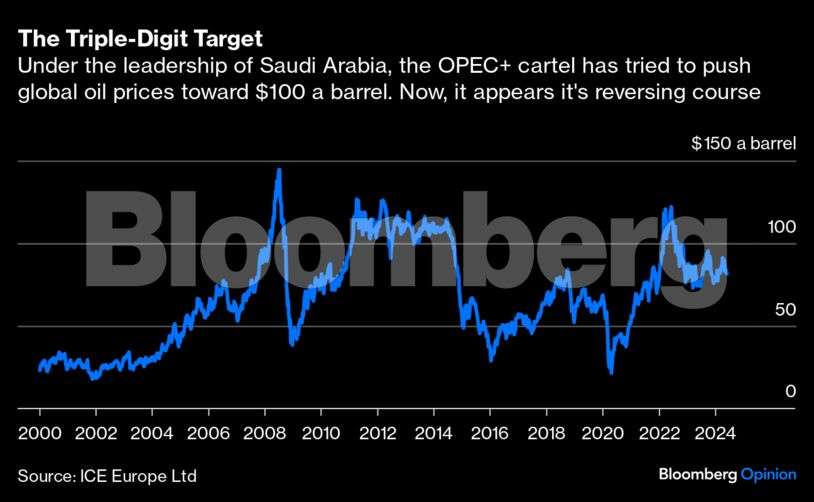
By K Raveendran OPEC+ has recalibrated its production strategy, extending voluntary output adjustments to stabilize oil markets in the face of uncertain global demand and geopolitical pressures. The alliance’s decision to prolong cuts until the first quarter of 2025 aims to counterbalance potential oversupply and demand fluctuations, particularly linked to Donald Trump’s policies and China’s […]

Mubadala Investment Company, Abu Dhabi’s prominent sovereign wealth fund, is strengthening its focus on the Asia-Pacific region through a strategic partnership with Goldman Sachs Asset Management. This collaboration aims to deploy $1 billion into private credit opportunities across APAC markets, a move that aligns with Mubadala’s strategy to expand its footprint in this fast-evolving economic landscape. The sovereign fund, which manages an estimated $276 billion in assets, […]

Morgan Stanley has adjusted its Brent crude price projection for the second half of 2025 to $70 per barrel, citing OPEC+ production decisions and broader supply-demand dynamics. This revision reflects cautious optimism about the market’s ability to stabilize amid shifts in global oil supply, rising alternative energy adoption, and the evolving geopolitical landscape.

The OPEC+ coalition has opted to gradually unwind its voluntary production cuts totaling 2.2 million barrels per day starting from December, aiming to maintain price stability while balancing market cohesion. Analysts suggest this calculated strategy seeks to mitigate downward pressure on oil prices caused by oversupply fears and demand uncertainties. The move follows deliberations among key producers, including Saudi Arabia and Russia, with a long-term focus on discipline among non-OPEC+ suppliers.

Despite these measures, bearish market conditions persist. Morgan Stanley’s forecast aligns with broader trends suggesting that crude oil prices may face headwinds from an anticipated supply surplus of approximately 700,000 barrels per day by 2025. This surplus, driven by production expansions in regions such as the Americas, has tempered earlier bullish outlooks. Brazil, Guyana, and the United States are expected to collectively contribute over one million barrels per day to global output growth in the coming years.

Demand-side challenges also weigh heavily on the outlook. A slower-than-expected recovery in China’s oil consumption, attributed to rapid electric vehicle adoption and the rise of LNG-powered trucking, has raised concerns about long-term demand stagnation. Bank of America analysts have echoed this sentiment, projecting subdued growth in China’s oil usage as one of the factors leading to a potential market oversupply.

Middle Eastern tensions and disruptions to Libyan crude exports have added complexity to the short-term landscape. However, analysts anticipate these issues to have a limited impact on long-term pricing due to ongoing diplomatic efforts and the likelihood of resumed production in Libya. As such, markets remain focused on structural shifts, including the increasing role of alternative energy sources and changes in transportation fuel demand.

Consumer banking presents “Christmas Festival” to thank customers’ support HONG KONG SAR – Media OutReach Newswire – 5 December 2024 – OCBC Bank (Hong Kong) Limited (“OCBC Hong Kong”) is celebrating the festive season with customers and the community with the popular homegrown heritage pandan cake from Singapore as a special gift to thank customers and the community for their continued trust and support. In this “Christmas […]

Ripple has announced a delay in the launch of its RLUSD stablecoin, clarifying that it will not debut the product today as initially expected. The company, a leading blockchain-based payments firm, cited the need for final approval from the New York Department of Financial Services (NYDFS) before proceeding with the launch.

This postponement has added to the mounting attention surrounding the regulatory landscape for digital assets in the U.S., particularly in the wake of growing scrutiny by state and federal regulators. The RLUSD stablecoin, which is designed to function as a regulated digital dollar, is seen as a key component of Ripple’s strategy to expand its offerings in the cryptocurrency and payments market.

Ripple’s announcement of the delay comes as the company continues to navigate its ongoing legal battle with the U.S. Securities and Exchange Commission (SEC), which has raised questions about the classification of certain cryptocurrencies as securities. Despite this, Ripple remains confident that the stablecoin will eventually receive approval from the NYDFS, a crucial step for its broader plans to integrate stablecoin services within the existing financial ecosystem.

The NYDFS is one of the primary regulatory bodies overseeing cryptocurrency and blockchain-based financial products in New York, a state known for its strict regulations. Ripple’s delay highlights the growing regulatory complexities facing cryptocurrency firms as they seek approval for new products. Stablecoins, in particular, have become a focal point for regulators, due to concerns over their potential to affect the stability of traditional financial systems and facilitate illicit activities.

As the U.S. government tightens its oversight of cryptocurrencies, Ripple’s RLUSD stablecoin represents an attempt to align itself with regulatory expectations, especially as the company aims to create a transparent and fully compliant digital currency. The product is designed to offer greater stability and transparency compared to other digital currencies, with the backing of traditional assets such as the U.S. dollar, which would be held in reserves.

Ripple has emphasized that the RLUSD stablecoin is intended to address several key challenges within the cryptocurrency industry, including volatility and lack of regulatory clarity. By working closely with the NYDFS and other regulators, the company aims to ensure that its new product meets the highest standards of compliance and consumer protection.

This development is just the latest chapter in Ripple’s ongoing efforts to expand its influence within the digital currency space, where competition among firms is intensifying. Ripple’s existing services, including its flagship XRP token, are widely used for cross-border payments, and the addition of a stablecoin product would allow the company to further diversify its portfolio. However, the regulatory hurdles facing Ripple are significant, as the company must satisfy a variety of legal requirements to launch the RLUSD coin.

Stablecoins like RLUSD have gained increasing prominence as more people and businesses look for ways to transact with digital currencies without the extreme price fluctuations associated with assets like Bitcoin or Ethereum. In many ways, the rise of stablecoins has mirrored the growing demand for decentralized finance (DeFi) solutions, which aim to provide financial services without the need for traditional banks or financial institutions.

Despite the popularity of stablecoins, regulators have expressed concerns over the potential for these assets to be used in money laundering, terrorist financing, and other illicit activities. Some U.S. lawmakers have called for stricter oversight of stablecoin issuers, citing the risks posed by unregulated digital currencies. The delay in Ripple’s stablecoin launch underscores the challenges facing all cryptocurrency companies in balancing innovation with compliance in a rapidly evolving regulatory environment.

Ripple’s decision to delay the RLUSD launch also raises questions about the future of digital currencies and their integration into mainstream finance. While the cryptocurrency industry has seen significant advancements in recent years, including the rise of central bank digital currencies (CBDCs) and growing institutional interest, regulatory uncertainty continues to be a major obstacle.

As Ripple awaits approval from the NYDFS, the company is likely to face continued scrutiny from both U.S. regulators and international bodies, as governments around the world grapple with how to regulate cryptocurrencies. The outcome of this approval process could have significant implications not only for Ripple but for the broader stablecoin market, which has grown to become a multi-billion-dollar industry.

Ripple’s ongoing efforts to secure the necessary regulatory approvals for RLUSD reflect the broader trend within the cryptocurrency industry, as companies seek to operate within the bounds of national and international laws. While the company’s legal battle with the SEC may dominate headlines, the approval process for RLUSD could shape the future of Ripple’s product offerings and its relationship with regulators moving forward.

Bitcoin has crossed a major milestone, emerging as the world’s 10th largest asset by market capitalization. This significant shift places the cryptocurrency ahead of both the Australian dollar and the Swiss franc, marking a new chapter in the ongoing evolution of digital assets. The latest surge in Bitcoin’s value showcases its growing influence within the global financial landscape.

The cryptocurrency has made headlines with a substantial increase in its market cap, which now exceeds $500 billion. This has been driven by a combination of factors, including a stronger adoption rate among institutional investors and a renewed interest from retail investors. As the digital currency continues to gain traction, its market value surpasses that of traditional currencies, positioning Bitcoin among the top 10 global assets.

The rise of Bitcoin comes at a time when financial markets are grappling with the volatility of traditional assets and currencies. The Australian dollar and Swiss franc, long seen as safe-haven currencies, are now being overshadowed by the growing dominance of Bitcoin in the financial markets. Bitcoin’s ability to secure its place among the top assets has further solidified its reputation as a digital store of value and an alternative investment class.

What makes this development even more striking is Bitcoin’s ability to challenge conventional asset classes, particularly in the context of growing concerns over inflation and economic instability. Investors are increasingly looking for assets that are decentralized and immune to government manipulation, making Bitcoin an attractive option.

A key contributor to Bitcoin’s rise is the influx of institutional investors, including hedge funds and publicly traded companies, that have begun adding Bitcoin to their portfolios. Large financial institutions like BlackRock, Fidelity, and MicroStrategy have embraced Bitcoin as a legitimate asset, fueling its upward trajectory. These investors view Bitcoin as a hedge against inflation, as it is perceived as being less susceptible to the monetary policies that affect traditional currencies.

At the same time, Bitcoin’s growing acceptance among retail investors has been a significant driver of its value. As more individuals recognize the potential of Bitcoin as both an investment vehicle and a medium of exchange, the demand for the cryptocurrency continues to soar. This has led to a steady increase in Bitcoin’s price and, consequently, its market capitalization.

The rising popularity of decentralized finance (DeFi) platforms has also contributed to Bitcoin’s ascension. DeFi applications, which are built on blockchain technology, are providing users with more ways to earn, borrow, and lend digital assets. As Bitcoin plays a central role in the DeFi ecosystem, its value is becoming increasingly linked to the success of these platforms.

Despite the volatility that has often been associated with cryptocurrencies, Bitcoin’s market dominance is a testament to its resilience. Unlike traditional financial markets, where volatility can be exacerbated by central bank interventions and geopolitical tensions, Bitcoin operates within a decentralized network that is free from government control. This has made Bitcoin a particularly attractive option during times of global uncertainty.

The broader crypto ecosystem, however, remains highly competitive. Ethereum, which ranks second in market capitalization, continues to challenge Bitcoin for dominance in the digital asset space. Despite this, Bitcoin has maintained its position as the leader in terms of market cap, even as other cryptocurrencies such as Binance Coin and Cardano grow in value.

Experts also note that Bitcoin’s status as a store of value is likely to continue strengthening as more people move away from traditional investment vehicles. The ongoing development of Bitcoin-related financial products, such as exchange-traded funds (ETFs) and futures contracts, is helping to integrate the cryptocurrency into mainstream financial markets. This trend suggests that Bitcoin’s role in the global financial system will only expand further in the coming years.

While the current rally in Bitcoin’s market value has garnered attention, analysts remain cautious about the sustainability of its growth. Bitcoin’s price has historically been prone to volatility, with sudden fluctuations often causing uncertainty in the market. Despite this, the long-term outlook for Bitcoin remains optimistic, as its underlying blockchain technology continues to garner support from both institutional and retail investors.

As Bitcoin continues to gain ground, questions remain about its role in the broader economy. While many view it as a hedge against inflation and a store of value, others are concerned about its environmental impact, given the energy consumption associated with mining operations. Moreover, regulatory scrutiny of cryptocurrencies is intensifying in several countries, with governments and financial regulators grappling with how to treat digital assets.

Bitcoin’s rise in market capitalization also highlights the increasing integration of cryptocurrencies into the global financial system. As more financial institutions adopt Bitcoin and other digital assets, it is likely that cryptocurrencies will continue to play an influential role in shaping the future of global finance. The potential for Bitcoin to be used as a widely accepted form of payment, along with its increasing recognition as an asset class, positions it as a key player in the evolution of the financial sector.


Edgnex Data Centers, a leading player in the global data center market, has entered into a joint venture (JV) with a prominent Greek investment group, marking a significant move into Europe. The new venture will focus on building data center infrastructure in Greece, with an initial investment commitment of $157 million. This collaboration, spearheaded by Dubai billionaire Hussain Sajwani’s company, is expected to accelerate the digital transformation […]

Bitcoin has surged past the $100,000 mark, a dramatic milestone that has spurred renewed optimism within the cryptocurrency market. Investors are turning to Bitcoin and other cryptocurrencies as hedge assets, fueled in part by increased political volatility and speculation surrounding Donald Trump’s potential return to the U.S. presidency. As global economic uncertainty continues, Bitcoin’s rise reflects a growing belief among some market participants that digital currencies can offer a secure alternative to traditional financial systems.

The latest rally in Bitcoin’s price comes after months of oscillating values and investor hesitation. Experts suggest that the rally is being driven by a confluence of factors, not least of which is the renewed interest in political events and their possible impact on global markets. As the 2024 U.S. presidential election looms, some analysts believe that the uncertainty surrounding Trump’s political comeback has heightened demand for decentralized assets like Bitcoin. Crypto enthusiasts view Bitcoin not only as a store of value but as a refuge from potential economic instability that could result from geopolitical shifts or policy changes under a Trump administration.

The speculative fever surrounding Bitcoin’s price surge is palpable, with many traders turning to the asset in anticipation of further gains. This surge is also reflective of broader trends in the cryptocurrency market, which has seen an influx of new investors. While the increase in Bitcoin’s price is drawing attention, the market remains highly volatile, with prices fluctuating rapidly in response to news events and investor sentiment.

Despite its rise, Bitcoin’s journey to $100,000 is far from straightforward. In recent months, Bitcoin has faced challenges ranging from regulatory scrutiny to competition from newer digital currencies. Governments around the world, particularly in the U.S., have been examining ways to regulate cryptocurrencies more effectively, a move that could dampen the enthusiasm surrounding digital currencies. In fact, some analysts argue that Bitcoin’s success is intrinsically tied to the regulatory environment, which remains a source of uncertainty for investors. Even so, many investors are betting that Bitcoin will continue to outperform other financial assets as the world faces growing uncertainty in traditional markets.

As the cryptocurrency market gains traction, investors are keenly aware of the potential for further volatility. While Bitcoin’s rise has caught the attention of traditional finance institutions, it remains a speculative asset that offers both high rewards and significant risks. Analysts suggest that Bitcoin’s price is subject to sudden swings, driven by factors ranging from changes in market sentiment to global economic developments. In the case of the current rally, some traders are capitalizing on the geopolitical risks associated with a possible Trump presidency, betting that such an event could lead to higher demand for Bitcoin and other cryptocurrencies.

The role of institutional investors has also become a point of interest as Bitcoin’s price climbs. Traditionally, cryptocurrencies like Bitcoin were seen as the domain of retail investors, but recent years have seen an increasing number of institutional players entering the market. Hedge funds, pension funds, and even central banks are exploring ways to incorporate Bitcoin and other cryptocurrencies into their portfolios. This shift in institutional behavior has provided further legitimacy to the digital currency market, with some analysts predicting that Bitcoin could become an integral part of the global financial system.

Alongside Bitcoin, other cryptocurrencies have also seen increased activity. Ethereum, for instance, has benefitted from technological advancements and growing use cases in decentralized finance and non-fungible tokens (NFTs). However, Bitcoin remains the dominant player in the cryptocurrency space, and its price movements continue to drive sentiment across the sector. The strong correlation between Bitcoin’s price and broader market trends suggests that the cryptocurrency market is closely tied to investor psychology, with Bitcoin often serving as a bellwether for the wider market.

Another factor contributing to Bitcoin’s price surge is the increasing acceptance of the cryptocurrency by businesses and consumers alike. Several high-profile companies have begun accepting Bitcoin as payment, while others are exploring ways to integrate cryptocurrency into their operations. This growing adoption has helped fuel optimism about Bitcoin’s long-term prospects, despite its volatility in the short term. At the same time, Bitcoin’s reputation as a hedge against inflation and economic instability has resonated with many investors, particularly as inflationary pressures persist in major economies worldwide.

However, Bitcoin’s future is far from certain. Its price is highly susceptible to shifts in market sentiment, and some analysts caution that the asset remains speculative at best. While the cryptocurrency market has expanded rapidly over the last few years, it is still in its early stages, and many of the regulatory and technological challenges facing the industry have yet to be fully addressed. Moreover, competition from central bank digital currencies (CBDCs) and other forms of state-backed money could pose a threat to Bitcoin’s dominance in the digital asset space.

RIYADH, SAUDI ARABIA – Media OutReach Newswire – 4 December 2024 – The prestigious Best Places to Work certification program has revealed its 2024 rankings, recognizing leading organizations in Saudi Arabia that excel in creating outstanding workplaces focused on employee satisfaction, engagement, and well-being. The rankings are divided into three categories based on company size: large, mid-sized, and small. In the Large Companies category (over 1,000 employees), […]

Alex Mashinsky, co-founder of Celsius Network, is set to plead guilty to charges of fraud tied to his role in artificially inflating the value of the CEL token, which was pivotal to the cryptocurrency platform. This development follows Mashinsky’s decision to change his plea, marking a significant shift in the high-profile case. Prosecutors allege that Mashinsky misled investors by manipulating the token’s price to attract users and generate personal profits, estimated at $42 million.

Celsius Network, once a major player in crypto lending, allowed users to earn returns on digital assets and access loans backed by cryptocurrency. However, its financial collapse in 2022 revealed vulnerabilities exacerbated by broader market turmoil, including the failure of the Terra-Luna ecosystem. Mashinsky is accused of using deceptive practices to assure investors of Celsius’s stability, despite the company’s mounting risks, and misrepresenting the safety of their deposits.

The charges against Mashinsky encompass fraud, securities violations, and market manipulation. Prosecutors highlight his attempts to inflate CEL’s value through fraudulent means, claiming this misled investors and caused significant losses. His upcoming guilty plea represents an acknowledgment of his role in these allegations and aligns with broader scrutiny on transparency within the crypto sector.

Celsius filed for bankruptcy in mid-2022 after halting customer withdrawals, with billions in assets trapped in the platform. Mashinsky’s case has drawn parallels to other high-profile crypto frauds, such as the collapse of FTX, where founder Sam Bankman-Fried faced criminal prosecution for mismanaging user funds. These incidents underscore the growing legal risks for executives in the digital asset industry and the heightened focus on regulatory enforcement.

The trial proceedings have also addressed complex legal interpretations of securities and commodities laws. Earlier attempts by Mashinsky to have charges dismissed were rejected, with judges affirming the validity of the allegations under both the Commodity Exchange Act and the Securities Exchange Act. If convicted on all counts, Mashinsky could face a lengthy prison sentence, reflecting the severity of his alleged misconduct.

Coinbase CEO Brian Armstrong has announced the company will no longer engage with law firms that employ individuals involved in regulatory actions perceived as unfavorable to the cryptocurrency industry. This decision has already resulted in Coinbase ceasing its professional relationship with Milbank LLP following the hiring of Gurbir Grewal, former Director of the U.S. Securities and Exchange Commission’s (SEC) Division of Enforcement.

Armstrong expressed concern about regulatory policies pursued during Grewal’s tenure at the SEC, which included stringent enforcement actions against crypto firms. His time as SEC enforcement director from 2021 to 2024 saw over 2,400 cases prosecuted, generating over $20 billion in penalties. Grewal was particularly active in addressing compliance violations within the digital asset sector, contributing to over 100 enforcement actions targeting cryptocurrencies and blockchain companies.

Milbank’s decision to appoint Grewal as a partner in its Litigation and Arbitration Group was highlighted as a strategic move to bolster its expertise in regulatory compliance and litigation. However, Armstrong views such appointments as a potential conflict for Coinbase, which is actively defending itself against SEC lawsuits alleging it operated unregistered securities offerings and platforms.

Armstrong’s stance underscores escalating tensions between the crypto industry and U.S. regulators. Coinbase has openly criticized the SEC for what it describes as a lack of clarity and support for the digital asset ecosystem, advocating instead for comprehensive legislation tailored to cryptocurrencies. The company’s decision to sever ties with Milbank reflects a growing divide between industry participants and regulatory bodies, with Armstrong positioning Coinbase as a champion of crypto-friendly reforms.

The implications of this decision extend beyond Coinbase, raising questions about the ability of law firms to maintain neutrality while representing clients in highly polarized industries. It also highlights the increasing scrutiny faced by former regulators entering private practice, particularly in sectors they once oversaw. As the legal and regulatory landscape around digital assets continues to evolve, such tensions are likely to shape the strategies of both companies and law firms navigating these complexities.

Grewal, who previously served as Attorney General of New Jersey before joining the SEC, has defended his record, emphasizing his commitment to investor protection and market fairness. His work has included actions against insider trading, fraud, and compliance violations, aiming to uphold the integrity of financial markets. As a Milbank partner, Grewal is expected to bring his expertise to high-stakes cases, particularly those involving white-collar crime and regulatory enforcement.

KPay strengthens its position as the leading regional platform for merchants to simplify financial management and streamline business operations. The investment by Apis Growth Markets Fund III and Apis Global Growth Fund III will accelerate KPay’s trajectory to support one million merchants across Asia in the next five years HONG KONG/SINGAPORE – Media OutReach Newswire – 3 December 2024 – KPay Group (KPay), a one-stop financial management […]

IBIT, a prominent player in the cryptocurrency space, has crossed a significant milestone by accumulating more than 500,000 BTC in its reserves. This achievement places IBIT at the forefront of institutional investors, holding one of the largest Bitcoin stashes worldwide.

The growth of IBIT’s Bitcoin holdings signals not only the company’s expanding influence in the digital asset market but also the ongoing shift toward institutional investment in cryptocurrency. While many traditional investors have historically viewed Bitcoin and similar assets with skepticism, IBIT’s increasing accumulation of BTC highlights a changing trend, with crypto assets now becoming a central part of investment portfolios.

The timing of this move is notable, with Bitcoin’s market volatility and institutional adoption on the rise. As Bitcoin’s price has experienced fluctuations, the growing institutional presence in the market has added a layer of stability and legitimacy to the digital currency. IBIT’s actions are reflective of a broader trend where institutional investors are looking beyond Bitcoin’s price swings and viewing the cryptocurrency as a long-term store of value.

IBIT’s strategy aligns with a growing confidence in the potential of Bitcoin, especially as more companies and financial institutions seek exposure to this volatile yet highly profitable asset class. The company has made headlines not only for its significant Bitcoin holdings but also for its consistent commitment to securing digital assets in a safe and compliant manner. In a space rife with regulatory uncertainty, IBIT’s methodical approach to managing its Bitcoin reserves underscores the increasing sophistication of institutional cryptocurrency investing.

The surge in IBIT’s Bitcoin stash is reflective of an overarching trend in the cryptocurrency industry, where institutional players are playing an increasingly prominent role. Traditional hedge funds, family offices, and large corporations have recognized the value of diversifying their assets into Bitcoin, with the aim of reducing risk and boosting returns. The 500,000 BTC mark comes at a time when several other major players in the industry have followed suit, significantly raising their stakes in Bitcoin as an asset class.

Bitcoin’s market dynamics have changed considerably in recent years, with a notable increase in the volume of institutional investment. As these investors continue to accumulate large quantities of BTC, they inadvertently strengthen Bitcoin’s position within the global financial ecosystem. The digital currency is no longer just a speculative investment but is now seen as a legitimate store of value akin to gold.

IBIT has managed to build its position in the Bitcoin market through strategic acquisitions and partnerships with other major cryptocurrency-related firms. Its growing presence has been fueled by its adherence to a disciplined investment strategy, ensuring its Bitcoin holdings are not only large but also securely stored. This approach has won IBIT the trust of investors and stakeholders alike, many of whom view the company’s success as a blueprint for navigating the complexities of digital asset management.

IBIT’s holdings have been particularly significant when considering the broader trends in Bitcoin’s supply. With the cryptocurrency’s total supply capped at 21 million, large-scale holders like IBIT are seen as key players in the future price dynamics of Bitcoin. By owning over 500,000 BTC, IBIT controls a substantial portion of the available supply, which may influence both the market price and the broader narrative surrounding Bitcoin’s role in the global financial system.

The focus on secure and compliant Bitcoin holdings is an essential aspect of IBIT’s strategy. As regulatory bodies across the world continue to refine their approaches to cryptocurrency, IBIT has positioned itself as a leader in adhering to these evolving standards. This has ensured that its Bitcoin assets remain insulated from regulatory pressures that could potentially jeopardize the security or legality of the holdings.

IBIT’s ability to accumulate such a large amount of Bitcoin has garnered significant attention from investors and analysts. Many view the company’s strategy as indicative of the future direction of the digital asset market, where institutional players will continue to play a dominant role in shaping the supply and demand dynamics of Bitcoin. As Bitcoin’s price continues to rise, driven in part by institutional accumulation, IBIT’s strategic position places it at the center of an increasingly influential market.

The company’s success is also intertwined with Bitcoin’s role as a potential hedge against inflation and economic uncertainty. As central banks around the world continue to adopt expansive monetary policies, Bitcoin has gained recognition as an alternative asset that can serve as a store of wealth. This has contributed to the rise of institutional adoption, as large players seek assets that are less vulnerable to the policies and fluctuations of traditional financial systems.

By Nitya Chakraborty Less than two months are left for the presentation of the second budget of the third term Narendra Modi government in Parliament in February next year relating to the financial year 2025-26. The budget exercises are on in the finance ministry and the focus is on mobilizing additional resources for meeting the […]

Germany’s financial regulatory authority, BaFin, has granted approval for 21X, a Frankfurt-based exchange, to begin trading tokenized securities. This milestone positions 21X as a key player in the European financial market, particularly in the burgeoning sector of blockchain-based trading platforms.

21X’s platform will allow the trading of tokenized assets including equity and debt securities, investment funds, real estate, and artworks. By tokenizing these traditional assets, 21X aims to simplify transactions, reduce costs, and bring greater liquidity to markets traditionally hindered by inefficiencies. The exchange plans to launch in the first quarter of 2025, offering investors the ability to trade these assets in fractionalized, digitized forms.

The approval from BaFin is a significant step forward for the tokenization of financial assets in Europe. It also marks a victory for the broader blockchain and cryptocurrency industries, which have faced regulatory challenges in various jurisdictions worldwide. BaFin’s endorsement suggests that Germany is adopting a more favorable approach to the integration of blockchain technology into the financial system.

The approval comes amid a growing interest in digital assets within global financial markets. Tokenization, the process of converting ownership of an asset into a digital token on a blockchain, has gained traction in recent years as a way to democratize access to investments and improve liquidity. Through this process, assets such as real estate and artworks, which were traditionally illiquid and costly to trade, can now be fractionalized, allowing investors to buy and sell portions of these assets with ease.

21X’s move to tokenize securities will likely have a ripple effect on traditional financial markets. By offering tokenized equities and bonds, the platform could revolutionize how these instruments are bought, sold, and traded. The use of blockchain technology ensures transparency, security, and faster settlement times compared to traditional methods. The decentralization of the platform also eliminates the need for intermediaries, which typically increase transaction costs and time delays.

The platform’s ability to tokenize real estate and artworks is particularly notable. These markets have been notoriously difficult to access for smaller investors due to high entry costs. Tokenizing these assets allows for fractional ownership, where a single asset is divided into multiple smaller tokens, each representing a share in the overall value of the asset. This opens up these markets to a much wider pool of investors, particularly those who would not have been able to afford a full property or artwork investment.

The approval by BaFin is also seen as a sign that European regulators are becoming more open to innovative financial technologies. In the past, blockchain and cryptocurrency ventures have faced scrutiny, with some countries opting for restrictive regulations. However, Germany’s progressive stance on digital assets reflects a growing recognition of the potential benefits that blockchain technology can bring to the financial sector.

Experts believe that BaFin’s decision will spur further developments in the blockchain space within Germany and beyond. As the financial landscape continues to evolve, tokenization could play a pivotal role in shaping the future of investments, particularly in Europe’s financial hub, Frankfurt.

21X’s entry into the market aligns with a broader trend toward decentralized finance (DeFi), where blockchain-based systems allow for peer-to-peer transactions without traditional banking intermediaries. The integration of tokenized securities into the DeFi ecosystem could significantly change how financial markets operate globally, further bridging the gap between traditional finance and digital currencies.

However, while the move is celebrated within the blockchain community, challenges remain. Regulatory compliance and investor protection are ongoing concerns. For instance, ensuring that tokenized assets adhere to existing financial laws and standards will require careful oversight and continuous collaboration between regulatory bodies and blockchain companies. The legal framework surrounding digital assets is still developing, and the integration of tokenized securities into mainstream financial markets may necessitate further legislative adjustments.

Market adoption could be slow, as institutional investors may hesitate to embrace new technologies that significantly differ from traditional trading platforms. Overcoming this inertia will require robust education and clear benefits to attract both institutional and retail investors.

France is contemplating a significant tax overhaul aimed at targeting “unproductive wealth,” which could include assets like Bitcoin, private jets, yachts, and luxury cars. This potential move reflects a growing trend among European countries to reshape their tax systems in response to the changing nature of wealth accumulation and its role in economic inequality.

French President Emmanuel Macron’s government is looking to implement a broader fiscal policy that addresses the concentration of wealth in certain sectors and individuals who possess assets not actively contributing to the economy. The move comes as part of a wider effort to tackle rising inequality in the country, with a particular focus on taxing luxury goods and non-productive financial assets. The goal is to redistribute resources to fund social programs and reduce the wealth gap, particularly in times of economic pressure exacerbated by the aftermath of the COVID-19 pandemic.

A key target of this new tax policy is cryptocurrency holdings, particularly Bitcoin, which has been characterized as an asset that is primarily held for speculative purposes. Bitcoin, often referred to as a store of value or “digital gold,” has garnered significant attention in recent years as a hedge against inflation and a means of diversifying portfolios. However, its volatile nature and lack of productive output have raised concerns among policymakers, who argue that such assets contribute little to the broader economy.

Supporters of the tax argue that the move would level the playing field between those who accumulate wealth through productive means and those who hold non-productive assets. They contend that luxury goods and speculative investments like Bitcoin should not be exempt from taxation, as they offer minimal societal benefit while contributing to wealth inequality.

Opponents, however, warn that such a policy could stifle investment and economic growth. They argue that taxing assets like Bitcoin could undermine investor confidence in both traditional and digital markets. There is also concern that the policy may discourage innovation in the cryptocurrency space, which has been seen as a driver of financial innovation and economic diversification.

The inclusion of Bitcoin in the potential tax bracket highlights France’s growing stance on regulating cryptocurrencies. France has long been cautious about the rise of digital currencies, having implemented stringent regulations to combat money laundering and fraud. However, this new proposed tax is a more direct approach, targeting the underlying wealth of crypto investors.

For many cryptocurrency enthusiasts, the tax represents a broader philosophical debate over the role of government in regulating digital assets. The decentralization of cryptocurrencies, which operate outside the traditional banking system, has made them an attractive option for individuals seeking financial autonomy. As the debate continues, French lawmakers are grappling with balancing the need for regulation and oversight with the potential for stifling innovation in the growing crypto economy.

Beyond cryptocurrency, the tax proposal includes traditional luxury assets, such as private jets, yachts, and high-end automobiles. These assets, often associated with the wealthiest individuals, have been a focus of criticism for their environmental impact and lack of tangible economic contribution. The government’s argument is that taxing these non-productive assets can help fund projects that would benefit a broader segment of the population, particularly in the context of green initiatives and sustainable development.

The tax would not only target French residents but also foreign nationals who own such luxury assets within France. This has raised concerns among global elites, many of whom use France as a destination for both leisure and business. While the policy is still in the proposal stage, it has sparked significant debate within both the political and business communities. Opponents argue that France could risk losing its status as a major hub for luxury goods and high-net-worth individuals if such a tax were to be implemented.

Despite these concerns, the government is moving forward with consultations to finalize the details of the tax. The proposed tax would likely be tiered, with higher rates for those who hold larger or more expensive assets, both in the realm of cryptocurrency and physical luxury goods. This progressive approach is intended to ensure that the wealthiest individuals, who are often the primary holders of such assets, contribute a fairer share to the country’s public finances.

While France has yet to release a formal timetable for the implementation of the tax, the proposal is gaining traction among certain factions of the political spectrum, particularly those advocating for stronger measures to combat inequality and climate change. However, it remains to be seen how the policy will affect investment in both luxury markets and cryptocurrencies, which have been seen as major sources of wealth for the affluent in recent years.

VISHNU RAJA
RYO YAMADA
HITORI GOTOH
IKUYO KITA