News related to
Bank

Members of President Donald Trump’s family have entered talks regarding a potential investment in Binance’s U.S. arm, a move that has drawn significant attention given the rising influence of cryptocurrency exchanges in global finance. The discussions revolve around securing a financial stake in Binance.US, which has been expanding its reach within the U.S. despite ongoing regulatory hurdles.

Sources indicate that the Trump family, including figures close to the former president, have shown increasing interest in the digital assets space. While specific details of the talks remain confidential, insiders suggest that the potential investment would allow the Trump family to become a major player in one of the largest cryptocurrency exchanges worldwide. This development has attracted scrutiny due to the complexities surrounding cryptocurrency regulation in the U.S. and Binance’s efforts to navigate these challenges.

Binance.US, a subsidiary of the global cryptocurrency exchange Binance, has been under intense regulatory pressure, particularly from the U.S. Securities and Exchange Commission . The regulatory body has taken aim at cryptocurrency exchanges, scrutinising their operations and pushing for tighter compliance with financial laws. Binance.US has worked to distinguish itself from its parent company, striving to comply with U.S. regulations in order to maintain access to the lucrative American market. This regulatory scrutiny has intensified as the SEC investigates various crypto-related activities, leading some exchanges to reassess their operations in the U.S.

The Trump family’s potential involvement in Binance.US comes at a time when cryptocurrency remains a divisive issue within U.S. political circles. President Trump himself has expressed scepticism about digital currencies in the past, calling Bitcoin a “scam” and reiterating his support for the U.S. dollar. However, some of his family members, including his sons, have reportedly shown greater interest in blockchain technology and the broader financial opportunities within the sector.

The growing interest in cryptocurrencies and their market potential has not gone unnoticed by established financial institutions, traditional investors, and wealthy individuals, including those with political influence. Cryptocurrency offers an alternative financial system that is decentralised, offering benefits like increased privacy and reduced reliance on traditional banking systems. At the same time, the volatility and lack of regulation continue to be a major concern for investors.

Binance, which was founded in 2017 by Changpeng Zhao, has become one of the most prominent cryptocurrency exchanges globally. The company has maintained a significant foothold in international markets but has faced regulatory challenges in several jurisdictions, including the United States, the United Kingdom, and Japan. In the U.S., the company has been forced to adapt its operations to meet local compliance requirements, which have included halting certain services and modifying trading offerings.

In addition to the regulatory concerns, Binance has faced allegations of facilitating illegal activities, including money laundering, leading to legal battles in several countries. These challenges have prompted Binance.US to distance itself from its parent company, ensuring that its operations remain fully compliant with U.S. laws. The platform has also been active in cooperating with regulators to ensure that it operates within the confines of U.S. financial regulations.

The Trump family’s interest in Binance.US signals the growing trend of prominent individuals and families seeking to establish financial positions in emerging markets, especially those that offer substantial growth opportunities like the cryptocurrency sector. While the discussions are still in the early stages, industry analysts suggest that the involvement of the Trump family could accelerate the exchange’s push to expand further within the U.S. market. With both the political clout and financial resources that the Trump family brings, their entry into the cryptocurrency space could prove to be a significant development for Binance and the broader digital assets industry.

The potential partnership also underscores the increasing mainstream acceptance of cryptocurrencies among high-profile investors and their growing role in the future of finance. As the U.S. government and regulators continue to grapple with how to regulate digital currencies, the involvement of politically connected figures in cryptocurrency investments could potentially alter the trajectory of future regulatory frameworks.

Despite the regulatory challenges, Binance.US has reported strong growth in user adoption and trading volume. As the global market for digital currencies continues to expand, platforms like Binance are positioned to benefit from increasing demand for alternative investment opportunities. Moreover, Binance.US’s strategic adjustments to comply with U.S. regulations, coupled with the potential involvement of high-profile investors like the Trump family, may further solidify its standing in the competitive crypto market.

The conversations surrounding the Trump family’s involvement in Binance come amid broader discussions in Washington about how to best regulate the cryptocurrency space. Lawmakers have expressed concerns about the risks posed by digital currencies, ranging from fraud to their use in illicit transactions. At the same time, they have recognised the growing popularity of cryptocurrencies and the need to establish clear rules that both protect consumers and foster innovation in the sector.

The Trump family’s engagement in the cryptocurrency industry also raises questions about the increasing convergence of political influence and financial markets. As more individuals and families with political ties explore opportunities in the digital asset space, the lines between politics and business may continue to blur. This development may set the stage for a new era of investments in which political figures play an increasingly central role in shaping the future of digital finance.

Swiss private equity firm Partners Group has finalized an agreement to acquire Australian data center operator GreenSquare Data Centers , committing up to AU$1.2 billion to establish a next-generation data center platform across Australia. GreenSquareDC, established in October 2022, is actively developing a data center in Belmont, Perth. The four-story facility is set to offer 68,000 square meters of gross floor area on a 38,000-square-meter site, with […]

A U.S. bankruptcy court has found Byju Raveendran, founder of Indian ed-tech giant Byju’s, complicit in fraudulent financial activities, marking a significant escalation in the company’s ongoing legal and financial challenges.

The court determined that Raveendran, along with his brother Riju Ravindran and entities associated with Byju’s, orchestrated the unauthorized transfer of $533 million from Byju’s Alpha, a U.S.-based subsidiary, to Camshaft Capital Management, a hedge fund with dubious credentials. Camshaft, managed by a high school dropout lacking formal investment experience, was characterized by the court as a “sham” entity, raising serious concerns about the legitimacy of the transactions.

This ruling stems from a broader legal dispute between Byju’s and its lenders over a $1.2 billion term loan. Lenders initiated legal action following Byju’s alleged defaults on payment obligations and delays in financial disclosures. The unauthorized fund transfers were uncovered during these proceedings, leading to allegations of fraudulent conduct against the company’s leadership.

The court’s findings highlight a series of “badges of fraud,” including the concealment of funds and breach of fiduciary duties by the company’s directors. These actions have not only violated legal and ethical standards but have also severely undermined the trust of investors and stakeholders in the company’s governance.

Byju’s, once valued at $22 billion, has experienced a dramatic decline amid these controversies. The company’s aggressive expansion during the pandemic, fueled by substantial investments, has come under scrutiny as financial instability and governance issues have surfaced. The post-pandemic economic shift, characterized by rising interest rates, has further exacerbated the company’s challenges, leading to funding shortages and legal battles.

The repercussions of the court’s decision are far-reaching. Byju’s now faces intensified scrutiny from regulatory authorities, investors, and the broader public. The company’s reputation, once a beacon of India’s burgeoning ed-tech sector, has been tarnished, raising questions about its future viability and the potential impact on its extensive user base.

In response to the ruling, Byju’s leadership has maintained their stance of denying any wrongdoing. However, the court’s findings present a formidable challenge to this narrative, placing the onus on the company’s executives to address these serious allegations transparently and effectively.

The situation has also had a profound impact on Byju’s employees. Reports indicate widespread anxiety among the workforce, with many facing delayed salaries and uncertain job security. The company’s insolvency proceedings have further fueled concerns, prompting discussions about potential protests and legal actions by affected employees.

Investors, too, are reevaluating their positions. The exodus of prominent board members and auditors, coupled with the court’s recent findings, has led to a crisis of confidence. The company’s valuation has plummeted, and its ability to secure future funding is in jeopardy. This scenario underscores the critical importance of robust corporate governance and ethical financial practices in maintaining investor trust and ensuring long-term sustainability.

The court has yet to determine the specific damages to be awarded to the lenders. This pending decision adds another layer of uncertainty to Byju’s financial outlook. The company’s ability to navigate these legal and financial challenges will be crucial in determining its future trajectory and its role in the global ed-tech landscape.

This case serves as a cautionary tale for startups and investors alike. It highlights the potential pitfalls of rapid expansion without adequate oversight and the dangers of compromising ethical standards for short-term gains. As the ed-tech industry continues to evolve, the Byju’s saga underscores the necessity for transparency, accountability, and prudent financial management.

The coming months will be critical for Byju’s as it seeks to restore credibility and stabilize its operations. Stakeholders will be closely monitoring the company’s actions, looking for signs of meaningful reforms and a commitment to rectifying past missteps. The outcome of this situation will have significant implications not only for Byju’s but also for the broader perception of India’s startup ecosystem on the global stage.

In light of these developments, industry observers are advocating for stronger regulatory frameworks to prevent similar occurrences in the future. There is a growing consensus that while innovation and growth are essential, they must be balanced with responsibility and integrity to ensure sustainable success.

Ripple, a prominent blockchain payments provider, has secured full regulatory approval from the Dubai Financial Services Authority to offer cross-border cryptocurrency payment services within the United Arab Emirates . This landmark authorization enables Ripple to operate in the Dubai International Financial Centre , a special economic zone with its own legal and regulatory framework.

The DFSA’s approval positions Ripple as the first blockchain-enabled payments provider licensed by the authority, underscoring the company’s commitment to regulatory compliance and its strategic focus on the Middle East. Brad Garlinghouse, Ripple’s Chief Executive Officer, remarked that the global crypto industry is experiencing unprecedented growth, driven by enhanced regulatory clarity and increasing institutional adoption. He highlighted the UAE’s supportive environment for technological and crypto innovation, suggesting that the nation is exceptionally well-placed to benefit from these developments.

Ripple’s journey to this full license began on October 1, 2024, when it received in-principle approval from the DFSA. Over the subsequent months, the company worked diligently to meet all regulatory requirements, culminating in the current full authorization. This progression reflects both Ripple’s dedication to compliance and the DFSA’s rigorous standards for financial service providers operating within its jurisdiction.

With the DFSA license, Ripple is now authorized to provide its global blockchain-based payment solutions to businesses across the UAE. This development is particularly significant for financial institutions seeking to integrate digital assets into their operations, offering a regulated and secure pathway for such integration. The license also allows Ripple to cater to the growing demand for efficient cross-border payment solutions in the region, a need that has been increasingly pronounced among both traditional financial institutions and crypto-native firms.

The UAE’s strategic positioning as a global hub for international trade and finance further amplifies the importance of this approval. According to data from the World Bank, the UAE facilitates nearly $40 billion in cross-border transactions annually, underscoring the substantial market potential for Ripple’s services. By leveraging its blockchain technology, Ripple aims to address existing challenges in cross-border payments, such as high fees, prolonged settlement times, and transparency issues, thereby enhancing the overall efficiency of international transactions.

Ripple’s establishment of its regional headquarters in Dubai in 2020 marked the beginning of its deepening engagement with the Middle East. Since then, the company has actively collaborated with regional stakeholders to promote the adoption of blockchain technology. Notably, Ripple has partnered with the DIFC Innovation Hub, supporting blockchain development through initiatives like its 1 billion XRP Fund Program. These efforts align with the UAE’s broader vision to position itself as a leader in digital finance and blockchain innovation.

The DFSA’s approval of Ripple’s license is a testament to the UAE’s progressive regulatory approach toward digital assets. By fostering a supportive environment for tech and crypto innovation, the UAE has attracted numerous global fintech companies, reinforcing its status as a forward-thinking financial center. Arif Amiri, CEO of the DIFC, noted that Ripple’s licensing represents a significant milestone, as it is the first time the DFSA has granted such approval to a blockchain payments provider. This move is expected to encourage further innovation and adoption of blockchain solutions within the region.

Looking ahead, Ripple’s fully regulated status in the UAE is anticipated to enhance its ability to serve a diverse clientele, ranging from payment service providers and exchange houses to financial institutions and large corporations. Reece Merrick, Ripple’s Managing Director for the Middle East and Africa, emphasized that the company is poised to meet the increasing demand for efficient cross-border payment solutions in the region. He highlighted that Ripple’s services are designed to cater to institutional clients, reflecting the company’s focus on providing enterprise-grade solutions.

The recent visit of Lebanese President Joseph Aoun to Saudi Arabia has offered a rare glimmer of optimism for Lebanon’s economic recovery and political stability. As the country grapples with an extended financial crisis, exacerbated by governance challenges, this visit—Aoun’s first official trip abroad since taking office in January—signals a potential turning point. Saudi Arabia remains a key regional ally, and Lebanon is in urgent need of […]

Coinbase Global Inc., a leading U.S.-based cryptocurrency exchange, has officially registered with India’s Financial Intelligence Unit , enabling the company to offer crypto trading services within the country. This strategic move marks Coinbase’s re-entry into the Indian market after it suspended operations in 2022 due to regulatory challenges.

The company plans to launch its initial retail services later this year, followed by the introduction of additional investment products. John O’Loghlen, Coinbase’s Regional Managing Director for Asia Pacific, expressed enthusiasm about the expansion, stating, “India represents one of the most exciting market opportunities in the world today, and we’re proud to deepen our investment here in full compliance with local regulations.”

This development comes at a time when interest in cryptocurrencies has surged among young Indians, many of whom are exploring crypto trading as a means to supplement their incomes. The Indian market already hosts several crypto exchanges, including CoinDCX, Binance, and KuCoin, indicating a competitive environment for Coinbase’s return.

Under Indian law, virtual digital asset service providers are required to register with the FIU and comply with anti-money laundering regulations. Despite a 30% tax on crypto trading gains, which is among the highest globally, the Indian government has yet to outline comprehensive regulations for the asset class. The country’s stance on cryptocurrencies is currently under review, influenced by global regulatory shifts and recent U.S. policy changes.

Coinbase’s re-entry into India signifies a notable shift in the country’s approach to digital currencies. Previously, the Reserve Bank of India had expressed strong opposition to cryptocurrencies, leading to a challenging environment for crypto exchanges. However, the recent dismissal of a lawsuit against Coinbase by U.S. market regulators, coupled with President Donald Trump’s support for cryptocurrencies, appears to have influenced India’s regulatory landscape, making it more conducive for exchanges like Coinbase to operate.

The Indian crypto market is estimated at $2.6 billion and is expected to grow annually by 18%. This growth potential, along with the increasing enthusiasm among young traders, presents a significant opportunity for Coinbase. The company’s commitment to complying with local regulations and its strategic plan to roll out services gradually demonstrate a measured approach to capturing this market.

Coinbase’s registration with the FIU not only allows it to offer trading services but also underscores its dedication to adhering to India’s anti-money laundering and counter-terrorism financing laws. This compliance is crucial for building trust with Indian regulators and users, who have been cautious about the risks associated with cryptocurrencies.

JAKARTA, INDONESIA – Media OutReach Newswire – 11 March 2025 – VinFast and PT Bank Negara Indonesia (Persero) Tbk (BNI), signed a Memorandum of Understanding (MOU) during the Vietnam-Indonesia High-Level Business Dialogue, themed “Vietnam-Indonesia: Partnership for Progress and Prosperity.” The signing ceremony took place in the presence of To Lam, General Secretary of the Communist Party of Vietnam, along with ministers from both Vietnam and Indonesia. This […]

Advertisements

Careem Pay, the financial services arm of the Careem app, has introduced a new remittance service enabling United Arab Emirates residents to send funds directly to bank accounts in Egypt. This development aims to provide a swift and cost-effective alternative to traditional banking methods for the substantial Egyptian expatriate community in the UAE. The UAE hosts a significant number of Egyptian expatriates, positioning Egypt among the top […]

Matein Khalid I have warned my friends that US recession risk was rising alarmingly in the past month as I saw the price of oil and money (2-year Treasury note yields) tank in unison while metrics of consumer/business confidence nosedived. Now Wall Street has accepted my thesis that the tariff trauma will lead to a deflation Big Chill and not an inflation spike in the US economy. […]

The European Central Bank has announced plans to introduce a digital euro by October 2025, contingent upon the completion of necessary legislative processes. ECB President Christine Lagarde emphasized the significance of this timeline, underscoring the institution’s commitment to modernizing Europe’s financial landscape.

The digital euro initiative aims to provide a secure, efficient, and accessible digital currency for the eurozone, complementing traditional cash. This move is part of a broader effort to adapt to the rapidly evolving digital economy and to ensure that Europe remains at the forefront of digital payment solutions.

The journey toward a digital euro began in October 2020 when the ECB published a comprehensive report outlining the potential benefits and challenges of introducing a central bank digital currency . Since then, the project has progressed through various phases, including public consultations and collaborative experiments with financial institutions to test the feasibility of different design options.

In June 2023, the European Commission introduced a legislative proposal to establish a legal framework for the digital euro. This proposal seeks to ensure uniform rules and conditions across the euro area, facilitating seamless integration of the digital euro into the existing financial system. The legislative package also aims to guarantee continued access to physical euro banknotes and coins, reflecting a commitment to inclusivity in payment options.

The proposed regulation grants the digital euro legal tender status, meaning it would be universally accepted for payments within the euro area. However, certain exceptions are outlined, such as allowing microenterprises to opt out unless they already accept comparable digital payment methods. This approach balances the goal of widespread adoption with the practical considerations of smaller businesses.

The ECB has been proactive in its preparations, engaging with external companies to prototype user interfaces and conducting market research to assess the technical feasibility of various design choices. These efforts have demonstrated that integrating a digital euro into the current payment landscape is achievable, with potential for both online and offline functionalities.

Despite these advancements, the project faces scrutiny from various stakeholders. Some lawmakers and banking representatives have expressed reservations about the necessity and potential implications of a digital euro. Concerns range from the impact on financial stability to issues of privacy and the role of traditional banks in a transformed financial ecosystem.

The ECB acknowledges these concerns and has emphasized that the digital euro is not intended to replace cash but to complement it. The central bank also highlights that the digital euro would offer a public digital means of payment, ensuring that citizens have access to central bank money in an increasingly digital world.

As the ECB moves forward with its plans, the timeline remains subject to the completion of the legislative process. The European Parliament and the European Council must approve the proposed regulation before the digital euro can be officially launched. The ECB has indicated that it will consider any necessary adjustments to the design of the digital euro based on the outcomes of legislative deliberations.

The global context adds another layer of urgency to the project. With countries like China advancing their own digital currencies and the rise of private digital payment solutions, there is a strategic imperative for Europe to develop its own CBDC. This ensures that the eurozone retains control over its monetary policy and financial infrastructure in the face of rapid technological change.

In a recent interview, ECB board member Piero Cipollone expressed optimism about the legislative process, noting that external developments, such as other countries’ digital currency initiatives, could accelerate the EU’s efforts. He emphasized the importance of the digital euro in maintaining Europe’s monetary sovereignty and adapting to the evolving global financial landscape.

The ECB’s commitment to an October 2025 launch reflects a clear timeline for stakeholders. However, this target date is contingent upon the timely approval of the legislative framework. The ECB has stated that its readiness encompasses not only the technical development of the digital currency but also the establishment of all necessary legal and regulatory frameworks to support its launch.

As the project progresses, the ECB plans to continue its engagement with the public and stakeholders to address concerns and ensure that the digital euro meets the needs of all users. This includes considerations of privacy, security, and ease of use, which are critical for the widespread adoption of the digital currency.

The United Arab Emirates has introduced the Jaywan co-badge card, a significant advancement in the nation’s payment infrastructure, enabling residents to conduct transactions seamlessly both domestically and in over 180 countries worldwide.

Al Etihad Payments , a subsidiary of the Central Bank of the UAE , in collaboration with UnionPay International , has launched the “UnionPay – Jaywan” co-badge card. This initiative integrates the Jaywan domestic payment network with UnionPay’s extensive global reach, offering cardholders a unified payment solution.

Domestically, transactions made with the co-badge card are processed through the Jaywan network, ensuring efficient and secure payments within the UAE. For international transactions, the card leverages UnionPay’s global network, facilitating payments in over 180 countries and regions. This dual functionality provides UAE residents with a versatile payment method, catering to both local and international needs.

H.E. Saif Humaid Al Dhaheri, Assistant Governor for Banking Operations and Support Services at the CBUAE and Chairman of AEP, emphasized the strategic importance of this collaboration. He noted that integrating the Jaywan and UnionPay networks aligns with the UAE’s commitment to innovative and efficient payment solutions, offering consumers a premium card that facilitates seamless transactions both within and beyond the UAE.

Larry Wang, CEO of UnionPay International, highlighted the mutual benefits of the partnership, underscoring its role in enhancing payment convenience and security for UAE residents. He also pointed out that this collaboration strengthens the economic and financial ties between China and the UAE, fostering greater cooperation between the two nations.

The Jaywan co-badge card is part of a broader initiative to modernize the UAE’s payment infrastructure. AEP has established partnerships with other international payment networks, including Discover, Mastercard, and Visa, to expand the global usability of Jaywan cards. These collaborations aim to provide consumers and businesses with secure, efficient, and innovative payment solutions, reduce transaction costs by offering effective local alternatives, and support economic growth by stimulating innovation in the payments sector.

In addition to enhancing payment accessibility, the co-badge card initiative supports the UAE’s goal of increasing financial inclusion. By offering a secure and efficient payment alternative, the Jaywan card caters to diverse consumer needs, promoting e-commerce and providing financial services that meet the requirements of various segments of society.

The infrastructure for the Jaywan card has been prepared to operate both locally and globally. This readiness aligns with the UAE’s digital transformation strategy, aiming to strengthen the country’s position as a leading global hub for digital payments. The Jaywan scheme offers consumers and businesses a secure, efficient, and innovative payment solution, supporting economic growth and financial inclusion.

The Jaywan cards will be available in debit, prepaid, and credit variants and can be used across ATMs, point-of-sale terminals, and e-commerce platforms. This versatility ensures that cardholders have multiple options for managing their finances, whether they are conducting everyday transactions or making larger purchases.

To further enhance the user experience, AEP has signed a Memorandum of Understanding with Samsung Gulf Electronics to enable Jaywan cards to be integrated into the Samsung Wallet. This integration allows users to make payments seamlessly via their smartphones, reflecting the UAE’s commitment to adopting advanced technologies in the financial sector.

The rollout of the Jaywan co-badge card is expected to commence in the near future, with widespread availability across the UAE’s financial institutions. This development signifies a transformative milestone in the UAE’s evolving payments landscape, providing residents with a payment solution that is both locally rooted and globally connected.

The introduction of the Jaywan co-badge card underscores the UAE’s dedication to fostering a robust and inclusive payment ecosystem. By integrating domestic and international payment networks, the UAE is enhancing the convenience and security of payments for its residents, ensuring a seamless payment experience regardless of location.

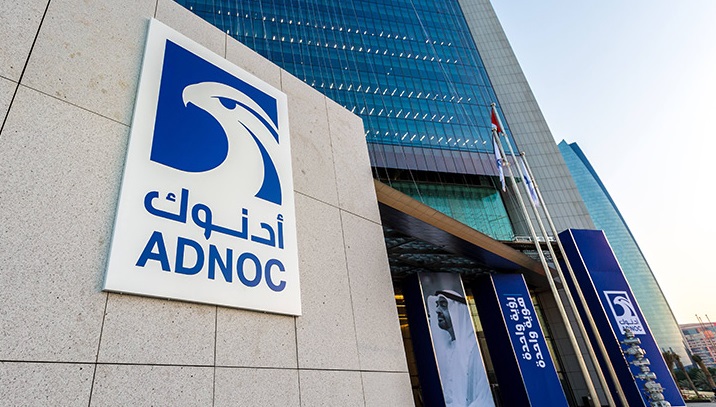
Abu Dhabi National Oil Company is exploring the possibility of listing its international investment subsidiary, XRG, on a stock exchange outside the United Arab Emirates. This strategic move could position XRG among the world’s largest publicly traded energy entities.

According to individuals familiar with the matter, discussions are in the preliminary stages, with Bank of America providing strategic guidance. The potential public offering would involve a minority stake and is anticipated to occur within the next five years. Prior to any listing, ADNOC must appoint a Chief Executive Officer for XRG and transfer relevant assets to the subsidiary.

Established in late 2024, XRG serves as ADNOC’s vehicle for expanding into lower-carbon energy, natural gas, and chemicals sectors. The subsidiary’s formation aligns with ADNOC’s broader strategy to diversify its portfolio beyond traditional oil revenues, reflecting a global industry trend towards sustainable and diversified energy solutions.

Potential venues for the listing include major international exchanges such as London and New York. Each offers distinct advantages, with London providing a robust investor base for energy companies and New York offering unparalleled liquidity and global visibility. The final decision will hinge on various factors, including valuation prospects and strategic alignment with XRG’s growth objectives.

With an estimated valuation exceeding $80 billion, XRG’s public debut would mark a significant milestone in the energy sector. For context, Saudi Aramco’s initial public offering in 2019 raised $25.6 billion, underscoring the scale of XRG’s potential market entry.

ADNOC’s recent activities underscore its commitment to global expansion and diversification. The company has been actively involved in international deals, including mergers and acquisitions in petrochemicals, chemicals, liquefied natural gas , and hydrogen projects. Notably, ADNOC has transferred its U.S. investments, such as stakes in an ExxonMobil hydrogen plant and NextDecade’s LNG export facility in Texas, to XRG. This move signifies ADNOC’s intent to consolidate its international ventures under the XRG umbrella, streamlining operations and enhancing strategic focus.

Spain’s second-largest bank, Banco Bilbao Vizcaya Argentaria , has officially received regulatory approval to offer Bitcoin and Ethereum trading services. This approval comes as the European Union’s Markets in Crypto-Assets regulation fully takes effect, marking a significant step forward for both the banking sector and cryptocurrency adoption within the region.

The move represents a landmark shift for BBVA, as it expands its portfolio of services to include cryptocurrencies. This decision aligns with the bank’s ongoing strategy to adapt to digital finance, meeting growing consumer demand for digital assets. With the MiCA regulation now operational, BBVA is positioning itself to take advantage of new opportunities in an increasingly digital economy.

The MiCA regulation, a major component of the EU’s broader digital finance strategy, aims to create a comprehensive framework for cryptocurrency markets across member states. The regulation provides clarity on legal aspects such as licensing, consumer protection, and financial stability, establishing a uniform approach to crypto assets across the EU. Its implementation signals a major regulatory shift that is set to influence financial institutions throughout the region.

BBVA’s approval is part of a broader trend in Europe where traditional banks are gradually integrating cryptocurrencies into their services. This comes at a time when the European crypto market is maturing, with increased institutional involvement and more regulatory oversight. The move not only represents an opportunity for the bank but also signals increasing mainstream acceptance of digital currencies.

BBVA’s entry into cryptocurrency trading follows a series of pilot programs that tested various blockchain-based solutions. The bank had already ventured into the crypto space in 2021, offering a limited range of services for clients in Switzerland, where cryptocurrency regulation is more permissive. Now, with MiCA regulation fully in place across the EU, BBVA’s decision to expand its crypto offerings into Spain is seen as a natural progression.

The decision by BBVA also highlights the growing importance of regulatory frameworks for the cryptocurrency sector. MiCA aims to ensure that the crypto market operates in a transparent, secure, and consumer-friendly manner, which has been a concern for both regulators and market participants. By adhering to these regulations, BBVA is positioning itself as a leader in responsibly integrating cryptocurrency trading into its offerings.

Other financial institutions in Europe are also taking steps to integrate digital assets into their portfolios. For instance, major banks like Deutsche Bank and Barclays are experimenting with blockchain technologies and exploring potential cryptocurrency-related services. However, BBVA stands out due to its proactive approach in securing regulatory approval and expanding its services at a time when cryptocurrency markets are still evolving.

The move comes as institutional interest in cryptocurrencies continues to rise. More investors, from hedge funds to family offices, are seeking exposure to digital assets, and this trend is expected to continue in the coming years. With its new offering, BBVA aims to cater to both retail and institutional clients, providing them with a secure and regulated platform to trade popular cryptocurrencies like Bitcoin and Ethereum.

As part of its offering, BBVA plans to integrate crypto trading into its existing digital banking services, allowing customers to manage their cryptocurrency investments alongside traditional assets. This seamless integration could offer a competitive advantage, as more banks are starting to see the benefit of combining traditional financial services with digital assets.

While some European banks are cautious about entering the cryptocurrency market, BBVA’s strategy reflects a more optimistic outlook on the long-term potential of digital currencies. The bank’s leadership has signalled that its move into the cryptocurrency sector is part of its broader strategy to embrace innovation and meet the evolving needs of its customers.

The success of BBVA’s crypto offering will depend not only on its ability to navigate regulatory frameworks but also on how well it can address concerns related to security, volatility, and customer education. As cryptocurrency markets continue to evolve, banks like BBVA will need to remain agile, adapting to both regulatory changes and shifting customer expectations.

The impact of BBVA’s decision could also ripple through the broader financial industry, pushing other institutions to consider their own approaches to cryptocurrency and blockchain technology. As more banks integrate digital currencies into their offerings, the financial services landscape could become increasingly intertwined with the cryptocurrency sector, challenging traditional business models and introducing new opportunities for growth and innovation.

Despite the promise, challenges remain. Cryptocurrency markets are still highly volatile, and many investors view digital assets as speculative. While the MiCA regulation aims to address some of these concerns, there are still risks associated with investing in crypto. BBVA’s ability to mitigate these risks through effective risk management strategies will be closely watched by both regulators and investors.

Ras Al Khaimah has successfully issued a $1 billion sukuk, marking its return to the international debt capital markets after a decade. The 10-year senior unsecured sukuk, priced at a profit rate of 5.038%, attracted substantial global investor interest, with orders exceeding the offering by 4.4 times. This significant demand underscores the emirate’s strong creditworthiness and economic stability.

The sukuk was issued under Ras Al Khaimah’s $2 billion Trust Certificate Issuance Programme through RAK Capital, a special purpose vehicle affiliated with the government. The transaction launched with an initial pricing guidance of 10-year US Treasury plus 120 basis points . Robust investor appetite allowed the government to tighten the final pricing by 40 bps to 10-year US Treasury plus 80 bps.

The issuance garnered interest from a geographically diverse investor base. Approximately 57.8% of subscriptions originated from the MENA region, 35% from the UK and continental Europe, and 7.2% from Asia and other regions. This widespread participation reflects global confidence in Ras Al Khaimah’s fiscal management and economic prospects.

Prior to the issuance, both S&P Global Ratings and Fitch affirmed their ratings for RAK Capital’s sukuk programme at ‘A’ and ‘A+’, respectively, each with a stable outlook. These affirmations align with the credit agencies’ ratings for the Government of Ras Al Khaimah, further bolstering investor confidence.

The sukuk structure aligns with recent Shari’a developments set by the UAE Central Bank Higher Shari’a Authority, including a government decree ensuring the enforceability of real estate ijara assets. This adherence to Shari’a-compliant structures highlights the emirate’s commitment to ethical financing practices.

The government expressed satisfaction with the overwhelming response from global investors. A spokesperson highlighted that the high oversubscription and the negative new issue concession of -10 bps underscore Ras Al Khaimah’s strong credit standing and the investor community’s confidence in the emirate’s growth trajectory.

Citi and Emirates NBD Capital acted as structuring advisors for the issuance. Joint global coordinators included Abu Dhabi Commercial Bank, Citi, Emirates NBD Capital, First Abu Dhabi Bank, RAKBANK, and Standard Chartered Bank. Their collaboration played a pivotal role in the successful execution of the sukuk offering.

Ras Al Khaimah has maintained credit ratings in the ‘A’ range from Fitch and S&P for 15 years. Known for its diversified economy and strategic location, the emirate continues to attract investment across multiple sectors. This sukuk issuance not only reinforces Ras Al Khaimah’s presence in the international debt markets but also showcases its commitment to sustainable economic development.

The successful sukuk issuance is expected to have positive implications for the emirate’s future projects and initiatives. The raised capital will likely be allocated to infrastructure development, public services, and other strategic sectors, further enhancing Ras Al Khaimah’s economic landscape. Investors’ strong interest indicates a robust appetite for Shari’a-compliant financial instruments and confidence in the emirate’s fiscal policies.

The global investor community’s response to Ras Al Khaimah’s sukuk issuance reflects a broader trend of increasing interest in Middle Eastern debt instruments. The region’s economic resilience and strategic initiatives have positioned it as an attractive destination for international investors seeking diversification and stable returns.

Ras Al Khaimah’s return to the international debt capital markets after a decade signifies its strategic approach to leveraging global financial platforms. The successful sukuk issuance not only provides the emirate with the necessary capital for its developmental projects but also enhances its reputation in the global financial community.

The emirate’s adherence to Shari’a-compliant structures and alignment with international best practices demonstrate its commitment to ethical and sustainable financing. This approach not only attracts a broader investor base but also reinforces Ras Al Khaimah’s position as a forward-thinking and responsible issuer in the global financial markets.

The collaboration with leading financial institutions as structuring advisors and joint global coordinators underscores the emirate’s dedication to ensuring the sukuk issuance’s success. Such partnerships are crucial in navigating the complexities of international debt markets and achieving favorable outcomes for all stakeholders involved.

Ras Al Khaimah’s strategic initiatives and prudent fiscal management have positioned it favorably in the eyes of international investors. The successful sukuk issuance serves as a testament to the emirate’s robust economic fundamentals and its commitment to fostering a conducive environment for investment and growth.

The emirate’s diversified economy, encompassing sectors such as tourism, manufacturing, and services, continues to thrive. The capital raised through the sukuk issuance is expected to further bolster these sectors, driving sustainable economic growth and enhancing the quality of life for its residents.

The positive reception of Ras Al Khaimah’s sukuk issuance by the global investor community highlights the emirate’s strong credit profile and the effectiveness of its economic policies. As Ras Al Khaimah continues to implement strategic initiatives and invest in key sectors, it is well-positioned to maintain its upward trajectory in the global economic landscape.

The successful execution of the sukuk issuance also reflects the emirate’s ability to adapt to evolving market conditions and investor preferences. By aligning its financial instruments with Shari’a principles and international standards, Ras Al Khaimah demonstrates its commitment to meeting the diverse needs of investors while ensuring compliance with ethical financing practices.

KUALA LUMPUR, MALAYSIA – Media OutReach Newswire – 9 March 2025 – In 2025, global markets are navigating a phase of economic uncertainty as potential inflationary pressures induced by trade tariffs, shifting central bank policy, and geopolitical risk shape trading conditions. Traders who integrate fundamental analysis into their strategies can navigate these uncertainties more effectively, positioning themselves ahead of major market movements. Kar Yong Ang, a financial […]

By K Raveendran Oil prices have hit their lowest since October and by all indications the downward move is far from over. Brent has already dipped below 70 dollars per barrel as the market is feeling the weight of a supply overhang, with OPEC+ barrels set to flood an already well-supplied system, keeping a lid […]

Saudi National Bank has successfully issued a $750 million five-year Formosa bond, attracting an order book totaling $1.1 billion, including $121 million from joint lead managers. The bond, priced at the Secured Overnight Financing Rate plus 120 basis points, is scheduled to be listed on the Taipei Exchange on 17th March. Crédit Agricole CIB and KGI Securities Co Ltd served as joint managers, with HSBC acting as the lead manager.

Formosa bonds are debt instruments issued in Taiwan but denominated in foreign currencies, typically targeting international investors seeking exposure to foreign issuers. This issuance marks SNB’s second foray into the Formosa market, following its inaugural $500 million five-year senior unsecured floating-rate note bond in July 2024. That initial issuance was part of SNB’s $5 billion Euro Medium Term Note Programme and was notable for being the first by a Saudi bank in the Taiwanese market.

The latest bond issuance underscores SNB’s strategic efforts to diversify its funding sources and strengthen its presence in international capital markets. The oversubscription by $350 million indicates robust investor confidence in SNB’s creditworthiness and the economic stability of Saudi Arabia. This confidence is further bolstered by the bank’s proactive engagement with a broad set of top-tier international investors, reflecting the strong appeal of SNB’s credit profile to the global investor community.

In the broader context, Gulf Cooperation Council banks have been increasingly tapping into the Formosa bond market to diversify their funding bases and access competitive pricing. For instance, Qatar National Bank Group, the region’s largest bank, completed a $1 billion five-year Formosa bond issuance under its Euro Medium Term Note Programme in the first half of 2024. This trend highlights the growing significance of the Formosa market as an attractive platform for Middle Eastern banks seeking to broaden their investor base and secure favorable funding terms.

SNB’s successful bond issuance aligns with Saudi Arabia’s Vision 2030 initiatives, which aim to diversify the Kingdom’s economy and reduce its dependence on oil revenues. By accessing international capital markets and engaging with a diverse range of investors, SNB is contributing to the development of a more resilient and diversified financial sector in Saudi Arabia.

The choice of SOFR as the benchmark rate for the bond pricing reflects a broader shift in global financial markets toward alternative reference rates, following the phase-out of the London Interbank Offered Rate . SOFR, based on overnight transactions in the U.S. Treasury repurchase market, is considered a more robust and reliable benchmark, aligning with international best practices.

Matein Khalid There is no doubt in my mind that the epic US equities bull market is now over since the S&P 500 index broke its 200 day moving average while I was at the wonderful StanChart suhoor with so many old pals from the 1990’s Al Mankhool salad days when the Mexican food at Zodiac/Bordertown in the Imperial Suites provided the hottest salsa (mirchi) in Rolla […]

Tether, the issuer of the USDT stablecoin, has frozen approximately $27 million linked to the Russian cryptocurrency exchange Garantex. This decisive move has led Garantex to suspend its trading and withdrawal services, marking a significant escalation in the enforcement of international sanctions against Russia.

Garantex announced the suspension on its official Telegram channel, stating, “Tether has entered the war against the Russian crypto market and blocked our wallets worth more than 2.5 billion rubles.” The exchange, previously sanctioned by both the United States and the European Union, has been accused of facilitating transactions that circumvent international financial restrictions.

The European Union included Garantex in its 16th sanctions package against Russia on 24 February 2025, accusing the crypto exchange of being closely associated with EU-sanctioned Russian banks and responsible for circumventing EU sanctions. This marked the first time the EU directly sanctioned a cryptocurrency exchange, highlighting the bloc’s commitment to closing loopholes in the enforcement of financial restrictions.

Tether’s action to freeze the USDT assets underscores the increasing scrutiny on cryptocurrency platforms that are perceived to be aiding sanctioned entities. Stablecoins like USDT are often used to facilitate transactions in the digital asset space due to their peg to traditional currencies, making them a focal point in the enforcement of financial sanctions.

The implications of Tether’s freeze are profound for Garantex’s users, who now face uncertainties regarding their assets on the platform. This development also sends a clear message to other cryptocurrency exchanges operating in jurisdictions with lax regulatory oversight: compliance with international sanctions is imperative, and failure to do so can result in significant operational disruptions.

The broader cryptocurrency market is likely to feel the ripple effects of this incident. Regulatory bodies worldwide may intensify their oversight of digital asset platforms to ensure adherence to international financial norms. Exchanges may need to bolster their compliance mechanisms to avoid similar punitive actions, potentially leading to a more regulated and transparent cryptocurrency ecosystem.

The Government of Ras Al Khaimah has successfully launched a $1 billion 10-year Regulation S benchmark sukuk, marking a significant development in the emirate’s financial landscape. This Islamic bond issuance is set to be listed on Nasdaq Dubai, underscoring Ras Al Khaimah’s commitment to leveraging Islamic finance instruments for its fiscal strategies. The sukuk was priced at 80 basis points over U.S. Treasuries, reflecting strong investor confidence. […]

Sustainable bond issuance in the Middle East is anticipated to reach between $18 billion and $23 billion in 2025, according to S&P Global Ratings. This projection underscores the region’s commitment to environmental, social, and governance initiatives, with the United Arab Emirates and Saudi Arabia expected to contribute approximately 60% of the total issuance. In 2024, sustainable bonds constituted over 25% of regional corporate and financial institution issuances, […]

The United Arab Emirates’ ambitious pledge to invest $51 billion in Turkey is encountering significant challenges, as several high-profile deals have collapsed, raising concerns about the future of this substantial economic partnership. In July 2023, during a visit by Turkish President Recep Tayyip Erdoğan to Abu Dhabi, the UAE committed to a series of agreements with Turkey, collectively valued at approximately $50.7 billion. These agreements spanned various […]

iShopChangi blossoms this spring with an irresistible Spring Sale! Throughout the month of March, explore an array of new finds, from chic wardrobe must-haves to essential travel gear, all at GST-absorbed and tax-free prices. But that’s not all! Revel in the spirit of International Women’s Day by treating yourself to a selection of luxury fashion, beauty, and wellness items from women-led brands accelerating action in Singapore. Plus, […]

Matein Khalid 2024 was the annus horribilis for luxury stocks as ​the Dragon Empire’s cultural DNA under Xi Dada pivoted to Maoist austerity, inflation hit the mass affluent wannabe Gatsbys of Europe and boonie America and Incredible India’s bling-bling badshahs and bhabhijis discovered the hard way that the speculative stock market mania on Dalal Street can and did end in tears. Obviously, Gandhian values are not exactly […]

VISHNU RAJA
RYO YAMADA
HITORI GOTOH
IKUYO KITA