News related to
Bank

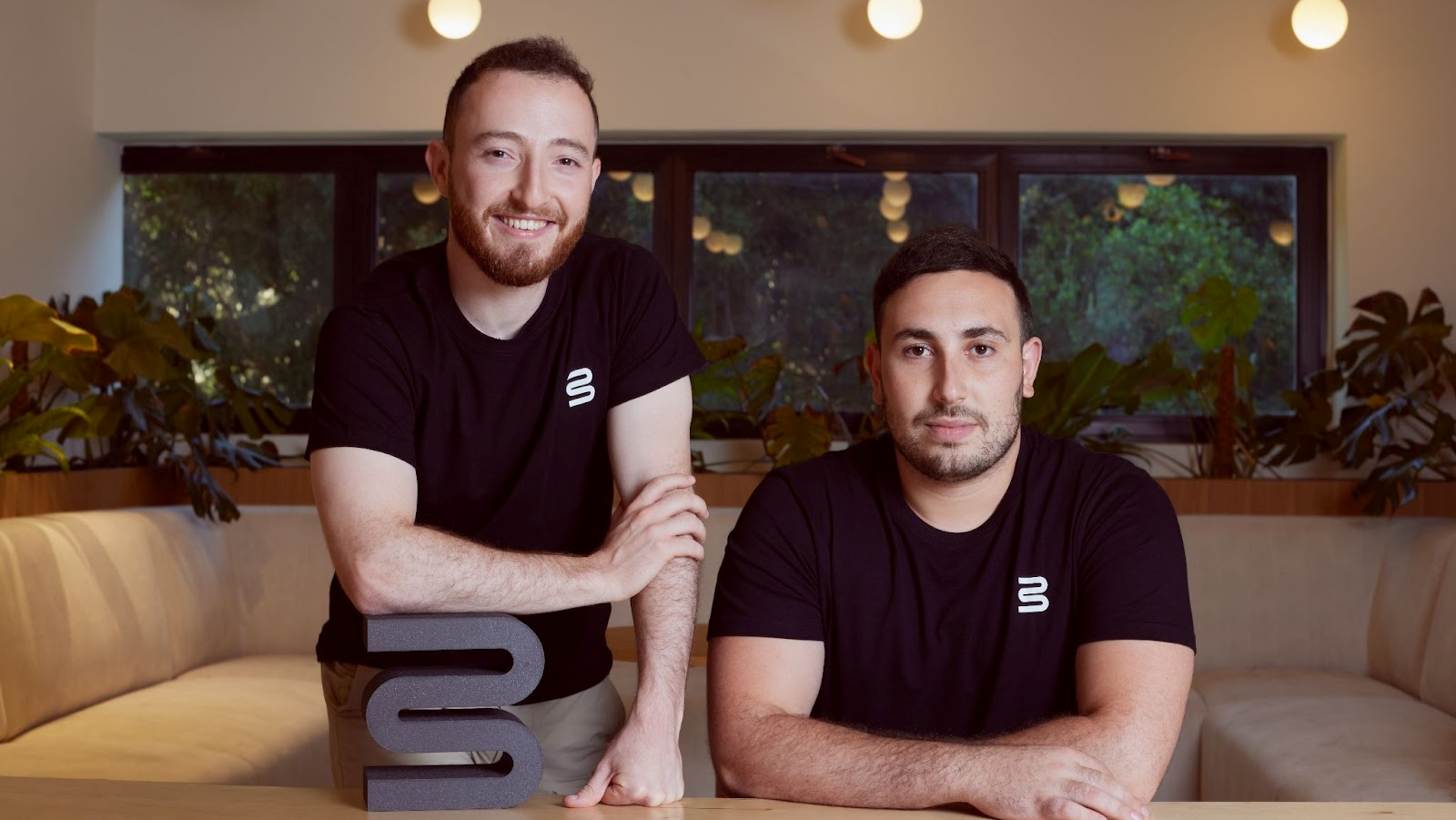
Blockchain security firm Blockaid has raised $50 million in a Series B funding round led by Ribbit Capital, with participation from GV , Variant, and Cyberstarts. This investment aims to bolster Blockaid’s research, engineering, and product development teams to meet the growing demand for robust on-chain security solutions.

Founded in 2022 by former Israeli cyber intelligence operatives, Blockaid has rapidly positioned itself as a key player in the blockchain security sector. The company’s platform offers real-time threat detection for blockchain transactions, integrating directly with wallets and decentralized applications to protect users from malicious activities. In the past year, Blockaid’s system scanned over 2.4 billion transactions and successfully blocked 71 million attacks, safeguarding assets for prominent clients such as Coinbase, MetaMask, Uniswap, and Stellar.

The infusion of new capital will enable Blockaid to scale its product and engineering teams, strengthen go-to-market operations, and expand research capabilities to stay ahead of evolving threats. This strategic growth is in response to the increasing adoption of blockchain technology by major financial institutions and fintech firms, which has, in turn, heightened the need for advanced security measures.

Blockaid’s CEO, Ido Ben-Natan, emphasized the importance of proactive security in the blockchain space, stating, “While the blockchain itself is secure, on-chain applications and the users that interact with them are at risk. This investment will help us continue to advance our machine learning capabilities and expand our current offerings to stay ahead in a highly adversarial landscape of evolving threats.”

The company’s approach leverages machine learning models to detect and prevent potential threats in real-time, providing end-user protection through direct integrations with wallets and dApps. This methodology has proven effective in mitigating risks associated with fraud, phishing, and hacks within the blockchain ecosystem.

Blockaid’s rapid growth is evident in its expansion from 20 employees to 70 within a year, with plans to double its workforce by the end of the year. This scaling aligns with the company’s mission to provide enterprise-grade security solutions for everything on-chain, catering to a diverse clientele that includes chains, protocols, wallets, exchanges, banks, and hedge funds.

The Series B funding round brings Blockaid’s total capital raised to $83 million, following a $27 million Series A round in October 2023. The continued support from prominent investors underscores the confidence in Blockaid’s ability to address the pressing security challenges facing the rapidly evolving blockchain industry.

As blockchain technology continues to gain traction across various sectors, the imperative for robust security measures becomes increasingly paramount. Blockaid’s commitment to enhancing its platform and expanding its team positions the company to effectively combat the sophisticated cyber threats that accompany the growth of on-chain operations.

In addition to its technological advancements, Blockaid places a strong emphasis on research and development. The company plans to utilize part of the new funding to expand its research capabilities, ensuring that it remains at the forefront of identifying and mitigating emerging threats within the blockchain space.

The involvement of GV, the venture capital arm of Alphabet Inc., in this funding round highlights the increasing interest of traditional tech investors in blockchain security solutions. This collaboration is expected to provide Blockaid with strategic insights and resources to navigate the complex landscape of cybersecurity and blockchain technology.

Blockaid’s proactive approach to security has garnered trust from its clients, enabling them to operate with confidence in an environment fraught with potential vulnerabilities. By offering comprehensive security solutions that encompass fraud detection, scam prevention, exploit mitigation, and financial risk assessment, Blockaid addresses the multifaceted challenges inherent in on-chain operations.

As the blockchain industry continues to evolve, the role of security firms like Blockaid becomes increasingly critical. The company’s dedication to innovation, coupled with the substantial financial backing from esteemed investors, positions it to set new standards in blockchain security and to effectively safeguard the interests of its expanding client base.


By Sushil Kutty In a special gesture Prime Minister Narendra Modi went to the Indira Gandhi International Airport on Monday and received the Amir of the State of Qatar, Sheikh Tamim Bin Hamad Al Thani. And in another special gesture, because the Amir is extraordinarily tall, security personnel assigned to stand at guard at the […]

OKX has made a significant stride in its European expansion by securing a Markets in Crypto-Assets license, positioning itself as one of the first global exchanges to comply with the European Union’s new regulatory framework for digital assets. The MiCA license, a milestone in crypto regulation, enables the exchange to legally operate across 28 countries within the European Economic Area , further solidifying OKX’s position as a key player in the global cryptocurrency landscape.

This development comes at a time when the crypto industry is facing increasing regulatory scrutiny, particularly in Europe. The MiCA framework aims to establish a comprehensive regulatory environment for digital assets, addressing concerns such as investor protection, market integrity, and financial stability. By obtaining this license, OKX demonstrates its commitment to operating within the regulatory boundaries set by the EU, enhancing trust and reliability for both individual and institutional users.

With the MiCA license now in place, OKX has expanded its services to include euro-denominated trading pairs, providing a seamless integration for European users. This move allows customers in the EEA region to trade digital assets directly with euros, facilitating smoother transactions and reducing the need for conversions. Furthermore, OKX has introduced free bank transfers and fiat payment options, making it easier for European customers to deposit and withdraw funds.

The decision to offer free bank transfers and fiat payment options is particularly notable, as it addresses one of the common pain points for cryptocurrency users: high transaction fees. By eliminating these charges, OKX is able to enhance its competitiveness in an already crowded market, attracting users who may have been deterred by traditional exchange fees. These efforts also align with the company’s broader strategy to provide a user-friendly and cost-effective platform for its European clientele.

OKX’s expansion into the European market marks a new chapter in the company’s international growth. The exchange, which was founded in 2017, has quickly established itself as one of the largest and most reputable platforms in the crypto space. Its growth has been driven by a focus on innovation, security, and customer service, which has earned it a loyal user base in regions around the world. The company’s expansion into Europe reflects its commitment to diversifying its reach and tapping into the growing demand for crypto services across the continent.

As one of the first global exchanges to secure a MiCA license, OKX is now well-positioned to capitalise on the evolving regulatory environment in Europe. The MiCA framework, which is set to come into full effect in 2024, aims to provide legal certainty for crypto businesses operating in the EU. For exchanges like OKX, compliance with MiCA is essential for maintaining a strong presence in the European market, as regulators seek to ensure that crypto activities are conducted safely and transparently.

The move is also significant because it comes at a time of heightened regulatory uncertainty in other parts of the world. In the United States, for example, the crypto industry is facing increasing pressure from lawmakers and regulators, who are working to create a more structured approach to digital asset regulation. In this context, Europe’s MiCA framework offers a more defined path forward for crypto businesses looking to operate within a regulated environment.

Beyond the regulatory benefits, OKX’s decision to offer localized services tailored to the needs of European users is a key aspect of its strategy. The company has long emphasised the importance of localisation, recognising that each market has its unique requirements and challenges. By offering euro pairs and a range of fiat payment options, OKX is making it easier for European users to engage with the platform and participate in the growing digital asset economy.

OKX’s success in securing the MiCA license also highlights the company’s ongoing efforts to prioritise compliance and security. Over the years, OKX has made significant investments in strengthening its security infrastructure, which is a critical factor in maintaining the trust of its users. The exchange has implemented a variety of measures to safeguard customer assets, including robust encryption protocols, multi-signature wallets, and insurance funds for potential losses due to breaches.

The MiCA license also places OKX in a favourable position to expand its range of services across Europe. As the regulatory environment in Europe becomes clearer, OKX will have the opportunity to offer additional products and services, such as staking, lending, and asset management, to a wider audience. The company’s ability to operate in 28 EEA countries provides it with a significant competitive edge over other exchanges that may be restricted by more stringent regulations.

However, the regulatory landscape for crypto assets remains dynamic, and OKX’s ability to maintain its position in the European market will depend on its continued compliance with MiCA and other evolving regulations. As the EU finalises the implementation of MiCA in the coming years, exchanges like OKX will need to adapt to new rules and requirements that could affect everything from anti-money laundering measures to customer due diligence.

JOHANNESBURG, SOUTH AFRICA – Media OutReach Newswire – 18 February 2025 – IT News Africa is proud to announce the IT Leaders Forum 2025, a premier gathering of top technology and information industry experts. The event is set to take place on March 12, 2025, at the Radisson Blu Gautrain Hotel in Sandton. As organizations grapple with technology skills gaps, economic uncertainty, and ESG compliance mandates, IT […]

Dubai’s International Financial Centre has seen an unprecedented 25% rise in company registrations over the last year, marking a record high. The financial district, now home to 6,920 active companies, has experienced a significant surge, up from 5,523 in the previous year. This surge signals a growing trend of international businesses, particularly hedge funds, flocking to the emirate’s burgeoning financial sector. The rapid rise in registrations comes […]

KUALA LUMPUR, MALAYSIA – Media OutReach Newswire – 18 February 2025 – The global cryptocurrency market has seen unprecedented growth in the previous year, spearheaded by Bitcoin and Ethereum. Institutional participation was very important in driving prices higher, with Bitcoin reaching an all-time high above $100,000 in December 2024. With the spreading adoption of crypto assets, regulators have paid even more attention to the industry. Kar Yong […]

Arabian Post Staff -Dubai The United Kingdom’s Court of Appeal has upheld a High Court decision dismissing a $1.2 billion bankruptcy petition against Prince Hussam Bin Saud Bin Abdulaziz Al Saud, a prominent member of the Saudi royal family and governor of Saudi Arabia’s Al-Bahah province. The litigation, initiated by Kuwait’s Mobile Telecommunications Company KSCP , centered on an alleged debt dispute dating back to 2010.MTC sought […]

Advertisements
A fresh debate has erupted surrounding the United States’ vast gold reserves, with Tesla CEO Elon Musk’s latest initiative drawing significant attention. The billionaire entrepreneur’s venture into auditing the nation’s most famous gold vault, Fort Knox, has sparked a chain of reactions among US lawmakers, financial experts, and the general public. Musk’s involvement, via his cryptocurrency project D.O.G.E., has reignited long-standing questions about the transparency and true scale of the nation’s gold holdings.

The Fort Knox vault, located in Kentucky, has long been a symbol of American financial security. It is home to thousands of tonnes of gold, which are believed to be held as part of the US’ reserve assets. While the facility itself has been shrouded in mystery for decades, Musk’s recent remarks have breathed new life into theories that question the actual existence and accessibility of these gold reserves. His call for an independent audit using his company’s resources has added fuel to an ongoing fire, leading to broader scrutiny of the US government’s financial transparency.

At the centre of this new controversy is Musk’s claim that there are inconsistencies regarding the Fort Knox vault’s gold inventory. The entrepreneur’s involvement with cryptocurrency, particularly through D.O.G.E., has raised eyebrows due to the rapid growth and volatility of digital currencies. Musk, who has been known to influence markets with his statements, now aims to apply the same approach to the traditional gold market. By introducing D.O.G.E., a cryptocurrency linked to his ambitious tech empire, Musk is positioning the digital asset as a tool for conducting an audit of the US gold reserves.

US lawmakers have quickly joined the debate, with several key figures calling for a full audit of the nation’s gold holdings. Senator Joe Manchin, a senior figure in US politics, has been vocal about the need for transparency in the government’s financial affairs. He has expressed concern that the gold may not be where it is supposed to be or that the quantities may have been overstated. His remarks have sparked both support and criticism, with some arguing that the audit would help restore public trust in the US financial system, while others believe it could undermine faith in the nation’s economic stability.

The idea of auditing Fort Knox is not new. Over the years, various proposals to open the vaults for a comprehensive check have been raised, but none have gained significant traction. Some believe that the gold has been subject to changes in ownership or use, potentially as collateral for government loans or other financial arrangements. Musk’s recent comments, however, have added a new layer of intrigue, with his backing of a high-profile audit pushing the issue to the forefront once again.

Many experts view the current debate as part of a larger trend in which billionaires and tech moguls, such as Musk, use their influence to challenge established systems. These figures are increasingly venturing into areas traditionally dominated by governments and central banks, and their ability to sway public opinion has become more pronounced in recent years. By combining the potential of cryptocurrency with a highly publicised investigation into one of the US government’s most guarded assets, Musk is demonstrating the growing convergence of traditional finance and emerging technologies.

The issue of transparency surrounding Fort Knox also taps into wider concerns about the US economy. The country’s debt continues to rise, and there are growing calls for a revaluation of the assets held by the Federal Reserve. Gold has long been seen as a hedge against inflation and economic uncertainty, and questions about its true volume in government hands have led to speculation about the US’ ability to back its currency with tangible assets. Critics of the current system argue that a more accurate and transparent audit of the gold reserves could shed light on the government’s financial health and provide clearer insight into the US dollar’s future stability.

Adding further complexity to the situation is the role of cryptocurrency in this conversation. Musk, through his involvement with D.O.G.E., has embraced digital currencies as a powerful financial tool. Cryptocurrency’s decentralised nature contrasts sharply with the traditional and highly centralised nature of national gold reserves. By advocating for an independent audit using his crypto project, Musk is signalling a challenge to the long-standing dominance of traditional financial systems, proposing that digital currencies could offer a more transparent, equitable method of handling government assets.

Financial analysts have mixed opinions on whether Musk’s proposed audit will succeed. On one hand, the billionaire’s reputation for challenging norms has earned him a dedicated following, particularly among younger investors and cryptocurrency enthusiasts. His involvement with D.O.G.E., which has grown rapidly in value, has brought significant media attention to the project, and some believe this could give it the momentum needed to gain government approval for the audit. On the other hand, critics argue that such a move could lead to unforeseen consequences for both the US economy and the global financial landscape.

The debate is also gaining traction among gold industry leaders, some of whom argue that Musk’s initiative could be disruptive. They contend that an audit of Fort Knox could create market volatility, particularly for the gold markets, which are already subject to fluctuations based on geopolitical events and investor sentiment. These concerns highlight the complexity of aligning digital and traditional financial systems, especially when such powerful figures enter the fray.

The global silicon wafer industry is witnessing a resurgence, propelled by the escalating demand for advanced semiconductor components essential for artificial intelligence applications. In the latter half of 2024, worldwide silicon wafer shipments began to recover from the downturn experienced in 2023, as reported by the SEMI Silicon Manufacturers Group . Despite a 2.7% decline over the year, totaling 12,266 million square inches, and a 6.5% revenue contraction to $11.5 billion, the upward trend in the latter part of the year indicates a positive trajectory for the industry.

This revival is largely attributed to the rapid adoption and advancement of generative AI technologies, which have significantly transformed the semiconductor landscape. Hyperscale data center operators and original equipment manufacturers are expanding their server capacities to meet the computational demands of AI model training and inference processes. This expansion necessitates a substantial increase in AI accelerators, leading to a surge in demand for processor units and high-bandwidth memory associated with these accelerators.

The heightened demand for HBM products is evident in the financial performance of key industry players. SK Hynix, for instance, surpassed Samsung in quarterly profits for the first time, driven by a surge in demand for advanced memory chips necessary for AI data centers. In the fourth quarter of 2024, SK Hynix’s operating profit soared to Won8.1 trillion , with sales increasing by 75% to Won19.8 trillion. HBM products, crucial for AI servers, significantly contributed to this profit, comprising 40% of SK Hynix’s DRAM chip revenue. The demand for these chips is expected to double due to investments in AI infrastructure projects, such as the massive $500 billion Stargate initiative by OpenAI and SoftBank.

Similarly, Micron Technology has experienced a positive financial outlook, with shares surging approximately 14% following an upbeat first-quarter forecast. This optimism is fueled by the demand for memory chips utilized in AI computing. As one of the three primary suppliers of HBM chips, alongside SK Hynix and Samsung, Micron is capitalizing on the growing need for semiconductors in generative AI technologies. These DRAM chips are essential for AI-oriented graphics processing units, facilitating the processing of vast amounts of data. Micron anticipates a record revenue of approximately $8.7 billion and an increase in its gross margin to around 39.5% for the first quarter.

The surge in AI applications has also impacted semiconductor manufacturing giants like Taiwan Semiconductor Manufacturing Co. . TSMC reported a significant profit increase, with fourth-quarter earnings rising 57% to NT$374.7 billion . This growth is largely driven by high-performance computing revenue, which surged 58%, offsetting declines in other sectors. CEO CC Wei highlighted the tight AI capacity but reassured that TSMC is working diligently to meet customer demand.

However, the rapid expansion in AI-driven demand has introduced challenges, particularly concerning supply chain constraints. High-bandwidth memory is in even shorter supply than GPUs, potentially hindering the data center industry’s expansion plans. The HBM design provides greater speed and reduced latency, key to the performance of AI processing. During the COVID-19 supply chain shortages, carmakers could not obtain chips for their vehicles, so they simply built cars without the chips and mothballed them until they could shore up inventory. GPU vendors like Nvidia and AMD don’t have that option. No high-bandwidth memory means GPUs can’t be assembled because the HBM has to be added to the GPU package at the manufacturing stage.

In response to these challenges, companies are exploring innovative solutions. NEO Semiconductor, for instance, announced the development of its 3D X-AI chip, designed to replace existing HBM chips and address data bus bottlenecks. This advancement aims to alleviate some of the supply constraints by providing alternative high-performance memory solutions.

The global silicon wafer market’s recovery is further bolstered by strategic investments and collaborations. For example, Foxconn is building a Nvidia superchip facility in Mexico, aiming to meet the growing demand for AI hardware. Such initiatives not only enhance production capacities but also diversify the supply chain, reducing dependency on a single region and mitigating potential geopolitical risks.

Standard Chartered Bank Limited , Animoca Brands, and HKT have announced a joint venture to issue a stablecoin pegged to the Hong Kong dollar . The consortium plans to apply for a license from the Hong Kong Monetary Authority under the region’s new regulatory framework for stablecoins.

This strategic partnership aims to leverage the unique strengths of each participant. SCBHK will provide its robust banking infrastructure and governance, having previously engaged in all of HKMA’s tokenised money projects. Animoca Brands, a leader in Web3 and blockchain technologies, will explore use cases within the digital asset ecosystem. HKT, a prominent telecommunications service provider, intends to integrate the stablecoin into its mobile wallet offerings, enhancing both domestic and cross-border payment solutions.

Mary Huen, Chief Executive Officer of SCBHK and Greater China & North Asia, expressed enthusiasm about the initiative, stating that the bank looks forward to becoming one of the first issuers of an HKD-backed stablecoin in collaboration with its strategic partners.

The move comes as Hong Kong intensifies its efforts to establish a comprehensive regulatory environment for digital assets. The government published the Stablecoins Bill in December 2024, outlining a statutory framework for stablecoin issuance and operations. The bill is currently under review by the Legislative Council’s Bills Committee. Key features of the proposed regime include stringent licensing requirements, operational standards, and reserve management protocols for stablecoin issuers.

Bill Winters, Group Chief Executive of Standard Chartered, highlighted the significance of this development, noting that digital assets are here to stay and that the development of different forms of tokenised money is integral to the advancement of this industry. He emphasized that stablecoins play a critical role in the overall digital asset ecosystem.

Yat Siu, Co-founder and Executive Chairman of Animoca Brands, commented on the collaboration, stating that this partnership aims to foster the growth of the Web3 ecosystem in Hong Kong by providing a trusted and regulated stablecoin that can be used across various applications and services.

HKT’s Group Managing Director, Susanna Hui, added that integrating the HKD-backed stablecoin into HKT’s mobile wallet services will offer customers a seamless and secure payment experience, further enhancing Hong Kong’s position as a leading digital economy.

The introduction of an HKD-backed stablecoin is expected to provide a stable and secure medium of exchange within the digital asset market, potentially reducing volatility and fostering greater trust among users and investors. This initiative aligns with global trends, as jurisdictions worldwide are increasingly focusing on regulating stablecoins to ensure financial stability, security, and compliance with existing financial systems.

Industry analysts suggest that the success of this venture could position Hong Kong as a pioneer in regulated stablecoin issuance, potentially setting a precedent for other financial hubs. The collaboration between a traditional banking institution, a blockchain innovator, and a telecommunications giant exemplifies a multifaceted approach to digital finance, combining traditional financial expertise with cutting-edge technology and widespread consumer reach.

El Salvador is set to make a significant stride in the global cryptocurrency space with the introduction of a dedicated Bitcoin section at its National Library. The initiative aims to promote the understanding of Bitcoin’s role in the modern financial landscape, with the library becoming the first in the world to feature a permanent collection dedicated to the digital currency.

The new section will not only house a variety of books and resources on Bitcoin, but will also include an interactive display that demonstrates the operation of a full Bitcoin node in real-time. This demonstration will showcase the network’s fundamental role in facilitating peer-to-peer transactions, decentralised consensus, and the security of the global Bitcoin system. The library’s innovative move underscores the growing importance of cryptocurrency and blockchain technologies in shaping the future of finance.

El Salvador’s push to integrate Bitcoin into its national framework has been met with both enthusiasm and skepticism. In 2021, the country made headlines as the first in the world to adopt Bitcoin as legal tender, a bold move aimed at fostering financial inclusion and reducing dependency on traditional banking systems. The decision, spearheaded by President Nayib Bukele, generated widespread debate among economists, policy makers, and the global financial community, with concerns ranging from volatility risks to the broader implications for global monetary policy.

The National Library’s Bitcoin section is part of a larger effort by the government to support Bitcoin literacy and educate the public on how the cryptocurrency functions. El Salvador’s decision to incorporate Bitcoin into its official monetary system was a pivotal moment in the global conversation about digital currencies, and the library initiative represents a continuation of that effort. By making Bitcoin more accessible and understandable to the public, the library aims to demystify the technology and encourage individuals to engage with it in a meaningful way.

The section will feature a range of resources, including literature on the history of Bitcoin, its technological underpinnings, and its potential to disrupt traditional financial systems. Additionally, the live Bitcoin node demonstration will allow visitors to see firsthand how transactions are validated and how the network operates, offering a tangible understanding of the underlying infrastructure that powers the cryptocurrency.

Experts in the field of blockchain technology and cryptocurrency have praised El Salvador’s commitment to education and its progressive stance on integrating digital assets into the mainstream. By promoting Bitcoin literacy, the library is helping to build a foundation of knowledge that could enable the next generation of financial professionals to better navigate the evolving digital economy. The initiative also complements the country’s broader strategy of positioning itself as a leader in cryptocurrency adoption, which includes the creation of “Bitcoin Beach” – a community-focused initiative aimed at fostering the use of Bitcoin for everyday transactions.

However, the decision to embrace Bitcoin has not been without controversy. Critics argue that the volatility of Bitcoin poses significant risks to the stability of El Salvador’s economy, particularly given the country’s reliance on remittances, which make up a large portion of its GDP. The price fluctuations of Bitcoin could create instability in the value of these remittances, which are often sent by Salvadorans working abroad. Additionally, concerns have been raised about the environmental impact of Bitcoin mining, which requires significant energy consumption.

Despite these concerns, President Bukele has remained steadfast in his belief that Bitcoin represents a transformative force for economic growth, particularly in emerging markets. By introducing a Bitcoin-focused educational initiative, the National Library is helping to build the groundwork for future developments in blockchain and cryptocurrency technology. The initiative is also part of a broader effort to align El Salvador with the global trend of digitisation, as governments and businesses worldwide increasingly explore the potential of digital currencies and decentralised technologies.

As more countries and institutions around the world begin to explore the possibilities of cryptocurrencies, El Salvador’s National Library stands as a symbol of the country’s forward-thinking approach to technological innovation. The Bitcoin section, along with the live node demonstration, provides a unique opportunity for individuals to engage with the technology in a hands-on way, gaining a deeper understanding of its potential impact on the financial system.

The Bitcoin section at the National Library is expected to attract both local visitors and international tourists, many of whom are keen to learn more about El Salvador’s pioneering role in the cryptocurrency space. It will also serve as a hub for academic research, with scholars and students having access to a wealth of information on Bitcoin and its applications. This initiative could potentially inspire similar efforts in other countries looking to embrace the digital future.

Argentina’s political landscape has been rocked by calls for the impeachment of President Javier Milei after he expressed support for the controversial LIBRA cryptocurrency token, only to retract his endorsement days later. This move has sparked a fierce backlash from opposition lawmakers, who are now seeking to hold the president accountable for what they term as a breach of trust and mismanagement.

The LIBRA token, which gained prominence in the crypto market as part of a broader financial experiment, was initially praised by Milei, who viewed it as an innovative tool to fight Argentina’s persistent inflation. However, his swift reversal, just days after his public endorsement, has left both the public and political figures questioning his leadership and decision-making capabilities.

Milei’s initial tweet in support of the token was widely perceived as a signal of confidence in Argentina’s ability to embrace innovative financial solutions. This endorsement came amidst the country’s ongoing battle with inflation and economic instability, which has led to widespread dissatisfaction with traditional economic policies. The president, a self-proclaimed libertarian, has often sought to align himself with new, unorthodox approaches to reform Argentina’s financial sector, and the LIBRA token seemed to fit into that narrative.

However, the situation took a dramatic turn when Milei retracted his support for the token after intense scrutiny from both domestic and international financial experts. Critics argued that the token lacked sufficient backing and posed a threat to Argentina’s already fragile economy. The withdrawal of support from the president came as a result of mounting pressure from conservative factions within his own party, as well as concerns raised by influential economists and banking associations.

The opposition, led by figures such as Uxió Sanz, a prominent member of the Argentine Socialist Party, swiftly condemned the president’s actions, calling it a display of inconsistency and recklessness. Sanz went as far as to accuse Milei of “playing games with the nation’s economy” and stated that such actions undermined the credibility of his administration. According to Sanz, the president’s erratic behaviour on such an important issue warranted a formal investigation and impeachment proceedings.

The impeachment push has been supported by several political parties, including the Kirchnerist faction, which has long been at odds with Milei’s free-market policies. They argue that the president’s flip-flopping on financial matters demonstrates a lack of leadership and disregard for the country’s economic stability. The debate surrounding the LIBRA token is now at the forefront of Argentina’s political discourse, with protests and heated discussions dominating the media.

The withdrawal of support for LIBRA has also raised questions about the transparency and accountability of Milei’s administration. Critics argue that the decision to promote and then abandon the token so abruptly reflects poorly on the president’s judgment. Financial analysts have warned that such erratic moves could further destabilise Argentina’s already precarious economic situation, particularly as the country grapples with high inflation rates, soaring debt, and a shrinking currency.

Milei, for his part, has defended his actions, claiming that the decision to withdraw support for LIBRA was made after careful consideration and in consultation with his economic advisers. He stressed that his government’s priority remained addressing Argentina’s inflationary crisis and improving the nation’s financial resilience. While he acknowledged the controversial nature of his tweet, he asserted that his government would continue to explore innovative solutions for Argentina’s economic challenges.

The controversy has also drawn attention to the broader issue of cryptocurrency regulation in Argentina. The country, which has become a hotspot for crypto trading in Latin America, has seen rapid growth in digital currency adoption, driven by a lack of confidence in traditional financial institutions. However, the government’s inconsistent stance on cryptocurrencies has left many investors uncertain about the regulatory framework moving forward. Critics argue that the LIBRA incident highlights the need for clearer policies and more careful consideration before making public statements on such volatile markets.

Despite Milei’s efforts to stabilise the political situation, the LIBRA token debacle has undoubtedly dented his image. The president, who took office with promises of drastic economic reform, is now facing intense scrutiny from both his political adversaries and the public. The ongoing impeachment discussions are likely to dominate the political agenda in the coming weeks, with many questioning whether Milei can retain the support of key allies and stakeholders within his own government.

Abu Dhabi Commercial Bank Egypt is strategically aligning its operations with sustainability and green finance initiatives, reflecting the growing emphasis on environmentally responsible banking practices within the financial sector. The CEO of ADCB Egypt highlighted that the bank is committed to advancing sustainability as a key part of its broader corporate strategy, which mirrors the UAE-based parent group’s efforts to support eco-friendly projects and initiatives. Under the […]

Matein Khalid SpaceX is up 7X since my post in 2020, when we invested at $46 billion pre-money and it is now $350 billion. I do not recommend anybody put new money in this or any of the big AI plays. There are 300 AI startups that were rejected by two Palo Alto brand name VC partners I respect in the past year and this sector will […]

South Korea’s manufacturing sector has witnessed a significant decline in employment, reaching its lowest point in over a decade. Data from Statistics Korea indicates that as of January, the number of individuals employed in manufacturing stood at approximately 4.39 million, a reduction of 56,000 compared to the same period last year. This figure represents the most substantial drop since January 2013, when employment in the sector was […]

Blockchain.com, a prominent digital asset exchange, has appointed Justin Evans as Chief Financial Officer and Mike Wilcox as Chief Operating Officer as it advances towards a potential initial public offering . Evans, formerly the head of crypto investment banking at Goldman Sachs Group Inc., brings extensive experience in financial strategy and capital markets. Wilcox, who previously served as Chief Financial Officer at Velocity Global and was an investment manager at Point72 Asset Management, adds significant operational expertise to the team.

These strategic hires align with Blockchain.com’s objective to position itself for a public listing, capitalizing on the growing institutional adoption of cryptocurrencies and a more favorable regulatory environment. The company joins a cohort of cryptocurrency firms aiming to enter public markets, reflecting a broader trend within the industry.

In parallel, other major cryptocurrency firms are also exploring public listings. BitGo, a cryptocurrency custodian services provider, is reportedly considering an IPO as soon as the second half of this year. The firm is in discussions with potential advisers, although no final decision has been made. BitGo, founded in 2013, serves over 1,500 institutional clients across 50 countries and processes approximately 8% of global Bitcoin transactions by value. In 2023, the company raised $100 million, achieving a valuation of $1.75 billion.

Similarly, Gemini, the cryptocurrency firm backed by the Winklevoss twins, is considering an IPO as early as this year. This move underscores the increasing trend of cryptocurrency companies seeking public listings to access broader capital markets and enhance transparency.

The momentum for crypto-related IPOs is further evidenced by Circle Internet Financial’s plans. The company, known for issuing the stablecoin USDC, announced its intention to relocate its headquarters from Boston to New York City’s One World Trade Center in early 2025, ahead of its planned IPO. This relocation signifies the cryptocurrency industry’s deeper integration with traditional financial hubs.

The surge in IPO considerations among cryptocurrency firms is influenced by several factors, including increased institutional adoption of digital assets and evolving regulatory landscapes. The U.S. IPO market experienced significant growth in 2024, with companies raising over $41 billion, marking the most successful year since 2021. This resurgence is anticipated to continue into 2025, driven by favorable economic conditions and a more supportive regulatory environment.

However, not all major players are rushing to go public. Companies like SpaceX and OpenAI, despite substantial investor interest, are expected to delay their public offerings due to strong private funding. This trend indicates that while the IPO market is becoming more attractive, some firms prefer to remain private, leveraging ample private capital to fuel their growth.

In the retail trading sector, eToro has submitted confidential filings to the U.S. Securities and Exchange Commission for an IPO in New York, potentially valuing the company at over $5 billion. This move follows eToro’s previous attempt to go public in 2022 via a $10.4 billion deal with a blank-check company, which was halted due to unfavorable market conditions.

The increasing number of cryptocurrency and fintech firms pursuing public listings reflects a strategic shift towards greater transparency, regulatory compliance, and access to capital. As the industry matures, these public offerings are poised to reshape the financial landscape, bridging the gap between traditional finance and the burgeoning digital asset economy.

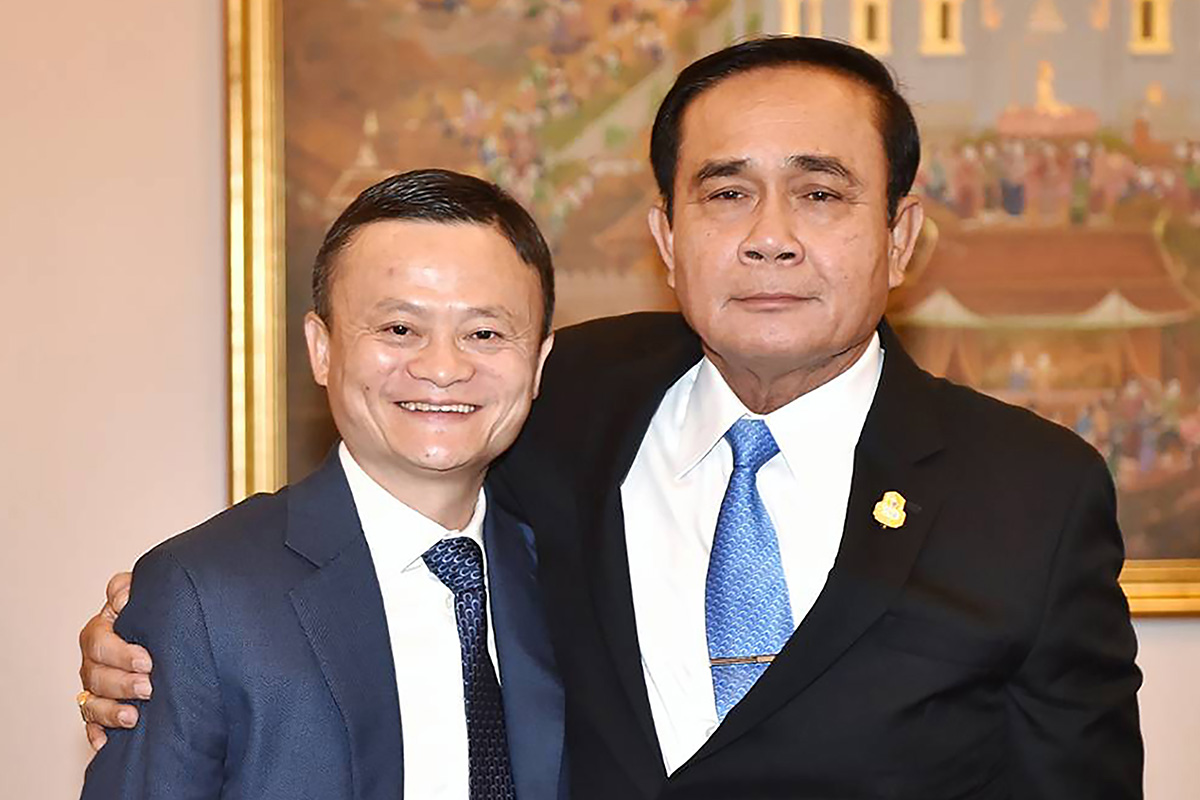
Alibaba Cloud has inaugurated its second data center in Thailand, aiming to meet the growing demand for cloud computing services and support the country’s digital transformation initiatives. This development aligns with Thailand’s strategic efforts to enhance its digital economy and infrastructure.

The new facility is designed to provide advanced cloud services, including support for artificial intelligence applications, to businesses and government agencies across Thailand. By expanding its data center footprint, Alibaba Cloud seeks to offer more robust and reliable services, catering to the increasing needs of enterprises adopting digital technologies.

Thailand has been actively pursuing a comprehensive digital transformation strategy, encapsulated in policies like “Thailand 4.0” and the “National Digital Economy and Society Development Plan.” These initiatives focus on building high-capacity digital infrastructure, promoting e-government solutions, and fostering innovation and technology adoption across various sectors. The government’s commitment is further evidenced by the approval of the national AI strategy and action plan , which aims to drive AI development and integration throughout the country.

The establishment of Alibaba Cloud’s second data center is poised to bolster these governmental efforts by providing the necessary infrastructure to support AI and other emerging technologies. This move is expected to enhance the competitiveness of Thai businesses, particularly small and medium-sized enterprises , by offering scalable and secure cloud solutions that facilitate innovation and efficiency.

In addition to infrastructure development, Thailand is focusing on digital skills enhancement and inclusivity. The government has launched initiatives to train individuals through community digital centers, aiming to bridge the digital divide and ensure that the benefits of digital transformation are accessible to all segments of the population. These efforts are crucial in creating a digitally literate workforce capable of leveraging new technologies to drive economic growth.

The collaboration between global technology providers like Alibaba Cloud and the Thai government signifies a strategic partnership that leverages international expertise to accelerate national digital goals. Such alliances are instrumental in positioning Thailand as a regional digital hub, attracting further investments, and fostering a vibrant ecosystem of innovation and technological advancement.

As Thailand continues to implement its digital economy strategies, the expansion of cloud infrastructure by industry leaders like Alibaba Cloud will play a pivotal role in supporting the nation’s objectives. This development not only addresses the immediate needs for advanced computing resources but also lays the foundation for sustainable digital growth in the years to come.

The integration of enhanced cloud services is anticipated to have a transformative impact on various sectors, including finance, healthcare, education, and manufacturing. By providing scalable and efficient cloud solutions, businesses can innovate more rapidly, improve operational efficiencies, and deliver better services to their customers. Moreover, the availability of local data centers ensures compliance with data sovereignty requirements, which is a critical consideration for many organizations.

In the financial sector, for instance, banks and fintech companies can leverage cloud-based AI analytics to offer personalized services and detect fraudulent activities more effectively. The healthcare industry can utilize cloud platforms to manage patient data securely and deploy telemedicine solutions, expanding access to medical services, especially in remote areas. Educational institutions can adopt e-learning platforms hosted on the cloud, providing students with flexible and interactive learning experiences. Manufacturers can implement IoT solutions to monitor production lines in real-time, enhancing productivity and reducing downtime.

ROSHN Group, Saudi Arabia’s prominent multi-asset real estate developer and a Public Investment Fund company, has finalized a SAR 2 billion Shariah-compliant credit facility with Saudi National Bank . This seven-year financing arrangement is designated for the acquisition of ROSHN Front, a premier commercial and retail complex in Riyadh.

The strategic acquisition of ROSHN Front signifies ROSHN Group’s deliberate expansion into the commercial and retail sectors, complementing its existing residential projects. Opened in 2019, ROSHN Front has become a central hub for both shoppers and businesses, drawing over 7 million visitors annually. The development comprises two main sections: ROSHN Front—Retail, offering more than 81,800 square meters of leasable space occupied by leading retail and dining brands; and ROSHN Front—Business, providing over 78,900 square meters of office space housing esteemed government agencies, private enterprises, and multinational corporations.

Avinash Pangarkar, Group Chief Finance Officer of ROSHN Group, emphasized the importance of this financial partnership, stating that the agreement with Saudi National Bank is a pivotal milestone for ROSHN Group, enabling the unlocking of significant value from the acquisition and creating long-term benefits for stakeholders and the communities served.

The integration of ROSHN Front into ROSHN’s portfolio is poised to enhance the retail and commercial landscape of the area, elevate tenant experiences, and attract top-tier brands and businesses. This move aligns with ROSHN’s broader mission to develop integrated, human-centric communities that enrich the quality of life across the Kingdom.

The acquisition of ROSHN Front, formerly known as Riyadh Front, was initially announced in December 2022, with the rebranding to ROSHN Front occurring in September 2023. The complex is strategically located adjacent to ROSHN’s flagship SEDRA project in Riyadh, facilitating potential synergies between the developments. SEDRA is envisioned to house approximately 30,000 new homes upon completion, and the proximity to ROSHN Front is expected to provide residents with enhanced access to amenities, exclusive promotions, and diverse retail and commercial options.

The financing agreement with SNB not only underscores ROSHN’s commitment to expanding its footprint in the Kingdom’s real estate sector but also reflects the confidence of financial institutions in ROSHN’s strategic vision and operational capabilities. As a PIF-backed entity, ROSHN continues to play a vital role in advancing Saudi Arabia’s Vision 2030 objectives by developing sustainable and vibrant communities that cater to the evolving needs of its populace.

A significant assembly of finance ministers and central bank governors from emerging markets is set to commence on February 16, 2025, in Al-Ula, Saudi Arabia. This high-level conference, jointly organized by the International Monetary Fund and the Kingdom of Saudi Arabia, aims to address the multifaceted challenges confronting emerging market and developing economies in the current global landscape. The gathering occurs against a backdrop of escalating trade […]

The Environmental, Social, and Governance sukuk market has achieved a significant milestone, with its outstanding value exceeding $50 billion by the end of 2024. This growth underscores the increasing integration of ethical and sustainable principles within Islamic finance. Data from the London Stock Exchange Group indicates that ESG sukuk issuances reached $15.2 billion in 2024, marking a 14.5% annual growth. This represents the eighth consecutive year of […]

BANGKOK, THAILAND – Media OutReach Newswire – 14 February 2025 – Money20/20, the world’s leading fintech show and the place where money does business, unveils its agenda for the upcoming Asia show held in Bangkok on April 22-24 at the Queen Sirikit National Convention Center (QSNCC). The show will explore five key pillars: collaboration, security, frictionless user experiences, sustainability, and the frontiers of emerging technologies. The pillars […]

New appointment to drive enhanced investment strategies and client-centric solutions HONG KONG SAR/SINGAPORE – Media OutReach Newswire – 14 February 2025 – WRISE Group announced today that Chen Jingwei has been appointed Regional Chief Investment Officer, effective immediately. In this expanded role, Jingwei will oversee all investment-related activities across the firm’s mass affluent segment, WRISE Prestige Hong Kong, in addition to his current responsibilities as Chief Investment […]

By Arun Srivastava How far the RSS chief Mohan Bhagwat would succeed in his mission to rejuvenate the saffron ecosystem and rejuvenate the cadres in West Bengal, who have been feeling disconsolate and crestfallen due to the intense factional feud in the state BJP, is not yet clear, but one thing is certain that they […]

The Bank of Montreal , one of Canada’s leading financial institutions, has significantly increased its Bitcoin exchange-traded fund holdings to $150 million, according to recent Securities and Exchange Commission filings. This marks a substantial rise from its previous holdings of $13 million.

The SEC filings reveal that BMO’s investments are diversified across several prominent Bitcoin ETFs, including those managed by Ark Invest, Fidelity, BlackRock, and Grayscale. This strategic move aligns BMO with other major financial institutions that are expanding their presence in the cryptocurrency sector.

In addition to its increased Bitcoin ETF holdings, BMO has made notable adjustments to its investment portfolio. The bank added approximately 2.67 million shares of MicroStrategy Incorporated , a company known for its substantial Bitcoin holdings, representing an increase of about 4,817% over its previous position. Conversely, BMO reduced its positions in companies like NVIDIA Corporation and Amazon.com, Inc. , decreasing its holdings by 19% and 13%, respectively.

This development comes amid a broader trend of traditional financial institutions increasing their exposure to Bitcoin and related assets. For instance, PNC Bank, a top 10 U.S. bank by assets, recently reported a five-fold increase in its Bitcoin ETF holdings, rising from $10 million to $67 million over the past year. Goldman Sachs leads in this arena with $710 million invested in Bitcoin ETFs.

The growing interest in Bitcoin ETFs among major banks reflects a shift towards integrating cryptocurrency assets into traditional investment portfolios. Analysts suggest that this trend is driven by increasing client demand for digital asset exposure and the recognition of Bitcoin’s potential as a hedge against inflation.

BMO’s substantial increase in Bitcoin ETF holdings underscores the bank’s strategic initiative to align with evolving market dynamics and client interests. As the cryptocurrency landscape continues to mature, it is anticipated that more financial institutions will follow suit, further bridging the gap between traditional finance and digital assets.

VISHNU RAJA
RYO YAMADA
HITORI GOTOH
IKUYO KITA